


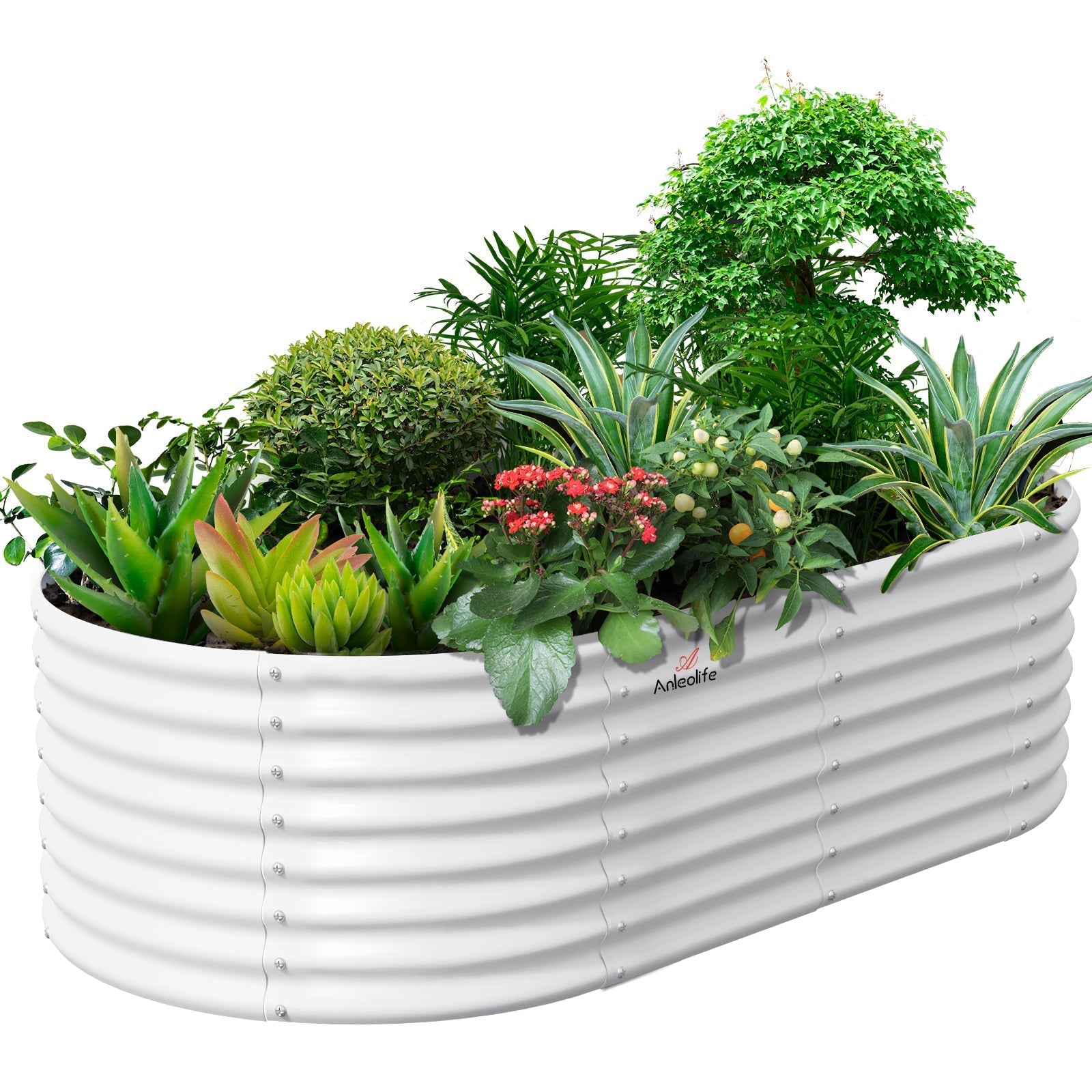
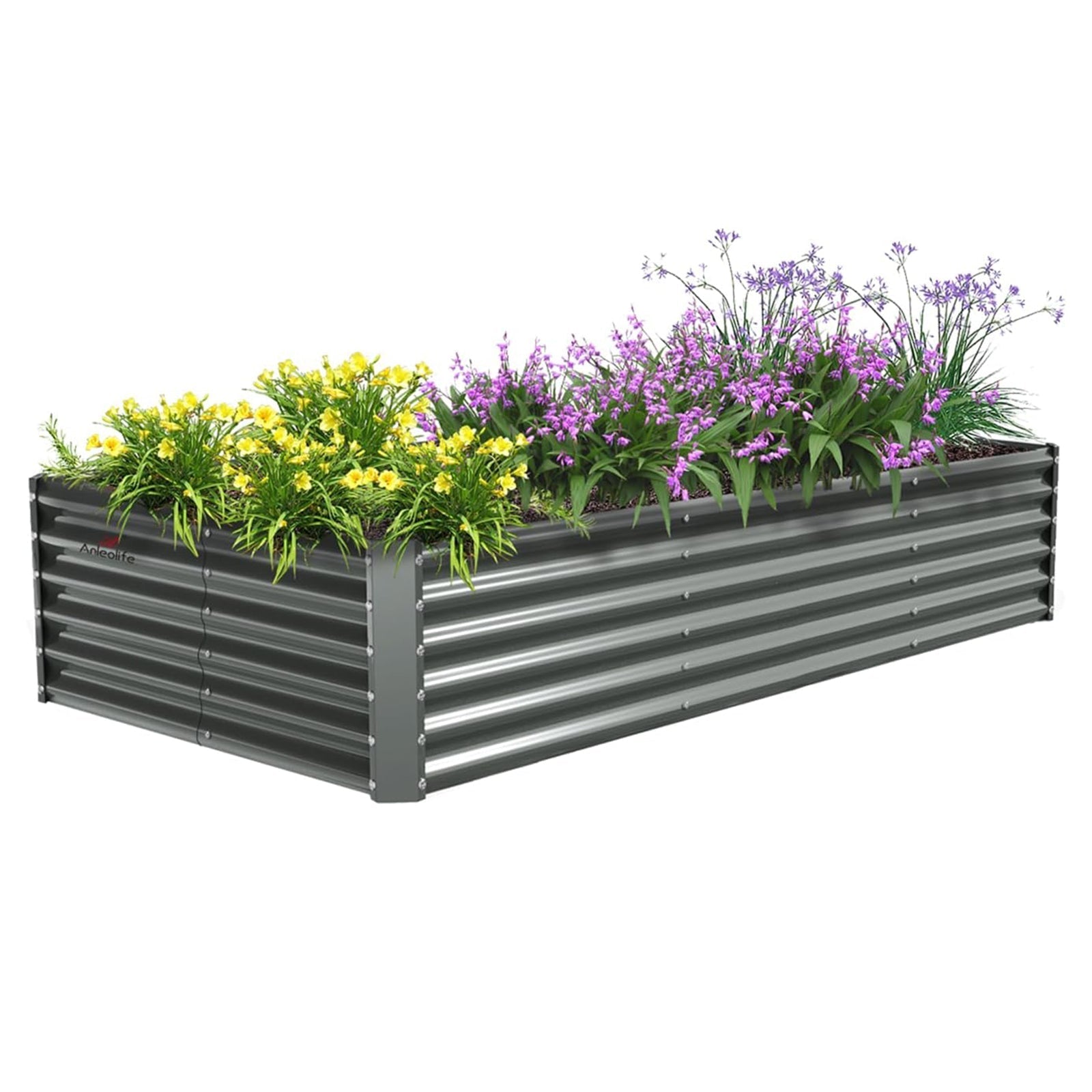
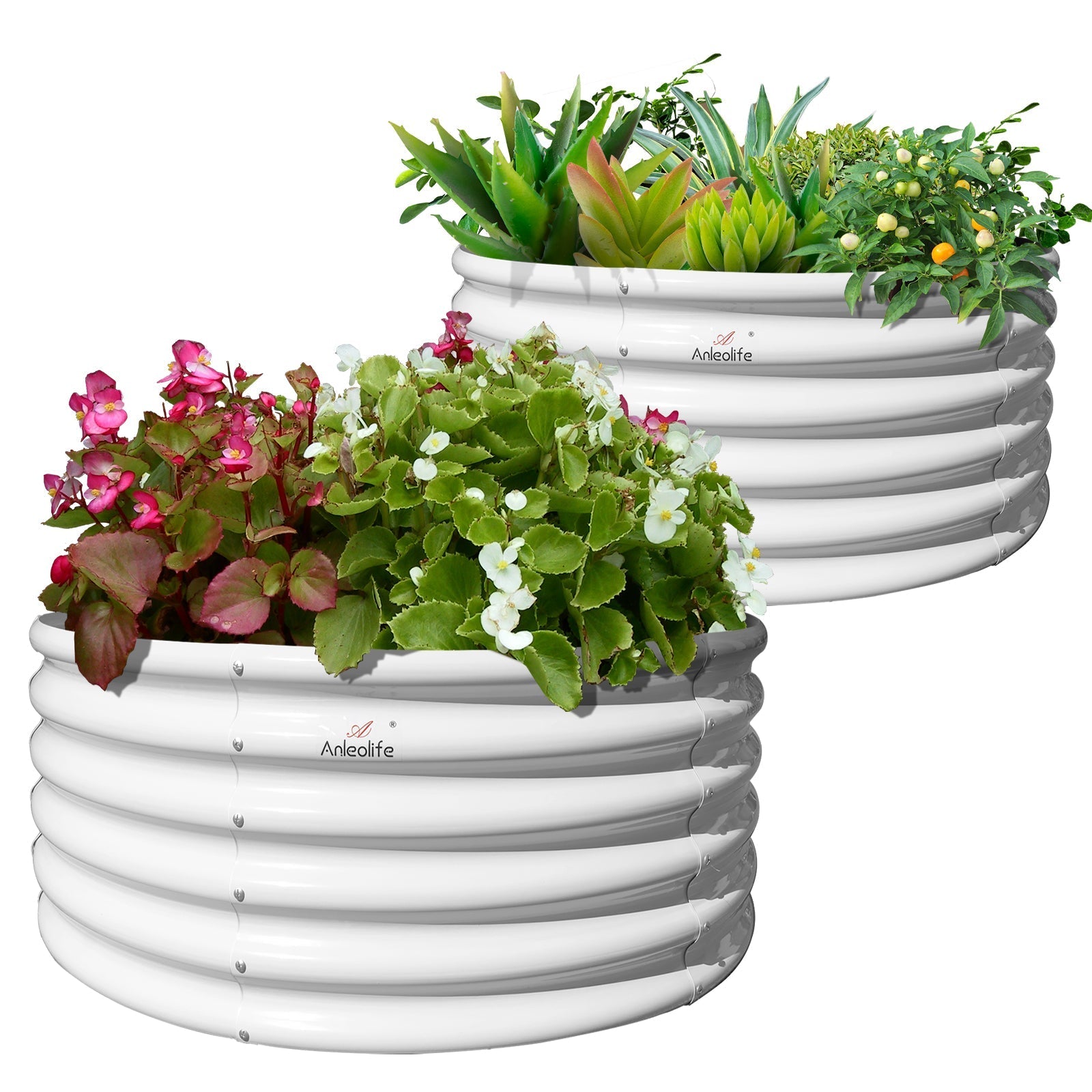
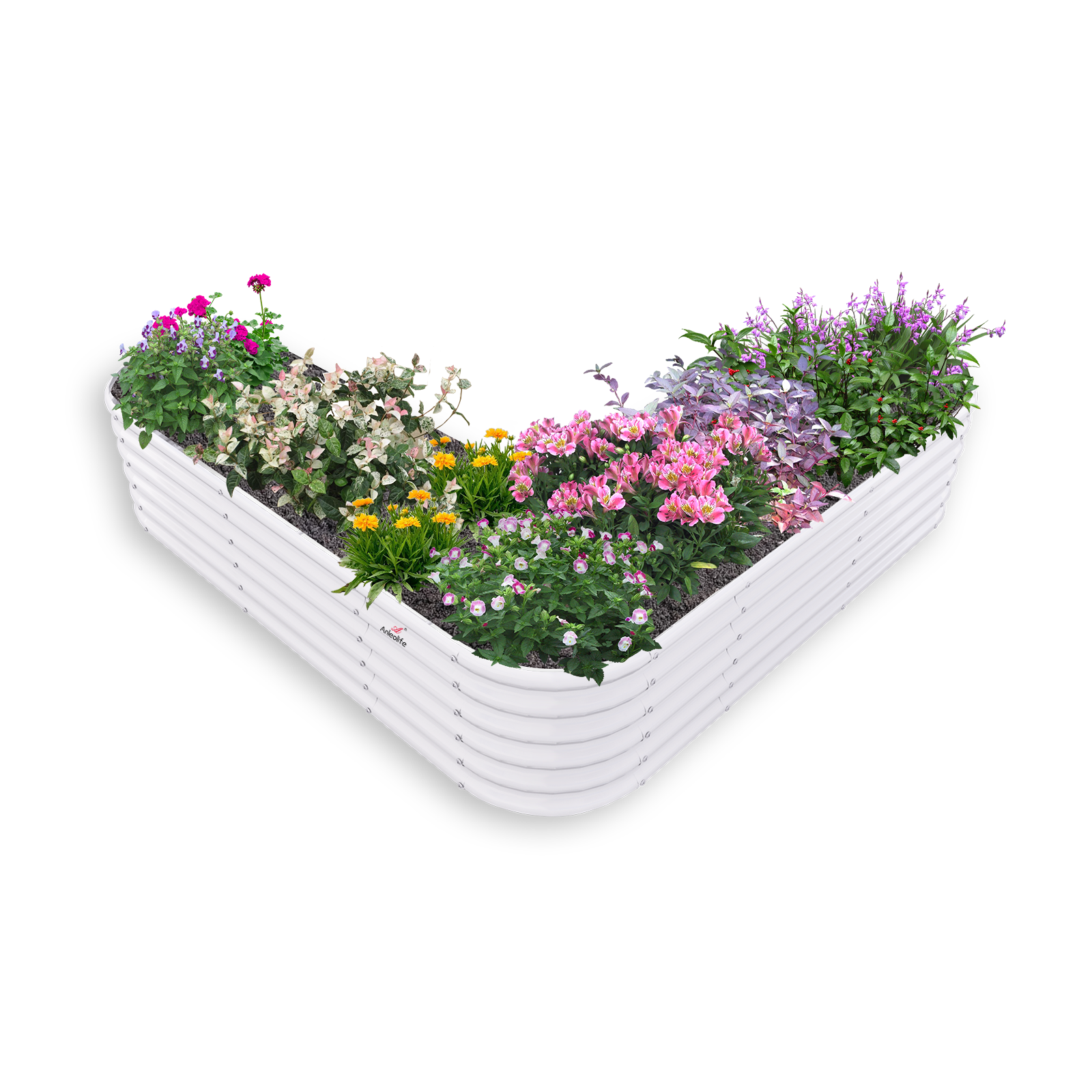
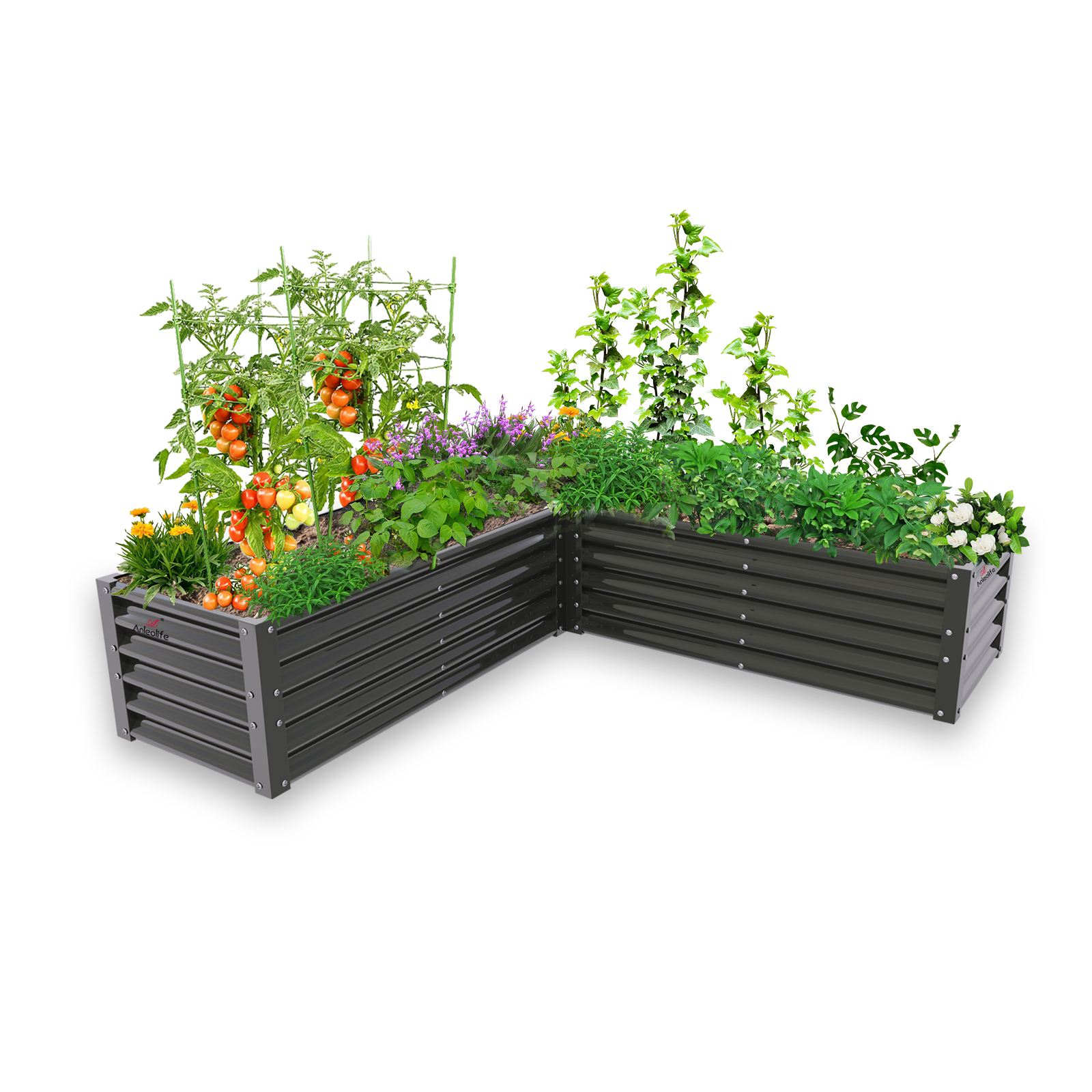
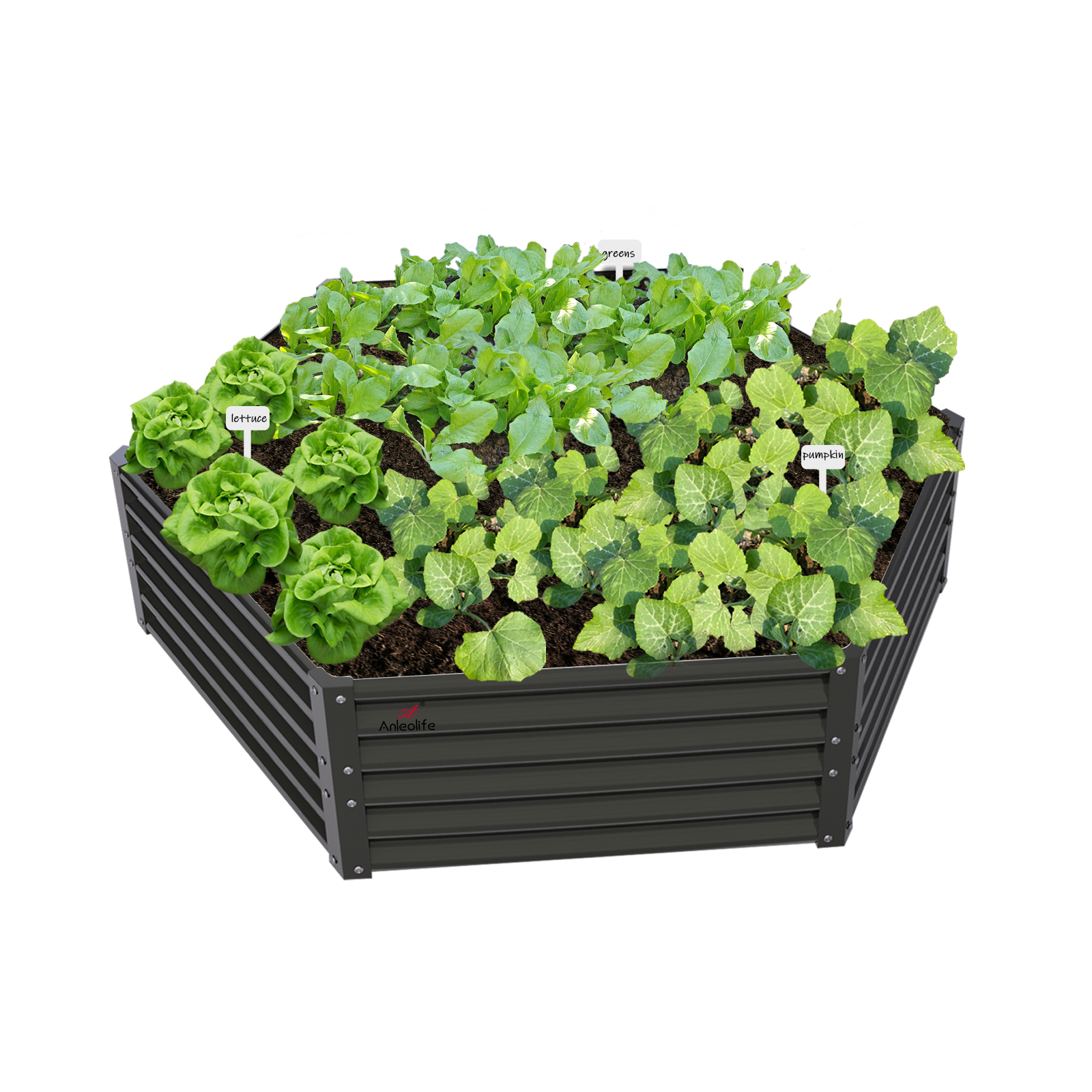
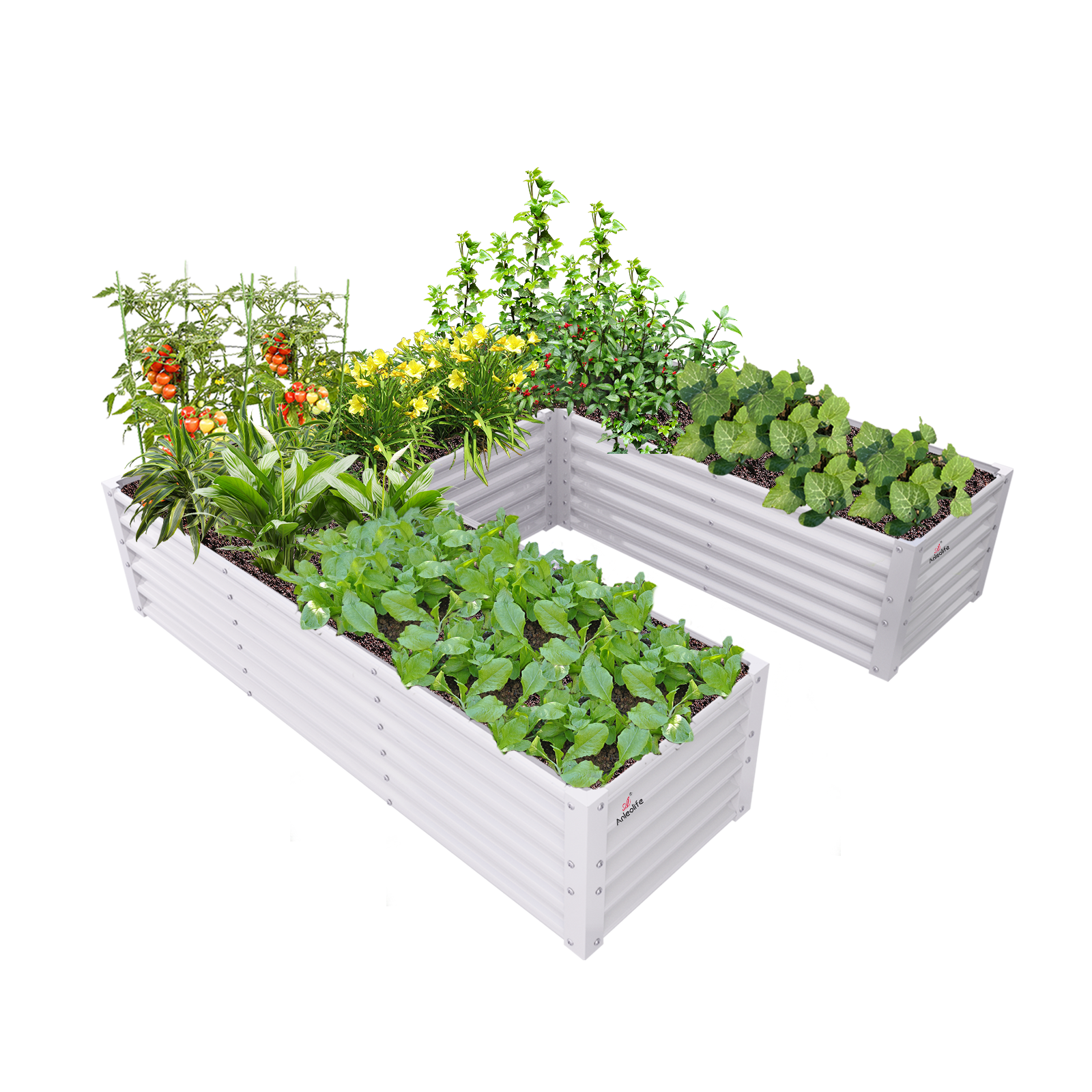

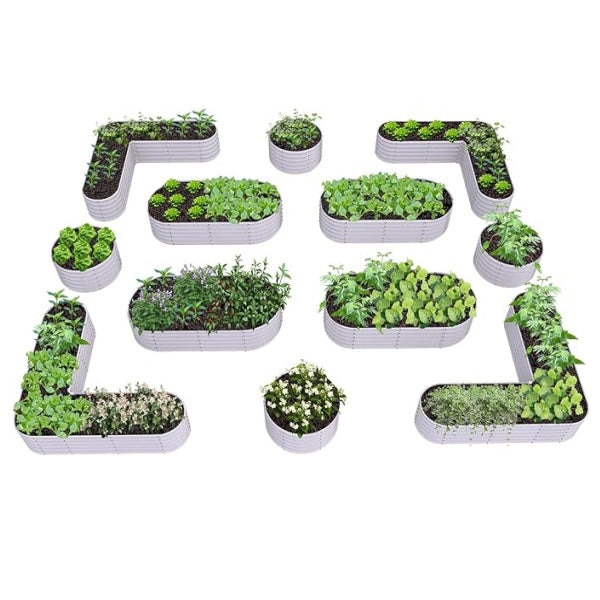

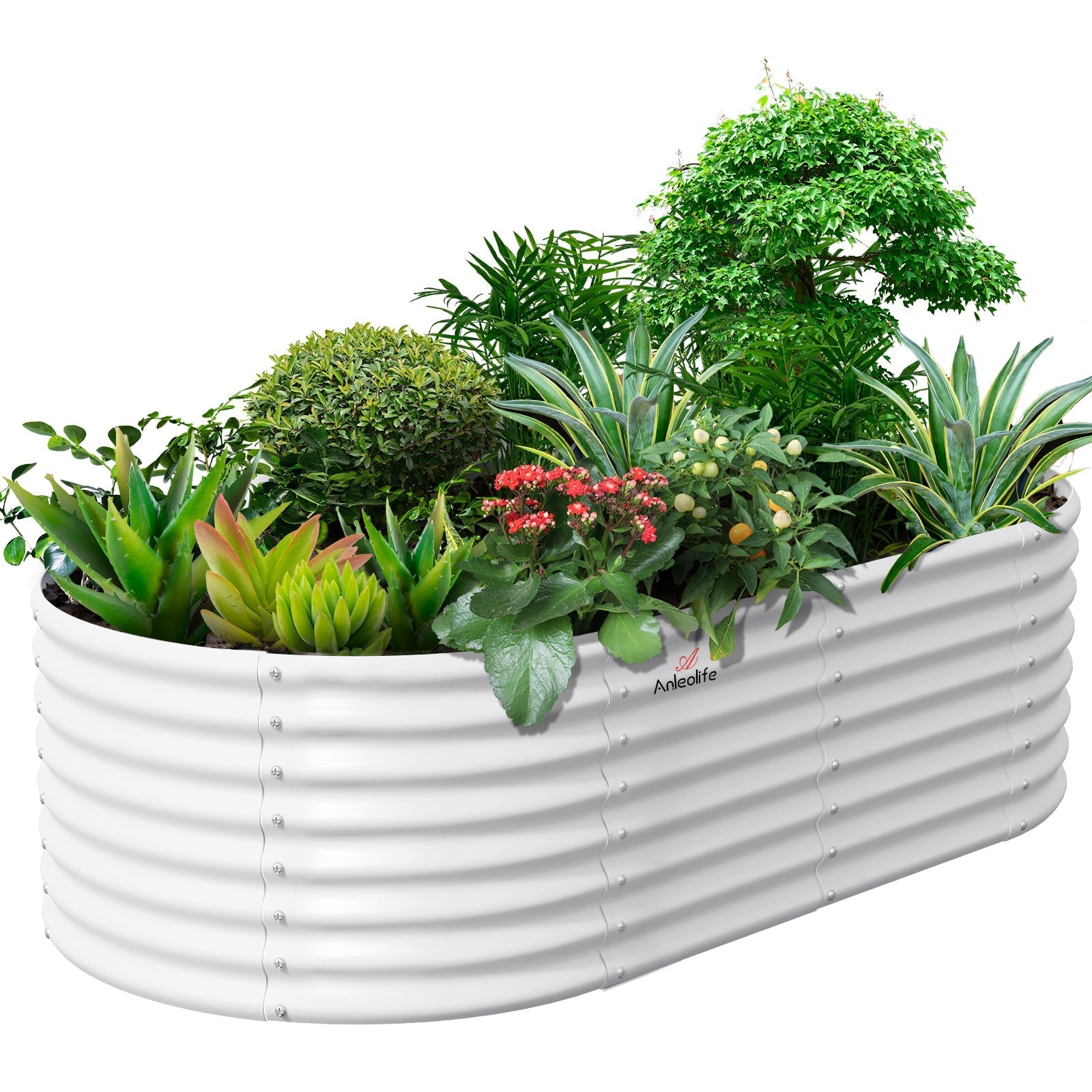

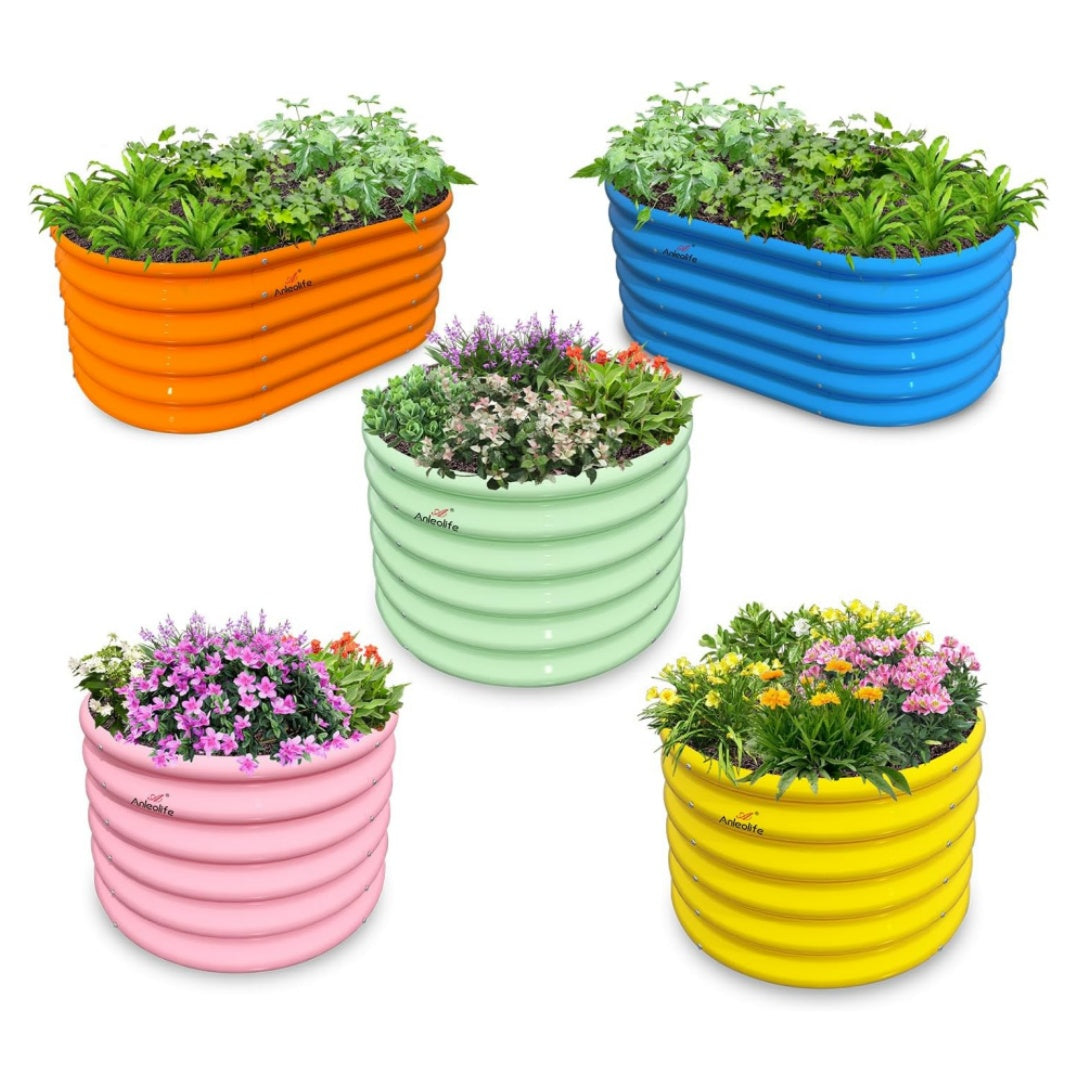
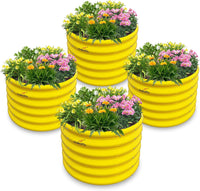
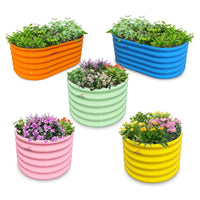
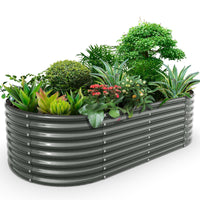



ALT: Best eco-friendly materials for raised garden beds in 2026, including galvanized steel and sustainable options
Why Eco-Friendly Materials for Raised Garden Beds Matter More Than Ever in 2026
Key Conclusion: Choosing the right eco-friendly materials for raised garden beds is no longer just a trend—it's a smart, health-conscious investment. Whether you're growing vegetables, herbs, or ornamental plants, the material you select directly affects soil health, plant safety, long-term durability, and your environmental footprint. In 2026, homeowners and urban growers have more material options than ever, but not all are created equal. This guide breaks down the best choices so you can garden sustainably without compromise.
The conversation around sustainable home gardening has matured significantly over the past few years. More families are asking not just "What can I grow?" but "What am I growing in?" The materials surrounding your soil can leach chemicals, harbor pests, degrade quickly, or—on the positive side—last for decades while supporting a healthier ecosystem.
This article covers three key themes: understanding what makes a garden bed material truly eco-friendly, comparing the top contenders available in 2026, and helping you identify the best raised garden beds for vegetables and other plants based on your specific situation. Whether you're a first-time container gardener, an eco-conscious urban grower, or a retiree looking to reduce physical strain while maximizing yield, this guide is built for you.
Who Should Read This Guide on Eco-Friendly Raised Garden Bed Materials
✅ Applicable Scenarios:
- Homeowners looking to grow organic vegetables and herbs without chemical contamination from bed materials
- Urban micro-gardeners or apartment dwellers using container gardening setups on patios, balconies, or rooftops
- Eco-conscious families seeking long-lasting, low-maintenance garden infrastructure that reduces waste over time
- Empty nesters and retirees who want ergonomic, taller raised beds that minimize bending and physical strain
- Anyone considering upgrading from rotting wood or rusting low-quality metal beds to a more durable solution
❌ Not Applicable/Cautions:
- Gardeners in rental properties where permanent installation or soil excavation is not permitted—always check with your landlord before building raised beds
- Those growing in regions with extreme soil acidity or alkalinity without first testing how material choices interact with local soil chemistry
- Gardeners assuming all "natural" materials are automatically safe—some treated woods, for example, can leach harmful compounds into growing soil
The 2026 Landscape: Why Eco-Friendly Garden Bed Materials Are Trending
The raised bed gardening movement has been accelerating steadily, and the materials market has followed. According to the National Gardening Association, food gardening participation in U.S. households has grown significantly in recent years, with millions of new home growers entering the space each year. This surge has created intense demand for garden infrastructure—and with it, a sharper focus on what that infrastructure is made of.
In 2026, three major forces are reshaping how consumers choose raised bed materials:
Environmental awareness is at an all-time high. Gardeners are increasingly aware that even their choice of garden hardware has a carbon footprint. Products made from virgin plastics, chemically treated lumber, or non-recyclable composites are facing consumer pushback. Shoppers want materials that align with their values—low-impact manufacturing, recyclability, and longevity.
Food safety concerns are driving a preference for inert, non-leaching materials. The debate around arsenic in older pressure-treated wood, or BPA in certain plastics, has made many home growers skeptical of cheap or unclear materials. When you're growing food for your family, what your bed is made of matters as much as what you put in the soil.
Durability economics are changing the conversation. More consumers now understand that a cheaper bed replaced every two to three years is both more expensive and more wasteful than a high-quality bed lasting two decades. This long-view thinking is elevating the perception of premium materials like galvanized steel, which can offer a lifespan of up to 20 years when properly manufactured.
The result? A clear pivot toward materials that balance ecological responsibility, food safety, and genuine long-term value.
Core Content: Comparing the Best Eco-Friendly Materials for Raised Garden Beds
Three Steps to Choosing the Right Eco-Friendly Garden Bed Material
Step 1: Define Your Primary Gardening Goal
Before comparing materials, clarify what you're growing and how long you plan to stay in your current home or garden space. Are you focused on growing the best raised garden bed vegetables like tomatoes, peppers, and kale? Or are you more interested in perennial herbs and ornamental plants? Edible gardens require extra scrutiny of material safety, while decorative beds may have more flexibility. This step typically takes 10–15 minutes of honest self-assessment and should inform every subsequent decision.
Step 2: Evaluate Your Site Conditions
Different materials perform differently depending on climate, moisture levels, and sun exposure. Wood degrades faster in humid, rainy environments. Certain plastics may become brittle in high-UV climates. Galvanized steel, by contrast, is engineered to resist rust, corrosion, and UV-related wear across a wide range of North American climates. Walk your garden space, note drainage patterns, measure available square footage, and assess how much direct sunlight the area receives daily before selecting your material.
Step 3: Calculate Total Cost of Ownership
Don't just look at the sticker price. Factor in expected lifespan, maintenance requirements, replacement frequency, and disposal costs. A bed that costs more upfront but lasts 20 years without requiring paint, sealant, or replacement panels is almost always more economical—and more sustainable—than a cheaper alternative that needs replacing every few seasons. Use this total-cost lens to compare your shortlisted materials honestly.
Material Comparison: Which Eco-Friendly Option Is Right for You?
With so many options on the market, it helps to see the leading materials compared side by side. Here's how the most popular eco-friendly raised bed materials stack up across the dimensions that matter most to home growers in 2026.
| Comparison Dimension | Galvanized Steel | Untreated Cedar/Redwood | Recycled Composite / Plastic Lumber |
|---|---|---|---|
| Eco-Friendliness | High – recyclable, long lifespan reduces waste | Moderate – natural but slow-growing resource | Variable – depends on recycled content percentage |
| Food Safety | High – modern food-grade zinc coatings are inert | High – untreated wood poses no chemical risk | Moderate – check for BPA-free certification |
| Lifespan | Up to 20 years | 5–10 years depending on climate | 10–15 years, may fade or crack over time |
| Maintenance Required | Very low – no painting or sealing needed | Moderate – may need occasional oiling or sealing | Low – resistant to moisture, no painting needed |
| Rust/Rot Resistance | Excellent – galvanized or rust-resistant coatings | Poor to moderate – prone to rot in wet climates | Good – does not rot, but may degrade in UV |
| Aesthetic Options | Wide range – modern, sleek, various heights | Classic natural look | Limited – often gray or brown tones |
| Assembly | Typically tool-free or simple panel system | Requires cutting, drilling, fasteners | Requires screws and basic carpentry |
| Best For | Long-term vegetable and herb production | Traditional garden aesthetics, shorter-term | Budget-conscious eco-buyers |
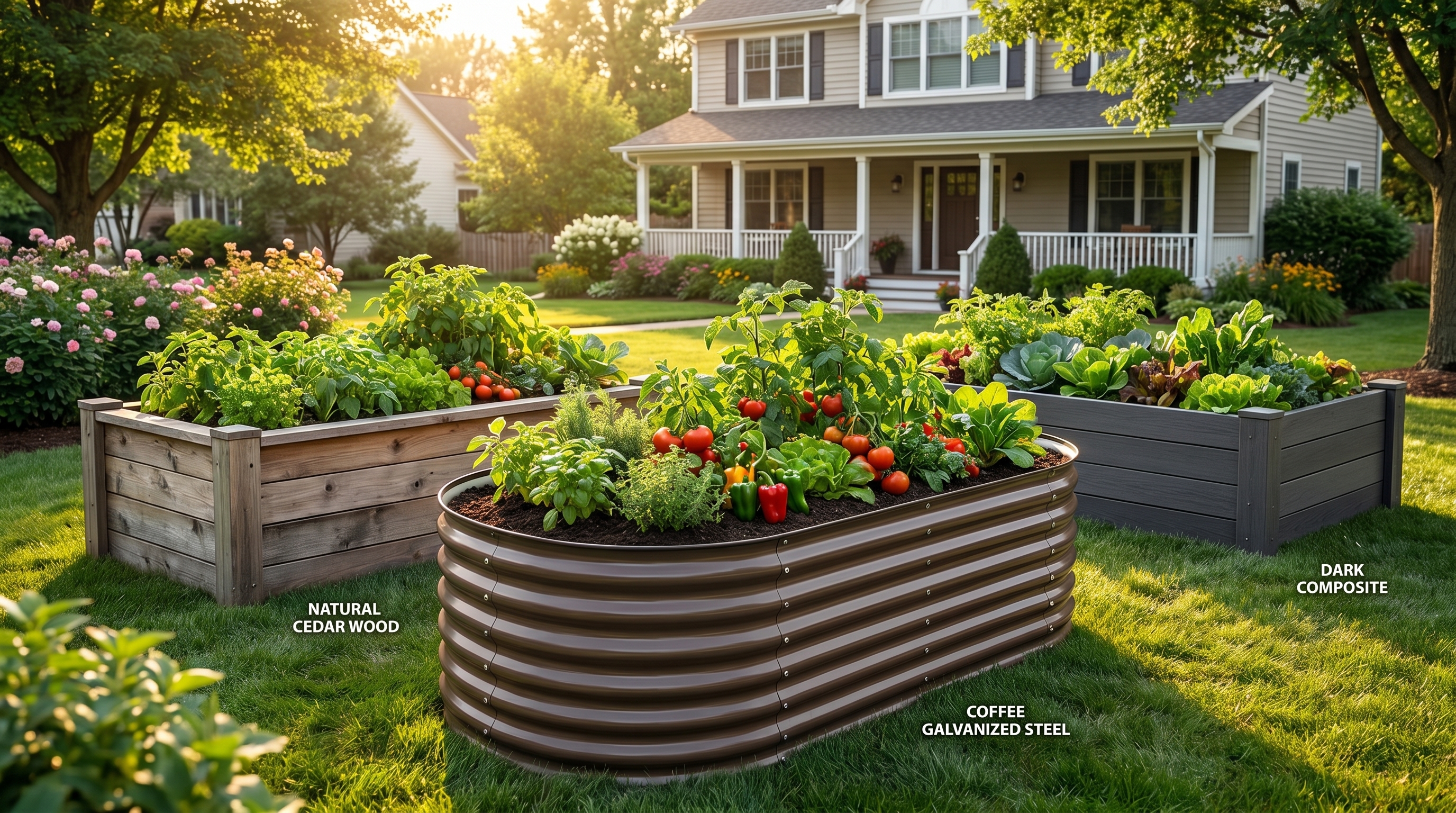
This comparison makes clear why galvanized steel has emerged as the frontrunner for eco-conscious gardeners prioritizing longevity and food safety. Let's explore each material in greater depth.
Deep Dive: The Best Eco-Friendly Materials Explained
Galvanized Steel – The Long-Term Sustainability Champion
When people think of metal garden beds, concerns about rust or chemical leaching sometimes come to mind. But galvanized steel has evolved significantly, and today's food-grade galvanized and rust-resistant coated options are among the safest, most durable, and genuinely eco-friendly choices available.
The core sustainability argument for galvanized steel is straightforward: a bed that lasts up to 20 years requires far fewer resources over its lifetime than a wooden bed replaced every 5–7 years. Steel is also one of the most recycled materials on the planet—at end of life, a galvanized steel bed can be fully recycled rather than sent to a landfill.
From a food safety standpoint, modern zinc coatings used in quality galvanized beds are considered inert at the trace levels that could potentially contact soil. Numerous studies and agricultural extensions have found that zinc, even if minimally present in soil near galvanized edges, is actually an essential micronutrient for plants—and the amounts involved are well within safe ranges for food crops.
Anleolife's galvanized steel raised garden beds exemplify this approach. Engineered for durability and designed with the home gardener in mind, their beds are available in a wide range of sizes and heights—from compact 12x3 ft configurations ideal for smaller patios, to extra-tall 30-inch options that reduce the need to kneel or bend. The 35-inch waist-high model is particularly popular among seniors and gardeners with mobility considerations.
For those prioritizing rust resistance above all else, Anleolife also offers a dedicated line of rust-resistant raised garden beds, available in multiple footprints and heights. These are particularly well-suited to humid climates in the Southeast or Pacific Northwest, where moisture management is a consistent challenge.
What truly sets quality galvanized steel beds apart is the combination of structural rigidity, weather resistance, and design versatility. Whether you're building a dedicated vegetable garden, a companion planting arrangement, or a tiered ornamental display, steel beds can be configured to match.
Untreated Cedar and Redwood – The Classic Natural Choice
For gardeners who love the organic aesthetic of natural wood, untreated cedar and redwood remain strong eco-friendly options—with important caveats. Both woods contain natural oils that provide some resistance to rot and insects, making them safer for vegetable gardens than pressure-treated lumber.
The eco-friendliness of wood beds, however, is conditional. Cedar and redwood are relatively slow-growing species, meaning high demand can strain forestry resources if not sourced from responsibly certified suppliers. Always look for FSC (Forest Stewardship Council) certified lumber to ensure your wood was harvested sustainably.
Lifespan is the other major consideration. Even high-quality cedar in a moderate climate will typically last 7–10 years before structural integrity begins to degrade. In humid, rainy regions, that timeline shortens. When the bed begins to decompose, replacing it generates both waste and additional cost—the opposite of the low-impact gardening most eco-conscious growers are aiming for.
Wood beds are best suited to gardeners who value aesthetics and plan to replace or upgrade their garden layout within a decade. They're less ideal as a permanent, long-term infrastructure investment.
Recycled Composite and Plastic Lumber – The Second-Life Solution
Composite materials made from recycled plastics and wood fibers offer an interesting middle ground. They divert waste from landfills and perform well in moisture-heavy environments where natural wood would quickly rot. Many composite bed kits are also remarkably easy to assemble, making them appealing for beginner gardeners.
The main concerns with composite materials center on consistency and food safety. Quality varies dramatically between manufacturers. Lower-quality products may contain chemical additives or colorants that could potentially interact with moist soil over time. Always choose composite beds explicitly marketed as BPA-free and food-safe if you plan to grow edibles.
Aesthetically, composite beds have improved considerably but still tend to look less premium than either natural wood or modern steel. For gardeners prioritizing function over form and working with a tighter budget, they remain a viable eco-friendly option.
What About Corten Steel and Concrete?
Two materials sometimes mentioned in eco-gardening discussions are Corten (weathering) steel and concrete or stone raised beds. Corten steel develops a natural oxide patina that actually protects the underlying metal without paint or coatings, making it a highly durable option. However, it's typically more expensive and heavier, making it better suited to permanent installations by experienced gardeners.
Concrete and stone beds are exceptionally durable but raise concerns about alkalinity affecting soil pH over time, and their weight makes them impractical for most home gardeners. They're better classified as hardscape features than flexible growing infrastructure.
A Note on Container Gardening for Trees
Many gardeners also ask about the best planters for trees and container gardening tree pots materials—a related but distinct category. For trees grown in containers, the material considerations shift toward weight, breathability, and insulation. Fabric grow bags offer excellent aeration and are a popular eco-friendly choice for dwarf fruit trees. Large galvanized steel containers, when sized appropriately, can also serve as attractive and durable tree planters, offering the same longevity benefits as raised beds while providing a bold visual statement in the landscape.
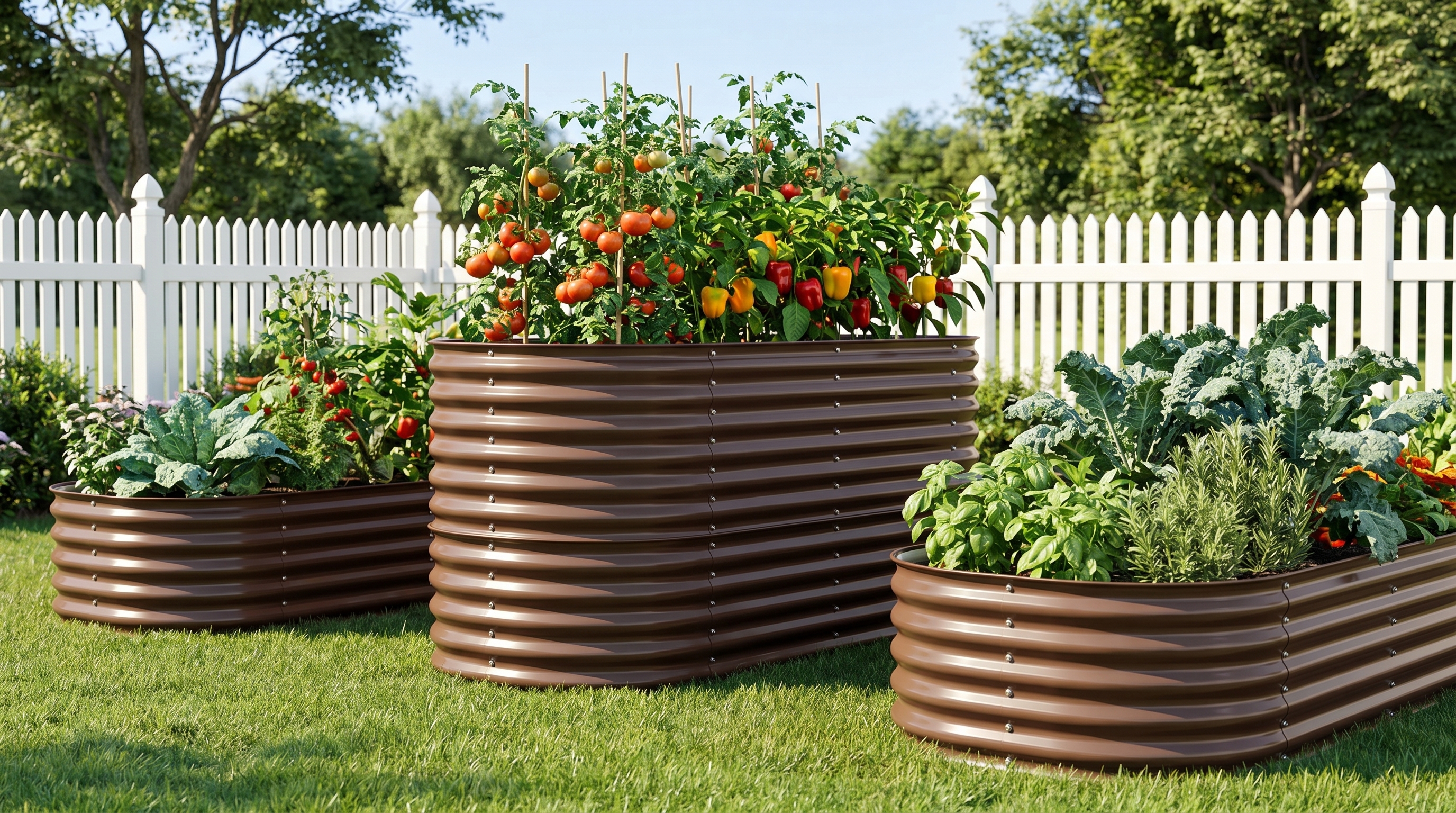
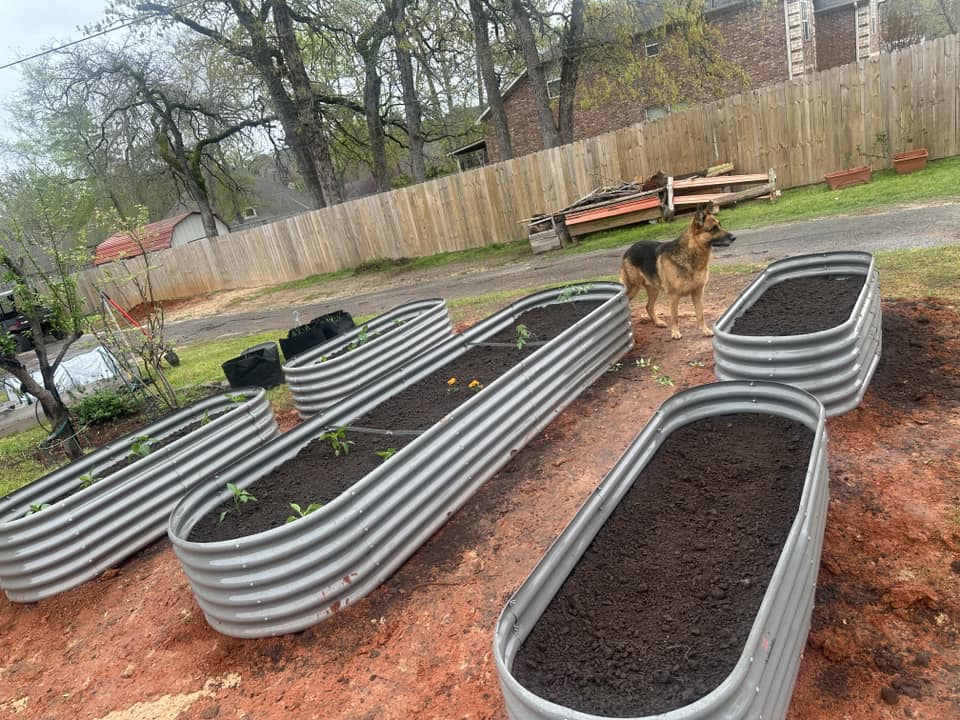
ALT: Anleolife galvanized steel raised garden beds with vegetables growing in eco-friendly backyard garden setup 2026
Advanced Insights: Misconceptions, Special Situations, and What to Watch For
Common Misconception: "All Metal Beds Are Unsafe for Vegetables"
This is one of the most persistent myths in the gardening community. The concern typically stems from older galvanized products that used lead-based coatings, or confusion with industrial-grade metals not intended for food contact. Modern galvanized steel beds from reputable manufacturers use zinc coatings that are stable, inert in typical garden soil conditions, and are not considered a risk for vegetable gardening. University extension programs across the U.S. have published guidance confirming that galvanized steel is safe for growing food crops.
Special Situation: Gardening in Very Hot or Very Cold Climates
Extreme temperatures can affect how all materials perform. In desert climates like Arizona or Nevada, metal beds can heat up significantly in direct summer sun, which may stress plant roots near the edges. This is easily managed by positioning beds to receive afternoon shade or using a thick layer of mulch to insulate roots. In cold northern climates, quality galvanized steel and composite beds both maintain structural integrity through freeze-thaw cycles far better than wood, which can warp, crack, and degrade rapidly with seasonal moisture changes.
Special Situation: Galvanized Steel vs. Other Brands
When evaluating Anleolife galvanized steel raised beds vs other brands, the key differentiators to examine are coating quality (food-grade vs. industrial-grade zinc), structural thickness, available size range, and post-purchase support. Many imported beds marketed as "galvanized" use minimal coatings that fail within a few seasons. Anleolife's beds are built to a standard that supports a 20-year lifespan, which is the benchmark that separates genuine long-term value from short-term cost savings.
Relationship with Organic Certification
If you're growing certified organic produce, the materials used in your garden infrastructure can sometimes be scrutinized depending on your certifying body. While most home growers don't need formal certification, it's worth knowing that untreated wood and food-grade galvanized steel are generally compatible with organic gardening principles, while some composite materials with chemical additives may not align with the strictest organic standards.
Frequently Asked Questions FAQ
Q1: How do I know if a galvanized steel raised bed is safe for growing vegetables?
Look for beds that explicitly state food-grade zinc coatings and are marketed for food production use. Reputable brands will be transparent about their coating materials and manufacturing standards. University agricultural extensions in multiple U.S. states have reviewed galvanized steel for vegetable gardening and found it to be safe when products meet quality standards. Avoid industrial-grade galvanized materials not intended for garden use, and always purchase from established garden brands with verifiable quality claims.
Q2: Are recycled composite raised garden beds truly eco-friendly?
Recycled composite beds divert plastic waste from landfills, which is genuinely valuable—but the eco-friendliness depends heavily on what percentage of the material is actually recycled, and whether any harmful additives or colorants are used in manufacturing. Look for products with high recycled content percentages, BPA-free certifications, and no added chemical stabilizers. Compared to a quality galvanized steel bed with a 20-year lifespan, most composite beds will still require replacement sooner, meaning more cumulative resource use over a long gardening timeline.
Q3: How long do different raised bed materials typically last, and which offers the best long-term value?
Untreated cedar and redwood beds typically last 5–10 years depending on climate and moisture. Recycled composite beds can last 10–15 years but may fade or develop surface cracks over time. Quality galvanized steel raised garden beds, such as those offered by Anleolife, are engineered for a lifespan of up to 20 years—making them the clear leader in long-term value. When you factor in the cost and effort of replacing a cheaper bed every few years, the investment in a high-quality steel bed pays for itself while generating significantly less waste.
Summary
Choosing eco-friendly materials for your raised garden beds in 2026 comes down to three non-negotiable factors: food safety, environmental impact, and genuine durability.
Natural wood options like untreated cedar offer a classic aesthetic and pose no chemical risk, but their shorter lifespan and demand on slow-growing forest resources make them a moderate rather than ideal eco-choice. Recycled composite materials score points for diverting plastic waste but require careful vetting for food safety and consistent quality. Galvanized steel—particularly food-grade, rust-resistant versions—stands out as the most comprehensively sustainable choice, combining a 20-year lifespan, full recyclability at end of life, minimal maintenance, and confirmed safety for growing vegetables and herbs.
Your next steps:
- Assess your site – soil conditions, climate, available space, and whether you're growing edibles or ornamentals
- Calculate total cost of ownership – don't let a lower upfront price mask higher lifetime costs and environmental impact
- Choose quality over economy – in raised bed materials, longevity is the most powerful form of sustainability
The best garden bed is one that grows with you for decades—requiring less intervention, generating less waste, and supporting healthier harvests season after season.
Call to Action
Ready to upgrade your garden with materials that genuinely last? Anleolife supports your gardening journey from the ground up—literally.
Nationwide U.S. warehouse network: Strategically located in California, Texas, Florida, New York, Illinois, and Washington, Anleolife ensures delivery within 3–8 business days—so your garden plans move forward on your schedule, not ours.
Multi-channel availability: Shop Anleolife raised garden beds on Amazon, Walmart, Home Depot, Lowe's, Wayfair, or directly at Anleolife.com for consistent quality and dedicated after-sales support wherever you prefer to shop.
Three complete garden scenarios: Whether you're focused on Planting (metal raised garden beds, soil systems), Raising (chicken coops, rabbit hutches), or Beautification (decorative accessories, pathway systems), Anleolife's full-scenario ecosystem covers every need from pure function to aesthetic excellence.
We understand that an ideal garden isn't built overnight—it evolves. Anleolife's modular product design lets you start with a single raised bed and expand into a fully integrated garden ecosystem at whatever pace suits your life. From your first 8x4 ft galvanized bed to a complete planting-and-raising setup, we grow alongside you every step of the way.
References
- National Gardening Association. "Garden to Table: A Guide to Growing Food at Home".
https://garden.org/ - University of Minnesota Extension. "Raised Bed Gardening".
https://extension.umn.edu/how/raised-bed-gardening - U.S. Environmental Protection Agency (EPA). "Grow Your Own Vegetables: Safe Gardening Practices".
https://www.epa.gov/ - Forest Stewardship Council. "FSC Certification and Sustainable Forestry Standards".
https://us.fsc.org/ - UC Agriculture and Natural Resources. "Sustainable Home Vegetable Gardening".
https://ucanr.edu/
Note: Standards and recommendations may be updated. Please check the latest official documents or consult professional advisors for the most current guidance.
About Anleolife
Anleolife is a leading outdoor garden solutions provider in North America, dedicated to offering a full-scenario product ecosystem for home gardening enthusiasts, covering planting, raising, and garden beautification. Since its founding, we have upheld our brand mission, "Made for Garden Life," continuously innovating products and optimizing services to help hundreds of thousands of users upgrade their gardens, reconnect with nature, and enjoy a better garden lifestyle.