


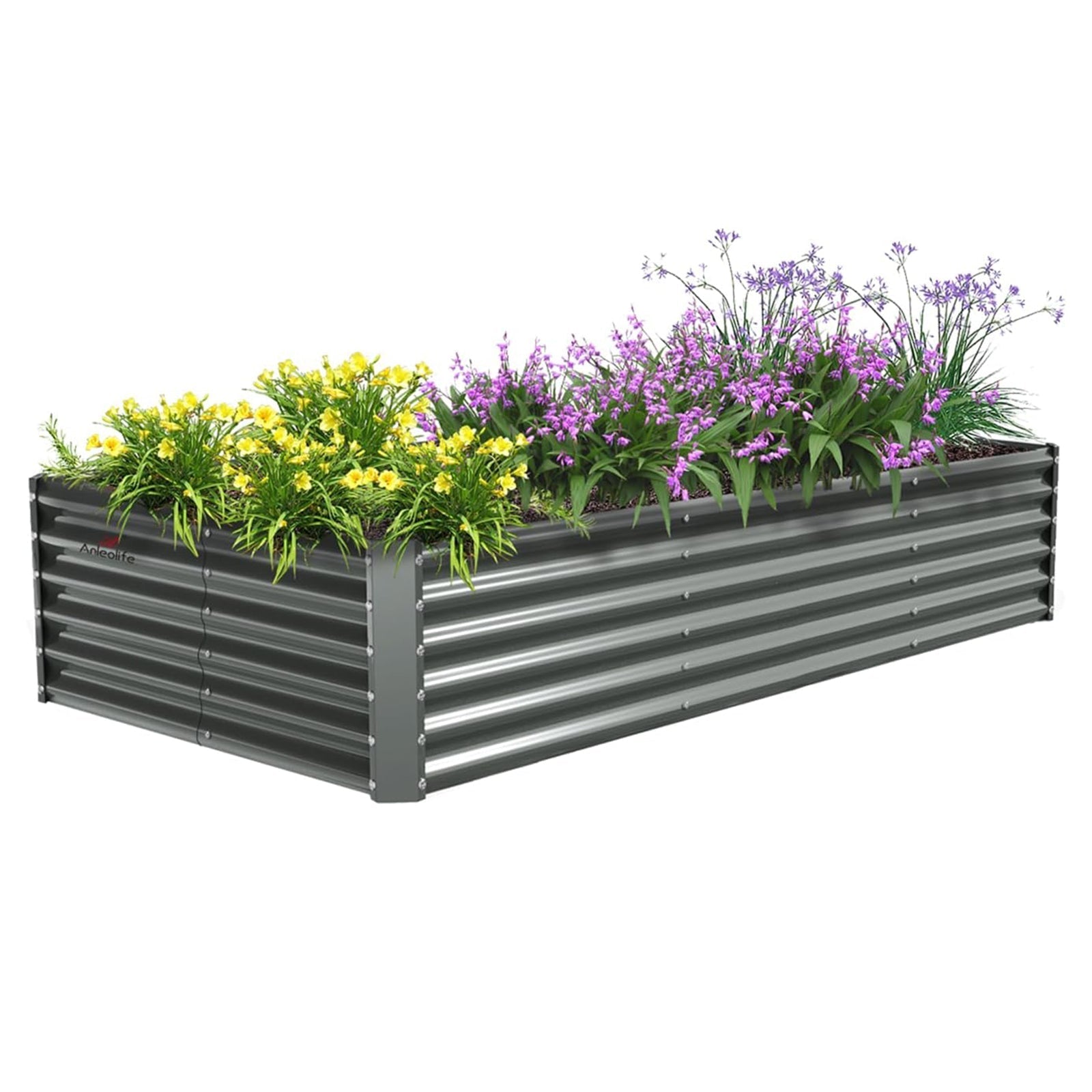

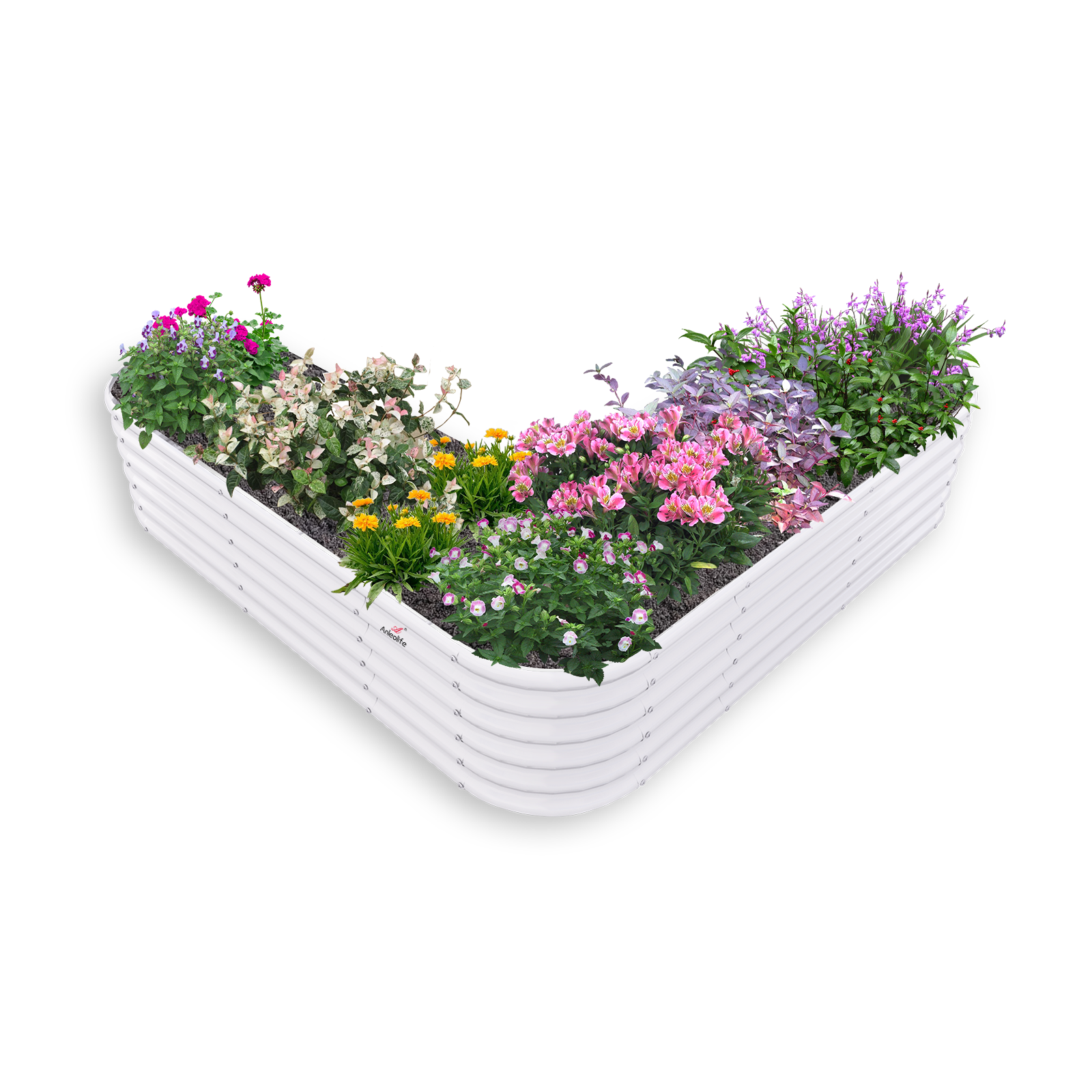
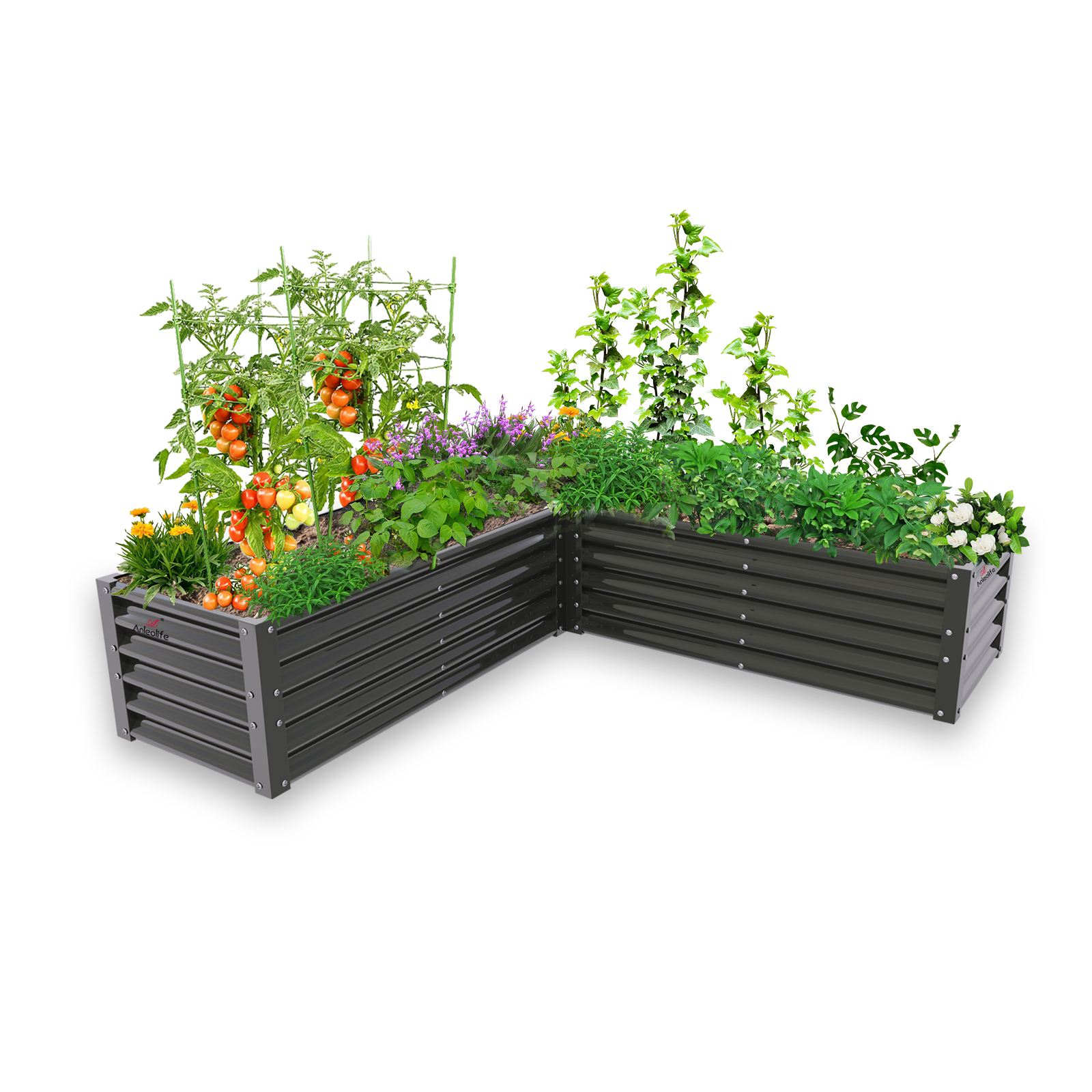
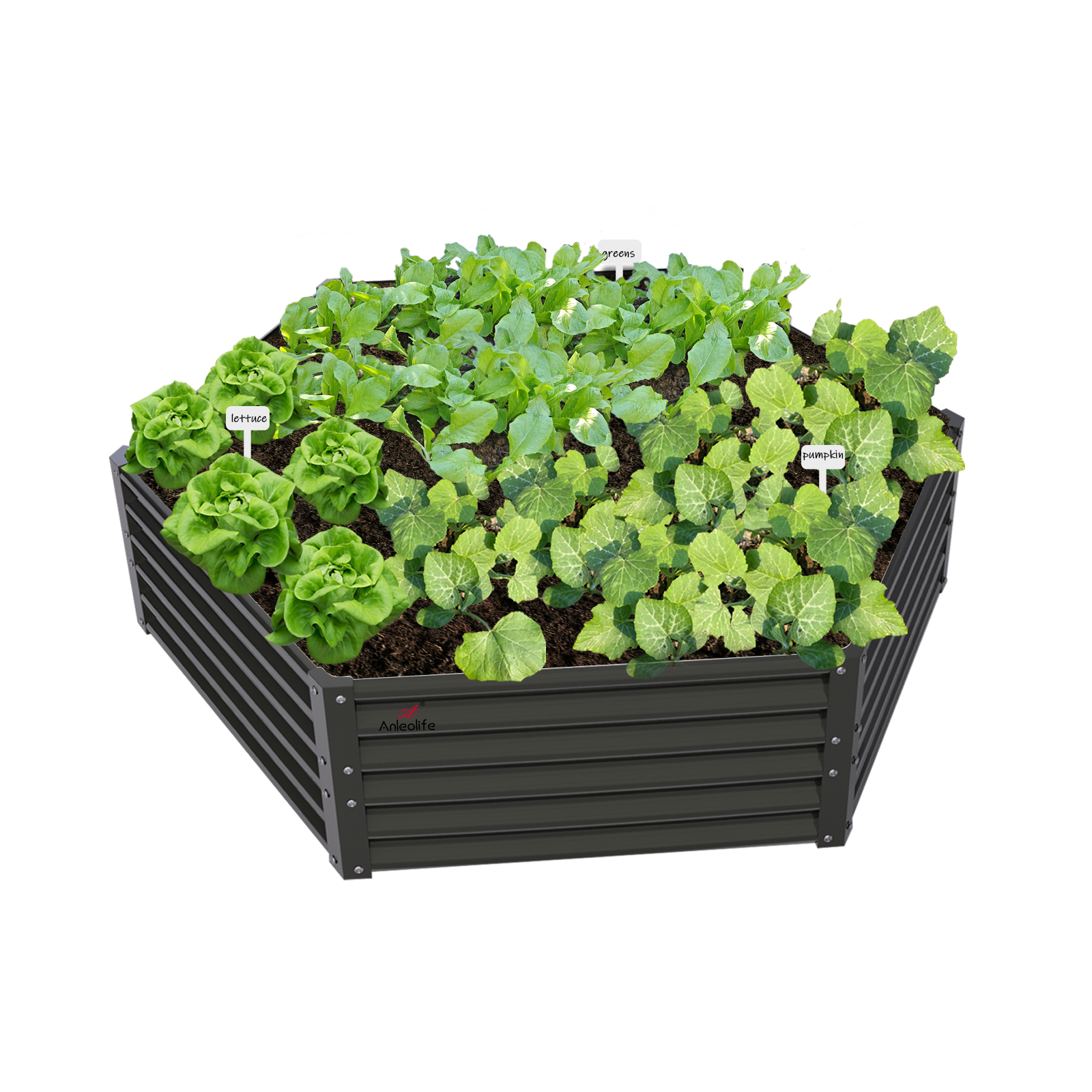
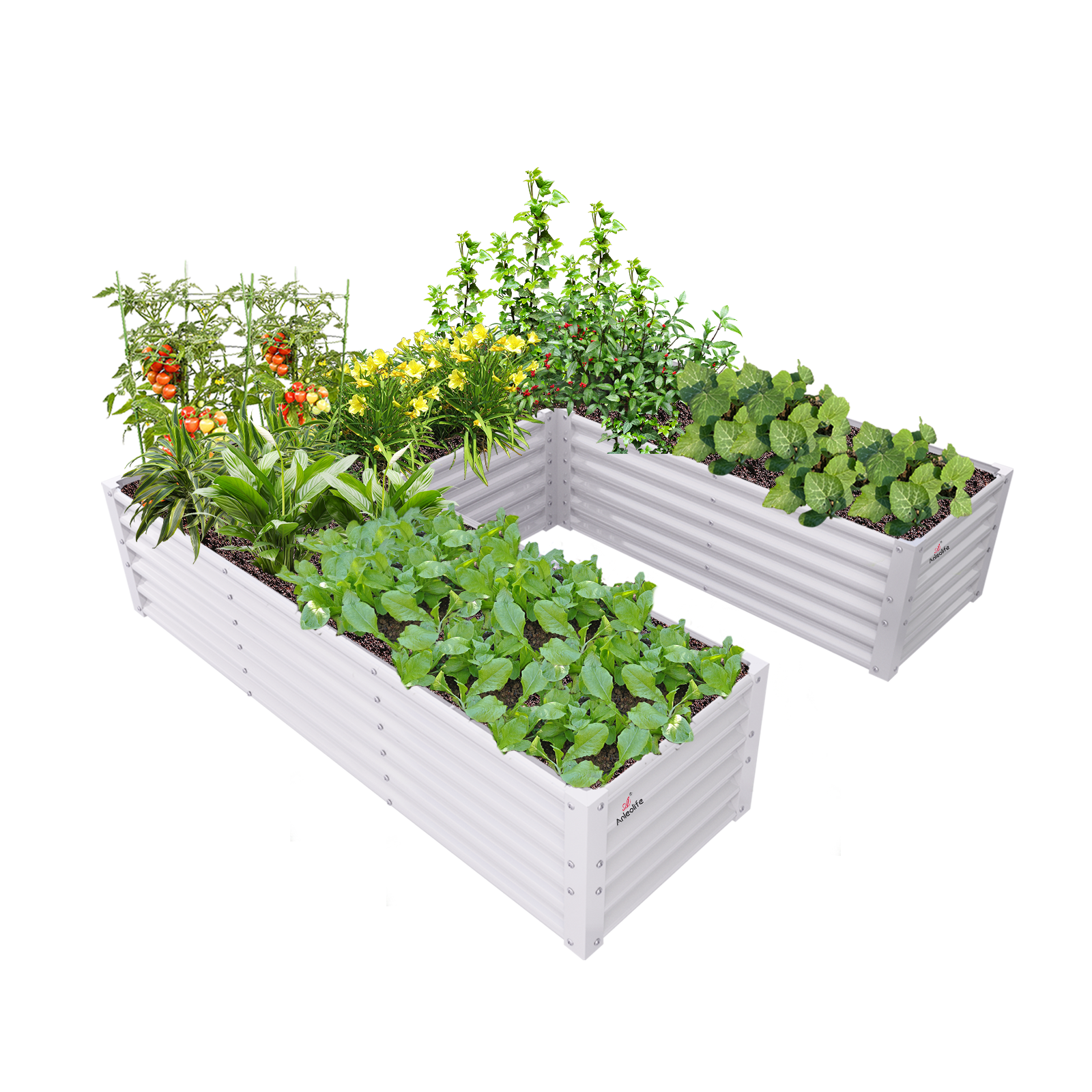

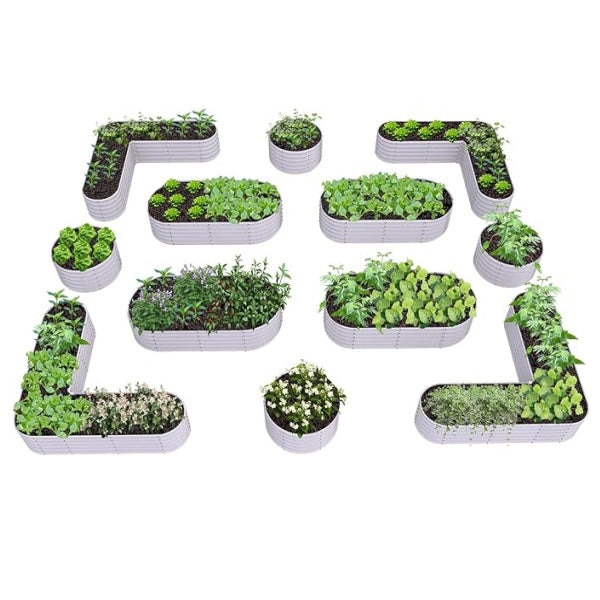


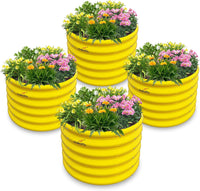
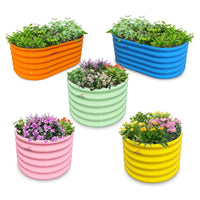
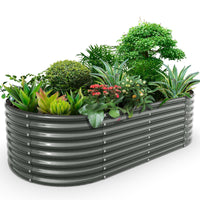



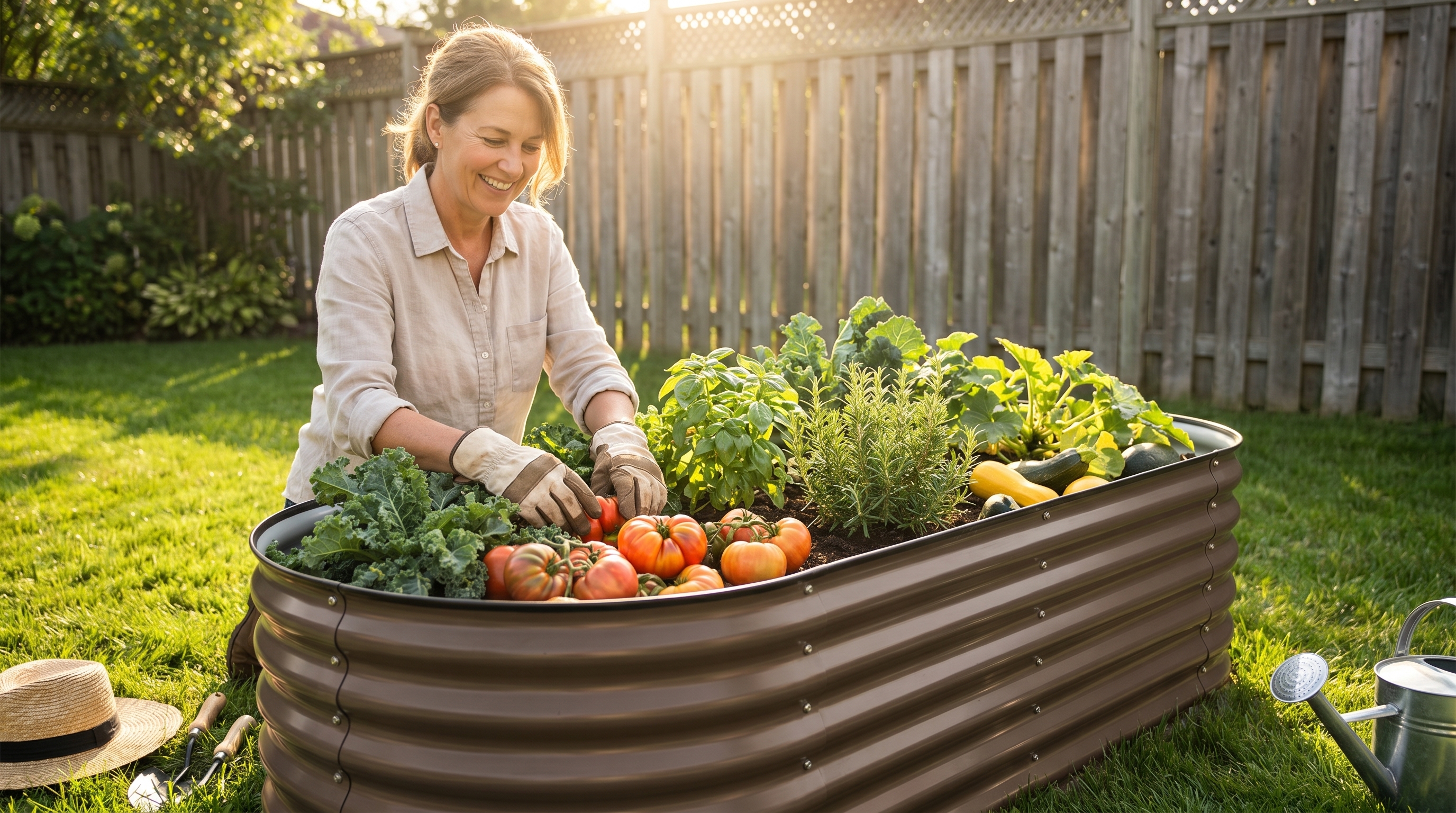
ALT: Person gardening in raised metal garden bed on sunny summer day, promoting health and wellness outdoors
5 Reasons Gardening Is the Best Thing You Can Do for Your Health This Summer
Key Conclusion: Summer is the perfect season to reconnect with nature—and your own well-being. Gardening delivers a surprisingly complete health package: physical exercise, mental clarity, nutritious food, and community connection, all wrapped up in one rewarding hobby. Whether you're tending raised beds, expanding into a backyard raising setup, or adding charm with garden beautification touches, the act of growing something has measurable, science-backed benefits for your body and mind. This summer, your garden might just be the best health investment you make.
Gardening has surged in popularity over recent years, and for good reason. More Americans than ever are turning to their backyards, patios, and balconies as personal wellness retreats. The benefits aren't just anecdotal—research consistently confirms that regular time spent gardening improves physical fitness, reduces stress hormones, supports mental health, and encourages healthier eating habits.
In this article, we'll explore five compelling, evidence-based reasons why gardening should be your go-to health activity this summer. We'll also share practical tips to get the most out of your garden setup, including the best soil choices, recommended materials, and how to design a space that works for your lifestyle—whether you have a sprawling backyard or a compact urban patio.
Who Should Read This: Applicable Scenarios for a Healthy Garden Lifestyle
✅ Applicable Scenarios:
- Home growers and health-conscious families looking to grow their own food and reduce reliance on store-bought produce
- Urban micro-gardeners and apartment dwellers working with small footprints who want maximum benefit from a compact garden setup
- Empty nesters and retirees seeking a low-impact, fulfilling physical activity that also nurtures mental well-being
- Eco-conscious individuals who want sustainable hobbies that reduce their environmental footprint and connect them with nature
❌ Not Applicable/Cautions:
- Those with severe physical limitations or mobility restrictions should consult a healthcare provider before undertaking intensive garden work (though raised beds can significantly reduce strain)
- Renters with no outdoor access may find full-scale garden setups challenging, though container gardening and compact raised beds are viable alternatives worth exploring
Why Summer Gardening Is Having a Wellness Moment
The wellness gardening trend isn't just a pandemic-era blip—it's a cultural shift with roots in both science and lifestyle evolution. According to the National Gardening Association, participation in food gardening in the U.S. has grown significantly over the past decade, with millions of households now maintaining some form of edible garden.
Part of this growth stems from a growing awareness of where our food comes from. As consumers become more health-oriented, the appeal of stepping outside, digging in the soil, and harvesting food you grew yourself becomes increasingly powerful. Summer, with its long daylight hours and warm temperatures, is prime time to make the most of that impulse.
But the health benefits of gardening extend well beyond the produce you harvest. Increasingly, therapists, physicians, and wellness coaches are recommending horticultural therapy—structured gardening activities used to improve physical and mental health outcomes—as a legitimate wellness modality. Whether you're a weekend warrior with a few raised beds or a dedicated grower with a full backyard setup, gardening meets you where you are.
What makes summer particularly special is the combination of sunlight, warmth, and biological abundance. Plants grow faster, there's more to do, and the sensory rewards—color, fragrance, texture, taste—are at their peak. This sensory richness is itself a component of the health benefit, activating the parasympathetic nervous system and promoting a state of calm, focused engagement.
For those just getting started, understanding which materials, soils, and tools work best can make the difference between a frustrating struggle and a deeply rewarding experience. We'll cover those practical considerations alongside each health benefit.
5 Reasons Gardening Transforms Your Health This Summer
Quick Start: Get Your Garden Health Journey Going in 3 Steps
Step 1: Choose Your Garden Format
Before you dig into the health benefits, you need a functional setup. The first decision is choosing between in-ground planting, container gardening, or raised beds. For most home growers—especially those with limited mobility, poor native soil, or small spaces—raised garden beds are the top recommendation. They allow you to control soil quality completely, reduce back strain, and extend your growing season. Spend 30–60 minutes researching which size fits your space before purchasing.
Step 2: Select the Right Soil and Materials
Once your bed is in place, filling it with the right growing medium is critical. The best soil for small raised garden beds is typically a blend of high-quality compost, aged topsoil, and a perlite or vermiculite component to ensure drainage. Avoid using straight garden soil from your yard, which often compacts and drains poorly in raised beds. This step, including sourcing and filling, typically takes one afternoon.
Step 3: Plan Your Plantings for Maximum Health Benefit
Choose plants that align with your health goals. If stress reduction is your priority, fragrant herbs like lavender and chamomile are excellent choices. For nutritional goals, leafy greens, tomatoes, peppers, and beans deliver exceptional return on growing effort. If physical activity is the goal, larger beds with more plants means more engagement. Sketch your planting plan in 20–30 minutes before purchasing seeds or seedlings.
Comparing Garden Setup Options: Raised Beds vs. In-Ground vs. Containers
Choosing the right garden format has a direct impact on how much health benefit you actually experience. Here's a comparative look at the main options:
| Comparison Dimension | Raised Garden Beds | In-Ground Gardens | Container Gardens |
|---|---|---|---|
| Physical Accessibility | High — adjustable height reduces bending | Low — requires significant bending/kneeling | Medium — portable, but limited scale |
| Soil Control | Full control over growing medium | Limited — dependent on native soil quality | Full control, but small volume |
| Durability | High — metal options last up to 20 years | N/A — permanent feature | Low to Medium — containers degrade over time |
| Scalability | Excellent — modular expansion possible | Good with effort | Limited by space and container size |
| Best Soil Performance | Excellent — optimized blends work perfectly | Variable — soil amendments needed | Good but requires frequent watering |
| Recommended for | All growers, especially those with mobility concerns | Experienced growers with good native soil | Urban/apartment dwellers |
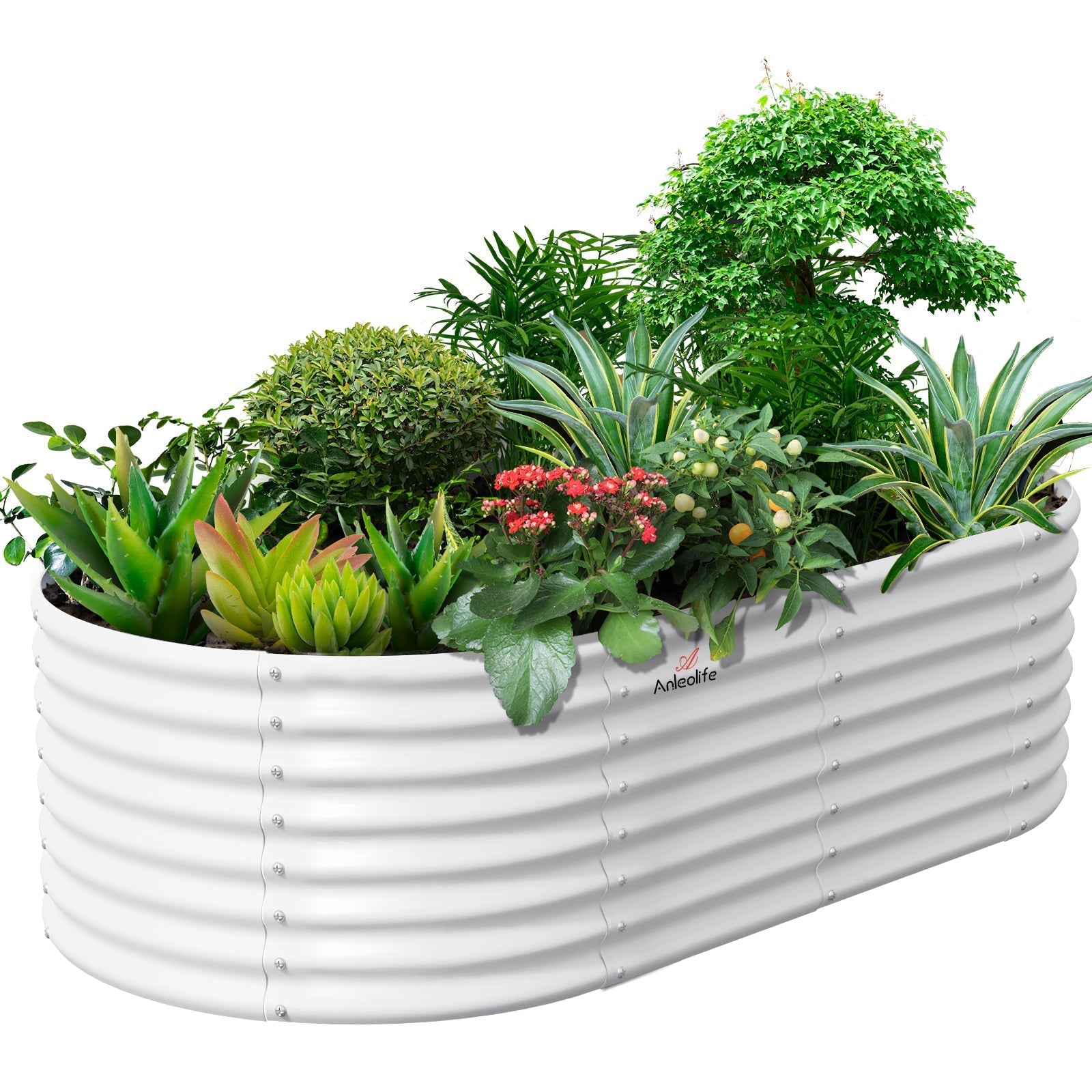
For most home growers, galvanized steel raised garden beds represent the sweet spot: excellent accessibility, superior soil control, and remarkable longevity. Anleolife's galvanized steel raised garden beds are engineered to last up to 20 years, making them a long-term health investment rather than a seasonal expense.
Reason 1: Gardening Is Surprisingly Effective Physical Exercise
Let's start with the most obvious—and most underestimated—health benefit: gardening is a genuine workout.
Activities like digging, hoeing, raking, and hauling soil bags engage major muscle groups across your entire body. According to the Centers for Disease Control and Prevention (CDC), gardening qualifies as moderate-intensity physical activity, comparable to walking or cycling at a recreational pace. For adults who struggle to maintain a formal exercise routine, gardening offers a compelling alternative: you're so engaged in what you're doing that the movement barely feels like exercise.
Summer gardening in particular ramps up the physical demands. Preparing beds, managing rapid plant growth, consistent harvesting, and dealing with the occasional heavy lifting (soil bags, compost, water) adds up to a surprisingly robust physical activity profile. Studies suggest that gardening for 30–45 minutes several times a week can meaningfully contribute to meeting physical activity guidelines for adults.
The physical benefits go beyond calorie burn. Gardening involves varied movement patterns—kneeling, reaching, carrying, lifting, twisting—which helps maintain joint mobility and functional fitness. This is particularly valuable for older adults whose exercise routines may have become limited or repetitive.
Practical tip: To maximize the physical benefit while protecting your joints, consider using extra-tall raised garden beds. Anleolife offers options ranging from 18-inch standard heights up to 30-inch and even 35-inch waist-high designs, which allow you to work comfortably standing upright. This is a game-changer for retirees and anyone dealing with lower back sensitivities.
Reason 2: Gardening Dramatically Reduces Stress and Anxiety
If you've ever spent an afternoon in the garden and noticed you felt calmer afterward, there's solid science behind that experience.
Cortisol, the body's primary stress hormone, drops measurably after gardening sessions. A landmark study published in the Journal of Health Psychology found that gardening reduced cortisol levels more effectively than a comparable period of indoor reading. The combination of physical activity, sunlight exposure, sensory engagement, and the psychological satisfaction of nurturing living things creates a uniquely powerful stress-reduction cocktail.
There's also the fascinating role of Mycobacterium vaccae, a harmless bacterium found in healthy garden soil. Research suggests that contact with this microorganism through skin and inhalation triggers serotonin production in the human brain—literally making you feel happier just by digging in the dirt. This is one reason why horticultural therapy is being increasingly integrated into mental health treatment programs.
Summer gardening amplifies these effects. Longer days mean more sunlight exposure, which supports healthy Vitamin D synthesis and helps regulate circadian rhythms. The bright colors of summer blooms and vegetables stimulate positive emotional responses. Even the sounds of a summer garden—birdsong, the rustle of leaves, buzzing pollinators—contribute to a restorative sensory environment.
For those managing anxiety, depression, or chronic stress, establishing a daily or near-daily garden routine can become an anchor of calm in an otherwise hectic life. The repetitive, mindful nature of garden tasks—weeding, watering, pruning—naturally induces a meditative state that modern mindfulness practitioners deliberately try to recreate.
Reason 3: You'll Eat Better—Naturally
Here's a health benefit that often surprises people: home growers consistently report eating more vegetables and fruits.
This isn't magic—it's psychology and access. When you've invested time, effort, and care into growing a tomato plant, you're far more motivated to actually eat the tomatoes. Children who participate in growing vegetables are dramatically more willing to eat them. The same principle applies to adults. Ownership of the growing process creates a personal connection to the food that supermarket produce simply can't replicate.
Beyond motivation, home-grown produce is often nutritionally superior to store-bought alternatives. Commercially grown vegetables are typically harvested before full ripeness to survive shipping and storage, which means they reach your plate with lower levels of certain vitamins and antioxidants. A tomato harvested ripe from your own bed and eaten the same day contains measurably more nutritional value.
The recommended materials for raised garden beds that won't rot are a key factor here. Wooden beds, while charming, can harbor harmful organisms, leach compounds into the soil, or degrade in ways that compromise food safety. Galvanized steel and rust-resistant metal beds, like those in the Anleolife lineup, provide a clean, food-safe growing environment that maintains integrity season after season. With a 20-year lifespan, you're looking at decades of clean, nutritious harvests from a single investment.
When filling your bed, the best soil for small raised garden beds is a nutrient-rich blend that delivers bioavailable minerals and organic matter directly to plant roots. A well-composed mix including quality compost, worm castings, and balanced topsoil creates the foundation for produce that is genuinely more nutritious than what you'll find in most grocery stores.
Reason 4: Gardening Builds Mental Sharpness and Cognitive Resilience
Gardening is often underestimated as a cognitive activity, but it is one of the most mentally engaging hobbies available.
Planning a garden requires problem-solving, spatial reasoning, and scheduling skills. You're making decisions about plant compatibility, spacing, seasonal timing, pest management, and resource allocation—all simultaneously. This kind of multi-variable thinking is exactly the type of cognitive exercise that research links to reduced risk of cognitive decline as we age.
A long-term study from Australia found that daily gardening was associated with a 36% reduction in dementia risk among older adults—one of the largest effects seen among the lifestyle factors studied. The combination of physical activity, mental engagement, sensory stimulation, and purposeful routine appears to create a uniquely neuroprotective effect.
For retirees and empty nesters in particular, the structure and purpose that gardening provides can be profoundly beneficial. Having a living system that depends on your care creates a sense of responsibility and meaning that supports psychological well-being long after careers and child-rearing have wound down.
Summer is when the cognitive demands peak: monitoring multiple plant species at different growth stages, adjusting watering schedules to heat, managing pests, and planning successive plantings all require active, engaged thinking. Far from being passive relaxation, summer gardening keeps your mind sharp in exactly the ways neuroscientists recommend.
Reason 5: Gardening Strengthens Community and Social Well-Being
Health is not just physical and mental—it's also social. Loneliness and social isolation have been identified by leading health organizations as significant risk factors for early mortality, comparable in impact to smoking and obesity.
Gardening has a remarkable ability to build and strengthen community connections. Gardens become conversation starters with neighbors. Surplus produce gets shared. Gardening knowledge gets exchanged. Community garden spaces create natural gathering points that foster genuine human connection.
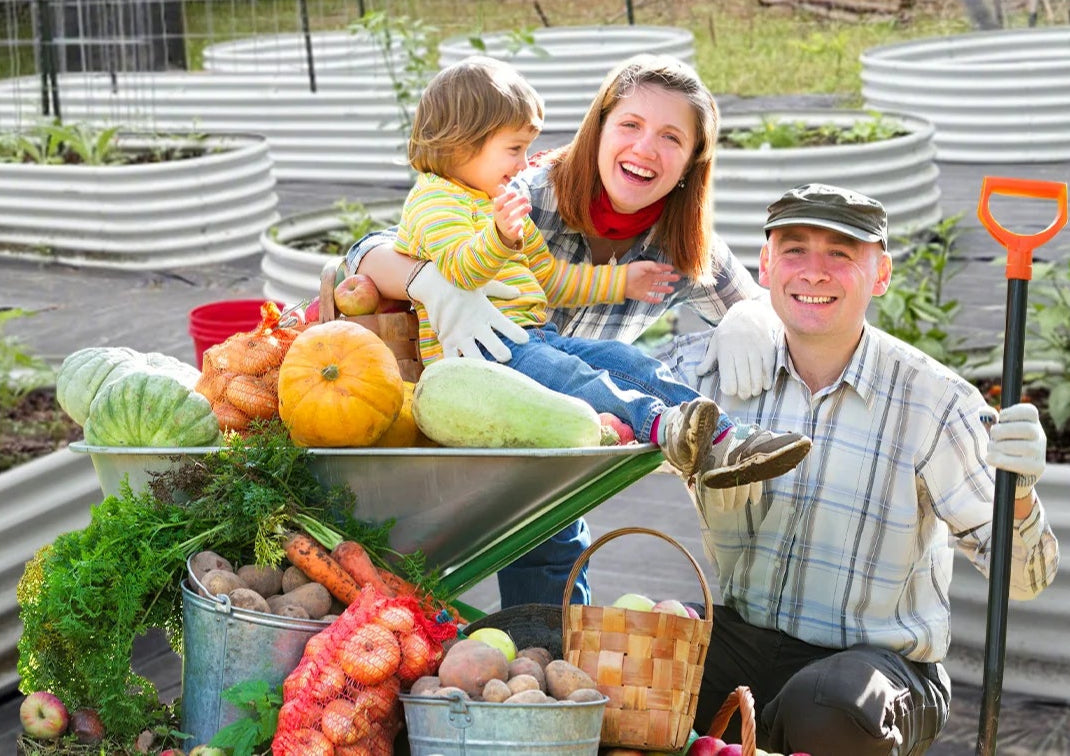
At the family level, gardening is one of the most accessible multi-generational activities available. Children, parents, and grandparents can all participate in meaningful ways. A shared garden project creates shared memories, teaches practical skills, and builds bonds that screens and entertainment cannot replicate.
Summer, when gardens are most active and visually striking, naturally invites more of this social engagement. A beautiful, productive garden in summer is an invitation to connect—whether through hosting a harvest dinner, sharing seedlings with neighbors, or simply being visible and engaged outdoors.
Adding elements of garden beautification—decorative planters, pathway systems, attractive structural elements—enhances this social dimension by creating an outdoor space that genuinely invites people in. When your garden is both productive and beautiful, it becomes an extension of your living space and social life.
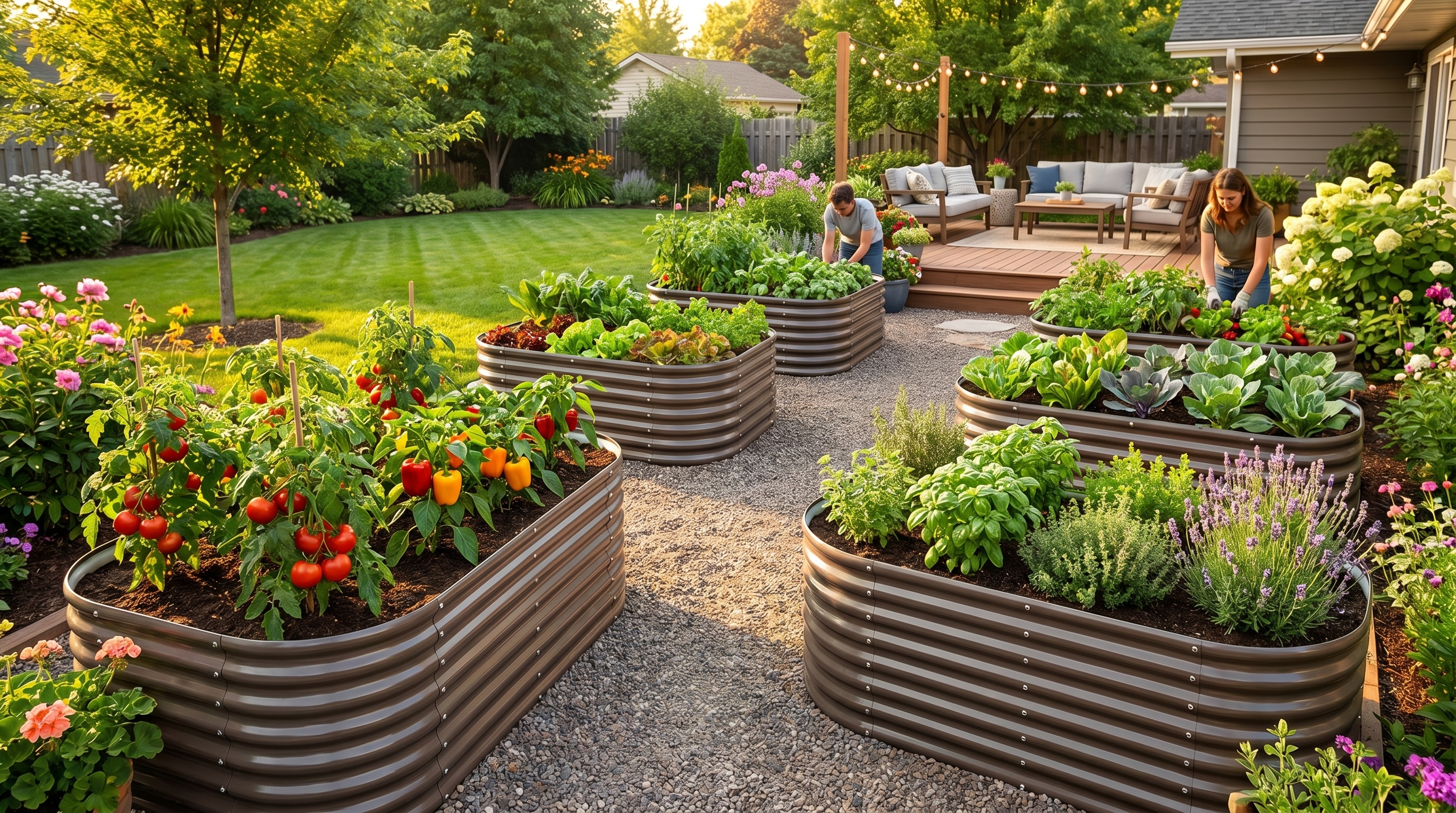
ALT: Galvanized steel raised garden beds growing vegetables in a beautifully designed summer backyard garden, promoting health and social wellbeing
Advanced Tips: Getting More Health Value From Your Garden Setup
Optimizing for Physical Accessibility
Don't let physical limitations become barriers to gardening's health benefits. The right bed height is transformative. Anleolife's range spans from standard 18-inch heights to extra-tall 24-inch, 30-inch, and the waist-high 35-inch options, accommodating virtually every physical situation. Taller beds mean less bending, less strain, and more sustainable long-term engagement—which translates to more consistent health benefits over time.
Addressing the "Are Expandable Hoses Actually Worth It" Question
One question that comes up frequently in gardening communities is are expandable hoses actually worth it? For summer gardens, the honest answer is: it depends on your setup. Expandable hoses are lightweight and easy to store, making them appealing for small spaces. However, for larger raised bed setups with multiple beds to water, a quality traditional hose with good pressure is often more reliable and consistent. For health-focused gardeners who water daily, consistency and reliability matter—invest in whatever setup you'll actually use every day.
Tool Storage: Protecting Your Investment
What's the recommended way to store hand tools and power tools outside? Garden tools exposed to summer heat, rain, and humidity deteriorate quickly without proper storage. Best practices include: hanging hand tools on a covered wall rack to prevent moisture contact, keeping cutting edges oiled and clean after each use, storing power tools in weatherproof containers or a dedicated shed, and positioning storage in a shaded, dry location. Well-maintained tools not only last longer—they're safer and more effective, which directly impacts the quality of your gardening experience and associated health benefits.
Common Misconceptions
Many new gardeners believe that more soil amendments always mean better results. In reality, over-amended soil can become too rich in nitrogen, causing lush foliage at the expense of fruit and root development. Follow established soil mix ratios for raised beds and let your compost do the heavy lifting over time.
Frequently Asked Questions FAQ
Q1: How do I choose the best soil for a small raised garden bed?
The best soil for small raised garden beds is typically a custom blend rather than straight garden soil or potting mix. A widely recommended recipe is approximately 60% high-quality topsoil, 30% compost (aged and well-composted), and 10% perlite or coarse sand for drainage. This blend provides the nutrient density, drainage, and moisture retention that raised beds require. As the season progresses, top-dress with fresh compost to replenish nutrients naturally consumed by your plants.
Q2: Are galvanized steel raised garden beds safe for growing food?
Yes—modern galvanized steel raised garden beds use a zinc coating process that is safe for food production under normal gardening conditions. The zinc layer acts as a protective barrier against rust and corrosion, and the amounts that might leach into soil are well within safe thresholds according to food safety research. Anleolife's galvanized steel and rust-resistant raised garden beds are designed specifically for food growing applications and engineered for a 20-year lifespan, providing decades of safe, productive use.
Q3: How much time does it actually take to maintain a raised bed garden in summer?
Summer maintenance time varies by garden size and plant selection, but most home growers with one to three standard raised beds find that 15–30 minutes of daily attention keeps things thriving. This includes watering, quick weeding checks, and harvesting. On weekends, a slightly longer session for deeper weeding, fertilizing, and bed maintenance is beneficial. This time commitment is perfectly aligned with recommended daily physical activity guidelines, making maintenance itself a health benefit.
Summary
Gardening is not just a hobby—it's a comprehensive wellness practice that addresses physical fitness, mental health, nutrition, cognitive function, and social connection simultaneously. Few activities deliver such broad health benefits with such minimal barrier to entry.
The three core takeaways from this article are:
- Gardening is legitimate exercise that improves strength, flexibility, and cardiovascular health in ways that feel effortless because they're embedded in purposeful activity.
- A well-designed garden setup dramatically amplifies benefits—the right bed height, the best soil mix, and quality materials mean you can garden more comfortably, more consistently, and more productively.
- The health benefits compound over time—the longer you garden, the more skilled, the more connected, and the healthier you become, making it one of the most sustainable wellness habits available.
This summer, don't just think of your garden as a place to grow vegetables. Think of it as your personal wellness infrastructure—one that pays dividends in energy, calm, clarity, and connection every single day you engage with it.
Start Growing Your Healthiest Summer with Anleolife
Anleolife supports your garden health journey from the ground up—literally. With a nationwide U.S. warehouse network strategically located in California, Texas, Florida, New York, Illinois, and Washington, delivery takes just 3–8 business days, so your garden upgrade is never far away.
Our products are available across the platforms you already trust—Amazon, Walmart, Home Depot, Lowe's, Wayfair, and directly at Anleolife.com—with consistent quality and dedicated after-sales support wherever you shop.
Our three core scenarios—Planting (metal raised garden beds, soil systems), Raising (chicken coops, rabbit hutches), and Beautification (decorative accessories, pathway systems)—mean we grow with you from your first garden bed to a fully integrated backyard ecosystem.
We understand that an ideal garden isn't built overnight. It evolves. Our modular product design allows flexible expansion based on your needs, so you can start with a single raised garden bed and expand into a complete planting-and-raising system as your confidence and ambition grow. We grow with you, every step of the way.
References
- Centers for Disease Control and Prevention (CDC). "Physical Activity for a Healthy Weight."
https://www.cdc.gov/healthyweight/physical_activity/index.html - National Gardening Association. "Garden to Table: A Guide to Growing Food at Home."
https://garden.org/ - American Horticultural Therapy Association. "What Is Horticultural Therapy?"
https://www.ahta.org/horticultural-therapy - Harvard Health Publishing, Harvard Medical School. "Gardening Is Beneficial for Health: A Meta-Analysis."
https://www.health.harvard.edu/staying-healthy/gardening-is-beneficial-for-health - UC Agriculture and Natural Resources. "Home Vegetable Gardening."
https://ucanr.edu/
Note: Research and guidelines may be updated periodically. Please consult the latest official publications or a qualified health professional for personalized advice.
About Anleolife
Anleolife is a leading outdoor garden solutions provider in North America, dedicated to offering a full-scenario product ecosystem for home gardening enthusiasts, covering planting, raising, and garden beautification. Since its founding, we have upheld our brand mission, "Made for Garden Life," continuously innovating products and optimizing services to help hundreds of thousands of users upgrade their gardens, reconnect with nature, and enjoy a better garden lifestyle.