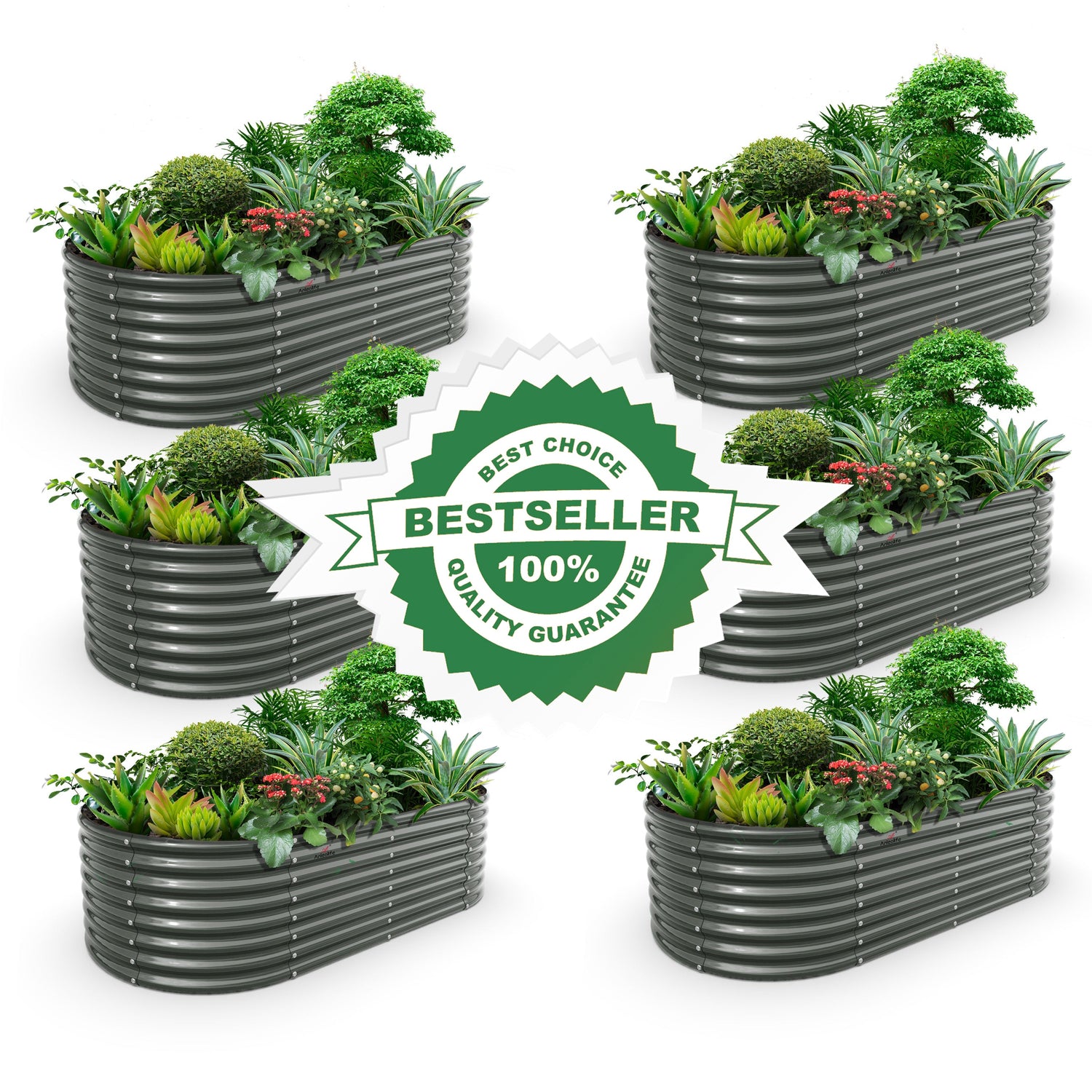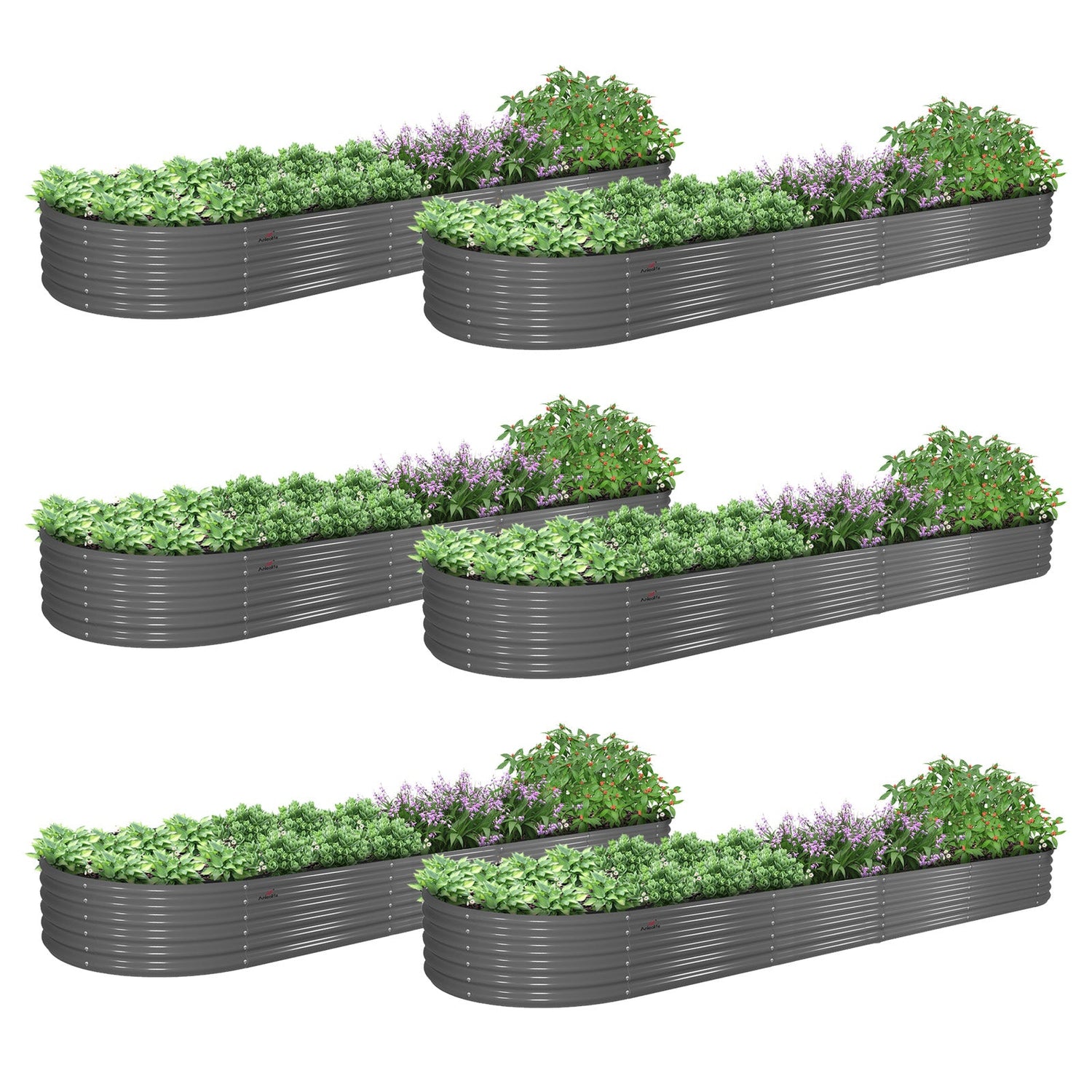



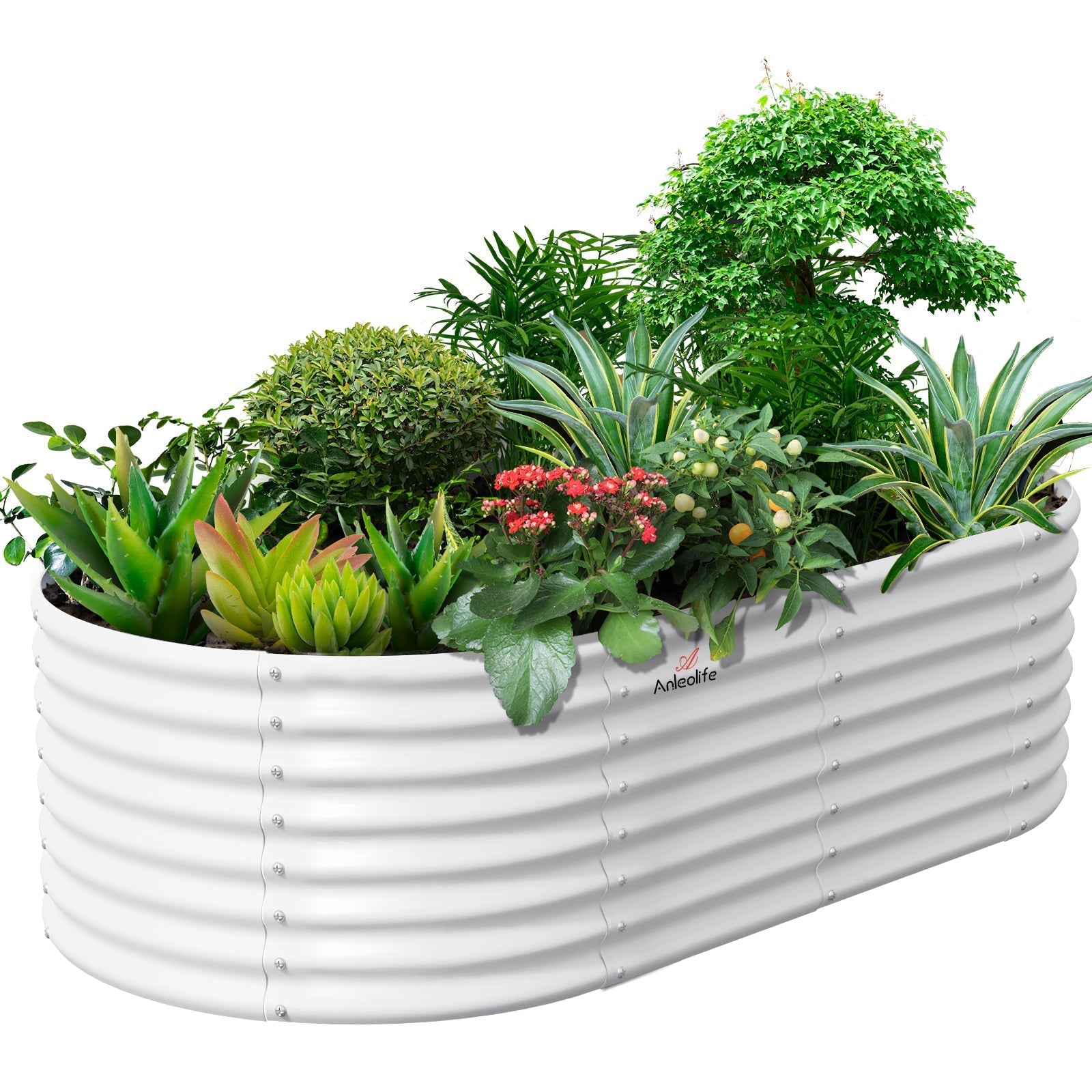
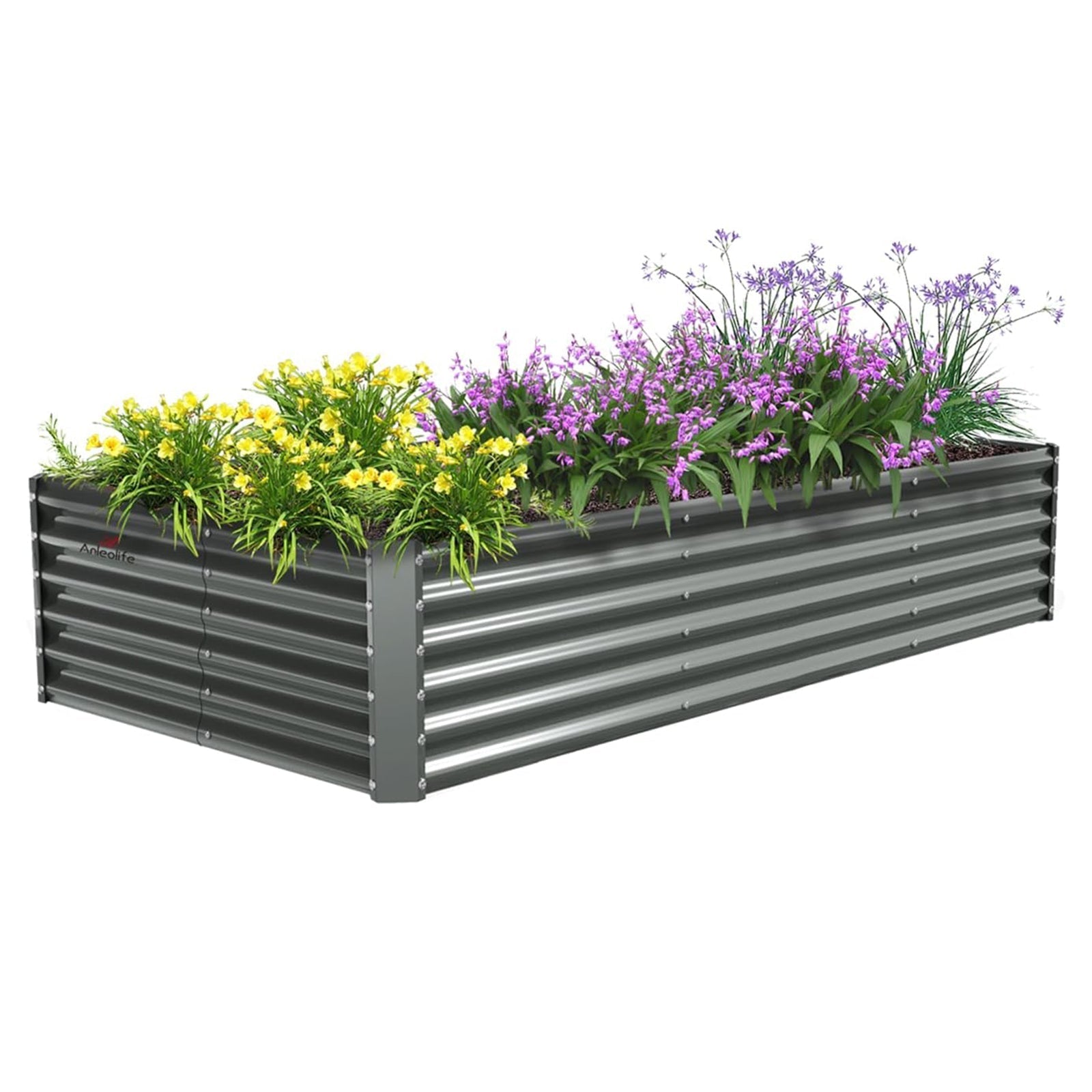

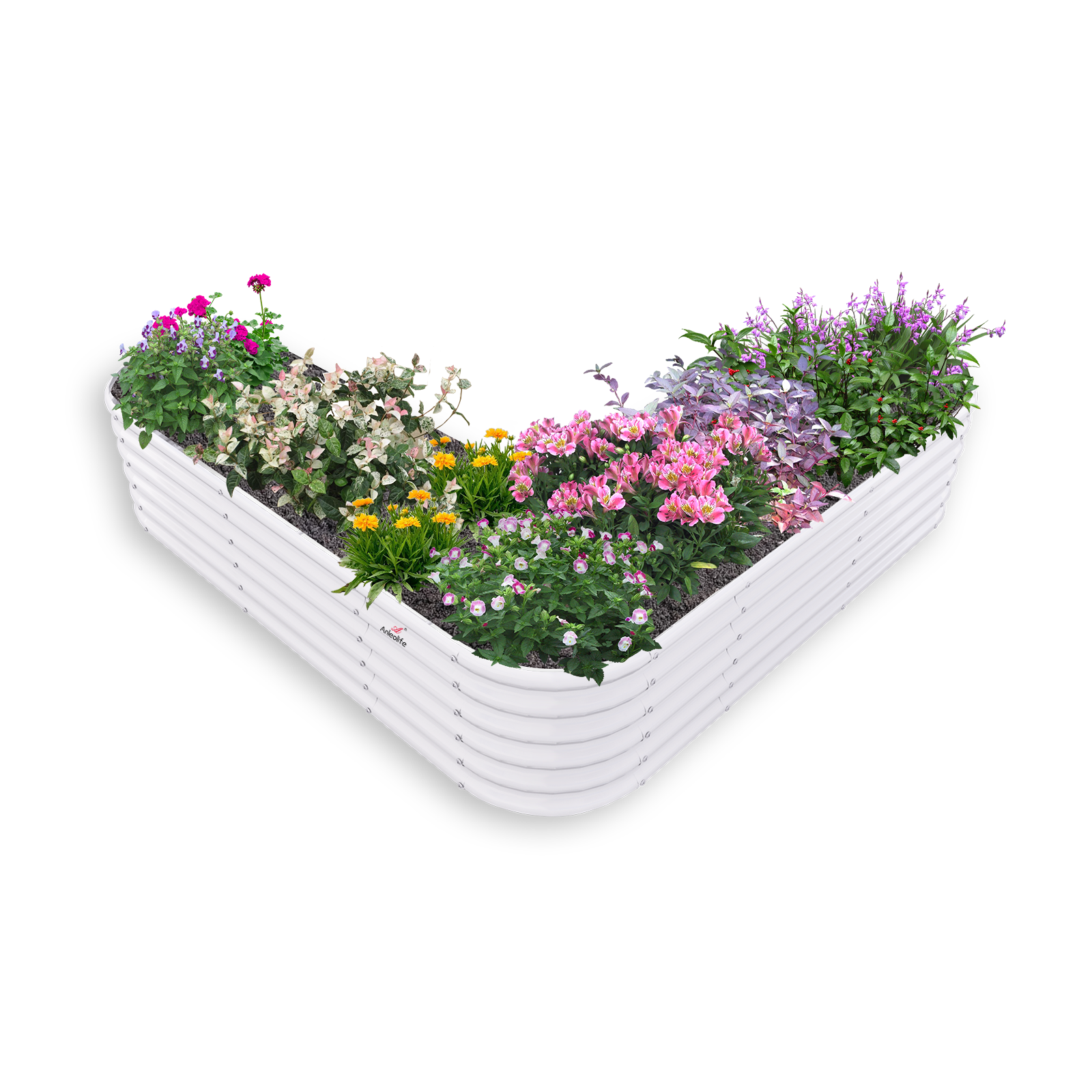
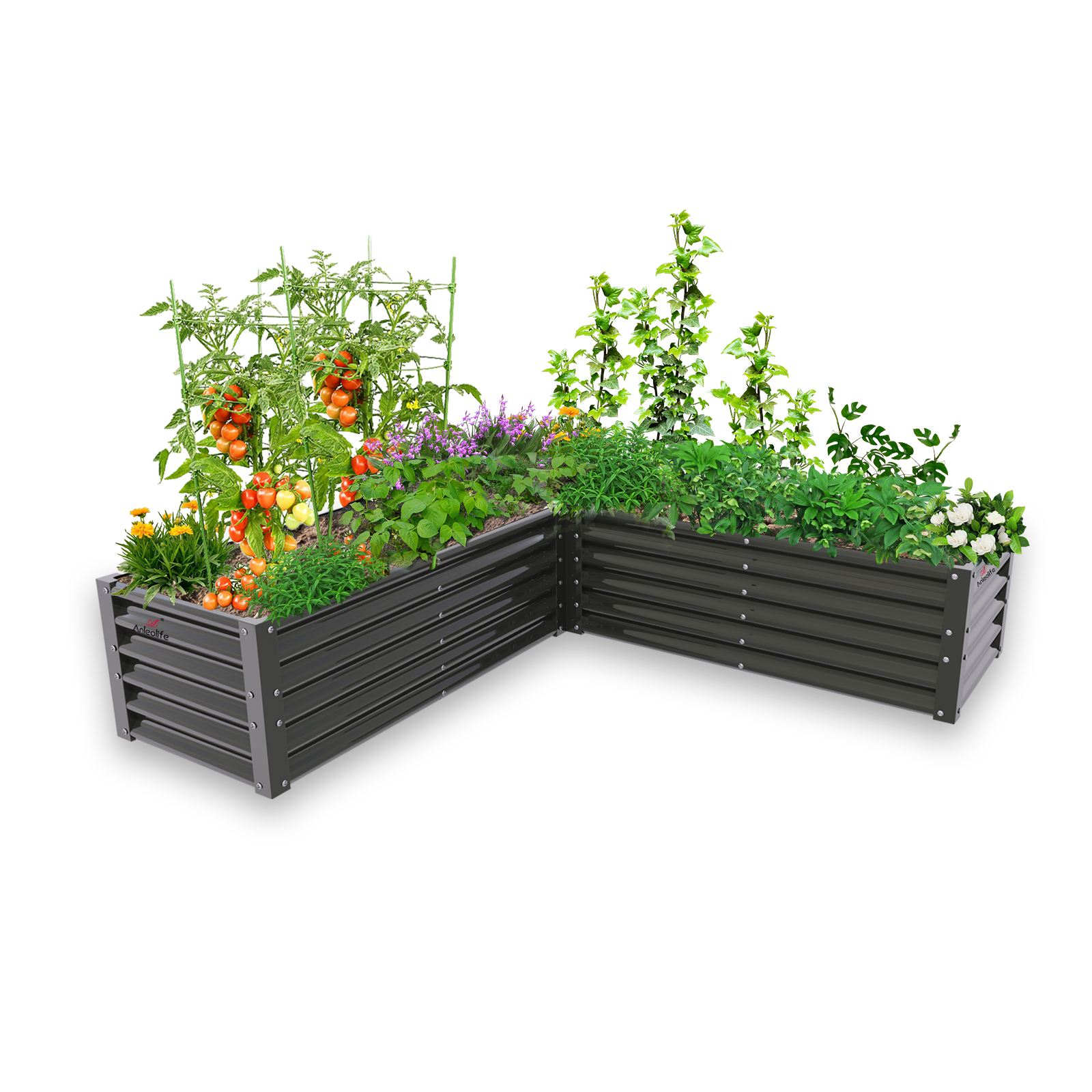
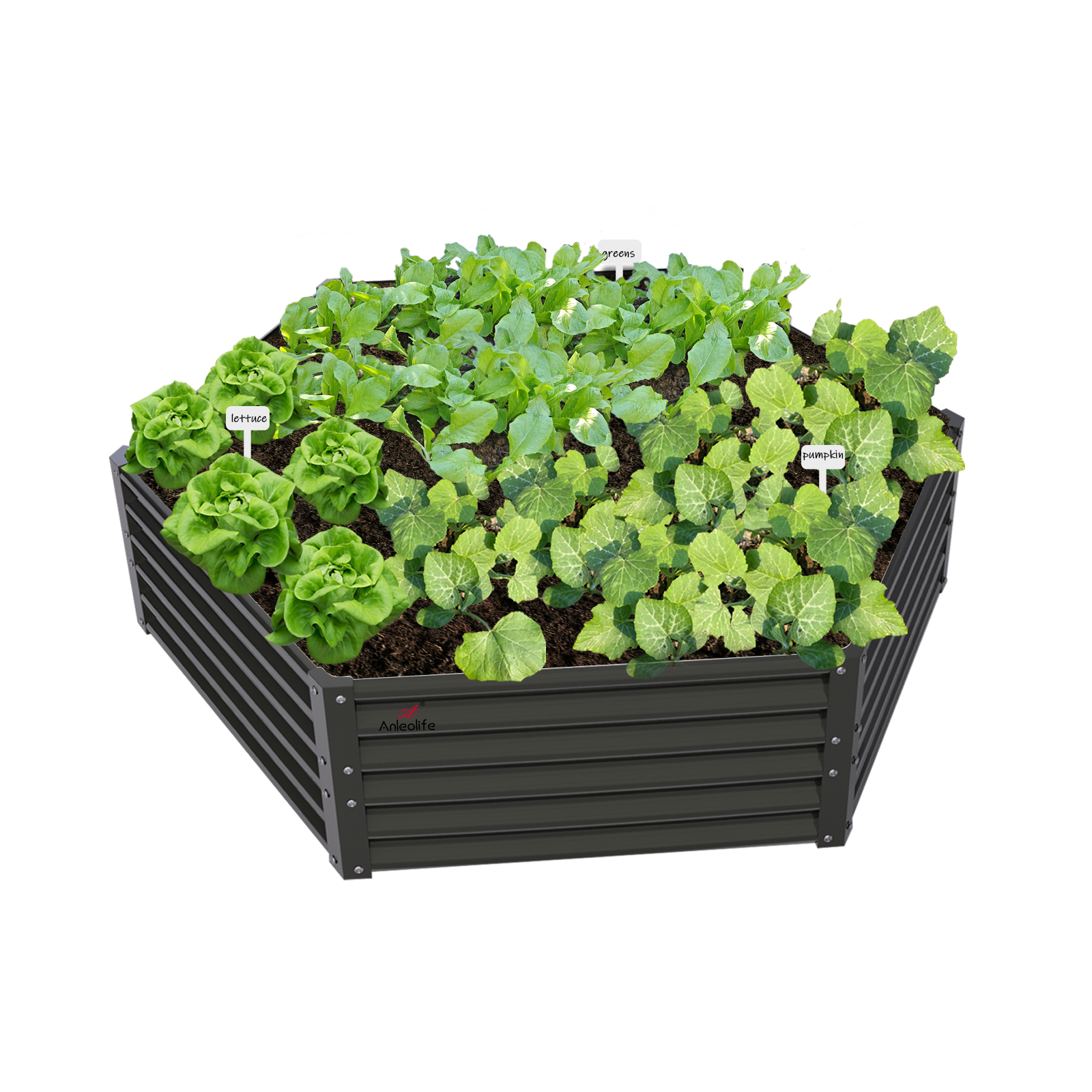
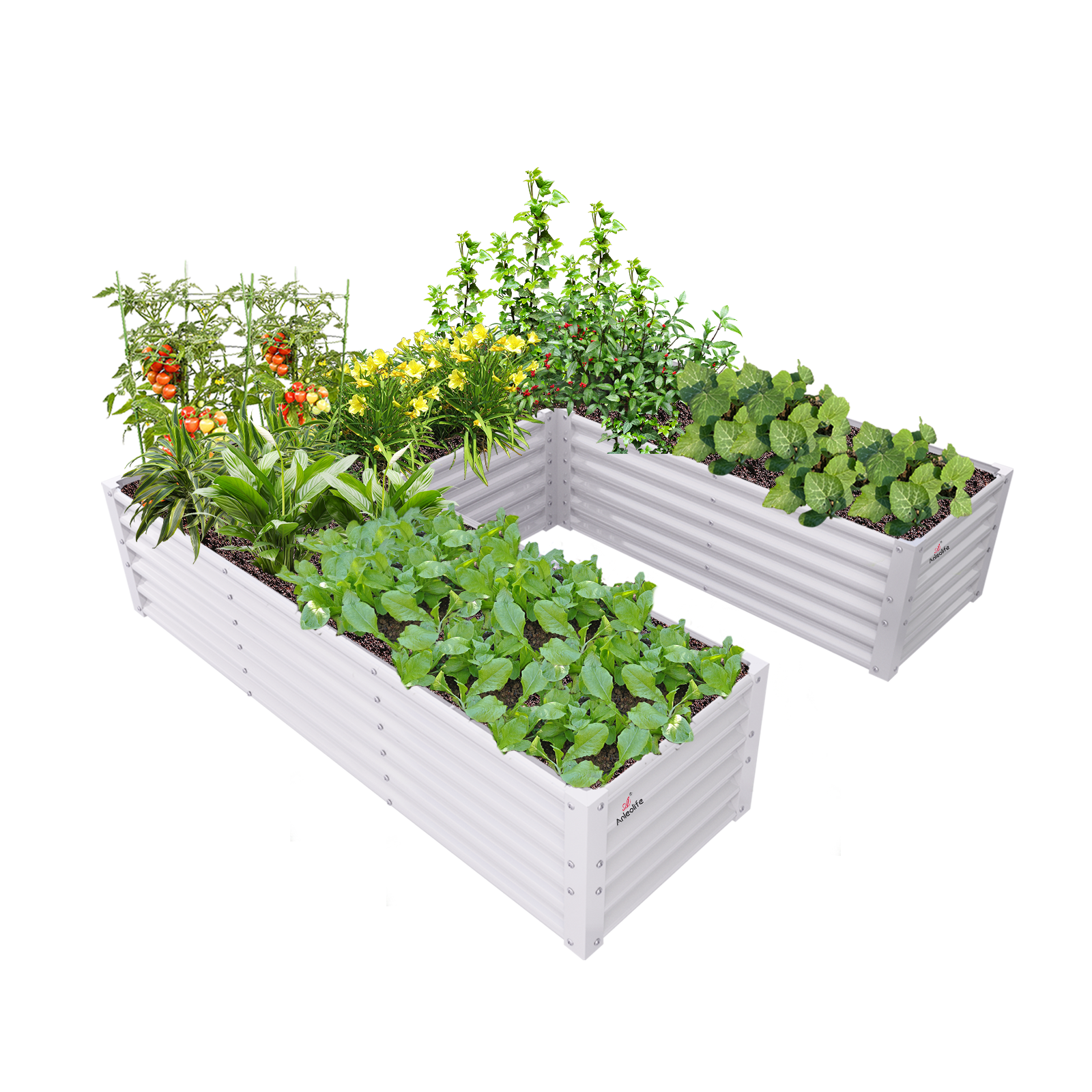

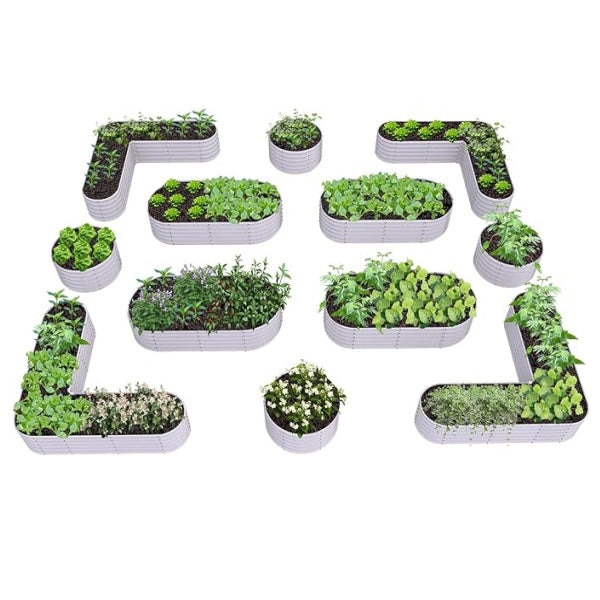


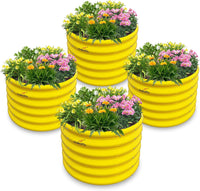
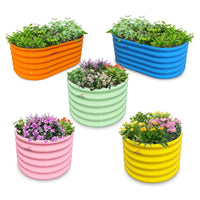
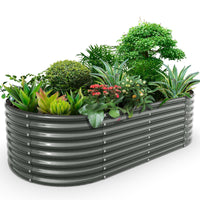



ALT: Watering raised garden beds in June heat using drip irrigation and mulch to conserve soil moisture
Beat the Heat: Smart Watering Strategies for Raised Garden Beds in June
Key Conclusion: June heat is the number-one enemy of raised bed moisture. Because raised garden beds drain faster and warm up more quickly than ground-level soil, summer watering requires a deliberate, layered strategy. Combining the right watering schedule, moisture-retaining mulch, efficient irrigation systems, and proper bed construction allows home gardeners to cut water use significantly while keeping vegetables, herbs, and flowers thriving even on the hottest days.
As temperatures climb and the sun beats down for longer hours, gardeners across North America face the same seasonal challenge: keeping their raised beds hydrated without wasting water or stressing their plants. The physics of raised beds mean that heat penetrates the soil walls, moisture evaporates through the surface, and drainage—while excellent for root health—can quickly tip into drought stress if you're not paying attention.
The good news is that with the right combination of techniques, June heat doesn't have to mean wilting crops or sky-high water bills. Whether you're growing tomatoes in Texas, herbs in Florida, or leafy greens in Illinois, the principles covered in this guide apply directly to your raised bed situation. Let's dig in.
Who Should Read This Guide
✅ Applicable Scenarios:
- Home gardeners growing vegetables, herbs, or flowers in metal or galvanized steel raised garden beds
- Urban micro-gardeners with limited outdoor space who need to maximize water efficiency
- Gardeners in hot, dry, or sun-exposed climates experiencing June temperatures above 85°F
- Empty nesters and retirees looking for low-maintenance, water-smart garden systems
- Eco-conscious growers aiming to reduce water consumption and lower their environmental footprint
❌ Not Applicable/Cautions:
- In-ground or traditional row gardening, where soil thermal mass and drainage behave very differently from raised beds
- Gardeners in cool, consistently cloudy climates where evaporation is minimal and overwatering is a greater risk than underwatering
- Situations where local water restrictions require specific irrigation protocols—always check with your municipal authority first
Why June Is the Critical Month for Raised Bed Moisture Management
June marks a turning point in the gardening calendar. Days are longer, UV intensity peaks around the summer solstice, and soil temperatures inside raised beds can exceed air temperature by 10°F or more. For many gardeners, it's the month when plants that were thriving in May suddenly seem to struggle—and the culprit is almost always inconsistent moisture.
Raised garden beds have a unique thermal profile. Unlike in-ground plots, they're surrounded by walls that absorb and radiate heat. This makes them excellent for extending the growing season in spring and fall, but it also means that during midsummer, the soil interior heats up faster and loses moisture more rapidly. A 24-inch tall raised bed with full sun exposure can lose a significant portion of surface moisture within just a few hours on a hot afternoon.
According to data from the U.S. Department of Agriculture's Agricultural Research Service, evapotranspiration rates—the combined loss of water through soil evaporation and plant transpiration—can double or triple during peak summer months compared to spring conditions. For raised bed gardeners, this translates directly into a need to rethink both the frequency and the method of watering.
There's also the question of what's best material for raised garden beds that lasts longest. The answer matters for moisture management because different materials conduct and retain heat differently. Galvanized steel raised garden beds are among the most popular choices for durability, with a well-constructed Anleolife metal raised bed designed to last up to 20 years. Steel walls do warm up in direct sun, but strategic siting, good mulching practice, and proper soil composition can easily mitigate this. The structural longevity means you're investing in a system you'll optimize over many seasons—not just one summer.
Understanding the interplay between bed material, soil composition, microclimate, and watering technique is the foundation of effective June moisture management. The sections below break each of these factors down into practical, actionable steps.
Your Core Watering Strategy for June Heat
Three-Step Quick Start for Raised Bed Moisture Conservation
Step 1: Audit Your Current Watering Schedule and Method
Before adding any new tools or techniques, spend two or three mornings checking your soil moisture at a depth of 2–3 inches using your finger or a simple moisture meter. Note the time of day, air temperature, and how quickly the soil dries out after watering. This 10–15 minute audit gives you a data-driven baseline—rather than guessing—so you can identify whether you're underwatering, overwatering, or watering at the wrong time of day. Most gardeners discover they're watering too little but too often, which encourages shallow roots.
Step 2: Shift All Watering to Early Morning
The single most impactful change you can make is timing. Watering between 5:00 and 9:00 AM allows moisture to penetrate deeply before the day's heat accelerates evaporation. Afternoon watering in June can lose a substantial portion of water to evaporation before it even reaches root depth. Morning watering also ensures foliage dries before evening, reducing the risk of fungal disease. Set a timer on your phone for the first week until the habit is established. This step alone can meaningfully reduce your total water use.
Step 3: Apply a 2–4 Inch Mulch Layer Across the Entire Bed Surface
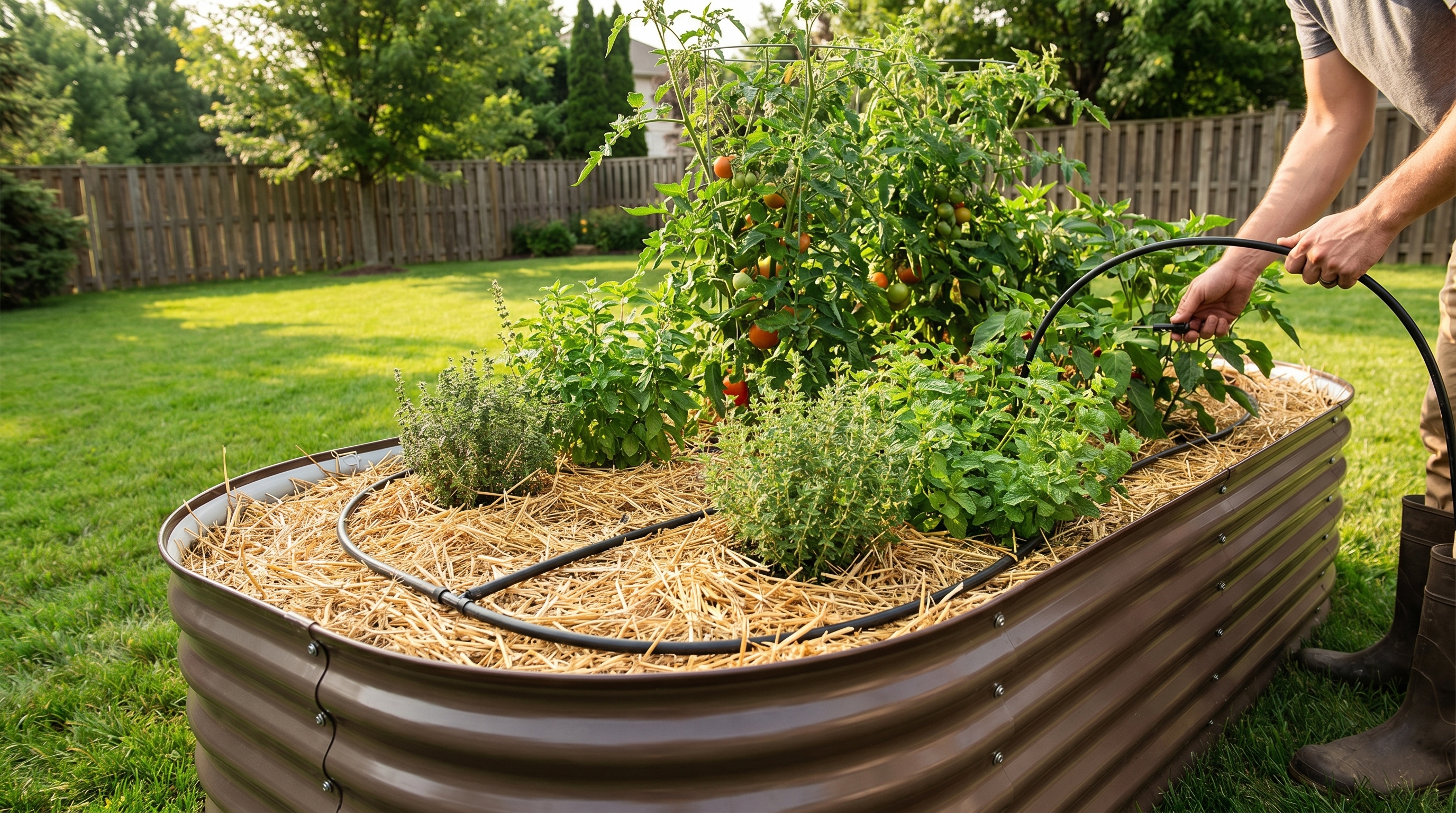
After watering, cover all bare soil with a 2–4 inch layer of organic mulch—straw, shredded wood chips, or compost work well. Mulch acts as an insulating blanket, dramatically slowing surface evaporation and moderating soil temperature swings. Avoid piling mulch directly against plant stems. Refresh the mulch layer every 3–4 weeks as it breaks down and incorporates into the soil, which also gradually improves soil structure and water-holding capacity. This step, combined with early-morning watering, addresses the two biggest causes of raised bed moisture loss in June.
Comparing the Most Effective Moisture Conservation Methods
There are several approaches home gardeners use to combat summer moisture loss in raised beds. Each has distinct advantages depending on your setup, budget, and how hands-on you want to be. The table below compares the four most commonly used strategies.
| Comparison Dimension | Drip Irrigation | Soaker Hose | Deep Mulching | Row Cover/Shade Cloth |
|---|---|---|---|---|
| Water Efficiency | Excellent — delivers water directly to root zone | Very good — slow, even soil saturation | Good — reduces evaporation after watering | Moderate — reduces evapotranspiration by shading |
| Ease of Setup | Moderate — requires timer, tubing, emitters | Easy — lay and connect to hose bib | Very easy — spread and refresh manually | Easy to moderate — requires support hoops or frames |
| Cost | Moderate upfront, low ongoing | Low upfront, low ongoing | Very low — free if composting | Low to moderate |
| Best For | Larger beds, consistent schedules, hands-off gardeners | Small to medium beds, budget-conscious growers | All raised bed sizes and gardeners | Heat-sensitive crops: lettuce, spinach, cilantro |
| Maintenance | Low once set up; check emitters monthly | Low; flush occasionally | Regular refresh every 3–4 weeks | Inspect for condensation and pests weekly |
| Works With Raised Beds | Excellent — especially taller 24"–30" beds | Good for standard-height beds | Universal | Best for crops that bolt in full sun |
Most experienced raised bed gardeners combine two or more of these strategies. A drip irrigation system paired with a 3-inch mulch layer is one of the most water-efficient combinations available, often reducing total water use compared to hand-watering alone.
Deep Dive: Building a Moisture-Smart Raised Bed System
Soil Composition Is Everything
Soil mix is the foundation of moisture management. In a raised bed, you're not working with native soil—you're building a custom growing medium from scratch, which is both an advantage and a responsibility. A high-quality raised bed mix typically combines topsoil, compost, and a drainage amendment like coarse perlite or aged wood chips in roughly equal proportions.
For June heat management specifically, the compost fraction is your most powerful tool. Rich, mature compost acts like a sponge, holding water in pore spaces and releasing it slowly to plant roots. Beds that are heavy on compost and organic matter stay moist significantly longer between waterings than beds dominated by sand or low-quality topsoil.
If your bed was filled in spring and the soil has already settled and compacted slightly, top-dressing with an inch of finished compost before adding your mulch layer is an excellent mid-season intervention. This is especially effective in taller beds—Anleolife's range includes extra-tall options at 24 and 30 inches in depth—where the greater soil volume amplifies the benefits of high organic matter content.
What Gravel Size Is Best for Raised Bed Drainage?
A common question among raised bed builders is whether to add a drainage layer at the bottom of the bed, and if so, what gravel size works best. For most raised garden beds, a 1–2 inch layer of coarse gravel (roughly ¾ inch diameter crushed stone or pea gravel) at the base provides adequate drainage without creating a perched water table effect that can actually trap moisture in the soil above.
However, in June heat, drainage is rarely the problem—moisture retention is. If your bed drains too freely, consider reducing the gravel layer thickness or replacing it with a coarser compost layer that drains while retaining more moisture. The goal is "well-drained but consistently moist"—a balance that requires attention to both the base layer and the soil mix above.
Choosing the Right Bed Height for Heat Management
Bed height has a direct relationship with summer watering needs. Shorter beds (around 12–18 inches) warm through more completely and dry out faster, while taller beds (24–30 inches) have greater soil volume, which moderates temperature swings and retains moisture longer between waterings.
Anleolife's raised garden bed collection spans a wide range of heights, from standard 18-inch options ideal for general vegetable growing to 30-inch extra-tall versions that provide waist-high convenience and superior moisture retention during summer heat. For gardeners who prioritize water efficiency, investing in a taller bed pays dividends through reduced watering frequency and more stable root zone conditions.
Using Shade Cloth Strategically
Shade cloth isn't just for protecting heat-sensitive crops from bolting—it also meaningfully reduces soil surface temperature and slows evaporation. A 30–50% shade cloth suspended over a raised bed during the hottest part of the day (typically 11 AM–3 PM) can reduce soil surface temperature measurably.
This technique is particularly valuable for gardeners growing lettuce, spinach, arugula, or cilantro through the summer, as these crops both benefit from shade and are typically grown in shorter beds where moisture loss is faster. Shade cloth also filters intense UV, extending the productive life of your mulch layer.
Exploring Best Garden Netting for Windy Climates
If you garden in a region with consistent afternoon winds—common in coastal Texas, the Great Plains, or Pacific Northwest valleys—wind is as significant a driver of moisture loss as direct sun. Evapotranspiration rates spike when hot, dry wind moves across exposed soil and plant leaves.
When choosing the best garden netting for windy climates, look for options that balance wind protection with adequate airflow. Solid barriers create turbulence; slatted or mesh windbreaks at 30–50% porosity reduce wind speed without creating damaging eddies. Positioning raised beds alongside existing fences, walls, or taller plantings on the windward side is a low-cost, permanent solution that also helps retain morning moisture longer into the afternoon.
Pathway Lighting and Bed Placement
While pathway lighting options for garden walkways may seem like an aesthetic consideration, they're also relevant to your overall garden microclimate management. Well-placed solar pathway lights along your raised bed walkways allow you to check moisture levels and do light watering in the early morning or late evening without disrupting your household routine. This small quality-of-life upgrade makes it easier to stick to an optimal early-morning watering schedule, especially as days lengthen and early risers are rewarded with the coolest part of the day.
When considering best garden ornaments for modern landscaping alongside your raised beds, think about how decorative elements interact with sun and wind. Tall ornamental grasses, trellises, or sculptural pieces placed on the sunny or windward side of beds can provide partial shade and wind protection while enhancing the visual appeal of your garden space.
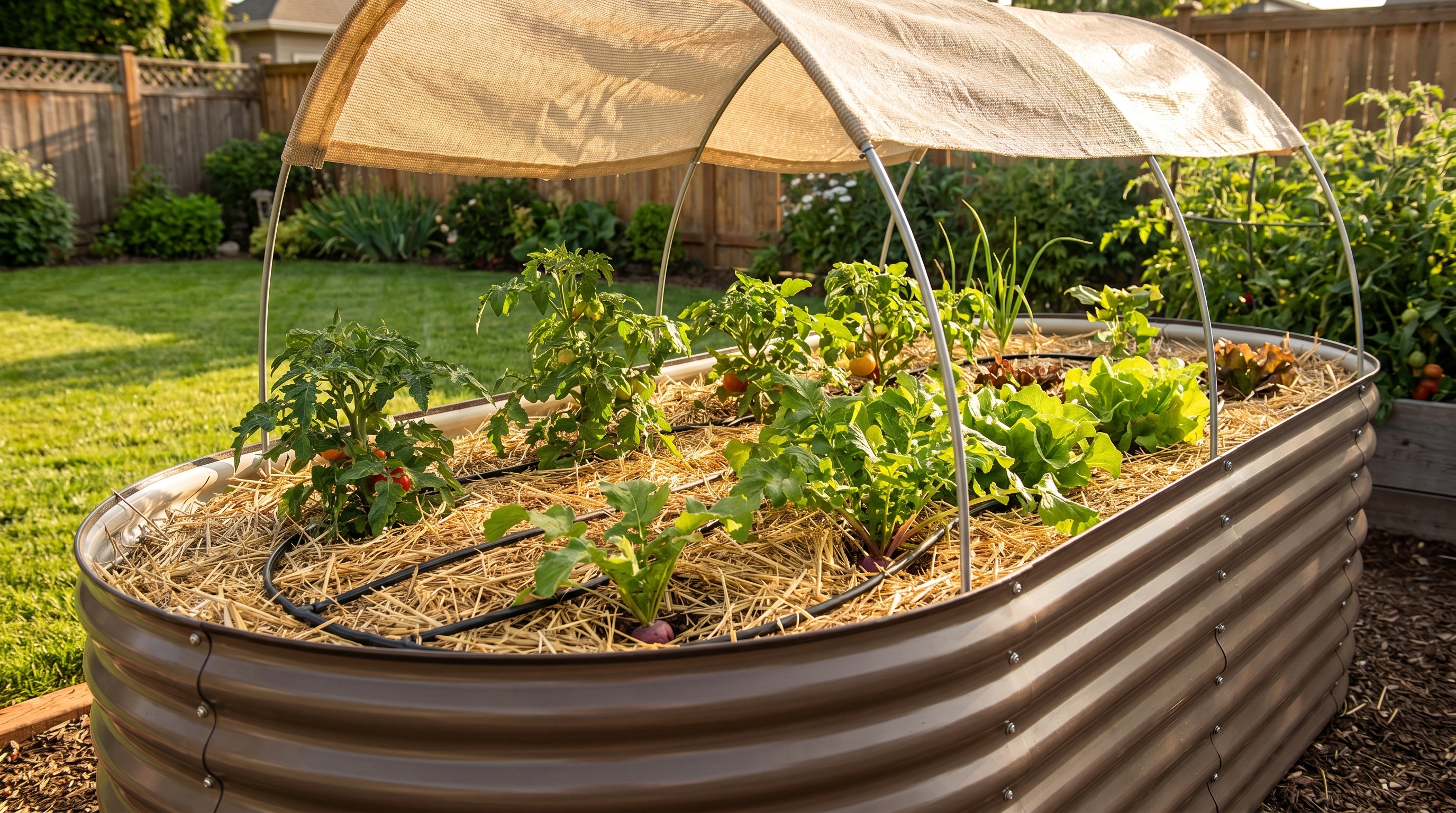
ALT: Galvanized steel raised garden bed with drip irrigation system, straw mulch, and shade cloth to conserve moisture in June heat
Advanced Moisture Management: Handling Special Situations
When Plants Show Signs of Drought Stress Despite Regular Watering
If you're watering consistently but still seeing wilted or stressed plants in the afternoon, the problem may not be insufficient water volume—it may be application method or root zone depth. Shallow or broadcast watering encourages roots to stay near the surface, where June heat is most intense. Switching to a drip or soaker system that delivers water 4–6 inches below the surface encourages deeper rooting and greater drought resilience.
Another factor is soil hydrophobicity. When soil dries out completely, organic matter can become temporarily water-repellent, causing water to bead up and run to the edges rather than soaking in. If this occurs, water very slowly at first—5 minutes on, 10 minutes off, repeat twice—to allow gradual re-wetting.
Common Misconceptions About Raised Bed Watering in Summer
Misconception 1: "Water every day in summer."
Daily watering can actually be counterproductive if it trains roots to stay shallow and if it's done at the wrong time of day. The correct approach is to water deeply and less frequently, allowing the top inch to dry slightly between waterings to encourage roots to grow downward toward more stable moisture.
Misconception 2: "Metal beds cook plant roots in summer."
While galvanized steel does absorb heat, the practical impact on root zone temperature in a well-mulched, properly filled bed is minimal. Roots grow toward the center of the soil mass, not along the walls. Anleolife's galvanized steel beds are designed with long-term performance in mind, and with proper mulching and siting, they perform excellently in summer conditions.
Misconception 3: "More water always means healthier plants."
Overwatering in hot weather promotes root rot and oxygen deprivation in the root zone. In a well-draining raised bed, the risk of overwatering is lower than in-ground, but it's still possible, particularly in shorter beds with less soil volume.
Frequently Asked Questions FAQ
Q1: How often should I water my raised garden bed in June heat?
The ideal frequency depends on your bed depth, soil composition, mulch coverage, and local climate, but most raised beds in hot summer conditions need deep watering every 2–3 days rather than a light daily sprinkle. Check soil moisture at 2–3 inches depth: if it's dry, water deeply until moisture reaches the root zone. Using a timer-based drip irrigation system removes guesswork and ensures consistent delivery regardless of your schedule.
Q2: Is galvanized steel safe for growing vegetables in hot weather?
Yes. Modern galvanized steel raised garden beds, including those from Anleolife's product line, are designed and tested for food gardening use. The zinc coating that gives galvanized steel its corrosion resistance is considered safe at levels found in garden soil, and the material does not leach harmful chemicals into soil at normal garden temperatures. The beds are built for durability—up to 20 years of service life—and perform well in hot climates with proper soil and mulch management.
Q3: How much water can I save by switching from hand-watering to drip irrigation in a raised bed?
Drip irrigation systems deliver water directly to the root zone with minimal surface evaporation, making them significantly more efficient than overhead hand-watering. While exact savings vary by climate, bed size, and plant type, many gardeners report substantial reductions in total water use after making the switch. The savings are most pronounced in June through August when evaporation rates peak. Pairing drip irrigation with a 3-inch mulch layer maximizes moisture retention and can extend the time between watering cycles considerably.
Summary
Managing moisture in raised garden beds during June heat comes down to three core principles: timing, layering, and system thinking. Water early in the morning to minimize evaporation, layer mulch generously to insulate the soil surface, and invest in a delivery system—drip irrigation or soaker hoses—that puts water where roots need it rather than where the sun can evaporate it.
The choice of raised bed material and height matters more than many gardeners realize. A taller, well-constructed metal raised bed holds more soil volume, moderates temperature swings more effectively, and provides a stable root environment through even the hottest weeks. Paired with quality soil rich in compost, a moisture-smart raised bed can produce abundantly through June and July with surprisingly modest water inputs.
Finally, think about your raised bed as part of a larger garden ecosystem. Strategic use of shade cloth, windbreaks, pathway lighting for early-morning care routines, and complementary garden elements all contribute to a more water-efficient, resilient growing environment. Small adjustments compound over a season—and over many seasons in a bed designed to last.
Ready to Upgrade Your Raised Garden Setup?
Nationwide U.S. warehouse network: Anleolife strategically positions inventory across California, Texas, Florida, New York, Illinois, and Washington, ensuring your raised bed arrives within 3–8 business days—so your summer garden plans stay on schedule.
Multi-channel availability: Shop on Amazon, Walmart, Home Depot, Lowe's, Wayfair, or directly at Anleolife.com for consistent quality and dedicated after-sales support.
Three complete garden scenarios: Planting (metal raised garden beds, soil systems), Raising (chicken coops, rabbit hutches), and Beautification (decorative accessories, pathway systems)—everything you need to build a garden that functions beautifully and looks stunning.
Anleolife understands that a great garden isn't built in a weekend—it evolves with you. Our modular raised bed designs allow you to start with one bed and expand into a complete planting-and-raising ecosystem at your own pace. With beds engineered for up to 20 years of service, you're not just buying a garden product; you're making a long-term investment in the outdoor lifestyle you deserve.
References
- U.S. Department of Agriculture Agricultural Research Service. "Evapotranspiration and Water Use in Agricultural Systems."
https://www.ars.usda.gov/ - University of California Cooperative Extension. "Irrigation Management for Home Gardens."
https://ucanr.edu/ - U.S. Environmental Protection Agency WaterSense Program. "Water-Efficient Landscaping and Irrigation Practices."
https://www.epa.gov/watersense - National Gardening Association. "Raised Bed Gardening: Soil, Watering, and Maintenance Guide."
https://garden.org/ - Penn State Extension. "Mulching for Moisture Conservation in Home Gardens."
https://extension.psu.edu/
Note: Standards and best practices may be updated. Please check the latest official documents or consult your local cooperative extension service for region-specific guidance.
About Anleolife
Anleolife is a leading outdoor garden solutions provider in North America, dedicated to offering a full-scenario product ecosystem for home gardening enthusiasts, covering planting, raising, and garden beautification. Since its founding, we have upheld our brand mission, "Made for Garden Life," continuously innovating products and optimizing services to help hundreds of thousands of users upgrade their gardens, reconnect with nature, and enjoy a better garden lifestyle.