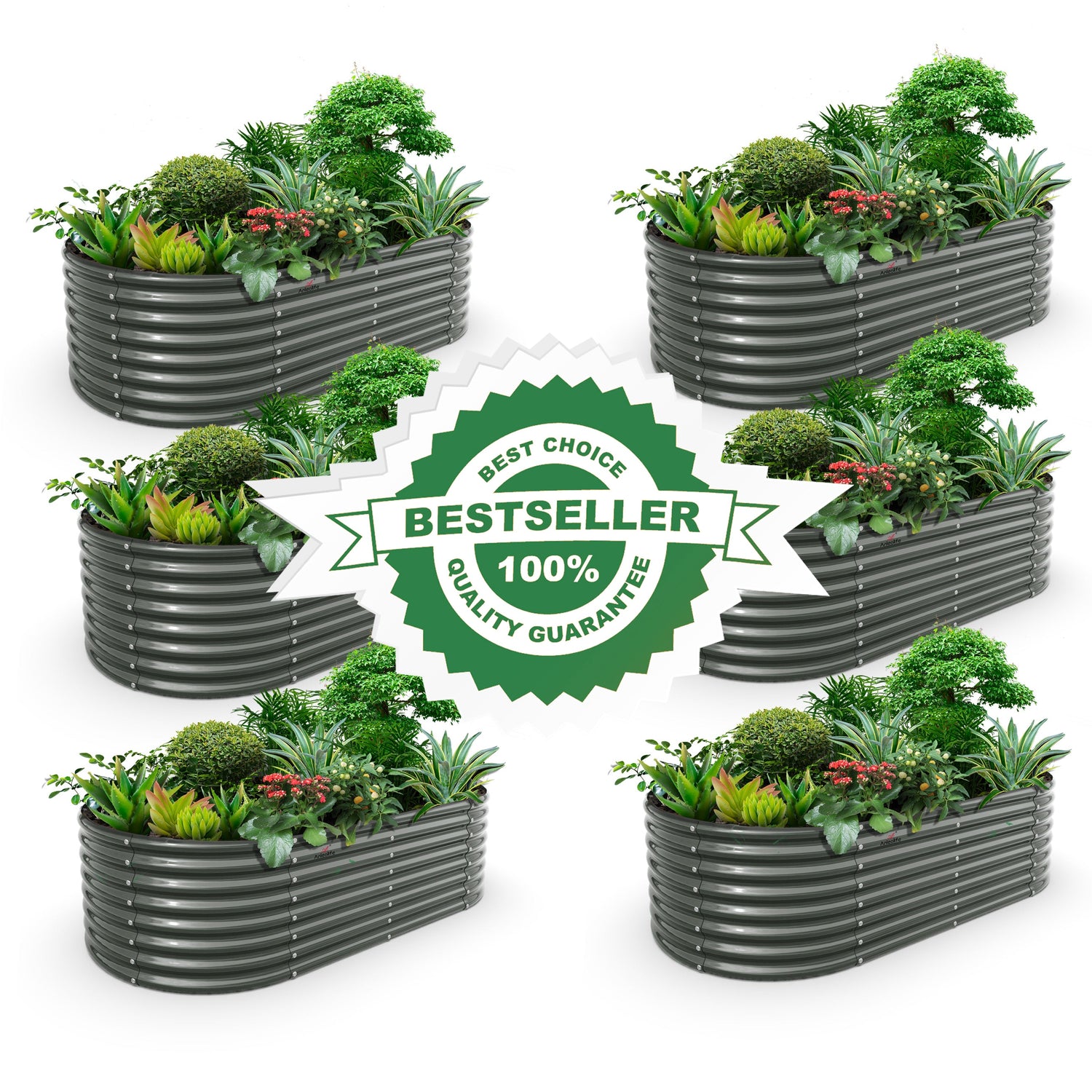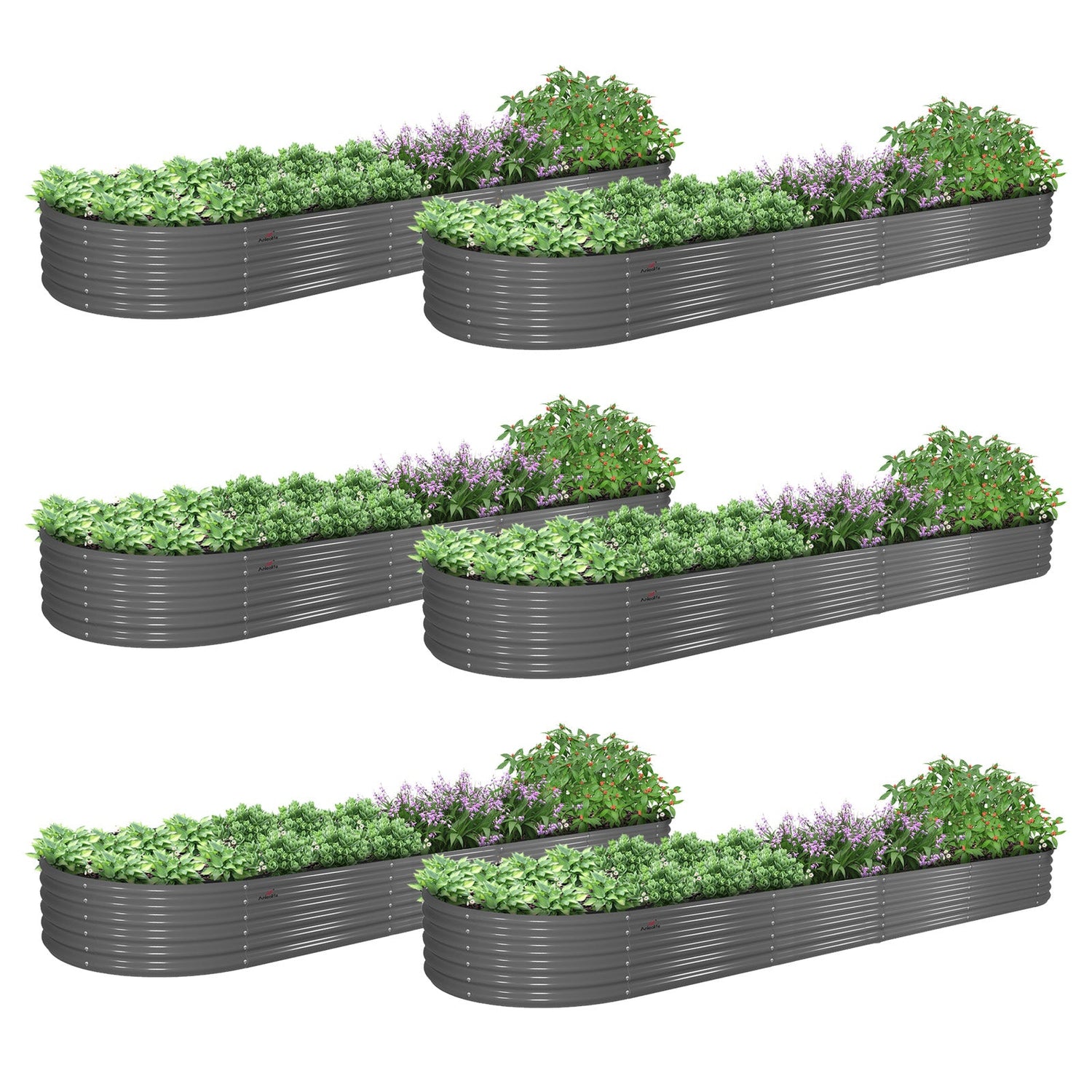



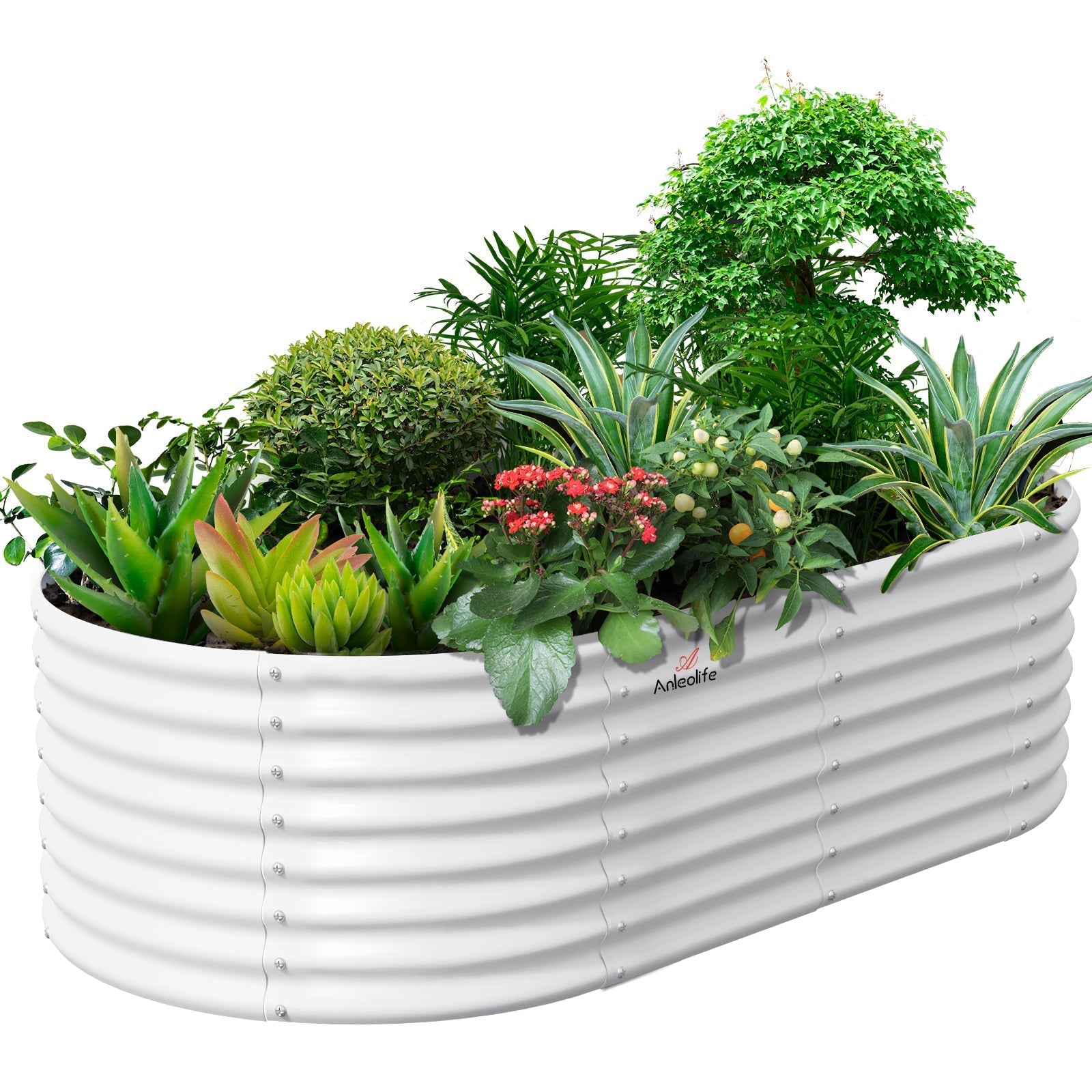
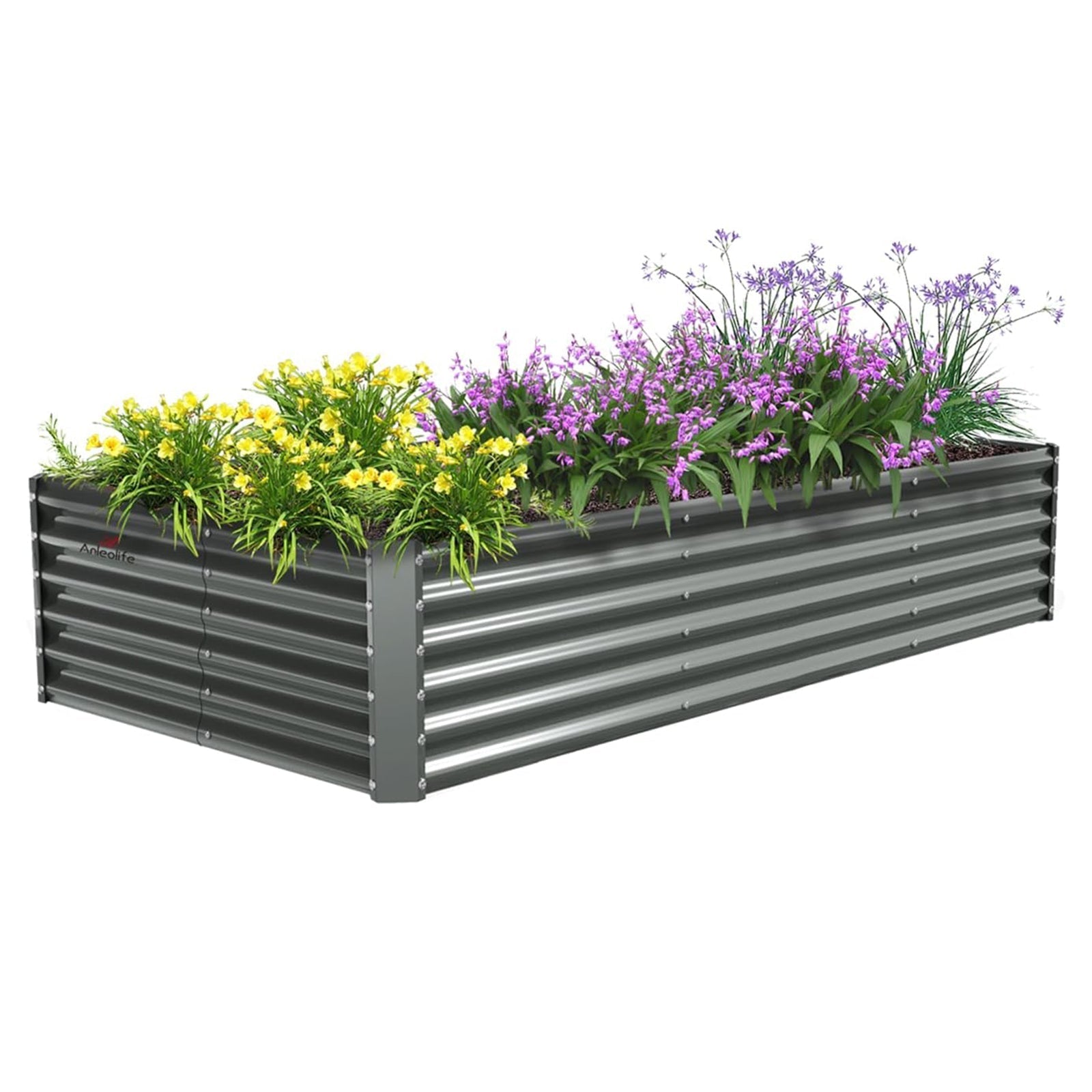

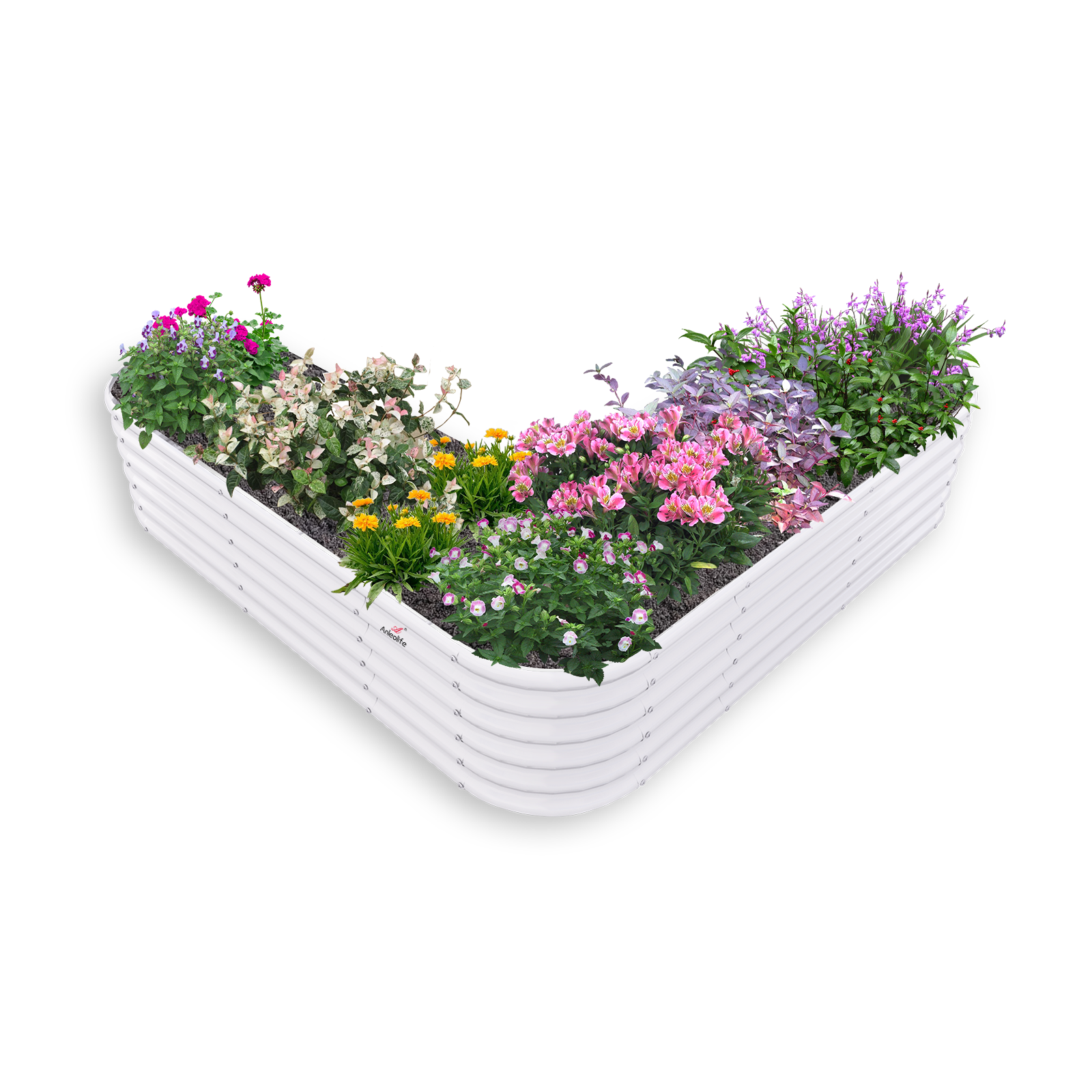
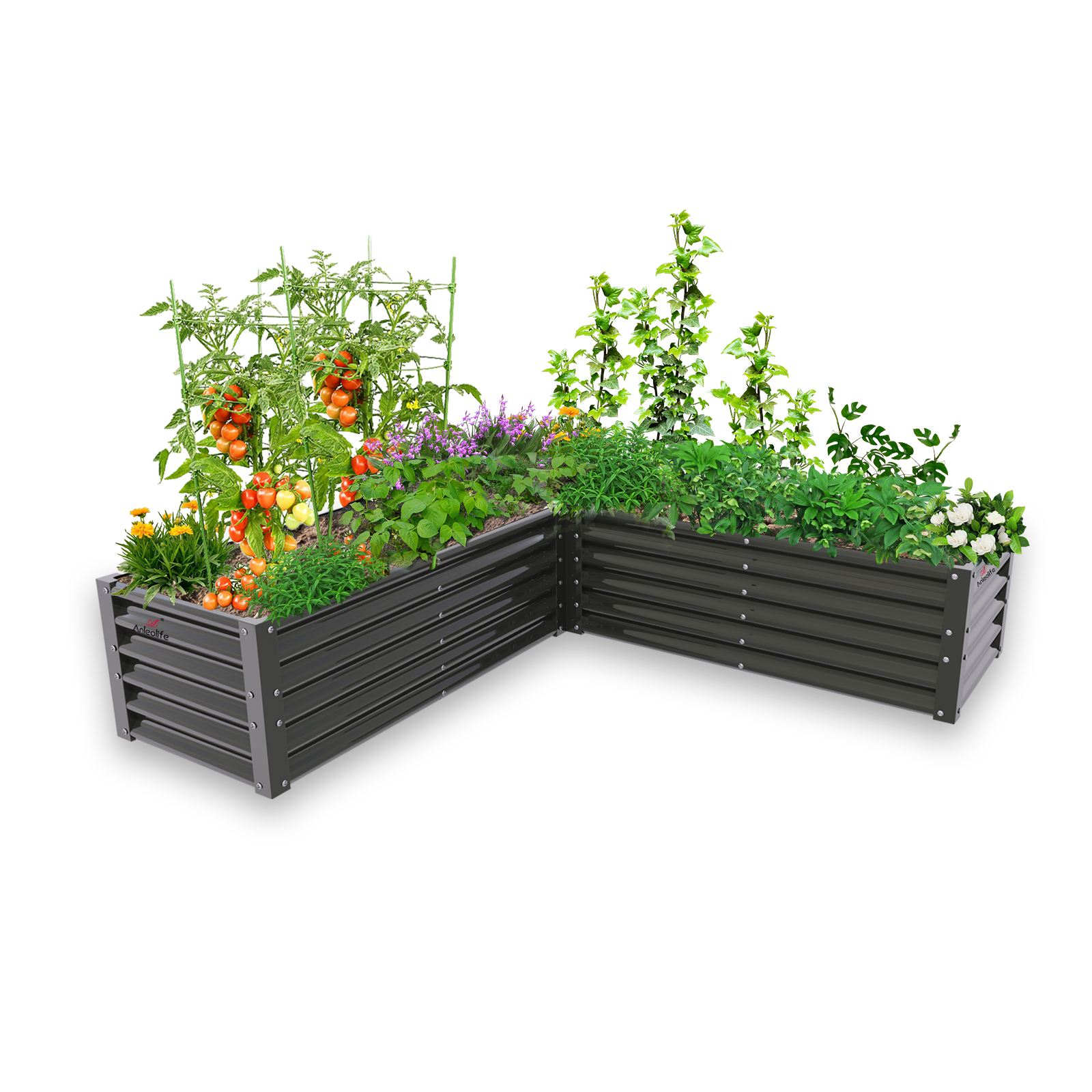
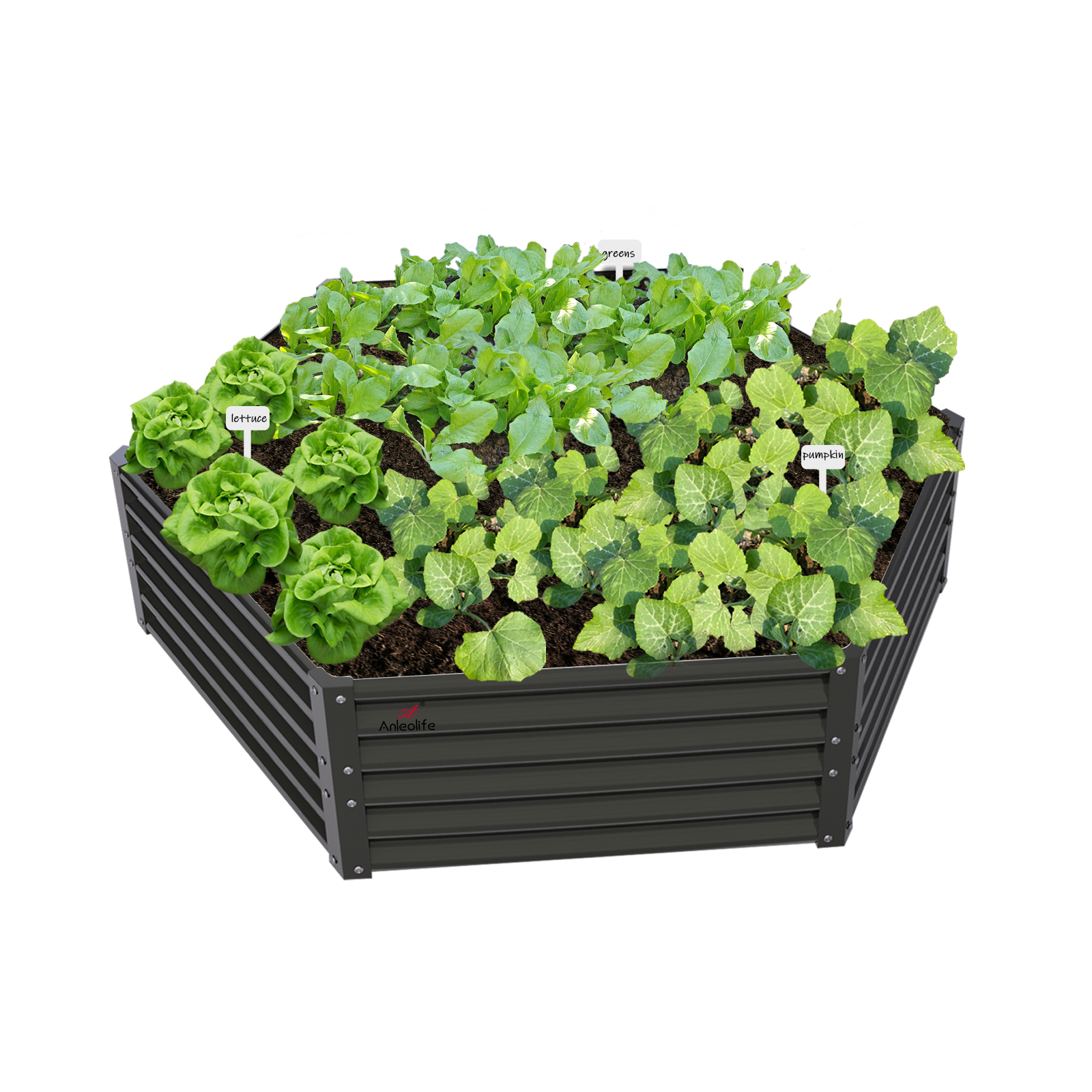
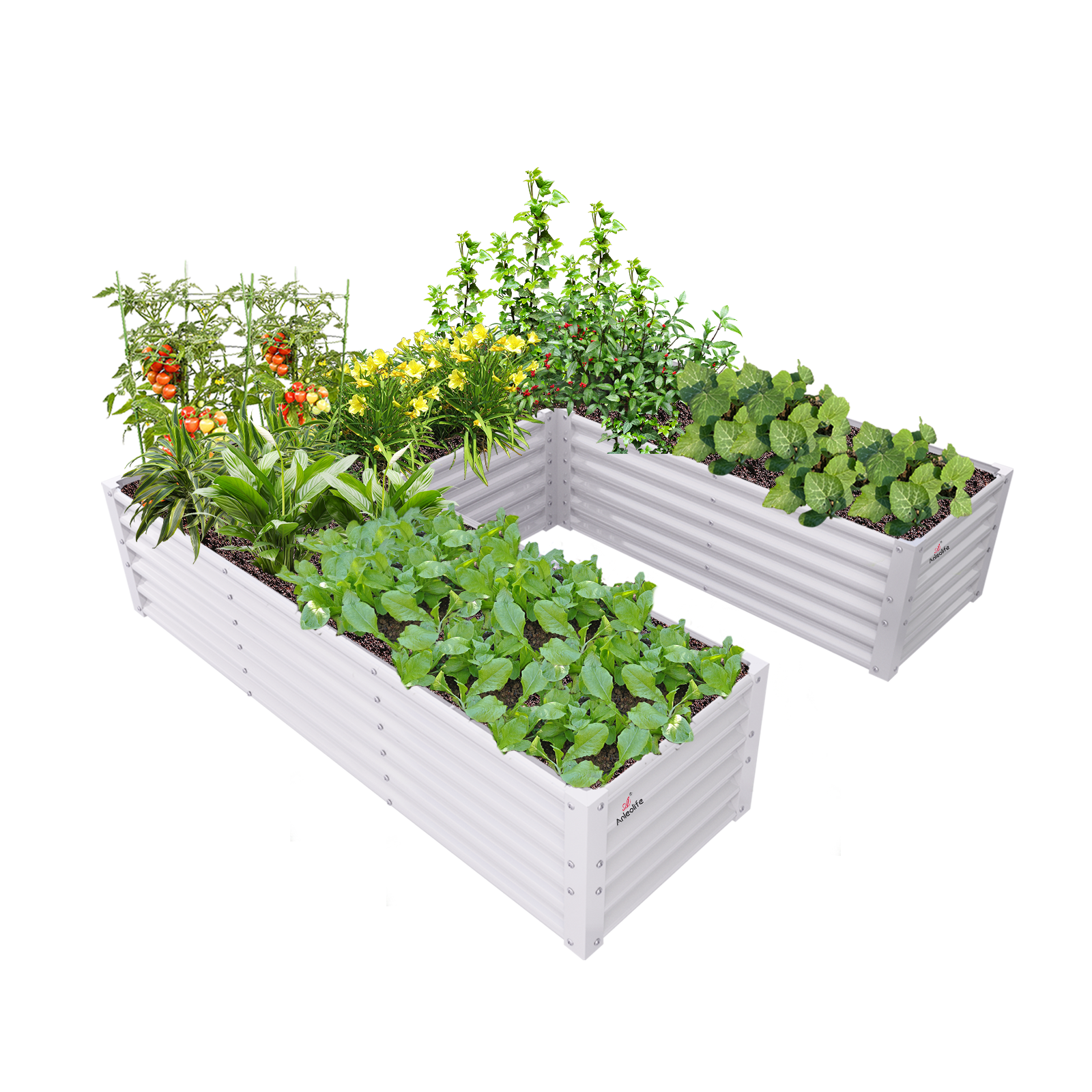

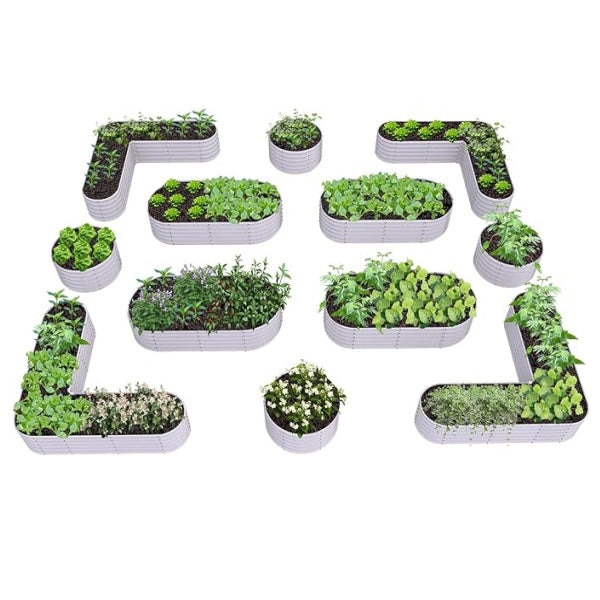


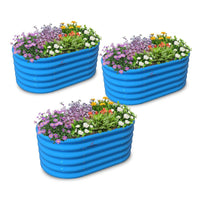
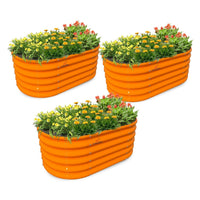
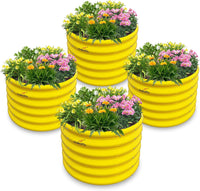
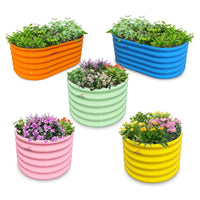
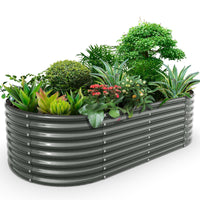



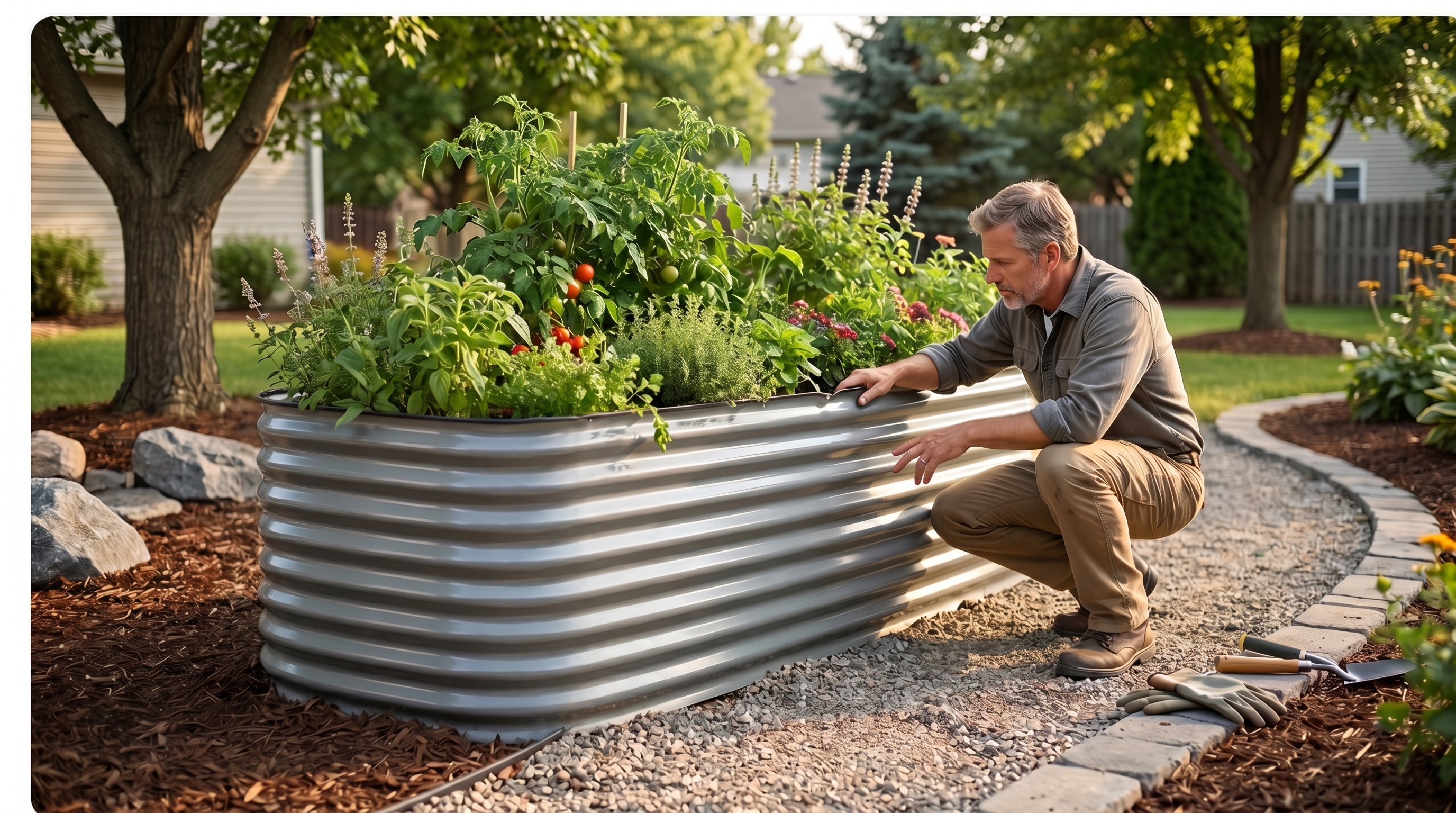
ALT: Raised garden bed warping and bowing out sides, homeowner troubleshooting structural issues in backyard garden
Why Your Raised Garden Bed Warps — And What You Can Do About It Right Now
Key Conclusion: Warping and bowing in a raised garden bed are among the most common structural issues home gardeners face. Whether you're dealing with a raised bed garden layout that's lost its shape after one season or a raised bed planting layout disrupted by bulging sidewalls, understanding the root causes is the first step toward a lasting fix. The right raised bed layout combined with quality materials can prevent these issues entirely — saving you time, money, and frustration year after year.
Raised garden beds are one of the best investments a home gardener can make — they improve drainage, warm up faster in spring, reduce weeds, and make tending your plants far more comfortable. But when those neat rectangular frames start to warp, lean, or bow outward under the pressure of soil and moisture, the whole setup begins to feel fragile and unreliable.
The good news? This is a solvable problem. Whether you're a new gardener setting up your first bed or a seasoned grower whose trusty frame finally gave out, this guide walks you through exactly why warping happens, how to fix it, and — most importantly — how to prevent it from ever happening again.
Who This Guide Is For — And When It Applies
✅ Applicable Scenarios:
- Gardeners whose wooden, metal, or composite raised beds have begun bowing outward at the middle of the long sides
- Homeowners who installed raised beds without internal bracing or corner reinforcements
- Gardeners experiencing soil washout or leaning walls after heavy rain or irrigation
- Anyone planning a new raised bed planting layout and wanting to avoid future structural problems
❌ Not Applicable/Cautions:
- This guide does not cover in-ground garden beds or traditional row-garden layouts, which have different structural considerations
- If your raised bed has completely collapsed or the material has rotted through, repair may not be feasible — full replacement is the safer, more economical choice
- Solutions involving structural reinforcements may not be appropriate for rented properties without landlord approval
Understanding Why Raised Garden Beds Warp in the First Place
Before you can fix a warped raised garden bed, it helps to understand what's actually causing the problem. The truth is, warping and bowing are almost always the result of a combination of factors — and they rarely happen overnight.
The Physics of Soil Pressure
Soil is heavy. A cubic foot of moist garden soil can weigh anywhere from 75 to 100 pounds. When you fill a raised bed to the top, you're placing enormous lateral (sideways) pressure on all four walls. That pressure is highest in the middle of the long sides, which is exactly why bowing almost always occurs there first. Over time — especially with repeated watering and drying cycles — that pressure causes weaker materials to deform permanently.
Moisture and the Expansion-Contraction Cycle
Moisture is the primary enemy of wooden raised beds. When wood absorbs water, it swells. When it dries out, it shrinks. Repeated through hundreds of watering cycles and seasons, this expansion-contraction cycle gradually weakens wood fibers, loosens fasteners, and causes even well-built frames to rack and warp. This is why untreated or low-grade lumber tends to fail within just a few seasons.
Metal beds, on the other hand, are immune to moisture-induced warping — which is one major reason galvanized steel raised beds have become so popular among serious home gardeners. A well-made metal raised garden bed can last 20 years without warping, rusting through, or losing structural integrity.
Poor Initial Construction
Many warping issues trace back to the original build. Common construction mistakes include:
- Using fasteners that are too short or too few
- Skipping corner posts or interior cross-bracing
- Selecting boards that are too thin for the height of the bed
- Placing the bed on uneven ground without leveling
Soil Composition Matters Too
Dense, clay-heavy soils retain moisture and add weight. If your raised bed planting layout uses a soil mix that's too heavy or drains poorly, the constant wet weight accelerates structural stress. A light, well-draining soil blend — typically a mix of topsoil, compost, and aeration material — reduces pressure on the walls significantly.
Is This a Growing Problem for Home Gardeners?
The popularity of raised bed gardening has surged over the past decade. According to the National Gardening Association, participation in food gardening in the U.S. has grown considerably, with millions of households now maintaining some form of home vegetable garden. As more gardeners invest in raised beds, structural issues like warping and bowing have become increasingly common questions in gardening communities and forums. The demand for durable, long-lasting beds has never been higher.
How to Diagnose, Fix, and Prevent Raised Garden Bed Warping
Three-Step Quick Start
Step 1: Assess the Damage and Identify the Cause
Before reaching for tools, take 15–20 minutes to thoroughly examine your raised bed. Press on the bowed sections — is the material still solid, or has it softened and started to rot? Check the fasteners at the corners: are screws pulling out, or are the boards themselves deforming? Look at the base of the walls for signs of soil washout underneath. Understanding the severity and cause of the damage will determine whether you're looking at a repair job or a replacement decision.
Step 2: Apply the Right Short-Term Stabilization Fix
Once you know what you're dealing with, you can stabilize the bed. For mild to moderate bowing, drive wooden stakes or metal rebar stakes into the ground directly against the outside of the bowed wall, then fasten the wall to the stake. This immediately stops further outward movement and buys you time to implement a more permanent solution. For corner separation, use heavy-duty L-brackets and appropriate-length screws to reconnect the joints. This step typically takes 30–60 minutes with basic tools.
Step 3: Implement Permanent Reinforcement or Plan Your Upgrade
For a lasting fix, install a horizontal cross-brace at the midpoint of any long sides over 4 feet in length. This is a piece of lumber or metal rod that runs across the interior of the bed, connecting opposite walls and preventing outward movement regardless of soil pressure. If the damage is too severe for repair, use this as an opportunity to evaluate your raised bed garden layout and upgrade to a more durable material — particularly galvanized metal — that eliminates warping concerns entirely.
Comparing Your Main Solutions: Repair, Reinforce, or Replace
When your raised bed warps, you essentially have three paths forward. Here's a clear comparison to help you decide which approach makes the most sense for your situation.
The right choice depends on the current state of your bed, your budget, and how long you want your next setup to last. Minor bowing in a relatively new, solid wooden bed is easily repaired. But if the wood is soft, discolored, or crumbling — or if this is the second or third time you've dealt with bowing — replacement with a more durable material is the smarter long-term investment.
| Comparison Dimension | Quick Repair (Stakes/Brackets) | Structural Reinforcement (Cross-Braces) | Full Replacement (Metal Bed) |
|---|---|---|---|
| Cost | Very low (under $20 in most cases) | Low to moderate (materials + time) | Moderate upfront investment |
| Time Required | 30–60 minutes | 1–3 hours depending on bed size | 2–4 hours for assembly and fill |
| Longevity of Fix | Temporary; may need repeating | Good for 1–3 additional seasons | 20 years with proper care |
| Suitable For | Mild bowing, solid material still intact | Moderate bowing, structurally sound frame | Severe damage or recurring issues |
| Skill Level Required | Beginner | Beginner to intermediate | Beginner (most metal beds modular) |
| Disruption to Plants | Minimal — no need to empty bed | Low — internal brace can often be added without emptying | High — requires emptying and relocating soil |
| Long-Term Value | Low | Medium | High |
Deep Dive: Fixing and Future-Proofing Your Raised Garden Bed Layout
Why the Long Side Always Bows First
If you've noticed that the bowing always happens along the longest wall rather than the short ends, that's not a coincidence. Structural engineering tells us that a beam (or board) under lateral load deflects most at its midpoint. The longer the span, the greater the deflection for a given load. This is why beds longer than 4 feet almost always require mid-span bracing when built from wood — and why the long sides always show the problem first.
Understanding this principle helps you design a better raised bed garden layout from the start: keep individual beds no more than 4 feet wide (which also makes reaching the center easier), and always include a cross-brace or stake support at the midpoint of any side longer than 4 feet.
The Cross-Brace Method: Step-by-Step
The cross-brace is the single most effective structural fix for a bowing raised bed. Here's how to install one properly:
Start by measuring the interior width of your bed at the midpoint of the long side. Cut a length of 2x4 lumber (or use a length of threaded metal rod with washers and nuts) to match this measurement. For a wooden brace, pre-drill holes at each end to prevent splitting, then screw it to the interior face of each long wall at the top. If you prefer a less visible solution, install the brace about 6 inches below the soil surface — it will still do its job while staying hidden.
Metal rod braces are particularly elegant: drill a hole through each long wall at the midpoint, thread the rod through, add a large washer and nut on the outside of each wall, and tighten. The rod holds the walls in tension, preventing outward movement completely. This is the method used by many premium garden bed manufacturers as a standard feature.
Addressing the Soil and Drainage Side of the Equation
Structural fixes are only half the answer. Reviewing your raised bed planting layout and soil mix is equally important for preventing future problems.
If your soil stays wet for extended periods after watering, consider:
- Improving your soil mix: Aim for a blend that drains freely. A common recommendation is roughly equal parts quality topsoil, compost, and a coarse aeration material. This keeps the soil lighter and reduces prolonged pressure on the walls.
- Upgrading your watering system: The best hose for watering vegetable gardens efficiently is typically a soaker hose or drip irrigation setup. These systems deliver water directly to the root zone without oversaturating the soil, reducing the wet weight that stresses your bed walls over time.
- Adding drainage at the base: If your bed sits on compacted soil or clay, water may pool at the bottom and keep soil saturated. A layer of coarse gravel at the base of the bed improves drainage dramatically.
Choosing the Right Plants Can Also Reduce Structural Stress
This might seem like an odd connection, but your plant selection genuinely affects how much stress your raised bed experiences. Herbs that grow well in small raised beds — such as basil, thyme, rosemary, oregano, and chives — are shallow-rooted and thrive in light, free-draining soil. This type of soil exerts less lateral pressure than the dense, moisture-retentive mixes favored by heavy feeders like tomatoes and squash.
Designing a section of your raised bed planting layout specifically for herbs not only gives you a productive, beautiful growing space but also keeps that section of your bed lighter and structurally less stressed. Herbs also happen to look lovely — particularly when paired with thoughtful design elements like best garden ornaments for Mediterranean style yards, such as terracotta pots, gravel pathways, and low stone borders that complement a culinary herb garden beautifully.
When to Choose Replacement Over Repair
There are clear signs that repair is no longer the right choice:
- The wood is soft, spongy, or crumbles when you press it
- Fasteners are pulling free from rotted material
- The bed has bowed to the point that the walls are visibly slanted outward by more than a couple of inches
- You've repaired the same section more than once in a single season
If any of these apply, it's time to upgrade. Metal raised garden beds — particularly galvanized steel options — are the gold standard for long-term durability. Unlike wood, metal doesn't rot, warp, expand, or contract with moisture. A quality metal bed is built to last 20 years, making it one of the best investments a serious home gardener can make.
For gardeners on a tighter timeline or budget, there are excellent best budget raised beds under $200 for beginners available on platforms like Amazon, Walmart, and Home Depot that deliver solid performance without a major financial commitment. The key is to prioritize wall thickness and corner construction over aesthetics when evaluating entry-level options.
Enhancing Your Garden Space While You're At It
Once you've addressed the structural issue, it's a great moment to think about the broader experience of your garden space. Warping and bowing often happen after a season or two, which means your garden has grown and you've probably developed a clearer vision of what you want it to look like.
Consider adding best garden lighting for entertaining outdoor spaces — string lights overhead, solar path lights along walkways, or low-voltage spotlights aimed at raised beds — to extend the hours you can enjoy your garden and make evening maintenance much easier. Good lighting also makes your garden feel intentional and welcoming rather than purely functional.
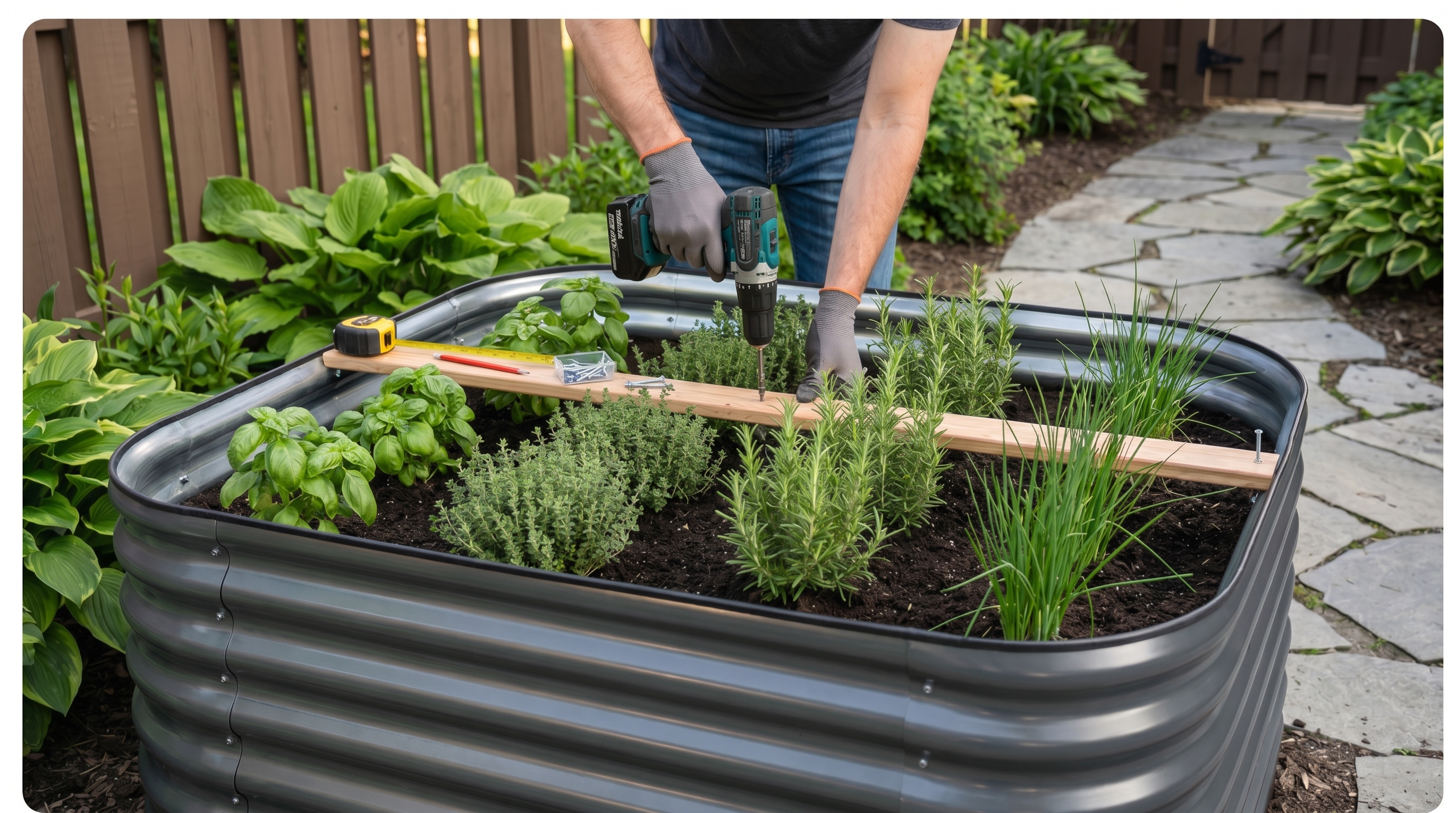
ALT: Gardener installing cross-brace reinforcement inside raised garden bed to prevent bowing, herbs growing in organized raised bed planting layout
Advanced Considerations: Special Situations and Common Misconceptions
Tall Beds Present Unique Challenges
Raised beds with taller wall heights — sometimes called "standing height" or "accessible" beds — experience significantly more lateral soil pressure than standard-height beds simply because they hold more soil volume. If you're building or upgrading to a taller raised bed, internal cross-bracing at multiple heights is not optional — it's essential. Metal beds designed for taller heights typically incorporate engineered panel systems and ribbing to distribute this load without bowing.
Cold Climates Add Freeze-Thaw Stress
In regions with harsh winters, the freeze-thaw cycle adds another layer of structural stress to wooden beds. Water infiltrates wood cells, freezes, expands, and further breaks down the material. If you garden in a cold climate, this is one of the most compelling reasons to transition to metal. Metal beds simply don't experience freeze-thaw deterioration in the same way wood does.
Common Misconceptions About Warping
Misconception 1: "Thicker wood means no warping."
Thicker boards do resist bowing better than thin ones, but they are not immune — especially at longer spans. Bracing is still necessary for any bed longer than 4 feet, regardless of board thickness.
Misconception 2: "Treating the wood will prevent all structural issues."
Wood treatment significantly extends lifespan and reduces moisture damage, but it does not prevent the mechanical stress of soil pressure. Even treated wood needs proper structural design to avoid bowing.
Misconception 3: "Metal beds rust quickly and aren't worth the cost."
High-quality galvanized steel beds are designed specifically to resist rust and corrosion. A well-made metal raised garden bed is built to last 20 years — far outlasting even the best-maintained wooden beds.
Frequently Asked Questions FAQ
Q1: How do I stop my raised garden bed from bowing outward without emptying all the soil?
You can add external stakes or internal cross-braces without emptying the bed in most cases. Drive sturdy wooden or metal stakes into the ground directly against the bowed exterior wall and attach the wall to the stake with heavy-duty screws. For an internal brace, install a horizontal rod or lumber piece at the top interior of the bed — you can do this without disturbing the soil below. This approach works well for mild to moderate bowing in structurally sound frames.
Q2: Are metal raised garden beds really better than wood for avoiding warping?
Yes, for the specific issue of warping and bowing, metal raised garden beds are significantly superior. Metal does not absorb moisture, does not expand and contract with weather cycles, and does not rot — all of which are the primary causes of warping in wooden beds. A quality galvanized steel raised garden bed is designed to last 20 years, compared to just a few seasons for untreated wood. For gardeners who want a truly long-term solution, metal is the clear choice.
Q3: How long does it take to repair a bowing raised garden bed, and what does it cost?
A basic repair using external stakes and brackets typically takes 30–60 minutes and costs under $20 in materials. Installing a proper interior cross-brace takes 1–3 hours and may cost $10–$30 in lumber or hardware. Full replacement with a new metal raised bed takes 2–4 hours for assembly and soil transfer, with cost varying based on the bed selected — though many quality options fall within the best budget raised beds under $200 category for standard sizes. The repair route is faster and cheaper short-term; replacement offers better long-term value.
Summary
Warping and bowing in raised garden beds is frustrating, but it's far from the end of your gardening journey. Three core takeaways from everything covered in this guide:
First, warping is almost always caused by a combination of soil pressure, moisture cycling, and insufficient structural support — not just poor materials. Even a quality wooden bed will bow without proper cross-bracing at the midpoint of long sides.
Second, your response should match the severity of the damage. Minor bowing can be addressed with stakes and brackets in under an hour. Moderate structural issues benefit from interior cross-bracing. Severe or recurring damage is a clear signal to upgrade to a more durable material — ideally galvanized steel — that is rated to last 20 years.
Third, prevention is always easier than repair. Design your raised bed garden layout with structural reinforcement built in from the start, use a light free-draining soil mix, and consider metal beds if you want a lifetime solution rather than a seasonal repair cycle.
Your raised bed is the foundation of your growing space. Getting it right — and keeping it right — pays dividends in every harvest for years to come.
Ready to Upgrade Your Raised Garden Bed?
Anleolife makes it easy to move from frustration to flourishing. Here's why thousands of home gardeners across North America trust Anleolife for their raised bed journey:
Nationwide U.S. Warehouse Network: Strategically located in California, Texas, Florida, New York, Illinois, and Washington, Anleolife's fulfillment infrastructure ensures delivery within 3–8 business days — so your garden upgrade plans never have to wait through long shipping delays.
Multi-Channel Availability: Anleolife products are available on all major platforms — Amazon, Walmart, Home Depot, Lowe's, Wayfair — and directly through the official website Anleolife.com, providing consistent quality assurance and after-sales support wherever you prefer to shop.
Three Complete Garden Scenarios: Whether you're focused on Planting (metal raised garden beds built to last 20 years, premium soil systems), Raising (chicken coops, rabbit hutches), or Beautification (decorative accessories, pathway systems), Anleolife covers the full journey from functional to beautiful.
We understand that an ideal garden isn't built overnight — it's cultivated gradually, season by season. Anleolife's modular product design allows you to start with one bed and expand into a complete planting-and-raising ecosystem at your own pace. We grow with you every step of the way.
References
- National Gardening Association. "Garden to Table: A Guide to the Growing Trend of Home Food Gardening".
https://garden.org/ - University of California Agriculture and Natural Resources. "Raised Bed Gardening".
https://ucanr.edu/ - Penn State Extension. "Raised Bed Gardening — Soil, Structure, and Maintenance".
https://extension.psu.edu/ - Colorado State University Extension. "Raised Bed Gardening — Constructing and Filling Raised Beds".
https://extension.colostate.edu/ - Iowa State University Extension and Outreach. "Building and Maintaining Raised Garden Beds".
https://www.extension.iastate.edu/
Note: Standards and recommendations may be updated. Please check the latest official documents or consult professional advisors for the most current guidance.
About Anleolife
Anleolife is a leading outdoor garden solutions provider in North America, dedicated to offering a full-scenario product ecosystem for home gardening enthusiasts, covering planting, raising, and garden beautification. Since its founding, we have upheld our brand mission, "Made for Garden Life," continuously innovating products and optimizing services to help hundreds of thousands of users upgrade their gardens, reconnect with nature, and enjoy a better garden lifestyle.