Garden Life Guide

Why Invest in a High-Quality Elevated Garden Bed?

Why Invest in a High-Quality Elevated Garden Bed?

on Dec 03 2025
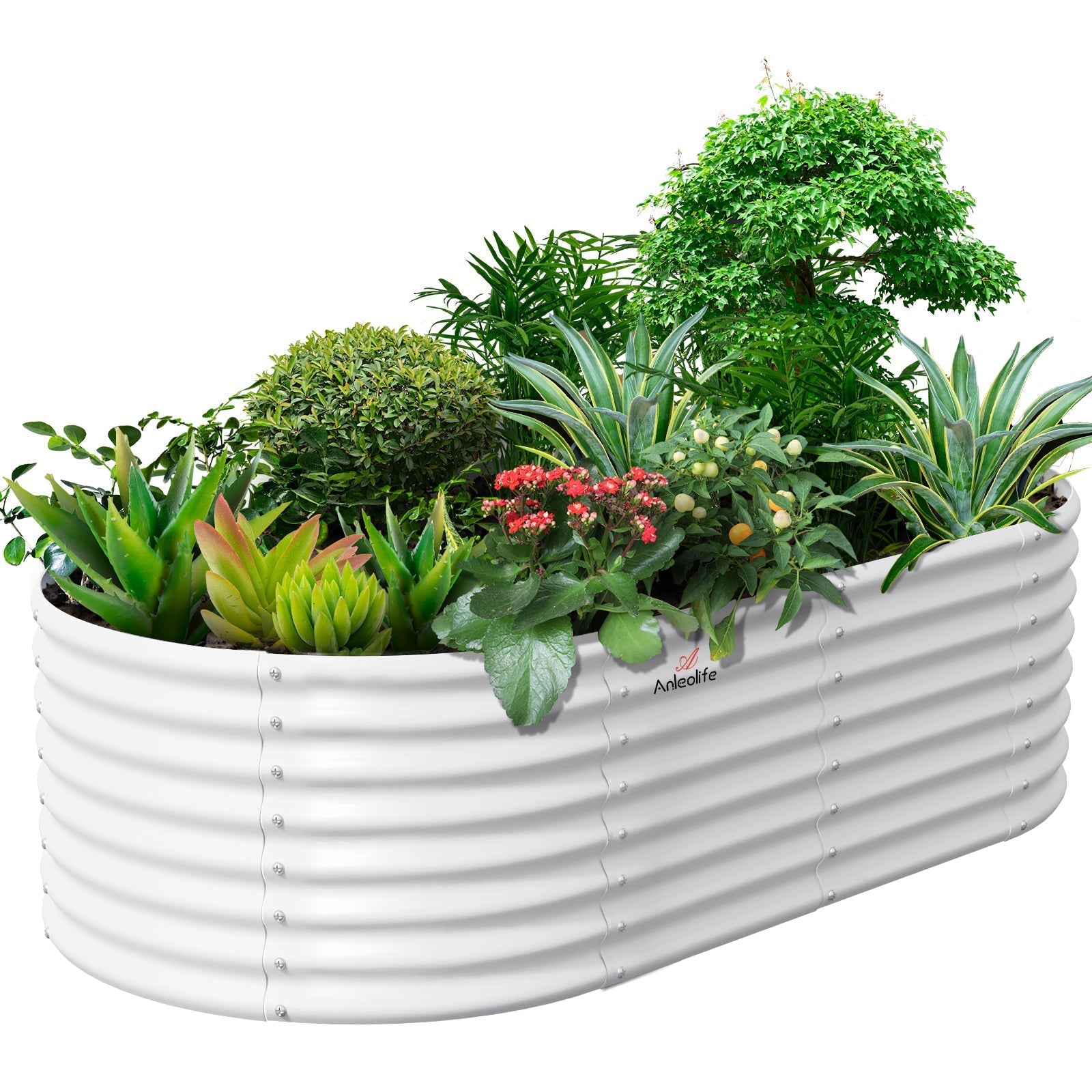
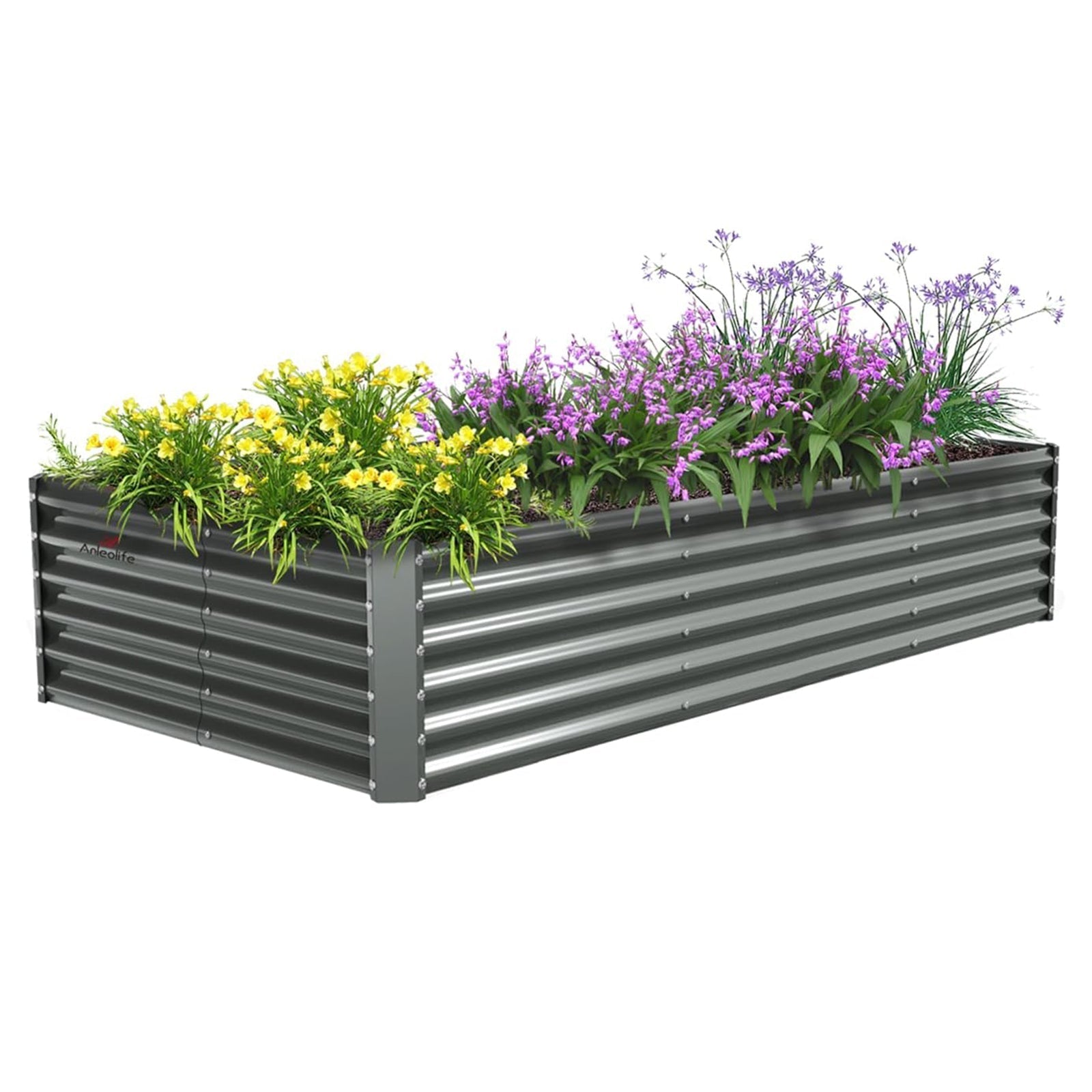
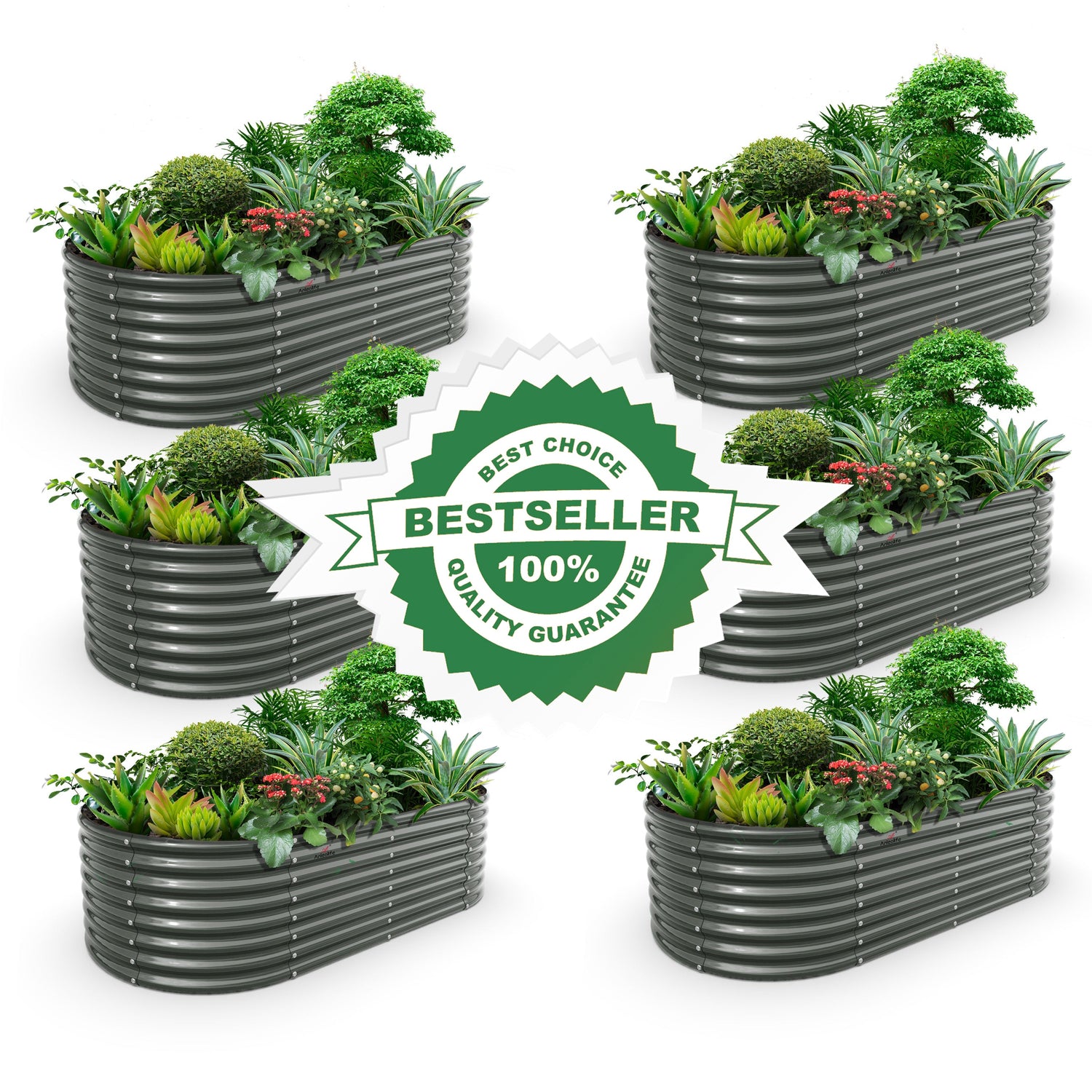
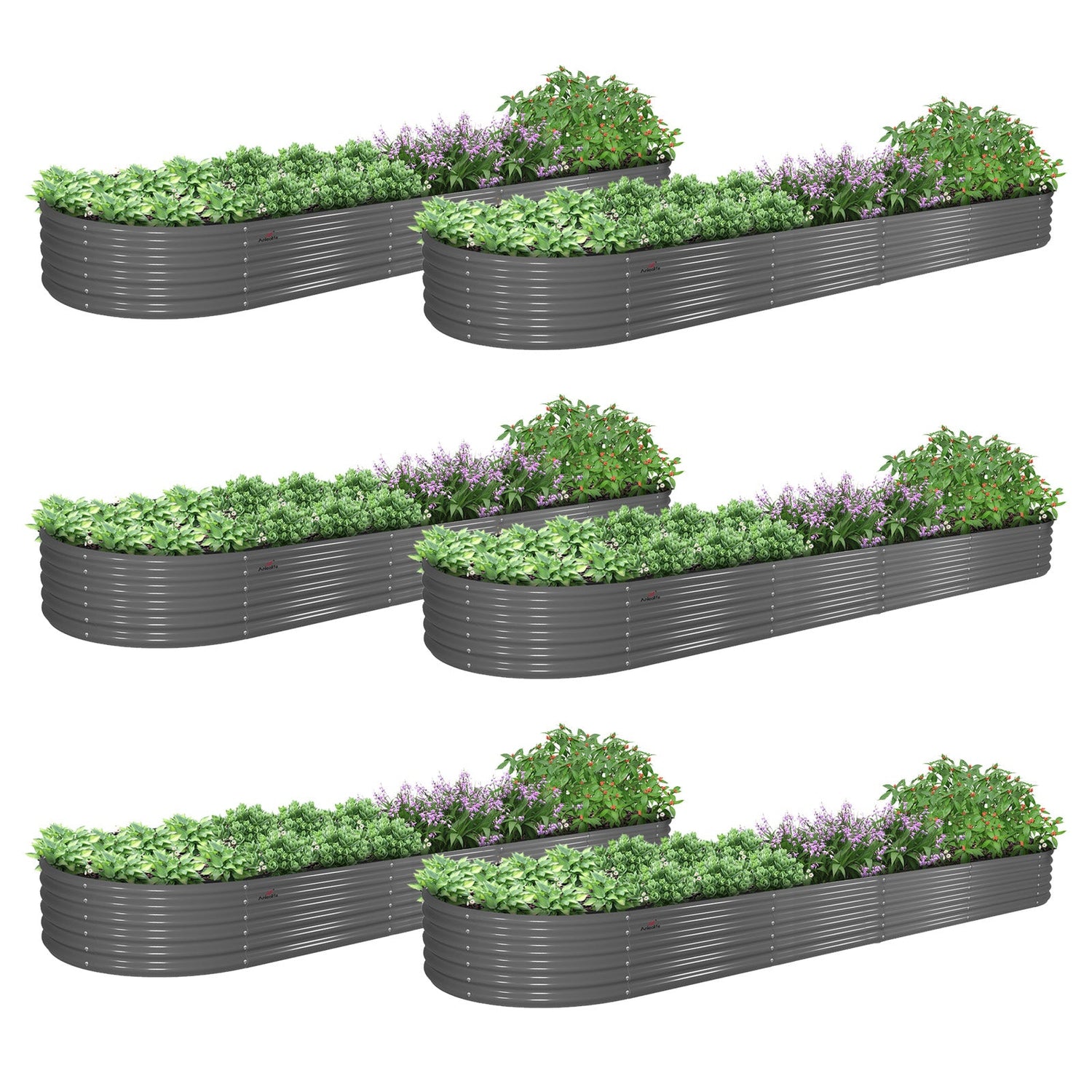
When it comes to gardening, we all seek a blend of practicality, longevity, and beauty. Whether you’re growing your first vegetable garden or adding a new section to your yard, choosing the right garden bed is a decision that can significantly impact your gardening experience. Among the various types of garden beds available, elevated garden beds have gained immense popularity, offering advantages over traditional in-ground gardens, particularly for those with limited space or poor soil. However, not all elevated garden beds are created equal, and the decision to invest in a high-quality metal elevated garden bed versus cheaper alternatives, such as wooden or plastic beds, can make a big difference in the long run. In this article, we’ll explore why you should opt for a high-quality metal raised garden bed and how its benefits justify the higher price point. 1. Durability That Lasts for Years One of the most compelling reasons to invest in a high-quality metal elevated garden bed is durability. Metal beds, especially those made from galvanized steel, are built to withstand the elements without succumbing to rot, rust, or warping. While wooden garden beds can be beautiful and initially cost less, they are susceptible to several issues: Rotting and decay: Over time, wood breaks down when exposed to moisture, requiring frequent replacements or repairs.Pests: Wood can attract insects like termites, which can undermine its structural integrity.Warping: The natural expansion and contraction of wood can cause it to bend and lose its shape. On the other hand, galvanized steel or powder-coated metal beds do not suffer from these issues. These materials are rust-resistant and immune to moisture damage, offering a much longer lifespan.  Galvanized raised garden bed kit can last 20 years or more with minimal upkeep, making it a wise long-term investment. 2. Maintenance-Free Gardening When you invest in a high-quality metal elevated garden bed, you’re also saving yourself from the constant maintenance that comes with cheaper alternatives. Wood requires regular sealing or painting to prevent rotting and fading, which means more time and money spent on upkeep. Additionally, wood needs to be treated periodically to prevent insect infestations. In contrast, metal elevated garden beds require little to no maintenance. The metal is resistant to wear and tear, ensuring that it stays looking sleek and functional year after year. There is no need for frequent painting or staining, and the materials won’t break down or degrade from exposure to sunlight, rain, or snow. For busy gardeners who don’t want to spend time maintaining their garden beds, a high-quality metal bed is a hands-off solution that allows you to focus on the joy of gardening, not constant repairs. 3. Better for the Environment Environmental concerns are increasingly influencing purchasing decisions, and gardening is no exception. High-quality metal garden beds, particularly those made from galvanized steel, are recyclable and sustainable. This makes them a far more eco-friendly option compared to wooden garden beds, which are typically treated with chemicals like chromated copper arsenate (CCA) or other pesticides to prevent rot and pests. These chemicals can leach into the soil over time, potentially contaminating your plants and the environment. On the other hand, metal beds are chemical-free and pose no risk to your garden’s health. Additionally, choosing high-quality metal raised garden beds ensures that the materials will last for years without needing to be replaced, reducing the frequency of garden bed waste. 4. Increased Growing Capacity and Efficiency High-quality elevated garden beds allow for more efficient growing. The materials used in premium beds are designed to maximize the growing area while providing superior drainage, air circulation, and easy access to your plants. Here’s how: Better Soil Aeration: Metal garden beds allow for optimal air circulation around the roots of your plants, preventing compacted soil and promoting healthy root growth. This leads to stronger plants and better yields. Improved Drainage: Metal elevated beds are designed to drain quickly and evenly, preventing the common problem of waterlogging that can occur in wooden beds or poorly-drained areas. This means your plants are less likely to suffer from root rot, one of the most common gardening issues. Space Efficiency: Round raised garden beds can be placed in a variety of locations, from small urban backyards to rooftop gardens. They offer a space-efficient solution for gardeners with limited room for a traditional in-ground bed. Plus, by elevating your plants, they’re easier to maintain and harvest, reducing the need for bending over or kneeling. 5. Aesthetic Appeal and Design Versatility Another key advantage of investing in high-quality elevated garden beds is the aesthetic value they add to your outdoor space. Metal raised garden beds come in a variety of finishes, such as powder-coated colors, rustic galvanized steel, and sleek modern designs that can complement virtually any garden style. The beauty of metal garden beds lies in their versatility. Whether you prefer a more industrial look, a minimalist design, or a natural feel, a high-quality metal raised bed will blend seamlessly into your garden, creating a beautiful focal point that enhances your outdoor decor. 6. Long-Term Cost Savings While high-quality metal elevated garden beds may come with a higher initial price tag compared to wooden or plastic alternatives, they offer significant long-term savings. The durability of metal beds means that you won’t need to replace them as often as wooden beds, which require periodic replacements due to rotting or warping. Over time, the cost of replacing wooden garden beds can quickly add up, while a metal bed will continue to perform well for many years with minimal maintenance. Additionally, because metal beds offer better soil conditions, improved drainage, and higher yields, gardeners often see greater success with their crops, leading to a more productive garden and less money spent on fertilizers, pest control, and plant replacements. 7. The Higher Price Justifies the Quality The higher price of a high-quality elevated garden bed is justified not only by its durability and low maintenance, but also by its superior functionality. When you invest in a metal bed, you are investing in a system that will support your garden’s health for years to come. You’re also investing in a design that allows you to grow more efficiently, with less effort, while adding aesthetic value to your garden space. While cheaper garden beds may seem like a good deal in the short term, they often end up costing more in the long run due to maintenance, replacements, and lower productivity. Raised bed garden layout offers peace of mind, knowing that your investment is built to last and will continue to deliver exceptional results season after season. Conclusion: Investing in a Premium Raised Bed Is an Investment in Your Garden’s Future A high-quality elevated garden bed is more than just a place to grow your plants—it’s an investment in a healthier, more productive garden, a more sustainable environment, and your overall gardening enjoyment. By choosing a durable, low-maintenance, and efficient metal garden bed, you’re setting yourself up for years of gardening success with less hassle and more rewarding results. The price of a premium raised garden bed reflects its value. It’s an investment in long-term quality, productivity, and peace of mind that no wooden or plastic alternative can match. So, if you’re looking to enhance your gardening experience and build a lasting foundation for your outdoor space, investing in oval raised garden beds is one of the best decisions you can make. Get the Anleolife Raised Garden Bed Ready to upgrade your garden? Choose a durable, sturdy, high-quality metal garden bed that can last for years of planting seasons. Simply select your preferred size and color → click "Add to Cart" → complete checkout, and your upgraded garden is ready to begin. Order now and create a more productive, beautiful, and long-lasting planting space.
Small Space, Big Harvest: A Thanksgiving Message for Beginner Gardeners

Small Space, Big Harvest: A Thanksgiving Message for Beginner Gardeners

on Nov 27 2025
For many new gardeners, the dream of growing food begins with a picture: a big, sun-filled yard, rows of vegetables, and baskets of produce ready for the table. But reality—especially for those living in apartments, townhomes, or compact suburban lots—looks very different. A balcony barely wide enough for a chair. A backyard measured in square feet instead of acres. A patch of soil that never seems to get enough sun. And yet, in countless homes across the U.S., something remarkable is happening: small spaces are producing big, meaningful harvests. Not because the gardeners have endless land, but because they learned how much abundance can come from one simple, powerful tool—an elevated garden bed. As Thanksgiving approaches, it’s the perfect moment to celebrate that truth. Because gardening isn’t about size. It’s about intention, care, and the quiet courage to start where you are. Starting Small Is Not a Limitation—It’s an Advantage Beginners often feel they “should” wait until they have more space before gardening seriously. But experienced growers know something beginners don’t: small beds create focus. And focus leads to success. When your growing area is compact—say, diy raised garden bed kits—you learn to: Grow only what you’ll actually usePay closer attention to soil, watering, and plant healthMaximize vertical space and seasonal timingBuild confidence before expanding Most importantly, you avoid the overwhelm that causes many new gardeners to quit. A small space invites consistency, not burnout. And consistency, even just a few minutes a day, is the heartbeat of every abundant garden. The Elevated Bed Advantage: Why It Works So Well for Beginners Raised and elevated beds aren’t just space-efficient—they solve some of the biggest challenges new gardeners face. 1. Perfect Soil From Day One Instead of wrestling with clay, rocks, or nutrient-poor dirt, elevated beds allow you to start with rich soil immediately. That means faster growth, fewer problems, and early wins that keep beginners motivated. 2. Better Drainage and Airflow Healthy roots grow in well-drained soil. Elevated beds manage water beautifully, reducing disease and making overwatering far less likely. 3. Easier on the Body No kneeling. No digging deeply. No bending for hours. Galvanized raised garden beds kit lift gardening to a comfortable height—ideal for beginners, older adults, or anyone with mobility limitations. 4. Higher Yields in Smaller Spaces Plants grown in optimized soil and protected environments simply produce more. Period. Add vertical supports, smart spacing, or succession planting, and your tiny garden becomes a mini farm. A Thanksgiving Message: Abundance Doesn’t Require Acres This season, as we gather with loved ones, reflect on the year, and enjoy the food on our tables, gardening offers a powerful lesson: abundance is not measured by scale—it’s measured by spirit. Anleolife oval raised bed can give you: Bowls of salad greens through fallSprigs of rosemary, thyme, and sage to season Thanksgiving dishesCarrots or radishes planted just weeks earlierKale that survives frost and feeds you through winterHerbs to dry and gift to friendsThe quiet pride of eating something you grew yourself For many new gardeners, that first small harvest feels almost unbelievable—proof that life responds when you tend to it with patience. The First Harvest: A Story Every Beginner Understands Imagine this: It’s late October. You step outside, crisp air brushing your skin. You reach into your round raised garden beds and cut your first handful of spinach. The leaves are cool, vibrant, alive in a way grocery produce rarely is. That handful might not seem like much. It's not a full cornfield or a giant pumpkin patch. But when you rinse it, dress it lightly, and serve it at dinner—maybe even at Thanksgiving—you taste the difference immediately. You grew this.You created something from a few seeds, a bit of soil, and a tiny space. And in that moment, you understand something important:You don’t need more land. You need more belief. Designing Your First Small-Space Garden for Maximum Success If you're beginning your gardening journey—or restarting it—here’s a simple blueprint to grow a surprisingly abundant harvest in one elevated bed. Choose 4–6 High-Yield, Beginner-Friendly Plants These thrive in raised beds and offer generous returns: Lettuce mixesSpinach or kaleCarrotsBush beansRadishesBasil, parsley, thymeCherry tomatoes (in a deep bed)Scallions By focusing on reliable producers, you ensure season-long reward. Plant Densely but Smartly Raised beds are designed for intensive planting. Use square-foot gardening spacing or cluster compatible crops together. Use Vertical Supports A single trellis can triple your growing area—perfect for peas, cucumbers, or pole beans. Practice Succession Planting After harvesting radishes or greens, replant the space. One small bed can deliver multiple rounds of crops between early spring and late fall. Feed the Soil, Not the Plants Healthy soil grows healthy plants. Add compost twice a year, and the bed will reward you endlessly. A Holiday Reminder for Every Beginner: You’re Already Ahead Most people talk about gardening.Few people start. If you have planted a single seed—if you have dreamed of growing your own food—you are already further along than you think. Thanksgiving reminds us to appreciate what we have, however small. And in gardening, even a little can become a lot: One seed becomes dozens of leaves.One herb plant gives flavor all year.One small bed nurtures confidence you’ll carry into every future garden. Your first harvest is not the end—it's the beginning of a lifelong relationship with growing. The Garden Is a Teacher—And You’re Learning Faster Than You Realize Gardening teaches patience, resilience, observation, gratitude, and the beauty of slow progress. Even a tiny elevated bed gives you these lessons daily. So this Thanksgiving, celebrate your small victories:Your first seedling.Your first mistake.Your first harvest.Your first moment of realizing you created abundance in a small corner of the world. These moments matter. They become memories. They become motivation. They become tradition. Final Thanksgiving Thought: Start Small, Grow Big, Give Thanks Raised bed companion planting garden layout can feed you, teach you, ground you, excite you, and surprise you. It is proof that limited space does not limit your potential. If you are a beginner gardener, this season is your reminder:You are not waiting for the perfect garden.You are growing it already. Happy Thanksgiving—and happy growing. Get the Anleolife Gardener E-Book Ready to take your garden from concept to creation?Explore our exclusive digital guide, The next 《Anleolife》VOL3 will include: Garden & Mind: The Therapy of GrowingSmart Gardening: Tools & TechFarm-to-Table RecipesCommunity Corner Click here to download《Anleolife》VOL2 for free. Your next great garden design starts with one click — and a little imagination.

Farm-to-Table Recipes: Turning Raised Bed Harvests Into Simple, Fresh Meals

Farm-to-Table Recipes: Turning Raised Bed Harvests Into Simple, Fresh Meals

on Nov 20 2025
In a world where food often travels thousands of miles before reaching our plates, the farm-to-table movement offers a refreshing alternative: grow what you can, cook what you grow, and enjoy the unmatched flavor of truly fresh ingredients. Raised bed gardening has made this lifestyle more accessible than ever—even for beginners with only a small backyard or patio space. The beauty of raised beds lies not only in their practicality but in the abundance they produce. A few square feet of soil can yield baskets of herbs, tomatoes, greens, and root vegetables. With a bit of planning, you can turn your garden boxes into a steady source of homegrown meals that are healthier, more affordable, and far more flavorful than store-bought options. Today we’ll explore the farm-to-table philosophy and share three easy, budget-friendly recipes made entirely from the harvests of a raised garden bed. Whether you’re gardening to save money, eat cleaner, or simply experience the joy of growing your own food, these meals show just how simple and delicious homegrown cooking can be. Why Farm-to-Table Matters—Even in Small Spaces Farm-to-table isn’t just about gourmet restaurants or sprawling rural farms. It’s a lifestyle that begins wherever food is grown—and raised beds make that possible in almost any environment. With raised beds, you gain: 1. Control Over Your Food Quality You choose the soil, the compost, and the plant varieties. No pesticides you didn’t agree to, no mysterious supply chain—just clean ingredients you can trust. 2. Better Flavor, Naturally Vegetables lose nutrients and flavor every day after harvest. When you pick tomatoes, herbs, and greens minutes before cooking, the taste difference is undeniable. 3. Lower Grocery Bills A single raised bed can produce enough lettuces, peppers, herbs, or carrots to supply a household for an entire season. Even high-value crops like heirloom tomatoes can be grown for pennies compared to market prices. 4. A Deeper Connection to Food Gardening makes cooking more meaningful. When you grow ingredients yourself, you waste less, eat more vegetables, and feel more satisfied with the meals you create.   3 Easy Farm-to-Table Meals From Raised Bed Harvests Simple, fresh, and perfect for busy home gardeners.   1.Garden-Fresh Tomato & Basil Pasta Ready in: 20 minutesPerfect for: Using up summer tomatoes, basil, and garlic There’s nothing quite like sun-ripened tomatoes warmed by the afternoon heat. This simple pasta celebrates the flavors of peak summer with minimal effort. Ingredients (All Common Raised Bed Harvests): 3–4 cups cherry or slicer tomatoes1 handful fresh basil3 cloves garlicOlive oil, salt, pepper, pasta of choice How to Make It: ①Halve your tomatoes and sauté them in olive oil until they blister.②Add minced garlic and cook until fragrant.③Toss with cooked pasta, salt, and black pepper.④ Finish with basil leaves torn by hand. Why It Works:This meal transforms peak-season produce into something bright and comforting. Tomatoes grown in raised garden beds—nourished by good soil and consistent watering—taste sweeter and more complex than supermarket varieties. Basil’s spicy, aromatic strength ties everything together with almost no extra seasoning needed.   2. One-Bed Stir-Fry: Greens, Peppers & Snap Peas Ready in: 15 minutesPerfect for: Spring and early summer harvests A raised bed can produce a surprising mix of stir-fry-friendly vegetables. Pea pods, tender greens, and sweet peppers thrive in close quarters, making quick meals like this a natural fit. Ingredients: 2 cups snap peas1–2 sweet peppersA handful of kale, chard, or bok choy1 tablespoon soy sauce1 teaspoon sesame oilGarlic or green onions How to Make It: ①Sauté garlic or green onion in oil.②Add snap peas and peppers; stir-fry for 2–3 minutes.③Toss in the greens just until wilted.④Finish with soy sauce and sesame oil. Serve with rice or noodles. Why It Works:This recipe is endlessly adaptable. Whatever your raised bed gives you—tatsoi, spinach, green onions, even young broccoli florets—can be tossed into the pan. For gardeners, it’s a zero-waste, endlessly flexible weeknight staple.   3. Herb-Loaded Garden Frittata Ready in: 25 minutesPerfect for: Any seasonBest for: Using herbs and leftover veggies from the garden Egg dishes are the farm-to-table cook’s best friend. They’re quick, affordable, protein-rich, and they turn small amounts of produce into a complete meal. Ingredients: 1 cup chopped mixed veggies (tomatoes, zucchini, spinach, peppers—anything)½ cup mixed herbs (parsley, chives, dill, basil)6 eggsSalt, pepper, cheese (optional) How to Make It: ① Sauté veggies until nearly tender.② Beat eggs, salt, pepper, and herbs together.③ Pour eggs over the veggies, add cheese if desired, and cook on low heat.④ Finish under the broiler or in the oven until set. Why It Works:Raised garden beds excel at producing herbs—often more than a family can use. This frittata turns abundant herbs into the star of the dish, giving you a bright, fragrant meal perfect for breakfast, lunch, or a light dinner.   Stretching Your Harvest—Tips for More Meals 1. Grow “Multipliers” Crops like lettuce, kale, bok choy, and herbs regrow after cutting—meaning a single planting yields many meals. 2. Pair Seasons with Recipes Cool-season crops: soups, stir-fries, pastasWarm-season crops: salads, salsas, grilled veggie platesFall crops: roasted roots, stews, casseroles 3. Use What You Have Farm-to-table cooking isn’t about fancy recipes. It’s about letting the garden guide the meal.   Conclusion: Your Raised Bed Is a Kitchen Garden When you plant a raised garden bed yard, you’re not just growing plants—you’re growing meals, moments, and memories. Every harvest becomes an invitation to slow down, cook something simple, and savor food at its freshest. Farm-to-table doesn’t need to be complicated or expensive. With a thriving raised bed and a handful of straightforward recipes, you can enjoy some of the most delicious meals you’ll ever taste—right from your own backyard.   💬 Share in the comments: What’s your go-to meal made from your garden harvests?Which crops do you wish you knew more recipes for—tomatoes, herbs, greens, peppers?Would you like a downloadable recipe guide or meal planner for raised-bed gardeners? Tell me and I’ll help create it!   Get the Anleolife Gardener E-Book Ready to take your garden from concept to creation?Explore our exclusive digital guide, The next 《Anleolife》VOL3 will include: Garden & Mind: The Therapy of GrowingSmart Gardening: Tools & TechFarm-to-Table RecipesCommunity Corner Click here to download《Anleolife》VOL2 for free. Your next great garden design starts with one click — and a little imagination.

Garden & Mind: The Therapy of Growing

Garden & Mind: The Therapy of Growing

on Nov 11 2025
In a world defined by constant noise, deadlines, and glowing screens, peace has become one of the rarest luxuries. Yet, for millions of people, a simple act—kneeling in the soil, watering a young seedling, or harvesting a handful of greens—offers something that meditation apps and wellness retreats cannot. Gardening, it turns out, is not just about growing plants. It’s about growing calm, awareness, and connection. The Science Behind Serenity Psychologists and neuroscientists are increasingly uncovering what gardeners have always known instinctively: working with the earth changes the way we feel. Studies from institutions such as the University of Essex and Rutgers University reveal that contact with soil and exposure to green spaces trigger the release of serotonin and dopamine—neurochemicals responsible for mood regulation and pleasure. Even the scent of freshly turned soil or the rhythmic motion of watering can lower cortisol levels, the hormone associated with stress. Gardening slows our breathing, steadies our thoughts, and encourages a meditative rhythm. In this quiet routine, the mind begins to unclench. But the science goes deeper—literally. Soil contains a naturally occurring bacterium called Mycobacterium vaccae, which has been shown to stimulate serotonin production when inhaled or absorbed through the skin. This “friendly microbe” acts like a natural antidepressant, reminding us that connection to nature doesn’t just soothe the spirit; it physically heals the mind. Gardening as Mindfulness in Motion Unlike traditional meditation, which asks us to sit still and silence our thoughts, gardening invites us to move, observe, and participate. Each moment spent pruning, planting, or watering becomes a gentle reminder to be fully present. You can’t rush a seed to sprout. You can’t control the rain. Gardening teaches patience through participation—it’s mindfulness made tangible. When your hands are in the soil, your mind learns to stay where your body is. Raised garden beds, in particular, bring this experience closer to daily life. They transform small patios, urban rooftops, or suburban corners into accessible sanctuaries. The defined borders of a raised bed create both structure and freedom—a contained space for wild creativity. Within that frame, the gardener can practice presence: noticing the color shift of a leaf, the buzz of a bee, or the slow unfolding of a bloom. These details, once overlooked in the pace of everyday life, become a language of calm. Healing Through Growth Many people discover gardening at times of emotional upheaval—grief, anxiety, burnout—and find that tending to life helps mend what feels broken. There is something deeply restorative about nurturing growth in moments when our own feels uncertain. Planting a seed becomes a declaration of hope. Watching it sprout reminds us that renewal is not only possible but inevitable with care and time. The act of watering something fragile each day mirrors the process of self-healing: small, consistent actions leading to quiet transformation. Hospitals and therapy centers now use horticultural therapy as part of their recovery programs, with measurable success. Patients recovering from trauma, depression, or physical illness often report reduced anxiety and increased motivation after spending time in gardens. Even short exposure—fifteen to twenty minutes a day—has been linked to improved focus, better sleep, and reduced feelings of loneliness. Gardening, in essence, becomes a conversation between human and earth—a dialogue without words, where care given returns as calm received. The Community Connection While gardening can be deeply personal, it also roots us in something larger than ourselves. Community gardens, neighborhood plots, and shared green spaces foster connection in an age of isolation. Tending a metal shared raised bed, exchanging seeds, or simply chatting with a fellow gardener creates small acts of belonging. These connections are not transactional—they are relational, built around shared rhythms of weather, harvest, and growth. In these spaces, social divisions often fade; everyone, regardless of background, speaks the same language of soil and sunlight. Moreover, community gardens provide collective resilience. They strengthen food security, beautify neighborhoods, and offer intergenerational learning. A child planting their first carrot beside an elder passing on decades of wisdom represents the kind of continuity our fast-paced culture often neglects. Through gardening, people rediscover that community—like soil—thrives best when nurtured, shared, and replenished. Digital Detox, Natural Renewal One of gardening’s greatest therapeutic gifts is its ability to draw us away from screens and back into the sensory world. In the garden, our attention shifts from notifications to nature’s slower, richer tempo. The sound of wind through leaves replaces the buzz of messages. The smell of basil, damp soil, or tomato vines awakens senses dulled by artificial light. Time stretches; productivity gives way to presence. In raised bed garden layout gardening, this is especially rewarding. The compact, contained design encourages intentional engagement: you plan, plant, observe, and harvest within a few square feet. It’s a manageable, focused environment—a microcosm of the natural world that fits perfectly into modern life. And in that small patch of earth, something miraculous happens: we remember what it means to be rather than to do. A Deeper Connection to Nature Modern life often separates us from the natural systems that sustain us. Gardening repairs that disconnect. As you work with soil, compost, and roots, you begin to understand the reciprocity of life. You feed the earth, and it feeds you back. This awareness fosters humility. It reminds us that growth is not solely ours to command but ours to participate in. Weather, insects, microorganisms—all play their part. To garden is to cooperate with forces larger than oneself. And with that cooperation comes gratitude—a quiet reverence for the miracle of photosynthesis, the intelligence of roots, the patience of perennials. Gardening teaches us that nature doesn’t rush, yet everything is accomplished. Cultivating Calm, One Seed at a Time Perhaps that is the essence of the therapy of growing: a return to relationship. To the self, to others, to the planet. Gardening doesn’t erase life’s stressors, but it reframes them. It gives them scale and rhythm. You learn that loss, like winter, makes way for renewal. You learn that effort, like sunlight, must be consistent but never forced. Every handful of soil is a reminder that the world still offers spaces of quiet creation—places where chaos slows and the mind can breathe again. Closing Thoughts Gardening is not an escape from life but a way back into it. Through raised garden beds, small plots, or shared gardens, we find a form of healing that science supports and the heart understands. In a single green shoot lies a universal truth: growth and peace share the same soil. All we have to do is tend it—with our hands, our patience, and our care. So next time life feels unrooted, step outside. Touch the earth. Plant something. Watch how the simple act of nurturing life begins to nurture you. Let’s Grow the Conversation How has gardening shaped your mind and mood? 🌱Have you ever felt a moment of calm while tending your plants, or noticed how stress seems to fade among the leaves? We’d love to hear your story — whether it’s about a single herb on a windowsill or a thriving raised garden bed that’s become your sanctuary. 💬 Share in the comments: What’s your favorite gardening ritual for clearing your mind?Have you noticed any changes in your mood or focus since you started gardening?Do you garden alone, or share the experience with family or community? Your reflections might inspire another gardener to start their own journey toward calm and connection.Together, let’s keep nurturing peace — one seed, one season, one mindful moment at a time. 🌿💚 Get the Anleolife Gardener E-Book Ready to take your garden from concept to creation?Explore our exclusive digital guide, The next 《Anleolife》VOL3 will include: Garden & Mind: The Therapy of GrowingSmart Gardening: Tools & TechFarm-to-Table RecipesCommunity Corner Click here to download《Anleolife》VOL2 for free. Your next great garden design starts with one click — and a little imagination.
The Science of Soil Layers: How to Build a Nutrient-Rich Foundation for Raised Beds

The Science of Soil Layers: How to Build a Nutrient-Rich Foundation for Raised Beds

on Nov 04 2025
In every thriving garden, there’s an unseen world working quietly beneath the surface. While lush leaves and colorful blooms may steal the spotlight, it’s the soil—teeming with life, structure, and chemistry—that truly powers the show. For gardeners using raised garden beds, understanding the science of soil layers is one of the biggest secrets to long-term success. The right layering doesn’t just fill your bed efficiently—it creates a living, breathing ecosystem that feeds your plants naturally, improves drainage, and minimizes maintenance. Let’s dig in—literally—and explore how to build the perfect nutrient-rich soil system for raised beds, from the bottom layer to the very top. Why Soil Layers Matter Soil is more than dirt. It’s a dynamic mix of minerals, organic matter, air, water, and microbes—all of which work together to support plant life. When you layer your raised garden bed with intention, you mimic nature’s processes of decomposition and renewal. Each layer plays a role: improving aeration, retaining moisture, encouraging root growth, and feeding beneficial organisms. This multi-layer system also: Saves money by reducing the volume of high-cost topsoil.Improves drainage and prevents waterlogging.Enhances long-term fertility through gradual nutrient release.Reduces the need for chemical fertilizers. Think of your raised bed as a living lasagna—each layer adds structure, function, and flavor to your garden’s foundation. Step 1: Build a Solid Base Layer (Drainage + Bulk) Depth: Bottom 6–8 inches Start by laying the groundwork—literally—for your raised bed. The base layer should provide structure, airflow, and drainage. Materials to Use: Branches and Twigs: Larger pieces of wood create air pockets and slow decomposition, mimicking forest-floor systems.Coarse Wood Chips or Small Logs: These act as a “sponge,” absorbing moisture and releasing it gradually.Straw or Cardboard: A layer of straw or flattened cardboard can help suppress weeds from below while promoting decomposition. This is often referred to as the hugelkultur-inspired base, a German method that uses woody debris to enhance soil health and moisture retention. Pro Tip: Avoid using treated lumber, glossy cardboard, or diseased wood. They can introduce toxins or pests into your soil. Step 2: Add the Organic Matter Layer (Composting in Action) Depth: 6–10 inches This is where the magic begins. The organic layer serves as a long-term nutrient reservoir that will feed your plants slowly over time. Materials to Use: Compost: Well-decomposed compost provides a balanced mix of nitrogen, phosphorus, and potassium.Aged Manure: Adds fertility, but make sure it’s fully composted to prevent burning roots.Grass Clippings, Leaves, and Kitchen Scraps: Layer thinly and mix to encourage even decomposition. This layer becomes an active microbial zone—teeming with fungi, bacteria, and beneficial insects that transform organic matter into plant-available nutrients. Science in action: As this layer breaks down, it releases carbon dioxide that stimulates root growth and helps maintain ideal soil pH for most vegetables.   Step 3: The Transition Layer (Blending for Balance) Depth: 4–6 inches This middle layer bridges the gap between raw organic matter and the fine-textured topsoil above. Materials to Use: Mixture of Compost + Topsoil (50/50 ratio)Coconut Coir or Peat Moss (optional): Improves water retention and lightens texture.Sand or Perlite (optional): Helps with aeration, especially in heavy clay soils. The goal here is texture balance—rich enough for nutrients, light enough for air, and structured enough for water flow. Think of this as the “transition zone” where roots begin to spread deeply, adjusting to changing conditions as they move downward.   Step 4: The Top Layer (Root Zone + Growth Medium) Depth: 8–12 inches This is where your plants live, breathe, and grow. It needs to be soft, nutrient-dense, and full of microbial activity. Ideal Mix: 40% Topsoil – The mineral base for structure.40% Compost – The organic engine that fuels growth.20% Aeration Material – Perlite, pumice, or coarse sand to keep the mix loose and breathable. If you’re growing heavy feeders like tomatoes, squash, or peppers, add a handful of organic slow-release fertilizer (bone meal or kelp meal) before planting. Finish with a 2–3 inch mulch layer (straw, shredded leaves, or wood chips). Mulch moderates soil temperature, reduces evaporation, and supports microbial life. Step 5: Feed the Soil, Not Just the Plants The most successful raised bed gardeners follow a simple rule: Healthy soil grows healthy plants. Instead of constantly adding fertilizers, focus on feeding the soil ecosystem that supports your plants. Maintenance Tips: Top-Dress Annually: Add 1–2 inches of compost each season.Mulch Year-Round: Maintain a living cover to protect soil from erosion and heat.Rotate Crops: Different plants draw different nutrients; rotation prevents depletion.Plant Cover Crops: Clover, rye, or buckwheat replenish nitrogen and improve structure.Avoid Over-Tilling: Disturbing soil layers disrupts the beneficial fungal networks. By nurturing the invisible world below, you ensure stronger plants above—naturally. The Science Behind Success Each soil layer serves a distinct biological purpose. Base Layer (Aeration & Drainage): Oxygen flow prevents root rot and encourages deep root systems.Organic Layer (Decomposition & Fertility): Microorganisms break down matter, creating humus—the dark, nutrient-rich substance that sustains plant life.Transition Layer (Nutrient Exchange): Provides the physical and chemical bridge between raw materials and root-ready soil.Top Layer (Root Habitat): Supports rapid root development, efficient nutrient uptake, and moisture balance. Together, these layers form a self-sustaining cycle—organic material decomposes, microbes flourish, roots feed, and soil regenerates naturally. Over time, the lower layers compact and transform, continuously enriching your raised bed garden layout ecosystem. The Sustainable Advantage Raised garden beds layered in this way are not only productive but also environmentally sound. They: Reduce food waste by recycling organic materials.Improve carbon sequestration through soil building.Minimize runoff and water waste.Create pollinator-friendly environments through healthy plant systems. In essence, rectangular raised garden bed becomes a miniature ecosystem, balancing biology, chemistry, and design in perfect harmony. Ready to Build Your Own Living Soil System? Now that you understand the science behind soil layers, it’s time to put theory into action. Whether you’re starting fresh or refreshing old raised beds, remember: great gardens begin from the ground up. Each handful of rich, living soil you build today is an investment in tomorrow’s harvest—nutrient-dense food, healthy roots, and a thriving backyard ecosystem. Let’s Grow Smarter Together Have you tried layering your raised garden beds before?Share your favorite soil-building tricks, compost recipes, or layering methods in the comments! Tell us: What’s your go-to soil mix for raised beds?How do you keep your soil healthy year after year?Have you noticed better growth from layered beds versus store-bought soil? We’d love to feature your ideas in our next gardening guide—because the best gardens grow through shared knowledge.  Get the Anleolife Gardener E-Book Ready to take your garden from concept to creation?Explore our exclusive digital guide, The next 《Anleolife》VOL2 will include: From Backyard to BountyThe Science of Soil LayersSeasonal Planting CalendarDesign Inspiration: Garden Beds That Wow Click here to download《Anleolife》VOL1 for free. Your next great garden design starts with one click — and a little imagination.
Design Inspiration: Garden Beds That Wow

Design Inspiration: Garden Beds That Wow

on Oct 29 2025
Creative Raised Bed Layouts for Every Space—From Tiny Patios to Community Gardens In every great garden, design is as important as soil and sunlight. It’s not just about what you plant—it’s how you shape the space around your plants that transforms a few square feet of earth into something beautiful, functional, and deeply personal. Raised garden beds have become the backbone of modern garden design, bridging the gap between aesthetic appeal and practical growing space. Whether you’re working with a small patio, a suburban backyard, or a sprawling community plot, raised beds offer endless creative potential to turn any patch of ground into a show-stopping oasis. This is your guide to designing raised garden beds that truly wow—spaces that feed both your body and your imagination. Why Raised Garden Beds Are Design Gold Raised garden beds do more than organize your plants—they create structure, flow, and visual rhythm in your outdoor space.Here’s why designers and home gardeners alike love them: Defined Spaces: Raised beds give your garden a crisp, intentional look. They’re the architectural “bones” that shape your landscape.Healthier Plants: With better drainage, improved soil, and fewer weeds, plants thrive in raised beds.Accessibility: Higher walls make gardening easier on your back and knees—especially for older gardeners.Customization: Materials, shapes, and heights can all be tailored to your personal style and the character of your space. Think of raised beds as the building blocks of outdoor creativity—they can be rustic, modern, whimsical, or minimalist, depending on how you design them. Small Space Magic: Raised Beds for Patios & Balconies Even if you’re gardening in the city, you can still design something extraordinary.For small patios or balconies, the key is verticality and modularity. 1. Tiered Planters Tiered raised beds stack growing spaces vertically, maximizing your square footage. You can dedicate the top tier to herbs like basil and thyme, while lower levels overflow with strawberries or trailing flowers.Design tip: Use unfinished cedar or galvanized metal for a modern look that’s both durable and elegant. 2. Rolling Beds on Casters Mobile raised beds allow you to chase the sun. Add locking wheels to a wooden box planter so you can adjust it seasonally—or simply move it to create more entertaining space.Perfect for renters who want flexibility without sacrificing beauty. 3. Corner Beds If you only have one sunny corner, a raised bed with L-shape footprint can turn dead space into a productive garden nook.Add trellises for climbing peas or beans to make use of vertical walls without clutter. Suburban Showstoppers: Raised Beds with Style If you have a bit more room to play with, design can become both expressive and functional. 1. Symmetry That Feeds the Soul Classic layouts—like the four-square or “potager” garden—create a sense of balance and beauty. Arrange four groups raised beds in a square or cross pattern, leaving pathways in between for easy access.Plant one with salad greens, another with herbs, one with root vegetables, and one with flowers for pollinators.Design bonus: Add a central focal point like a birdbath, sundial, or small fruit tree to tie the whole space together. 2.Curved or Circular Beds Break away from the standard rectangle. Curved raised beds add flow and softness to your landscape, echoing natural contours and drawing the eye around your space.They work especially well in mixed ornamental and edible gardens—think lavender, chives, and edible flowers. 3. Mixed Materials Combine wood, stone, and metal for a high-design look. A cedar frame lined with corrugated steel panels feels modern and industrial, while stacked stone beds evoke timeless charm.Play with contrasts: cool metal next to warm wood, or rough stone paired with delicate foliage. 4. Multi-Height Gardens Create visual depth by building raised beds at different heights—say, one at 12 inches and another at 24 inches. Taller beds can feature statement plants like tomatoes or trellised cucumbers, while shorter ones host lettuces or herbs.This layered approach not only looks striking but also creates ergonomic variety for easier maintenance. Community Gardens That Inspire Community gardens thrive on both practicality and visual appeal. A thoughtful layout can turn a shared growing space into a welcoming, educational, and social hub. 1. Grid Systems with Purpose Use a simple grid of uniform raised beds, each assigned to a member or family. This creates a cohesive, organized aesthetic while making crop rotation easier.Add color-coded name signs or chalkboard plaques to give each bed personality without clutter. 2. Central Gathering Spaces Design a heart for your garden—a seating circle, pergola, or shaded picnic area surrounded by raised beds bursting with produce. It encourages community interaction and creates a space for workshops, children’s activities, or farm-to-table events. 3. Pollinator Corridors Dedicate a few metal raised  garden beds to pollinator-friendly plants—echinacea, milkweed, borage, and calendula. These not only attract bees and butterflies but also add brilliant splashes of color across the garden. 4. Accessibility & Inclusivity Community gardens should welcome everyone. Raised beds built at waist height make gardening possible for those with mobility challenges. Smooth, wide paths accommodate wheelchairs and strollers, while clear signage helps newcomers navigate easily. Creative Flourishes That Make It Yours A garden that wows is more than a layout—it’s a reflection of your personality.Here are a few small touches that turn raised garden beds into living art: Integrated Seating: Add a bench along the edge of a white raised garden bed for a cozy reading nook among your tomatoes.Lighting: Solar lights or string bulbs create magic during evening hours.Color Accents: Paint wooden frames in soft sage, terracotta, or deep navy for a modern cottage feel.Up-cycled Beauty: Old bricks, reclaimed barn wood, or wine barrels can be reborn as charming raised beds.Functional Art: Install decorative trellises, mosaic pavers, or repurposed metalwork for a one-of-a-kind touch. The key is harmony—choose elements that speak to your style and your garden’s rhythm. Whether minimalist or whimsical, cohesive design brings joy to every growing season. The Art of Abundance A well-designed raised garden bed isn’t just a place to grow food—it’s a statement of intention.It says: I value beauty and productivity in equal measure.It turns small spaces into ecosystems, neighbors into collaborators, and simple yards into edible landscapes. From city balconies to suburban lawns and community plots, raised bed garden layout offer the freedom to dream and the structure to make those dreams thrive. So as you plan your next garden layout, don’t just think about what you’ll plant—think about what you’ll create. Because in the end, the most impressive gardens aren’t defined by their size, but by the creativity that grows within them. Let’s Grow Together! What’s the most creative raised garden bed design you’ve seen—or built yourself?Share your photos, ideas, and design tips in the comments! Tell us:What kind of space are you working with—patio, yard, or shared garden?Which materials or layouts inspire you most?Any DIY design hacks you’d recommend to other gardeners? Your creativity could inspire the next gardener to build something truly beautiful.Let’s keep the ideas (and the gardens) growing! Want More Inspiration? Get the Raised Garden Bed E-Book! Ready to take your garden from concept to creation?Explore our exclusive digital guide, The next 《Anleolife》VOL2 will include: From Backyard to BountyThe Science of Soil LayersSeasonal Planting CalendarDesign Inspiration: Garden Beds That Wow Click here to download《Anleolife》VOL1  for free. Your next great garden design starts with one click — and a little imagination.   
Seasonal Planting Calendar: What to Sow in October Across U.S. Zones

Seasonal Planting Calendar: What to Sow in October Across U.S. Zones

on Oct 21 2025
October marks a beautiful turning point in the gardening year—a time when summer’s intensity fades, and cooler days invite both reflection and renewal. While many gardeners assume the season is ending, October is actually one of the most strategic months for sowing and planning ahead. Across the U.S., depending on your growing zone, you can plant hardy greens, root vegetables, and overwintering herbs that thrive through the cold and emerge strong in spring. Whether you garden in raised garden beds, containers, or directly in the ground, understanding your USDA hardiness zone is the key to success. Let’s take a look at what to sow this month—region by region—so you can keep your garden productive, even as the days grow shorter. Understanding Your Growing Zone The USDA Plant Hardiness Zone Map divides the country into 13 zones, based on average annual minimum temperatures. Each zone determines what plants will survive your winter conditions. Zones 3–5: Northern regions with cold winters and early frostsZones 6–7: Midwestern and mid-Atlantic areas with moderate wintersZones 8–9: Southern regions with mild winters and long growing seasonsZones 10–11: Coastal and tropical climates, where frost is rare October is a month of contrasts—snow flurries in Montana and Maine, yet tomato harvests still going strong in Texas and southern California. With the right crops and timing, you can extend your growing season or even prepare your beds for an early spring bounty. Zones 3–5: Preparing for the Deep Freeze For northern gardeners, October is less about planting tender crops and more about protecting, mulching, and overwintering. But that doesn’t mean you can’t grow! Cool-weather greens and root vegetables can still thrive with a bit of protection. What to Sow: Garlic: October is prime time to plant garlic cloves. They’ll establish roots before the ground freezes and sprout early in spring.Spinach: Choose hardy varieties like ‘Bloomsdale’ or ‘Giant Winter’. With row covers or cold frames, you’ll enjoy spinach well into November—or an early harvest next March.Winter Rye or Clover: These cover crops enrich the soil with nitrogen and protect it from erosion through winter.Shallots and Onions (sets): In zones 4–5, you can plant overwintering onion sets that will mature next summer.Kale: Cold-hardy kale varieties like ‘Winterburn’ and ‘Red Russian’ can survive under frost blankets. Pro Tip: Use metal raised garden beds or cold frames to insulate your crops from early frost. The elevated soil drains better and warms faster, extending your growing window. Zones 6–7: Cool-Season Stars In the mid-Atlantic, Midwest, and parts of the Pacific Northwest, October offers a precious window for cool-weather planting. Temperatures are ideal for greens, brassicas, and root vegetables that thrive without summer heat stress. What to Sow: Lettuce & Mixed Greens: Romaine, butter head, and mescalin mixes love October’s cooler nights.Radishes: These quick growers can mature in just 25–30 days, making them perfect for a fall harvest.Carrots: Late fall carrots planted now can overwinter under mulch for early spring sweetness.Beets: Sow early in the month for tender roots before the first hard frost.Cilantro & Parsley: These herbs handle cool temperatures beautifully and can overwinter with mulch protection.Garlic & Shallots: As in northern zones, October planting ensures a robust crop next summer. Bonus Tip: Try a low tunnel or row cover over raised beds to keep soil temperatures stable. It can extend your harvest season by several weeks. Zones 8–9: The Fall Planting Sweet Spot In the South and coastal regions, October is the start of the best gardening season. While northern gardeners are winding down, southern growers are gearing up. The intense summer heat has passed, and mild autumn temperatures create perfect conditions for cool-weather crops. What to Sow: Leafy Greens: Spinach, arugula, mustard greens, Swiss chard, and kale flourish now.Broccoli & Cauliflower: Transplant seedlings in early October for winter harvests.Cabbage & Collards: Thrive in the mild weather of southern fall.Turnips & Rutabagas: Excellent for root-cellar storage and easy to grow.Onions & Leeks: October is the ideal month for planting transplants that will mature in spring.Cilantro, Dill & Chives: Sow herbs now for fresh winter flavor in zones 8–9. Pro Tip: Gardening in raised beds to ensure proper drainage during autumn rains, and mulch heavily to retain warmth as nights cool. Zones 10–11: Endless Growing Potential In tropical and subtropical areas such as southern Florida, southern Texas, and coastal California, October is prime time to plant nearly everything that struggled through the heat of summer. This is your “second spring.” What to Sow: Tomatoes & Peppers: Start new transplants now for a late fall or winter harvest.Cucumbers & Beans: Sow bush varieties for quick yields before the cooler winter nights.Leafy Greens: Lettuce, spinach, kale, and arugula can be grown almost continuously through winter.Herbs: Basil, parsley, thyme, and oregano thrive in the mild weather.Root Crops: Carrots, beets, and radishes grow beautifully this time of year. Tip: Provide afternoon shade for tender seedlings, as October sun can still be strong. Raised garden beds or container gardens help regulate soil conditions in variable weather. Overwintering Herbs for All Zones October is also the perfect month to plant herbs that will overwinter and return stronger in spring. With a bit of mulch and protection, these resilient plants can endure cold snaps across most zones. Best Herbs to Plant Now: Thyme: Exceptionally hardy and thrives even under snow.Chives: Perennial and self-rejuvenating each spring.Sage: Loves cooler temperatures and adds fragrance to the fall garden.Oregano: Hardy to zone 5 and an excellent pollinator attractor when it blooms.Parsley: Can overwinter in zones 6–9 with a layer of mulch. Galvanized raised garden beds, pots, or herb boxes placed near the kitchen door make harvesting convenient, even during chilly months. Preparing for Winter and Spring Success As October progresses, days shorten and temperatures drop—but your garden’s potential remains vast. Here’s how to prepare for long-term success: 1. Mulch generously: Protect roots from frost and maintain soil warmth.2. Plant cover crops: Rye, clover, or winter peas will enrich your soil for spring.3. Install frost covers: Keep an eye on forecasts; one early frost can end a season prematurely.4. Compost: Add fallen leaves and spent plants to your compost pile for next season’s soil boost.5. Plan ahead: Order seed catalogs and start mapping out your spring garden now. Conclusion: October Is the Gardener’s Secret Weapon October isn’t the end of the gardening year—it’s the bridge between abundance and anticipation. Whether you’re tucking garlic cloves into northern soil, planting fall greens in a southern raised bed, or refreshing herbs in a coastal garden, this month is about laying the foundation for next year’s success. By understanding your zone and choosing the right crops, you can enjoy fresh harvests deep into winter—or be first in line for spring growth. So, grab your gloves, check your planting calendar, and let your autumn garden bloom with promise. Because in gardening, every season offers a new beginning—and October might just be the most rewarding of all. 🌱 Let’s Hear From You! What’s growing in your garden this October? 🍂Are you planting hardy greens, prepping garlic beds, or experimenting with winter herbs? 👇 Share your experience in the comments below — we’d love to hear what’s thriving in your region and swap ideas with fellow gardeners across the U.S. 💬 Tell us: Which zone are you gardening in? What’s your favorite fall crop to grow? Any tips for extending the harvest season? Let’s grow and learn together — one raised bed at a time. 🌾💚
Autumn in Bloom:From Backyard to Bounty

Autumn in Bloom:From Backyard to Bounty

on Oct 13 2025
Feature story about a home gardener who turned a small yard into a thriving raised bed oasis.
Transform Your Backyard This September: Fall Gardening Made Simple with Anleolife - Anleolife

Transform Your Backyard This September: Fall Gardening Made Simple with Anleolife

on Aug 28 2025
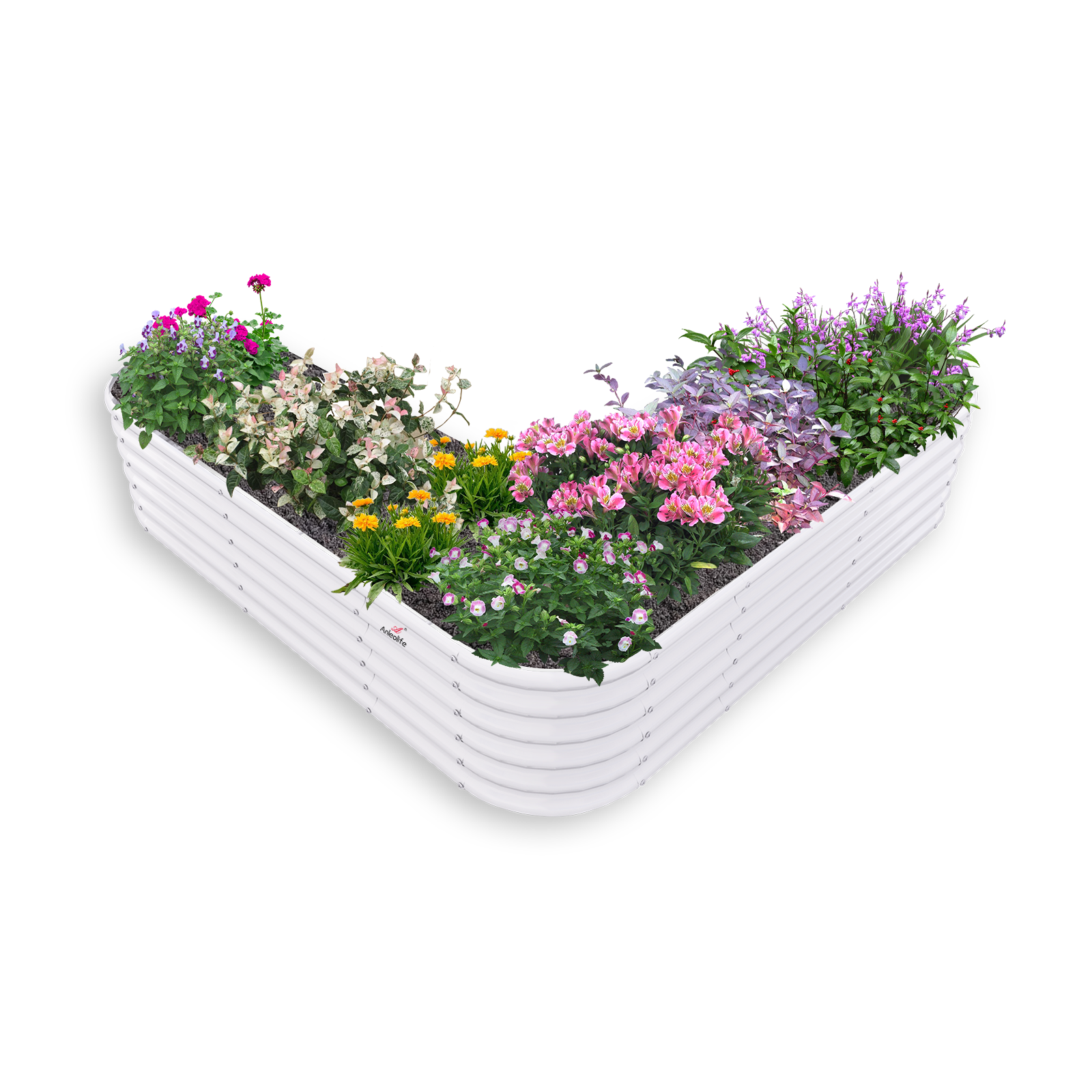
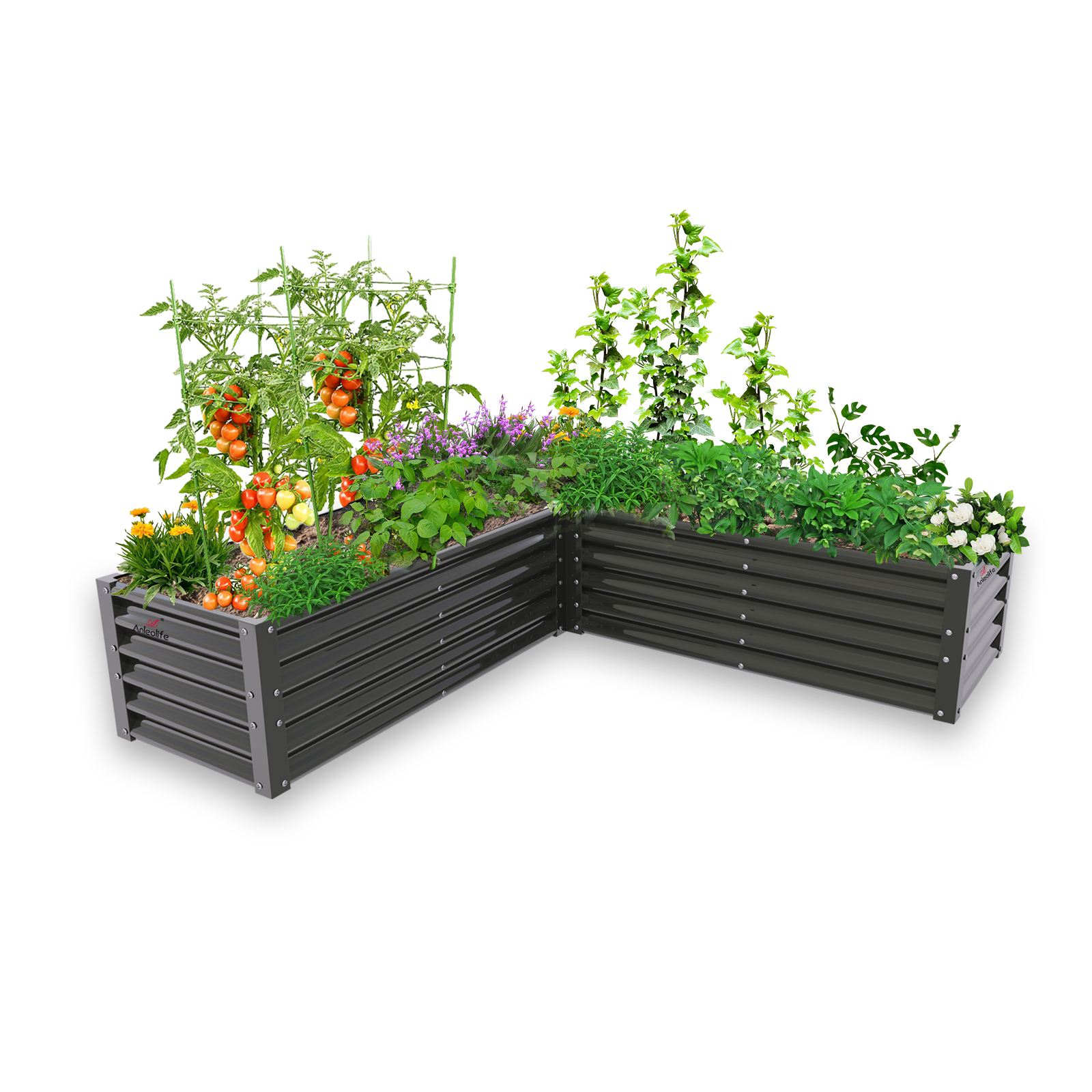
       As summer fades and September rolls in, the garden is ready for its next chapter. In the U.S., fall is one of the best times to refresh your backyard, grow cool-season vegetables, and prepare your outdoor space for cozy family moments. Whether you’re planting kale and carrots or setting up a firewood rack for crisp evenings, a thoughtful garden layout makes all the difference. 1. Why September Is the Perfect Month for Gardening Cooler Weather, Healthier PlantsThe mild temperatures of early fall reduce plant stress, making it easier to grow crops like spinach, lettuce, and radishes. Extended Harvest SeasonWith the right raised garden bed setup, you can enjoy fresh produce well into late fall. Perfect Time for Backyard MakeoversKids are back to school, routines are back on track, and homeowners have more time to focus on outdoor projects. 2. Create a Beautiful & Organized Backyard Layout A well-planned garden is not just about growing food—it’s about creating harmony.Raised garden beds allow you to design clean, modern layouts that: Maximize your space with oval, L-shape, or U-shape beds Boost curb appeal and even add value to your home Make your backyard feel like an extension of your living space ✨ Pro Tip: Mix multiple beds for a symmetrical design. Not only does it look great, but it also makes crop rotation easier. 3. Stress-Free Gardening = Happy Living Gardening should heal, not hurt. That’s why 24” tall Anleolife raised beds are a favorite for families: No more bending or straining—gardening at waist height protects your back and knees Eco-friendly steel keeps your garden beds rust-free season after season The act of gardening reduces stress, boosts mood, and provides a sense of calm after a busy day 4. Family Fun and Learning Together September weekends are perfect for family DIY projects. Building a raised garden bed is quick, easy, and a great activity with kids. Together, you can: Teach children about nature, seasons, and sustainability Enjoy harvesting fresh veggies and flowers as a family Create bonding moments that last far beyond the growing season 5. Be Ready for Cozy Fall Nights Fall isn’t only about gardening—it’s about making your backyard an oasis. An Anleolife Firewood Log Rack keeps your wood dry, organized, and ready for those cool evenings by the fire pit. Pairing raised beds with a firewood rack brings function and style to your backyard retreat. 6. Shop by Your Budget, Build Your Dream We believe every garden deserves love—no matter the size or budget. That’s why Anleolife offers: Budget-Friendly Starter Beds for small backyards Best Value Bundles with multiple beds for larger layouts Premium Modular Sets for advanced gardeners Find what fits your garden vision and budget, and start transforming your space today. 🌟 Final Thoughts September is all about transition—kids back to school, cooler weather, and the start of a cozier season. With Anleolife raised garden beds and firewood racks, your backyard becomes more than just an outdoor space. It’s a place of growth, harmony, and happiness. 👉 Ready to start your fall garden? Explore Anleolife Raised Garden Beds and bring your garden life to the next level.