









News

The Healing Power of a Backyard Garden: Connection, Calm & Community
on May 06 2026
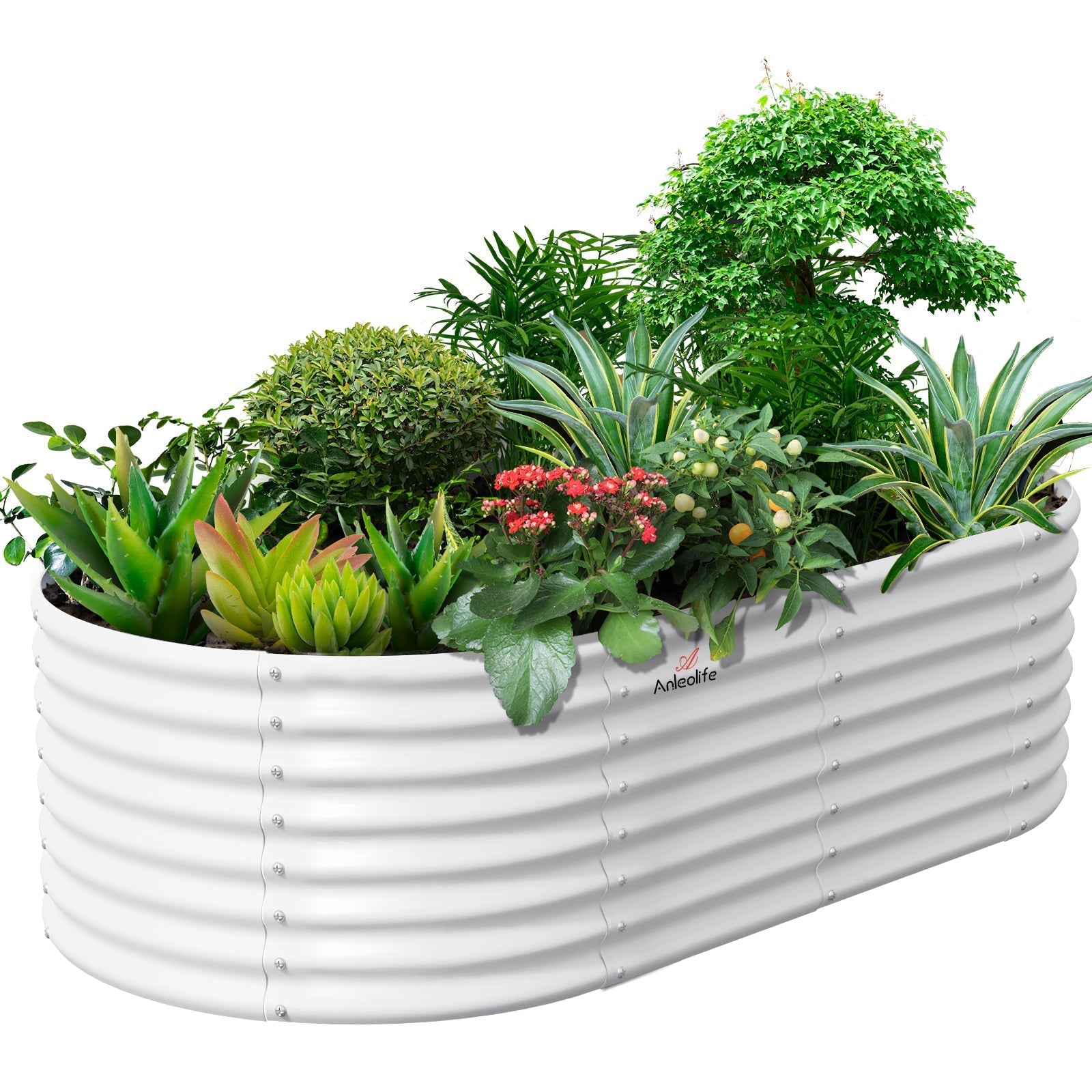
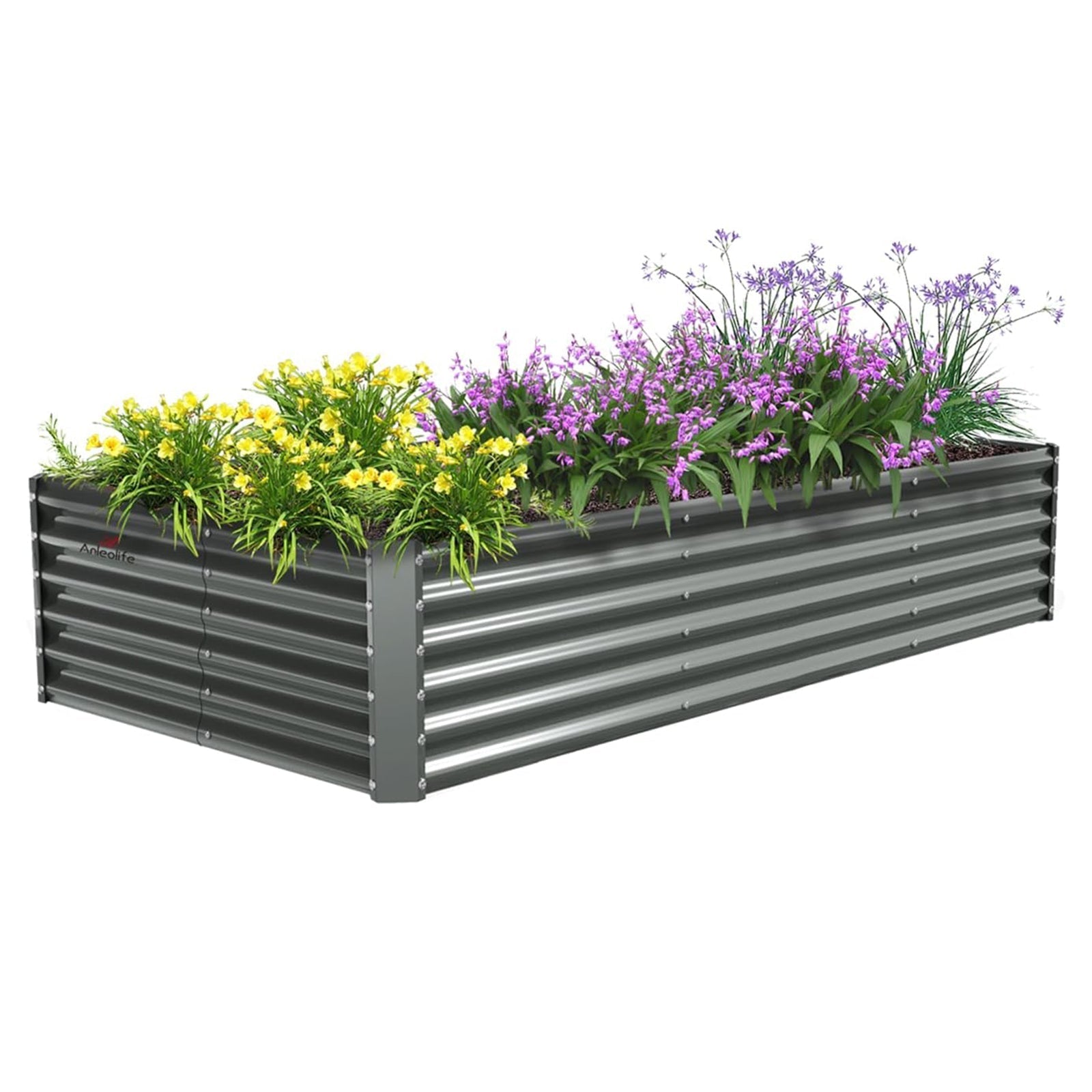
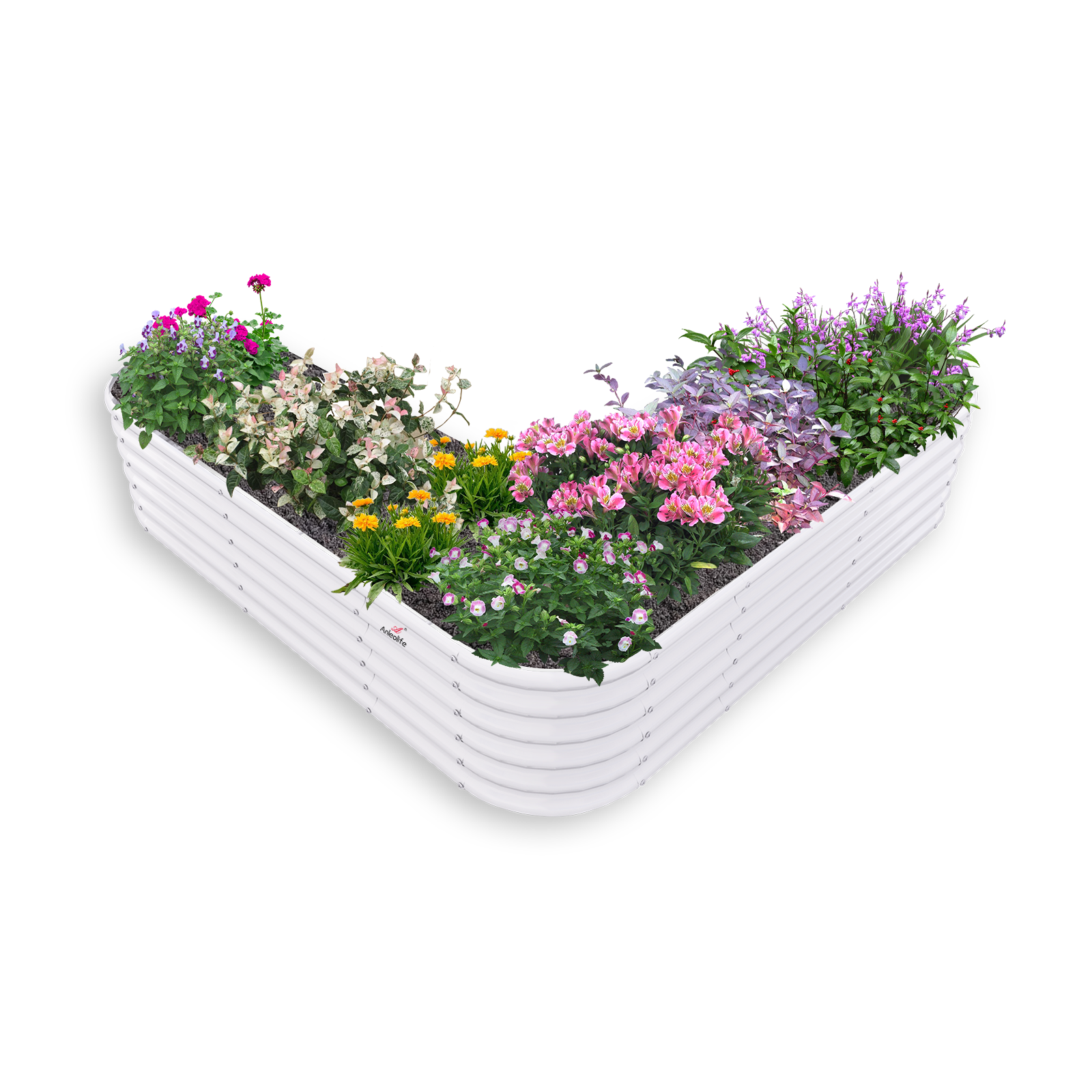
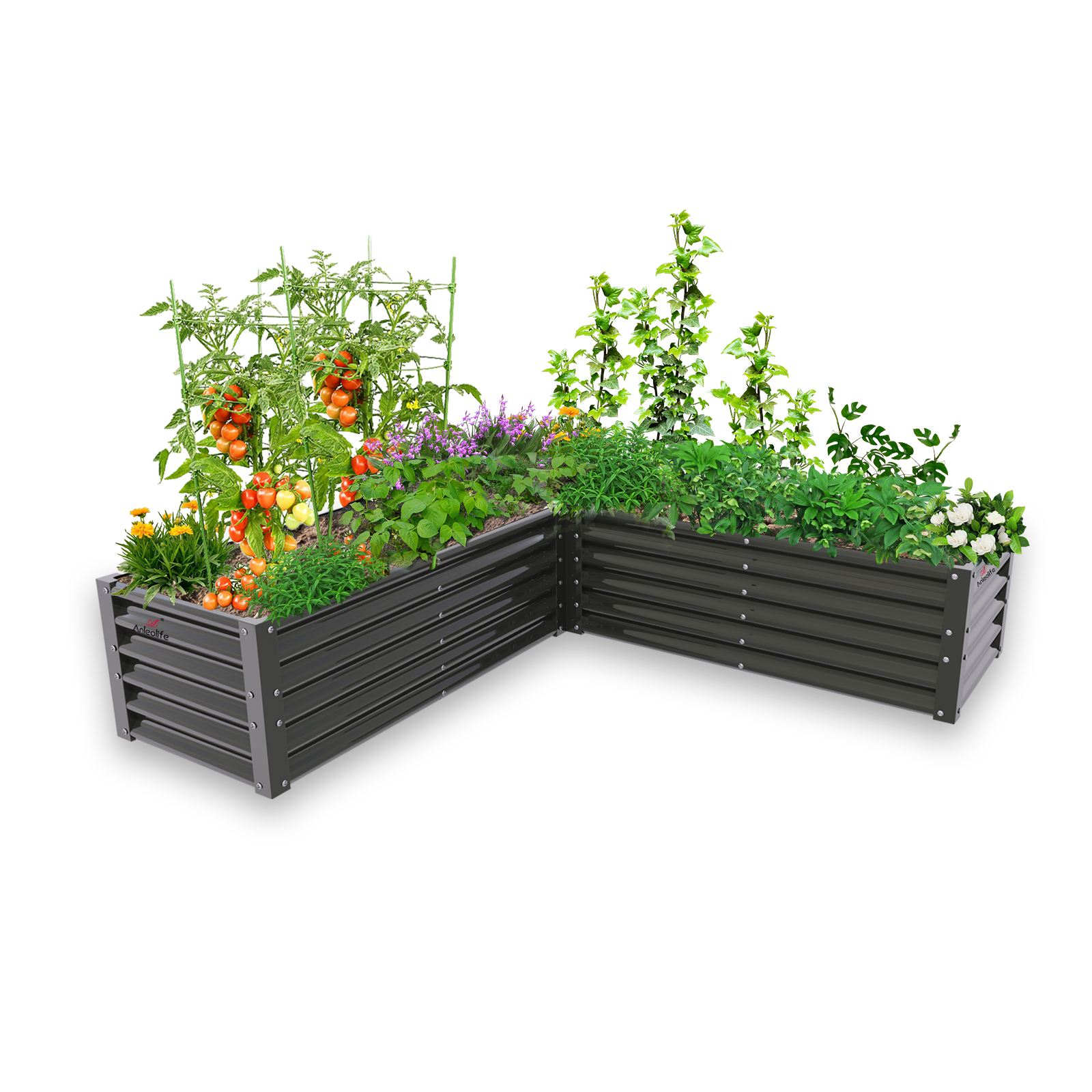
ALT: Healing backyard garden with raised garden beds fostering connection, calm, and community among families
Why Your Backyard Garden Is More Than Just Plants — It's a Place to Heal
Key Conclusion: A backyard garden is one of the most powerful wellness tools available to modern families. When thoughtfully designed using a strong raised bed garden layout, a well-planned raised bed planting layout, and a flexible raised bed layout that grows with your needs, your outdoor space becomes a sanctuary for mental clarity, physical activity, meaningful relationships, and community belonging — all rooted literally in the soil beneath your feet.
There's something quietly revolutionary happening in backyards across North America. Amid rising stress levels, increasing screen time, and a collective longing for meaning, millions of families are rediscovering the timeless practice of gardening — not just as a hobby, but as a form of healing.
This article explores three deeply human dimensions of the backyard garden: connection (to nature, to food, to each other), calm (the science-backed mental health benefits of growing things), and community (how a garden can bring neighborhoods and generations together). We'll also walk you through the practical steps to design a garden that actually works — one that fits your space, your lifestyle, and your long-term vision.
Who Will Benefit Most from a Healing Garden Space
✅ Applicable Scenarios:
Empty nesters and retirees seeking purposeful daily routines and gentle physical activity
Middle-class families wanting to build healthier eating habits and meaningful outdoor time with children
Eco-conscious home growers committed to reducing their carbon footprint and growing organic produce
Urban micro-gardeners with limited outdoor space who want to maximize yield and beauty in a small footprint
Anyone experiencing burnout, anxiety, or disconnection and seeking a grounding daily practice
❌ Not Applicable/Cautions:
Those expecting instant results — a healing garden takes time, consistency, and patience to cultivate
Gardeners in regions with extreme soil contamination who may need additional soil testing before planting edible crops
Households where nobody is available to water or tend to plants regularly without an irrigation system in place
People allergic to specific pollen or plants should consult with a healthcare provider before starting an outdoor garden
The Science Behind Garden Therapy: Why Nature Heals
The idea that spending time in nature is good for you isn't a new-age concept — it's backed by decades of research. In Japan, the practice of Shinrin-yoku (forest bathing) has been formally recognized as a medical treatment since the 1980s. In the United States, horticultural therapy has been used in veterans' hospitals, rehabilitation centers, and senior care facilities to reduce depression, improve motor skills, and restore a sense of purpose.
But you don't need to live near a forest or enroll in a therapy program. Your backyard — even a modest one — can deliver many of the same benefits.
According to the USDA, community and home gardening programs are increasingly recognized for their role in improving food security, physical health, and mental well-being, particularly in underserved communities. The act of growing food, whether a single tomato plant in a container or a full raised bed planting layout, creates a direct link between human beings and the natural systems that sustain life.
Research published through UC ANR (University of California Agriculture and Natural Resources) highlights that regular gardening activity reduces cortisol levels (the primary stress hormone), improves mood, and enhances cognitive function in adults of all ages. For older adults especially, maintaining a garden has been correlated with lower rates of dementia and depression.
What's more, the environmental side of home gardening matters deeply to today's eco-conscious families. The EPA notes that home composting and sustainable gardening practices can significantly reduce household waste and improve local soil and water quality — meaning that your healing garden is also healing the planet.
The growing trend toward raised bed gardening fits perfectly into this wellness narrative. Raised beds reduce physical strain (no more kneeling on hard ground), give you complete control over soil quality, and make it easier to manage an organized, productive garden — which in turn reduces the frustration and overwhelm that often cause new gardeners to give up.
Building Your Healing Garden: A Practical, Step-by-Step Approach
Three Steps to Get Started — Even If You've Never Gardened Before
Step 1: Define Your Garden's Emotional Purpose (Week 1)
Before choosing plants or purchasing equipment, ask yourself: What do I want this garden to feel like? Is it a quiet solo retreat for morning meditation? A family project where kids learn where food comes from? A social gathering space for neighbors and friends? Spend 20–30 minutes journaling or sketching your vision. This emotional anchor will guide every decision you make — from your raised bed garden layout to which plants you choose to grow. Clarity of purpose prevents overwhelm and helps you stay consistent when the novelty wears off.
Step 2: Design Your Raised Bed Layout for Your Space and Goals (Week 1–2)
Once you know what you want to feel, it's time to plan what you want to grow. Measure your available outdoor space and sketch a simple raised bed layout on paper. A popular starting point for families is an 8x4-foot bed — large enough to grow a meaningful variety of vegetables, small enough to manage without strain. Consider sun exposure (most vegetables need 6–8 hours of direct sunlight), access pathways between beds, and how the space will look across seasons. Modular systems allow you to start small and expand over time as your confidence and appetite for gardening grow.
Step 3: Prepare Your Soil and Plant with Intention (Week 2–3)
The most common beginner mistake is underestimating the importance of soil quality. Fill your raised beds with a high-quality mix of topsoil, compost, and aged manure — sometimes called a "Mel's Mix" after the famous Square Foot Gardening method. Good soil is the foundation of every successful raised bed planting layout. Once your soil is ready, begin planting based on your local growing season. Start with beginner-friendly crops like lettuce, herbs, cherry tomatoes, and zucchini. The act of placing seeds or transplants into the earth with your own hands is, in itself, a grounding and calming practice. Budget approximately $150–$300 for a complete starter setup, not including the raised bed structure itself.
Raised Bed Solutions: Comparing Your Options
Choosing the right raised bed structure is a key step in building a garden that lasts. Not all raised beds are created equal — here's how the most common options compare:
Comparison Dimension
Wooden Raised Beds
Fabric Grow Bags
Metal Raised Beds
Lifespan
3–7 years (varies by wood type)
1–3 years
20+ years (Anleolife standard)
Aesthetic Appeal
Warm and natural
Minimal
Modern and clean
Soil Temperature Control
Moderate
Poor (overheats easily)
Excellent (regulates naturally)
Pest and Rot Resistance
Low (prone to rot and termites)
Moderate
High
Customization / Modularity
Limited
None
High (stackable, expandable)
Eco-Friendly Option
Depends on wood source
Single-use plastic waste
✅ Powder-coated, long-lasting
Best For
Budget starters
Patios and balconies
Long-term family gardens
For families investing in a long-term healing garden, metal raised garden beds offer the most durable and cost-effective solution. Anleolife's metal raised garden beds are designed to last 20 years, eliminating the cycle of replacement and reconstruction that comes with wood rot or fabric degradation. Their clean, modern aesthetic also contributes to the beautification side of garden wellness — because a beautiful space genuinely feels better to be in.
The Three Pillars of a Healing Garden: Connection, Calm, and Community
Connection: Rooting Yourself in Something Real
In an era of digital everything, a garden offers a radical counterpoint: analog, tactile, sensory engagement with the living world. The smell of damp soil. The texture of a tomato vine. The color of a just-opened zucchini blossom. These sensory experiences activate parts of the brain associated with pleasure, creativity, and emotional regulation in ways that scrolling through a phone simply cannot replicate.
For families with children, a garden is one of the most effective tools for building connection across generations. Children who grow their own food are significantly more likely to eat vegetables — not because they're being told to, but because they're emotionally invested in what they've grown. Grandparents who share their gardening knowledge with grandchildren create bonds that outlast any toy or screen-based activity.
A well-designed raised bed planting layout also creates a natural daily rhythm. Checking on your plants in the morning, watering in the evening, tracking what's growing and what needs attention — these small rituals anchor you to the present moment and to your physical environment in a way that reduces existential anxiety and increases a sense of agency and meaning.
Calm: The Mental Health Benefits of Getting Your Hands Dirty
There's now solid neuroscientific evidence that soil itself is therapeutic. Research has found that Mycobacterium vaccae, a harmless bacteria found in healthy garden soil, triggers the release of serotonin in the human brain — the same neurotransmitter targeted by many antidepressant medications. Simply handling garden soil with your bare hands may produce a measurable mood-lifting effect.
Beyond the biochemistry, gardening as a practice cultivates mindfulness in the truest sense. When you're thinning seedlings or harvesting lettuce, your mind must be present. There's no room for rumination about yesterday's meeting or tomorrow's deadline. Gardeners frequently describe their time in the garden as the only period in their day when their internal monologue quiets down.
For retirees and empty nesters especially, the garden provides something that retirement often takes away: a sense of purpose and tangible progress. Watching something grow from seed to harvest over weeks and months — and knowing that your daily actions made that possible — is deeply satisfying in a way that leisure activities alone rarely are.
Physically, raised bed gardening is ideal for aging bodies. The elevated height of beds reduces back strain and the need for kneeling. The manageable scale of a typical raised bed garden layout means you can garden productively in short sessions, accommodating days when energy is lower. Anleolife's modular raised bed designs allow you to customize bed height to suit your comfort level, making gardening accessible well into your later years.
Community: How a Garden Becomes a Gathering Place
A backyard garden, particularly one that's beautiful and productive, naturally draws people in. Neighbors lean over fences to ask questions. Friends come over to see what's blooming. Families linger longer in outdoor spaces that feel alive and tended.
Beyond the informal connections, many communities now have formalized garden sharing networks, seed libraries, and harvest swaps that bring neighborhoods together around the shared activity of growing food. If you have more zucchini than you can eat (a universal gardening experience), you'll quickly find that giving it away becomes its own form of social currency and goodwill.
Gardens also serve as intergenerational bridges. Older gardeners have wisdom to share — about companion planting, composting, and managing pests organically. Younger families have energy and enthusiasm. When these generations connect over a shared garden project, something genuinely beautiful happens: knowledge is preserved, relationships deepen, and communities become more resilient.
The OSU Extension has documented numerous cases where community gardening programs have reduced social isolation, particularly among seniors and recent immigrants, by creating shared spaces and shared purposes that transcend language and cultural differences.
Adding a welcoming aesthetic to your garden space — through decorative accessories, thoughtful pathway systems, and beautiful plant combinations — signals to others that this is a space for gathering, not just a utilitarian vegetable plot. Anleolife's beautification product line is designed with exactly this purpose in mind: turning a functional garden into a space that people genuinely want to spend time in.
ALT: Anleolife metal raised garden beds arranged in a healing backyard garden layout with flowers, vegetables, and pathways for community gathering
Advanced Considerations: Making Your Healing Garden Sustainable Long-Term
Adapting Your Garden Through Life's Seasons
A healing garden shouldn't be a source of stress — and that means building in flexibility from the beginning. Here are three advanced strategies to keep your garden sustainable as your life circumstances change:
Seasonal rotation planning: Rather than replanting the same crops in the same spots year after year (which depletes specific nutrients and invites pests), rotate your raised bed planting layout seasonally. A simple three-bed rotation — nightshades, brassicas, legumes — keeps soil healthy and pest pressure low without the need for synthetic pesticides.
Water management from the start: Installing a basic drip irrigation system or soaker hose at the time you set up your raised beds is far easier than retrofitting later. Consistent moisture is one of the most important factors in plant health, and automating it reduces the daily labor burden — especially important for gardeners who travel or have inconsistent schedules.
Progressive expansion, not overcommitment: One of the most common mistakes new gardeners make is starting too large and burning out. Begin with one or two beds, master them across a full growing season, then expand. Anleolife's modular metal raised bed system is specifically designed to support this kind of gradual growth — your first 8x4-foot bed can eventually anchor a much larger raised bed garden layout without looking mismatched or requiring structural changes.
Common Misconceptions Worth Addressing
Many people believe that gardening is only for those with large, sunny backyards — but urban micro-gardeners regularly produce impressive yields in spaces as small as 4x4 feet, using vertical growing techniques and succession planting. Others assume that organic gardening is harder or less productive than conventional growing, when in fact building rich, living soil over time (which raised beds support beautifully) tends to produce more flavorful, nutritious, and abundant harvests than depleted in-ground soil with chemical supplements.
Finally, some assume that a beautiful garden requires professional landscaping. In reality, a thoughtful raised bed layout with coordinated heights, materials, and surrounding plantings can create a genuinely stunning outdoor space — one that improves property value, enhances daily wellbeing, and serves as the backdrop for years of family memories.
Frequently Asked Questions FAQ
Q1: How do I design a raised bed garden layout if I only have a small backyard?
Small spaces can absolutely support a meaningful and productive healing garden. Start with one or two 4x4-foot raised beds, which can produce a surprising variety of crops when planned using a square foot gardening approach. Place beds where they receive the most direct sunlight — typically the south-facing side of your yard. Add vertical elements like trellises to maximize growing space without expanding your footprint. A small, well-tended garden is far more healing than an overambitious one that becomes a source of stress.
Q2: Are metal raised garden beds safe for growing food?
Yes — high-quality metal raised garden beds, particularly those made from Aluzinc or powder-coated Galvalume steel, are completely safe for food growing. According to gardening experts and food safety guidelines referenced by the FDA, properly coated metal beds do not leach harmful substances into soil at levels that would pose health risks. Avoid beds made from galvanized metal coated with zinc-lead alloys, and always choose reputable brands. Anleolife's metal raised garden beds are designed with food safety as a core requirement, built to last 20 years without compromising your harvest.
Q3: How long does it take to see mental health benefits from gardening?
Research suggests that even short gardening sessions — as little as 20–30 minutes — can measurably reduce cortisol levels and improve mood on the same day. Sustained benefits, including improved sleep quality, reduced anxiety, and a greater sense of life satisfaction, typically become noticeable within 4–8 weeks of consistent, regular gardening practice. The key is consistency rather than duration: daily short sessions are more beneficial than occasional marathon gardening days. Setting up an easy-to-manage raised bed layout is one of the best ways to make daily gardening feel achievable rather than overwhelming.
Summary
A backyard garden is one of the simplest and most profound investments you can make in your quality of life. Three core truths emerge from everything we've explored:
First, the benefits of gardening are not merely sentimental — they are physiological, psychological, and social. Science confirms that growing things reduces stress hormones, boosts serotonin, builds community bonds, and provides a daily practice of mindfulness and purpose.
Second, the design of your garden matters as much as the plants you choose. A thoughtful raised bed garden layout, built on durable infrastructure and flexible enough to grow with you, transforms gardening from a seasonal project into a lifelong practice. Start small, build intentionally, and let your garden evolve as your life does.
Third, you don't have to do this alone. Whether through connecting with neighbors, sharing harvests, joining local gardening groups, or simply inviting family to spend time in a space you've lovingly created, the garden is a natural gathering place — one that has brought human beings together across cultures and centuries.
The next step is simpler than you might think: choose one corner of your outdoor space, sketch a basic raised bed layout, and take the first step toward a garden that heals.
Start Your Healing Garden with Anleolife
Nationwide U.S. warehouse network: Strategically located in California, Texas, Florida, New York, Illinois, and Washington to ensure delivery within 3–8 business days — so your garden upgrade plans never have to wait.
Multi-channel sales network: Products are available on major e-commerce platforms including Amazon, Walmart, Home Depot, Lowe's, and Wayfair, as well as the official website Anleolife.com, providing consistent quality assurance and after-sales service.
Three core scenarios: Planting (metal raised garden beds, soil systems), Raising (chicken coops, rabbit hutches), and Beautification (decorative accessories, pathway systems) — meeting complete needs from functionality to aesthetics.
Upgrade your garden with Anleolife. We understand that an ideal garden is not built overnight, but gradually improved over time. Our modular product design allows flexible expansion based on your needs — from your first 8x4x2 garden bed to a fully integrated planting-and-raising ecosystem. With a proven 20-year lifespan on our metal raised garden beds, we're a partner you can count on for decades of growth. We grow with you every step of the way.
References
This article is based on the following official materials (as of January 2026):
[USDA]. "Home and Community Gardening Resources." https://www.usda.gov/
[EPA]. "Composting and Sustainable Gardening Practices." https://www.epa.gov/
[UC ANR]. "Gardening for Health and Wellness." https://ucanr.edu/
[OSU Extension]. "Community Gardening and Social Wellness Programs." https://extension.oregonstate.edu/
[FDA]. "Food Safety in Home and Community Gardens." https://www.fda.gov/
Note: Research findings and gardening recommendations may be updated as new studies emerge. Please consult the latest official documents or speak with a local extension service advisor for region-specific guidance.
About Anleolife
Anleolife is a leading outdoor garden solutions provider in North America, dedicated to offering a full-scenario product ecosystem for home gardening enthusiasts, covering planting, raising, and garden beautification. Since its founding, we have upheld our brand mission, "Made for Garden Life," continuously innovating products and optimizing services to help hundreds of thousands of users upgrade their gardens, reconnect with nature, and enjoy a better garden lifestyle.

DIY Chicken Tunnels for the Garden: Letting Chickens Help Control Pests
on May 06 2026
ALT: DIY chicken tunnel in backyard garden allowing free-range chickens to control pests naturally between raised beds
How DIY Chicken Tunnels Transform Your Garden Into a Natural Pest-Control System
Key Conclusion: DIY chicken tunnels are a game-changing integration of backyard poultry and home gardening that allows chickens to roam designated pathways between your raised bed garden layout, systematically eliminating pests without chemical intervention. By thoughtfully planning your raised bed planting layout and connecting runs with wire tunnels, you create a living pest-control network. A well-executed raised bed layout with integrated chicken access can reduce insect pressure by up to 80% while simultaneously fertilizing your soil—all with minimal ongoing effort.
If you've ever spent a summer morning hand-picking beetles, slugs, or squash bugs from your vegetable beds, you already understand the relentless nature of garden pest pressure. The good news is that one of the most effective pest-control solutions has been scratching around in backyards for thousands of years: the humble chicken.
By building a DIY chicken tunnel—sometimes called a "chunnel"—you can create a dedicated pathway system that lets your flock patrol the borders and corridors of your garden, consuming pests before they ever reach your crops. This approach combines two passions—gardening and backyard chicken keeping—into a beautifully integrated homestead system that works with nature rather than against it.
In this comprehensive guide, we'll walk you through exactly how to design, build, and optimize chicken tunnels for your garden, with practical tips on planning your layout, choosing materials, managing your flock's access, and troubleshooting common challenges.
Who Should (and Shouldn't) Try DIY Chicken Tunnels
✅ Applicable Scenarios:
Homeowners with existing backyard flocks of 2–8 chickens who want to put their birds to productive use in the garden
Gardeners dealing with chronic pest problems—slugs, Japanese beetles, squash bugs, grasshoppers, grubs—and looking for chemical-free solutions
Those with raised metal garden beds or in-ground plots arranged in rows with accessible pathways between them
Suburban and rural gardeners with enough outdoor space to run at least 10–15 feet of tunnel between beds or around garden perimeters
Eco-conscious growers who want to close the loop between their chicken coop and their vegetable garden through integrated systems
❌ Not Applicable/Cautions:
Gardeners with seedling beds or delicate transplants directly adjacent to chicken access areas—chickens will scratch and damage immature plants if given access
Urban micro-gardeners in municipalities that prohibit backyard chickens or require specific setback distances from property lines
Households with very small yards under 500 square feet where dedicated tunnel runs would be impractical and unsanitary
Gardeners who rely heavily on beneficial ground beetles or earthworm populations near tunnel paths, as chickens will consume these as well
Why Chickens Are Nature's Best Pest Controllers
Backyard gardening has surged in popularity across North America over the past decade. According to the USDA, home food production has seen consistent growth, with millions of American households now maintaining kitchen gardens. Alongside this trend, backyard chicken keeping has exploded—particularly among suburban families seeking greater food self-sufficiency and eco-conscious living.
Yet despite having both a garden and a flock, many chicken keepers treat these two systems as completely separate—the chickens live in one corner of the yard, the garden lives in another, and never the twain shall meet. This separation makes sense during the growing season when free-ranging birds can devastate vegetable beds, but it also misses a profound opportunity.
Chickens are extraordinarily effective pest hunters. A single hen can consume hundreds of insects, larvae, and slugs in a single foraging session. They're particularly adept at finding and eating:
Slugs and snails — which are among the most damaging nocturnal garden pests
Japanese beetle larvae (grubs) — which destroy root systems from underground
Squash bugs and their egg masses — tucked under leaves and along stems
Grasshoppers and crickets — which can strip foliage rapidly
Cabbage loopers and caterpillars — significant threats to brassica crops
Aphid colonies — particularly when chickens can access adjacent areas
The challenge, of course, is that chickens don't distinguish between pests and your prized tomato seedlings. They'll happily scratch up mulch, dust-bathe in freshly amended soil, and peck at ripening fruit. The chicken tunnel solves this problem elegantly by giving chickens access to the spaces between your garden beds—the pathways and perimeters—rather than the beds themselves.
This concept aligns with permaculture principles that are gaining mainstream traction among home gardeners. Rather than fighting nature, you're channeling natural behaviors into productive work within your garden ecosystem.
For gardeners who use metal raised garden beds—which provide defined boundaries and clear separation between planting space and pathways—chicken tunnels are especially well-suited. The solid structure of a raised bed means chickens can patrol immediately adjacent to the bed wall without gaining access to the soil or plants inside.
If you're new to raised bed gardening and want to optimize your setup for integrated poultry systems, exploring a comprehensive guide to raised bed garden layout planning is a great starting point before designing your tunnels.
Planning, Building, and Running Your DIY Chicken Tunnel System
Getting Started: Three Steps to Your First Chicken Tunnel
Step 1: Map Your Garden Layout and Identify Tunnel Pathways
Before purchasing a single piece of wire, spend 30–60 minutes sketching your garden on paper. Identify all existing beds and the pathways between them. Chicken tunnels work best along straight runs of at least 8–10 feet, connecting your main chicken coop or run to areas where pest pressure is highest. Note any pinch points, gates, or infrastructure that might complicate installation. At this stage, you're simply identifying which corridors make the most sense for consistent chicken access.
Step 2: Gather Materials and Build Your First Tunnel Section
A basic chicken tunnel requires hardware cloth or welded wire mesh (½-inch or 1-inch grid), wooden stakes or rebar for framing, zip ties or staple gun for securing mesh, and basic tools. A standard tunnel is approximately 12–18 inches wide and 18–24 inches tall—just large enough for chickens to walk through comfortably. Build in 6-foot modular sections so you can expand, reroute, or reconfigure as your garden evolves. Expect to spend 2–4 hours constructing your first 15–20 feet of tunnel.
Step 3: Connect Tunnel to Coop and Establish Rotation Schedule
Run the tunnel from your coop's pop door or run exit to the garden pathway. Install simple latching gates at key junction points so you can control which sections the chickens access on any given day. Start by allowing access to one section for 2–3 days, then rotate chickens to a new section while closing off the previous one. This rotation prevents overworking any one area and allows beneficial insects to recover. Keep a simple log of which sections chickens have patrolled and when.
Comparing Three Chicken Tunnel Configurations for Different Garden Setups
The "right" chicken tunnel design depends heavily on your garden's size, your flock's size, and how your beds are arranged. Here's a clear comparison of the three most popular configurations:
Comparison Dimension
Perimeter Loop Tunnel
Central Corridor Tunnel
Bed-to-Bed Grid Tunnel
Best For
Rectangular garden plots with beds arranged inside a defined border
Parallel bed rows with one main access lane down the middle
Large gardens with grid-style raised bed arrangements
Flock Size
2–4 chickens
3–6 chickens
4–8 chickens
Materials Needed
High (complete loop required)
Moderate
High (multiple junctions)
Pest Coverage
Full perimeter, excellent for border pests
Central corridor only, supplemented by manual pest control on outer beds
Comprehensive coverage across all beds
Installation Complexity
Moderate
Low (great for beginners)
High
Rotation Flexibility
Moderate (segment with internal gates)
High (open or close corridor sections easily)
Very High (many independent sections)
Works With Raised Beds
✅ Excellent
✅ Excellent
✅ Excellent
Works With In-Ground Beds
⚠️ Requires careful edge definition
✅ Good
⚠️ Requires clear bed borders
Expandable Over Time
✅ Yes
✅ Yes
✅ Yes
For most beginners, the Central Corridor Tunnel offers the best combination of low complexity and meaningful pest-control results. You can always expand into a perimeter loop or grid system as you gain confidence.
Detailed Build Guide: Materials, Dimensions, and Installation Tips
Choosing the Right Wire Mesh
The backbone of any chicken tunnel is the wire mesh. Hardware cloth with ½-inch openings is the gold standard—it's strong enough to resist predators, the openings are small enough to keep chickens contained, and it's flexible enough to shape into tunnel curves. Avoid chicken wire (hexagonal mesh) for the tunnel walls, as it's too flimsy and can collapse under a determined predator's pressure.
For a standard tunnel serving 3–5 standard-size hens:
Width: 14–18 inches interior clearance
Height: 18–24 inches at the apex
Frame material: ½-inch conduit, rebar stakes, or sturdy wooden dowels every 3–4 feet
Building the Frame
Cut your frame material into U-shaped hoops or use a simple A-frame design. Hoop-style tunnels are quicker to build and look more polished; A-frame designs are structurally simpler for beginners.
For hoop tunnels:
Drive rebar stakes 10–12 inches into the ground on both sides of the path, spaced 3 feet apart
Arch flexible conduit or heavy-gauge wire over the stakes to form hoops
Unroll hardware cloth over the hoops and secure with zip ties or hog rings every 6–8 inches
Fold excess mesh under the tunnel edge and pin to the ground with landscape staples to prevent chickens from lifting the edge
For A-frame tunnels:
Cut wooden boards into pairs of angled side pieces
Join pairs at the top with a ridge board
Stretch hardware cloth over the outside of the frame
Place tunnel sections end-to-end and secure together with clips
Installing Junction Gates
Junction gates are what transform a simple tunnel into a flexible rotational system. At each key intersection—where the main tunnel branches toward different garden zones—install a small hinged gate made from the same hardware cloth, mounted to a lightweight wooden frame. A simple hook-and-eye latch is sufficient for most applications.
Plan your gate placement before you build. Typical gate positions:
At the coop exit/entry point
Every 15–20 feet along long tunnel runs
At every branch point leading to different bed sections
Connecting to Your Raised Bed Layout
If you use metal raised garden beds, you'll appreciate how naturally they integrate with a tunnel system. The solid, defined walls of a metal raised bed create a clear boundary that chickens respect—they can patrol right alongside the bed wall in the tunnel without accessing the planting area.
For beds arranged in parallel rows, run the tunnel down the center pathway or along one side. For beds arranged in a U or L shape, the tunnel can follow the interior pathway, giving chickens access to all interior-facing bed walls in a single run.
Pro tip: Position the tunnel slightly offset from the bed wall (2–3 inches away) rather than flush against it. This gap allows chickens to scratch and probe with their beaks along the base of the bed—exactly where slugs and sowbugs hide—without destabilizing the bed structure.
Managing Rotational Access
A successful chicken tunnel system depends entirely on controlled rotation. Never leave the same tunnel section permanently open—chickens will deplete the insect population quickly and may begin to exhibit boredom behaviors like feather pecking.
A simple rotation schedule:
Days 1–3: Chickens access Section A
Days 4–6: Chickens access Section B
Days 7–9: Chickens access Section C
Days 10–12: Return to Section A
This 3-day rotation works well for a flock of 3–5 hens in a garden with three or more distinct tunnel sections. In areas with high pest pressure (e.g., during peak slug season in spring), you can extend chicken access to 4–5 days per section.
Seasonal Considerations
Spring: Limit chicken access to pathways until transplants are established (at least 4–6 inches tall). Focus tunnel access on areas adjacent to overwintering pest eggs in the soil.
Summer: This is peak tunnel season. Chickens will work hardest during early morning and late afternoon. Open tunnel access 1–2 hours before you water your beds—disturbing the soil surface during irrigation brings pests to the top, and chickens will be ready and waiting.
Fall: After harvest, consider giving chickens full access to empty beds through an open gate (not the tunnel) for a thorough "clean-up" patrol. They'll scratch up remaining pests, eat weed seeds, and deposit nitrogen-rich manure—a triple benefit.
Winter: In cold climates, close tunnel access and add a layer of straw inside the tunnel structure if it will remain in place year-round.
ALT: Overhead layout of DIY chicken tunnel running between metal raised garden beds with gated rotation sections for controlled pest control access
Advanced Tips: Supercharging Your Chicken Tunnel System
Incorporating Compost Drop Zones
One underutilized strategy is placing small compost stations at the end of each tunnel section. These can be as simple as a pile of kitchen scraps or garden trimmings deposited directly in the tunnel pathway. Chickens will scratch through the material voraciously, speeding decomposition and concentrating their foraging activity in that area—which also happens to be richly populated with soil insects and decomposer organisms.
Planting Pest-Attracting Buffer Strips
Along the outer edges of your tunnel runs—particularly on the side away from your garden beds—consider planting low-growing, pest-attractive plants like nasturtiums, comfrey, or amaranth in containers or narrow strips. These act as "trap crops," drawing pests into the tunnel zone where your chickens will dispatch them before they migrate to your vegetables.
Combining Tunnels With Anleolife Metal Raised Beds
Gardeners who invest in durable infrastructure report the highest long-term satisfaction with integrated systems like chicken tunnels. Anleolife's metal raised garden beds are built to last up to 20 years, which means when you plan a chicken tunnel system around them, you're designing a permanent infrastructure investment—not a seasonal experiment. The robust steel construction provides a stable, predator-resistant border that complements the hardware cloth tunnel walls, and the clean-lined aesthetic keeps the system looking tidy in a suburban backyard setting.
Common Misconceptions
Misconception #1: "Chickens will attract more predators to my garden."The tunnel structure itself is a deterrent—a properly built hardware cloth tunnel with anchored edges is far more secure than open free-ranging. Predators that might opportunistically follow chickens across an open yard are thwarted by the enclosed wire structure.
Misconception #2: "The nitrogen from chicken droppings will burn my plants."Because chickens are confined to the pathway tunnel rather than the bed itself, fresh manure drops in the walking path—not directly on plant roots. This manure gets watered in gradually and effectively fertilizes the soil beneath the pathway, which doesn't harm adjacent bed plants. After the growing season, pathways can be cleared and the composted droppings added to beds safely.
Misconception #3: "This only works for large properties."A basic Central Corridor Tunnel requires as little as 10 feet of straight run. Even a compact suburban garden with two or three 4×8 raised beds can accommodate a meaningful chicken tunnel pathway.
Frequently Asked Questions FAQ
Q1: How do I prevent chickens in the tunnel from damaging the roots of plants in adjacent raised beds?
The most effective protection is using raised beds with solid walls—like metal raised garden beds—rather than open ground-level beds. The walls physically prevent chickens from accessing root zones. Additionally, position the tunnel mesh so it meets flush with the exterior face of the bed wall, and use landscape staples to secure the base of the mesh to the ground. This prevents chickens from reaching underneath and scratching toward bed interiors.
Q2: Are there specific chicken breeds that are better suited for garden pest-control tunnel work?
Yes—lighter, more active foraging breeds perform significantly better in chicken tunnels. Australorps, Buff Orpingtons, Easter Eggers, and Rhode Island Reds are consistently recommended for their natural foraging instincts and calm temperament. Heavy heritage breeds like Brahmas tend to be less motivated foragers. Bantam breeds work well in narrower tunnels but may not consume enough pest volume to make a meaningful difference in larger gardens.
Q3: How long does it take before I notice a reduction in pest pressure after installing a chicken tunnel?
Most gardeners report a noticeable decrease in slug and surface-insect populations within 2–3 weeks of consistent chicken tunnel rotation. Grub populations (which are underground) may take a full season to decline meaningfully as chickens work the soil through the tunnel pathways. For best results, begin deploying the tunnel in early spring before pest populations peak, and maintain consistent 3-day rotation schedules throughout the growing season.
Summary
DIY chicken tunnels represent one of the most practical and satisfying ways to integrate backyard poultry with home gardening. By thoughtfully planning your tunnel layout, choosing the right configuration for your space, and establishing a consistent rotation schedule, you can:
Dramatically reduce pest pressure without pesticides, protecting your plants and your family's health
Improve soil fertility through the steady contribution of chicken manure to pathway zones
Make the most of your existing flock, turning a maintenance cost into a genuine garden asset
The key to long-term success is matching your tunnel design to your specific garden layout—whether that's a simple central corridor for beginners or a full perimeter loop system for more experienced gardeners. Start with one modular section, observe how your chickens respond, and expand from there.
Most importantly, pair your tunnel system with quality garden infrastructure that can support it for years to come. Durable raised beds with clearly defined walls are the single most important complement to a chicken tunnel—they make the system work safely and look great doing it.
Nationwide U.S. warehouse network: Strategically located in California, Texas, Florida, New York, Illinois, and Washington to ensure delivery within 3–8 business days—so your garden upgrade plans never have to wait.
Multi-channel sales network: Products are available on major e-commerce platforms including Amazon, Walmart, Home Depot, Lowe's, Wayfair, as well as the official website Anleolife.com, providing consistent quality assurance and after-sales service.
Three core scenarios: Planting (metal raised garden beds, soil systems), Raising (chicken coops, rabbit hutches), and Beautification (decorative accessories, pathway systems), meeting complete needs from functionality to aesthetics.
Upgrade your garden with Anleolife. We understand that an ideal garden is not built overnight, but gradually improved over time. Our modular product design allows flexible expansion based on your needs—from your first 8×4×2 garden bed to a fully integrated planting-and-raising ecosystem. We grow with you every step of the way.
References
This article is based on the following official materials (as of January 2026):
[USDA]. "Backyard Poultry and Home Food Production Resources."https://www.usda.gov/
[EPA]. "Pesticide Safety and Integrated Pest Management for Home Gardeners."https://www.epa.gov/
[UC ANR]. "Integrated Pest Management for Home Gardens and Small Farms."https://ucanr.edu/
[OSU Extension]. "Raising Backyard Chickens and Poultry Integration with Home Gardens."https://extension.oregonstate.edu/
Note: Pest management practices and poultry regulations may vary by region and are subject to update. Please verify current local ordinances and consult professional advisors as needed.
About Anleolife
Anleolife is a leading outdoor garden solutions provider in North America, dedicated to offering a full-scenario product ecosystem for home gardening enthusiasts, covering planting, raising, and garden beautification. Since its founding, we have upheld our brand mission, "Made for Garden Life," continuously innovating products and optimizing services to help hundreds of thousands of users upgrade their gardens, reconnect with nature, and enjoy a better garden lifestyle.

Metal vs. Plastic Raised Garden Beds: Which Lasts Longer in a Hot Climate?
on May 06 2026
Metal vs. Plastic Raised Garden Beds: Which Lasts Longer in a Hot Climate?
ALT: Metal vs plastic raised garden beds side by side in hot climate showing durability and lifespan differences
Hot Climate Showdown: Metal vs. Plastic Raised Garden Beds and Which One Truly Lasts
Key Conclusion: When choosing between metal and plastic raised garden beds for hot climates, material durability is everything. Metal raised garden beds — particularly galvanized steel — consistently outperform plastic in heat resistance, structural integrity, and long-term value. While plastic beds may cost less upfront, they warp, crack, and degrade under intense UV exposure and high temperatures. For gardeners planning a serious raised bed garden layout or raised bed planting layout, investing in metal is the smarter long-term decision. A well-built metal bed can serve your raised bed layout for up to 20 years, making it the undisputed winner in hot-climate gardening.
Choosing the right material for your raised garden bed is one of the most consequential decisions a home gardener can make — especially if you live in a region where summer temperatures routinely hit 90°F or above. The wrong choice can mean warping, leaching chemicals into your soil, or replacing your entire garden structure after just a few seasons.
This article digs deep into the metal vs. plastic debate, examining heat resistance, longevity, safety, soil performance, and overall value. Whether you're setting up your first garden or upgrading an existing raised bed garden layout, you'll find actionable, science-backed guidance here.
Who Should Read This Guide: Matching Your Garden Situation
✅ Applicable Scenarios:
Gardeners in USDA hardiness zones 9–13, including Texas, Florida, Arizona, Southern California, and the Gulf Coast, where summers are long and brutally hot
Home growers who want a permanent, low-maintenance raised bed setup that won't need replacing every few years
Eco-conscious families concerned about plastic degradation, chemical leaching, or microplastic contamination in their vegetable gardens
Empty nesters and retirees building a sustainable kitchen garden that can serve them for decades without major reinvestment
❌ Not Applicable/Cautions:
Gardeners in cool, rainy climates (Pacific Northwest, northern states) where UV degradation and heat stress are minimal — plastic beds may perform adequately in these conditions
Budget-constrained beginners who only intend to garden for one or two seasons and prefer a low-cost starter option before committing to a permanent layout
Container gardeners growing on shaded balconies with no direct sun exposure, where heat stress on materials is a non-factor
Why Material Choice Matters More in Hot Climates
Most gardening advice treats material selection as a secondary concern — something to consider after you've decided what to grow. But for hot-climate gardeners, this gets it backward. Material performance under heat stress is the single biggest variable that determines how long your beds last, how safely your plants grow, and how much you'll spend maintaining your garden over time.
The United States has seen a dramatic surge in home vegetable gardening over the past decade. According to data compiled by the https://www.usda.gov/, more American households are growing food at home than at any point in recent history, with raised bed gardening leading the trend. Simultaneously, climate patterns are shifting — prolonged heat waves, higher average summer temperatures, and more intense UV radiation are becoming the new normal in large swaths of the South, Southwest, and Southeast.
This means that a plastic garden bed purchased in 2015 that lasted "fine" in a milder climate may fail completely within two or three seasons if relocated to Phoenix, Houston, or Miami. Polypropylene and polyethylene — the two most common plastics used in garden beds — have specific thermal thresholds. Beyond those thresholds, they don't just look bad; they structurally fail.
Metal, by contrast, has entirely different thermal properties. Galvanized steel and aluminum don't warp, crack, or degrade under sustained UV exposure. They conduct heat differently, yes — but as we'll explore, that conductivity can actually be managed and even used to your plants' advantage with the right raised bed planting layout strategies.
For a comprehensive overview of how to set up and plan your raised beds for maximum productivity, gardeners often reference university extension resources. The https://ucanr.edu/ (University of California Agriculture and Natural Resources) offers extensive guidance on soil preparation, crop rotation, and garden layout optimization that pairs well with durable metal bed structures.
The Core Comparison: Metal vs. Plastic in Heat, Durability, Safety, and Value
Three Questions to Ask Before You Buy
Step 1: Assess Your Climate's Heat Index
Before comparing materials, spend 15–20 minutes researching your local climate data. Look up your average summer high temperatures, UV index ratings, and the number of days per year above 90°F. The USDA Plant Hardiness Zone map is a starting point, but for material durability purposes, you'll want to know your heat zone specifically. Zones 7 and above (by the American Horticultural Society's heat zone system) represent conditions where plastic degradation accelerates significantly. This single step will clarify whether material longevity is a major concern for your specific location.
Step 2: Calculate Your 10-Year Cost of Ownership
Resist the temptation to compare only sticker prices. Take 10–20 minutes to calculate the full cost of ownership: How often will plastic need to be replaced? What is the cost of re-filling beds with soil each time you replace a structure? Factor in labor, time, and the environmental cost of disposing of degraded plastic. When you run these numbers honestly, a metal raised garden bed that lasts 20 years almost always comes out significantly cheaper per year of service than a plastic bed replaced every 3–5 seasons.
Step 3: Evaluate Your Layout Goals
Spend time sketching your ideal raised bed layout — how many beds, what size, what spacing. Metal beds support more ambitious, permanent layouts because they hold their shape decade after decade. Plastic beds, being prone to warping and expansion under heat, can shift your rows and compromise your planned garden structure over time. If your raised bed garden layout includes multiple beds, pathways, and defined zones, metal gives you the structural consistency to maintain that design long-term.
Head-to-Head Comparison: Metal vs. Plastic Raised Garden Beds in Hot Climates
Understanding the differences between these two materials requires looking at multiple dimensions simultaneously. Here's a comprehensive breakdown:
Comparison Dimension
Galvanized Steel (Metal)
Aluminum (Metal)
Plastic/Polypropylene
Heat Resistance
Excellent — no warping or structural change up to extreme temps
Excellent — lightweight, corrosion-resistant
Poor — softens, warps, cracks above 140°F surface temp
UV Resistance
Excellent — zinc coating maintains integrity
Excellent — naturally oxidation-resistant
Poor — UV breaks down polymer chains within 3–5 years
Estimated Lifespan (Hot Climate)
15–20+ years
15–20 years
3–7 years with degradation
Chemical Leaching Risk
Minimal (food-safe galvanized steel)
None
Moderate — plasticizers and UV-degraded particles
Structural Stability
High — holds shape in heat and cold
High — lightweight but strong
Low — warps under thermal cycling
Soil Temperature Management
Absorbs and radiates heat (manageable with mulch)
Similar to steel but slightly less thermal mass
Inconsistent — thin walls offer little thermal buffer
Initial Cost
Moderate to High
High
Low to Moderate
Long-Term Value (10-Year)
Excellent
Excellent
Poor
Environmental Impact
Recyclable, long lifespan = low waste
Fully recyclable
High waste — frequent replacement, microplastic risk
Aesthetic Appeal
Modern, attractive, permanent look
Sleek, modern
Can fade, crack, look worn quickly
The Science of Heat Degradation: What Really Happens to Plastic in the Sun
Ultraviolet radiation is plastic's worst enemy. When polypropylene or polyethylene garden beds are exposed to sustained UV radiation — the kind you get in Texas, Florida, or Southern California from May through September — a chemical process called photo-oxidation begins breaking down the polymer chains in the material. This is not a slow, invisible process. Within two to three hot summers, you'll see it as yellowing, cracking along edges, and brittleness. Push against the wall of a plastic bed that's been in the sun for four years in a hot climate, and it may snap rather than flex.
Temperature cycling compounds the problem. On a 95°F day, the surface temperature of a dark-colored plastic raised bed can reach 140–160°F. Overnight, temperatures drop. This daily thermal cycling — expand, contract, expand, contract — stresses the material at a molecular level, accelerating structural fatigue in ways that cumulative UV damage alone doesn't capture.
For vegetable gardeners, the bigger concern is chemical migration. As plastic degrades, it doesn't just become structurally weak — it begins releasing compounds. Bisphenol A (BPA) in older plastics, phthalates used as plasticizers, and other additives can migrate into soil and, from there, into plant roots and edible tissue. The https://www.epa.gov/ has documented the environmental persistence of many plastic-associated chemicals, and the https://www.fda.gov/ continues to study food-contact safety thresholds. For families growing vegetables for their children or health-conscious adults, this risk is not hypothetical.
Metal doesn't do any of this. Galvanized steel — steel coated with a zinc layer — is thermally stable across all temperatures experienced in residential garden settings. The zinc coating doesn't break down under UV, doesn't release harmful compounds into the soil, and doesn't weaken with heat cycling. The steel underneath maintains its structural integrity essentially indefinitely under normal garden conditions.
Managing Heat Absorption in Metal Beds
The most common objection to metal raised garden beds in hot climates is heat absorption. Metal does conduct heat — that's physics. On a very hot day, the walls of a galvanized steel bed will be warm to the touch. But this concern, while real, is often overstated and is readily manageable.
Root zone temperature is what matters for plants, not wall surface temperature. Studies from https://extension.oregonstate.edu/ and other extension services consistently show that with adequate soil depth (at least 10–12 inches), proper mulching, and regular watering, the root zone temperature inside a metal raised bed remains within healthy ranges even on the hottest days. A 3-inch layer of organic mulch on the soil surface is the single most effective intervention — it insulates the soil from both surface heat and the heat conducted through the bed walls.
Strategic placement also helps. Orienting metal beds so that the longest sides run east–west (rather than north–south) reduces the total wall surface exposed to the most intense afternoon sun. Light-colored interior bed liners or a layer of burlap on the inside of the walls can further reduce heat transfer.
For most crops — tomatoes, peppers, squash, beans, herbs — the warmth that metal beds retain in the soil actually extends the growing season in spring and fall, giving you earlier spring starts and longer fall harvests. The same thermal mass that worries some gardeners in July is a significant advantage in March and October.
Lifespan Expectations: The 20-Year Benchmark
A quality metal raised garden bed — particularly one made from galvanized steel with appropriate coating thickness — is realistically expected to last 20 years under normal garden conditions, including hot climates. This is not marketing language; it reflects the actual material science of zinc-coated steel used in outdoor applications.
Plastic, even "UV-stabilized" or "high-density" plastic, simply cannot make that claim honestly in a hot climate. The UV stabilizers added to premium plastics do slow degradation — but they don't stop it. In hot, sunny environments, even stabilized polypropylene typically shows significant structural degradation within 5–7 years.
The math here is stark. One metal bed at $150 that lasts 20 years costs $7.50 per year of service. Three plastic beds at $50 each, replaced every 5–6 years over the same 20-year period, cost $150 in beds alone — plus the labor of emptying, removing, and refilling each time. Metal wins on economics, ecology, and aesthetics.
ALT: Galvanized steel raised garden bed with tomatoes and peppers growing in a hot climate backyard garden layout
Advanced Considerations for Hot-Climate Gardeners
What About "BPA-Free" or "Food-Grade" Plastics?
This is one of the most common areas of confusion. Many gardeners assume that a "BPA-free" label on a plastic raised bed resolves the safety concern entirely. It doesn't. BPA-free plastics often substitute bisphenol S (BPS) or other bisphenol analogs that emerging research suggests carry similar endocrine-disrupting properties. More importantly, "BPA-free" says nothing about UV stability, heat resistance, or the dozens of other additives in plastic formulations.
In a hot climate, even the safest plastic formulation will eventually degrade into microplastics — tiny fragments that work their way into your soil, your plant roots, and ultimately, your food. This is an increasingly well-documented phenomenon. For families who are gardening specifically to eat cleaner, healthier food, the irony of contaminating their garden soil with degraded plastic is worth taking seriously.
Do Metal Beds Rust in Humid Hot Climates?
Humidity-plus-heat environments — think Florida, Houston, or the Gulf Coast — raise legitimate concerns about rust. Galvanized steel is specifically engineered to resist this. The zinc coating acts as a sacrificial barrier, oxidizing slowly over years rather than allowing the underlying steel to rust through. For extra assurance in high-humidity climates, look for galvanized beds with heavier zinc coatings (typically indicated by the coating weight specification) or beds treated with an additional powder coating layer.
Aluminum metal beds are entirely rust-proof and are an excellent option for coastal or high-humidity hot climates where even galvanized steel faces more aggressive conditions.
Can You Transition from Plastic to Metal Without Starting Over?
Yes — and it's simpler than most gardeners expect. If you're replacing degraded plastic beds, you generally don't need to discard your soil. Healthy, well-amended soil can be transferred directly into new metal beds. Plan your transition during early spring before planting season begins. Set up your new raised bed layout configuration first, then transfer soil from the old plastic beds one at a time. This approach minimizes disruption to your garden rhythm and preserves the biological health of your existing soil.
Frequently Asked Questions FAQ
Q1: How hot does the inside of a metal raised bed get on a 100°F summer day?
Research from university extension programs indicates that with proper mulching and adequate soil depth, the root zone temperature inside a metal raised bed stays within 75–85°F on a 100°F day — well within the optimal range for most vegetables. Wall surface temperatures may be much higher, but soil insulates the root zone effectively. A 3-inch mulch layer and consistent irrigation are the key management tools. Metal beds with deeper profiles (10 inches or more) show better root zone temperature stability than shallow designs.
Q2: Are metal raised garden beds safe for growing vegetables?
Yes. Food-safe galvanized steel uses a zinc coating that is stable, non-toxic, and does not migrate into soil in harmful quantities under normal garden conditions. The amounts of zinc that might enter the soil are actually within ranges beneficial to plant health — zinc is a required micronutrient. In contrast to degrading plastic, which releases organic chemical compounds and microplastics, galvanized steel presents no documented food safety concerns. For maximum confidence, choose beds explicitly labeled food-safe or certified for use with edible crops.
Q3: How long does a metal raised garden bed last compared to plastic, and what's the cost difference over time?
A quality galvanized steel raised garden bed is designed to last up to 20 years in normal garden conditions, including hot climates. Plastic beds in hot, sunny environments typically require replacement every 3–7 years due to UV degradation, warping, and cracking. Over a 20-year period, a single metal bed at moderate cost will almost always be cheaper than the multiple plastic replacements needed to cover the same timeframe — not counting the added labor of soil transfers and bed rebuilds.
Summary
The debate between metal and plastic raised garden beds is, in hot climates, not particularly close. Metal — specifically galvanized steel — wins on every dimension that matters for serious, long-term gardening: durability, safety, structural stability, and total cost of ownership.
Here are the three core takeaways:
First, plastic degrades in heat and UV. Photo-oxidation, thermal cycling, and chemical migration are not hypothetical risks — they are predictable, documented outcomes of exposing plastic garden beds to hot-climate conditions year after year. For families growing food for their health, this is not an acceptable trade-off.
Second, metal manages heat better than its reputation suggests. With mulching, adequate soil depth, and thoughtful placement, the thermal properties of galvanized steel are entirely manageable — and often work in your favor by extending the growing season on both ends.
Third, the 20-year lifespan of a quality metal raised garden bed transforms the economics of the comparison. What looks like a higher upfront cost is actually a significantly lower long-term investment when you account for replacement cycles, soil transfers, and the accumulated labor of maintaining a plastic bed ecosystem.
If you're ready to build a raised bed garden layout that will still be serving you two decades from now, the choice is clear: invest in metal, invest once, and invest in your garden for life.
Start Growing Smarter with Anleolife
Nationwide U.S. warehouse network: Strategically located in California, Texas, Florida, New York, Illinois, and Washington, Anleolife's distribution infrastructure ensures delivery within 3–8 business days — so your garden plans can start becoming reality this season, not next.
Multi-channel availability: Find Anleolife products on Amazon, Walmart, Home Depot, Lowe's, Wayfair, and directly at https://www.anleolife.com/, with consistent quality assurance and after-sales support across every channel.
Three complete scenarios: Planting (metal raised garden beds, soil systems), Raising (chicken coops, rabbit hutches), and Beautification (decorative accessories, pathway systems) — Anleolife covers every dimension of your garden life, from first harvest to full ecosystem.
We understand that an ideal garden isn't built in a single afternoon — it's grown over seasons, expanded with confidence, and refined with experience. Anleolife's modular product design grows with you, from your first 8×4×2 raised bed to a fully integrated planting-and-raising ecosystem. Our metal raised garden beds are built to last 20 years, because we believe your garden deserves the same permanence you bring to it.
Upgrade your garden with Anleolife — and build something that lasts.
References
This article is based on the following official materials (as of January 2026):
[USDA]. "Home Gardening and Urban Agriculture Resources." https://www.usda.gov/
[EPA]. "Plastics and Environmental Persistence: Chemical Additives and Microplastic Concerns." https://www.epa.gov/
[FDA]. "Food Contact Materials Safety and Chemical Migration Studies." https://www.fda.gov/
[UC ANR]. "Raised Bed Vegetable Gardening: Soil, Layout, and Crop Management." https://ucanr.edu/
[OSU Extension]. "Raised Bed Gardening: Soil Temperature Management and Plant Health." https://extension.oregonstate.edu/
Note: Material science standards and gardening safety guidelines may be updated. Please consult the latest official documents or qualified horticultural advisors for current recommendations.
About Anleolife
Anleolife is a leading outdoor garden solutions provider in North America, dedicated to offering a full-scenario product ecosystem for home gardening enthusiasts, covering planting, raising, and garden beautification. Since its founding, we have upheld our brand mission, "Made for Garden Life," continuously innovating products and optimizing services to help hundreds of thousands of users upgrade their gardens, reconnect with nature, and enjoy a better garden lifestyle.

Anleolife Launches Black Friday Campaign for Sustainable Backyard Living with Raised Garden Beds
on Nov 28 2025
JACKSON, MS, UNITED STATES, November 28, 2025 /EINPresswire.com/ -- Anleolife, a brand that has served over 1 million American families since 2015, today announced the launch of its Black Friday "Garden Revitalization" campaign. The initiative encourages homeowners to utilize the holiday season for strategic landscape winterization, positioning Anleolife raised garden beds as the foundation for a shift toward sustainable backyard living.While the Black Friday period is traditionally defined by retail consumption, Anleolife is advocating for a focus on long-term environmental planning. Agricultural experts often cite late autumn as the optimal time for garden installation. Establishing a raised bed garden layout during the dormancy period allows soil structure to settle and mature, creating a nutrient-rich environment ready for the 2026 spring growing season.
Central to this initiative is the use of galvanized steel raised garden beds, selected for their resilience against harsh winter elements. Unlike wooden structures that are prone to rot or plastics that may crack in freezing temperatures, Anleolife’s galvanized steel composition offers a lifespan exceeding 20 years. Furthermore, the systems feature an open-bottom design, which is critical for winter drainage, preventing waterlogging that can damage soil ecosystems during heavy seasonal rains or snowmelt.This campaign aligns with the brand’s philosophy of "Made for Garden Life," which emphasizes making horticulture more eco-friendly, easier, and closer to nature. To support accessibility even in cooler weather, the beds feature a modular design capable of 30-minute assembly. Combined with proprietary "Safe Edge" technology and ergonomic height options, these sustainable gardening solutions reduce the physical barriers to gardening, inviting users of all ages to engage with the outdoors."Since 2015, we have witnessed how a simple garden bed can transform a family's connection to their food source and the environment," said Brand Director at Anleolife. "This Black Friday, our goal is to move beyond transactions and inspire a lifestyle of sustainability. We want to empower homeowners to reclaim their backyards as productive, year-round natural spaces."To facilitate this transition to sustainable living, seasonal support packages and specific offers will be available exclusively on Anleolife.com throughout the Black Friday week. Homeowners can explore various configurations of Anleolife raised garden bed kits to begin their winter garden preparation.About Anleolife Founded in 2015, Anleolife has empowered over 1 million US families to transform their outdoor spaces. Dedicated to the philosophy of "Made for Garden Life," the company provides durable, eco-friendly DIY solutions designed to bring people closer to nature. For more information, visit www.anleolife.com.
LizzieCHOOE HOME LLCContact us hereor email us at info@anleolife.comVisit us on social media:InstagramFacebookYouTube

on Oct 28 2025
JACKSON, MS, UNITED STATES, October 29, 2025 / EINPresswire.com / -- Building on its successful expansion of modular garden bed systems, Anleolife today announced a comprehensive “Sustainability Initiative.” This new program establishes a strategic framework focused on long-term product durability, material safety, and promoting responsible practices in home gardening. The initiative responds directly to a documented rise in North American consumer demand for long-lasting, eco-friendly backyard solutions.
This strategic focus is introduced as the US home gardening market continues its steady growth. This trend is supported by federal programs, such as the EPA’s “Greening America’s Communities,” which promotes sustainable land use. Market analysis also indicates a significant shift in consumer spending towards durable garden hardware over disposable, short-term alternatives.
Anleolife’s initiative is structured around three core pillars designed to redefine sustainability in the gardening space.
The first pillar, Product Longevity, directly addresses “throwaway” culture in consumer hardware. By engineering products for an extended lifespan, Anleolife aims to reduce resource consumption, landfill waste, and the frequency of replacements necessary with materials like untreated wood or thin plastic.
The second, Material Integrity and Soil Safety, commits to the special use of 100% non-toxic, eco-friendly coatings. This focus is critical in ensuring that no harmful substances, such as lead or other volatile organic compounds, leach into the soil. This integrity protects the viability of organic gardening and ensures a safe environment for families, including children and pets.
The third pillar, Enabling Sustainable Practices, recognizes that product design can actively foster better horticulture. The company’s open-bottom and extra-tall raised garden beds are engineered to promote superior soil health, natural water conservation, and more resilient plant growth, creating a more effective and self-sustaining garden ecosystem.
Engineering Durability as a Standard
The cornerstone of the initiative’s longevity promise is the material science behind Anleolife’s products. The company’s popular corrugated raised garden bed structures are manufactured from 0.8mm thick, high-strength galvanized steel.
This specification is critical for structural integrity. The 0.8mm thickness ensures the beds can withstand the significant hydrostatic pressure of moist soil, resist deformation from freeze-thaw cycles, and avoid the warping common in lower-gauge metal or wooden alternatives.
This engineering confidence is backed by an industry-leading 20-year anti-rust warranty. This guarantee positions the company’s galvanized steel raised garden beds not as a seasonal purchase, but as a long-term investment in a home’s food-producing infrastructure. This durability directly translates to a reduced carbon footprint, minimizing the resources associated with manufacturing and shipping replacement products.
Engineering Durability as a Standard
The cornerstone of the initiative’s longevity promise is the material science behind Anleolife’s products. The company’s popular corrugated raised garden bed structures are manufactured from 0.8mm thick, high-strength galvanized steel.
This specification is critical for structural integrity. The 0.8mm thickness ensures the beds can withstand the significant hydrostatic pressure of moist soil, resist deformation from freeze-thaw cycles, and avoid the warping common in lower-gauge metal or wooden alternatives.
This engineering confidence is backed by an industry-leading 20-year anti-rust warranty. This guarantee positions the company’s galvanized steel raised garden beds not as a seasonal purchase, but as a long-term investment in a home’s food-producing infrastructure. This durability directly translates to a reduced carbon footprint, minimizing the resources associated with manufacturing and shipping replacement products.“Since 2015, Anleolife has been privileged to support over one million American families in creating their own garden spaces,” said Alex Chen, Head of Product at Anleolife. “Our ‘Made for Garden Life’ philosophy has always been our guide. We started by making gardening accessible with our 30-minute assembly modular raised garden bed system. Today, this Sustainability Initiative is the logical and necessary evolution of that promise. It’s not enough for a garden bed to be easy to assemble; it must also be safe for the soil, safe for the family, and built to last a generation. This is our responsibility.”
The broader impact of this initiative extends to community empowerment. By providing durable and safe gardening infrastructure, Anleolife supports the growing local food movement, offers families a tool to teach children about food origins, and helps reduce household carbon footprints.
The company’s commitment to a holistic, safe experience is further demonstrated by its special smooth rolled safety edges. This design feature, which protects users from sharp edges during assembly and daily gardening, underscores the brand’s ‘caring for every touch’ approach. This focus on safety, material integrity, and longevity positions Anleolife’s raised garden beds as essential infrastructure for the future of responsible home gardening.
About Anleolife Founded in 2015, Anleolife is a leading provider of garden solutions, having helped over one million families in the United States transform their backyard spaces. Guided by the philosophy “Made for Garden Life,” the company specializes in durable, easy-to-use, and eco-friendly products, including its popular corrugated raised garden beds. Anleolife is committed to making sustainable gardening accessible and connected to nature. For more information, visit https://www.anleolife.com.
LizzieCHOOE HOME LLCContact us hereor email us at info@anleolife.comVisit us on social media:InstagramFacebookYouTube

Anleolife Expands Modular Garden Bed Systems Amid 5% Annual Growth in US Gardening Market
on Sep 29 2025
JACKSON, MS, UNITED STATES, September 29, 2025 / EINPresswire.com / -- Anleolife today announced the expansion of its galvanized steel raised garden bed product line and the introduction of curated garden layout packages, responding to growing demand in the US gardening market valued at $22 billion in 2024 and projected to reach $27.4 billion by 2030.
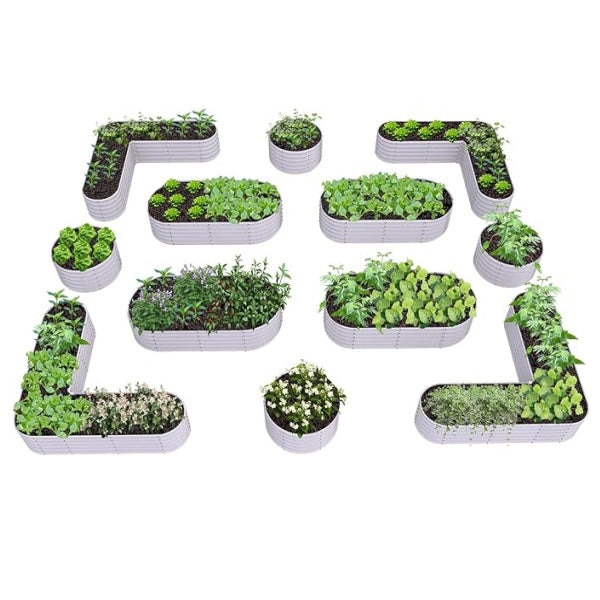
The expanded offerings, which include five configurations of modular raised beds—oval, rectangular, round, L-shaped, and U-shaped designs—along with professionally planned raised bed garden layouts, address the needs of American households that spent an average of $616 on lawn and garden activities in 2022, up $74 from 2021.
“The shift toward sustainable home gardening has accelerated significantly,” stated an Anleolife company representative. “Our new modular systems and pre-designed layouts directly address consumer demands for durable, eco-friendly solutions that simplify the gardening experience while ensuring long-term value.”
The timing aligns with broader industry trends. The global gardening market size was valued at approximately $120 billion in 2024 and is projected to reach $150 billion by 2030, reflecting a robust CAGR of around 5%. North America leads the global gardening market, holding approximately 35.3% of the total market value.The company's galvanized steel raised garden beds feature a 20-year rust-resistance warranty and utilize 100% non-toxic coatings certified safe for edible plant cultivation. The modular design enables tool-free assembly, addressing installation complexity concerns that have historically deterred new gardeners from starting projects.The pre-designed garden layout packages represent a strategic response to evolving consumer preferences. Each package includes spatial planning optimized for specific gardening goals—whether herb gardens, vegetable patches, or ornamental flower beds—along with planting guides tailored to different climate zones across the United States.The U.S. garden planter market alone was valued at $4.08 billion in 2023 and is anticipated to grow to $6.65 billion by 2032, reflecting sustained consumer investment in outdoor living spaces. This growth corresponds with the rise in establishment of eco-friendly cities and the United States Environmental Protection Agency's 'Greening America's Communities' program, which aids cities and towns in developing environmentally friendly neighborhoods.Since its founding in 2015, Anleolife has provided garden solutions to over one million households across the United States. The company's "Made for Garden Life" philosophy emphasizes accessibility and environmental sustainability through products designed to transform outdoor spaces into productive gardens.Industry observers note that the expansion reflects broader shifts in consumer behavior. Rising numbers of commercial buildings and corporate offices strongly influence the US gardening industry, as corporations increasingly focus on sustainability and employee well-being through corporate or office gardening.The new product lines are available immediately through Anleolife's e-commerce platform at www.anleolife.com. The company also maintains an active community presence through its Facebook page and can be reached at info@anleolife.com for product inquiries.
LizzieCHOOE HOME LLCContact us hereor email us at info@anleolife.comVisit us on social media:InstagramFacebookYouTube
Featured collections



30" Extra Tall 10x3 ft Galvanized Steel Raised Garden Bed (Set of 6)


30" Extra Tall 8x4 ft Galvanized Steel Raised Garden Bed (Set of 6)
