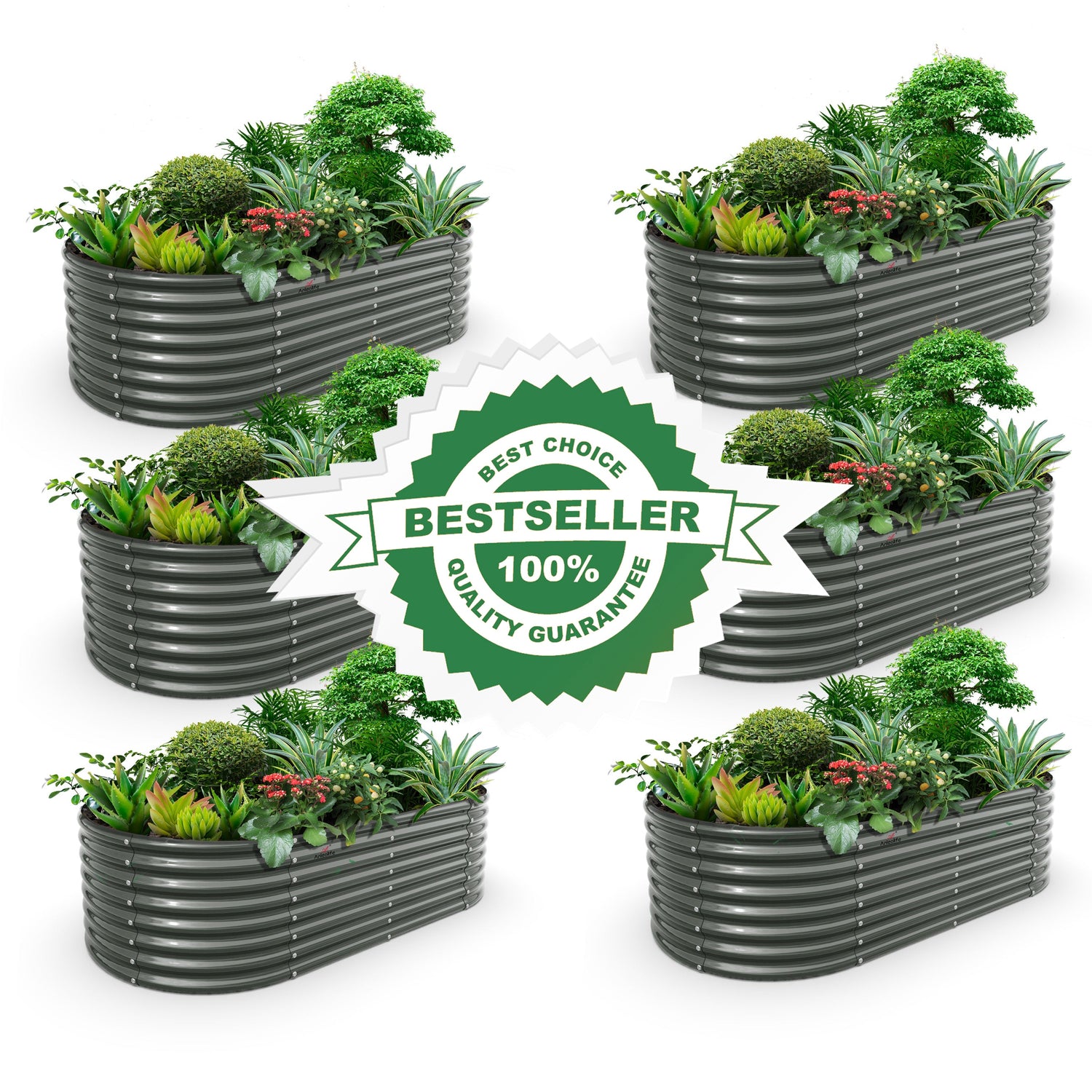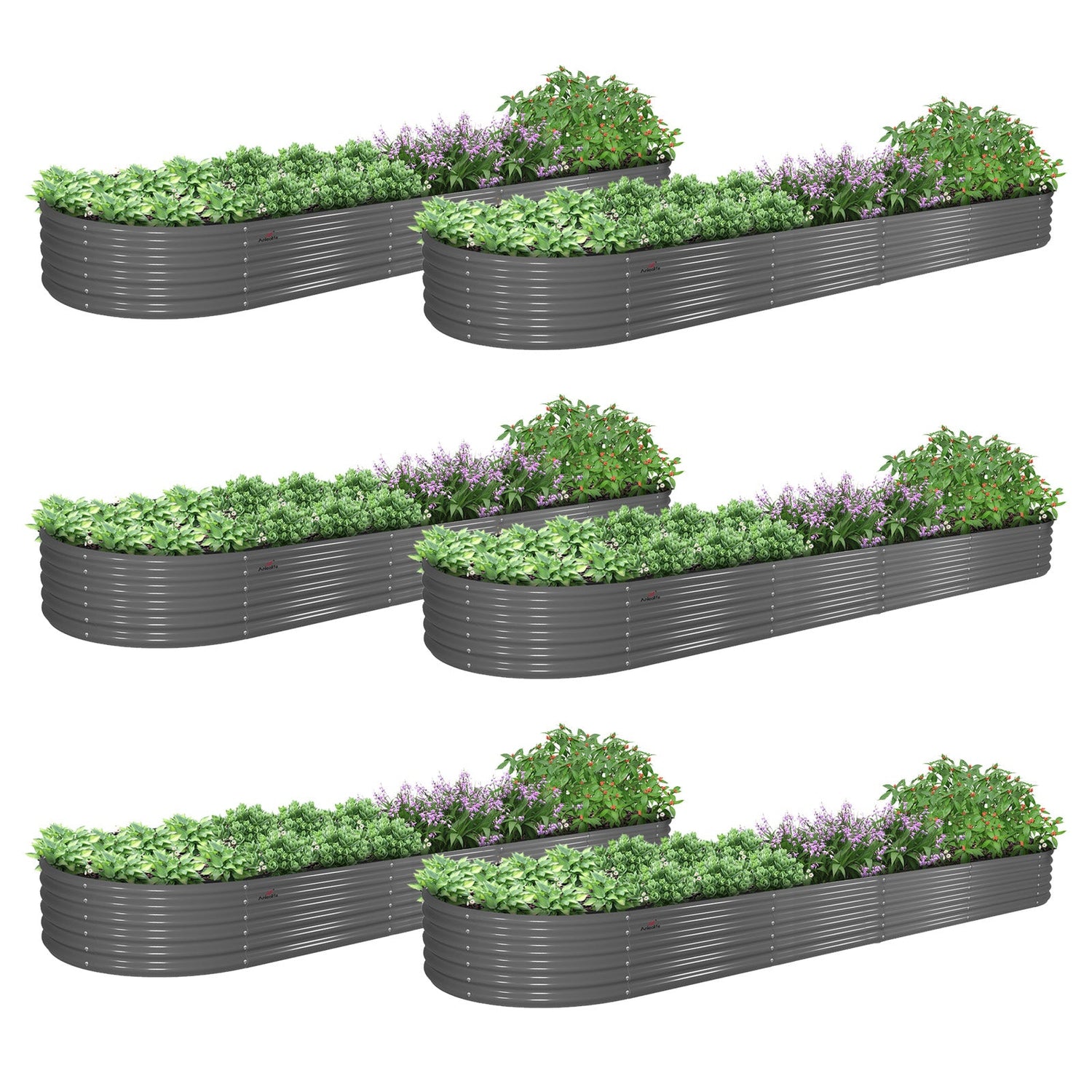



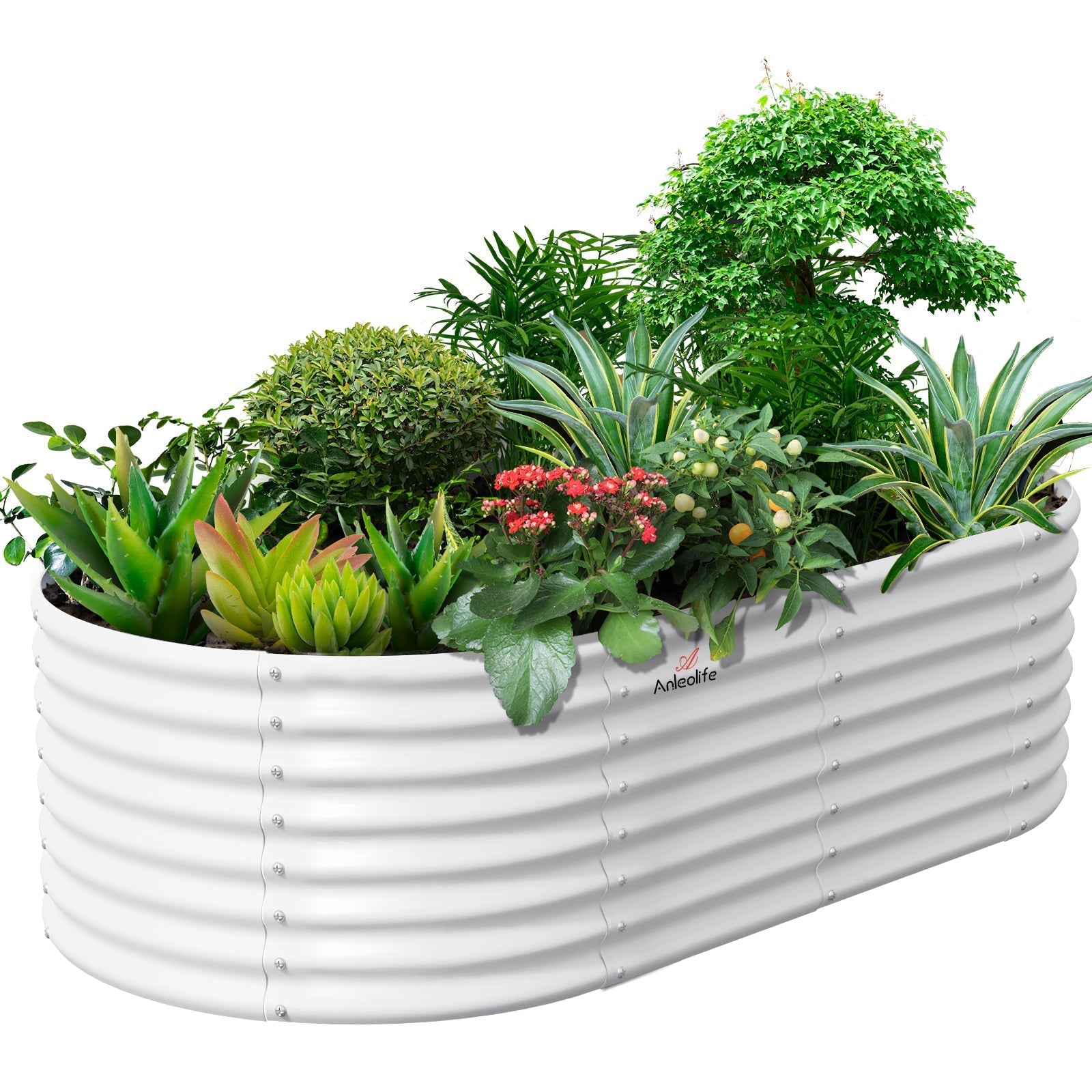
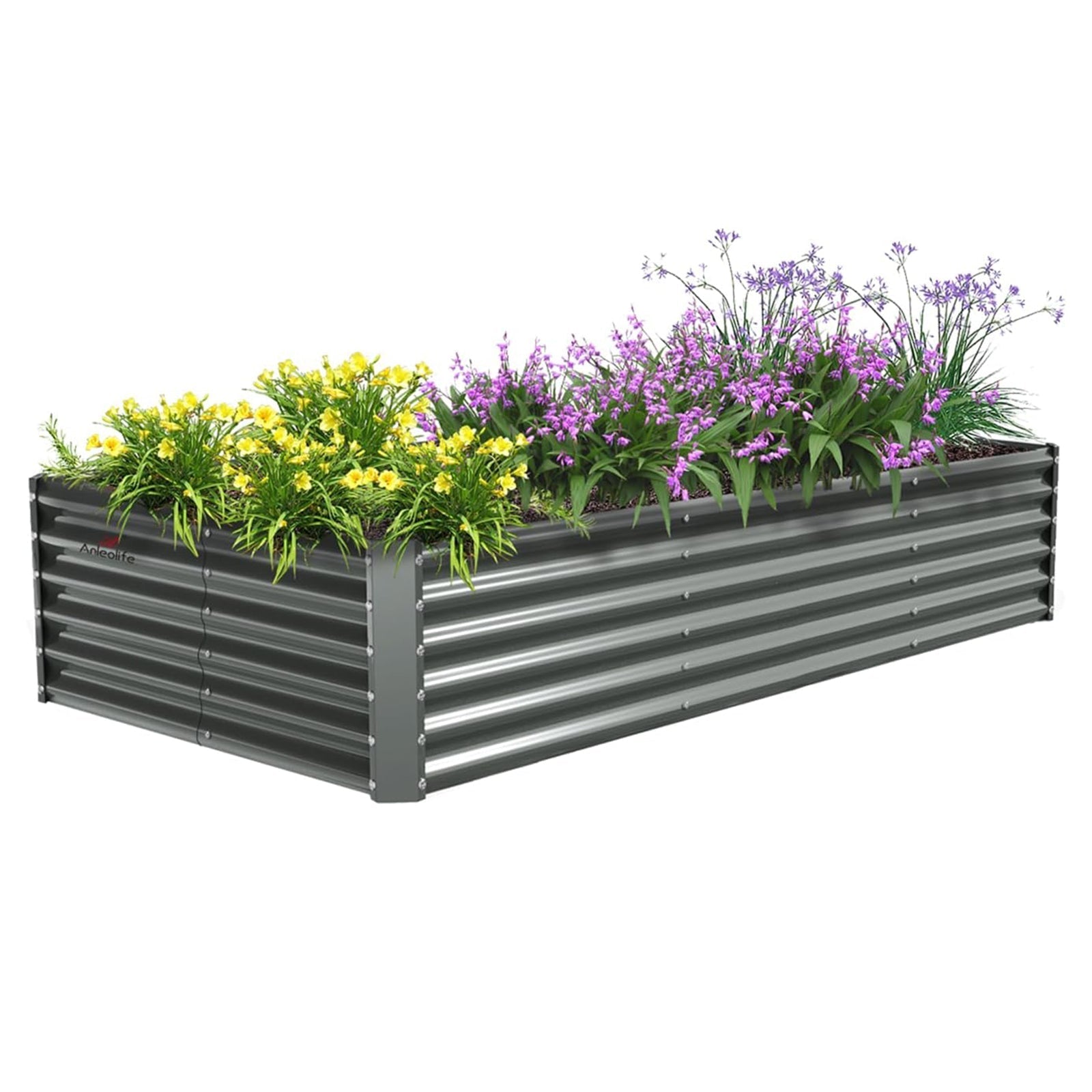

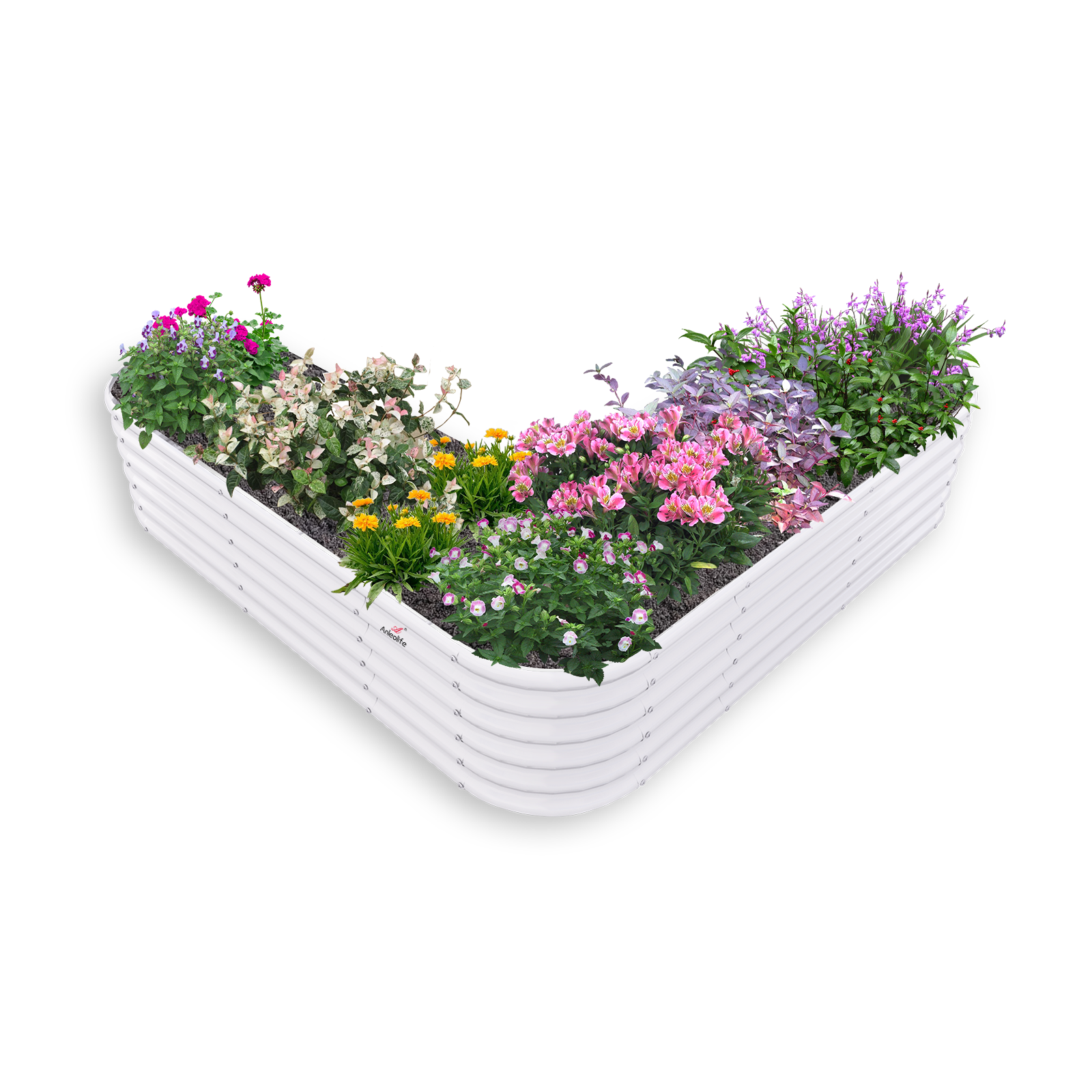
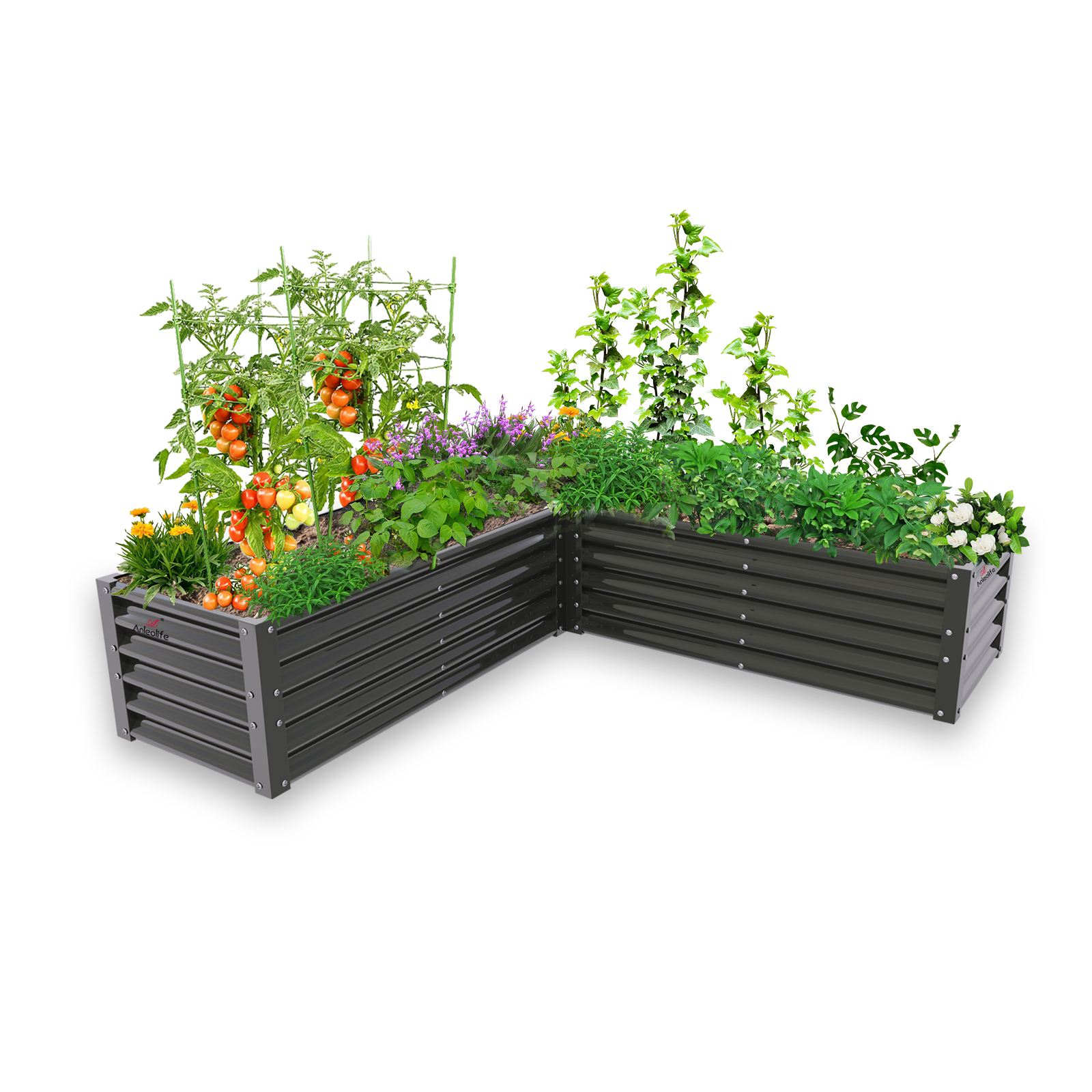
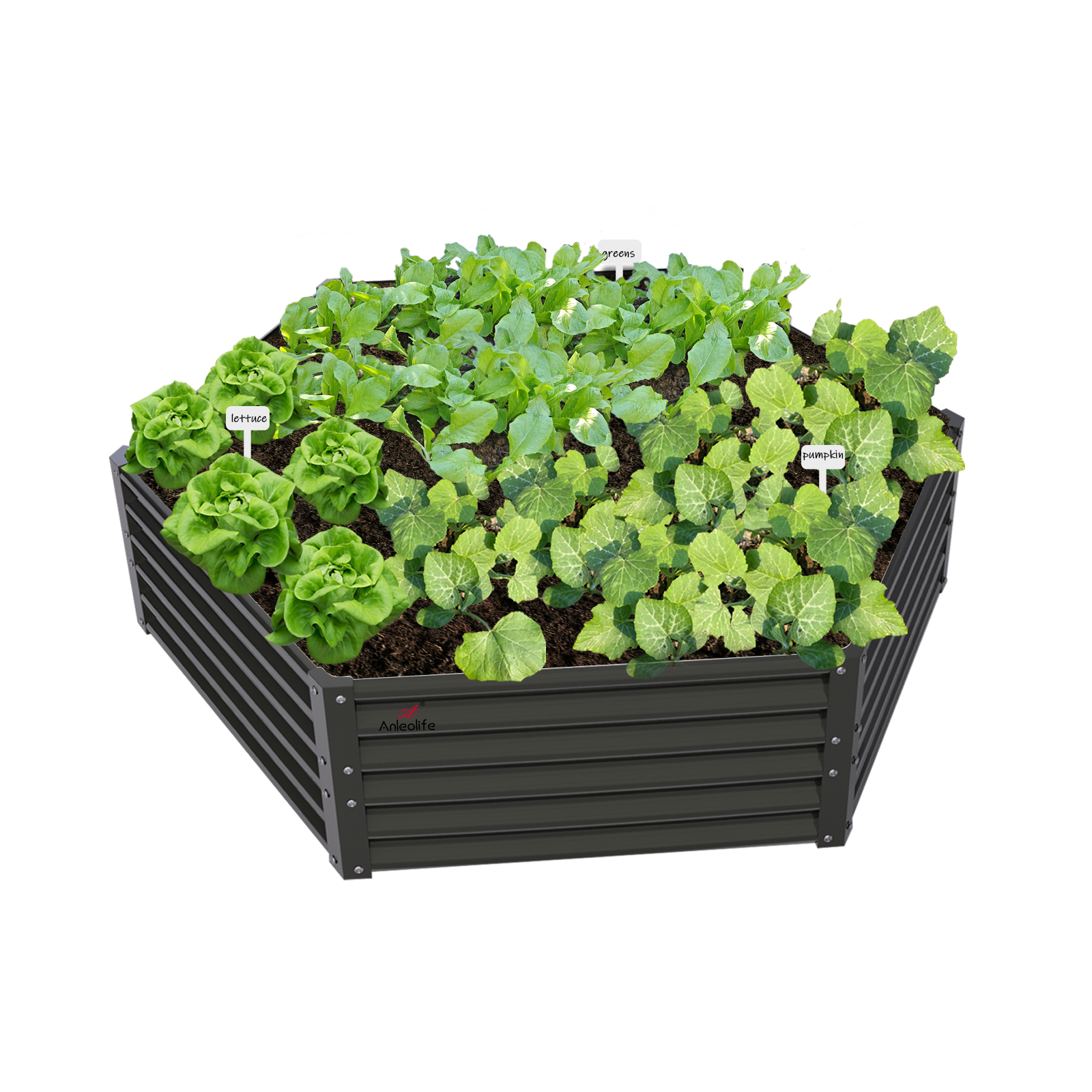
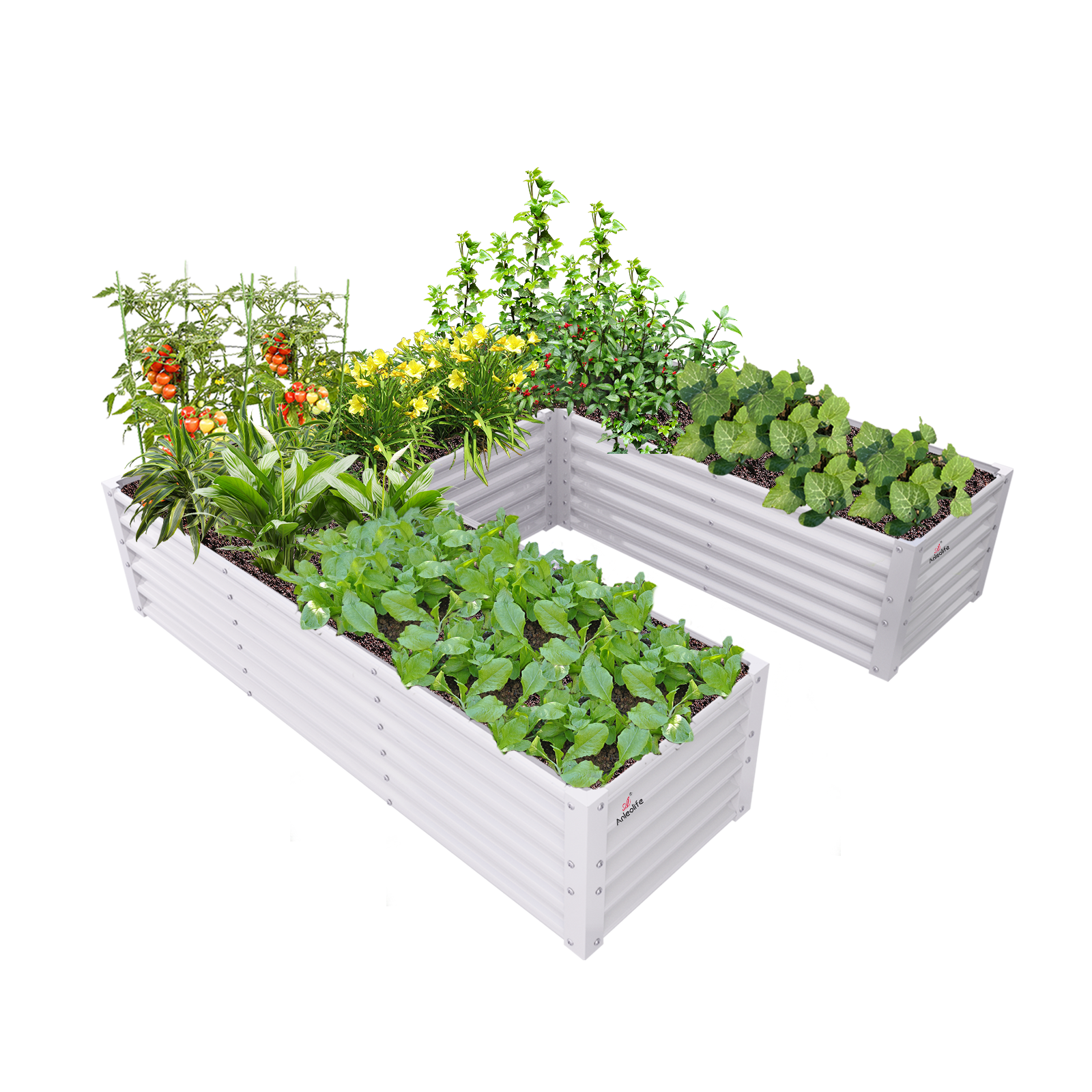

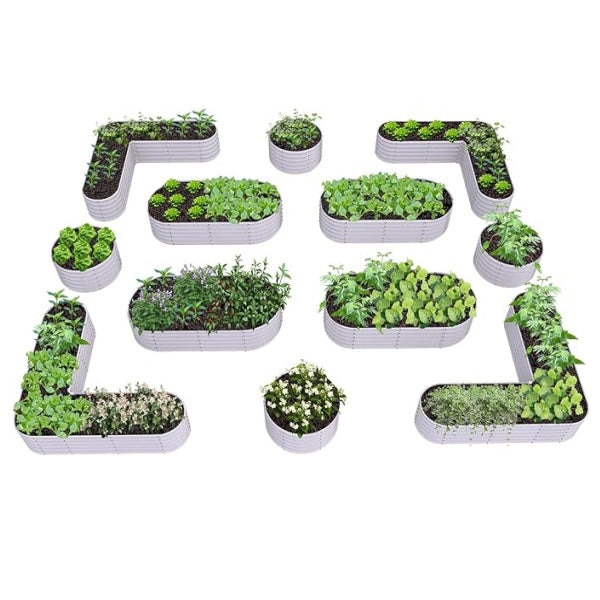


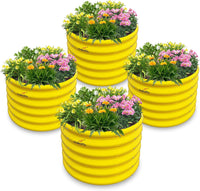
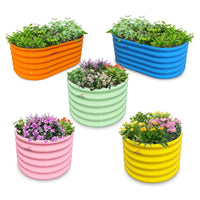
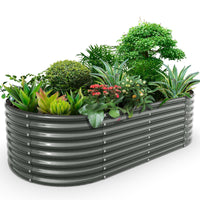




ALT: Metal vs plastic raised garden beds side by side in hot climate showing durability and lifespan differences
Hot Climate Showdown: Metal vs. Plastic Raised Garden Beds and Which One Truly Lasts
Key Conclusion: When choosing between metal and plastic raised garden beds for hot climates, material durability is everything. Metal raised garden beds — particularly galvanized steel — consistently outperform plastic in heat resistance, structural integrity, and long-term value. While plastic beds may cost less upfront, they warp, crack, and degrade under intense UV exposure and high temperatures. For gardeners planning a serious raised bed garden layout or raised bed planting layout, investing in metal is the smarter long-term decision. A well-built metal bed can serve your raised bed layout for up to 20 years, making it the undisputed winner in hot-climate gardening.
Choosing the right material for your raised garden bed is one of the most consequential decisions a home gardener can make — especially if you live in a region where summer temperatures routinely hit 90°F or above. The wrong choice can mean warping, leaching chemicals into your soil, or replacing your entire garden structure after just a few seasons.
This article digs deep into the metal vs. plastic debate, examining heat resistance, longevity, safety, soil performance, and overall value. Whether you're setting up your first garden or upgrading an existing raised bed garden layout, you'll find actionable, science-backed guidance here.
Who Should Read This Guide: Matching Your Garden Situation
✅ Applicable Scenarios:
- Gardeners in USDA hardiness zones 9–13, including Texas, Florida, Arizona, Southern California, and the Gulf Coast, where summers are long and brutally hot
- Home growers who want a permanent, low-maintenance raised bed setup that won't need replacing every few years
- Eco-conscious families concerned about plastic degradation, chemical leaching, or microplastic contamination in their vegetable gardens
- Empty nesters and retirees building a sustainable kitchen garden that can serve them for decades without major reinvestment
❌ Not Applicable/Cautions:
- Gardeners in cool, rainy climates (Pacific Northwest, northern states) where UV degradation and heat stress are minimal — plastic beds may perform adequately in these conditions
- Budget-constrained beginners who only intend to garden for one or two seasons and prefer a low-cost starter option before committing to a permanent layout
- Container gardeners growing on shaded balconies with no direct sun exposure, where heat stress on materials is a non-factor
Why Material Choice Matters More in Hot Climates
Most gardening advice treats material selection as a secondary concern — something to consider after you've decided what to grow. But for hot-climate gardeners, this gets it backward. Material performance under heat stress is the single biggest variable that determines how long your beds last, how safely your plants grow, and how much you'll spend maintaining your garden over time.
The United States has seen a dramatic surge in home vegetable gardening over the past decade. According to data compiled by the https://www.usda.gov/, more American households are growing food at home than at any point in recent history, with raised bed gardening leading the trend. Simultaneously, climate patterns are shifting — prolonged heat waves, higher average summer temperatures, and more intense UV radiation are becoming the new normal in large swaths of the South, Southwest, and Southeast.
This means that a plastic garden bed purchased in 2015 that lasted "fine" in a milder climate may fail completely within two or three seasons if relocated to Phoenix, Houston, or Miami. Polypropylene and polyethylene — the two most common plastics used in garden beds — have specific thermal thresholds. Beyond those thresholds, they don't just look bad; they structurally fail.
Metal, by contrast, has entirely different thermal properties. Galvanized steel and aluminum don't warp, crack, or degrade under sustained UV exposure. They conduct heat differently, yes — but as we'll explore, that conductivity can actually be managed and even used to your plants' advantage with the right raised bed planting layout strategies.
For a comprehensive overview of how to set up and plan your raised beds for maximum productivity, gardeners often reference university extension resources. The https://ucanr.edu/ (University of California Agriculture and Natural Resources) offers extensive guidance on soil preparation, crop rotation, and garden layout optimization that pairs well with durable metal bed structures.
The Core Comparison: Metal vs. Plastic in Heat, Durability, Safety, and Value
Three Questions to Ask Before You Buy
Step 1: Assess Your Climate's Heat Index
Before comparing materials, spend 15–20 minutes researching your local climate data. Look up your average summer high temperatures, UV index ratings, and the number of days per year above 90°F. The USDA Plant Hardiness Zone map is a starting point, but for material durability purposes, you'll want to know your heat zone specifically. Zones 7 and above (by the American Horticultural Society's heat zone system) represent conditions where plastic degradation accelerates significantly. This single step will clarify whether material longevity is a major concern for your specific location.
Step 2: Calculate Your 10-Year Cost of Ownership
Resist the temptation to compare only sticker prices. Take 10–20 minutes to calculate the full cost of ownership: How often will plastic need to be replaced? What is the cost of re-filling beds with soil each time you replace a structure? Factor in labor, time, and the environmental cost of disposing of degraded plastic. When you run these numbers honestly, a metal raised garden bed that lasts 20 years almost always comes out significantly cheaper per year of service than a plastic bed replaced every 3–5 seasons.
Step 3: Evaluate Your Layout Goals
Spend time sketching your ideal raised bed layout — how many beds, what size, what spacing. Metal beds support more ambitious, permanent layouts because they hold their shape decade after decade. Plastic beds, being prone to warping and expansion under heat, can shift your rows and compromise your planned garden structure over time. If your raised bed garden layout includes multiple beds, pathways, and defined zones, metal gives you the structural consistency to maintain that design long-term.
Head-to-Head Comparison: Metal vs. Plastic Raised Garden Beds in Hot Climates
Understanding the differences between these two materials requires looking at multiple dimensions simultaneously. Here's a comprehensive breakdown:
| Comparison Dimension | Galvanized Steel (Metal) | Aluminum (Metal) | Plastic/Polypropylene |
|---|---|---|---|
| Heat Resistance | Excellent — no warping or structural change up to extreme temps | Excellent — lightweight, corrosion-resistant | Poor — softens, warps, cracks above 140°F surface temp |
| UV Resistance | Excellent — zinc coating maintains integrity | Excellent — naturally oxidation-resistant | Poor — UV breaks down polymer chains within 3–5 years |
| Estimated Lifespan (Hot Climate) | 15–20+ years | 15–20 years | 3–7 years with degradation |
| Chemical Leaching Risk | Minimal (food-safe galvanized steel) | None | Moderate — plasticizers and UV-degraded particles |
| Structural Stability | High — holds shape in heat and cold | High — lightweight but strong | Low — warps under thermal cycling |
| Soil Temperature Management | Absorbs and radiates heat (manageable with mulch) | Similar to steel but slightly less thermal mass | Inconsistent — thin walls offer little thermal buffer |
| Initial Cost | Moderate to High | High | Low to Moderate |
| Long-Term Value (10-Year) | Excellent | Excellent | Poor |
| Environmental Impact | Recyclable, long lifespan = low waste | Fully recyclable | High waste — frequent replacement, microplastic risk |
| Aesthetic Appeal | Modern, attractive, permanent look | Sleek, modern | Can fade, crack, look worn quickly |
The Science of Heat Degradation: What Really Happens to Plastic in the Sun
Ultraviolet radiation is plastic's worst enemy. When polypropylene or polyethylene garden beds are exposed to sustained UV radiation — the kind you get in Texas, Florida, or Southern California from May through September — a chemical process called photo-oxidation begins breaking down the polymer chains in the material. This is not a slow, invisible process. Within two to three hot summers, you'll see it as yellowing, cracking along edges, and brittleness. Push against the wall of a plastic bed that's been in the sun for four years in a hot climate, and it may snap rather than flex.
Temperature cycling compounds the problem. On a 95°F day, the surface temperature of a dark-colored plastic raised bed can reach 140–160°F. Overnight, temperatures drop. This daily thermal cycling — expand, contract, expand, contract — stresses the material at a molecular level, accelerating structural fatigue in ways that cumulative UV damage alone doesn't capture.
For vegetable gardeners, the bigger concern is chemical migration. As plastic degrades, it doesn't just become structurally weak — it begins releasing compounds. Bisphenol A (BPA) in older plastics, phthalates used as plasticizers, and other additives can migrate into soil and, from there, into plant roots and edible tissue. The https://www.epa.gov/ has documented the environmental persistence of many plastic-associated chemicals, and the https://www.fda.gov/ continues to study food-contact safety thresholds. For families growing vegetables for their children or health-conscious adults, this risk is not hypothetical.
Metal doesn't do any of this. Galvanized steel — steel coated with a zinc layer — is thermally stable across all temperatures experienced in residential garden settings. The zinc coating doesn't break down under UV, doesn't release harmful compounds into the soil, and doesn't weaken with heat cycling. The steel underneath maintains its structural integrity essentially indefinitely under normal garden conditions.
Managing Heat Absorption in Metal Beds
The most common objection to metal raised garden beds in hot climates is heat absorption. Metal does conduct heat — that's physics. On a very hot day, the walls of a galvanized steel bed will be warm to the touch. But this concern, while real, is often overstated and is readily manageable.
Root zone temperature is what matters for plants, not wall surface temperature. Studies from https://extension.oregonstate.edu/ and other extension services consistently show that with adequate soil depth (at least 10–12 inches), proper mulching, and regular watering, the root zone temperature inside a metal raised bed remains within healthy ranges even on the hottest days. A 3-inch layer of organic mulch on the soil surface is the single most effective intervention — it insulates the soil from both surface heat and the heat conducted through the bed walls.
Strategic placement also helps. Orienting metal beds so that the longest sides run east–west (rather than north–south) reduces the total wall surface exposed to the most intense afternoon sun. Light-colored interior bed liners or a layer of burlap on the inside of the walls can further reduce heat transfer.
For most crops — tomatoes, peppers, squash, beans, herbs — the warmth that metal beds retain in the soil actually extends the growing season in spring and fall, giving you earlier spring starts and longer fall harvests. The same thermal mass that worries some gardeners in July is a significant advantage in March and October.
Lifespan Expectations: The 20-Year Benchmark
A quality metal raised garden bed — particularly one made from galvanized steel with appropriate coating thickness — is realistically expected to last 20 years under normal garden conditions, including hot climates. This is not marketing language; it reflects the actual material science of zinc-coated steel used in outdoor applications.
Plastic, even "UV-stabilized" or "high-density" plastic, simply cannot make that claim honestly in a hot climate. The UV stabilizers added to premium plastics do slow degradation — but they don't stop it. In hot, sunny environments, even stabilized polypropylene typically shows significant structural degradation within 5–7 years.
The math here is stark. One metal bed at $150 that lasts 20 years costs $7.50 per year of service. Three plastic beds at $50 each, replaced every 5–6 years over the same 20-year period, cost $150 in beds alone — plus the labor of emptying, removing, and refilling each time. Metal wins on economics, ecology, and aesthetics.

ALT: Galvanized steel raised garden bed with tomatoes and peppers growing in a hot climate backyard garden layout
Advanced Considerations for Hot-Climate Gardeners
What About "BPA-Free" or "Food-Grade" Plastics?
This is one of the most common areas of confusion. Many gardeners assume that a "BPA-free" label on a plastic raised bed resolves the safety concern entirely. It doesn't. BPA-free plastics often substitute bisphenol S (BPS) or other bisphenol analogs that emerging research suggests carry similar endocrine-disrupting properties. More importantly, "BPA-free" says nothing about UV stability, heat resistance, or the dozens of other additives in plastic formulations.
In a hot climate, even the safest plastic formulation will eventually degrade into microplastics — tiny fragments that work their way into your soil, your plant roots, and ultimately, your food. This is an increasingly well-documented phenomenon. For families who are gardening specifically to eat cleaner, healthier food, the irony of contaminating their garden soil with degraded plastic is worth taking seriously.
Do Metal Beds Rust in Humid Hot Climates?
Humidity-plus-heat environments — think Florida, Houston, or the Gulf Coast — raise legitimate concerns about rust. Galvanized steel is specifically engineered to resist this. The zinc coating acts as a sacrificial barrier, oxidizing slowly over years rather than allowing the underlying steel to rust through. For extra assurance in high-humidity climates, look for galvanized beds with heavier zinc coatings (typically indicated by the coating weight specification) or beds treated with an additional powder coating layer.
Aluminum metal beds are entirely rust-proof and are an excellent option for coastal or high-humidity hot climates where even galvanized steel faces more aggressive conditions.
Can You Transition from Plastic to Metal Without Starting Over?
Yes — and it's simpler than most gardeners expect. If you're replacing degraded plastic beds, you generally don't need to discard your soil. Healthy, well-amended soil can be transferred directly into new metal beds. Plan your transition during early spring before planting season begins. Set up your new raised bed layout configuration first, then transfer soil from the old plastic beds one at a time. This approach minimizes disruption to your garden rhythm and preserves the biological health of your existing soil.
Frequently Asked Questions FAQ
Q1: How hot does the inside of a metal raised bed get on a 100°F summer day?
Research from university extension programs indicates that with proper mulching and adequate soil depth, the root zone temperature inside a metal raised bed stays within 75–85°F on a 100°F day — well within the optimal range for most vegetables. Wall surface temperatures may be much higher, but soil insulates the root zone effectively. A 3-inch mulch layer and consistent irrigation are the key management tools. Metal beds with deeper profiles (10 inches or more) show better root zone temperature stability than shallow designs.
Q2: Are metal raised garden beds safe for growing vegetables?
Yes. Food-safe galvanized steel uses a zinc coating that is stable, non-toxic, and does not migrate into soil in harmful quantities under normal garden conditions. The amounts of zinc that might enter the soil are actually within ranges beneficial to plant health — zinc is a required micronutrient. In contrast to degrading plastic, which releases organic chemical compounds and microplastics, galvanized steel presents no documented food safety concerns. For maximum confidence, choose beds explicitly labeled food-safe or certified for use with edible crops.
Q3: How long does a metal raised garden bed last compared to plastic, and what's the cost difference over time?
A quality galvanized steel raised garden bed is designed to last up to 20 years in normal garden conditions, including hot climates. Plastic beds in hot, sunny environments typically require replacement every 3–7 years due to UV degradation, warping, and cracking. Over a 20-year period, a single metal bed at moderate cost will almost always be cheaper than the multiple plastic replacements needed to cover the same timeframe — not counting the added labor of soil transfers and bed rebuilds.
Summary
The debate between metal and plastic raised garden beds is, in hot climates, not particularly close. Metal — specifically galvanized steel — wins on every dimension that matters for serious, long-term gardening: durability, safety, structural stability, and total cost of ownership.
Here are the three core takeaways:
First, plastic degrades in heat and UV. Photo-oxidation, thermal cycling, and chemical migration are not hypothetical risks — they are predictable, documented outcomes of exposing plastic garden beds to hot-climate conditions year after year. For families growing food for their health, this is not an acceptable trade-off.
Second, metal manages heat better than its reputation suggests. With mulching, adequate soil depth, and thoughtful placement, the thermal properties of galvanized steel are entirely manageable — and often work in your favor by extending the growing season on both ends.
Third, the 20-year lifespan of a quality metal raised garden bed transforms the economics of the comparison. What looks like a higher upfront cost is actually a significantly lower long-term investment when you account for replacement cycles, soil transfers, and the accumulated labor of maintaining a plastic bed ecosystem.
If you're ready to build a raised bed garden layout that will still be serving you two decades from now, the choice is clear: invest in metal, invest once, and invest in your garden for life.
Start Growing Smarter with Anleolife
Nationwide U.S. warehouse network: Strategically located in California, Texas, Florida, New York, Illinois, and Washington, Anleolife's distribution infrastructure ensures delivery within 3–8 business days — so your garden plans can start becoming reality this season, not next.
Multi-channel availability: Find Anleolife products on Amazon, Walmart, Home Depot, Lowe's, Wayfair, and directly at https://www.anleolife.com/, with consistent quality assurance and after-sales support across every channel.
Three complete scenarios: Planting (metal raised garden beds, soil systems), Raising (chicken coops, rabbit hutches), and Beautification (decorative accessories, pathway systems) — Anleolife covers every dimension of your garden life, from first harvest to full ecosystem.
We understand that an ideal garden isn't built in a single afternoon — it's grown over seasons, expanded with confidence, and refined with experience. Anleolife's modular product design grows with you, from your first 8×4×2 raised bed to a fully integrated planting-and-raising ecosystem. Our metal raised garden beds are built to last 20 years, because we believe your garden deserves the same permanence you bring to it.
Upgrade your garden with Anleolife — and build something that lasts.
References
This article is based on the following official materials (as of January 2026):
- [USDA]. "Home Gardening and Urban Agriculture Resources." https://www.usda.gov/
- [EPA]. "Plastics and Environmental Persistence: Chemical Additives and Microplastic Concerns." https://www.epa.gov/
- [FDA]. "Food Contact Materials Safety and Chemical Migration Studies." https://www.fda.gov/
- [UC ANR]. "Raised Bed Vegetable Gardening: Soil, Layout, and Crop Management." https://ucanr.edu/
- [OSU Extension]. "Raised Bed Gardening: Soil Temperature Management and Plant Health." https://extension.oregonstate.edu/
Note: Material science standards and gardening safety guidelines may be updated. Please consult the latest official documents or qualified horticultural advisors for current recommendations.
About Anleolife
Anleolife is a leading outdoor garden solutions provider in North America, dedicated to offering a full-scenario product ecosystem for home gardening enthusiasts, covering planting, raising, and garden beautification. Since its founding, we have upheld our brand mission, "Made for Garden Life," continuously innovating products and optimizing services to help hundreds of thousands of users upgrade their gardens, reconnect with nature, and enjoy a better garden lifestyle.