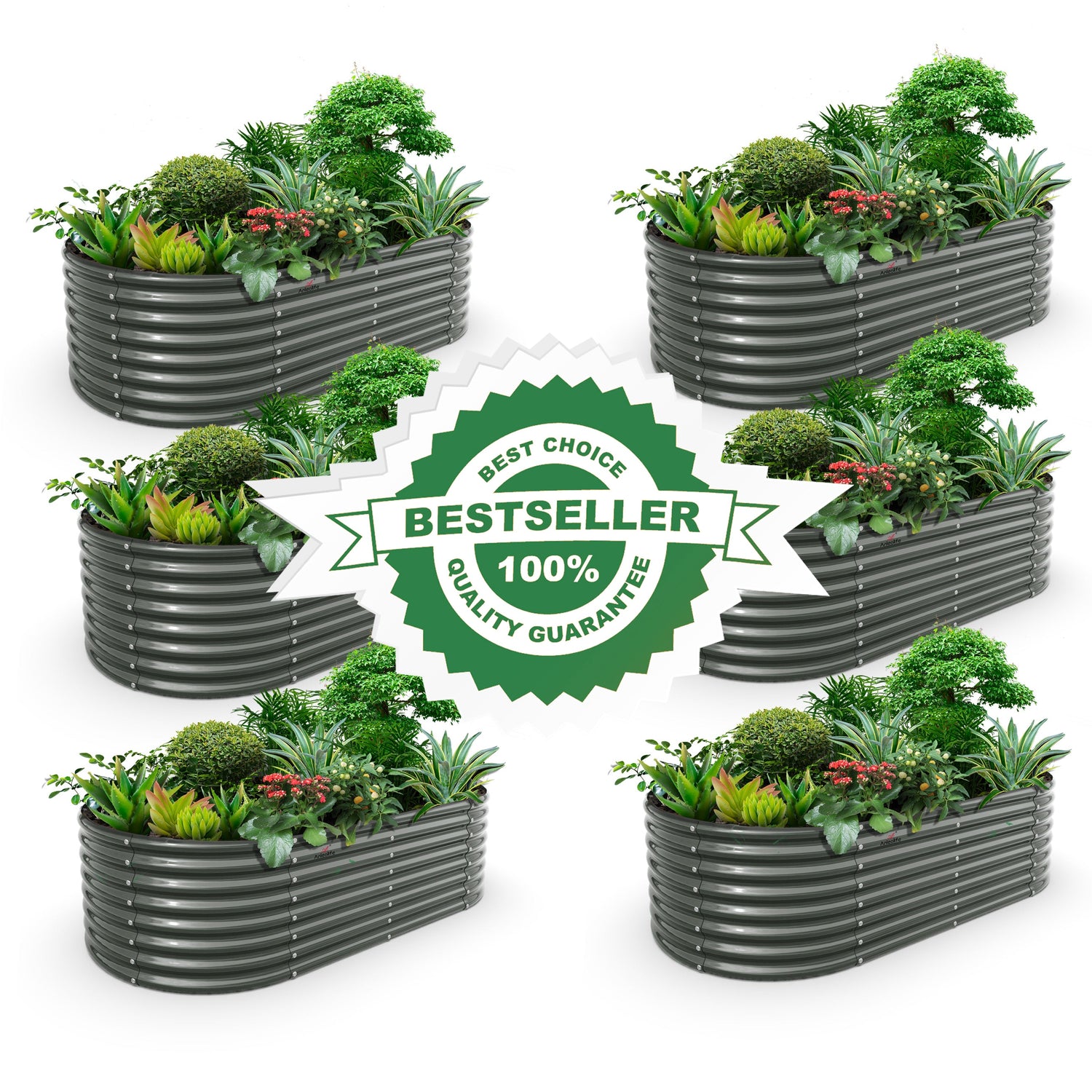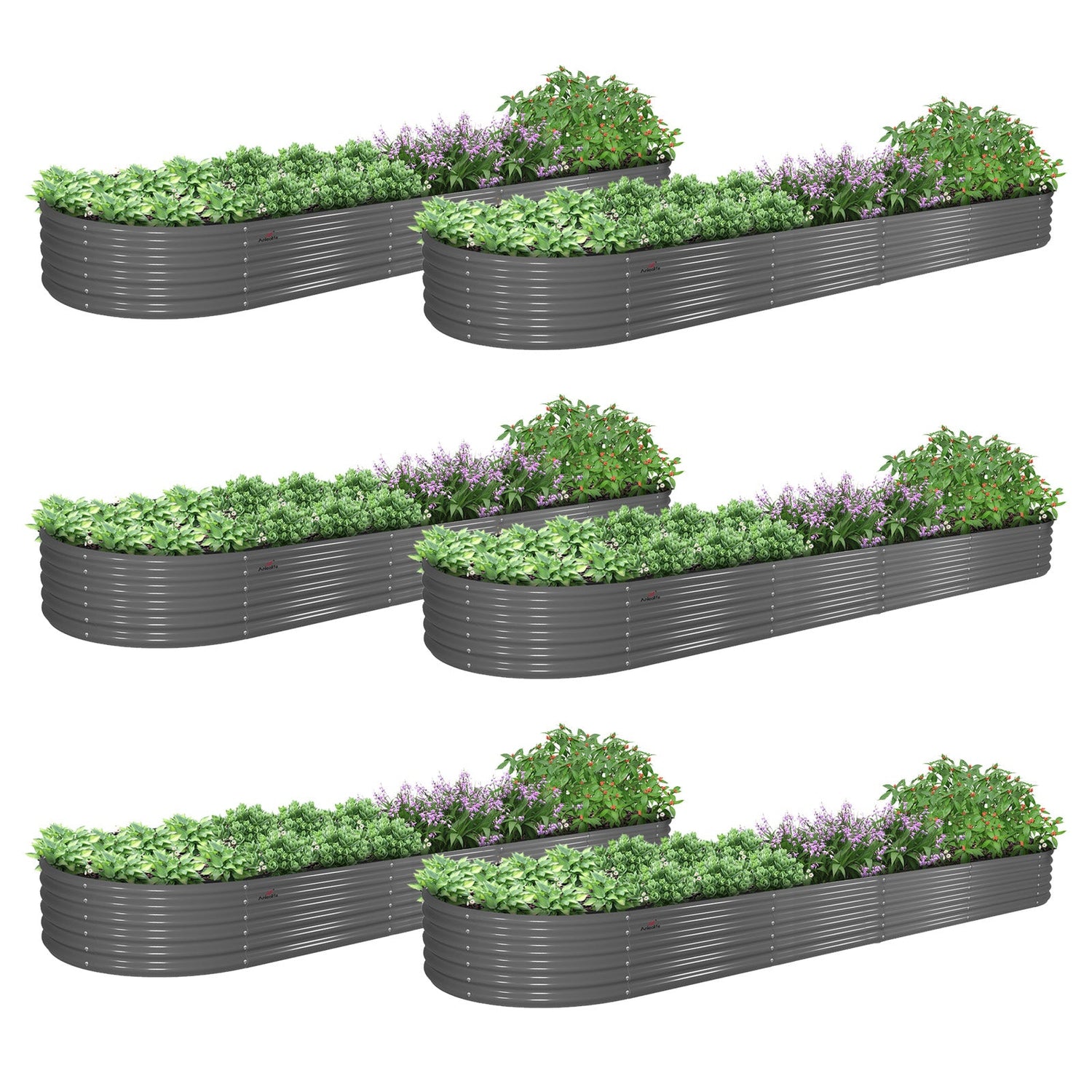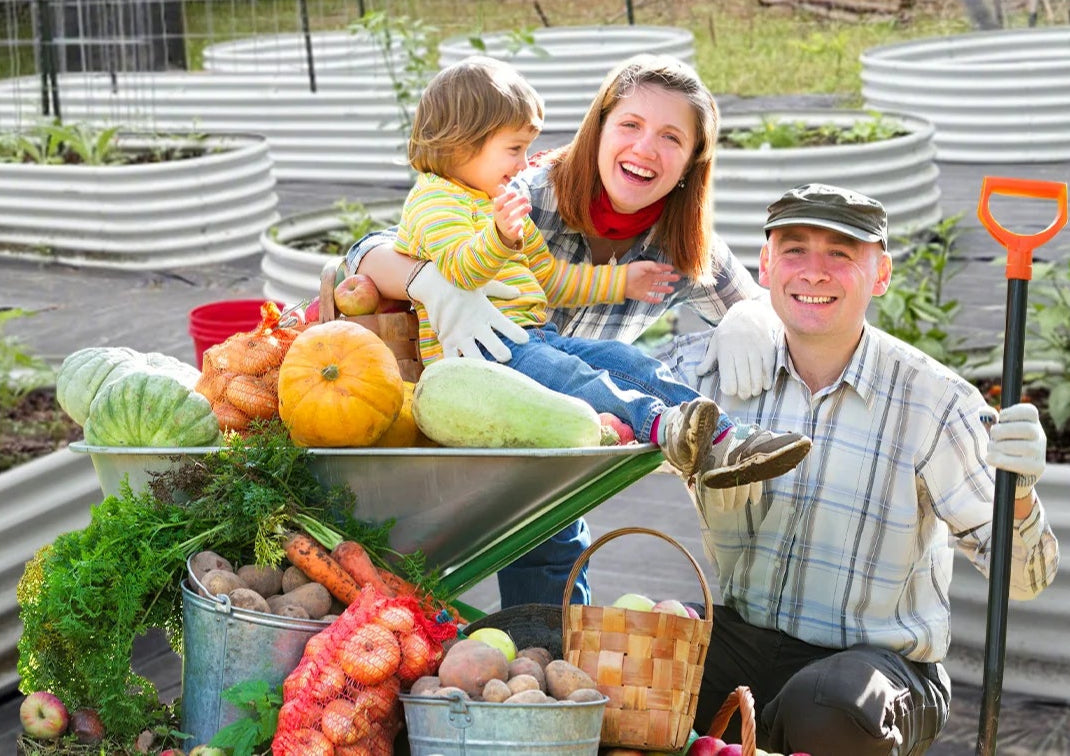



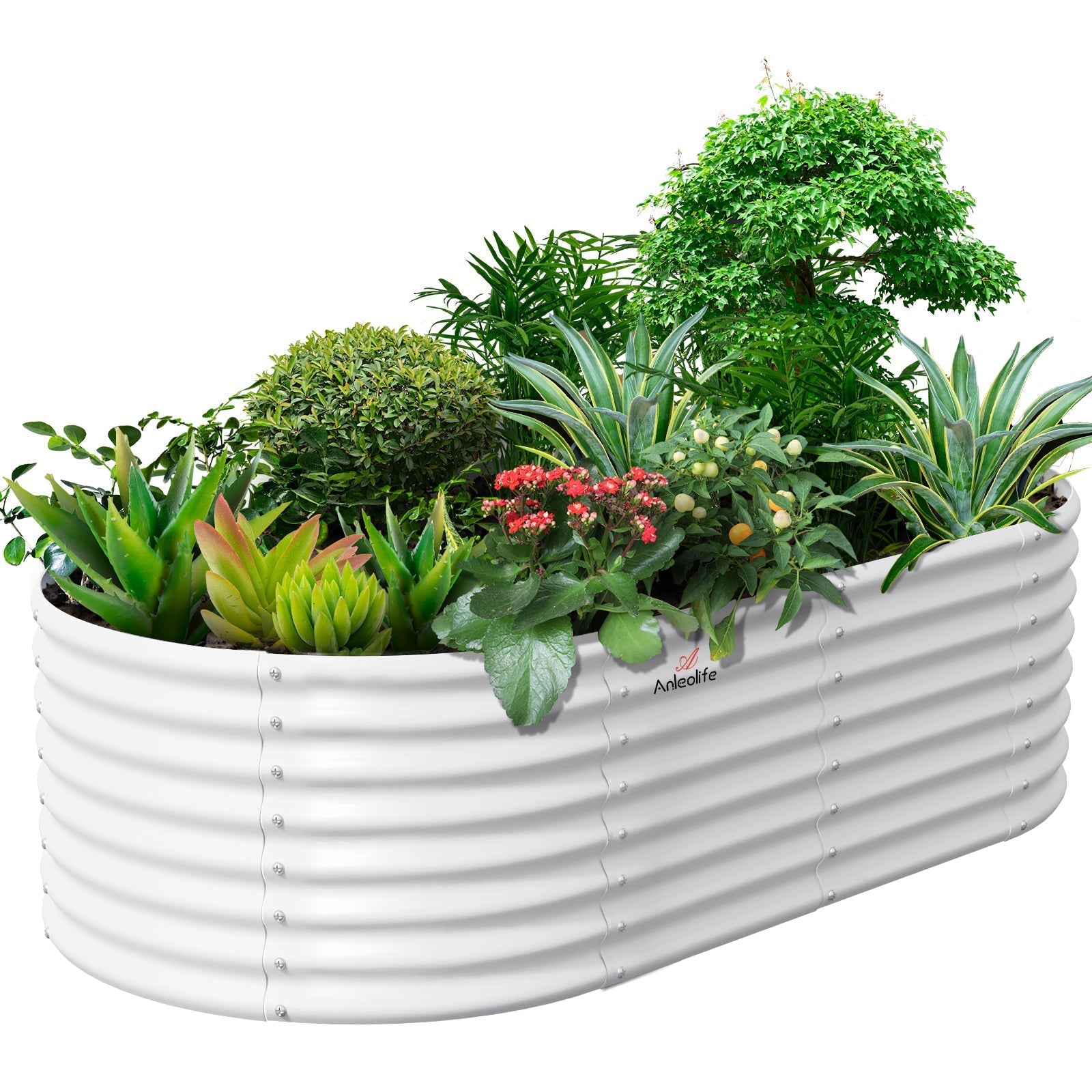
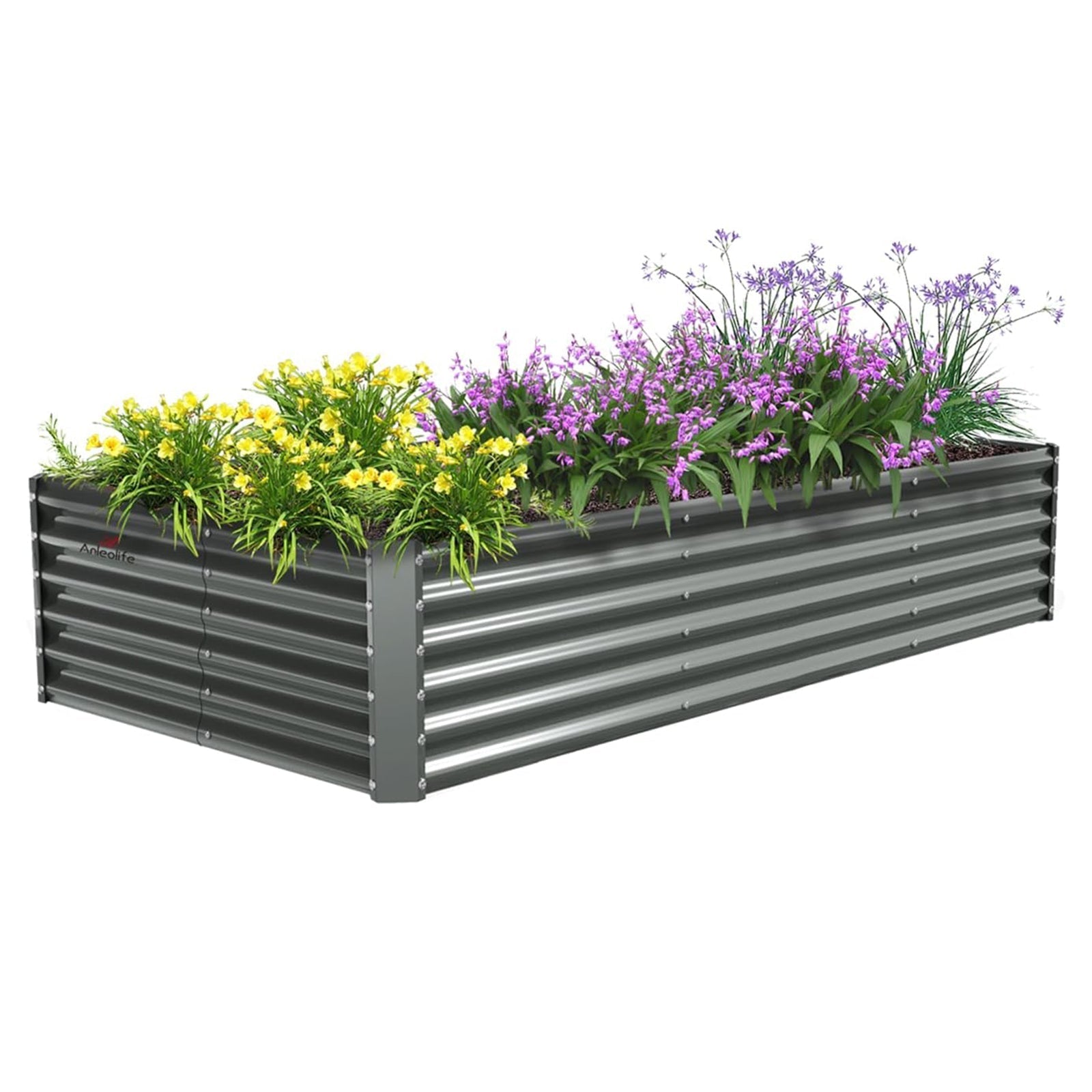

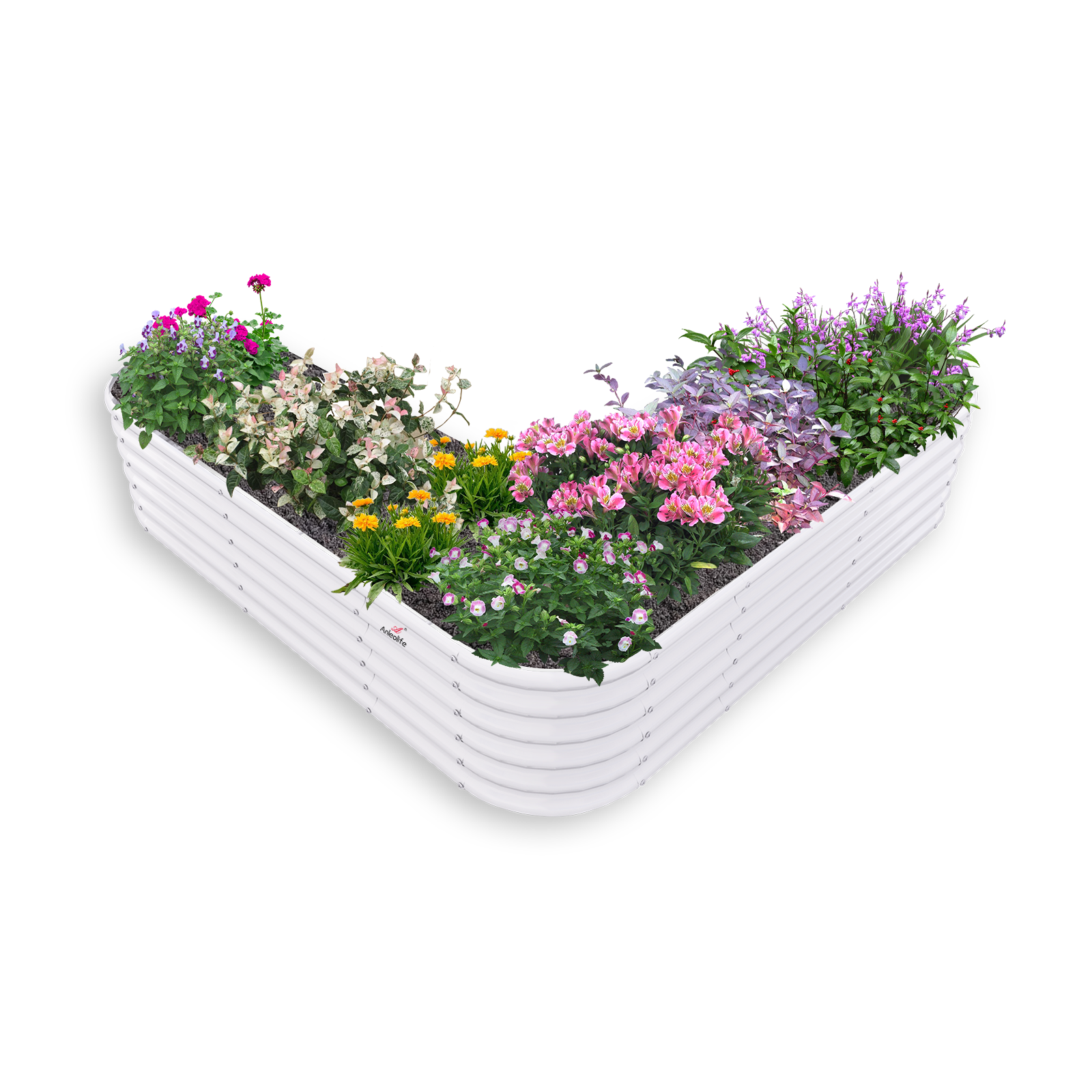
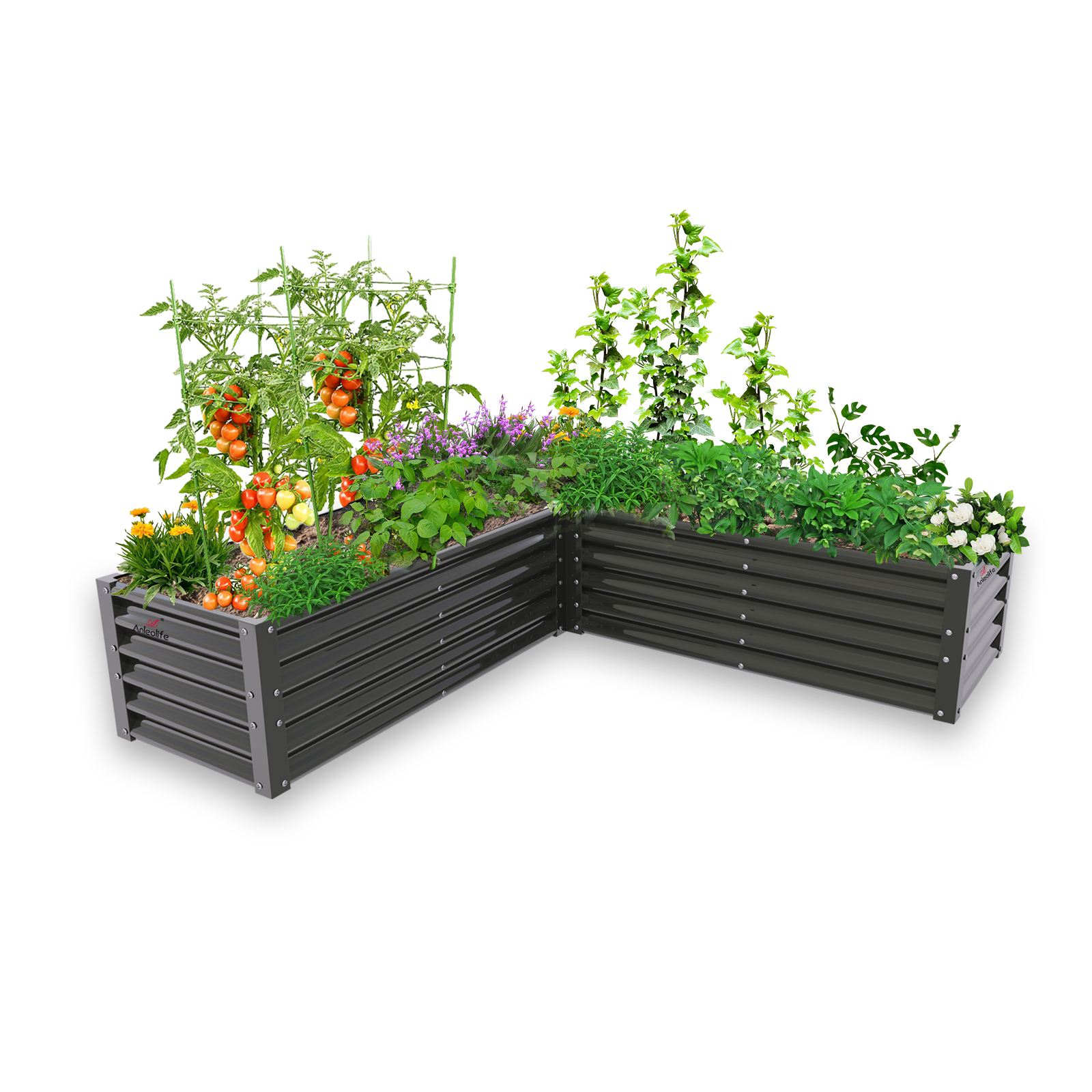
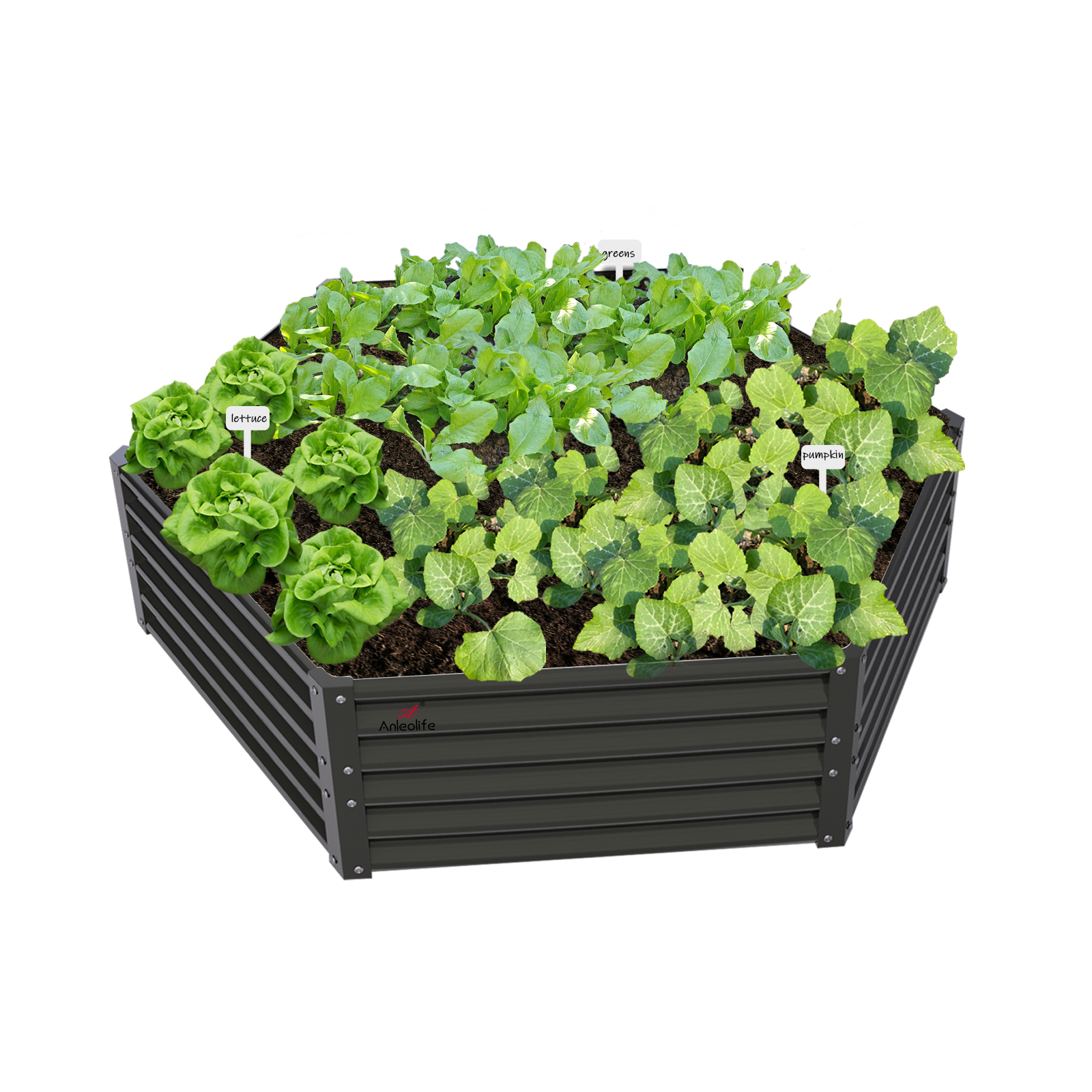
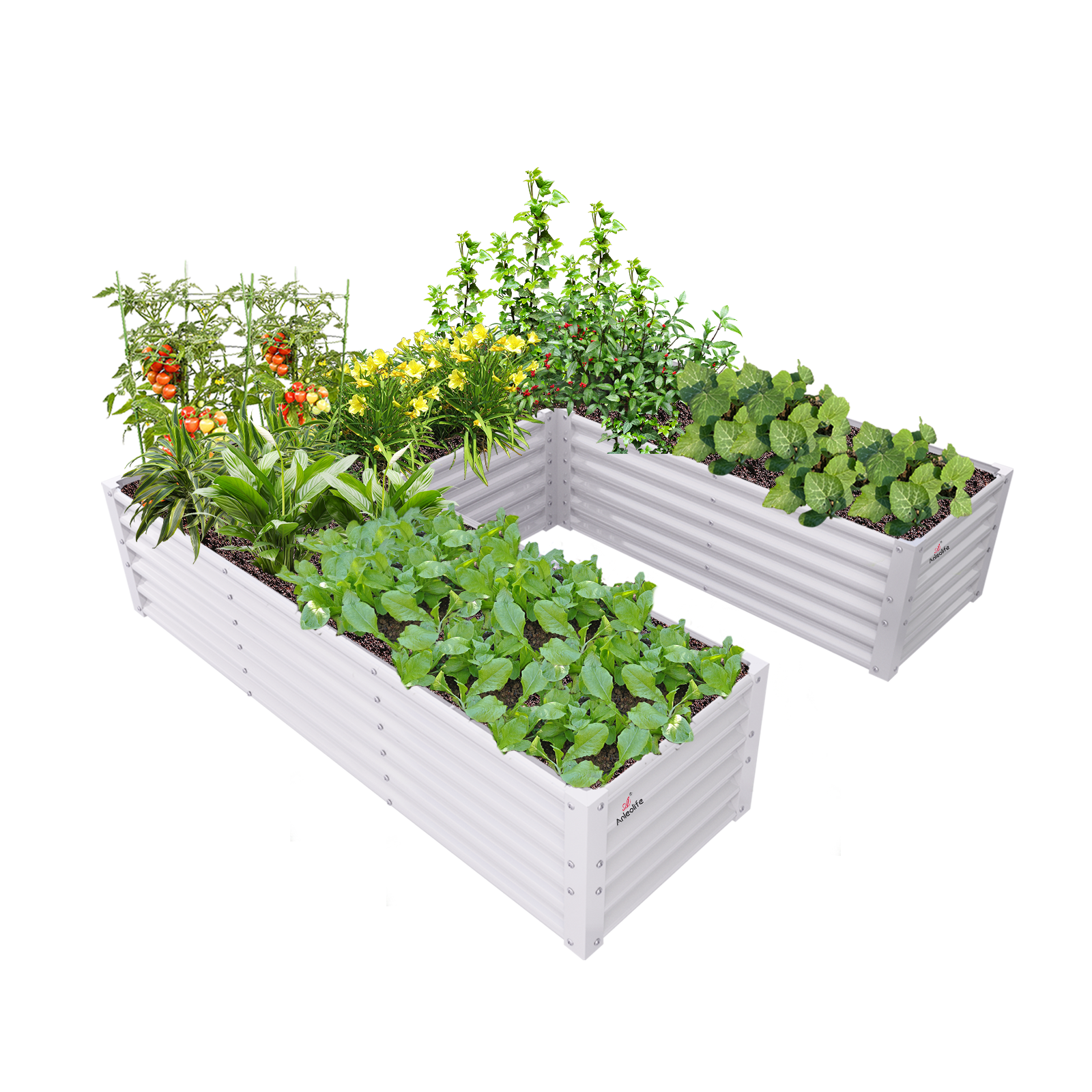

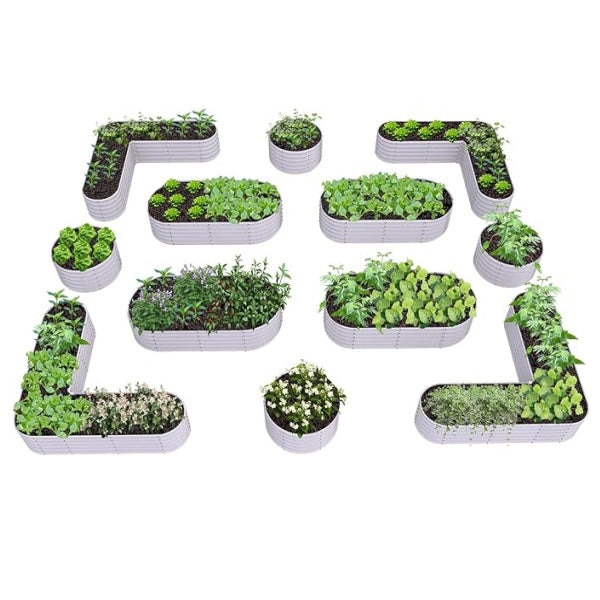


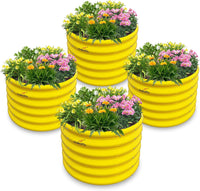
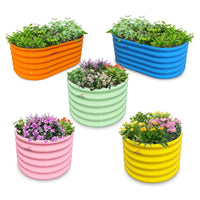
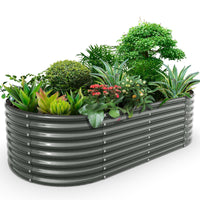




ALT: Healing backyard garden with raised garden beds fostering connection, calm, and community among families
Why Your Backyard Garden Is More Than Just Plants — It's a Place to Heal
Key Conclusion: A backyard garden is one of the most powerful wellness tools available to modern families. When thoughtfully designed using a strong raised bed garden layout, a well-planned raised bed planting layout, and a flexible raised bed layout that grows with your needs, your outdoor space becomes a sanctuary for mental clarity, physical activity, meaningful relationships, and community belonging — all rooted literally in the soil beneath your feet.
There's something quietly revolutionary happening in backyards across North America. Amid rising stress levels, increasing screen time, and a collective longing for meaning, millions of families are rediscovering the timeless practice of gardening — not just as a hobby, but as a form of healing.
This article explores three deeply human dimensions of the backyard garden: connection (to nature, to food, to each other), calm (the science-backed mental health benefits of growing things), and community (how a garden can bring neighborhoods and generations together). We'll also walk you through the practical steps to design a garden that actually works — one that fits your space, your lifestyle, and your long-term vision.
Who Will Benefit Most from a Healing Garden Space
✅ Applicable Scenarios:
- Empty nesters and retirees seeking purposeful daily routines and gentle physical activity
- Middle-class families wanting to build healthier eating habits and meaningful outdoor time with children
- Eco-conscious home growers committed to reducing their carbon footprint and growing organic produce
- Urban micro-gardeners with limited outdoor space who want to maximize yield and beauty in a small footprint
- Anyone experiencing burnout, anxiety, or disconnection and seeking a grounding daily practice
❌ Not Applicable/Cautions:
- Those expecting instant results — a healing garden takes time, consistency, and patience to cultivate
- Gardeners in regions with extreme soil contamination who may need additional soil testing before planting edible crops
- Households where nobody is available to water or tend to plants regularly without an irrigation system in place
- People allergic to specific pollen or plants should consult with a healthcare provider before starting an outdoor garden
The Science Behind Garden Therapy: Why Nature Heals
The idea that spending time in nature is good for you isn't a new-age concept — it's backed by decades of research. In Japan, the practice of Shinrin-yoku (forest bathing) has been formally recognized as a medical treatment since the 1980s. In the United States, horticultural therapy has been used in veterans' hospitals, rehabilitation centers, and senior care facilities to reduce depression, improve motor skills, and restore a sense of purpose.
But you don't need to live near a forest or enroll in a therapy program. Your backyard — even a modest one — can deliver many of the same benefits.
According to the USDA, community and home gardening programs are increasingly recognized for their role in improving food security, physical health, and mental well-being, particularly in underserved communities. The act of growing food, whether a single tomato plant in a container or a full raised bed planting layout, creates a direct link between human beings and the natural systems that sustain life.
Research published through UC ANR (University of California Agriculture and Natural Resources) highlights that regular gardening activity reduces cortisol levels (the primary stress hormone), improves mood, and enhances cognitive function in adults of all ages. For older adults especially, maintaining a garden has been correlated with lower rates of dementia and depression.
What's more, the environmental side of home gardening matters deeply to today's eco-conscious families. The EPA notes that home composting and sustainable gardening practices can significantly reduce household waste and improve local soil and water quality — meaning that your healing garden is also healing the planet.
The growing trend toward raised bed gardening fits perfectly into this wellness narrative. Raised beds reduce physical strain (no more kneeling on hard ground), give you complete control over soil quality, and make it easier to manage an organized, productive garden — which in turn reduces the frustration and overwhelm that often cause new gardeners to give up.
Building Your Healing Garden: A Practical, Step-by-Step Approach
Three Steps to Get Started — Even If You've Never Gardened Before
Step 1: Define Your Garden's Emotional Purpose (Week 1)
Before choosing plants or purchasing equipment, ask yourself: What do I want this garden to feel like? Is it a quiet solo retreat for morning meditation? A family project where kids learn where food comes from? A social gathering space for neighbors and friends? Spend 20–30 minutes journaling or sketching your vision. This emotional anchor will guide every decision you make — from your raised bed garden layout to which plants you choose to grow. Clarity of purpose prevents overwhelm and helps you stay consistent when the novelty wears off.
Step 2: Design Your Raised Bed Layout for Your Space and Goals (Week 1–2)
Once you know what you want to feel, it's time to plan what you want to grow. Measure your available outdoor space and sketch a simple raised bed layout on paper. A popular starting point for families is an 8x4-foot bed — large enough to grow a meaningful variety of vegetables, small enough to manage without strain. Consider sun exposure (most vegetables need 6–8 hours of direct sunlight), access pathways between beds, and how the space will look across seasons. Modular systems allow you to start small and expand over time as your confidence and appetite for gardening grow.
Step 3: Prepare Your Soil and Plant with Intention (Week 2–3)
The most common beginner mistake is underestimating the importance of soil quality. Fill your raised beds with a high-quality mix of topsoil, compost, and aged manure — sometimes called a "Mel's Mix" after the famous Square Foot Gardening method. Good soil is the foundation of every successful raised bed planting layout. Once your soil is ready, begin planting based on your local growing season. Start with beginner-friendly crops like lettuce, herbs, cherry tomatoes, and zucchini. The act of placing seeds or transplants into the earth with your own hands is, in itself, a grounding and calming practice. Budget approximately $150–$300 for a complete starter setup, not including the raised bed structure itself.
Raised Bed Solutions: Comparing Your Options
Choosing the right raised bed structure is a key step in building a garden that lasts. Not all raised beds are created equal — here's how the most common options compare:
| Comparison Dimension | Wooden Raised Beds | Fabric Grow Bags | Metal Raised Beds |
|---|---|---|---|
| Lifespan | 3–7 years (varies by wood type) | 1–3 years | 20+ years (Anleolife standard) |
| Aesthetic Appeal | Warm and natural | Minimal | Modern and clean |
| Soil Temperature Control | Moderate | Poor (overheats easily) | Excellent (regulates naturally) |
| Pest and Rot Resistance | Low (prone to rot and termites) | Moderate | High |
| Customization / Modularity | Limited | None | High (stackable, expandable) |
| Eco-Friendly Option | Depends on wood source | Single-use plastic waste | ✅ Powder-coated, long-lasting |
| Best For | Budget starters | Patios and balconies | Long-term family gardens |
For families investing in a long-term healing garden, metal raised garden beds offer the most durable and cost-effective solution. Anleolife's metal raised garden beds are designed to last 20 years, eliminating the cycle of replacement and reconstruction that comes with wood rot or fabric degradation. Their clean, modern aesthetic also contributes to the beautification side of garden wellness — because a beautiful space genuinely feels better to be in.
The Three Pillars of a Healing Garden: Connection, Calm, and Community
Connection: Rooting Yourself in Something Real
In an era of digital everything, a garden offers a radical counterpoint: analog, tactile, sensory engagement with the living world. The smell of damp soil. The texture of a tomato vine. The color of a just-opened zucchini blossom. These sensory experiences activate parts of the brain associated with pleasure, creativity, and emotional regulation in ways that scrolling through a phone simply cannot replicate.
For families with children, a garden is one of the most effective tools for building connection across generations. Children who grow their own food are significantly more likely to eat vegetables — not because they're being told to, but because they're emotionally invested in what they've grown. Grandparents who share their gardening knowledge with grandchildren create bonds that outlast any toy or screen-based activity.
A well-designed raised bed planting layout also creates a natural daily rhythm. Checking on your plants in the morning, watering in the evening, tracking what's growing and what needs attention — these small rituals anchor you to the present moment and to your physical environment in a way that reduces existential anxiety and increases a sense of agency and meaning.
Calm: The Mental Health Benefits of Getting Your Hands Dirty
There's now solid neuroscientific evidence that soil itself is therapeutic. Research has found that Mycobacterium vaccae, a harmless bacteria found in healthy garden soil, triggers the release of serotonin in the human brain — the same neurotransmitter targeted by many antidepressant medications. Simply handling garden soil with your bare hands may produce a measurable mood-lifting effect.
Beyond the biochemistry, gardening as a practice cultivates mindfulness in the truest sense. When you're thinning seedlings or harvesting lettuce, your mind must be present. There's no room for rumination about yesterday's meeting or tomorrow's deadline. Gardeners frequently describe their time in the garden as the only period in their day when their internal monologue quiets down.
For retirees and empty nesters especially, the garden provides something that retirement often takes away: a sense of purpose and tangible progress. Watching something grow from seed to harvest over weeks and months — and knowing that your daily actions made that possible — is deeply satisfying in a way that leisure activities alone rarely are.
Physically, raised bed gardening is ideal for aging bodies. The elevated height of beds reduces back strain and the need for kneeling. The manageable scale of a typical raised bed garden layout means you can garden productively in short sessions, accommodating days when energy is lower. Anleolife's modular raised bed designs allow you to customize bed height to suit your comfort level, making gardening accessible well into your later years.
Community: How a Garden Becomes a Gathering Place
A backyard garden, particularly one that's beautiful and productive, naturally draws people in. Neighbors lean over fences to ask questions. Friends come over to see what's blooming. Families linger longer in outdoor spaces that feel alive and tended.
Beyond the informal connections, many communities now have formalized garden sharing networks, seed libraries, and harvest swaps that bring neighborhoods together around the shared activity of growing food. If you have more zucchini than you can eat (a universal gardening experience), you'll quickly find that giving it away becomes its own form of social currency and goodwill.
Gardens also serve as intergenerational bridges. Older gardeners have wisdom to share — about companion planting, composting, and managing pests organically. Younger families have energy and enthusiasm. When these generations connect over a shared garden project, something genuinely beautiful happens: knowledge is preserved, relationships deepen, and communities become more resilient.
The OSU Extension has documented numerous cases where community gardening programs have reduced social isolation, particularly among seniors and recent immigrants, by creating shared spaces and shared purposes that transcend language and cultural differences.
Adding a welcoming aesthetic to your garden space — through decorative accessories, thoughtful pathway systems, and beautiful plant combinations — signals to others that this is a space for gathering, not just a utilitarian vegetable plot. Anleolife's beautification product line is designed with exactly this purpose in mind: turning a functional garden into a space that people genuinely want to spend time in.

ALT: Anleolife metal raised garden beds arranged in a healing backyard garden layout with flowers, vegetables, and pathways for community gathering
Advanced Considerations: Making Your Healing Garden Sustainable Long-Term
Adapting Your Garden Through Life's Seasons
A healing garden shouldn't be a source of stress — and that means building in flexibility from the beginning. Here are three advanced strategies to keep your garden sustainable as your life circumstances change:
Seasonal rotation planning: Rather than replanting the same crops in the same spots year after year (which depletes specific nutrients and invites pests), rotate your raised bed planting layout seasonally. A simple three-bed rotation — nightshades, brassicas, legumes — keeps soil healthy and pest pressure low without the need for synthetic pesticides.
Water management from the start: Installing a basic drip irrigation system or soaker hose at the time you set up your raised beds is far easier than retrofitting later. Consistent moisture is one of the most important factors in plant health, and automating it reduces the daily labor burden — especially important for gardeners who travel or have inconsistent schedules.
Progressive expansion, not overcommitment: One of the most common mistakes new gardeners make is starting too large and burning out. Begin with one or two beds, master them across a full growing season, then expand. Anleolife's modular metal raised bed system is specifically designed to support this kind of gradual growth — your first 8x4-foot bed can eventually anchor a much larger raised bed garden layout without looking mismatched or requiring structural changes.
Common Misconceptions Worth Addressing
Many people believe that gardening is only for those with large, sunny backyards — but urban micro-gardeners regularly produce impressive yields in spaces as small as 4x4 feet, using vertical growing techniques and succession planting. Others assume that organic gardening is harder or less productive than conventional growing, when in fact building rich, living soil over time (which raised beds support beautifully) tends to produce more flavorful, nutritious, and abundant harvests than depleted in-ground soil with chemical supplements.
Finally, some assume that a beautiful garden requires professional landscaping. In reality, a thoughtful raised bed layout with coordinated heights, materials, and surrounding plantings can create a genuinely stunning outdoor space — one that improves property value, enhances daily wellbeing, and serves as the backdrop for years of family memories.
Frequently Asked Questions FAQ
Q1: How do I design a raised bed garden layout if I only have a small backyard?
Small spaces can absolutely support a meaningful and productive healing garden. Start with one or two 4x4-foot raised beds, which can produce a surprising variety of crops when planned using a square foot gardening approach. Place beds where they receive the most direct sunlight — typically the south-facing side of your yard. Add vertical elements like trellises to maximize growing space without expanding your footprint. A small, well-tended garden is far more healing than an overambitious one that becomes a source of stress.
Q2: Are metal raised garden beds safe for growing food?
Yes — high-quality metal raised garden beds, particularly those made from Aluzinc or powder-coated Galvalume steel, are completely safe for food growing. According to gardening experts and food safety guidelines referenced by the FDA, properly coated metal beds do not leach harmful substances into soil at levels that would pose health risks. Avoid beds made from galvanized metal coated with zinc-lead alloys, and always choose reputable brands. Anleolife's metal raised garden beds are designed with food safety as a core requirement, built to last 20 years without compromising your harvest.
Q3: How long does it take to see mental health benefits from gardening?
Research suggests that even short gardening sessions — as little as 20–30 minutes — can measurably reduce cortisol levels and improve mood on the same day. Sustained benefits, including improved sleep quality, reduced anxiety, and a greater sense of life satisfaction, typically become noticeable within 4–8 weeks of consistent, regular gardening practice. The key is consistency rather than duration: daily short sessions are more beneficial than occasional marathon gardening days. Setting up an easy-to-manage raised bed layout is one of the best ways to make daily gardening feel achievable rather than overwhelming.
Summary
A backyard garden is one of the simplest and most profound investments you can make in your quality of life. Three core truths emerge from everything we've explored:
First, the benefits of gardening are not merely sentimental — they are physiological, psychological, and social. Science confirms that growing things reduces stress hormones, boosts serotonin, builds community bonds, and provides a daily practice of mindfulness and purpose.
Second, the design of your garden matters as much as the plants you choose. A thoughtful raised bed garden layout, built on durable infrastructure and flexible enough to grow with you, transforms gardening from a seasonal project into a lifelong practice. Start small, build intentionally, and let your garden evolve as your life does.
Third, you don't have to do this alone. Whether through connecting with neighbors, sharing harvests, joining local gardening groups, or simply inviting family to spend time in a space you've lovingly created, the garden is a natural gathering place — one that has brought human beings together across cultures and centuries.
The next step is simpler than you might think: choose one corner of your outdoor space, sketch a basic raised bed layout, and take the first step toward a garden that heals.
Start Your Healing Garden with Anleolife
Nationwide U.S. warehouse network: Strategically located in California, Texas, Florida, New York, Illinois, and Washington to ensure delivery within 3–8 business days — so your garden upgrade plans never have to wait.
Multi-channel sales network: Products are available on major e-commerce platforms including Amazon, Walmart, Home Depot, Lowe's, and Wayfair, as well as the official website Anleolife.com, providing consistent quality assurance and after-sales service.
Three core scenarios: Planting (metal raised garden beds, soil systems), Raising (chicken coops, rabbit hutches), and Beautification (decorative accessories, pathway systems) — meeting complete needs from functionality to aesthetics.
Upgrade your garden with Anleolife. We understand that an ideal garden is not built overnight, but gradually improved over time. Our modular product design allows flexible expansion based on your needs — from your first 8x4x2 garden bed to a fully integrated planting-and-raising ecosystem. With a proven 20-year lifespan on our metal raised garden beds, we're a partner you can count on for decades of growth. We grow with you every step of the way.
References
This article is based on the following official materials (as of January 2026):
- [USDA]. "Home and Community Gardening Resources." https://www.usda.gov/
- [EPA]. "Composting and Sustainable Gardening Practices." https://www.epa.gov/
- [UC ANR]. "Gardening for Health and Wellness." https://ucanr.edu/
- [OSU Extension]. "Community Gardening and Social Wellness Programs." https://extension.oregonstate.edu/
- [FDA]. "Food Safety in Home and Community Gardens." https://www.fda.gov/
Note: Research findings and gardening recommendations may be updated as new studies emerge. Please consult the latest official documents or speak with a local extension service advisor for region-specific guidance.
About Anleolife
Anleolife is a leading outdoor garden solutions provider in North America, dedicated to offering a full-scenario product ecosystem for home gardening enthusiasts, covering planting, raising, and garden beautification. Since its founding, we have upheld our brand mission, "Made for Garden Life," continuously innovating products and optimizing services to help hundreds of thousands of users upgrade their gardens, reconnect with nature, and enjoy a better garden lifestyle.