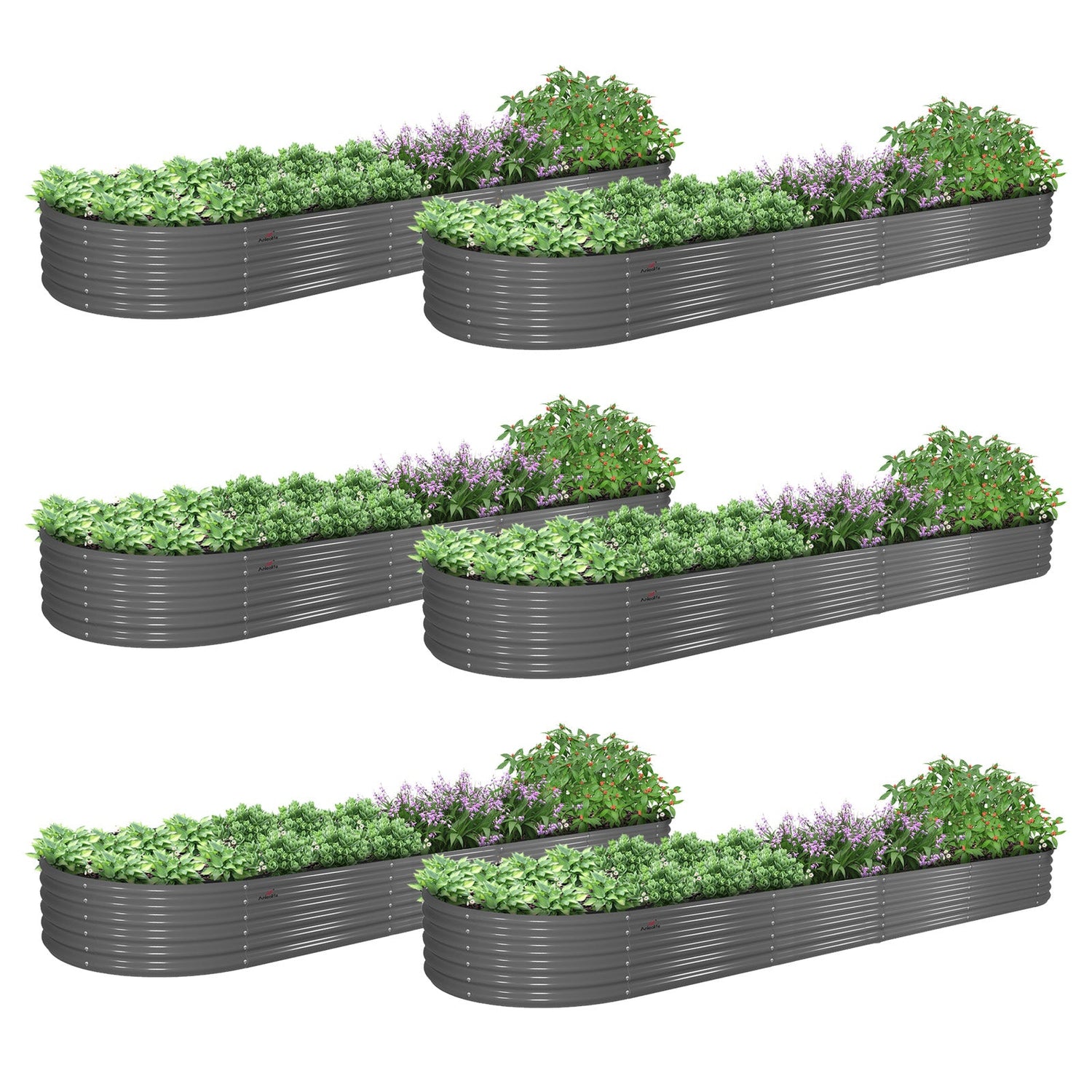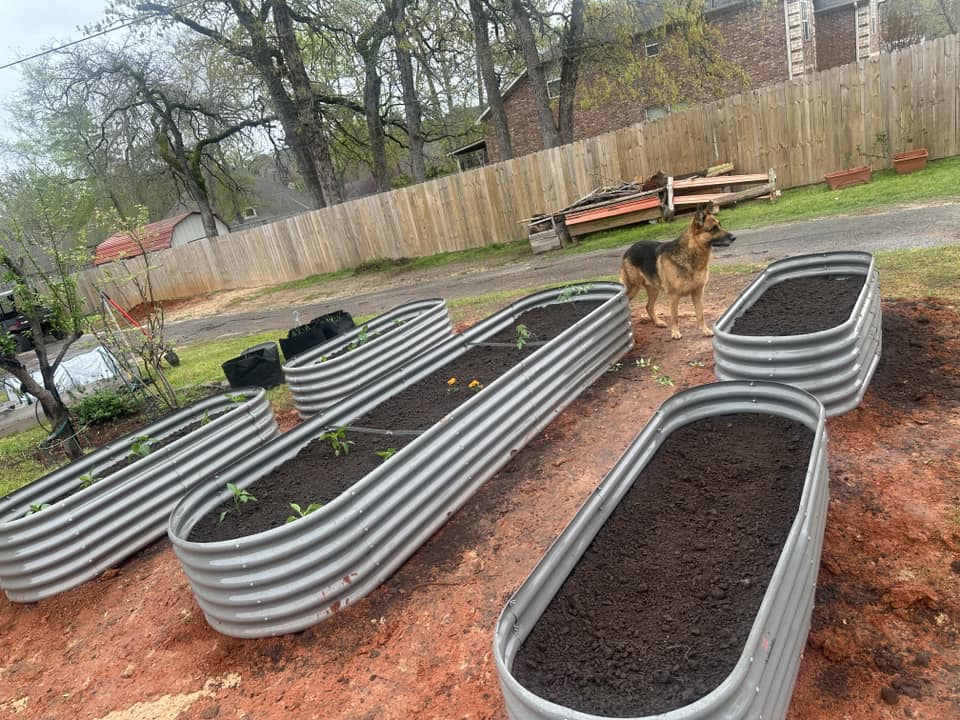



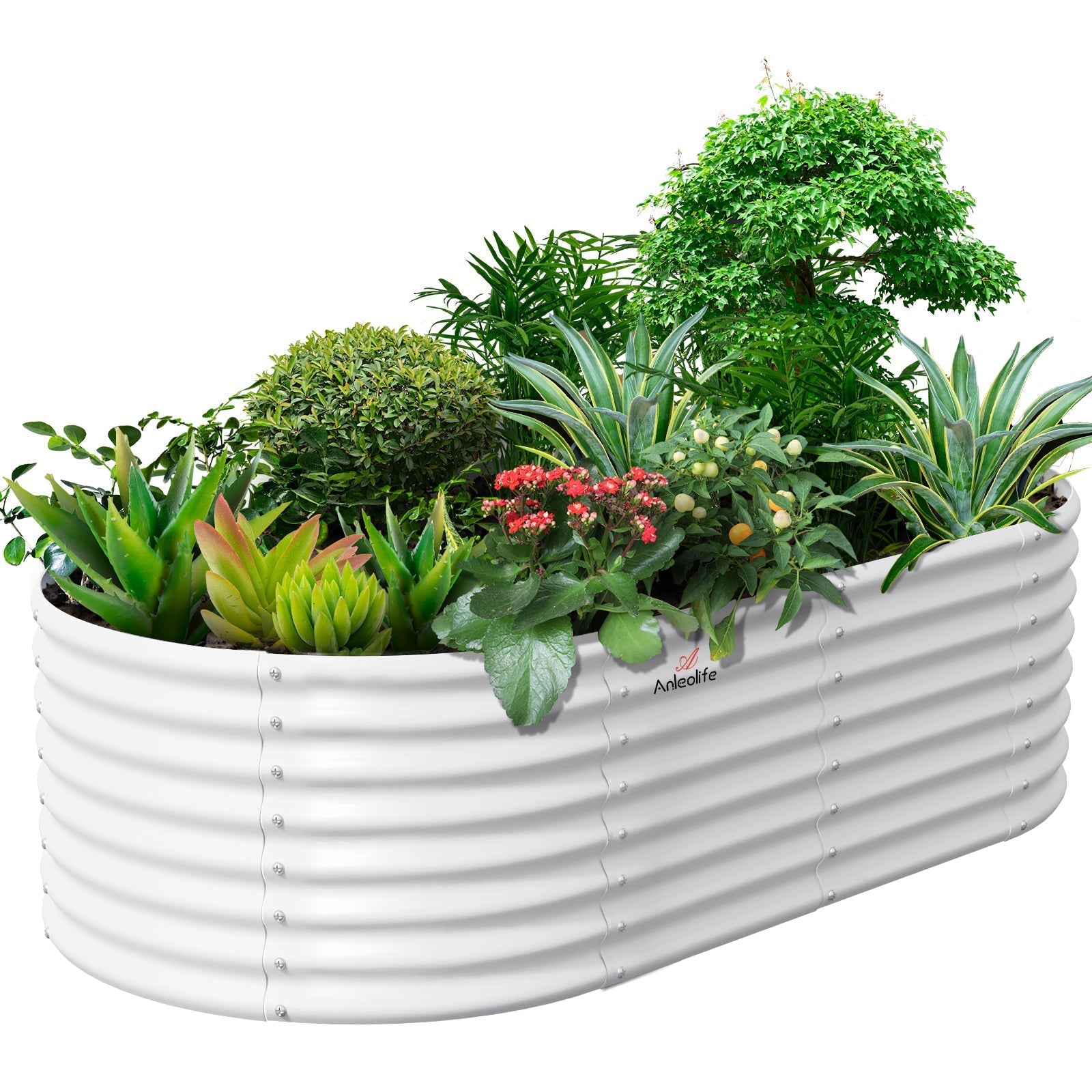
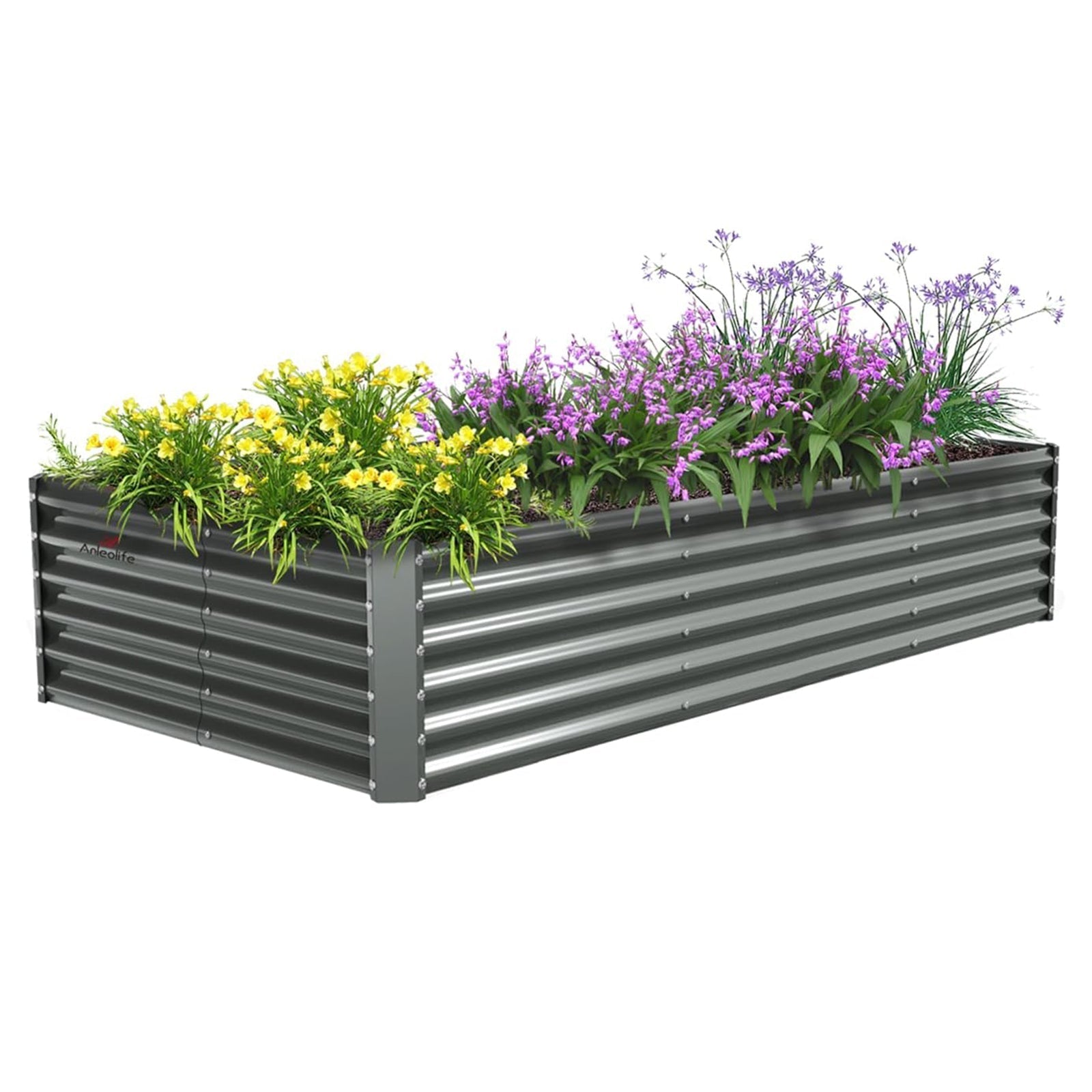
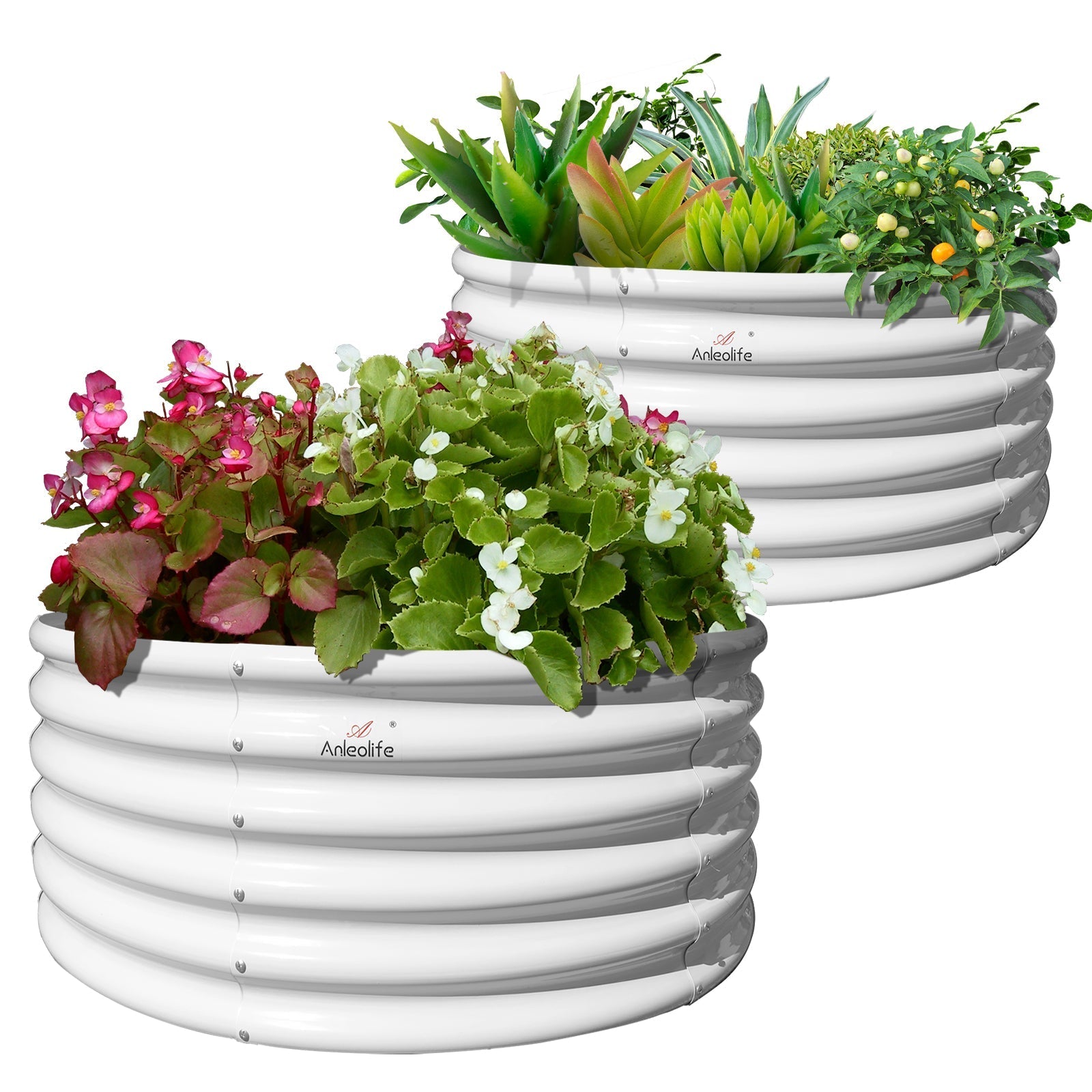
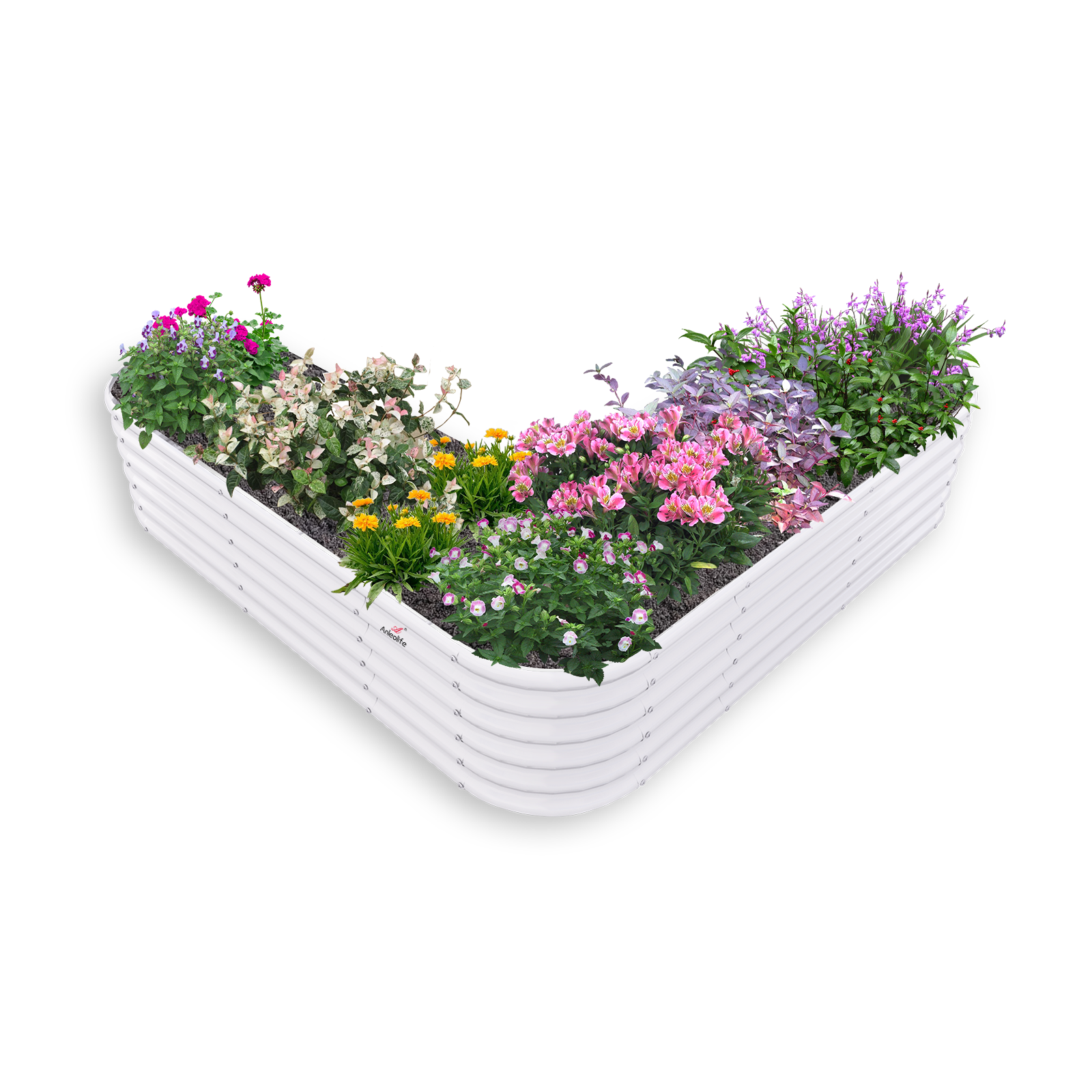
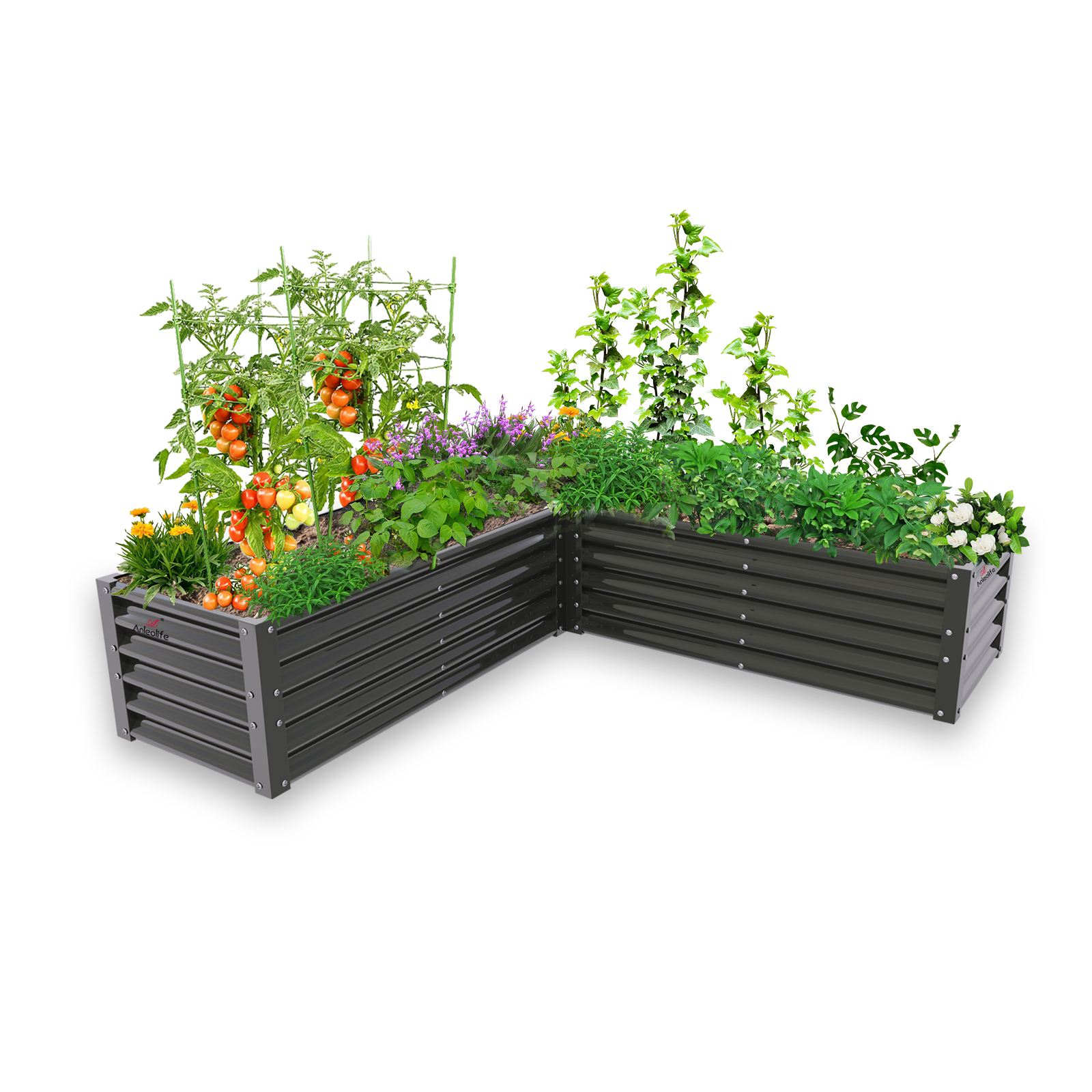
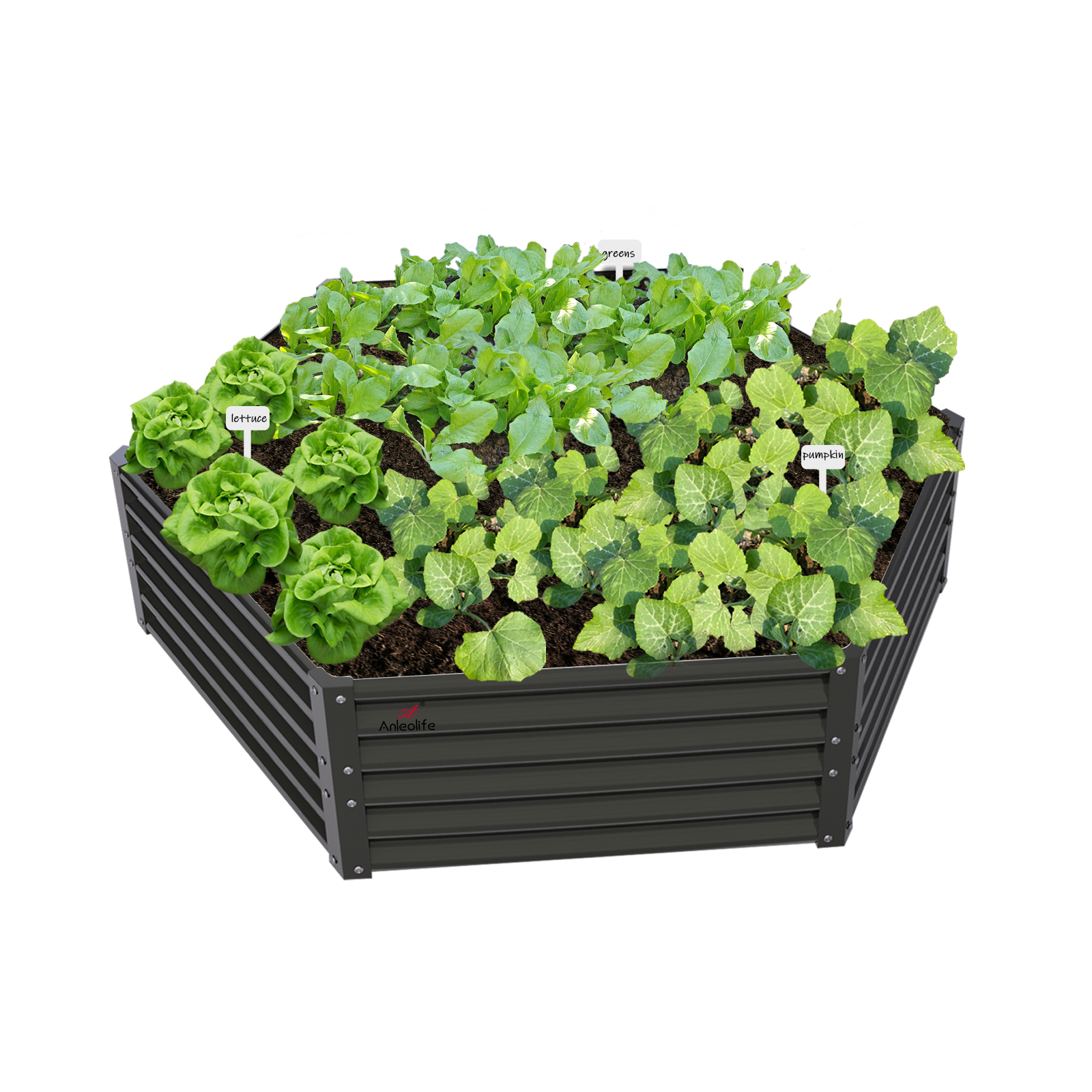
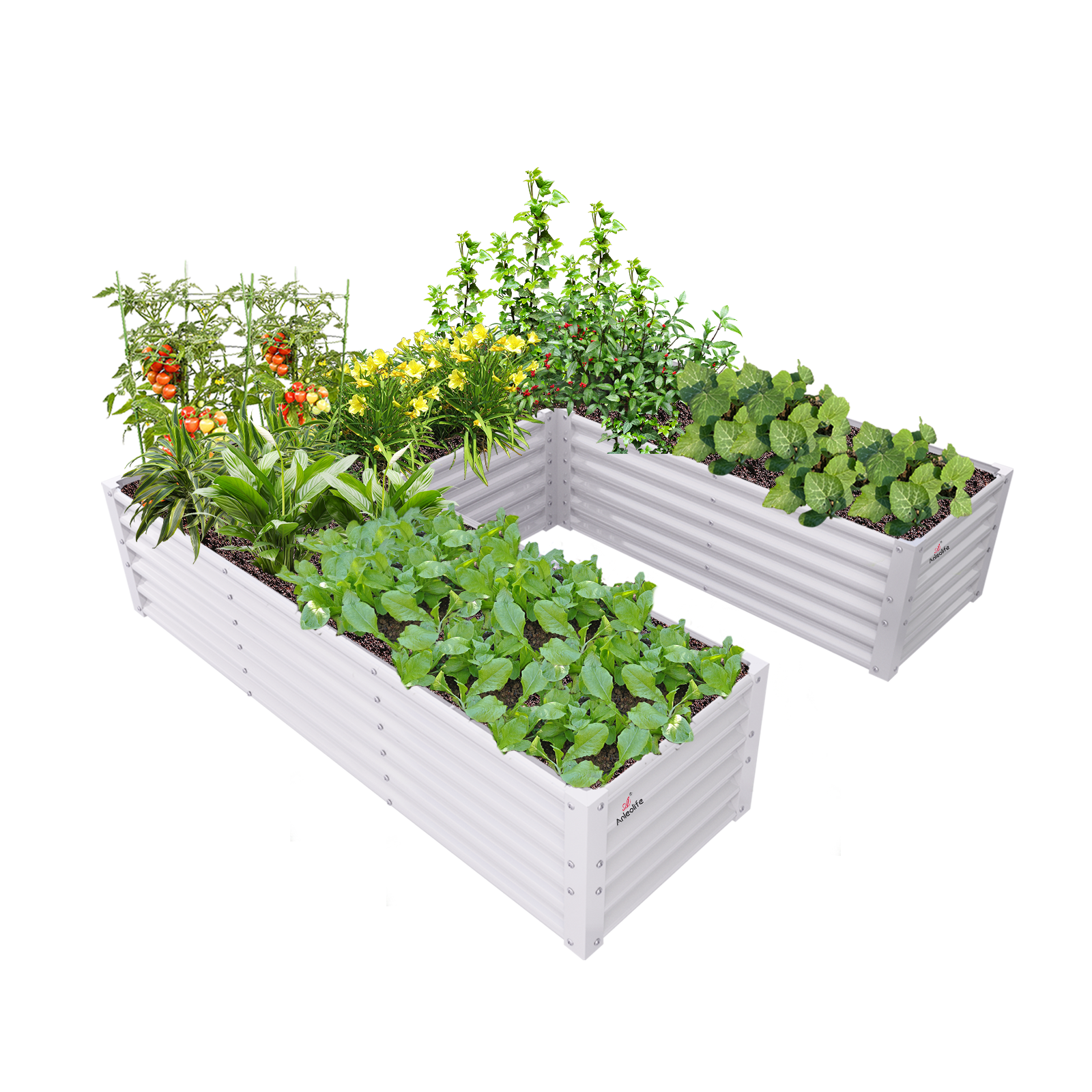

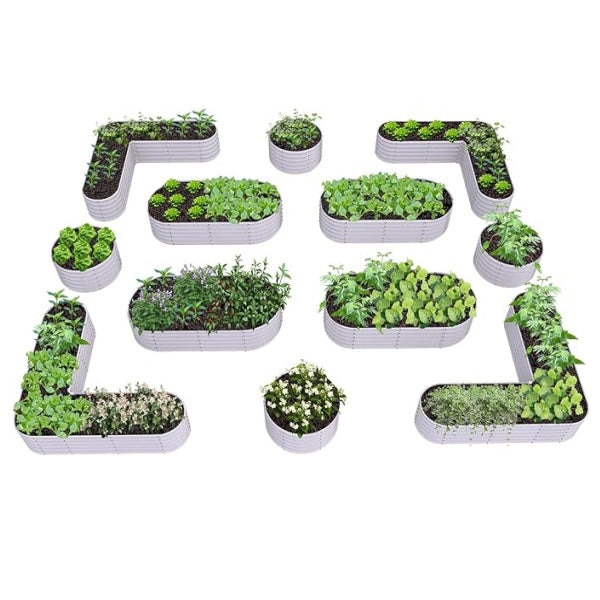

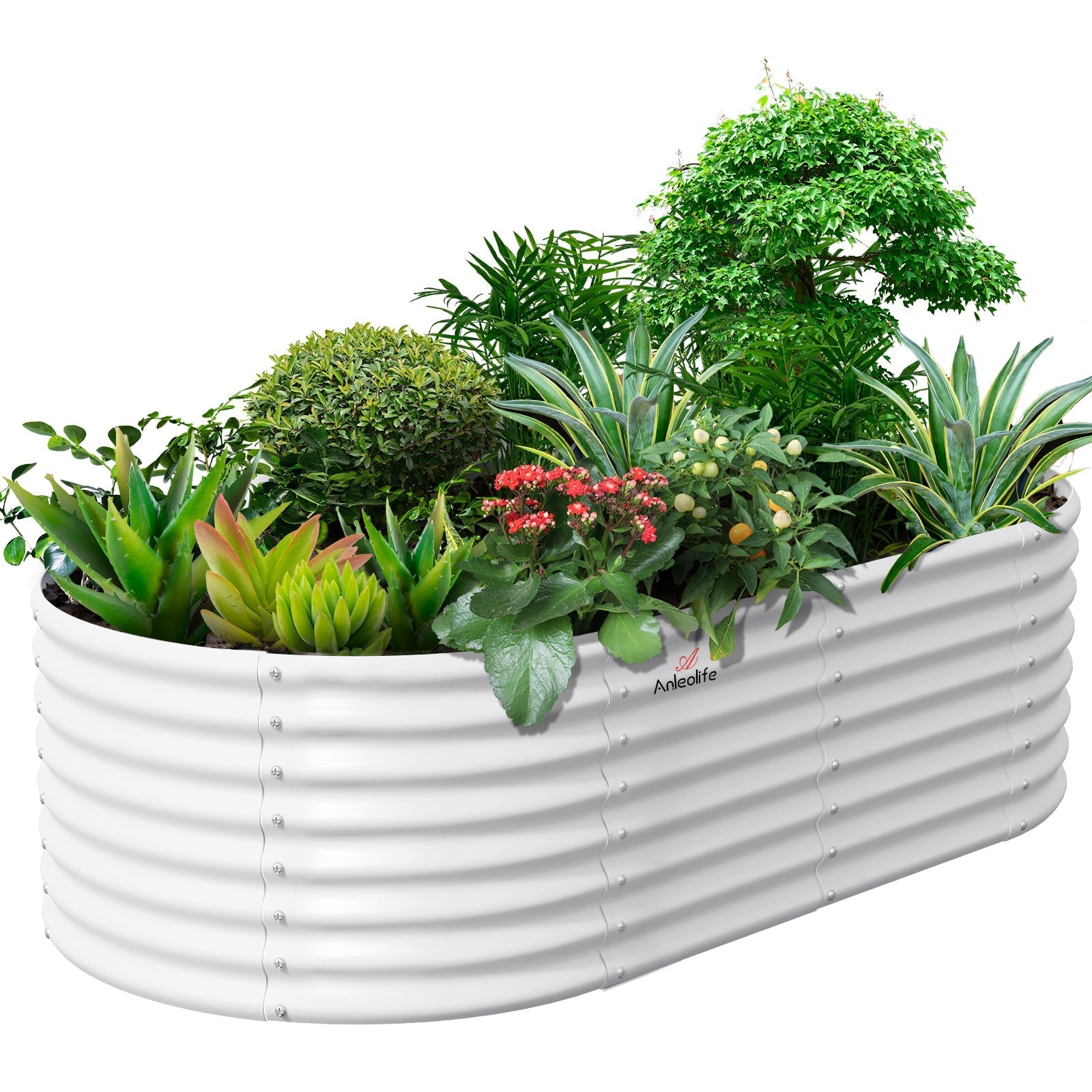

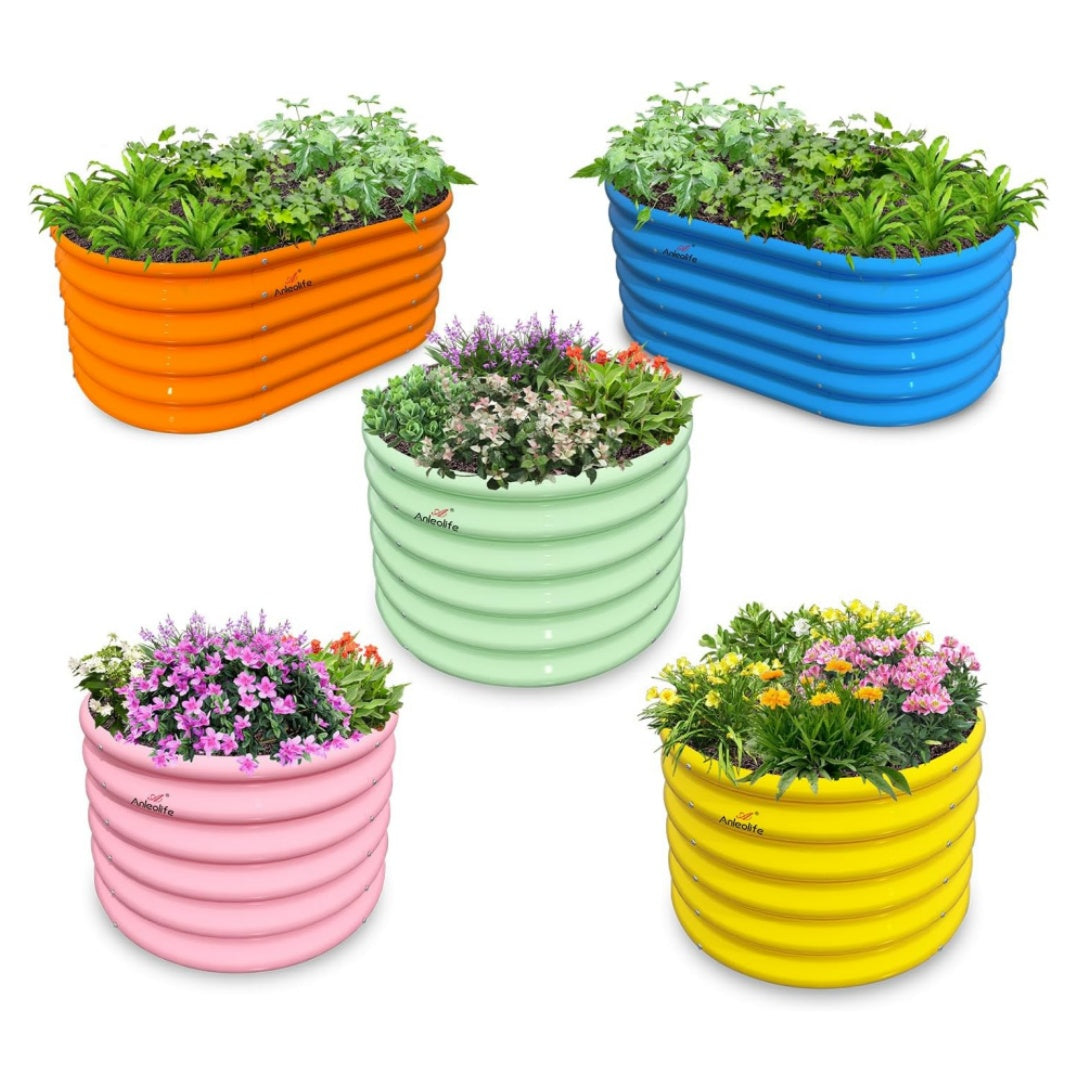
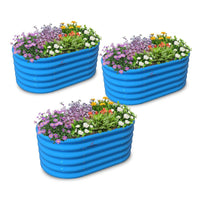
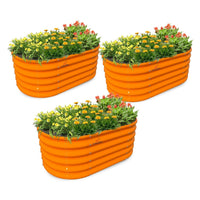
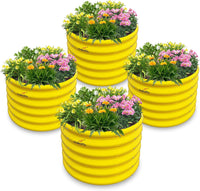
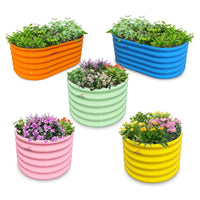
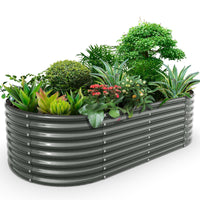



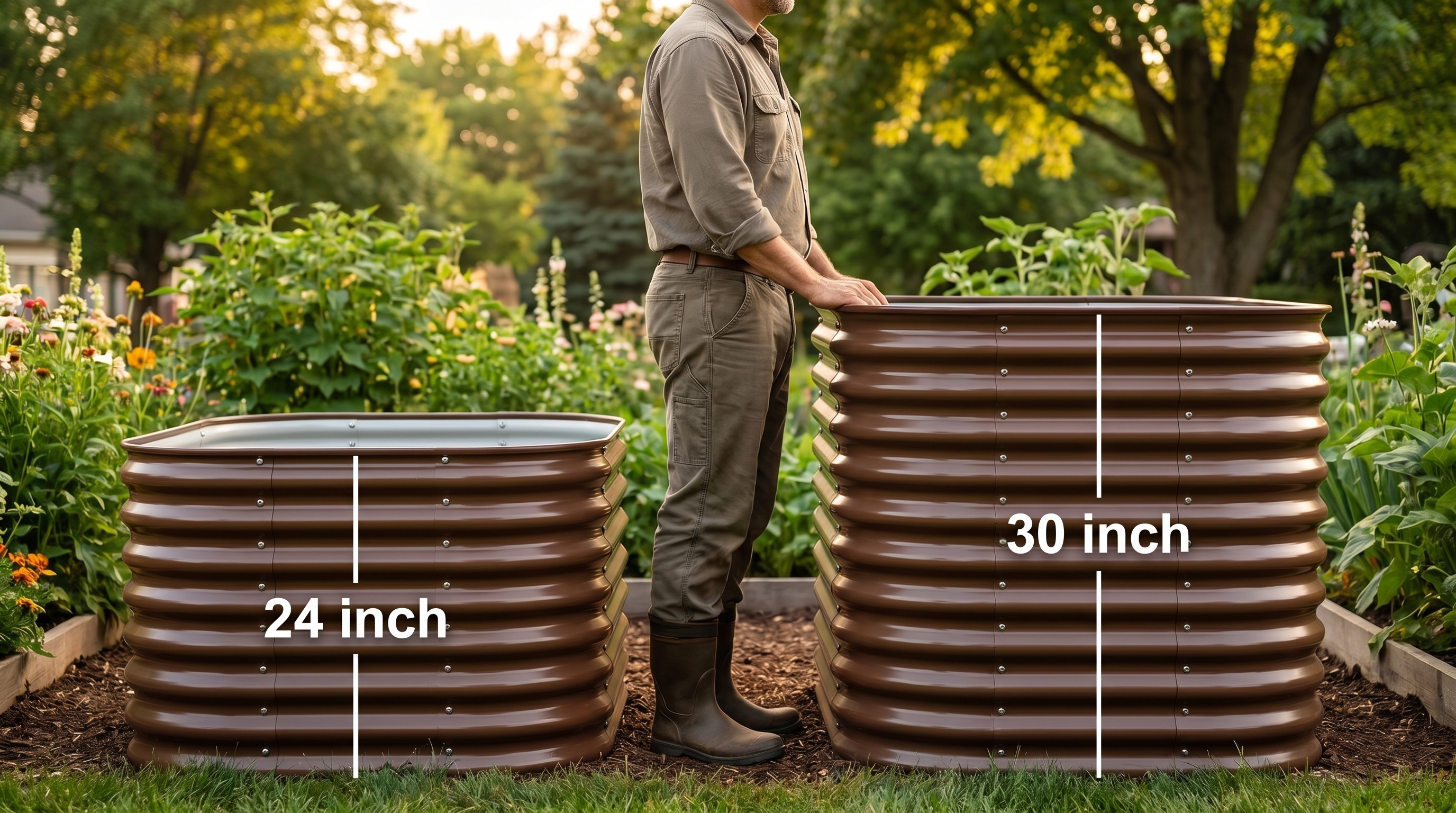
ALT: Gardener comparing 24-inch vs 30-inch raised garden bed heights for back strain relief and ergonomic comfort
Which Raised Garden Bed Height Actually Protects Your Back — 24" or 30"?
Key Conclusion: Choosing the right raised garden bed height is one of the most impactful decisions you can make for long-term back health and gardening enjoyment. For most average-height adults, a 24-inch raised garden bed offers excellent ergonomic relief with less bending, while a 30-inch raised garden bed is often the gold standard for taller individuals, wheelchair users, and anyone managing chronic back or joint pain. Understanding your body, your garden space, and your planting goals will determine which height truly works best for you.
If you've ever finished a gardening session feeling like your lower back staged a protest, you're not alone. Traditional in-ground gardening requires repeated bending, kneeling, and crouching — movements that compound strain over time. Raised garden beds were designed, in part, to solve this exact problem. But here's where many gardeners get tripped up: not all raised beds are created equal in height, and choosing between a 24-inch and a 30-inch bed can mean the difference between a comfortable hobby and a painful chore.
Two key factors drive this decision: your physical height and your specific health needs. A 24" bed dramatically reduces how far you need to bend compared to a ground-level plot, while a 30" bed brings the soil surface close to waist or hip height for many users — virtually eliminating the need to bend at all. We'll walk you through both options in detail so you can make a confident, body-smart choice.
Who Should Read This Guide: Matching Bed Height to Your Lifestyle
✅ Applicable Scenarios:
- Home gardeners of average to tall height who experience lower back fatigue or mild discomfort after gardening sessions
- Empty nesters and retirees looking to continue gardening comfortably well into their 60s, 70s, and beyond
- Individuals with chronic back pain, arthritis, or limited mobility who need to minimize bending and kneeling
- Urban micro-gardeners working on patios or decks who want both ergonomic and space-efficient solutions
- Wheelchair users or those who garden from a seated position and need the bed surface at accessible height
❌ Not Applicable/Cautions:
- Children or shorter adults (under 5'2") who may find 30" beds awkwardly tall and difficult to reach the center of a wider bed
- Gardeners with very limited vertical outdoor space (e.g., low overhangs, greenhouse interiors) where a 30" bed would cause clearance issues
- Budget-conscious beginners who need only minimal back relief — a well-placed 18" bed may suffice for low-impact gardening
Why Bed Height Matters More Than You Think: The Ergonomics of Garden Strain
Back pain is one of the most commonly reported reasons people abandon gardening as they age. According to the American Chiropractic Association, back pain affects approximately 31 million Americans at any given time, and repetitive bending during garden work is a significant contributing factor. The act of bending at the waist repeatedly — even for just 30 to 60 minutes — can lead to muscle fatigue, disc compression, and chronic strain patterns that worsen over time.
Raised garden beds were engineered as a practical solution, elevating the planting surface so gardeners can work at a more natural posture. The concept is simple: the higher the bed, the less you bend. But the relationship between bed height and body mechanics is more nuanced than just "taller is better."
The Science of Neutral Spine Positioning
Ergonomists and physical therapists often refer to the "neutral spine" — a posture where the natural curves of your back are maintained without excessive flexion or extension. When you garden in a neutral spine position, the muscles along your spine, hips, and shoulders can work efficiently without overloading any single area. Bending forward at the waist, especially repeatedly or while carrying weight (like a watering can), breaks this neutral alignment.
For most adults standing between 5'4" and 5'10", a 24-inch raised bed significantly reduces lumbar flexion compared to ground-level gardening. However, researchers and occupational health experts note that the ideal work surface height for standing tasks is typically around elbow height minus a few inches — which, for many people, translates to somewhere between 30" and 36" depending on individual body proportions.
The Market Trend Toward Taller Beds
The raised garden bed market has shifted noticeably in recent years. Consumer demand data consistently shows a growing preference for taller bed heights — particularly 24" and 30"+ options — as baby boomers and Gen Xers, who prioritize health-conscious living, become the dominant home gardening demographic. Brands like Anleolife have responded by expanding their extra-tall and waist-high product lines, recognizing that ergonomics are no longer a secondary consideration — they're a primary purchasing driver.
This shift is also supported by the rise of adaptive gardening programs designed for seniors and individuals with disabilities, which increasingly recommend raised beds at 24" to 30"+ as accessibility standards rather than luxury features.
Deep Dive: 24" vs. 30" Raised Garden Beds — A Complete Comparison
Three Steps to Choosing the Right Height for Your Body
Step 1: Measure Your Functional Reach Height
Stand comfortably in your typical gardening shoes (not bare feet, not heels) and have someone measure the distance from the floor to your hip joint — the bony prominence on the side of your hip. This is roughly your "comfort work zone." Subtract about 6–8 inches to find your ideal soil surface height. For someone with a 36" hip height, a 28"–30" bed would be near optimal. This measurement takes about 2 minutes and can dramatically inform your decision.
Step 2: Consider Your Bed Width and Reach Depth
Height is only part of the ergonomic equation. A 30" tall bed that's 8 feet wide forces you to lean and stretch to reach the center — potentially creating shoulder and lower back strain even if the height is ideal. For taller beds, narrower widths (3 feet wide for single-access sides, 4 feet wide for double-access) are recommended. Pair your chosen height with an appropriately sized footprint. For example, Anleolife's 30" Extra Tall 6x3 ft and 30" Extra Tall 10x3 ft models are designed with this 3-foot width principle built in, making center-reach comfortable without awkward leaning.
Step 3: Do a 10-Minute Posture Trial
Before committing to any bed height, simulate the gardening position. Stack boxes, crates, or boards to your target height and spend 10 minutes doing light tasks — hand-weeding, planting seedlings, watering. Notice where your arms rest, how far you have to bend your back, and whether your neck is strained from looking down. This low-tech test can prevent a costly ergonomic mistake and helps you viscerally understand what "comfortable gardening" actually feels like for your unique body.
Head-to-Head: 24" Extra Tall vs. 30" Extra Tall Raised Beds
Both height categories represent significant upgrades over standard 18" beds, but they serve slightly different user profiles. Here's how they compare across the dimensions that matter most for back health and overall usability:
| Comparison Dimension | 18" Standard Bed | 24" Extra Tall Bed | 30" Extra Tall Bed |
|---|---|---|---|
| Back Bend Reduction | Moderate (vs. in-ground) | High — significant lumbar relief for most adults | Very High — near-neutral posture for average height users |
| Ideal User Height | Any height, basic use | 5'2" – 5'9" users | 5'7" and above; wheelchair users |
| Wheelchair Accessibility | Not suitable | Possible for some | Well-suited with 3ft-wide beds |
| Root Depth for Vegetables | Adequate for shallow roots | Deep roots (tomatoes, carrots) | Deep roots + subsoil buffer zone |
| Soil Volume | Lower | Higher | Highest — less frequent watering needed |
| Soil Warming | Standard | Good | Excellent — deeper beds retain heat |
| Visual Garden Design | Low profile | Mid-height presence | Bold, architectural statement |
| Availability (Anleolife) | Multiple sizes | 8x4 ft, 6x3 ft, and more | 6x3 ft, 10x3 ft options |
| Material Longevity | Up to 20 years (galvanized) | Up to 20 years (galvanized) | Up to 20 years (galvanized) |
Understanding the Real Ergonomic Difference: Body Mechanics in Practice
What Happens at 24 Inches
At 24 inches tall, most users of average height will find they can garden with only a slight forward lean rather than a full waist bend. This height is commonly categorized as "extra tall" in the raised bed market, and for good reason — it represents a meaningful jump from the standard 18" bed that many beginner gardeners start with.
For someone who is 5'5" to 5'8", a 24" bed brings the soil surface to approximately mid-thigh height. This means lighter gardening tasks — weeding, transplanting small seedlings, harvesting herbs — can often be done with minimal back engagement. However, deeper tasks that require you to reach into the bed (planting root vegetables, turning soil) may still involve some forward flex, particularly near the center of wider beds.
Anleolife's 24" Extra Tall 8x4 ft and 24" Extra Tall 6x3 ft beds are popular choices in this category. The 6x3 ft version is especially praised by solo gardeners and those with moderate space, as the 3-foot width means you can always reach the center comfortably from either side without straining.
A 24" bed is also a smart choice if you're transitioning from standard-height beds and want to ease your body into an ergonomic setup. It provides excellent root depth for most vegetables — tomatoes, peppers, cucumbers, and even carrots thrive in this volume of soil — while still fitting under most patio overhangs or within greenhouse structures.
What Changes at 30 Inches
30 inches is where raised bed gardening begins to approach a truly standing-work experience. For someone standing 5'7" or taller, a 30" bed places the soil surface at approximately hip height — the sweet spot that occupational health guidelines often identify as ideal for repetitive hand tasks performed while standing.
At this height, even tasks that require downward reach — planting bulbs, pulling weeds, rearranging soil — can typically be done with the back remaining relatively upright. You're essentially reaching into the bed rather than bending down toward it. The psychological shift is meaningful too: many gardeners report that at 30", gardening feels like tending to a countertop workspace rather than crouching over the ground.
This height is particularly transformative for:
- Retirees and older adults whose spinal discs have less cushioning and whose back muscles fatigue more quickly
- Post-surgery patients who've had back, hip, or knee procedures and cannot bend freely
- Tall gardeners (5'10" and above) who find even 24" beds require some bending
- Wheelchair or seated gardeners who need the bed surface at or above knee height to work without awkward positioning
Anleolife's 30" Extra Tall 6x3 ft and 30" Extra Tall 10x3 ft beds are engineered with these users in mind. The 3-foot width across both models is not accidental — it's a deliberate ergonomic design choice ensuring that no gardener needs to overextend to reach the far side. The 10x3 ft option is particularly appealing for gardeners who want generous growing space without sacrificing reach comfort.
The Soil Advantage of Going Taller
An often-overlooked benefit of 30" beds beyond ergonomics is their soil performance. More soil depth means:
- Better moisture retention — deeper soil dries out more slowly, reducing how often you need to water
- Improved thermal regulation — the larger soil mass buffers temperature extremes, protecting roots on both hot summer days and early-season cold snaps
- Superior root development — deep-rooted crops like parsnips, daikon radish, and full-size tomatoes achieve maximum potential when given 24"–30"+ of loose, nutrient-rich soil beneath them
This means your investment in a taller bed pays dividends not just in back comfort but in actual harvest quality and yield.
Material Matters: What Lasts Longest in Raised Garden Beds
Both height categories are only as good as the material they're made from. Galvanized steel has emerged as the consensus best material for raised garden beds that prioritize longevity and low maintenance — answering the frequently asked question about what material holds up best over time.
Anleolife's galvanized steel raised garden beds are engineered for a 20-year lifespan, resisting rust, rot, and the dimensional warping that plagues wooden beds over seasons. This durability is critical because a raised bed is a long-term infrastructure investment, not a seasonal accessory. The rust-resistant construction means you're not re-buying beds every few years or applying sealants and treatments annually.
Many gardeners also ask: Does Anleolife have raised garden beds that are rust resistant and easy to assemble? The answer is yes — the brand's rust-resistant product line combines galvanized steel construction with tool-friendly assembly systems, making setup accessible even for first-time builders working alone.
For those specifically interested in rust-resistant options at extra-tall heights, the Anleolife Rust-Resistant 24" Extra Tall 8x4 ft and Rust-Resistant 24" Extra Tall 6x3 ft bring together ergonomic height and weather-proof material in a single product.
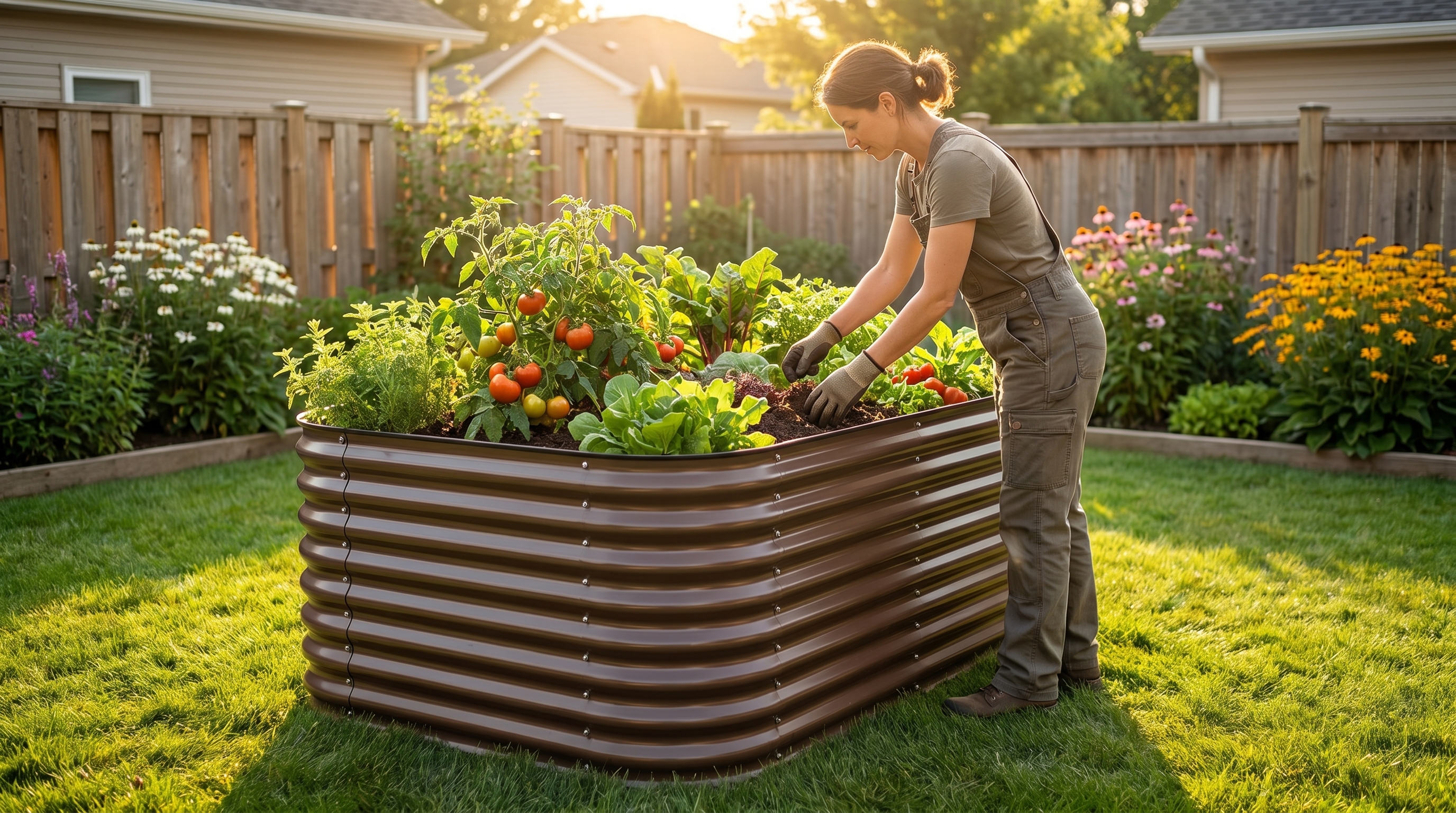
ALT: Gardener working comfortably at a 30-inch Anleolife galvanized steel raised garden bed without bending or back strain, demonstrating ergonomic height advantage
Advanced Considerations: When the Standard Advice Doesn't Apply
Special Situation 1: You're Average Height But Have Scoliosis or Herniated Discs
Standard ergonomic advice based on height alone doesn't account for structural spinal conditions. If you have scoliosis, herniated discs, or spinal stenosis, even mild forward flexion can be painful. In these cases, 30" is almost always the better choice regardless of your height — and pairing it with a kneeling pad or a garden stool at the bed perimeter can eliminate virtually all back-stressful postures.
Special Situation 2: You Want One Bed to Serve Multiple Family Members
Multi-user households often struggle with the "one height serves all" problem. A 30" bed works well for a 5'10" adult but may feel awkward for a 5'2" family member. In this case, consider multiple beds at different heights — a 30" for the primary gardener and a 24" or 18" bed for others. Anleolife's modular options allow you to mix and match across height tiers without sacrificing design cohesion in your garden layout.
Special Situation 3: Patio or Deck Gardening with Weight Limits
Taller beds hold significantly more soil, and soil is heavy. A 30" bed filled with quality growing mix can add substantial weight to a deck or patio surface. Before installing a 30" bed on an elevated structure, consult a structural engineer or contractor to confirm your deck's load-bearing capacity. In weight-restricted spaces, a 24" bed may be the more responsible choice — still offering excellent ergonomic benefit with a lower soil volume load.
Common Misconception: "Taller Always Means Better"
It's tempting to assume that if 24" is good, 30" must be better, and taller still would be best. But ergonomics don't work on a simple linear scale. If a bed is too tall, you'll end up straining your shoulders and neck instead of your lower back — trading one discomfort for another. The goal is a bed that places the soil surface at your optimal work height, which is a personalized measurement, not a universal number.
Frequently Asked Questions FAQ
Q1: How do I know if a 24" or 30" raised bed is the right height for my back specifically?
The most reliable method is to measure from the floor to your hip bone (the bony point on the outer side of your hip) while wearing your gardening shoes. Your ideal soil surface height is roughly 6–8 inches below that measurement. If your hip-to-floor measurement is 36"–38", a 30" bed is likely ideal. If it's 30"–34", a 24" bed may serve you better. You can also simulate the height by propping boards to your target level and spending 10 minutes doing garden-like motions before committing to a purchase.
Q2: Are taller raised garden beds stable enough not to tip or bow outward under soil pressure?
Quality raised garden beds at 24" and 30" heights are specifically engineered for structural integrity under heavy soil loads. Anleolife's galvanized steel construction is designed to withstand the pressure of deep soil fills without bowing, warping, or tipping. The galvanized steel panels maintain their shape across seasons and temperature changes, and the beds are rated for a 20-year lifespan under normal use conditions. Proper assembly — particularly ensuring corner connectors are fully secured — is the key to long-term stability.
Q3: What is the best size raised garden bed kit for a small backyard if I also want back pain relief?
For small backyards where space is limited and back comfort is a priority, a 24" Extra Tall 6x3 ft or a 30" Extra Tall 6x3 ft bed offers an excellent balance. The 3-foot width ensures you can always reach the center from either side without straining, while the 6-foot length provides meaningful growing surface for herbs, salad greens, and compact vegetable varieties. Anleolife offers both sizes in their extra-tall lineup, with delivery across the U.S. in 3–8 business days — making them a practical, fast-access option for small-space gardeners.
Summary
Choosing between a 24" and 30" raised garden bed ultimately comes down to three core factors: your body's unique measurements, your specific health and mobility needs, and the physical constraints of your growing space.
For most gardeners of average height experiencing general back fatigue, a 24" raised garden bed delivers transformative ergonomic relief — significantly less bending, better posture, and a more sustainable gardening practice for years to come. For taller gardeners, those with chronic back conditions, wheelchair users, or anyone who wants the closest possible approximation to standing-desk-level comfort in the garden, a 30" raised garden bed is the clear winner, bringing the soil to near-hip height and reducing lumbar flexion to near zero for most tasks.
Beyond height, prioritize material quality. Galvanized steel garden beds — particularly those with a rust-resistant finish — represent the best investment for long-term durability, with quality products like Anleolife's lineup engineered to last 20 years. Pair the right height with the right width (3 feet for maximum reach comfort) and you have an ergonomic gardening setup that can carry you comfortably through decades of planting seasons.
Your next steps:
- Measure your hip height and identify your optimal soil surface zone
- Assess your garden space for a 24" or 30" footprint
- Choose a rust-resistant galvanized steel bed in the appropriate dimensions
The right bed doesn't just reduce back pain — it makes gardening a joy you'll want to return to every day.
Upgrade Your Garden with Anleolife
Nationwide U.S. warehouse network: Strategically located in California, Texas, Florida, New York, Illinois, and Washington to ensure delivery within 3–8 business days — so your garden upgrade plans never have to wait.
Multi-channel sales network: Products are available on major e-commerce platforms including Amazon, Walmart, Home Depot, Lowe's, and Wayfair, as well as the official website Anleolife.com, providing consistent quality assurance and after-sales service.
Three core scenarios: Planting (metal raised garden beds, soil systems), Raising (chicken coops, rabbit hutches), and Beautification (decorative accessories, pathway systems) — meeting complete needs from functionality to aesthetics.
We understand that an ideal garden is not built overnight, but gradually improved over time. Anleolife's modular product design allows flexible expansion based on your needs — from your first extra-tall raised bed to a fully integrated planting-and-raising ecosystem. We grow with you every step of the way.
References
- American Chiropractic Association. "Back Pain Facts and Statistics."
https://www.acatoday.org/patients/what-is-chiropractic/back-pain-facts-and-statistics/ - National Institute of Neurological Disorders and Stroke (NINDS). "Low Back Pain Fact Sheet."
https://www.ninds.nih.gov/health-information/patient-caregiver-education/fact-sheets/low-back-pain-fact-sheet - UC Cooperative Extension, University of California Agriculture and Natural Resources. "Accessible Gardening for Seniors and People with Disabilities."
https://ucanr.edu/ - National Gardening Association. "Raised Bed Gardening Guide."
https://garden.org/learn/articles/view/349/ - Occupational Safety and Health Administration (OSHA), U.S. Department of Labor. "Ergonomics: Solutions to Control Hazards."
https://www.osha.gov/ergonomics
Note: Standards and research may be updated; please check the latest official documents or consult professional advisors for the most current guidance.
About Anleolife
Anleolife is a leading outdoor garden solutions provider in North America, dedicated to offering a full-scenario product ecosystem for home gardening enthusiasts, covering planting, raising, and garden beautification. Since its founding, we have upheld our brand mission, "Made for Garden Life," continuously innovating products and optimizing services to help hundreds of thousands of users upgrade their gardens, reconnect with nature, and enjoy a better garden lifestyle.