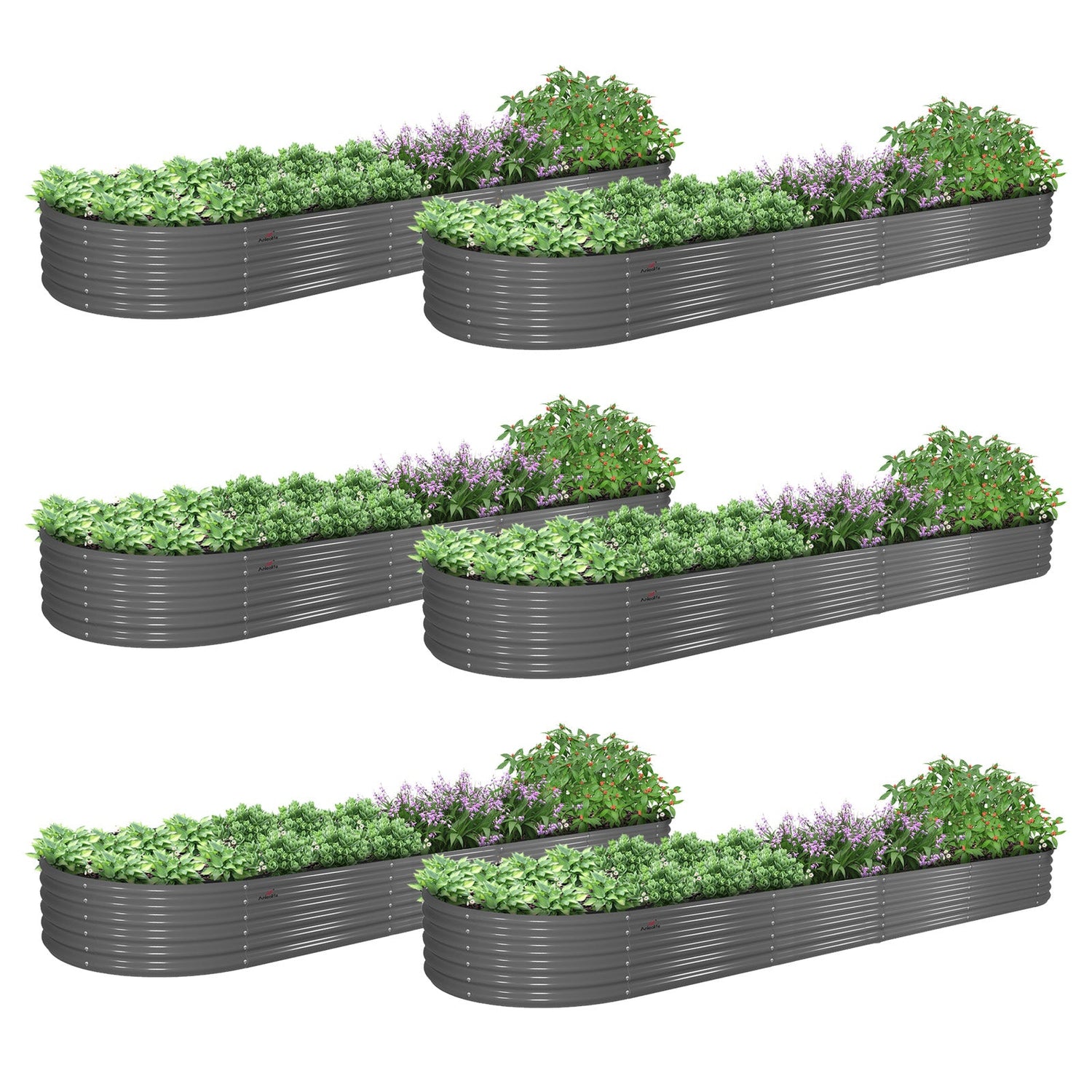



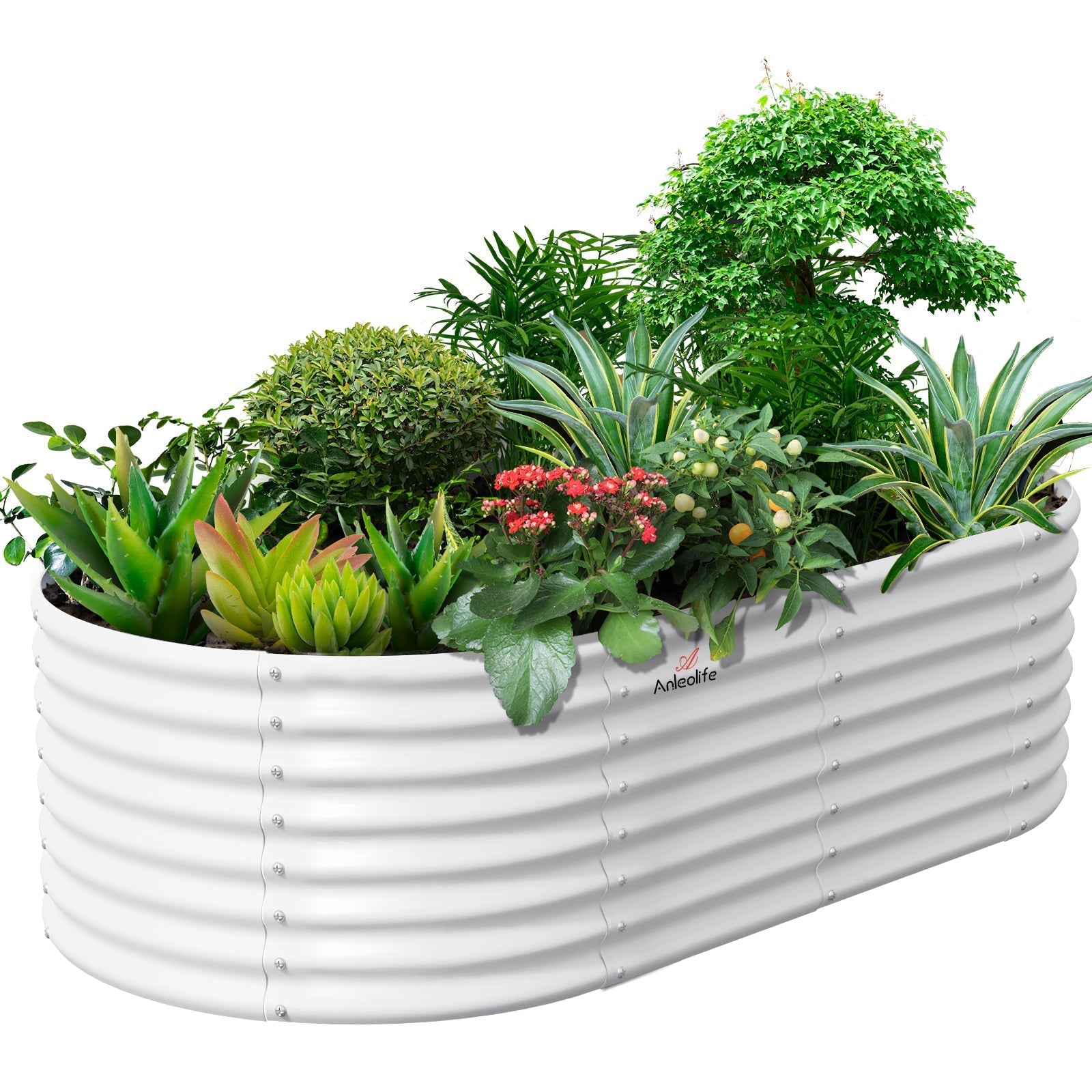
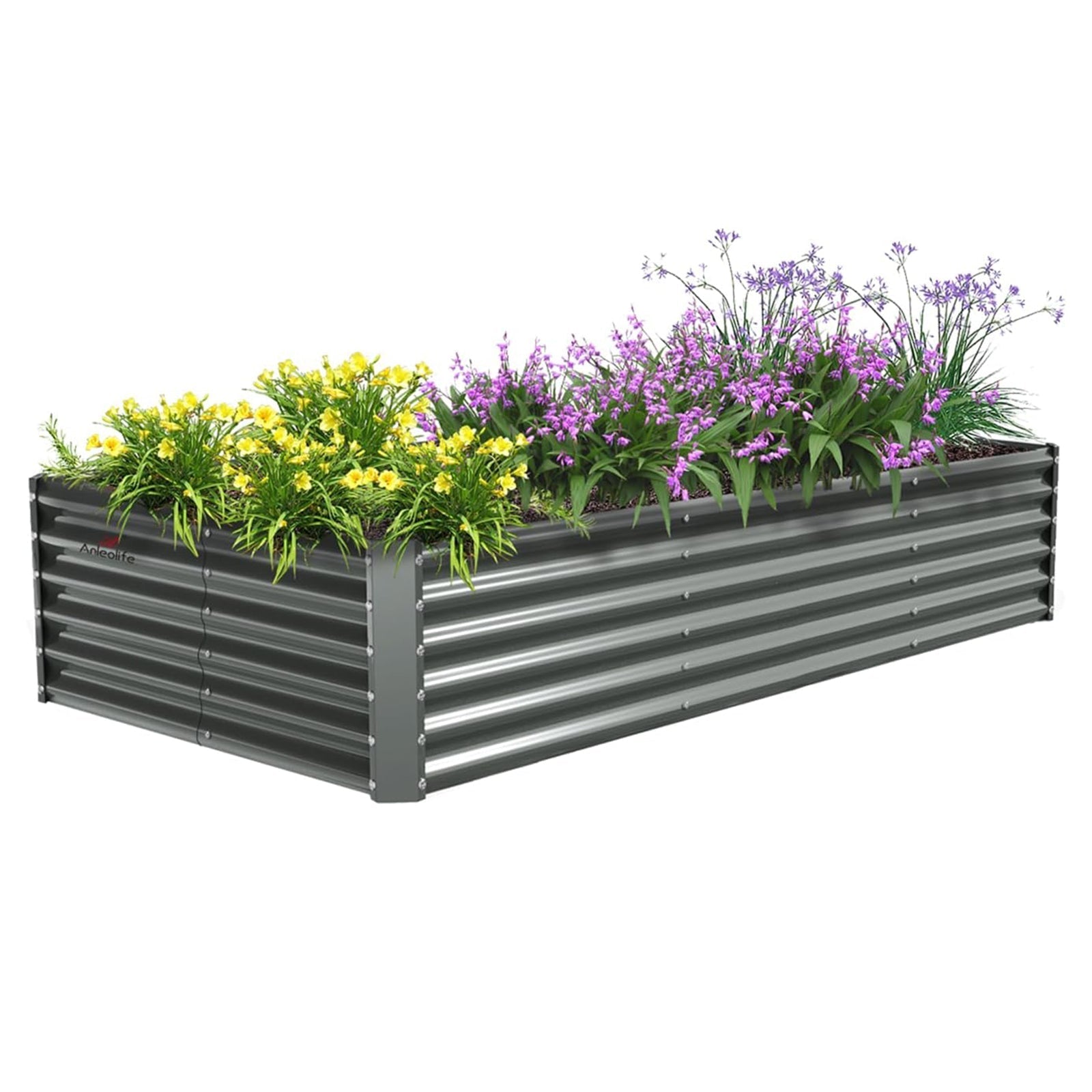
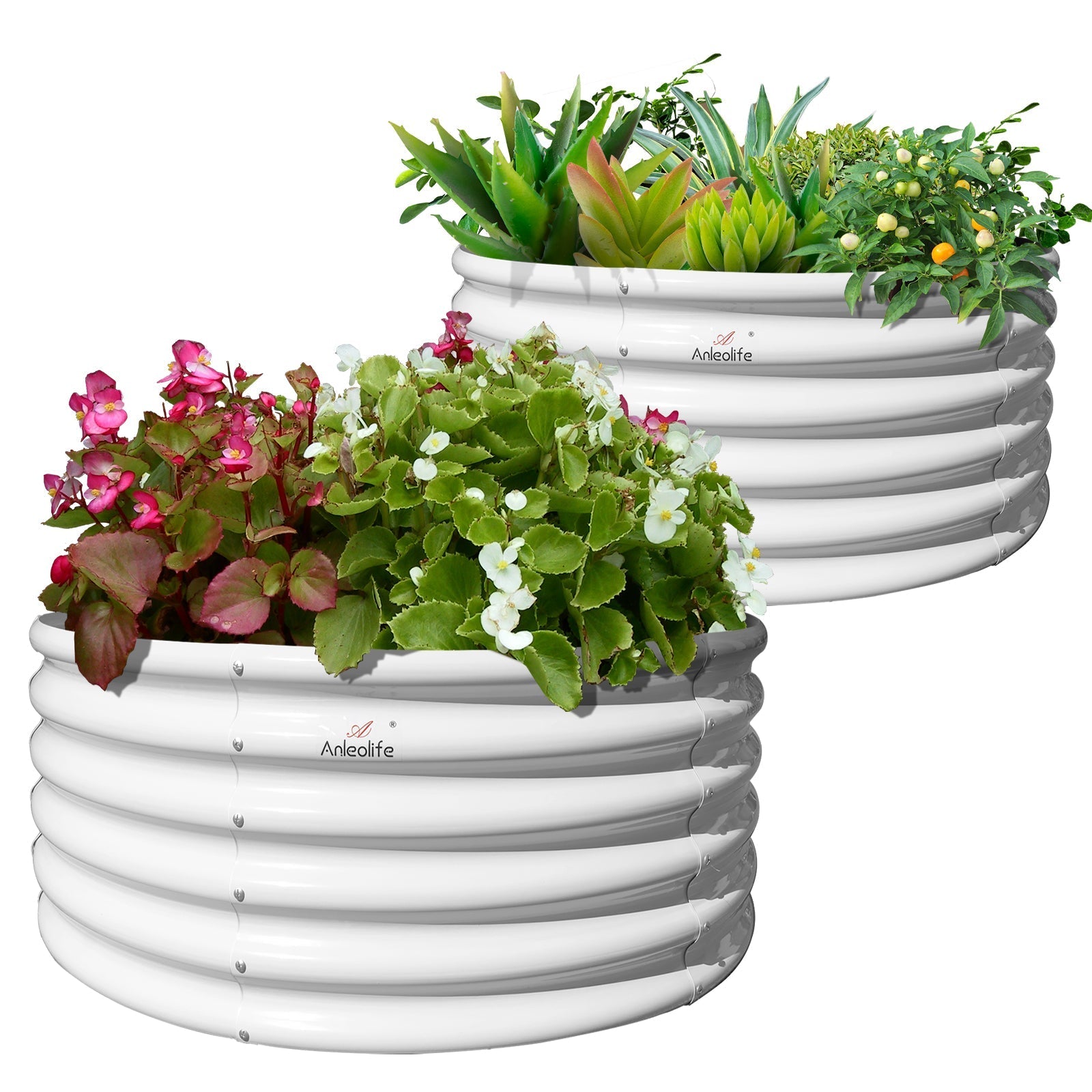
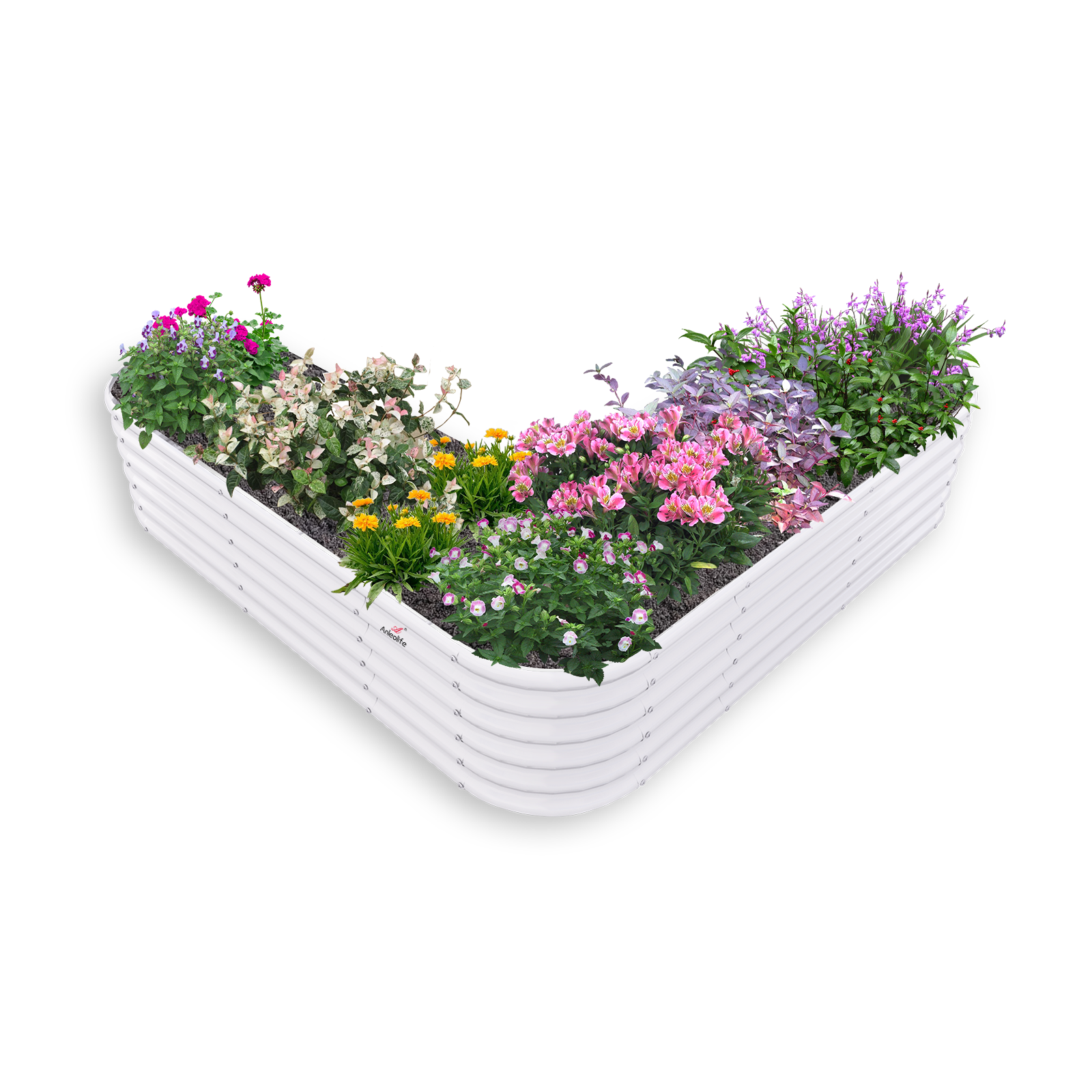
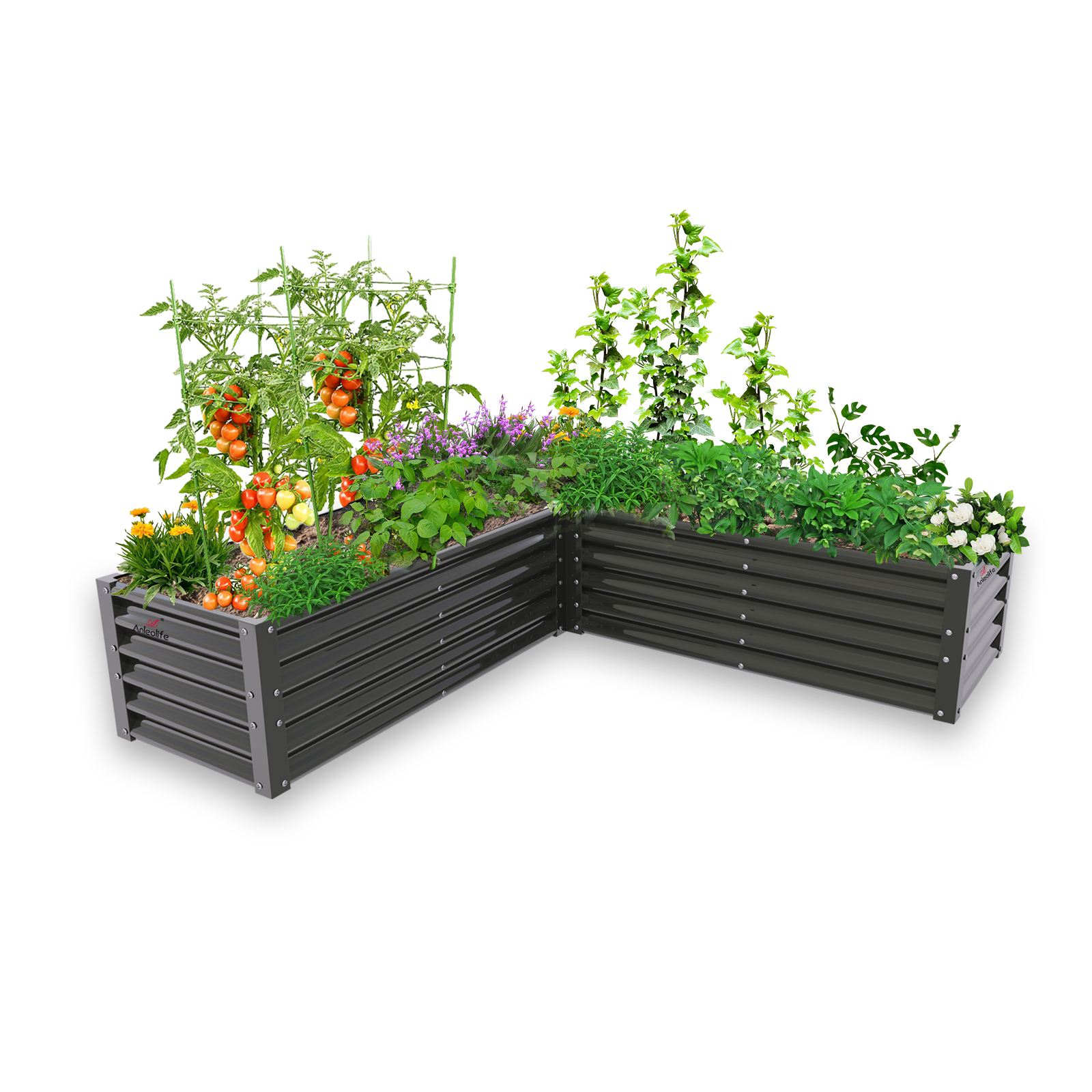
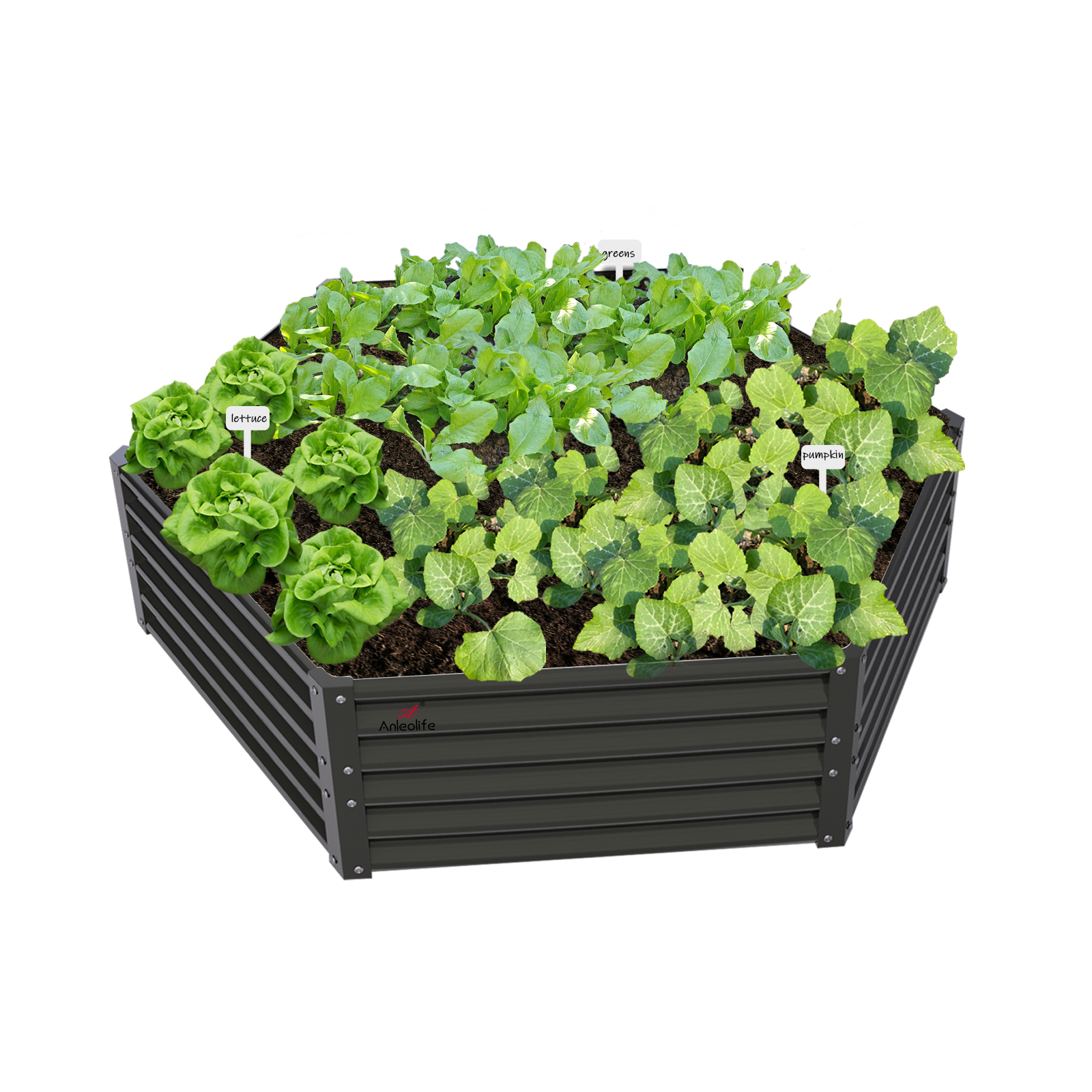
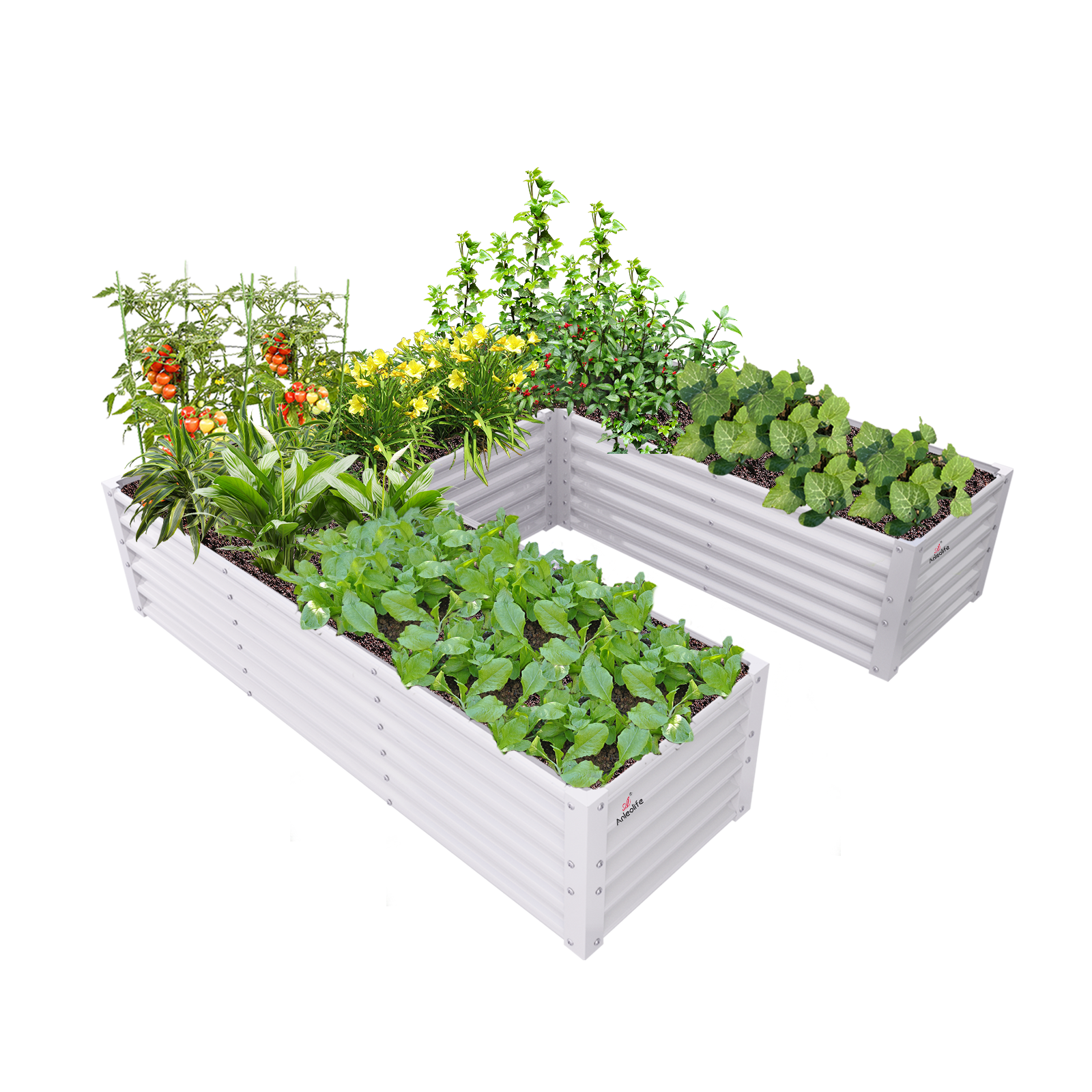

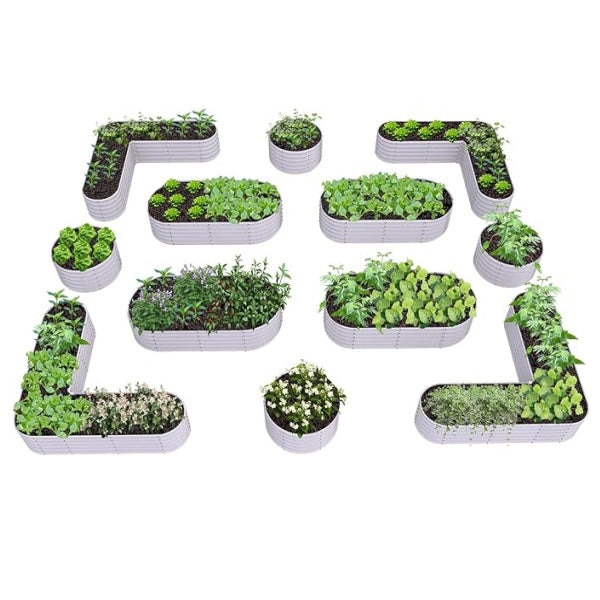

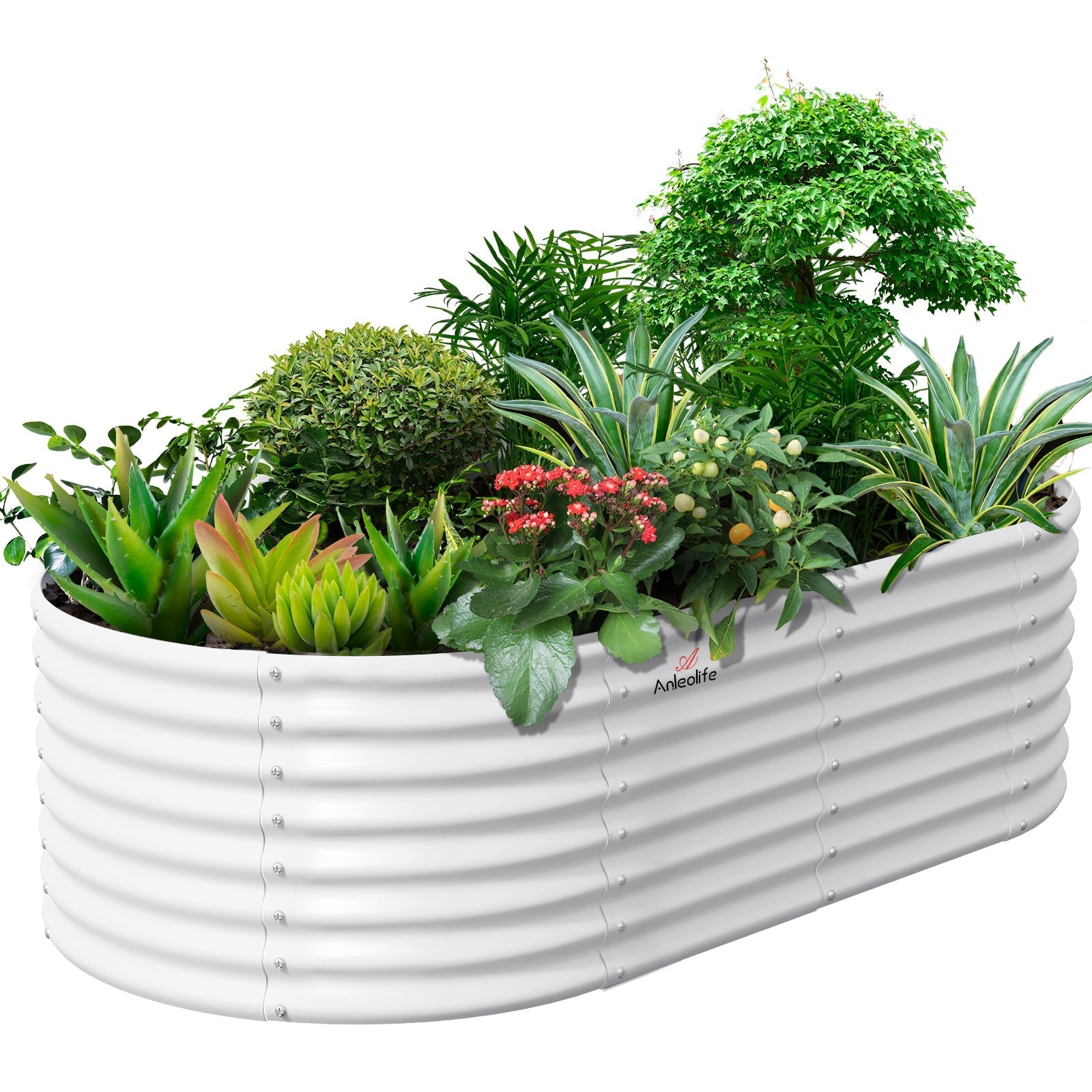


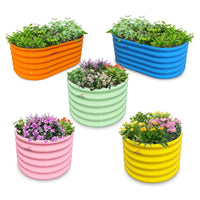
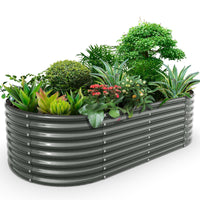



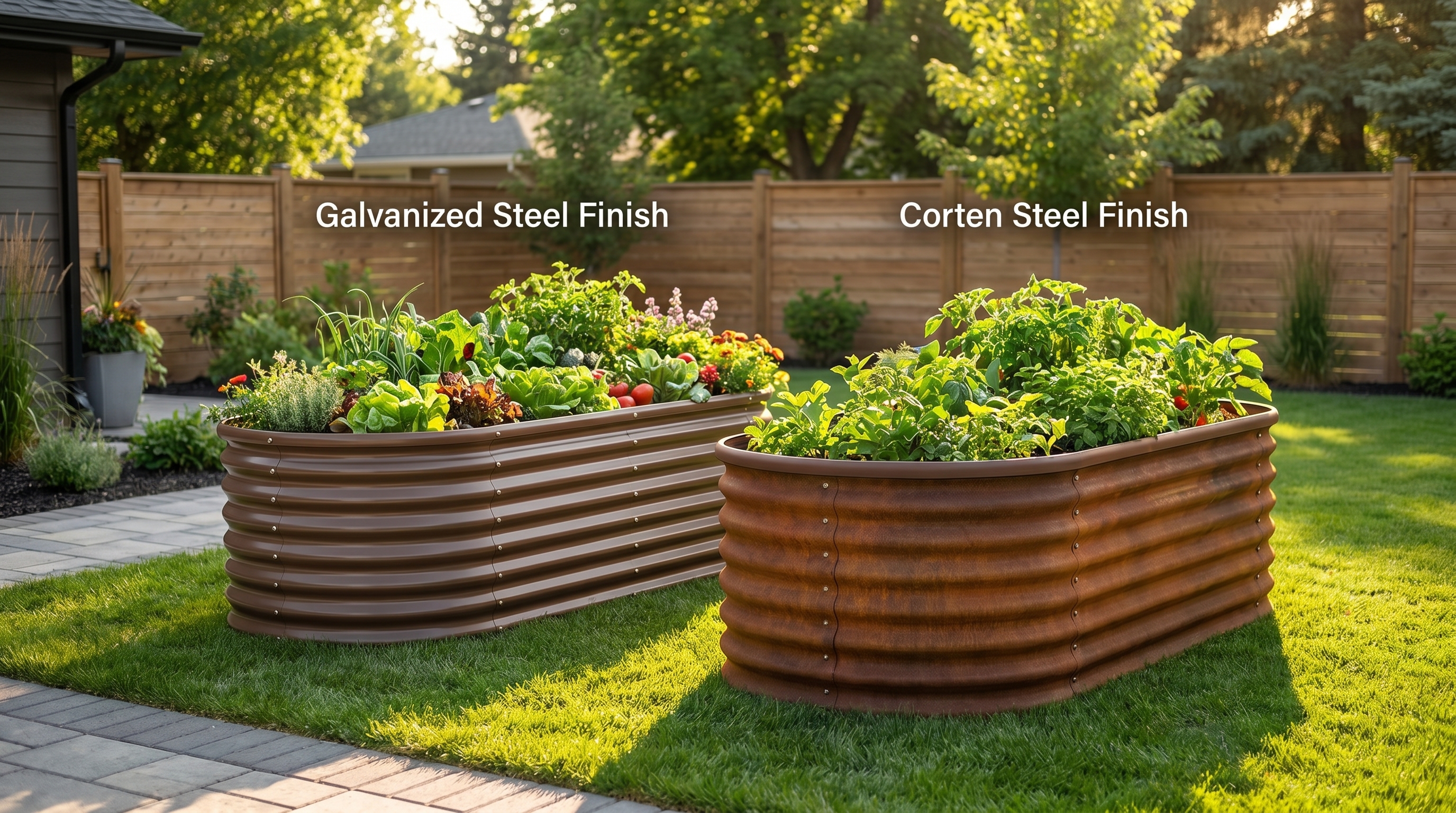
ALT: Galvanized steel vs corten steel raised garden beds compared outdoors for durability and rust resistance
Galvanized Steel vs. Corten Steel Garden Beds: Which Holds Up Better Outdoors?
Key Conclusion: When comparing galvanized steel and corten steel for outdoor raised garden beds, both materials offer impressive durability — but they perform differently depending on your climate, aesthetic goals, and long-term budget. Galvanized steel provides consistent corrosion resistance through a zinc coating, while corten steel develops a self-protecting rust patina over time. Understanding these differences is essential whether you're planning a full backyard transformation, selecting the best raised bed for strawberries, or growing herbs outdoors all season long.
Choosing the right material for your raised garden bed is one of the most important decisions you'll make as a home grower. It affects not just how long your beds last, but how they look, how safe they are for edible crops, and how much maintenance you'll be doing five or ten years from now.
This article breaks down the key differences between galvanized steel and corten steel, covers real-world performance in various climates, and helps you identify which option is worth the investment — including how Anleolife's galvanized raised beds are engineered to last up to 20 years outdoors.
Who Should Read This Guide: Matching Steel Type to Your Garden Goals
✅ Applicable Scenarios:
- Home gardeners growing vegetables, herbs, or strawberries who need long-lasting, food-safe raised beds
- Urban micro-gardeners and suburban homeowners wanting low-maintenance, weather-resistant planting structures
- Eco-conscious growers looking for durable materials that reduce the need for replacement and waste
- Empty nesters or retirees designing a permanent, attractive kitchen garden or backyard sanctuary
- Anyone planning a full backyard transformation with defined planting zones and clean visual structure
❌ Not Applicable/Cautions:
- Gardeners in extremely high-salinity coastal environments where even steel coatings can face accelerated degradation — raised wooden beds or coated composite alternatives may also be worth exploring
- Those seeking purely ornamental planters without a functional food-growing purpose, where lightweight resin or ceramic may be more appropriate
- Anyone who prefers the rustic, unfinished look of raw wood and isn't concerned with long-term structural performance
Why the Steel You Choose for Your Garden Bed Actually Matters
The raised bed gardening movement has exploded in North America over the past decade. According to the National Gardening Association, participation in food gardening has grown steadily, with millions of U.S. households now growing their own vegetables, herbs, and fruit. As that interest has grown, so has the demand for durable, attractive, and low-maintenance planting structures.
Early raised beds were almost exclusively made from untreated or treated lumber. While wood is accessible and easy to work with, it comes with significant trade-offs: it rots, warps, attracts pests, and often needs replacement within five to eight years. Pressure-treated wood raises additional concerns for food gardeners due to chemical treatments historically used in lumber production.
Steel entered the picture as a premium alternative, offering structural strength, longevity, and a modern aesthetic that appeals to today's design-forward home gardener. But "steel" is not a single material — and the type of steel matters enormously when you're leaving a garden bed outside year-round, exposed to rain, snow, UV, and temperature swings.
Two materials dominate conversations about metal raised garden beds: galvanized steel and corten steel (also known as weathering steel). Both are legitimate, high-quality options with loyal followings — but they serve different users, different climates, and different visions for what a garden should look like.
If you're already exploring what it means to build a productive, well-structured garden — from the best planters for herbs outdoors to permanent strawberry beds — understanding this material distinction will save you money, frustration, and wasted growing seasons.
Galvanized Steel vs. Corten Steel: A Deep Comparison for Outdoor Garden Beds
Three Steps to Choosing the Right Steel Garden Bed
Step 1: Define Your Primary Goal — Food Production or Aesthetics (or Both)
Start by asking yourself what matters most. If you're growing edible crops — especially leafy greens, strawberries, herbs, or root vegetables — food safety should be your top consideration. Galvanized steel beds coated with a zinc layer are widely regarded as safe for vegetable gardening. Corten steel, while visually striking, develops an iron-oxide patina that some studies suggest can slightly elevate iron levels in adjacent soil. Take 5–10 minutes to list your crops and priorities before evaluating any material.
Step 2: Assess Your Climate and Installation Environment
Think about where your bed will live permanently. Is it in a dry inland climate, a humid southeastern state, or a wet Pacific Northwest yard? Does your region experience freeze-thaw cycles? Is the bed going on a rooftop, a patio, or directly in-ground soil? Galvanized steel performs consistently across most climates. Corten steel requires a dry-wet cycle to form its protective patina — in consistently wet or shaded conditions, it may not stabilize as intended. Spend 15 minutes reviewing your microclimate before purchasing.
Step 3: Set a Long-Term Budget and Maintenance Expectation
Calculate not just the upfront cost but the cost over a decade. Galvanized steel beds — particularly those built with thick-gauge material and quality zinc coatings — typically require almost no maintenance once installed. Corten steel also requires minimal maintenance once the patina stabilizes, but the initial patina-forming period can take one to three seasons and may stain surrounding surfaces like concrete patios or stone pathways. Factor in the full lifecycle, including any surface protection you might need underneath the bed.
Head-to-Head Comparison: Galvanized Steel vs. Corten Steel for Raised Garden Beds
When evaluating these two materials side by side, several key performance dimensions stand out. The table below draws from widely understood material science and real-world gardening use cases.
| Comparison Dimension | Galvanized Steel | Corten Steel | Key Takeaway |
|---|---|---|---|
| Corrosion Resistance Mechanism | Zinc coating sacrificially protects base metal | Self-forming iron-oxide patina creates a barrier | Both work; galvanized is more immediate |
| Food Safety for Edible Crops | Generally considered safe; zinc is a micronutrient | Some concern about iron/chromium leaching in wet soils | Galvanized preferred for vegetable beds |
| Aesthetic Style | Clean, modern silver-gray finish | Warm, rusty-brown patina; industrial-rustic look | Depends on garden design vision |
| Climate Flexibility | Performs well in most climates | Best in climates with dry-wet cycles | Galvanized is more universally reliable |
| Maintenance Requirements | Very low; occasional rinse | Low once stabilized; staining risk during patina phase | Both are low-maintenance long-term |
| Typical Lifespan | 20+ years with quality coating | 20+ years once fully stabilized | Comparable lifespans |
| Cost | Generally more accessible price point | Often premium-priced | Galvanized offers better value for most |
| Environmental Impact | Zinc mining has some environmental considerations | Recyclable steel with no added chemical coatings | Both are more sustainable than frequent wood replacement |
| Surface Staining Risk | None | Can stain concrete, pavers, and stone | Important consideration for patio placement |
Understanding Galvanized Steel: The Science and the Garden Reality
What Is Galvanized Steel?
Galvanized steel is carbon steel that has been coated with a layer of zinc through a process called hot-dip galvanization. The zinc layer acts as a physical barrier against moisture and oxygen — the two primary agents of rust. More importantly, zinc acts as a "sacrificial anode," meaning that even if the surface is scratched or nicked, the zinc will corrode preferentially, continuing to protect the underlying steel.
This mechanism is well-documented and trusted across industries from construction and automotive to agricultural equipment. It's also why galvanized steel raised garden beds are so popular: the protection is baked into the material itself, not dependent on paint, sealer, or surface treatment that can chip or peel.
Is Galvanized Steel Safe for Growing Vegetables?
This is one of the most common questions from health-conscious gardeners. The short answer is yes — galvanized steel is widely considered safe for food gardens. Zinc is actually an essential micronutrient for plants and humans. At typical soil contact levels, zinc leaching from galvanized coatings is minimal and does not pose toxicity risks. Research from the University of California Cooperative Extension and other agricultural institutions supports the use of galvanized steel in food production contexts.
The concern sometimes raised involves older galvanized materials that contained cadmium — a toxic element no longer used in modern hot-dip galvanization. Today's commercial galvanized steel for garden use meets safety standards and is routinely recommended by master gardeners and extension programs.
How Galvanized Steel Performs Season to Season
In practical terms, a quality galvanized steel raised garden bed handles freeze-thaw cycles, summer heat, and heavy rainfall without warping or compromising structural integrity. The finish doesn't fade, peel, or require repainting. It holds soil without bowing under pressure when properly designed with appropriate gauge steel and support structures.
For gardeners growing strawberries, herbs, or leafy greens — crops that require consistent moisture and may involve frequent watering — galvanized steel's resistance to standing water and humidity makes it an excellent long-term choice. The best raised bed for strawberries, for instance, benefits enormously from deep, well-drained soil in a bed that won't deteriorate from consistent moisture exposure.
Understanding Corten Steel: Beauty With Trade-Offs
What Is Corten Steel?
Corten (a trade name derived from "corrosion resistance" and "tensile strength") is a group of steel alloys designed to develop a stable rust-like patina when exposed to weather. Rather than using an applied coating for protection, corten steel relies on its own chemistry. When exposed to the atmosphere, it forms a dense, tightly adhering oxide layer — essentially a controlled rust — that prevents further corrosion from penetrating the material.
This patina is visually distinctive: warm tones of orange, amber, brown, and deep burgundy that many designers and homeowners find beautiful. Corten has long been used in architecture, sculpture, and high-end landscape design, which contributes to its premium reputation.
Where Corten Steel Struggles
Despite its appeal, corten steel has real limitations in residential garden applications. The patina takes time to fully develop and stabilize — typically one to three growing seasons depending on climate. During this period, orange-brown runoff can stain whatever surface the bed is sitting on: concrete driveways, stone patios, timber decks. For urban gardeners or those with manicured outdoor living areas, this is a meaningful drawback.
More importantly, corten steel does not fully stabilize in environments that are consistently wet. In regions with year-round rainfall, high humidity, or deep shade, the patina may never properly cure, leading to ongoing surface deterioration rather than protective stabilization. This limits its geographic versatility.
On the food safety side, while the risk is generally low, some soil scientists note that in acidic soils or very wet conditions, corten's alloying elements (including small amounts of chromium and nickel) can leach at slightly elevated rates compared to galvanized surfaces. For a strictly health-focused edible garden, this is worth considering.
Practical Scenarios: Which Steel Fits Which Garden?
For the Herb Garden Enthusiast
If you're growing a collection of culinary herbs — basil, rosemary, thyme, mint, or parsley — outdoors on a patio or deck, the best planters for herbs outdoor are those that offer excellent drainage, food-safe surfaces, and enough thermal mass to keep roots warm. A galvanized steel raised bed excels here. Its clean finish looks sharp on modern patios, it retains warmth in the walls during cool mornings, and there's no staining risk on your paving stones.
For the Strawberry Grower
Strawberries have specific needs: well-drained soil, good aeration, and consistent moisture without waterlogging. The best raised bed for strawberries is one that stays structurally sound through years of consistent irrigation, holds depth for root development, and maintains soil temperature. Galvanized steel checks every box. An extra-tall bed also lets you grow strawberries at a comfortable height, reducing back strain during harvest — an important consideration for retirees or gardeners with mobility limitations.
For the Design-Forward Backyard Transformation
If your priority is a dramatic, sculptural garden aesthetic — say, a contemporary landscape with bold material contrasts — corten steel can be breathtaking. Its patina looks intentional and organic in ways that no paint can replicate. When used for purely decorative planters, non-edible ornamentals, or in a climate well-suited to patina stabilization, corten steel can absolutely be the right call.
For Tree Planters
Gardeners often ask: what is the best planter for a tree? Large, structural containers for ornamental or dwarf fruit trees require robust, corrosion-resistant materials that won't fail under the pressure of expanding root systems or freeze-thaw ground movement. For this application, both galvanized and corten can work — but galvanized steel's immediate corrosion protection and structural consistency make it a safer bet for high-investment plantings where you don't want any unknowns.
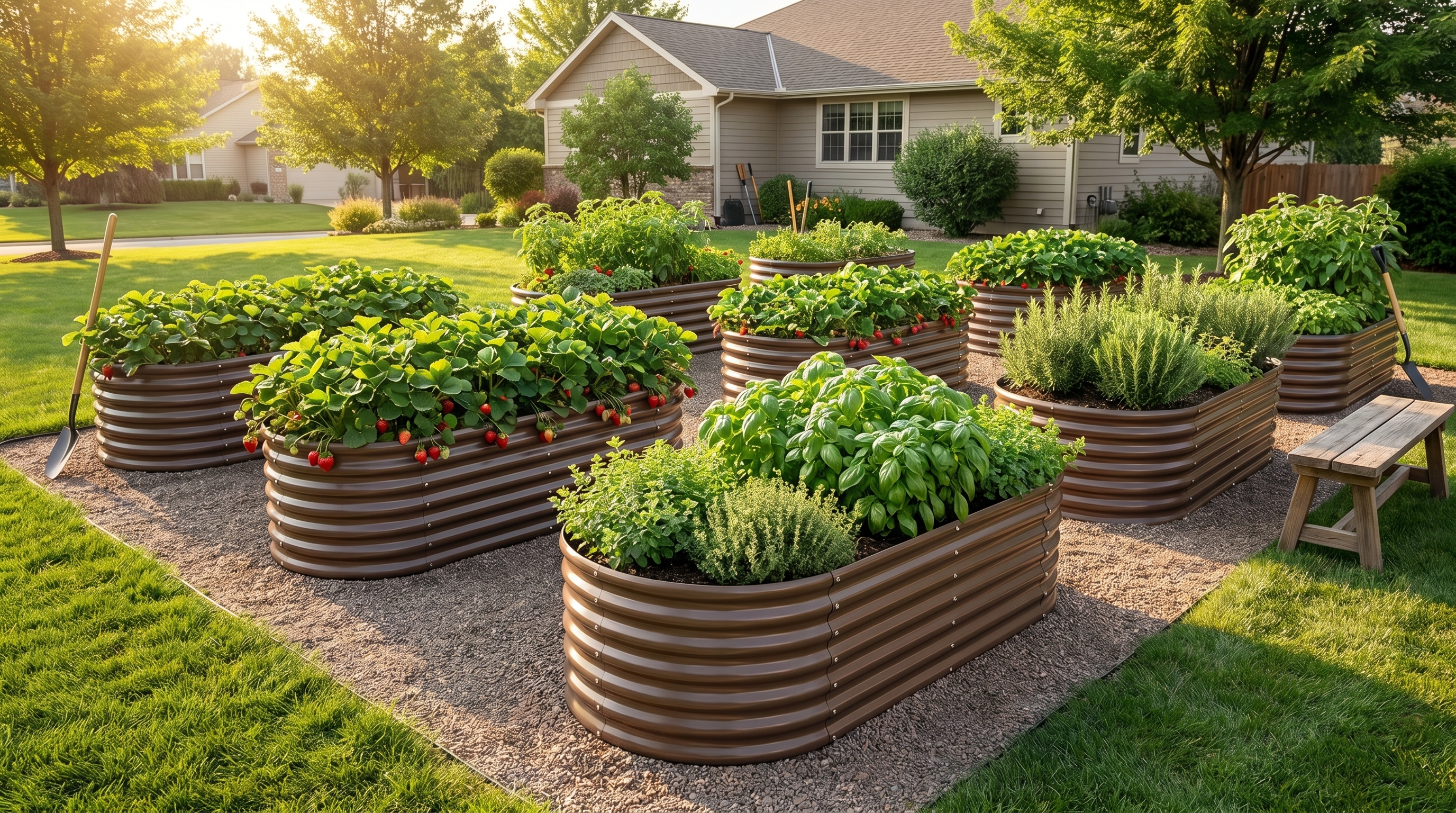
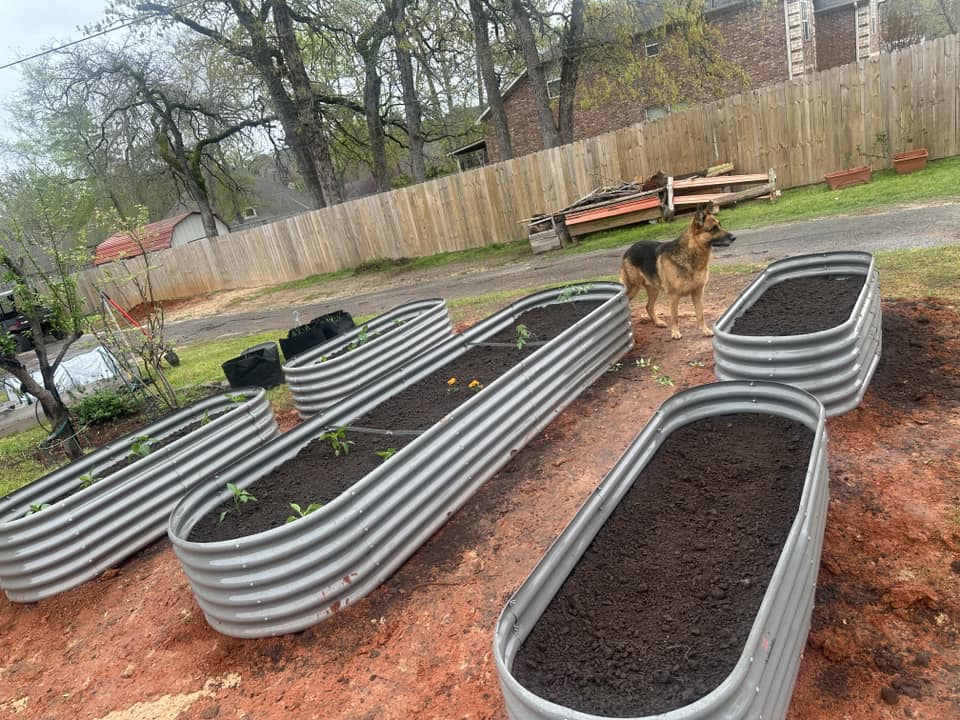
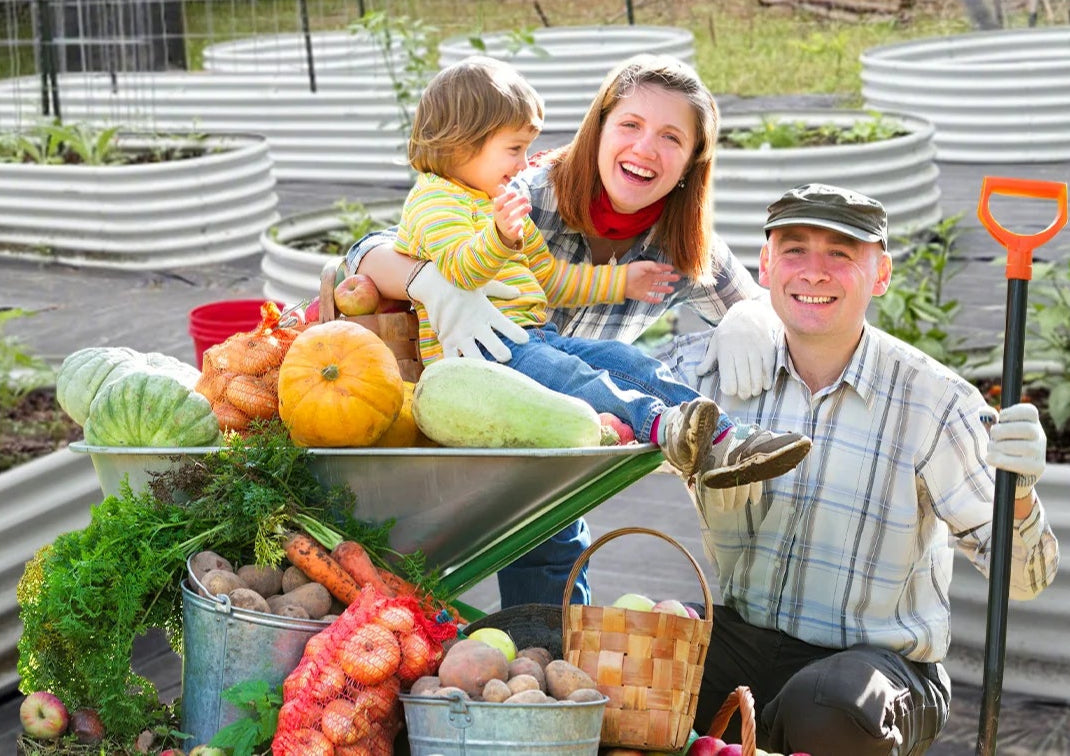
ALT: Galvanized steel raised garden beds used for growing strawberries and herbs outdoors in a structured backyard garden transformation
Advanced Considerations: What Most Guides Don't Tell You
The Gauge Question: Thickness Matters As Much As Material
One aspect of steel garden bed performance that rarely gets discussed is steel gauge. Two beds can both be labeled "galvanized steel" and perform completely differently depending on how thick the steel is. Thicker steel resists denting, soil pressure, and frost-heave deformation better than thin-gauge alternatives. When evaluating any metal garden bed, look for high-quality construction indicators beyond just the surface treatment.
Anleolife's raised garden beds are built with this durability standard in mind, engineered to deliver up to 20 years of outdoor service — a benchmark that reflects both material quality and thoughtful construction, not just marketing language.
The Common Misconception About "Rust-Proof" Steel
No steel is completely rust-proof forever. Both galvanized and corten steel are rust-resistant — they use different mechanisms to delay and control oxidation. The distinction matters because it sets accurate expectations. A well-made galvanized steel bed will look clean and structurally sound for many years; it won't suddenly fail. But calling it "permanently rust-proof" sets unrealistic expectations. Quality matters: the zinc coating thickness, the quality of the base steel, and how the bed is assembled all affect real-world longevity.
Soil pH and Its Interaction With Your Bed Material
Highly acidic soils (below pH 5.5) can accelerate zinc leaching from galvanized surfaces. For most vegetable gardens, this isn't a concern — the recommended soil pH range for most crops (6.0–7.0) is well within the safe zone. But if you're intentionally growing acid-loving crops like blueberries at very low pH levels, this is worth factoring into your bed selection and soil management strategy.
Coating Variants: Not All "Galvanized" Products Are Equal
The market includes products described as "galvanized," "zinc-coated," "galvannealed," and "electro-galvanized." Hot-dip galvanization — where steel is submerged in molten zinc — produces the thickest, most durable protective layer and is the industry standard for outdoor structural applications. Electro-galvanized coatings are thinner and less durable. When comparing products, look for confirmation of hot-dip galvanization for maximum outdoor performance.
Frequently Asked Questions FAQ
Q1: How long do galvanized steel raised garden beds last outdoors?
High-quality galvanized steel raised garden beds, when properly constructed with hot-dip galvanization and adequate steel thickness, can last up to 20 years outdoors. This lifespan assumes normal residential garden use with standard soil, watering, and climate exposure. Anleolife's galvanized raised garden beds are specifically engineered with this 20-year durability standard in mind. The zinc coating sacrificially protects the steel, meaning the bed maintains structural integrity even through harsh winters, heavy rain, and summer UV exposure — making it a genuinely long-term investment in your garden.
Q2: Is galvanized steel safe for growing vegetables and herbs?
Yes — galvanized steel is widely considered safe for growing edible crops including vegetables, herbs, and strawberries. Modern hot-dip galvanized steel uses zinc (an essential plant and human micronutrient) as its protective coating, and zinc leaching at typical garden soil contact levels poses no meaningful health risk. Agricultural extension programs and master gardener resources consistently recommend galvanized metal beds for food gardens. Older materials that used cadmium in galvanization are no longer manufactured to current standards, making today's quality galvanized beds a safe, trusted choice for the health-conscious home grower.
Q3: Which steel type is better for a long-term backyard transformation on a budget?
For most homeowners planning a long-term garden upgrade, galvanized steel offers the better combination of value, safety, and durability. While corten steel's aesthetic is undeniably beautiful, its higher price point, surface-staining risk during the patina phase, and climate limitations make it a more specialized choice. Galvanized steel beds are available across a wider price range, perform consistently in virtually all U.S. climates, and require almost no maintenance over their lifespan. When factoring total cost over 10–20 years versus replacing wood beds every 5–7 years, galvanized steel represents a smart long-term investment in your garden infrastructure.
Summary
After a thorough comparison of galvanized steel and corten steel for outdoor raised garden beds, three key conclusions stand out:
1. Galvanized steel is the more versatile, food-safe, and climate-adaptable choice for most home gardeners. Its zinc-based corrosion protection works immediately, performs across all U.S. climates, and carries no food safety concerns for edible crops. Whether you're building the best raised bed for strawberries, setting up outdoor herb planters, or starting a full backyard garden transformation, galvanized steel delivers reliable, low-maintenance performance.
2. Corten steel has a legitimate role for design-forward applications, but comes with meaningful trade-offs. Its self-forming patina is beautiful and structurally sound once stabilized, but the staining risk, climate dependency, and higher cost point make it better suited to ornamental or non-edible gardening applications where aesthetics are the primary driver.
3. Steel quality — including gauge thickness and coating method — matters as much as material type. Not all galvanized beds are equal. Look for products with hot-dip galvanization, quality construction, and a track record of real-world durability.
Your next step is simple: define your growing goals, assess your climate, and invest in a bed engineered to last. The right foundation transforms a seasonal hobby into a permanent, productive garden lifestyle.
Call to Action
Anleolife brings all three of these considerations together in one place. With a nationwide U.S. warehouse network strategically located in California, Texas, Florida, New York, Illinois, and Washington, Anleolife ensures delivery within 3–8 business days — so your garden upgrade plans never have to wait through long shipping delays.
Products are available across major platforms including Amazon, Walmart, Home Depot, Lowe's, Wayfair, and directly at Anleolife.com, giving you consistent quality assurance and after-sales support wherever you prefer to shop.
Anleolife's three core garden scenarios cover your complete journey: Planting (metal raised garden beds engineered for 20-year outdoor durability, soil systems), Raising (chicken coops, rabbit hutches for backyard homesteaders), and Beautification (decorative accessories and pathway systems that turn a functional garden into a beautiful outdoor living space).
Whether you're starting with a single 8x4 raised bed or building out a full planting-and-raising ecosystem, Anleolife's modular design allows flexible expansion at every stage. We grow with you — season after season, bed after bed. Upgrade your garden with Anleolife today.
References
- National Gardening Association. "Garden to Table: A Guide to Growing Food at Home."
https://garden.org/ - University of California Agriculture and Natural Resources. "Vegetable Gardening in Containers and Raised Beds."
https://ucanr.edu/ - United States Department of Agriculture (USDA). "Urban Agriculture and Community Gardening Resources."
https://www.usda.gov/topics/urban - Penn State Extension. "Raised Bed Gardening: Materials and Safety Considerations."
https://extension.psu.edu/ - American Galvanizers Association. "Hot-Dip Galvanizing for Corrosion Protection: A Specifier's Guide."
https://www.galvanizedit.com/
Note: Standards and research may be updated over time. Please check the latest official documents or consult professional advisors for the most current guidance.
About Anleolife
Anleolife is a leading outdoor garden solutions provider in North America, dedicated to offering a full-scenario product ecosystem for home gardening enthusiasts, covering planting, raising, and garden beautification. Since its founding, we have upheld our brand mission, "Made for Garden Life," continuously innovating products and optimizing services to help hundreds of thousands of users upgrade their gardens, reconnect with nature, and enjoy a better garden lifestyle.