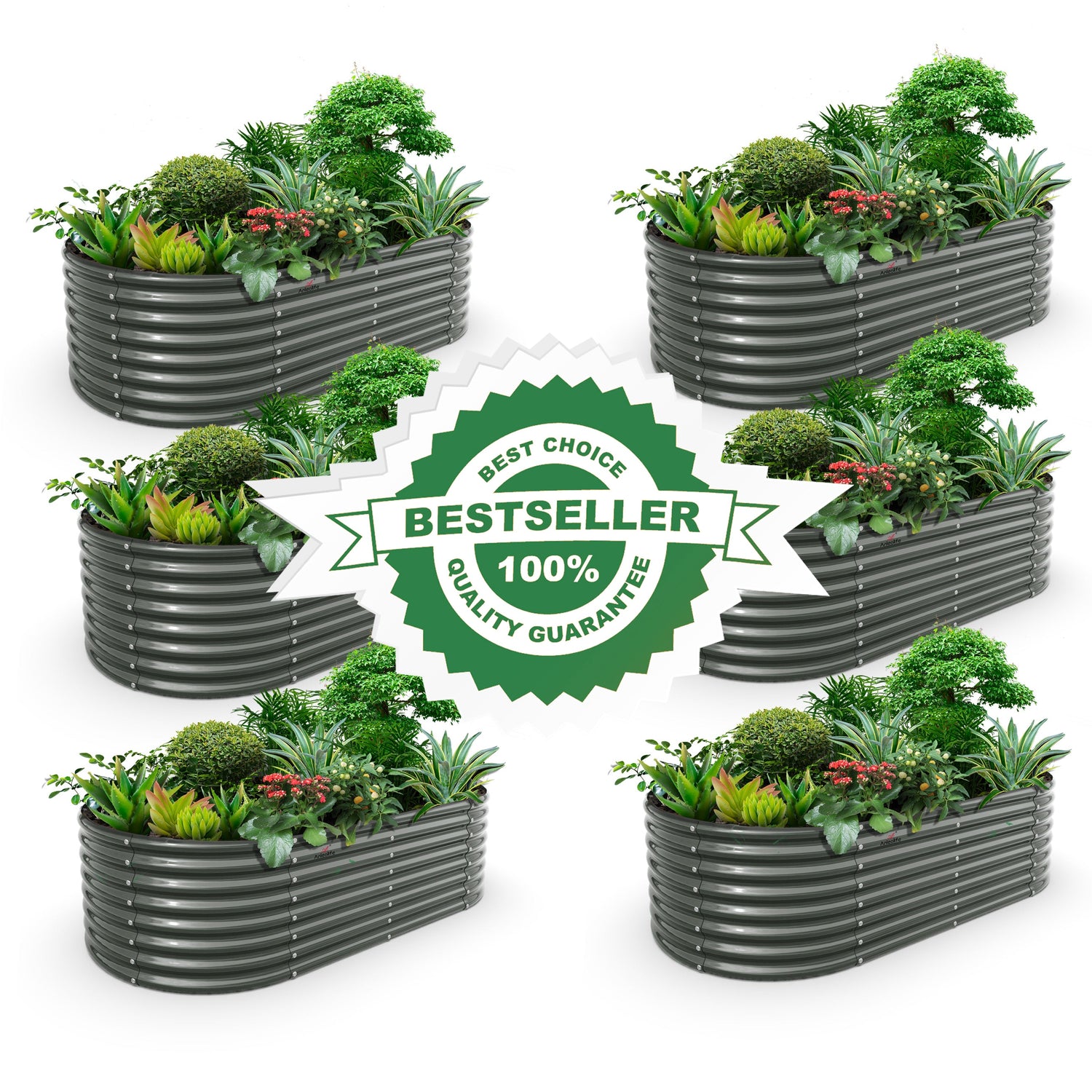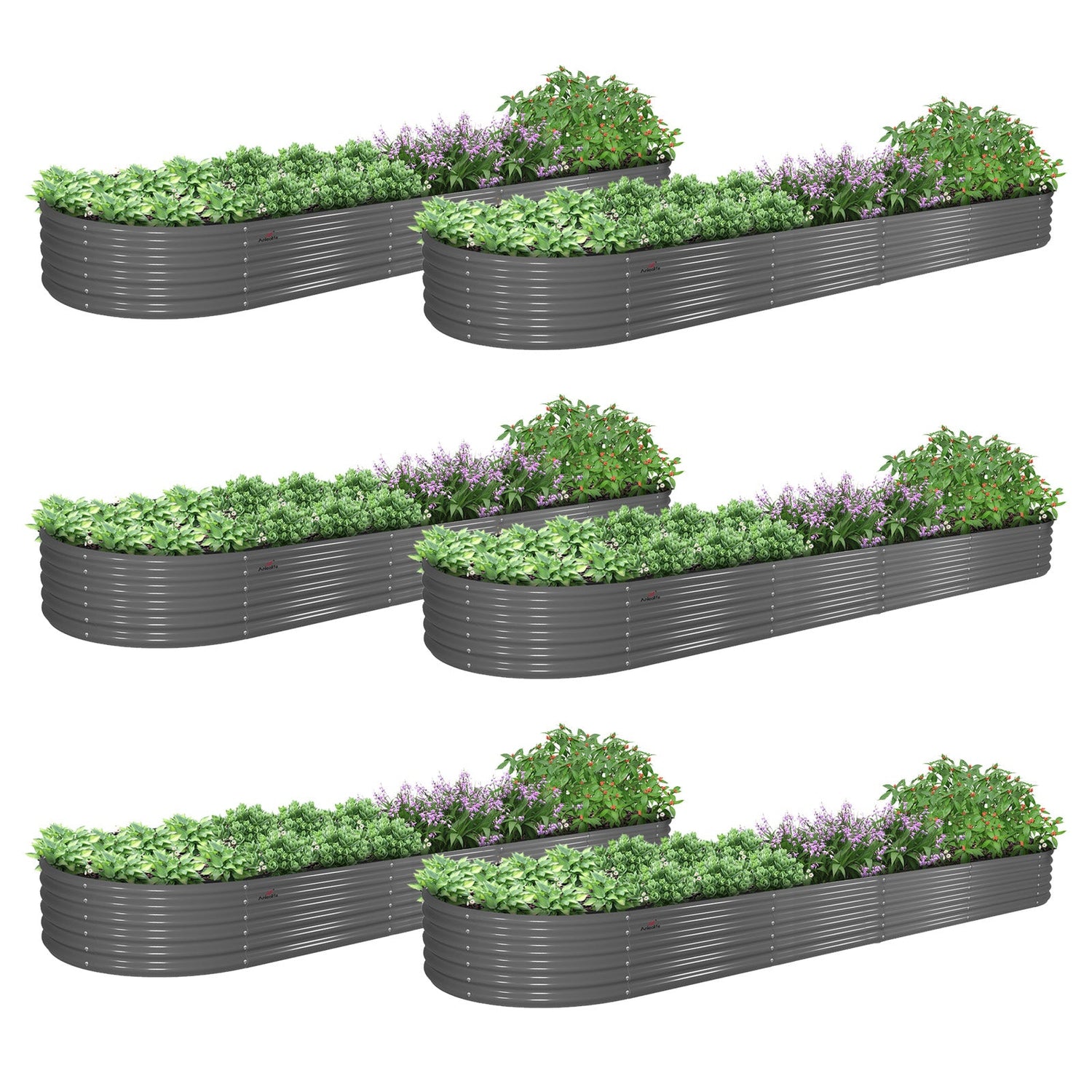



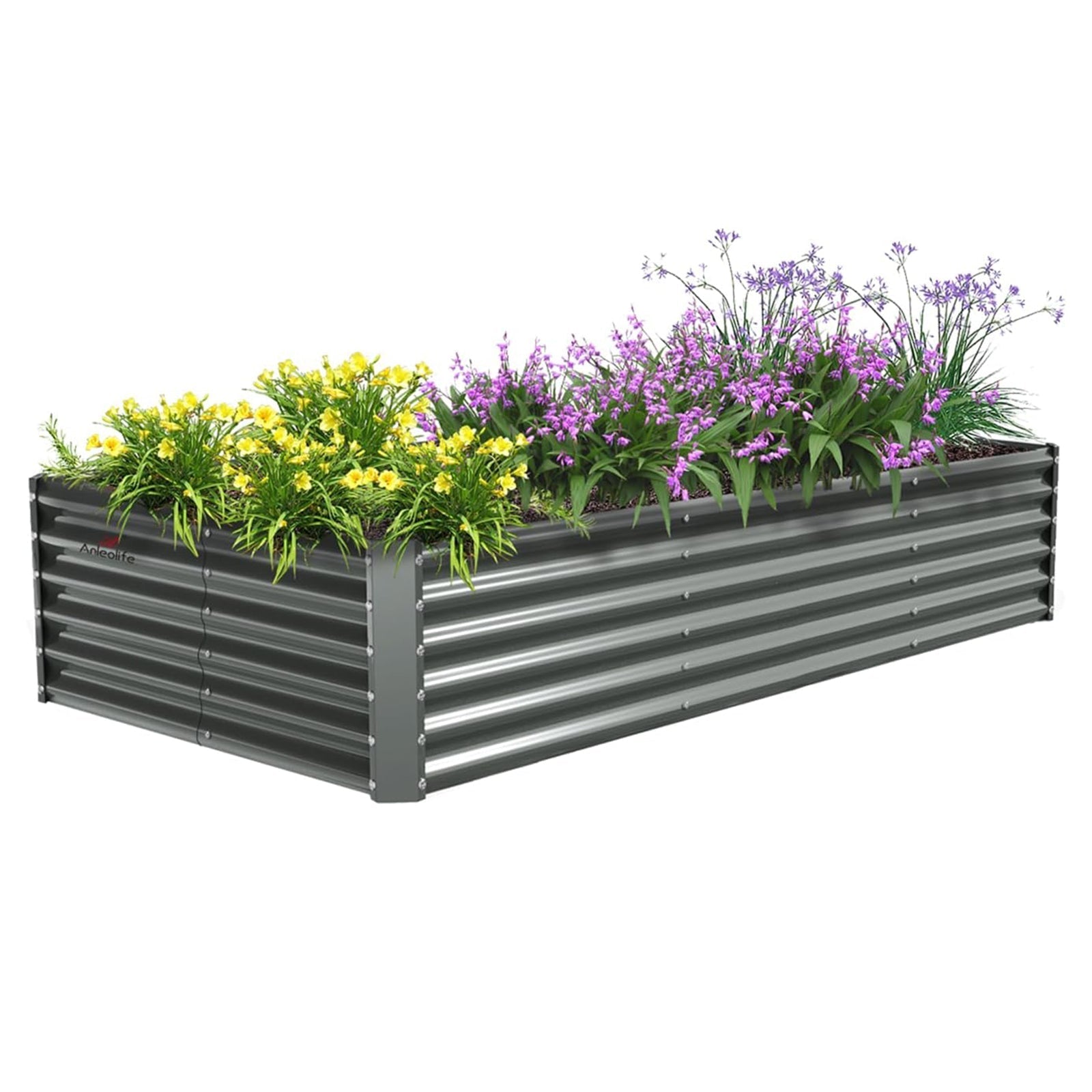

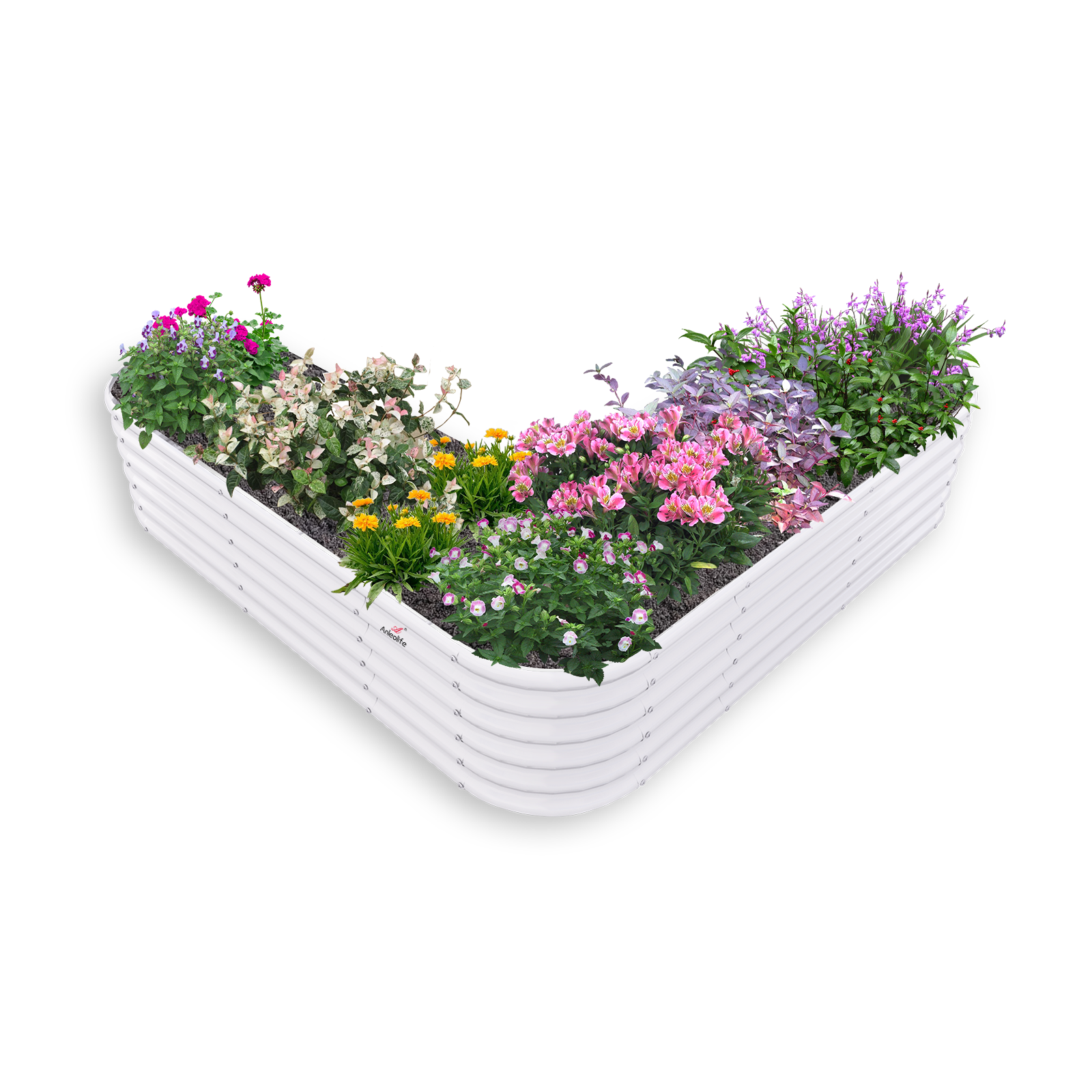
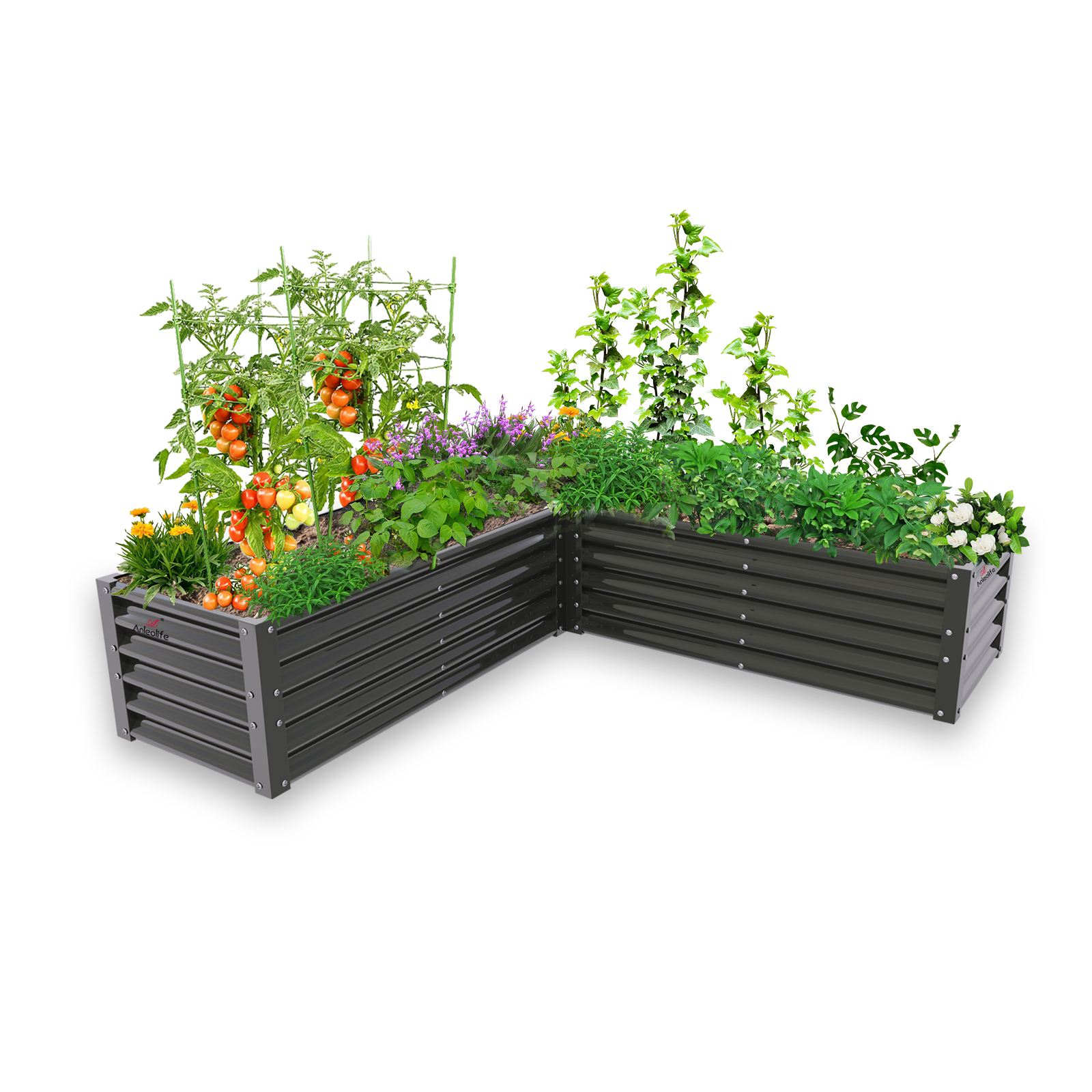
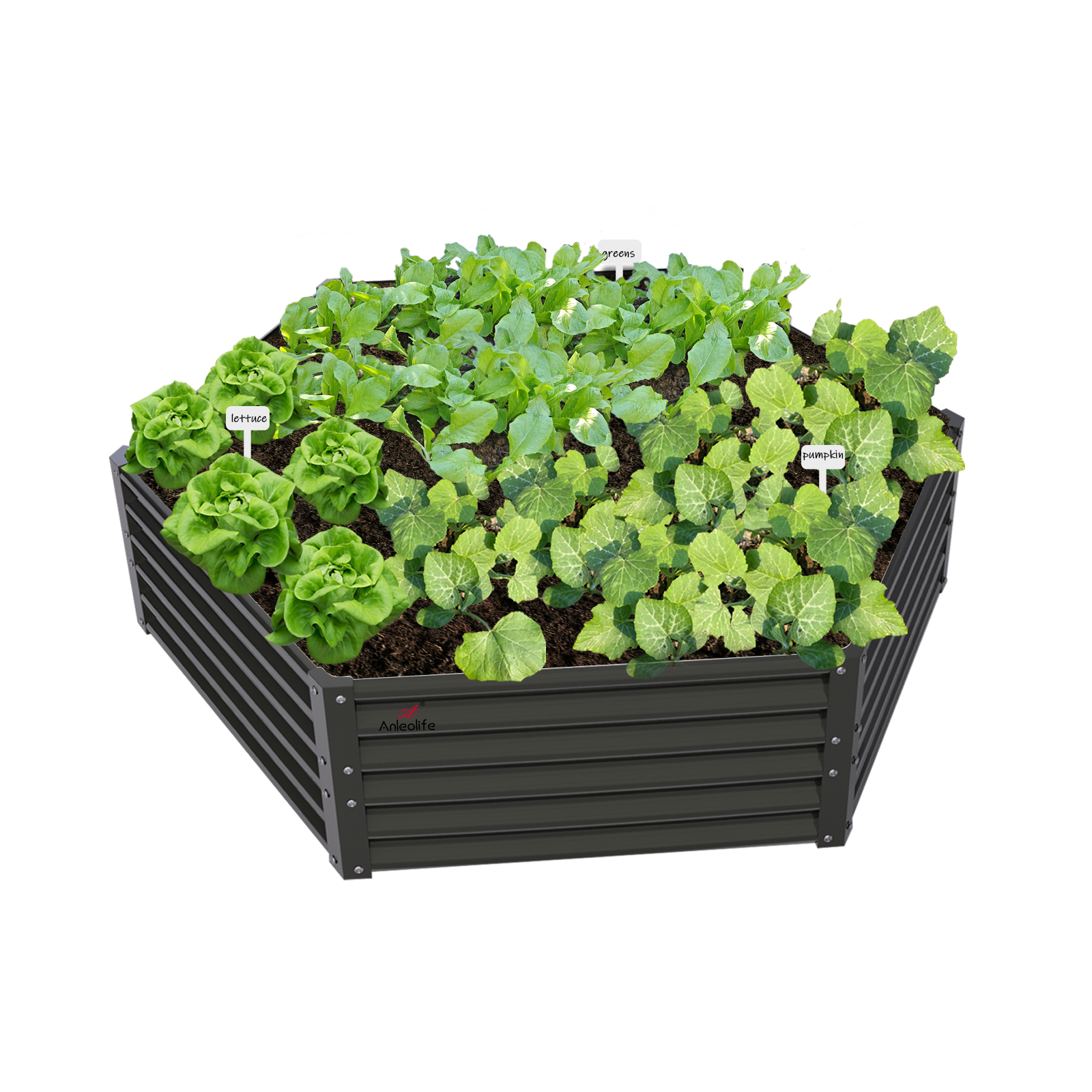
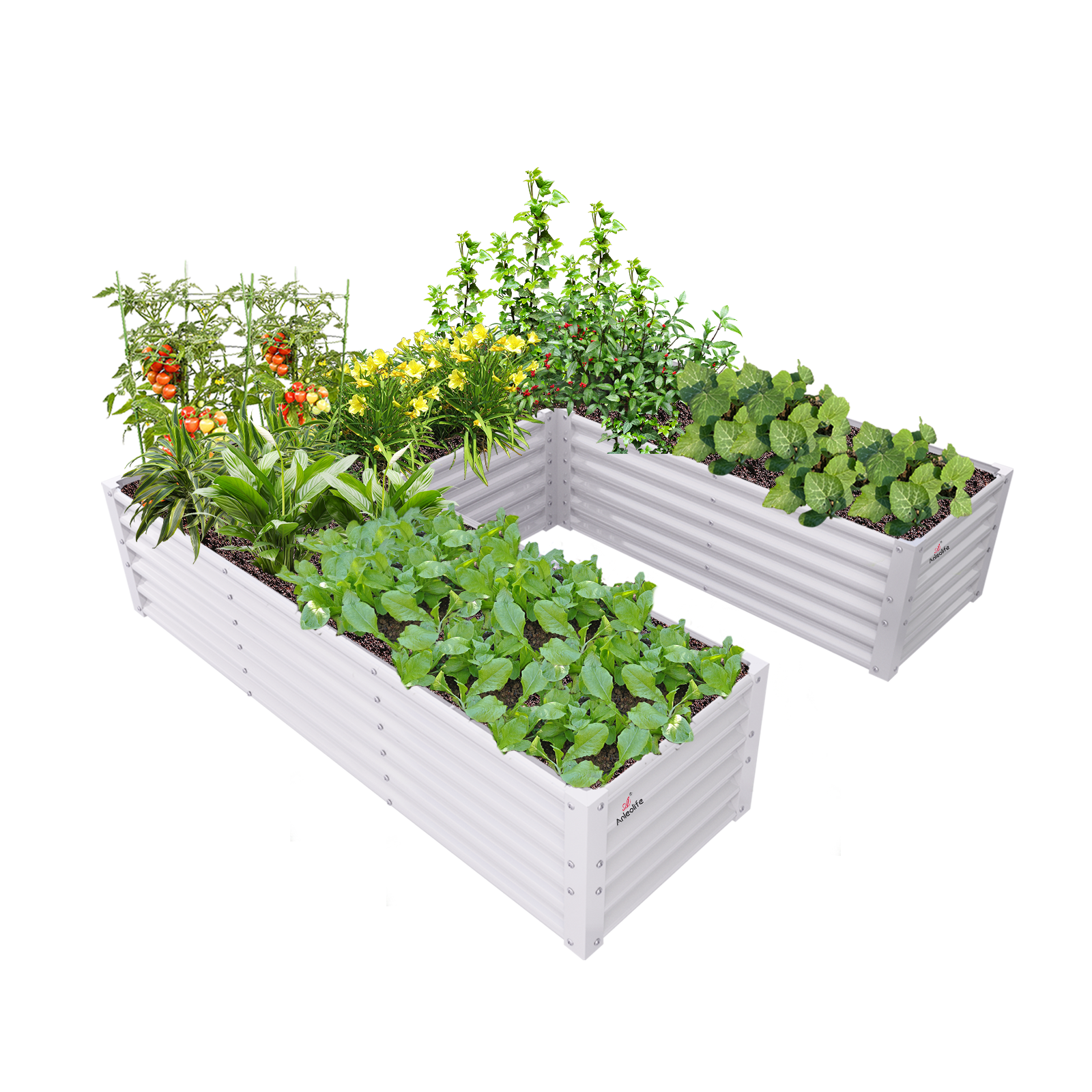

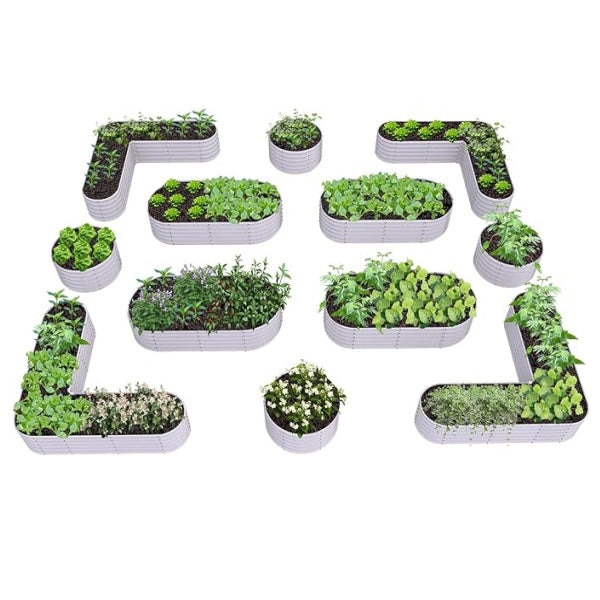


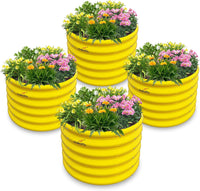
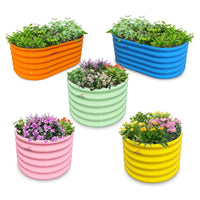
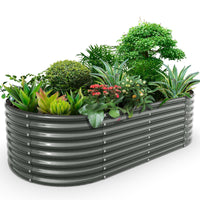




ALT: Beginner gardener harvesting vegetables from a raised bed garden layout in a sunny backyard
Why Raised Beds Make Growing Vegetables Effortless in 2026
Key Conclusion: Raised beds are the single most effective way for beginners to grow food at home. A smart raised bed garden layout gives you complete control over soil quality, drainage, and spacing—dramatically improving your success rate. Whether you're planning a compact raised bed planting layout for a patio or a full raised bed layout across your backyard, the right vegetable selection turns your first season into an abundance of fresh, healthy harvests with minimal frustration.
Growing your own food has never been more popular—or more approachable. According to recent gardening industry data, home vegetable gardening surged by over 30% in the past five years, with raised beds becoming the method of choice for millions of new growers across North America.
The reason is simple: raised beds reduce almost every obstacle that makes traditional in-ground gardening difficult. Poor native soil? You fill your own. Weeds? Largely kept at bay by elevation and mulch. Bad drainage? Solved by design. And when you pair the right structure with the right vegetables, you're set up for a genuinely zero-fail experience.
In this guide, we'll walk you through the 12 easiest vegetables to grow in raised beds this year, along with a step-by-step setup plan, a comparison of growing strategies, and practical tips that help you get the most out of every square foot.
Who This Guide Is For
✅ Applicable Scenarios:
- First-time vegetable growers starting with a 4×8 or 4×4 raised bed
- Urban micro-gardeners with limited outdoor space but big harvest goals
- Empty nesters and retirees looking for a low-effort, high-reward garden hobby
- Eco-conscious families wanting to reduce grocery bills with homegrown produce
❌ Not Applicable/Cautions:
- Large-scale commercial growers needing row-crop farming techniques
- Growers in climates with fewer than 90 frost-free days (some vegetables on this list need longer seasons)
- Anyone unable to commit at least 10–15 minutes per day to basic watering and monitoring during the growing season
Why Vegetable Selection Is the Foundation of a Zero-Fail Raised Bed
The single biggest mistake beginners make isn't their bed size, their soil mix, or their watering schedule—it's planting vegetables that are too finicky, too slow, or too demanding for a first-time setup.
Experienced gardeners often say the garden teaches patience. That's true. But the learning curve doesn't have to start with failure. The 12 vegetables in this guide were chosen because they share a core set of qualities that align perfectly with how a raised bed naturally functions:
Fast germination means you see results quickly, which keeps motivation high. Compact growth habits mean you can fit more variety into a small footprint. High tolerance for variable conditions means a week of travel or a missed watering won't wipe out your crop. And high productivity per square foot means even a single 4×8 bed can supply a meaningful portion of your household's fresh produce.
The USDA recognizes home vegetable gardens as a key component of food security and nutritional health for American families. Research from UC ANR consistently shows that homegrown produce has higher nutritional density than store-bought equivalents that have traveled long distances. When you grow in a raised bed with quality soil, you're not just gardening—you're making a meaningful investment in your household's health and resilience.
There's also an environmental dimension. Raised bed gardening dramatically reduces water usage compared to traditional gardening, supports pollinator habitats, and eliminates the need for synthetic herbicides and most pesticides when practiced thoughtfully. For eco-conscious growers, a well-designed raised bed isn't just a garden—it's a small act of environmental stewardship.
The 2026 gardening landscape also brings exciting possibilities. More gardeners are integrating their raised beds into complete outdoor living systems—pairing planting areas with pathways, decorative borders, and even small poultry setups for natural fertilization. If you're thinking about that kind of full-scenario garden design, you're in exactly the right place.
The 12 Easiest Vegetables + Your 3-Step Quick-Start Plan
Three-Step Quick Start for Your Raised Bed Vegetable Garden
Step 1: Plan Your Raised Bed Garden Layout
Before you buy seeds or soil, spend 20–30 minutes sketching your raised bed planting layout on paper or using a free grid tool online. A standard 4×8 bed gives you 30 square feet—enough to grow 8–10 different vegetables simultaneously using the square-foot gardening method. Decide which direction is north (place taller plants there so they don't shade shorter ones), mark your access paths, and group plants by their water and sun needs.
Step 2: Build or Position Your Raised Bed and Fill It with the Right Soil
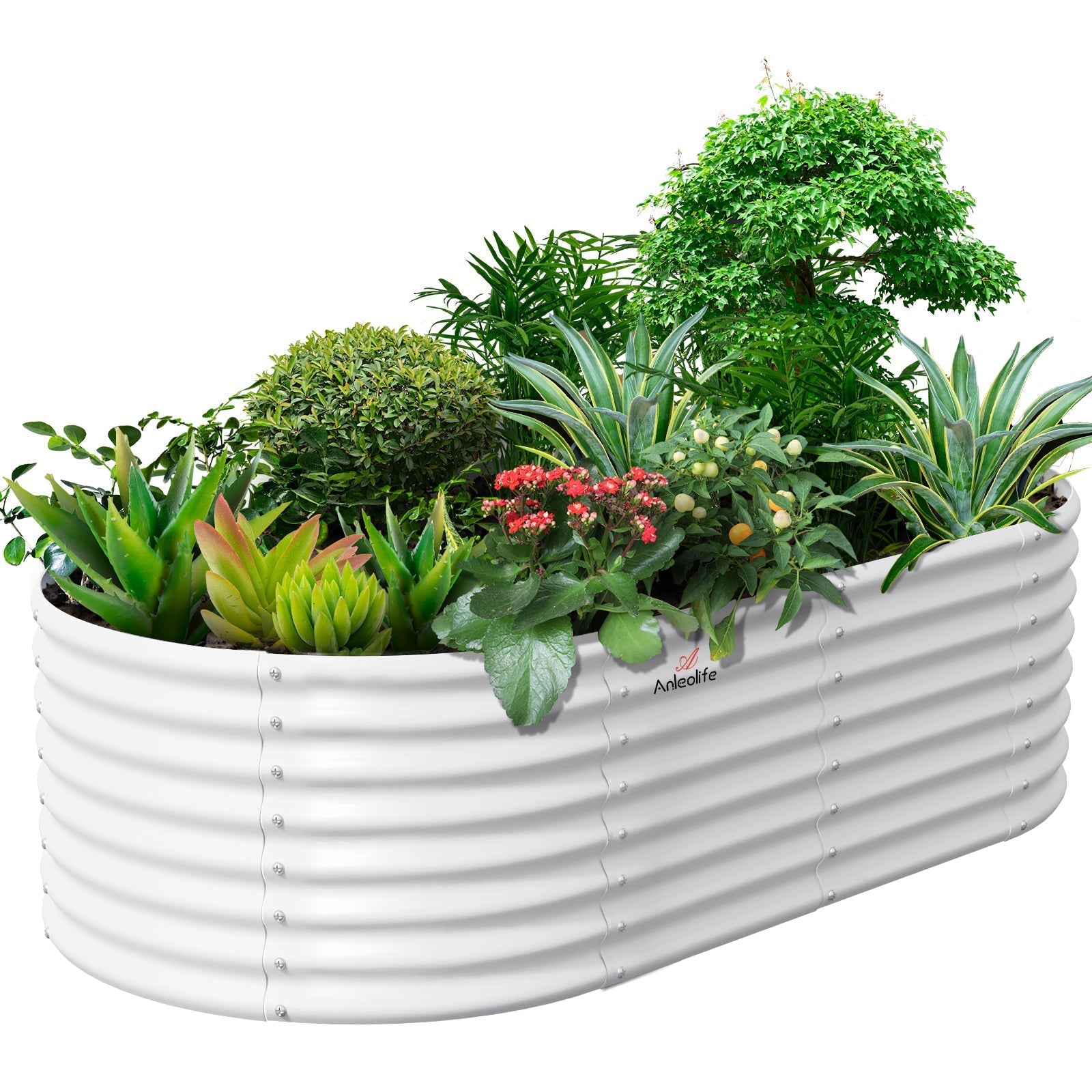
If you're using a pre-made metal raised garden bed, assembly typically takes 1–2 hours. Position it where it receives at least 6–8 hours of direct sunlight. Fill with a high-quality blend: roughly 60% topsoil, 30% compost, and 10% coarse sand or perlite for drainage. This "Mel's Mix" style recipe gives your vegetables the loose, fertile, well-drained environment they love. Allow 24 hours for soil to settle before planting.
Step 3: Plant, Label, and Set Up a Simple Watering Routine
Transplant seedlings or direct-sow seeds according to the spacing recommendations for each vegetable. Label every row or section—you'll thank yourself later. Install a basic drip irrigation line or a soaker hose connected to a timer; this single upgrade can save 30–40% of your watering time and dramatically improve consistency. Your first full garden bed should be planted and ready within a single weekend.
The 12 Vegetables Compared: Which Ones Belong in Your Raised Bed Layout
Here's a quick breakdown of why each vegetable earns its place on this zero-fail list, organized by growing profile so you can build the most strategic raised bed layout for your space and climate.
| Vegetable | Days to Harvest | Space per Plant | Best Season | Difficulty Level |
|---|---|---|---|---|
| Lettuce | 30–45 days | 6 inches | Spring / Fall | ⭐ Very Easy |
| Radishes | 22–30 days | 2 inches | Spring / Fall | ⭐ Very Easy |
| Green Beans | 50–65 days | 4–6 inches | Summer | ⭐⭐ Easy |
| Zucchini | 45–55 days | 18–24 inches | Summer | ⭐ Very Easy |
| Spinach | 35–50 days | 4–6 inches | Spring / Fall | ⭐ Very Easy |
| Cherry Tomatoes | 55–70 days | 18–24 inches | Summer | ⭐⭐ Easy |
| Kale | 55–70 days | 12 inches | Spring / Fall / Winter | ⭐ Very Easy |
| Cucumbers | 50–65 days | 12 inches (with trellis) | Summer | ⭐⭐ Easy |
| Swiss Chard | 50–60 days | 6–9 inches | Spring through Fall | ⭐ Very Easy |
| Peas | 55–70 days | 4–6 inches | Spring | ⭐⭐ Easy |
| Beets | 50–70 days | 3–4 inches | Spring / Fall | ⭐⭐ Easy |
| Herbs (Basil, Parsley, Chives) | 21–30 days (from transplant) | 6–12 inches | Spring through Fall | ⭐ Very Easy |
Deep Dive: What Makes Each Vegetable a Beginner Winner
Lettuce is the quintessential starter crop. It grows fast, tolerates light frost, and can be harvested continuously with the "cut and come again" technique. In a raised bed, lettuce thrives because the loose soil supports its shallow roots perfectly. Plant a new row every two weeks for continuous harvests throughout spring and fall.
Radishes are the instant-gratification crop every new gardener needs. Some varieties are ready in just 22 days. They're also excellent soil aerators—their roots help break up compacted layers and improve structure for neighboring plants. Interplant them between slower-growing vegetables to maximize every inch of your raised bed layout.
Green Beans (specifically bush varieties like Blue Lake or Provider) are compact, prolific, and essentially self-sufficient once established. They're nitrogen-fixers too, meaning they improve your soil while they grow. In a raised bed, one 4-foot row can produce enough beans for weekly meals throughout summer.
Zucchini is almost aggressively productive—the running joke among gardeners is that you'll need to start giving it away by midsummer. In a raised bed, train it to sprawl over the edge to save interior space. One or two plants is genuinely enough for a family of four.
Spinach is a cool-season powerhouse. It bolt-resistant in partially shaded raised bed corners and delivers iron-rich harvests in weeks. Plant it early in spring or late in summer for a fall crop. It pairs beautifully with taller crops like kale and chard.
Cherry Tomatoes outperform full-sized tomatoes in nearly every beginner-friendly metric: faster harvest, higher disease resistance, and much more forgiving of inconsistent watering. Varieties like Sungold, Sweet 100, or Juliet thrive in the deep, rich soil of a well-built raised bed. Use a sturdy cage or trellis to keep plants upright.
Kale is practically indestructible. It survives frost, handles heat better than spinach, and can be harvested leaf by leaf over months. In colder climates, a simple row cover lets you harvest fresh kale well into December. It's also one of the most nutritionally dense foods you can grow.
Cucumbers excel in raised beds because the warm, well-drained soil environment they love is easy to create. Train them vertically on a simple mesh trellis attached to the back of your bed—this saves space and reduces fungal disease by improving airflow. A single plant can produce 10–15 cucumbers over its season.
Swiss Chard is the unsung hero of the raised bed world. Beautiful, productive, and tolerant of both heat and mild frost, it bridges the gap between spring and fall seasons. Harvest outer leaves while the center keeps growing. Rainbow chard varieties also add genuine visual appeal to your raised bed garden layout.
Peas (bush varieties) are a spring essential. Plant them as soon as the soil can be worked—they actually need cool weather to thrive. They're space-efficient, sweet, and exciting to harvest. Like beans, they fix nitrogen into your soil, leaving it richer for whatever you plant next.
Beets are a dual-purpose crop: you get both the root and the nutritious greens. They're low-maintenance, cold-tolerant, and grow comfortably in the deep soil of a well-built raised bed (aim for at least 12 inches of depth for the best root development). Try varieties like Chioggia or Golden for a colorful harvest.
Herbs belong in every raised bed. Basil, parsley, and chives are particularly beginner-friendly, grow compactly, and provide continuous harvests. They also serve a functional purpose: many herbs repel common garden pests, reducing your need for any kind of intervention. Plant basil near your tomatoes—it's one of gardening's most famous beneficial companion pairs.
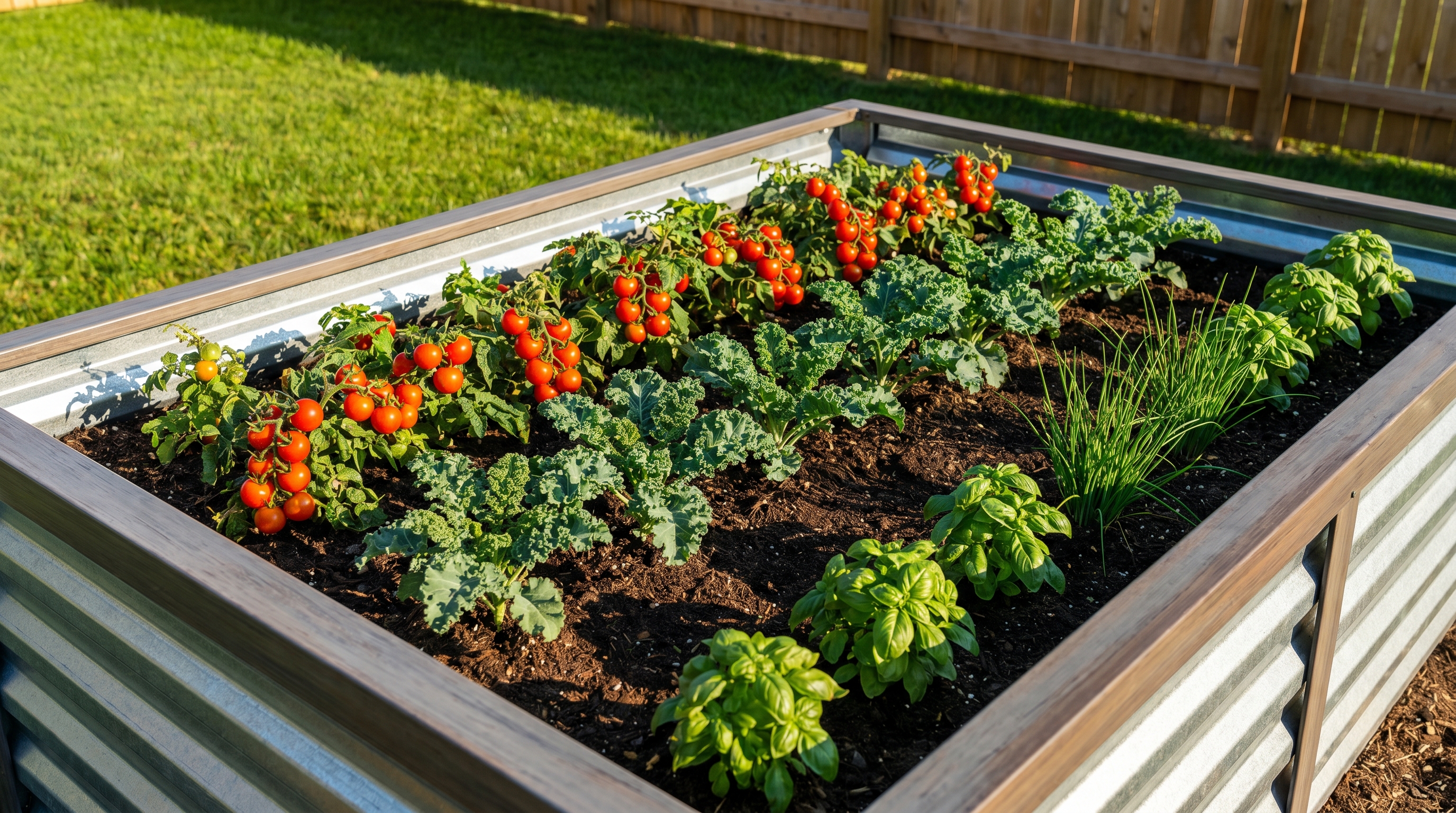
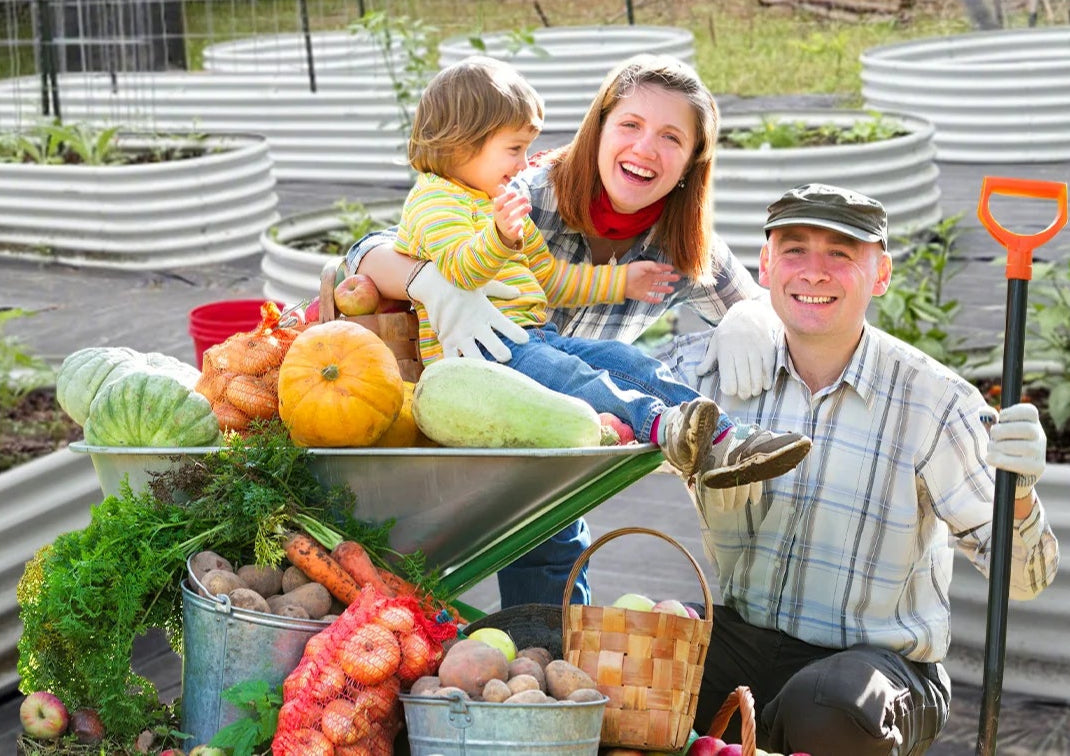
ALT: Thriving raised bed planting layout showing cherry tomatoes, kale, and herbs growing in an organized backyard garden setup
Advanced Tips: Getting More from Your Raised Bed in Year Two and Beyond
Once you've completed your first season, there are several strategies that meaningfully elevate your results without adding complexity.
Succession Planting is the practice of planting a new batch of fast-maturing crops (lettuce, radishes, spinach) every 2–3 weeks rather than all at once. This eliminates the "feast or famine" harvest cycle and keeps your raised bed productive from early spring through late fall.
Crop Rotation within your raised bed layout matters even in small spaces. Avoid planting the same vegetable family in the same section two years in a row. This simple practice dramatically reduces soil-borne disease and pest pressure. A basic rotation: leafy greens → fruiting crops → root vegetables → legumes → back to leafy greens.
Common Misconception: Raised Beds Need More Water
Many beginners assume that because raised beds drain freely, they dry out faster and need daily watering. In practice, a raised bed filled with good compost-rich soil retains moisture remarkably well. A soaker hose on a timer set to run for 20–30 minutes every other day is typically sufficient for most vegetables during summer. Mulching the surface with straw or wood chips reduces evaporation by up to 50%.
The Soil Replenishment Cycle
Unlike in-ground gardens where soil naturally regenerates, raised beds benefit from an annual top-dressing of 2–4 inches of fresh compost each spring. This restores nutrients depleted by the previous season's crops and maintains the light, fluffy texture that makes raised bed gardening so effective. A quality steel raised bed like those from Anleolife—built to last 20 years—is designed exactly for this kind of long-term, evolving garden relationship.
Frequently Asked Questions FAQ
Q1: How deep should a raised bed be for growing vegetables?
For most of the vegetables on this list—lettuce, herbs, spinach, radishes, green beans—a minimum depth of 8–10 inches is sufficient. For root vegetables like beets, and for tomatoes and cucumbers with deeper root systems, aim for 18–24 inches. Deeper beds also retain moisture more consistently, which reduces how often you need to water. A 18-inch deep bed covers the broadest range of vegetables and is the most popular choice for beginners planning a complete raised bed planting layout.
Q2: Is it safe to grow vegetables in metal raised garden beds?
Yes, high-quality galvanized or Aluzinc-coated steel raised beds are completely safe for growing food. The zinc coating on properly manufactured garden beds does not leach into soil at levels that pose any health risk, according to food safety guidance from the EPA and FDA. Avoid beds made from old, uncoated, or recycled industrial metal. Beds from reputable manufacturers specifically designed for food gardening—like Anleolife's metal raised garden beds—meet all relevant safety standards and are built for decades of use.
Q3: How long does it take to see results from a raised bed vegetable garden?
With fast-maturing crops like radishes and lettuce, you can be harvesting in as little as 22–45 days from planting. Most of the vegetables on this list will deliver meaningful harvests within 8–10 weeks of planting. If you start with transplants (seedlings from a nursery) rather than seeds, you'll see results even faster. By your second season, with soil fully established and a succession planting schedule in place, your raised bed will feel like a continuously producing kitchen garden rather than a seasonal experiment.
Summary
A zero-fail vegetable garden isn't a myth—it's the natural result of combining the right structure, the right soil, and the right plant selection. The 12 vegetables in this guide were chosen because they deliver exactly that: reliable germination, manageable growth habits, and harvests that reward beginners without demanding expert-level attention.
Three core takeaways to carry into your first season:
First, your raised bed garden layout is the foundation of everything. Get the sun orientation right, fill with quality soil, and plan your spacing before you plant a single seed.
Second, start simple and expand. One 4×8 bed planted with 6–8 of the vegetables on this list will teach you more in a single season than any book can. Your second year will be dramatically more confident.
Third, invest in durable infrastructure. A quality raised bed isn't a one-season expense—it's a 20-year garden asset. The right bed, filled with good soil and planted thoughtfully, will feed your family season after season.
The best time to start was last spring. The second best time is right now.
Ready to Build Your First Raised Bed Garden?
Anleolife makes it simple to go from planning to planting, whether you're upgrading a single corner of your yard or designing a complete outdoor growing ecosystem.
Nationwide U.S. warehouse network: Strategically located in California, Texas, Florida, New York, Illinois, and Washington to ensure delivery within 3–8 business days—so your garden upgrade plans never have to wait.
Multi-channel availability: Products are available on major e-commerce platforms including Amazon, Walmart, Home Depot, Lowe's, and Wayfair, as well as the official website Anleolife.com, providing consistent quality assurance and after-sales service.
Three core scenarios: Planting (metal raised garden beds, soil systems), Raising (chicken coops, rabbit hutches), and Beautification (decorative accessories, pathway systems)—meeting complete needs from functionality to aesthetics.
We understand that an ideal garden is not built overnight, but gradually improved over time. Our modular product design allows flexible expansion based on your needs—from your first 8×4×2 garden bed to a fully integrated planting-and-raising ecosystem. We grow with you every step of the way.
References
This article is based on the following official materials (as of January 2026):
- [USDA]. "Home Vegetable Gardening and Food Security Resources."
https://www.usda.gov/ - [EPA]. "Vegetable Gardens and Soil Safety Guidelines."
https://www.epa.gov/ - [UC ANR]. "Growing Vegetables in Raised Beds: A Guide for California Home Gardeners."
https://ucanr.edu/ - [OSU Extension]. "Raised Bed Gardening: Soil, Layout, and Vegetable Selection."
https://extension.oregonstate.edu/
Note: Gardening recommendations may vary by region and climate zone. Please consult your local cooperative extension service for advice specific to your growing area.
About Anleolife
Anleolife is a leading outdoor garden solutions provider in North America, dedicated to offering a full-scenario product ecosystem for home gardening enthusiasts, covering planting, raising, and garden beautification. Since its founding, we have upheld our brand mission, "Made for Garden Life," continuously innovating products and optimizing services to help hundreds of thousands of users upgrade their gardens, reconnect with nature, and enjoy a better garden lifestyle.