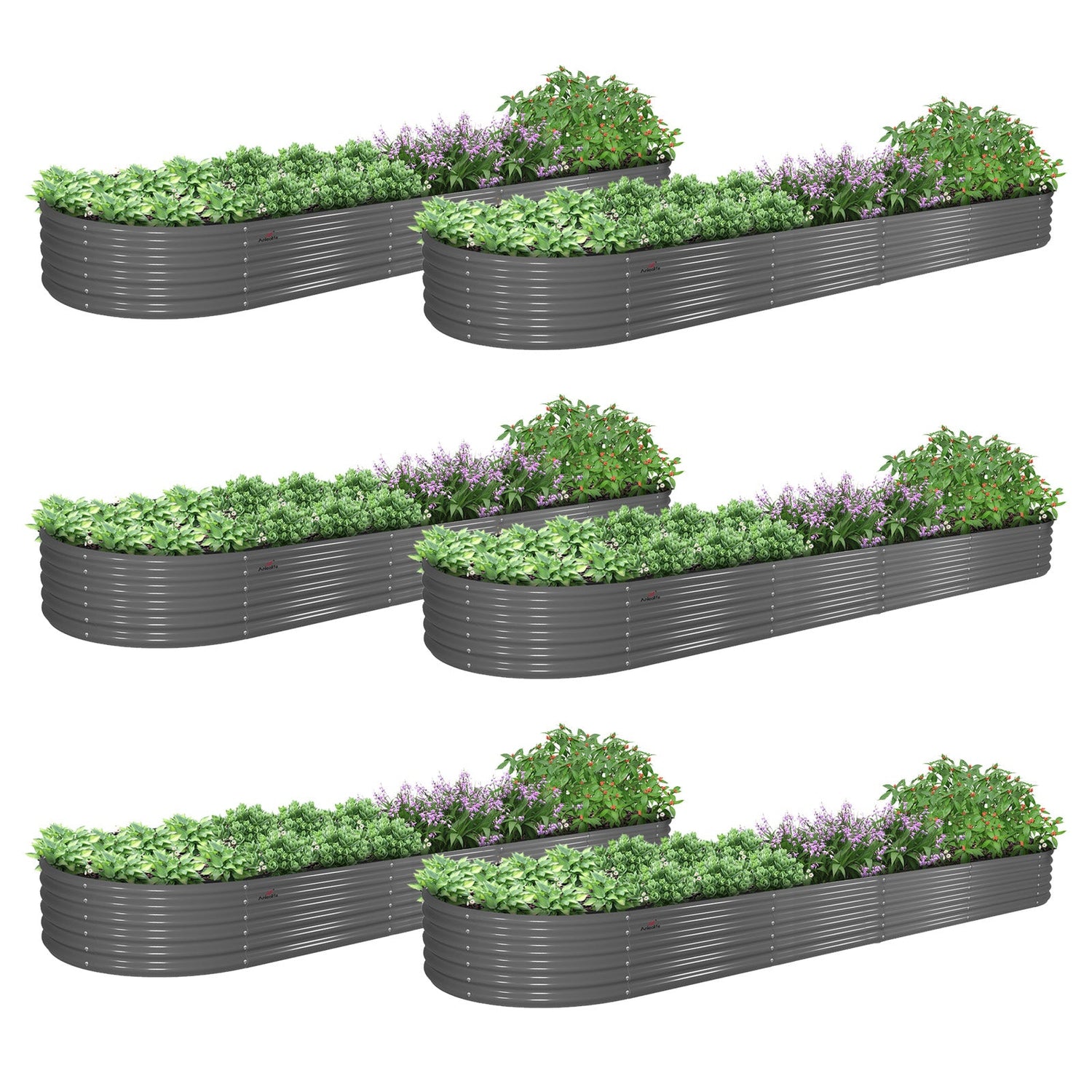



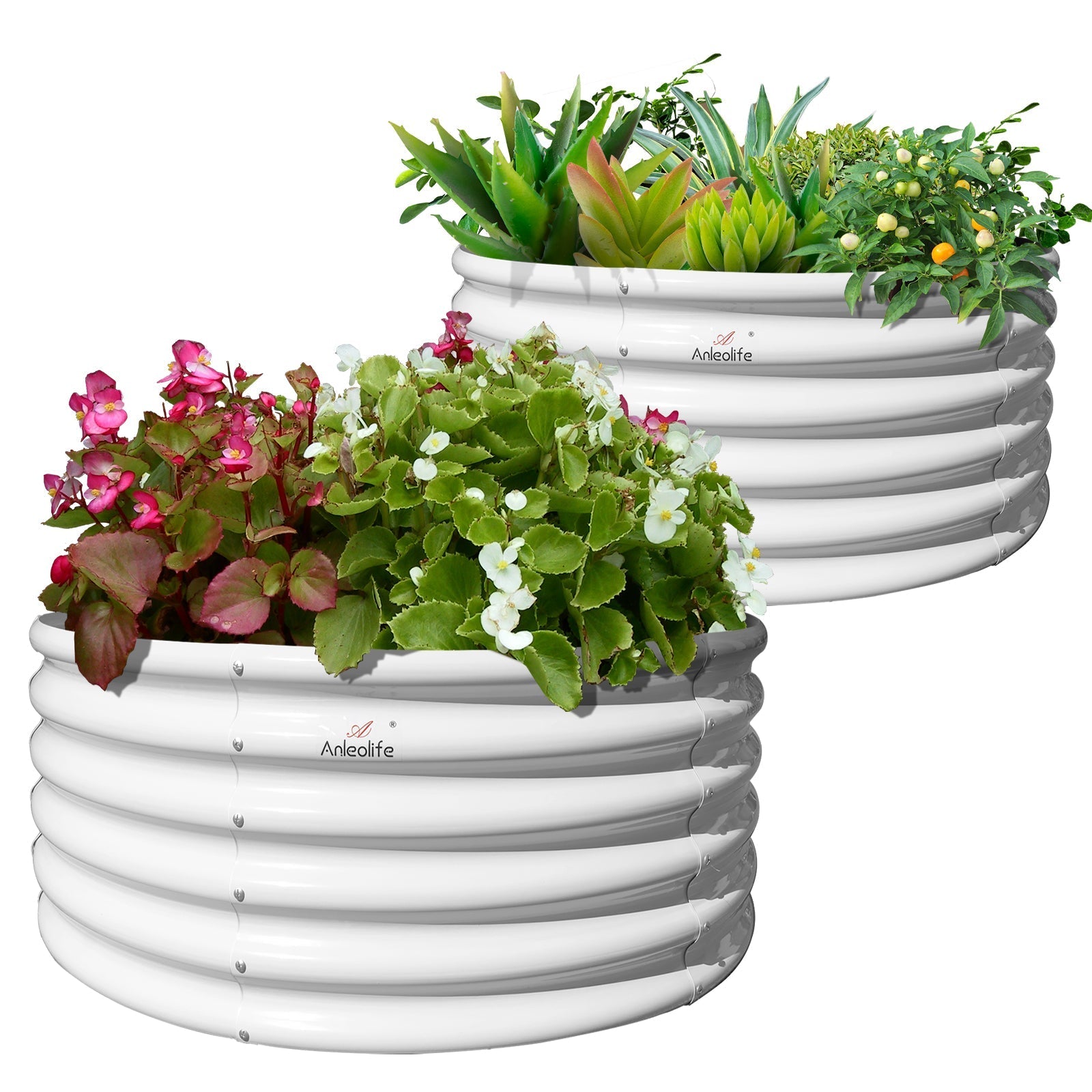
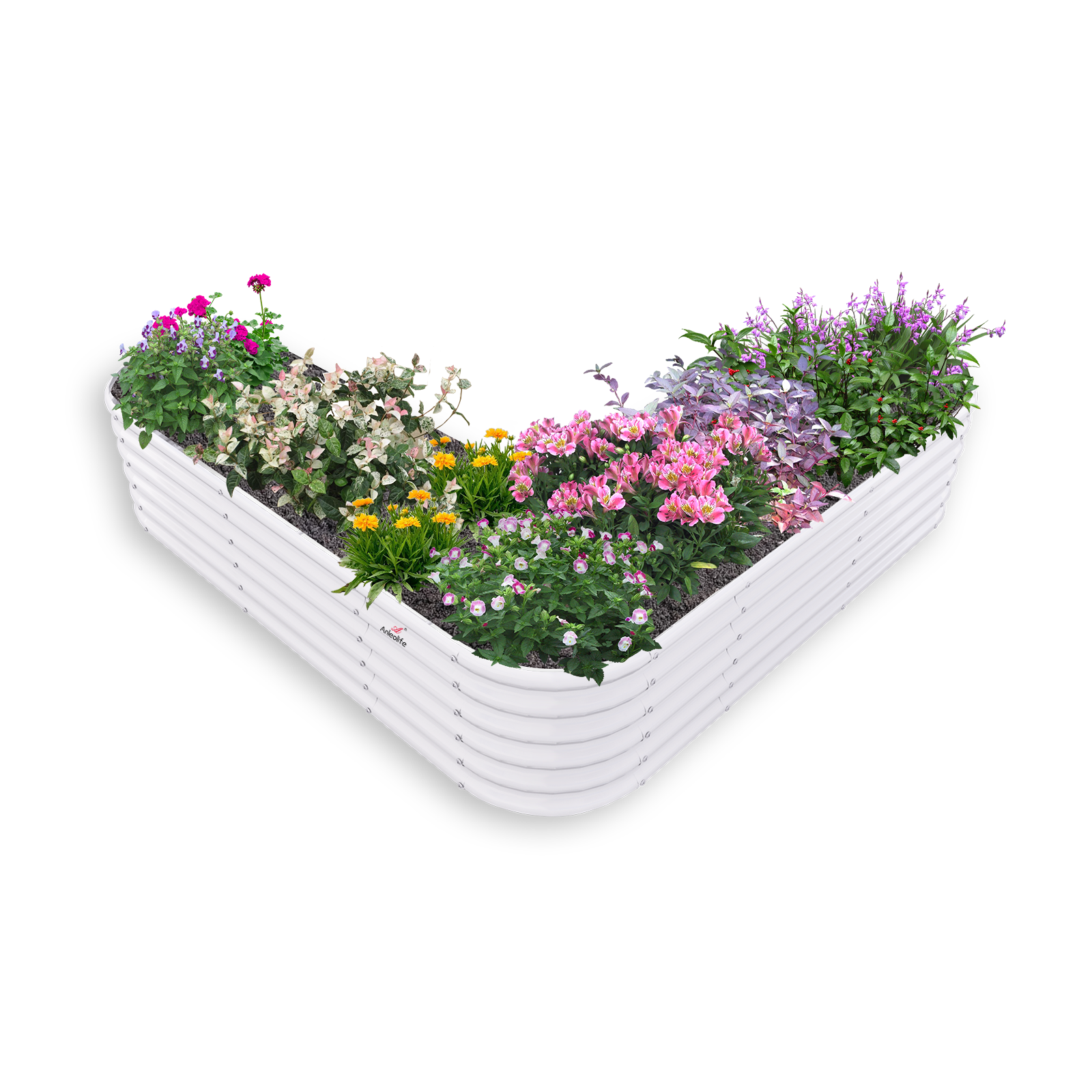
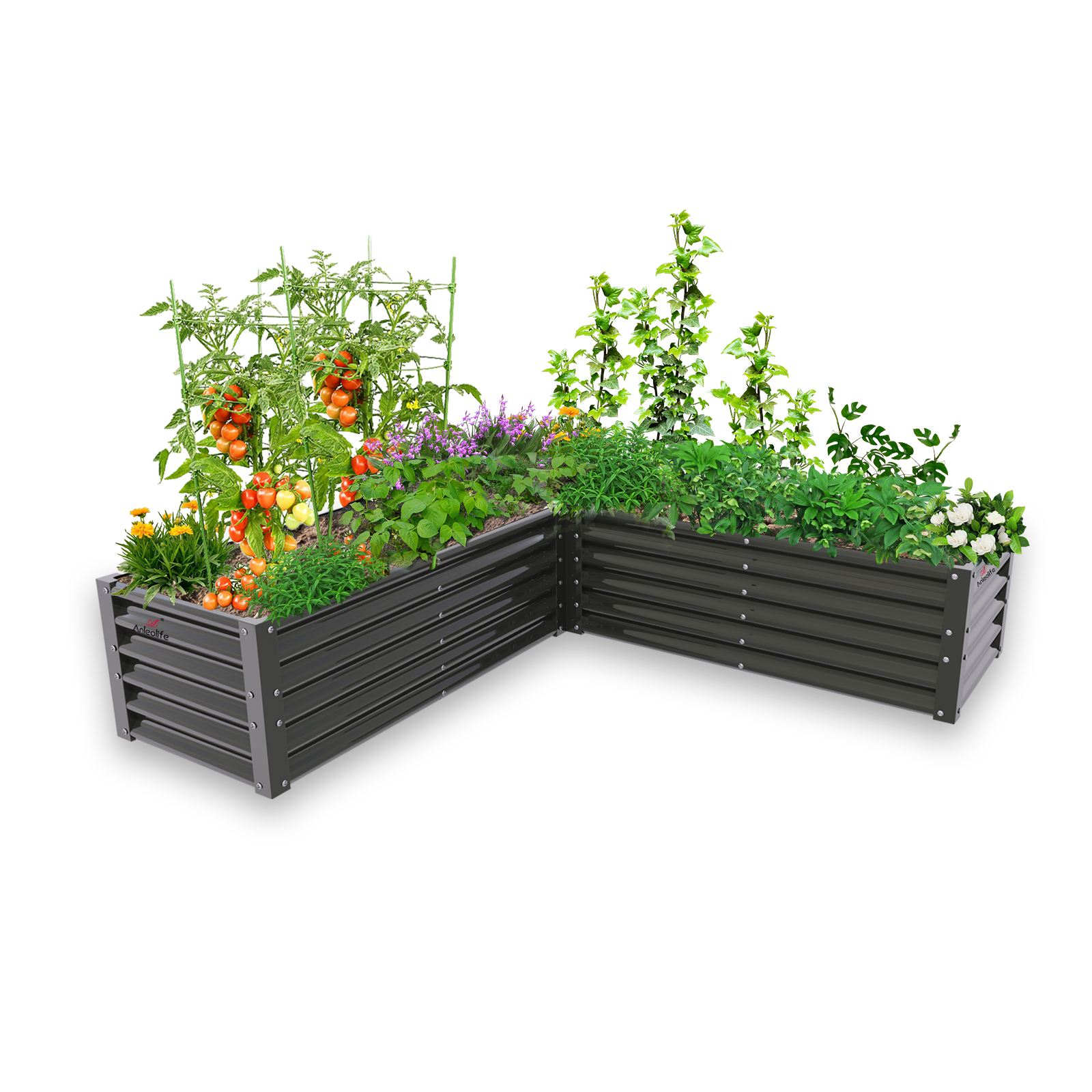
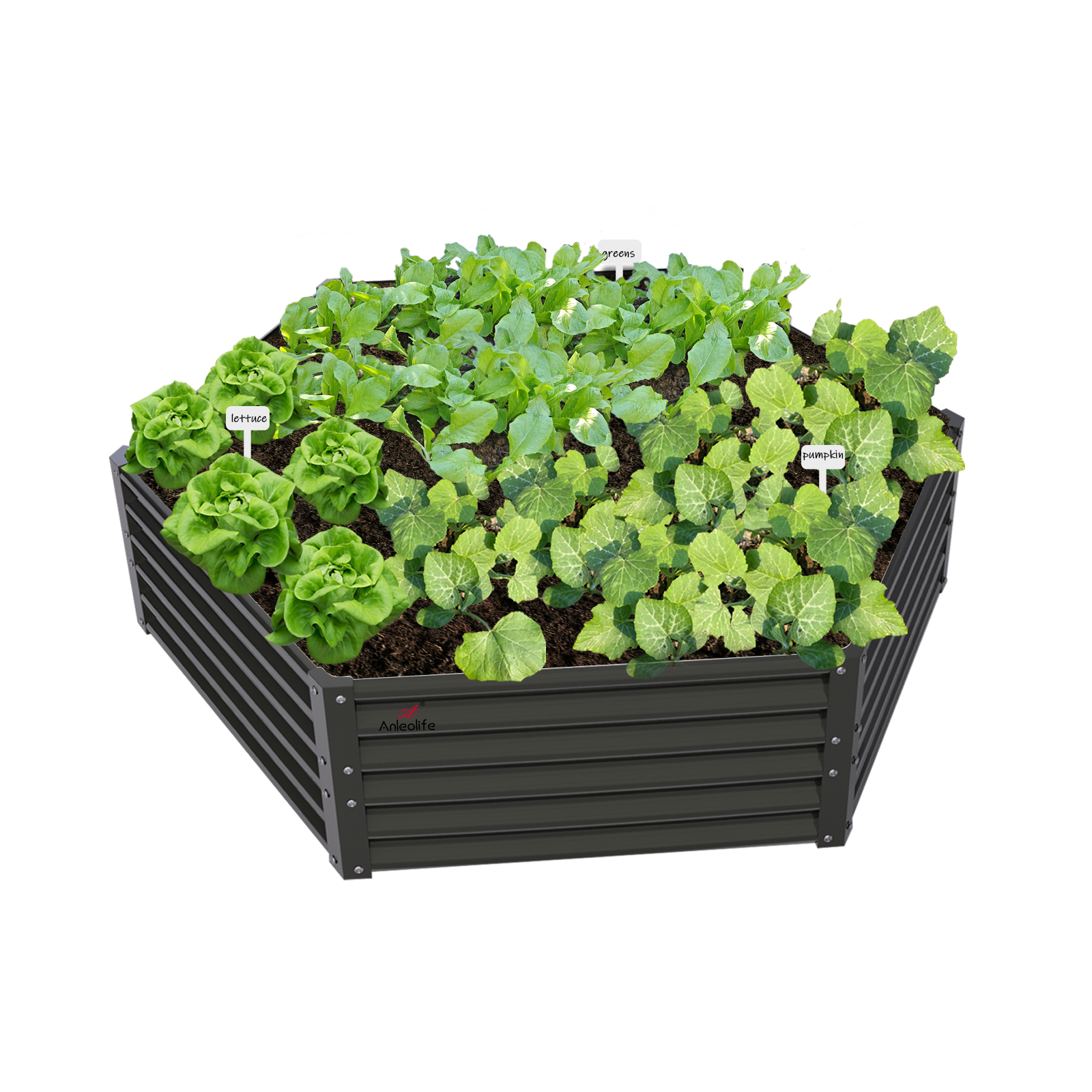
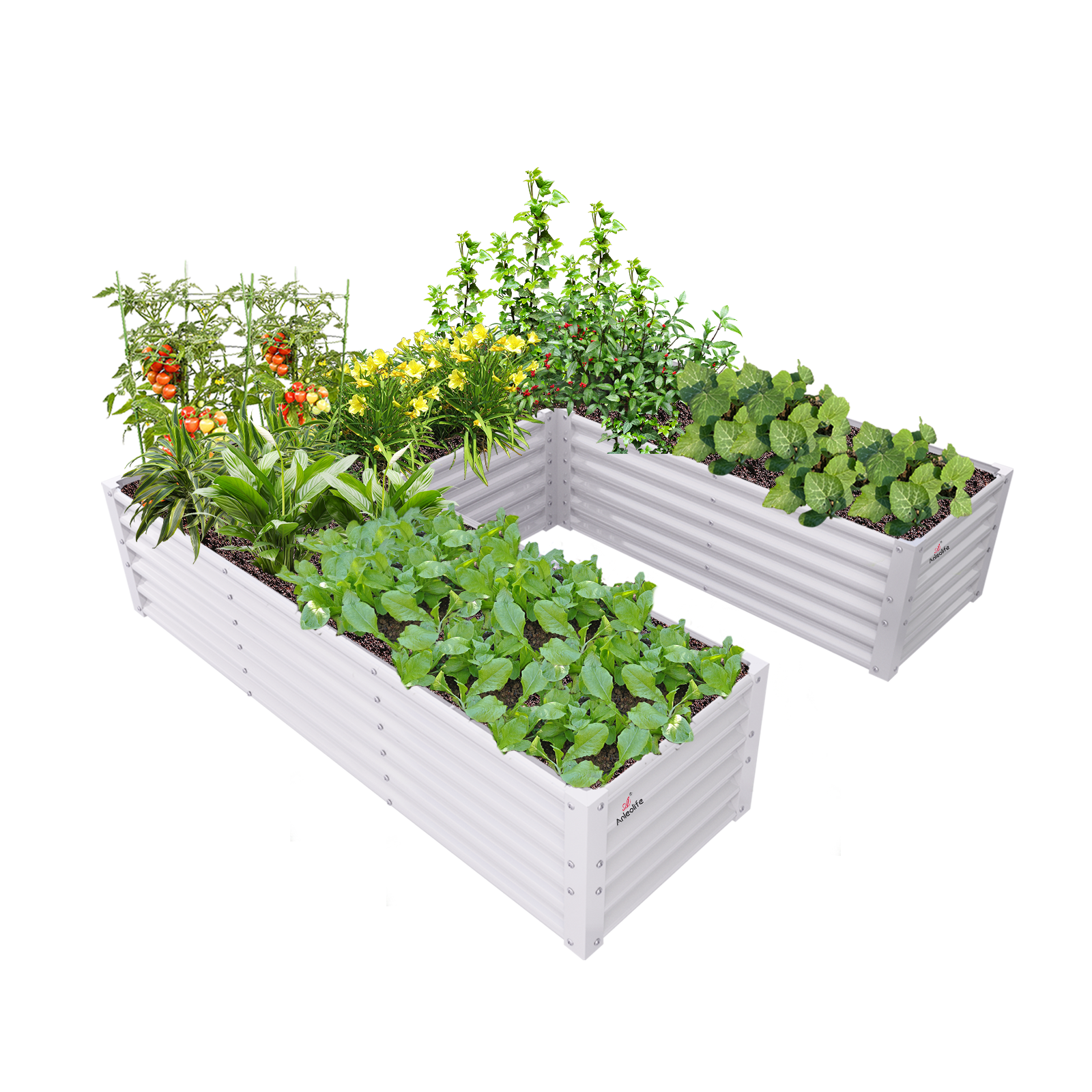

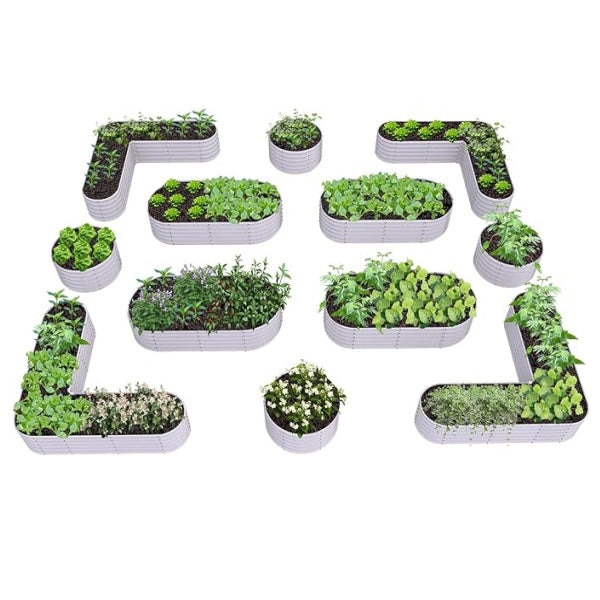

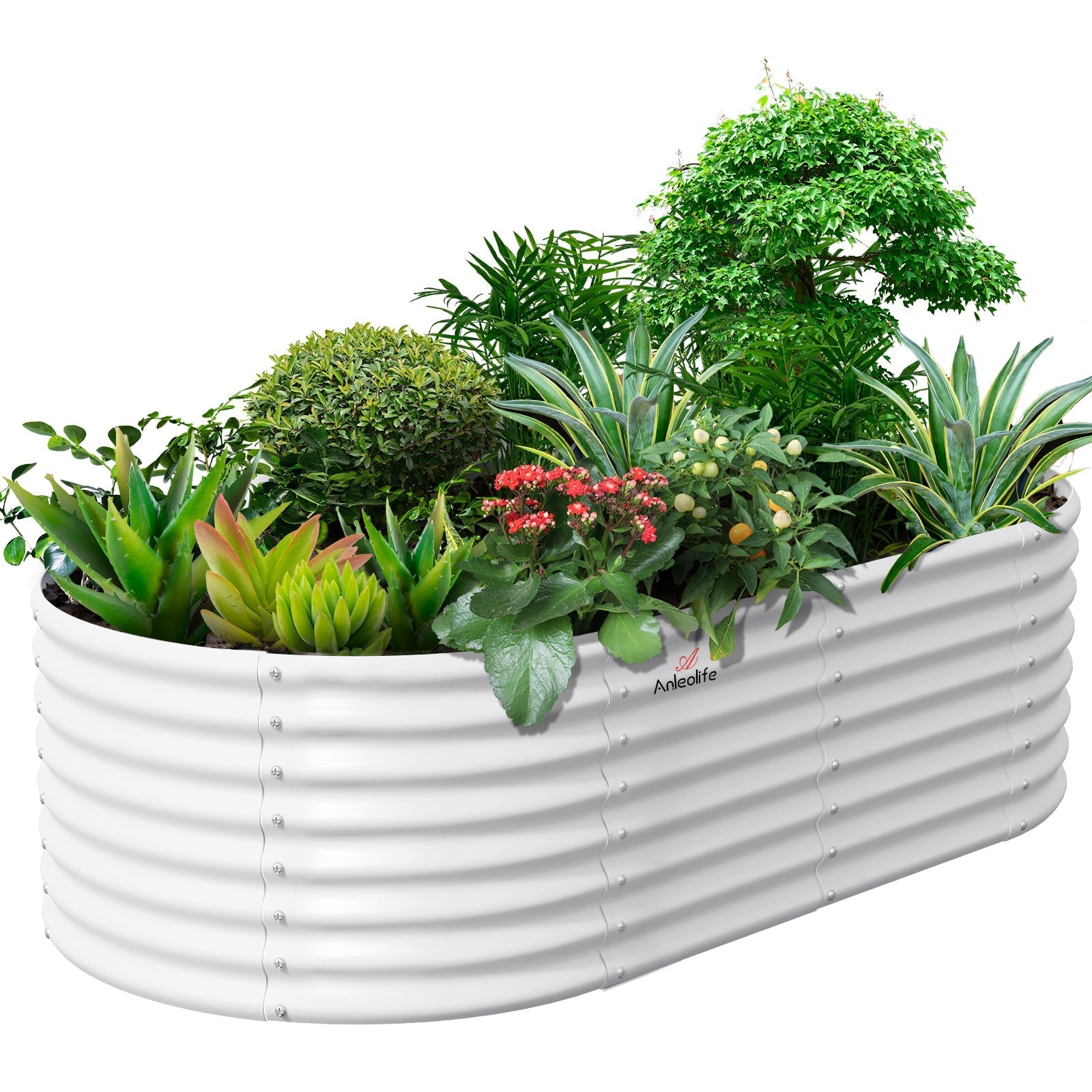

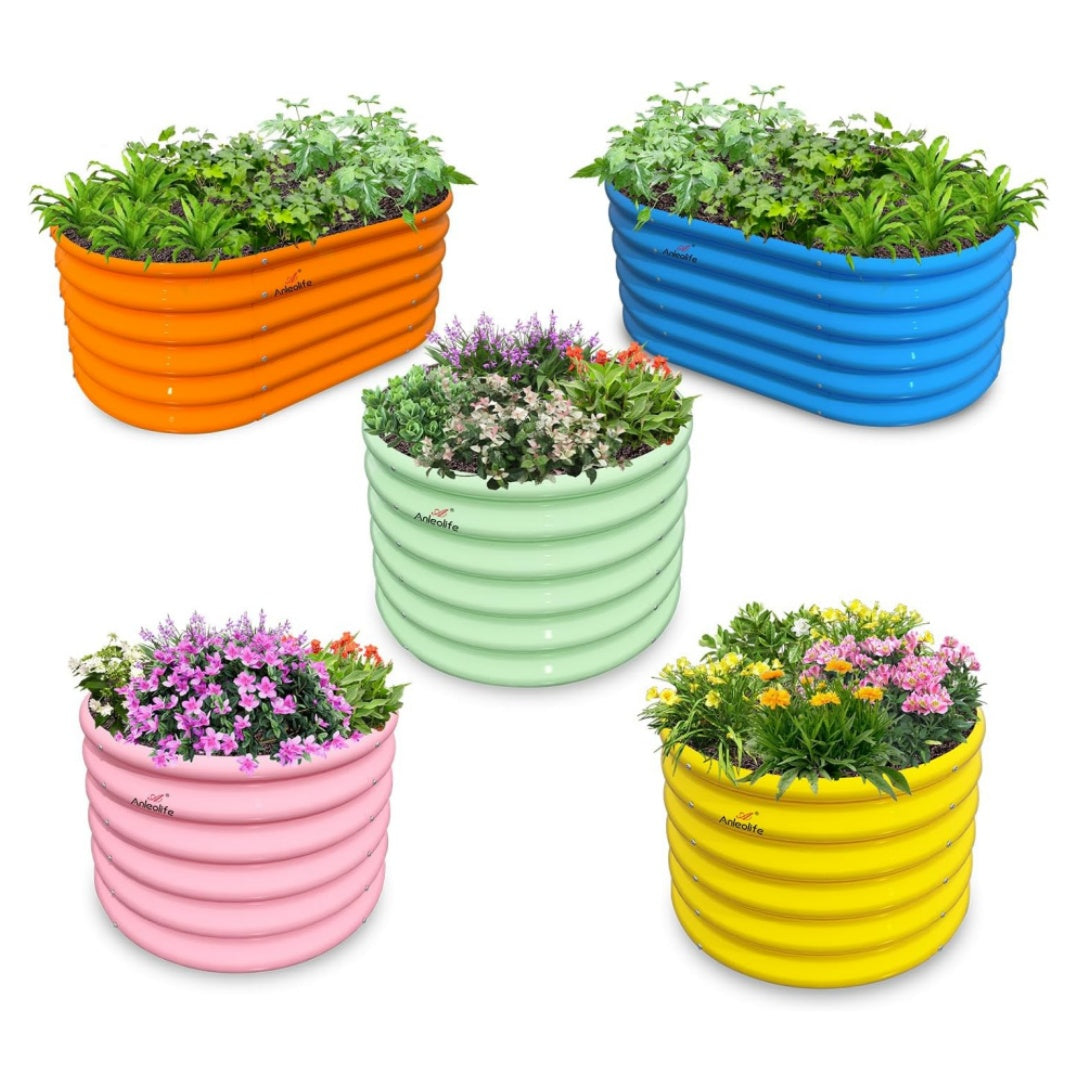
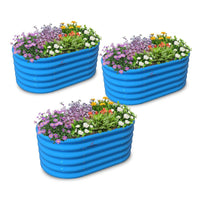
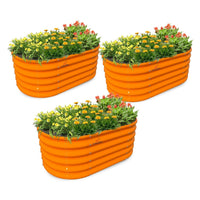
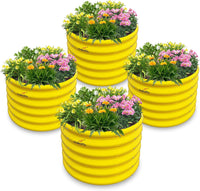
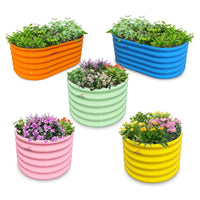
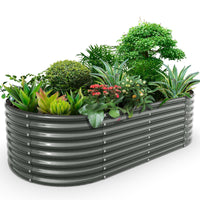


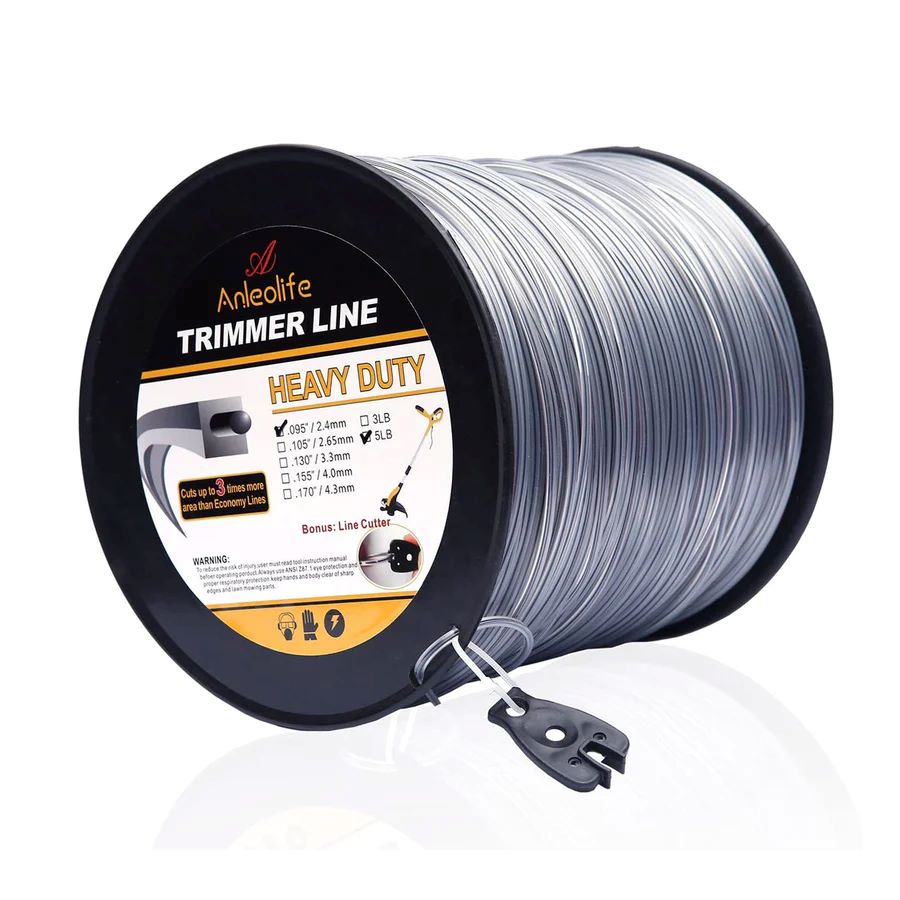

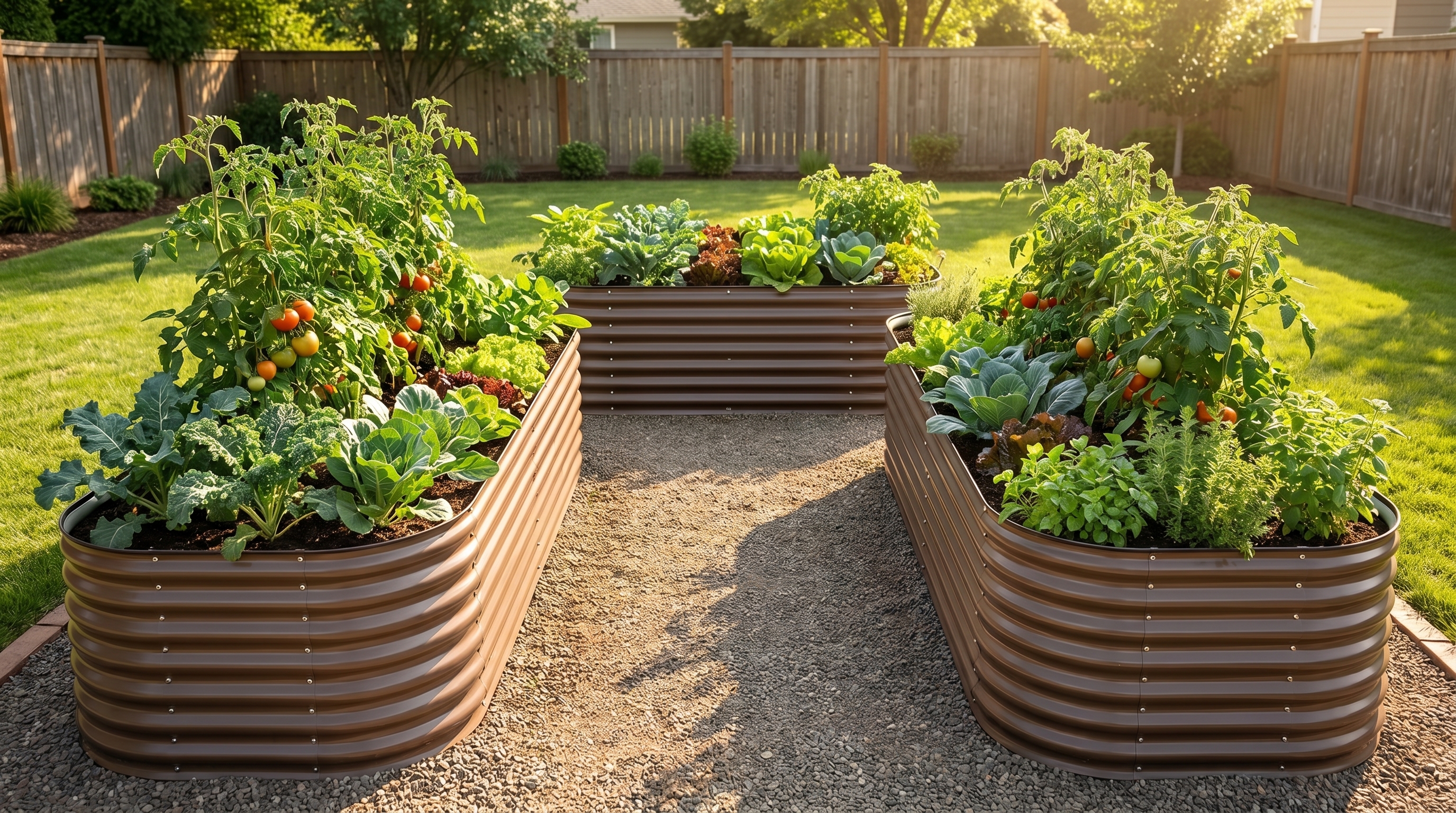
ALT: U-shaped garden layout with galvanized steel raised beds maximizing accessibility for home vegetable gardening
Why a U-Shape Garden Layout Is the Smartest Design for Accessible Vegetable Gardening
Key Conclusion: A U-shape garden layout is one of the most efficient designs for vegetable gardening accessibility, allowing gardeners to reach every plant from a central standing or seated position. By combining smart garden edging strategies with thoughtfully placed raised beds, you eliminate unnecessary bending, stepping over beds, and stretching. Whether you're managing a compact backyard or a sprawling suburban lot, the U-shape design — especially when paired with high-quality galvanized steel raised beds — delivers unmatched ergonomic comfort and yield potential. Understanding proper spacing, trimmer lines, and pathway management will take your layout from functional to exceptional.
The U-shape layout has been gaining momentum among home gardeners, particularly among those who value both productivity and physical comfort. Three core benefits make it stand out: it maximizes reachable growing area from a central access point, it naturally creates a sense of enclosure that organizes the garden visually, and it pairs beautifully with raised bed systems that bring soil up to a comfortable working height.
As we move through this guide, we'll explore exactly how to plan, build, and optimize a U-shape garden that works for your body, your space, and your planting goals — with raised bed solutions that last up to 20 years.
Who Should Use a U-Shape Garden Layout?
✅ Applicable Scenarios:
- Gardeners with limited mobility, back pain, or physical challenges who need everything within arm's reach
- Empty nesters and retirees who want a manageable, low-effort garden that still produces abundantly
- Urban micro-gardeners working with compact outdoor spaces like patios, side yards, or small backyards
- Beginner gardeners who want an organized layout that's easy to expand over time
- Families who want a dedicated vegetable gardening zone with clear pathways for children and adults
❌ Not Applicable/Cautions:
- Very large properties where a linear or grid layout would be more efficient for bulk planting operations
- Gardeners who prefer in-ground growing exclusively and cannot accommodate raised bed installation
- Spaces with significant slope or uneven terrain that would require extensive leveling before bed placement
- Anyone unwilling to commit to a defined pathway system, as foot traffic management is essential to the U-shape's success
The Growing Demand for Accessible Garden Designs
Home gardening in North America has undergone a quiet revolution over the past decade. According to the National Gardening Association, gardening participation surged dramatically in recent years, with food gardening in particular seeing consistent growth. What's changed most isn't just who is gardening — it's how they're doing it.
More gardeners today are prioritizing ergonomic design. Raised beds, once considered a niche preference, have become the dominant choice for home vegetable production. The shift is driven by aging demographics, a renewed focus on health-conscious food growing, and a desire to create beautiful outdoor living spaces that feel purposeful.
The U-shape garden layout sits at the intersection of all these trends. It's not just a practical choice — it's a lifestyle choice. When you can walk into the center of your garden, turn 180 degrees, and reach every plant without straining your back or kneeling in the dirt, gardening transforms from a chore into a genuine pleasure.
Garden edging and pathway design are often overlooked in this conversation, but they're central to making a U-shape layout function well. Clear, defined edges keep soil contained within beds, prevent grass from creeping in, and create clean visual boundaries that make the whole space feel intentional. Similarly, trimmer lines play an underrated role in maintaining the neat perimeter between pathways and growing zones — especially in gardens where grass or weeds border the layout.
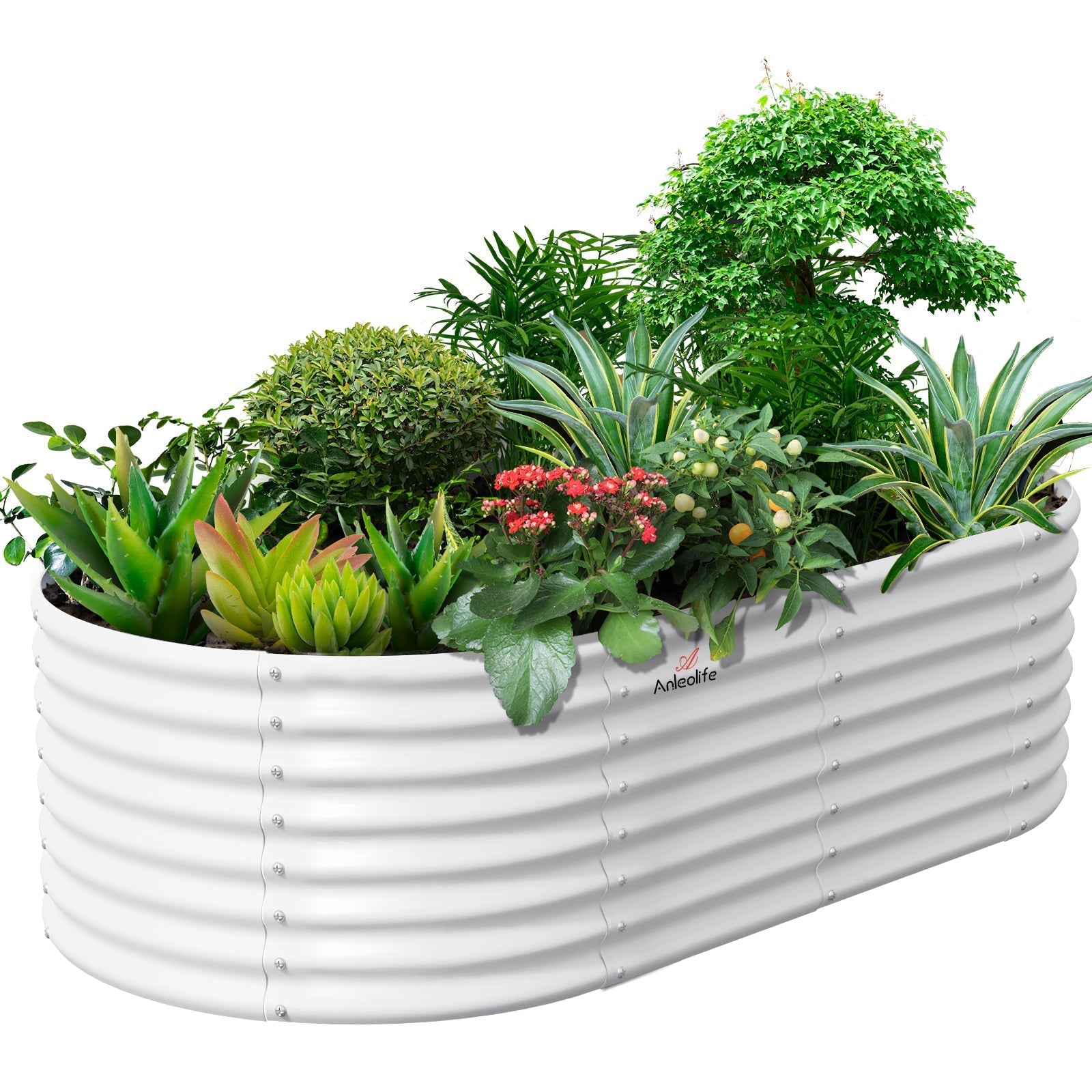
For gardeners new to raised bed systems, understanding material choices early is essential. Galvanized steel raised garden beds have become the gold standard for durability and aesthetics. Unlike wood, which degrades over time, high-quality galvanized steel beds can last up to 20 years — making them a genuine long-term investment in your garden infrastructure.
Anleolife's range of galvanized steel raised garden beds addresses exactly these needs, offering multiple sizes, heights, and configurations designed to fit a U-shape layout seamlessly. From compact 4x4 options for beginners to extra-tall 30-inch beds for maximum accessibility, there's a configuration for every gardener's body and space.
Designing Your U-Shape Garden: Step-by-Step Guide and Deep-Dive Solutions
Three-Step Quick Start
Step 1: Measure Your Space and Determine Bed Configuration
Before purchasing a single garden bed, spend 20–30 minutes mapping your available outdoor space. Measure the total area and identify the orientation — ideally, your U-shape should open toward the south (in the Northern Hemisphere) to maximize sun exposure. The central pathway inside the U should be at least 24–30 inches wide to allow comfortable movement and, if needed, wheelchair access. Sketch your layout on paper or use a free garden planning app to visualize bed placement.
Step 2: Select Your Raised Bed Heights Based on User Needs
Bed height is the single most important factor in accessibility. For standing gardeners with no mobility issues, 18-inch beds are a popular and cost-effective choice. For those with back pain, limited bending ability, or those who prefer to garden from a seated position, 24-inch extra-tall or 30-inch waist-high beds are genuinely transformative. Anleolife offers beds ranging from 18 inches all the way to 35 inches tall — the latter being ideal for true waist-height access without any bending whatsoever.
Step 3: Plan Pathways, Edging, and Trimmer Line Maintenance Zones
Once your bed positions are confirmed, plan your pathways carefully. The outer perimeter of the U and the central walkway both need defined surfaces — gravel, mulch, stepping stones, or pavers all work well. Install garden edging along every bed border to keep materials clean and separated. Mark your trimmer line maintenance zones now, before plants grow in, so you can establish a routine for keeping edges crisp throughout the growing season. This planning step takes roughly 30–45 minutes and saves significant maintenance time later.
Comparing U-Shape Layout Solutions: Raised Bed Options at a Glance
Choosing the right raised bed for a U-shape garden involves balancing size, height, material, and budget. Here's how the primary options compare across the most important dimensions for a functional U-shape layout:
| Comparison Dimension | Standard Height Galvanized Steel (18") | Extra-Tall Galvanized Steel (24"–30") | Waist-High Option (35") |
|---|---|---|---|
| Accessibility for standing adults | Good — comfortable for most users | Excellent — minimal bending required | Superior — zero bending, full standing access |
| Best for mobility-limited users | Moderate — some bending needed | High — recommended for back pain | Ideal — perfect for wheelchair users |
| Soil volume capacity | Moderate | High | Very high — deep root crops thrive |
| Durability | Up to 20 years (galvanized steel) | Up to 20 years (galvanized steel) | Up to 20 years (galvanized steel) |
| Best fit in U-shape layout | Side arms of the U | Side arms and back row | Back row focal point or standalone |
| Ideal user profile | Beginners, general home gardeners | Active adults, aging gardeners | Seniors, wheelchair users, those with chronic back issues |
| Available from Anleolife | ✅ Multiple sizes | ✅ Multiple sizes | ✅ 35" waist-high option available |
This table makes clear that the best raised garden bed for your U-shape layout depends fundamentally on who will be using it. For most middle-class families designing a multi-user garden, a combination of heights — say, 18-inch beds for younger family members and 24–30-inch beds for seniors or those with physical limitations — creates a layout that works for everyone.
Deep Dive: Every Element of a Great U-Shape Garden Layout
Choosing the Right Bed Sizes for Each Arm of the U
The U-shape layout traditionally consists of three sections: the left arm, the right arm, and the connecting back row. Each section serves a slightly different planting function, and choosing the right bed dimensions for each zone will significantly impact both usability and yield.
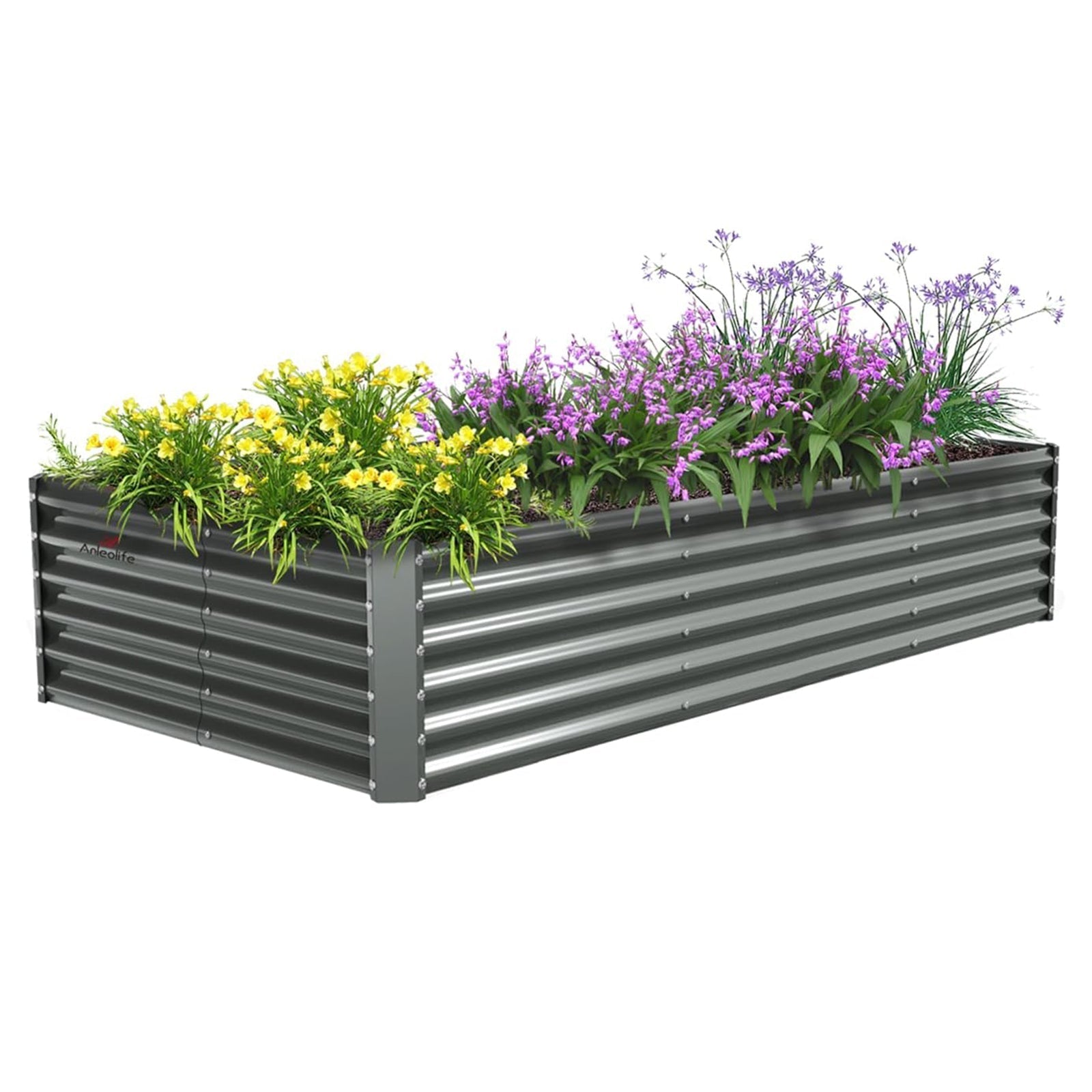
For the back row — the connecting section at the top of the U — longer beds work beautifully. Anleolife's galvanized steel beds in dimensions like 12x3 ft or 8x4 ft are perfect here, providing a generous growing surface for vining crops, trellised tomatoes, or tall perennial herbs that benefit from the most direct sun exposure in the layout.
For the side arms, slightly narrower beds are often more practical. A 6x3 ft or 8x4 ft configuration allows you to reach the center of the bed from either the outer pathway or the inner walkway — which is the fundamental ergonomic principle of the U-shape design. The maximum recommended bed width is 4 feet, ensuring that no plant is more than 2 feet from a pathway edge.
Getting the Central Pathway Right
The inside of the U — the central walkway — deserves careful attention. This is where you'll spend most of your time, so it should be:
- Minimum 24 inches wide for comfortable single-person movement
- 30–36 inches wide if you anticipate wheelchair or walker use
- Surfaced with a non-slip, low-maintenance material like compacted gravel or rubber mulch
- Flat and level, even if your yard has slight grade variations
A poorly designed central pathway undermines the entire accessibility benefit of the U-shape layout. If it's too narrow, you'll feel cramped. If the surface is uneven or muddy, accessibility drops significantly, especially for older gardeners.
Garden Edging: The Unsung Hero of a Tidy U-Shape
Garden edging is what separates a well-maintained U-shape garden from a messy one. Clean edges around every raised bed and along every pathway boundary prevent:
- Soil migration onto walking surfaces
- Grass and weed encroachment into bed zones
- Visual disorder that makes the garden feel unmanaged
Metal edging (often made from the same galvanized steel used in raised beds) provides the most durable, long-lasting boundary. Plastic edging is budget-friendly and easy to install, while natural stone edging adds a premium aesthetic quality. Choose your edging material based on how it complements your raised beds and your overall garden style.
Using Trimmer Lines to Maintain Clean Boundaries
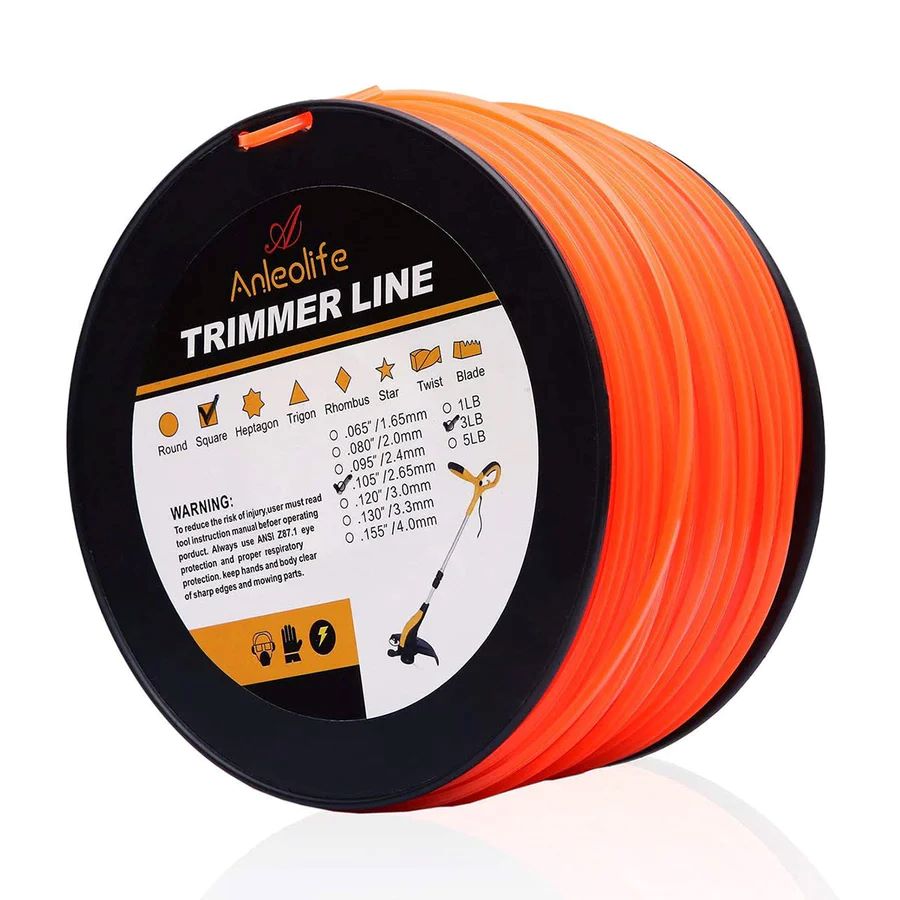
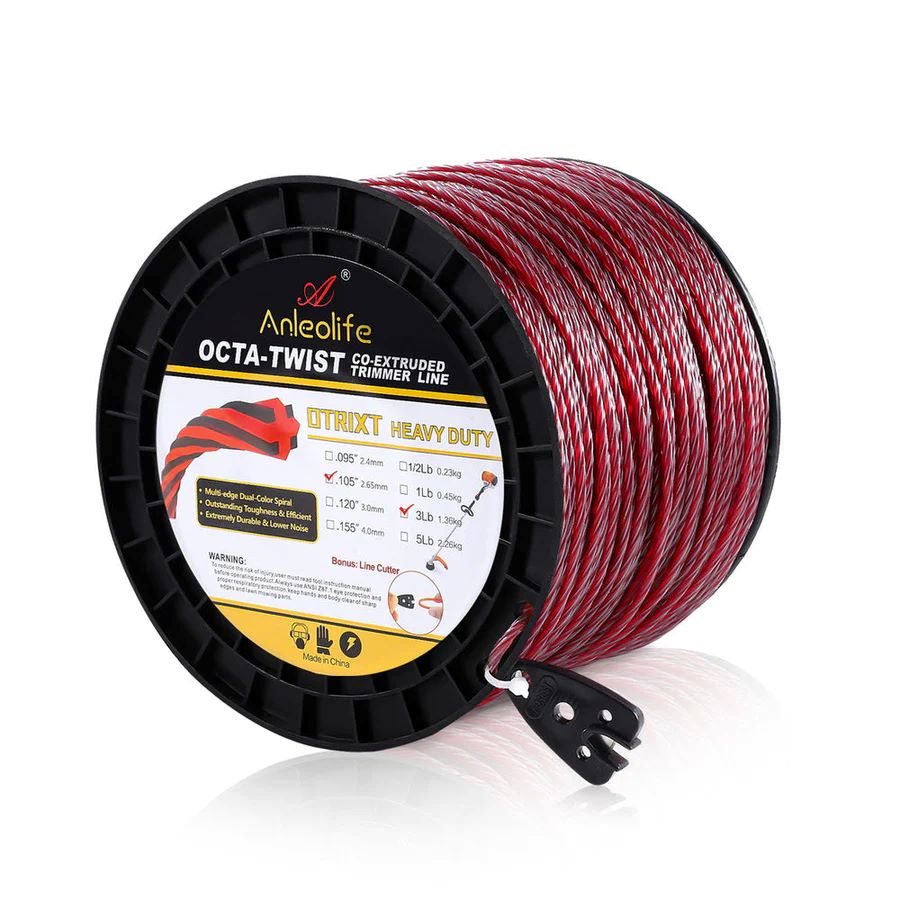
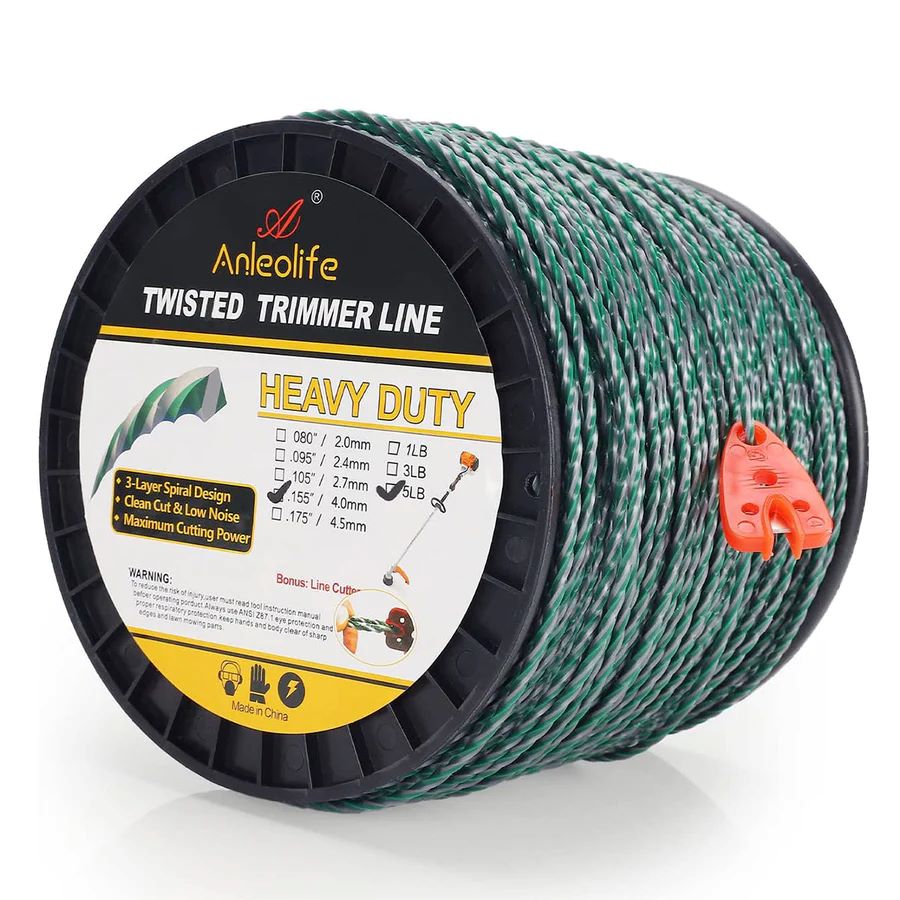
Trimmer lines are the ongoing maintenance tool that keeps your U-shape garden looking sharp season after season. Even the best-installed edging needs regular attention — grass creeps, mulch migrates, and pathway surfaces shift over time.
Establish a weekly or bi-weekly routine of trimming along every bed boundary and pathway edge during the growing season. A string trimmer with a fresh, appropriately gauged line makes this a 10-15 minute task per week rather than a major occasional project. The key is consistency: trimming little and often preserves clean edges far better than infrequent major corrections.
What Are the Best Raised Garden Beds for Beginners in a U-Shape?
This question comes up constantly, and the answer depends on a few key factors. For beginners, the best raised garden beds combine ease of assembly, durability, and a manageable size that doesn't feel overwhelming.
Galvanized steel beds from Anleolife rank among the top choices for beginners for three reasons. First, they require no painting, staining, or sealing — unlike wood beds that demand regular maintenance to prevent rot. Second, their structural integrity means the bed holds its shape season after season without warping. Third, the 20-year lifespan means your first garden bed investment grows with you as your skills and ambitions expand.
For a beginner's U-shape layout, starting with three beds — two for the side arms and one for the back row — in a modest 18-inch height is a practical, cost-effective approach. As confidence grows, adding extra-tall beds or additional arm extensions is simple with Anleolife's modular designs.
Soil Systems and Planting Zones Within the U-Shape
One of the underappreciated benefits of the U-shape layout is how naturally it organizes your vegetable gardening zones. Because the back row typically receives the most unobstructed sunlight, it's ideal for tall crops: indeterminate tomatoes, pole beans, cucumbers on a trellis, or sweet corn. The side arms, which may receive slightly more shade as the season progresses, suit medium-height crops: peppers, eggplant, bush beans, and leafy greens.
The inner walkway zone, if wide enough, can even accommodate a small portable herb garden or container plants — giving you instant access to cooking herbs while working in the main beds.
Fill your raised beds with a quality blended soil mix — typically one part compost, one part topsoil, and one part aeration material like perlite or coarse sand. The deep soil volume available in extra-tall and waist-high beds is particularly valuable for root vegetables like carrots, beets, and parsnips that need at least 12 inches of loose, uncompacted growing medium.
Material Matters: Why Galvanized Steel Outperforms Cedar and Other Options
Among the most common questions gardeners ask when researching — what kind of raised garden bed is best? — the material comparison inevitably takes center stage.
Cedar raised garden beds have long been popular for their natural appearance and natural resistance to decay. However, even high-quality cedar typically lasts 5–10 years before requiring replacement or significant maintenance. Over a 20-year horizon, that means buying and installing multiple replacement beds.
Galvanized steel offers a compelling alternative. Modern galvanized steel raised garden beds are treated to resist rust and corrosion, and when manufactured to quality standards, can genuinely last up to 20 years. Anleolife's galvanized steel and rust-resistant raised garden beds are designed with this longevity in mind, making them a cost-effective choice over any extended time horizon.
For families who want the warmth of natural materials with metal durability, Anleolife's Rust-Resistant Raised Garden Beds offer a middle path — providing the structural integrity of metal construction with finishes that complement natural garden aesthetics.
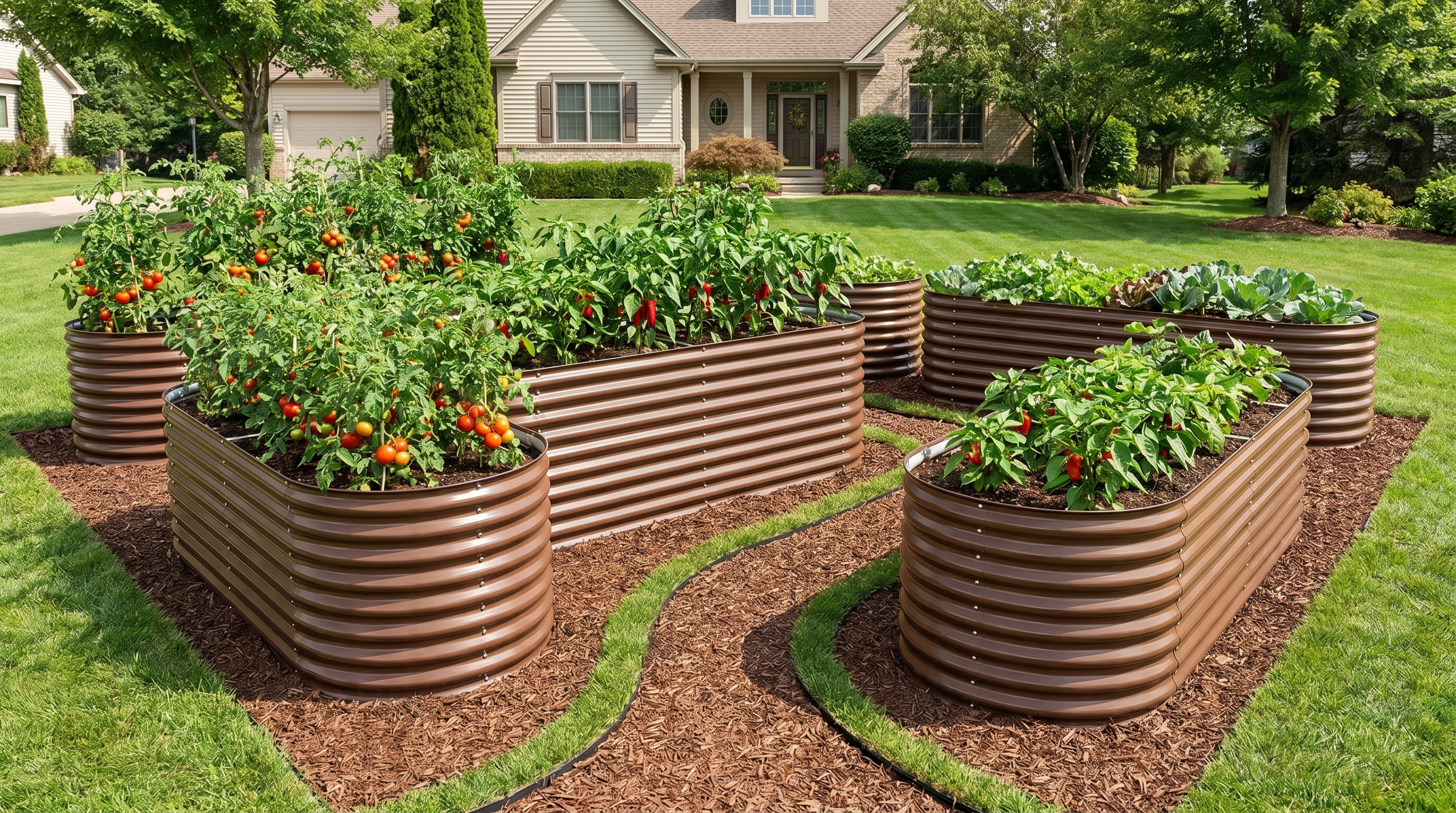
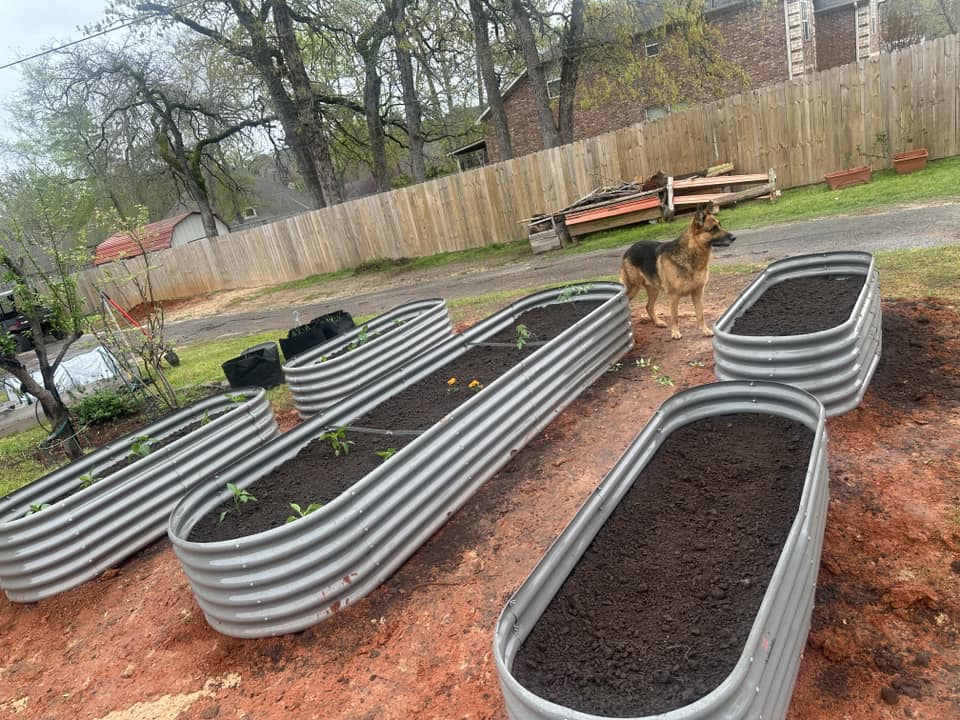
ALT: Anleolife galvanized steel raised garden beds arranged in a U-shape layout with clean garden edging and trimmer line maintained pathways for accessible vegetable gardening
Advanced Considerations for Your U-Shape Garden Layout
Handling Sloped Terrain in a U-Shape Design
One of the most common challenges gardeners face when implementing a U-shape layout is working with slightly uneven terrain. The good news: raised beds actually make this easier to solve than in-ground gardening. Each bed can be leveled independently by adding gravel beneath the base or using shims. For more significant slopes, terracing — where each arm of the U sits at a slightly different elevation — creates a visually dramatic and highly functional solution.
Expanding the Layout Over Time
A beautifully designed U-shape garden doesn't have to be built all at once. Anleolife's modular raised garden beds are specifically designed for incremental expansion. Start with a basic three-bed configuration, then add beds to extend the arms of the U, increase planting height with stacked extensions, or add a second U adjacent to the first for a larger growing ecosystem. This flexibility is particularly valuable for gardeners who are new to raised bed vegetable gardening and want to grow their setup alongside their skills.
Common Misconception: "U-Shape Gardens Are Only for Large Spaces"
This couldn't be further from the truth. A U-shape layout can work in spaces as compact as 10x10 feet, using smaller 4x4 or 6x3 beds with narrow but functional internal pathways. Urban micro-gardeners on balconies or compact patios can adapt the principle using container-sized raised beds arranged in a U-configuration — the ergonomic benefit scales with the space.
Frequently Asked Questions FAQ
Q1: How wide should the central pathway be in a U-shape garden for wheelchair accessibility?
For standard wheelchair accessibility, the central walkway inside a U-shape garden should be a minimum of 36 inches wide — ideally 42–48 inches to allow for comfortable maneuvering and turning. If the garden will also be used by able-bodied family members, 30 inches may suffice for casual walking, but investing in a wider pathway dramatically expands who can comfortably use and enjoy the space. Flat, firm surfaces like compacted gravel or paved stone are recommended for the best accessibility outcome.
Q2: Are galvanized steel raised garden beds safe for growing vegetables?
Yes, modern galvanized steel raised garden beds are widely regarded as safe for vegetable gardening. The galvanization process creates a zinc coating that resists corrosion, and research indicates that the minimal zinc that may migrate into soil is at levels well below health concern thresholds. Anleolife's galvanized steel and rust-resistant beds are designed for food-growing applications, and their 20-year durability means you won't need to worry about material degradation compromising your growing environment for decades.
Q3: How long does it take to set up a basic U-shape garden layout with three raised beds?
For a first-time gardener, assembling and positioning three Anleolife raised garden beds for a U-shape layout typically takes a weekend — roughly 4–6 hours for assembly, leveling, and pathway preparation. Filling the beds with soil mix adds additional time depending on volume. Anleolife delivers within 3–8 business days across the continental U.S., so from order to first planting, most gardeners can complete the full process within 2–3 weeks, including delivery and setup time.
Summary
A U-shape garden layout is more than an aesthetic choice — it's a purposeful design that puts the gardener at the center of the experience, both literally and figuratively. Three core takeaways define its value:
First, the U-shape maximizes accessibility. By placing all plant zones within arm's reach of a central pathway, it eliminates the physical strain that causes so many gardeners to give up or reduce their gardening ambitions over time.
Second, the combination of well-chosen raised beds, defined garden edging, and consistent trimmer line maintenance creates a garden that looks as good as it performs. Visual order and physical function reinforce each other in this layout.
Third, choosing the right materials — particularly high-quality galvanized steel raised beds designed for longevity — means your U-shape garden can serve you for 20 years or more, evolving alongside your gardening skills and your family's needs.
Your next steps: measure your available space this week, sketch your U-shape configuration, and choose the bed heights that suit your body and your planting goals. Start with what feels manageable, and build from there — the beauty of modular raised bed systems is that there's no pressure to do it all at once.
Start Building Your U-Shape Garden with Anleolife
Nationwide U.S. warehouse network: Strategically located in California, Texas, Florida, New York, Illinois, and Washington to ensure delivery within 3–8 business days — so your garden upgrade plans never have to wait.
Multi-channel availability: Products are available on major platforms including Amazon, Walmart, Home Depot, Lowe's, and Wayfair, as well as directly at Anleolife.com, offering consistent quality assurance and responsive after-sales support.
Three complete garden scenarios: Planting (metal raised garden beds, soil systems), Raising (chicken coops, rabbit hutches), and Beautification (decorative accessories, pathway systems) — meeting your full needs from functionality to aesthetics.
We understand that an ideal garden is not built overnight, but gradually improved over time. Anleolife's modular product design allows flexible expansion based on your needs — from your first U-shape layout with a standard 8x4 raised bed to a fully integrated planting-and-raising ecosystem. We grow with you every step of the way.
References
- National Gardening Association. "Garden to Table: A Guide to Growing Food at Home".
https://garden.org/ - University of California Agriculture and Natural Resources. "Raised Bed Gardening".
https://ucanr.edu/ - U.S. Department of Agriculture (USDA). "Home and Community Gardening Resources".
https://www.usda.gov/topics/farming/urban-agriculture - Penn State Extension. "Planning a Vegetable Garden".
https://extension.psu.edu/planning-a-vegetable-garden - Cornell Cooperative Extension. "Raised Bed Gardening for Beginners".
https://cals.cornell.edu/cornell-cooperative-extension
Note: Standards and recommendations may be updated; please check the latest official documents or consult professional gardening advisors for the most current guidance.
About Anleolife
Anleolife is a leading outdoor garden solutions provider in North America, dedicated to offering a full-scenario product ecosystem for home gardening enthusiasts, covering planting, raising, and garden beautification. Since its founding, we have upheld our brand mission, "Made for Garden Life," continuously innovating products and optimizing services to help hundreds of thousands of users upgrade their gardens, reconnect with nature, and enjoy a better garden lifestyle.