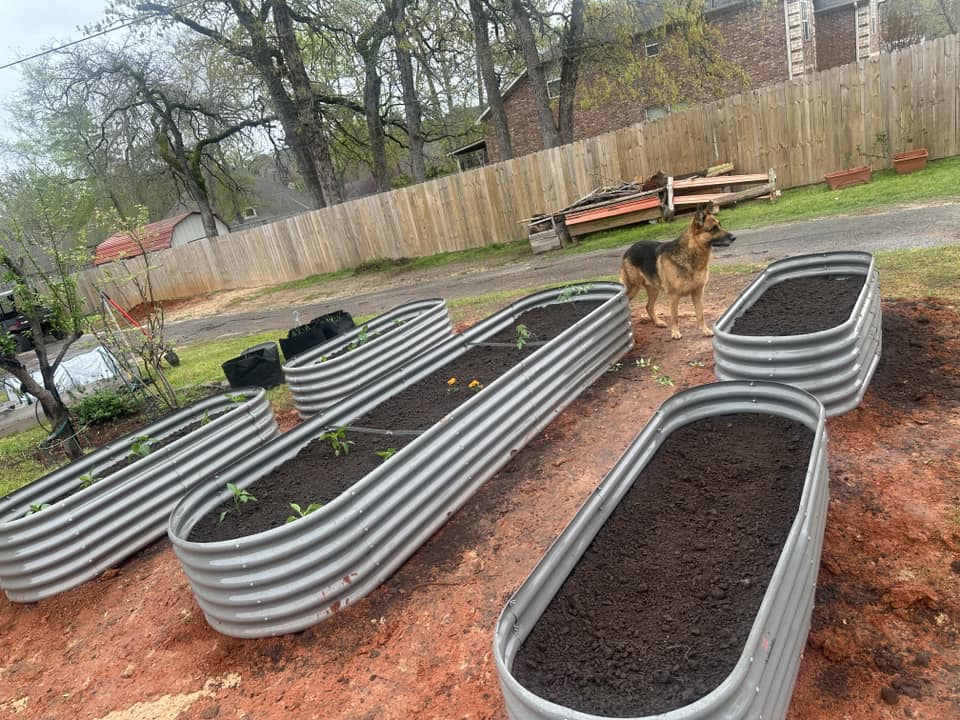



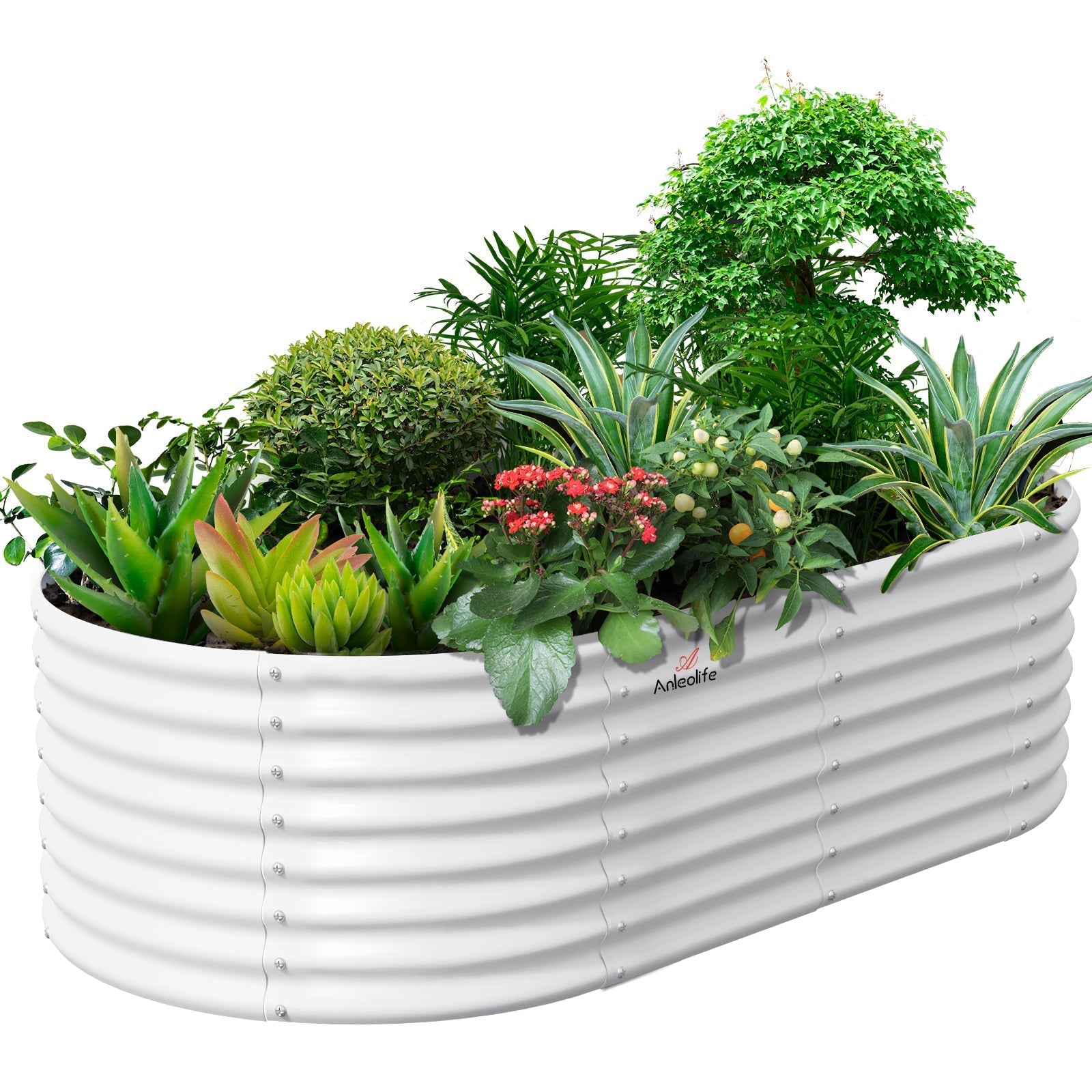
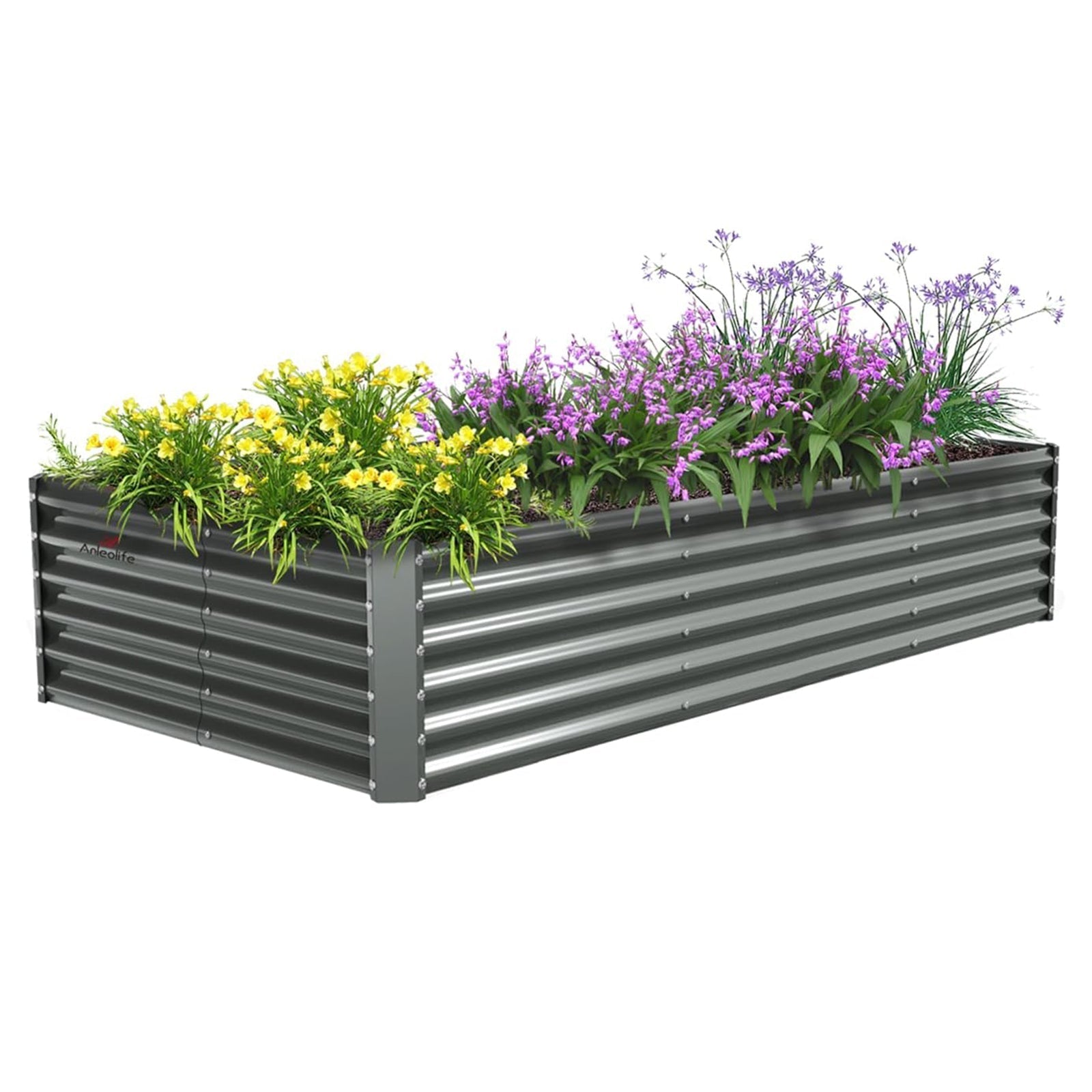
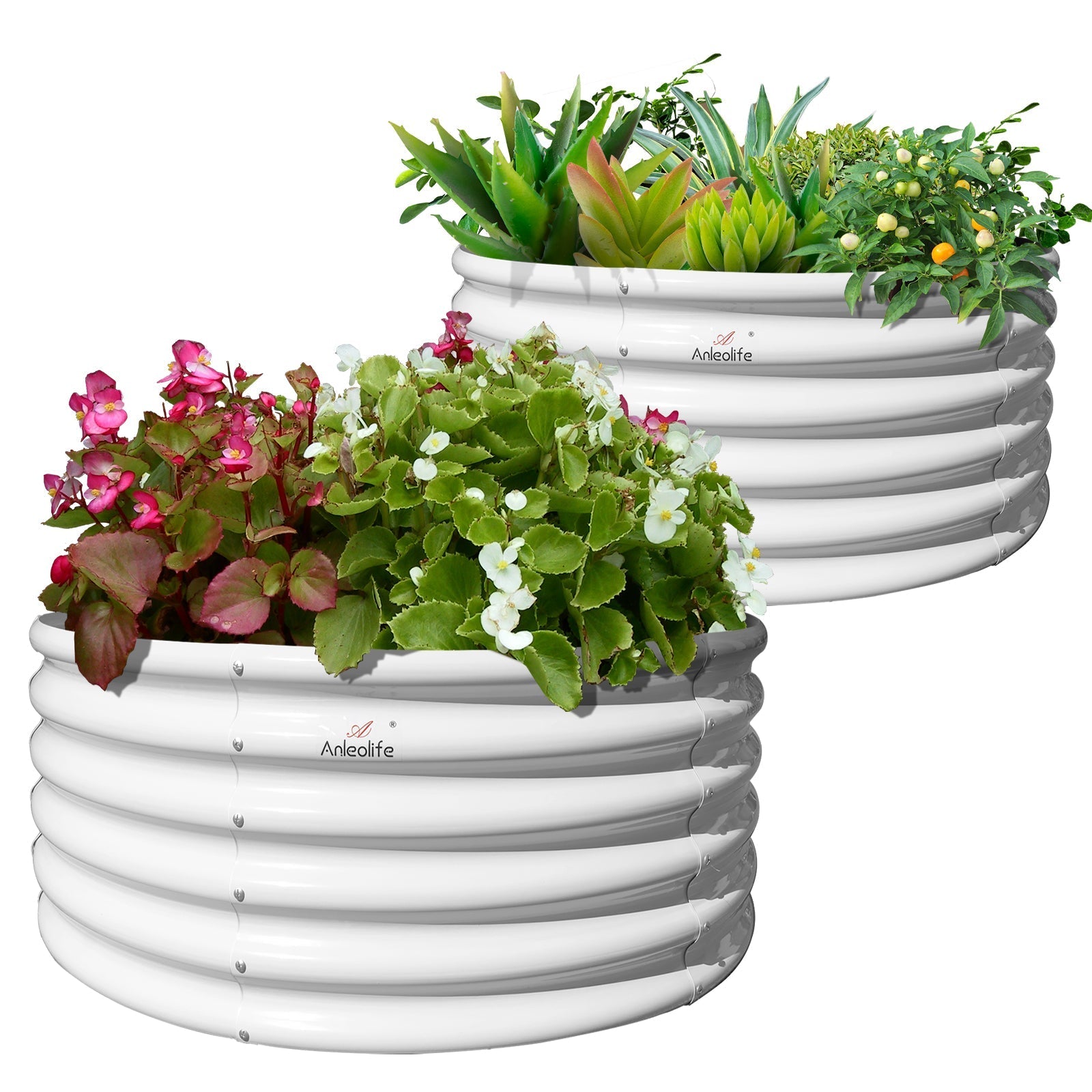
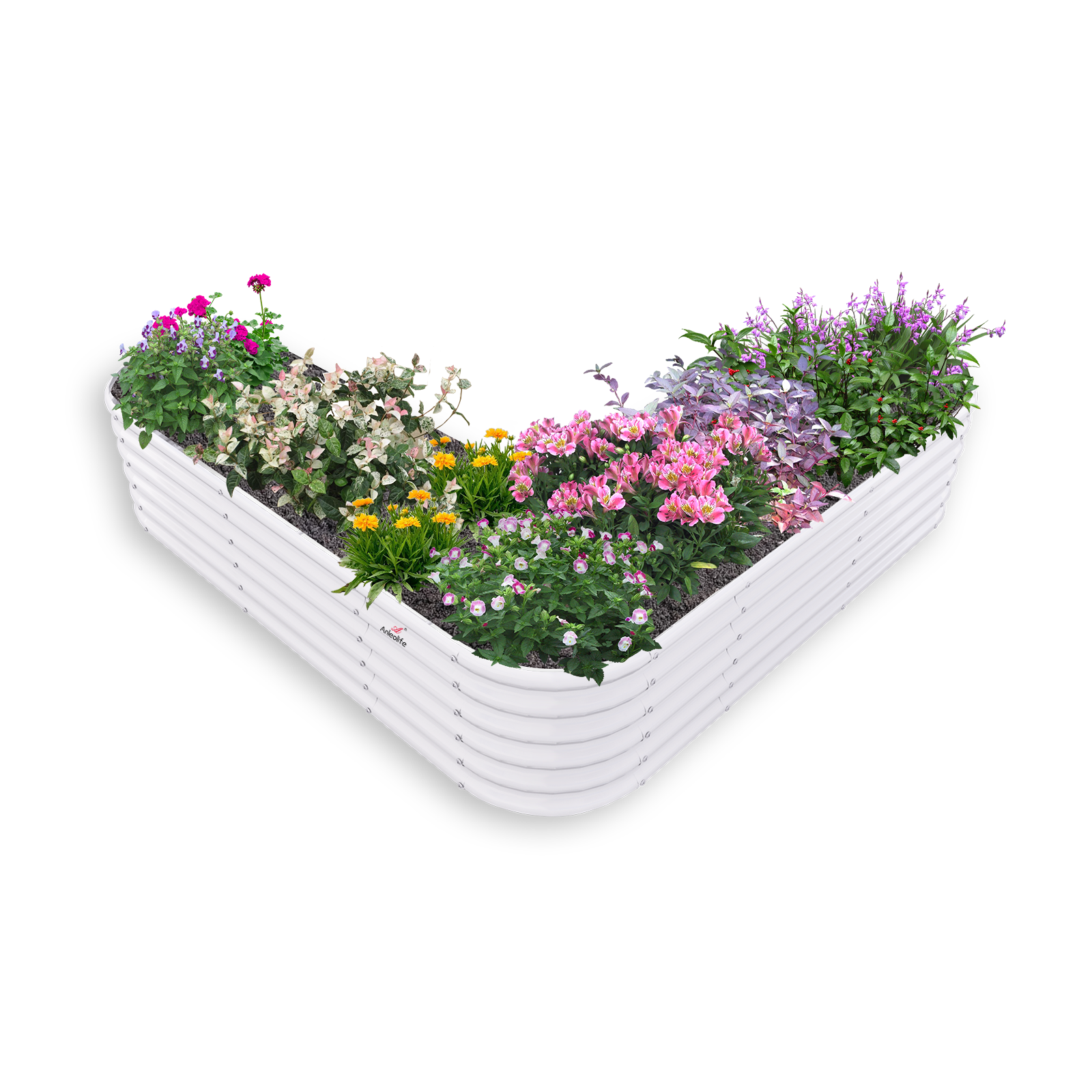
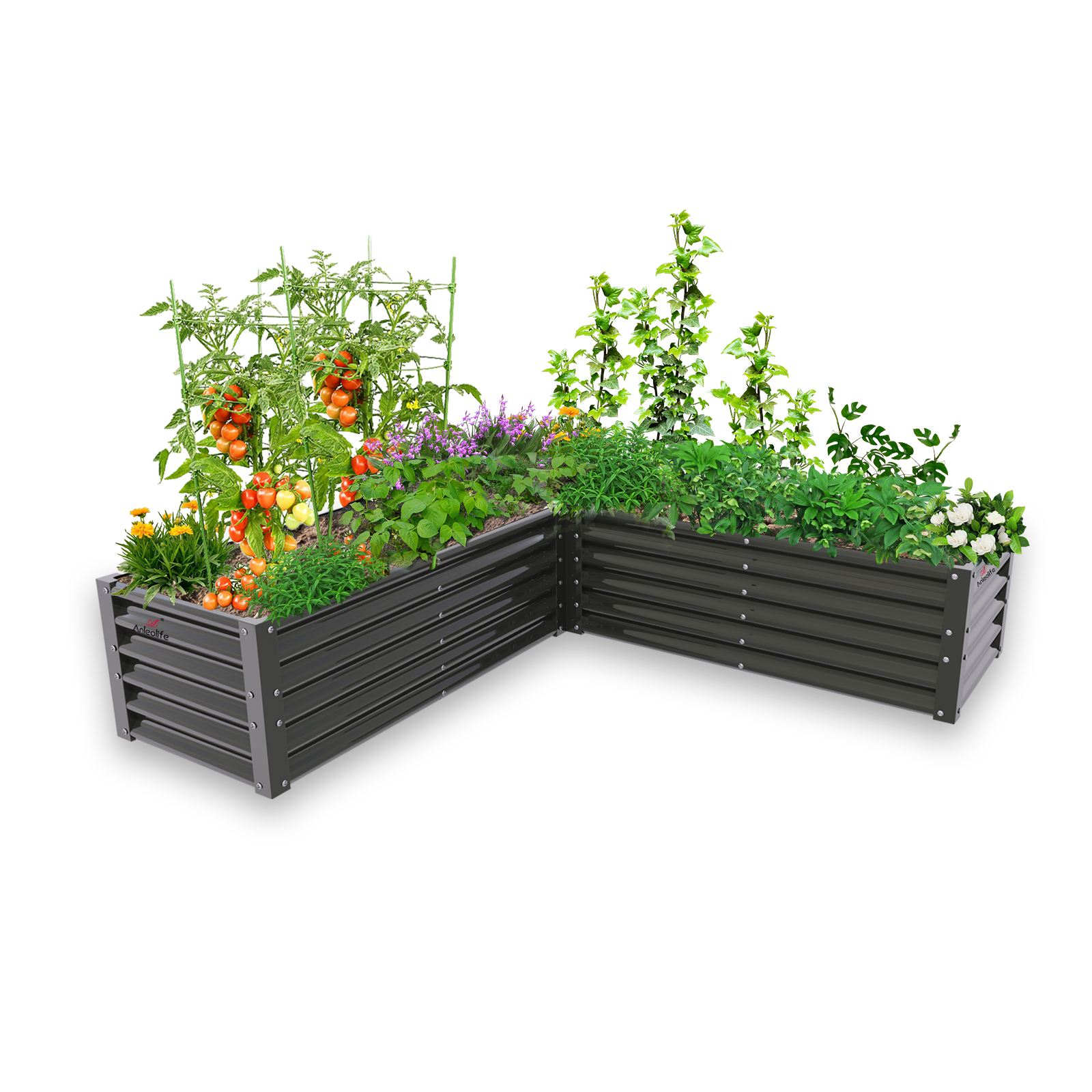
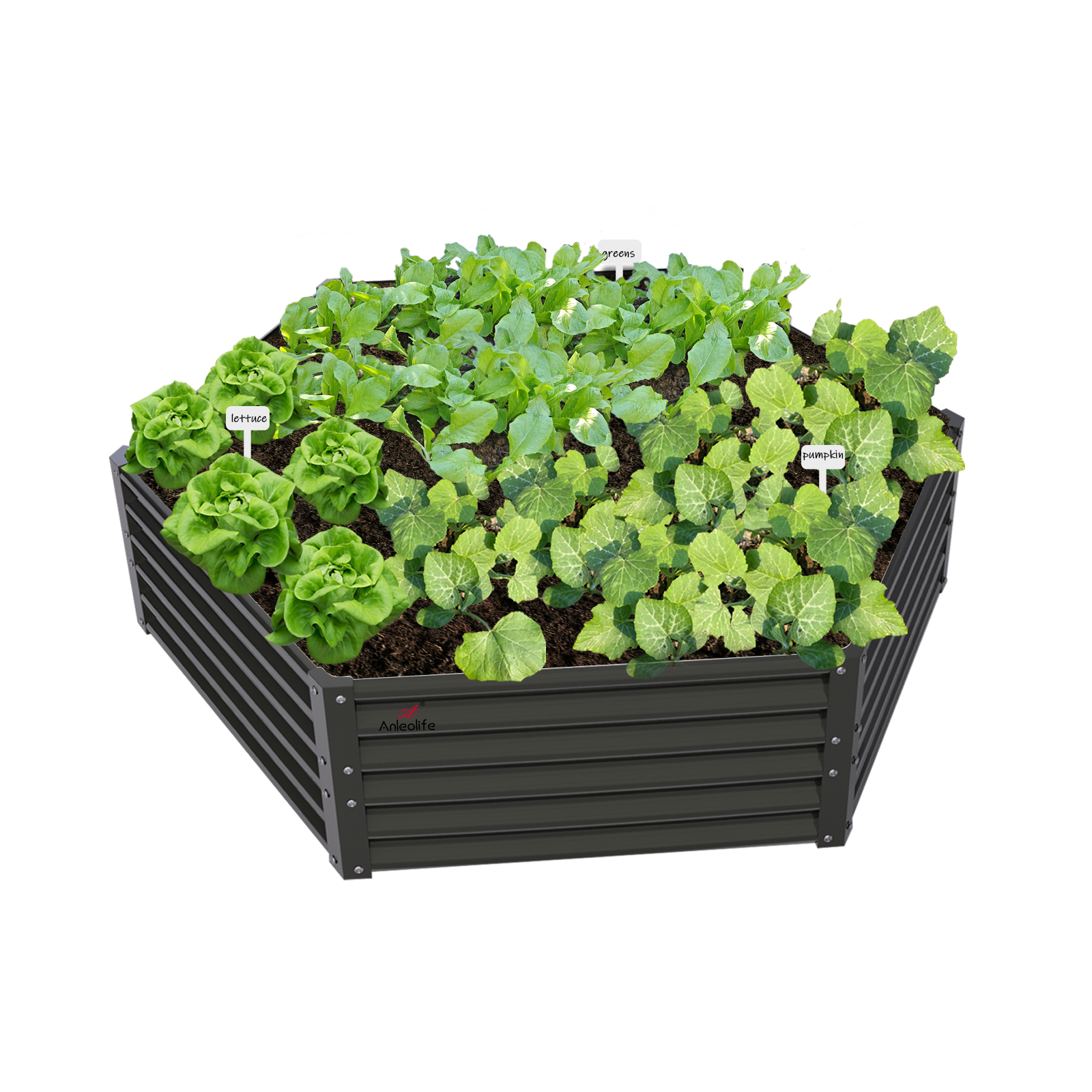
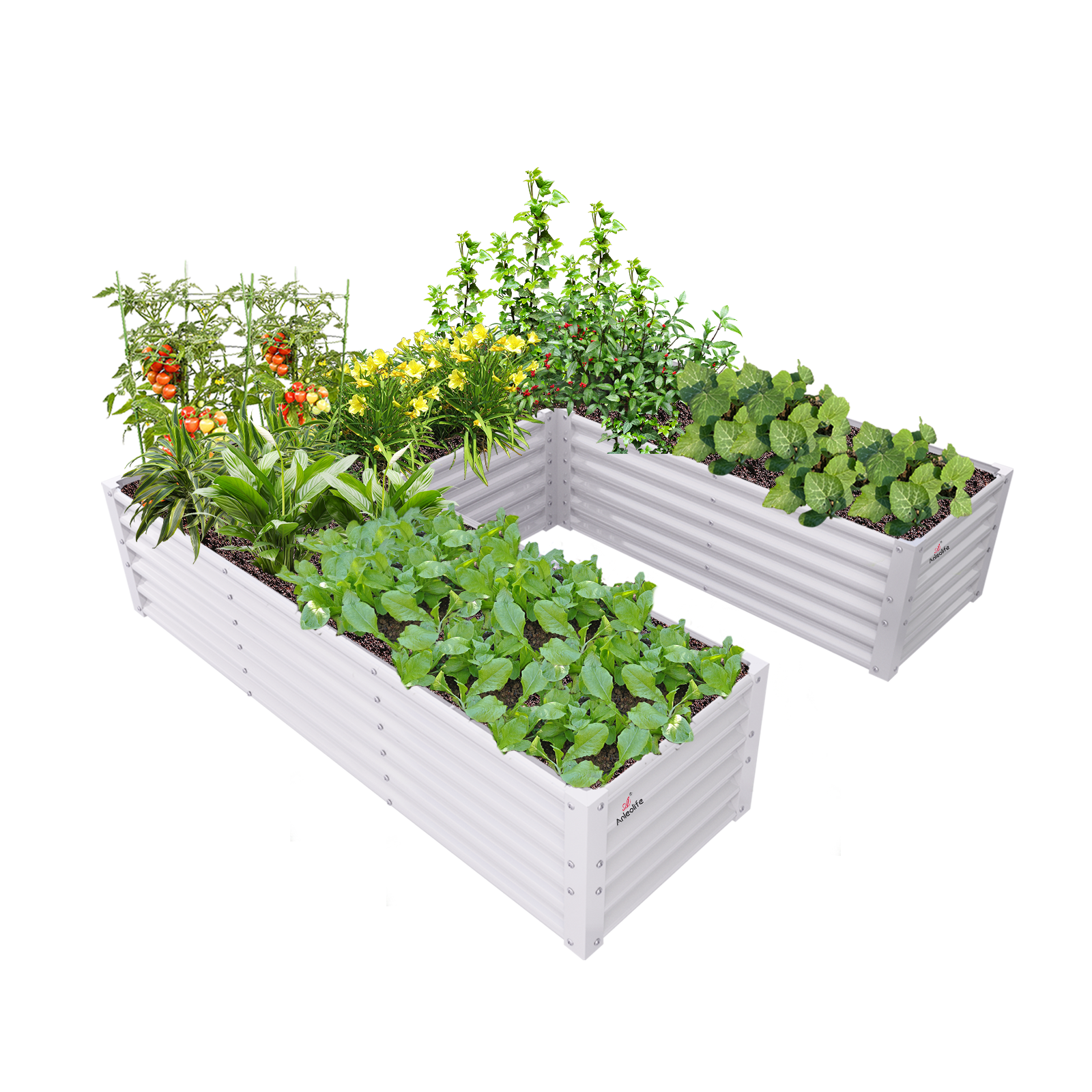

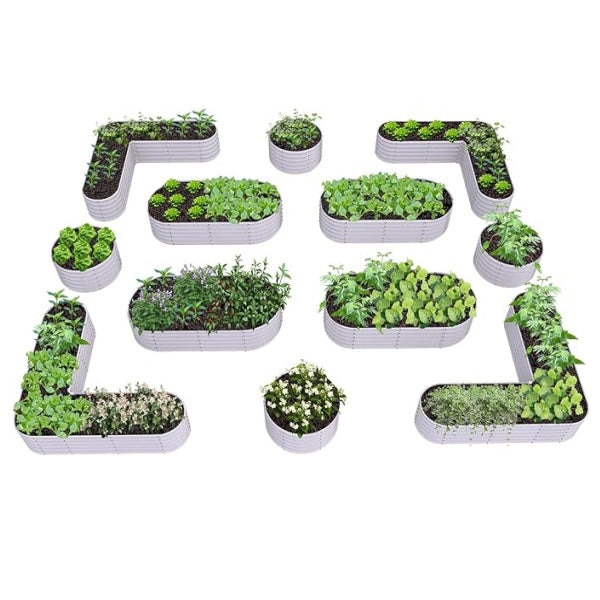

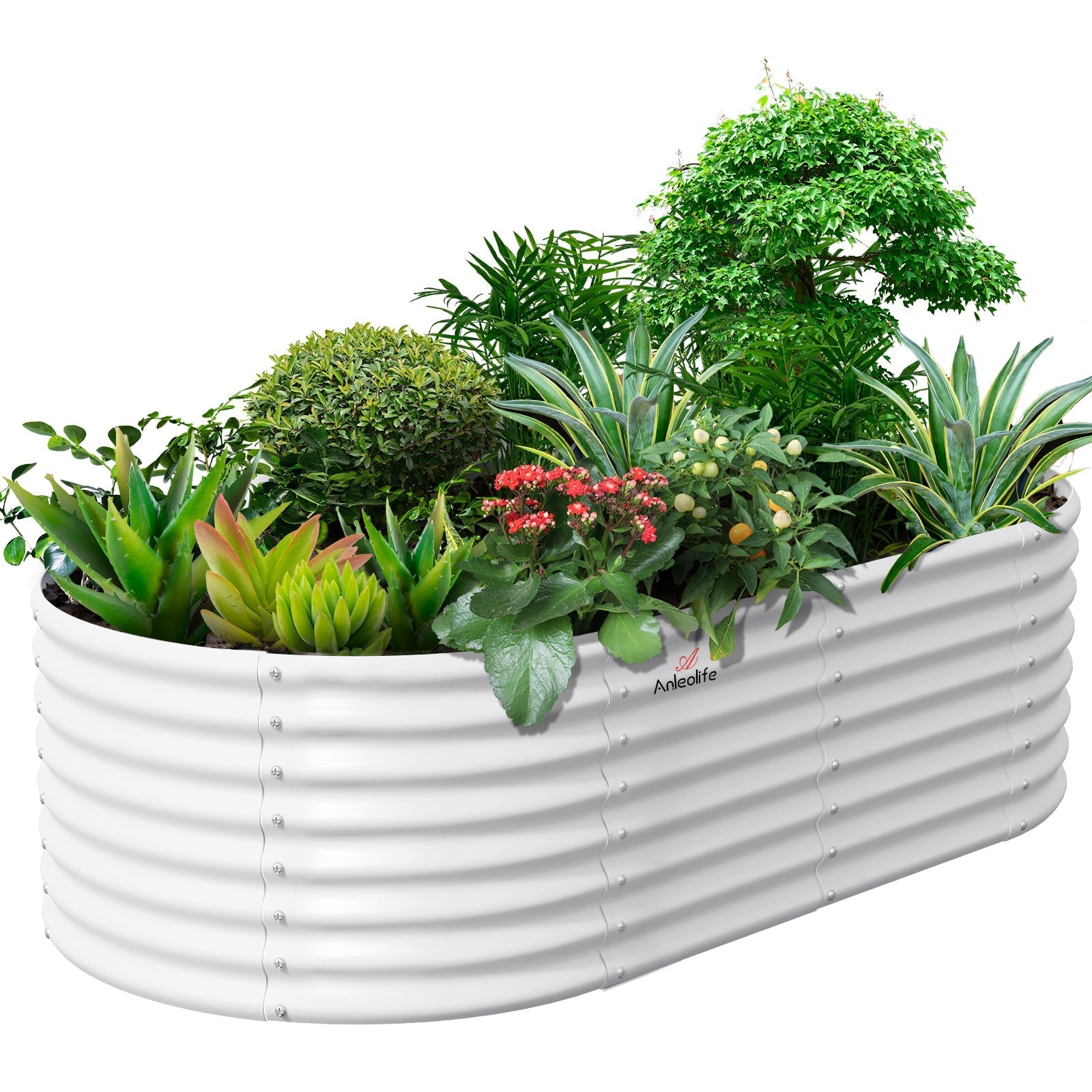

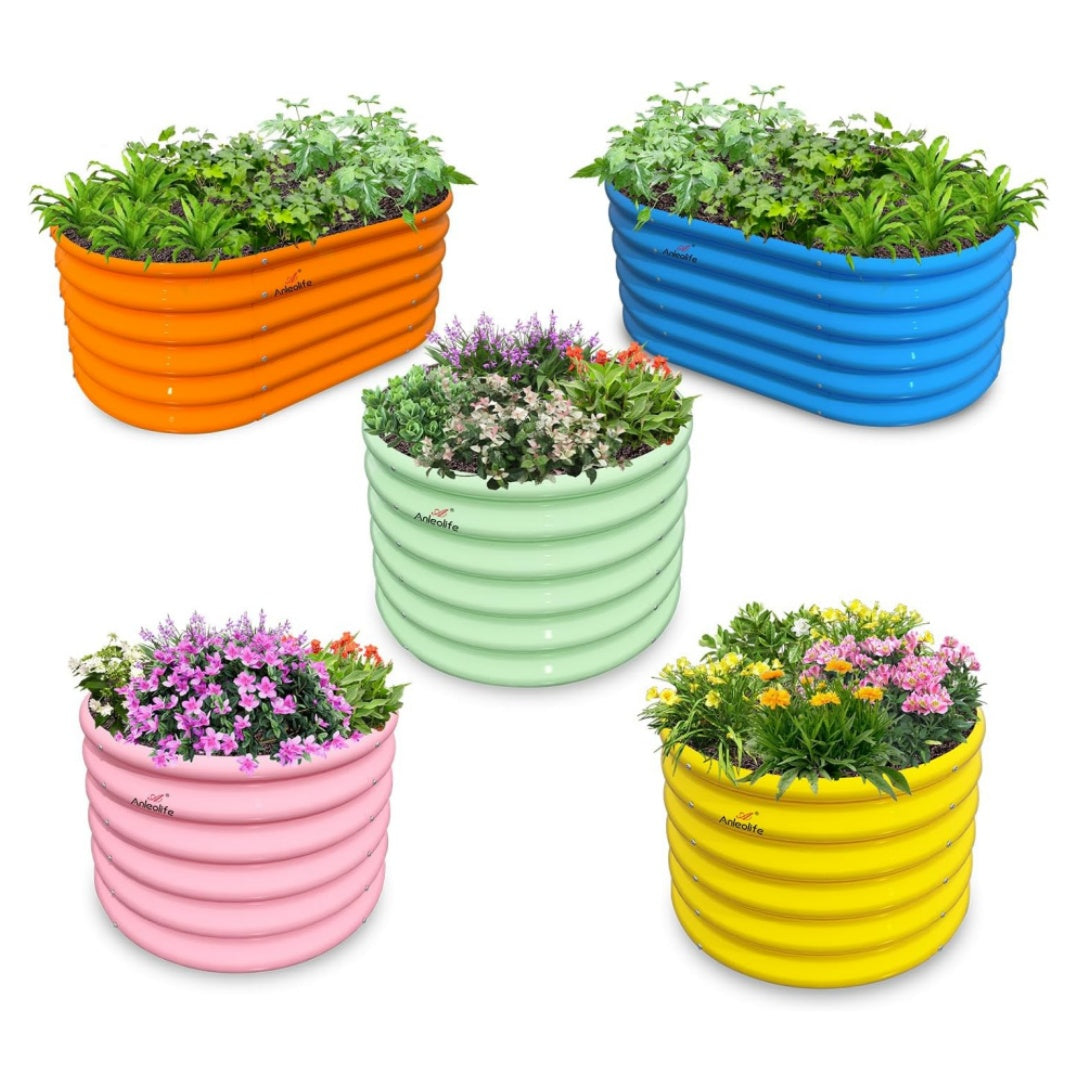



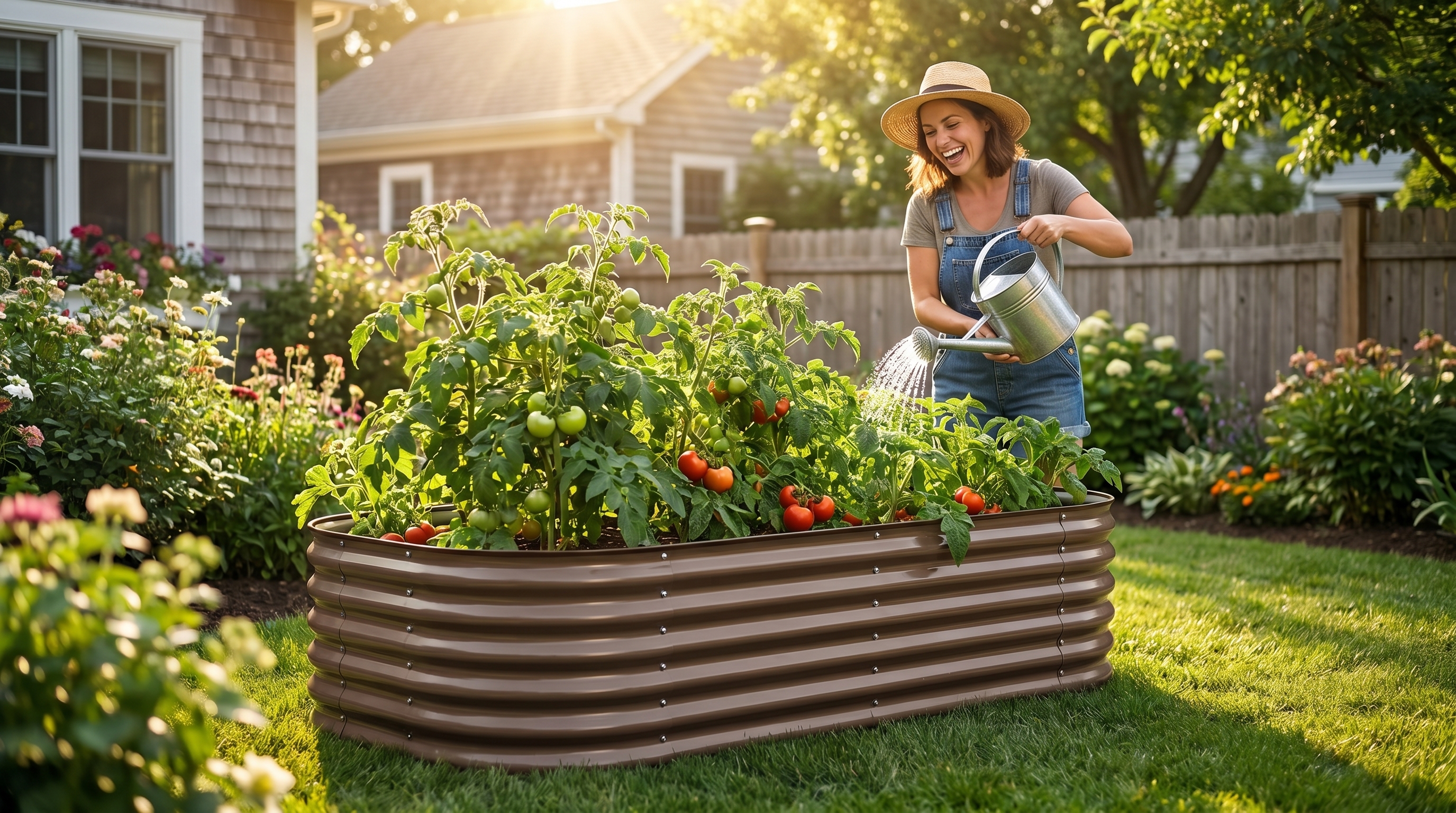
ALT: Beginner growing tomatoes in raised garden beds with summer sunlight and healthy green plants
Why Growing Tomatoes in Raised Garden Beds Is the Smartest Move You'll Make This Summer
Key Conclusion: Growing tomatoes in raised garden beds is one of the most rewarding decisions a home gardener can make this summer. With superior drainage, better soil control, and easier access, a well-planned raised bed garden layout gives tomatoes exactly what they need to thrive. Combined with simple irrigation systems and consistent care, even total beginners can harvest bushels of flavor-packed tomatoes by late summer—without a traditional in-ground plot.
If you've ever tried growing tomatoes directly in the ground and ended up with leggy plants, root rot, or a frustrating harvest, you're not alone. Soil quality, drainage issues, and pest pressure are common culprits that make in-ground tomato growing hit-or-miss. Raised garden beds solve most of these problems from day one by giving you full control over your growing environment.
Whether you're working with a compact urban backyard, a suburban patio, or a larger property, raised beds for tomatoes offer a cleaner, more productive setup with far less guesswork. This guide walks you through everything you need to know—from selecting the right bed to planting, watering, and maintaining your tomatoes all summer long.
Who This Guide Is For
✅ Applicable Scenarios:
- First-time gardeners who want a reliable, structured approach to growing tomatoes
- Urban and suburban homeowners with limited or low-quality ground soil
- Health-conscious families who want homegrown, chemical-free produce
- Empty nesters and retirees looking for a manageable, rewarding outdoor hobby
- Eco-conscious gardeners interested in water-efficient and sustainable growing methods
❌ Not Applicable/Cautions:
- Gardeners with unlimited in-ground planting space and already excellent native soil quality may not see as dramatic a difference
- Those looking to grow tomatoes indoors or in a fully controlled greenhouse environment (this guide focuses on outdoor raised beds)
- Anyone expecting a completely hands-off growing experience—tomatoes do require consistent attention, especially in summer heat
Why Raised Beds and Tomatoes Are the Perfect Match
Tomatoes are one of the most popular backyard crops in North America, and for good reason. They're versatile in the kitchen, deeply satisfying to grow, and relatively forgiving once established. But they're also notoriously particular about their growing conditions. They want deep, well-draining soil. They want consistent moisture. They want warmth, airflow, and room to stretch their roots.
That's precisely where raised garden beds shine. According to the USDA National Gardening Association, raised bed gardening continues to grow in popularity across all demographics, particularly among new gardeners who want a structured, efficient introduction to food production. The enclosed growing environment means you're not fighting compacted clay or rocky subsoil—you're working with a curated growing medium that you control from the start.
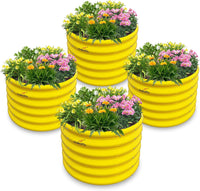
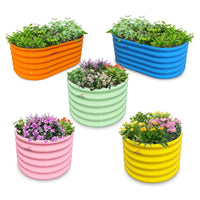
For tomatoes specifically, the depth of a raised bed is a crucial factor. Tomato plants develop deep root systems, and a bed that's too shallow will restrict growth and reduce yield. This is why Anleolife's lineup includes extra-tall and waist-high options—including 24" Extra Tall and 30" Extra Tall raised garden beds—designed specifically to accommodate deep-rooted crops like tomatoes, squash, and peppers.
If you're just getting started, it's worth exploring a step-by-step raised bed garden layout planning guide for summer beginners to make sure your space is set up for maximum productivity before you ever put a seedling in the ground.
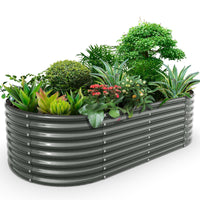
Galvanized steel beds, in particular, offer significant advantages over traditional wood frames. They don't rot, warp, or harbor pests like termites. A quality galvanized steel raised bed from Anleolife is built to last up to 20 years, making it an exceptional long-term investment for any serious home grower. To understand more about why metal outperforms wood in summer conditions, check out galvanized steel raised beds and the 7 reasons they outperform wood for summer gardening.
Your Complete Beginner's Roadmap: Growing Tomatoes in a Raised Bed This Summer
Three-Step Quick Start
Step 1: Choose the Right Raised Bed for Tomatoes
Tomatoes need depth—at least 12 inches, but ideally 18 to 24 inches or more for the best root development. Start by selecting a bed that fits your available space and your tomato-growing ambitions. A standard 8x4 ft layout gives you room for 4 to 6 indeterminate tomato plants with proper spacing, or up to 8 determinate varieties. Anleolife's galvanized steel raised beds come in a wide range of sizes and heights, including the 24" Extra Tall 8x4 ft and 30" Extra Tall models, which are particularly well-suited for tomatoes. Allow 30–60 minutes to assemble most panels and position your bed.
Step 2: Build the Perfect Soil Foundation
Once your bed is in place, filling it with the right growing medium is the single most important step for tomato success. Avoid using only native garden soil, which can be too heavy and may compact over time. Instead, aim for a blended mix: roughly one-third high-quality compost, one-third garden soil, and one-third perlite or coarse vermiculite for drainage. This creates the loose, nutrient-rich, well-aerated environment that tomato roots love. For a deeper dive into exactly what to use, read the best soil recipe for raised garden beds in summer.
Step 3: Plant, Support, and Set Up Irrigation
Tomatoes should be transplanted into your raised bed after your last frost date, when nighttime temperatures stay consistently above 50°F. Plant deeply—burying the stem up to two-thirds of the plant's height encourages a stronger root system. Install your support stakes or tomato cages at planting time to avoid disturbing roots later. Finally, set up a simple drip irrigation system or soaker hose to deliver consistent moisture directly to the root zone, reducing the risk of fungal disease from overhead watering.
Choosing Between Tomato Varieties: What Works Best in Raised Beds
Not all tomatoes perform equally in raised beds. Understanding the two main categories will help you plan your planting layout more effectively.
Determinate vs. Indeterminate Tomatoes
Determinate (or "bush") varieties grow to a set height, produce fruit all at once, and stop growing. They're compact, easier to manage, and great for smaller beds or first-time growers. Popular determinate types include Roma, Celebrity, and Patio tomatoes.
Indeterminate varieties keep growing and producing fruit all season long until frost kills them. They require more vertical space and sturdy support structures, but reward you with continuous harvests. Beefsteak, Cherry, and Brandywine are classic indeterminate types that thrive in deep raised beds.
For beginners, a mix of both is a smart strategy—some determinate plants for a reliable early harvest, and one or two indeterminate varieties for ongoing summer production. Check out the top 10 vegetables to grow in a raised bed this June and beyond for more variety recommendations that pair well with tomatoes.
Raised Bed Size Comparison for Tomato Growing
Choosing the right raised bed size impacts how many plants you can grow, how deep the roots can go, and how easy the bed is to manage. Here's a practical comparison to help you decide:
| Comparison Dimension | 18" Tall 8x4 ft | 24" Extra Tall 8x4 ft | 30" Extra Tall 6x3 ft |
|---|---|---|---|
| Root Depth Suitability | Good for determinate varieties | Excellent for most tomato types | Excellent, ideal for large indeterminate plants |
| Plant Capacity | 4–6 plants | 4–6 plants | 3–4 plants |
| Ease of Access | Requires bending | Comfortable standing access | Near waist-height, minimal bending |
| Best For | Budget-conscious beginners | Most home growers | Seniors, mobility-limited gardeners |
| Drainage | Good | Good | Good |
| Lifespan | Up to 20 years | Up to 20 years | Up to 20 years |
All Anleolife raised beds are available in both galvanized steel and rust-resistant finishes, and many gardeners are pleasantly surprised to discover that these beds are not only high-performing but also very competitively priced. If you're working within a budget, there are solid options available as best budget raised beds under $200 for vegetables—and Anleolife's range includes accessible entry points without sacrificing quality or durability.
Soil, Watering, and Feeding: The Ongoing Care Triangle
Getting the Soil Right
The beauty of a raised bed is that you define your soil quality from day one. For tomatoes, you want a growing medium that drains well but retains enough moisture to prevent drought stress. Organic matter is your best friend—work in aged compost before planting and side-dress with additional compost every few weeks throughout the season.
Tomatoes are heavy feeders. They consume significant amounts of nitrogen early in the season for leafy growth, then shift toward phosphorus and potassium as they begin to fruit. Use a balanced organic fertilizer at planting, then switch to a tomato-specific fertilizer with lower nitrogen once flowers appear. This prevents excessive leafy growth at the expense of fruit.
Watering Strategies That Actually Work
Inconsistent watering is the number one cause of common tomato problems like blossom end rot and cracked fruit. Raised beds dry out faster than in-ground plots, especially during summer heat waves, so a reliable irrigation system isn't optional—it's essential.
A simple drip line or soaker hose running along the base of your plants delivers water directly to the roots with minimal waste. Pair this with a basic timer, and your tomatoes get consistent moisture whether or not you're home. For a detailed breakdown of efficient watering methods, the raised bed watering guide on how to conserve water this summer with simple systems is an excellent resource.
As a general rule, tomatoes in raised beds need about 1–2 inches of water per week, more during peak summer heat. Check soil moisture by inserting your finger 2 inches deep—if it's dry at that depth, it's time to water.
Feeding Your Tomatoes Through the Season
Beyond initial soil preparation, tomatoes benefit from regular feeding throughout the growing season. Liquid fertilizers are absorbed quickly and can be applied every 2 weeks once plants begin to set fruit. Organic options like fish emulsion or liquid kelp are popular among eco-conscious growers who want to avoid synthetic inputs.
Mulching the surface of your raised bed with 2–3 inches of straw or wood chips helps retain soil moisture, moderate soil temperature, and suppress weeds—all of which reduce the amount of active management your plants need during hot months.
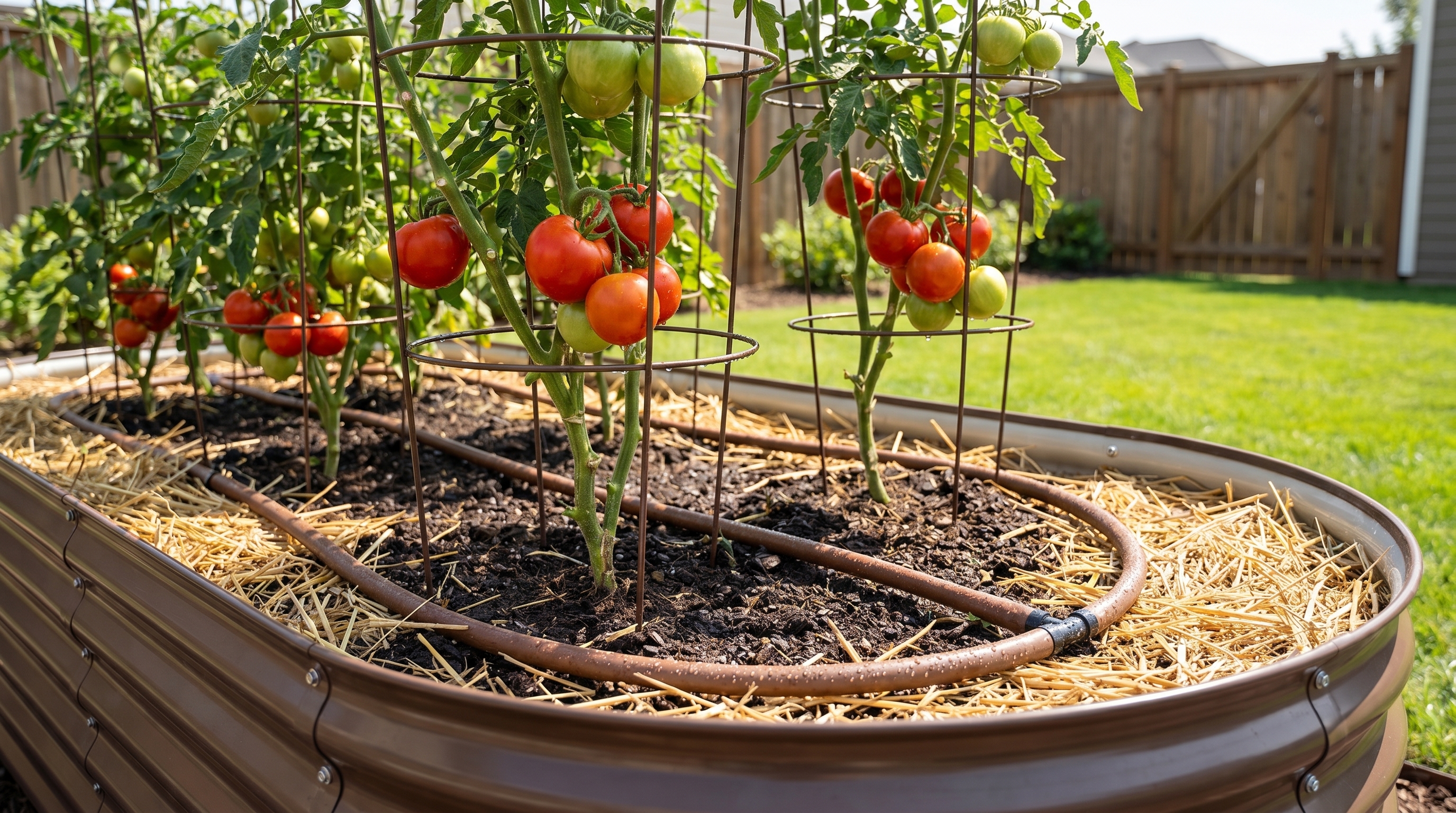
ALT: Healthy tomato plants growing in a galvanized steel raised garden bed with drip irrigation system installed for summer
Supporting, Pruning, and Managing Your Tomato Plants
Staking and Caging
Tomato plants need support from early in the season. For determinate varieties, a standard tomato cage or a simple stake is usually sufficient. Indeterminate plants can grow well over 6 feet tall and need robust support—heavy-duty cages, tall wooden stakes, or a trellis system attached to the raised bed frame work well.
Install your supports at or shortly after transplanting to avoid driving stakes through established root systems later. Check ties and connections regularly as the season progresses.
Pruning for Productivity
Suckers—the small shoots that emerge in the joint between the main stem and a branch—compete with the plant for energy. For indeterminate varieties, removing suckers below the first flower cluster is generally recommended to encourage a stronger, more productive main stem. For determinate varieties, minimal pruning is advised, as excessive pruning can reduce your yield.
Removing the lower leaves that touch the soil helps improve airflow and reduces the risk of soil-borne disease splash-back during watering. This is especially important in summer when humidity can contribute to fungal issues.
Managing Pests and Disease
Even in raised beds, tomatoes can encounter pests like aphids, hornworms, and whiteflies. Regular inspection—especially on the undersides of leaves—is your best early warning system. Remove pests by hand when populations are small, or use an insecticidal soap spray as a first-line organic intervention.
Common diseases to watch for include early blight, late blight, and septoria leaf spot. Good airflow, consistent watering at the root zone (not overhead), and crop rotation from year to year are the most effective prevention strategies.
Advanced Tips: Maximizing Your Tomato Yield All Summer Long
Companion Planting in Raised Beds
Companion planting is an excellent strategy for maximizing the productivity and health of your raised bed ecosystem. Basil is a classic tomato companion—many gardeners swear it improves tomato flavor while naturally deterring aphids and spider mites. Marigolds are another powerhouse companion, repelling nematodes and other soil pests when planted at the corners of your bed.
Avoid planting tomatoes near brassicas (broccoli, cabbage, kale) or fennel, which can inhibit tomato growth. Rotating crops between beds each year also prevents the buildup of soil-borne pathogens that can devastate successive tomato plantings.
What to Do When Things Go Wrong
Yellowing leaves: Often a sign of nitrogen deficiency or overwatering. Check your watering frequency first, then consider a balanced fertilizer application.
Blossom drop: Usually caused by temperature extremes—either too hot (above 95°F) or too cold (below 55°F) during flowering. There's little you can do about the weather, but ensuring consistent soil moisture and adequate fertilization helps plants recover quickly.
Cracked fruit: Almost always the result of irregular watering—rapid moisture after a dry period causes the fruit to expand faster than the skin can accommodate. A consistent irrigation schedule is the best prevention.
Common Misconceptions About Growing Tomatoes in Raised Beds
Misconception 1: Galvanized steel beds are too hot for tomatoes in summer.
This is a common concern, especially among new growers. While metal beds do absorb heat, modern galvanized steel raised beds are designed with this in mind. The soil mass inside the bed acts as a buffer, and tomatoes planted at the correct depth rarely experience root heat stress. If you're in an extremely hot climate, mulching the soil surface helps moderate temperature. For a thorough look at this topic, this resource on whether metal raised garden beds are heat-safe for summer vegetables addresses the question in detail.
Misconception 2: You need a large space to grow meaningful amounts of tomatoes.
A single 8x4 ft raised bed can produce a genuinely impressive harvest if managed well. Four to six well-spaced tomato plants, regularly fed and watered, can yield dozens of pounds of tomatoes over the course of a full summer season.
Misconception 3: All raised bed brands are the same.
Quality varies significantly. One question that comes up regularly in gardening communities is "are vego garden beds made in China?"—a reflection of broader consumer curiosity about manufacturing origins and quality control. Anleolife raised garden beds are built to rigorous quality standards with a 20-year lifespan, meaning you're investing in a product designed to grow with you for decades, not just a season.
Frequently Asked Questions FAQ
Q1: How deep should a raised garden bed be for growing tomatoes?
For tomatoes, depth is critical. Determinate varieties can manage in a bed that's 18 inches deep, but indeterminate varieties will perform significantly better in beds that are 24 to 30 inches deep. Anleolife's 24" Extra Tall and 30" Extra Tall raised garden beds are specifically designed to accommodate deep-rooted crops like tomatoes, giving roots ample room to establish and access nutrients. Deeper beds also retain moisture more evenly, reducing the watering frequency needed during peak summer heat.
Q2: Are galvanized steel raised beds safe for growing tomatoes and other vegetables?
Yes. Research from horticultural institutions consistently shows that the zinc coating on galvanized steel does not leach into soil at levels harmful to plants or humans under normal gardening conditions. The coating acts as a protective barrier that extends the life of the bed—up to 20 years in Anleolife's case—while remaining safe for growing edible crops including tomatoes, peppers, lettuce, and herbs. For added peace of mind, you can line the interior of the bed with a food-safe fabric liner.
Q3: How much does a good raised garden bed for tomatoes cost, and when will it arrive?
The cost of a raised garden bed varies by size, material, and brand. If you're looking for the best budget raised beds under $200 for vegetables, Anleolife offers several entry-level galvanized steel options that deliver excellent quality without a premium price tag. For larger or taller beds in the 24"–30" Extra Tall range, pricing reflects the additional material and depth. All Anleolife products are available on Amazon, Walmart, Home Depot, Lowe's, Wayfair, and directly at Anleolife.com, with delivery typically arriving within 3–8 business days thanks to Anleolife's strategically located warehouses across California, Texas, Florida, New York, Illinois, and Washington.
Summary
Growing tomatoes in raised garden beds is one of the most beginner-friendly, high-reward approaches to home gardening available today. Here are the three key takeaways from this guide:
1. The right bed makes all the difference. Depth, material, and size determine how well your tomatoes will perform. Choosing a galvanized steel raised bed with adequate height—ideally 24 inches or more for tomatoes—sets you up for success from day one. With a lifespan of up to 20 years, these beds are built to be permanent fixtures in your garden, not temporary experiments.
2. Soil, water, and feeding work as a system. Great tomatoes aren't the result of any single action—they come from consistent attention to all three pillars of plant care. Build a rich, well-draining soil blend, establish a reliable irrigation routine, and feed your plants regularly through the season.
3. Start simple, then expand. You don't need a sprawling garden to enjoy a meaningful tomato harvest. One or two well-managed raised beds can produce more than enough fresh tomatoes for a family all summer long. As your confidence grows, you can expand your setup, add new crops, and explore the full potential of raised bed gardening.
Your next step? Choose a raised bed that fits your space and ambitions, fill it with great soil, and get your tomato transplants in the ground. The summer harvest is closer than you think.
Call to Action
Nationwide U.S. warehouse network: Strategically located in California, Texas, Florida, New York, Illinois, and Washington to ensure delivery within 3–8 business days—so your garden upgrade plans never have to wait.
Multi-channel sales network: Products are available on major e-commerce platforms including Amazon, Walmart, Home Depot, Lowe's, and Wayfair, as well as the official website Anleolife.com, providing consistent quality assurance and after-sales service.
Three core scenarios: Planting (metal raised garden beds, soil systems), Raising (chicken coops, rabbit hutches), and Beautification (decorative accessories, pathway systems)—meeting complete needs from functionality to aesthetics.
Upgrade your garden with Anleolife. We understand that an ideal garden is not built overnight, but gradually improved over time. Our modular product design allows flexible expansion based on your needs—from your first raised garden bed to a fully integrated planting-and-raising ecosystem. We grow with you every step of the way.
References
- USDA National Agricultural Library. "Home Gardening Resources and Guides".
https://www.nal.usda.gov/farms-and-agricultural-production-systems/home-gardening - University of California Agriculture and Natural Resources (UC ANR). "Tomatoes: Growing Tomatoes in the Home Garden".
https://ucanr.edu/ - Penn State Extension. "Raised Bed Gardening".
https://extension.psu.edu/raised-bed-gardening - Cornell Cooperative Extension. "Growing Tomatoes in the Home Garden".
https://gardening.cals.cornell.edu/lessons/vegetables/tomato/ - Clemson Cooperative Extension. "Raised Bed Gardening".
https://hgic.clemson.edu/factsheet/raised-bed-gardening/
Note: Standards and recommendations may be updated. Please check the latest official documents or consult a professional horticultural advisor for the most current guidance.
About Anleolife
Anleolife is a leading outdoor garden solutions provider in North America, dedicated to offering a full-scenario product ecosystem for home gardening enthusiasts, covering planting, raising, and garden beautification. Since its founding, we have upheld our brand mission, "Made for Garden Life," continuously innovating products and optimizing services to help hundreds of thousands of users upgrade their gardens, reconnect with nature, and enjoy a better garden lifestyle.