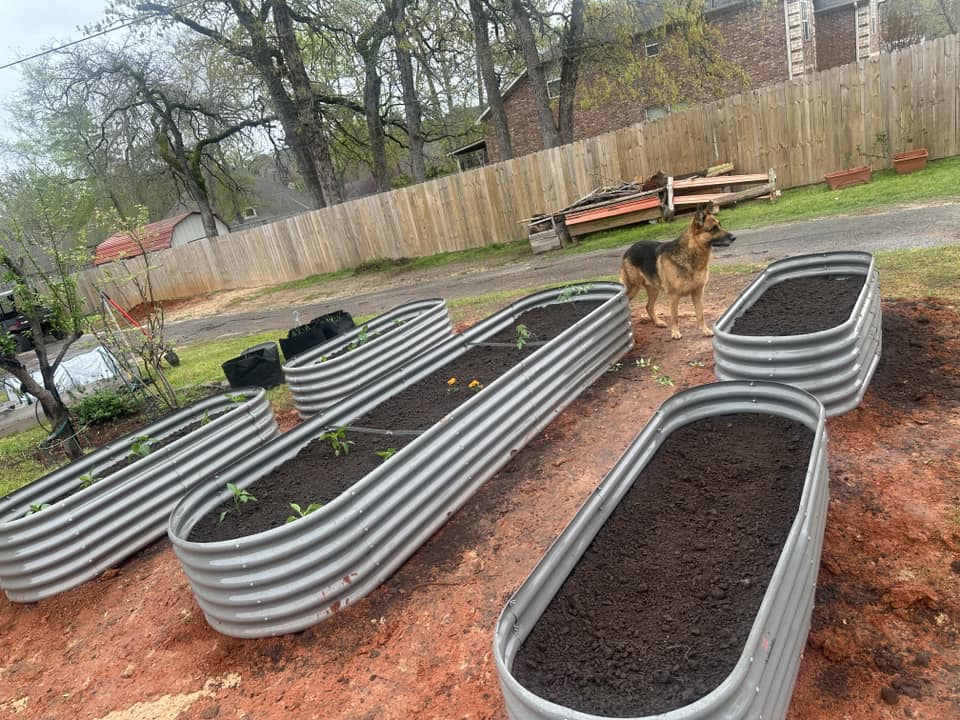



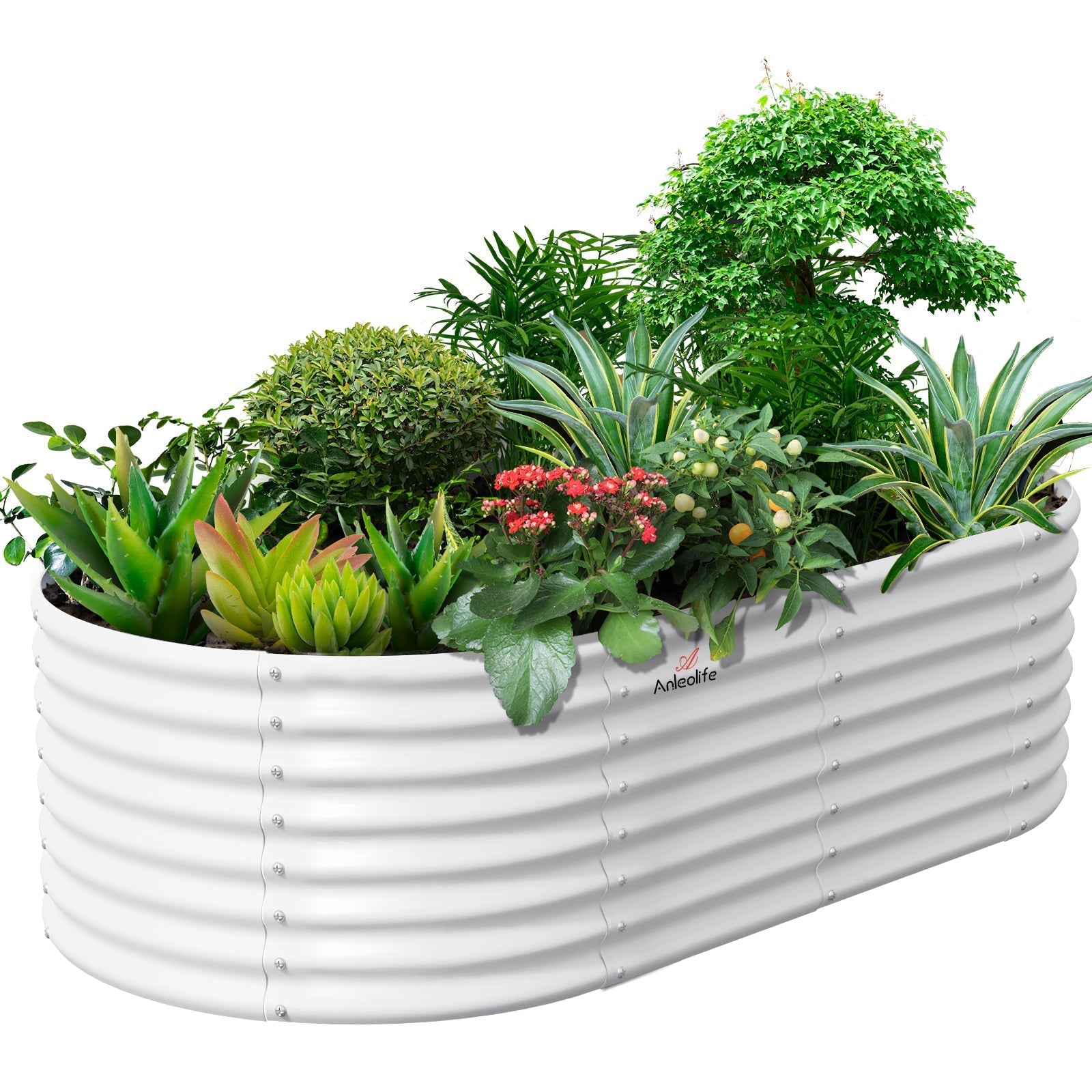
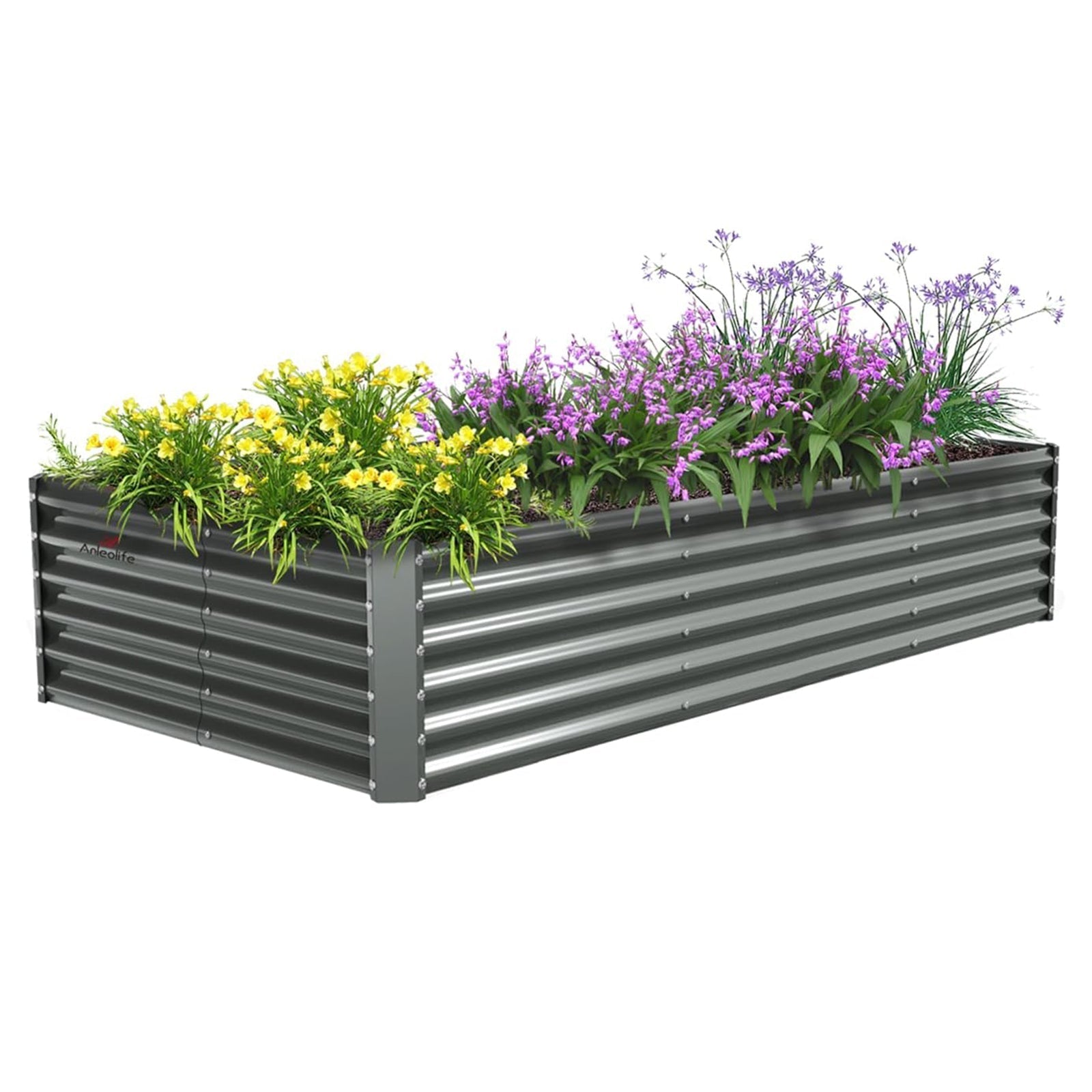
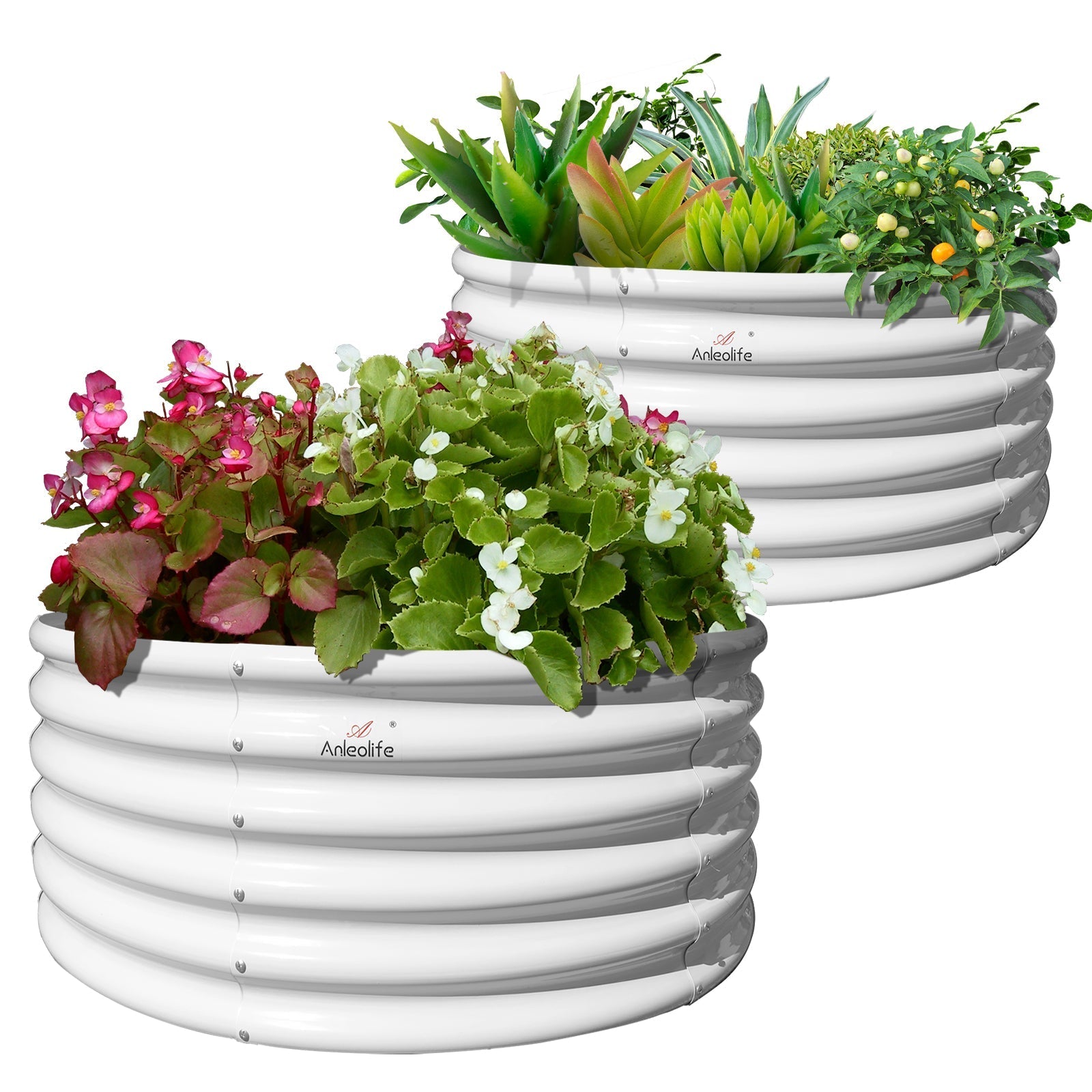
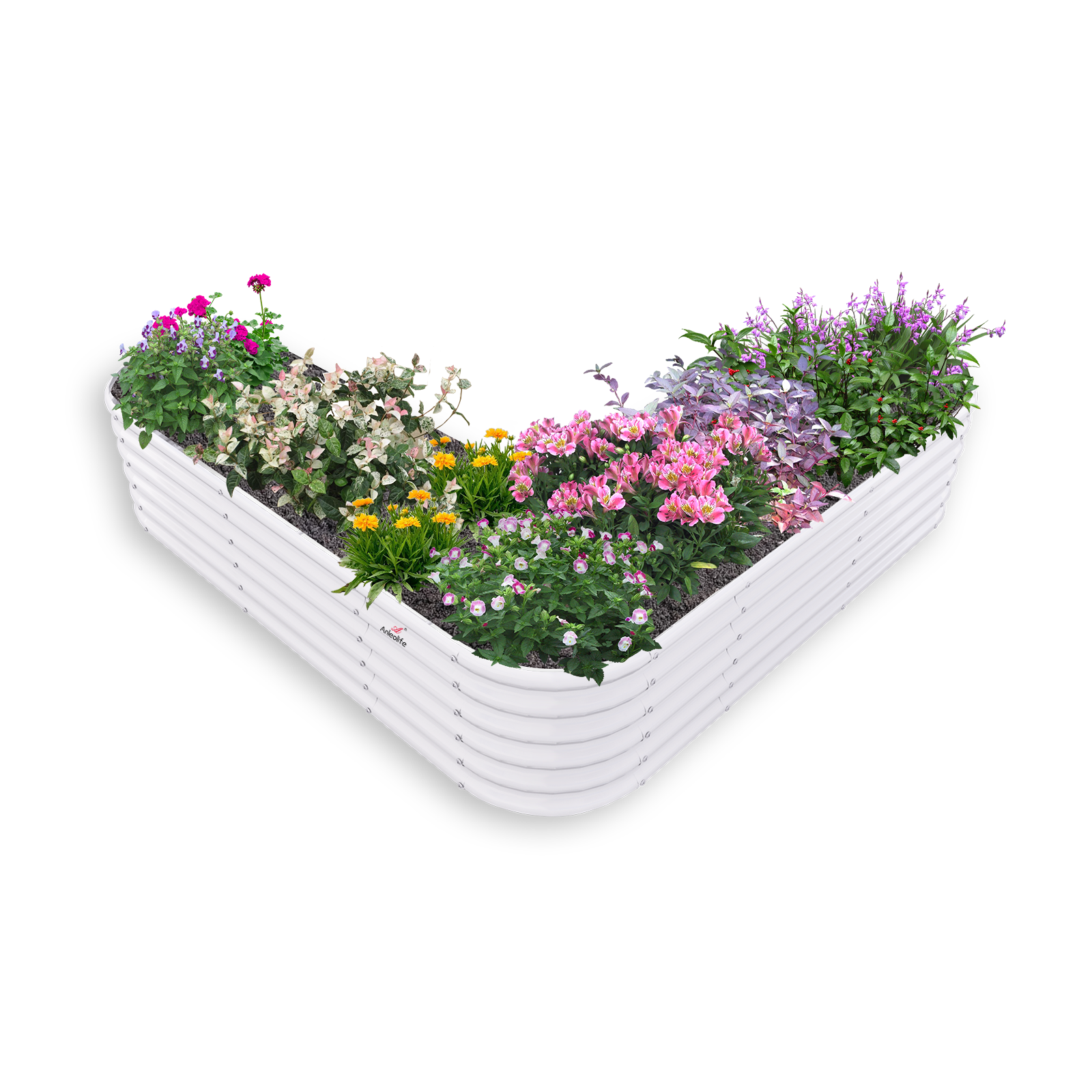
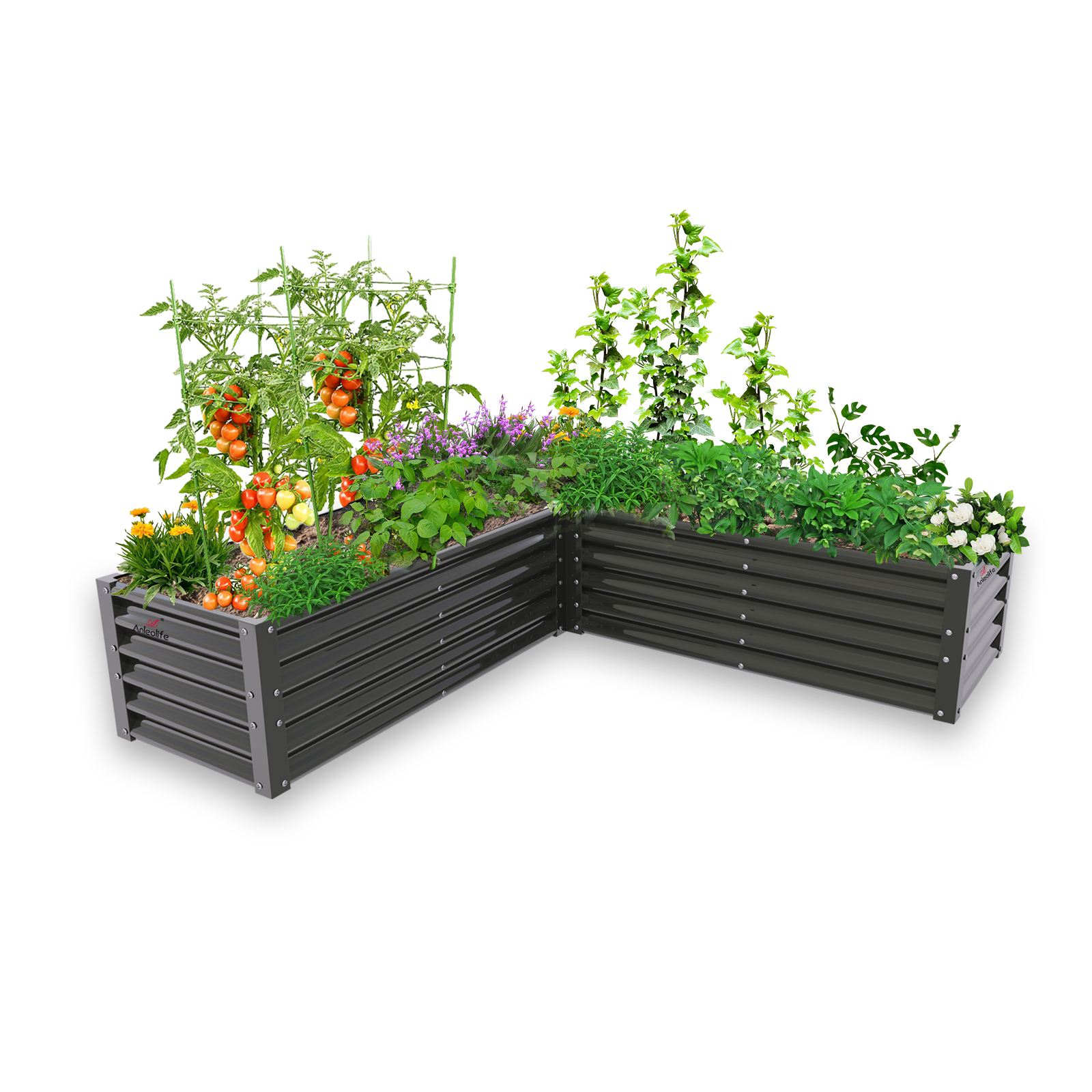
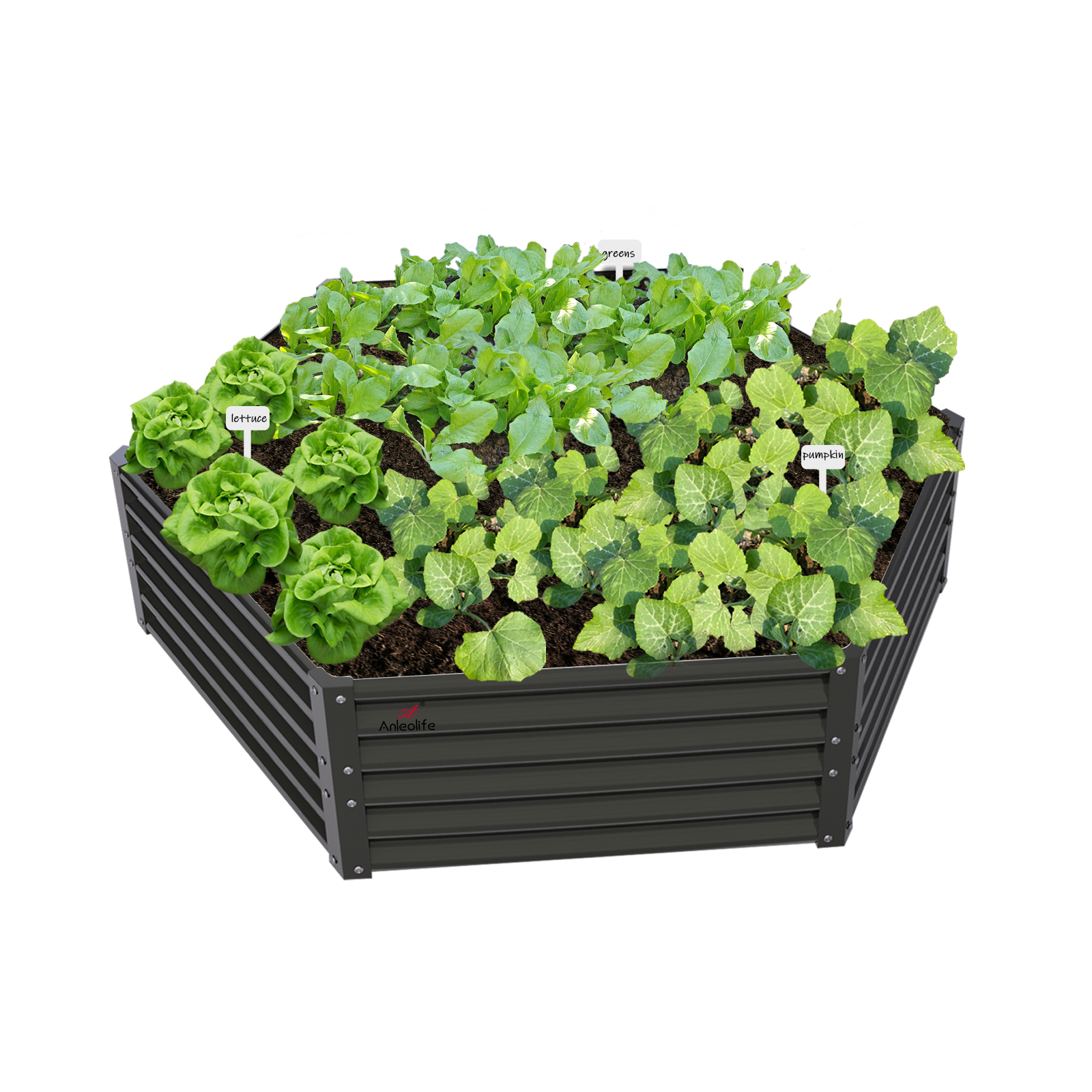
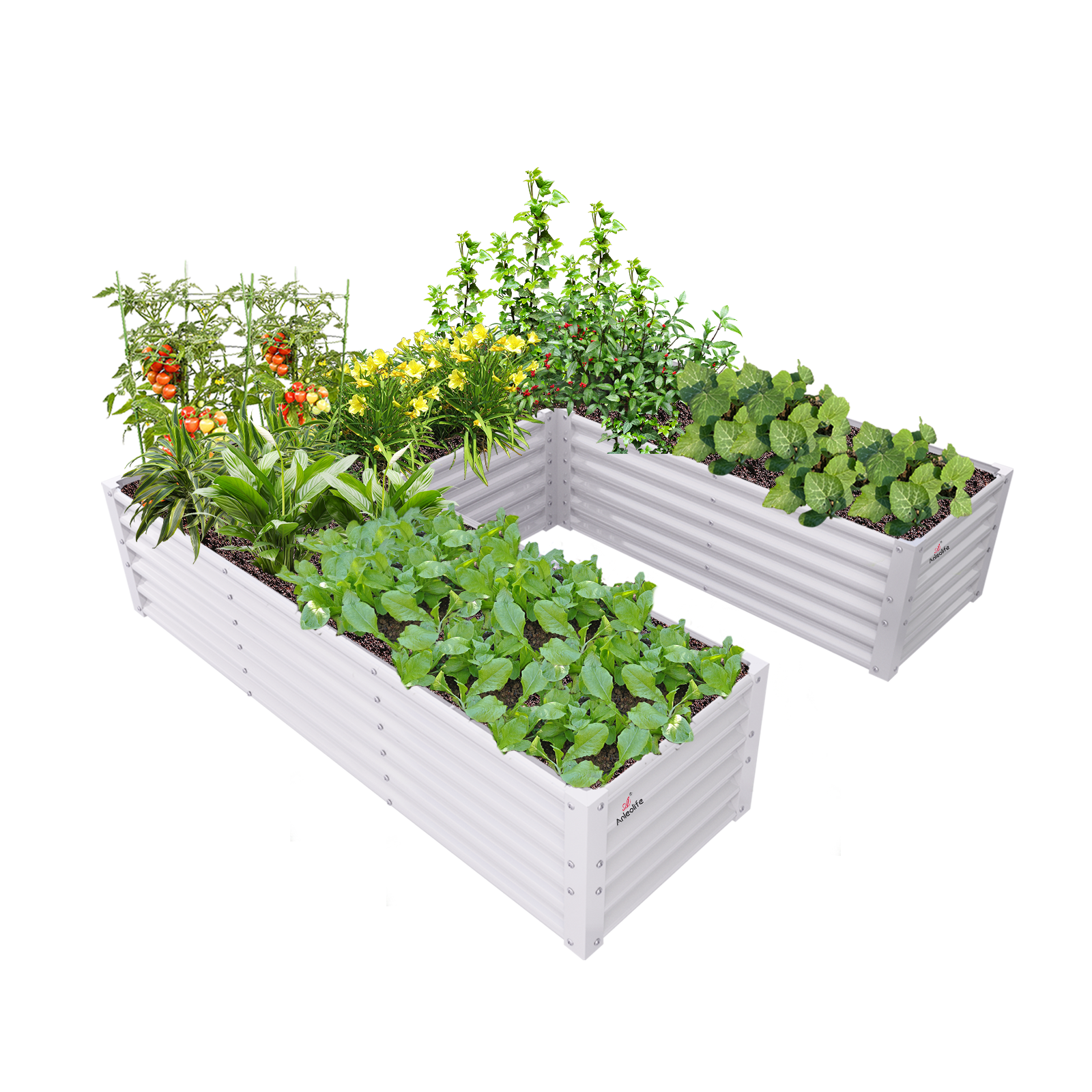

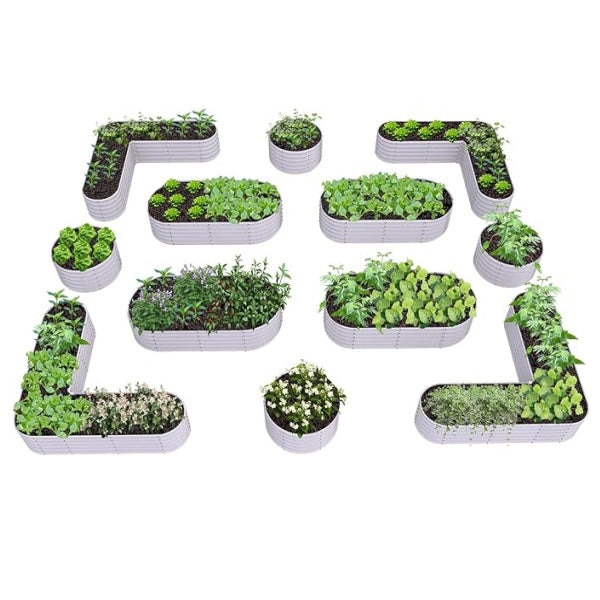

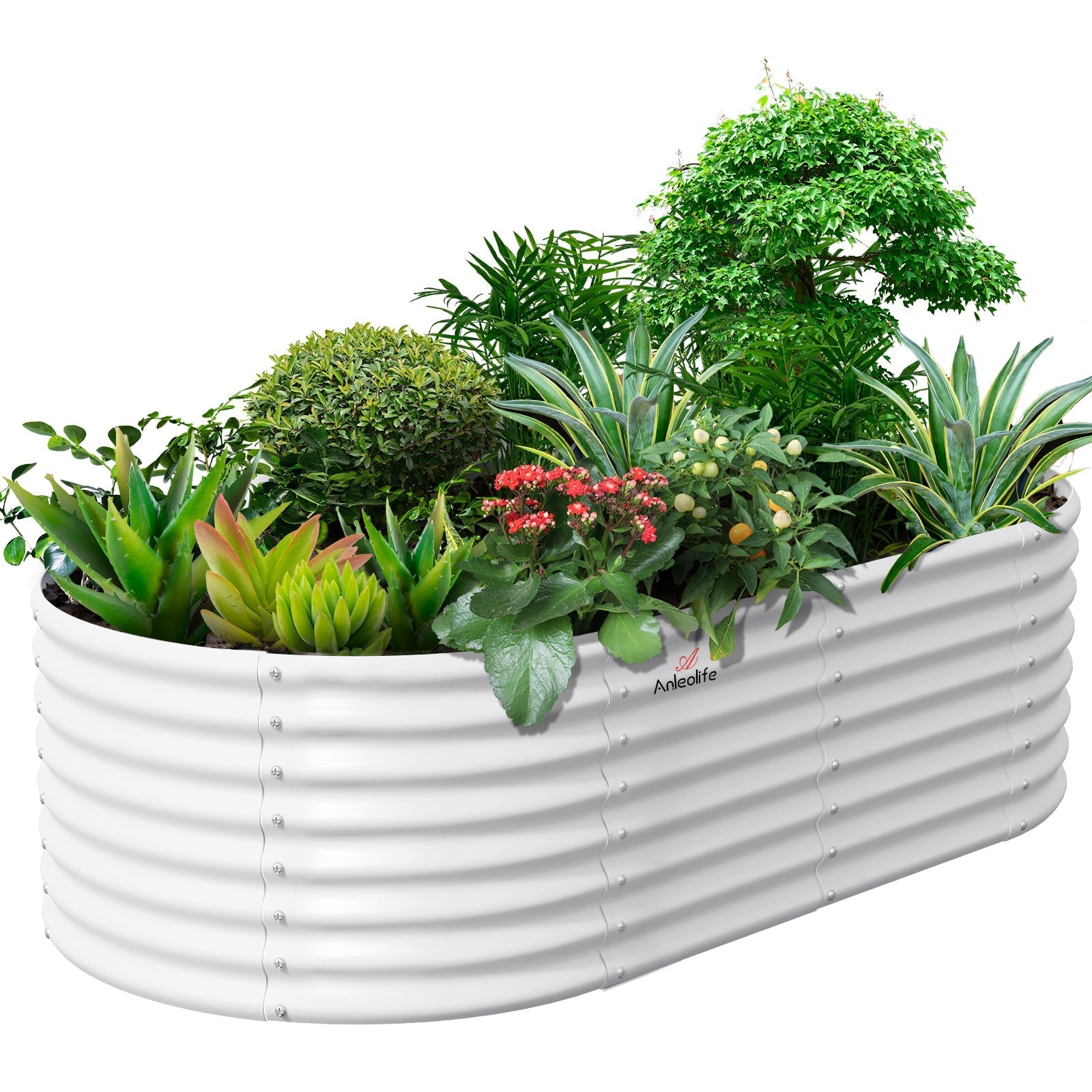

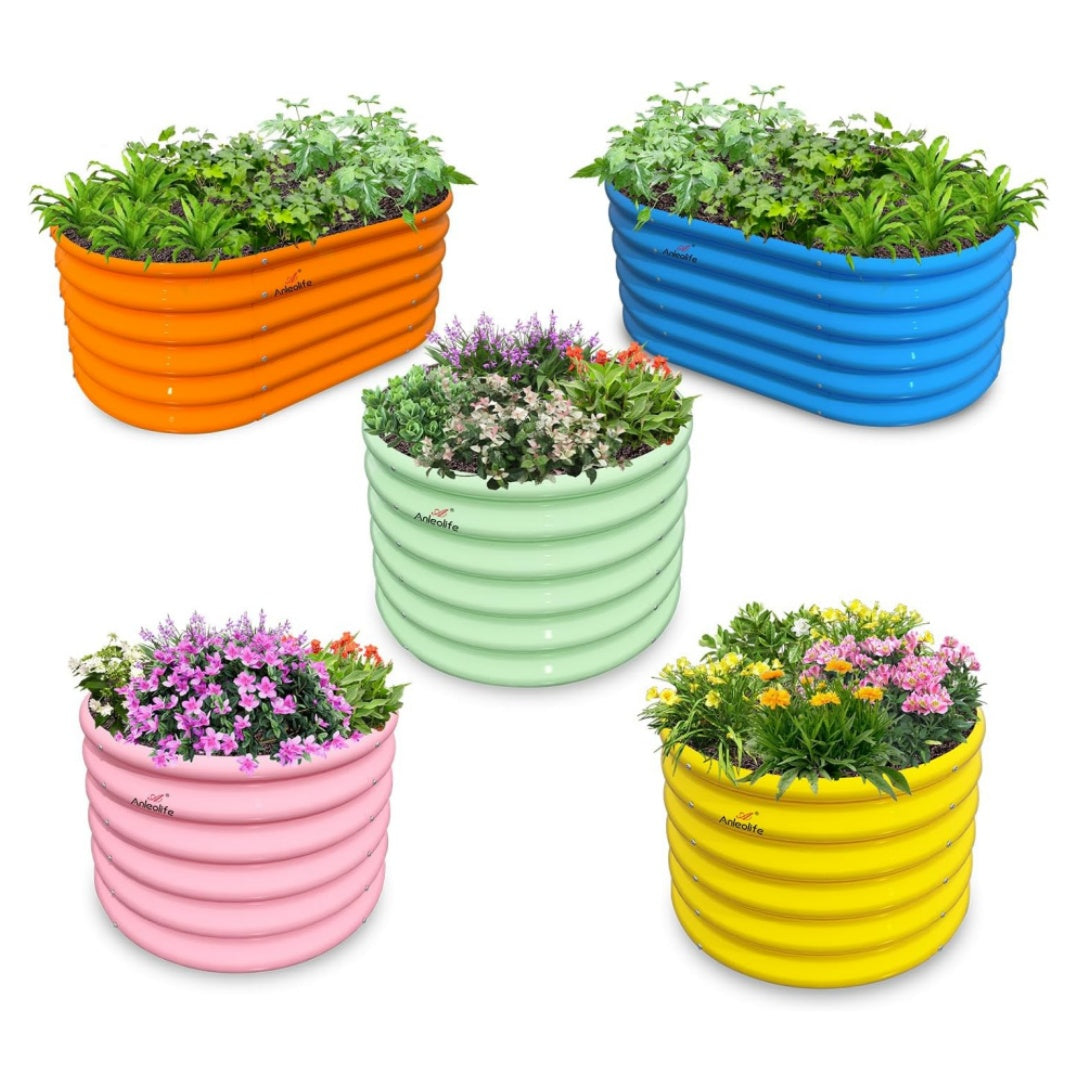
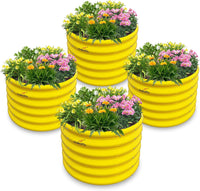
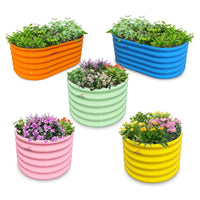
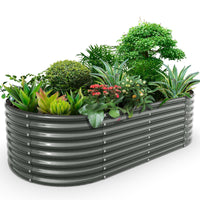



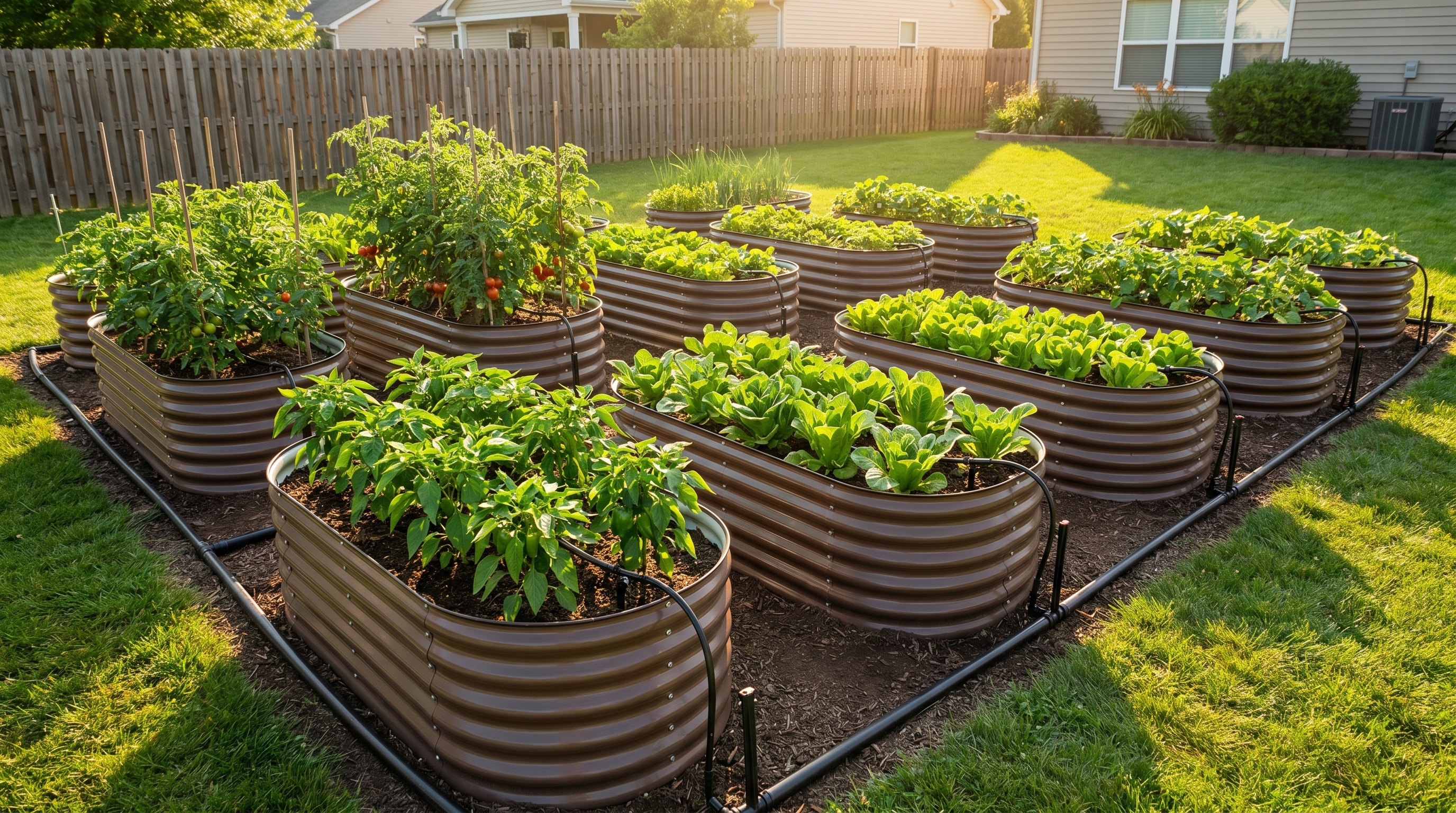
ALT: Drip irrigation system set up across multiple galvanized raised garden beds for efficient vegetable gardening
Why Every Multi-Bed Garden Needs a Drip Irrigation System
Key Conclusion: Setting up a drip irrigation system for multiple raised garden beds is one of the smartest investments a home gardener can make. By delivering water directly to the root zone of your vegetable gardening plots, drip systems dramatically reduce water waste, prevent foliar disease, and free you from the daily chore of hand-watering. Whether you're managing two beds or twelve, a well-designed drip network keeps every bed consistently hydrated—without guesswork.
If you've spent time building out a productive raised bed garden, you already know how quickly watering can become a full-time job. Multiple beds, each with different plants at different growth stages, can demand 20–30 minutes of hose work every single day during summer peak season. A drip irrigation system changes that math entirely.
Beyond saving time, drip irrigation is scientifically proven to use up to 50% less water than overhead sprinklers while delivering moisture far more efficiently to plant roots. For eco-conscious home growers and families committed to sustainable practices, that's a meaningful advantage. And when your raised beds are constructed from durable, well-draining materials—like Anleolife's galvanized steel raised garden beds, which are engineered for a lifespan of up to 20 years—pairing them with a reliable irrigation system ensures your entire garden infrastructure works together seamlessly for decades.
Who This Guide Is For
✅ Applicable Scenarios:
- Home gardeners with two or more raised garden beds who want to automate watering
- Urban micro-gardeners managing limited outdoor space but growing a wide variety of vegetables and herbs
- Empty nesters and retirees who want a productive garden without physically demanding daily maintenance
- Families growing food in galvanized or metal raised garden beds who need precise, root-level hydration
- Beginners transitioning from container gardens to a more structured raised bed system
❌ Not Applicable/Cautions:
- Single-pot container gardeners with only one or two plants (a simple watering can may be more practical and cost-effective)
- Gardeners in regions with extremely variable water pressure, who should consult a local irrigation specialist before installing
- Beds located in areas with heavy clay soil and no drainage—drip irrigation will compound drainage issues if the bed base and soil profile aren't addressed first
The Case for Drip Irrigation in Raised Bed Gardens
Raised bed gardening has surged in popularity across North America, and for good reason. The structured growing environment gives gardeners control over soil quality, drainage, and plant spacing in ways that in-ground plots simply can't match. According to the University of Maryland Extension, raised bed vegetable gardens consistently outperform traditional row gardens in yield per square foot, largely due to improved soil conditions and better resource management.
Yet despite these advantages, water management remains one of the most common pain points for raised bed gardeners. The well-draining, amended soil that makes raised beds so productive also dries out faster than native ground soil—especially in metal or galvanized steel beds that can warm up quickly in direct sunlight. Gardeners frequently report that during hot summer months, their raised beds may need watering once or even twice daily.
This creates a paradox: the very features that make raised beds excellent for growing also make them thirsty. A drip irrigation system resolves this tension elegantly by providing a slow, consistent supply of water directly at the root zone, allowing the soil to stay evenly moist without becoming waterlogged.
The market reflects this need. The global drip irrigation market has been growing steadily, driven largely by residential and small-farm adoption. Homeowners managing raised bed gardens are among the fastest-growing segments of drip irrigation users, attracted by affordable starter kits and the scalability of modern drip systems.
For those gardening with best galvanized raised beds like Anleolife's lineup—which includes everything from compact 4x4 ft configurations to expansive 12x3 ft beds—drip irrigation is a natural complement. The precise dimensions and consistent bed depths of metal raised beds make it straightforward to calculate emitter spacing and flow rates, taking much of the guesswork out of system design.
Whether you're a beginner figuring out the best plants for beginners in container gardens and scaling up to your first raised bed, or an experienced grower managing a large multi-bed setup, understanding how to design and install a drip system is a skill that pays dividends every single growing season.
How to Set Up a Drip Irrigation System for Multiple Raised Garden Beds
Three-Step Quick Start
Step 1: Plan Your Layout and Calculate Water Needs
Before purchasing a single component, sketch your bed layout on paper. Note the dimensions of each bed, the distance between beds, and the location of your water source. Identify which plants will grow in each bed—tomatoes, squash, and peppers have different water needs than lettuce or herbs. Assign each bed a rough daily water requirement (usually 1–1.5 inches per week during growing season). This planning stage typically takes 30–60 minutes but prevents costly mistakes and rework later.
Step 2: Gather Your Components
A basic multi-bed drip system requires a backflow preventer, a pressure regulator, a filter, a timer, main supply tubing (typically ½-inch diameter), distribution tubing (typically ¼-inch), and drip emitters or soaker lines. For a system covering four or more beds, a manifold or multi-outlet timer can simplify zone management. Budget starter kits are widely available at home improvement retailers and online. Gather all components before installation day so you can complete the system in a single session, usually 2–4 hours for a 4–6 bed setup.
Step 3: Install, Test, and Adjust
Connect the timer and pressure regulator to your outdoor spigot. Run your main supply line along the length of your bed arrangement, using stakes to secure it at ground level. Punch holes and insert ¼-inch barbed connectors at each bed entry point, then run distribution lines into each bed. Install emitters at the base of each plant or use in-line drip tape for row crops. Turn on the system and run a full cycle, checking for leaks and adjusting emitter placement to ensure even coverage. Fine-tune emitter flow rates based on plant size and observed soil moisture over the first two weeks.
Comparing Drip Irrigation Approaches for Multiple Raised Beds
There are three primary drip irrigation approaches that home gardeners use when managing multiple raised beds. Each has distinct advantages depending on your garden size, budget, technical comfort level, and long-term goals.
| Comparison Dimension | Basic Drip Kit | Soaker Hose System | Automated Zone System |
|---|---|---|---|
| Best For | 2–4 beds, beginners | Row crops, dense plantings | 5+ beds, serious growers |
| Installation Complexity | Low | Very Low | Medium–High |
| Water Precision | Medium | Low–Medium | High |
| Scalability | Limited | Limited | Excellent |
| Automation Capability | Timer-add-on possible | Timer-add-on possible | Built-in, programmable |
| Maintenance Requirements | Low | Medium (clogging risk) | Low–Medium |
| Upfront Cost | Low | Very Low | Medium–High |
| Long-Term Water Savings | Good | Moderate | Excellent |
Basic Drip Kits are the most popular entry point. They come with pre-measured tubing, a set number of emitters, and simple connectors. They're ideal for gardeners who are just transitioning from hand-watering and want a manageable first system.
Soaker Hose Systems work well for densely planted beds with uniform crop types, such as a dedicated lettuce bed or an herb garden. They're easy to set up but less precise, and the hoses can clog over time with hard water use.
Automated Zone Systems represent the premium tier. Using a multi-zone timer and separate supply lines for different bed groups, these systems allow you to program different watering schedules for different crops. They're particularly valuable for gardeners managing beds with diverse plantings—say, a deep-rooted tomato bed alongside a shallow-rooted salad green bed.
Designing the System: Detailed Walkthrough
Understanding Pressure and Flow Requirements
One of the most common mistakes first-time drip irrigation installers make is skipping the pressure regulator. Most residential outdoor spigots deliver water at 40–80 PSI, while drip systems are designed to operate optimally at 15–30 PSI. Without a pressure regulator, emitters can blow off fittings, lines can pop loose, and your entire system can fail spectacularly the first time you turn it on.
A pressure regulator is a simple, inexpensive inline device that threads directly onto your spigot before the timer and filter. It's non-negotiable for a reliable system.
Similarly, a filter protects your emitters from sediment and mineral buildup. If you're on municipal water, a 155-mesh filter is typically sufficient. If you're using well water, consider a finer mesh or a dedicated sediment pre-filter.
Laying Out the Main Supply Line
Your main supply line—usually ½-inch polyethylene tubing—serves as the backbone of the system. It runs from your water source along the perimeter of your bed arrangement. For multiple raised beds arranged in rows, you typically run the main line down the center or along one side of the row.
Use tubing stakes every 3–5 feet to keep the line flat and stable. At corners, use elbow connectors rather than bending the tubing sharply, which can restrict flow. End the main line with an end cap or use a figure-eight end clamp.
For Anleolife raised beds—whether you're working with longer configurations like the 12x3 ft beds or squarer formats like the 8x4 ft—the uniform steel walls make it easy to route tubing along the outside edge and punch entry points cleanly without damaging the bed structure.
Running Distribution Lines Into Each Bed
From the main supply line, you'll branch into each bed using ¼-inch micro-tubing. Use a punch tool to create a clean hole in the main line, then insert a barbed tee or elbow connector. Run the ¼-inch line over the top edge of your raised bed wall and down into the growing medium.
Inside each bed, you have two primary options:
- Individual emitters: Place one emitter at the base of each plant. This is ideal for large-spaced crops like tomatoes, peppers, squash, and eggplant. Use adjustable emitters (0.5–2 GPH range) to fine-tune water delivery per plant.
- Drip tape or in-line emitter tubing: Lay parallel runs of drip tape spaced according to your row width. This is ideal for densely planted beds with carrots, beets, lettuce, or spinach.
For a mixed-crop garden bed—say, a best metal raised garden bed from Anleolife's Extra Tall 24-inch series used for deep-rooted vegetables—you might combine both approaches: drip tape for your row-planted greens along one edge and individual emitters for your larger plants in the main growing area.
Programming Your Timer
A battery-operated or Wi-Fi-connected timer is the component that transforms your drip system from a manual tool into true automation. Most home gardeners benefit from watering once daily in the early morning (between 5–9 AM), which gives foliage time to dry if any splash occurs, minimizes evaporation, and ensures roots are hydrated before afternoon heat peaks.
Set your watering duration based on your emitter flow rate and your beds' water requirements. Start conservatively—perhaps 20–30 minutes per cycle—and observe soil moisture at a depth of 3–4 inches after running the system for a few days. Adjust duration up or down based on results. During peak summer heat, you may need to run the system twice daily or increase cycle duration.
Seasonal Maintenance and Winterization
A drip system is a long-term investment that rewards basic maintenance. At the end of each growing season:
- Flush the lines by removing end caps and running the system at full flow for 2–3 minutes to clear any sediment.
- Disconnect and store the timer indoors to protect the electronics from freezing temperatures.
- Drain and coil the tubing loosely and store it in a cool, dry location. Polyethylene tubing becomes brittle if left outdoors in sub-freezing temperatures.
- Inspect emitters for clogging or damage and replace any that aren't flowing freely.
- Check connectors and joints for cracks or wear. Replacing a handful of inexpensive fittings each spring is far cheaper than troubleshooting a leaky system mid-season.
When your system is paired with durable infrastructure—like Anleolife's galvanized steel raised garden beds, built to last up to 20 years—proper seasonal maintenance of your irrigation components ensures your entire garden system continues to perform optimally year after year.
Best Plants for Your Drip-Irrigated Raised Beds
If you're new to raised bed gardening and wondering about the best plants for beginners in container gardens or raised beds with drip irrigation, here's a practical starting point:
High-reward beginner crops that thrive with consistent drip irrigation include:
- Tomatoes: Deep roots and consistent moisture needs make them perfect for drip emitters
- Peppers: Similar to tomatoes; benefit from steady soil moisture without overhead wetting
- Lettuce and salad greens: Shallow roots respond beautifully to drip tape
- Basil and herbs: Low water needs but appreciate consistent moisture; use low-flow emitters
- Beans and peas: Easy to grow in rows with drip tape coverage
For gardeners exploring best backyard garden accessories for small spaces, combining compact Anleolife raised beds in the 18-inch tall range with a simple drip kit creates a highly productive, low-maintenance growing station that fits comfortably on a patio or in a narrow side yard.
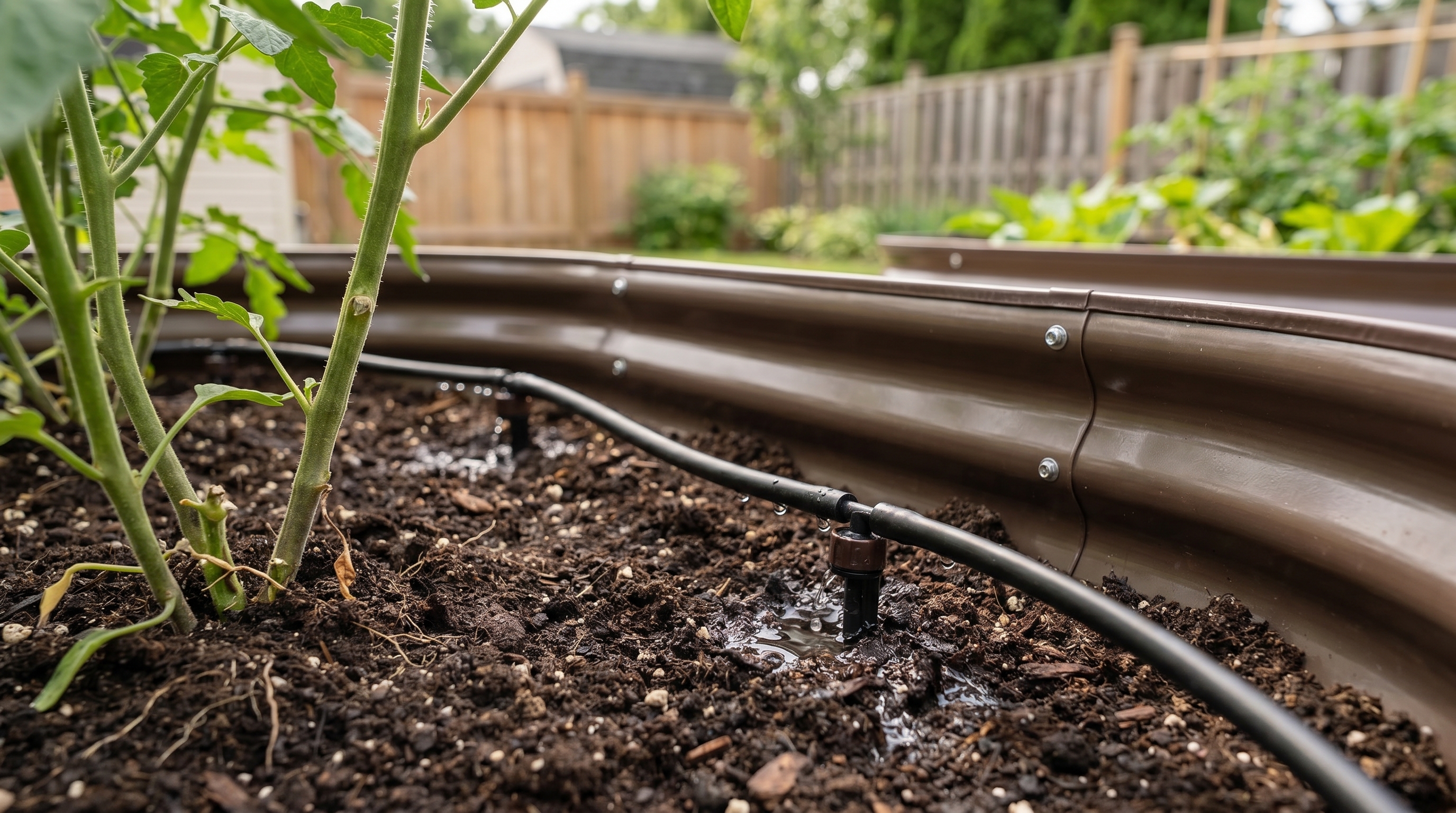
ALT: Close-up of drip irrigation emitters delivering water to vegetable roots inside a galvanized metal raised garden bed
Advanced Tips and Common Misconceptions
Handling Slope and Uneven Terrain
If your raised beds are positioned on a slope—even a gentle one—gravity will cause emitters at the low end of a run to deliver more water than those at the top. The solution is pressure-compensating emitters, which maintain consistent flow across a range of pressures. They cost slightly more than standard emitters but are essential for sloped installations.
Zoning Different Beds by Water Needs
Not all beds need the same amount of water. A bed planted with drought-tolerant herbs like rosemary and thyme needs far less water than a bed of thirsty cucumbers. Using a multi-zone timer or a manifold with individual shutoff valves allows you to group beds by water demand and customize schedules accordingly. This level of precision is one of the defining advantages of drip irrigation over overhead watering.
Misconception: Drip Irrigation Eliminates All Watering Effort
Drip irrigation significantly reduces manual labor, but it doesn't make irrigation entirely hands-off. You still need to monitor soil moisture, check emitter function, and adjust schedules as seasons and plant sizes change. Think of a drip system as a highly reliable assistant—one that handles the routine work while you focus on the more rewarding parts of gardening.
Misconception: Any Raised Bed Works Equally Well with Drip Irrigation
The structural quality and longevity of your raised beds actually matters more than many gardeners realize. Beds that warp, crack, or deteriorate quickly can shift emitter positions and disrupt your irrigation layout. Investing in high-quality metal raised garden beds—like Anleolife's galvanized and rust-resistant lines engineered for a 20-year lifespan—ensures your irrigation infrastructure stays stable and aligned for the long term.
Frequently Asked Questions FAQ
Q1: How do I know how many emitters I need for my raised bed setup?
A general rule of thumb is one emitter per plant for large-spaced crops (tomatoes, peppers, squash) and drip tape for densely planted rows. Start by mapping your planting plan for each bed and assigning one emitter per planting hole or every 6–9 inches along a row. For a standard 8x4 ft raised bed with mixed plantings, most gardeners use between 8–20 emitters depending on plant density and spacing. Always add 10–15% more than your calculated minimum to allow for adjustments.
Q2: Is drip irrigation safe to use with galvanized metal raised garden beds?
Yes, absolutely. Drip irrigation is one of the most recommended watering methods for galvanized and metal raised garden beds. Because drip systems deliver water directly to the soil at root level—rather than splashing water against the bed walls—they actually help extend the appearance and integrity of metal beds over time. Anleolife's galvanized steel raised garden beds are engineered for a 20-year lifespan, and pairing them with drip irrigation reduces the moisture exposure to the exterior walls, further protecting your investment.
Q3: How long does it take to install a drip system for four raised garden beds?
For a first-time installer with all components on hand, a four-bed drip system typically takes 3–5 hours to install and test. This includes connecting the spigot assembly (timer, filter, pressure regulator), running the main supply line, branching into each bed, placing emitters, and running a test cycle. Subsequent beds added to an existing system are much faster—usually 30–60 minutes each. Watching a few installation walkthrough videos before starting can cut your time significantly.
Summary
Setting up a drip irrigation system for multiple raised garden beds is one of the highest-return investments you can make in your garden. Here are the three core takeaways:
- Efficiency and sustainability: Drip irrigation delivers water precisely where plants need it most—at the root zone—using significantly less water than overhead methods. For eco-conscious growers, this translates to a meaningful reduction in household water consumption across every growing season.
- Consistency and plant health: Consistent soil moisture is one of the single biggest contributors to healthy, high-yielding vegetable gardens. Drip systems eliminate the peaks and valleys of hand-watering and reduce the risk of fungal disease caused by wet foliage.
- Long-term infrastructure thinking: When your irrigation system is paired with durable, high-quality raised beds—like Anleolife's galvanized steel beds built to last 20 years—you're building a garden infrastructure that serves you for decades, not just a single season.
Your next steps are simple: sketch your bed layout, choose the irrigation approach that matches your bed count and plant variety, gather your components, and set aside a weekend morning to install. The time you invest in setup pays back every single day of the growing season.
Upgrade Your Garden with Anleolife
Anleolife operates a nationwide U.S. warehouse network strategically located in California, Texas, Florida, New York, Illinois, and Washington—ensuring delivery within 3–8 business days so your garden upgrade plans never have to wait.
Our products are available across all major platforms including Amazon, Walmart, Home Depot, Lowe's, Wayfair, and our official website Anleolife.com, providing consistent quality assurance and reliable after-sales support wherever you prefer to shop.
Anleolife's three core scenarios cover everything your garden needs: Planting (metal raised garden beds, soil systems), Raising (chicken coops, rabbit hutches), and Beautification (decorative accessories, pathway systems)—meeting your complete needs from functionality to aesthetics.
We understand that an ideal garden is not built overnight, but gradually improved over time. Our modular product design allows flexible expansion based on your needs—from your first raised garden bed to a fully integrated planting-and-raising ecosystem. We grow with you every step of the way.
References
- University of Maryland Extension. "Raised Bed Gardening".
https://extension.umd.edu/resource/raised-bed-gardening - University of California Division of Agriculture and Natural Resources. "Drip Irrigation in the Home Landscape".
https://ucanr.edu/sites/UrbanHort/Water_Use_and_Management/Drip_Irrigation_in_the_Home_Landscape/ - U.S. Environmental Protection Agency (EPA). "WaterSense: Drip Irrigation".
https://www.epa.gov/watersense/drip-irrigation - Iowa State University Extension and Outreach. "Drip Irrigation for Vegetable Gardens".
https://www.extension.iastate.edu/ - Colorado State University Extension. "Raised Bed Gardening".
https://extension.colostate.edu/topic-areas/yard-garden/raised-bed-gardening/
Note: Standards and recommendations may be updated. Please check the latest official documents or consult professional advisors for the most current guidance.
About Anleolife
Anleolife is a leading outdoor garden solutions provider in North America, dedicated to offering a full-scenario product ecosystem for home gardening enthusiasts, covering planting, raising, and garden beautification. Since its founding, we have upheld our brand mission, "Made for Garden Life," continuously innovating products and optimizing services to help hundreds of thousands of users upgrade their gardens, reconnect with nature, and enjoy a better garden lifestyle.