


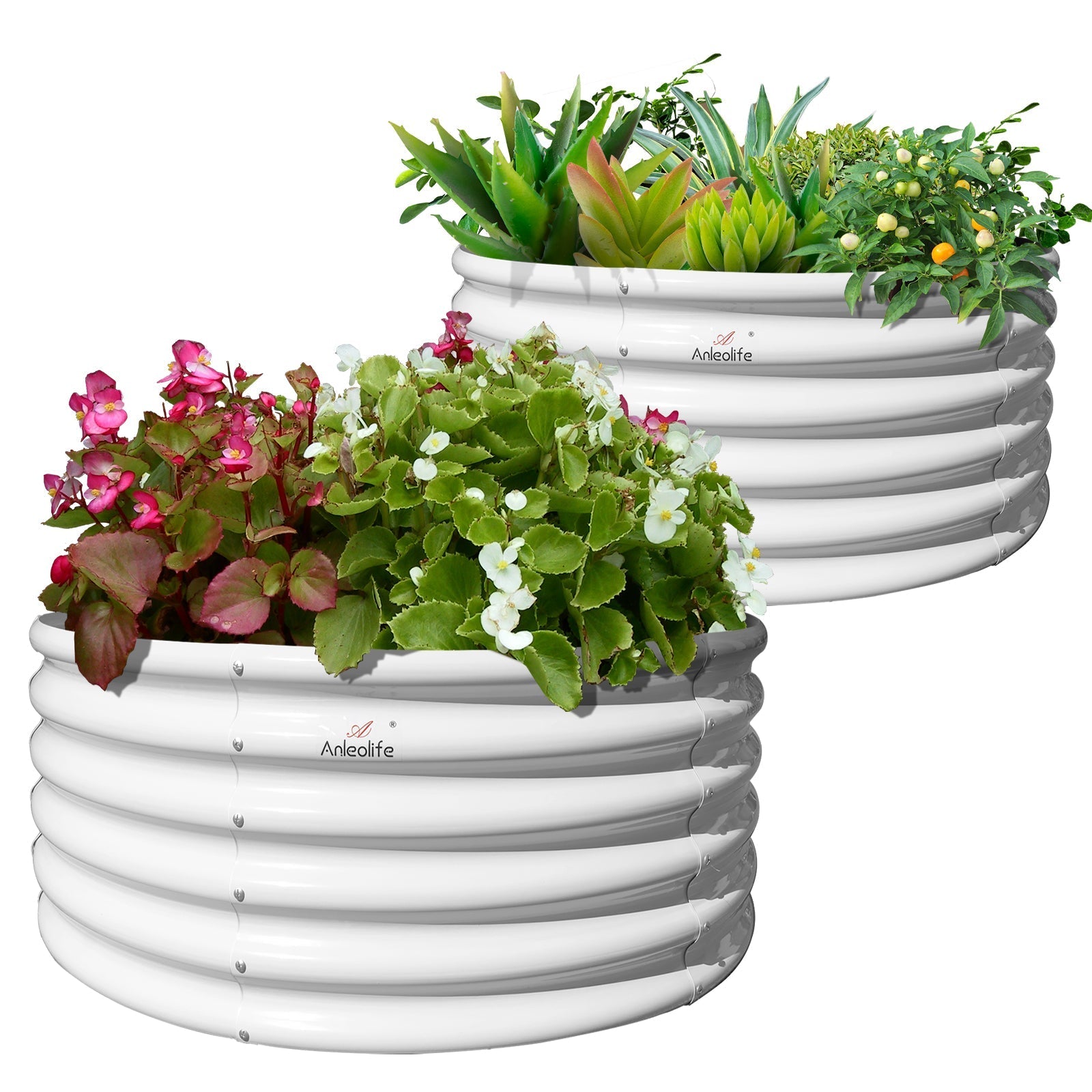

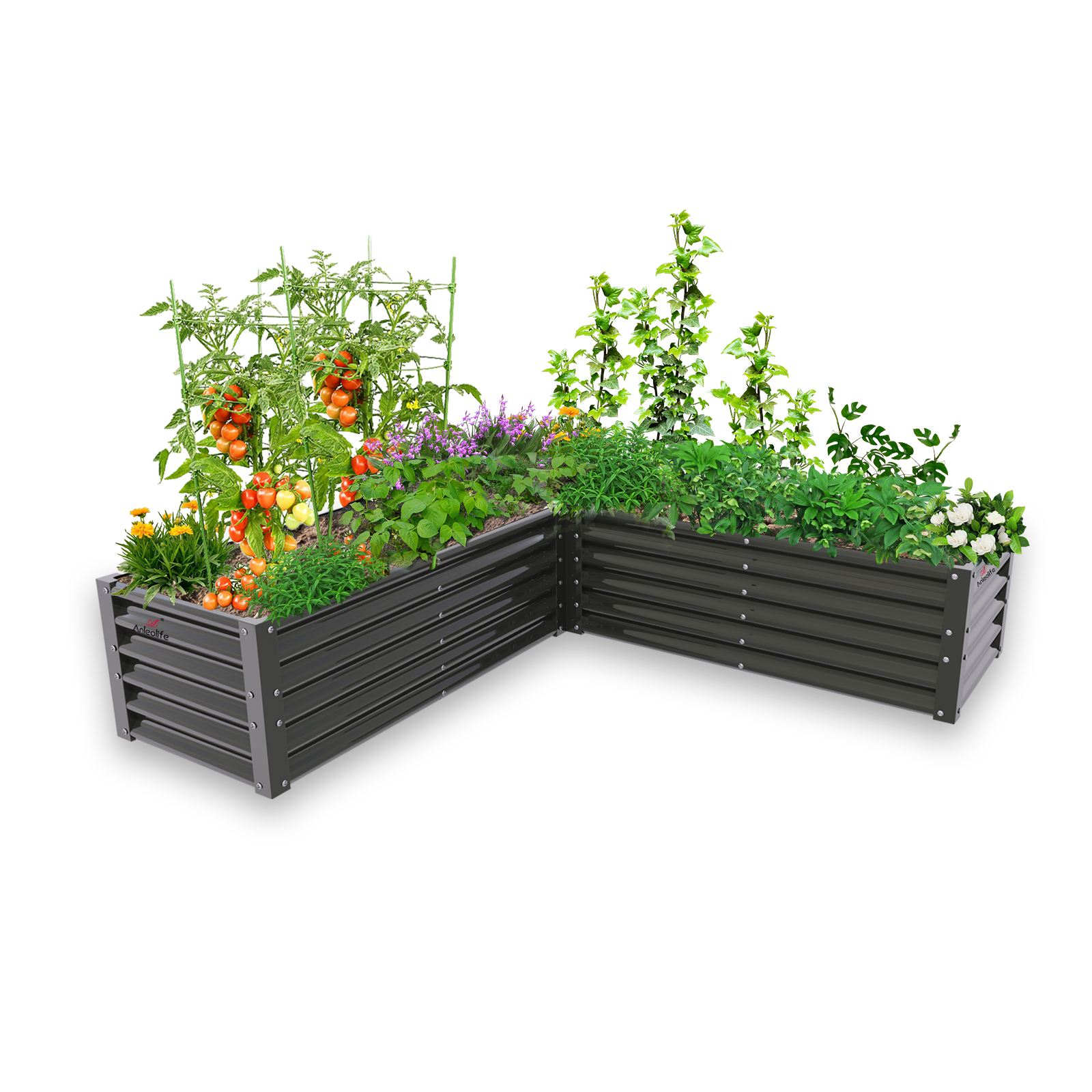
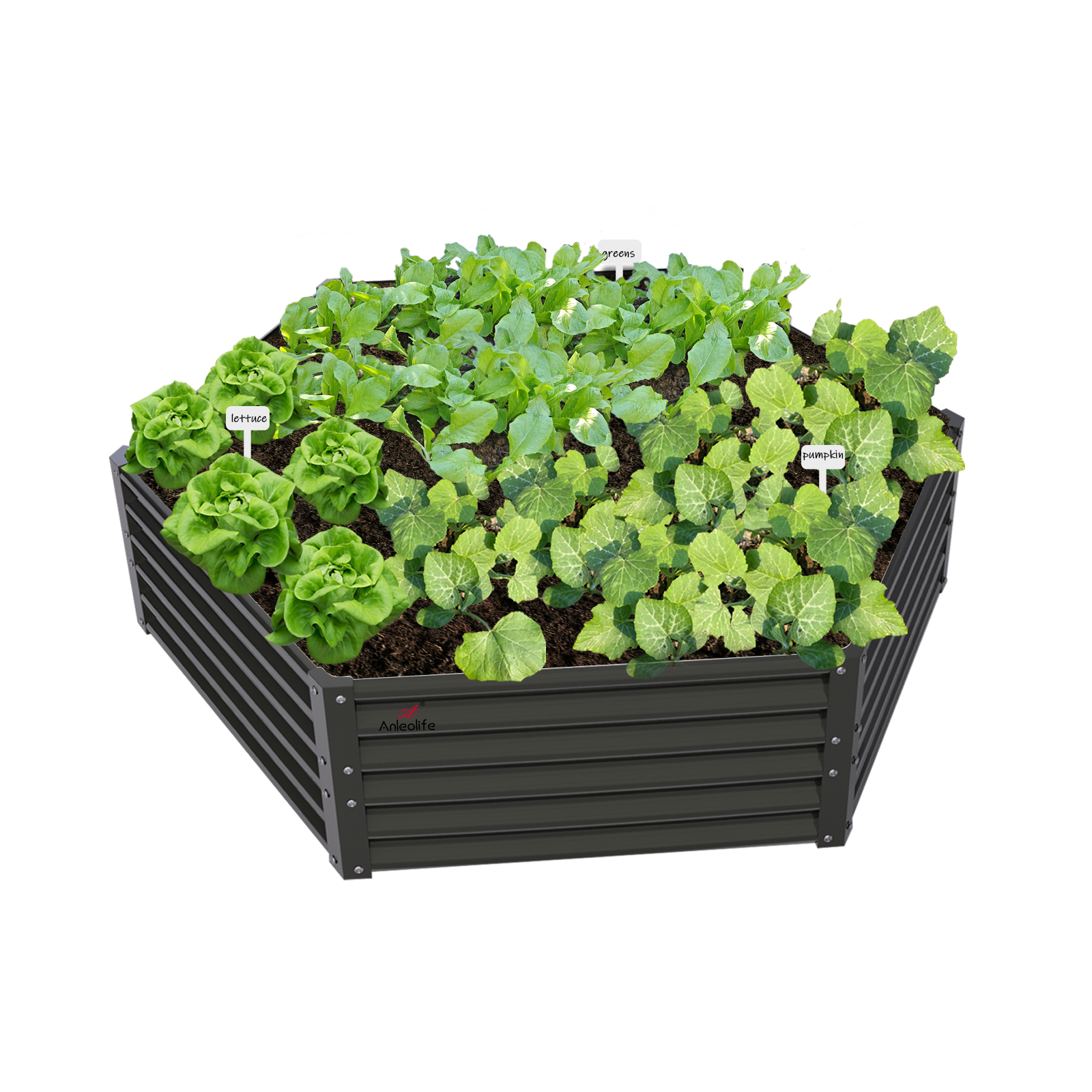
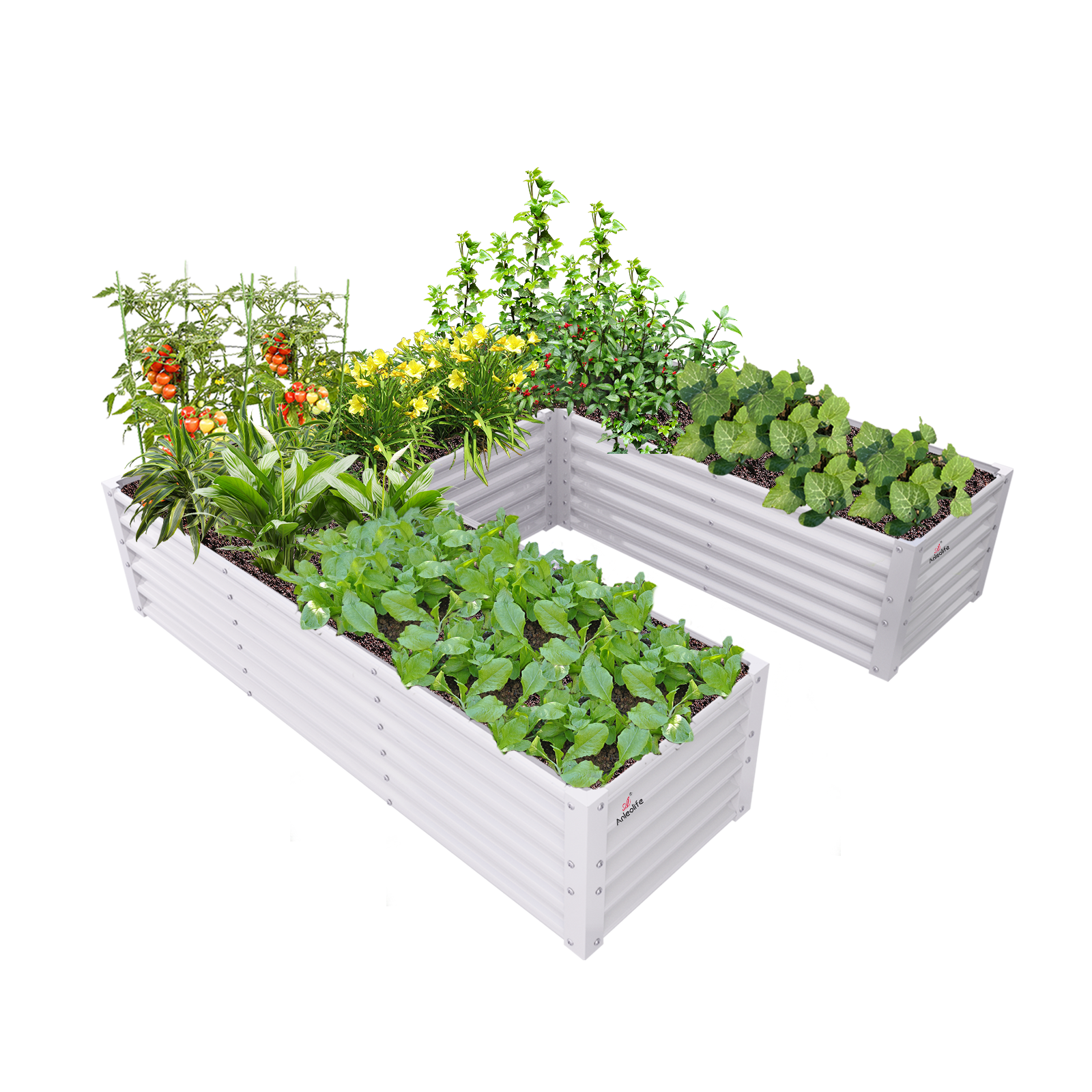



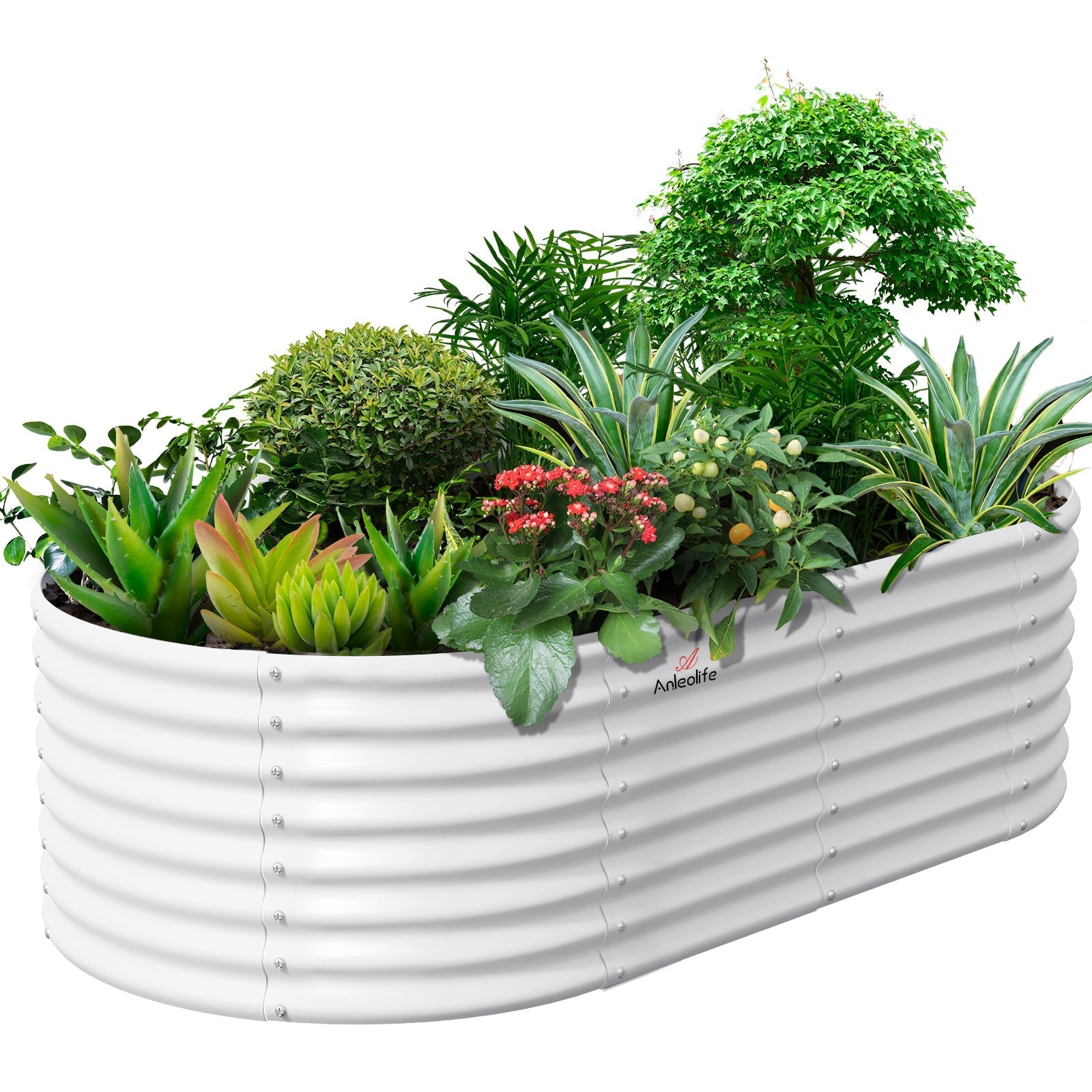









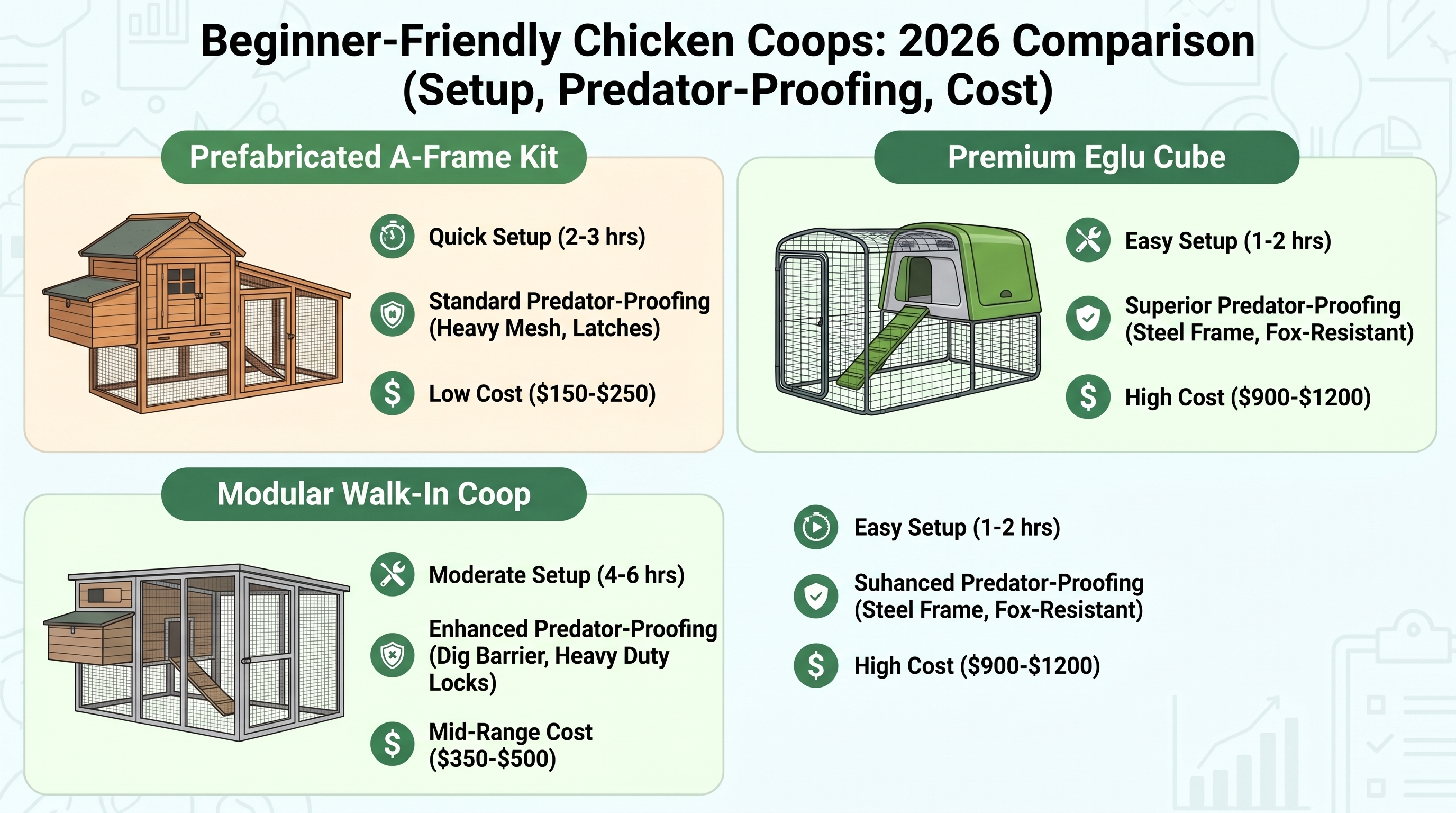
ALT: Beginner-friendly chicken coops compared side by side for setup time, predator-proofing, and cost in 2026
Starting Your Backyard Flock: What Every First-Time Chicken Keeper Needs to Know
Key Conclusion: Choosing the best chicken coop for beginners in 2026 comes down to three non-negotiable factors: how fast you can set it up, how well it protects your flock from predators, and how much it costs to own long-term. After comparing five popular beginner models across these dimensions, one clear truth emerges—spending a little more upfront on a well-designed, predator-resistant coop saves you money, heartbreak, and countless headaches down the road. This guide gives you everything you need to make a confident first decision.
Raising backyard chickens has never been more popular. Families across North America are discovering the joy of fresh eggs, the educational value for kids, and the deeply satisfying rhythm of caring for a small flock. But before you bring home your first chicks, you need a coop that actually works—one that keeps birds safe, fits your yard, and won't take a contractor to assemble.
In this guide, we've evaluated five beginner chicken coops head-to-head, scoring each on setup complexity, predator protection, ventilation, capacity, and total cost of ownership. Whether you're a suburban family with a postage-stamp yard or a retiree converting a garden corner into a mini homestead, there's a model here for you.
Who This Guide Is For
✅ Applicable Scenarios:
- First-time chicken keepers setting up a backyard flock of 2–8 birds
- Families and retirees looking for a low-maintenance, ready-to-assemble coop solution
- Urban or suburban gardeners integrating chickens into a broader home garden ecosystem
- Anyone who wants fresh eggs without building a coop from scratch
❌ Not Applicable/Cautions:
- Commercial poultry operations or flocks exceeding 12 birds (you'll need a purpose-built structure)
- Areas with extreme HOA restrictions on backyard poultry—always check local ordinances before purchasing
- Buyers expecting zero assembly—virtually all prefab coops require some setup time
Why 2026 Is the Year to Start Keeping Backyard Chickens
The backyard chicken movement has grown steadily over the past decade, accelerated by food security concerns, a renewed interest in sustainable living, and the simple appeal of knowing where your eggs come from. According to the USDA, small-flock poultry ownership has increased significantly among suburban households, with millions of Americans now raising fewer than 50 birds for personal use.
But here's the challenge facing beginners: the chicken coop market is flooded with options ranging from flimsy flat-pack kits to over-engineered structures that cost as much as a garden shed. For a first-time keeper, navigating this landscape is genuinely confusing. What size do you need? What materials hold up against raccoons? How long will it take to put together on a Saturday morning?
These aren't trivial questions. A coop that's too small leads to stressed, unhealthy birds. A poorly ventilated coop breeds respiratory illness. And a coop with weak hardware cloth is essentially an invitation to every predator in your neighborhood.
The good news? The 2026 market has matured considerably. Manufacturers are finally responding to beginner feedback by offering better locking mechanisms, galvanized hardware, pre-drilled components, and clearer instructions. And brands like Anleolife, which built their reputation on well-engineered metal raised garden beds with a proven 20-year lifespan, have extended that same design philosophy into their chicken coop lineup—bringing durability and thoughtful construction to the raising category.
This article pairs beautifully with your broader backyard garden journey. If you're also growing vegetables, you might want to explore Anleolife's raised bed planning resources to understand how a coop can integrate with a planting ecosystem—chicken manure is, after all, one of the best natural fertilizers available.
The Full Comparison: 5 Beginner Chicken Coops Evaluated
Three Steps Before You Buy Any Coop
Step 1: Calculate Your Flock Size and Space Requirements
Before looking at a single product, count how many chickens you actually want. The standard rule is 4 square feet of indoor coop space per bird and 10 square feet of outdoor run space. A family wanting 4 hens needs a minimum 16 sq ft coop interior and 40 sq ft run. Measure your available yard space and mark it out physically—what looks large on paper often feels smaller in real life. This step takes about 15–20 minutes but prevents the most common beginner mistake: buying too small.
Step 2: Assess Your Predator Pressure
Spend a few evenings observing your yard perimeter and researching what predators are common in your region. Raccoons, foxes, opossums, hawks, and even neighborhood dogs are the most frequent threats. Write down your top three concerns. This directly informs which hardware and locking features matter most to you—and which coops to eliminate from your shortlist. A 10-minute conversation with a local feed store staff member or online chicken-keeping group can give you hyper-local insight. Allocate 30–45 minutes for this research step.
Step 3: Set a Realistic Total Budget
The sticker price of a coop is rarely the full cost. Factor in bedding, feeders, waterers, a heat lamp for winter, and any modifications you'll make in the first year. A $300 coop that requires $150 in hardware upgrades costs more than a $400 coop that's predator-ready out of the box. Build a simple spreadsheet with upfront cost, estimated first-year accessories, and expected lifespan. This 20-minute exercise gives you a true cost-per-year figure that makes comparison much easier.
Head-to-Head: 5 Beginner Coop Models Compared
Here's where the rubber meets the road. We evaluated five representative beginner coop categories—ranging from budget flat-pack wood kits to premium galvanized metal designs—across six critical dimensions.
| Comparison Dimension | Budget Wood Kit | Mid-Range Wood Coop | Plastic Modular Coop | Premium Wood Coop | Anleolife Metal Coop |
|---|---|---|---|---|---|
| Recommended Flock Size | 2–3 hens | 3–4 hens | 2–4 hens | 4–6 hens | 4–8 hens |
| Average Setup Time | 3–5 hours | 2–4 hours | 1–2 hours | 3–6 hours | 1.5–3 hours |
| Predator-Proofing Rating | ⭐⭐ | ⭐⭐⭐ | ⭐⭐ | ⭐⭐⭐⭐ | ⭐⭐⭐⭐⭐ |
| Ventilation Quality | Basic | Moderate | Limited | Good | Excellent |
| Weather Durability | 3–5 years | 5–8 years | 5–7 years | 8–12 years | 15–20+ years |
| Price Range | $150–$250 | $280–$380 | $200–$350 | $400–$600 | $350–$550 |
| Ease of Cleaning | Moderate | Moderate | Easy | Moderate | Very Easy |
| Beginner-Friendly Assembly | ✅ (just slow) | ✅ | ✅ | ❌ (complex) | ✅ |
Deep Dive: What Each Rating Actually Means for You
Budget Wood Kit Coops ($150–$250)
Budget wood kits are the most commonly purchased beginner coops—and the most commonly regretted. They're attractive at the price point, and many look charming in product photos. However, the reality is typically thin plywood that warps within one wet season, staple-gun-applied hardware cloth that a determined raccoon can peel back, and instructions that leave you questioning every step.
Setup time runs 3–5 hours because components rarely pre-fit perfectly. Predator-proofing is the critical weakness: most budget kits use lightweight staples rather than screws to attach wire, and the wire itself is often chicken wire (which only keeps chickens in, not predators out—more on this below). For someone in a low-predator-pressure suburban area with a very small flock, this can work short-term. But expect to replace it within 3–5 years.
Mid-Range Wood Coops ($280–$380)
This is where quality starts to improve meaningfully. Mid-range wood coops typically feature thicker lumber, better-finished interiors that are easier to clean, and more secure latching systems. Setup time drops to 2–4 hours thanks to better pre-drilling and clearer instructions. Predator-proofing improves but remains a concern—check whether the manufacturer uses welded wire mesh (good) or basic chicken wire (insufficient).
For families wanting a "starter coop that might last a few years," this category represents reasonable value. The main limitation is longevity: even quality wood requires annual treatment to resist moisture, and in humid climates, these structures age quickly.
Plastic Modular Coops ($200–$350)
Plastic coops have carved a niche based on one genuine strength: they are extraordinarily easy to clean. Snap-fit components mean no deep crevices where mites and bacteria hide. Setup is genuinely fast—1–2 hours for most models. However, ventilation is typically the weak point, as plastic panels limit airflow more than wood or metal. In hot climates, this is a serious concern for bird health.
Predator-proofing varies wildly by brand. The structural integrity of plastic door latches and snap-fit connections is lower than metal alternatives. In colder climates, plastic can become brittle. These are best suited to mild climates and small flocks of 2–3 birds.
Premium Wood Coops ($400–$600)
Premium wood coops represent the pinnacle of traditional aesthetic chicken keeping. Think stained cedar, copper hardware accents, and designs that look like charming miniature barns. Predator-proofing is generally strong, with heavy-gauge welded wire and quality locks. For empty nesters and retirees who want their backyard to look beautiful, these coops deliver.
The tradeoff is assembly complexity—setup can take 3–6 hours even for handy individuals, and some models genuinely benefit from two people. The bigger long-term issue is wood maintenance. Cedar holds up well, but every 1–2 years you'll need to re-treat surfaces. In the Pacific Northwest or humid Southeast, this is a real time investment.
Anleolife Metal Coops ($350–$550)
The Anleolife chicken coop line brings the same galvanized steel construction philosophy that made their metal raised garden beds famous for a 20-year lifespan. For beginner chicken keepers, this has meaningful practical implications.
Predator-proofing is where metal coops genuinely outperform wood and plastic alternatives. Heavy-gauge galvanized hardware mesh—not chicken wire—is the standard, with reinforced corner connections and multi-point locking doors that resist the dexterous paws of raccoons. There are no wooden panels that swell shut in winter or warp open gaps in summer.
Setup time is streamlined through pre-assembly engineering: most components slot together with clear numbered hardware, and the majority of beginners complete assembly in 1.5–3 hours. The galvanized finish requires no seasonal treatment—wipe down as needed, and it continues performing.
Ventilation is engineered rather than accidental, with positioned mesh panels that maximize airflow without creating cold drafts in winter. For flock health, consistent good airflow is one of the most important factors in preventing respiratory illness, as the UC ANR poultry health guidelines emphasize.
The integrated run design in Anleolife coops features a buried or overlapping apron option to prevent digging predators—a detail often overlooked in cheaper models but essential for anyone with foxes or dogs in their area.

ALT: Anleolife galvanized metal chicken coop with predator-proof hardware mesh and easy-access nesting box for beginner backyard flock
Advanced Considerations: What Beginners Often Miss
The Chicken Wire Myth
One of the most persistent misconceptions in backyard chicken keeping is that chicken wire equals predator protection. It does not. Chicken wire is designed to keep chickens contained—its thin gauge and wide openings can be torn by a raccoon, bitten through by a rat, or simply bent aside by a persistent fox. For genuine predator resistance, you need welded wire mesh (also called hardware cloth) with openings no larger than ½ inch and a minimum 19-gauge thickness. Always verify this specification before purchasing.
Ventilation vs. Draft: Understanding the Difference
Beginners often over-correct on ventilation after reading about respiratory illness, accidentally creating a drafty coop that causes cold stress in winter. The principle is this: ventilation openings should be positioned above roost height so fresh air circulates without blowing directly on sleeping birds. Look for coops with adjustable vents or covered upper mesh panels. This detail separates thoughtfully designed coops from those that simply have holes cut in the sides.
The Run Size Underestimation Problem
The 10 square feet per bird run recommendation is a minimum, not an ideal. Chickens confined to tight runs become stressed, exhibit pecking behavior, and are more susceptible to disease. If you have the space, doubling the run area dramatically improves flock health and happiness. Consider future expansion when choosing a coop—some models offer modular run extensions that attach to the original structure.
Winter and Summer Modifications
Depending on your climate, you'll likely need to modify your coop seasonally. In winter climates, adding a heated waterer base (around $30–$50) and temporarily covering northern-facing vents with clear plastic prevents frozen water and excessive heat loss. In summer, adding shade cloth over the run and ensuring maximum ventilation keeps birds cool. Factor these ongoing costs into your total ownership budget.
Frequently Asked Questions FAQ
Q1: How long does it actually take to assemble a beginner chicken coop?
Assembly time varies significantly by model and your DIY comfort level. Budget wood kits typically run 3–5 hours due to poorly pre-fitted components. Plastic modular coops are the fastest at 1–2 hours. Well-engineered metal coops like Anleolife's fall in the 1.5–3 hour range for most beginners, thanks to numbered hardware and pre-drilled components. Having two people speeds things up noticeably—one to hold, one to fasten. Always read reviews specifically mentioning assembly before purchasing, as manufacturer estimates tend to be optimistic.
Q2: Is hardware cloth really necessary, or is chicken wire good enough for predator-proofing?
Hardware cloth (welded wire mesh) is absolutely necessary for genuine predator protection. Chicken wire is designed only to contain birds—its thin gauge and wider openings can be torn by raccoons, bitten through by rats, and pushed aside by foxes. The USDA recommends using ½-inch welded wire mesh of at least 19-gauge for all predator-exposed surfaces. This includes not just walls but the floor of the run if you're dealing with digging predators. It's a non-negotiable upgrade that separates safe coops from vulnerable ones.
Q3: What is the true total cost of owning a beginner chicken coop in the first year?
The coop itself is just the beginning. Budget $150–$200 for first-year accessories: feeders, waterers, bedding (pine shavings), a heat lamp for cold weather, and a basic first-aid kit. Add feed costs—approximately $15–$25 per month for a small flock depending on feed quality and supplemental free-ranging. Premium coops that cost $100–$150 more upfront often eliminate the need for hardware upgrades (adding $50–$100 on budget models), making the true first-year cost difference between budget and mid-range options surprisingly small.
Summary
Choosing your first chicken coop is one of the most consequential decisions you'll make as a new backyard poultry keeper. Get it right, and you'll spend your mornings collecting fresh eggs from a healthy, happy flock. Get it wrong, and you'll face costly replacements, predator losses, and a frustrating experience that colors your entire first year.
Three key takeaways from this comparison:
First, prioritize predator-proofing above all else. Hardware cloth, secure multi-point locks, and a dig-proof run perimeter are worth every extra dollar. A single predator event can wipe out your entire flock overnight.
Second, don't underestimate setup time or ongoing maintenance. Wood coops require seasonal treatment; plastic coops limit ventilation; metal coops offer the best durability-to-maintenance ratio for most beginners.
Third, think in total cost of ownership, not sticker price. A coop with a 15–20+ year functional lifespan costs dramatically less per year than a $200 kit you replace in three seasons.
For beginners who want genuine peace of mind, a design that grows with their needs, and a brand with a track record in durable outdoor products, the Anleolife metal coop line consistently delivers on all three priorities.
Ready to Start Your Flock?
Nationwide U.S. warehouse network: Strategically located in California, Texas, Florida, New York, Illinois, and Washington, Anleolife ensures delivery within 3–8 business days—so your coop arrives before your chicks do. No long waits, no uncertainty.
Multi-channel availability: Shop on Amazon, Walmart, Home Depot, Lowe's, Wayfair, or directly at https://www.anleolife.com/ for consistent quality assurance and responsive after-sales support.
Three complete garden scenarios: Planting (metal raised garden beds with a proven 20-year lifespan, soil systems), Raising (chicken coops, rabbit hutches), and Beautification (decorative accessories, pathway systems)—everything you need to build a functional, beautiful backyard ecosystem from the ground up.
Upgrade your garden with Anleolife. We understand that an ideal garden is not built overnight, but gradually improved over time. Our modular product design allows flexible expansion based on your needs—from your first 8x4x2 garden bed to a fully integrated planting-and-raising ecosystem. We grow with you every step of the way.
References
This article is based on the following official materials (as of January 2026):
- [USDA]. "Raising Backyard Poultry - Small Flock Management Guidelines."
https://www.usda.gov/ - [UC ANR]. "Poultry Health and Backyard Flock Management Resources."
https://ucanr.edu/ - [OSU Extension]. "Small-Scale Poultry Housing and Predator Prevention."
https://extension.oregonstate.edu/ - [EPA]. "Composting Poultry Manure for Home Garden Use."
https://www.epa.gov/
Note: Product specifications, predator management recommendations, and housing standards may be updated. Please consult the latest official documents or a local agricultural extension advisor for region-specific guidance.
About Anleolife
Anleolife is a leading outdoor garden solutions provider in North America, dedicated to offering a full-scenario product ecosystem for home gardening enthusiasts, covering planting, raising, and garden beautification. Since its founding, we have upheld our brand mission, "Made for Garden Life," continuously innovating products and optimizing services to help hundreds of thousands of users upgrade their gardens, reconnect with nature, and enjoy a better garden lifestyle.