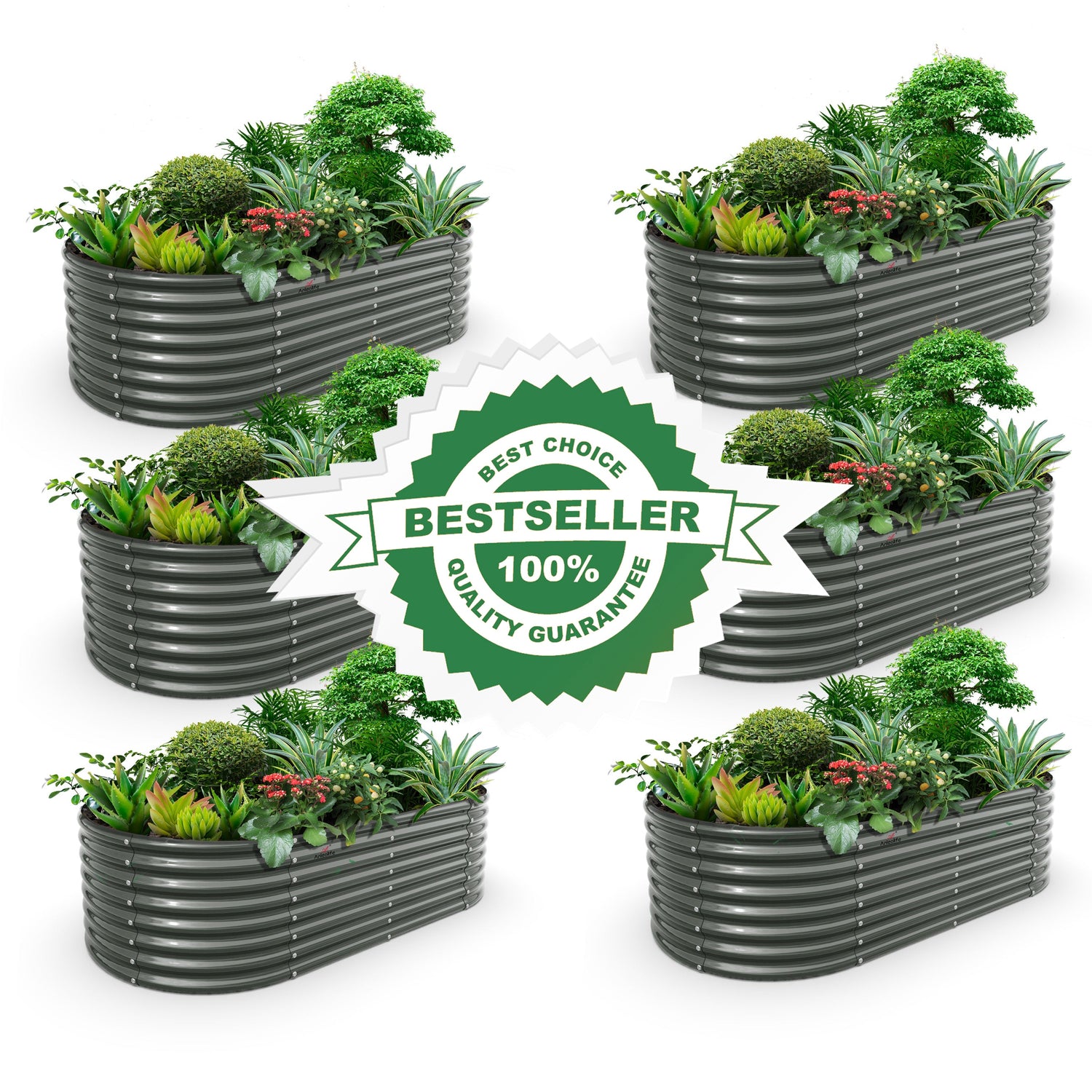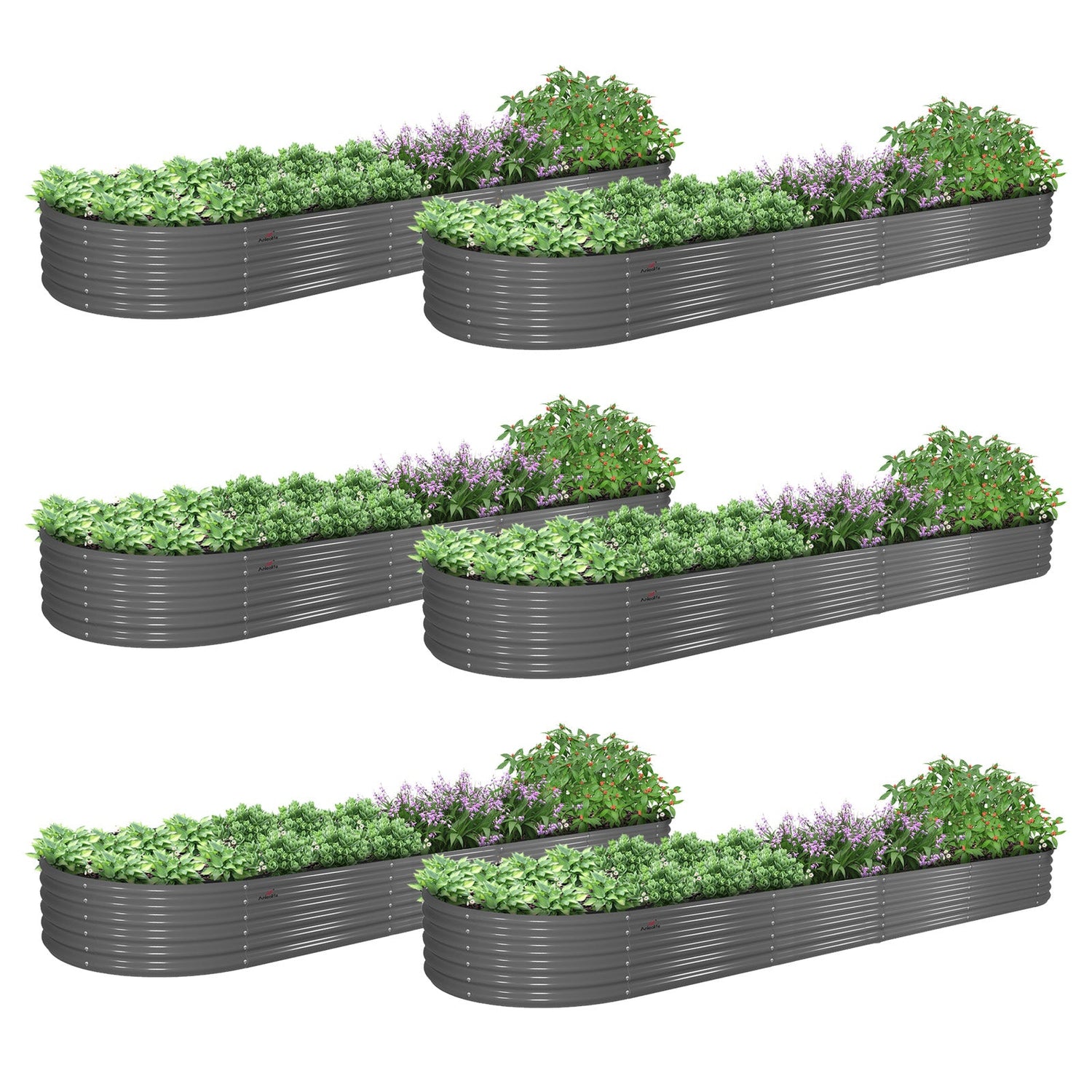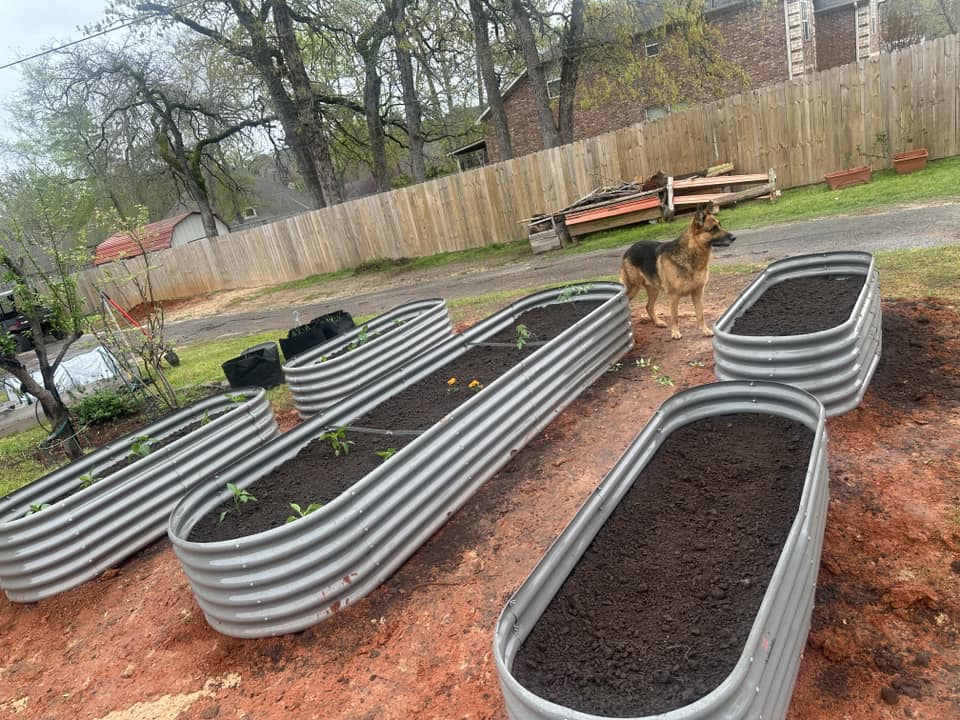



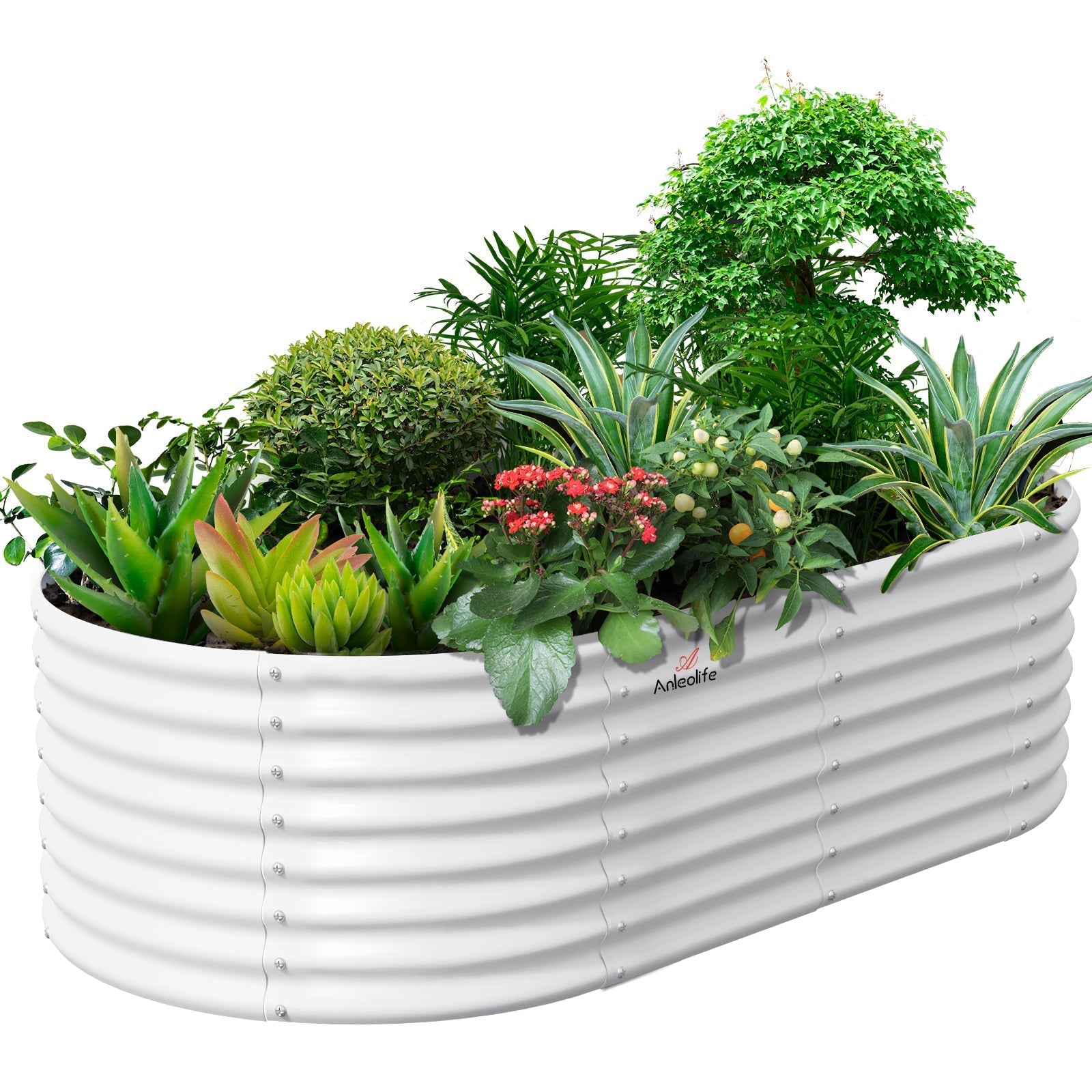
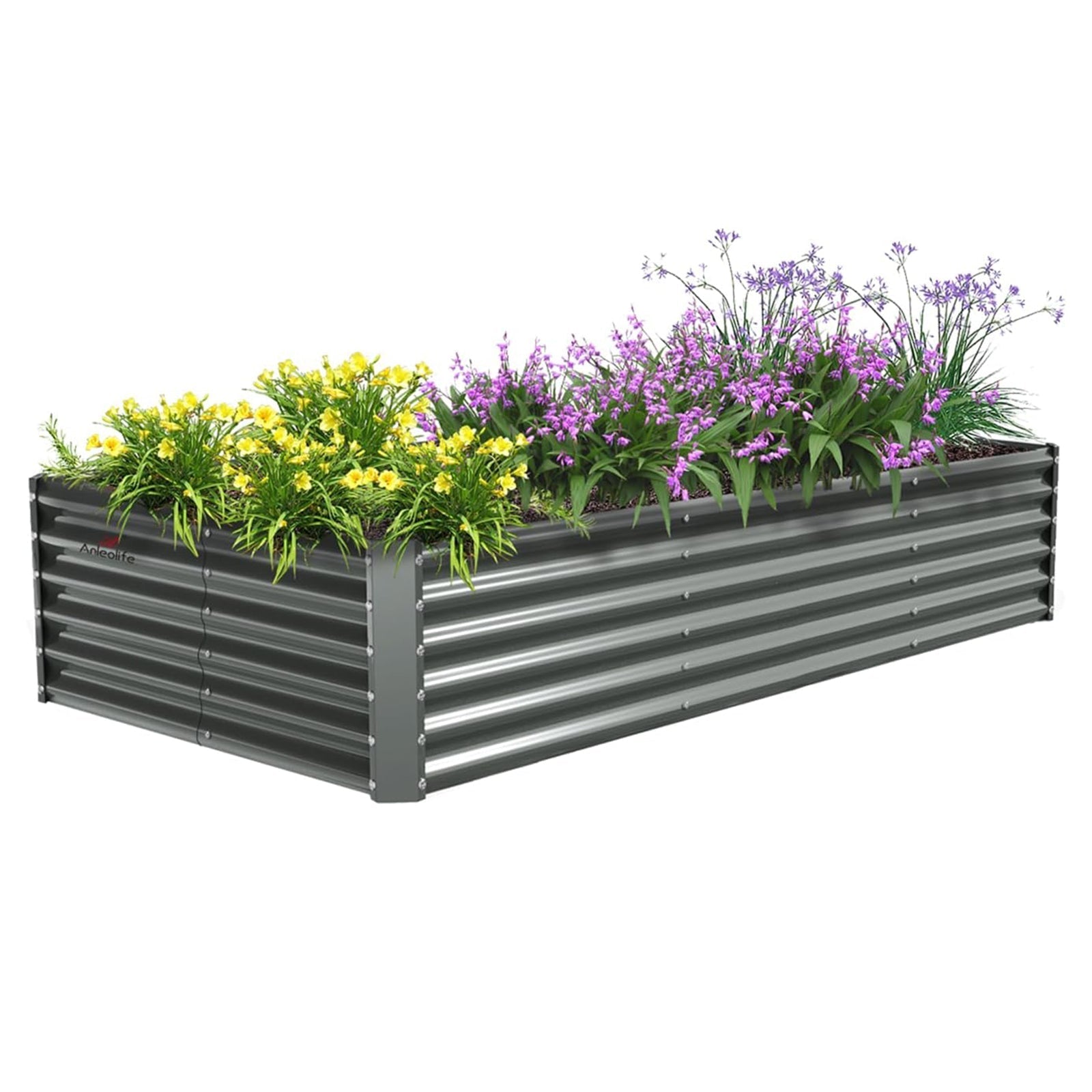
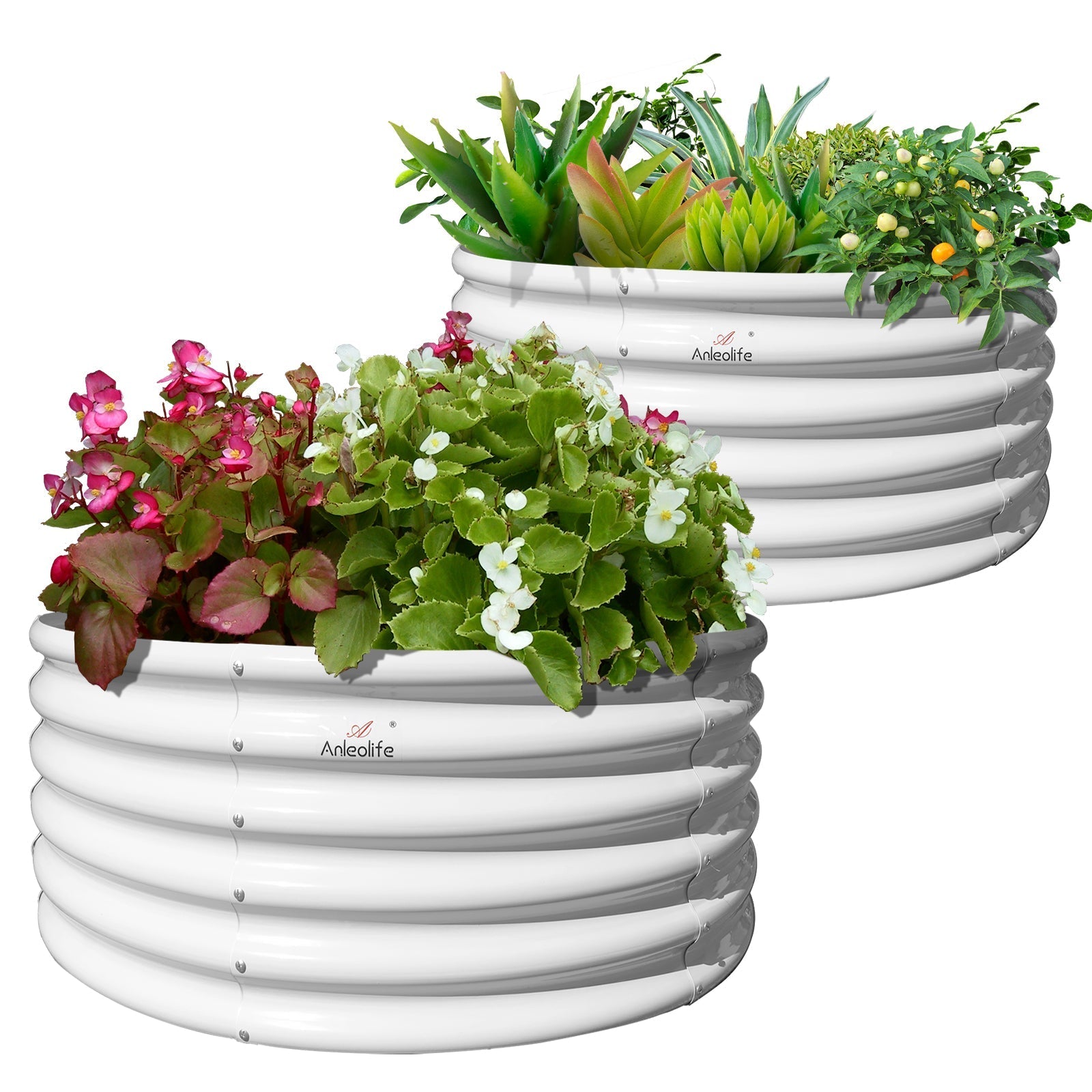
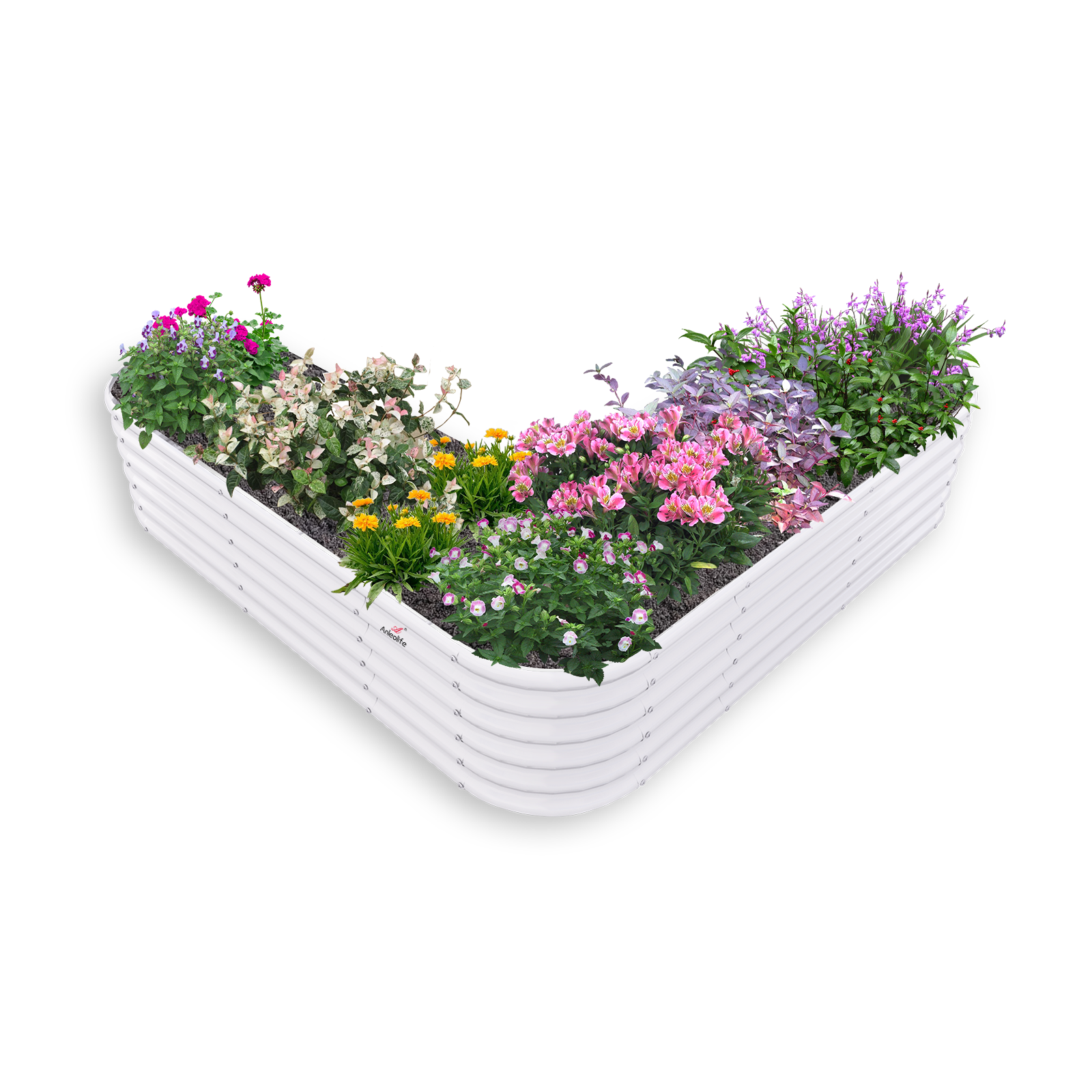
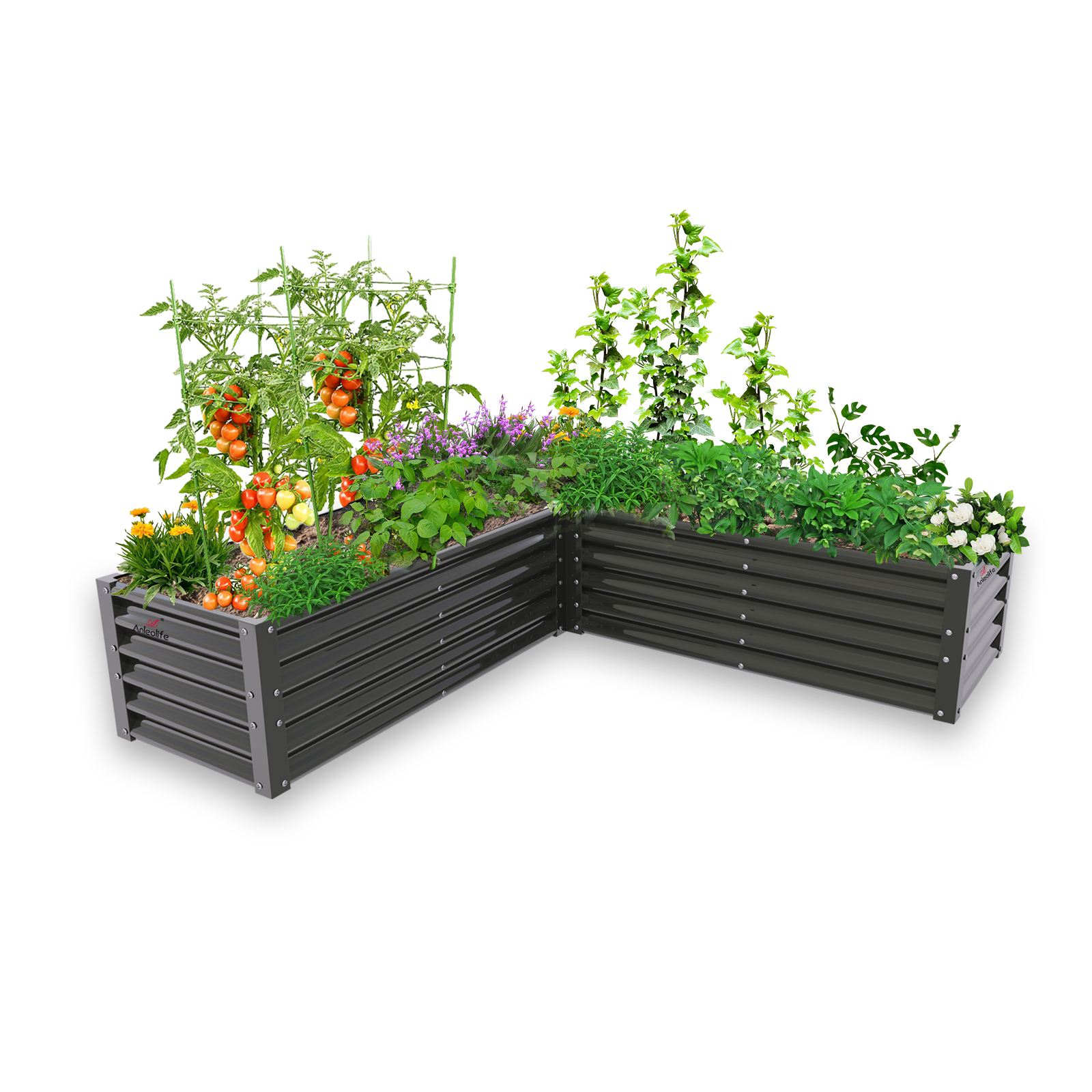
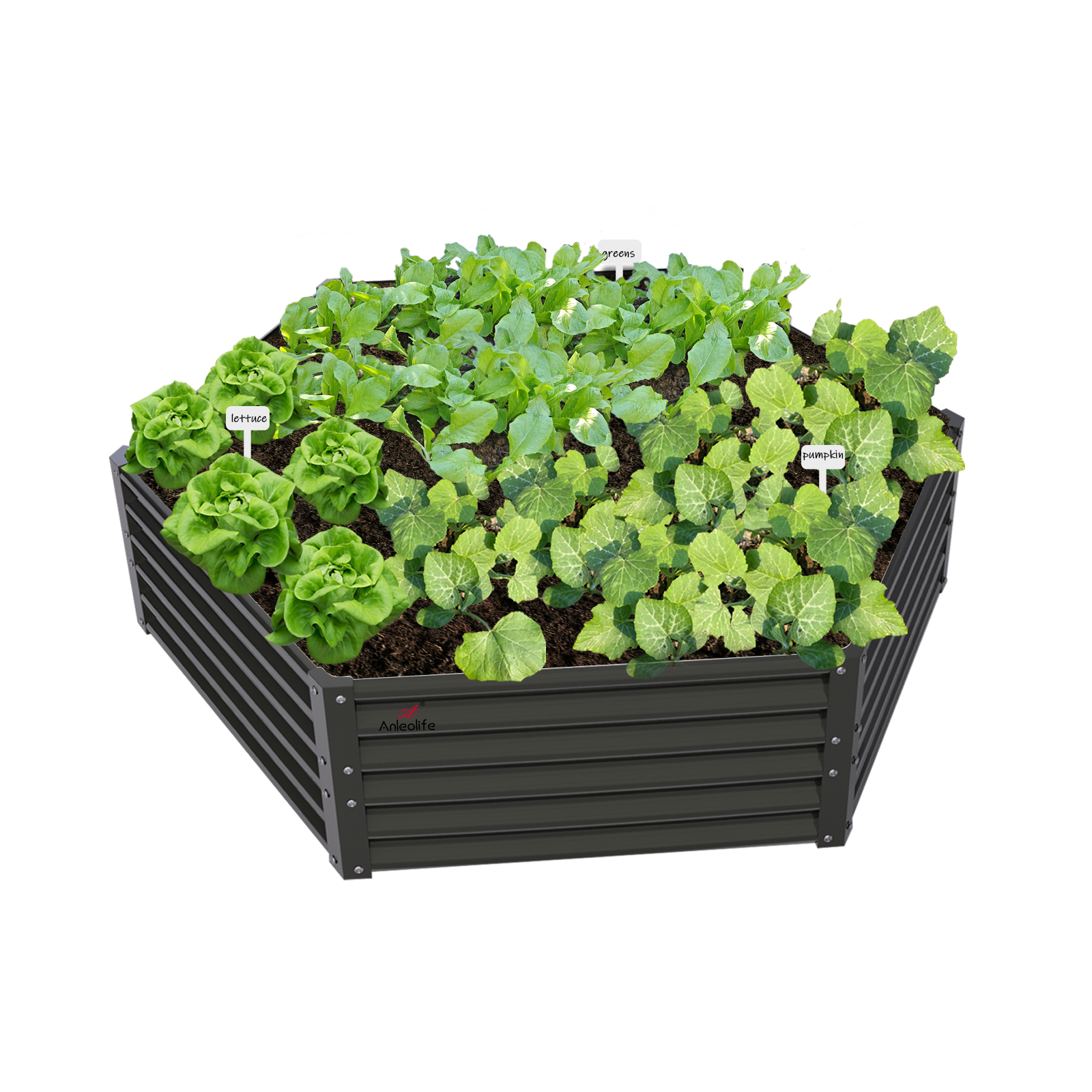
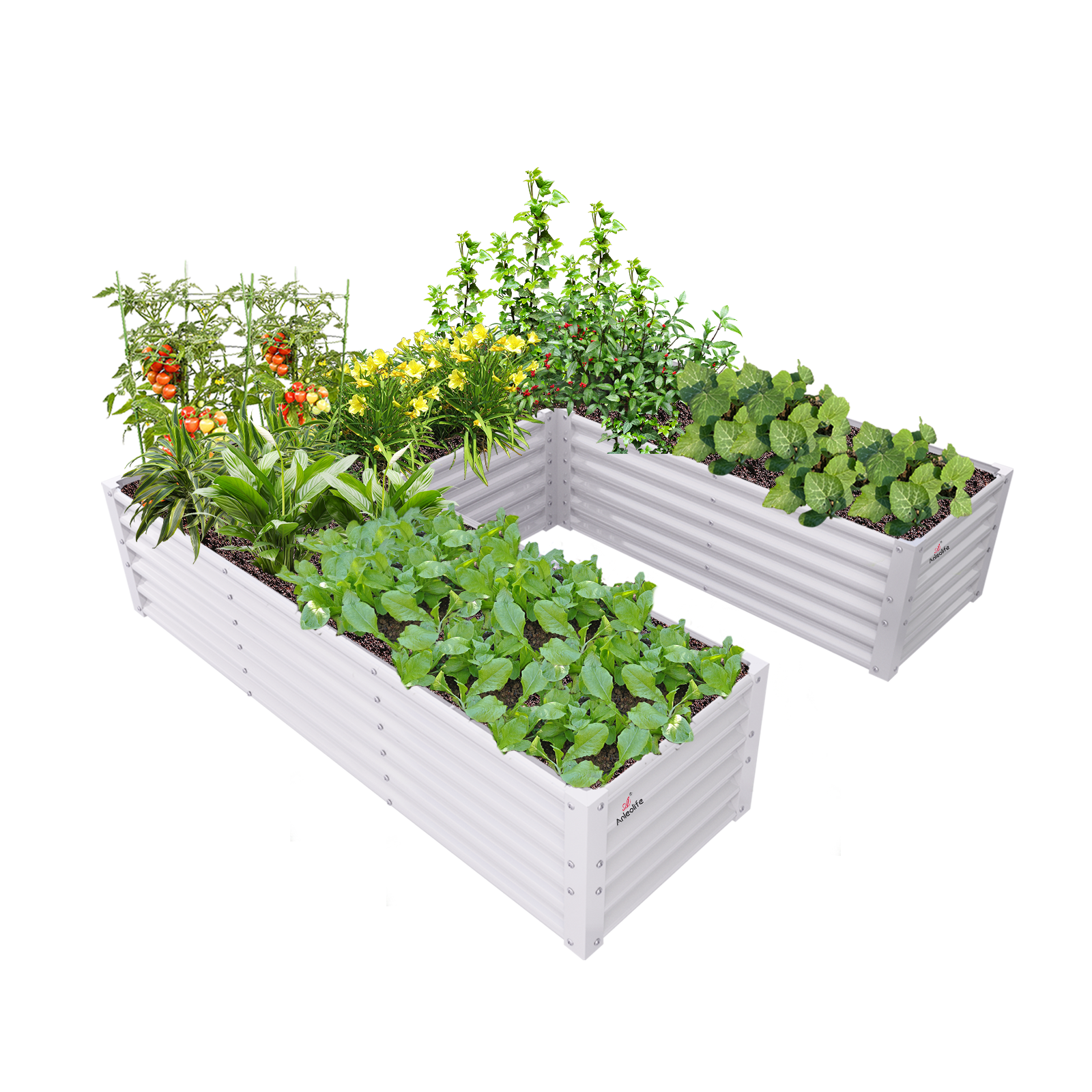

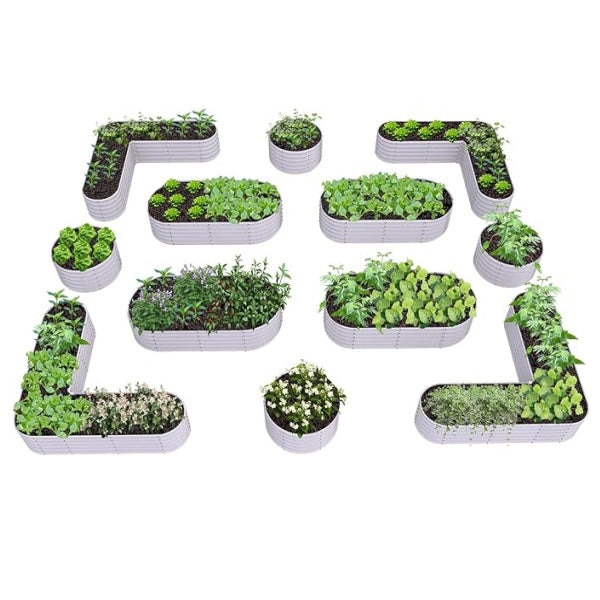

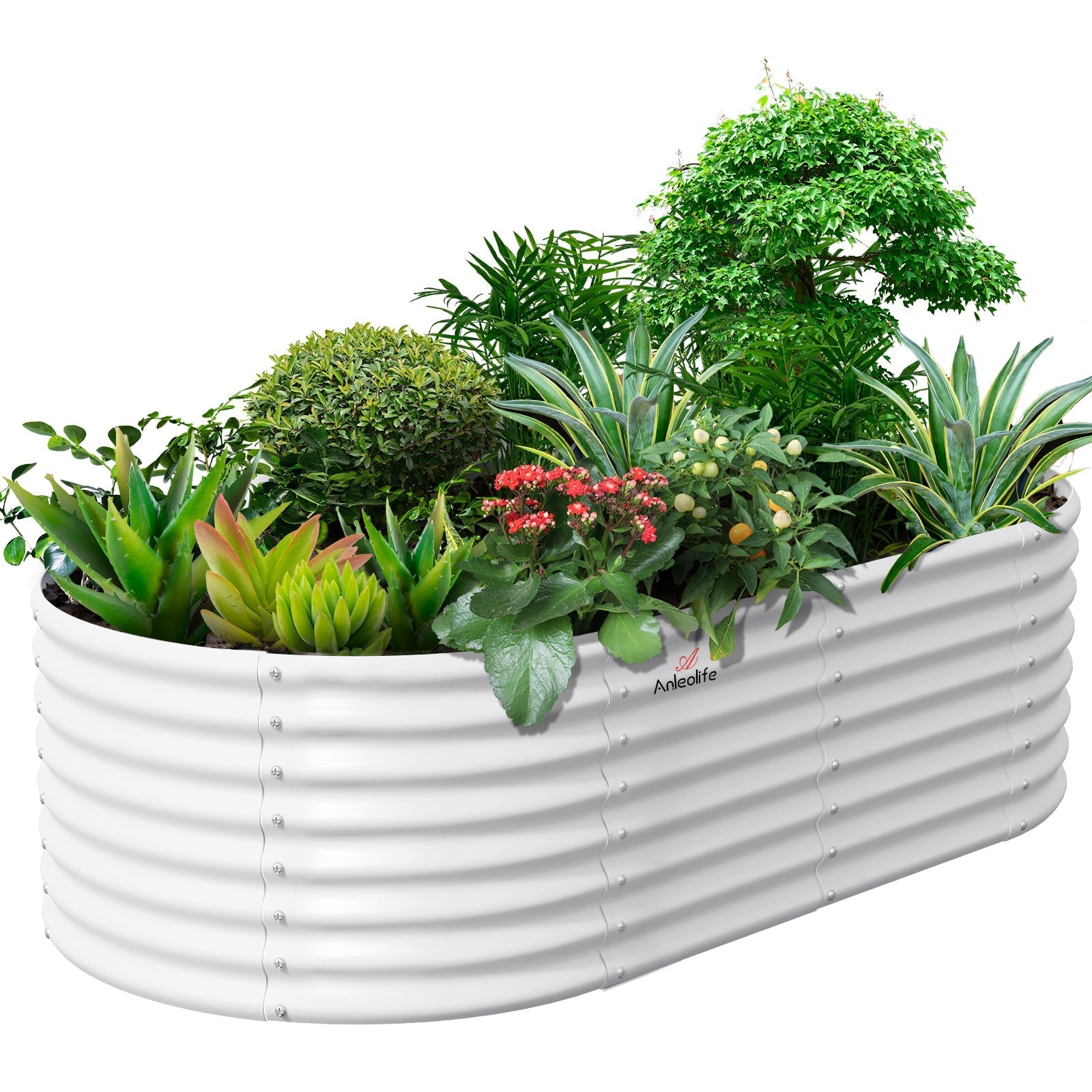

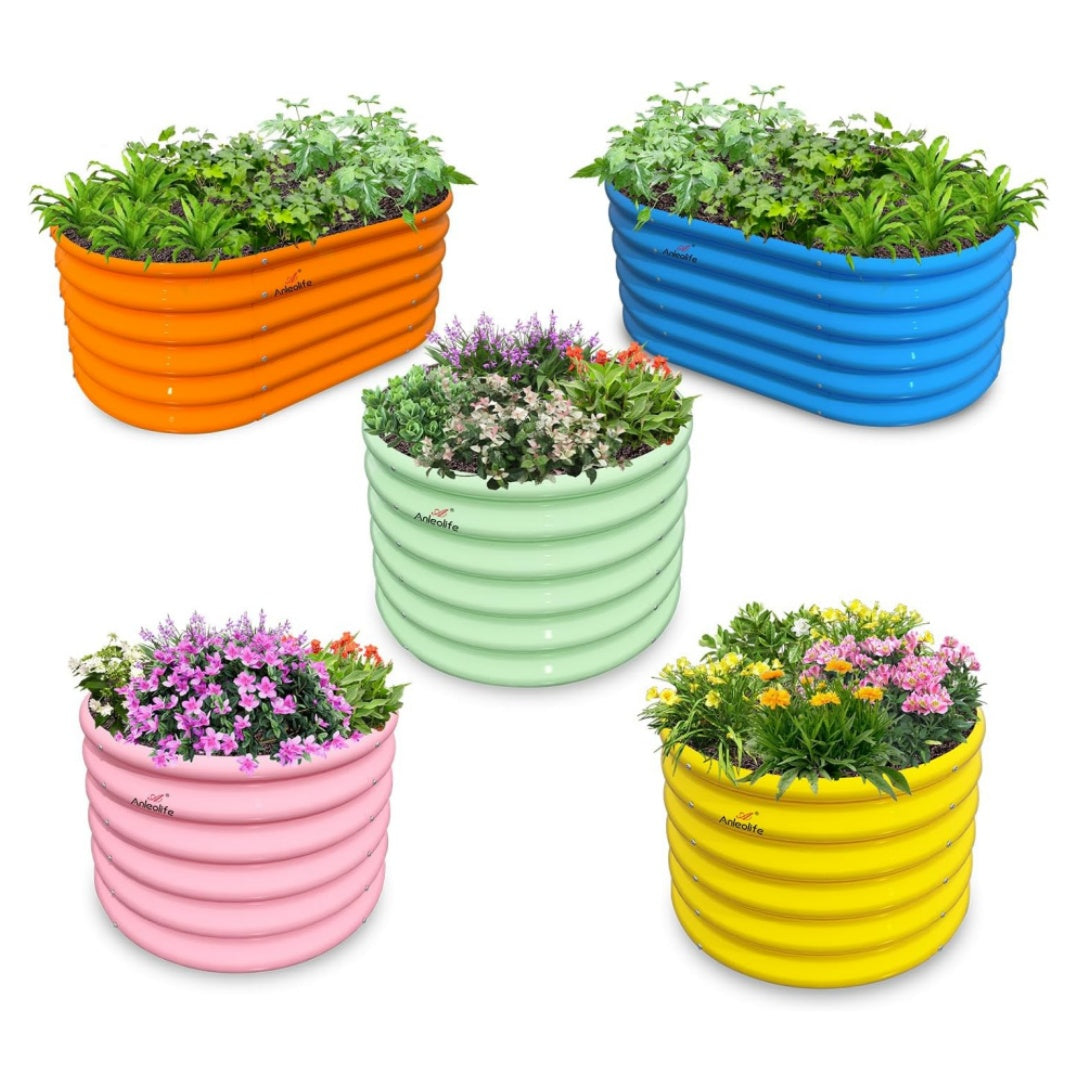
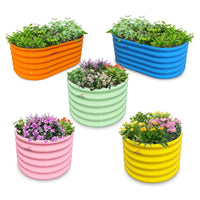
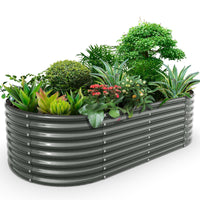



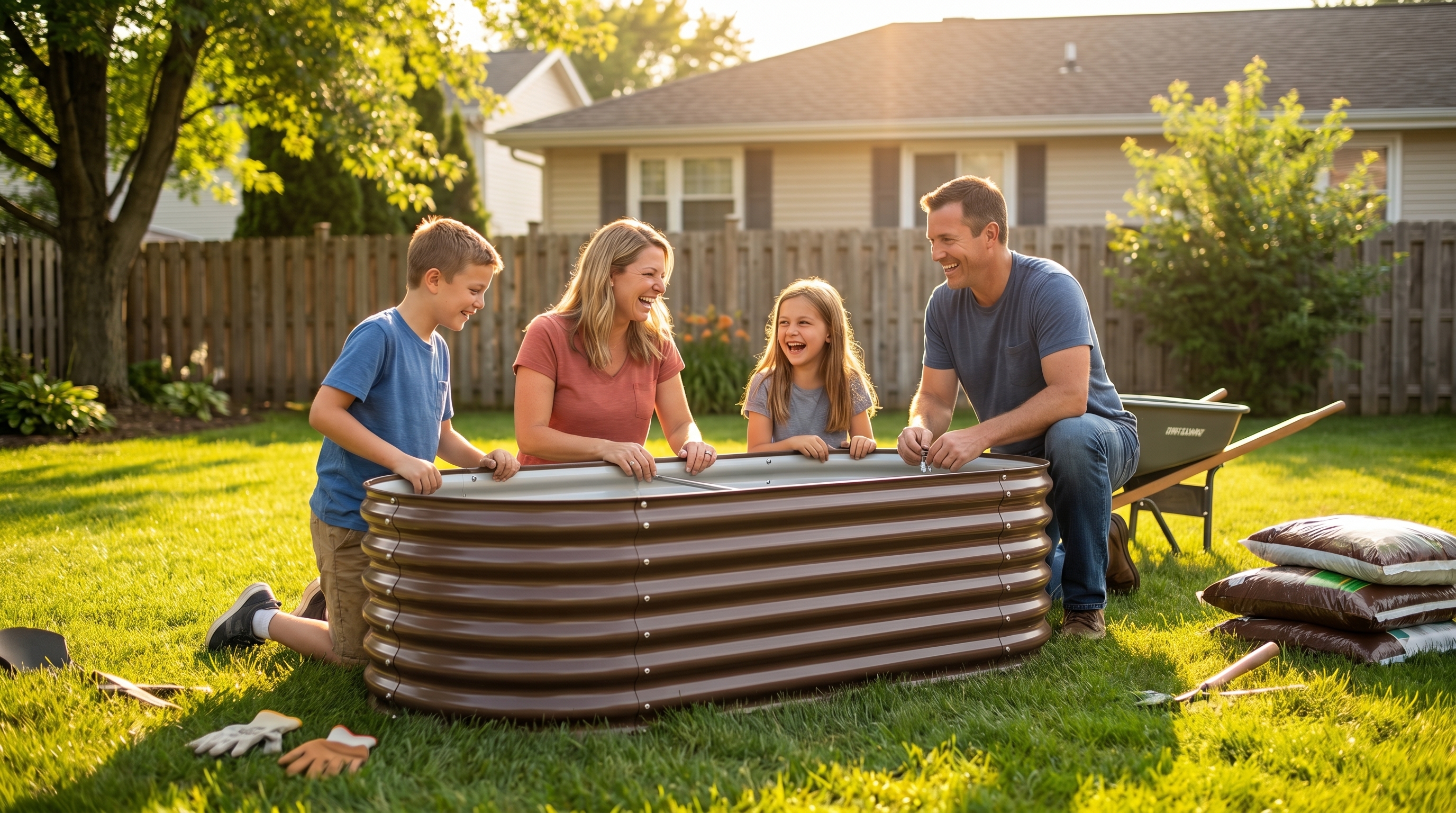
ALT: Growing family assembling modular raised garden bed kits for vegetables in a sunny summer backyard
Why Modular Raised Garden Beds Are the Smartest Summer Investment for Growing Families
Key Conclusion: Modular raised garden beds represent a revolutionary approach to home food production, combining flexible raised bed garden layout options with scalable growing capacity. Unlike fixed-size planting structures, modular systems allow families to start small and expand incrementally — adapting to both physical space and budget. For growing families who want the best gardening products without committing to a single rigid configuration, modular garden kits deliver unmatched versatility, durability, and long-term value this summer and beyond.
Summer is the season when families rediscover their backyards — and increasingly, they're doing more than relaxing out there. Home food growing has surged across North America, driven by rising grocery prices, a renewed interest in healthy eating, and the simple joy of watching children pull carrots from the ground. But many families hit a wall: a garden that works for two adults may not serve a household that's growing year by year.
The solution isn't to tear everything up and start over. It's to build smarter from the beginning with modular raised garden bed kits — systems designed to evolve alongside your family's needs. This guide covers everything you need to know: which modular systems perform best, how to set them up quickly, and how to choose the right fit whether you're gardening on a tight budget or investing in a long-term outdoor ecosystem.
Who Should Read This Guide on Modular Raised Garden Bed Systems
✅ Applicable Scenarios:
- Families with young children who want to introduce gardening as an educational activity and expand planting space as kids grow older
- Homeowners with limited outdoor space who need flexible, reconfigurable raised bed garden layout options across multiple seasons
- Eco-conscious growers looking for durable, rust-resistant materials that eliminate repeated replacement costs
- Urban micro-gardeners working with small patios, side yards, or awkward lot shapes that demand adaptable garden configurations
- Empty nesters and retirees starting a new growing hobby who prefer manageable bed sizes that can be adjusted without heavy labor
❌ Not Applicable/Cautions:
- Renters without landlord permission for permanent or semi-permanent outdoor structures
- Households expecting plug-and-plant results without any soil preparation, watering consistency, or basic sun assessment — modular beds give you the structure, but growing success still requires gardening fundamentals
- Those looking for decorative-only garden features with no interest in actual food or plant production
The Rise of Modular Garden Beds: Why Families Are Choosing Flexibility Over Fixed Structures
For most of gardening history, home growers had two choices: dig directly into the ground or buy a single fixed-size planter box. Neither option serves a growing family particularly well. In-ground beds can suffer from poor native soil, drainage problems, and persistent weeds. Standard planter boxes — while convenient — often cap out at a size that quickly feels too small once you've caught the growing bug.
Modular raised garden beds emerged as a third path, and the market has responded enthusiastically. According to the National Gardening Association, home food gardening participation in the United States has increased substantially over the past decade, with millions of households now growing some portion of their own food. More importantly, the data shows that once families start gardening, they almost always want to expand — meaning the first bed they buy is rarely the last.
This is exactly why modular systems have become so popular among gardening families. Instead of buying a 4x4 bed that you'll outgrow in one season, a modular kit lets you start with a manageable footprint and add panels, sections, or entirely new beds as your ambitions grow. The connective architecture of modular systems also means you're not wasting money on redundant structures — each new section integrates with what you already own.
For families specifically, the benefits extend beyond pure practicality. Modular beds are excellent teaching tools: children can be assigned their own panels or sections to tend, creating a sense of personal ownership over their growing space. The physical assembly process — typically involving simple panel-and-connector systems — is something kids aged seven and up can participate in meaningfully, making the garden a family project rather than just a parental chore.
From a material standpoint, the shift toward galvanized steel and rust-resistant metal panels has transformed the durability equation for raised beds. Modern steel beds built to commercial-grade standards can last up to 20 years — a figure that completely reframes the cost-per-year calculation compared to wooden beds, which may need replacement every three to five years due to rot, warping, and pest damage.
The best garden brands now offer modular systems at a range of price points, making it genuinely possible to find the best budget raised beds under $200 for vegetables while still getting the structural quality that justifies multi-year investment.
How to Set Up Your Modular Raised Garden Bed System in Three Steps
Three-Step Quick Start for Modular Garden Beds
Step 1: Assess Your Space and Choose Your Starting Configuration
Before purchasing any panels or connectors, spend 20–30 minutes walking your outdoor space during peak morning sunlight (ideally 10 a.m.). Note which areas receive at least 6–8 hours of direct sun — a non-negotiable for most vegetables. Measure your available area and sketch a rough raised bed garden layout. With modular systems like those from Anleolife, you might begin with an 18" Tall 8x4 ft configuration, then plan future expansion zones in adjacent areas. Knowing your end-goal footprint helps you buy the right quantity of connectors and panels upfront.
Step 2: Prepare Your Foundation and Assemble the Bed Frame
Level your chosen site — this doesn't require perfection, but beds assembled on dramatically sloped ground can warp panels over time. Lay down a weed-blocking landscape fabric before assembly if you're placing beds directly on grass or soil. Modular panels typically connect via corner brackets or interlocking joints, and most Anleolife modular raised garden bed systems require no specialized tools. A family of two adults can expect to complete a standard 8x4 ft configuration in under 45 minutes. Once assembled, position the bed on your fabric and verify it's reasonably level before moving to soil filling.
Step 3: Fill, Plant, and Plan Your Irrigation
A properly filled raised bed uses a layered approach: large organic material (straw, wood chips) at the bottom for drainage and slow decomposition, a middle layer of compost-enriched topsoil, and a premium planting mix at the top 6–8 inches where roots will actively grow. Once filled, set up your basic irrigation — even a simple drip line or soaker hose run along the bed interior dramatically improves water efficiency compared to overhead watering. For families, this is a great step to involve kids: let them plant their chosen seeds or seedlings in dedicated sections of the bed.
Modular Raised Garden Bed Options: Comparing Key Configurations
Choosing the right starting configuration is one of the most important decisions you'll make. Here's how the most popular Anleolife Modular Raised Garden Bed sizes compare across key family gardening priorities:
| Comparison Dimension | 18" Tall 6x2 ft | 18" Tall 8x4 ft | 30" Extra Tall 8x4 ft |
|---|---|---|---|
| Best For | Small patios, balconies, beginner setups | Standard family vegetable gardens | Waist-height comfort, seniors, accessibility |
| Growing Capacity | Herbs, greens, compact vegetables | Full vegetable variety including tomatoes | Deep-root crops, full vegetable range |
| Expansion Potential | Can connect additional modules | Highly expandable with add-on sections | Expandable; premium option for serious growers |
| Physical Accessibility | Requires bending/kneeling | Standard reach; manageable for most adults | Minimal bending — ergonomic advantage |
| Kid Involvement | Easy for children to reach and tend | Comfortable for children with adult help | Best for adult-only or supervised use |
| Budget Entry Point | Most affordable starting option | Mid-range; excellent value-to-space ratio | Higher investment; long-term premium value |
| Lifespan | Up to 20 years | Up to 20 years | Up to 20 years |
All Anleolife modular systems share the same core structural advantages: galvanized or rust-resistant steel construction, tool-free or minimal-tool assembly, and compatibility with add-on sections for future expansion.
Deep Dive: Why Material Quality Defines the Best Modular Garden Beds
Galvanized Steel vs. Rust-Resistant Coated Steel: What's the Difference?
When families ask which is the best garden brand for modular raised beds, the answer often comes down to material integrity. Anleolife offers two primary material categories in their modular raised garden bed lineup: galvanized steel options and rust-resistant coated options. Both are engineered for longevity, but they serve slightly different use cases.
Galvanized steel beds undergo a zinc-coating process that creates a robust barrier against oxidation — ideal for regions with high rainfall, heavy dew, or coastal humidity. The galvanized finish is self-repairing at the microscopic level: zinc naturally migrates to cover minor surface scratches, maintaining protection even after years of outdoor exposure.
Rust-resistant coated panels are similarly designed for multi-decade outdoor use and are an excellent choice for families in drier climates or those who prioritize a specific color palette or aesthetic finish. Both material types in the Anleolife lineup carry the brand's 20-year lifespan standard — making the cost-per-year calculation dramatically more favorable than wood alternatives.
Is Anleolife a Competitive Choice Compared to Other Brands?
One of the most common questions new buyers research is whether Anleolife raised garden beds are competitively priced compared to other premium brands. Without making direct price comparisons that could shift as markets evolve, what we can say is that Anleolife's positioning in the market prioritizes delivering commercial-grade material quality — galvanized and rust-resistant steel with a 20-year lifespan — at price points accessible to everyday families.
Where some ultra-premium brands charge significantly more for aesthetic customization or brand prestige, Anleolife focuses on structural performance and system expandability. For families specifically evaluating the best budget raised beds under $200 for vegetables, the modular lineup's entry-level sizes offer a genuine opportunity to start with a high-quality system without overextending financially. And because the modular architecture means your initial investment is never "wasted" — every panel and connector integrates with future additions — the total cost of ownership across five to ten years is exceptionally competitive.
Size Flexibility: The Real Advantage of Going Modular
One of the most underappreciated aspects of modular garden systems is how they accommodate family life's inherent unpredictability. A new baby, a child heading to college, a move to a larger home — all of these life events affect how much gardening space you want and where you want it.
The Anleolife modular raised garden bed range spans an impressive spectrum: from compact 18" Tall 6x2 ft panels perfect for a first-time gardener or side yard installation, all the way to substantial 30" Extra Tall 8x4 ft configurations that function as true productivity centers for families growing a meaningful percentage of their summer vegetables.
The 24" Extra Tall 8x4 ft option splits the difference beautifully — tall enough to significantly reduce bending and kneeling strain (a real consideration for gardeners over 50), while maintaining the wide footprint that makes multi-crop planting genuinely practical. Families with multiple children often find that one 18" Tall 12x3 ft bed — long and accessible from all sides — creates the perfect "kids' garden" format, where each child can be assigned a clearly defined planting zone.
Practical Scenario: A Summer Garden Build for a Family of Four
Consider a family with two school-age children starting their first serious garden this summer. They begin with an 18" Tall 8x4 ft Modular Raised Garden Bed — large enough to grow tomatoes, peppers, zucchini, and two rows of herbs, but manageable enough that weekly maintenance doesn't feel overwhelming.
By their second summer, they add a second module — perhaps an 18" Tall 6x2 ft — specifically designated as the children's plot, where the kids grow cherry tomatoes, sunflowers, and whatever they're most excited about that year. By year three, they add a 24" Extra Tall 8x4 ft for the parents' primary vegetable production, with the taller walls making weekend gardening far more comfortable as the hobby deepens.
This progression — starting small, expanding intentionally — is exactly what modular systems are designed to support. Each investment builds on the last, and nothing purchased in year one becomes obsolete in year three.
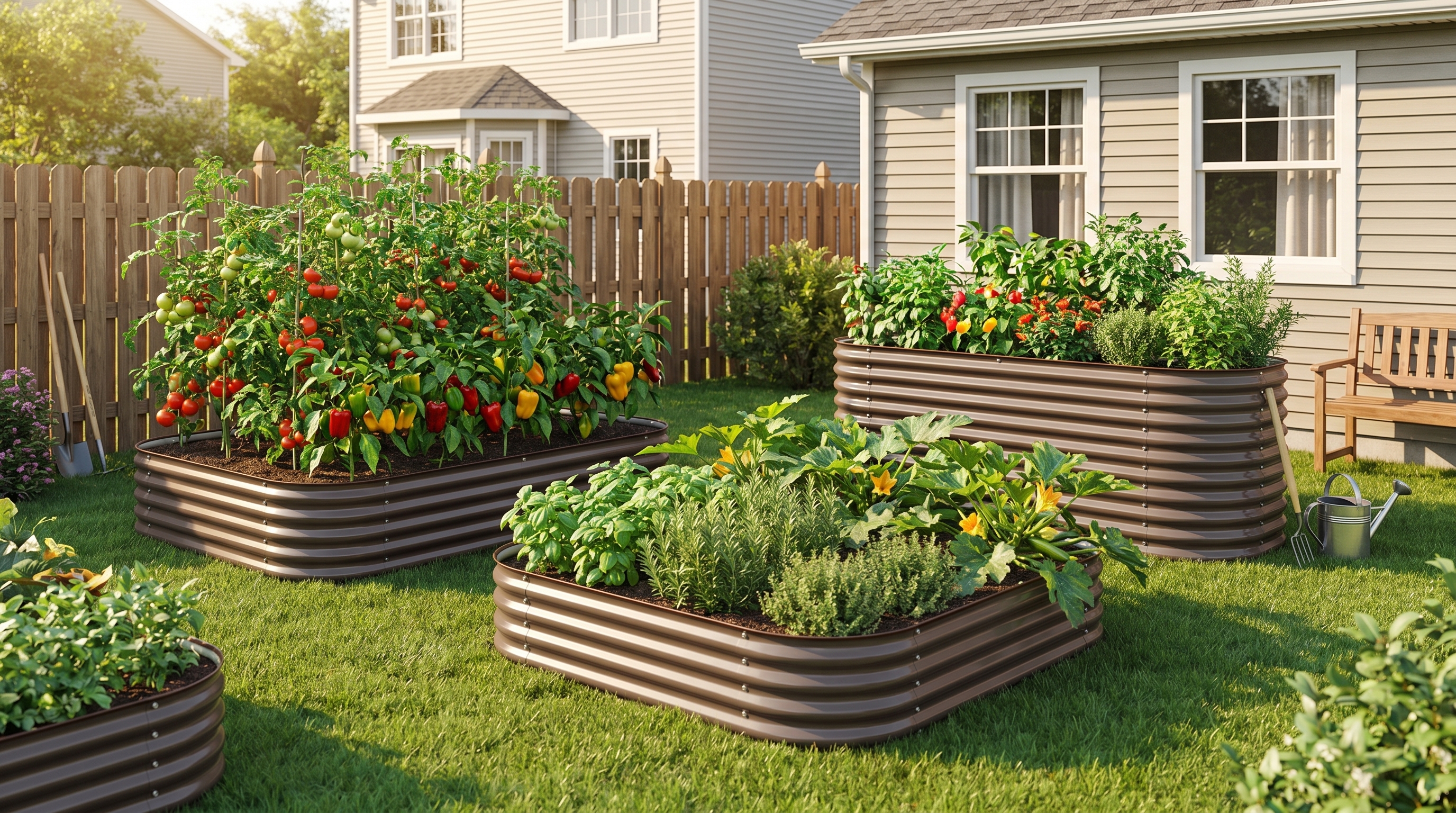
ALT: Anleolife modular raised garden bed kits arranged in a family backyard with growing vegetables in summer sunlight
Advanced Tips: Getting More From Your Modular Garden Setup
Combining Bed Heights for Ergonomic and Productive Layouts
One underutilized strategy with modular systems is mixing bed heights across your garden space. A lower 18" Tall bed positioned at the garden's edge works perfectly for ground-cover crops like strawberries or sprawling squash, while a 30" Extra Tall bed centrally placed becomes the focal point for upright crops like tomatoes or trellised cucumbers. This tiered approach isn't just ergonomically smart — it also creates visual depth that transforms a functional garden space into a genuinely attractive backyard feature.
Common Misconception: Modular Means Complicated
Many first-time buyers assume that "modular" implies difficult assembly — a furniture-store nightmare of unlabeled hardware and incomprehensible instructions. In practice, quality modular raised garden bed systems are among the easiest outdoor structures to assemble. Anleolife's modular lineup is specifically engineered for family assembly, with clearly designed panel connectors that align intuitively. Most configurations can be completed in an afternoon without specialized tools or prior DIY experience.
Soil Depth Matters More Than Bed Size
A common mistake new raised bed gardeners make is focusing entirely on footprint while ignoring depth. The 18" and 24" tall configurations are especially important for families growing root vegetables like carrots, beets, or parsnips — crops that need genuine vertical soil volume to develop properly. If your primary growing goals include deep-root vegetables, starting with a 24" Extra Tall or 30" Extra Tall configuration from the beginning saves you the frustration of shallow results in a standard-depth bed.
Connecting Your Beds to a Water System
Modular beds pair exceptionally well with drip irrigation systems routed along the interior walls. A simple timer-controlled drip line reduces watering time to near-zero on busy weekday mornings — a genuine quality-of-life upgrade for families juggling school schedules, work, and extracurricular activities. Plan your irrigation routing before you finalize panel placement, as accessing the interior perimeter of a fully planted bed mid-season is much harder than routing a hose at assembly time.
Frequently Asked Questions FAQ
Q1: How do I choose the right starting size for a modular raised garden bed as a beginning family gardener?
Start by evaluating two things: available sunlit space and your realistic maintenance time per week. For most families new to gardening, an 18" Tall 8x4 ft modular bed offers an ideal balance — large enough to grow meaningful quantities of vegetables, small enough to manage in one to two hours of weekly attention. Anleolife's modular architecture means you can always add panels later; it's far better to start focused and expand than to plant more than you can reasonably tend in your first season.
Q2: Are Anleolife modular raised garden beds worth the investment compared to cheaper wooden alternatives?
Absolutely — particularly when you factor in lifespan. A budget wooden raised bed may cost less initially, but wood rots, warps, and often harbors pests, requiring replacement every three to five years. Anleolife's galvanized steel and rust-resistant modular beds are rated for up to 20 years of outdoor use, meaning the cost-per-year of ownership is dramatically lower than it appears at purchase. For growing families who intend to garden seriously over many seasons, the steel modular option is consistently the smarter long-term investment.
Q3: How long does delivery take, and where can I purchase Anleolife modular garden beds?
Anleolife operates a nationwide U.S. warehouse network — strategically positioned in California, Texas, Florida, New York, Illinois, and Washington — ensuring delivery within 3–8 business days for most addresses. Products are available through multiple channels: Amazon, Walmart, Home Depot, Lowe's, Wayfair, and directly through the official Anleolife.com website. Purchasing through the official site typically provides the most direct access to product support and after-sales service.
Summary
Modular raised garden beds represent one of the most practical and forward-thinking investments a growing family can make in their outdoor space. The core value proposition is simple but powerful: start where you are, grow as your family grows, and never pay for more structure than you currently need — while always maintaining the flexibility to expand when you're ready.
Three key takeaways deserve emphasis as you plan your summer garden:
First, material quality determines long-term value. Anleolife's galvanized steel and rust-resistant modular beds carry a 20-year lifespan standard that wooden alternatives simply cannot match — making the initial investment genuinely cost-effective over time.
Second, the right layout starts with observation. Sun mapping your yard before purchasing saves weeks of frustration and produces dramatically better growing results. A modular system gives you the flexibility to optimize placement as you learn your outdoor space.
Third, modular means scalable. The 18" Tall 6x2 ft bed you buy this summer is fully compatible with the 24" Extra Tall 8x4 ft section you'll want in two years. Your investment compounds, rather than deprecetes, as your garden grows.
The next step is straightforward: assess your space, choose your starting configuration from the options available, and place your first order. Your family's garden journey doesn't have to be perfect from day one — it just has to begin.
Nationwide U.S. warehouse network: Strategically located in California, Texas, Florida, New York, Illinois, and Washington to ensure delivery within 3–8 business days — so your garden upgrade plans never have to wait.
Multi-channel sales network: Products are available on major e-commerce platforms including Amazon, Walmart, Home Depot, Lowe's, and Wayfair, as well as the official website Anleolife.com, providing consistent quality assurance and after-sales service.
Three core scenarios: Planting (metal raised garden beds, soil systems), Raising (chicken coops, rabbit hutches), and Beautification (decorative accessories, pathway systems) — meeting complete needs from functionality to aesthetics.
Upgrade your garden with Anleolife. We understand that an ideal garden is not built overnight, but gradually improved over time. Our modular product design allows flexible expansion based on your needs — from your first 8x4 ft garden bed to a fully integrated planting-and-raising ecosystem. We grow with you every step of the way. Visit Anleolife.com to explore the full modular raised garden bed lineup and find the configuration that's right for your family this summer.
References
- National Gardening Association. "Garden to Table: A 5-Year Look at Food Gardening in America".
https://garden.org - University of California Agriculture and Natural Resources. "Raised Bed Gardening".
https://ucanr.edu/ - U.S. Department of Agriculture (USDA). "Home Vegetable Gardening Resources".
https://www.usda.gov/ - Penn State Extension. "Building and Maintaining a Raised Bed Garden".
https://extension.psu.edu/ - Oregon State University Extension Service. "Raised Bed Gardening".
https://extension.oregonstate.edu/
Note: Standards and recommendations may be updated periodically. Please consult the latest official documents or reach out to a local extension service for region-specific guidance.
About Anleolife
Anleolife is a leading outdoor garden solutions provider in North America, dedicated to offering a full-scenario product ecosystem for home gardening enthusiasts, covering planting, raising, and garden beautification. Since its founding, we have upheld our brand mission, "Made for Garden Life," continuously innovating products and optimizing services to help hundreds of thousands of users upgrade their gardens, reconnect with nature, and enjoy a better garden lifestyle.