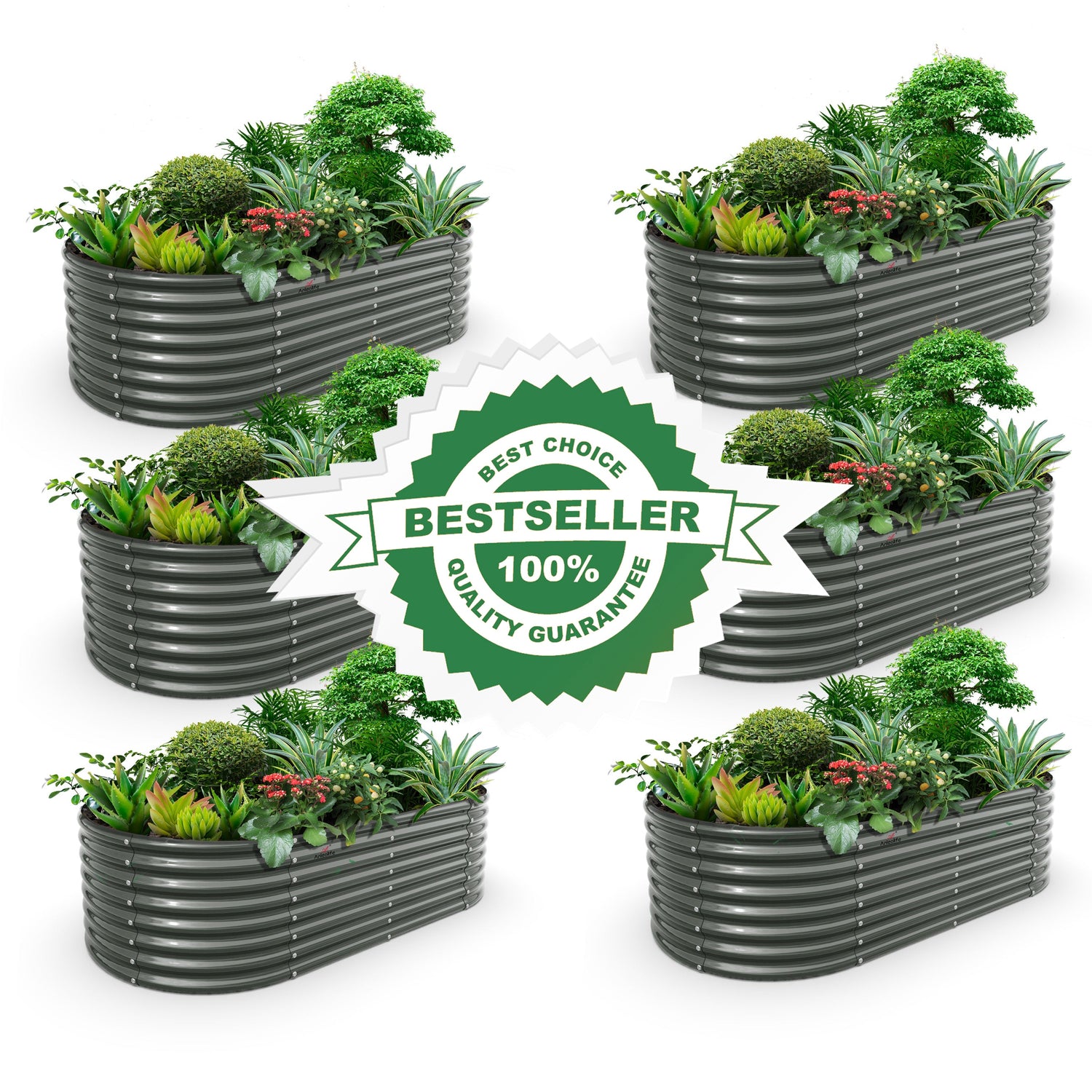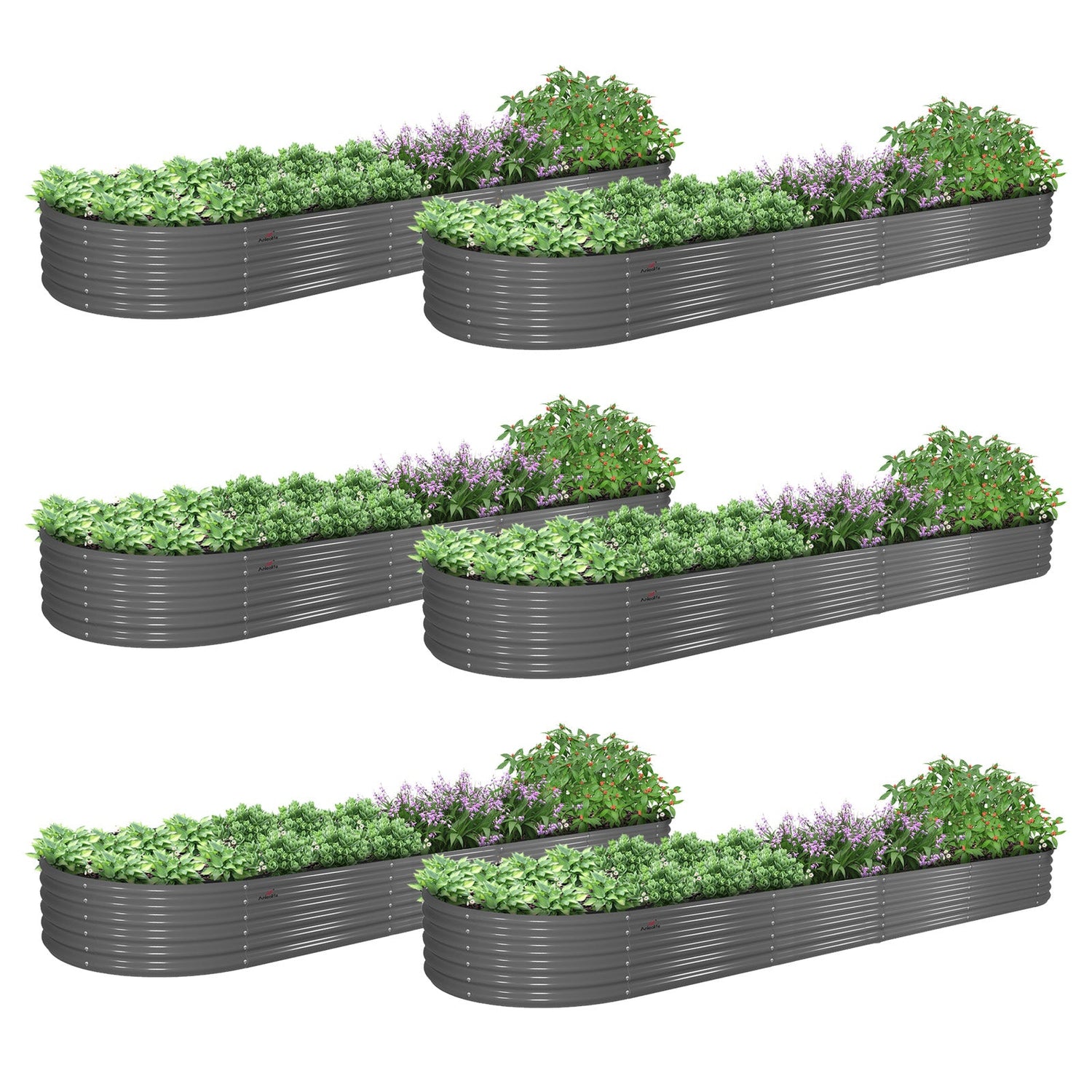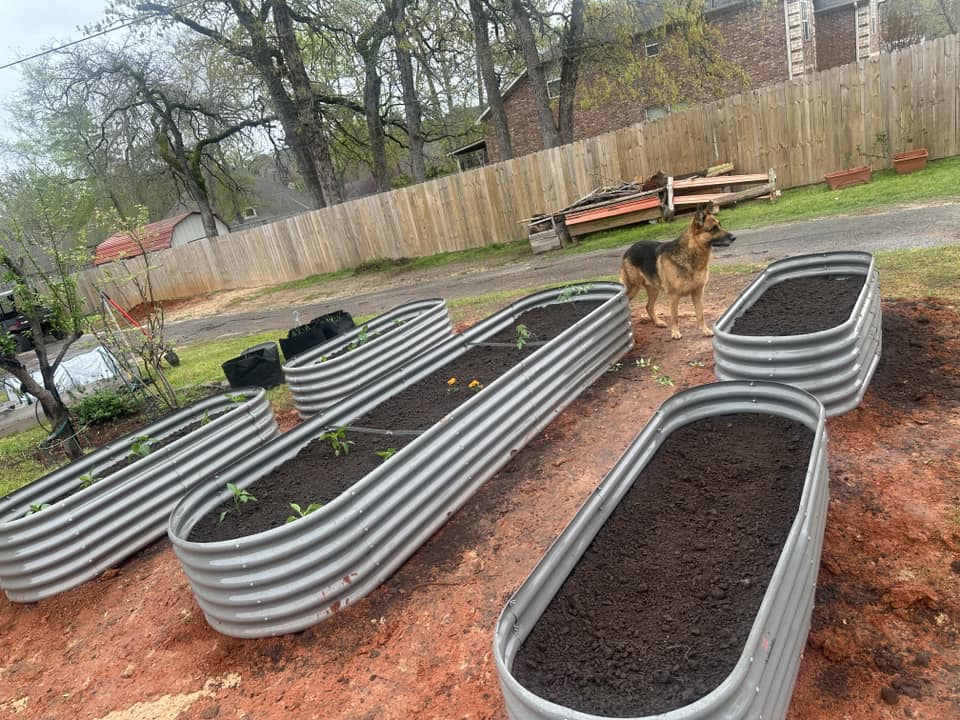



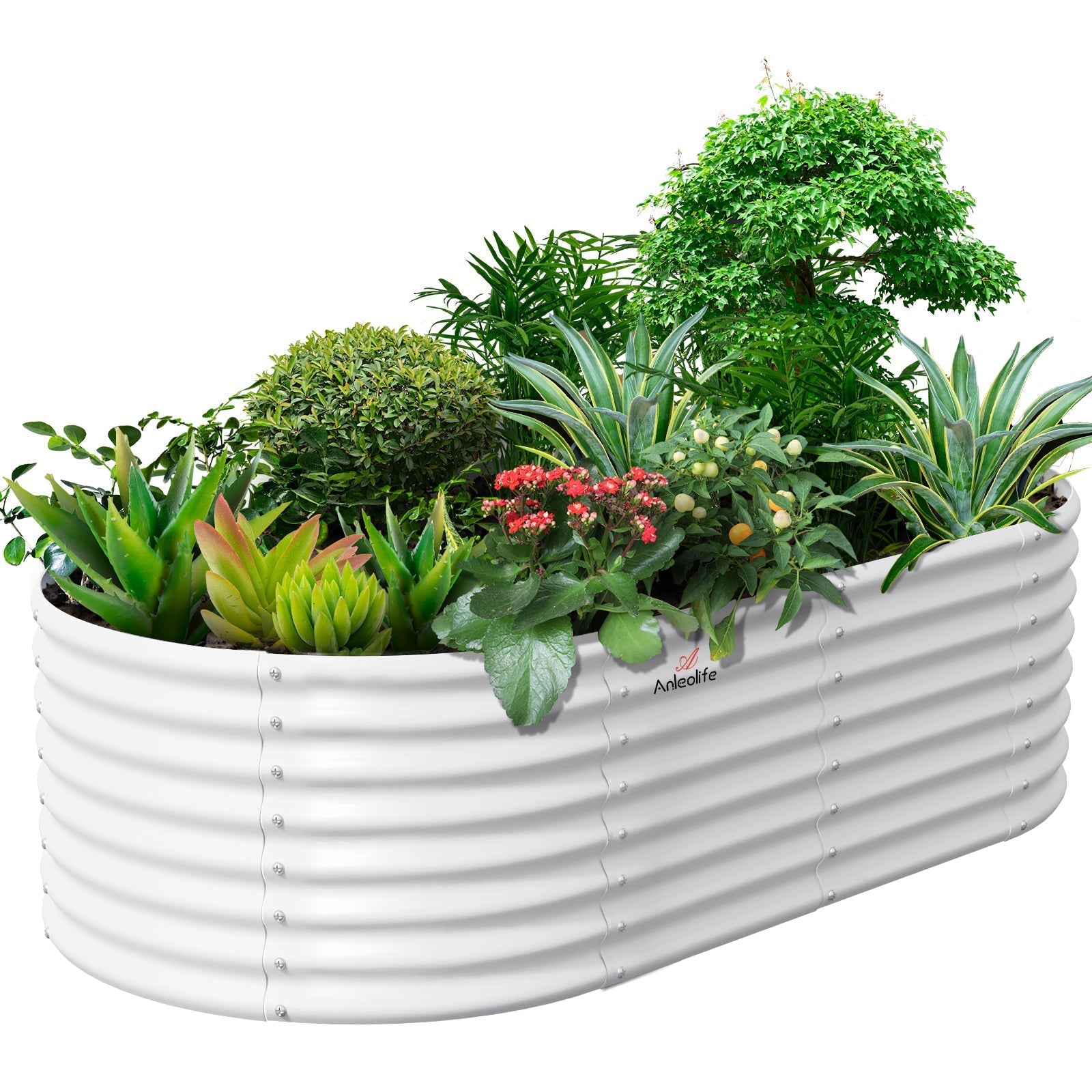
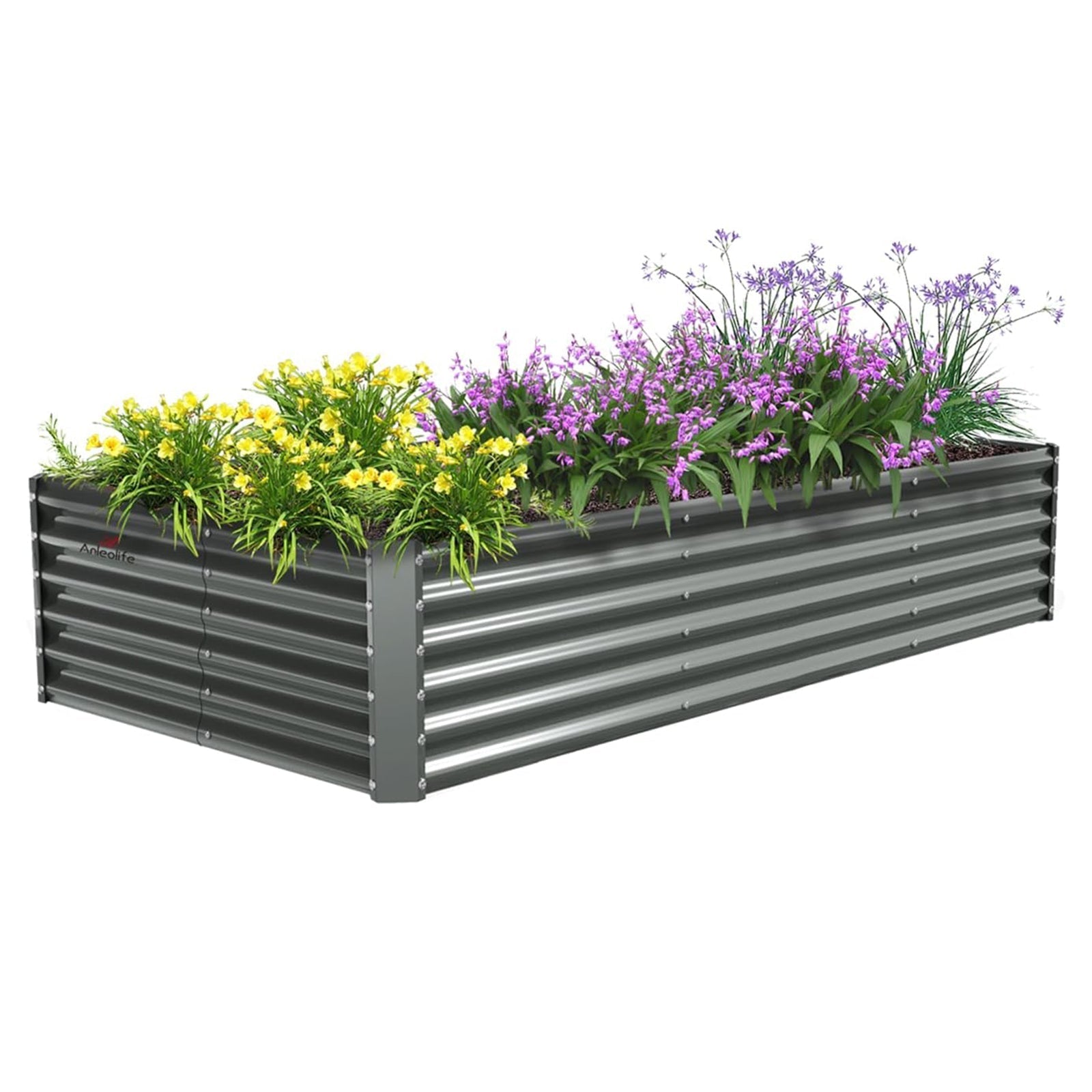
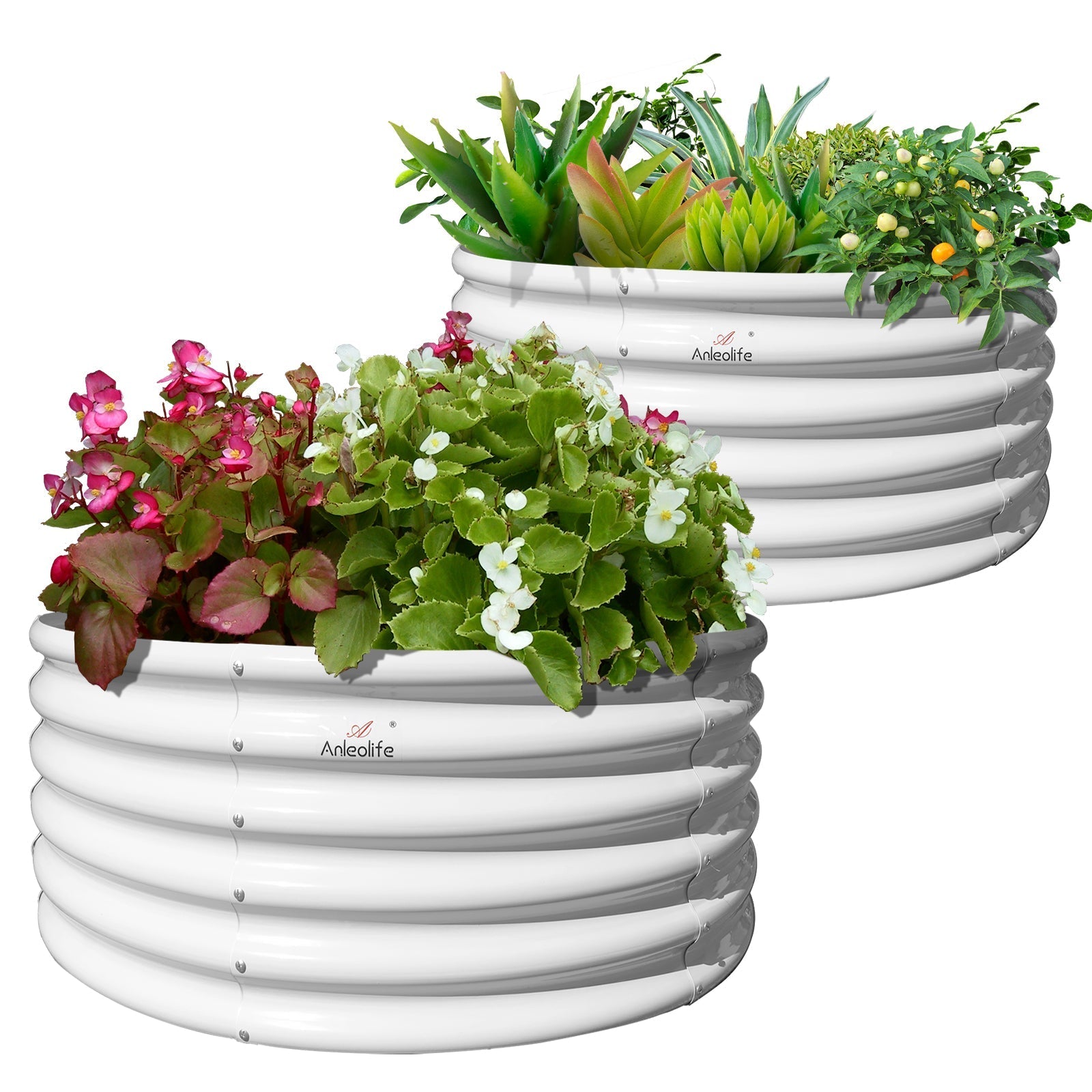
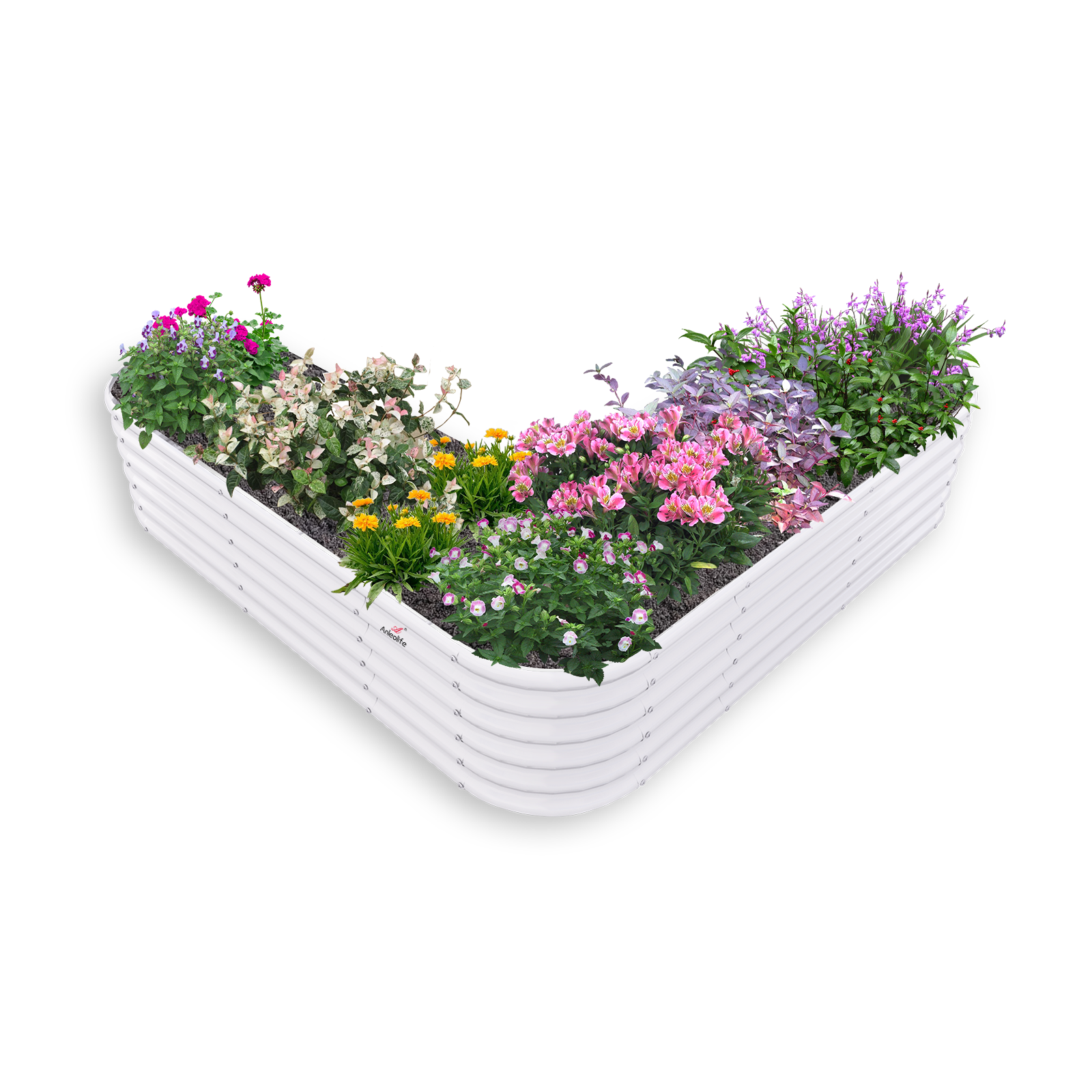
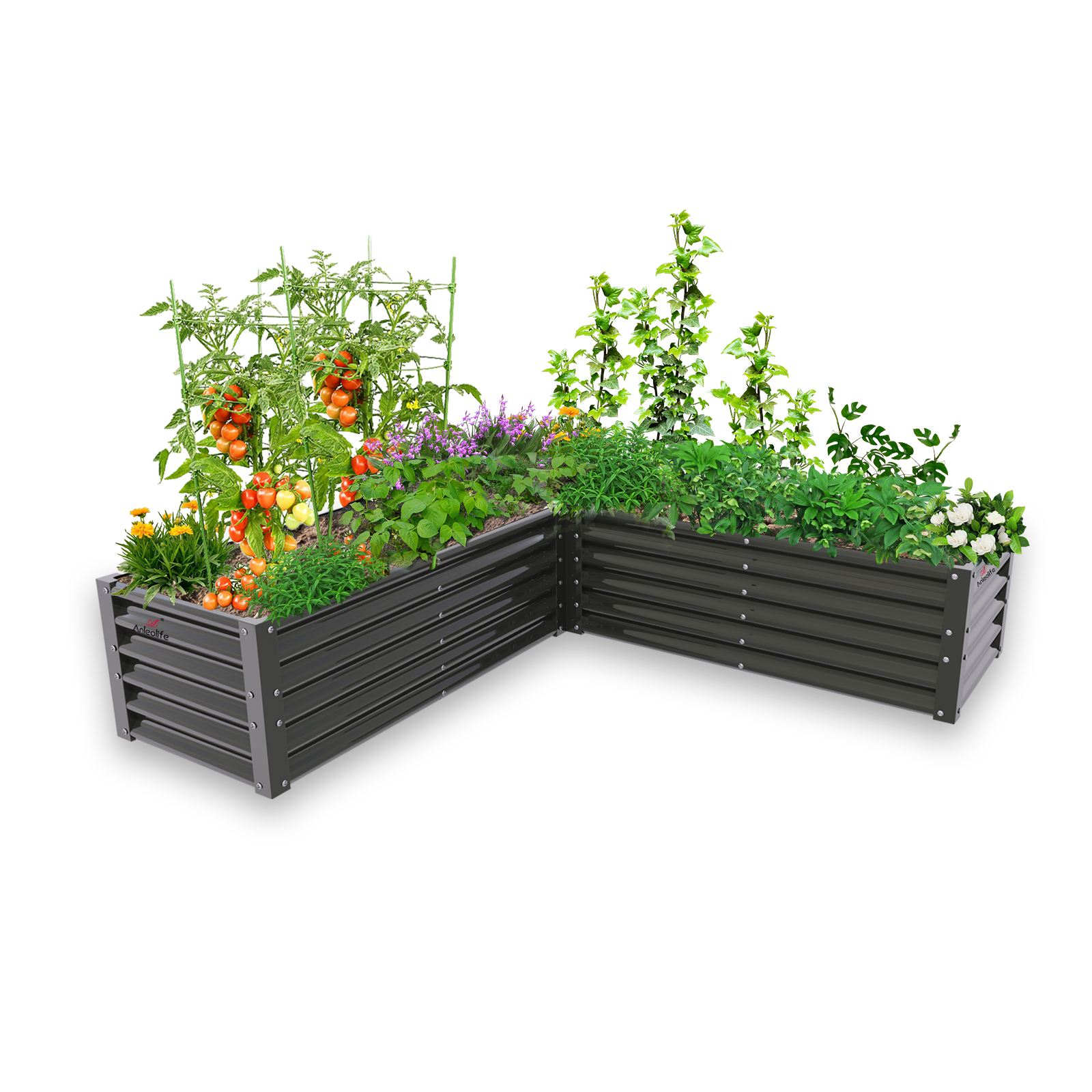
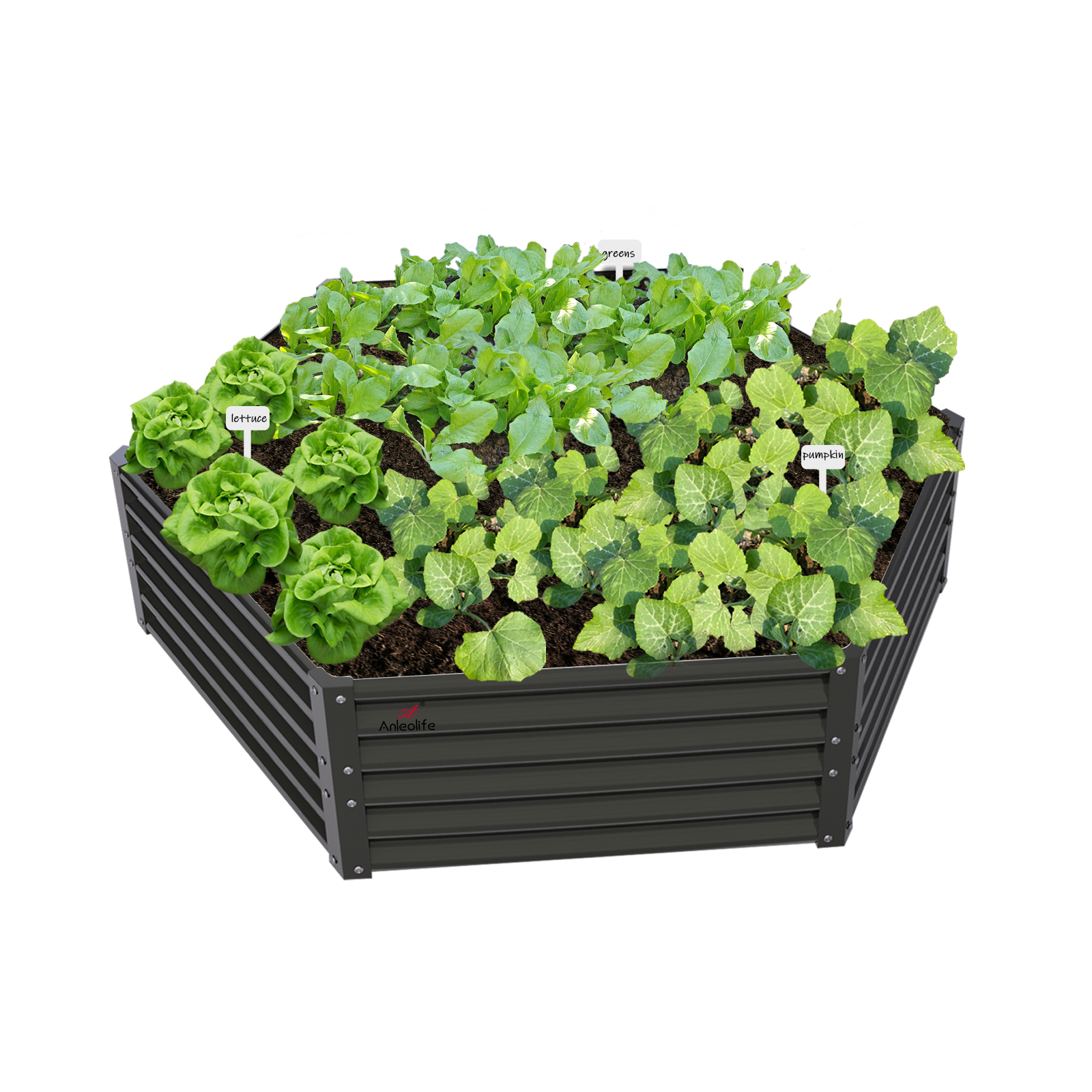
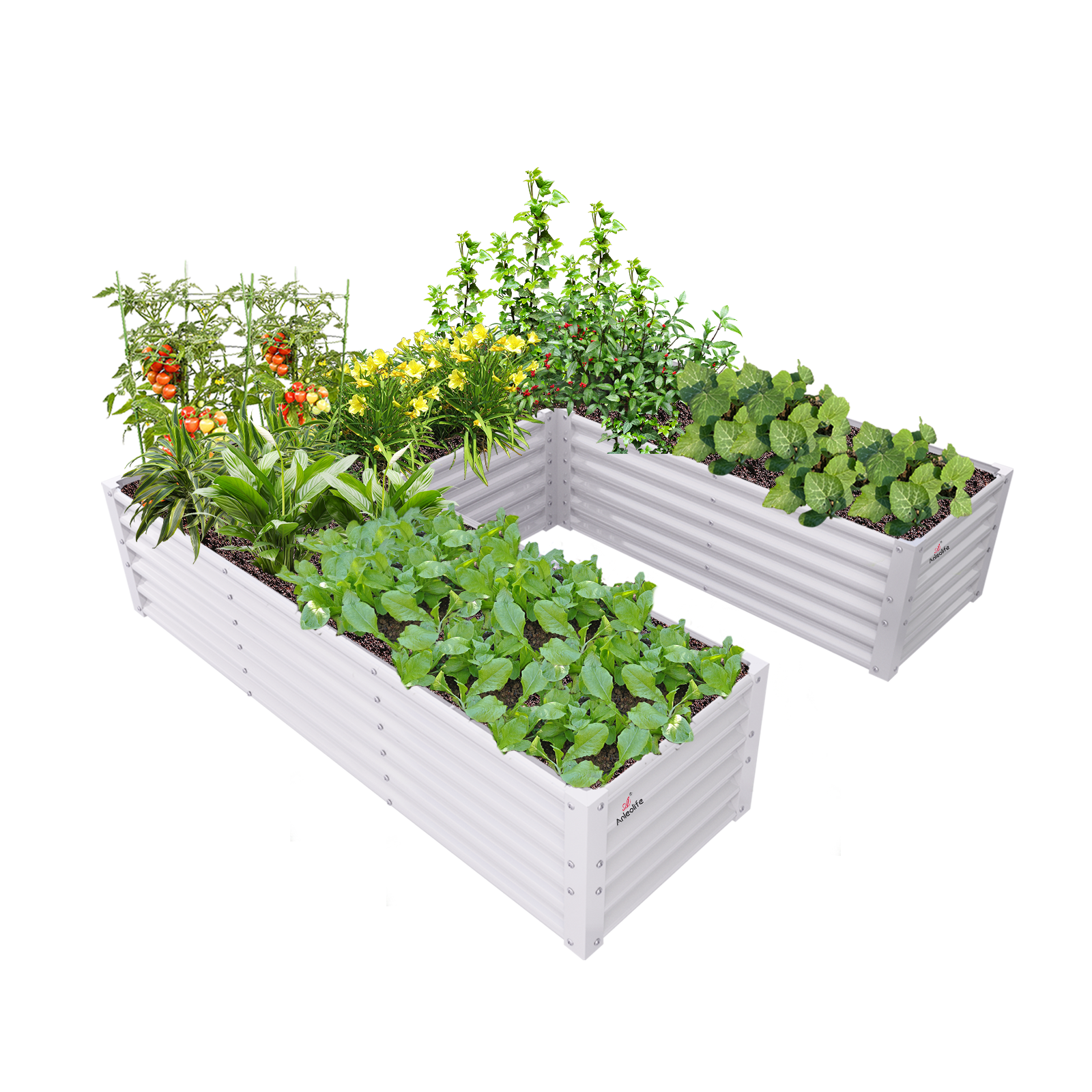

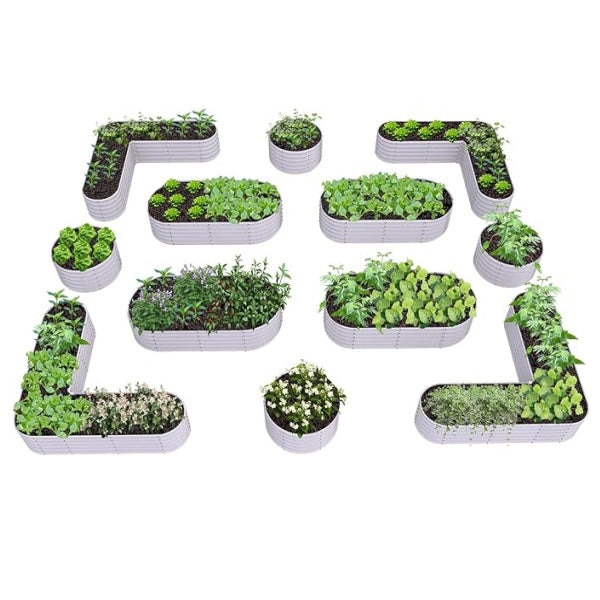

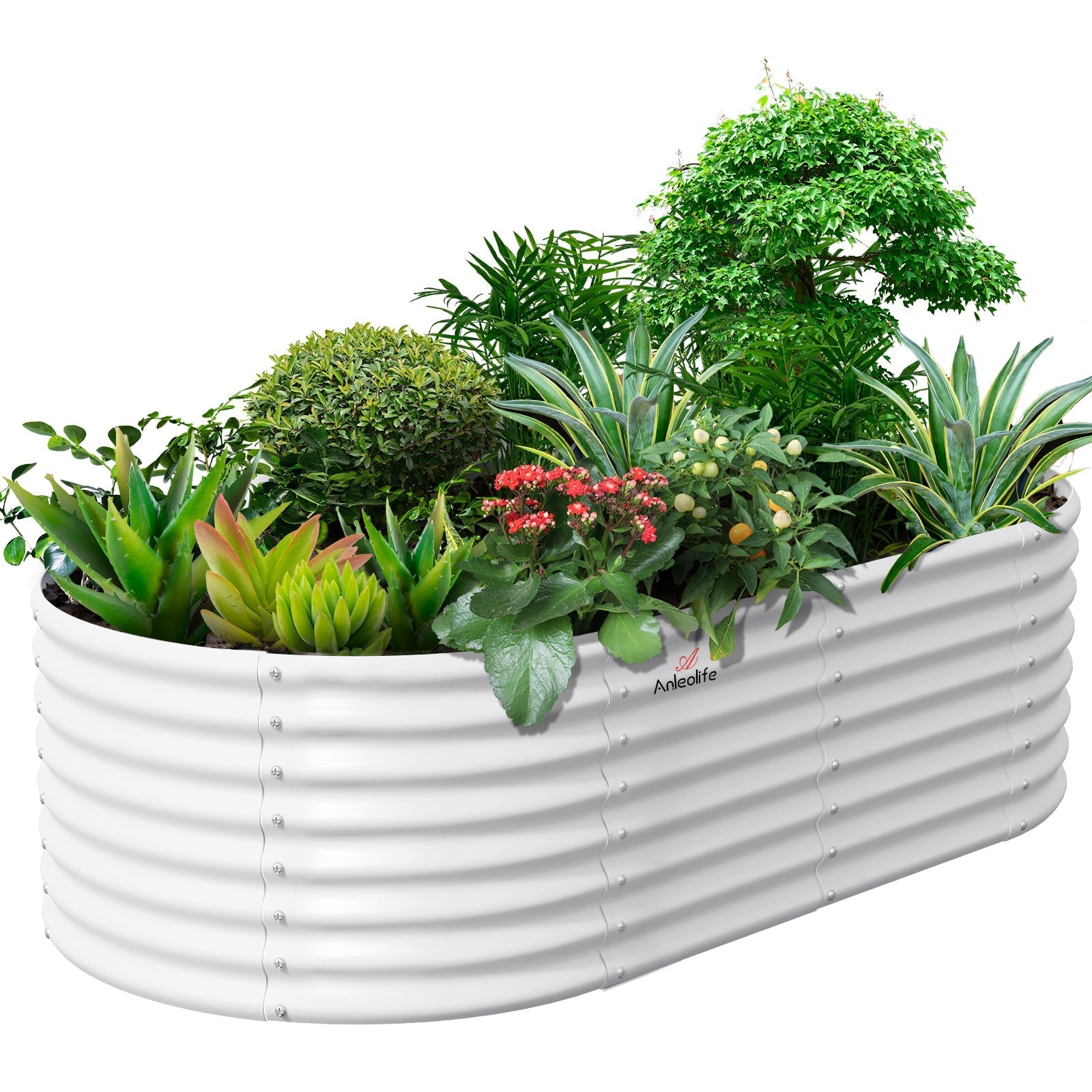

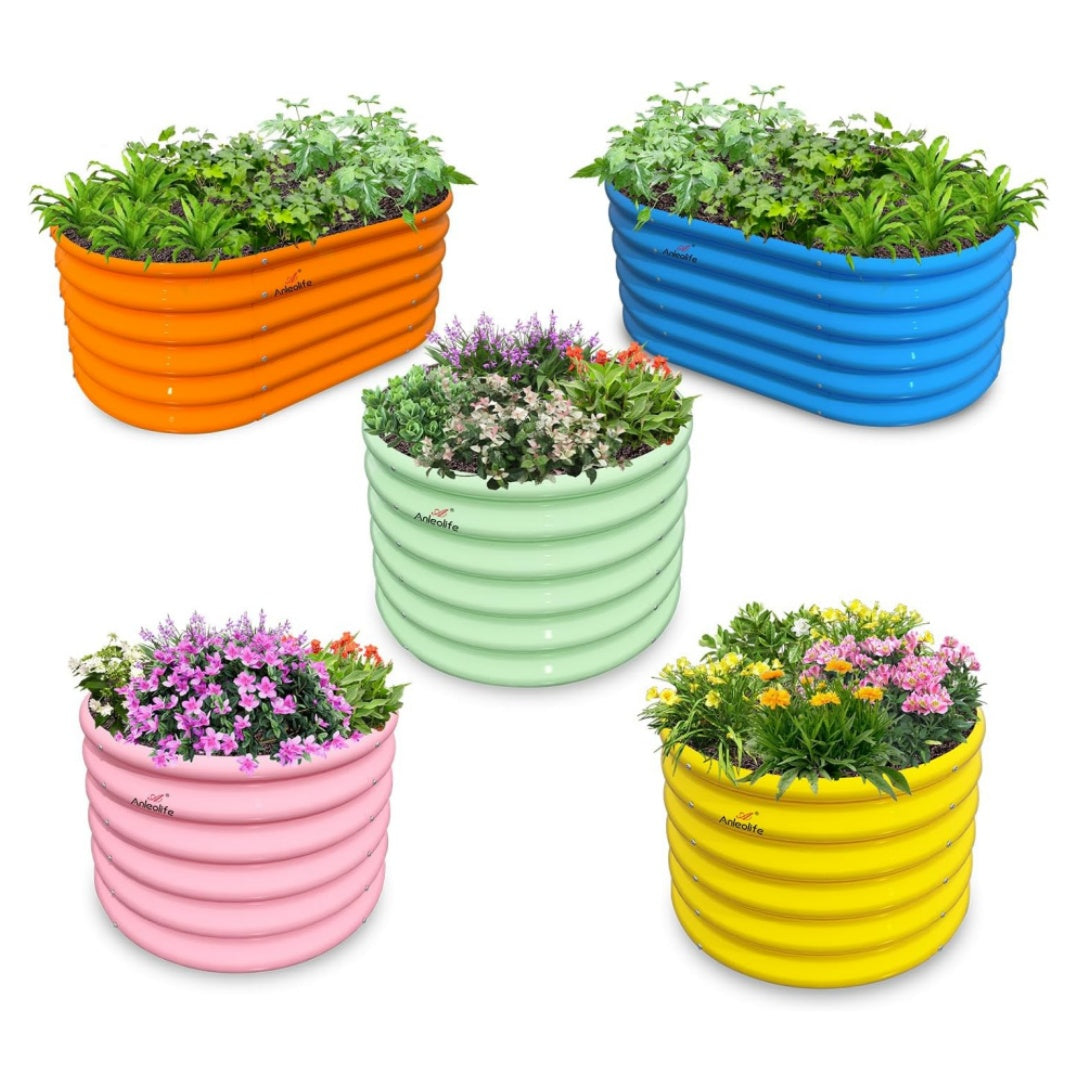
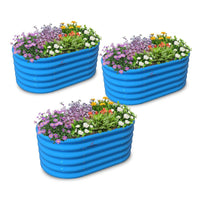
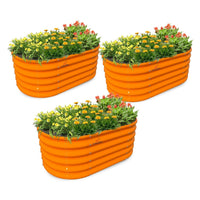
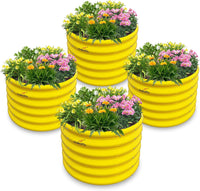
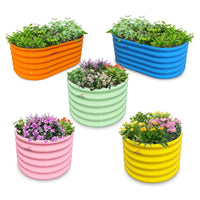
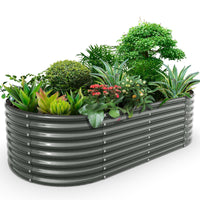



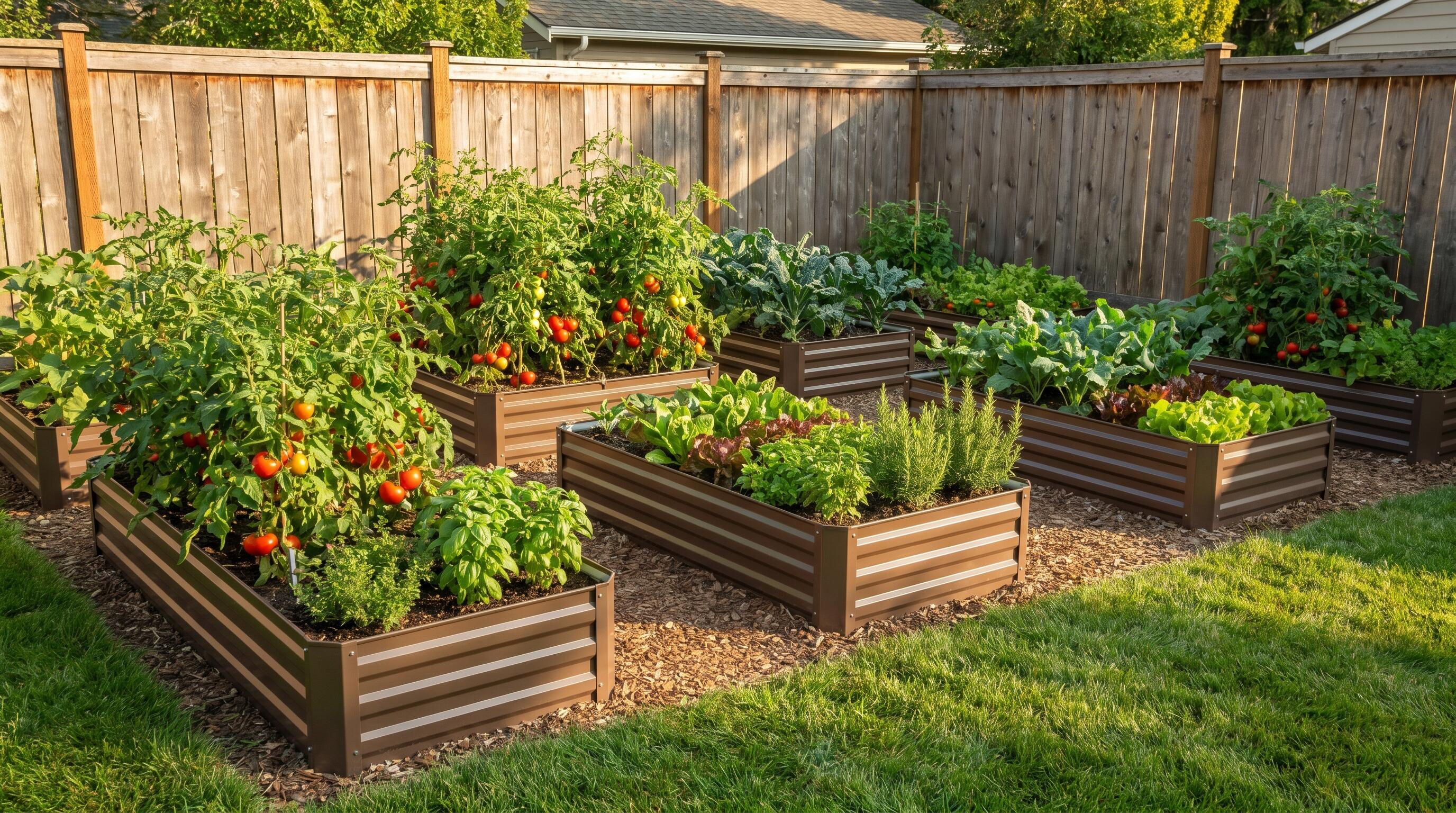
ALT: Small backyard raised beds with vegetables growing in galvanized steel Anleolife garden beds
Grow What You Love: Top Raised Bed Picks for Small Backyards
Key Conclusion: Small backyard gardening has never been more accessible or rewarding. With the right raised garden beds, even the most compact outdoor spaces become productive growing zones. Anleolife's lineup of galvanized steel and rust-resistant raised beds is engineered for durability, beauty, and longevity—built to last up to 20 years so your investment grows alongside your garden. Whether you're a first-time grower or a seasoned home gardener, these top picks make it easy to grow what you love, right in your own backyard.
If you've been staring at a small, underutilized backyard and dreaming of homegrown tomatoes, fresh herbs, or vibrant cut flowers, you're not alone. Across North America, millions of homeowners are turning modest outdoor spaces into thriving edible gardens—and small backyard raised beds are the secret weapon making it happen.
Raised beds solve the most common small-yard challenges: poor native soil, limited planting area, difficult access, and the aesthetics of exposed dirt patches. But not all raised beds are created equal. The material you choose, the size configuration that fits your space, and the setup process all have a huge impact on your long-term success.
This guide walks you through everything you need to know—from choosing the right bed size for a tight backyard to understanding why material quality matters more than you think. Along the way, we'll highlight Anleolife's most popular small-backyard configurations, so you can tap to shop with confidence.
Who This Guide Is For — and When a Raised Bed Makes Sense
✅ Applicable Scenarios:
- Homeowners with small backyards (under 500 sq ft) who want dedicated planting zones without major landscaping work
- Urban and suburban gardeners dealing with clay-heavy, sandy, or otherwise poor native soil
- Health-conscious families who want to grow organic vegetables, herbs, and edibles at home
- Empty nesters and retirees looking for a low-maintenance, ergonomically friendly gardening setup
- Eco-conscious growers who want to minimize water waste and chemical use through controlled raised bed environments
❌ Not Applicable/Cautions:
- Renters in apartments without ground-level outdoor space (consider container gardening or balcony planters instead)
- Gardeners expecting a zero-maintenance solution—raised beds still require regular watering, soil amendment, and seasonal care
- Those in areas with severe HOA restrictions on outdoor structures without first checking local guidelines
Why Small Backyard Gardeners Are Choosing Raised Beds Over Traditional Ground Planting
The home gardening movement has accelerated dramatically in recent years. According to the National Gardening Association, food gardening participation in the United States has risen sharply, with millions of new households growing their own produce for the first time. Much of this growth is happening in small suburban and urban backyards—spaces that were previously considered too limited for meaningful food production.
Traditional in-ground gardening comes with real obstacles in smaller spaces. Compacted soil, poor drainage, limited sunlight zones, and the sheer amount of amendment work needed to prepare native ground can be discouraging for new growers. This is where raised garden beds change the game entirely.
The Core Advantages of Raised Beds in Compact Spaces
Better soil control is perhaps the single greatest advantage. When you garden in a raised bed, you fill it with exactly the growing medium your plants need—a blend of high-quality topsoil, compost, and organic matter. There are no battles with dense clay or nutrient-depleted subsoil.
Improved drainage naturally follows from elevated growing conditions. Roots stay healthy, waterlogging is minimized, and plants in raised beds consistently outperform their in-ground counterparts in wet climates. Speaking of wet climates—if you're gardening in the Pacific Northwest, the Gulf Coast, or the Mid-Atlantic region, choosing the best materials for raised garden beds in wet climates is critical. Galvanized steel and rust-resistant coated metals dramatically outperform untreated wood in persistently damp conditions, resisting rot, mold, and warping for decades.
Reduced weed pressure is another major perk. Filling your raised bed with fresh soil means you start with a nearly weed-free environment. Combine that with a best liner for raised garden bed practice—using a landscape fabric or cardboard base layer—and you create a barrier between weed-prone native soil and your clean growing medium.
Ergonomic accessibility matters more than many new gardeners realize, especially for taller raised beds. Anleolife's lineup includes extra-tall configurations in 24-inch, 30-inch, and even 35-inch waist-high heights, meaning significantly less bending and kneeling—a genuine quality-of-life upgrade for retirees, older adults, and anyone managing back issues.
Aesthetic value ties it all together. A well-chosen metal raised bed doesn't just grow food—it becomes a design feature in your backyard. The clean geometric lines of galvanized steel complement modern, farmhouse, and contemporary landscaping styles.
The market has responded to this demand with a flood of raised bed options at every price point. But quality varies wildly, and making the wrong choice can mean replacing your beds in just a few years. Anleolife was built to solve that problem: every product in the lineup is designed with long-term outdoor durability at its core, backed by an expected lifespan of 20 years.
Your Complete Guide to Choosing and Setting Up Small Backyard Raised Beds
Three-Step Quick Start for First-Time Raised Bed Gardeners
Step 1: Measure Your Space and Choose the Right Bed Footprint
Before browsing products, grab a tape measure and map out your backyard. Identify sun patterns (aim for zones that receive at least 6 hours of direct sunlight), note any drainage slopes, and mark the perimeter of the area you want to dedicate to growing. Most small backyards work best with beds no wider than 4 feet—this ensures you can comfortably reach the center from either side without stepping in. Allow at least 18–24 inches of walkway between beds. This step typically takes 20–30 minutes and saves significant frustration later.
Step 2: Select Bed Height Based on Your Plants and Physical Needs
Bed height determines what you can grow and how comfortable the experience will be. Shallow beds (around 18 inches) work well for most vegetables, herbs, and flowers with moderate root depth. Deeper beds in the 24–30 inch range support root vegetables like carrots and parsnips, and provide the ergonomic benefit of reduced bending. For gardeners with mobility concerns or those who prefer a standing-height gardening experience, Anleolife's 35-inch waist-high raised bed is a standout choice. Choose your height before you choose your soil volume, as taller beds require significantly more growing medium to fill properly.
Step 3: Prepare Your Base, Fill Your Bed, and Plant
Once your raised bed is assembled and positioned, prepare the base layer. Laying landscape fabric or several layers of cardboard directly on the ground underneath the bed is a widely recommended practice and represents one of the best liner strategies for a raised garden bed—it suppresses weed growth without blocking drainage. Fill the bed using the "lasagna" layering method: start with coarse compost or organic material at the bottom, then add a quality topsoil-compost blend toward the top. Plant according to spacing guidelines for each crop, water thoroughly, and mulch the surface to retain moisture. You're ready to grow.
Raised Bed Comparison: Finding the Right Anleolife Configuration for Your Small Backyard
With multiple sizes, heights, and construction styles available, it helps to compare your options side by side. Here's how Anleolife's key small-backyard configurations stack up across the dimensions that matter most:
| Comparison Dimension | Compact Classic (e.g., 6x3 ft) | Mid-Size Workhorse (e.g., 8x4 ft) | Extra-Deep / Waist-High |
|---|---|---|---|
| Ideal Backyard Size | Very small yards, balcony-adjacent patios | Medium-small yards with one dedicated bed zone | Any size where ergonomics are a priority |
| Recommended Use | Herbs, lettuce, strawberries, flowers | Tomatoes, peppers, mixed vegetables | Root vegetables, accessibility-focused growing |
| Height Options Available | 18", 24", 30" | 18", 24", 30" | 35" waist-high |
| Material Options | Galvanized steel, rust-resistant | Galvanized steel, rust-resistant, modular | Heavy duty, galvanized steel |
| Expected Lifespan | 20 years | 20 years | 20 years |
| Assembly Type | Panel system, tool-assisted | Panel system, modular options available | Panel system |
| Best For | Beginners, minimalist setups | Families, high-yield growing | Retirees, seniors, back pain sufferers |
Consulting the full product catalog at Anleolife.com will give you the most current size configurations and availability across these categories.
Deep Dive: Anleolife's Core Small Backyard Bed Collections
Galvanized Steel Raised Garden Beds — The Durable All-Rounder
Galvanized steel is the gold standard for long-term raised bed durability, and for good reason. The galvanization process bonds a protective zinc coating to the steel surface, creating a barrier against rust, corrosion, and weathering that dramatically outperforms standard painted or powder-coated metals. In real-world conditions—seasons of rain, frost, heat, and soil contact—galvanized steel consistently outperforms wood, plastic, and untreated metal alternatives.
Anleolife's Galvanized Steel Raised Garden Beds are available in an extensive range of sizes, making them highly adaptable to small backyards. On the compact end, the 18-inch tall 6x3 ft configuration fits neatly against a fence line or along a narrow side yard. The popular 18-inch tall 8x4 ft offers a generous growing surface without overwhelming a modest outdoor space. For those who want depth without sacrificing floor space, the 24-inch extra-tall 6x3 ft is a beautiful compromise.
The full size range spans from 12x3 ft footprints down to tighter 4x4 ft squares, with heights ranging from 18 inches all the way up to the impressive 35-inch waist-high 4x1.5 ft stand—ideal for a dedicated herb or salad garden at countertop height.
What makes galvanized steel the best material for raised garden beds in terms of durability? Beyond corrosion resistance, it holds its structural shape through temperature extremes, won't splinter or crack, and requires virtually zero seasonal maintenance. The expected lifespan of 20 years reflects genuine engineering quality—not marketing hyperbole.
Rust-Resistant Raised Garden Beds — Smart Choice for Wet Climates
For gardeners in particularly wet climates—think the Pacific Northwest, Florida, or the mid-Atlantic coastal regions—Anleolife's Rust-Resistant Raised Garden Beds offer a purpose-built solution. These beds incorporate enhanced surface treatment to withstand persistent moisture exposure, making them an especially smart investment for areas that see regular rainfall throughout the growing season.
Sizing options in this collection cover everything from the compact 18-inch tall 6x3 ft through the substantial 30-inch extra-tall 6x3 ft, including family-friendly options like the 18-inch tall 8x4 ft and deep-growing configurations in the 24-inch extra-tall range. The 22-inch tall 4x2 ft is a particularly appealing pick for very small patios or side-yard strips where every inch of planting space matters.
If you've been researching the best materials for raised garden beds in wet climates, rust-resistant metal construction consistently tops the list over cedar, pine, composite wood, and standard steel. Long-term, it's also more cost-effective—you won't be rebuilding or replacing every 3–5 years the way you might with even the highest-quality wood beds.
Modular Raised Garden Beds — Maximum Flexibility for Evolving Spaces
One of the most exciting answers to the question "how many configurations do Anleolife modular garden beds offer?" is: quite a few, and they're designed to grow with you. The modular system allows gardeners to start small and expand as their space, skills, and enthusiasm develop.
Starting configurations include the manageable 18-inch tall 6x2 ft, which is ideal for a beginner's first season. From there, modular connections allow expansion to 8x4 ft, 12x3 ft, and further into the 24-inch extra-tall 8x4 ft and 30-inch extra-tall 8x4 ft territory. The beauty of this system is flexibility without waste—your initial investment doesn't become obsolete when your garden grows.
For small backyard growers who anticipate wanting more space in a year or two, the modular raised bed system is arguably the most financially and logistically intelligent starting point.
Heavy Duty Raised Garden Beds — Built for Intensive Growing
For gardeners who are serious about high-yield production, Anleolife's Heavy Duty Raised Garden Beds deliver structural integrity at scale. Available in configurations including the 24-inch extra-tall 6x3 ft, 30-inch extra-tall 10x3 ft, and standard 18-inch tall options, these beds are engineered to hold substantial soil volume without bowing, buckling, or losing shape over time.
The 10x3 ft footprint is particularly well-suited to narrow backyard strips—along fence lines, beside garages, or bordering a patio—where length is available but width is limited. A pair of 10x3 ft heavy-duty beds running parallel can transform a previously wasted strip of yard into a genuinely productive growing space.
The Round Option — A Design Statement That Grows
Not every raised bed needs to be rectangular. Anleolife's Round Raised Garden Bed (18-inch tall, 48-inch wide) brings a fresh visual dynamic to small backyards. Positioned in a lawn center point, on a patio, or as a focal feature in a garden design, the circular form softens the typical geometry of backyard spaces.
Practically, a 48-inch round bed is highly accessible—you can reach every inch of growing surface from the perimeter. It's a natural choice for a dedicated herb garden, a cutting flower bed, or a children's first gardening project.
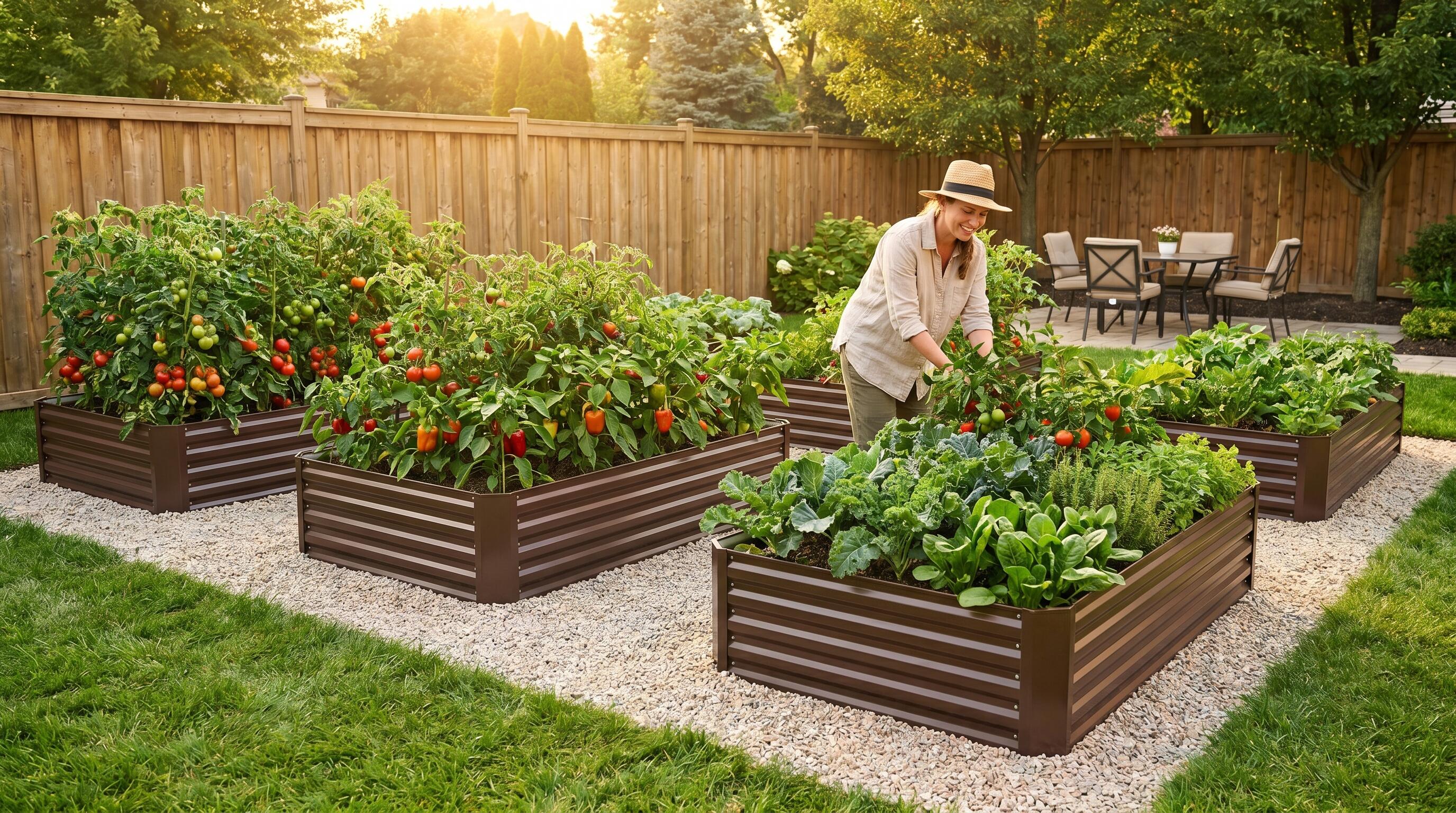
ALT: Anleolife galvanized steel raised garden beds filled with vegetables growing in a compact small backyard space
Advanced Tips: Getting More from Your Small Backyard Raised Bed Setup
Choosing the Best Liner for Your Raised Garden Bed
The question of the best liner for a raised garden bed comes up constantly among new and experienced growers alike. The short answer: landscape fabric or cardboard is your base layer (placed on the ground below the bed to suppress weeds), while the inside walls of the bed typically don't require lining unless you have specific concerns.
For galvanized steel beds, many growers choose to leave the interior walls bare—the zinc coating is inert in normal gardening conditions. If you're growing in particularly acidic soil conditions or want an extra layer of caution, a food-safe liner material along the interior walls is an option. Avoid plastic sheeting that traps water; breathable landscape fabric is preferable.
Watering Systems for Compact Raised Bed Gardens
Small backyard raised beds dry out faster than in-ground beds due to increased surface area exposure and airflow around the bed walls. Investing in a consistent watering system is worth the effort. Drip irrigation lines threaded through the bed surface deliver water directly to root zones with minimal evaporation—ideal for water-conscious growers.
For those who prefer overhead watering, a quality oscillating sprinkler can cover multiple small beds efficiently. While we focus here on raised bed hardware rather than irrigation equipment specifically, it's worth noting that your watering approach should be planned before final bed placement to ensure access for hoses or irrigation lines.
Common Misconceptions About Metal Raised Garden Beds
Misconception 1: Metal beds heat up too much and cook plant roots.
While metal does absorb heat, raised bed soil volume acts as a significant thermal buffer. In most growing climates, this isn't a practical issue. The slight soil warming in early spring is actually beneficial, extending your growing season.
Misconception 2: Galvanized steel leaches harmful zinc into garden soil.
Research and horticultural guidance consistently indicate that zinc leaching from galvanized steel into garden soil occurs in negligible quantities under normal conditions and poses no meaningful risk to food crops or human health.
Misconception 3: Raised beds need to be replaced frequently.
Quality matters enormously here. Anleolife's raised beds are built for a 20-year lifespan—a figure that stands in stark contrast to the 5–7 year reality of most wood beds, even premium cedar.
Frequently Asked Questions FAQ
Q1: How do I choose the right raised bed size for a very small backyard?
Start by measuring your available space and sun exposure zones carefully. A bed no wider than 4 feet allows comfortable access from both sides. For very tight spaces, a 6x3 ft or even a 4x2 ft configuration gives you a meaningful growing area without dominating your yard. Anleolife offers sizes as compact as the 22-inch tall 4x2 ft Rust-Resistant bed, perfect for side yards, patios, and small garden corners. Pair two smaller beds side by side for greater yield potential while keeping each bed individually manageable.
Q2: Are galvanized steel raised beds safe for growing vegetables and edible plants?
Yes. Galvanized steel raised garden beds are widely used and broadly considered safe for food production. Zinc—the protective coating in galvanized steel—is an essential micronutrient, and the trace quantities that may enter soil over time are well below any threshold of concern according to horticultural research. Anleolife's galvanized steel beds are designed for long-term outdoor food gardening use, and their 20-year durability reflects engineering built for exactly this purpose.
Q3: How long does it take to receive an Anleolife raised bed after ordering, and where do they ship from?
Anleolife maintains a strategically located warehouse network across California, Texas, Florida, New York, Illinois, and Washington, ensuring that most U.S. customers receive their orders within 3–8 business days of purchase. Products are available through multiple channels including Amazon, Walmart, Home Depot, Lowe's, Wayfair, and directly through Anleolife.com, all with consistent quality assurance and after-sales support.
Summary
Small backyards don't limit what you can grow—they just ask you to be intentional about how you grow it. The right raised garden bed transforms even the most compact outdoor space into a productive, beautiful, and deeply satisfying garden. Three key takeaways from this guide:
1. Material quality determines long-term value. Galvanized steel and rust-resistant metal outperform wood and plastic across every long-term metric—durability, weed resistance, drainage, and aesthetics. Anleolife's beds are engineered for a 20-year lifespan, making them a genuinely sound long-term investment.
2. Size and height should match your space and lifestyle. From compact 4x2 ft beginner beds to 30-inch deep extra-tall configurations for serious root vegetable growing, the right fit makes gardening easier and more enjoyable every single day.
3. Starting small and expanding is a smart strategy. Anleolife's modular raised bed system is purpose-built for gardeners who want to start with one or two beds and scale up over time—no wasted investment, no starting over.
Your next step: measure your backyard today, identify your sunniest zone, and browse Anleolife's full raised bed lineup to find the configuration that fits your space and your growing goals.
Shop Anleolife — Grown in America, Delivered Fast
Anleolife operates a nationwide U.S. warehouse network strategically located in California, Texas, Florida, New York, Illinois, and Washington—ensuring delivery within 3–8 business days so your garden upgrade plans never have to wait.
Our products are available on major e-commerce platforms including Amazon, Walmart, Home Depot, Lowe's, and Wayfair, as well as directly through Anleolife.com—providing consistent quality assurance and after-sales service wherever you prefer to shop.
Anleolife covers three core gardening scenarios: Planting (metal raised garden beds, soil systems), Raising (chicken coops, rabbit hutches), and Beautification (decorative accessories, pathway systems)—meeting your complete needs from functionality to aesthetics.
We understand that an ideal garden isn't built overnight—it's cultivated gradually, season by season. Our modular product design allows flexible expansion based on your evolving needs, from your very first compact raised bed to a fully integrated planting-and-raising ecosystem. We grow with you, every step of the way.
👉 Tap to Shop Anleolife Raised Garden Beds
References
- National Gardening Association. "Garden to Table: A Guide to Growing Food at Home".
https://garden.org/ - University of California Agriculture and Natural Resources. "Building Healthy Garden Soil".
https://ucanr.edu/ - U.S. Department of Agriculture (USDA). "Urban Agriculture and Home Food Production Resources".
https://www.usda.gov/topics/urban-agriculture - Oregon State University Extension Service. "Raised Bed Gardening".
https://extension.oregonstate.edu/gardening/techniques/raised-bed-gardening - Penn State Extension. "Raised Bed Gardening for Vegetables".
https://extension.psu.edu/
Note: Standards and recommendations may be updated over time. Please check the latest official documents or consult a professional gardening advisor for the most current guidance.
About Anleolife
Anleolife is a leading outdoor garden solutions provider in North America, dedicated to offering a full-scenario product ecosystem for home gardening enthusiasts, covering planting, raising, and garden beautification. Since its founding, we have upheld our brand mission, "Made for Garden Life," continuously innovating products and optimizing services to help hundreds of thousands of users upgrade their gardens, reconnect with nature, and enjoy a better garden lifestyle.