


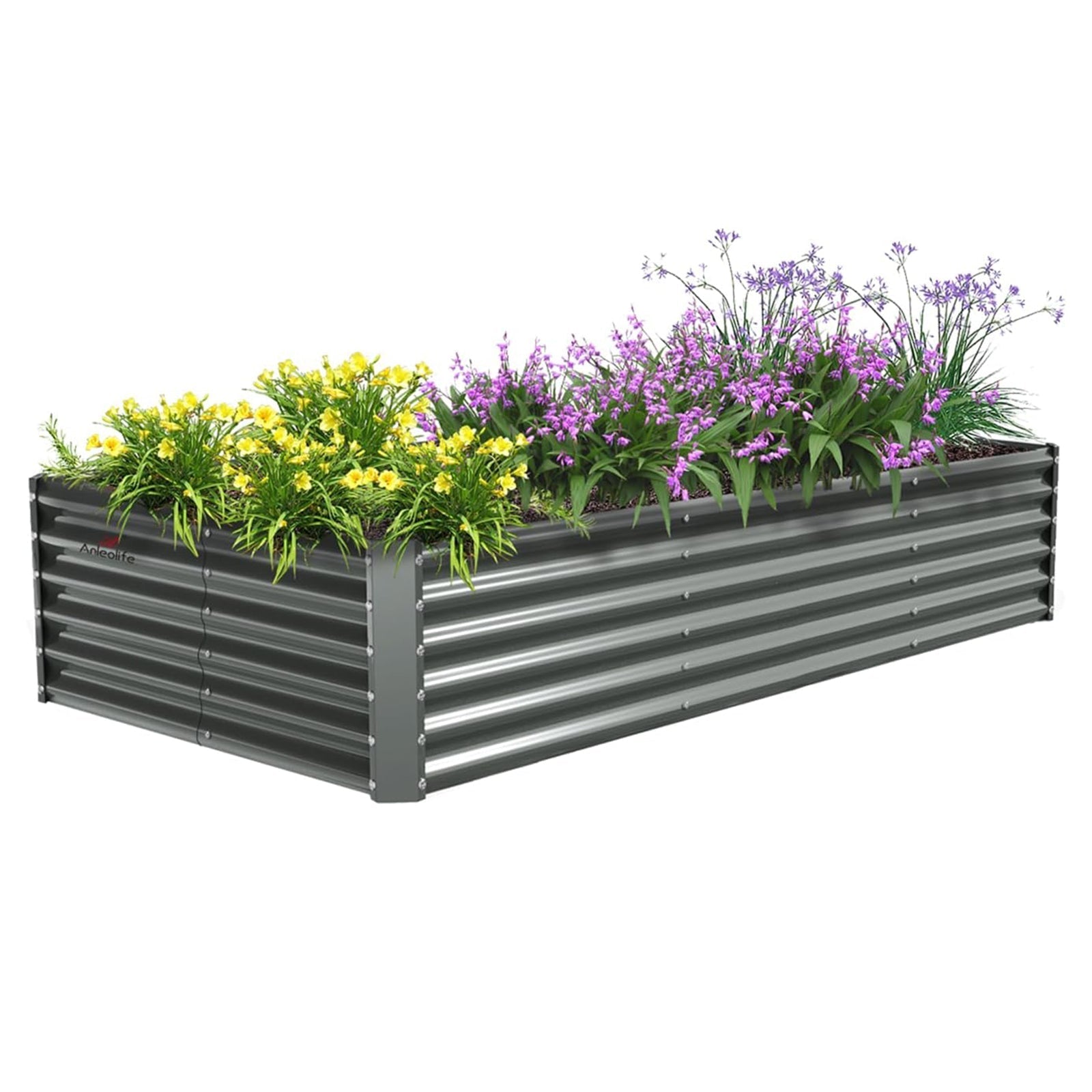

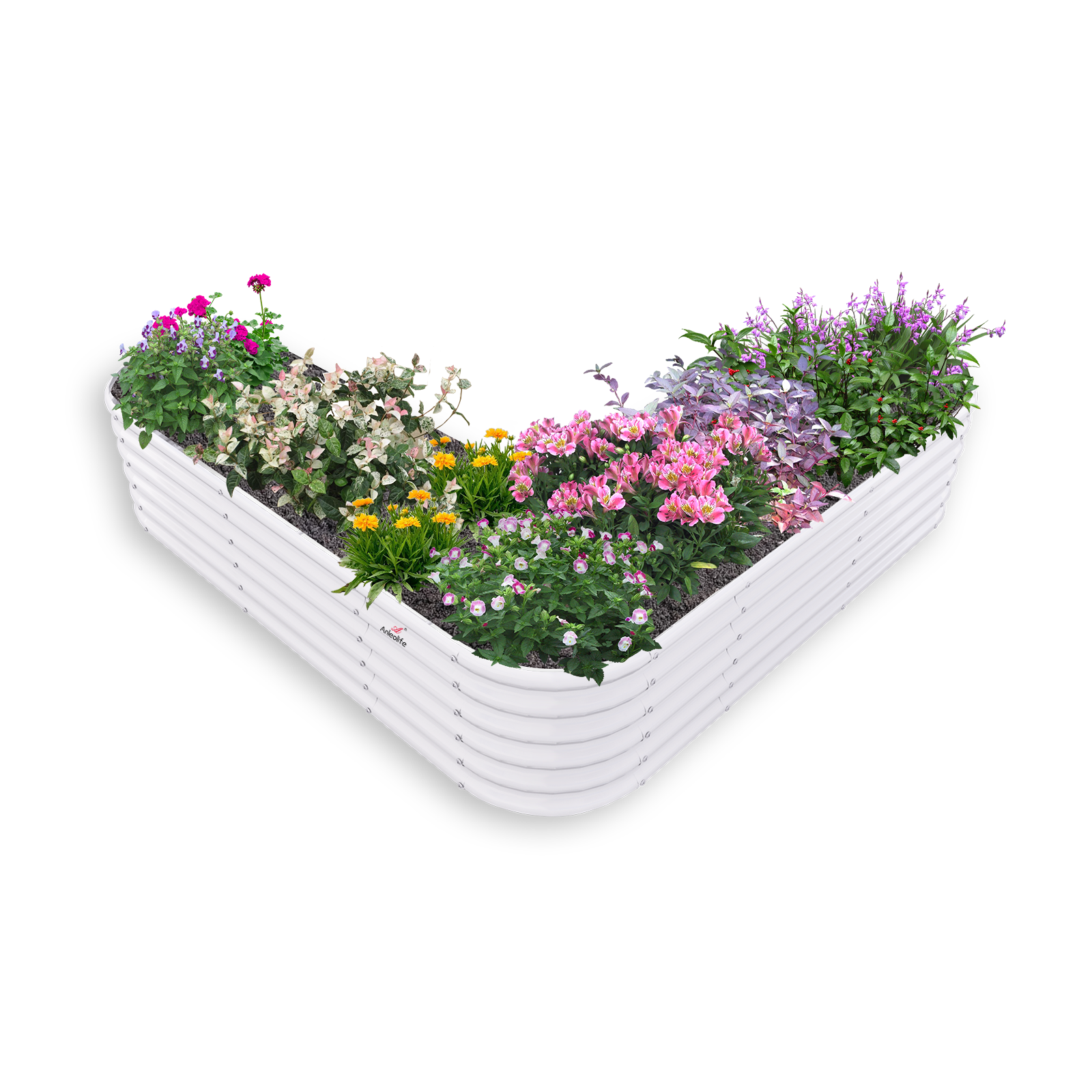
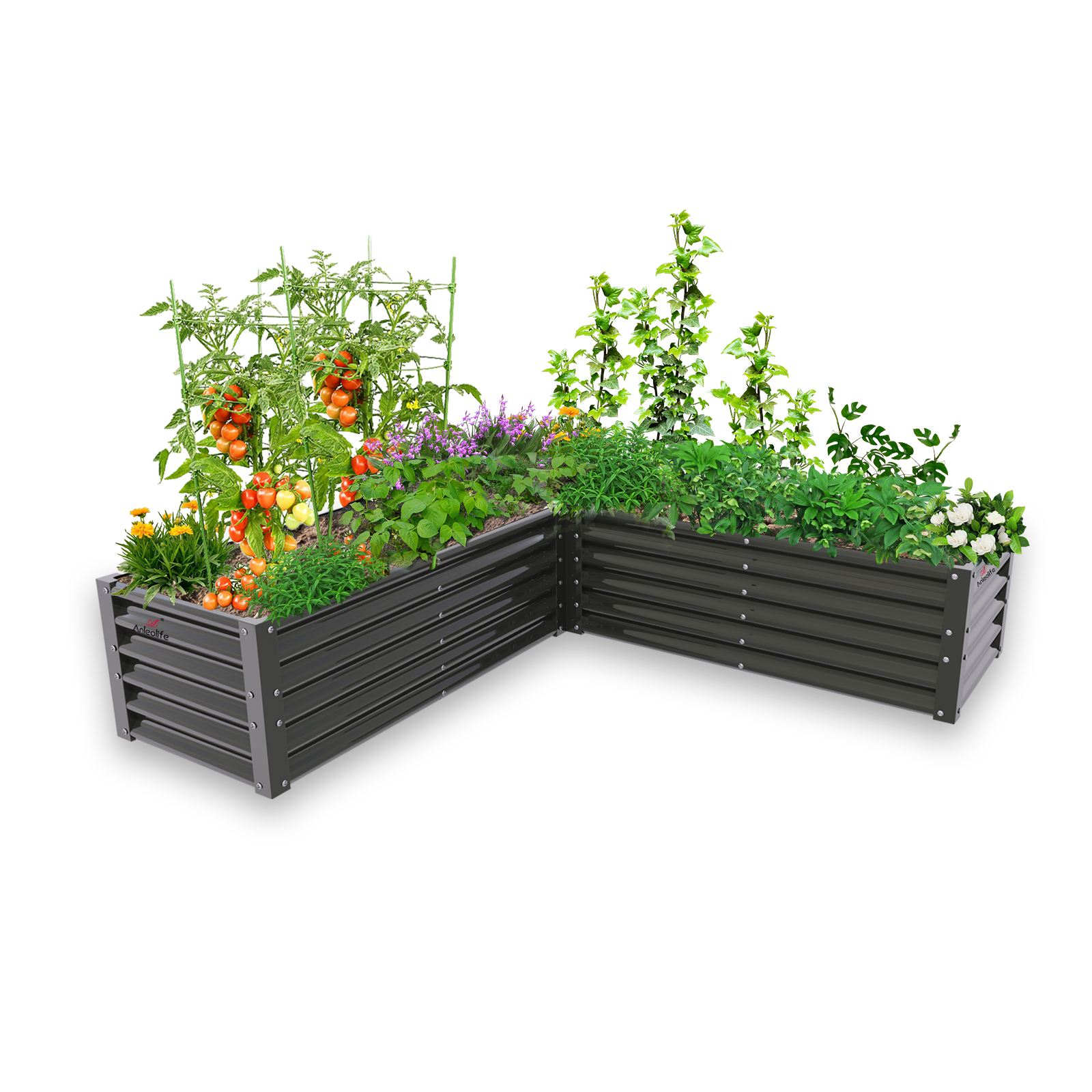
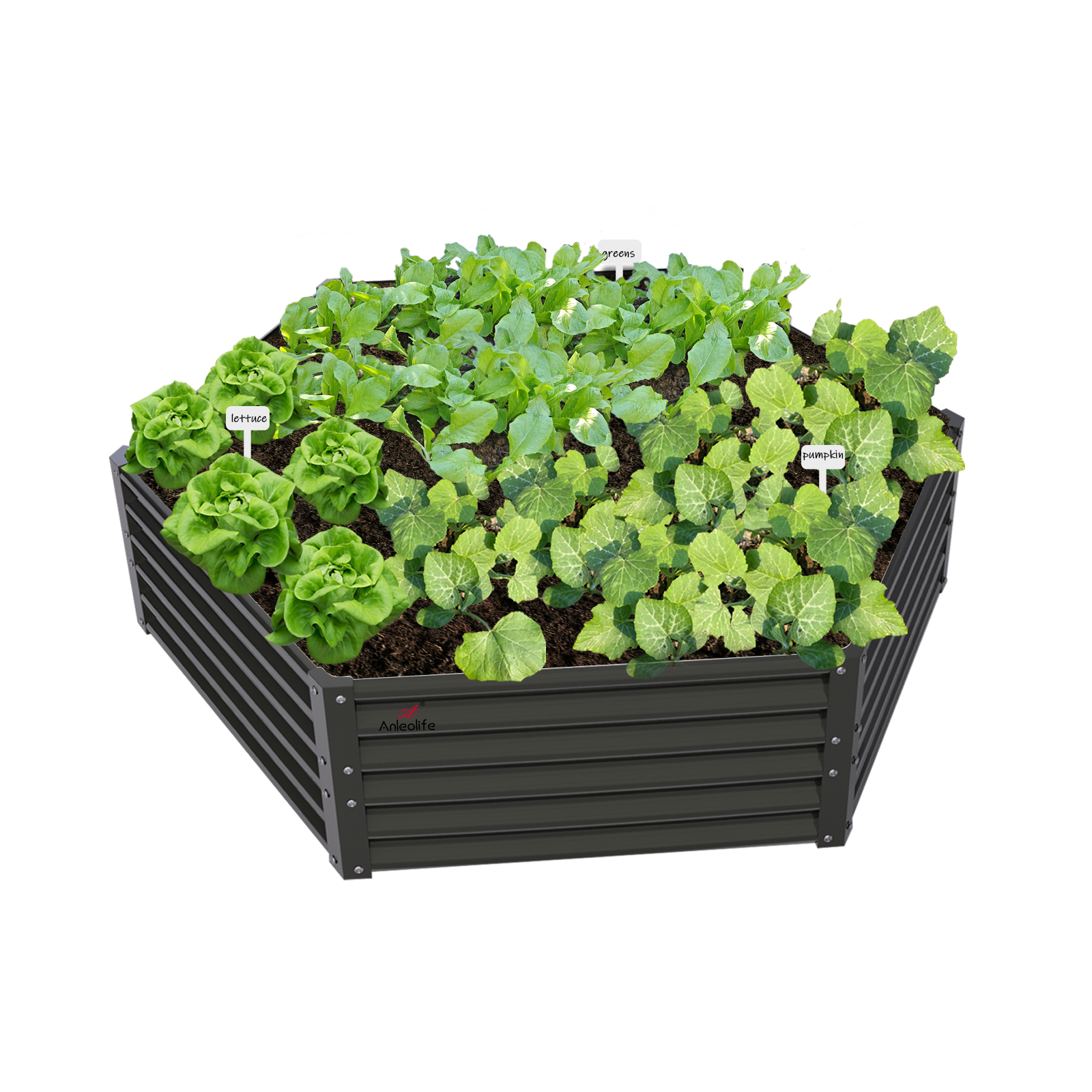
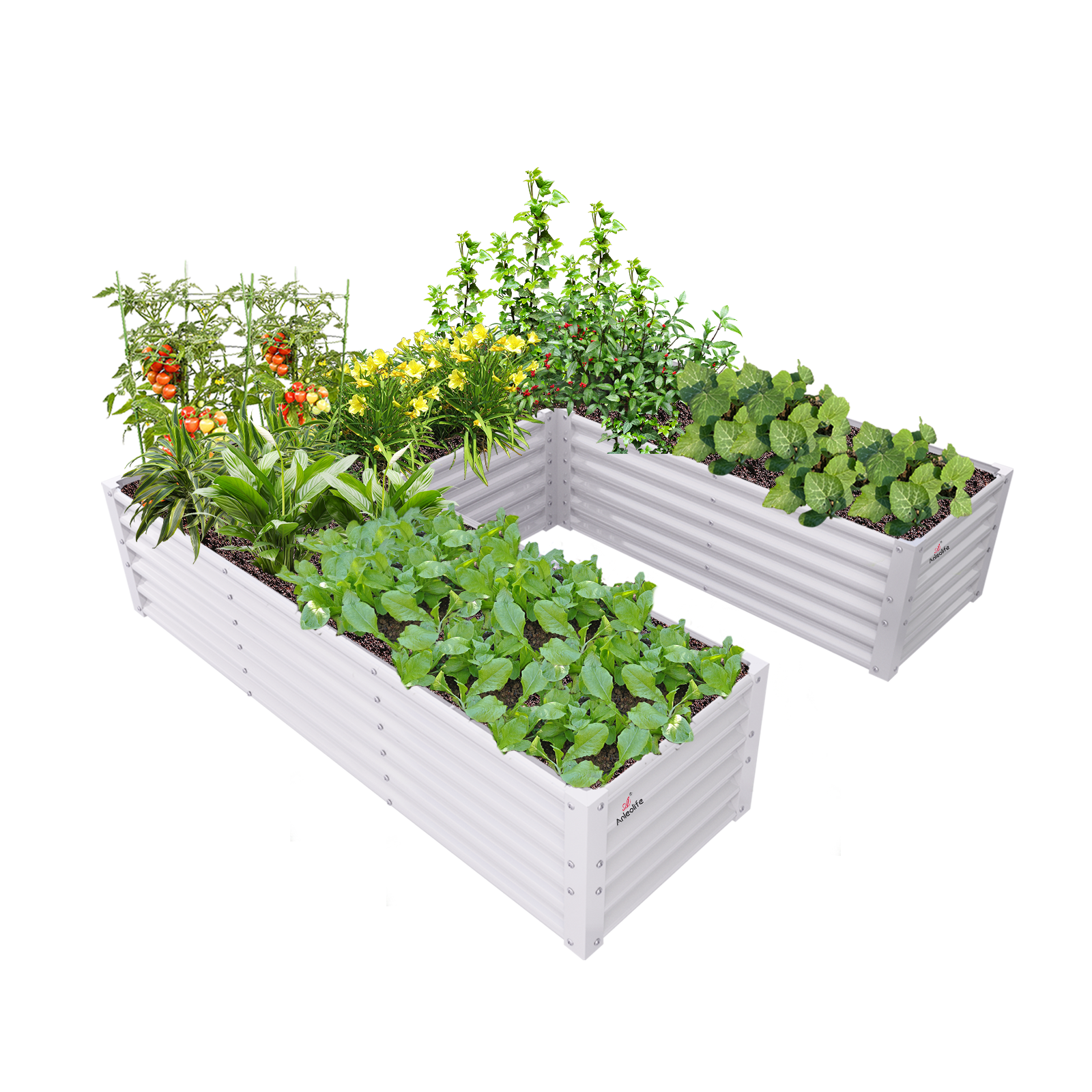

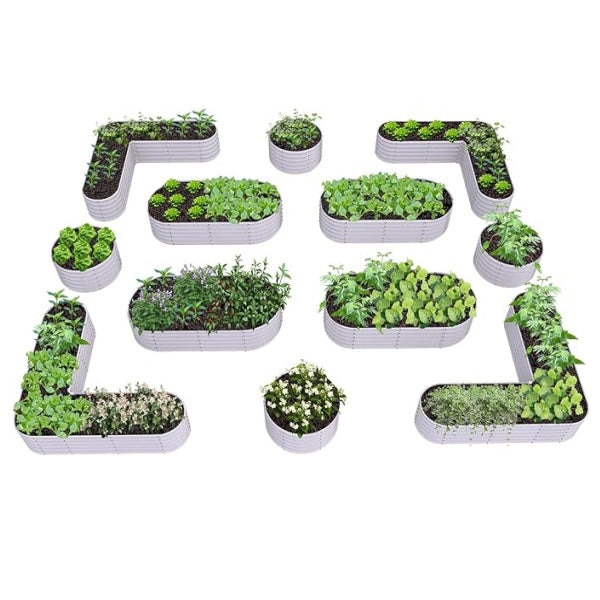


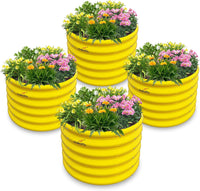
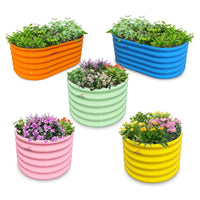
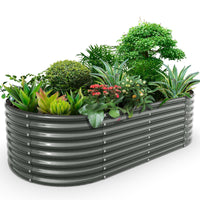



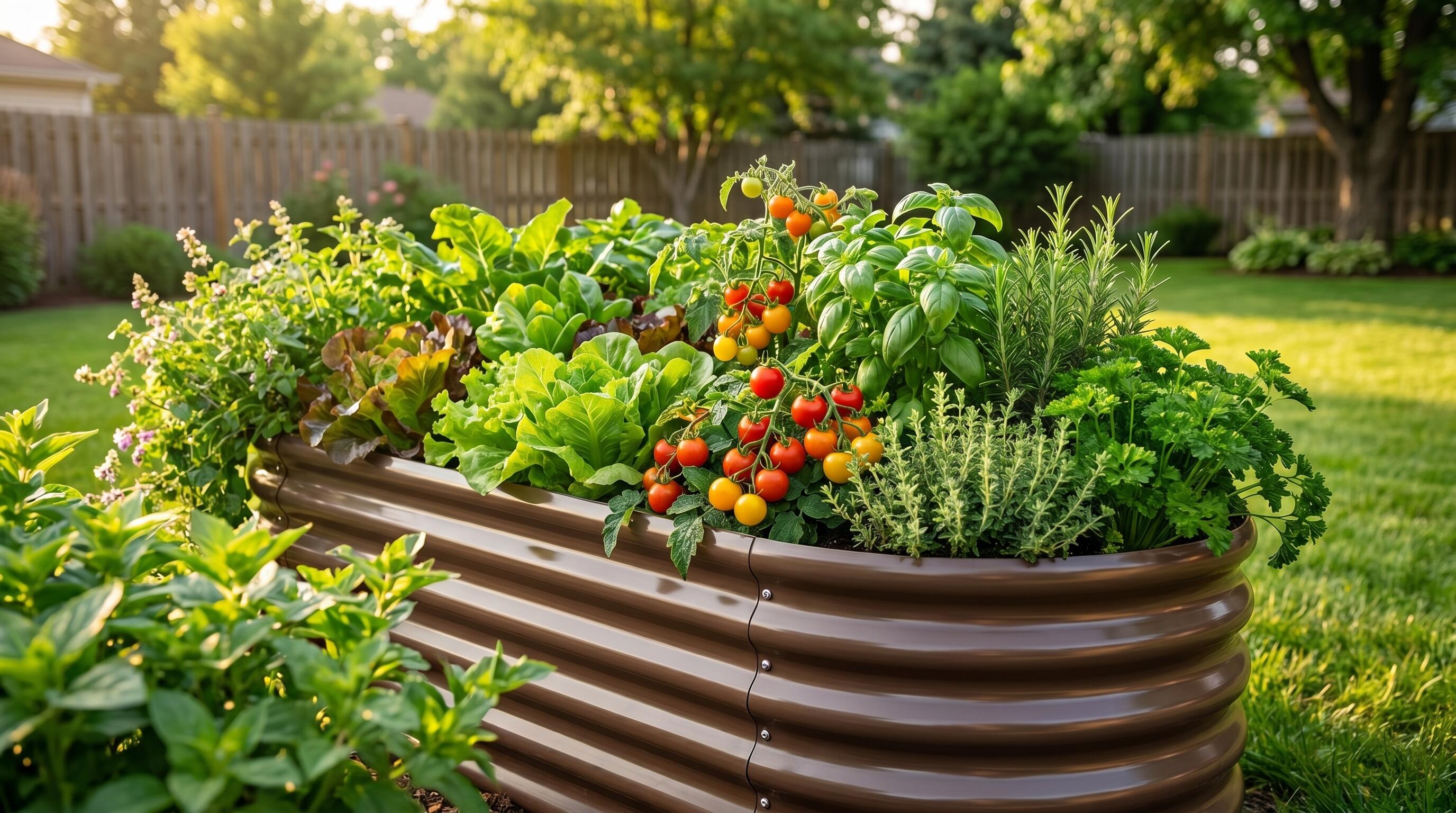
ALT: Best vegetables to grow in a raised garden bed this spring for a bountiful home harvest
Why Spring Is the Perfect Time to Start Growing Vegetables in a Raised Garden Bed
Key Conclusion: Spring is the ultimate season to launch your raised bed garden layout, giving cool-season crops a head start while preparing warm-season favorites for summer abundance. Whether you're a first-time grower or a seasoned home gardener, choosing the right vegetables for your raised garden bed can dramatically boost your yield, reduce maintenance, and transform even the smallest outdoor space into a productive, beautiful growing environment.
If you've been thinking about starting a vegetable garden this spring, there's never been a better moment to act. Raised garden beds offer a unique combination of benefits that traditional in-ground gardening simply can't match: faster soil warming in early spring, excellent drainage, fewer weeds, and precise control over soil quality. Add in the visual appeal — especially when paired with a garden trellis for climbing plants or kinetic wind spinners to deter pests — and you've got a garden setup that works beautifully and looks stunning too.
In this guide, we'll walk you through the 15 best vegetables to plant in your raised bed this spring, organized by growing habits and space needs, so you can plan a raised bed garden layout that maximizes every square inch of your growing space.
Who This Guide Is For (and When to Use It)
✅ Applicable Scenarios:
- Home gardeners setting up a new raised bed or refreshing an existing one for spring planting
- Urban micro-gardeners working with limited patio or balcony space who need high-yield, compact crops
- Empty nesters and retirees looking for a therapeutic, manageable garden experience with reduced bending and physical strain
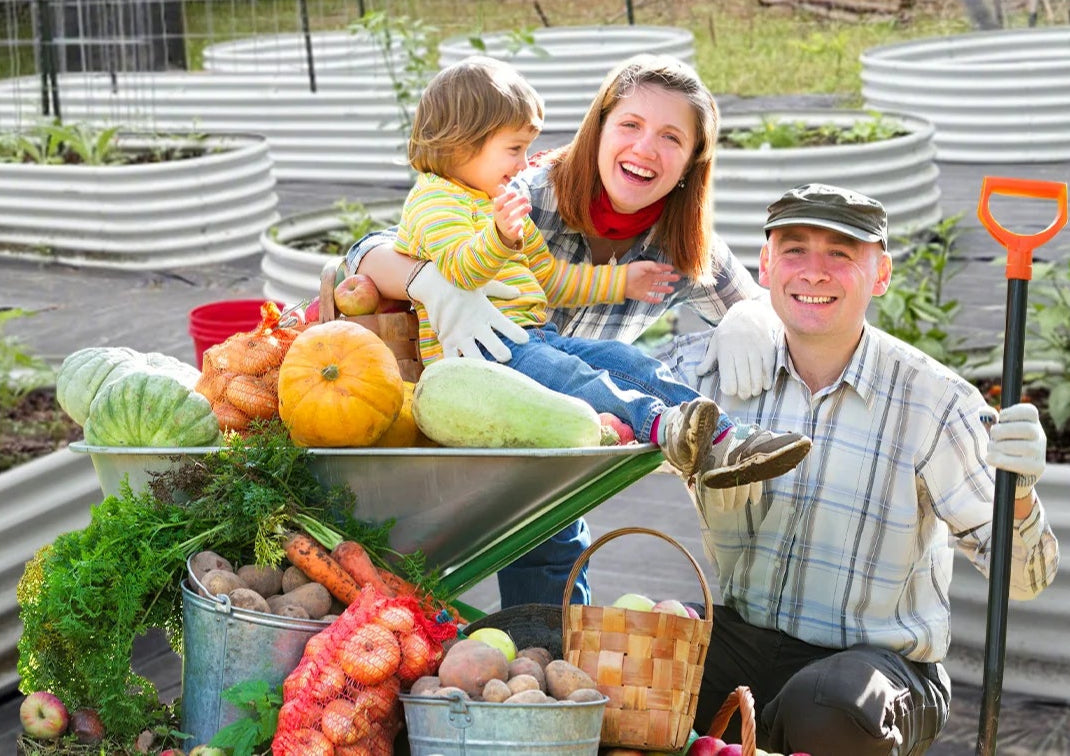
- Eco-conscious families wanting to grow clean, pesticide-free produce at home
❌ Not Applicable/Cautions:
- Gardeners in USDA zones with frost well into May should delay warm-season crops like tomatoes and peppers until after last frost
- This guide focuses on raised bed growing — some recommendations may need adjustment for container-only or hydroponic setups
- Very large-scale commercial growers may need crop rotation and spacing strategies beyond what's covered here
The Science Behind Spring Raised Bed Gardening
One of the most important advantages of a raised garden bed is that the soil warms up significantly faster than ground-level soil in spring. According to research from the University of California Cooperative Extension, raised bed soil can warm 8–13°F faster than in-ground plots in early spring, giving you a 2–4 week head start on the growing season. That's a meaningful edge for cool-season crops like spinach, lettuce, and peas.
The popularity of raised bed gardening has grown rapidly over the past decade. The National Gardening Association reports that millions of American households now grow at least some of their own food, with raised beds being one of the most common methods adopted. The appeal spans generations — from millennials in urban apartments growing herbs on patios to retirees cultivating full vegetable gardens in their backyards.
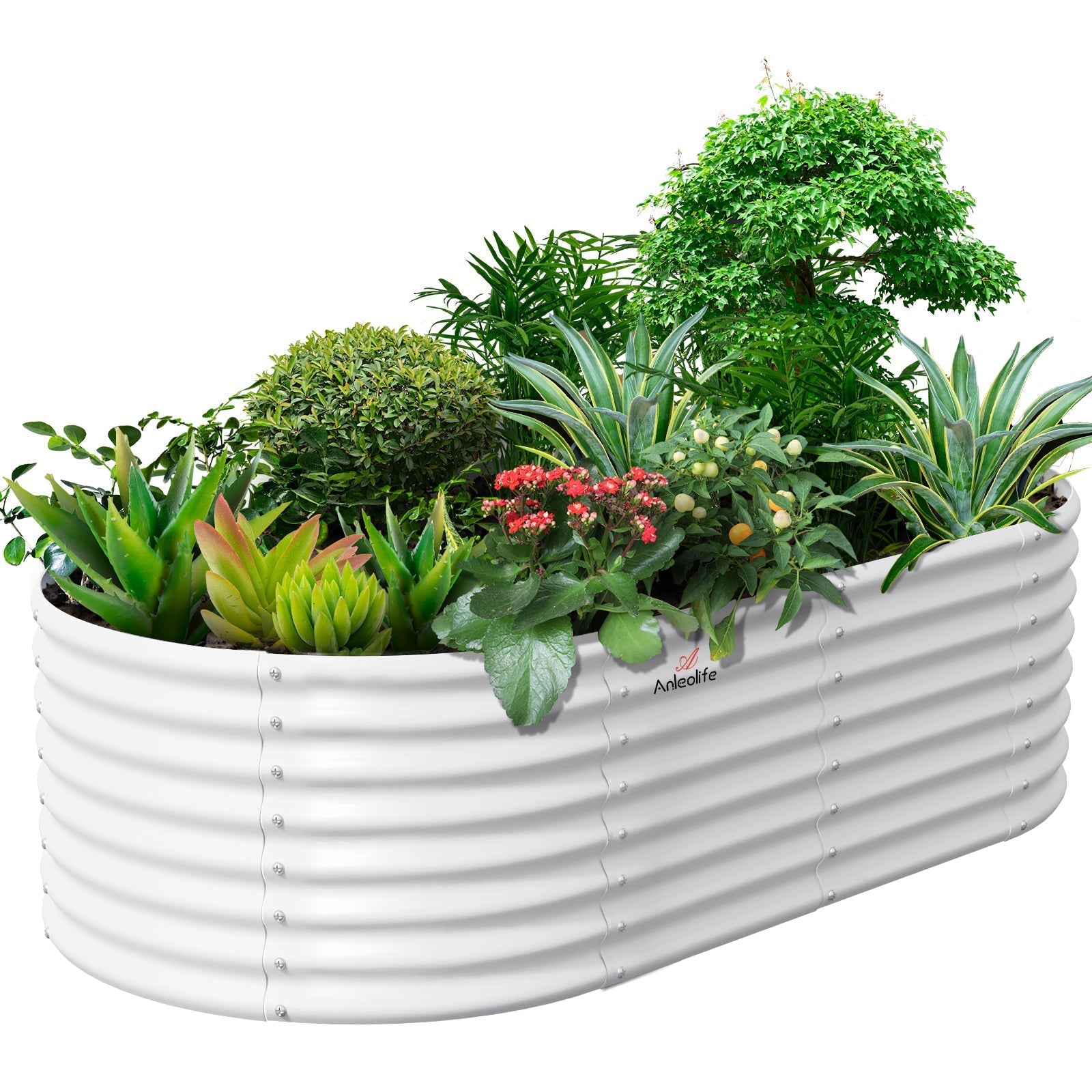
Material choice also matters enormously, especially if you're gardening in a wet climate. Many gardeners wonder about the best materials for raised garden beds in wet climates. Wood, while classic, is prone to rot when exposed to consistent moisture. Galvanized steel and rust-resistant coated metals have become the preferred choice for serious gardeners in high-rainfall regions like the Pacific Northwest, Florida, and the Great Lakes area. Anleolife's galvanized steel and rust-resistant raised garden beds are specifically engineered for long-term outdoor use, with a lifespan of up to 20 years — far outlasting untreated wood alternatives.
For those comparing options — particularly if you're searching for Anleolife vs other brands for apartment patio garden setup — the key differentiators come down to durability, modularity, and height options. Anleolife offers a wide range of heights and dimensions (from compact 18-inch tall beds to waist-high 35-inch options), making it easy to find the right fit whether you're working with a rooftop patio, a small backyard, or a sprawling lawn.
The 15 Best Vegetables for Your Raised Garden Bed This Spring
Three-Step Quick Start for Spring Planting
Step 1: Prepare Your Raised Bed Soil
Before planting, fill your raised bed with a nutrient-rich blend of compost, topsoil, and aged manure (a common recommendation is a roughly equal mix of all three). Raised beds need well-draining, loose soil — never use heavy clay from your yard. This step typically takes 1–2 hours depending on bed size, and you can start this 1–2 weeks before your last frost date to let the bed warm up naturally.
Step 2: Plan Your Raised Bed Garden Layout
Sketch out your planting plan before you put anything in the ground. Taller plants like tomatoes and trellised cucumbers go on the north side (or the side that gets the most sun without shading shorter neighbors). Use square-foot gardening principles to maximize space — leafy greens like lettuce and spinach can be planted densely in a grid, while sprawling squash needs more room. A well-planned raised bed garden layout reduces waste and competition between plants significantly.
Step 3: Plant in Succession and Layers
Don't plant everything at once. Start cool-season crops (lettuce, peas, spinach) 4–6 weeks before your last frost, then transition to warm-season crops (tomatoes, peppers, basil) after frost risk has passed. Interplanting fast-growing radishes or lettuce between slow-growing tomatoes keeps your bed productive all season long and suppresses weeds naturally.
Comparing Vegetables by Growing Style, Space, and Season
Choosing the right vegetables means matching plants to your growing conditions. Here's how the top 15 spring vegetables stack up across key dimensions:
| Vegetable | Season (Cool/Warm) | Space per Plant | Raised Bed Height Recommendation | Trellis Needed? |
|---|---|---|---|---|
| Lettuce | Cool | 6–8 inches | Any (18" min) | No |
| Spinach | Cool | 3–6 inches | Any (18" min) | No |
| Peas | Cool | 3–4 inches | 18"+ with trellis | Yes |
| Radishes | Cool | 2–3 inches | Any (18" min) | No |
| Carrots | Cool | 3 inches | 24"+ deep preferred | No |
| Kale | Cool | 12–18 inches | 18"+ | No |
| Swiss Chard | Cool/Warm | 9–12 inches | 18"+ | No |
| Tomatoes | Warm | 18–24 inches | 24"+ extra tall | Yes/Cage |
| Cucumbers | Warm | 12 inches | 18"+ with trellis | Yes |
| Peppers | Warm | 12–18 inches | 18"+ | No |
| Zucchini | Warm | 24–36 inches | 18"+ | No |
| Beans (Bush) | Warm | 4–6 inches | 18"+ | No |
| Beans (Pole) | Warm | 4–6 inches | 18"+ with trellis | Yes |
| Strawberries | Cool/Warm | 12 inches | 18"–24" | No |
| Basil | Warm | 6–12 inches | 18"+ | No |
A Closer Look at Each of the 15 Best Spring Vegetables
Lettuce: The Ultimate Raised Bed Beginner Crop
Lettuce is arguably the most beginner-friendly vegetable you can grow. It matures in as little as 30–45 days, tolerates light frost, and can be harvested repeatedly with cut-and-come-again techniques. In a raised bed, lettuce thrives in loose, consistently moist soil — exactly what a well-prepared galvanized steel bed provides. Plant a new row every two weeks for a continuous harvest throughout spring and early summer.
Spinach: Cold-Hardy and Nutrient-Dense
Spinach is one of the first vegetables you can sow directly into your raised bed — sometimes even 6 weeks before the last frost if you cover the bed with a frost cloth. It's packed with iron, magnesium, and folate, making it a top choice for health-conscious growers. Spinach bolts (goes to seed) quickly in heat, so make the most of the cooler weeks by planting densely and harvesting young leaves early.
Peas: Vertical Growers That Love a Trellis
Peas are among the best crops to plant alongside a garden trellis. They climb naturally, saving horizontal bed space while producing sweet, satisfying pods. Sugar snap peas are especially popular in raised beds because the entire pod is edible. Direct sow them as soon as your soil can be worked — peas love cool temperatures and will actually perform poorly if planted too late in the season.
Radishes: The Fastest Reward in the Garden
With a maturity time of just 22–30 days, radishes are the perfect impatience cure for new gardeners. They also serve as natural markers between slower-germinating crops like carrots. Radishes do best in loose soil — another reason raised beds are ideal, as the deep, fluffy growing medium lets their roots expand without compaction.
Carrots: Deep Beds for Best Results
Here's a crop where bed depth really matters. Carrots need at least 10–12 inches of loose, stone-free soil to develop properly — making a deeper raised bed (24 inches or more) the smart choice. Anleolife's extra-tall 24-inch raised beds are a great match for root vegetables like carrots, parsnips, and beets. The deep growing medium also helps with moisture retention during dry spring stretches.
Kale: The Powerhouse Green
Kale is cold-tolerant to a remarkable degree and can actually taste sweeter after a light frost. It grows tall and can shade neighboring plants, so position it on the north side of your bed. Baby kale is ready to harvest in as little as 25 days; mature plants take 60–70 days. It's a heavy feeder, so amend your soil generously before planting.
Swiss Chard: Colorful and Versatile
Swiss chard bridges the gap between cool and warm seasons beautifully, tolerating both light frost and mild summer heat. The colorful stems — red, yellow, and orange varieties are widely available — add ornamental appeal to your raised bed garden layout. Harvest outer leaves regularly to keep the plant producing all season long.
Tomatoes: The King of the Summer Raised Bed
Most gardeners dream of sun-ripened tomatoes from their own backyard. In a raised bed, tomatoes benefit enormously from the excellent drainage and warm soil. They need support — either a garden trellis, cage, or stake — and plenty of vertical room. For tomatoes, an extra-tall raised bed (24 inches or higher) gives roots the deep, rich soil they need to anchor a full-season plant.
Cucumbers: Fast-Growing Vines That Reward Vertical Space
Cucumbers are prolific producers in warm weather and thrive when grown vertically up a garden trellis. Training cucumbers upward also improves air circulation, reducing fungal disease risk — a common problem in humid summer conditions. Plant after all frost risk is past; cucumbers are very cold-sensitive.
Peppers: Slow Starters with Big Payoffs
Peppers need warm soil and warm air to really take off, so don't rush them outdoors. Start seeds indoors 8–10 weeks before your last frost, then transplant into your raised bed once nighttime temperatures stay consistently above 55°F. Both sweet and hot varieties do very well in raised beds, where the soil warms quickly and drains well.
Zucchini: Prolific and Space-Hungry
Zucchini is almost embarrassingly productive — a single plant can yield more than a family can eat in peak summer. Give each plant plenty of room (at least 2–3 square feet), and harvest fruits when they're small for the best flavor and texture. Larger raised bed configurations work well for zucchini — wide, spacious beds allow the large leaves to spread without crowding.
Bush Beans: No-Fuss, High-Yield
Bush beans don't need staking and produce heavy yields from a compact footprint. They're warm-season crops, so wait until after frost. Direct sow in clusters for good pollination, and succession plant every 2–3 weeks for continuous harvests through summer. They also fix nitrogen in the soil, improving it for whatever you plant next.
Pole Beans: Efficient Use of Vertical Space
If you're short on horizontal space, pole beans are your solution. They climb enthusiastically up any garden trellis structure and continue producing for months rather than the single flush that bush beans deliver. In a small raised bed on a patio, a simple bamboo teepee trellis can support multiple pole bean plants in a very tight footprint.
Strawberries: One of the Best Raised Bed Fruits
Looking for the best raised bed for strawberries? Raised beds are genuinely ideal for strawberry cultivation. The excellent drainage prevents the crown rot that plagues strawberries in heavy soils. Everbearing varieties produce multiple flushes of berries from spring through fall. The elevated growing surface also makes harvesting much easier — no more crouching in the dirt to find hidden fruits. An 18-inch tall bed works well, though taller options give you even better drainage and pest separation.
Basil: The Perfect Companion Plant
Basil grows quickly in warm weather and makes a wonderful companion for tomatoes — it's claimed by many gardeners (and some research supports it) to improve tomato flavor and repel aphids. Plant basil in the gaps between tomato plants to make the most of your raised bed layout. Pinch flower heads regularly to keep plants bushy and productive.
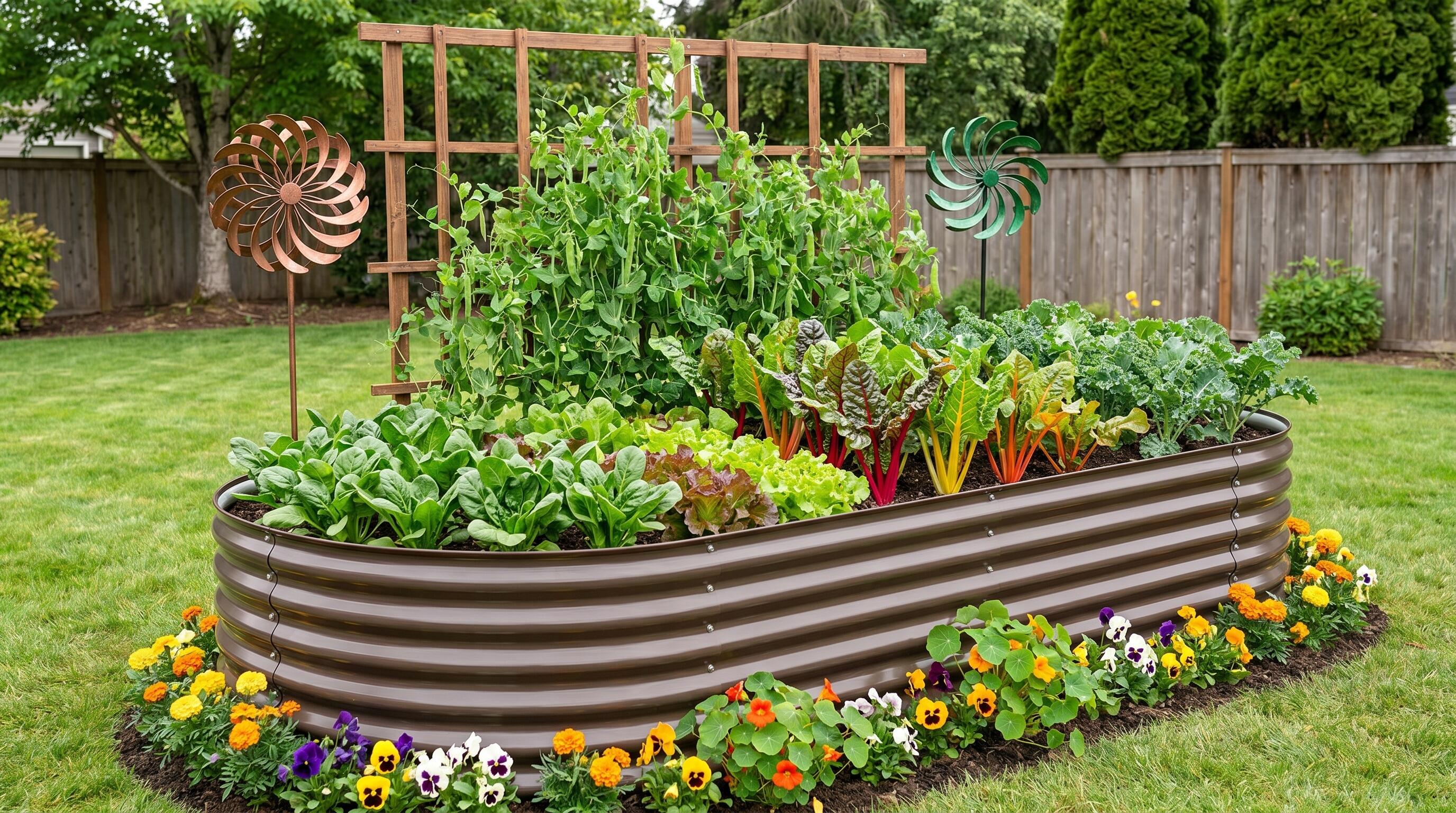
ALT: A productive spring raised bed garden layout featuring vegetables, a garden trellis, and kinetic wind spinners for pest deterrence
Advanced Raised Bed Strategies for Spring Gardening
Choosing the Right Bed Height to Protect Your Back
One of the most practical questions for older gardeners and those with mobility concerns is: what is the best height for raised garden beds to reduce back strain? The general recommendation from ergonomic gardening experts is that a bed height of 24–30 inches brings the growing surface to a comfortable working height for most adults when kneeling or sitting on a garden stool — and a 35-inch waist-high bed allows for almost entirely standing gardening.
Anleolife's product range includes options from standard 18-inch beds all the way up to 35-inch waist-high configurations, giving you genuine flexibility. For gardeners managing back pain, arthritis, or other mobility challenges, the extra-tall and waist-high beds are genuinely life-changing — many customers describe being able to return to gardening they'd given up entirely.
What Are the Best Elevated Garden Beds?
When people search "what are the best elevated garden beds," they're typically looking for a combination of durability, size options, and ease of assembly. Key features to prioritize:
- Material durability: Galvanized steel or rust-resistant coated steel outperforms wood in wet climates and over long time horizons. Anleolife's beds are built to last up to 20 years, making them a genuine long-term investment rather than a product you'll replace every few seasons.
- Height options: A brand that offers multiple height tiers lets you match the bed to your physical needs and the crop you're growing.
- Size variety: Different vegetables need different amounts of space — having bed width and length options means you can configure a setup that truly fits your yard or patio.
Common Misconceptions About Spring Raised Bed Gardening
Misconception 1: You can use any soil in a raised bed. Native yard soil compacts badly in raised beds and is often nutrient-poor or poorly draining. Always use a purpose-mixed raised bed growing medium.
Misconception 2: Raised beds don't need watering as often. Actually, raised beds drain faster and may need more frequent watering than in-ground gardens, especially in hot, dry spring weather. Consider a drip irrigation system or soaker hose beneath your mulch layer.
Misconception 3: You only need to amend soil the first year. Raised bed soil depletes nutrients with each growing season. Top-dress with 2–3 inches of fresh compost every spring before planting.
Frequently Asked Questions FAQ
Q1: How do I choose the right raised garden bed height to reduce back strain?
For gardeners who want to minimize bending and kneeling, the ideal raised bed height depends on how you prefer to garden. A 24-inch extra-tall bed suits most people who garden from a low stool or kneeling pad, while a 30–35 inch waist-high bed is designed for standing gardening with minimal bending. Anleolife offers extra-tall and waist-high options specifically designed with this in mind, making them an excellent choice for retirees, seniors, or anyone managing back or joint concerns.
Q2: Are galvanized steel raised garden beds safe for growing vegetables?
Yes. Modern galvanized steel raised garden beds use a zinc coating process that is widely considered safe for vegetable growing. Research from the University of Minnesota Extension and other land-grant universities has found that zinc leaching from galvanized steel into the soil occurs at very low levels — well within safe ranges for food production. Anleolife's galvanized steel beds are built for long-term food gardening use, with a lifespan of up to 20 years, making them both a safe and sustainable choice for your edible garden.
Q3: How long does it take to set up and plant a raised garden bed in spring?
Assembly time for a typical raised garden bed is generally 30–60 minutes for most adult gardeners with basic tools. Filling the bed with soil and compost takes another 1–2 hours depending on bed size and your material source. Actual planting can be done in under an hour for a well-planned layout. Orders placed through Anleolife's website or retail partners (Amazon, Walmart, Home Depot, Lowe's, and Wayfair) are delivered within 3–8 business days via Anleolife's nationwide warehouse network, so you can have a new bed in your backyard and planted within less than two weeks of ordering.
Summary
Spring raised bed gardening is one of the most rewarding home projects you can undertake — combining physical activity, healthy eating, and the quiet satisfaction of growing your own food. Here are the three core takeaways from this guide:
- Match your vegetables to the season and your bed's depth: Cool-season crops like lettuce, spinach, and peas can go in early; warm-season crops like tomatoes, cucumbers, and peppers follow after frost. Deeper beds (24 inches or more) are best for root vegetables.
- Plan your raised bed garden layout thoughtfully: Use vertical space with a garden trellis for climbing crops, interplant fast and slow crops, and leave appropriate spacing for each variety. A little planning upfront saves a lot of frustration later.
- Invest in durable materials that last: A quality galvanized steel or rust-resistant raised bed — especially one with a 20-year lifespan — pays for itself many times over compared to wooden beds that need replacing every few years.
Whether you're growing strawberries in a compact 4x4 bed on your apartment patio or setting up a multi-bed vegetable garden in your suburban backyard, the right raised bed setup transforms the whole experience.
Start Your Spring Garden with Anleolife
Anleolife's nationwide U.S. warehouse network — strategically located in California, Texas, Florida, New York, Illinois, and Washington — ensures delivery within 3–8 business days, so your spring planting plans don't have to wait for the slow shipping season.
Products are available across all major retail channels including Amazon, Walmart, Home Depot, Lowe's, and Wayfair, as well as directly at Anleolife.com, offering consistent quality assurance and dedicated after-sales support wherever you prefer to shop.
Anleolife's three core scenarios — Planting (metal raised garden beds, soil systems), Raising (chicken coops, rabbit hutches), and Beautification (decorative accessories, pathway systems) — cover everything from functional gardening infrastructure to the finishing touches that make your outdoor space truly feel like home.
We understand that an ideal garden isn't built overnight — it evolves with you. Anleolife's modular product design allows you to expand your setup flexibly, starting from your first raised bed and building toward a fully integrated garden ecosystem. We grow with you, every step of the way.
References
- University of California Cooperative Extension. "Raised Bed Gardening."
https://ucanr.edu/sites/MarinMG/files/185548.pdf - National Gardening Association. "Garden to Table: A 5-Year Look at Food Gardening in America."
https://garden.org/special/pdf/2014-NGA-Garden-to-Table.pdf - University of Minnesota Extension. "Raised Bed Gardening."
https://extension.umn.edu/how/raised-bed-gardening - USDA National Institute of Food and Agriculture. "Home Gardening Resources."
https://www.nifa.usda.gov/topics/home-gardening - Penn State Extension. "Growing Vegetables in Raised Beds."
https://extension.psu.edu/growing-vegetables-in-raised-beds
Note: Gardening recommendations may vary by region and climate zone. Please consult your local cooperative extension office for region-specific planting guides and soil recommendations.
About Anleolife
Anleolife is a leading outdoor garden solutions provider in North America, dedicated to offering a full-scenario product ecosystem for home gardening enthusiasts, covering planting, raising, and garden beautification. Since its founding, we have upheld our brand mission, "Made for Garden Life," continuously innovating products and optimizing services to help hundreds of thousands of users upgrade their gardens, reconnect with nature, and enjoy a better garden lifestyle.