


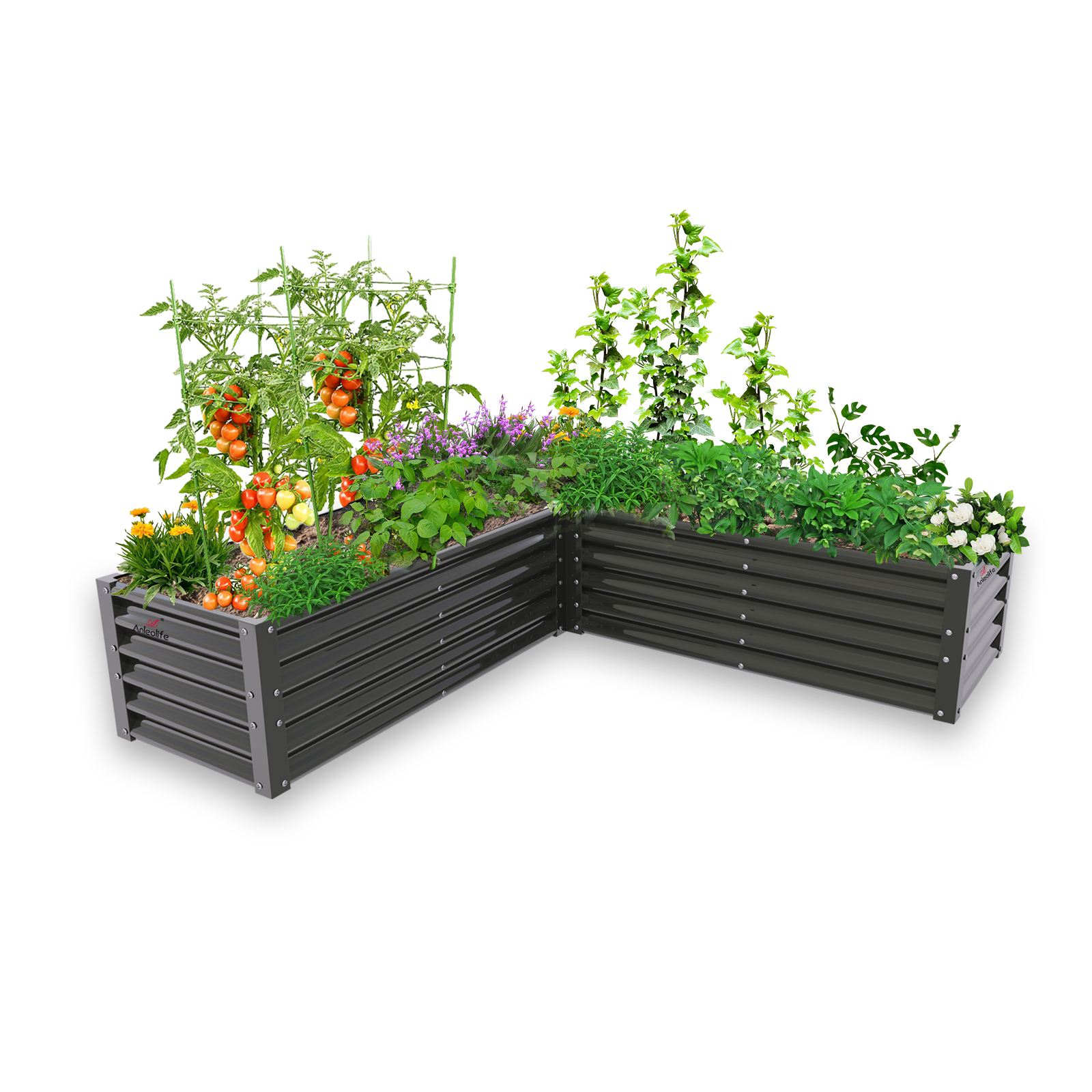
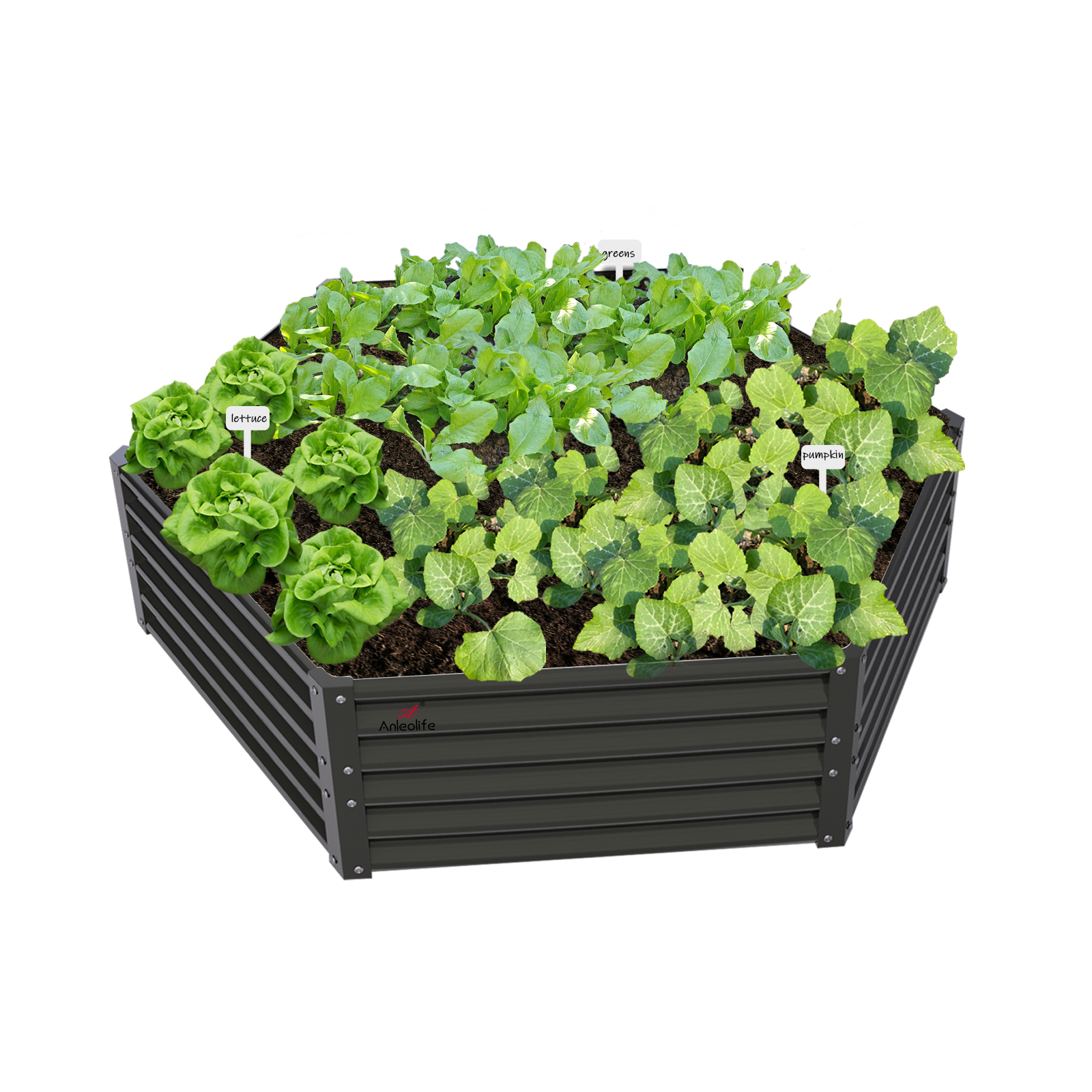
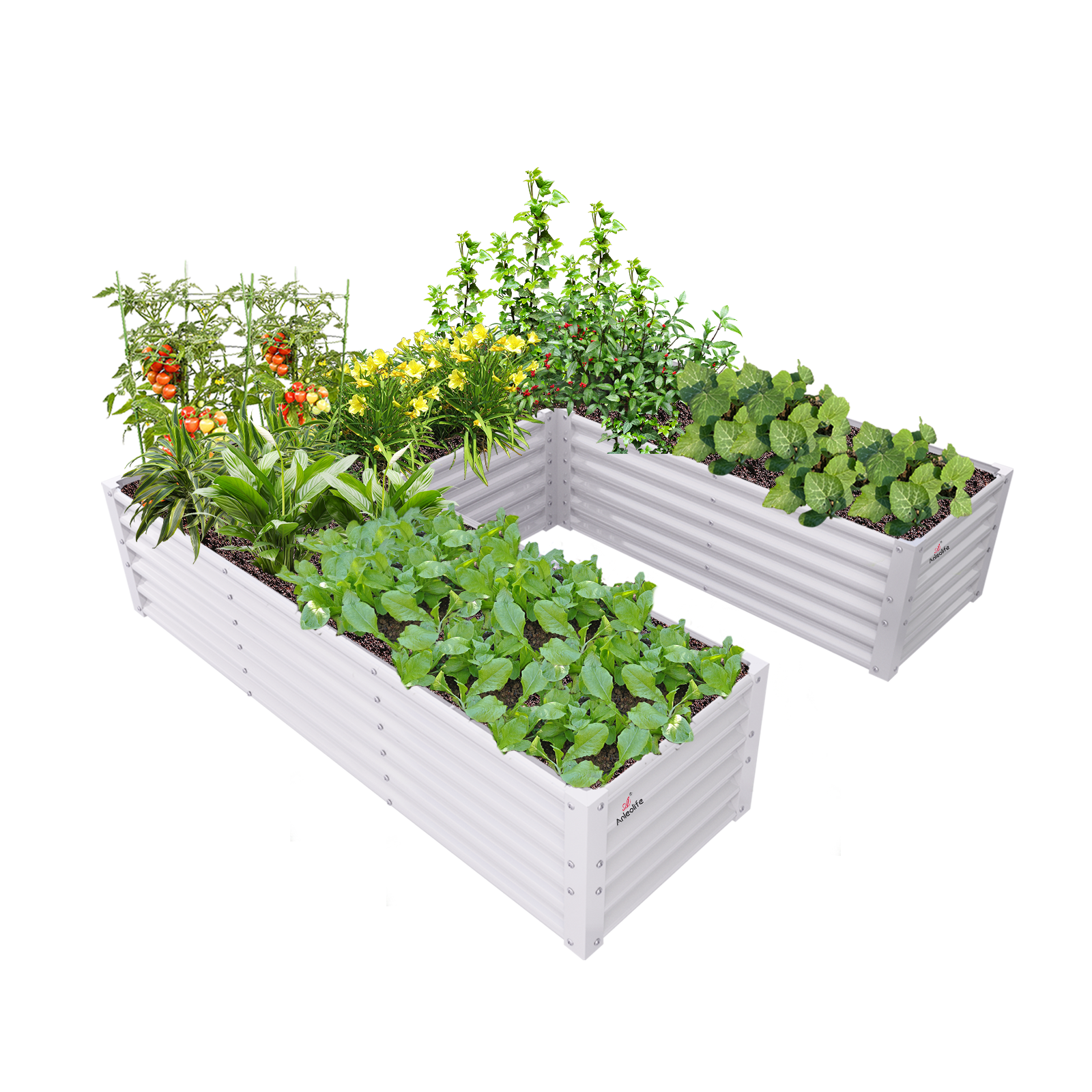



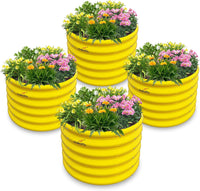
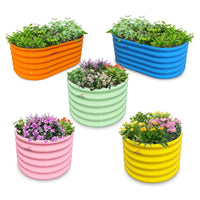
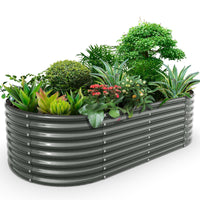



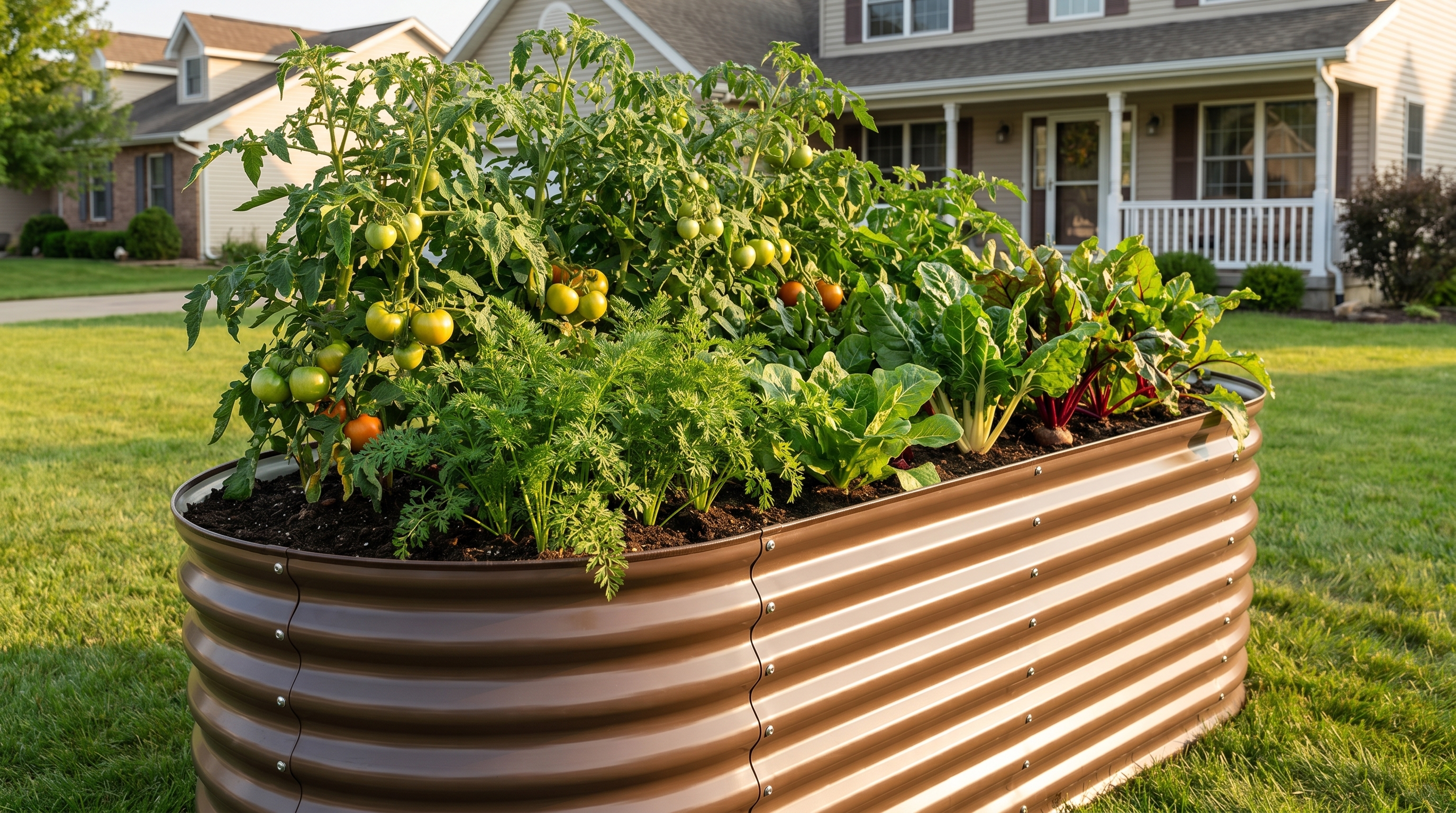
ALT: Deep raised garden bed soil for tomatoes carrots and root vegetables optimal growing depth guide
Why Soil Depth in Raised Beds Makes or Breaks Your Vegetable Harvest
Key Conclusion: Getting the right soil depth in your raised beds is one of the single most important decisions you'll make as a vegetable gardener. Whether you're growing sprawling tomato plants, long taprooted carrots, or starchy root vegetables, the depth of your growing medium directly determines how well roots can expand, how much moisture and nutrients stay available, and ultimately how productive your garden will be. Understanding vegetable gardening soil requirements by crop type—and matching them to the right raised bed height—is the foundation of a thriving kitchen garden.
Raised bed gardening has exploded in popularity across North America for good reason. Unlike in-ground planting, raised beds let you control exactly what your plants grow in—no compacted clay, no rocky subsoil, no guessing. But here's the thing: not all vegetables need the same depth. Shallow-rooted herbs and lettuces get by with just 6 inches of soil. Tomatoes need significantly more room to anchor their sprawling root systems. And carrots? They'll grow stunted and forked the moment they hit a hard base.
In this guide, we'll break down precisely how deep your raised bed soil should be for tomatoes, carrots, and other root vegetables, how to choose the right bed height to match, and how to set yourself up for years of productive growing.
Who This Guide Is For
✅ Applicable Scenarios:
- Home gardeners planning to grow tomatoes, carrots, parsnips, beets, or other root crops in raised beds
- Urban micro-gardeners working with limited ground space who rely on elevated beds for food production
- Empty nesters and retirees starting a kitchen garden and wanting to avoid trial-and-error mistakes
- Anyone upgrading from shallow starter beds to deeper, more productive growing systems
❌ Not Applicable/Cautions:
- Gardeners growing only shallow-rooted crops like lettuce, spinach, or herbs (a 6–8 inch depth is typically sufficient for those)
- Container gardeners using pots smaller than 12 inches in diameter—the same depth rules apply, but airflow and drainage behave differently in narrow containers
- Situations where in-ground soil beneath the raised bed is already well-conditioned and loose—in those cases, roots may naturally extend downward, reducing the minimum depth threshold
The Real Reason Soil Depth Matters More Than Most Gardeners Realize
When most people build or buy a raised garden bed, they focus on its footprint—the length and width—because that's what determines how many plants they can fit. Soil depth, however, is often treated as an afterthought. This is a costly mistake, especially for root-heavy crops.
Root vegetables and fruiting plants like tomatoes are fundamentally depth-dependent. Their productive capacity is directly tied to how far down their roots can travel. When roots hit a hard base—whether that's a shallow bed bottom, compacted subsoil, or rocky ground—they stop elongating and start branching laterally in search of nutrients and water. The result? Stunted carrots, forked parsnips, shallow-rooted tomatoes prone to drought stress, and significantly reduced yields.
According to the University of Minnesota Extension, most vegetable crops require a minimum of 6 to 12 inches of loose, well-draining soil for healthy growth—but that's just the minimum. Root vegetables and large fruiting plants consistently perform better with 12 to 24 inches or more of quality growing medium.
The raised bed revolution has created an opportunity that previous generations of gardeners didn't have: the ability to precisely engineer your growing environment from the ground up. And the most important dimension to engineer is depth.
There's also a practical ergonomic reason to go deeper. Taller beds—24 inches or more—significantly reduce bending and kneeling, making them ideal for retirees, gardeners with back issues, or anyone who wants to tend their garden in comfort. Extra depth means not just healthier plants, but a healthier gardening experience overall.
Market data supports this trend: the raised bed gardening market has grown substantially over the past decade, with consumer interest increasingly shifting toward taller, deeper beds as gardeners learn more about root zone requirements. The shift from flat, 6-inch garden frames to 18-, 24-, and even 30-inch deep growing systems reflects a maturing understanding of plant biology among home growers.
How Deep Should Raised Bed Soil Be? A Crop-by-Crop Breakdown
Three Steps to Match Your Bed Depth to Your Crops
Step 1: Identify Your Priority Crops
Before purchasing or building a raised bed, list out the vegetables you most want to grow. Divide them into three categories: shallow-rooted (lettuce, herbs, radishes), mid-depth (tomatoes, peppers, eggplant, bush beans), and deep-rooted (carrots, parsnips, beets, potatoes, daikon). Your priority crops in the deepest category will set the minimum soil depth requirement for the entire bed. Plan your bed height around your deepest-rooted plants—you can always grow shallow crops in a deep bed, but you can't grow deep crops in a shallow one. This planning step takes about 15–20 minutes and prevents costly mistakes.
Step 2: Calculate Total Bed Height Including Drainage Layer
Your total soil depth isn't the same as your bed height. If you're placing the bed on concrete, patio pavers, or hard-packed ground, add a 2–3 inch gravel or coarse sand drainage layer at the base before filling with growing medium. This means a bed that needs 18 inches of growing soil should be at least 20–21 inches tall. If you're placing the bed on loose, well-draining native soil, the roots can penetrate downward, effectively giving you extra depth. Factor this into your height selection so your plants get the root zone they need without waterlogging.
Step 3: Choose Your Bed Height and Fill Strategically
Once you know your target soil depth, select a raised bed whose height matches or slightly exceeds it. Fill the bottom third with a mix of aged compost and coarser organic material like wood chips or partially decomposed leaves (known as the Hugelkultur or "lasagna layering" method), which improves drainage and adds long-term fertility. Fill the top two-thirds with a high-quality blend of topsoil, compost, and perlite or coarse sand. This layered approach maximizes root penetration, water retention, and nutrient availability—all at once.
Soil Depth by Vegetable: Side-by-Side Comparison
Understanding exactly how much soil each crop needs allows you to make smarter decisions about bed height, planting layout, and soil volume. The table below compares the most common vegetable groups grown in raised beds.
| Vegetable Type | Minimum Soil Depth | Ideal Soil Depth | Best Raised Bed Height |
|---|---|---|---|
| Lettuce, Spinach, Herbs | 6 inches | 8–10 inches | 18 inches (plenty of room) |
| Bush Beans, Peas | 8 inches | 10–12 inches | 18 inches |
| Tomatoes (determinate) | 12 inches | 18–24 inches | 24 inches |
| Tomatoes (indeterminate) | 18 inches | 24+ inches | 24–30 inches |
| Peppers, Eggplant | 12 inches | 16–18 inches | 18–24 inches |
| Beets | 12 inches | 14–16 inches | 18–24 inches |
| Radishes | 6 inches | 8 inches | 18 inches |
| Carrots (short varieties) | 12 inches | 14 inches | 18 inches |
| Carrots (long varieties) | 16 inches | 20–24 inches | 24–30 inches |
| Parsnips, Daikon Radish | 18 inches | 24 inches | 24–30 inches |
| Potatoes | 12 inches | 18–24 inches | 24–30 inches |
Tomatoes: Why They Need More Depth Than You Think
Tomatoes are one of the most depth-hungry vegetables in the home garden. This surprises many first-time growers who assume a standard 12-inch raised bed is sufficient. While determinate (bush-type) tomatoes can get by with 12 to 18 inches of soil, indeterminate varieties—the sprawling, vining types that produce all season long—send roots down 18 to 36 inches under ideal conditions.
The reason depth matters so much for tomatoes is anchoring and moisture access. Tomatoes are heavy, top-laden plants. A shallow root system in a hot summer means the plant can't access cooler, moister soil layers during heat stress, leading to blossom drop, uneven fruit sizing, and blossom-end rot caused by calcium uptake failures linked to inconsistent moisture.
For tomatoes, 24 inches is the sweet spot. At this depth, even large indeterminate varieties like Brandywine, Cherokee Purple, or Mortgage Lifter can develop the robust root systems they need to sustain consistent fruiting throughout the season. A 30-inch bed offers even greater thermal buffering—the additional soil mass stays cooler longer during summer heat waves, which directly benefits fruit set and quality.
When planting tomatoes in raised beds, take advantage of their unique ability to develop roots along their buried stems. Plant them deep—up to two-thirds of the stem can be buried—to create an even larger root network. In a 24-inch deep bed, you have room to bury a significant length of stem while still leaving plenty of root zone below.
If you're growing in a bed placed on a hard surface, 24 inches of actual soil (not counting drainage layer) is non-negotiable for tomatoes. If you're on native loose soil, an 18-inch bed can work if the ground beneath is soft enough for roots to penetrate.
Carrots and Long Root Vegetables: The Depth-or-Fork Dilemma
Carrots are perhaps the most depth-sensitive vegetable you can grow. A carrot root doesn't branch or spread sideways by design—it drives straight down. The moment it encounters resistance (a rock, hard soil, a compacted bed base), it forks, splits, or curls into bizarre shapes. These deformed carrots are entirely edible, but they're frustrating for gardeners who wanted those clean, long, uniform roots.
Short carrot varieties like Chantenay, Danvers, or Paris Market only reach 4 to 7 inches in length and need a minimum of 12 inches of loose, stone-free soil—though 14 to 16 inches gives comfortable buffer room.
Long carrot varieties like Imperator or Nantes can reach 8 to 12 inches in length and need at least 16 to 18 inches of stone-free, loose soil. For these, a 24-inch raised bed is ideal, giving roots an additional buffer zone below the carrot's maximum length.
Parsnips and daikon radishes are even more demanding, regularly reaching 12 to 18 inches in length. For these crops, a 24–30 inch deep bed filled with loose, fine-textured soil is essentially required for satisfactory results. In a standard 18-inch bed, parsnips will almost always be stunted.
The soil mix for root vegetables needs to be particularly fine-textured and free of debris. Avoid large chunks of uncomposted wood, rocks, or clumped clay. A mix heavy in fine compost, sharp sand, and perlite gives carrot roots the frictionless path they need to develop cleanly.
One practical tip: if you're growing carrots in a shorter bed (18 inches), stick to short or half-long varieties. Save the long varieties for your deeper beds and you'll avoid most of the forking frustration.
Beets, Potatoes, and Other Root Crops
Beets are more forgiving than carrots. The edible portion is a swollen taproot that usually develops in the top 8 to 12 inches of soil, meaning an 18-inch bed is typically sufficient—though 24 inches gives more consistent results, especially during dry spells when deeper soil retains moisture longer.
Potatoes are interesting because they're technically tubers that develop on underground stems called stolons, not true roots. They form between the seed potato and the soil surface, which is why hilling—mounding additional soil up around the stem as the plant grows—is the traditional technique. In a raised bed, you want at least 18 inches of soil and ideally 24 inches, so you can start shallow and progressively add soil as the stems elongate, maximizing the number of tubers per plant.
Sweet potatoes spread horizontally as much as vertically, so they need wide beds as much as deep ones—18 to 24 inches of depth combined with plenty of lateral space.
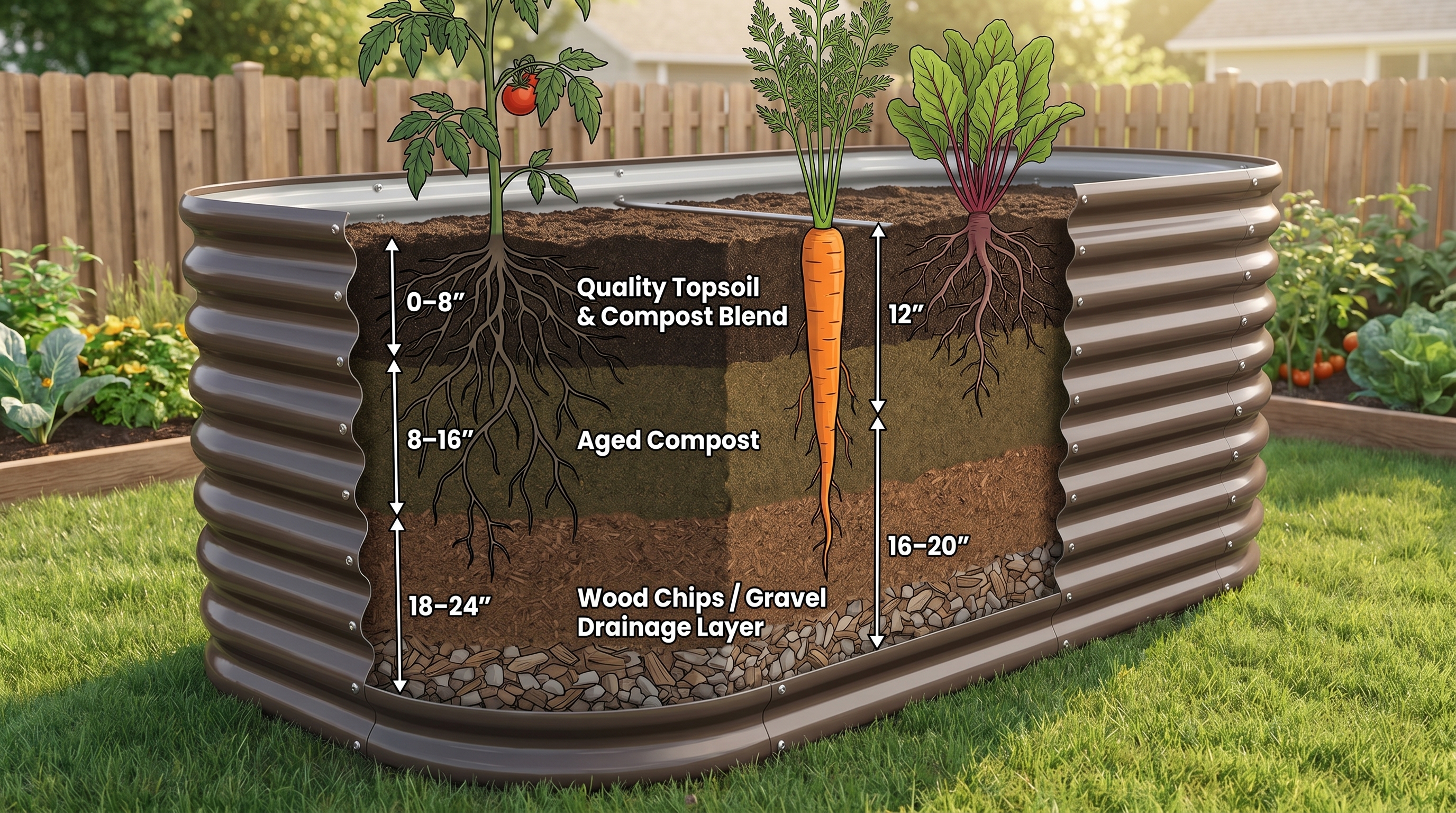
ALT: Raised garden bed soil depth cross-section showing layers for growing tomatoes carrots and deep root vegetables
Choosing the Right Raised Bed: Matching Height to Root Depth
Getting the Right Bed Height From the Start
Now that you know what soil depth your crops need, the practical question is: which raised bed height should you buy?
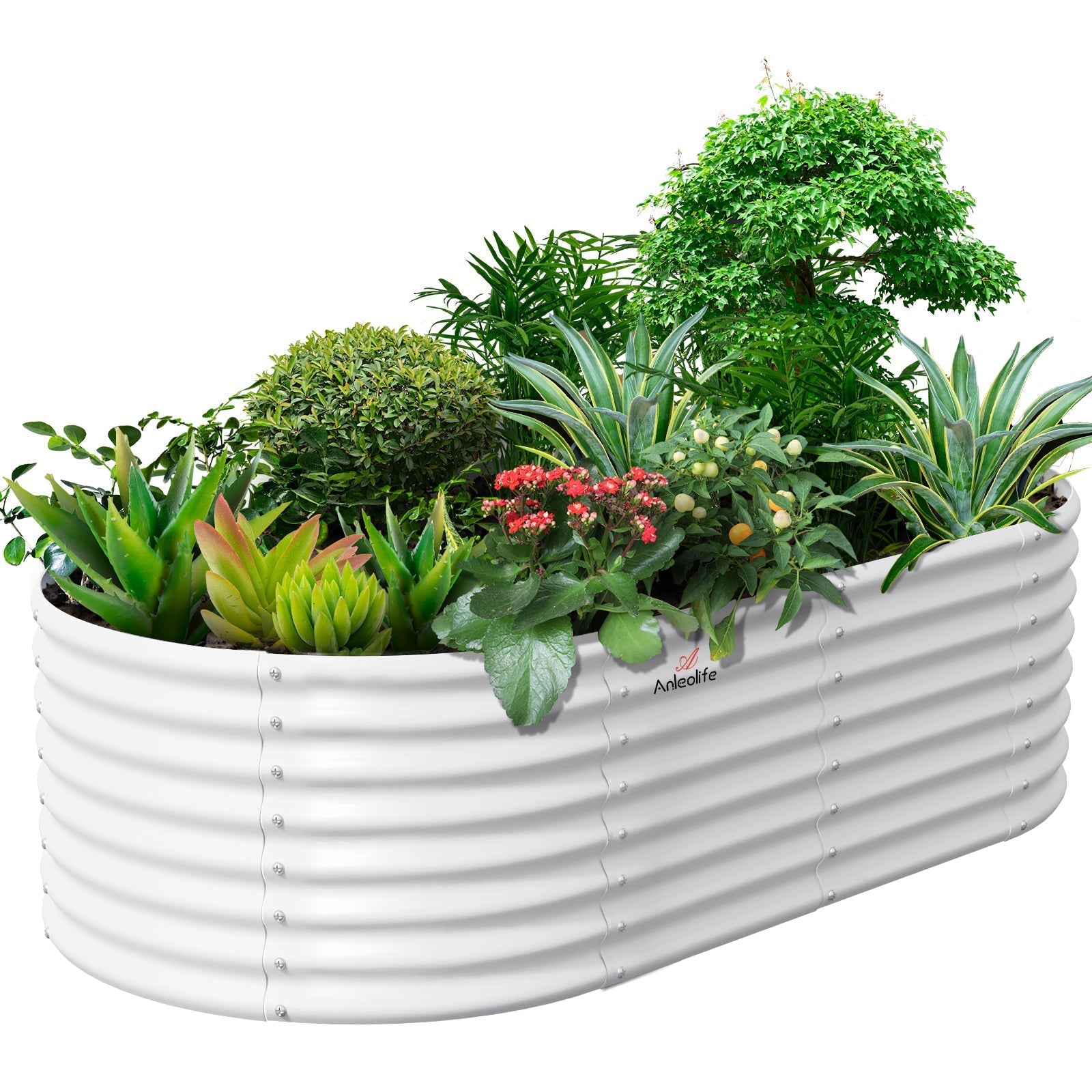
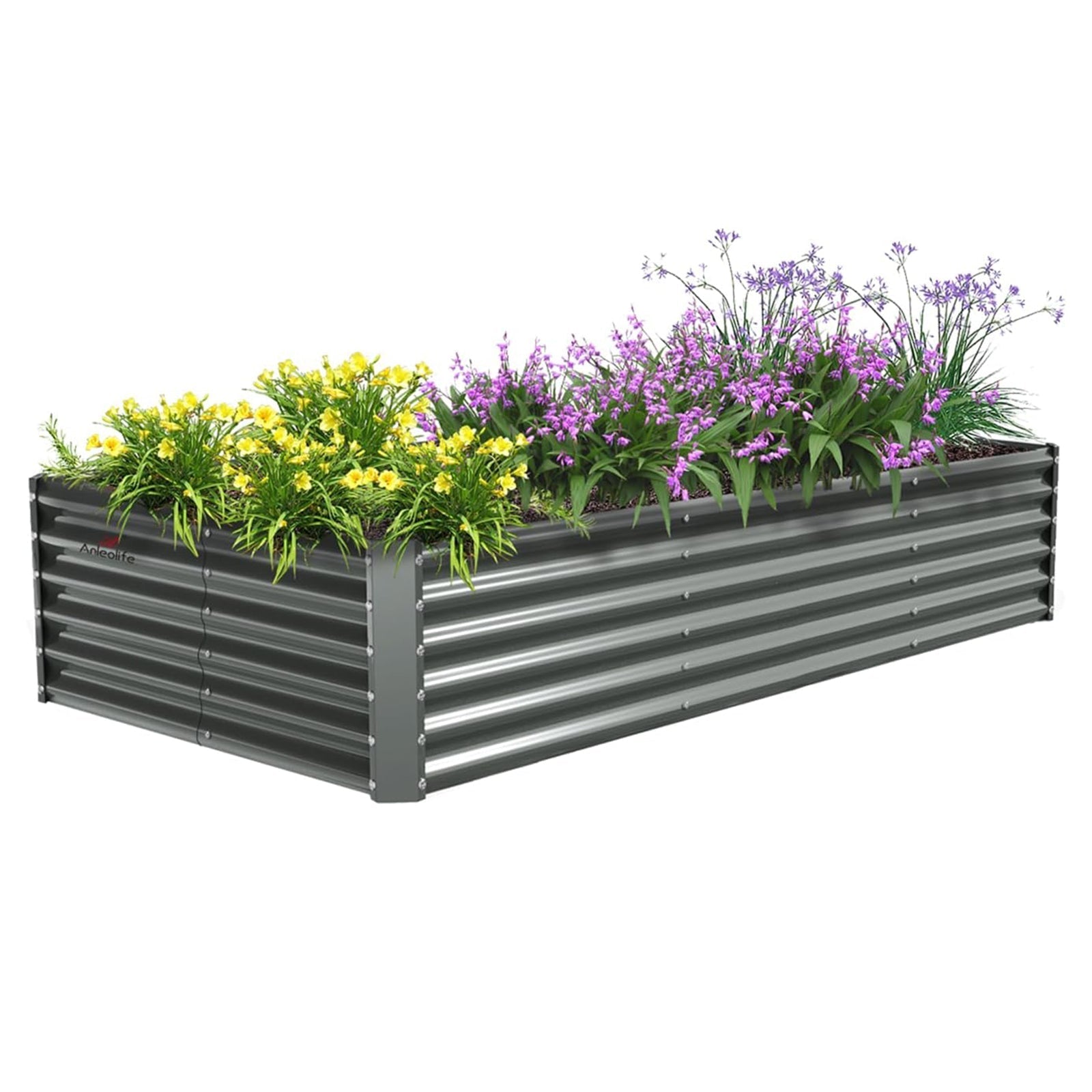
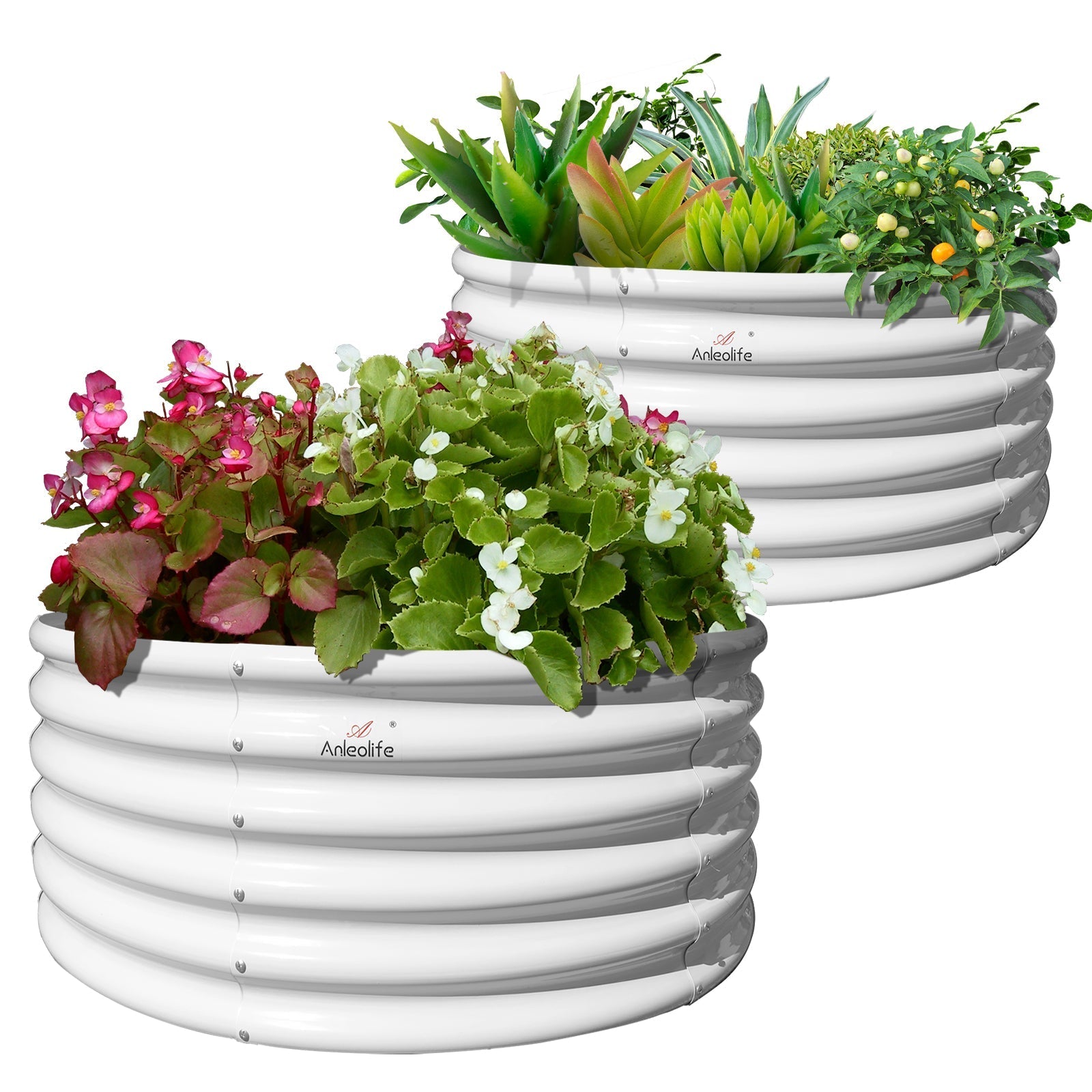
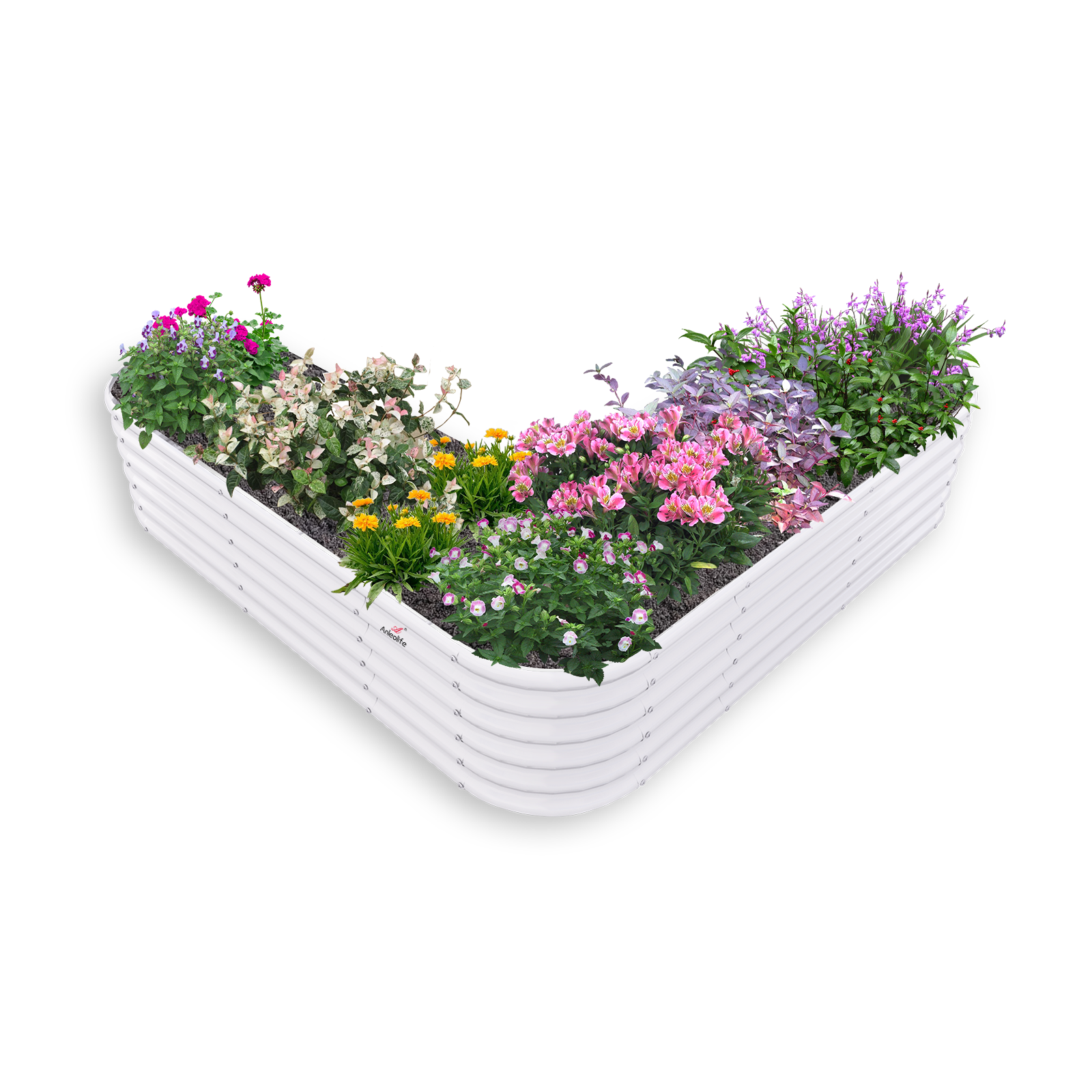
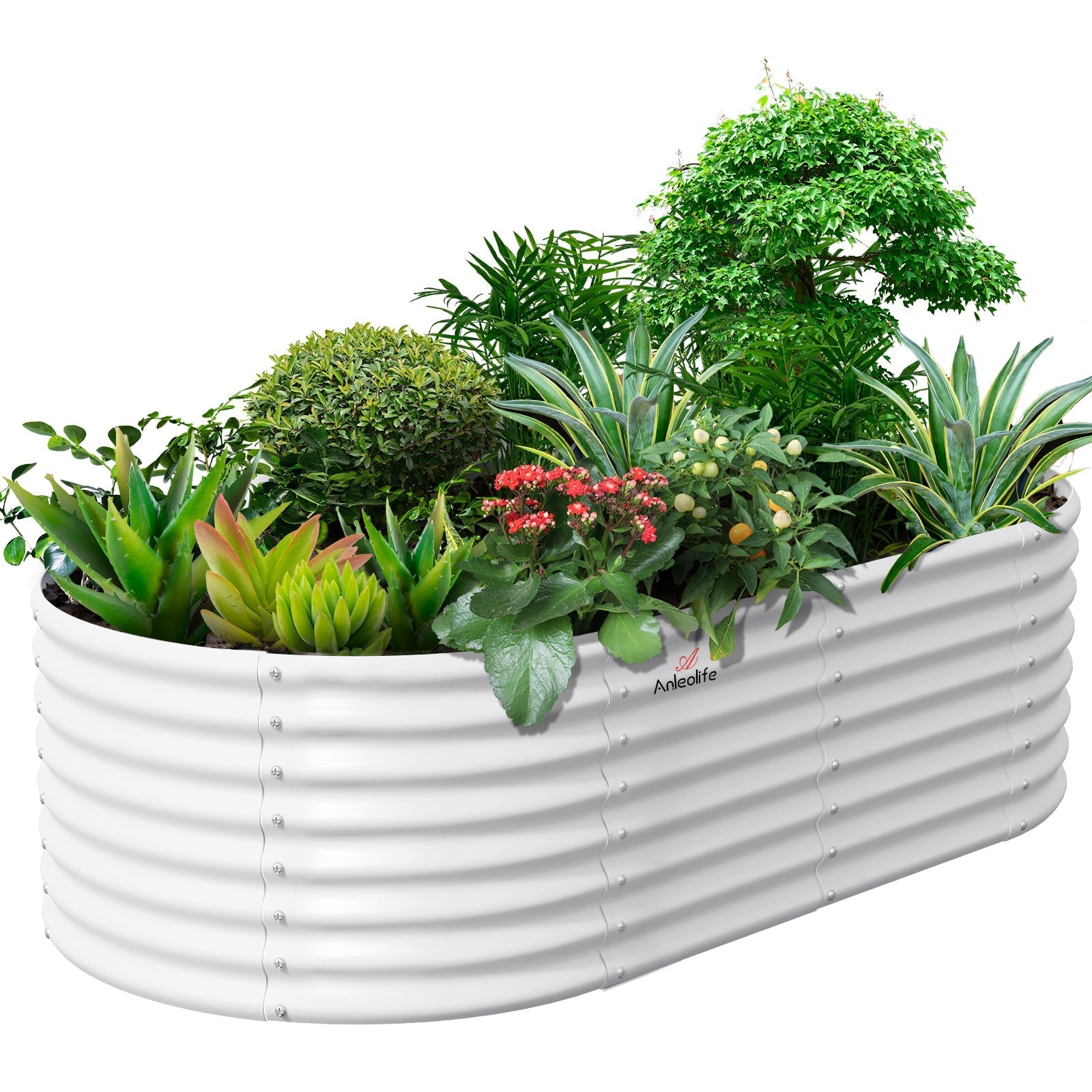
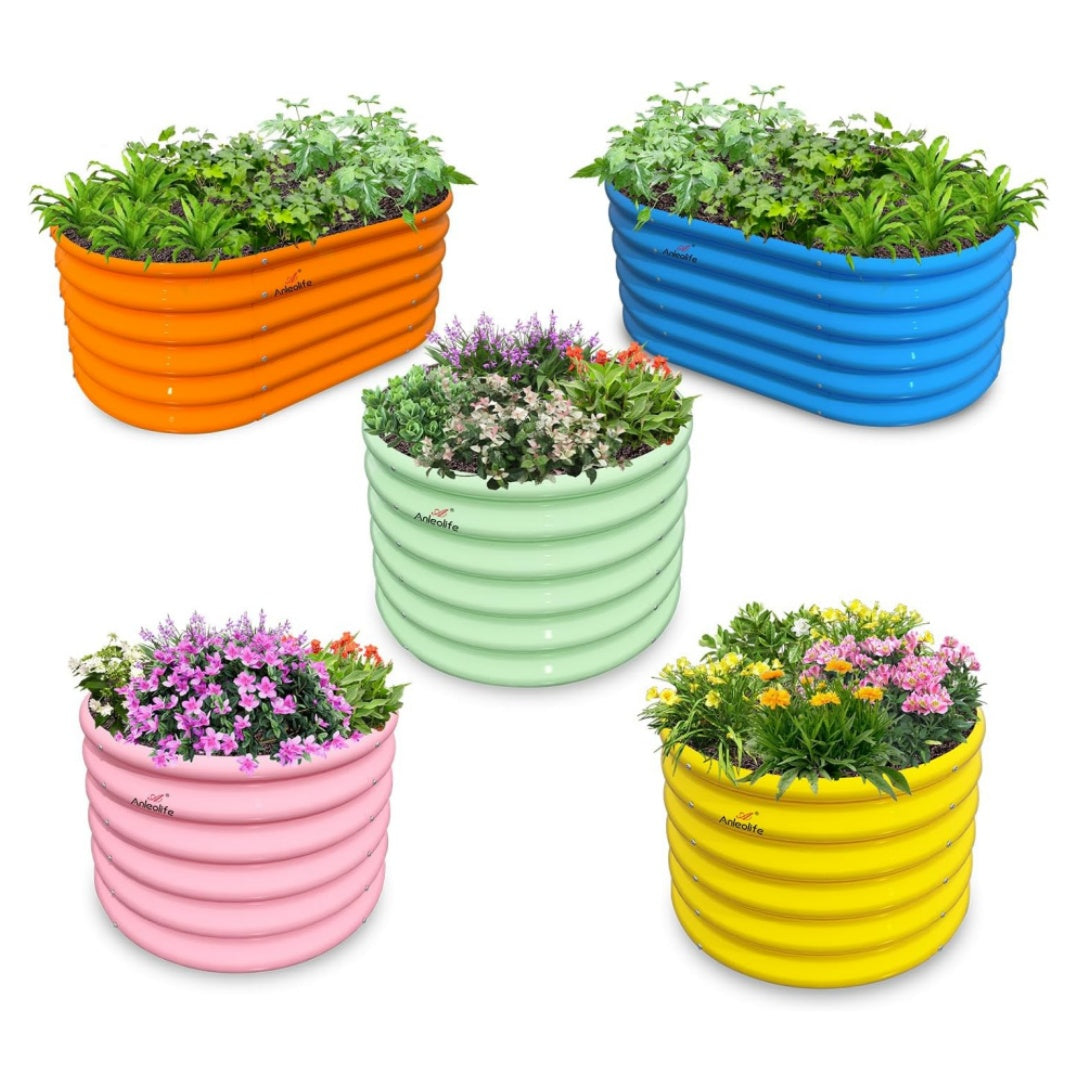
This is where Anleolife's lineup of raised garden beds shines. Anleolife offers beds in 18-inch, 24-inch, 30-inch, and even 35-inch waist-high heights, giving you genuine options to match your crop requirements rather than forcing you to compromise.
For a mixed vegetable garden that includes tomatoes, peppers, and medium-depth root crops like beets, an 18-inch tall bed provides adequate depth if placed on native soil, or serves as a solid foundation for less demanding crops if placed on a hard surface.
For serious tomato growing or long carrot varieties, a 24-inch extra-tall bed is the right call. At this height, you have enough room to lay a drainage layer, fill with quality growing mix, and still give your plants 20+ inches of productive root zone. Anleolife's 24-inch Extra Tall Galvanized Steel Raised Garden Beds and Rust-Resistant Raised Garden Beds in this height range are particularly well-suited for fruiting vegetables and root crops.
For parsnips, daikon radishes, or gardeners prioritizing ergonomics, the 30-inch extra-tall beds are exceptional. They eliminate almost all bending, make harvesting root vegetables a joy rather than a chore, and provide a root zone depth that very few crops will ever outgrow. Anleolife's 30-inch Extra Tall options, available in configurations like 6x3 ft and 10x3 ft, give you both generous depth and a practical growing footprint.
All Anleolife raised garden beds are built to last, with a design lifespan of 20 years—meaning the investment you make today in the right bed height will serve your garden for two decades without needing replacement. Their galvanized steel and rust-resistant construction ensures that moisture from soil and irrigation won't degrade the structural integrity of the bed, even in wet climates.
The Soil Mix Question: What to Fill Your Deep Bed With
A deep bed is only as good as what you fill it with. For most vegetable gardens, a blend of roughly 60% quality topsoil or garden mix, 30% aged compost, and 10% perlite or coarse sand creates the ideal balance of water retention, drainage, and nutrient availability.
For deep beds (24 inches and above), consider the Hugelkultur base layer approach: place logs, branches, or wood chips in the bottom 6–8 inches. As this organic material decomposes over years, it creates a spongy, nutrient-rich substrate that retains moisture beautifully—a significant advantage for deep-rooted crops during dry summers.
Above the wood base, add a 4-inch layer of aged compost, then fill the remainder with your primary soil blend. This layering strategy not only saves money on expensive potting mix (you're filling the less critical bottom layer with organic material) but actually improves long-term soil fertility.
Advanced Considerations: Solving Common Depth Challenges
When Your Bed Is Too Shallow for the Crops You Want
If you already have an 18-inch bed and want to grow long carrots or large tomatoes, you have a few options. First, check what's below the bed. If it's loose native soil, root penetration downward may make up the difference. Second, consider the lasagna bed extension method: temporarily remove plants in the off-season, add boards to raise the bed walls, and add additional soil to increase effective depth. Third, simply adjust your variety selection—short carrot varieties, determinate tomato varieties, and globe beets will all perform well in an 18-inch bed.
The Misconception That Wider Beds Compensate for Shallow Depth
A surprisingly common misconception is that a wide bed—say, 8x4 feet—somehow compensates for being only 12 inches deep. It doesn't. Width affects how many plants you can fit side by side; depth affects how far roots can travel downward. A carrot in a 12-inch-deep, 8-foot-wide bed faces the same depth restriction as a carrot in a 12-inch-deep, 2-foot-wide bed. Width and depth serve entirely different functions and neither substitutes for the other.
Soil Compaction in Raised Beds: A Hidden Depth Stealer
Even in raised beds, soil compacts over time. Each season of watering and root growth gradually reduces the loose, airy structure that roots need. This means a bed that started with 24 inches of perfect growing mix may effectively behave like an 18-inch bed after 3–4 seasons of use. Combat this by top-dressing with 2–3 inches of fresh compost each spring and gently aerating the top 6–8 inches with a broadfork before planting. This annual maintenance practice restores much of the original porosity and keeps your effective root zone at its intended depth.
Frequently Asked Questions FAQ
Q1: How deep does raised bed soil need to be specifically for growing carrots without forking?
For short to medium carrot varieties (Chantenay, Danvers, Nantes), aim for at least 12–14 inches of loose, stone-free soil. For long varieties like Imperator, you need 16–20 inches minimum. The key isn't just depth—it's texture. Even a shallow obstruction or clump of clay will cause forking. Use a fine-textured mix heavy in compost and sharp sand, remove any debris before planting, and choose varieties whose maximum length fits comfortably within your available soil depth.
Q2: Is an 18-inch raised bed deep enough for tomatoes to produce a full harvest?
For determinate (bush) tomato varieties, 18 inches can work well, especially if the bed is placed on loose native soil that allows deeper root penetration. For indeterminate (vining) varieties, 18 inches is marginal—you may see reduced yields and increased drought stress during hot summers. A 24-inch bed is strongly recommended for indeterminate tomatoes, as it provides the root zone volume needed for consistent moisture and nutrient access throughout the long growing season.
Q3: How long does a quality metal raised garden bed last, and is it worth investing in a taller model?
A well-made metal raised garden bed, such as those from Anleolife, is built with a 20-year lifespan. Given that lifespan, upgrading to a 24-inch or 30-inch model adds only a modest cost difference spread across two decades of use—often less than the value of a single season's improved harvest. Taller beds also eliminate bending and kneeling, making them a long-term ergonomic investment. For anyone planning to garden seriously for years to come, the deeper model almost always pays for itself.
Summary
Getting raised bed soil depth right is one of those foundational decisions that pays dividends every single growing season. Here are the three core takeaways from this guide:
1. Match your bed height to your deepest-rooted crop. Tomatoes thrive in 24-inch beds; long carrots and parsnips need 24–30 inches; shallow crops like herbs and lettuce are happy in 18 inches. Let your most demanding plant set the standard.
2. Soil texture and layering matter as much as depth. A 24-inch bed filled with compacted clay is worse than an 18-inch bed filled with perfectly textured, airy compost blend. Invest equally in soil quality and bed depth.
3. Think long-term. A raised bed with a 20-year lifespan is not a seasonal purchase—it's a garden infrastructure investment. Choose the depth that serves your future growing ambitions, not just this year's crop list.
Your next step is simple: audit what you currently have or are planning to buy. If your bed is 18 inches, decide which crops fit comfortably and which you'll grow in a deeper bed. If you're starting fresh, go directly to 24 inches or 30 inches for the most versatile and productive growing experience.
Upgrade Your Garden with Anleolife
Nationwide U.S. warehouse network: Strategically located in California, Texas, Florida, New York, Illinois, and Washington to ensure delivery within 3–8 business days—so your garden upgrade plans never have to wait.
Multi-channel availability: Anleolife products are available on major platforms including Amazon, Walmart, Home Depot, Lowe's, and Wayfair, as well as directly at the official Anleolife.com website, with consistent quality assurance and after-sales support across every channel.
Three core garden scenarios: Planting (metal raised garden beds, soil systems), Raising (chicken coops, rabbit hutches), and Beautification (decorative accessories, pathway systems)—meeting the complete needs of your garden from functionality to aesthetics.
We understand that an ideal garden isn't built overnight—it grows and evolves alongside you. Anleolife's modular product design allows flexible expansion based on your needs, from your first 8x4 garden bed to a fully integrated planting-and-raising ecosystem. Whether you're a first-time grower or a seasoned home farmer, we grow with you every step of the way.
References
- University of Minnesota Extension. "Raised Bed Gardening."
https://extension.umn.edu/how/raised-bed-gardening - University of California Agriculture and Natural Resources. "Vegetable Research and Information Center – Planting Guide."
https://ucanr.edu/sites/VRIC/ - Cornell University Cooperative Extension. "Raised Bed Gardening – Soil Depth and Crop Selection."
https://gardening.cornell.edu/homegardening/ - National Gardening Association. "Soil Depth Requirements for Vegetables."
https://garden.org/learn/articles/view/3960/
Note: Standards and recommendations may be updated. Please check the latest official documents or consult a professional gardening advisor for the most current guidance.
About Anleolife
Anleolife is a leading outdoor garden solutions provider in North America, dedicated to offering a full-scenario product ecosystem for home gardening enthusiasts, covering planting, raising, and garden beautification. Since its founding, we have upheld our brand mission, "Made for Garden Life," continuously innovating products and optimizing services to help hundreds of thousands of users upgrade their gardens, reconnect with nature, and enjoy a better garden lifestyle.