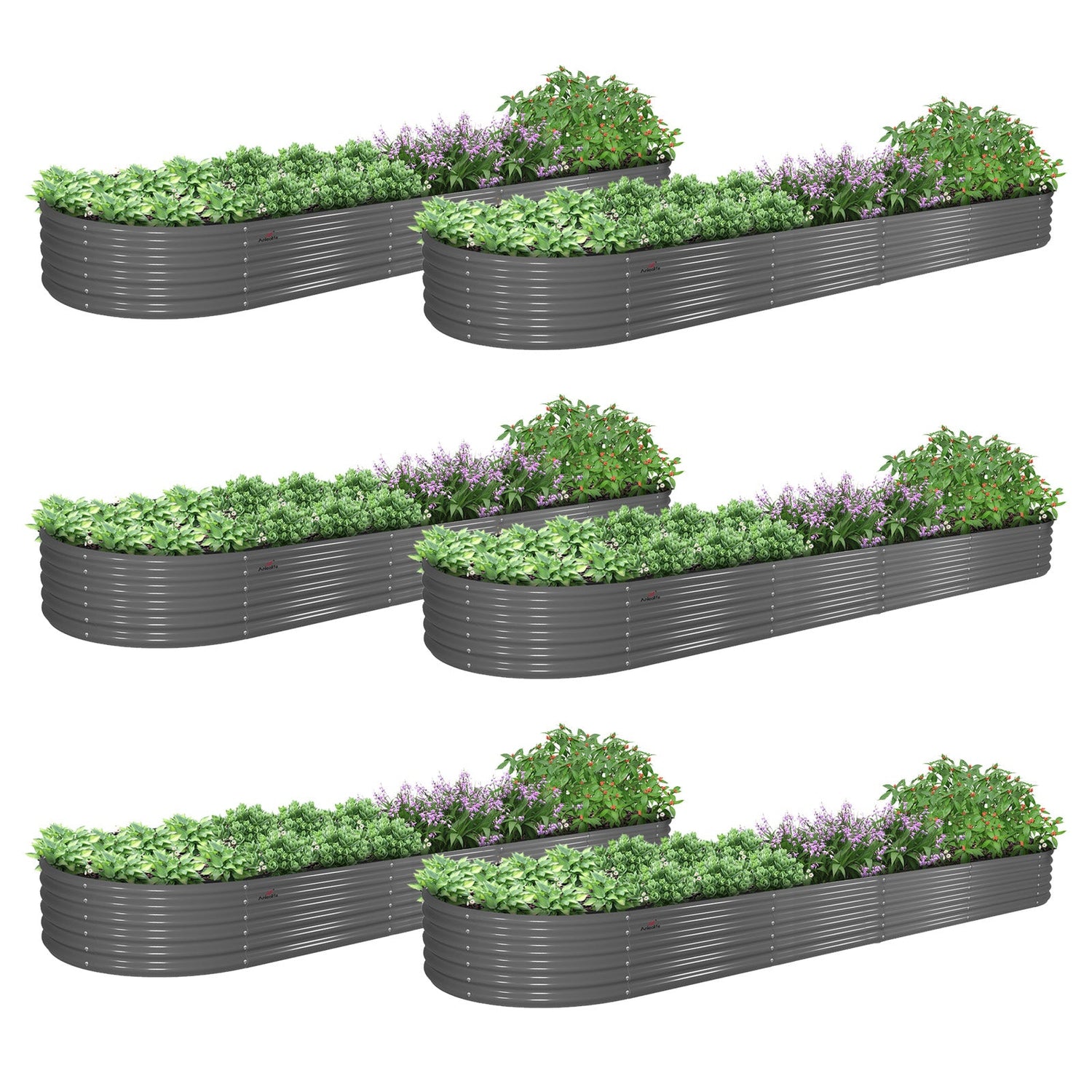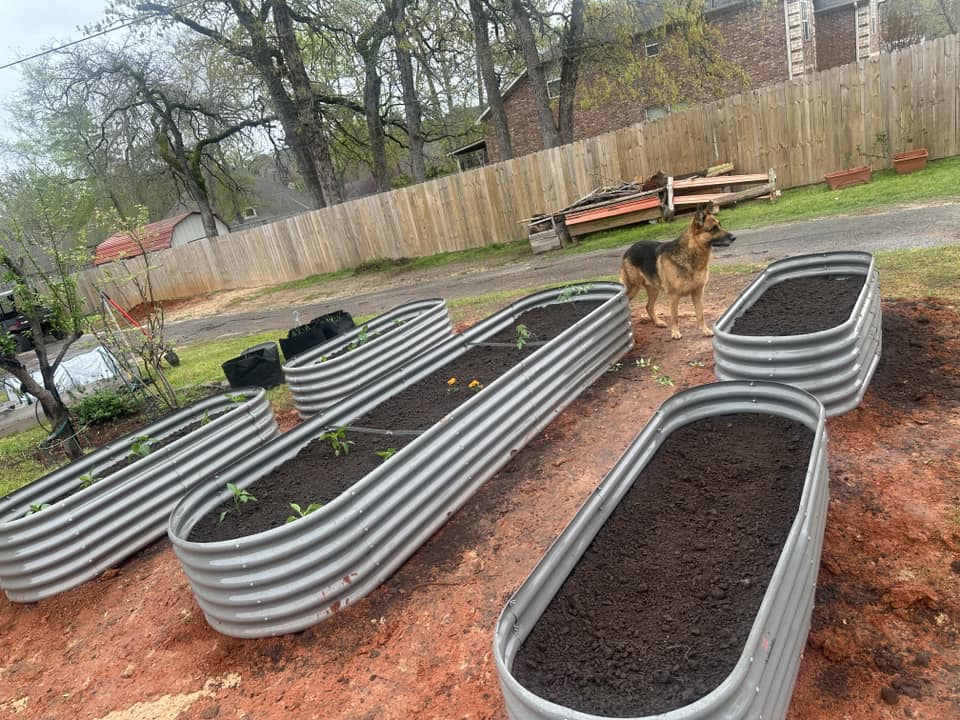



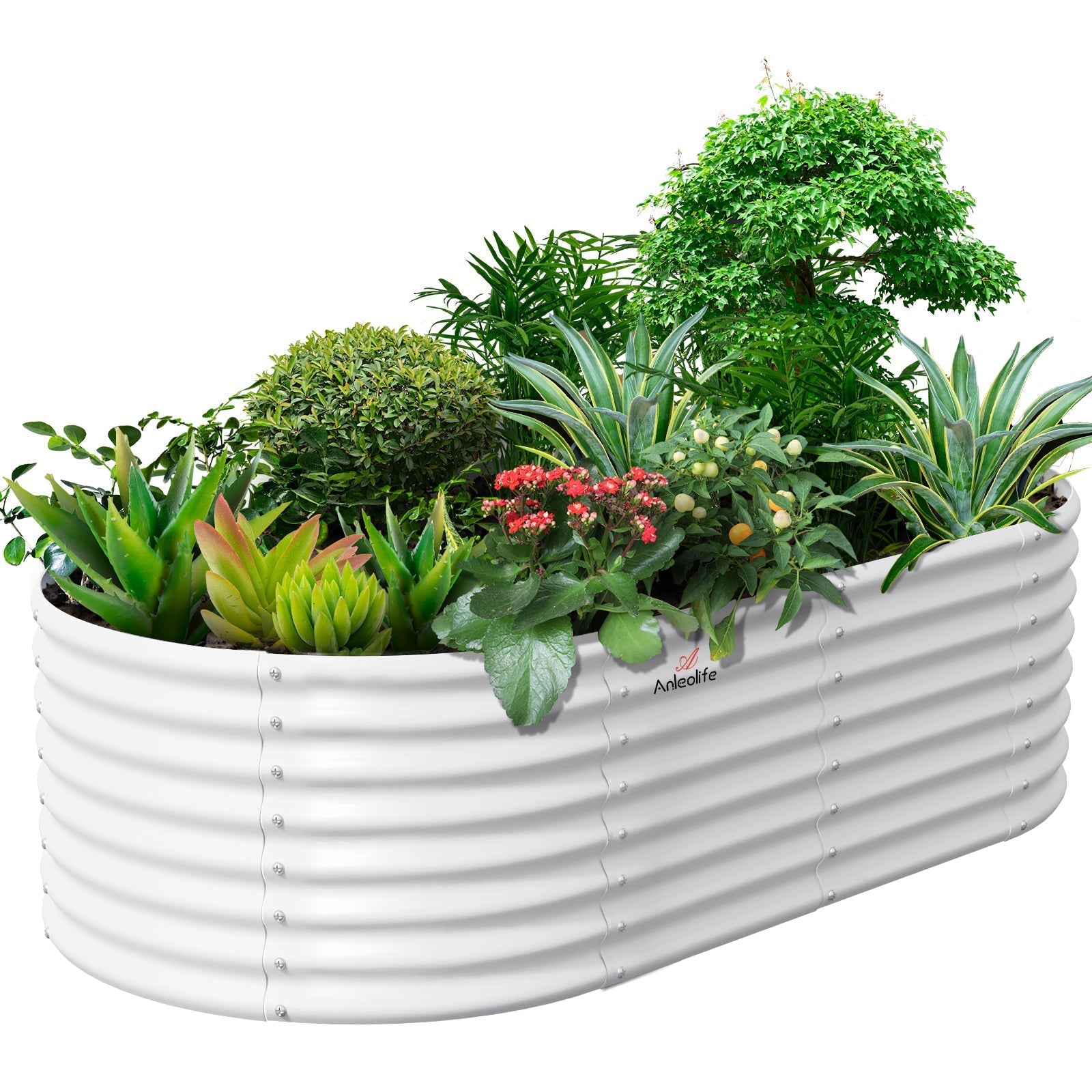
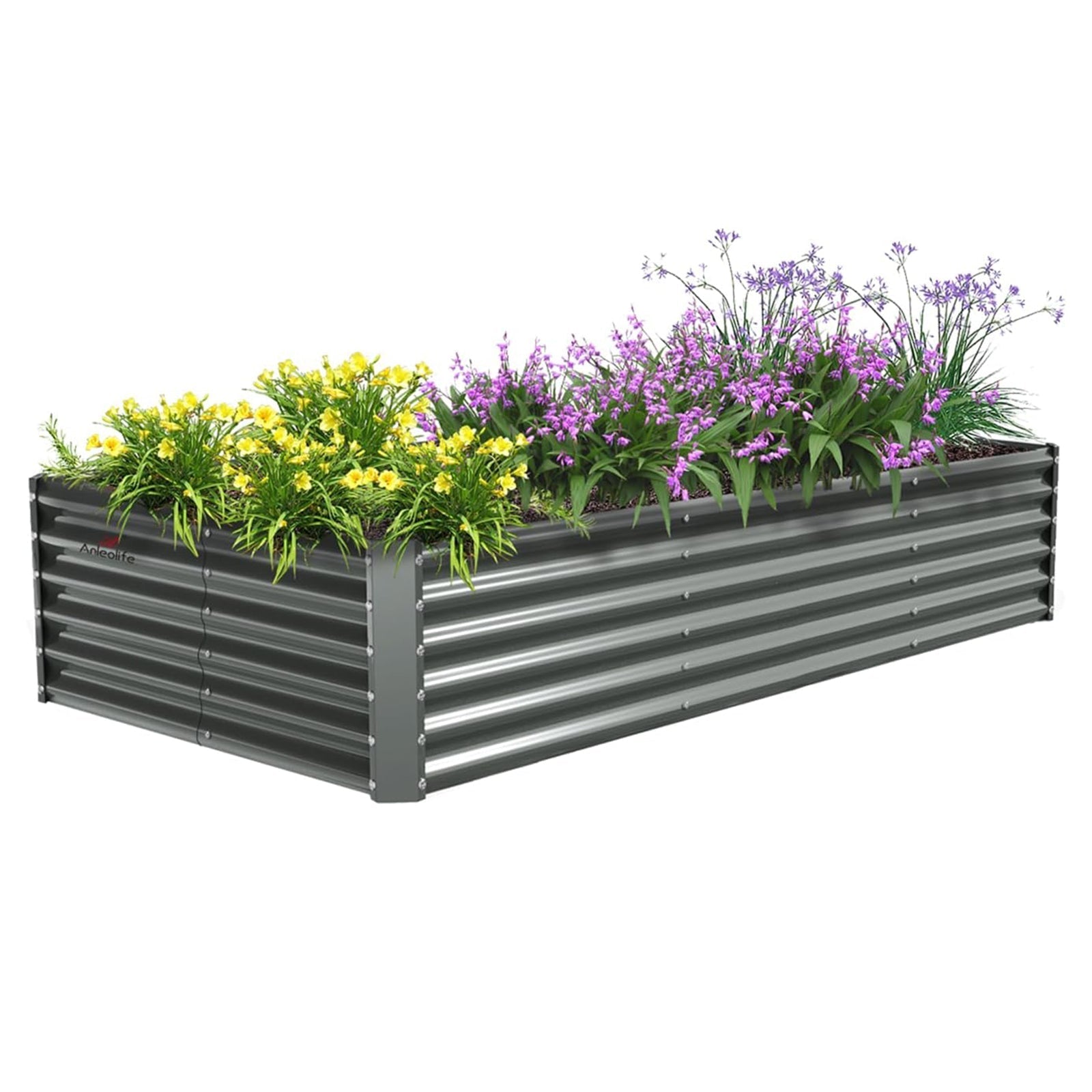
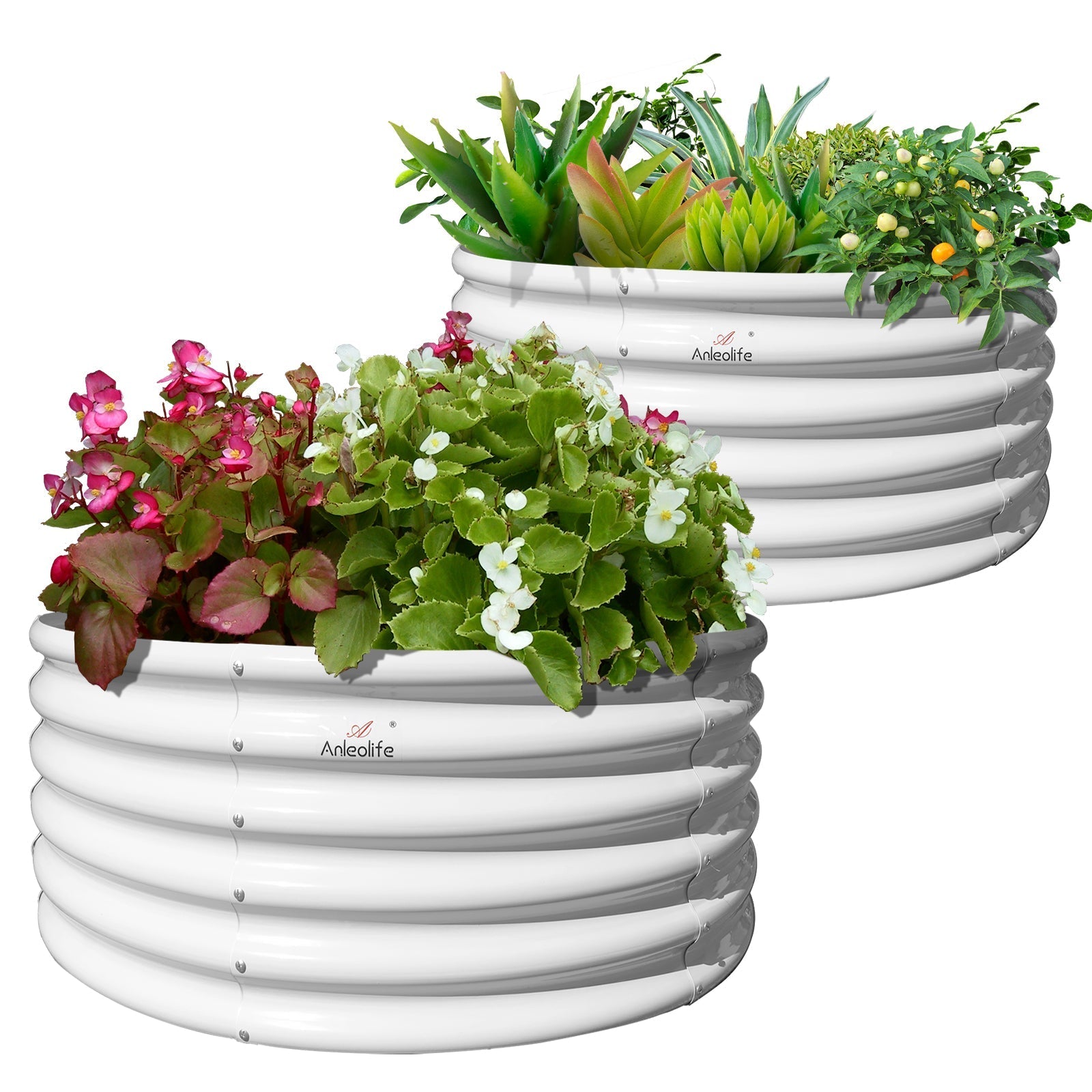
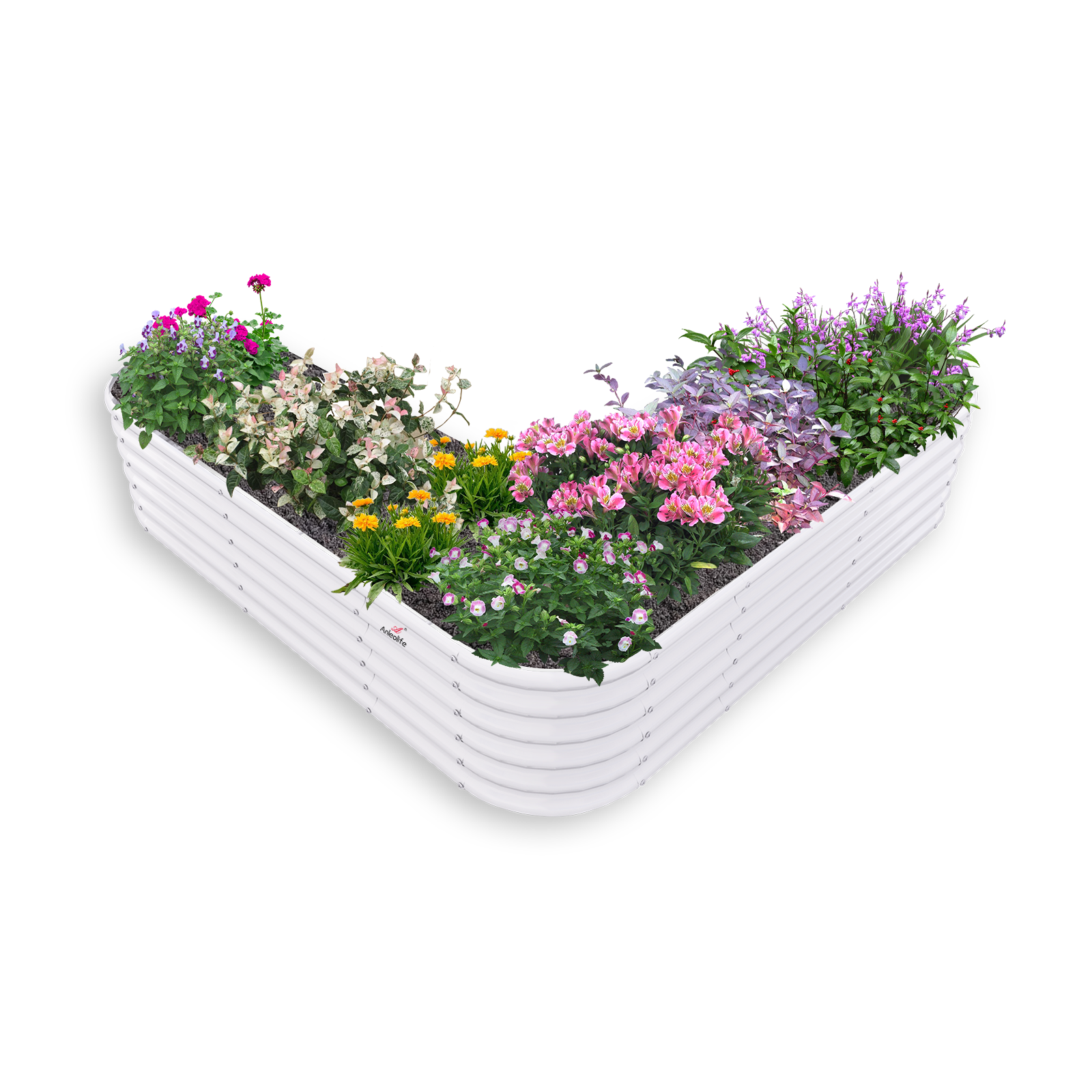
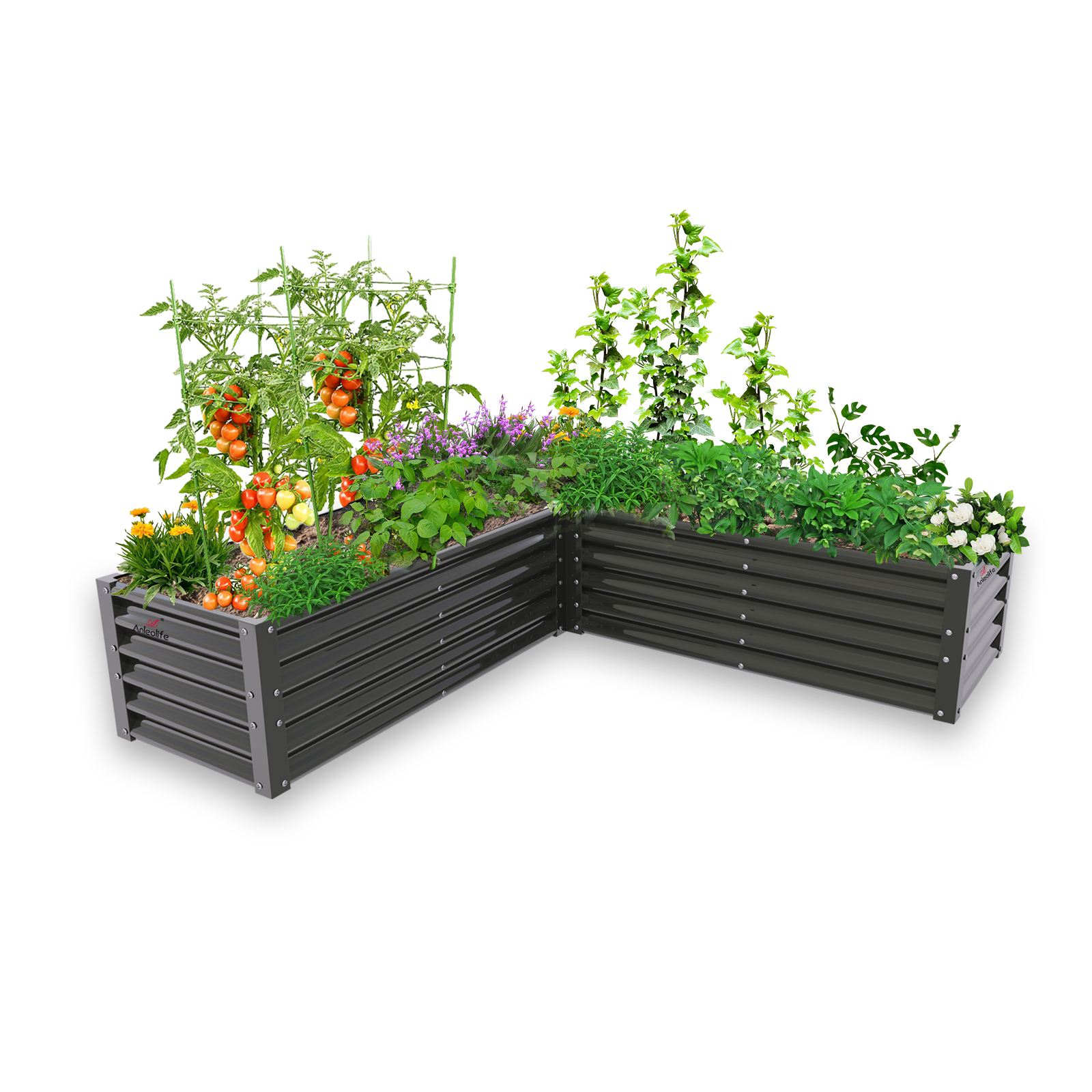
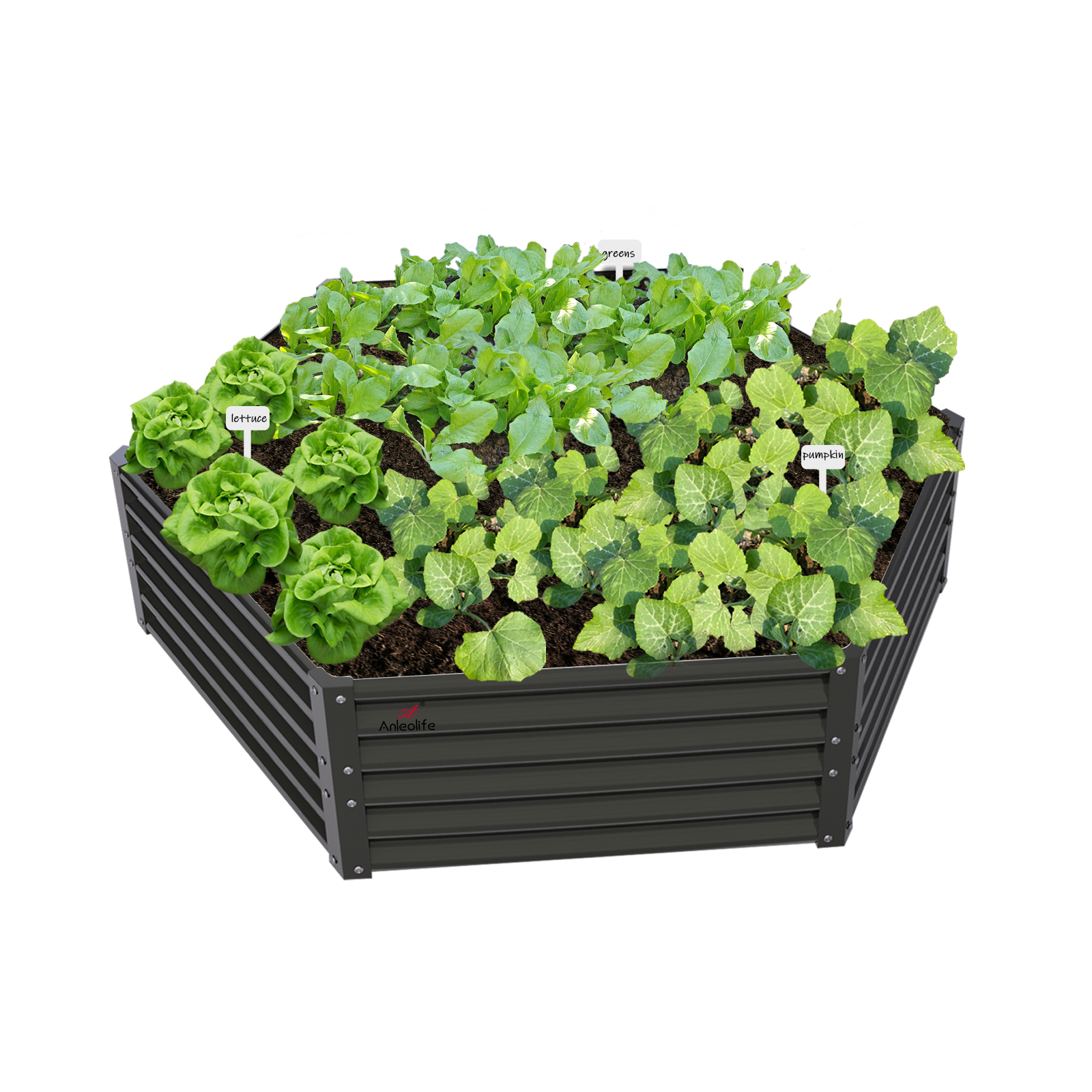
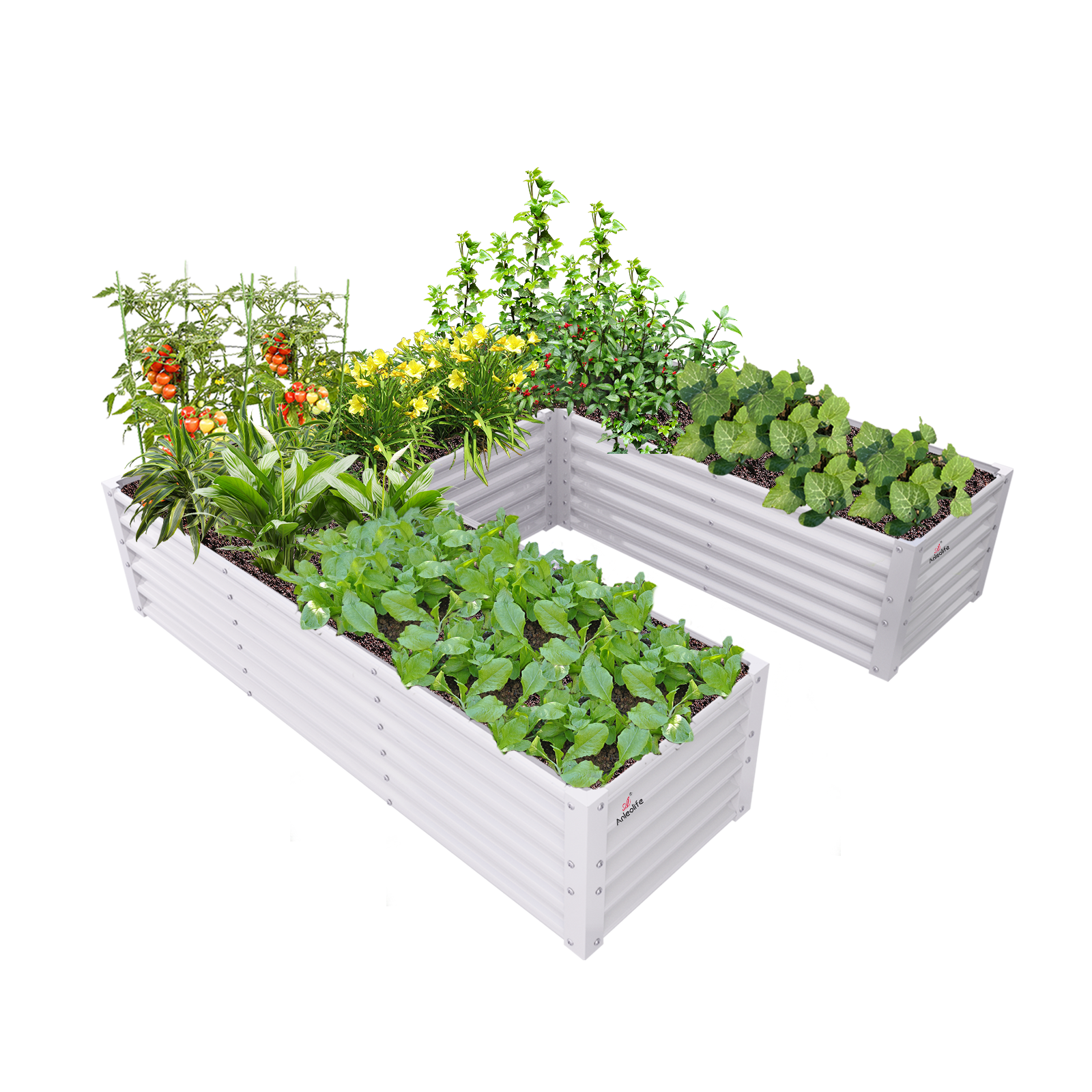

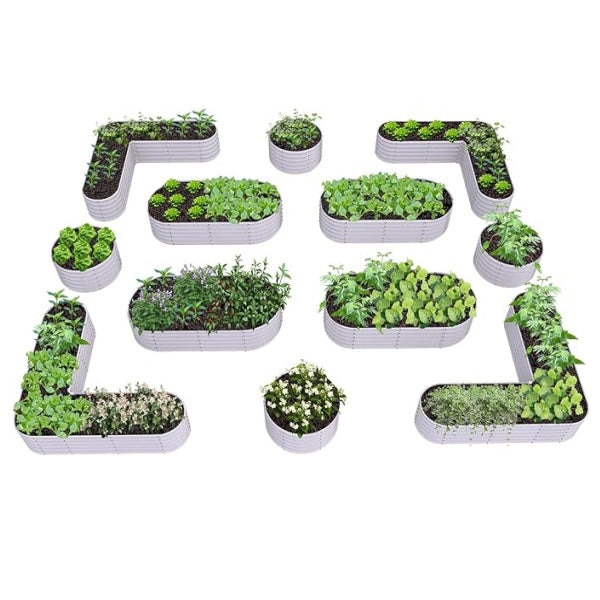


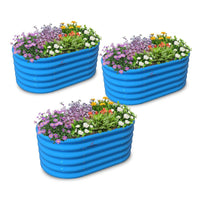
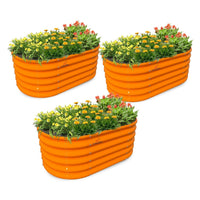
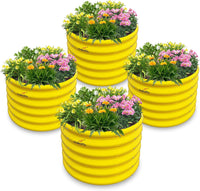
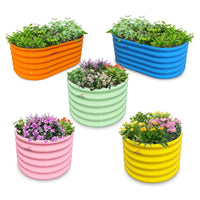
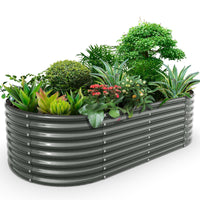



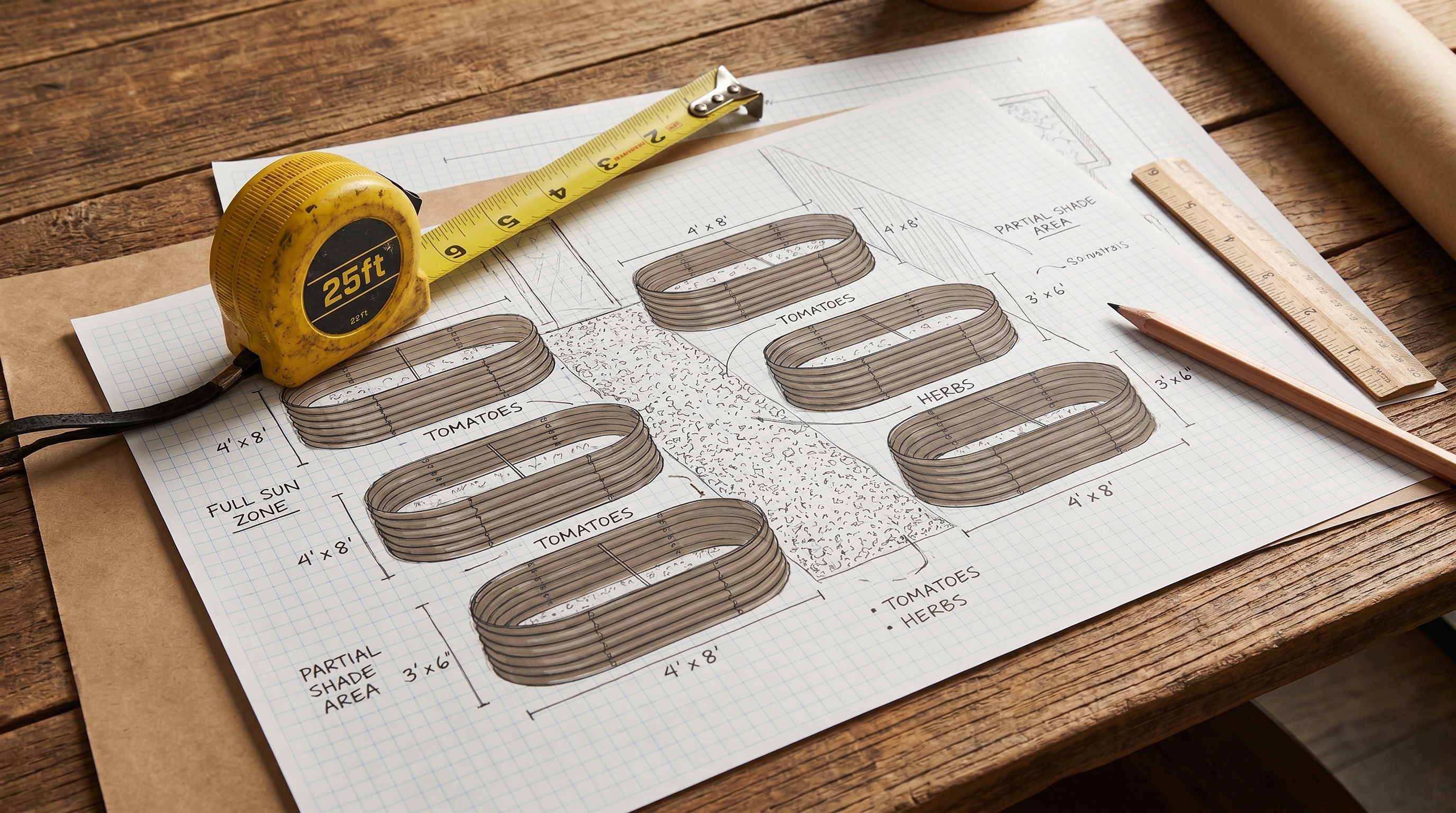
ALT: Planning a 200–600 sq.ft. raised bed garden layout on graph paper before purchasing galvanized steel beds
Why Mapping Your Raised Bed Garden Before Buying Anything Is the Smartest First Step
Key Conclusion: Before spending a dollar on galvanized steel raised garden beds, soil, or accessories, mapping your 200–600 sq.ft. space on paper can save you hundreds of dollars in mistakes. A good plan accounts for sun exposure, pathways, bed placement, garden edging, and future expansion—giving you clarity on exactly what sizes you need, how trimmer lines will run around each bed, and whether a garden trellis will block neighboring plants from sunlight. Plan first, buy with confidence.
Most gardening mistakes happen not in the ground but at the checkout cart. Excited by a beautiful product photo, many first-time raised bed gardeners buy impulsively—only to discover that three 8x4 ft beds don't actually fit their backyard the way they imagined, or that they forgot to leave room to walk between rows.
The good news? A 200–600 sq.ft. raised bed garden is genuinely manageable, even for beginners. This size range is large enough to grow a meaningful harvest and small enough to plan in an afternoon with a tape measure, some graph paper, and a clear process. This guide walks you through every step—from assessing your raw space to selecting the right bed sizes—so that by the time you're ready to buy, you already know exactly what you need.
Who This Guide Is For
✅ Applicable Scenarios:
- Homeowners with a backyard, side yard, or front yard patch between 200 and 600 sq.ft. they want to convert into a productive garden
- First-time raised bed gardeners who want to avoid costly sizing or placement mistakes
- Urban micro-gardeners and empty nesters looking to maximize yield in a compact, well-organized space
- Eco-conscious families planning a long-term garden investment, including beds rated to last up to 20 years
❌ Not Applicable/Cautions:
- Gardeners with less than 200 sq.ft. of usable space (container gardening or a single small bed may be more appropriate)
- Large-scale market gardeners or farm operations where professional landscape design is recommended
- Renters without permission to modify yard soil or install permanent structures
The Real Cost of Skipping the Planning Phase
Every spring, thousands of enthusiastic gardeners place orders for raised beds without a clear picture of how those beds will actually sit in their yard. This isn't just a beginner problem—experienced growers make the same mistake when they expand too quickly or add beds impulsively.
The consequences are predictable: beds that crowd each other, pathways too narrow to push a wheelbarrow through, plants shaded by a poorly placed garden trellis, and awkward corners where a string trimmer can't reach because there's no clear trimmer line path around the beds. Beyond the inconvenience, these layout errors translate directly into wasted money—on soil you can't use, on beds that need to be moved, and on accessories that don't work in a cramped space.
According to the National Gardening Association, home food gardening has seen sustained growth in recent years, with millions of American households growing some of their own food. As raised bed gardening specifically has surged in popularity, so has the demand for guidance on how to set up these spaces efficiently. Yet most product pages focus on the beds themselves and say little about how to plan a cohesive layout.
This is where raised bed garden mapping becomes your most valuable pre-purchase tool. A proper layout plan doesn't just tell you how many beds to buy—it tells you what sizes to choose, where to place them for optimal sun, how to organize garden edging for a clean finish, and how to build in future expansion without starting over.
The 200–600 sq.ft. range is particularly worth discussing because it sits at a sweet spot: large enough for a genuinely productive multi-crop garden, but compact enough that a single afternoon of planning can cover the entire space. Whether you're working with a 20x10 ft side yard (200 sq.ft.) or a sprawling 30x20 ft backyard section (600 sq.ft.), the mapping process is the same—and the payoff is enormous.
How to Map Your 200–600 sq.ft. Raised Bed Garden Step by Step
Three-Step Quick Start
Step 1: Measure and Record Your Raw Space
Grab a 25-ft tape measure and spend 20–30 minutes measuring the actual usable area you have in mind. Don't estimate—measure. Record the total length and width, note any fixed obstacles (trees, downspouts, utility access panels, fence posts), and mark any areas that are clearly shaded for most of the day. Sketch this onto graph paper at a scale that works for you (1 square = 1 foot is clean and simple for spaces in this range).
Step 2: Identify Sun Zones and Pathway Requirements
Stand in your space at different times of day—or think through where your shadows fall in the morning and afternoon. Most vegetables need 6–8 hours of direct sun. Mark your sunniest zones first; those are your prime planting real estate. Then plan your pathways. A minimum 18-inch path allows you to reach across a bed comfortably; 24–36 inches is recommended if you want to move a wheelbarrow or garden cart through the space. Mark these paths on your graph before you place any beds.
Step 3: Place Beds on Paper, Then Check the Math
Only after completing steps 1 and 2 should you start placing bed shapes on your graph. Use cutouts or simply draw rectangles to represent different bed sizes. Check that pathways remain clear, that no bed is placed in a heavy shade zone, and that you've left room along the perimeter for garden edging installation and trimmer line access. This is also when you'll confirm your final bed count and dimensions—ready for a confident purchase.
Comparing Raised Bed Layout Configurations for 200–600 sq.ft. Spaces
Not every layout works for every yard shape. Below is a comparison of three common configuration approaches to help you decide which fits your space best.
| Comparison Dimension | Linear Row Layout | Grid/Block Layout | L-Shape or Perimeter Layout |
|---|---|---|---|
| Best for yard shape | Long, narrow yards | Square or wide rectangular yards | Corner yards or fence-adjacent spaces |
| Pathway efficiency | High—easy straight-line trimmer line access | Moderate—requires cross-paths | High along fence; moderate in corners |
| Expansion flexibility | Easy to add beds at one end | Easy to fill in grid | Requires planning for interior access |
| Sun optimization | Excellent if rows run east–west | Good with proper spacing | Varies; fence shading is a risk |
| Bed size variety | Works well with consistent sizes | Mix of sizes adds visual interest | Longer beds work well along perimeter |
| Garden trellis placement | End of rows or between beds | Center of grid as focal point | Along fence line—maximizes vertical space |
| Suitable garden area | 200–400 sq.ft. | 300–600 sq.ft. | 200–500 sq.ft. |
| Maintenance access | Very easy | Moderate | Easy along edges; harder in corners |
Choosing the Right Bed Sizes for Your Layout
This is the decision where most gardeners spend the least time—and make the most expensive mistakes. Bed size affects not just planting capacity but also how manageable your maintenance routine will be, how your pathways flow, and how much soil you'll need.
Understanding the Reach Rule
The most fundamental principle in raised bed design is the reach rule: you should be able to reach the center of any bed from one side without stepping into it. For most adults, a comfortable one-sided reach is about 2 feet, which is why 4-foot-wide beds are the standard for beds accessible from both sides. If a bed is against a fence or wall, 2–2.5 feet wide is the maximum you can manage from one side.
This simple rule should guide your entire sizing strategy. An 8x4 ft bed, for example, is the workhorse of most productive raised bed gardens—long enough for a meaningful planting run, narrow enough to reach the center from either side. A 12x3 ft bed is ideal in linear layouts where length is more valuable than width.
Matching Bed Height to Your Gardening Goals
Bed height is often an afterthought, but it has a real impact on what you can grow and who can comfortably use the garden. Standard 18-inch tall beds work well for most vegetables and provide enough depth for root crops like carrots and beets. Extra-tall beds at 24 or 30 inches significantly reduce bending, making them popular among empty nesters, retirees, and anyone with back concerns. Waist-high options eliminate bending almost entirely.
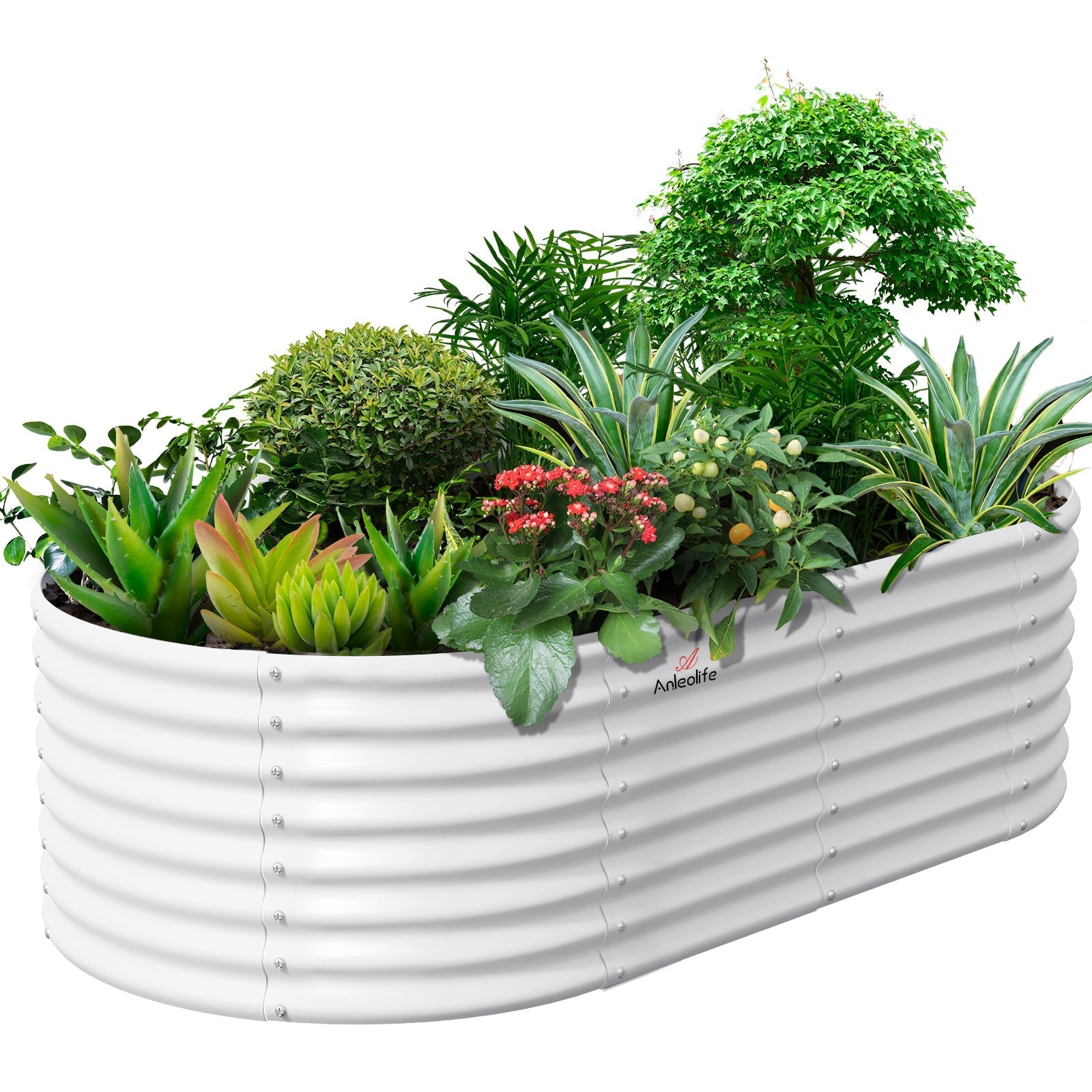
Anleolife's lineup covers the full range of heights, from standard 18-inch raised beds all the way to 35-inch waist-high options—so you can match the bed height to your physical comfort and the crop depth requirements of whatever you plan to grow. Their galvanized steel construction is rated to last up to 20 years, meaning the investment you make during your planning phase is genuinely a long-term one.
Planning for Strawberries and Specialty Crops
One of the most common questions among new raised bed gardeners is: what size raised bed is best for growing vegetables, and does it differ for fruits like strawberries? The answer depends on the crop. Strawberries, for instance, do best in beds with good drainage and room to send out runners—a wider bed with moderate depth works well. Leafy greens can thrive in shallower, narrower beds. Root crops need depth. Tomatoes and trellised crops (cucumbers, pole beans) need beds positioned where the taller plants won't shade shorter neighbors.
When you're mapping your layout, group crops with similar sun, water, and support needs together. This makes your garden edging work cleaner, your trimmer line maintenance simpler, and your watering more efficient.
Estimating Total Bed Coverage for 200–600 sq.ft.
Here's a practical framework for bed-to-pathway ratios in this size range:
In a 200 sq.ft. space, plan for roughly 50–60% planting area and 40–50% pathway. That gives you approximately 100–120 sq.ft. of actual growing space—enough for 2–3 standard beds or a combination of sizes.
In a 400 sq.ft. space, you can push your planting ratio to 55–65%, yielding 220–260 sq.ft. of beds. A configuration of 4–6 beds of varying sizes works well here.
In a 600 sq.ft. space, a well-planned layout might include 6–10 beds, depending on sizes chosen, with clear wide pathways and dedicated zones for trellised crops, garden edging transitions, and decorative elements.
The Role of Modular and Heavy-Duty Options
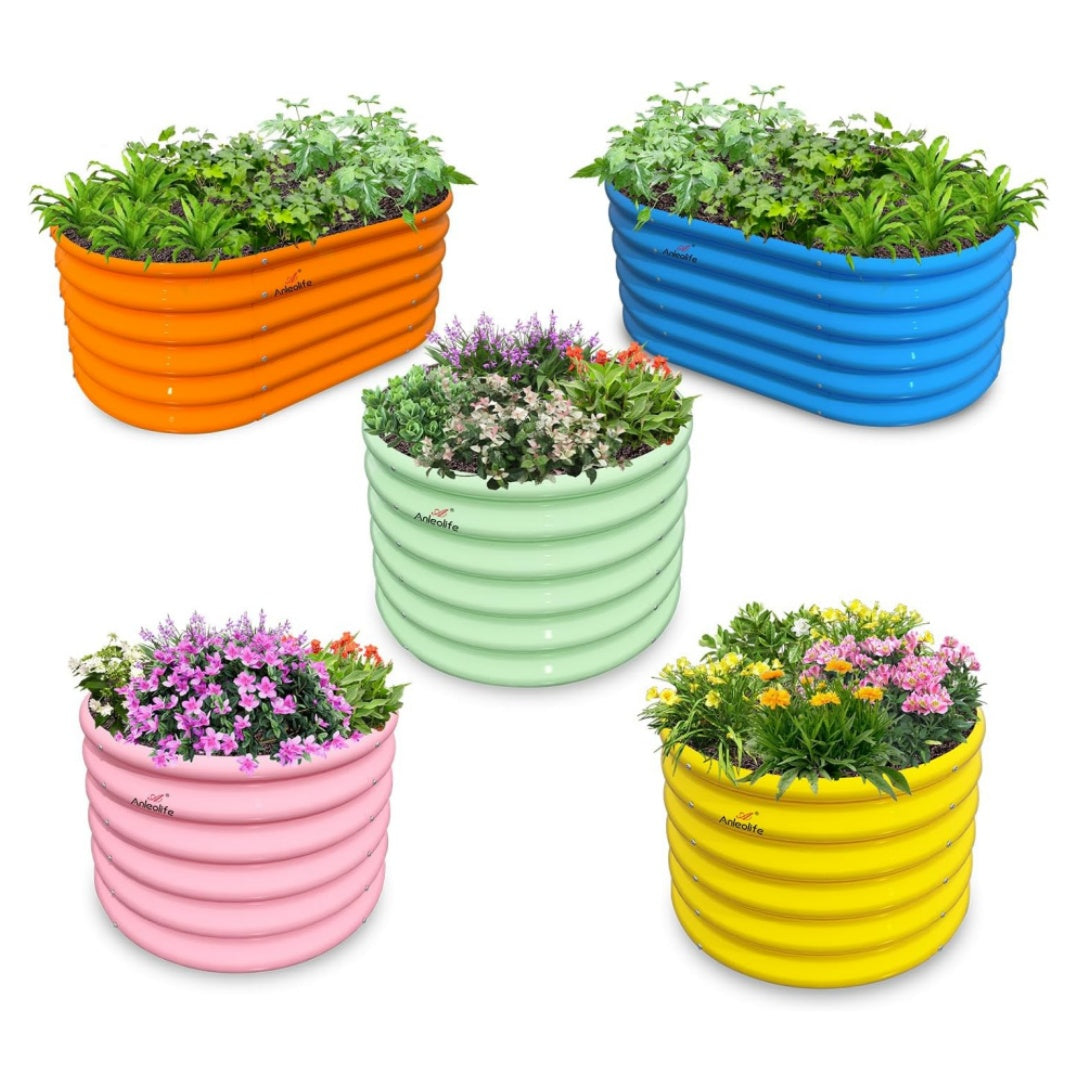
If you're not certain about your final layout—or if you expect your garden to evolve over time—modular raised beds offer a compelling advantage. Anleolife's modular raised garden bed line allows you to configure and reconfigure your setup as your needs change, without starting over. This is especially valuable for urban gardeners working within unpredictable space constraints or families whose gardening ambitions tend to grow alongside their experience.
For gardeners who want maximum durability from day one, Anleolife's heavy-duty raised garden beds are built to handle demanding conditions while maintaining an attractive appearance in a home garden setting.
Don't Forget Vertical Space
A garden trellis doesn't just support plants—it multiplies your growing capacity without requiring additional ground space. In a 200–600 sq.ft. plan, vertical growing can add meaningful production capacity along fence lines or at the ends of bed rows. Map these trellis positions on your plan before finalizing bed placements, since a tall trellis can cast shade on nearby beds if positioned carelessly.
Garden Edging and Trimmer Line: The Finishing Details That Matter
Many gardeners treat garden edging as purely decorative, but it performs a critical function: it keeps grass and weeds from encroaching on your beds and creates a clean barrier that makes maintenance far easier. When you map your layout, mark where edging will run along each bed perimeter and along pathway edges.
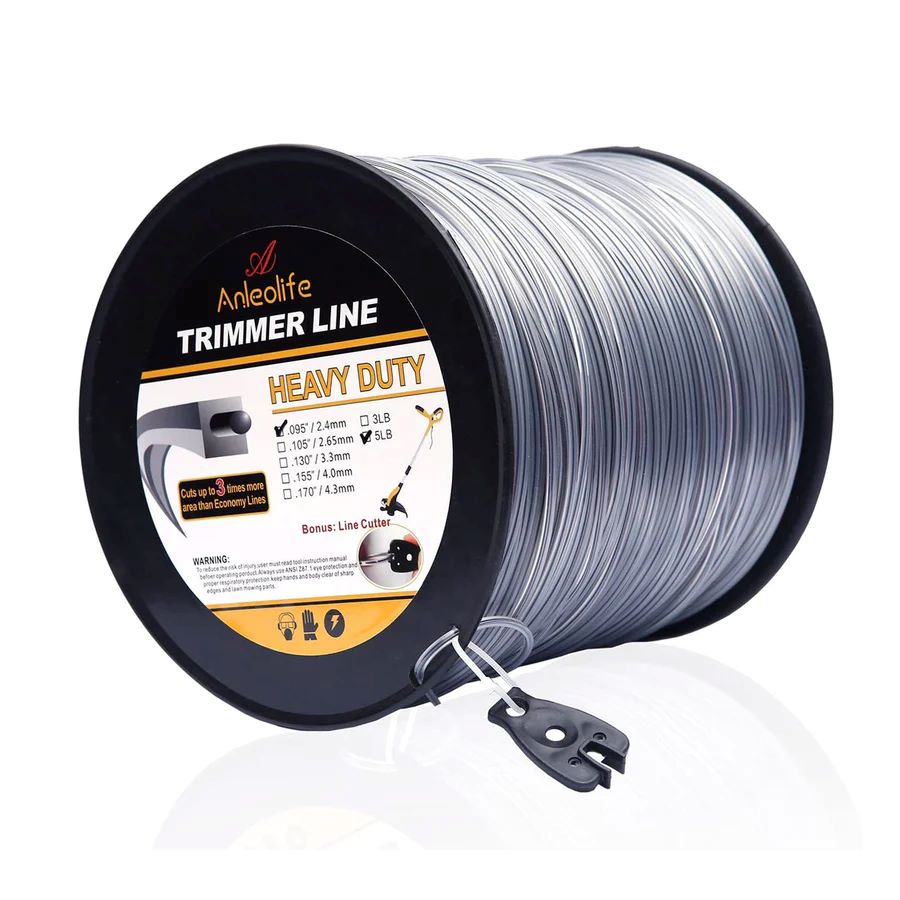
Similarly, plan your trimmer line paths before finalizing bed placement. Wherever a string trimmer needs to reach—around bed corners, along fence lines, between beds—there should be clear, unobstructed access. Beds placed too close together or pushed too tight into corners create trimmer dead zones where weeds will thrive unchallenged.
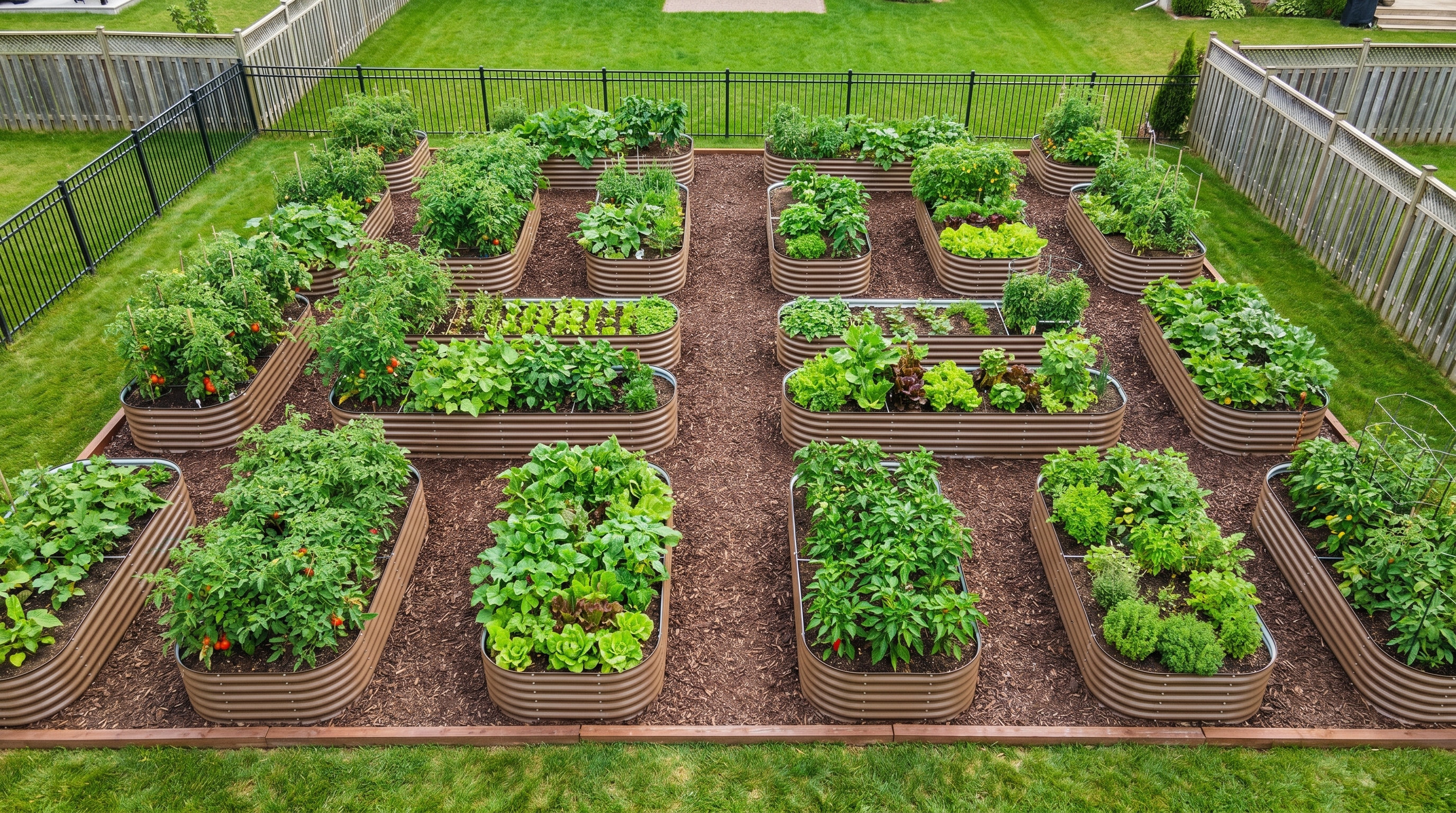
ALT: Overhead view of a mapped-out galvanized steel raised bed garden layout with garden edging and trimmer line pathways
Advanced Considerations: Slopes, Shade, and Long-Term Expansion
Handling a Sloped Yard
If your 200–600 sq.ft. space isn't perfectly flat, don't be discouraged—raised beds are actually an excellent solution for gentle slopes because they create level growing surfaces regardless of ground contour. The key is to account for this in your mapping: a bed placed across a slope will need to be leveled at installation, and the uphill end may sit closer to grade than the downhill end. Plan for this before purchasing, as it may influence the bed height you choose.
Working Around Partial Shade
Partial shade doesn't disqualify a zone from productive gardening—it just changes what you grow there. Leafy greens, herbs, and some root vegetables tolerate 4–5 hours of sun. Map your shade zones clearly and assign shade-tolerant crops to those areas rather than trying to fight the conditions.
A Common Misconception: Bigger Is Always Better
Many new gardeners assume that maximizing bed coverage is the goal. In reality, a 600 sq.ft. space with seven oversized beds and no functional pathways is far less productive and enjoyable than the same space with five well-sized beds and generous, easy-to-navigate walkways. Leave room to move comfortably—your future self will thank you every single time you harvest.
Planning for Year Two and Beyond
The best garden plans include at least one expansion slot. Even if your budget only covers two or three beds in year one, map out where future beds could go. This protects your pathway structure and ensures that when you're ready to add beds, you won't have to redesign the entire layout from scratch. Anleolife's modular and standard bed lines are designed with exactly this kind of expandability in mind.
Frequently Asked Questions FAQ
Q1: How do I figure out what size raised bed is best for my vegetable garden?
Start with the reach rule: you should be able to reach the center of the bed from the side without stepping in. For most people, that means a maximum width of 4 feet for beds accessible from both sides, or about 2 feet for beds against a wall or fence. Length can vary based on your space—8x4 ft and 12x3 ft are both popular choices for productive vegetable growing. Match height to your crop depth needs and physical comfort.
Q2: Are galvanized steel raised garden beds safe for growing vegetables and strawberries?
Yes. Galvanized steel raised garden beds are widely used by home gardeners for food crops, including vegetables and strawberries. The zinc coating on galvanized steel is stable and does not leach harmful levels of zinc into the soil under normal gardening conditions. Anleolife's galvanized steel beds are designed for long-term food gardening use, with a rated lifespan of up to 20 years, making them a durable and trusted option among the best raised garden bed brands reviewed by gardeners across North America.
Q3: How long does it take to plan and set up a 200–600 sq.ft. raised bed garden?
The planning phase—measuring, mapping, and selecting beds—typically takes one to two afternoons. Actual installation time depends on the number of beds and your soil situation, but most standard raised bed setups can be assembled and filled within a weekend. With Anleolife's warehouse network spanning California, Texas, Florida, New York, Illinois, and Washington, delivery typically arrives within 3–8 business days after ordering, so you can have your beds on-site and ready to install quickly after finalizing your plan.
Summary
Mapping your 200–600 sq.ft. raised bed garden before buying anything isn't just a good idea—it's the difference between a garden that works beautifully and one that frustrates you every time you walk into it.
Three core principles should guide your entire planning process:
First, measure before you imagine. Your actual space almost always differs from your mental estimate. Get the real numbers down on paper before you think about beds at all.
Second, prioritize pathways and access. The space between your beds is as important as the beds themselves. Good pathway planning enables easy trimmer line maintenance, clean garden edging installation, and the simple joy of moving through your garden without squeezing between obstacles.
Third, choose bed sizes for how you'll actually garden. Match dimensions to your reach, your physical comfort, your crop choices, and your long-term vision—not just what looks good in a product photo.
With a solid map in hand, you're ready to make confident, specific purchasing decisions—and to build a garden that grows with you for years to come.
Call to Action
Ready to turn your garden map into reality?
Anleolife is built to support every stage of that journey.
Nationwide U.S. warehouse network: Strategically located in California, Texas, Florida, New York, Illinois, and Washington to ensure delivery within 3–8 business days—so your garden upgrade plans never have to wait.
Multi-channel availability: Products are available on major platforms including Amazon, Walmart, Home Depot, Lowe's, and Wayfair, as well as directly at Anleolife.com, with consistent quality assurance and after-sales support across every channel.
Three complete gardening scenarios: Planting (metal raised garden beds, soil systems), Raising (chicken coops, rabbit hutches), and Beautification (decorative accessories, pathway systems)—everything you need from first seed to finished garden.
We understand that an ideal garden is not built overnight but gradually improved over time. Our modular product design allows flexible expansion based on your needs—from your first galvanized steel raised bed to a fully integrated planting-and-raising ecosystem. We grow with you every step of the way.
References
- National Gardening Association. "Garden to Table: A Guide to Growing Food at Home".
https://garden.org - University of California Agriculture and Natural Resources. "Raised Bed Gardening".
https://ucanr.edu/ - U.S. Department of Agriculture. "Home Gardening Resources and Guides".
https://www.usda.gov/topics/farming/urban-agriculture - Oregon State University Extension Service. "Raised Bed Gardening Guide".
https://extension.oregonstate.edu/gardening/techniques/raised-bed-gardening - Penn State Extension. "Planning Your Vegetable Garden".
https://extension.psu.edu/vegetable-gardening
Note: Standards and recommendations may be updated. Please check the latest official documents or consult professional advisors for current guidance.
About Anleolife
Anleolife is a leading outdoor garden solutions provider in North America, dedicated to offering a full-scenario product ecosystem for home gardening enthusiasts, covering planting, raising, and garden beautification. Since its founding, Anleolife has upheld its brand mission, "Made for Garden Life," continuously innovating products and optimizing services to help hundreds of thousands of users upgrade their gardens, reconnect with nature, and enjoy a better garden lifestyle.