


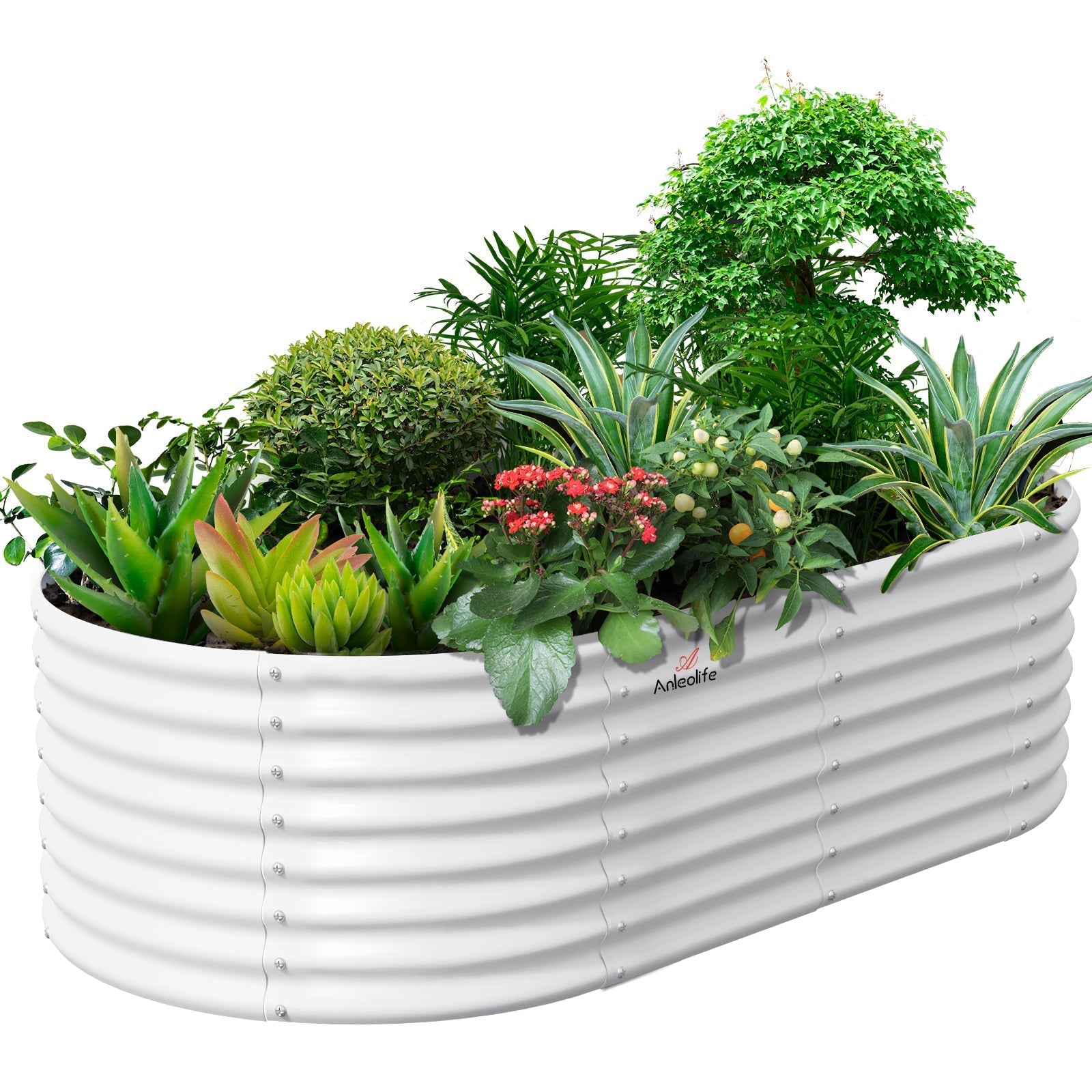
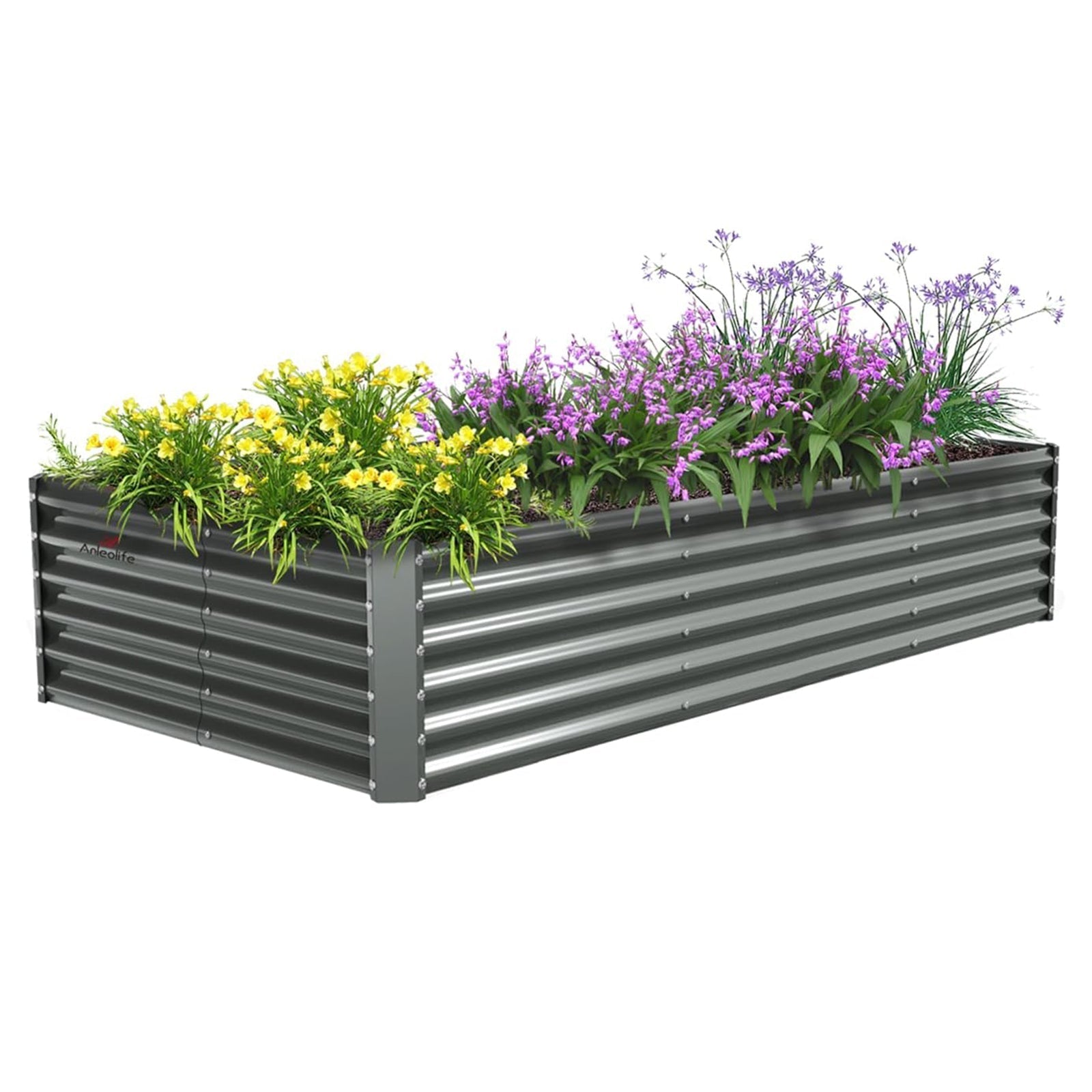
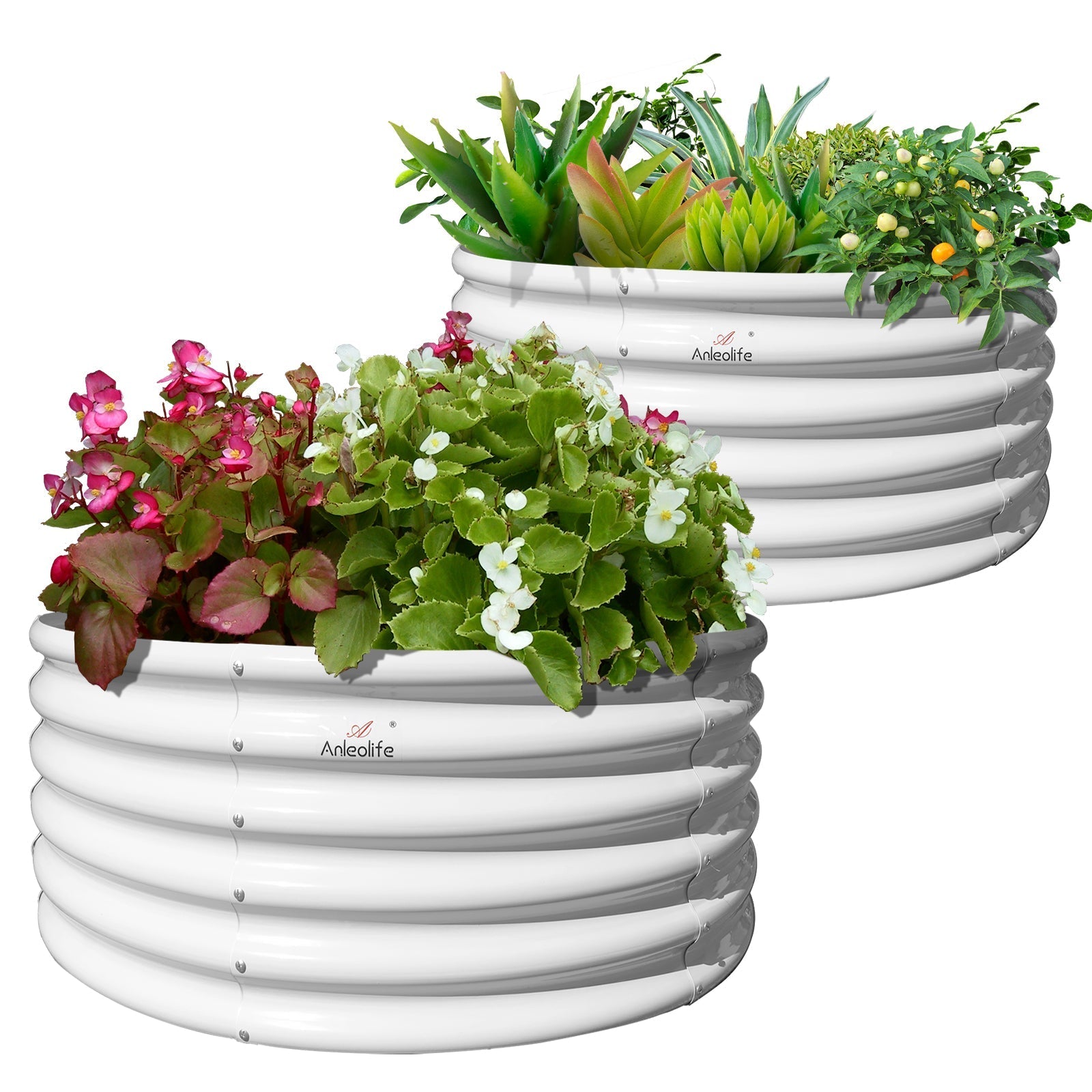
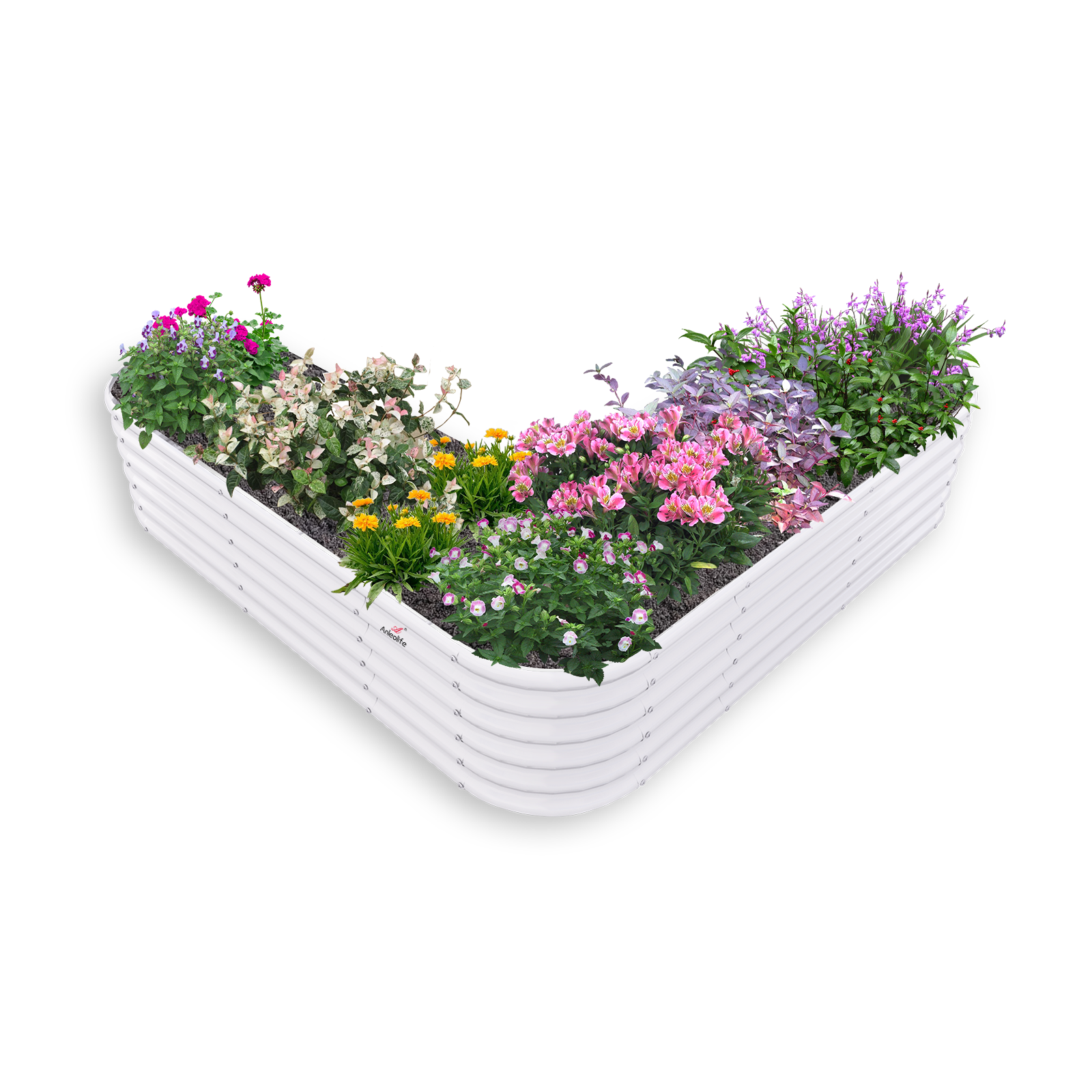
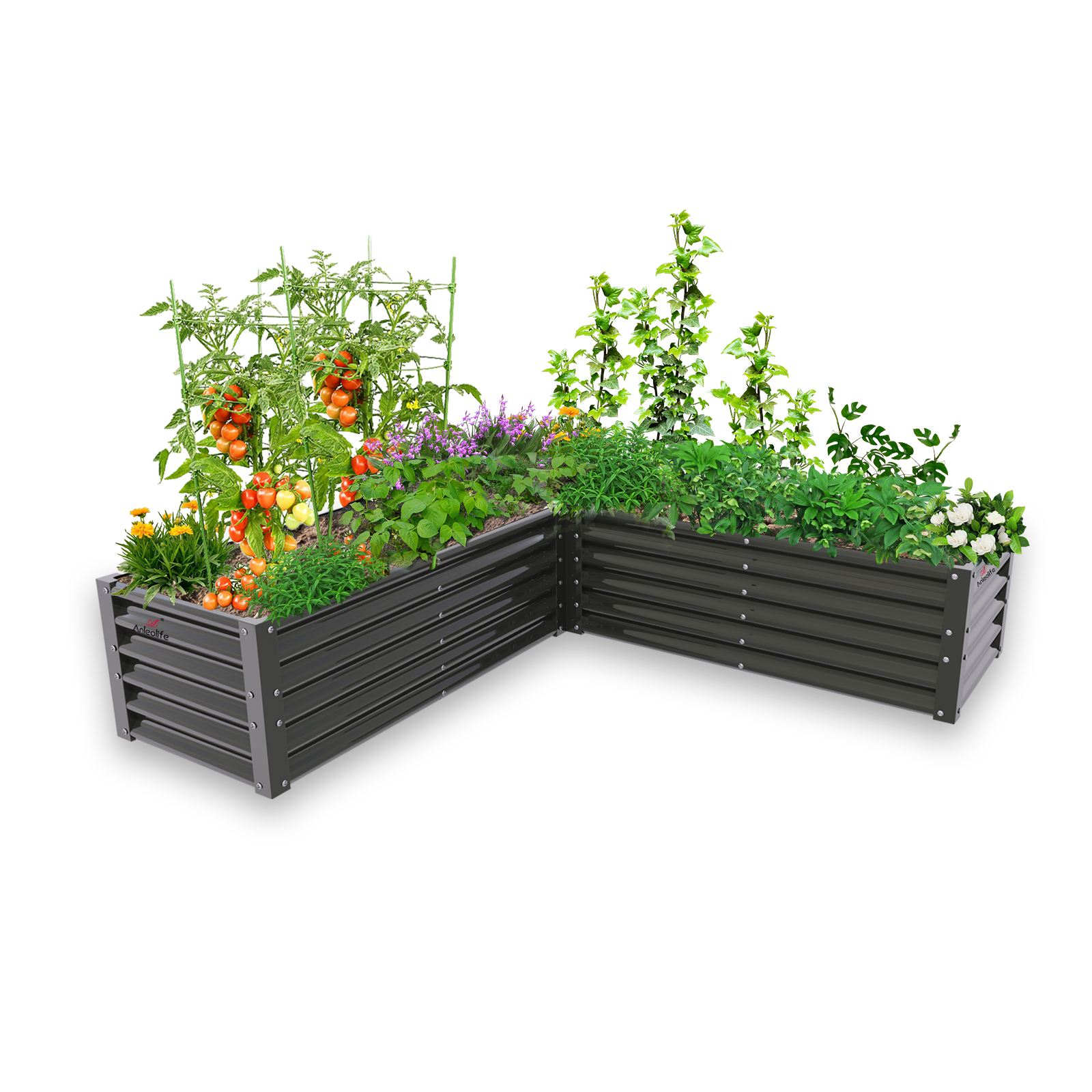
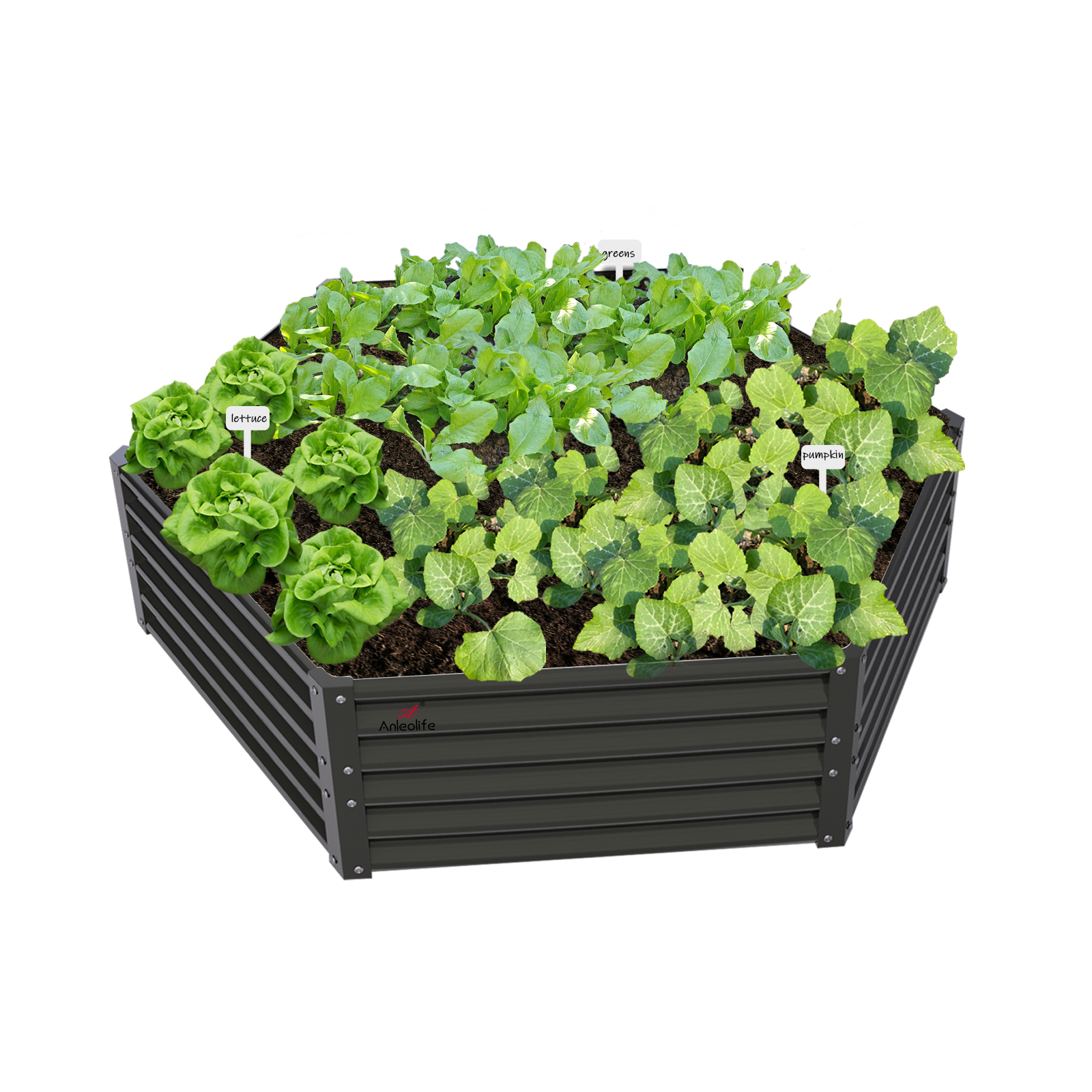
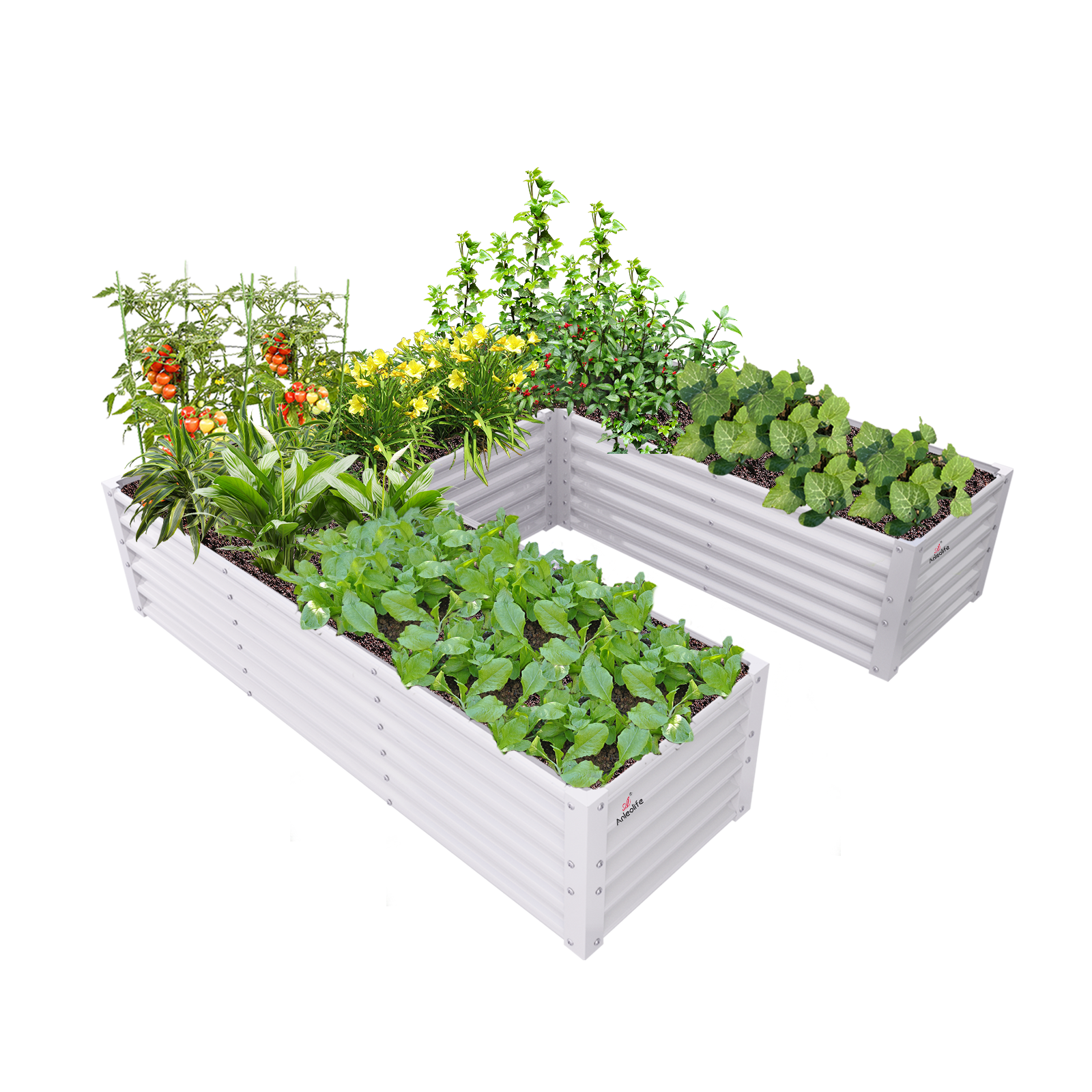

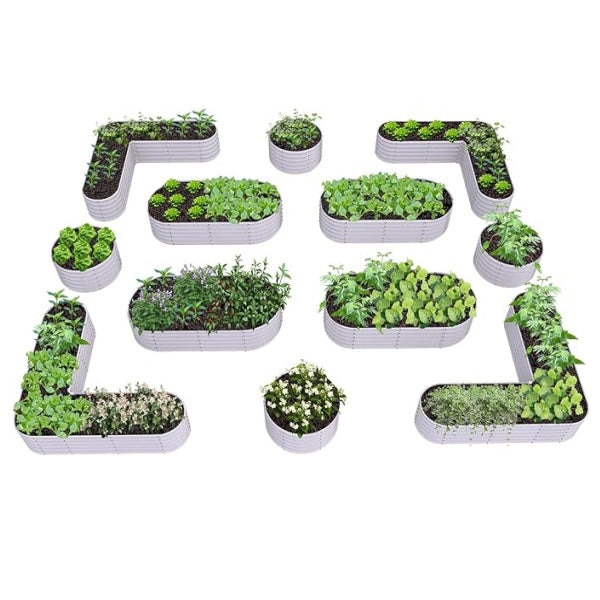

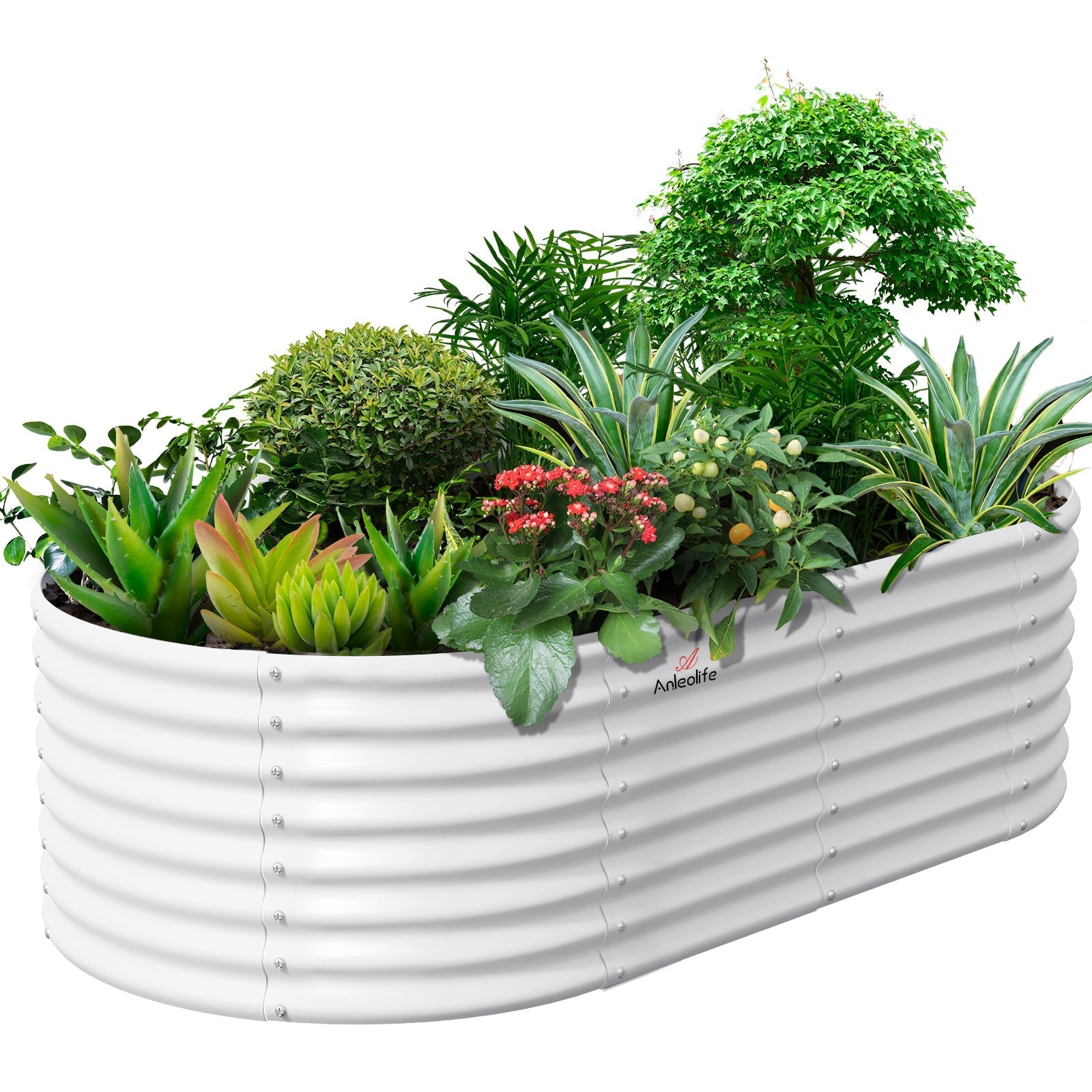

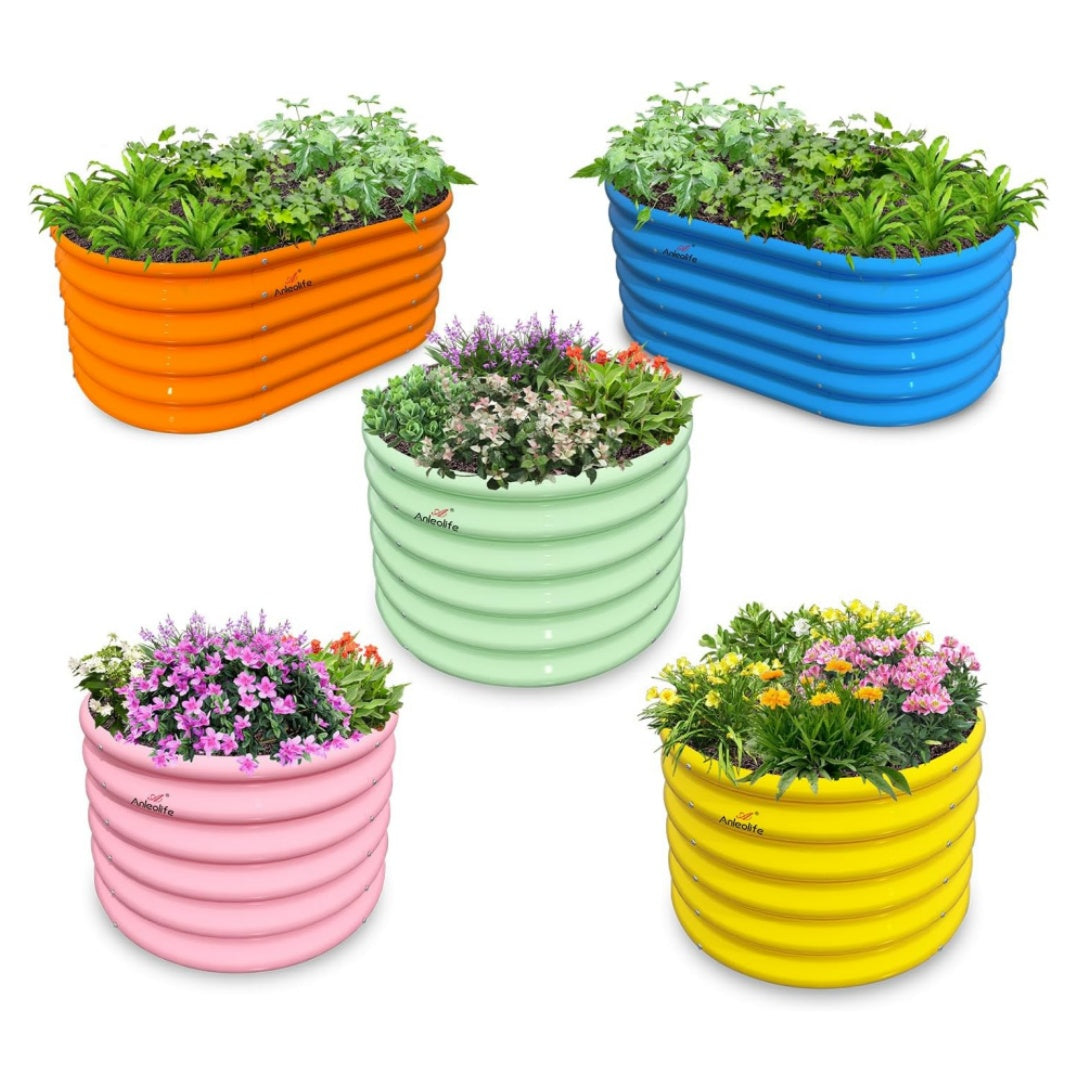
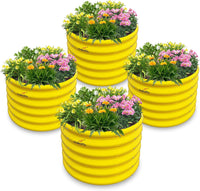
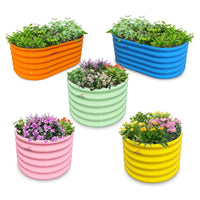
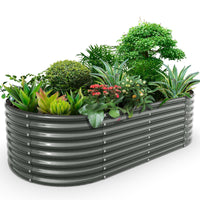



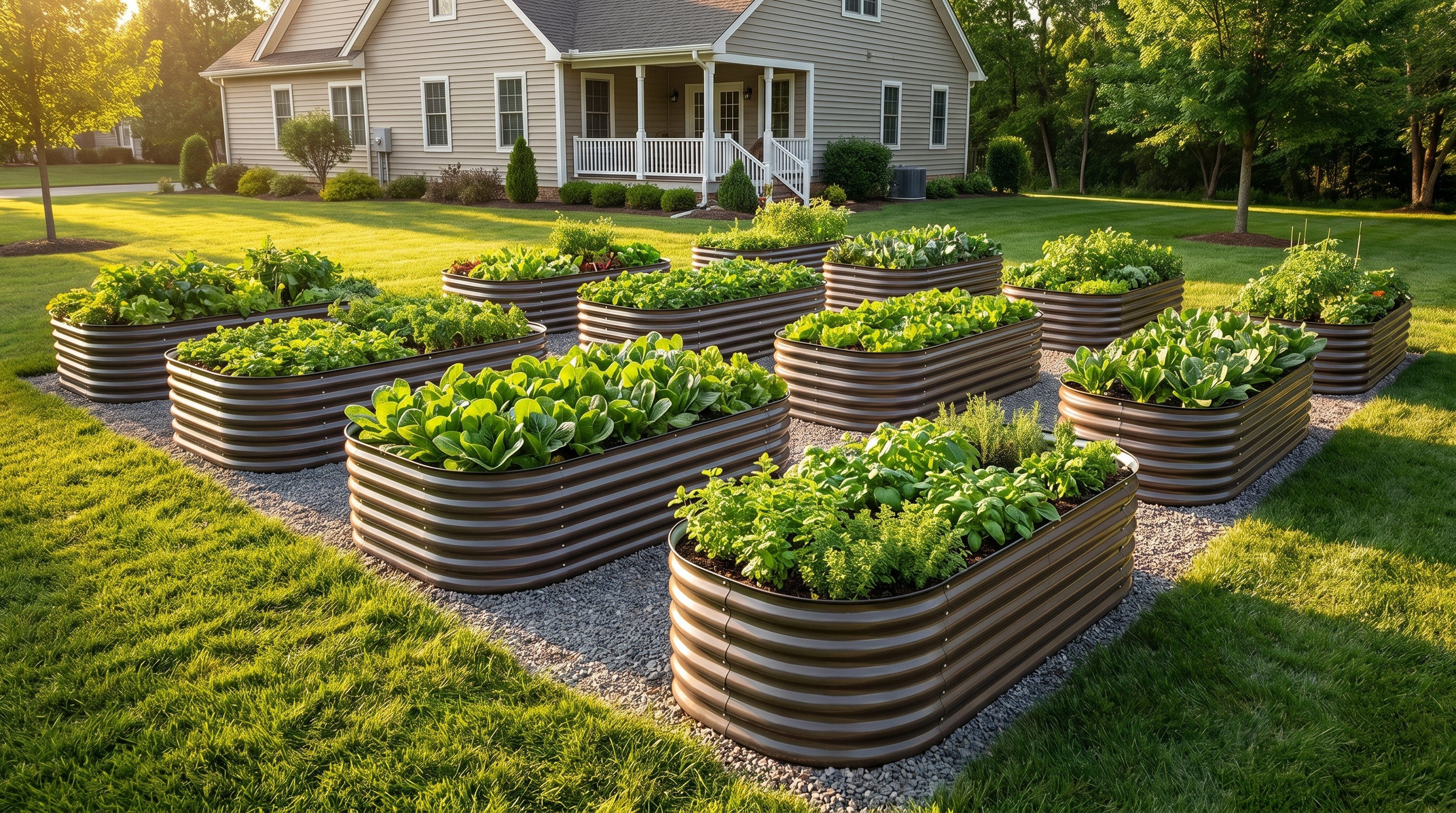
ALT: Step-by-step raised bed garden layout planning in a backyard with organized galvanized steel raised garden beds
Why a Well-Planned Raised Bed Garden Layout Changes Everything
Key Conclusion: Planning a raised bed garden layout for your backyard is one of the most impactful decisions a home gardener can make. A thoughtful layout maximizes sunlight exposure, improves soil drainage, and makes it dramatically easier to grow a garden full of vegetables, herbs, and flowers. Whether you're working with a compact urban yard or a sprawling suburban backyard, a structured approach ensures every square foot works in your favor — giving you a productive, beautiful, and sustainable outdoor space for years to come.
Getting started with raised bed gardening can feel overwhelming, especially when you're staring at a blank backyard wondering where to begin. But the truth is, with the right planning process, even a complete beginner can design a garden layout that functions like a pro built it.
There are three pillars to a successful raised bed garden plan: understanding your space and sunlight, choosing the right beds and materials, and mapping out a planting strategy that aligns with your lifestyle. Each of these elements feeds into the next, and skipping any one of them is the most common reason backyard gardens underperform or get abandoned by midsummer.
This guide walks you through every stage — from the first measurement to the final plant placement — so you can build a raised bed garden layout that genuinely works for your backyard, your schedule, and your goals.
Who This Guide Is For
✅ Applicable Scenarios:
- Homeowners with an unused or underutilized backyard who want to grow fresh vegetables and herbs
- Urban micro-gardeners with limited outdoor space looking for smart, compact solutions
- Empty nesters and retirees who want a manageable, rewarding garden project without excessive physical strain
- Eco-conscious families interested in reducing grocery bills and growing food organically
- First-time gardeners who need a clear, step-by-step framework before buying any equipment
❌ Not Applicable/Cautions:
- Renters without permission to modify outdoor ground-level areas (consider container alternatives)
- Gardeners in heavily shaded yards receiving fewer than 4–6 hours of direct sunlight daily — most vegetables will not thrive
- Anyone expecting instant results — a well-planned garden takes one full growing season to truly hit its stride
The Growing Demand for Backyard Raised Bed Gardens
Over the past decade, backyard food gardening has surged across North America. According to the National Gardening Association, food gardening participation in the U.S. increased significantly following 2020, with millions of households turning to home growing as a source of fresh food, mental wellness, and family activity. Raised bed gardening, in particular, has become the preferred method for modern home growers because it solves the most common problems traditional in-ground gardening creates: poor native soil quality, drainage issues, back strain from low bending, and weed pressure.
The appeal is practical. When you grow a garden in raised beds, you control the soil entirely. You can fill beds with a custom mix optimized for your crops, and because the soil isn't compacted by foot traffic, root systems develop more freely. This leads to higher yields per square foot than most traditional garden plots.
At the same time, the aesthetic dimension matters to today's gardener. A thoughtfully arranged raised bed layout doesn't just produce food — it transforms a plain backyard into a visually structured, intentional outdoor living space. For middle-class families investing in their homes and lifestyles, that dual function — productive AND beautiful — is precisely the appeal.
Modern raised beds made from galvanized steel have also addressed the durability question that plagued earlier wooden designs. Anleolife's galvanized steel raised garden beds, for example, are built to last up to 20 years, meaning the investment you make in planning and setup pays dividends for two full decades of harvests.
How to Plan a Raised Bed Garden Layout: Step-by-Step
Three-Step Quick Start
Step 1: Survey Your Backyard and Map the Sun
Before purchasing a single bed or a bag of soil, spend three to five days observing your backyard at different times of day. Track which areas receive full sun (6+ hours), partial sun (4–6 hours), and shade (under 4 hours). Use a simple sketch on paper or a free online garden planning tool. Mark permanent structures — fences, trees, sheds — and note any slopes or drainage low points. This 30-minute daily observation pays off enormously when you start placing beds.
Step 2: Define Your Layout Zones and Pathways
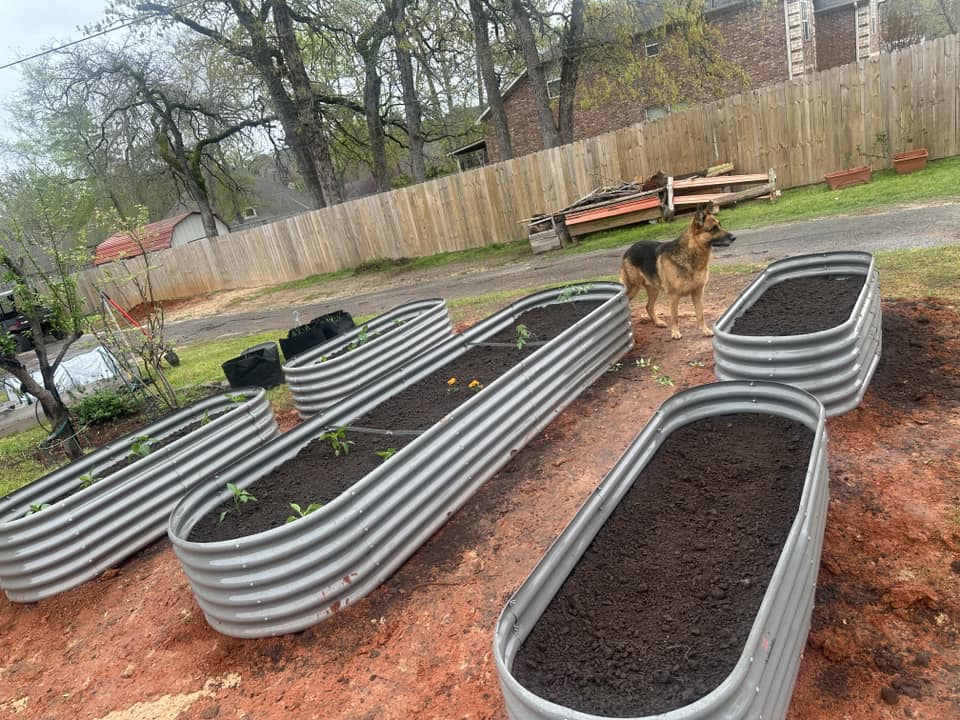
Once you know where the sun falls, designate zones for your beds and map out walking pathways between them. A standard 18-inch pathway allows comfortable access; 24–30 inches is better if you use a wheelbarrow. Decide how many beds you want to start with — most beginners do best starting with two to four beds and expanding over time. Sketch bed placement to avoid shading one bed with another (taller plants should go on the north side of a layout in the Northern Hemisphere).
Step 3: Choose Your Beds, Fill Your Soil, and Plan Your Crops
Select raised beds that match your space, physical needs, and crop goals. Fill each bed with a high-quality mix — typically a blend of topsoil, compost, and an aerating component like perlite or coconut coir. Then assign crops to beds based on sun requirements, companion planting principles, and your family's eating habits. Start with easy winners: tomatoes, lettuce, zucchini, herbs, and green beans are all excellent for beginners looking to grow a garden with reliable results.
Choosing the Right Raised Bed: A Comparison of Key Options
The raised bed market has expanded dramatically, giving gardeners more choices than ever. But not all beds are equal. Material, height, size, and configuration all affect how well a bed performs over time.
Here's a breakdown of the most common raised bed types and how they compare across the factors that matter most to backyard gardeners:
| Comparison Dimension | Galvanized Steel Beds | Wooden Beds | Plastic/Resin Beds |
|---|---|---|---|
| Durability | Up to 20 years | 5–10 years (varies by wood type) | 5–15 years (UV degradation) |
| Rust/Rot Resistance | Excellent (zinc-coated) | Moderate (treated wood) | Good (non-organic) |
| Aesthetic Appeal | Modern, clean, versatile | Natural, traditional | Variable |
| Soil Volume | High (multiple heights available) | Moderate | Lower |
| Assembly Ease | Tool-free or minimal tools | Requires cutting/screwing | Generally snap-together |
| Environmental Impact | Recyclable steel | Renewable if untreated | Petroleum-based |
| Height Options | Multiple (standard to waist-high) | Custom or fixed kits | Mostly fixed low heights |
| Best For | Long-term investment gardeners | Traditional aesthetic lovers | Budget-first beginners |
Galvanized steel consistently wins for gardeners who view raised beds as a long-term investment rather than a seasonal experiment. Anleolife's lineup includes everything from standard 18-inch-tall beds to extra-tall 30-inch and 35-inch waist-high options, designed specifically for gardeners who want to avoid bending — a major benefit for retirees and those with back concerns.
Detailed Layout Planning: Making Every Square Foot Count
Sizing Your Beds for Maximum Access and Productivity
One of the most important rules in raised bed design is the 4-foot width rule. A bed no wider than 4 feet allows you to reach the center from either side without stepping into the soil — protecting that all-important loose, aerated soil structure. For beds placed against a fence or wall, limit width to about 2–2.5 feet so you can comfortably reach across from one side.
Length is far more flexible. Beds running 6, 8, or 12 feet long are all practical, depending on your space. Longer beds offer more planting area but require thought about access points — you shouldn't have to walk around a 12-foot bed to water the far end.
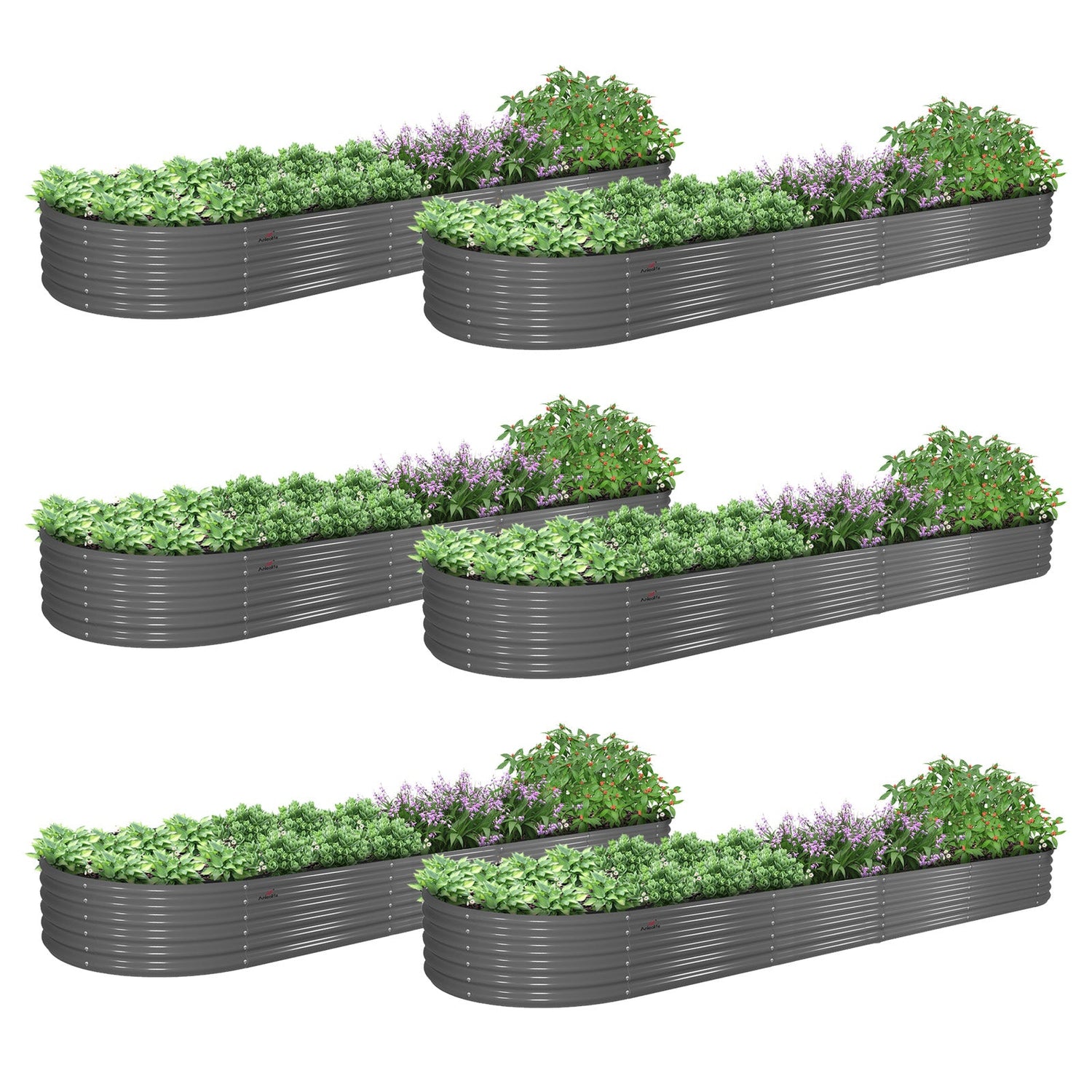
Anleolife's raised garden bed collection covers a wide range of size configurations to suit different backyard scenarios. Whether you're working with a narrow side yard where a 12x3 ft footprint makes sense, or a spacious open lawn that can accommodate an 8x4 ft or even a 10x3 ft layout, there's a practical option that fits your plan without requiring custom construction.
Height Matters More Than Most Beginners Realize
Standard 18-inch beds work well for most vegetables, giving roots ample depth and providing a clear visual separation from surrounding lawn. But if your native soil has drainage problems, or if you're gardening on concrete, pavers, or compacted gravel, taller beds become essential.
Extra-tall beds — those in the 24-inch to 30-inch range — also dramatically reduce the physical strain of gardening. For empty nesters and retirees, this isn't a luxury; it's the feature that makes the difference between a sustainable hobby and a painful chore. Anleolife's 30-inch extra-tall beds and 35-inch waist-high beds are specifically designed with this in mind, allowing gardeners to tend their plants in a near-standing position.
Designing for Sunlight, Airflow, and Plant Height
When placing multiple beds, always orient them so taller plants don't shade shorter ones. In North American backyards, this typically means:
- Placing your tallest-growing crops (tomatoes, pole beans, corn) on the north side of your garden area
- Running beds east to west in orientation when possible to maximize sun exposure along the length of the bed
- Leaving at least 18–24 inches between beds to ensure adequate air circulation, which reduces fungal disease pressure
If you're wondering what's the best way to design a backyard garden layout for a small space, the answer is to go vertical. Use trellises at the back of beds to grow climbing crops — pole beans, cucumbers, peas, and even small squash varieties. This multiplies your growing area without requiring additional ground space. Speaking of vertical growing, if you're interested in growing blackberries, the best trellis for blackberries is typically a sturdy T-post or wire trellis system that supports the long, arching canes at multiple heights — ideally with two or three horizontal wire lines spaced about 18–24 inches apart. Install this along the back or perimeter fence of your garden layout to keep canes contained and fruit accessible.
What to Grow: Planning a Productive Vegetable Garden
Once your beds are placed and filled, the fun begins: deciding what vegetables to grow in your garden. For beginners, the best strategy is to start with high-yield, easy-care crops and expand from there:
- Tomatoes: A raised bed staple. Choose determinate varieties for predictable harvests in smaller beds.
- Lettuce and salad greens: Fast-growing, cool-season crops perfect for early spring and fall. Great for successive planting to keep harvests continuous.
- Zucchini and summer squash: Prolific producers. One or two plants per 4x4 ft bed is typically enough.
- Herbs (basil, parsley, cilantro, chives): Ideal for a dedicated herb bed near the kitchen door. Herbs also benefit neighboring vegetables by attracting pollinators.
- Green beans: Direct sow, low maintenance, and incredibly productive in raised beds with good drainage.
- Radishes and carrots: Root vegetables that perform particularly well in the loose, deep soil of raised beds.
A general rule: plant cool-season crops (lettuce, spinach, peas, radishes) in spring and fall, and warm-season crops (tomatoes, peppers, cucumbers, squash) after your last frost date. Rotating crops between beds each season also helps maintain soil health and reduce pest buildup.
The Best Liner for a Raised Garden Bed
A question that comes up frequently: what's the best liner for a raised garden bed? The answer depends on your goals. If you're placing a bed on grass or soil and want to suppress weeds while allowing drainage, landscape fabric or cardboard works well as a base layer. Cardboard decomposes over time, enriching the soil, while landscape fabric lasts longer but may need replacement.
If you're placing beds on concrete, pavers, or a wooden deck, a solid liner with drainage holes is essential to contain soil while letting excess water escape. Avoid using plastic sheeting that creates a fully sealed bottom — this will cause waterlogging and anaerobic soil conditions that kill roots. The goal is always drainage combined with weed suppression.
Adding Beauty: Garden Ornaments and Finishing Touches
A raised bed garden layout doesn't have to be purely utilitarian. The best garden ornaments for modern landscaping complement rather than compete with your beds. Think clean-lined decorative stakes, minimalist metal plant markers, stone or gravel pathways between beds, and a consistent color palette for pots and accessories.
For a cohesive look, match the finish of your raised beds to surrounding garden elements. Galvanized steel beds pair beautifully with gravel pathways, dark wood fencing, and modern garden ornaments in matte black or brushed metal finishes. This approach turns your productive garden into an intentional outdoor room — one that looks as good as it performs.
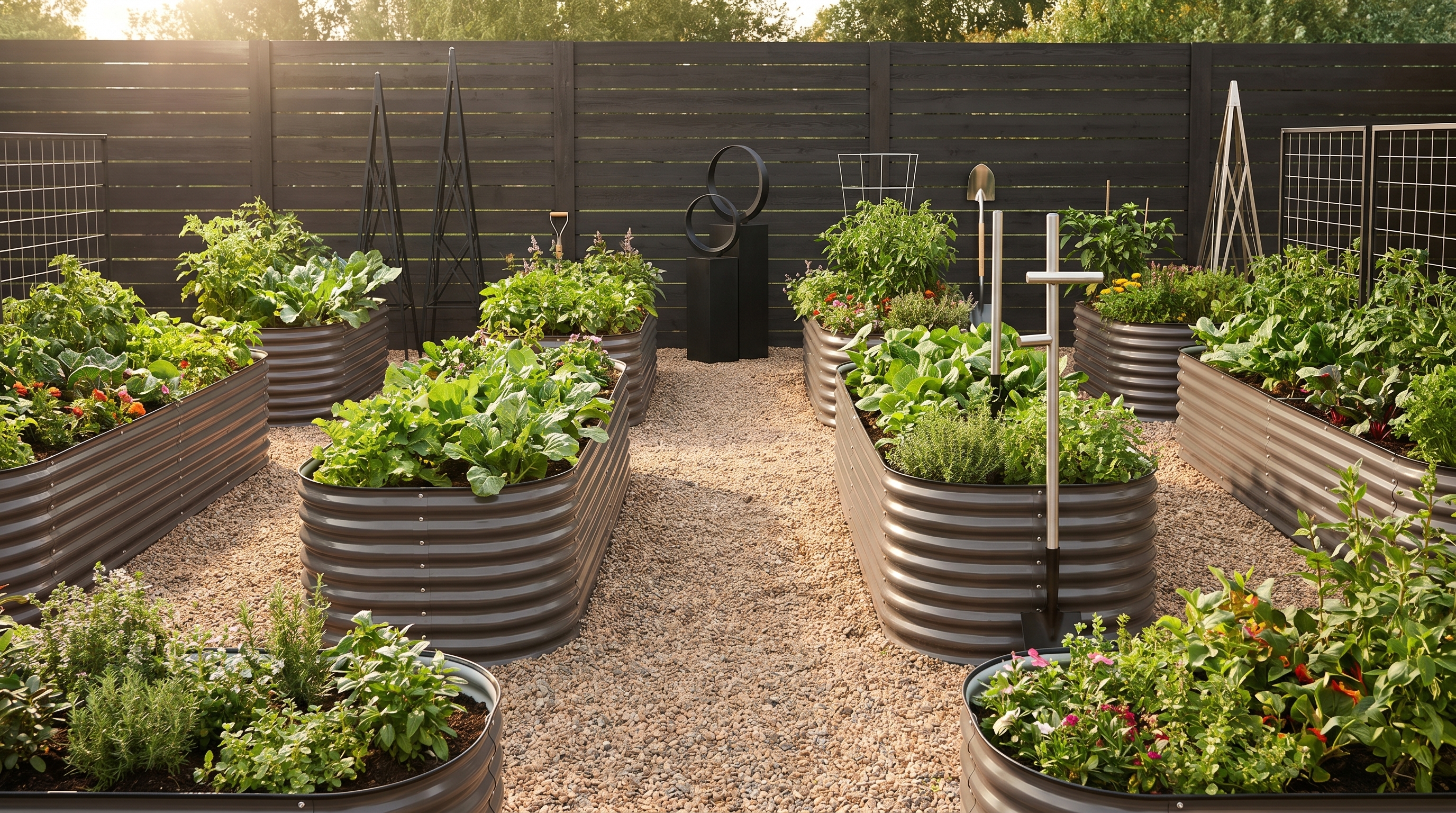
ALT: Modern backyard raised bed garden layout with galvanized steel beds, gravel pathways, and decorative garden ornaments for functional beauty
Advanced Considerations: Taking Your Garden Layout Further
Managing Microclimates in Your Backyard
Every backyard has microclimates — small areas that are warmer, cooler, windier, or more humid than the surrounding space. A south-facing bed against a brick wall, for example, will warm up faster in spring and stay warmer in fall, extending your season by several weeks. Conversely, a low-lying area that collects cold air can experience frost when surrounding areas don't. Understanding these microclimates lets you assign crops strategically — heat-loving peppers and basil near warm walls, cool-tolerant lettuces in slightly shadier spots.
Common Misconceptions About Raised Bed Layouts
Misconception 1: Bigger is always better. Oversized beds are hard to maintain and often lead to neglect. Start with a manageable number of beds you can consistently water, weed, and harvest.
Misconception 2: You only need to plan once. A raised bed garden layout evolves. What works in year one may need adjustment in year two as plants mature, trees grow, or your crop preferences change. Plan to revisit and refine your layout each season.
Misconception 3: Raised beds are self-sufficient. While raised beds dramatically improve growing conditions, they still require regular watering, fertilization, and pest monitoring. The advantage is that these tasks are easier and more manageable than in-ground gardening — not eliminated entirely.
Integrating Irrigation from the Start
One of the smartest decisions you can make during the layout planning phase is to design irrigation into your system from day one. Drip irrigation lines can be run under the soil surface or along the edges of beds, connected to a timer, and left to operate automatically. This is especially valuable for busy families or gardeners who travel. Map your irrigation zones during your layout design — grouping beds with similar water needs on the same zone — so retrofitting later is minimized.
Frequently Asked Questions FAQ
Q1: How much sunlight does a raised bed vegetable garden actually need?
Most vegetables require a minimum of 6 full hours of direct sunlight per day to produce well — and 8 hours is even better for fruiting crops like tomatoes, peppers, and cucumbers. Leafy greens and herbs are more forgiving, often thriving in 4–6 hours. If your backyard only receives partial sun, focus on shade-tolerant crops like lettuce, spinach, kale, cilantro, and arugula. Always map sunlight before placing beds, as this single factor has more impact on yield than any other variable in your layout.
Q2: Are galvanized steel raised garden beds safe for growing vegetables?
Yes. Modern galvanized steel beds are widely considered safe for vegetable gardening. The zinc coating on galvanized steel has been shown in multiple studies to pose minimal risk to plants or consumers at normal soil contact levels. Zinc is actually a micronutrient that plants need in small quantities. Anleolife's galvanized steel raised garden beds are designed with food-safe growing in mind, and their 20-year lifespan means you're making one safe, durable investment rather than repeatedly replacing lower-quality beds.
Q3: How long does it take to set up a raised bed garden from scratch?
For a first-time gardener starting with two to four beds, expect to spend a full weekend on initial setup — one day for planning, purchasing materials, and assembling beds, and a second day for filling with soil mix and installing any irrigation. Anleolife beds are designed for straightforward assembly without extensive tools. After that, ongoing weekly maintenance typically runs 30–60 minutes per bed depending on season, crop type, and how automated your watering system is.
Summary
Planning a raised bed garden layout for your backyard is one of the most rewarding home improvement projects a family can undertake — and when done thoughtfully, the results compound beautifully over time. Here are the three core principles to carry forward:
- Sun first, everything else second. Your bed placement must be driven by where sunlight falls consistently. No soil amendment, no premium seed, and no clever design can compensate for inadequate sunlight. Map it first, every time.
- Match your beds to your lifestyle, not your ambitions. Start with a layout you can actually maintain. Two or three well-tended beds will outperform eight neglected ones every single time. Scale up as your confidence and routine grow.
- Invest in durable materials that match your long-term vision. A raised bed that lasts 20 years — like those in Anleolife's galvanized steel lineup — means the time you spend planning today pays off across hundreds of harvests. Quality materials are the foundation of a garden that truly grows with you.
Your next step is simple: head outside with a measuring tape and a notepad. Sketch your backyard, note where the sun hits, and start imagining where your first bed will go. The planning process itself is part of the joy — and with the right tools and knowledge, you're already most of the way there.
Ready to Build Your Raised Bed Garden?
At Anleolife, we've built our entire product ecosystem around helping home gardeners succeed — from the first bed to a fully integrated backyard growing system.
Nationwide U.S. warehouse network: Strategically located in California, Texas, Florida, New York, Illinois, and Washington, our logistics infrastructure ensures delivery within 3–8 business days — so your garden plans move from sketch to soil without delay.
Multi-channel availability: Shop Anleolife raised garden beds on Amazon, Walmart, Home Depot, Lowe's, and Wayfair, or browse the full collection directly at Anleolife.com for consistent quality assurance and responsive after-sales support.
Three complete garden scenarios: Whether you're focused on Planting (metal raised garden beds, soil systems), Raising (chicken coops, rabbit hutches), or Beautification (decorative accessories, pathway systems), Anleolife covers every dimension of your outdoor living vision.
We understand that an ideal garden isn't built overnight — it's shaped season by season, bed by bed. Our modular product design allows flexible expansion based on your evolving needs, from your very first raised bed to a fully integrated planting-and-raising ecosystem. We grow with you, every step of the way.
References
- National Gardening Association. "Food Gardening in the United States".
https://garden.org/ - University of California Agriculture and Natural Resources. "Raised Bed Gardening".
https://ucanr.edu/ - U.S. Department of Agriculture (USDA). "Home and Community Gardening Resources".
https://www.usda.gov/topics/farming/urban-agriculture - Penn State Extension. "Raised Bed Gardening".
https://extension.psu.edu/raised-bed-gardening - Oregon State University Extension Service. "Raised Bed Gardening".
https://extension.oregonstate.edu/gardening/techniques/raised-bed-gardening
Note: Standards and best practices may be updated over time. Please check the latest official documents or consult a professional horticulturist or extension advisor for region-specific guidance.
About Anleolife
Anleolife is a leading outdoor garden solutions provider in North America, dedicated to offering a full-scenario product ecosystem for home gardening enthusiasts, covering planting, raising, and garden beautification. Since its founding, we have upheld our brand mission, "Made for Garden Life," continuously innovating products and optimizing services to help hundreds of thousands of users upgrade their gardens, reconnect with nature, and enjoy a better garden lifestyle.