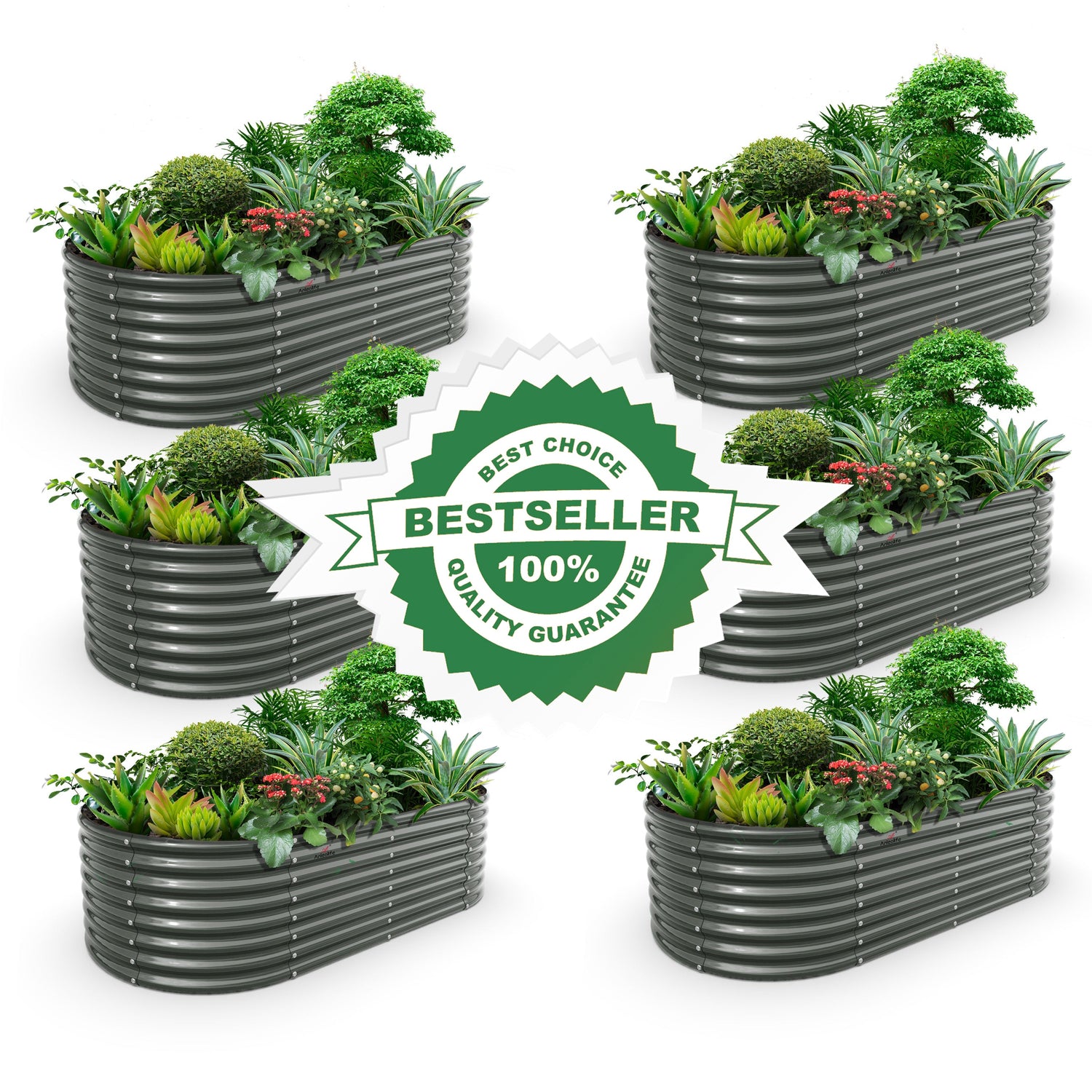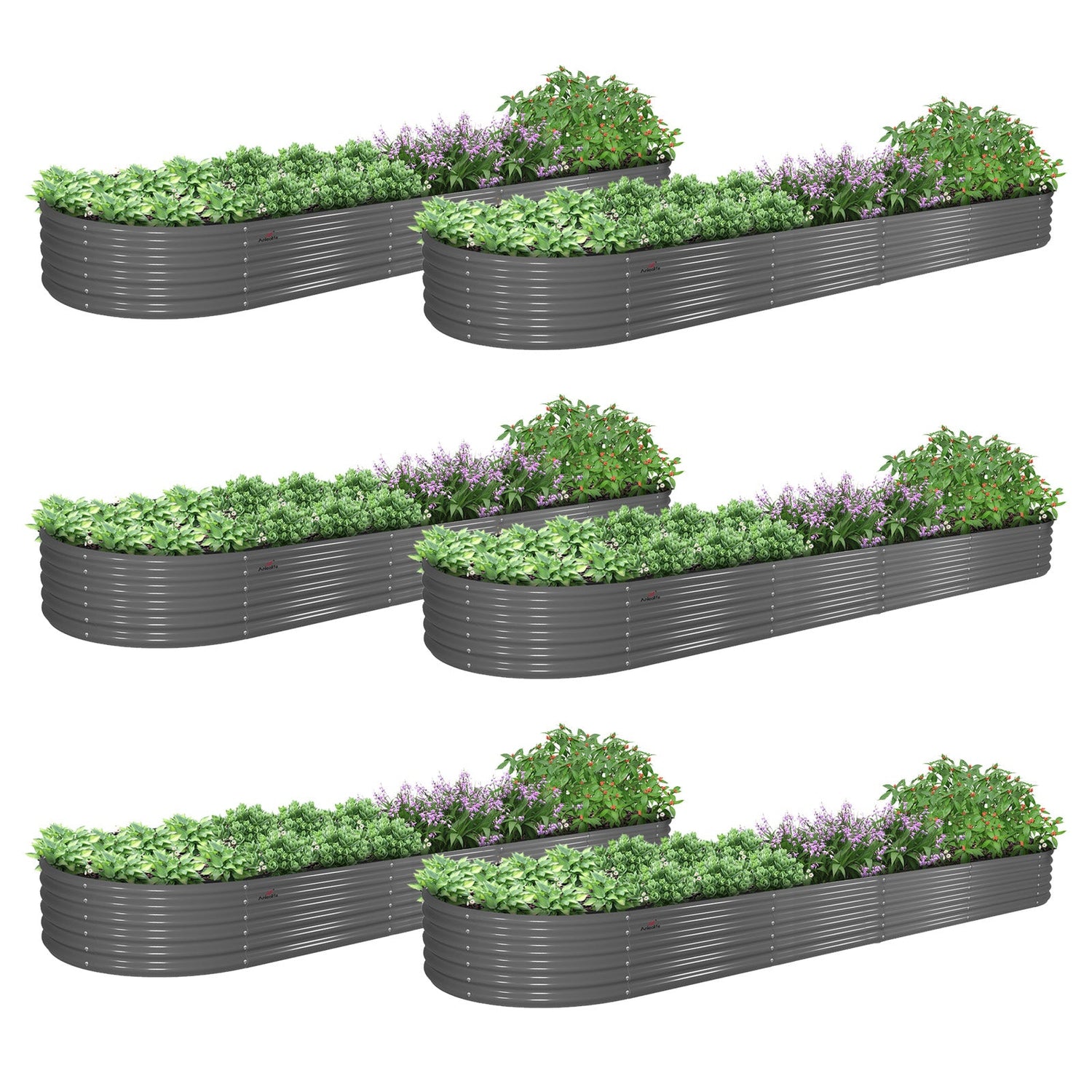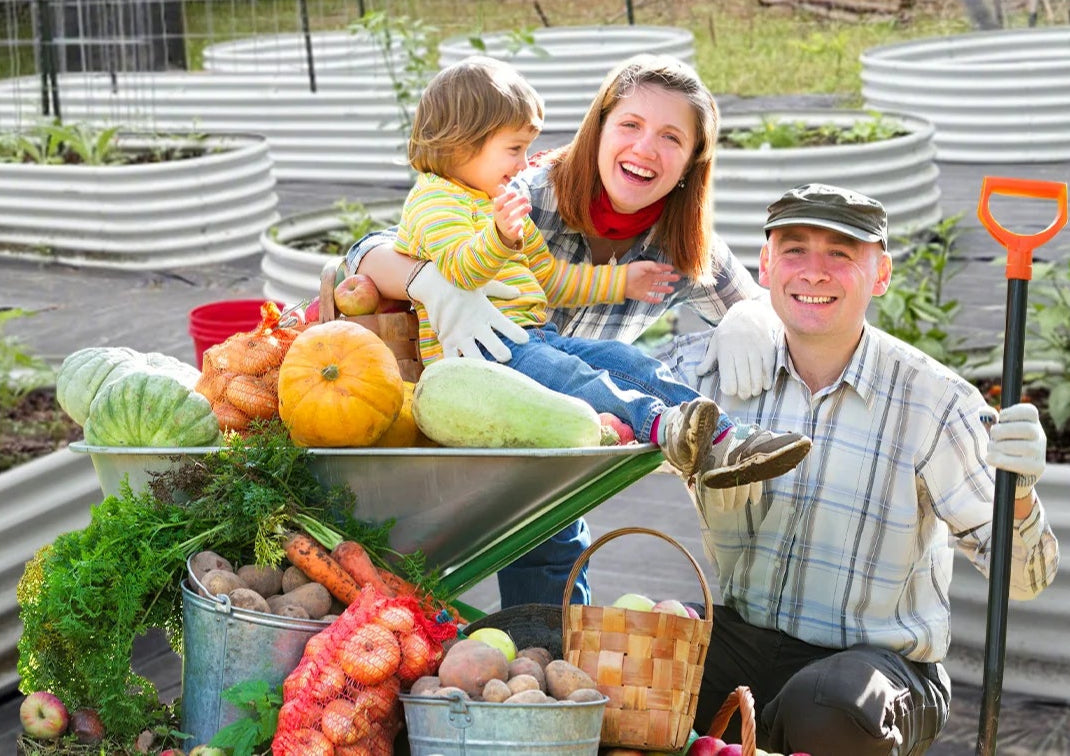










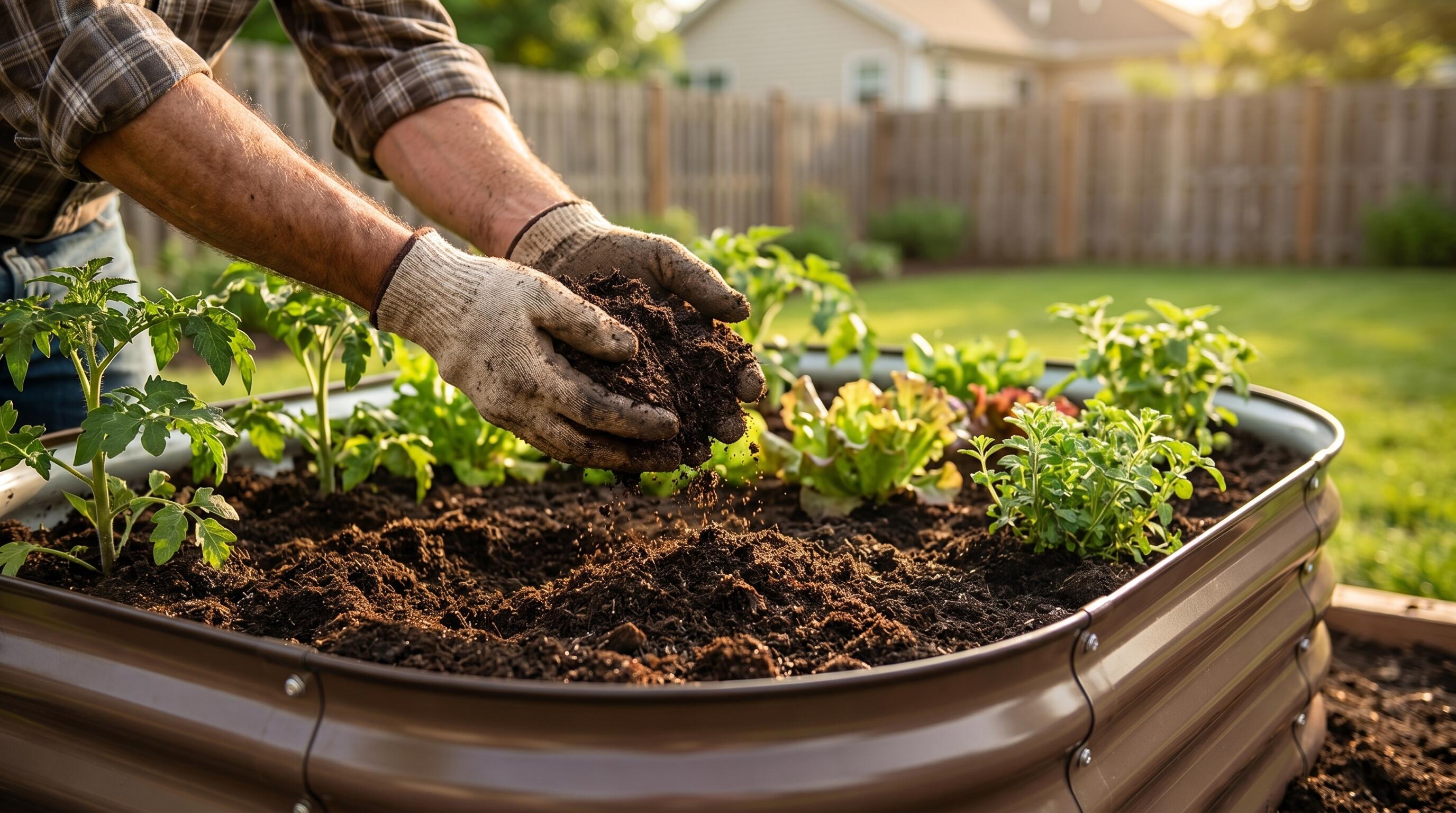
ALT: Gardener adding compost to raised garden bed soil to refresh and rebuild for maximum vegetable yields each year
Why Refreshing Your Raised Garden Bed Soil Each Year Is the Secret to Maximum Yields
Key Conclusion: Refreshing and rebuilding raised garden bed soil each year is the single most impactful action home gardeners can take to maximize yields season after season. Healthy, well-structured soil in raised garden beds feeds roots efficiently, supports beneficial microbial life, and prevents nutrient depletion that silently kills productivity. Whether you're growing tomatoes, herbs, or leafy greens, an annual soil refresh routine transforms tired, compacted earth into a thriving growing medium — and it doesn't have to be complicated or expensive.
Soil is the foundation of every successful garden, yet it's the element most gardeners neglect after the first growing season. Over time, even the best-amended soil becomes depleted of nutrients, loses its airy structure, and accumulates pathogens or pest eggs from the previous year's crops. The good news? Raised garden beds make annual soil rebuilding dramatically easier than in-ground gardens, because you control the exact volume, composition, and drainage of your growing medium.
This guide walks you through a complete, practical, and science-backed approach to refreshing your raised bed soil — from quick annual top-dressing strategies to full rebuilds for beds that have lost their vitality. We'll also look at how the quality of your bed structure plays a role in soil health over the long term, and why choosing the best garden products from the start pays dividends year after year.
Who Should Follow This Annual Soil Refresh Guide
✅ Applicable Scenarios:
- Home vegetable gardeners who use their raised beds intensively each growing season
- Eco-conscious growers looking to reduce synthetic fertilizer dependence through organic soil management
- Urban micro-gardeners with limited space who need every square inch of bed to perform at maximum productivity
- Empty nesters and retirees managing a few raised beds and wanting a low-effort, high-reward annual routine
- Gardeners who noticed declining yields, yellowing leaves, or slower germination compared to previous years
❌ Not Applicable / Cautions:
- Beds that were established this season and are in their first full year — a light amendment is usually sufficient rather than a full rebuild
- Gardeners using hydroponic or soilless systems where annual soil refresh protocols differ entirely
- Situations where a soil test has identified a specific disease or contamination issue requiring more targeted remediation before general refreshing
Understanding Why Raised Garden Bed Soil Degrades Over Time
One of the great advantages of raised garden beds is the level of control they give you over your growing environment. Unlike in-ground gardening, where you're working with whatever native soil exists beneath your feet, raised beds let you build a custom growing medium from scratch. But that advantage comes with a responsibility most gardeners underestimate: the soil you started with will not stay in peak condition on its own.
The Science of Soil Depletion
Each time a plant grows, it extracts macronutrients — nitrogen, phosphorus, and potassium — along with dozens of essential micronutrients from the soil. Heavy feeders like tomatoes, corn, and squash can strip a raised bed's nutrient reserves remarkably quickly. When the season ends and plant debris is cleared away, those nutrients don't return unless you deliberately put them back.
Beyond nutrient loss, the physical structure of soil degrades over time. The fluffy, well-aerated mixture you put into your bed in year one gradually compacts under the weight of rain, irrigation, and foot traffic near the bed edges. Organic matter breaks down completely, reducing the soil's water-holding capacity and its ability to support beneficial fungi and bacteria. According to research from the University of Minnesota Extension, organic matter in intensively cultivated beds can drop measurably within two to three seasons if not replenished annually.
The Role of Microbial Life
Healthy soil is not just dirt — it's a living ecosystem. One tablespoon of rich garden soil contains billions of bacteria, fungi, protozoa, and nematodes that work in concert to break down organic matter, fix atmospheric nitrogen, and make nutrients bioavailable to plant roots. Intensive growing, repeated tilling, and chemical inputs can disrupt this delicate web. An annual refresh that incorporates quality compost effectively "re-inoculates" the soil with the microbial diversity plants depend on.
Why Raised Bed Structure Matters for Long-Term Soil Health
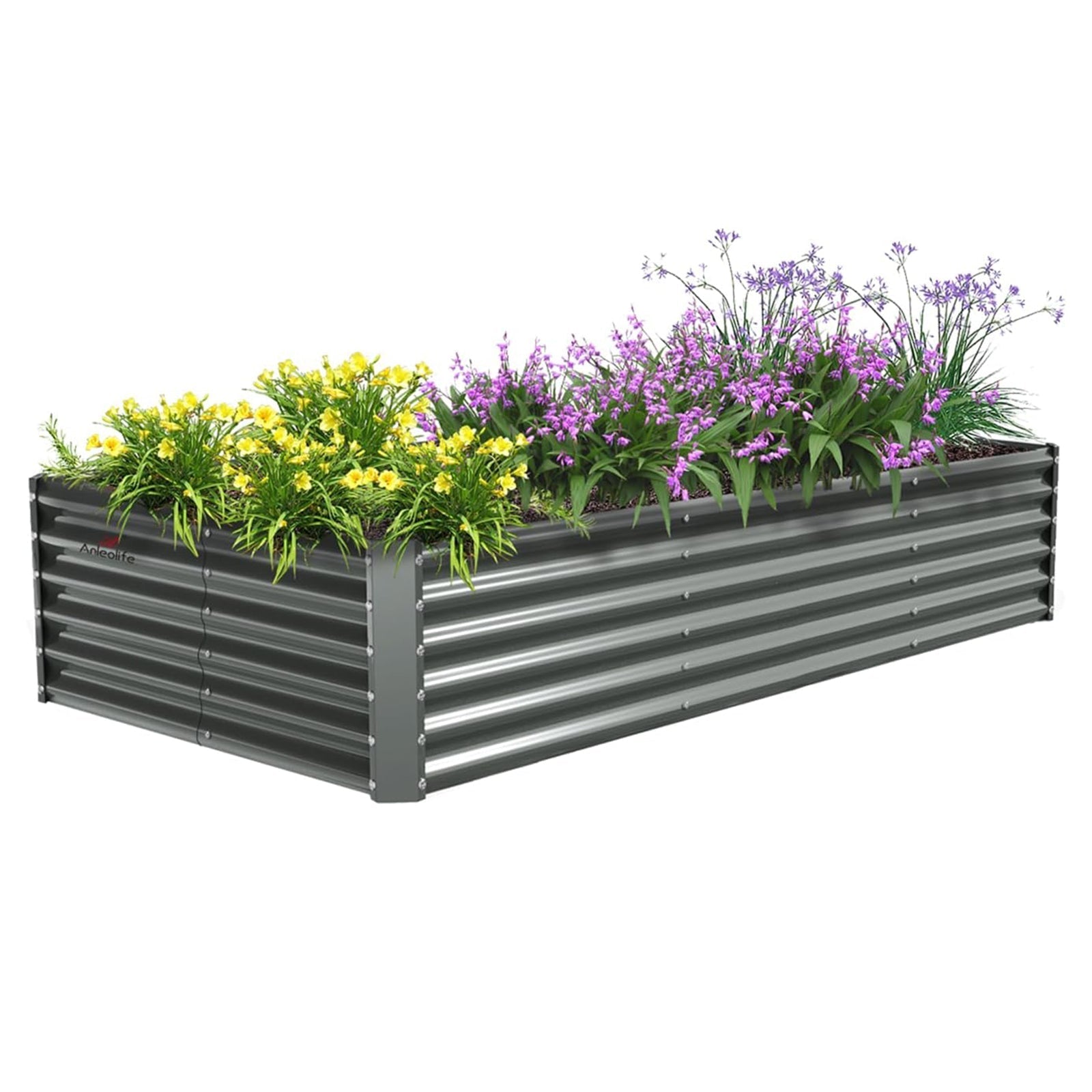
The container your soil lives in matters more than many gardeners realize. Metal raised garden beds, particularly those made from high-quality galvanized steel, create a stable, non-degrading environment that doesn't leach chemicals or rot into your soil the way untreated wood eventually does. At Anleolife, galvanized steel raised garden beds are engineered for a lifespan of up to 20 years, meaning the investment you make in building great soil compounds over decades rather than needing to be rebuilt every few years along with a rotting wooden frame.
The depth of your bed also directly impacts how much soil volume you're working with. Deeper beds — such as the extra-tall 24-inch and 30-inch options in Anleolife's lineup — allow roots to extend further, access more nutrients, and stay cooler during summer heat. This extra depth creates a buffer against rapid soil depletion and makes the annual refresh process more forgiving, since deeper soil retains structure and biology longer.
The Complete Annual Soil Refresh System: Step-by-Step
Three-Step Quick Start for Annual Soil Refreshing
Step 1: Assess and Clear Your Bed
Before adding anything, spend 20–30 minutes evaluating what you're working with. Remove all plant debris, spent roots, and any diseased material — these should go in the trash, not the compost, if they show signs of disease or pest damage. Examine your soil's current texture by squeezing a handful: it should crumble easily, not clump like clay or fall apart like dry sand. Note the current soil level — after a season of decomposition and settling, most beds will have dropped two to four inches from their original fill height.
Step 2: Test Before You Amend
Resist the urge to dump in amendments without knowing what your soil actually needs. A basic home soil test kit (available at most garden centers) will reveal your pH and primary nutrient levels in under 30 minutes. Most vegetables thrive in a pH range of 6.0–7.0. If your soil has acidified below that range, garden lime will correct it; if it's too alkaline, elemental sulfur brings it down. Knowing your starting point prevents over-amending, which is a surprisingly common and costly mistake.
Step 3: Layer in Amendments and Top-Dress
Once you know what your soil needs, work in your amendments systematically. Start by loosening the top several inches of existing soil with a garden fork — avoid deep tilling, which destroys fungal networks. Then layer your organic amendments (detailed below) on top and work them gently into the loosened soil. Finally, top-dress with two to three inches of high-quality compost, which serves as both a nutrient source and a slow-release feeding layer as it continues to break down throughout the season.
Comparing Your Annual Soil Refresh Options: Light Top-Dress vs. Partial Rebuild vs. Full Refresh
Not every raised bed needs the same level of attention each year. The right approach depends on how long the bed has been established, what you grew last season, and what your soil assessment revealed. Here's a practical breakdown:
| Comparison Dimension | Light Top-Dress | Partial Rebuild | Full Soil Refresh |
|---|---|---|---|
| Best For | Beds in years 1–3 with good structure | Beds showing moderate compaction or yield decline | Beds 5+ years old or with significant problems |
| Compost Added | 1–2 inch layer on surface | 3–4 inches worked in | Full replacement or deep mixing |
| Nutrient Amendment | Light balanced organic fertilizer | Targeted amendments based on soil test | Complete rebalancing from baseline |
| Time Required | 30–60 minutes | 1–3 hours | Half to full day |
| Soil Disturbance | Minimal — surface only | Moderate — top half of bed | Significant — full volume |
| Cost Level | Low | Moderate | Higher upfront, long-term savings |
| Microbial Impact | Positive — feeds existing biology | Moderate disruption, quick recovery | Significant disruption, requires re-inoculation |
| Expected Yield Improvement | 10–20% over untreated | 25–40% over untreated | 40–60%+ with proper execution |
The key insight from this comparison is that more intervention isn't always better. If your beds are relatively young and your yields are still strong, a simple annual top-dress with good compost will keep them performing at a high level with minimal effort. Save the full rebuilds for situations that genuinely call for them.
The Best Organic Amendments for Raised Garden Bed Soil
Compost: The Foundation of Every Refresh
Finished compost is the single most important amendment you can add to a raised bed each year, regardless of what else you do. Quality compost adds organic matter, feeds soil biology, improves drainage in heavy soils while increasing water retention in sandy soils, and provides a balanced array of macro and micronutrients. Aim for a finished compost that is dark, crumbly, and smells earthy — not ammonia-sharp or sour.
Homemade compost is ideal because you control the inputs, but high-quality bagged compost from a reputable source works well too. Mushroom compost, worm castings, and aged manure compost are all excellent options for raised beds.
Worm Castings: The Premium Boost
If budget allows, incorporating worm castings into your annual refresh is one of the most effective upgrades you can make. Castings are extraordinarily rich in bioavailable nutrients, plant growth hormones, and beneficial microbes. Even a small quantity worked into the top layer of soil provides a measurable boost to germination rates and early plant vigor. Think of worm castings as a concentrated supplement rather than a bulk amendment — use them strategically in spots where you'll be starting seedlings or transplanting.
Cover Cropping: The Off-Season Soil Builder
One of the most underused strategies for maintaining raised bed soil quality is planting a cover crop at the end of the main growing season. Legumes like crimson clover or hairy vetch fix atmospheric nitrogen directly into the soil, enriching it for free while also suppressing weeds and protecting the soil surface from erosion during winter rains. Grasses and brassicas add organic matter and break up compaction. Two to three weeks before your next planting date, simply cut the cover crop down and work it into the top layer of soil, where it will decompose rapidly and feed your next crop.
Biochar: The Long-Term Soil Conditioner
Biochar — a form of charcoal made from organic material — is gaining significant attention in sustainable gardening circles for good reason. When incorporated into raised bed soil, biochar improves water and nutrient retention, provides stable long-term organic carbon, and creates a habitat for beneficial microbes. Unlike most amendments that break down and need to be reapplied, biochar persists in the soil for decades, meaning each addition compounds over time.
Balancing pH with Natural Amendments
If your soil test reveals pH issues, correct them before planting. Garden lime (calcium carbonate) is the standard correction for acidic soil and has the added benefit of providing calcium, a nutrient many vegetables need in abundance. Dolomitic lime adds both calcium and magnesium. For alkaline soils, elemental sulfur is the most reliable corrective, though it acts slowly — add it in fall for spring benefit.
Choosing the Best Raised Garden Beds to Support Annual Soil Management
The question of who makes the best raised garden beds comes up frequently among gardeners planning their setup, and it's worth addressing directly because your bed choice affects your soil management strategy for decades.
The best raised garden beds for intensive vegetable growing share a few key characteristics: they're deep enough to accommodate a full soil profile, they're made from non-toxic materials that won't leach into your carefully built soil, they drain properly without losing soil through the sides, and they last long enough that you aren't rebuilding your bed structure every few years at the same time you're trying to build soil biology.
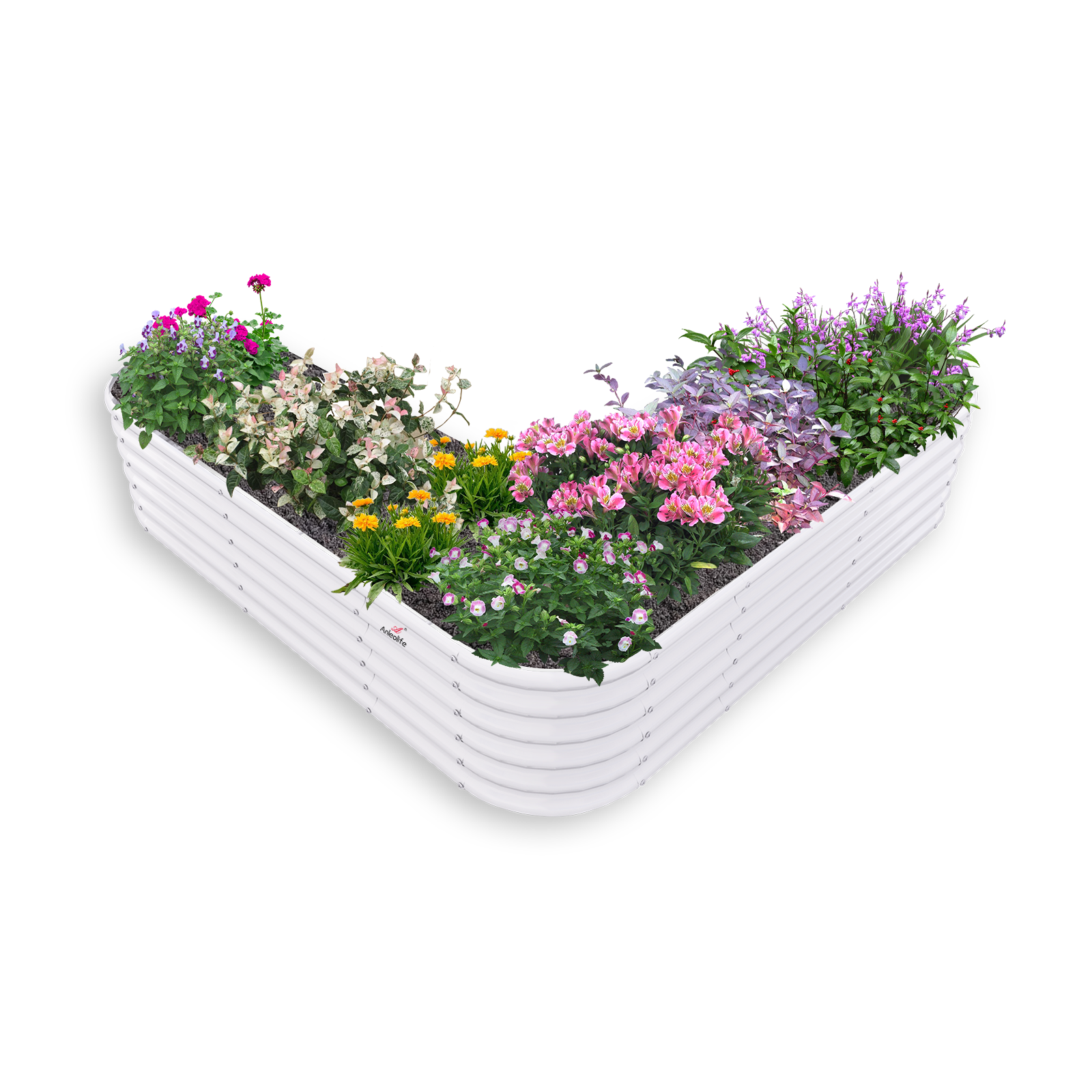
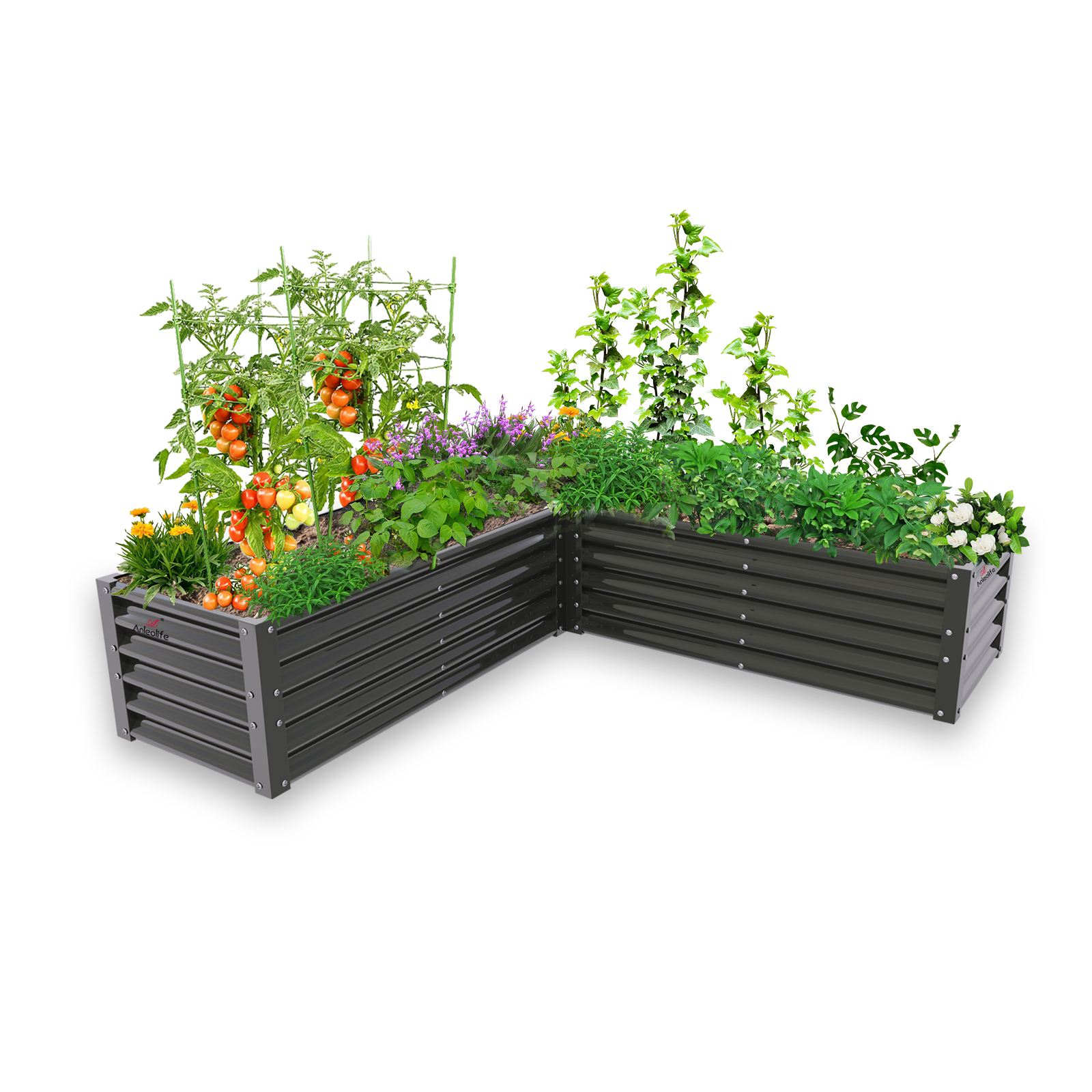
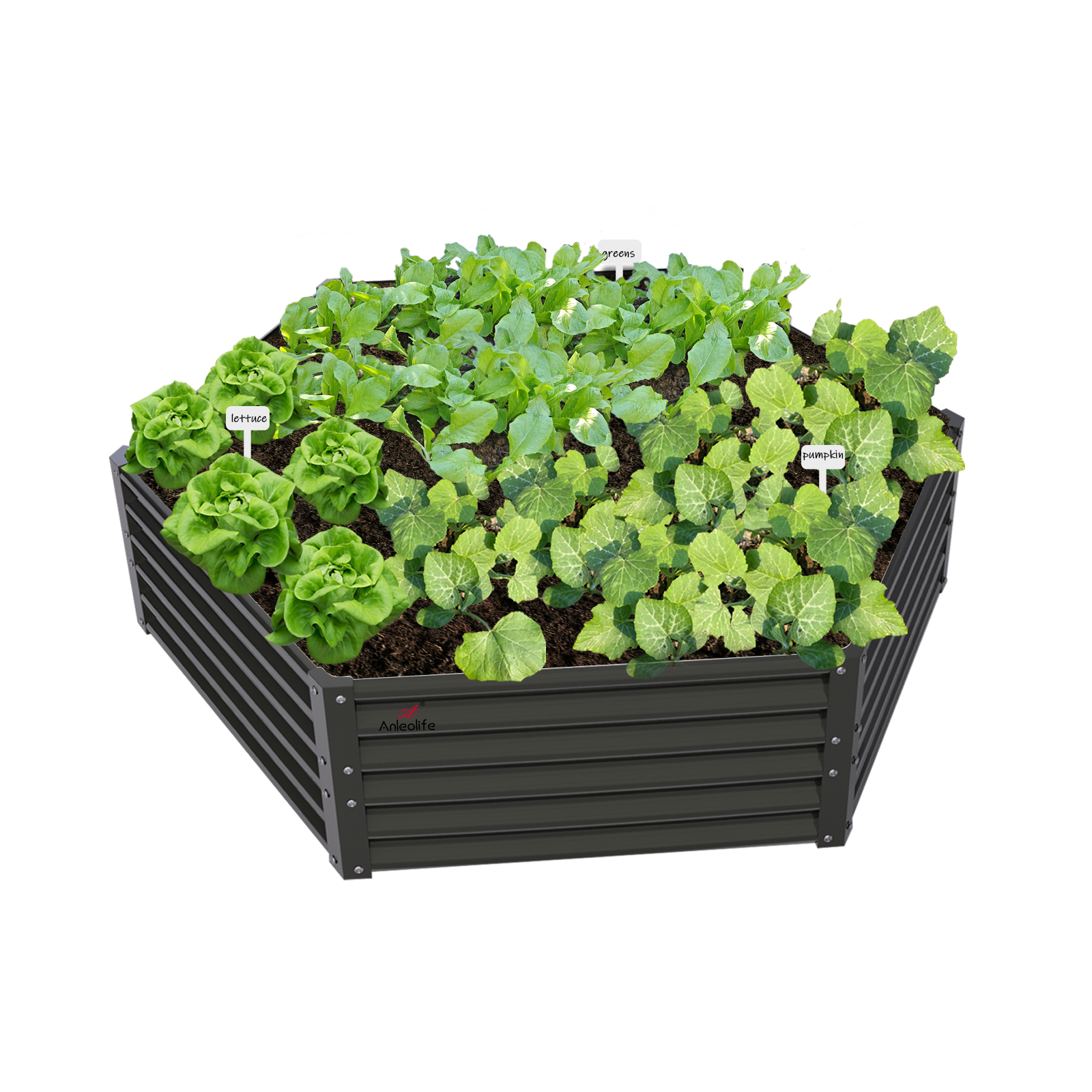
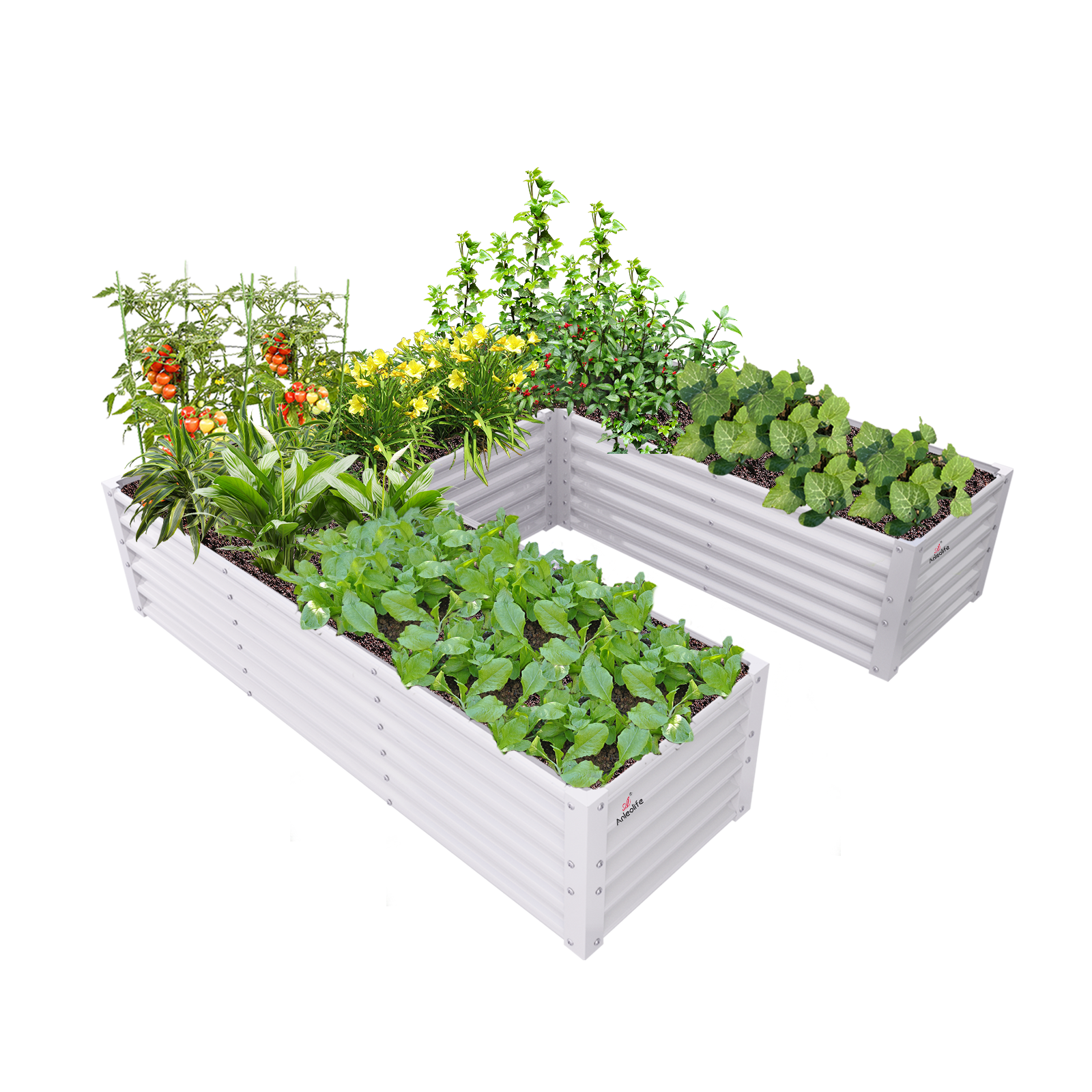
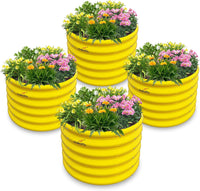
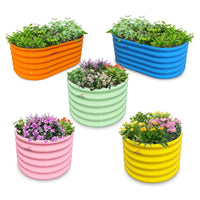
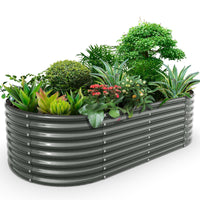
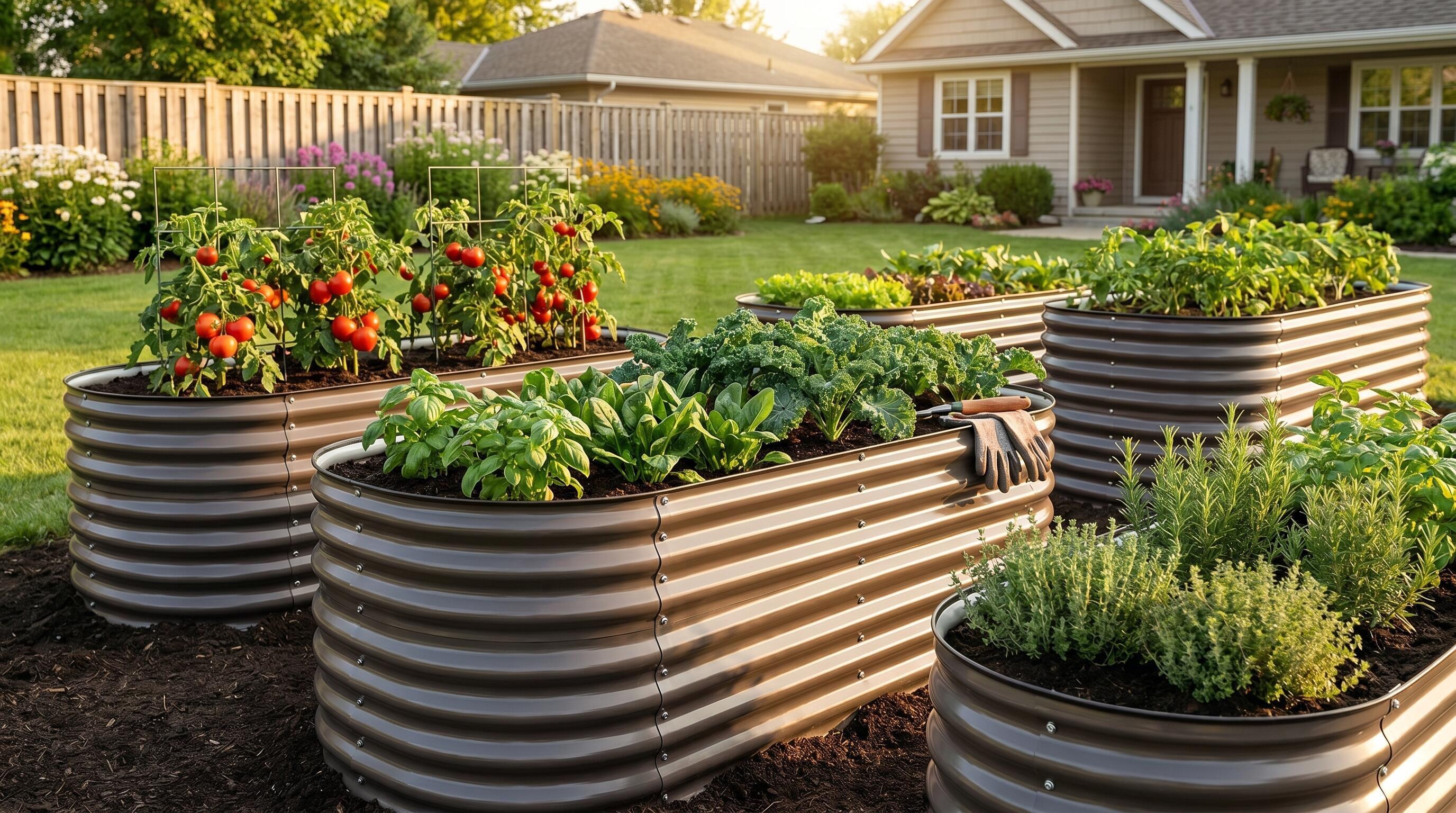
Metal raised garden beds — specifically those made from quality galvanized steel — meet all of these criteria. The galvanization process creates a protective zinc coating that resists rust for decades. Anleolife's galvanized steel raised garden beds are built for a 20-year lifespan, meaning you genuinely are investing in a multi-decade soil-building project rather than a short-term container that will need replacement before your soil reaches its peak potential.
For gardeners focused on maximum yields, deeper beds provide a significant advantage. Anleolife offers a range of height options, from standard 18-inch models up to extra-tall 30-inch versions — and for those who prefer gardening at a comfortable standing height, the 35-inch waist-high design eliminates bending entirely. Deeper soil volumes retain moisture longer, stay warmer in early spring, and give roots the full depth they need to access maximum nutrition.
The question of which is the best raised garden bed ultimately depends on your specific needs — space, crop selection, physical comfort, and long-term plans — but prioritizing height, material durability, and non-toxic construction will always serve your soil health goals best.
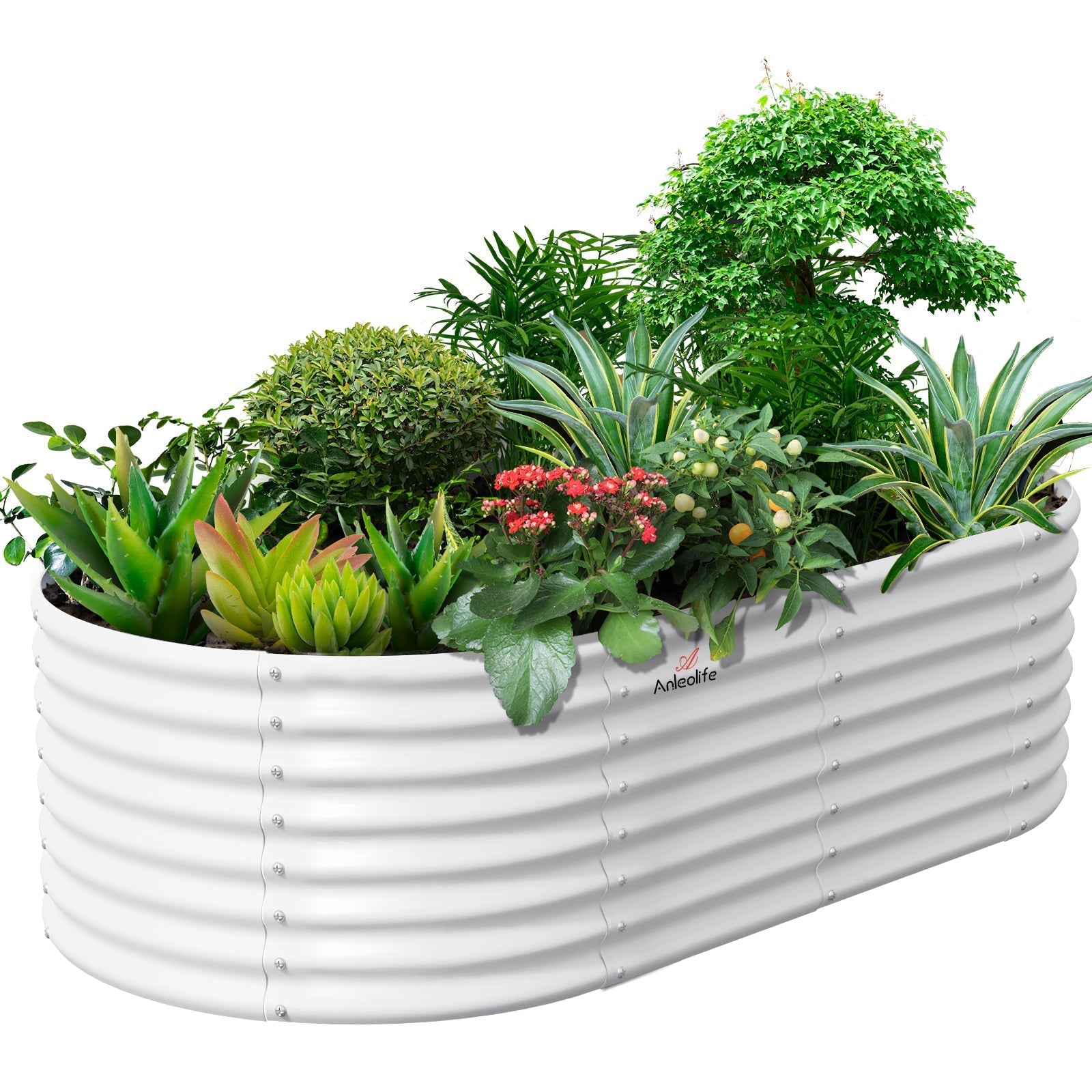
ALT: Anleolife galvanized steel raised garden beds filled with fresh compost-rich soil supporting thriving vegetable plants for maximum yields
Advanced Strategies: Seasonal Timing, Crop Rotation, and Drip Irrigation for Soil Health
Timing Your Annual Refresh for Maximum Impact
Most gardeners default to refreshing soil in spring, just before planting — and while this works, fall is actually the superior time for a comprehensive soil rebuild. Adding amendments in fall gives organic matter time to partially break down and integrate before planting season, ensures pH adjustments take effect before roots encounter the soil, and allows cover crops a full off-season to build biomass. A fall refresh combined with a spring top-dress of finished compost and worm castings gives you two opportunities per year to improve your growing medium.
Crop Rotation Within Raised Beds
Even in small raised beds, thoughtful crop rotation dramatically extends the productivity of your soil. Moving plant families to different sections of your bed (or different beds) each season disrupts pest and disease cycles, prevents nutrient depletion patterns, and makes the most of the natural nutrient deposits left by different crops. Follow heavy feeders (tomatoes, corn, squash) with light feeders (carrots, herbs, lettuce), then with soil builders (beans, peas), and you create a self-reinforcing cycle that reduces how much supplemental amendment you need.
Why Drip Irrigation Supports Soil Biology
The best drip irrigation system for vegetable gardens is one that delivers water slowly and consistently at root level, rather than overhead — and this matters enormously for soil health. Overhead watering compacts soil, splashes pathogens onto leaves, and encourages surface-level root development. Drip irrigation, by contrast, keeps the soil surface drier (discouraging weeds and fungal issues), delivers water directly where roots can access it, and doesn't disrupt the delicate microbial community living in the top layer of soil. For raised beds receiving an annual organic refresh, pairing that effort with a quality drip system protects your investment in soil biology throughout the growing season.
Misconceptions About Raised Bed Soil Management
Misconception 1: "I just need to add more fertilizer."
Synthetic fertilizers address nutrient deficiency but do nothing for soil structure, microbial health, or long-term fertility. Over-reliance on synthetic inputs actually degrades soil biology over time by bypassing the nutrient cycling processes that beneficial microbes perform. Organic amendments build soil; fertilizers merely supplement it.
Misconception 2: "Tilling mixes in amendments better."
Deep tilling is counterproductive in a raised bed. It destroys the fungal hyphal networks that extend plant root reach, buries surface-applied organic matter too deep for rapid decomposition, and exposes weed seeds to light. Gentle surface incorporation is almost always the better approach.
Misconception 3: "More compost is always better."
Compost is beneficial, but excess applications can raise pH and push nutrient levels high enough to cause problems. Soil testing keeps you calibrated and prevents the waste of over-amending.
Frequently Asked Questions FAQ
Q1: How often should I completely replace the soil in my raised garden beds?
A complete soil replacement is rarely necessary if you follow an annual refresh routine. Most gardeners can maintain productive soil for five to eight years with consistent annual top-dressing, compost additions, and cover cropping before a partial or full rebuild becomes necessary. Signs that a full refresh is due include persistent compaction that doesn't respond to surface amendments, unexplained yield declines across multiple seasons, and visible soil structural problems. Quality bed construction — like Anleolife's 20-year galvanized steel beds — means your container never needs to be replaced alongside the soil.
Q2: Are metal raised garden beds safe for growing vegetables?
Yes — high-quality galvanized steel raised garden beds are safe for vegetable growing. The zinc coating used in galvanization is stable and does not leach into soil in harmful quantities under normal gardening conditions. Research by university extension programs has consistently found no food safety concerns with galvanized steel beds used for vegetable production. The key is choosing beds made from quality galvanized steel rather than cheaper coated alternatives. Anleolife's beds are designed specifically for food production, providing both durability and peace of mind.
Q3: How long does it take to see yield improvements after refreshing raised bed soil?
Most gardeners notice meaningful improvements within the same season that amendments are applied — particularly in germination rates, early plant vigor, and fruit set. Improvements in soil structure and microbial activity compound over two to three seasons, meaning a bed that receives consistent annual care in years two, three, and four will dramatically outperform what it did in year one. Full soil biology development — particularly mycorrhizal networks — takes multiple seasons to establish, which is one more reason annual consistency matters more than any single large intervention.
Summary
Refreshing and rebuilding your raised garden bed soil each year isn't just maintenance — it's an investment in compounding returns. Each season of thoughtful soil care builds on the last, creating a growing environment that becomes progressively more productive, more resilient, and less dependent on purchased inputs over time.
Three core principles should guide your annual soil strategy:
- Assess before you amend — soil testing takes the guesswork out of what your beds actually need, saving money and preventing over-application errors.
- Feed the biology, not just the plant — organic amendments like compost, worm castings, and cover crops build the living soil ecosystem that makes nutrients available to roots over the long term.
- Match your bed structure to your soil goals — deep, durable beds made from high-quality materials like galvanized steel create the stable, long-lived environment where multi-year soil building pays off most.
Your next step is simple: before the season begins, pick up a basic soil test kit, assess your current beds, and decide whether they need a light top-dress or a more substantial refresh. Even one morning of soil work now will translate into noticeably better harvests by midsummer.
Call to Action
Build your best garden with Anleolife — from soil to harvest.
Anleolife supports your garden journey with a nationwide U.S. warehouse network strategically located in California, Texas, Florida, New York, Illinois, and Washington, ensuring delivery within 3–8 business days so your growing season starts on time. Whether you're shopping on Amazon, Walmart, Home Depot, Lowe's, Wayfair, or directly at Anleolife.com, you'll find consistent quality and reliable after-sales support across every channel.
Anleolife's product ecosystem covers everything your garden needs: Planting (metal raised garden beds, soil systems), Raising (chicken coops, rabbit hutches), and Beautification (decorative accessories, pathway systems) — meeting your needs from pure functionality to full garden aesthetics.
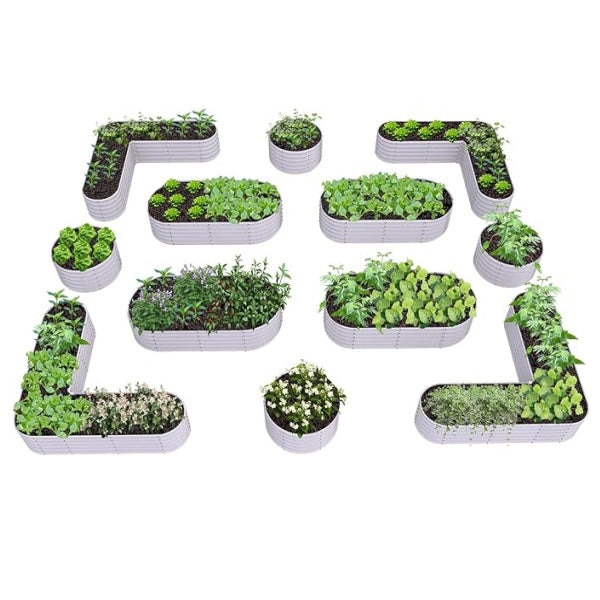
We understand that an ideal garden isn't built in a single season — it grows alongside you. Our modular raised garden bed designs allow flexible expansion as your gardening ambitions evolve, from your first compact bed to a fully integrated growing system. With beds engineered for a 20-year lifespan, the soil you build today will still be paying dividends two decades from now.
Explore Anleolife's full raised bed lineup and find the depth, size, and style that fits your space at anleolife.com.
References
- University of Minnesota Extension. "Soil Management for Home Gardeners."
https://extension.umn.edu/lawn-and-garden/soil-management - USDA Natural Resources Conservation Service. "Soil Health Basics."
https://www.nrcs.usda.gov/conservation-basics/natural-resource-concerns/soils/soil-health - UC Agriculture and Natural Resources. "Healthy Soils for Sustainable Gardens."
https://ucanr.edu/sites/mgsocounty/files/311888.pdf - Penn State Extension. "Raised Bed Gardening."
https://extension.psu.edu/raised-bed-gardening - Oregon State University Extension Service. "Improving Garden Soils with Organic Matter."
https://extension.oregonstate.edu/gardening/techniques/improving-garden-soils-organic-matter
Note: Soil science research and best practice guidelines are regularly updated. Please consult the latest publications from your local university extension service or a certified Master Gardener for region-specific recommendations.
About Anleolife
Anleolife is a leading outdoor garden solutions provider in North America, dedicated to offering a full-scenario product ecosystem for home gardening enthusiasts, covering planting, raising, and garden beautification. Since its founding, we have upheld our brand mission, "Made for Garden Life," continuously innovating products and optimizing services to help hundreds of thousands of users upgrade their gardens, reconnect with nature, and enjoy a better garden lifestyle.