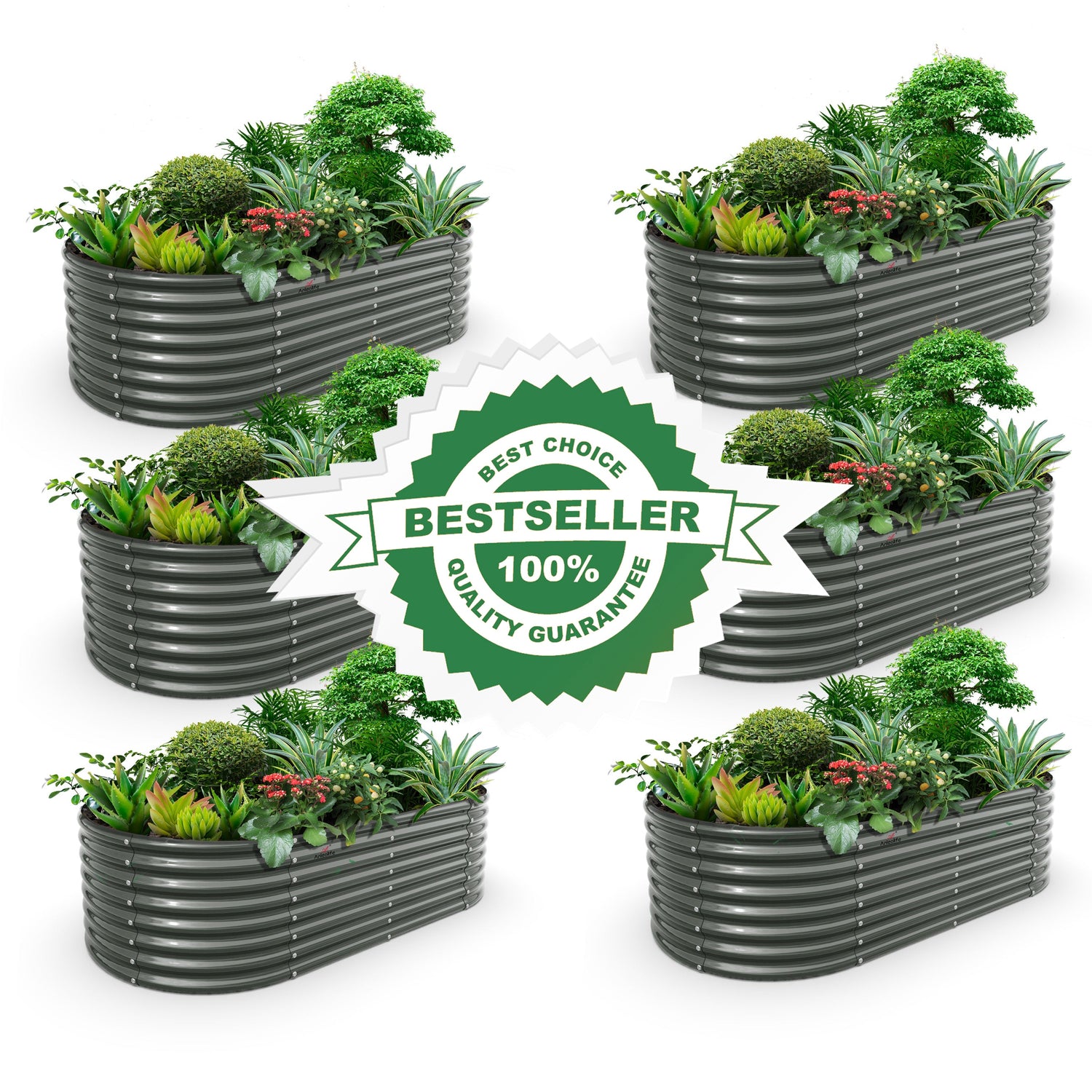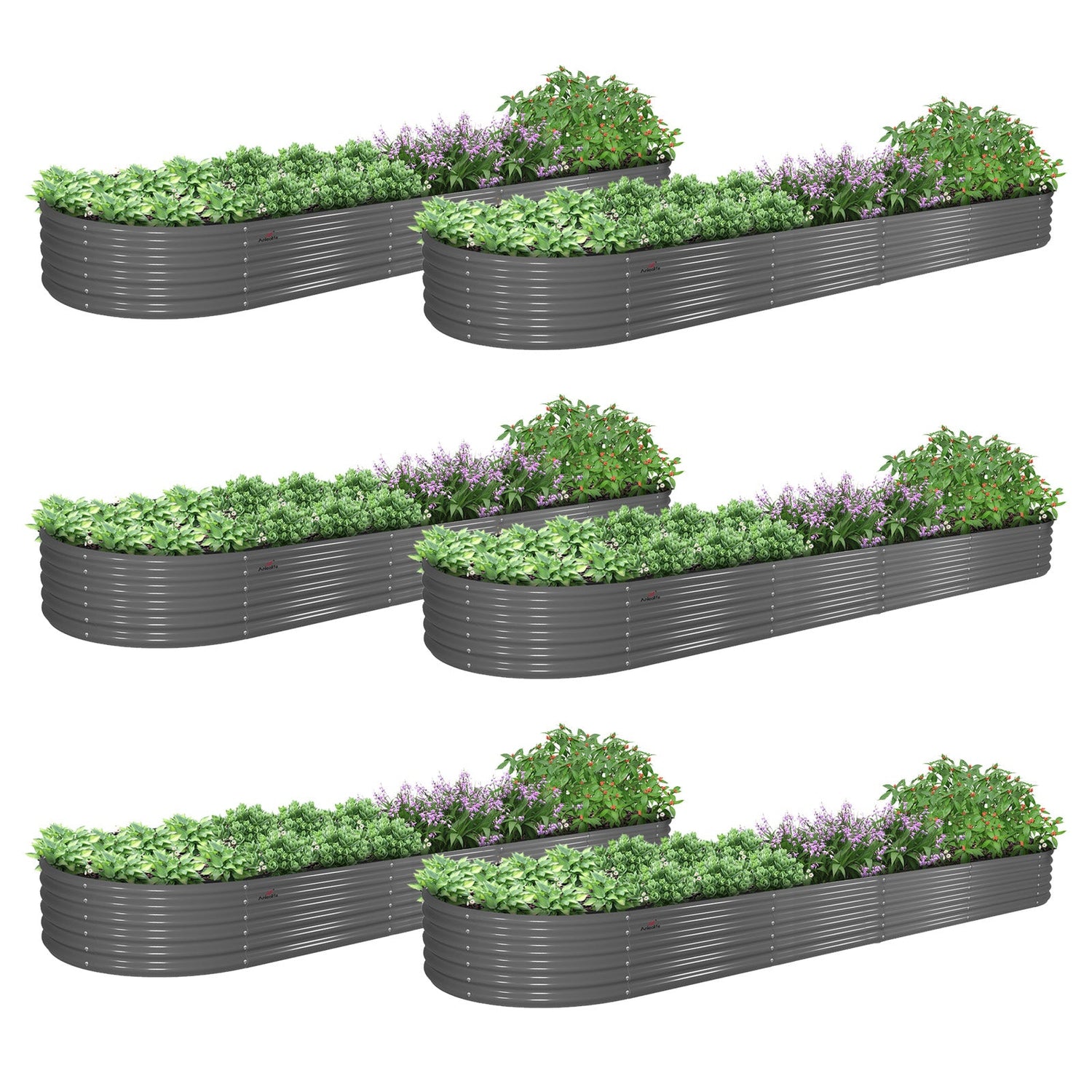



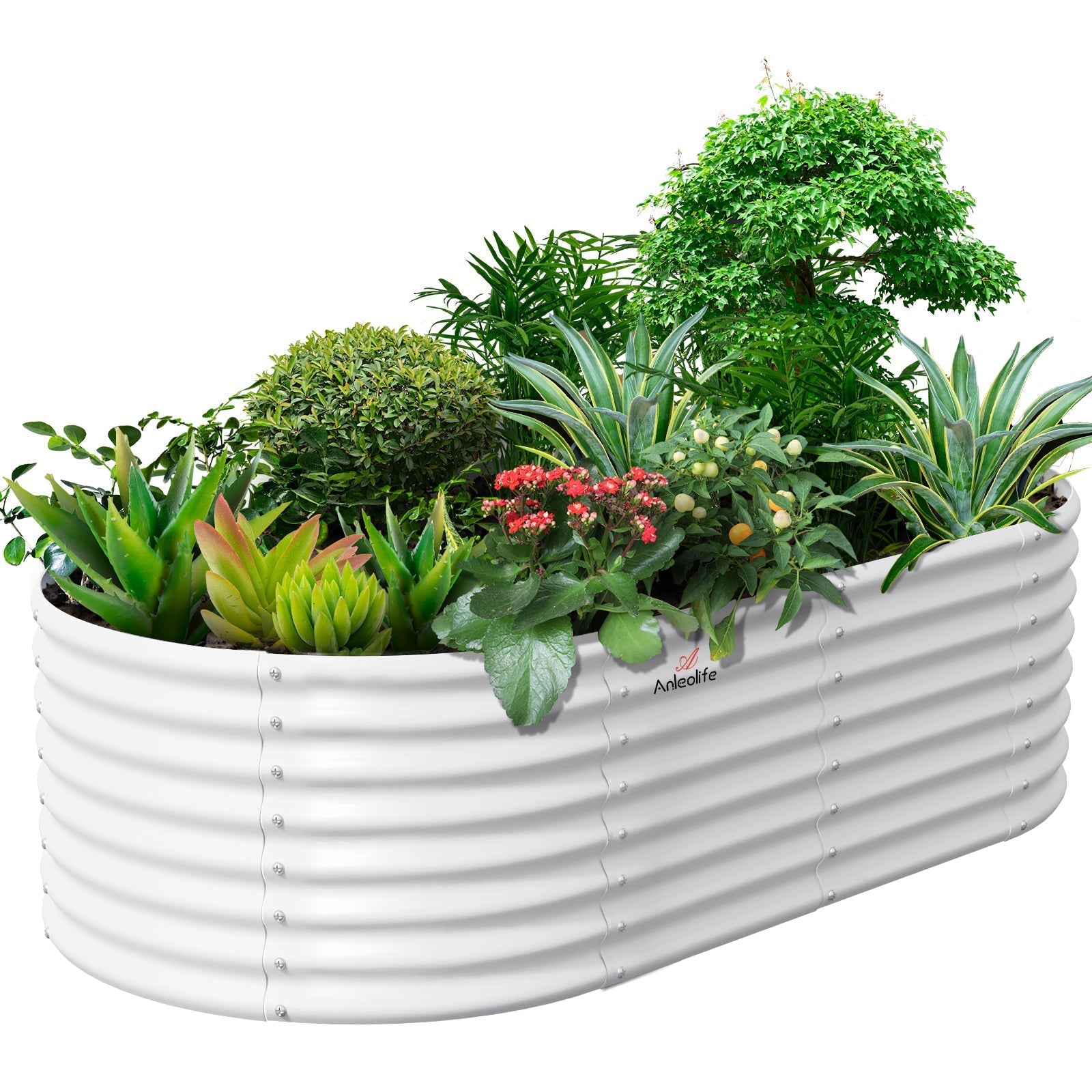
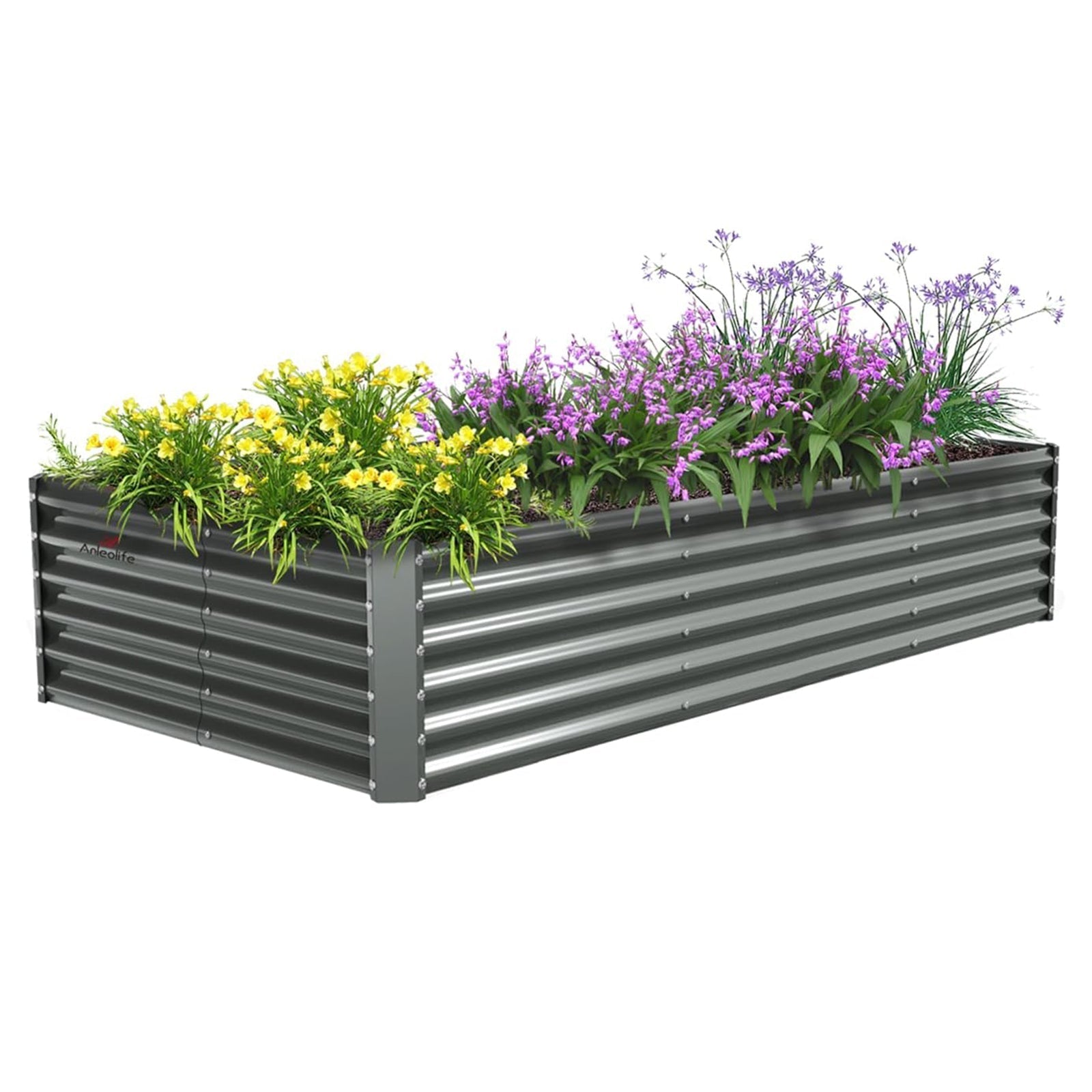
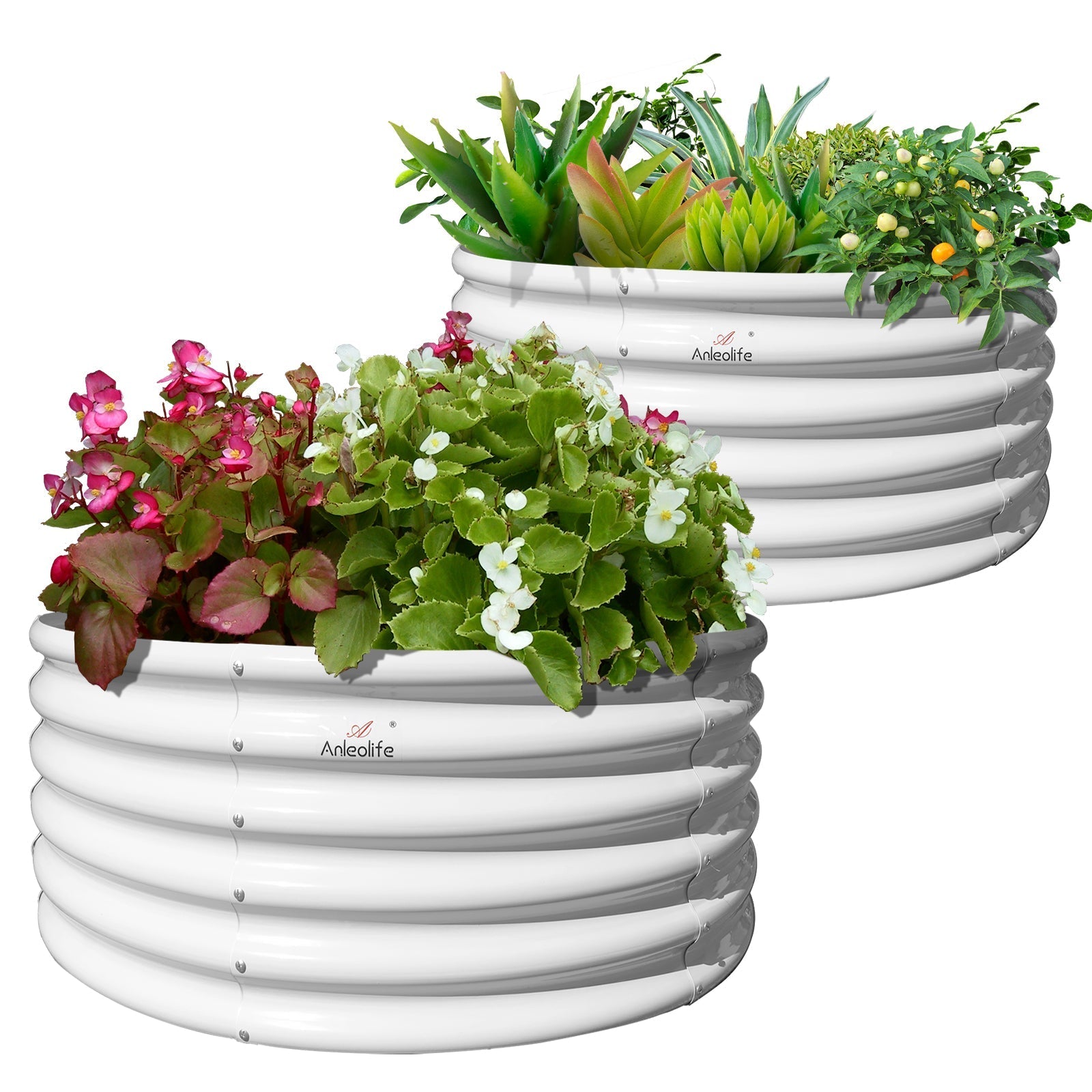
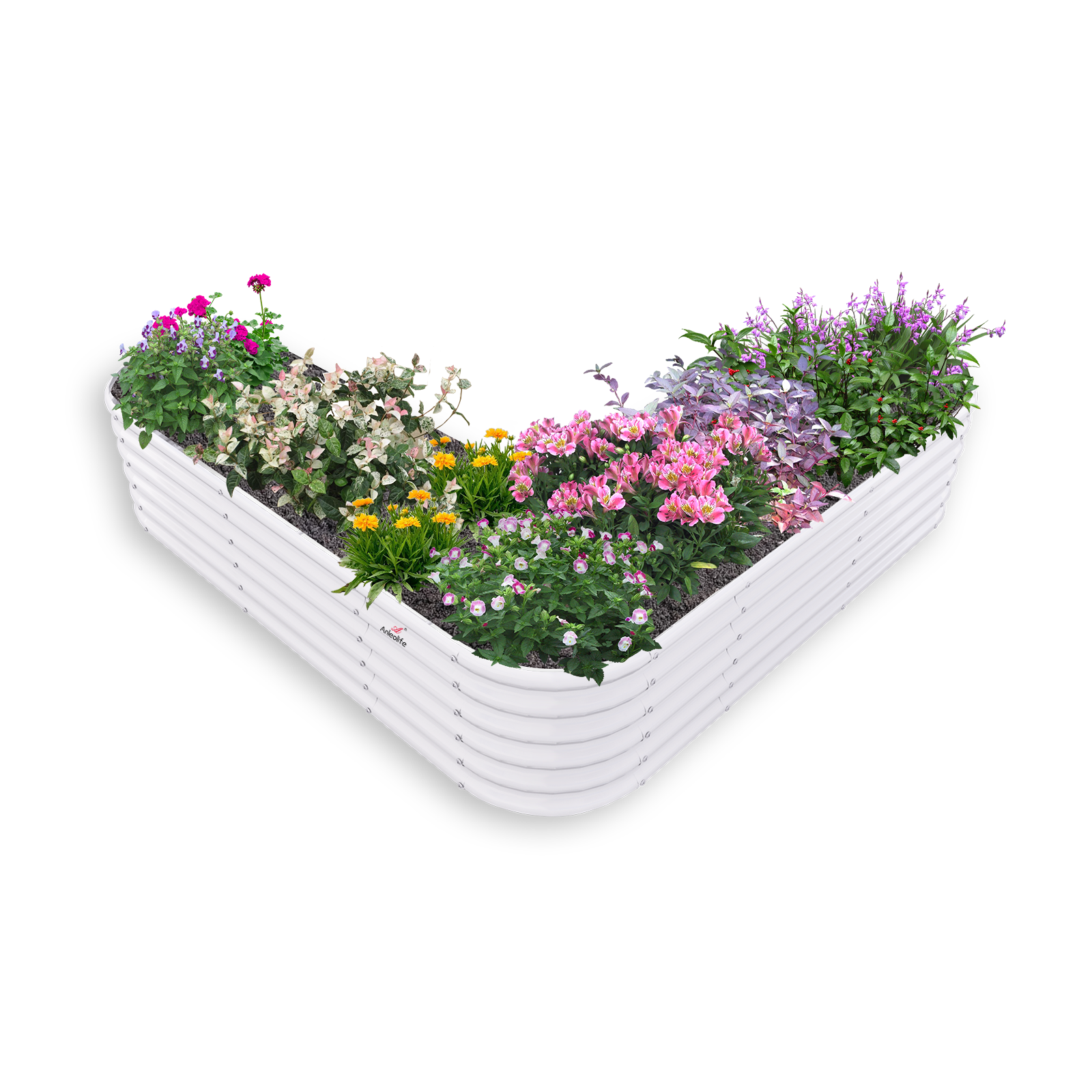
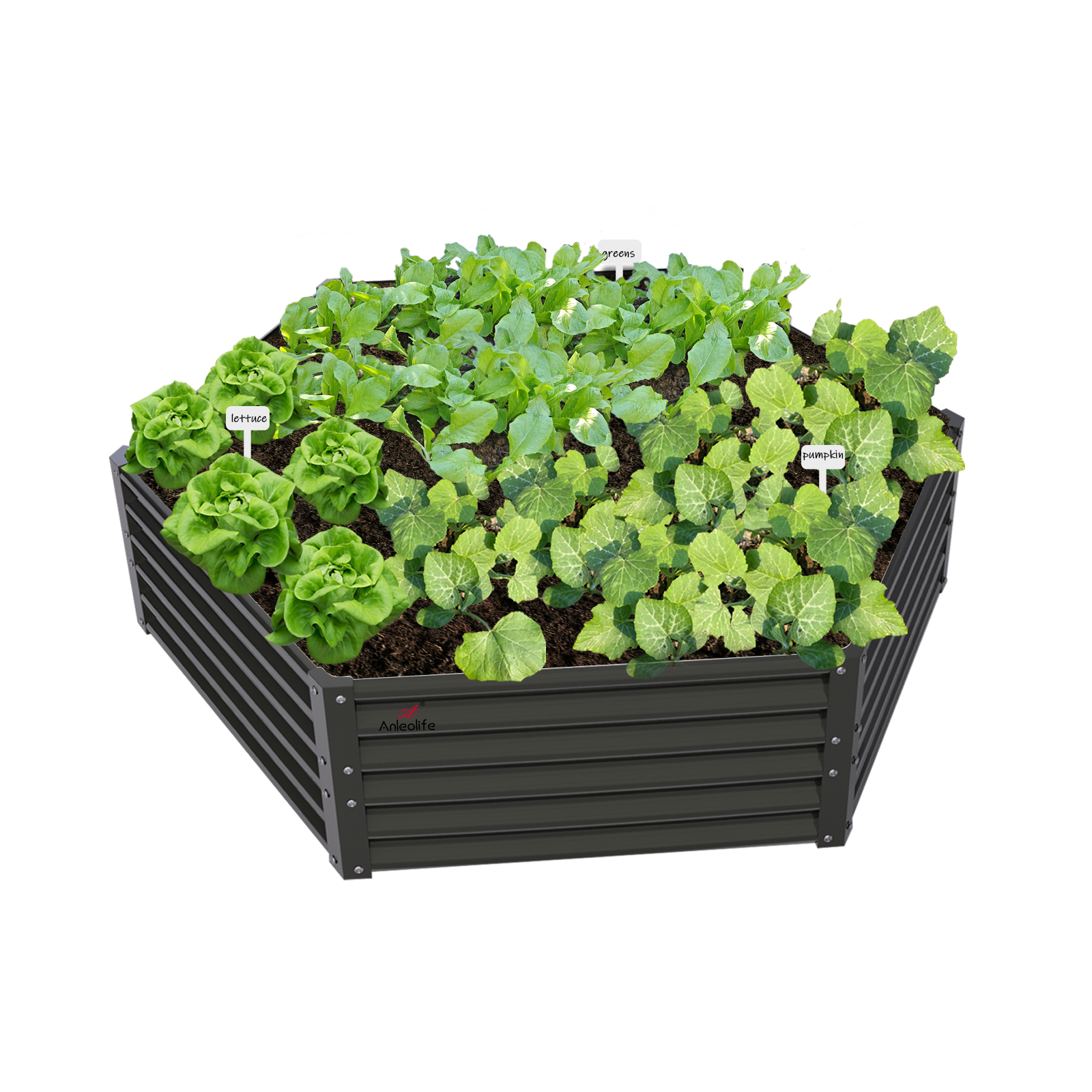
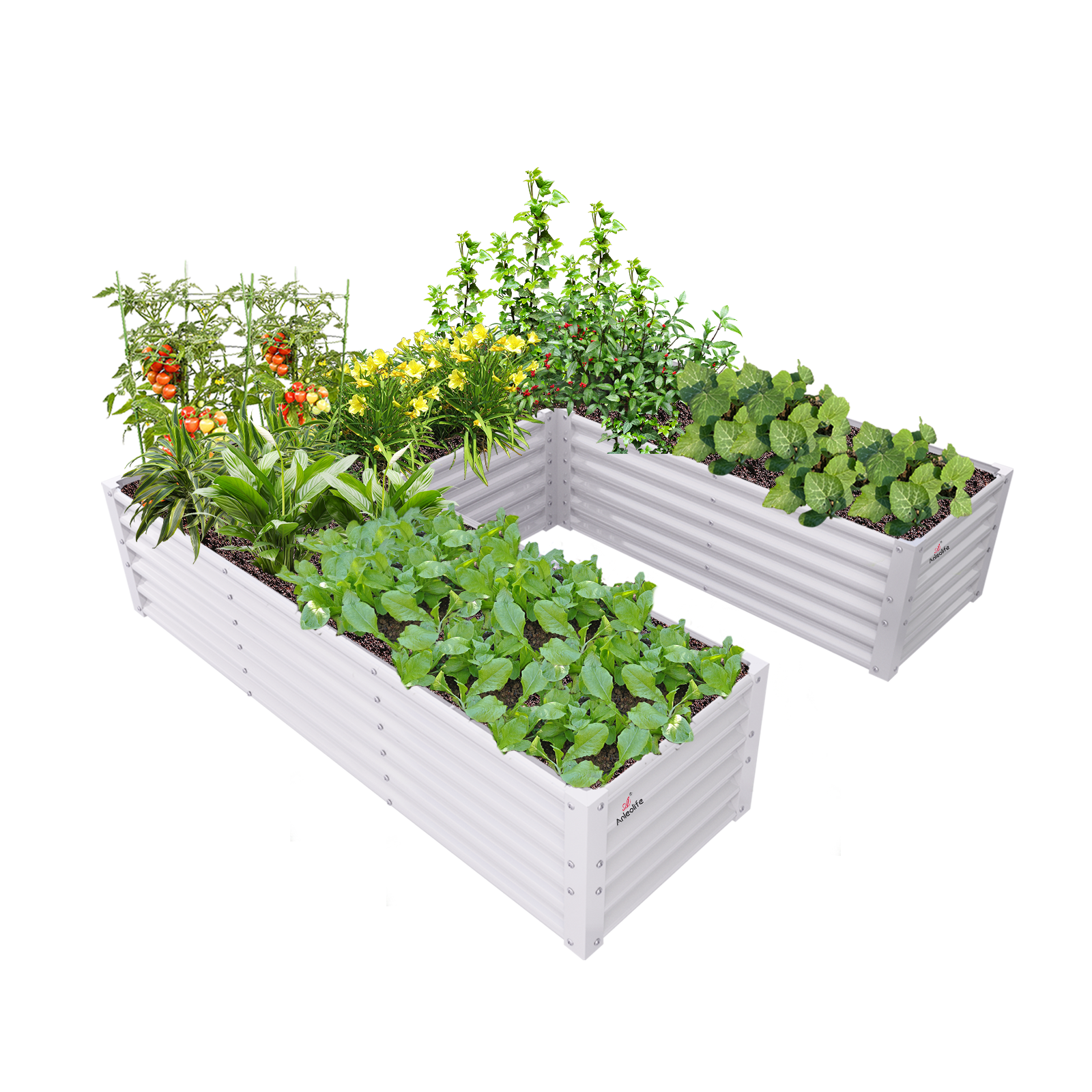

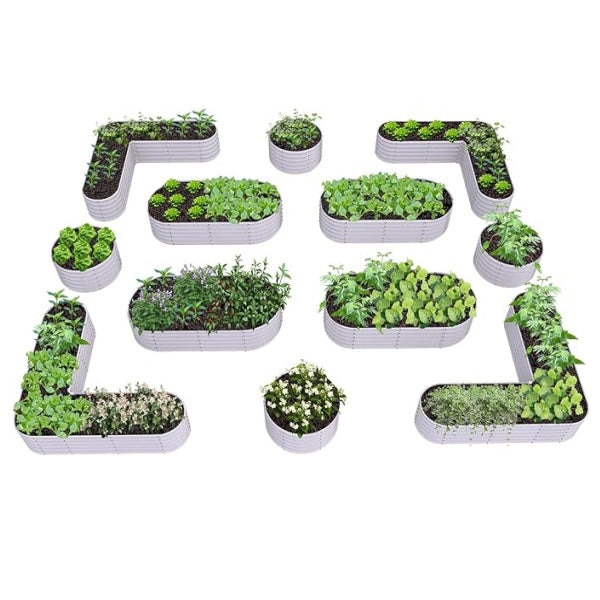

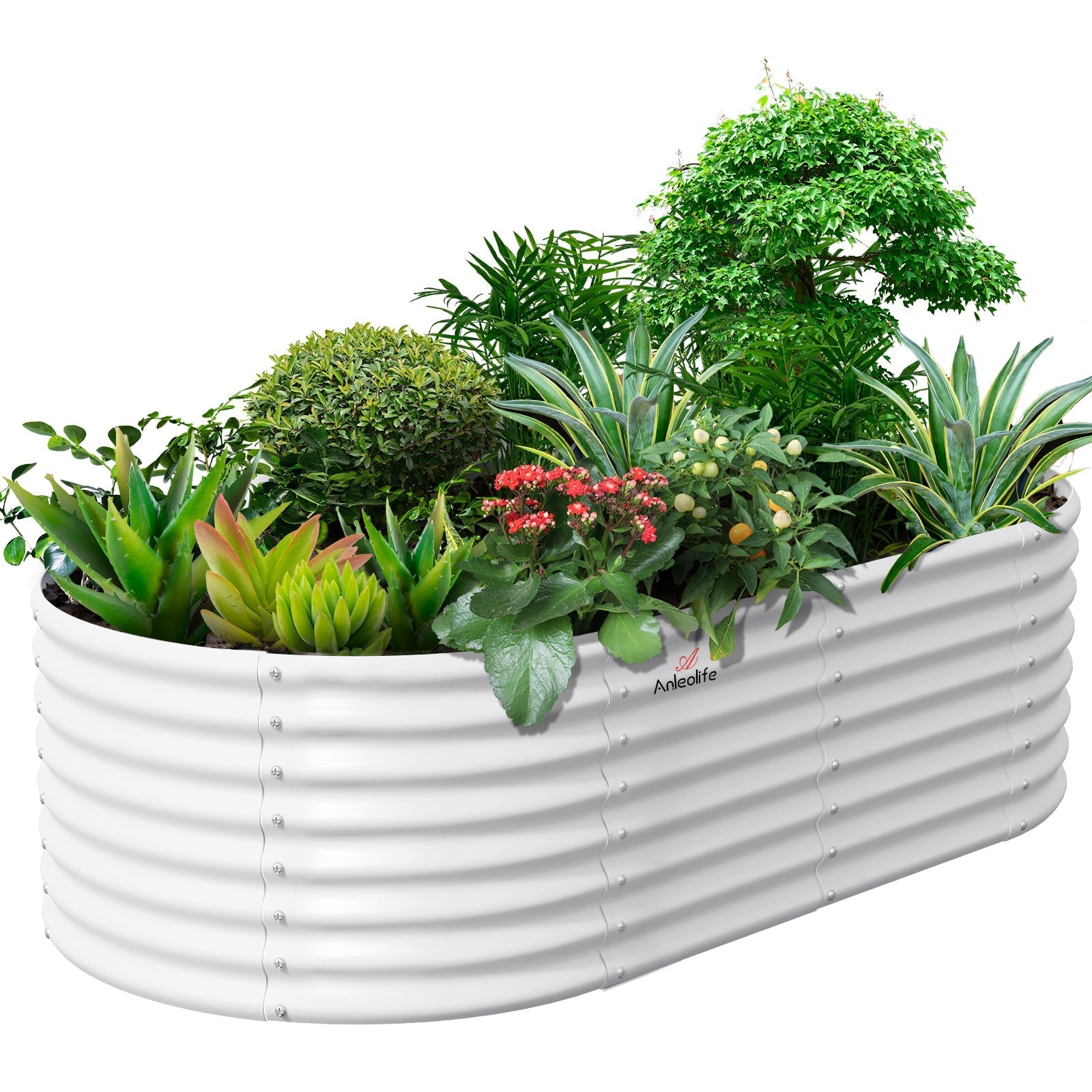

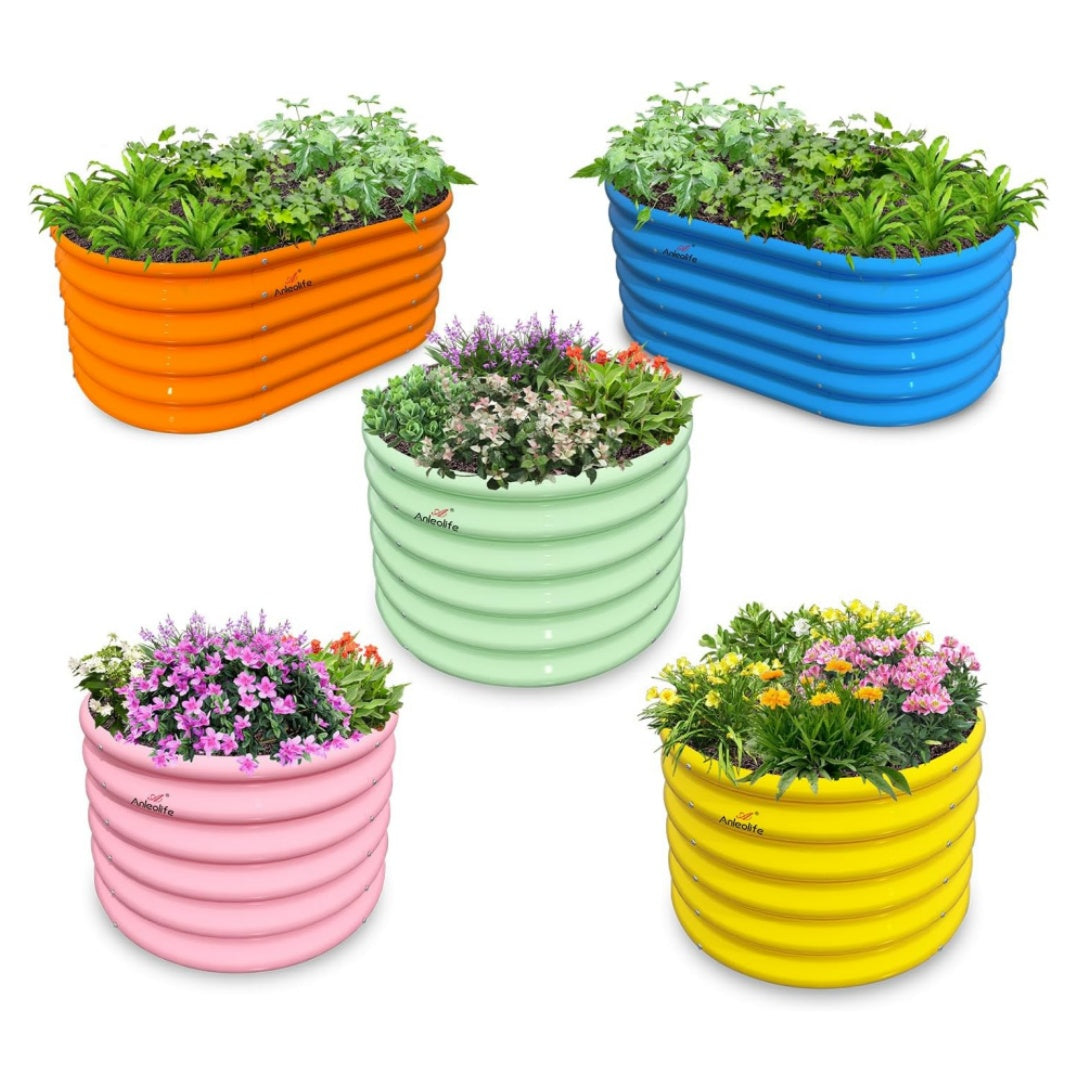
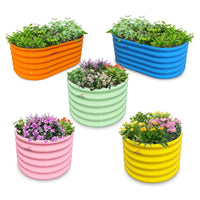
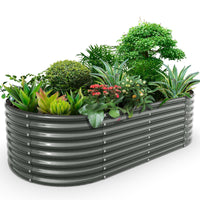



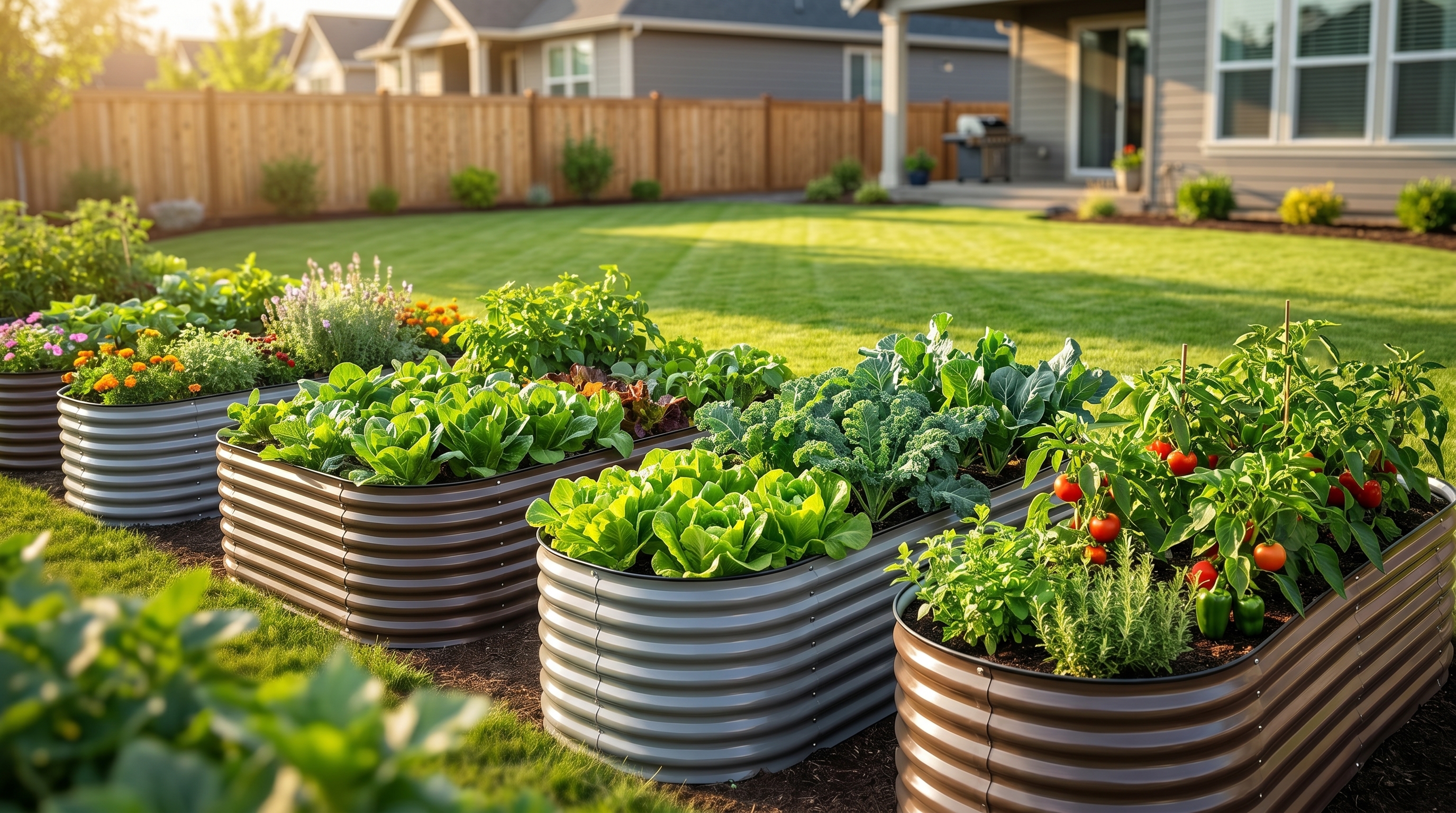
ALT: Top 5 metal raised garden beds compared for durability, price, and long-term value in backyard gardens
Why Metal Raised Garden Beds Are Dominating the Home Gardening Market in 2025
Key Conclusion: Metal raised garden beds have become the gold standard for serious home growers who want a productive, long-lasting planting setup without the hassle of rot, warping, or constant replacement. Whether you're designing a raised bed garden layout for the first time or refining an existing raised bed planting layout, the right metal bed can anchor your entire outdoor space. A well-planned raised bed layout balances durability, aesthetics, and cost — and this guide breaks down exactly how the top 5 brands measure up.
If you've spent any time researching backyard gardening upgrades, you've probably noticed that metal raised garden beds have flooded the market. That's not an accident — there are very real reasons why homeowners across North America are choosing galvanized steel over wood, plastic, or composite alternatives.
The shift comes down to three undeniable advantages. First, metal beds outlast nearly every competing material, with premium options rated for up to 20 years of use. Second, they resist the rot, mold, and pest damage that make wooden beds a maintenance headache. Third, they offer a clean, modern aesthetic that elevates a garden from functional patch to intentional outdoor living space. This article compares five of the most talked-about brands — including Anleolife — so you can make a genuinely informed decision before spending a dollar.
Who This Guide Is For
✅ Applicable Scenarios:
- Homeowners planning a new raised bed garden layout and researching the best materials before purchasing
- Eco-conscious growers who want a low-maintenance, long-lasting planting solution without constant replacements
- Urban micro-gardeners working with limited patio or backyard space who need efficient, compact bed options
- Empty nesters and retirees looking for easy-to-manage garden beds that don't require bending to ground level
- First-time buyers comparing durability and price across multiple brands before committing
❌ Not Applicable/Cautions:
- Gardeners in extremely high-rainfall or coastal saltwater environments should verify corrosion resistance ratings before purchasing any metal bed
- Those looking for temporary or seasonal gardening solutions may find the upfront investment in metal beds higher than needed for short-term use
- Renters or those with restricted outdoor modifications should confirm landlord or HOA policies before installing permanent garden infrastructure
The Rise of Metal Raised Garden Beds: What the Market Is Telling Us
Home gardening saw a significant surge in interest over the past several years, driven by a growing desire for food security, healthier eating habits, and more intentional outdoor living. According to the National Gardening Association, food gardening participation in the United States has grown substantially, with millions of new households planting vegetables and herbs each year.
Within this movement, metal raised garden beds — particularly those made from galvanized steel or Galvalume — have become the dominant structural choice among experienced growers. The reasons are both practical and aesthetic.
Why Wood Is Losing Ground
Traditional wood raised beds, once the universal default, carry several well-documented drawbacks. Even rot-resistant varieties like cedar or redwood eventually degrade, requiring replacement every 5 to 10 years under average conditions. Pressure-treated lumber, while longer-lasting, raises legitimate concerns among health-conscious growers about chemical leaching into soil. Paint and stain treatments add maintenance cycles that most busy homeowners simply don't want.
Plastic and composite options solve the rot problem but introduce their own challenges: UV degradation, limited aesthetic appeal, and structural instability in larger configurations.
Metal beds thread the needle. They're structurally rigid, resistant to biological decay, visually appealing in both modern and traditional garden settings, and — when made with the right alloy — impressively corrosion-resistant over long periods.
What to Look for in a Metal Raised Garden Bed
When evaluating metal raised garden beds, experienced growers focus on several key criteria:
- Material composition: Galvanized steel (zinc-coated), Galvalume (zinc-aluminum-silicon alloy), or food-safe powder-coated options
- Wall thickness and gauge: Thicker gauge generally means better structural integrity and longer lifespan
- Assembly design: Tool-free or minimal-tool assembly is a major convenience factor
- Modularity: Can beds be expanded or reconfigured as your raised bed planting layout evolves?
- Aesthetic options: Color, finish, and profile design matter for garden beautification
- Price-to-lifespan ratio: A higher upfront cost often delivers far better value over time
Understanding these dimensions makes it much easier to compare brands honestly — which is exactly what we do in the next section.
Top 5 Metal Raised Garden Bed Brands: A Detailed Comparison
Three-Step Quick Start for First-Time Buyers
Step 1: Define Your Raised Bed Layout and Space Requirements
Before purchasing any bed, measure your available space carefully and sketch out your intended raised bed garden layout. Consider sun exposure, water access, and how many plants you want to grow. Most standard metal beds come in rectangular configurations, but modular systems allow L-shapes, U-shapes, and custom configurations. Spend 20–30 minutes on this planning step — it will prevent costly sizing mistakes. Also determine the depth you need: shallow beds (around 18 inches) work for root-shallow vegetables and herbs, while deeper beds (24 inches or more) suit tomatoes, carrots, and root vegetables.
Step 2: Set Your Budget Range and Identify Non-Negotiables
Metal raised garden beds span a wide price range depending on size, gauge, brand, and included features. Decide upfront which features matter most — is it lifespan, aesthetics, ease of assembly, or modular expandability? Rank your priorities before reading any comparison to avoid being swayed by features that don't actually matter to your garden goals. A bed rated for 20 years of use may cost more upfront but will almost certainly be cheaper over time than replacing a cheaper option every few years.
Step 3: Compare Brands Using Consistent Criteria
Use the same evaluation framework across all brands you're considering: material type, gauge, lifespan rating, assembly method, available sizes, color options, and customer support reputation. Price comparisons alone are misleading — a bed that costs 30% more but lasts three times as long is actually the better financial decision. Use the comparison table below as your starting framework.
Brand Comparison: Durability, Price, and Value at a Glance
When comparing metal raised garden beds across brands, it's important to evaluate them using consistent criteria rather than just sticker price. The table below summarizes how five leading brands — Anleolife, Vego Garden, Birdies (by CBCR), Frame It All, and Galvanized Steel beds from generic/Amazon brands — compare across the most important dimensions.
Note: Specific proprietary dimensions or internal testing data not publicly disclosed by each brand are listed as "Consult provider." This table is based on publicly available information and brand-published specifications.
| Comparison Dimension | Anleolife | Vego Garden | Birdies (CBCR) | Frame It All | Generic/Amazon Brands |
|---|---|---|---|---|---|
| Primary Material | Galvanized steel | Galvalume alloy | Aluzinc steel | Composite/wood-alternative | Varies (galvanized steel common) |
| Stated Lifespan | 20 years | Consult provider | Consult provider | Consult provider | Consult provider |
| Assembly Method | Tool-free/minimal tool | Panel + connector | Panel + connector | Interlocking rings | Varies |
| Modular Expandability | Yes | Yes | Yes | Yes | Limited |
| Color/Finish Options | Multiple | Multiple | Multiple | Limited | Limited |
| U.S. Warehouse Network | Yes (6 states) | Consult provider | Ships from AU/US | Consult provider | Varies |
| Platform Availability | Amazon, Walmart, Home Depot, Lowe's, Wayfair, Anleolife.com | Amazon, brand site | Amazon, brand site | Amazon, Home Depot | Amazon primarily |
| Typical Delivery (U.S.) | 3–8 business days | Consult provider | Consult provider | Consult provider | Varies |
| Price Range | Mid to premium | Mid to premium | Mid to premium | Mid | Budget to mid |
| After-Sales Support | Yes, brand-backed | Yes | Yes | Yes | Varies widely |
The takeaway from this comparison is clear: brands that invest in material quality, a domestic warehouse network, and broad retail availability tend to offer the most reliable experience — not just for the initial purchase, but for the years of use that follow.
Brand-by-Brand Breakdown: What Makes Each Option Stand Out
Anleolife: The Full-Ecosystem Leader
Anleolife has built its reputation not just as a bed manufacturer but as a complete outdoor garden solutions provider. Their metal raised garden beds are constructed from high-quality galvanized steel and are rated for an impressive 20-year lifespan — one of the strongest durability claims in the category. For a homeowner planning a raised bed planting layout they intend to maintain for the long term, this kind of lifespan assurance changes the value equation entirely.
What sets Anleolife apart from most competitors is their integrated product ecosystem. Rather than selling isolated products, Anleolife offers a coherent garden experience across three categories: Planting (metal raised garden beds, soil systems), Raising (chicken coops, rabbit hutches), and Beautification (decorative accessories, pathway systems). This means your raised bed garden layout can grow and evolve as your gardening ambitions do.
Their U.S. warehouse network — spanning California, Texas, Florida, New York, Illinois, and Washington — ensures that customers across the country receive their orders within 3–8 business days. Products are available through major platforms including Amazon, Walmart, Home Depot, Lowe's, Wayfair, and directly through Anleolife.com.
Assembly is straightforward, and the beds are designed with clean lines that suit both traditional backyard gardens and modern patio setups. For families, retirees, and serious home growers who want a product that will perform season after season without degradation, Anleolife represents an exceptionally strong value proposition.
Vego Garden: The Modular Innovator
Vego Garden has carved a niche with its distinctive curved top rail design and Galvalume construction (a zinc-aluminum-silicon alloy known for strong corrosion resistance). Their modular panel-and-post system is well-regarded for flexibility, allowing gardeners to create beds of varying lengths without being locked into fixed configurations. Their visual aesthetic skews contemporary, and they've cultivated a loyal following among design-conscious gardeners.
Pricing sits in the mid-to-premium tier, and the brand has invested significantly in education and community content, which resonates with newer gardeners. However, the Galvalume material, while durable, has a different long-term corrosion profile than traditional galvanized steel, and prospective buyers should research which suits their local climate best.
Birdies (CBCR): The Australian Import with Global Reputation
Birdies, sold under the CBCR brand in some markets, originated in Australia and has earned strong global reviews for Aluzinc steel construction and attractive fluted profile design. The beds have a distinctive look that many gardeners find more visually appealing than flat-panel alternatives.
The main consideration for U.S. buyers is logistics. While Birdies maintains U.S. inventory, lead times and customer service response times can vary more than with brands operating a dedicated domestic warehouse network. Pricing is competitive in the mid-to-premium range, and the beds are available through Amazon and the brand's own website.
Frame It All: The Modular Ring System
Frame It All takes a different structural approach, using interlocking composite rings that can be stacked to adjust bed depth and reconfigured into different shapes. While their system is genuinely innovative, it's worth noting that many of their materials are composite rather than pure metal. For gardeners who specifically want a metal raised garden bed for maximum rigidity and corrosion resistance, Frame It All's lineup may not be the best fit, though they do offer some galvanized steel options.
Their beds are available at major home improvement retailers, which makes them accessible for in-person shoppers. Price points are generally mid-range, and assembly is tool-free and family-friendly.
Generic and Amazon Marketplace Brands: Budget Option with Trade-offs
The marketplace is full of lower-cost galvanized steel beds from generic or lesser-known brands, primarily sold through Amazon. These can offer reasonable short-term value, particularly for gardeners testing raised bed growing for the first time before committing to a premium option.
However, quality control, material thickness, and long-term durability vary dramatically between sellers. Customer support after purchase is often limited, and warranty terms (when they exist) may be difficult to enforce. If budget is the primary constraint, these options are worth considering — but approach with realistic expectations about lifespan and consistent quality.
Practical Considerations: Vegetables, Tools, and Garden Organization
What Vegetables Grow Best in Small Raised Beds?
For gardeners working with compact configurations, vegetables that grow best in small raised beds include leafy greens (lettuce, spinach, kale), herbs (basil, cilantro, chives), radishes, bush beans, and compact varieties of tomatoes and peppers. Root vegetables like carrots and beets also thrive in metal beds because the depth and drainage control is easier to manage than in-ground planting.
The key advantage of metal raised beds for vegetables is consistent soil temperature regulation and excellent drainage — both of which extend the effective growing season and reduce the risk of waterlogged roots.
Best Materials for Raised Garden Beds That Won't Rot
When gardeners search for recommended materials for raised garden beds that won't rot, the answer consistently points to galvanized steel, Galvalume, and Aluzinc alloys. These materials are biologically inert — they don't decompose, absorb moisture in damaging ways, or harbor the fungal growth that destroys wood beds over time. For eco-conscious growers, modern galvanized coatings are formulated without harmful heavy metals, making them safe for food production when properly manufactured.
Hose and Tool Storage Considerations
While not always top of mind during the bed-selection process, a complete raised bed setup involves more than just the bed itself. A quality garden hose — typically 25 to 50 feet works well for most small backyards — ensures efficient watering coverage without excessive coiling. For outdoor tool storage, wall-mounted racks, shed organizers, and weatherproof storage boxes are popular solutions that keep tools accessible while protecting them from the elements. Anleolife's broader product ecosystem, which includes garden beautification and pathway systems, complements these functional needs elegantly.
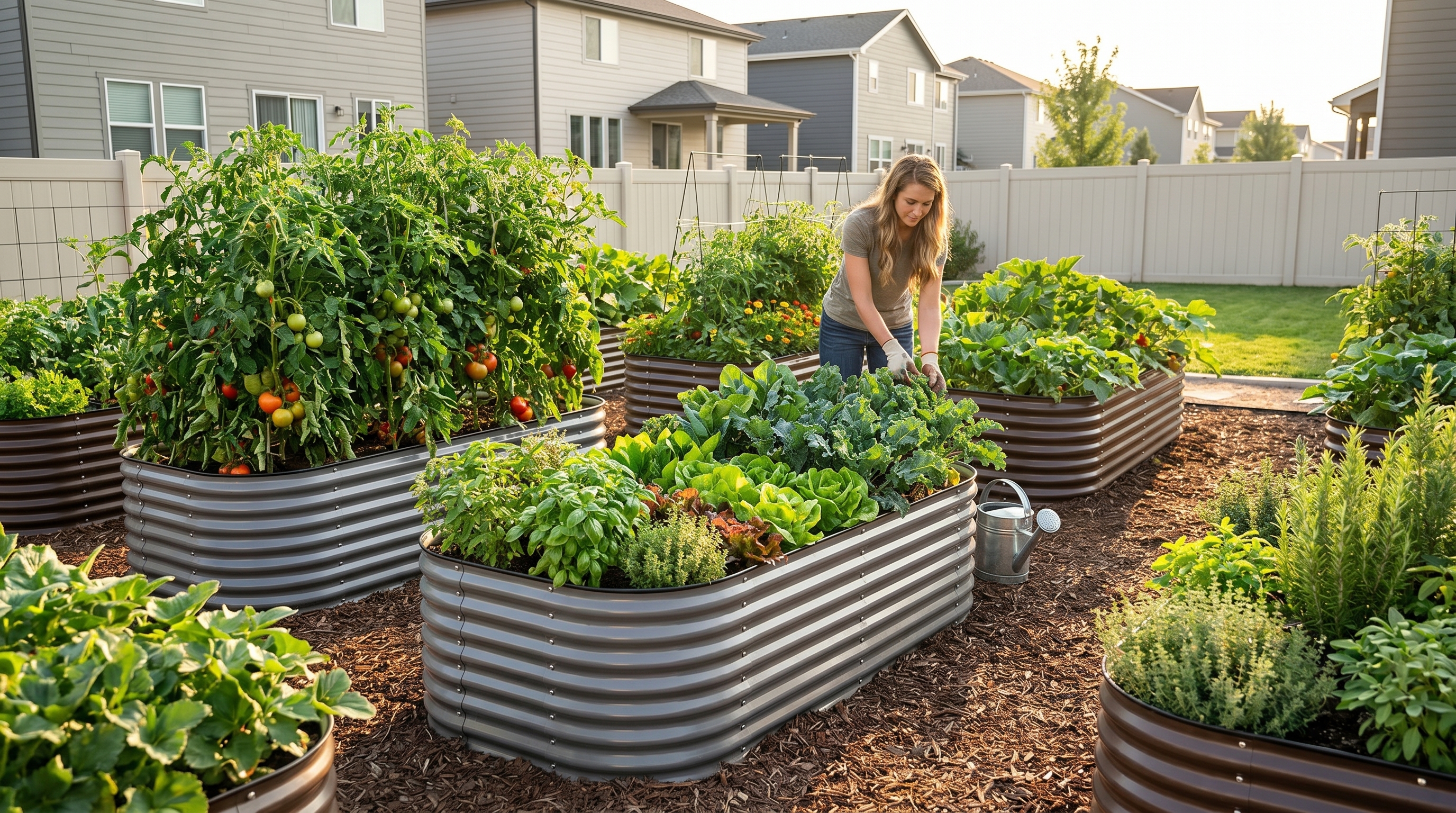
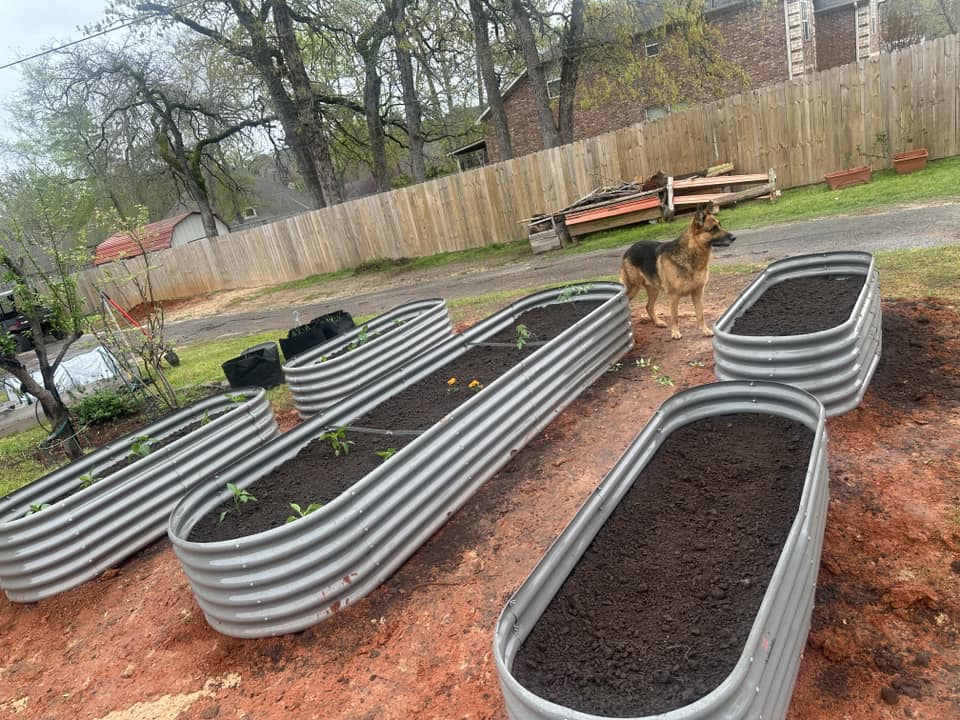
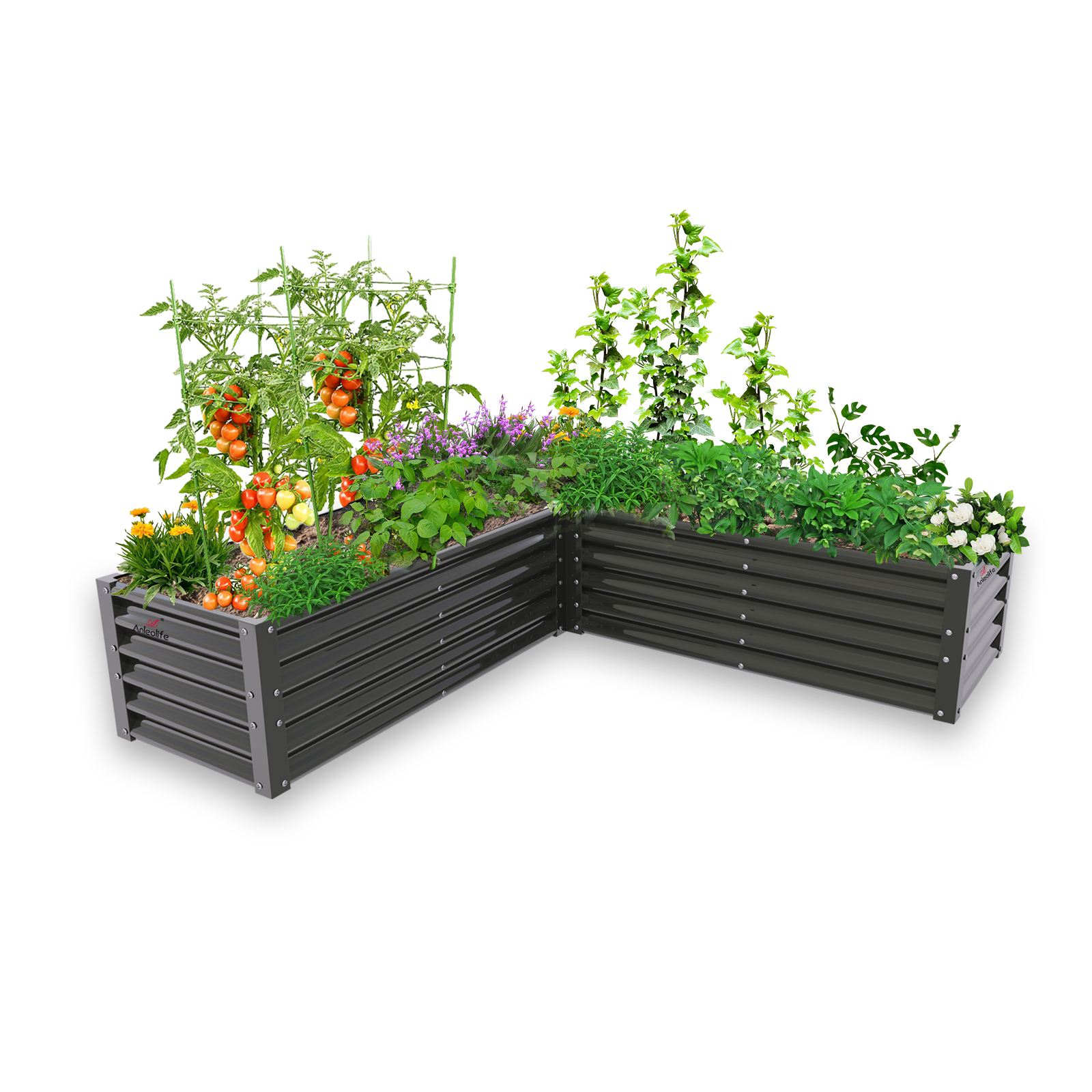
ALT: Anleolife metal raised garden bed filled with vegetables, illustrating a well-organized raised bed garden layout for home growers
Advanced Considerations: Getting the Most from Your Metal Garden Bed
Soil Depth and Root Health
One of the most common mistakes first-time raised bed gardeners make is underestimating how much soil depth different crops need. A bed that's too shallow for root vegetables will produce disappointingly stunted harvests. When planning your raised bed planting layout, categorize your intended crops by root depth: surface feeders (lettuce, herbs), medium feeders (tomatoes, peppers), and deep feeders (carrots, parsnips, potatoes). Choose your bed depth accordingly — or opt for a deeper model that accommodates all categories.
Thermal Properties of Metal Beds
A common misconception is that metal beds get dangerously hot in summer sun and cook plant roots. In practice, the soil mass inside a metal bed acts as a significant thermal buffer — the soil temperature at root level rarely approaches the surface temperature of the metal wall itself. Additionally, many experienced gardeners use the warmer soil temperature in metal beds as a strategic advantage, planting earlier in spring and extending the season later into fall than would be possible in in-ground plots.
Combining Bed Types in a Single Layout
Some gardeners experiment with combining metal beds and wooden beds in the same garden space — using metal for long-term permanent beds and wood for temporary or seasonal configurations. While this can work aesthetically with careful planning, it creates maintenance inconsistencies over time as wooden sections require replacement while metal beds remain intact. For cohesion and simplicity, committing to a single material type — ideally metal for its longevity — produces the most manageable long-term setup.
Pairing Beds with Pest Control Systems
One underappreciated advantage of metal raised beds is their compatibility with physical pest exclusion systems — hardware cloth liners underneath the bed to deter burrowing pests, and mesh or net covers above to protect from insects and birds. These additions significantly improve growing success rates, particularly in areas with heavy vole, gopher, or deer pressure.
Frequently Asked Questions FAQ
Q1: How do I choose the right depth for my metal raised garden bed?
The right depth depends entirely on what you plan to grow. For herbs and leafy greens, a depth of 18 inches is generally sufficient. For most vegetables — including tomatoes, peppers, and squash — aim for at least 24 inches. Root vegetables like carrots and parsnips perform best in beds 24 inches deep or more. Anleolife offers beds in multiple depth configurations to accommodate different planting goals, and their team can guide you toward the right option for your specific raised bed planting layout.
Q2: Are metal raised garden beds safe for growing vegetables and food crops?
Yes — high-quality galvanized steel and Aluzinc raised garden beds are considered safe for food production by most horticultural authorities. Modern galvanizing processes use zinc coatings that are stable and biologically inert under normal gardening conditions. The primary concern historically was older galvanized products that used cadmium or lead-based coatings, which are no longer standard. For additional peace of mind, lining the inside of the bed with food-safe liner material is a simple option that many growers choose.
Q3: How long does it take to receive a metal raised garden bed, and what does it cost to maintain over time?
With Anleolife's U.S. warehouse network spanning six states, most customers receive their orders within 3–8 business days. Maintenance costs for a metal raised garden bed are remarkably low compared to wood alternatives — there's no painting, staining, or replacement of rotted sections. With a stated lifespan of 20 years, the total cost of ownership spread across the life of the product is significantly lower than replacing wood beds every 5 to 8 years. Soil amendment and occasional cleaning are the primary ongoing costs.
Summary
Choosing the right metal raised garden bed comes down to three core priorities: material quality and proven durability, a delivery and support infrastructure that actually serves you, and a product that fits seamlessly into your evolving raised bed garden layout.
The brands compared in this guide each have genuine strengths, but the clearest differentiators for long-term value are stated lifespan, domestic fulfillment reliability, and the breadth of ecosystem support offered alongside the core product. Anleolife's combination of a 20-year rated lifespan, a six-state warehouse network delivering in 3–8 business days, and a full planting-raising-beautification ecosystem places it at the top of the category for serious home gardeners.
Here's what to do next:
- Sketch your intended raised bed layout and measure your available space
- Identify the vegetables you plan to grow and the soil depth they require
- Compare brands using the durability-to-price framework laid out in this guide
- Visit Anleolife.com to explore the full product range and find the configuration that fits your garden vision
A well-chosen metal raised garden bed isn't just a purchase — it's a 20-year investment in better food, more beautiful outdoor space, and a gardening practice you'll actually enjoy maintaining.
Upgrade Your Garden with Anleolife
Nationwide U.S. Warehouse Network: Strategically located in California, Texas, Florida, New York, Illinois, and Washington to ensure delivery within 3–8 business days — so your garden upgrade plans never have to wait.
Multi-Channel Sales Network: Products are available on major e-commerce platforms including Amazon, Walmart, Home Depot, Lowe's, and Wayfair, as well as directly through Anleolife.com, providing consistent quality assurance and after-sales service wherever you prefer to shop.
Three Core Garden Scenarios: Planting (metal raised garden beds, soil systems), Raising (chicken coops, rabbit hutches), and Beautification (decorative accessories, pathway systems) — meeting complete needs from functionality to aesthetics, all within a single coherent brand.
We understand that an ideal garden is not built overnight, but gradually improved over time. Our modular product design allows flexible expansion based on your needs — from your first raised garden bed to a fully integrated planting-and-raising ecosystem. We grow with you every step of the way.
References
- National Gardening Association. "Food Gardening in the United States".
https://garden.org/ - University of California Cooperative Extension. "Raised Bed Gardening — Soil and Plant Health Considerations".
https://ucanr.edu/ - U.S. Environmental Protection Agency. "Eating Garden Vegetables Grown in Yards with Lead-Contaminated Soils".
https://www.epa.gov/superfund/eat-garden-vegetables-safely - Penn State Extension. "Raised Bed Gardening".
https://extension.psu.edu/raised-bed-gardening - Colorado State University Extension. "Galvanized Metal and Garden Soils".
https://extension.colostate.edu/
Note: Standards and research findings may be updated periodically. Please check the latest official documents or consult a professional horticultural advisor for the most current guidance.
About Anleolife
Anleolife is a leading outdoor garden solutions provider in North America, dedicated to offering a full-scenario product ecosystem for home gardening enthusiasts, covering planting, raising, and garden beautification. Since its founding, we have upheld our brand mission, "Made for Garden Life," continuously innovating products and optimizing services to help hundreds of thousands of users upgrade their gardens, reconnect with nature, and enjoy a better garden lifestyle.