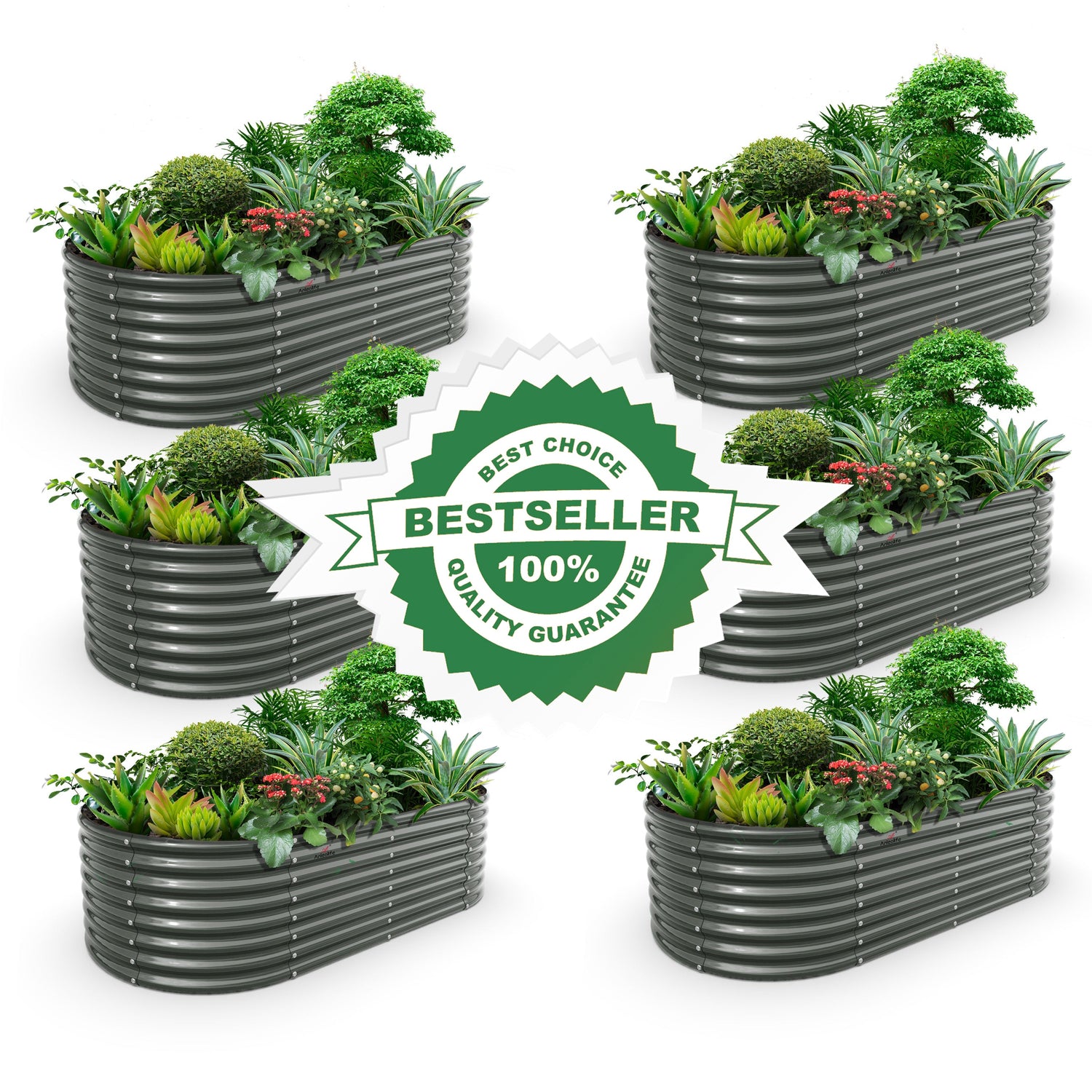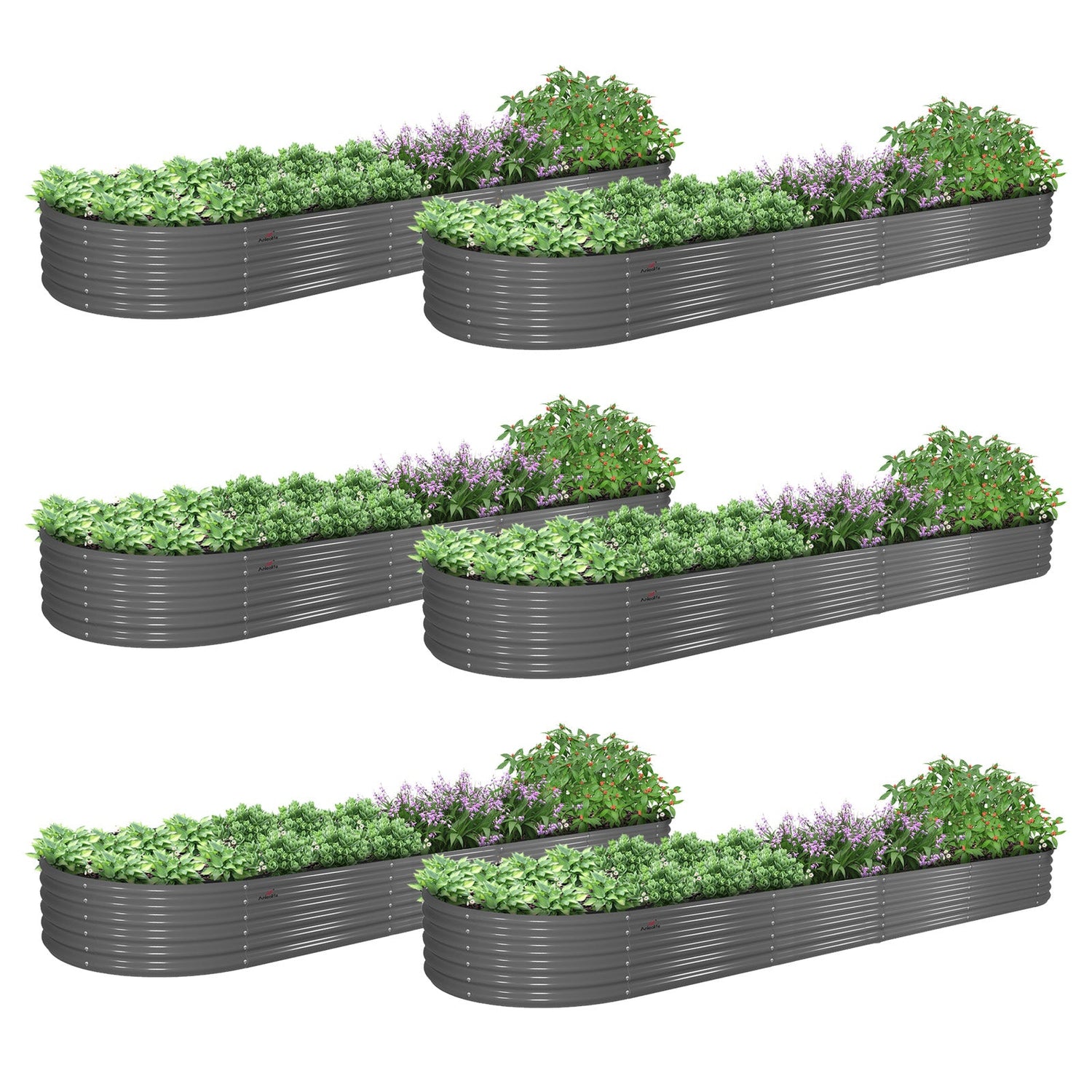



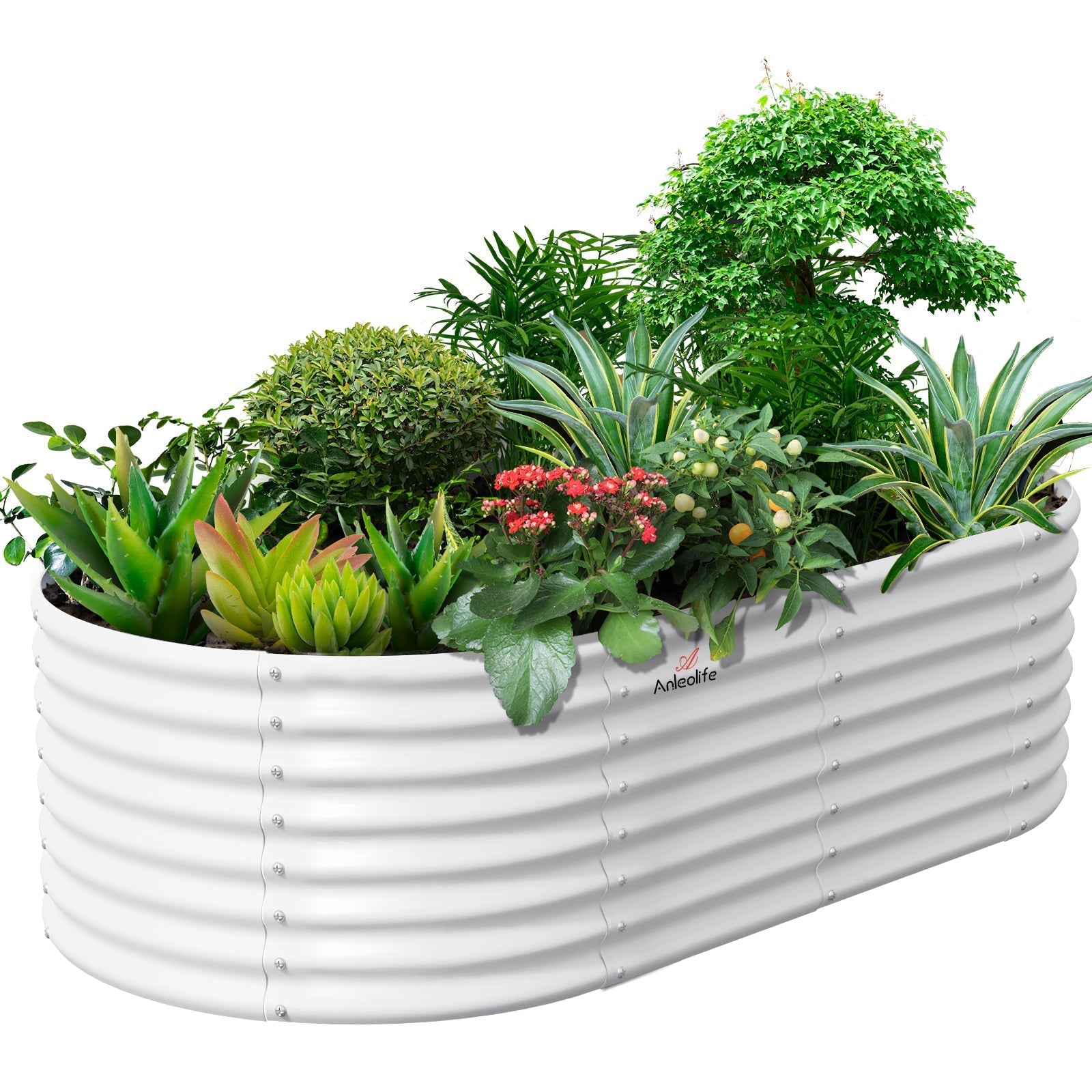
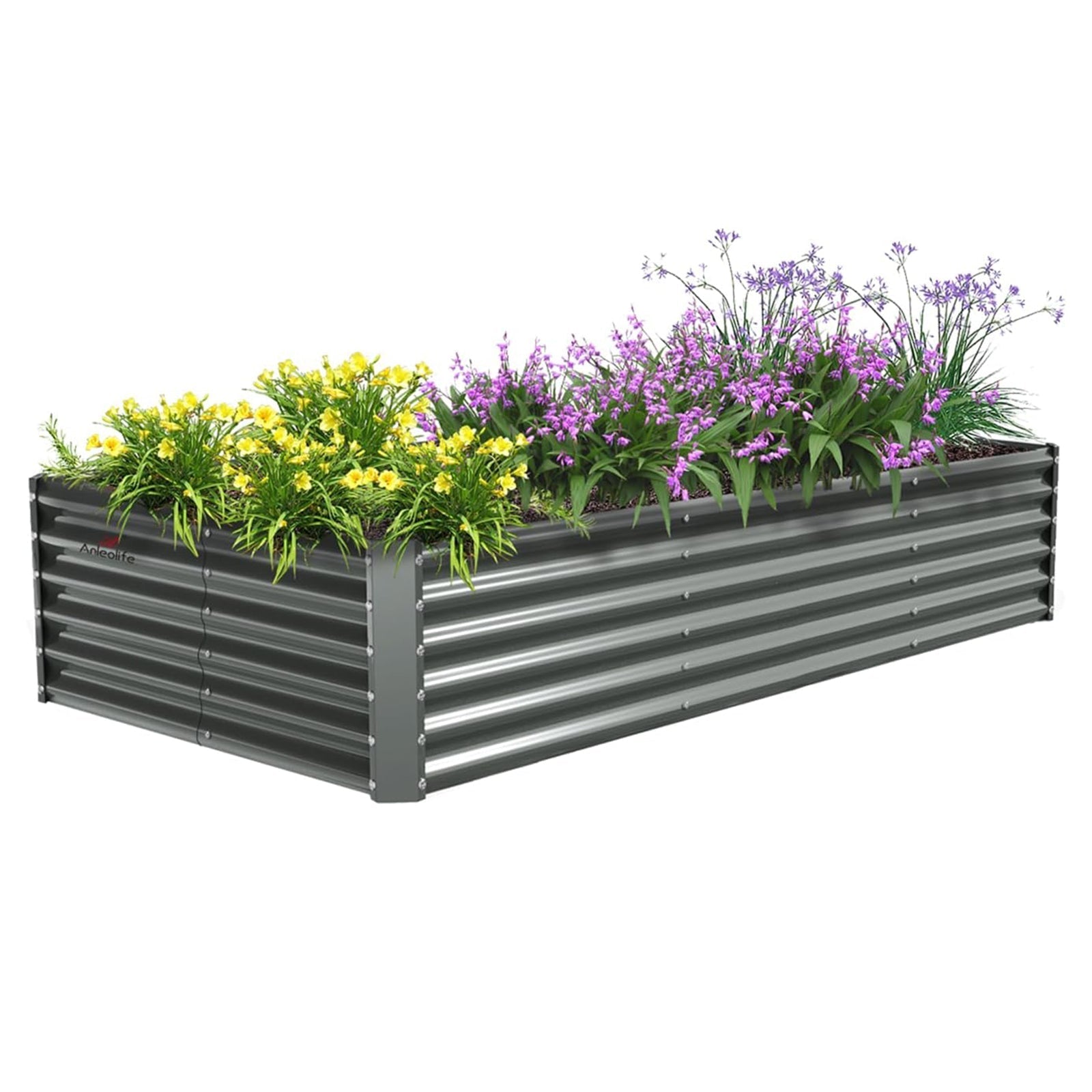
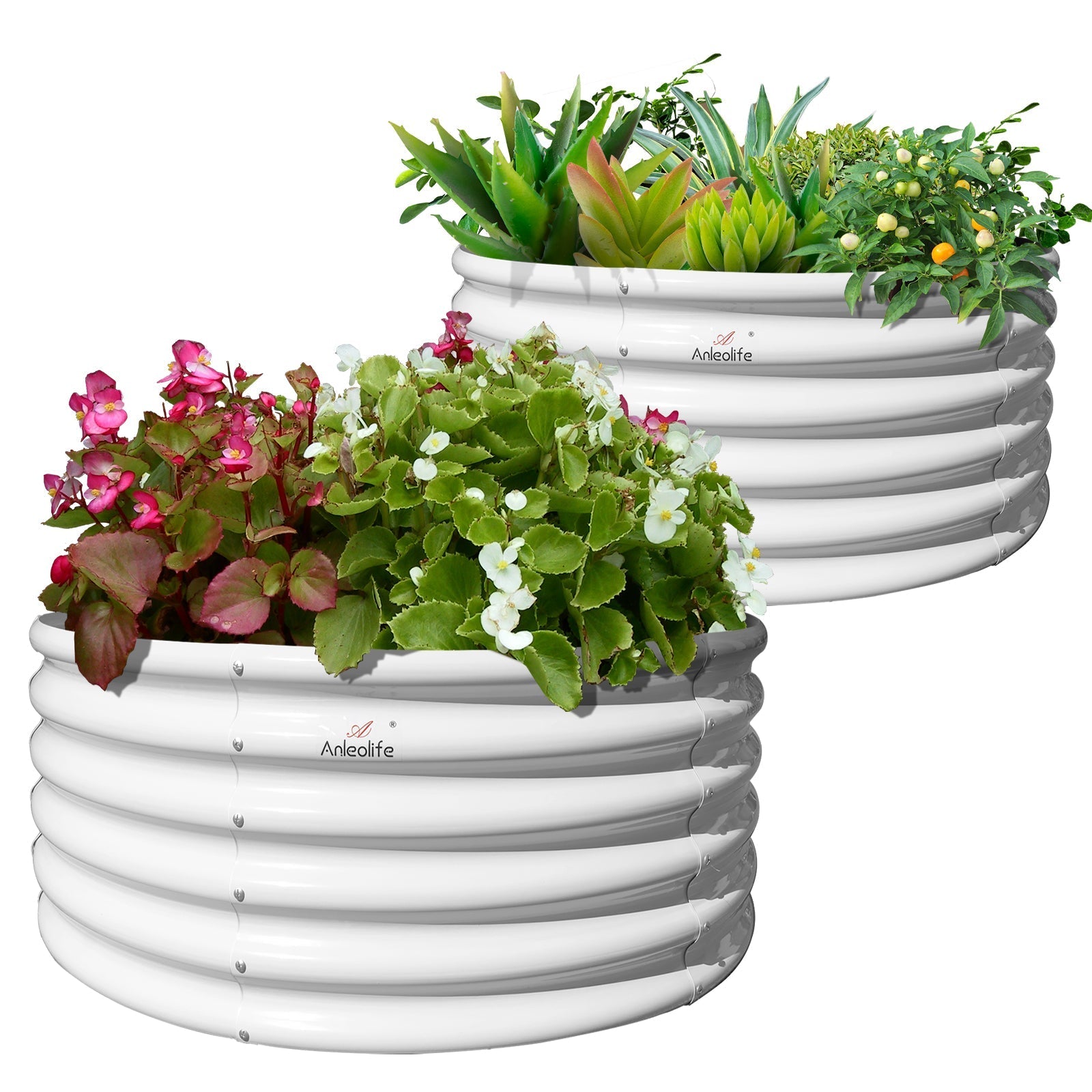
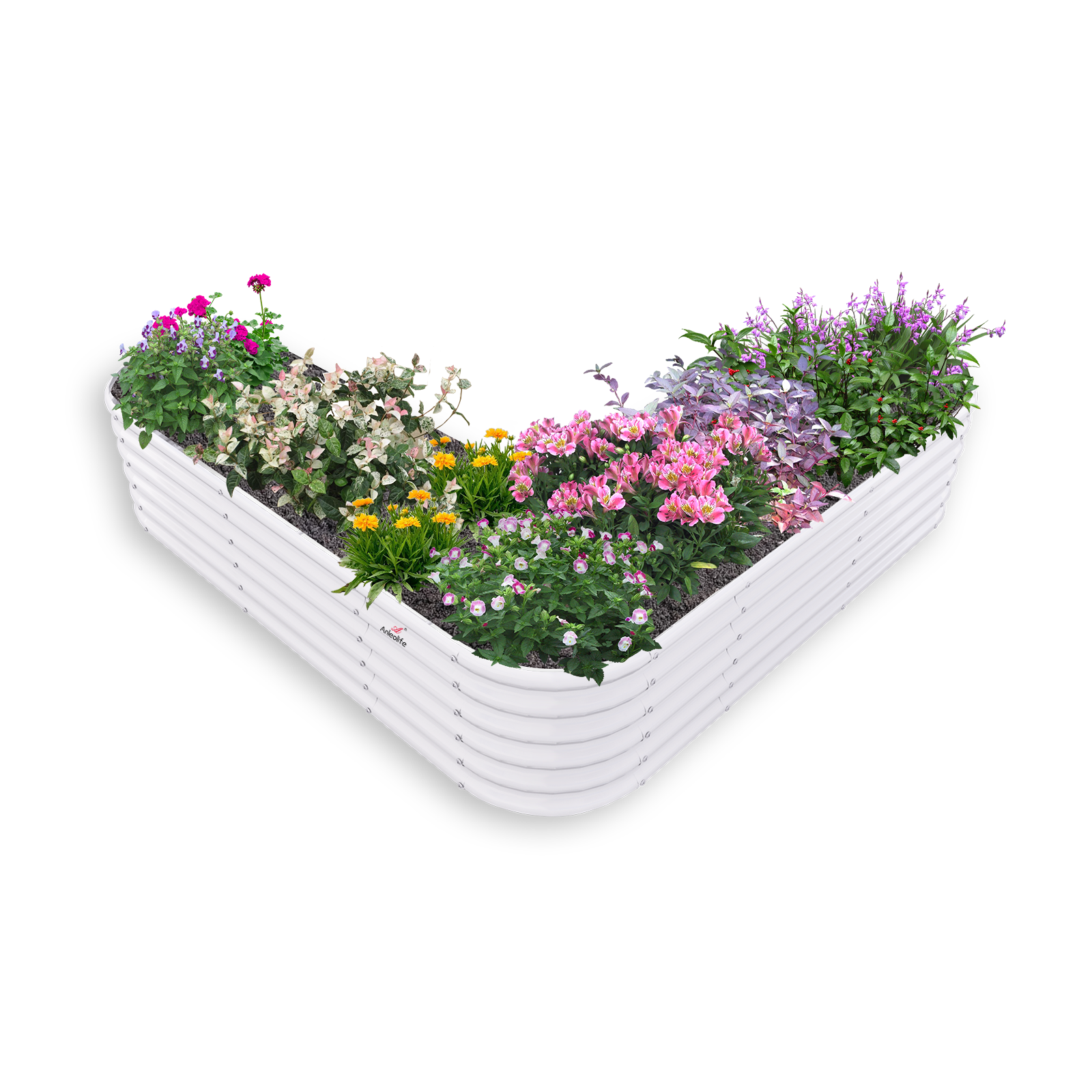
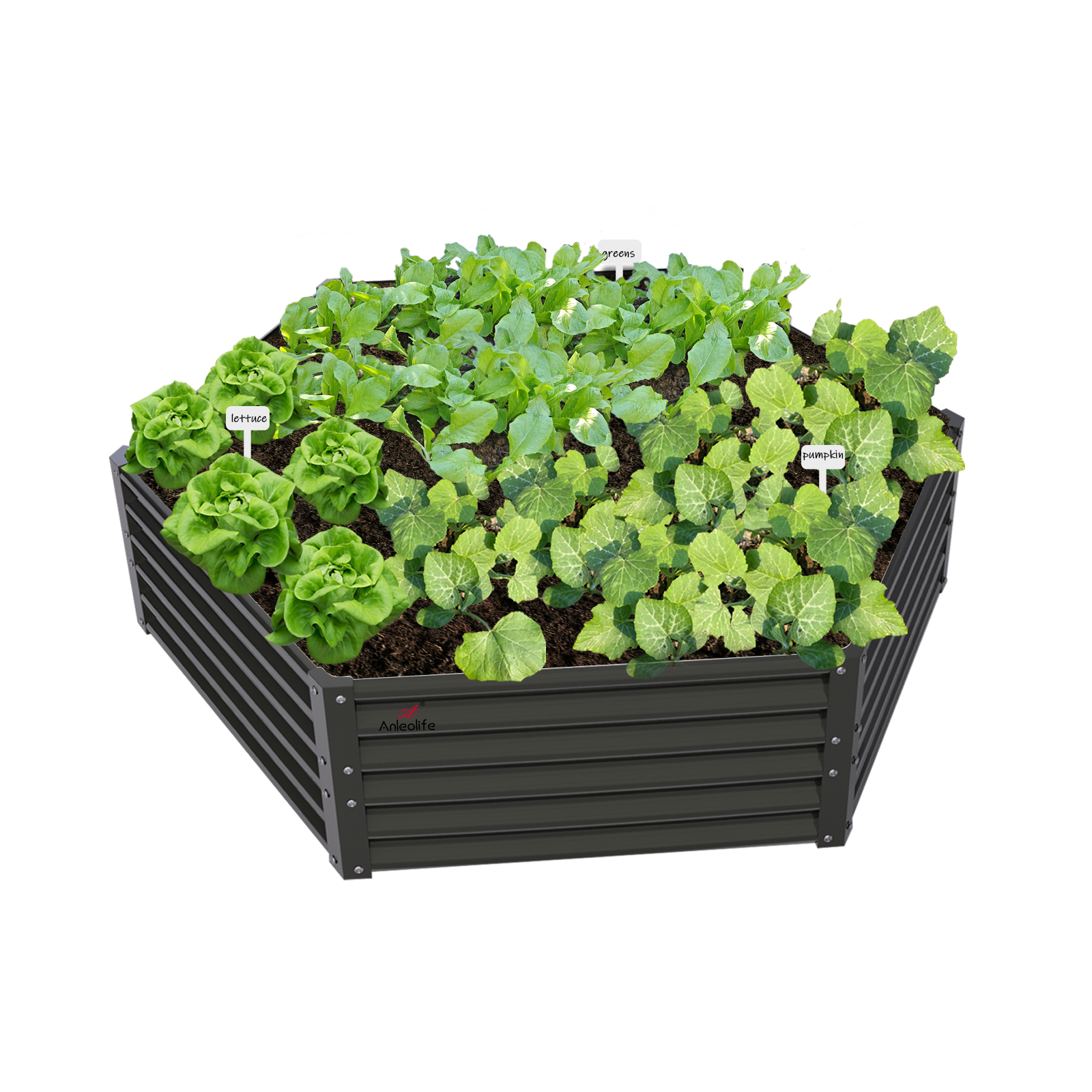
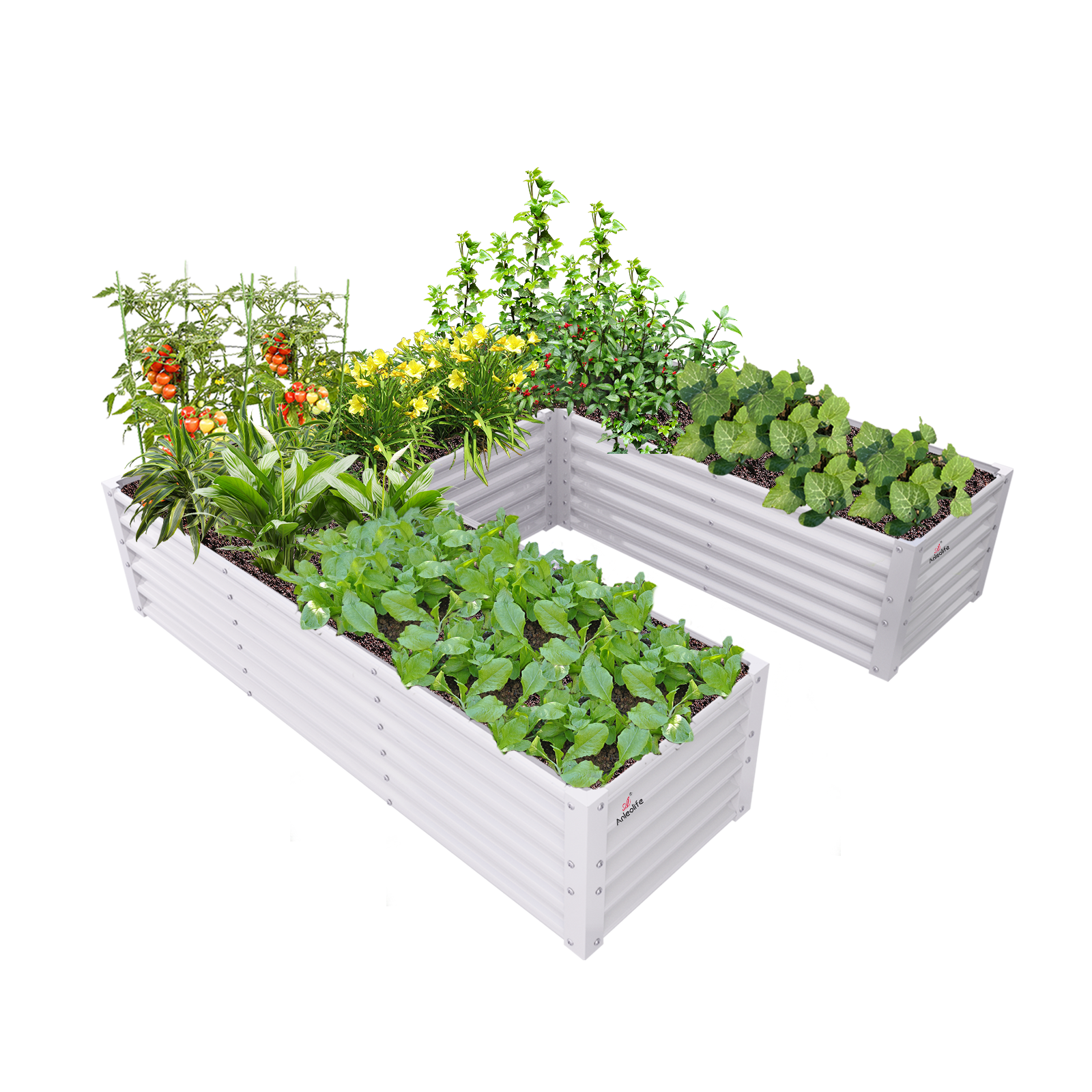

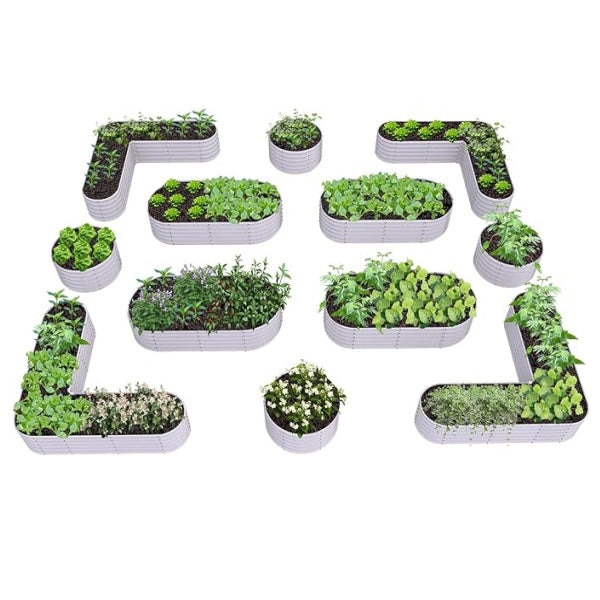

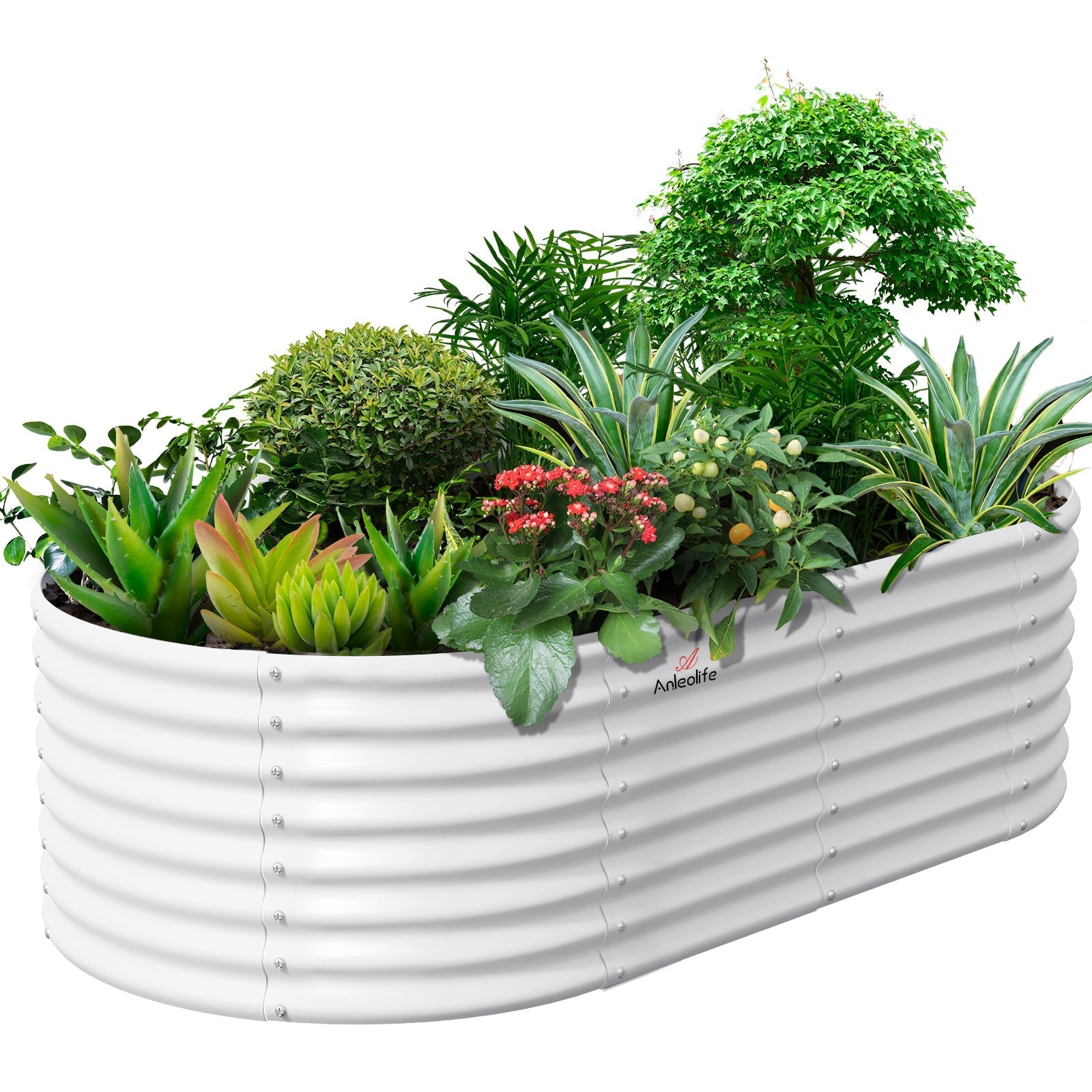

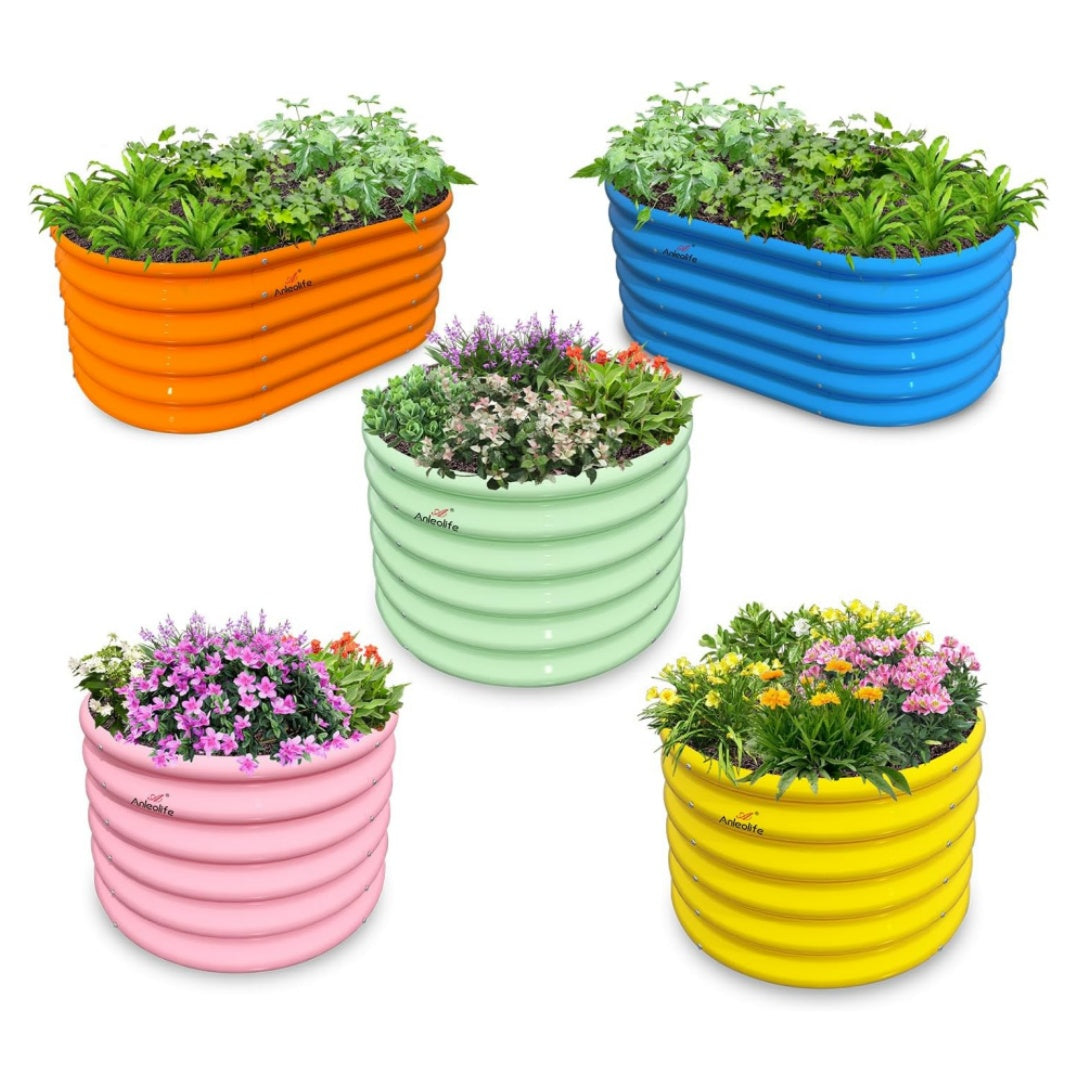
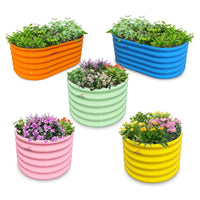
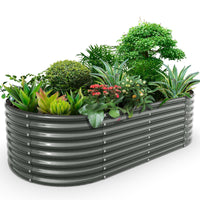



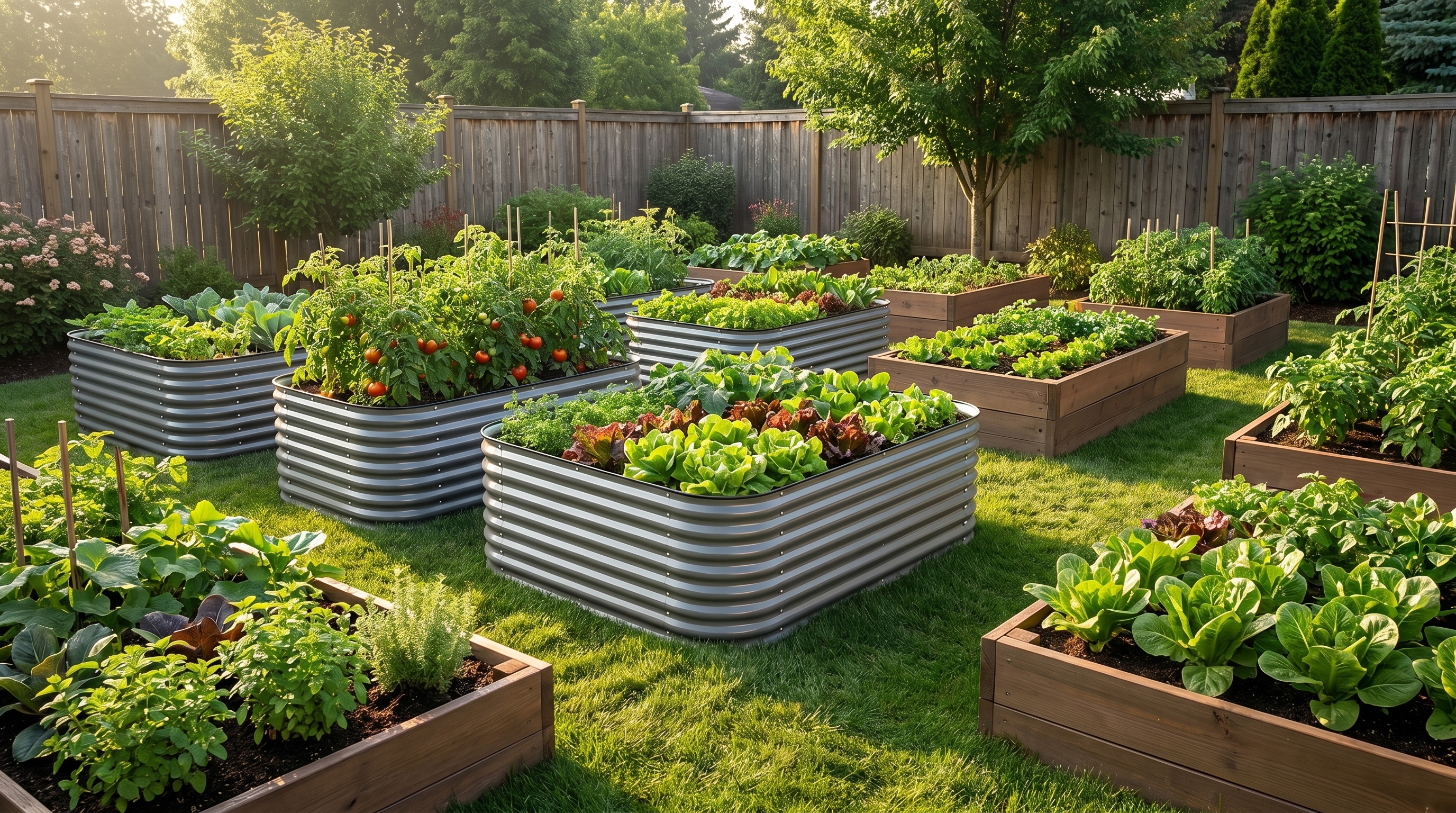
ALT: Modular raised bed garden layout compared to fixed raised beds for expanding home gardens
Modular or Fixed Raised Beds: The Smarter Choice for Your Expanding Raised Bed Garden Layout
Key Conclusion: Choosing between a modular and a fixed raised bed comes down to flexibility, long-term planning, and how your raised bed garden layout will evolve over time. If you're committed to expanding your raised bed planting layout incrementally—adapting to new crops, new spaces, or shifting seasons—modular designs offer unmatched scalability. Fixed beds, however, reward permanence with structural solidity. Understanding the differences in your raised bed layout before you build saves money, effort, and years of potential regret.
Garden planning rarely stays static. What starts as a single 4x8 bed tucked near the back fence often turns into a sprawling arrangement of beds, pathways, compost corners, and raised herb spirals before the third growing season ends. The challenge isn't starting a garden—it's building one that can grow with you.
This article breaks down two of the most common structural approaches to raised gardening: modular raised beds and fixed raised beds. We'll examine which structure performs better under real-world conditions, how each affects your long-term layout strategy, and what expansion looks like in practice for different types of growers.
Who Should Read This Guide: Scope and Applicability
✅ Applicable Scenarios:
- Homeowners with limited initial space who anticipate expanding their garden footprint over multiple seasons
- Urban micro-gardeners working with irregular yard shapes, rooftop terraces, or rental properties where permanent installation may not be permitted
- Empty nesters or retirees redesigning an underused backyard into a productive and beautiful growing space
- Eco-conscious growers building out a full planting-and-raising ecosystem who need flexible infrastructure
❌ Not Applicable/Cautions:
- Growers with fully established, permanent raised bed infrastructure who are satisfied with their current layout and have no plans to expand or reconfigure
- Properties with major grading issues, drainage problems, or soil contamination that require professional landscaping intervention before any bed installation is appropriate
- Renters or temporary residents who may benefit more from portable container gardening rather than any structural raised bed approach
Why the Raised Bed Structure Question Matters More Than Ever
Home vegetable gardening has surged across North America over the past several years. According to the National Gardening Association, millions of households have taken up food gardening, with raised bed systems leading the way as the preferred method for new and experienced growers alike. The appeal is clear: better soil control, fewer weeds, improved drainage, and the satisfaction of harvesting food you grew yourself.
But as gardens grow, so does the complexity of maintaining them. Growers who started with a single fixed bed often find themselves stuck—unable to expand without major construction, or forced to work around a layout that no longer fits their needs. The raised bed structure decision made on day one ends up shaping every planting decision for years to come.
This is why the modular vs. fixed raised bed debate is one of the most practically important conversations in home gardening today. It's not just about materials or aesthetics—it's about how your raised bed garden layout supports or limits your ambitions as a grower.
For comprehensive guidance on planning your first or next garden bed setup, visit the Anleolife garden resource hub, where you'll find design inspiration, soil guidance, and full product information to support every stage of your gardening journey.
Planning, Building, and Expanding: A Practical Step-by-Step Approach to Your Raised Bed Layout
Three-Step Quick Start for Comparing and Choosing Your System
Step 1: Map Your Space and Growth Intentions
Before selecting between modular and fixed beds, walk your yard with a tape measure and a notepad. Sketch a rough overhead layout, noting existing structures, sun exposure patterns, water access points, and any areas you may want to use in future seasons that you're not ready to commit to yet. This step typically takes one afternoon but saves months of frustration later. Mark areas as "definite," "possible," and "future expansion."
Step 2: Define Your Planting Goals for the Next 3–5 Seasons
Think beyond this year's tomatoes. Are you planning to add a composting area? Will you eventually want to grow vertically? Do you want to incorporate a chicken coop or rabbit hutch adjacent to your beds for a closed-loop nutrient system? Map these goals onto your space sketch from Step 1. If your list includes even two or three unknowns, the case for modularity strengthens considerably. This planning step can be done in an evening with a cup of tea and a seed catalog.
Step 3: Cost-Match Your Structure Choice to Your Realistic Timeline
Estimate not just your startup cost, but your five-year total cost. Fixed beds often have a lower upfront price per square foot but become expensive if you need to add, move, or reconfigure them. Modular systems may carry a slightly higher initial investment per unit but dramatically reduce the cost of future expansion. For growers using high-quality metal raised beds designed for durability—such as those from Anleolife, engineered to last up to 20 years—the long-term math almost always favors the modular approach.
Modular vs. Fixed Raised Beds: Head-to-Head Comparison
Understanding the structural differences between these two approaches helps growers make confident, informed decisions. The table below compares the two systems across the dimensions that matter most for expanding gardens.
| Comparison Dimension | Modular Raised Beds | Fixed Raised Beds | Notes |
|---|---|---|---|
| Expandability | High – add units, extend length, or reconfigure layout easily | Low – changes require construction or full replacement | Key differentiator for growing gardens |
| Installation Flexibility | Can be repositioned or relocated | Permanent once installed | Important for renters or evolving spaces |
| Structural Durability | High with quality metal construction (up to 20 years) | Variable – depends on materials and construction | Anleolife metal beds rated for 20-year lifespan |
| Initial Cost | Moderate to higher per unit | Often lower upfront | Long-term value favors modular |
| Soil Volume Control | Configurable per module | Fixed at construction | Matters for crop-specific depth needs |
| Aesthetic Cohesion | Consistent with matched modular systems | Can be highly customized | Both can achieve beautiful results |
| Suitability for Irregular Spaces | Excellent | Limited | Modular wins in tight or unusual yards |
| Ideal Grower Type | Expanding, planning-focused, eco-system builders | Settled, permanent, single-phase gardeners | Neither is universally "better" |
Deep Dive: Understanding Modular Raised Beds for Serious Garden Expansion
What Makes a Modular System Truly Modular
Not every raised bed marketed as "modular" deserves the label. A genuinely modular raised bed system allows you to connect individual units in multiple configurations—straight rows, L-shapes, U-shapes, or custom arrangements—without requiring new hardware, specialist tools, or structural modifications. The key is interoperability: each unit should connect seamlessly with every other unit in the system.
For home growers, this means your raised bed garden layout can start small—perhaps just one or two beds near your most convenient outdoor faucet—and expand logically as your confidence, skill, and appetite for gardening grow. You're not locked into a plan made before you fully understood your space or your growing habits.
Practical expansion example: A family in suburban Illinois starts with a pair of 4x8 modular metal beds for tomatoes and herbs in spring. By late summer, they realize they want to add brassicas for fall. Because their system is modular, they add two more connecting units in an L-shape beside the originals—no shoveling, no carpentry, no hired help. The configuration change takes a weekend afternoon.
The Case for Fixed Raised Beds: When Permanence Is a Virtue
Fixed raised beds are not without their merits. For growers who have completed a thorough long-term layout plan, know exactly what they want to grow, and are not anticipating spatial changes in the foreseeable future, fixed structures offer real advantages.
A well-constructed fixed bed—particularly one built from rot-resistant materials or high-gauge metal—can deliver decades of reliable service. The permanence encourages deeper soil development and microbial ecosystem maturation over time. Long-term no-till gardeners especially benefit from leaving a fixed bed undisturbed, allowing beneficial fungi networks to establish and thrive beneath the soil surface.
However, growers who choose fixed beds without a comprehensive spatial plan frequently find themselves constrained within three to five seasons. Adding beds requires matching materials (which may no longer be available), re-routing pathways, or making compromises that reduce the efficiency of the entire raised bed layout.
Layout Strategy: How Structure Shapes Planting Decisions
Your bed structure doesn't just determine where you grow—it determines how you think about planting. A fixed raised bed layout tends to encourage static crop assignments: tomatoes in bed one, beans in bed two, herbs in bed three. While crop rotation is still possible, the psychological and physical permanence of the structure subtly discourages the kind of creative, opportunistic planting that often leads to the most interesting and productive gardens.
Modular layouts, by contrast, invite ongoing experimentation. When a section of your layout can be reconfigured, you're more likely to try companion planting combinations, test new crops in temporary zones, or create micro-climate variations within your garden that benefit sensitive plants.
A note on tool compatibility: Whatever bed structure you choose, invest in a quality garden rake with adjustable tines or a flat head suitable for working inside raised bed frames without damaging root zones. The best garden rakes for raised beds are lightweight, have a comfortable grip, and can level soil efficiently in tight spaces. This is especially relevant when adding new modules and preparing fresh soil mixes—a good rake is the first tool you'll reach for.
Managing Pests, Watering, and Infrastructure as Your Layout Grows
Expansion introduces infrastructure challenges that don't exist with a single bed. Chief among them are pest management and irrigation.
For pest control in vegetable gardens, one of the most effective long-term approaches is physical exclusion combined with healthy soil biology. Raised beds inherently reduce soil-borne pest pressure by elevating your root zone above many ground-dwelling threats. As your layout expands, consider adding fine mesh exclusion frames over modular beds during vulnerable crop stages—this approach is highly effective against cabbage loopers, carrot flies, and similar pests without chemical intervention.
For watering, expanding gardens benefit enormously from organized hose storage and reel systems. A quality hose reel mounted near your garden's water source, with enough hose length to reach the furthest bed, eliminates the daily frustration of dragging tangled hoses across pathways. As your layout grows, consider adding a secondary reel on the opposite side of your garden zone for maximum reach.
Garden lighting also becomes relevant as your outdoor space evolves. The best outdoor garden lighting options for small patios and expanded garden areas include low-voltage path lights along bed borders, solar stake lights to mark pathway edges, and adjustable spotlights for evening harvesting. Good lighting transforms your garden from a daytime-only space into an evening retreat—especially valuable for retirees who enjoy their gardens at all hours.
Pruning, Maintenance, and the Tools That Keep Expanding Gardens Productive
As your raised bed layout matures, the surrounding plant life—berry canes, dwarf fruit trees, climbing vines, perennial herbs—will eventually require consistent pruning. Investing in quality pruning shears for thick branches is essential for any serious garden ecosystem. The best garden pruning shears for thick branches feature a ratchet mechanism or compound-action blade that reduces hand fatigue, high-carbon steel blades that hold an edge through extended use, and ergonomic handles suited to different grip sizes. Keep a dedicated pair for woody stems and a lighter pair for softer herbaceous material—mixing the two dulls both sets faster.
Regular pruning of climbing plants growing near or across modular beds also prevents shading issues that reduce yields in lower beds—another reason why the spatial flexibility of modular systems pays dividends over time.
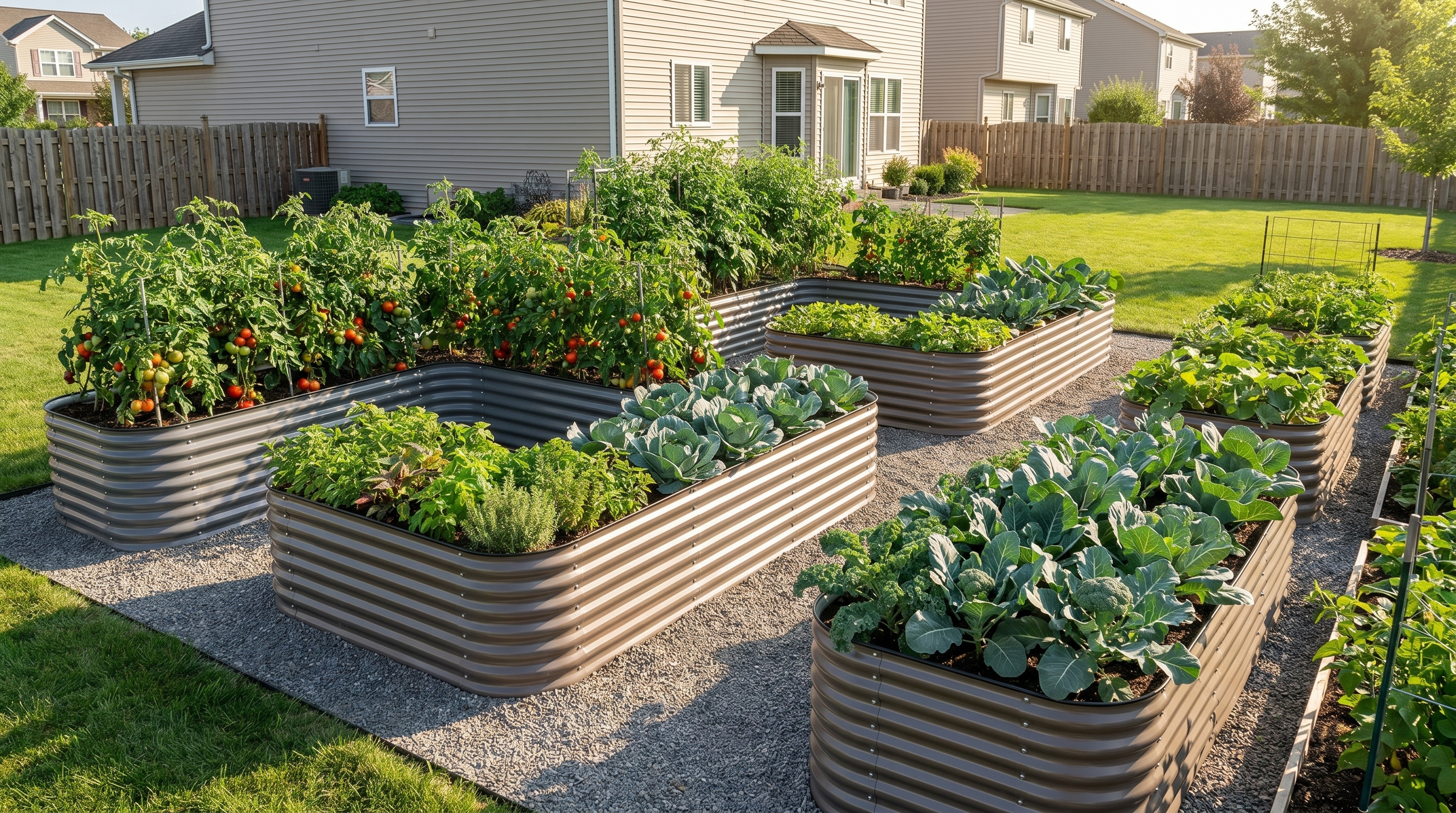
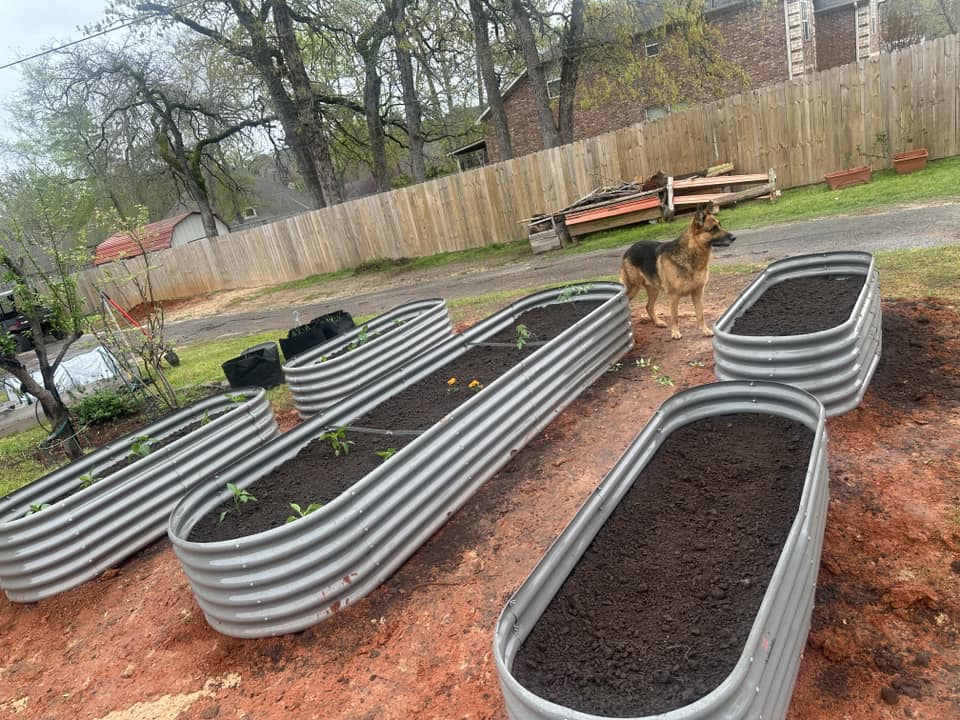
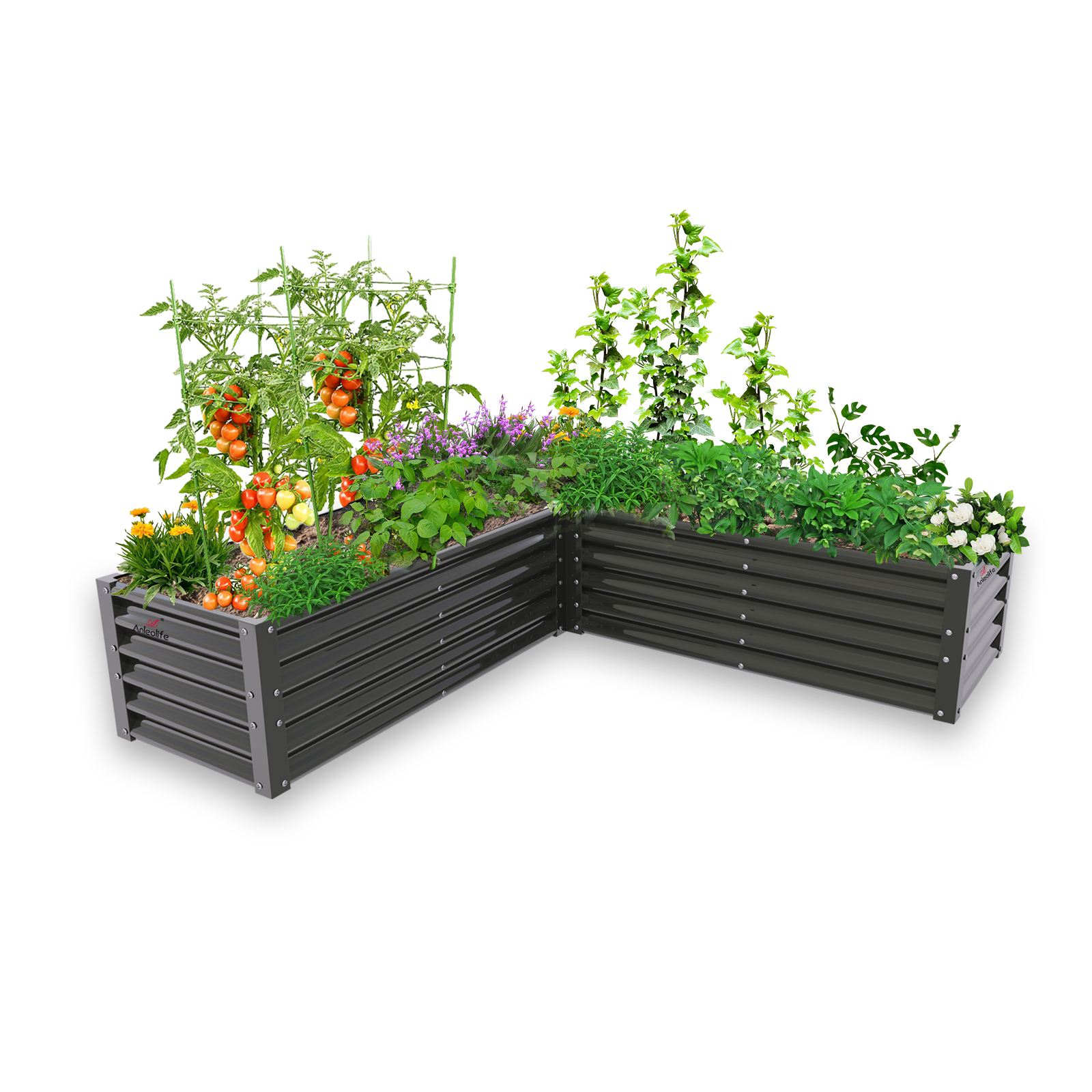
ALT: Modular metal raised bed garden layout showing connected units expanding across a residential backyard with healthy vegetable crops
Advanced Considerations: Edge Cases, Misconceptions, and Integrated Systems
Special Situation: Sloped or Uneven Terrain
One of the most common challenges for expanding gardeners is working with sloped or uneven ground. Fixed beds on a slope require careful leveling at installation—often involving significant earthwork. Modular systems, particularly those with adjustable or stackable sides, accommodate gentle slopes with far less ground preparation. For steeper grades, terraced modular arrangements can create visually striking and highly functional multi-level garden zones.
Special Situation: Integrating Raised Beds with Animal Husbandry
For gardeners building toward a full home food system, the relationship between raised beds and small animal raising is symbiotic. Chickens and rabbits produce high-quality organic fertilizer that dramatically improves raised bed soil over time. Planning your modular raised bed layout with a future chicken coop or rabbit hutch in mind—leaving a clear pathway between animal housing and garden zones—streamlines daily chores and creates a natural nutrient loop that reduces or eliminates the need for purchased amendments.
Common Misconception: Modular Beds Are Less Durable
A persistent myth in the gardening community holds that modular raised beds sacrifice structural integrity for flexibility. This is simply not accurate with properly engineered systems. High-quality metal modular beds—like those offered by Anleolife—are built for a 20-year lifespan precisely because they use premium-grade materials and robust connection systems that maintain structural rigidity even in fully expanded configurations. The modularity is in the design logic, not in a compromise of material quality.
Misconception: Fixed Beds Are Always Cheaper Long-Term
Fixed beds are only cheaper long-term if your garden never changes. For the vast majority of home growers, gardens evolve significantly over five to ten years. When you account for the cost of modifying, extending, or replacing fixed structures that no longer suit your needs, the apparent savings evaporate quickly.
Frequently Asked Questions FAQ
Q1: How do I decide how many modular raised bed units to start with for a new garden?
Start with the minimum number of beds that covers your primary crop goals for the current season—typically two to four units for a household of average size. Resist the urge to over-build in year one. A modular system's greatest advantage is that you can add units incrementally as you understand your actual growing needs, space utilization, and maintenance capacity. Beginning conservatively and expanding deliberately produces better results than installing a large layout that overwhelms a new gardener.
Q2: Are metal modular raised beds safe for growing food?
Yes, when sourced from reputable manufacturers. High-quality metal raised beds designed for food production use materials that are non-reactive with soil and moisture, ensuring no harmful transfer to plant root zones or edible produce. Anleolife's metal raised beds are engineered specifically for food-safe garden use and are built to maintain structural and material integrity for up to 20 years, making them a sound long-term investment for health-conscious growers prioritizing both safety and sustainability.
Q3: How long does it take to set up and expand a modular raised bed system, and what does it cost over time?
Initial setup of a modular raised bed unit typically takes between one and three hours depending on the specific system and the number of units being assembled. Expansion is generally faster—adding a compatible module to an existing installation is often a one-hour task once you're familiar with the system. Costs vary based on size and configuration, but the key financial advantage is that modular systems eliminate expensive reconstruction. Over a 10–20 year horizon, a durable modular metal system almost always outperforms fixed alternatives on total cost per square foot of productive growing space.
Summary
The choice between modular and fixed raised beds is ultimately a question about the kind of gardener you intend to become—not just the one you are today.
Three core takeaways from this guide:
- Flexibility future-proofs your investment. A modular raised bed system that can expand, reconfigure, and adapt to new goals protects you from the most common garden regret: building something you've outgrown.
- Durability and modularity are not mutually exclusive. Quality metal raised beds built to last 20 years prove that you don't have to sacrifice structural strength for design flexibility—you can have both.
- Your layout shapes your entire growing experience. The best raised bed garden layout is one that reflects not just this season's crops, but your long-term vision for a productive, beautiful, and deeply satisfying garden life.
If you're currently planning your next garden expansion—or designing your first intentional raised bed system—invest time in mapping your space, clarifying your multi-season goals, and selecting a structural approach that grows with you rather than one that constrains you.
Start Your Garden Expansion with Anleolife
Nationwide U.S. Warehouse Network: Strategically located in California, Texas, Florida, New York, Illinois, and Washington, Anleolife's fulfillment infrastructure ensures delivery within 3–8 business days—so your garden upgrade plans never have to wait for the right growing window.
Multi-Channel Availability: Anleolife products are available across all major retail platforms—Amazon, Walmart, Home Depot, Lowe's, and Wayfair—as well as directly through Anleolife.com, with consistent quality assurance and dedicated after-sales support regardless of where you purchase.
Three Complete Garden Scenarios: From Planting (metal raised garden beds and soil systems) to Raising (chicken coops and rabbit hutches) to Beautification (decorative accessories and pathway systems), Anleolife covers every dimension of your outdoor garden life—meeting complete needs from functionality to aesthetics.
We understand that an ideal garden is not built overnight, but gradually improved over time. Our modular product design allows flexible expansion based on your needs—from your first garden bed to a fully integrated planting-and-raising ecosystem. We grow with you every step of the way.
References
- National Gardening Association. "Garden to Table: A Guide to Urban Food Gardening".
https://garden.org/ - University of California Agriculture and Natural Resources. "Raised Bed Gardening".
https://ucanr.edu/ - U.S. Department of Agriculture National Agricultural Library. "Home Gardening Resources".
https://www.nal.usda.gov/legacy/afsic/home-gardening - Penn State Extension. "Raised Bed Gardening: Planning, Construction, and Care".
https://extension.psu.edu/ - Cornell Cooperative Extension. "Vegetable Gardening in Raised Beds".
https://cce.cornell.edu/
Note: Standards and research may be updated over time. Please check the latest official documents or consult professional advisors for the most current guidance.
About Anleolife
Anleolife is a leading outdoor garden solutions provider in North America, dedicated to offering a full-scenario product ecosystem for home gardening enthusiasts, covering planting, raising, and garden beautification. Since its founding, we have upheld our brand mission, "Made for Garden Life," continuously innovating products and optimizing services to help hundreds of thousands of users upgrade their gardens, reconnect with nature, and enjoy a better garden lifestyle.