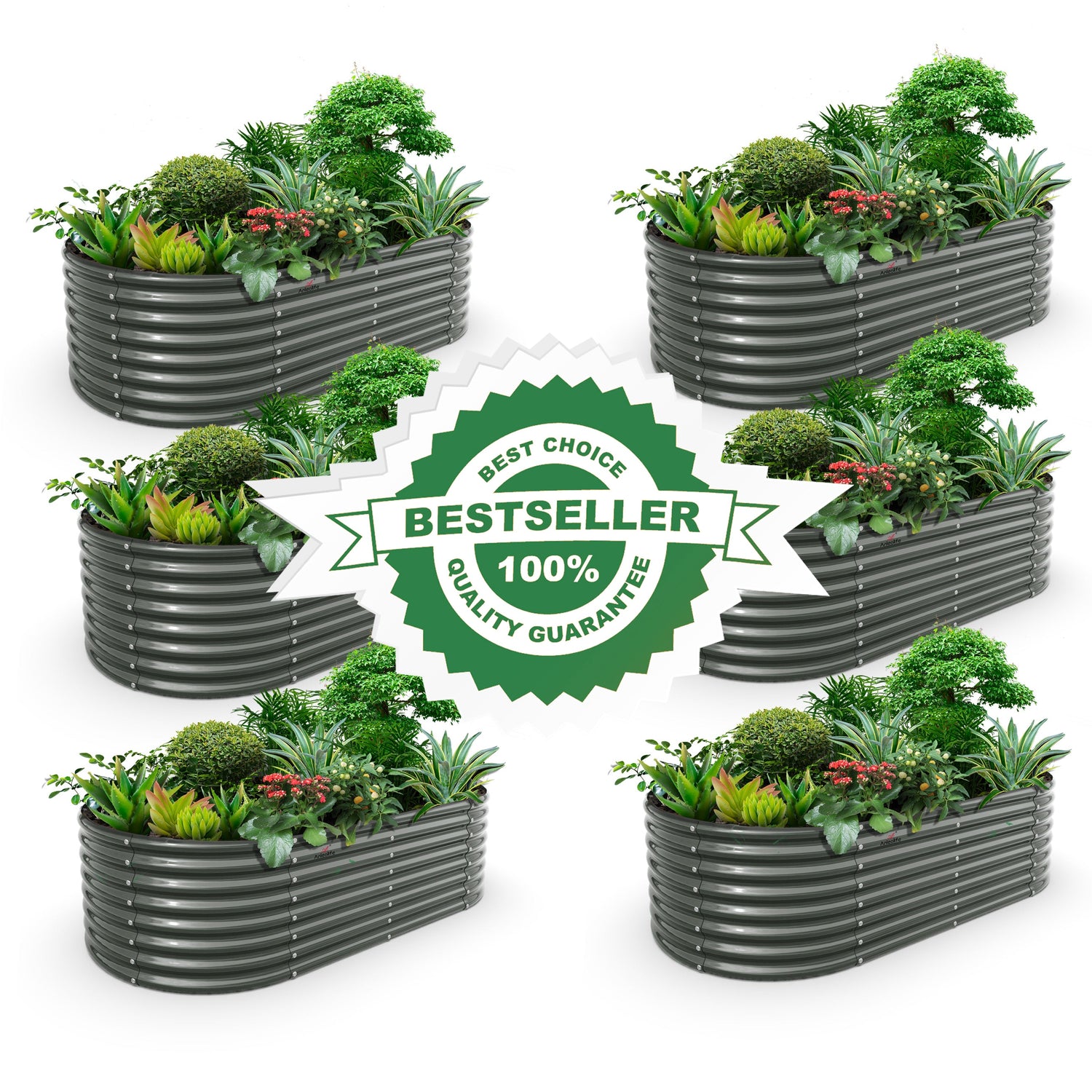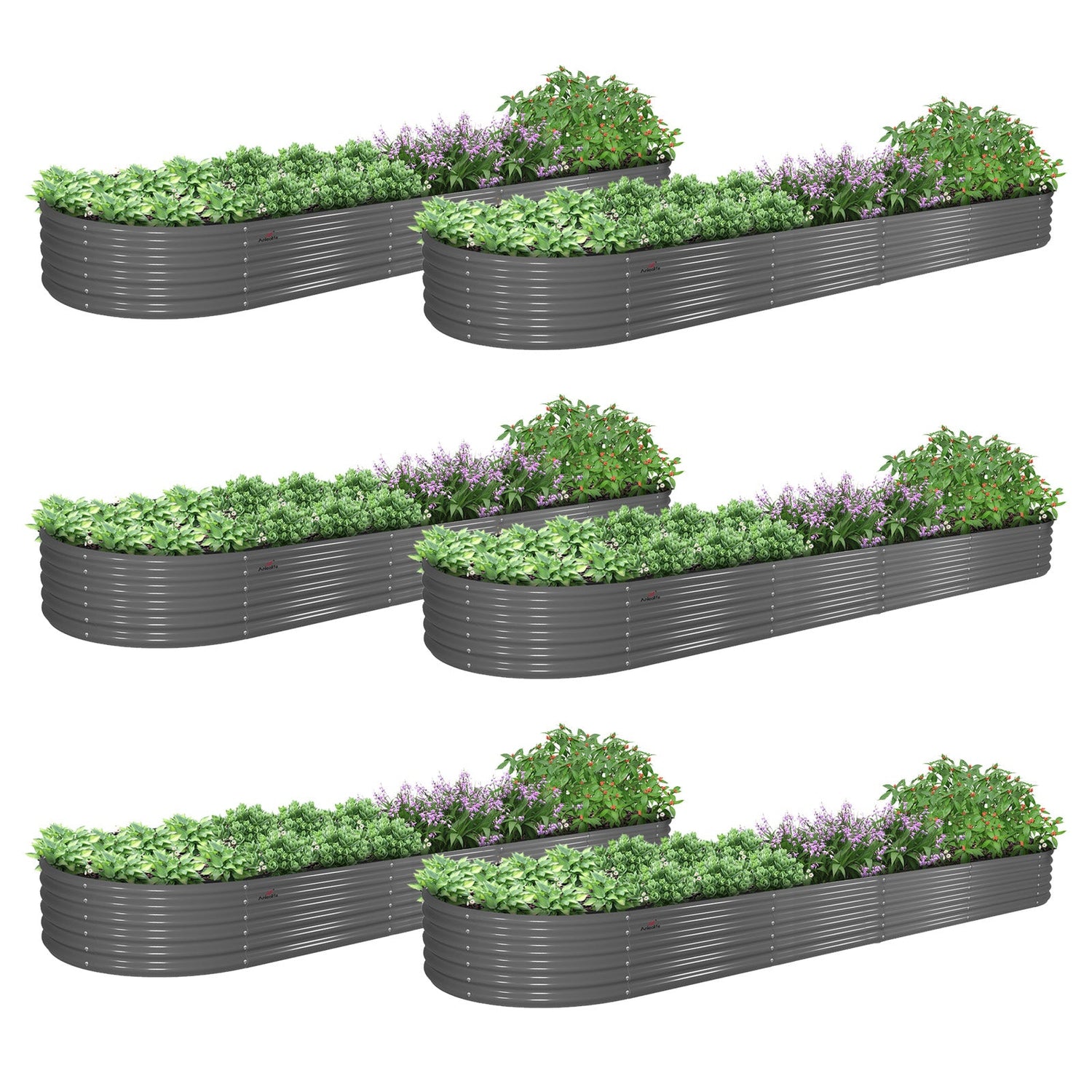



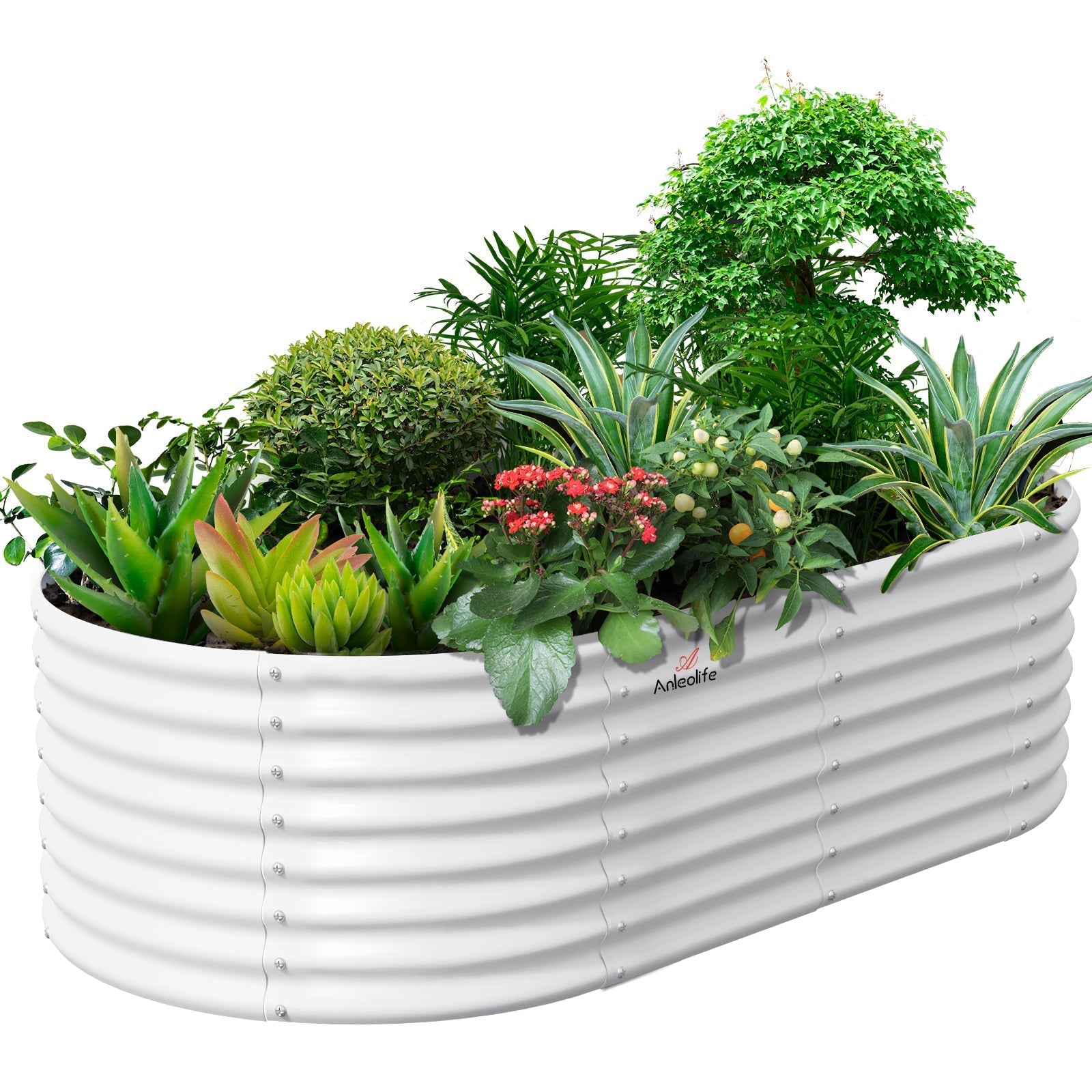
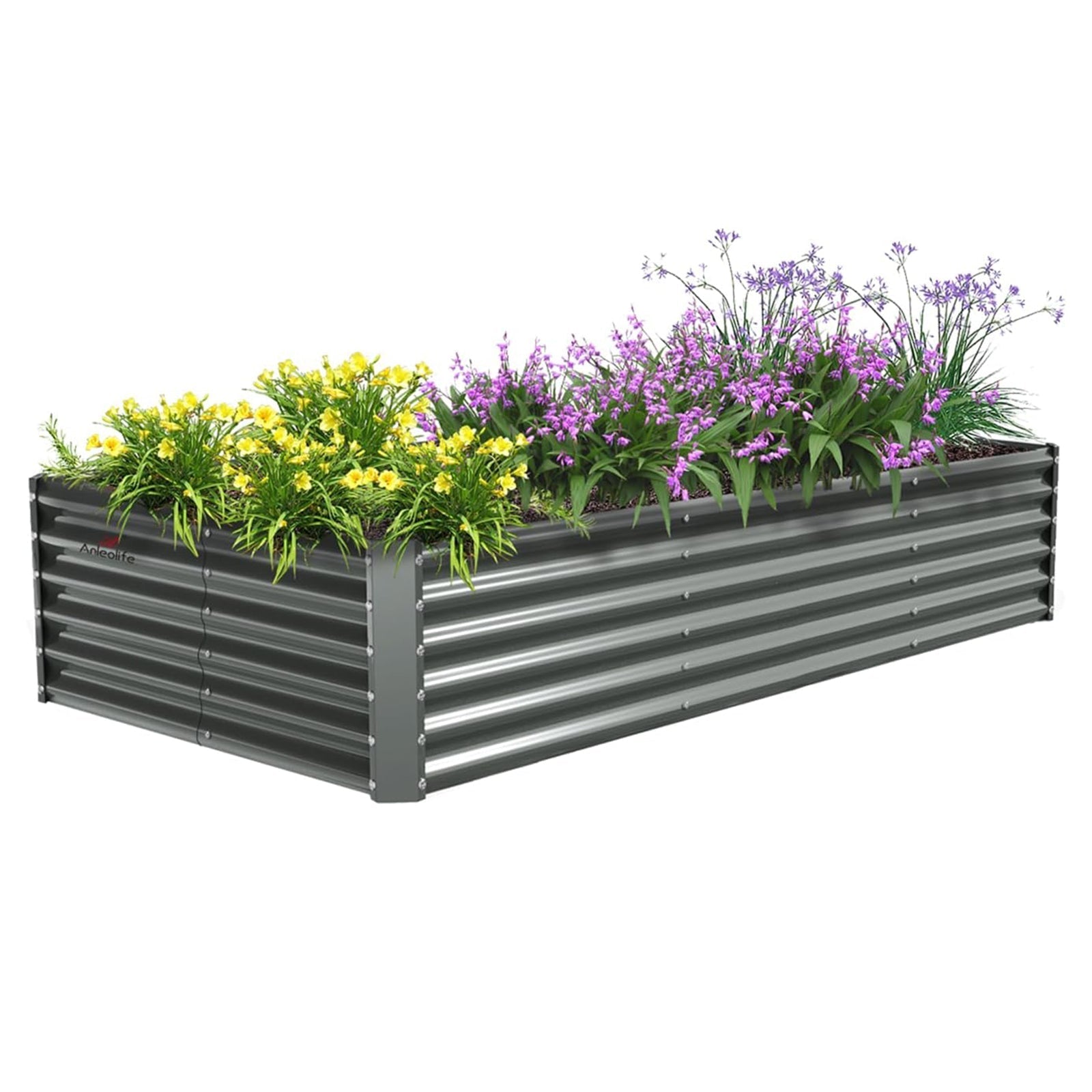
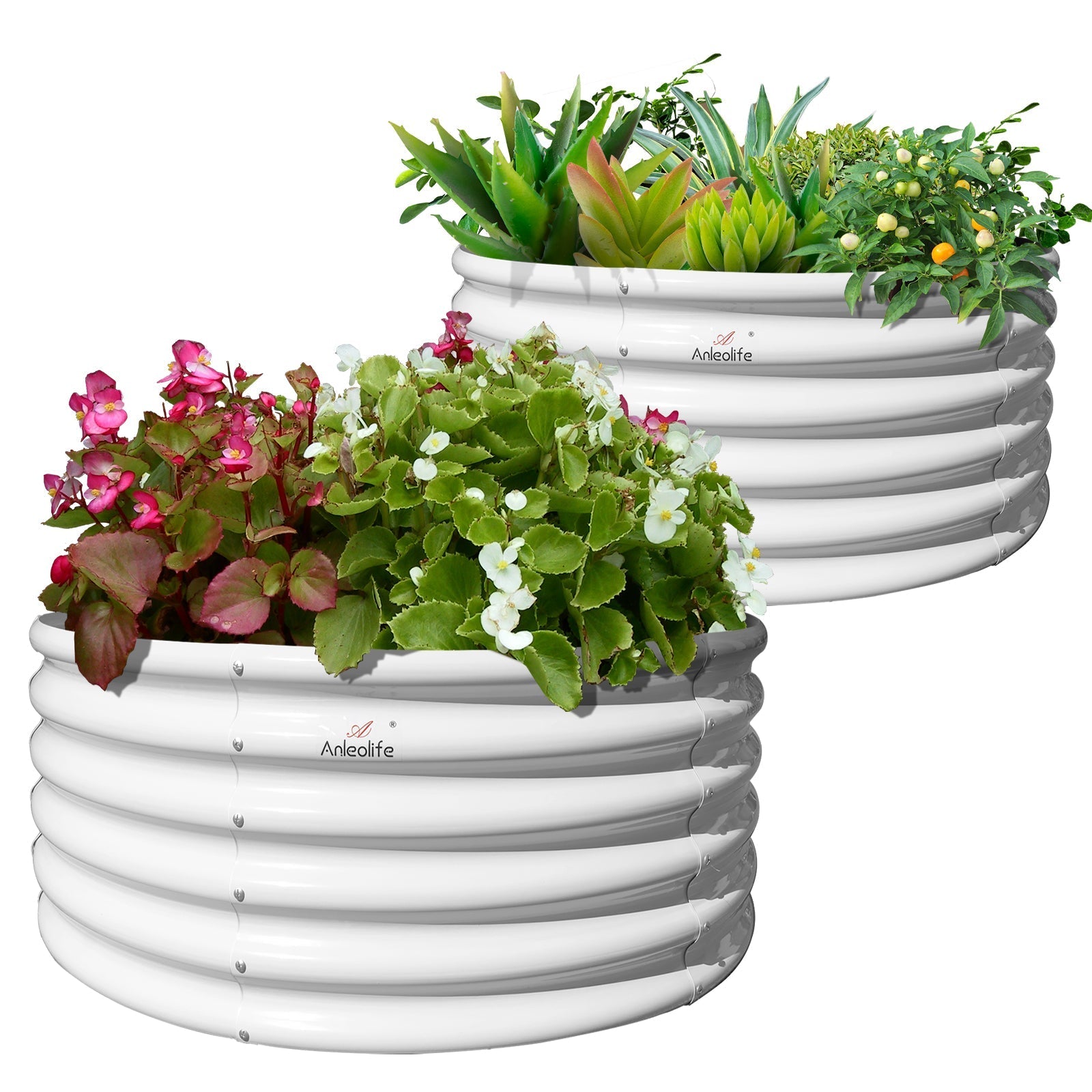
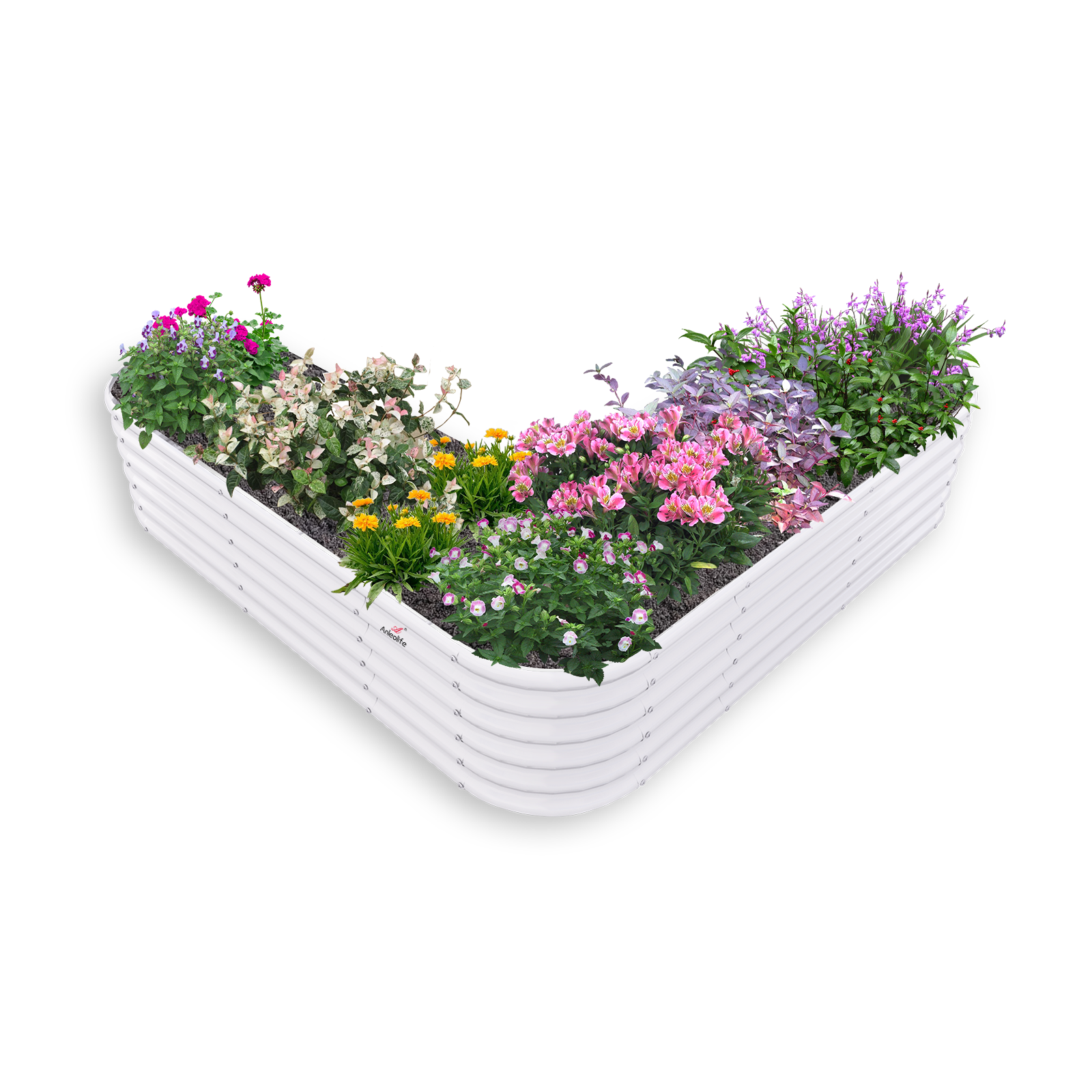
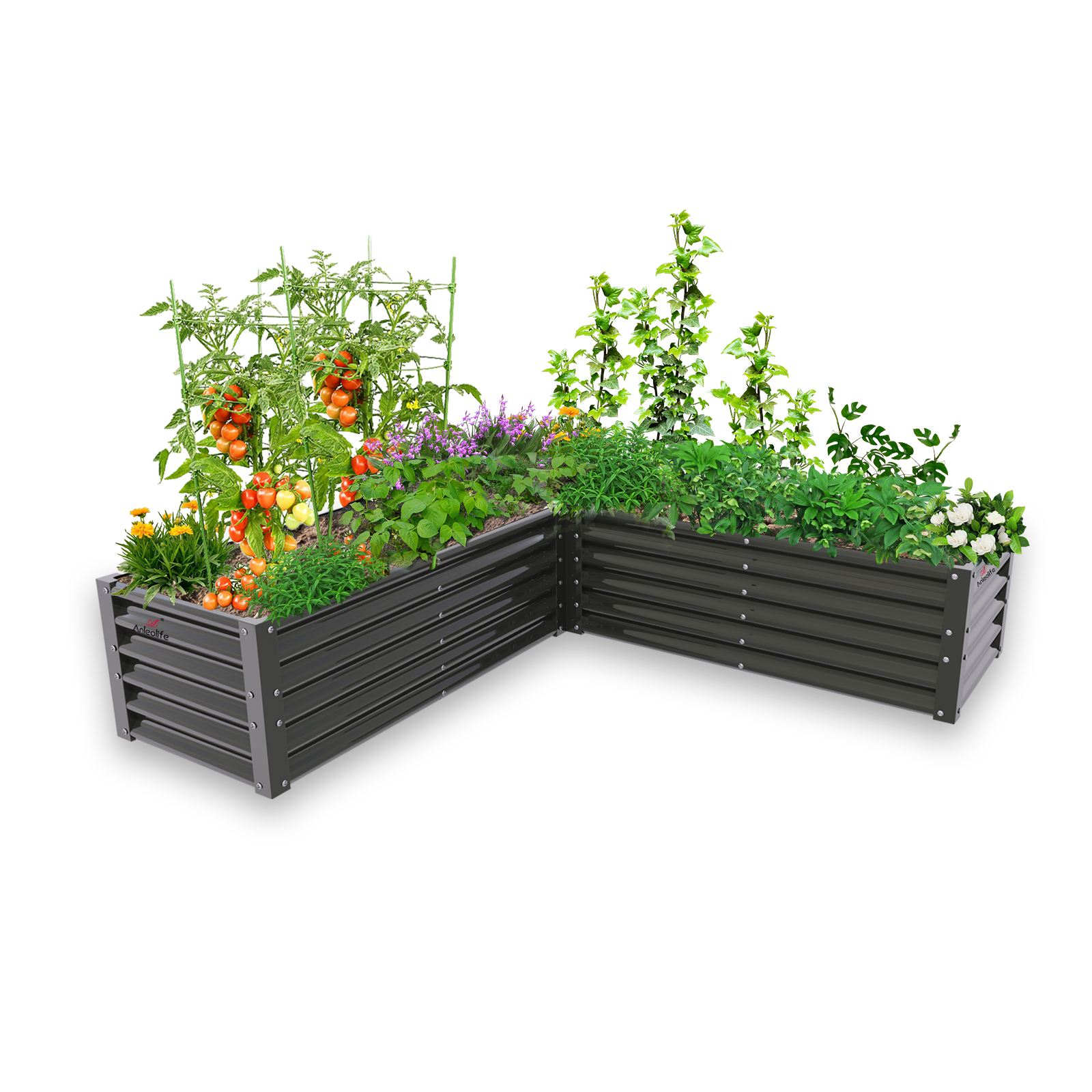
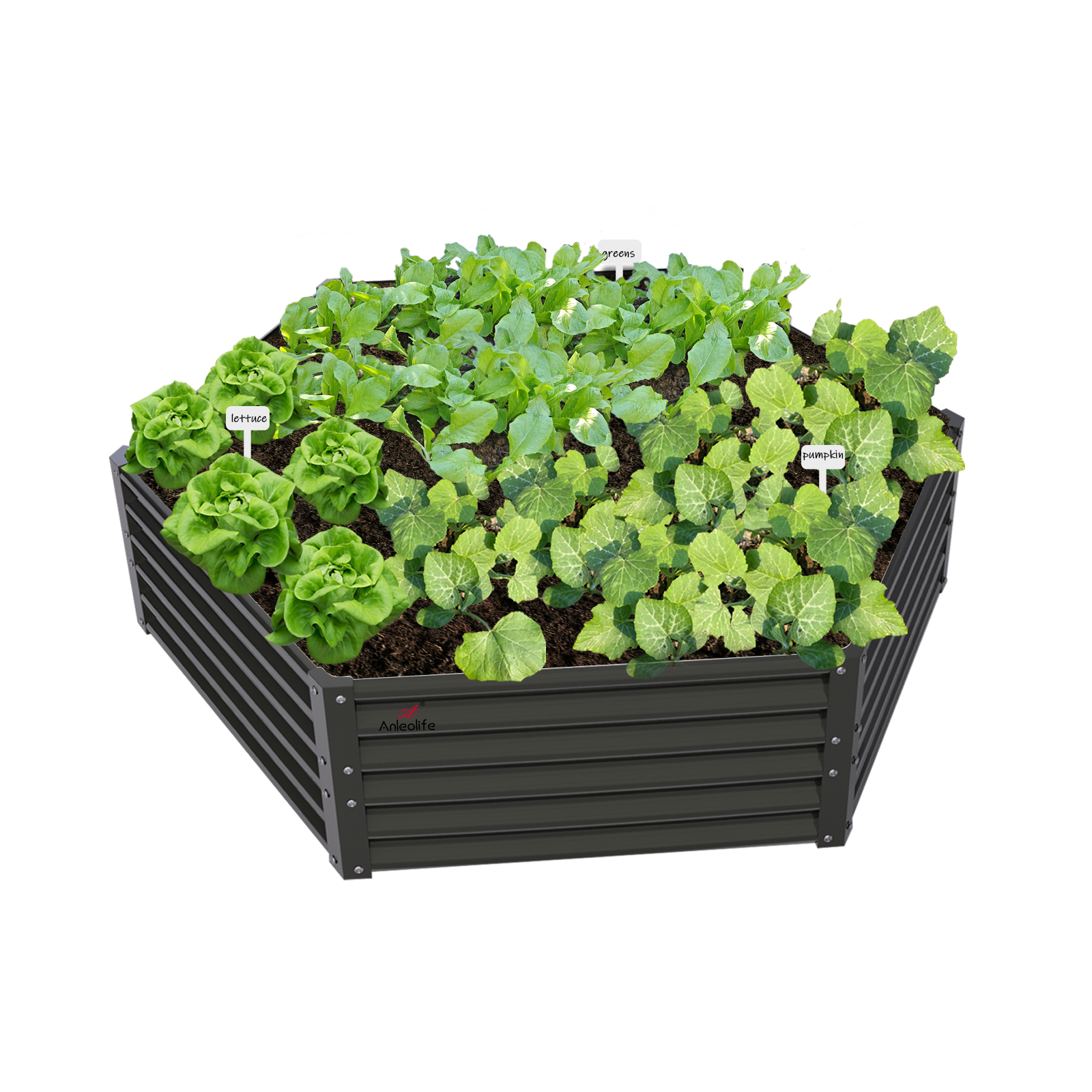
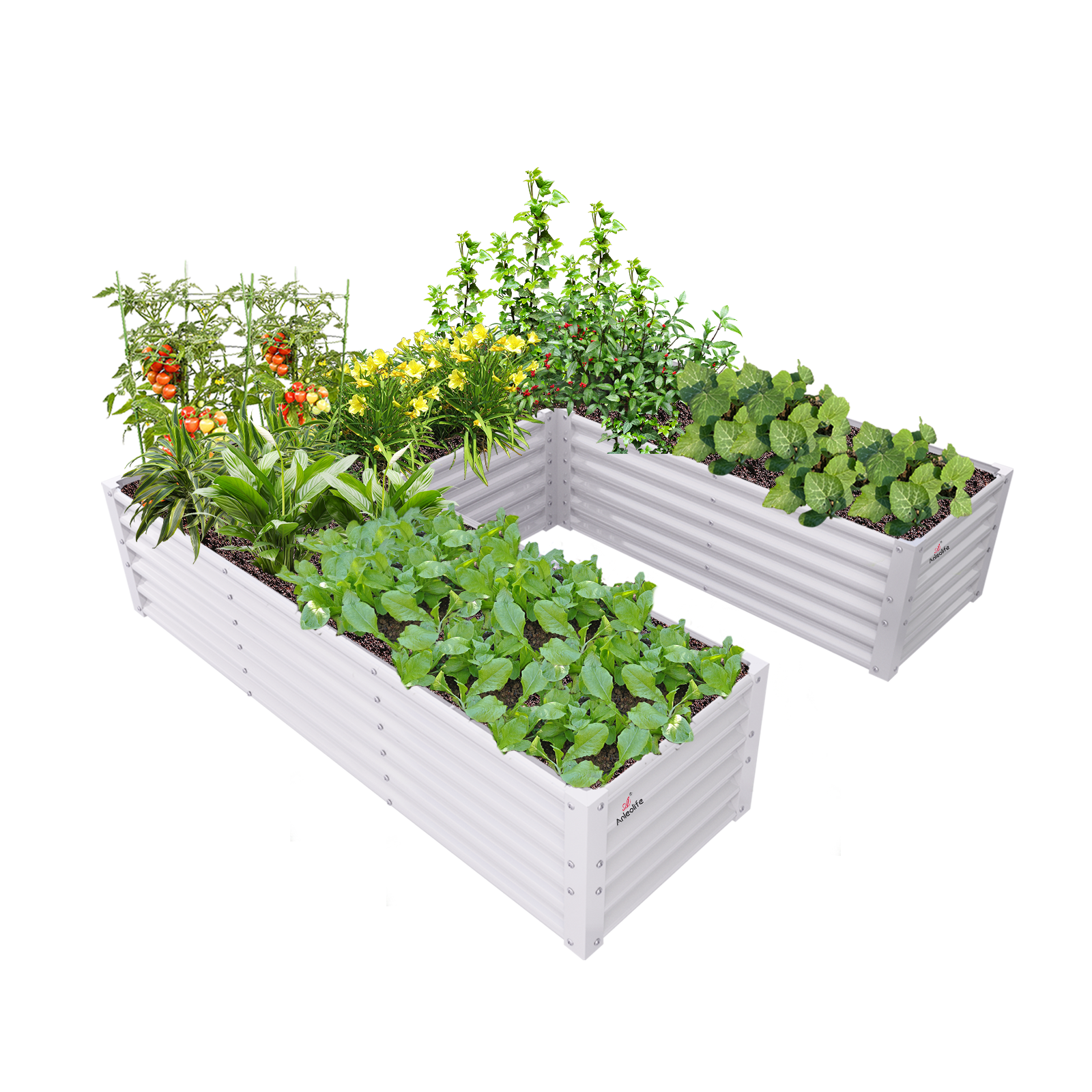


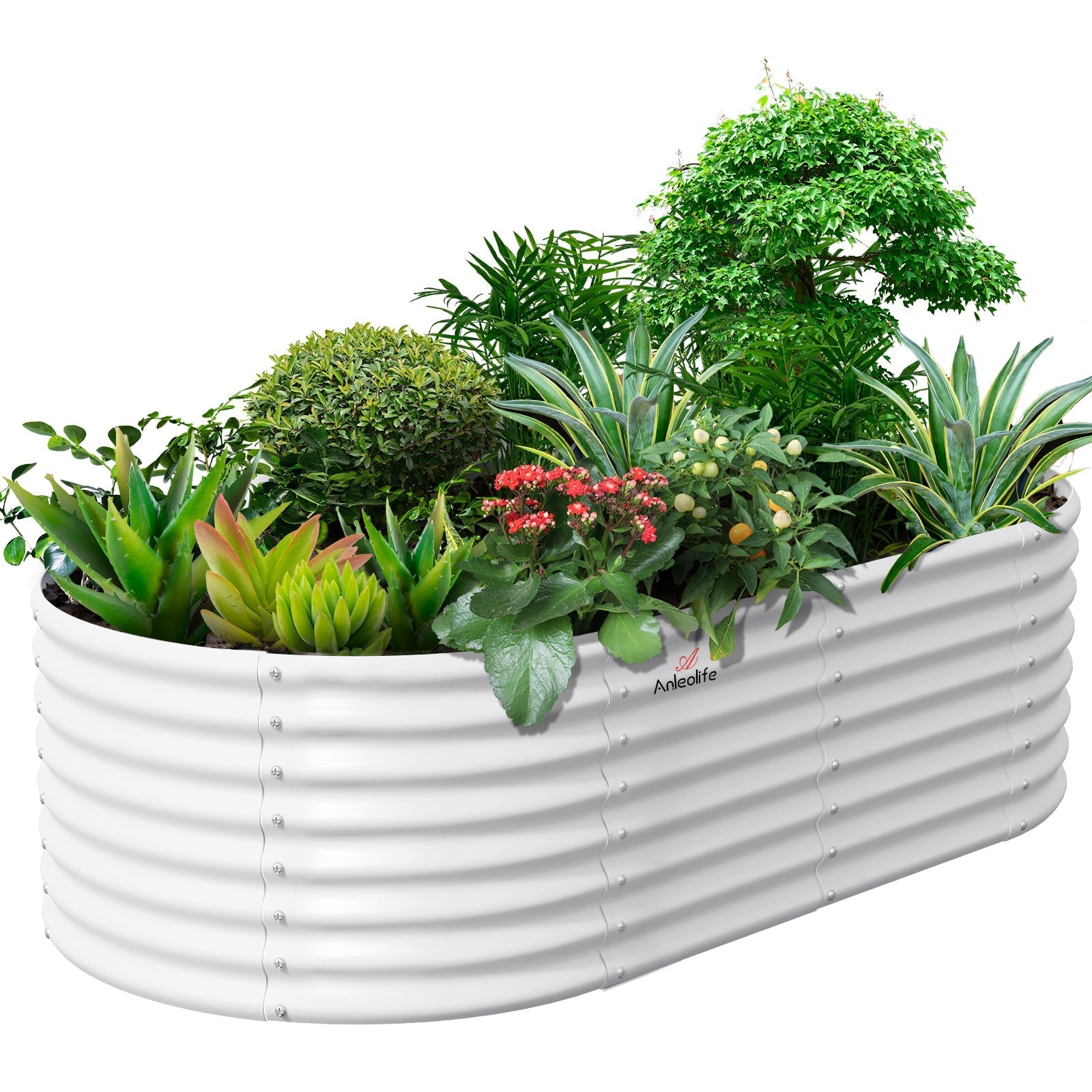

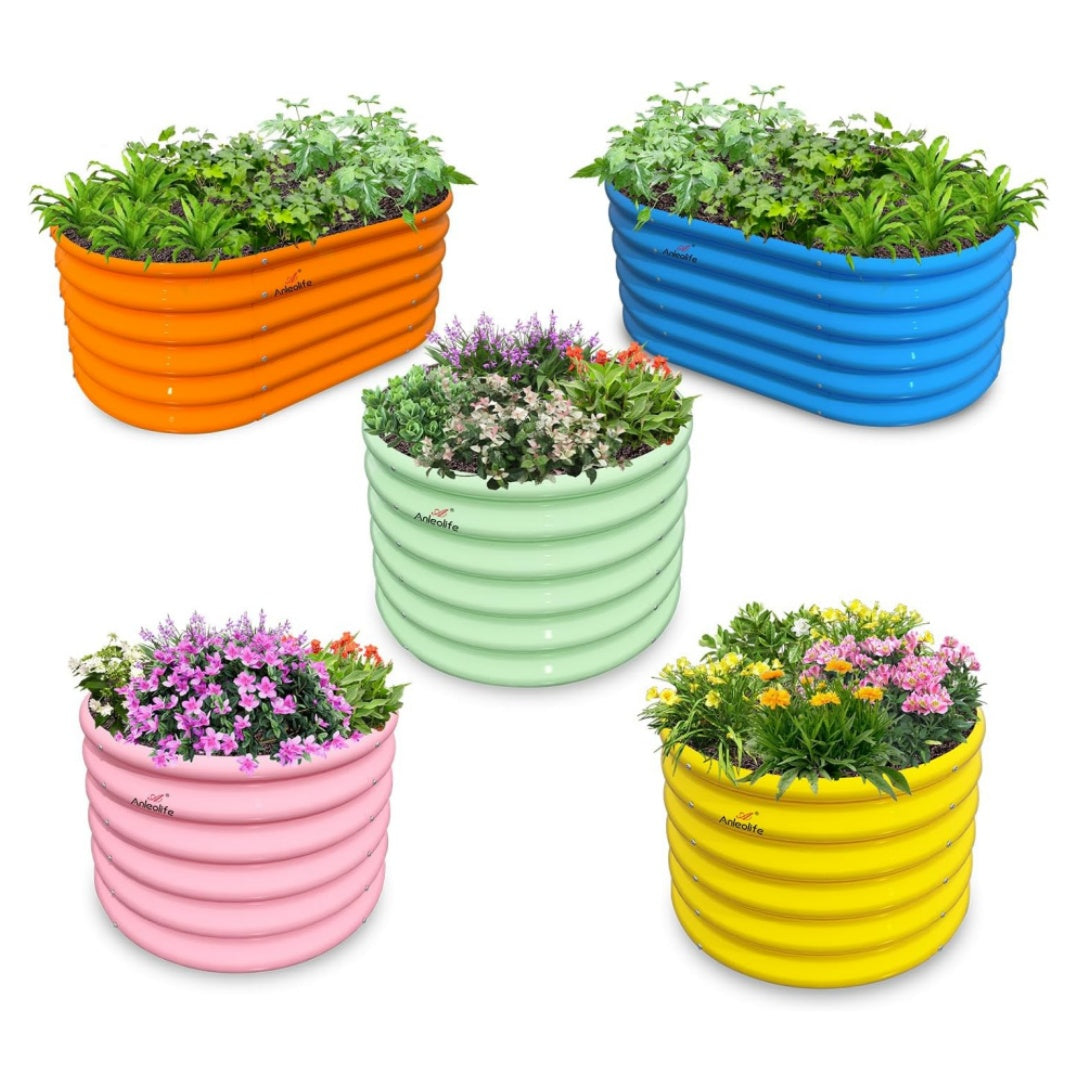
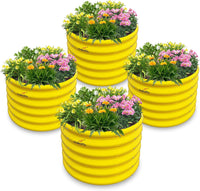
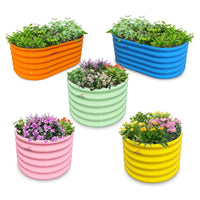
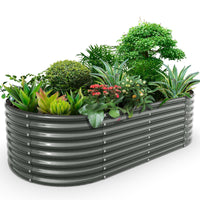



ALT: Non-toxic raised garden bed materials safe for growing vegetables and food at home
Is Your Raised Garden Bed Actually Safe? Understanding Non-Toxic Options for Food Growing
Key Conclusion: Choosing a non-toxic raised garden bed is one of the most important decisions a home food grower can make. Not all materials are created equal — wood can rot and leach chemicals, plastics may off-gas, and untreated metals can corrode. Understanding which materials are genuinely safe for growing vegetables ensures your family eats clean, healthy produce. This guide breaks down what's actually safe, what to avoid, and how modern raised garden beds that won't rot or leach toxins can serve your garden for up to 20 years.
Whether you're a first-time gardener setting up a backyard vegetable patch or a seasoned urban micro-gardener maximizing a small patio space, the material your raised bed is made from matters deeply. Toxins from certain woods, plastics, and low-grade metals can migrate into your soil and, ultimately, into the food on your table. Understanding the science behind material safety — and knowing which products pass the test — empowers you to make smarter, healthier choices for your family and the environment.
Who This Guide Is For: Applicable Scenarios and Cautions
✅ Applicable Scenarios:
- Home gardeners growing edible crops (vegetables, herbs, fruits, root vegetables) in raised beds
- Urban micro-gardeners using container-style or modular raised beds on patios, rooftops, or balconies
- Eco-conscious families and retirees seeking long-lasting, low-maintenance solutions that won't compromise food safety
- Anyone upgrading from old treated-wood beds or degrading plastic planters to safer, more durable materials
❌ Not Applicable/Cautions:
- Purely ornamental gardens where food safety is not a concern — material safety standards can be relaxed when no edible crops are involved
- Gardeners in extreme high-salinity coastal environments may need to confirm specific product coatings; always check manufacturer specifications before purchasing
- Those expecting immediate harvests without proper soil conditioning — even the safest bed material requires correct soil pH and nutrient balance for food-quality results
Why Material Safety in Raised Garden Beds Is a Growing Concern
The raised bed gardening movement has exploded across North America over the past decade. According to the National Gardening Association, over 35% of American households now participate in food gardening, a trend accelerated dramatically since 2020. With this surge in popularity has come a surge in product options — and unfortunately, not all of them are safe for growing food.
The core concern is leaching: certain materials release compounds into the surrounding soil that can be absorbed by plant roots. Old-school pressure-treated lumber, for instance, was historically treated with chromated copper arsenate (CCA), a compound containing arsenic. While CCA-treated wood has been phased out of residential use in the U.S. since 2003, many older beds and some cheap imported products still pose risks. Similarly, certain recycled plastics contain bisphenol-A (BPA) or phthalates — both endocrine-disrupting compounds — which can leach into warm, moist soil over time.
Heavy metals are another concern. Low-quality galvanized steel may use zinc coatings that include lead or cadmium contaminants. And while some paints and coatings add aesthetic appeal to metal planters, not all of them are food-safe.
The good news? Material science has advanced considerably. Today's top-tier raised garden beds that won't rot or leach harmful chemicals are made from food-grade galvanized steel, food-safe coatings, and certified rust-resistant alloys — all designed to keep your soil clean and your crops healthy for decades.
Understanding the regulatory landscape also helps. The U.S. Environmental Protection Agency (EPA) sets guidelines for soil contaminants, while the FDA regulates food-contact materials. Gardeners growing food should look for materials that align with these standards, even if the products themselves aren't formally "certified" for food contact.
Evaluating Non-Toxic Raised Garden Bed Materials: A Complete Breakdown
Three-Step Quick Start for Choosing a Safe Raised Garden Bed
Step 1: Identify Your Growing Goals and Space
Before evaluating materials, clarify what you're growing and where. Are you cultivating deep-rooted root vegetables like carrots and beets that need 24 inches or more of soil depth? Or growing shallow-rooted herbs and lettuce that thrive in shorter beds? Measure your available space precisely — whether it's a 4x8 backyard plot or a compact urban patio. This step takes about 15–20 minutes and ensures you choose the right bed dimensions and depth from the start, avoiding costly re-purchases later.
Step 2: Compare Material Safety Profiles Side by Side
Research the specific materials used in the beds you're considering. Look for galvanized steel with food-safe zinc-aluminum-magnesium coatings rather than basic galvanization. For wood options, confirm they use untreated cedar, redwood, or food-safe composite. Avoid beds that list "pressure-treated" or "ACQ-treated" lumber for vegetable gardens unless explicitly certified as food-safe. This research step can take 30–60 minutes but is essential for long-term food safety. When in doubt, contact the manufacturer directly and ask for material safety data sheets.
Step 3: Assess Longevity, Budget, and Assembly Requirements
A truly non-toxic raised garden bed is also an investment. Cheap options that degrade quickly — warping wood, cracking plastic — can introduce new risks as they break down. Factor in expected lifespan alongside upfront cost. A metal raised garden bed rated for a 20-year lifespan spreads its cost over two decades, making it far more economical (and safer) than replacing budget wood beds every 3–5 years. Consider assembly complexity too — modular raised garden bed designs allow flexible reconfiguration without specialized tools.
Material-by-Material Comparison: What's Actually Safe?
When comparing raised garden bed materials for food safety, four main contenders dominate the market: galvanized steel, cedar/hardwood, plastic/resin, and composite/recycled materials. Here's a clear breakdown to help you make an informed decision.
| Comparison Dimension | Galvanized Steel | Untreated Cedar/Hardwood | Plastic/Resin | Composite/Recycled |
|---|---|---|---|---|
| Food Safety Rating | High (food-safe coatings available) | High (naturally rot-resistant) | Variable (BPA-free options exist) | Variable (depends on source materials) |
| Lifespan | Up to 20 years | 5–10 years | 5–15 years | 8–15 years |
| Rot/Decay Risk | None | Low to moderate | None | Low |
| Chemical Leaching Risk | Low (with food-safe galvanization) | Very low | Moderate (avoid non-certified plastics) | Moderate |
| Maintenance Required | Minimal | Moderate (sealing helps) | Minimal | Low |
| Eco-Friendliness | High (recyclable steel) | Moderate (sustainably sourced options) | Lower | Moderate |
| Cost Over 10 Years | Low (long lifespan) | Moderate to high (replacement costs) | Low to moderate | Moderate |
| Assembly Difficulty | Easy to moderate | Moderate | Easy | Easy to moderate |
This table makes clear that food-safe galvanized steel represents the strongest combination of safety, longevity, and value — particularly when choosing products that explicitly use zinc-aluminum-magnesium alloy coatings rather than basic zinc-only galvanization.
Deep Dive: What Makes Galvanized Steel the Gold Standard for Non-Toxic Growing?
Understanding Galvanized Steel Coatings
The term "galvanized" simply means the steel has been coated to prevent rust. But not all galvanization processes are equal. Traditional hot-dip galvanization uses a zinc coating, which is highly effective but can occasionally include trace impurities in lower-quality manufacturing. Premium galvanized steel uses a zinc-aluminum-magnesium (ZAM) alloy coating, which provides superior corrosion resistance while eliminating concerns about heavy metal contamination.
Zinc itself, in trace amounts, is an essential micronutrient for plants and humans. The amount of zinc that might migrate from a properly galvanized steel bed into garden soil is generally considered negligible and far below EPA threshold levels for soil contaminants. Independent studies have consistently shown that galvanized beds do not meaningfully raise zinc concentrations in edible plant tissue.
Why Steel Beats Wood for Long-Term Food Safety
Many gardeners assume wood is the "natural" and therefore safest choice. In reality, untreated wood rots, and as it decomposes, it creates anaerobic pockets in the soil that can harbor harmful bacteria. More importantly, most commercially available wood raised beds are treated with preservatives to extend their life. Even "safer" treatments like ACQ (alkaline copper quaternary) introduce copper compounds into the soil, which can accumulate over time and harm both beneficial soil microbes and plants.
Cedar and redwood are genuinely safer wood options because they contain natural oils that resist decay without chemical treatment. However, high-quality cedar beds still typically last only 5–10 years before the wood begins to crack, warp, or deteriorate — at which point they require replacement. From a food safety standpoint, the degrading wood can introduce tannins and decomposition byproducts into the soil.
The Problem with Plastic and Resin Planters
Plastic raised beds and tree container gardening planters are popular for their lightweight nature and low cost. However, plastic quality varies enormously. BPA (bisphenol-A) and phthalates — common plasticizers in lower-grade PVC and polyethylene products — are known endocrine disruptors. When plastic planters are exposed to prolonged heat and UV radiation, these compounds can leach into moist soil at elevated rates.
For those asking "what is the best planter for a tree?" or exploring the best planter for tree container gardening, the answer depends heavily on tree type and pot size requirements. For food-producing trees like dwarf citrus, apple, or fig trees, food-safe galvanized steel planters or large-format certified BPA-free containers are the recommended choices. Galvanized steel's thermal stability means it won't off-gas harmful compounds even in full summer sun.
Rust-Resistant Options: Built for Decade-Long Performance
For gardeners prioritizing both food safety and visual appeal, rust-resistant raised garden beds represent a significant upgrade over standard galvanized options. These beds use advanced anti-corrosion alloys and protective coatings engineered to maintain structural integrity and a clean appearance even in high-humidity, high-rainfall environments.
Anleolife's rust-resistant raised garden beds are specifically engineered for this purpose, offering a product lineup designed to resist corrosion across varying climate conditions — from the humid Southeast to the arid Southwest. The coating system ensures no rust particles enter your growing soil, maintaining a truly clean growing environment.
Modular Designs: Safety Meets Flexibility
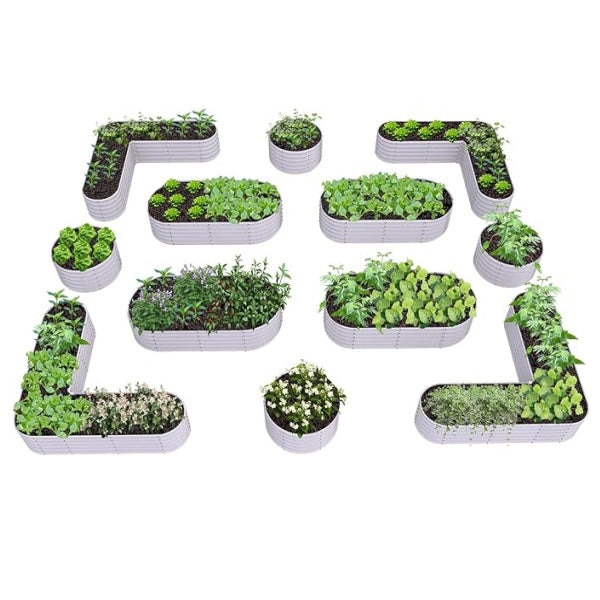
One emerging trend in non-toxic garden bed design is the modular raised garden bed system. Rather than committing to a single fixed layout, modular beds allow gardeners to assemble, expand, or reconfigure their growing space as needs evolve.
For urban micro-gardeners managing limited space, a modular system means starting with a compact configuration and expanding seasonally. For families building out a full vegetable garden, modularity enables a phased investment approach. Critically, from a food safety perspective, modular steel systems use the same food-safe materials throughout — there are no hidden joints filled with adhesives or treated wood inserts that could introduce contaminants.
Anleolife's modular raised garden bed range is a strong example of this design philosophy. Assembly is tool-light and intuitive, with panel-and-connector systems that require no specialized skills. Multiple reviewers cite straightforward assembly as a key advantage — particularly appreciated by retirees and empty nesters who want a functional garden without a complex setup process.
Budget Considerations: Best Options Under $200
A common question among first-time raised bed buyers is about the best budget-friendly raised bed options under $200. The honest answer is that true food safety and sub-$200 pricing are not mutually exclusive — but you need to be selective.
At this price point, galvanized steel beds in standard sizes often deliver the best value. While basic cedar kits can also fall in this range, their shorter lifespan means higher long-term cost. A quality galvanized steel bed rated to last 20 years at a $150–$200 price point works out to just $7.50–$10 per year — genuinely one of the most cost-effective investments in home food production.
Avoid the temptation to go cheaper with unknown plastic or resin options at this price tier. Without clear BPA-free and food-safe certifications, these beds represent a food safety gamble that no health-conscious gardener should take.
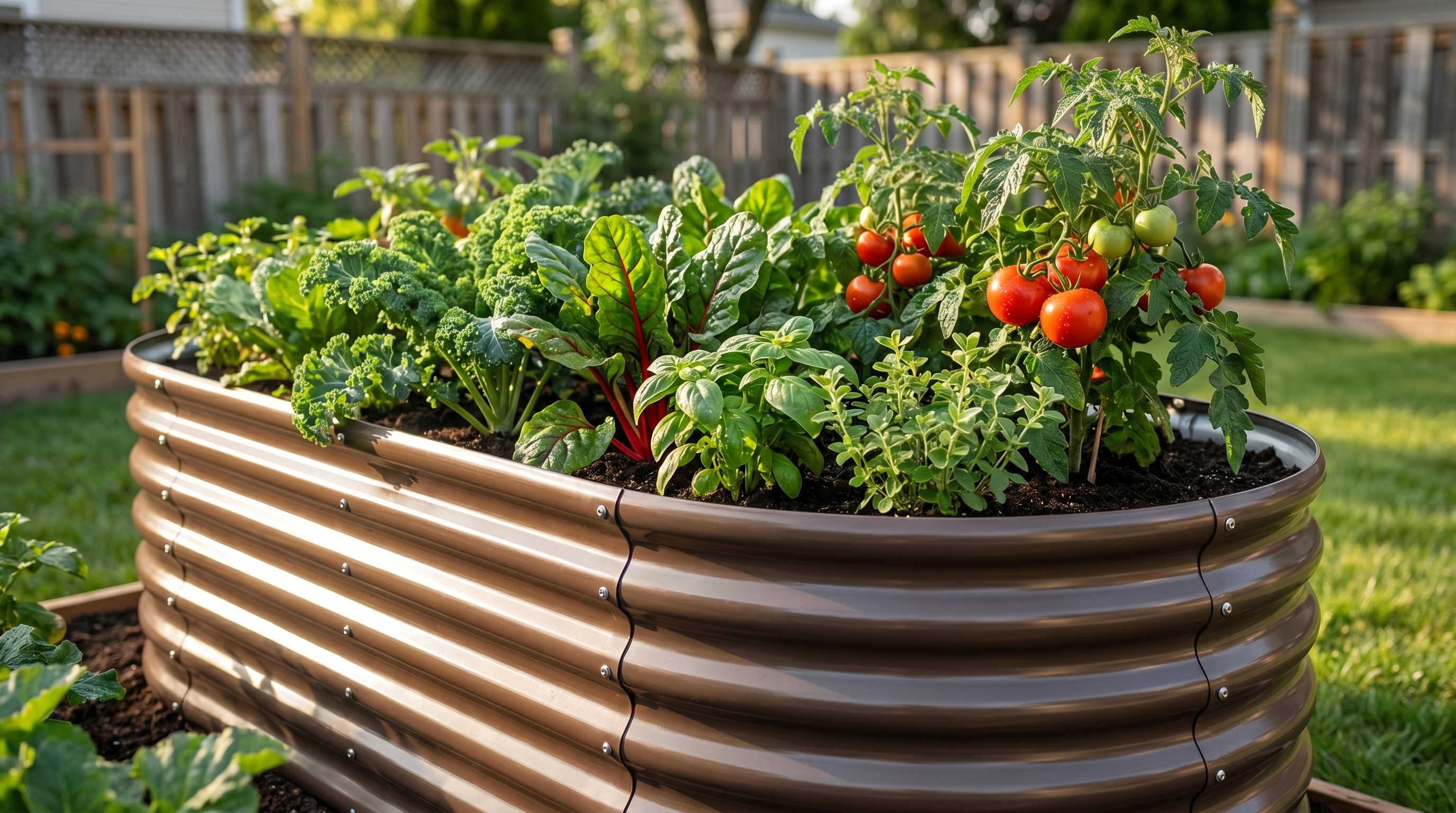
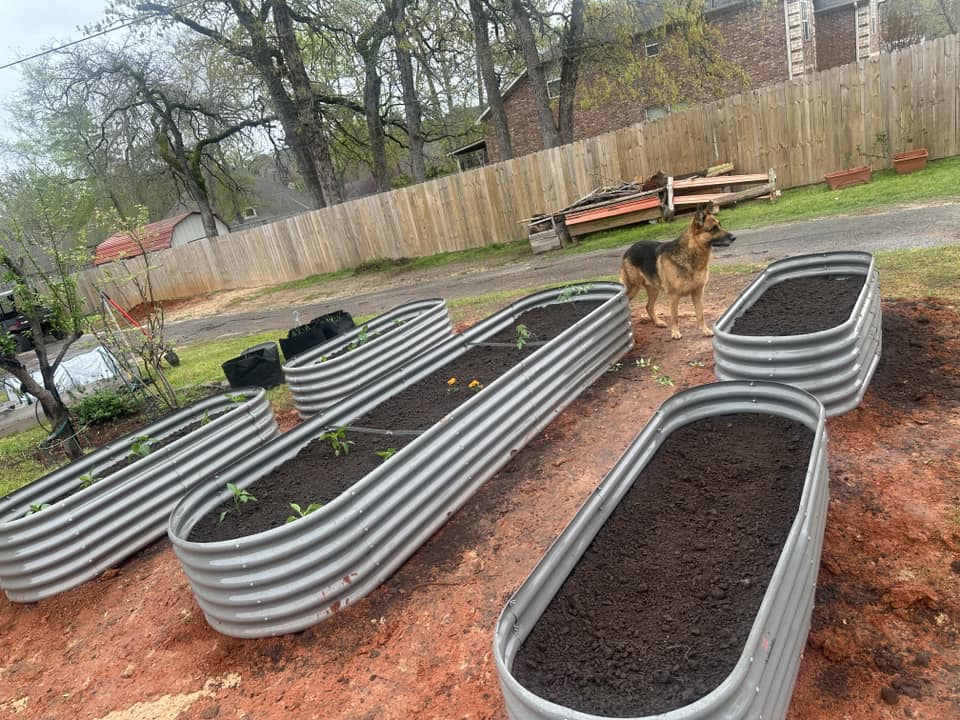
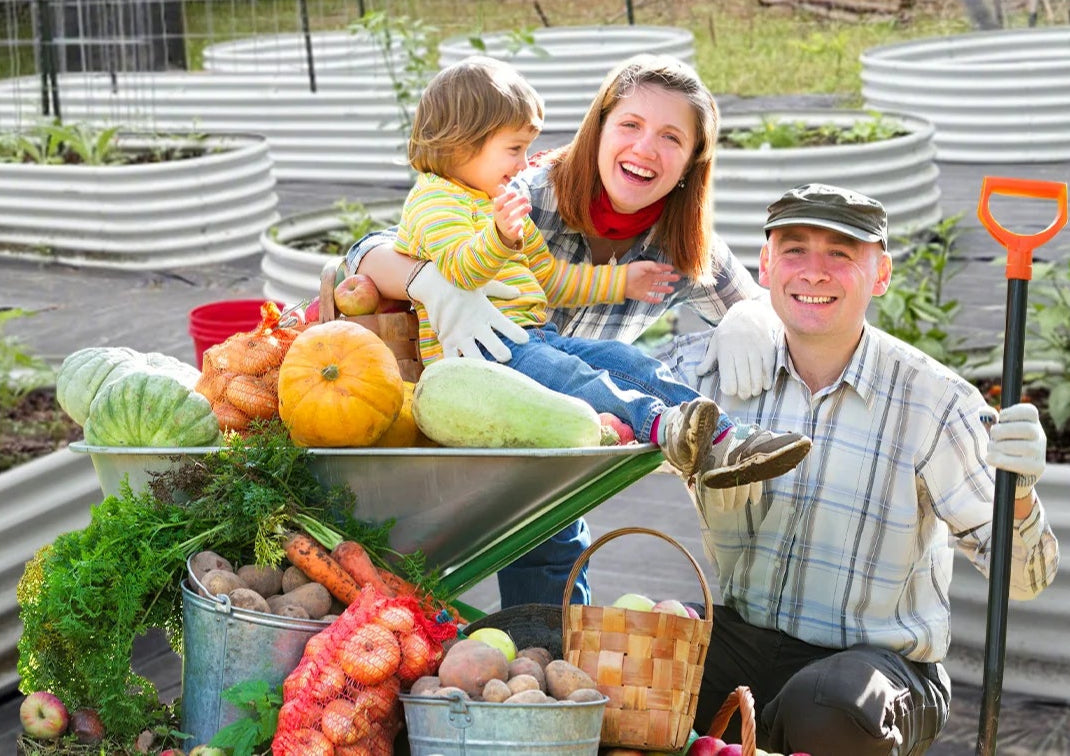
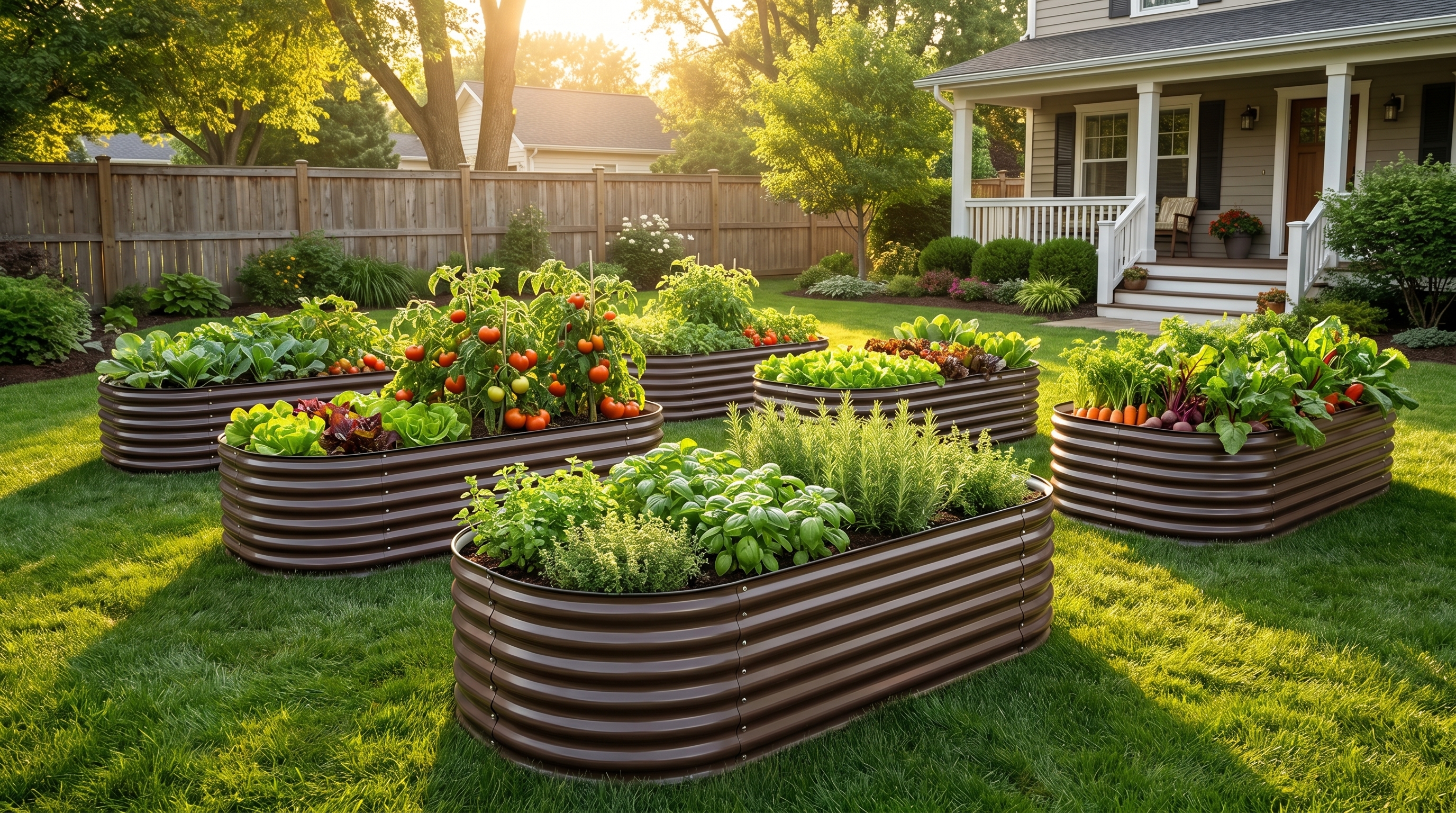
ALT: Food-safe galvanized steel non-toxic raised garden beds growing vegetables in a healthy home garden
Advanced Considerations: Liners, Soil, and Environmental Factors
When to Use a Bed Liner — and Which Kind
Even with a perfectly food-safe bed material, some gardeners choose to add a liner for extra peace of mind or to improve moisture retention. If you use a liner, the liner itself must be food-safe. Avoid PVC liners entirely — opt instead for HDPE (high-density polyethylene) liners, untreated burlap, or heavy-duty landscape fabric specifically marketed as food-safe.
Liners are particularly recommended when placing metal beds directly on surfaces that may have historical contamination — like old urban lots or former industrial land. In these cases, a solid liner prevents upward migration of soil contaminants from below.
Common Misconception: "Natural" Doesn't Always Mean Safe
Many gardeners assume any "natural" material is inherently safer than processed alternatives. This misconception leads some to choose untreated pallet wood or reclaimed lumber for their beds. In reality, reclaimed wood carries significant unknowns — previous treatments, chemical exposure, mold, and pest residue can all be present. Unless you have complete documentation of a wood's history, it's a risky choice for a food garden.
Similarly, some "natural" stone planters or cinder block beds can leach calcium or magnesium compounds that alter soil pH dramatically — potentially affecting nutrient availability for your crops without presenting an obvious visible symptom.
Certifications and Standards to Look For
While no universal "food-safe raised bed" certification currently exists, gardeners can look for these markers of quality:
- ASTM A653 compliance for galvanized steel (indicates standardized coating quality)
- REACH compliance for European-manufactured steel products (restricts hazardous substances)
- BPA-free labeling for any plastic or resin components
- Manufacturer-provided material safety data sheets (MSDS) upon request
Brands that are transparent about their material sourcing and coating processes — and willing to share this documentation — are inherently more trustworthy than those that aren't.
Frequently Asked Questions FAQ
Q1: How do I know if a galvanized steel raised garden bed is safe for growing vegetables?
Look for beds made with zinc-aluminum-magnesium (ZAM) alloy coatings rather than basic zinc galvanization. Reputable manufacturers will provide material specifications and confirm their coatings meet food-contact safety standards. Research confirms that zinc migration from properly galvanized steel into edible plant tissue is minimal and well within safe thresholds established by the EPA. When in doubt, request a material safety data sheet from the manufacturer before purchasing.
Q2: Are modular raised garden beds as durable as fixed-size beds?
Yes — when made from the same food-safe galvanized or rust-resistant steel, modular raised garden beds deliver equivalent durability to fixed designs. The panel-and-connector assembly method used in quality modular systems is engineered for structural integrity across multiple seasons. Properly maintained galvanized steel beds, whether modular or fixed, are built to last up to 20 years, making them highly reliable choices for long-term food growing regardless of configuration.
Q3: What is the most cost-effective non-toxic raised garden bed option for a beginner?
For beginners seeking both safety and value, a mid-range galvanized steel raised garden bed in a standard size typically offers the best balance. At price points often under $200 for smaller configurations, and with a lifespan of up to 20 years, the per-year cost is very low. Compare this to untreated cedar beds that may need replacement every 5–7 years at similar price points. Anleolife offers a range of options across sizes and heights — from 18-inch standard beds to 30-inch waist-high models — to fit varied budgets and growing needs.
Summary
Choosing a non-toxic raised garden bed is not just a purchasing decision — it's a commitment to the long-term health of your family and your soil ecosystem. Three key principles should guide your decision:
First, prioritize verified materials over marketing language. "Natural" doesn't always mean safe, and "rust-resistant" doesn't automatically mean food-safe. Look for galvanized steel with food-grade coatings, BPA-free certifications for plastic components, and transparent manufacturer documentation.
Second, think in terms of lifetime value, not just upfront cost. A galvanized steel bed with a 20-year lifespan is almost always more economical — and safer — than repeatedly replacing degrading wood or plastic alternatives.
Third, let your specific growing context drive your choices. Whether you're building a large family vegetable garden, a compact urban herb station, or experimenting with tree container gardening, the right non-toxic bed exists for your scenario. Modular systems offer flexibility for evolving needs, while fixed heavy-duty beds provide maximum stability for permanent installations.
Your next step: assess your current or planned growing space, identify the crops you want to grow and their depth requirements, and match those needs to a verified food-safe bed material. The investment you make today protects both the quality of your harvest and the health of everyone at your table.
Start Growing Safely with Anleolife
Nationwide U.S. warehouse network: Strategically located in California, Texas, Florida, New York, Illinois, and Washington, Anleolife ensures delivery within 3–8 business days — so your garden upgrade plans never have to wait through long lead times.
Multi-channel availability: Anleolife products are available on Amazon, Walmart, Home Depot, Lowe's, Wayfair, and the official Anleolife.com website, providing consistent quality assurance and reliable after-sales service wherever you prefer to shop.
Three complete garden scenarios: Planting (metal raised garden beds, soil systems), Raising (chicken coops, rabbit hutches), and Beautification (decorative accessories, pathway systems) — meeting complete needs from functionality to aesthetics in one cohesive ecosystem.
We understand that an ideal garden is not built overnight, but improved gradually over time. Anleolife's modular product design allows flexible expansion based on your needs — from your first compact bed to a fully integrated planting-and-raising ecosystem. We grow with you every step of the way.
References
- U.S. Environmental Protection Agency. "Soil Contamination and Human Health".
https://www.epa.gov/report-environment/land-contamination - National Institutes of Health / National Library of Medicine. "Zinc in Soil and Food Safety: A Review of Galvanized Metal Garden Beds".
https://www.ncbi.nlm.nih.gov/pmc/articles/PMC3775240/ - University of California Agriculture and Natural Resources. "Food Safety in Home Gardens".
https://ucanr.edu/sites/UrbanAg/Food_Safety/ - U.S. Consumer Product Safety Commission. "Safety Standards for Consumer Products — Chemical Substances".
https://www.cpsc.gov/Regulations-Laws--Standards - National Gardening Association. "Food Gardening in the United States — Trends and Participation Data".
https://garden.org/learn/articles/view/3819/
Note: Standards may be updated; please check the latest official documents or consult professional advisors for current requirements.
About Anleolife
Anleolife is a leading outdoor garden solutions provider in North America, dedicated to offering a full-scenario product ecosystem for home gardening enthusiasts, covering planting, raising, and garden beautification. Since its founding, we have upheld our brand mission, "Made for Garden Life," continuously innovating products and optimizing services to help hundreds of thousands of users upgrade their gardens, reconnect with nature, and enjoy a better garden lifestyle.