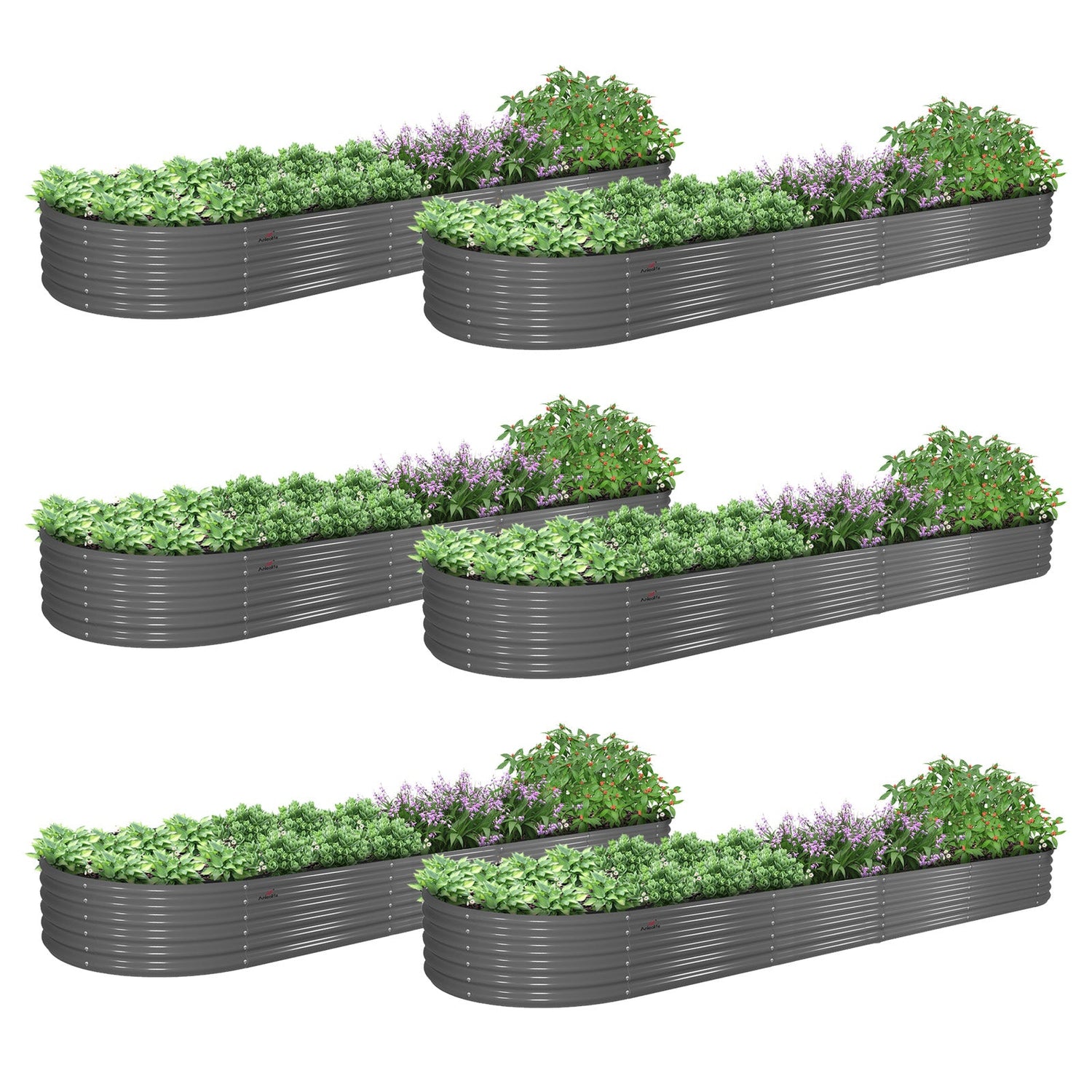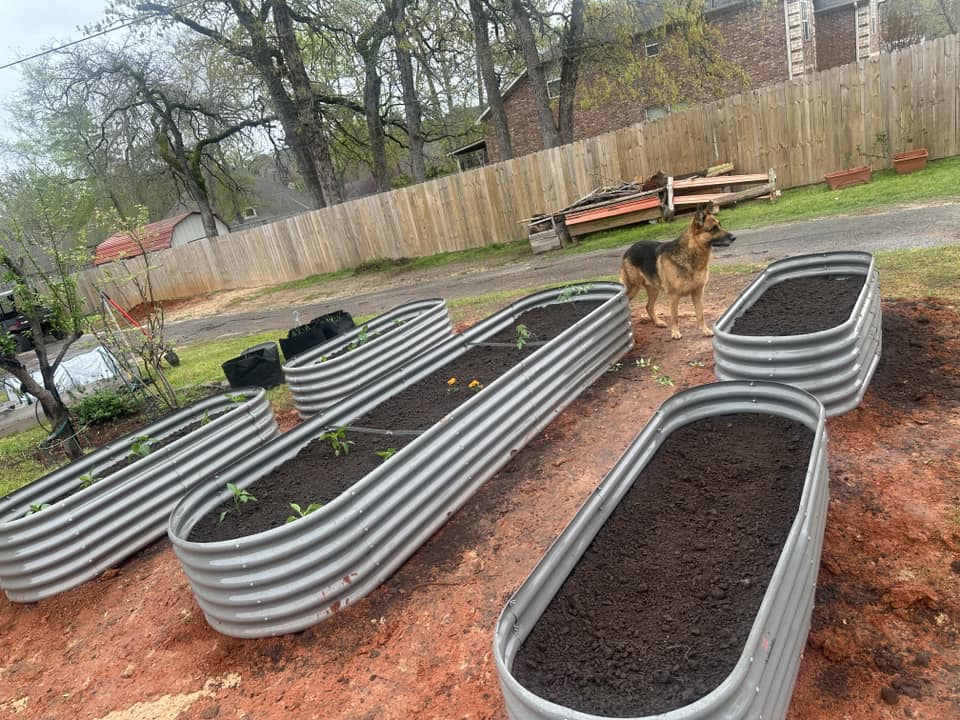



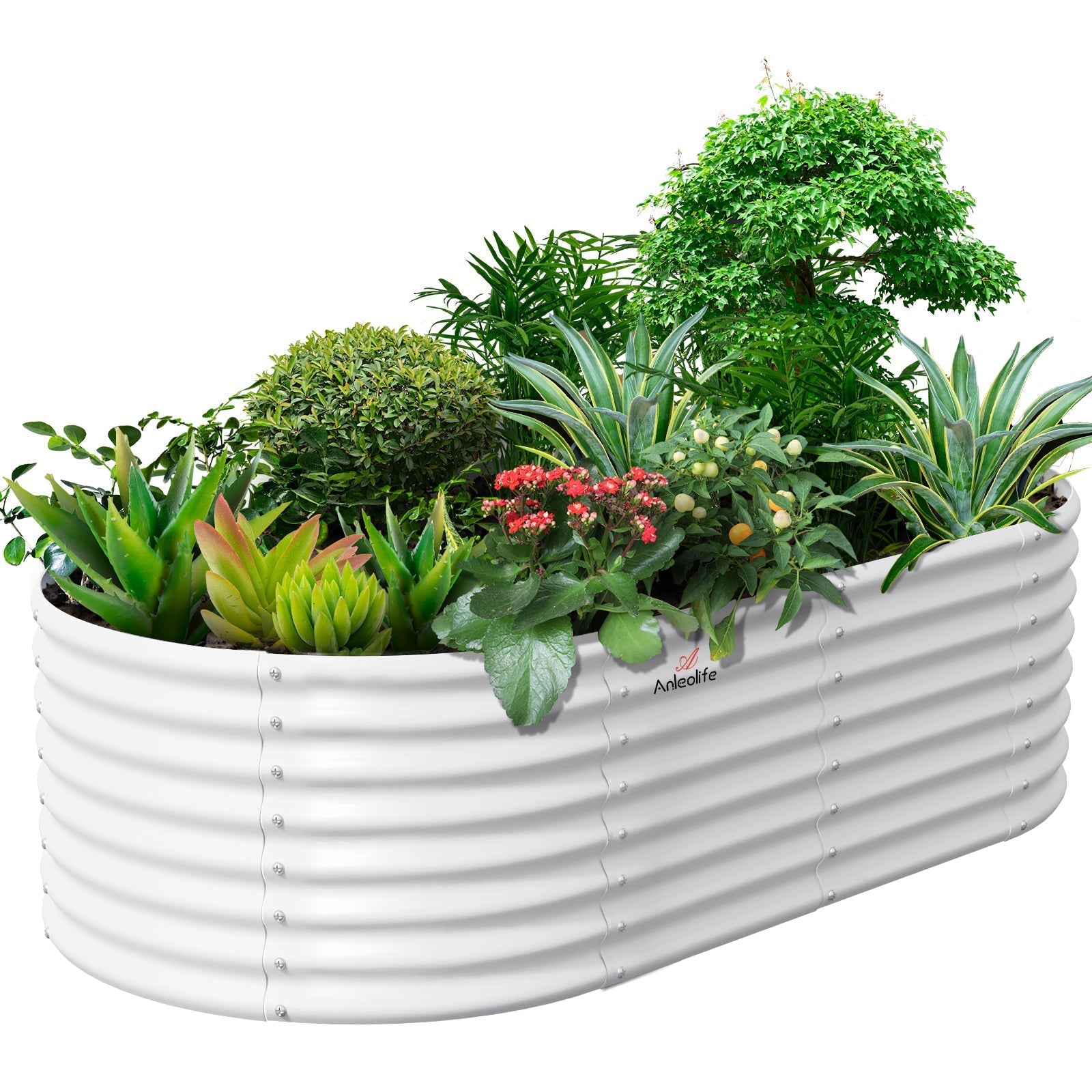
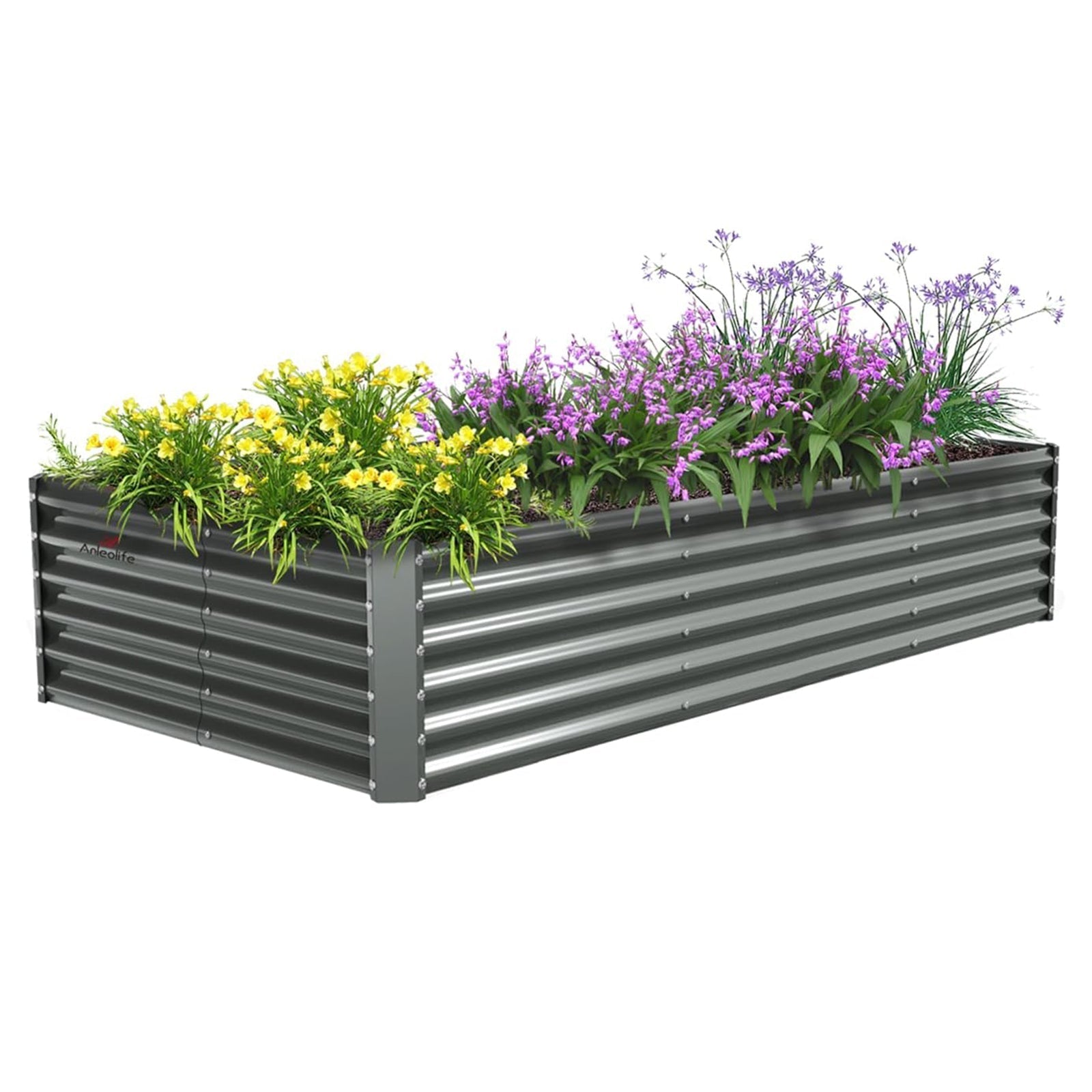
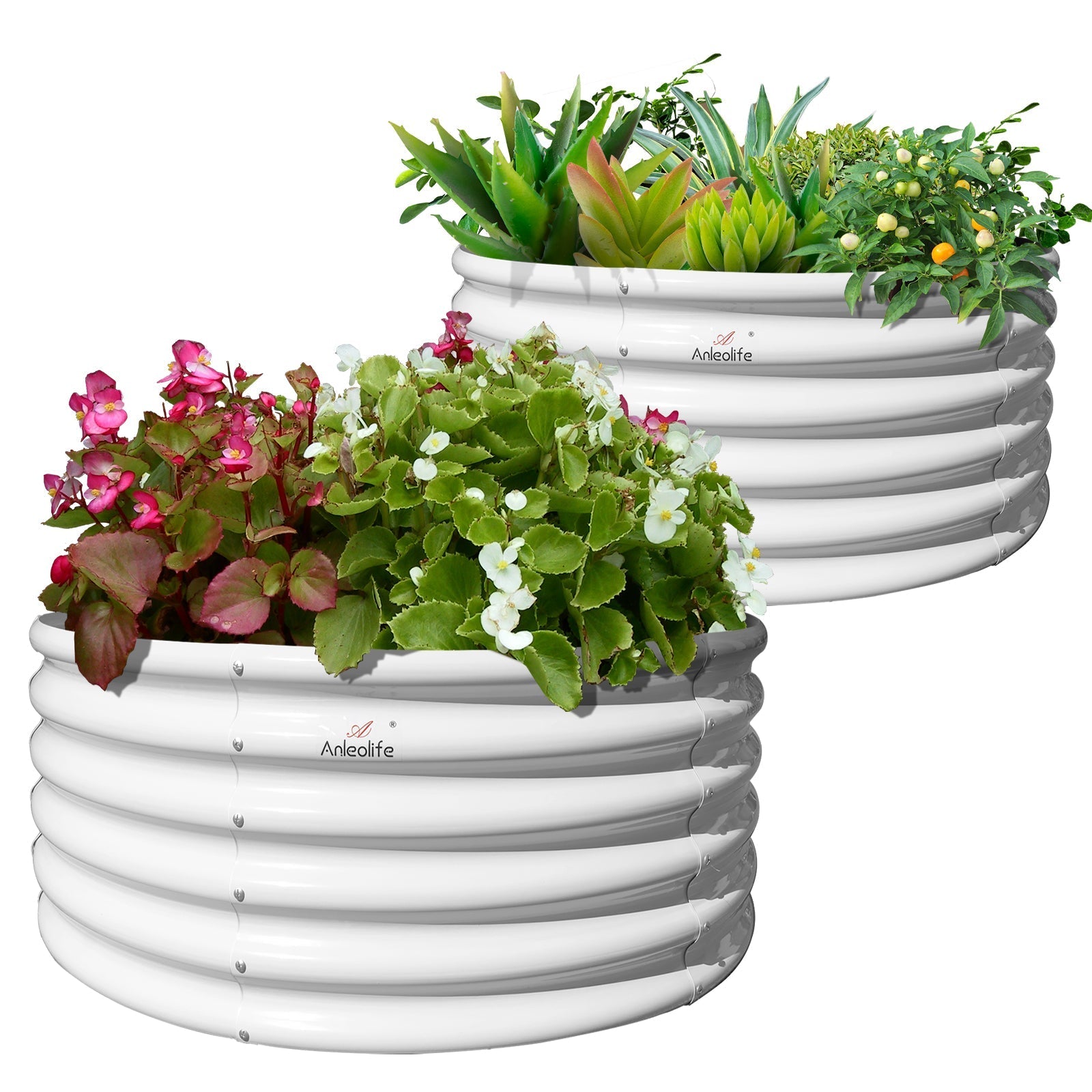
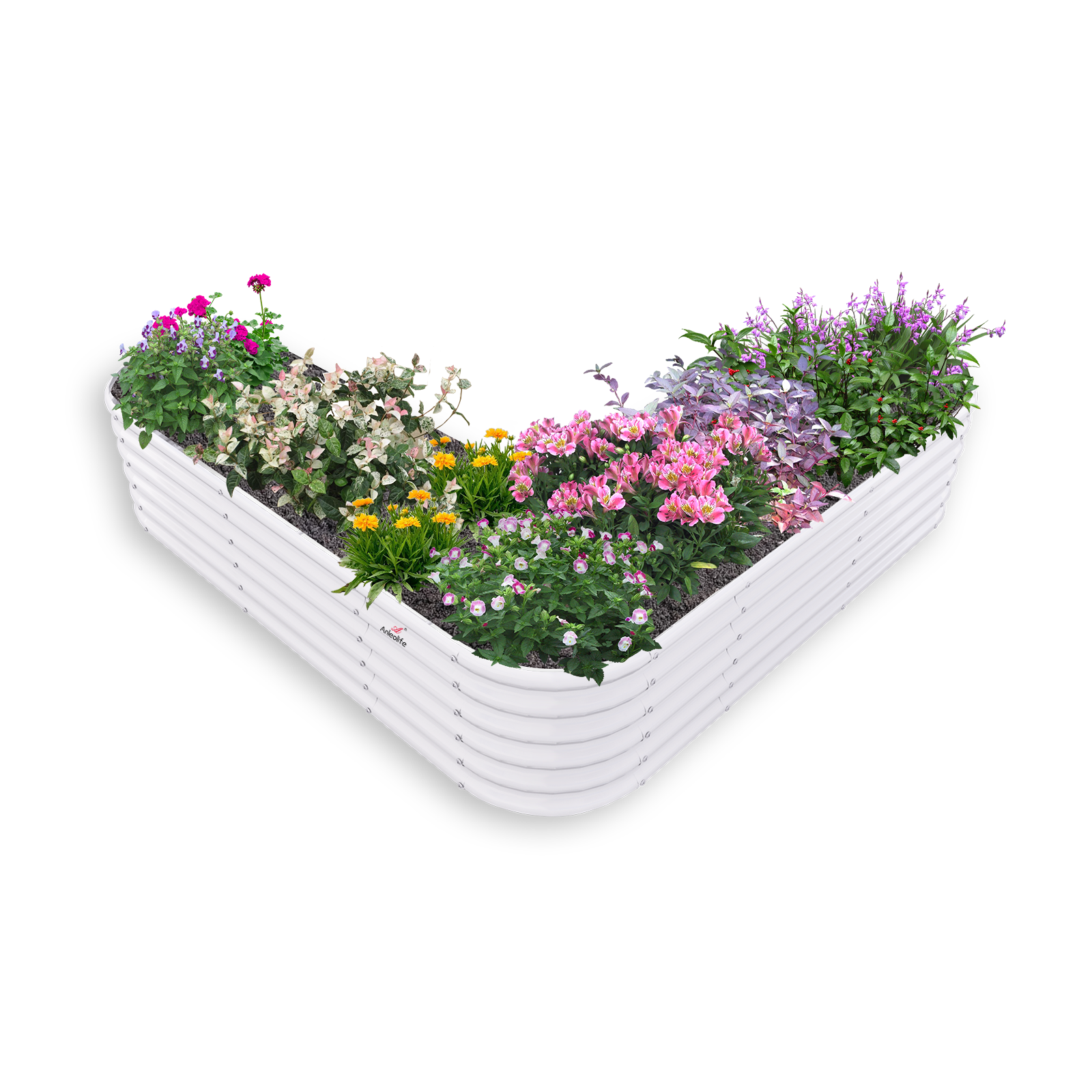
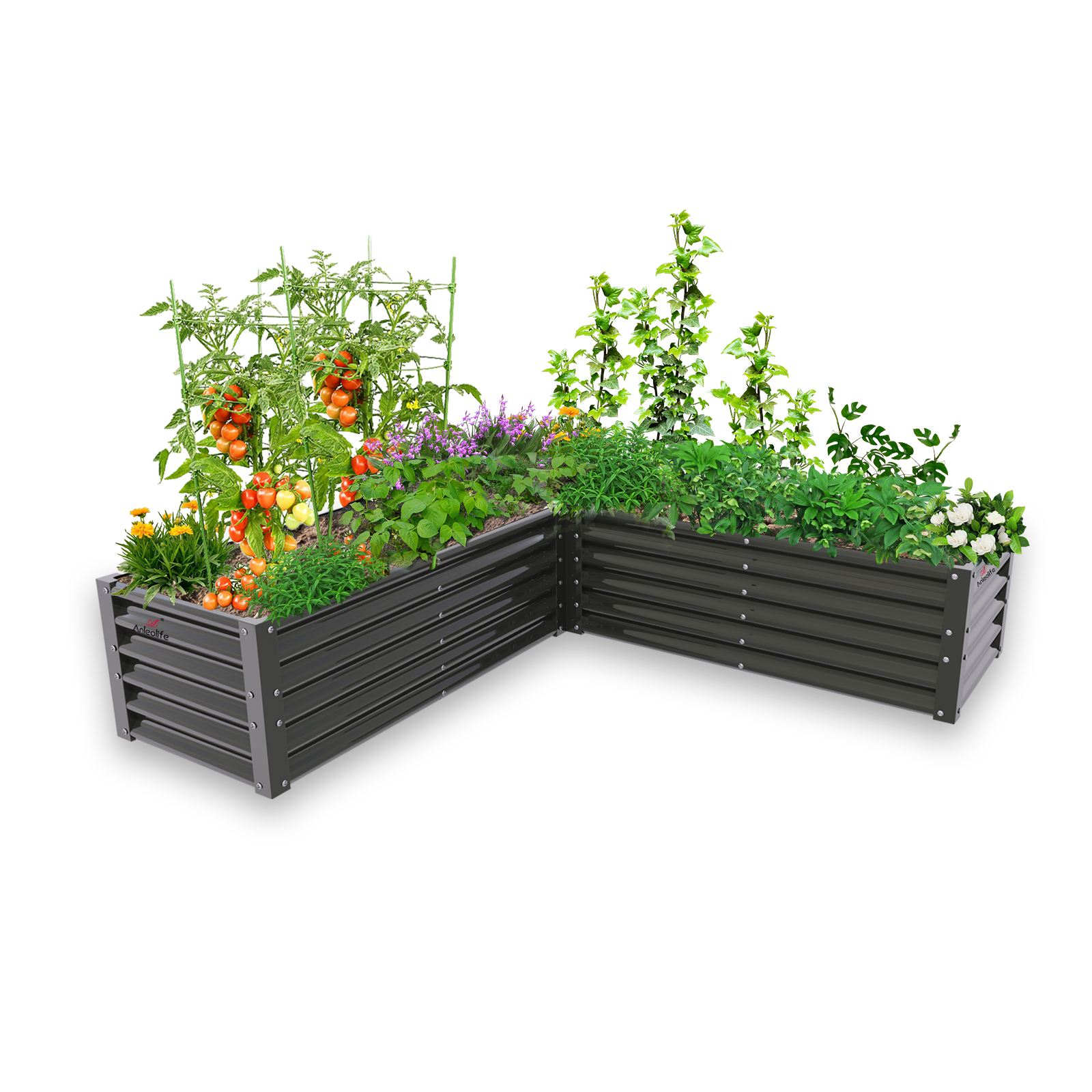
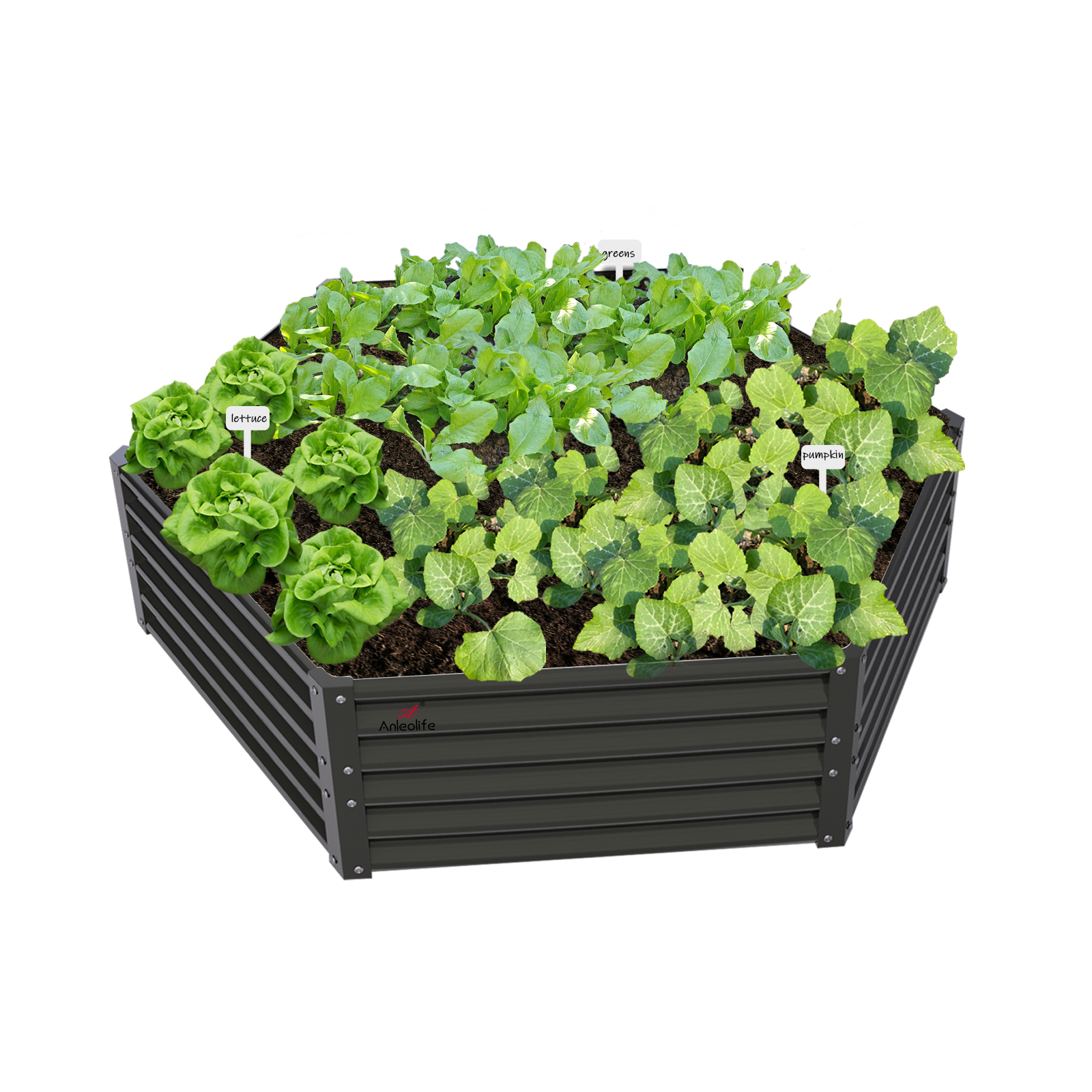
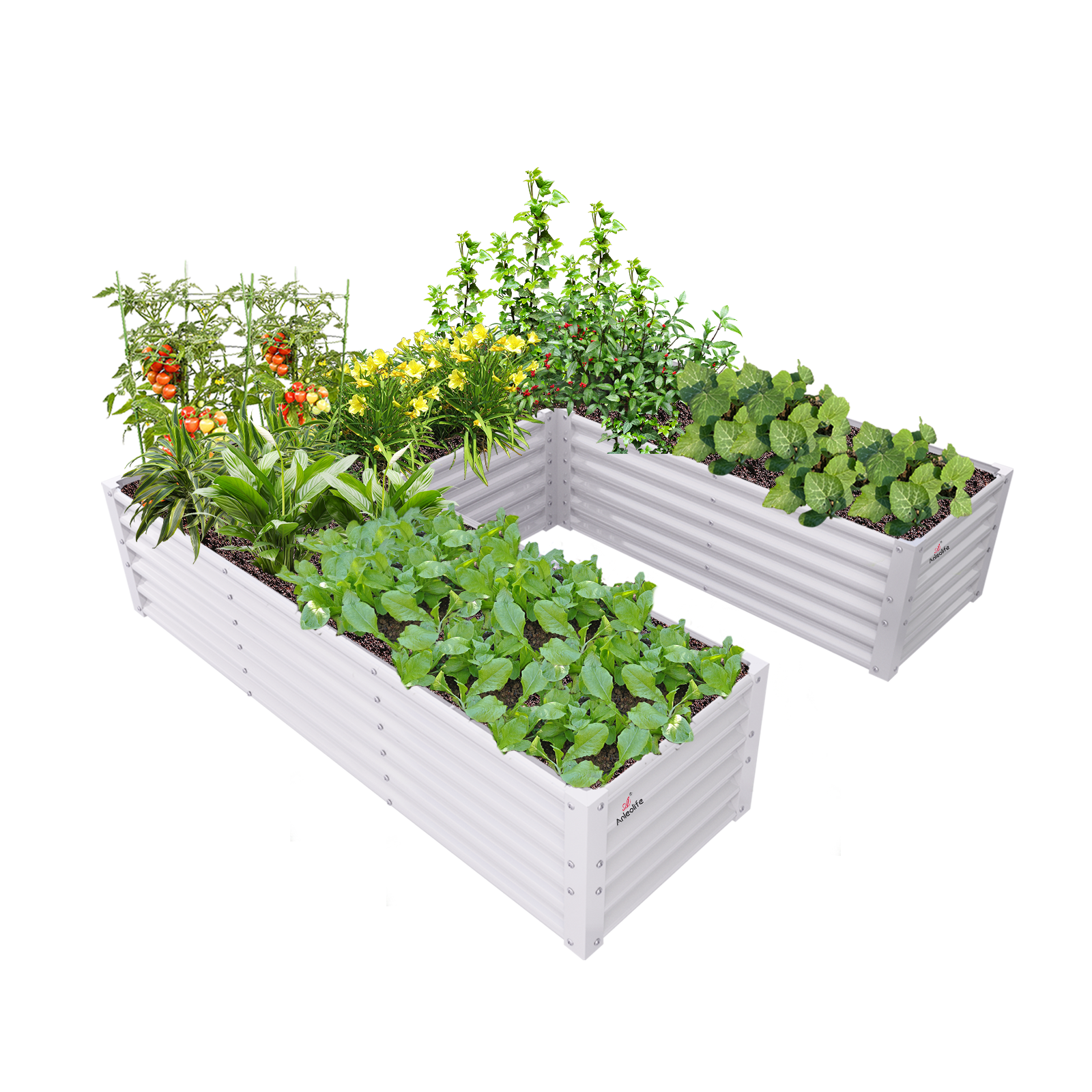


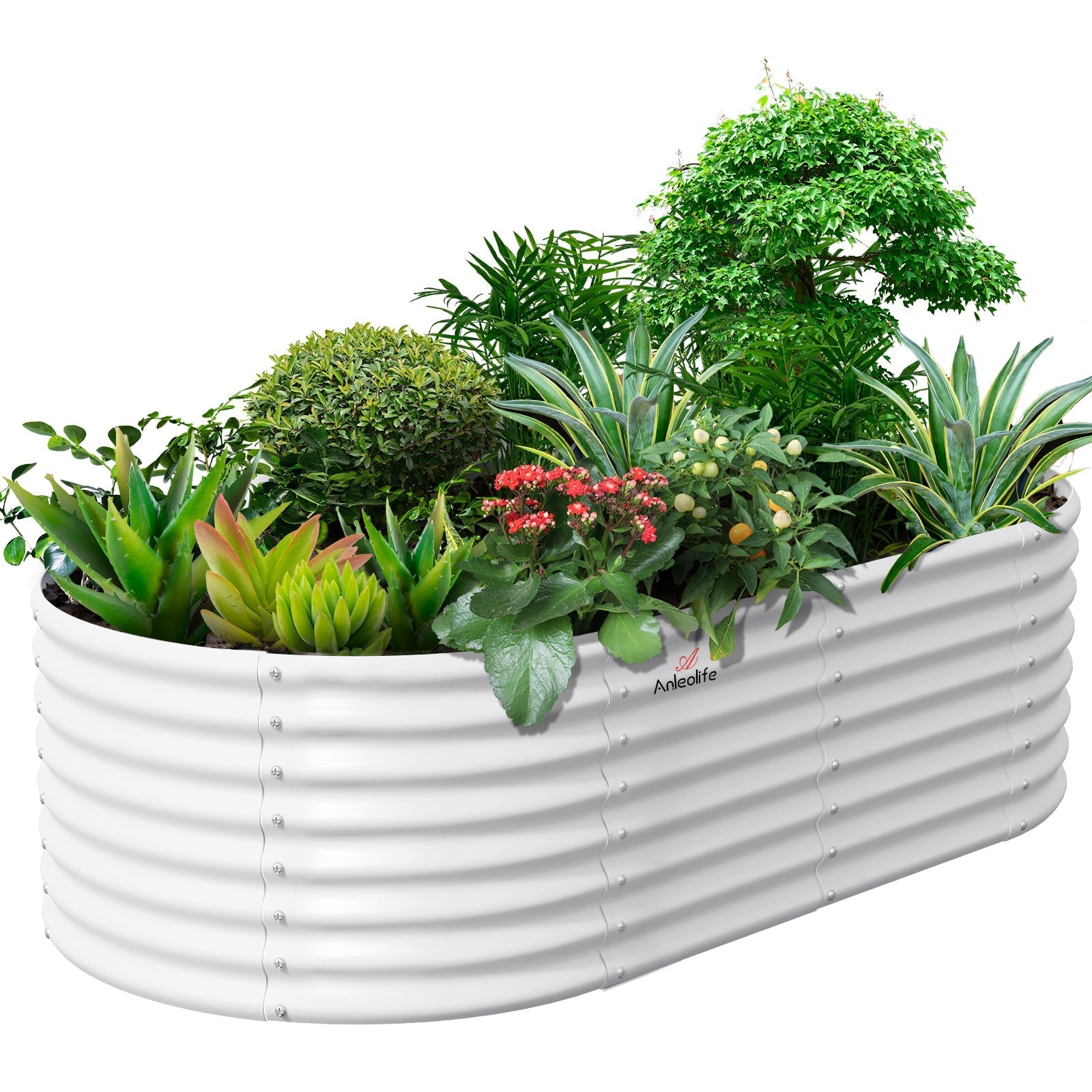

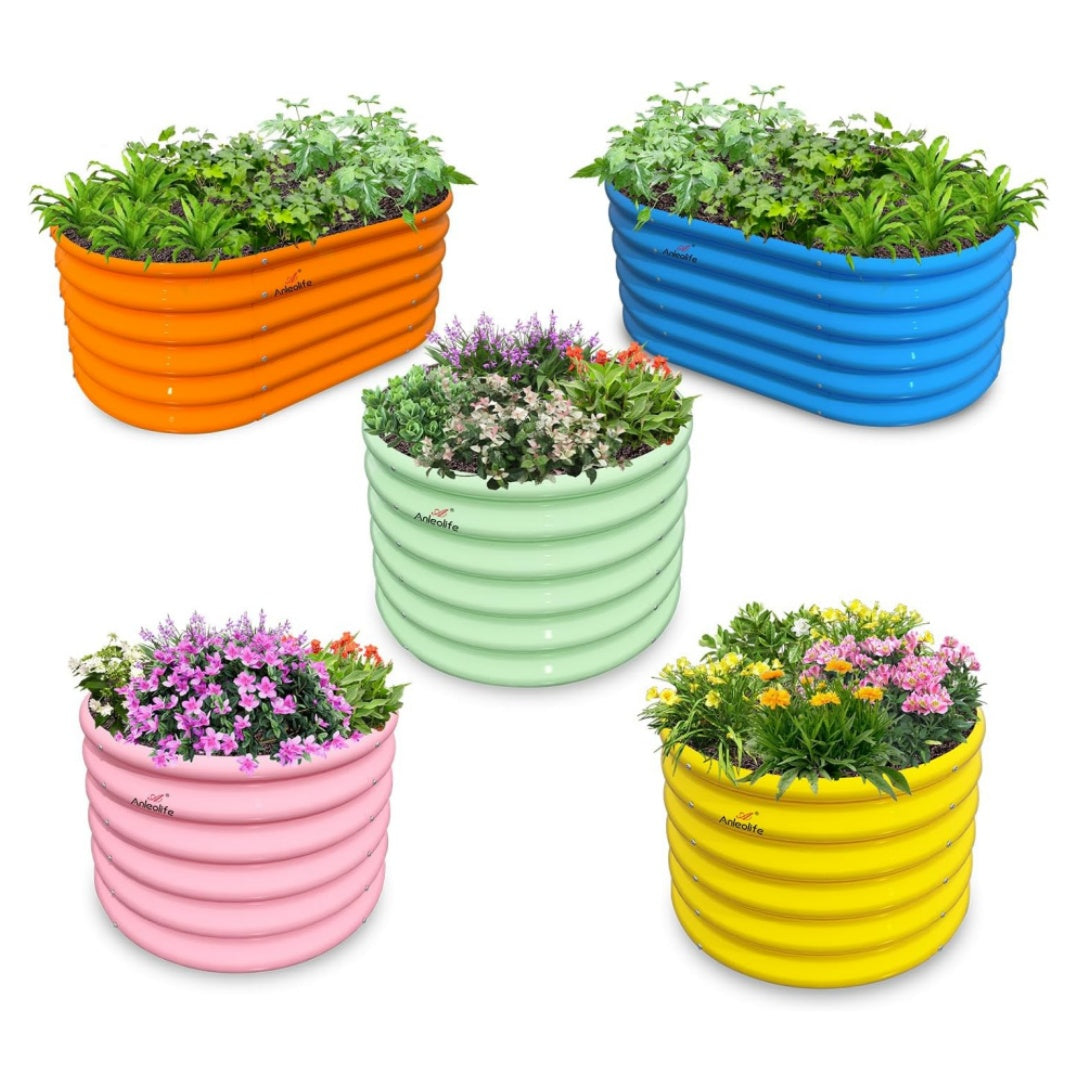
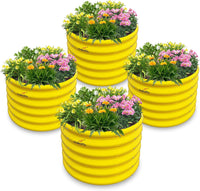
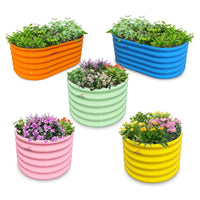
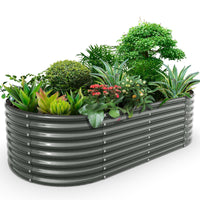



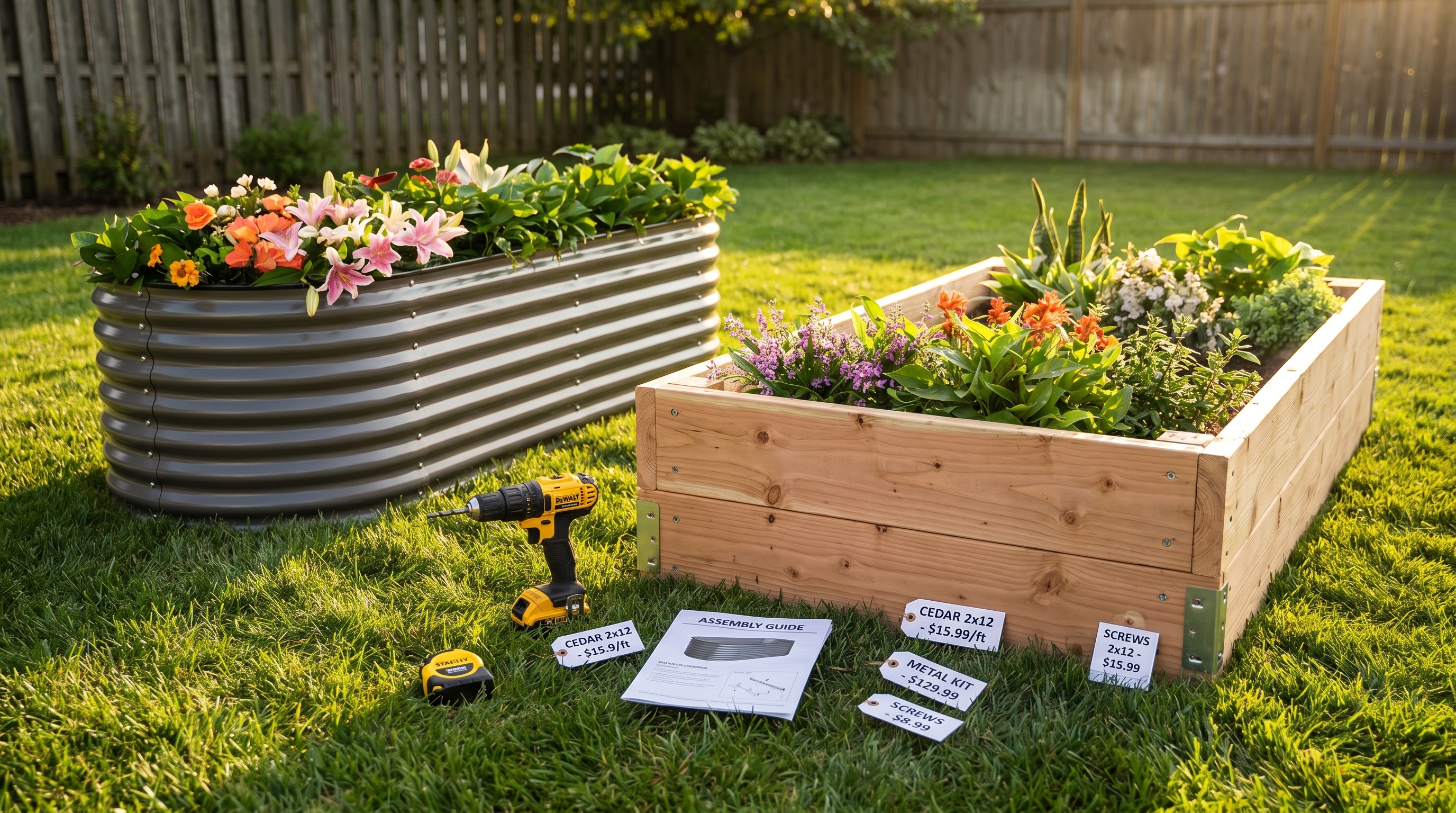
ALT: Raised garden bed kit beside DIY lumber build showing real cost comparison for summer buyers
Is a Raised Garden Bed Kit Really Worth It? The Summer Cost Truth
Key Conclusion: When planning your raised bed garden layout, the choice between a ready-to-assemble kit and a custom DIY build shapes not just your budget but your entire planting season. A thoughtful raised bed planting layout should account for material costs, labor hours, long-term durability, and how quickly you can get growing. For most summer buyers, the total cost of ownership—factoring in a raised bed layout that lasts—often makes quality kits more economical than they first appear.
Summer is prime time for garden upgrades. The days are long, the motivation is high, and nurseries are stocked. But standing in your backyard with a tape measure and a browser full of lumber prices, you face a question every serious home grower eventually confronts: should you buy a raised garden bed kit or build one yourself?
This article breaks down the real numbers, the hidden costs, and the practical trade-offs so you can make the smartest investment for your space, your time, and your gardening goals. Whether you're a first-time planter or expanding an existing setup, the comparison ahead gives you everything you need to decide with confidence.
Who This Guide Is For—and When Each Option Makes Sense
✅ Applicable Scenarios:
- First-time gardeners who want a fast, frustration-free setup and plan to start planting within days of ordering
- Busy families and retirees who value consistent quality and don't want to spend weekends cutting, measuring, and treating lumber
- Urban micro-gardeners working with small or irregular spaces who need a precise, clean footprint for their raised bed layout
- Eco-conscious growers who want materials with verified longevity and minimal chemical treatment concerns
❌ Not Applicable/Cautions:
- Experienced builders with surplus materials on hand who can genuinely reduce costs through reuse—DIY may pencil out in those narrow circumstances
- Gardeners who need highly unusual custom dimensions that no standard kit accommodates and cannot be adjusted through modular expansion
The Real Landscape of Raised Bed Costs in North America
The raised garden bed market has expanded dramatically over the past several years. According to data from the National Gardening Association, home food gardening participation in the U.S. has grown steadily, with millions of households starting or expanding edible gardens annually. That surge in demand has also matured the kit market: today's pre-engineered beds are engineered for longevity, ease of assembly, and aesthetic appeal in ways that handmade builds can rarely match at comparable price points.
Yet the DIY mythology persists. Many gardeners assume that buying raw lumber and assembling their own beds will save significant money. On the surface, it seems logical—you cut out the manufacturer's margin, right? In practice, the calculation is far more complicated.
What most cost comparisons miss is the full stack of expenses that accompany a DIY build: lumber selection and treatment, hardware, soil amendments, protective liners, tools if you don't already own them, and the time investment itself. When those factors are honestly tallied, the gap between kit and DIY narrows substantially—and in many cases reverses entirely.
Understanding what are the best materials for raised garden beds is also central to this conversation. Cedar and redwood are naturally rot-resistant and popular choices for DIY builders, but they come at a premium price, especially in post-pandemic lumber markets where supply chain volatility has kept hardwood prices elevated. Galvanized or powder-coated metal, used in premium kits, offers a different durability profile—resistance to rot, pests, and warping—that wood simply cannot match over the long term.
For a deeper look at choosing the right raised bed material for your specific climate and soil conditions, visit the Anleolife blog for comprehensive planting guides tailored to North American gardeners.
Breaking Down Every Dollar: Kit vs. DIY Build
Step 1: Calculate Your True Material Costs
For a DIY build, start with lumber. Untreated pine is inexpensive but deteriorates quickly—often within three to five years in wet climates. Cedar is the preferred choice: budget roughly $3–$5 per linear foot depending on your region and current market pricing. A standard 4×8 ft bed frame requires approximately 48 linear feet of board at two-board height, meaning lumber alone can run $150–$240 before you buy corner hardware, screws, a liner, and any sealant or treatment.
For a quality raised garden bed kit, pricing for a comparable size typically falls in a similar or overlapping range, but includes all hardware, pre-drilled components, and often a protective coating or galvanized finish already applied. The key variable is what you're getting per dollar—and metal beds built to last 20 years represent a meaningfully different value proposition than wood that may need replacing within a decade.
Step 2: Account for the Hidden Labor Cost
Time is money, particularly in summer when your planting window is limited. A first-time DIY builder typically spends four to eight hours sourcing materials, cutting boards to length, treating cut ends, drilling pilot holes, and assembling the frame. Experienced builders can do it faster, but errors cost time too.
A quality kit, by contrast, typically assembles in under an hour with basic tools. That time difference—even if you value your weekend hours conservatively—represents real economic value. More importantly, it means your raised bed planting layout gets filled with soil and seeds days sooner, extending your growing season meaningfully.
Step 3: Factor in Long-Term Durability and Replacement Cycles
This is where the math most decisively favors a well-made kit. A wood DIY bed in most North American climates will show significant degradation in five to seven years and may need full replacement within ten. Metal raised garden beds from Anleolife are built to last 20 years—twice or more the lifespan of most wood alternatives.
Spread your total investment across that 20-year window and the per-year cost of a durable metal kit is dramatically lower than replacing a wood bed twice over the same period. Add in the soil disturbance and replanting disruption of a mid-garden replacement and the true cost of the "cheap" DIY option becomes clear.
Comparing the Full Cost Picture: Kit vs. DIY vs. Budget Lumber
Here's how the three most common approaches compare across the dimensions that matter most to summer buyers:
| Comparison Dimension | Premium Metal Kit (e.g., Anleolife) | Cedar DIY Build | Budget Lumber DIY |
|---|---|---|---|
| Upfront Material Cost | Moderate–High | Moderate–High | Low–Moderate |
| Assembly Time | Under 1 hour | 4–8 hours | 3–6 hours |
| Tools Required | Minimal (often none) | Saw, drill, measuring tools | Saw, drill, measuring tools |
| Expected Lifespan | 20 years | 8–12 years | 3–6 years |
| Pest & Rot Resistance | Excellent (galvanized metal) | Good (natural oils) | Poor |
| Aesthetic Consistency | High (uniform finish) | Variable | Variable |
| Soil Liner Included | Often yes | No (additional cost) | No (additional cost) |
| Long-Term Cost Per Year | Low | Moderate | High |
| Expansion/Modularity | High (compatible add-ons) | Limited | Limited |
Soil, Amendments, and the Inputs That Actually Grow Your Food
Many gardeners focus exclusively on the bed frame costs and overlook the soil investment, which is often the largest single line item in a new raised bed setup. Getting your growing medium right is essential—and understanding the best ratio of compost to soil for raised garden beds saves you money and frustration upfront.
The most widely recommended blend among experienced growers and extension services is a variation of the "Mel's Mix" principle: roughly one-third high-quality compost, one-third peat moss or coconut coir, and one-third coarse vermiculite or perlite. This combination delivers excellent drainage, water retention, and nutrient density without compaction.
For a standard bed, you'll likely need between 6 and 12 cubic feet of growing mix depending on depth. Bulk compost from a local municipal program or garden center can significantly reduce this cost compared to bagged products. Many municipalities offer free or reduced-price compost to residents—a resource worth investigating before purchasing bags retail.
One important note: whether you choose a kit or DIY build, a fabric liner along the base prevents grass and weed intrusion while allowing drainage. This is often an overlooked additional cost for DIY builders but is sometimes included or recommended alongside kit purchases.
Protecting Your Investment: Tools, Storage, and Garden Accessories
Once your raised bed layout is established, keeping your garden productive requires the right supporting tools—and storing them properly extends their lifespan. What are the top rated outdoor tool storage options? Vertical wall-mount organizers, weatherproof deck boxes, and lockable garden sheds each serve different space constraints. For small-footprint urban gardeners, a compact vertical tool organizer mounted to a fence or shed wall keeps shovels, rakes, and hand tools accessible without consuming valuable ground space.
Best hose storage solutions and reel systems are similarly worth planning from the beginning. A wall-mounted retractable hose reel keeps your irrigation lines tangle-free and protects the hose from UV degradation, significantly extending its functional life. For raised bed gardens specifically, a drip irrigation setup paired with a quality hose reel creates an efficient, low-maintenance watering routine that reduces both water use and your time commitment on hot summer days.
Bird netting is another practical consideration that DIY builders and kit buyers alike often overlook until their first crop is discovered by local wildlife. The best netting for keeping birds away from raised beds is a UV-stabilized polypropylene mesh with openings small enough to exclude common garden birds. Look for netting that can be supported by simple hoop or frame systems—many raised bed kits offer compatible add-on hoops that make seasonal netting installation and removal straightforward.
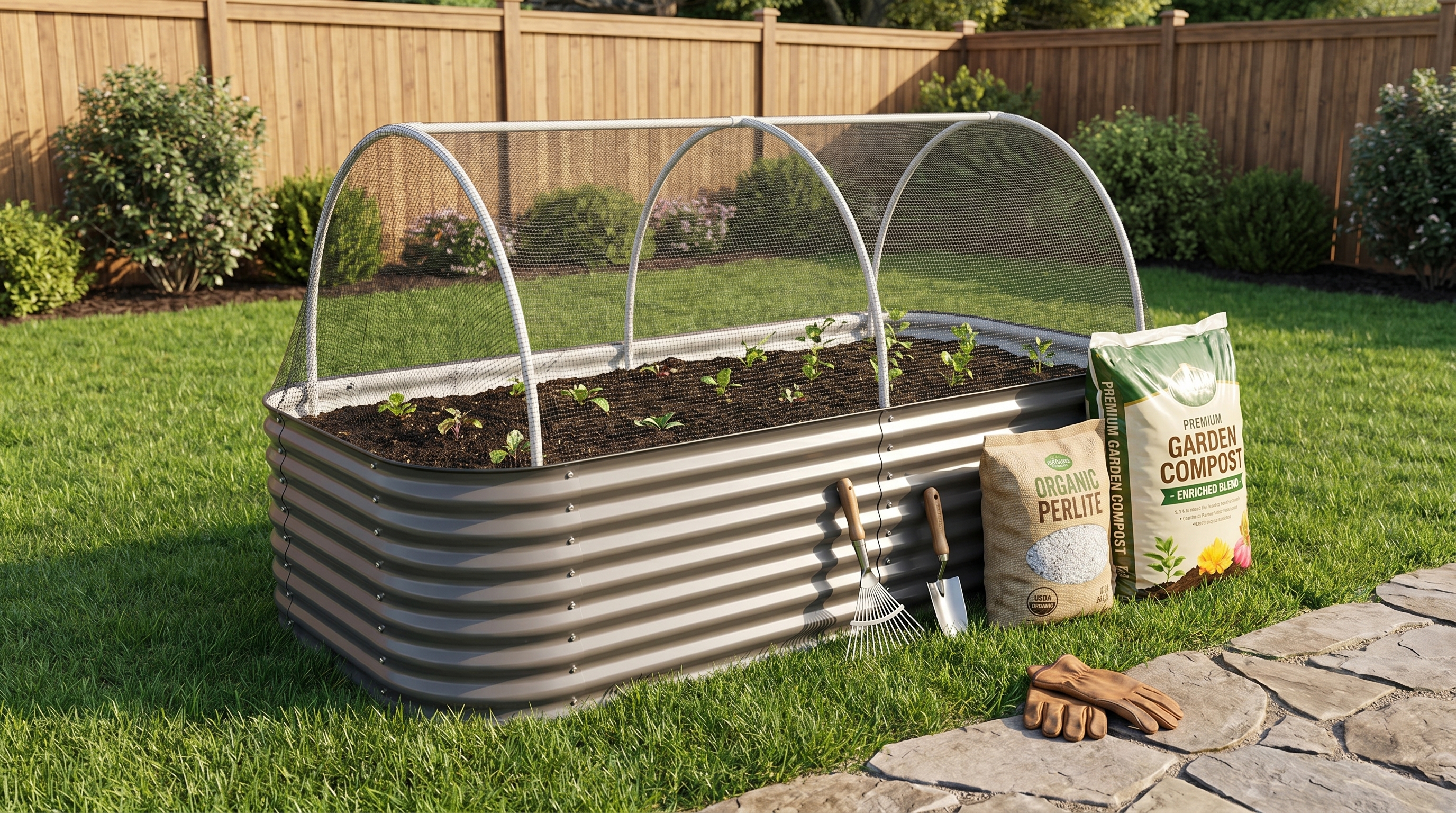
ALT: Well-organized raised bed garden layout with soil, compost mix, tools, and bird netting ready for summer planting
Advanced Considerations: When the Obvious Choice Isn't Obvious
Scenario 1: You Already Have Lumber or Reclaimed Materials
If you genuinely have quality reclaimed cedar or redwood on hand—not pressure-treated lumber with chemical treatments that can leach into edible soil—then DIY may reduce your out-of-pocket costs meaningfully. However, inspect reclaimed wood carefully for rot, pests, or previous chemical treatment before committing it to a food garden.
Scenario 2: You're Building at Scale
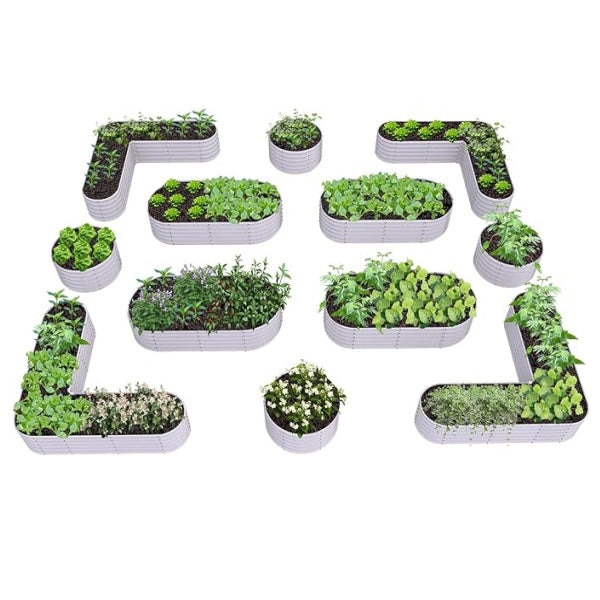
Planning a large raised bed garden layout with six or more beds? Scale changes the economics in interesting ways. At volume, DIY lumber costs don't decrease proportionally (and your labor time multiplies), while kit pricing often benefits from bundle discounts or multi-unit packages. Modular metal systems allow you to start with one or two beds and expand systematically without the waste and inconsistency of mixed DIY builds.
Scenario 3: Climate and Microclimate Factors
In regions with extreme humidity, heavy rainfall, or freeze-thaw cycling—think the Pacific Northwest, upper Midwest, or humid Southeast—wood degradation accelerates significantly. In these climates, the lifespan gap between metal and wood widens further, making the long-term cost advantage of a 20-year metal bed even more pronounced.
Common Misconception: "Galvanized Metal Contaminates Soil"
This concern circulates in gardening communities regularly, but the scientific consensus is reassuring. Hot-dip galvanized steel uses zinc as its protective coating. Zinc is an essential micronutrient in plant biology, and at the trace levels that could theoretically migrate from a galvanized bed into surrounding soil, there is no meaningful risk to plant health or food safety. Multiple university extension studies have found no significant soil contamination from galvanized raised beds in food gardening applications.
Frequently Asked Questions FAQ
Q1: How do I calculate how much soil I need for my raised bed garden layout?
To calculate soil volume, multiply the length by the width by the depth of your bed, converting inches to feet (divide by 12). A 4×8 ft bed at 12 inches deep requires 32 cubic feet of growing mix. Most experienced growers recommend filling raised beds with a blend of one-third compost, one-third peat or coir, and one-third perlite or vermiculite for optimal drainage and nutrition. Check local municipal composting programs for lower-cost bulk compost options before buying bagged products.
Q2: Are metal raised garden beds safe for growing vegetables and edible plants?
Yes. Quality galvanized or powder-coated metal raised garden beds are considered safe for food gardening by horticultural extension services. Zinc, used in galvanization, is an essential plant micronutrient, and the trace amounts involved pose no documented risk to human health or plant productivity. Anleolife's metal beds are designed specifically for edible garden use and have been trusted by hundreds of thousands of home growers across North America. Always avoid using treated lumber in vegetable beds, as chemical leaching is a more substantiated concern.
Q3: How long does a quality raised garden bed kit last compared to a DIY wood build?
A DIY cedar build in average North American conditions typically lasts 8–12 years with proper maintenance; budget lumber beds may last only 3–6 years. By contrast, Anleolife's metal raised garden beds are built to last 20 years—meaning over two decades of growing seasons without the cost, disruption, and soil disturbance of replacing rotted frames. Spread across a 20-year period, the per-year cost of a premium metal kit is typically lower than the cumulative replacement cost of wood alternatives.
Summary
Choosing between a raised garden bed kit and a DIY build is ultimately a question of what you value most: upfront cost savings that may evaporate over time, or a streamlined investment that pays dividends across decades of growing seasons.
Three key takeaways from this comparison:
1. True cost includes time, tools, and replacement cycles. DIY builds carry hidden costs that only become visible when you account honestly for labor, hardware, and the inevitability of rot. A 20-year metal bed changes the math fundamentally.
2. Your raised bed garden layout deserves a stable, consistent foundation. Warped boards and degraded frames disrupt soil structure, aesthetics, and your ability to expand systematically. Kit uniformity pays practical dividends year after year.
3. Summer is a limited resource. Every day spent building is a day not planting. Fast assembly means faster harvests—and in a short growing season, that matters more than most buyers initially anticipate.
The best raised bed garden is one that gets planted this summer, produces reliably for years to come, and fits into a larger ecosystem of garden improvement you can build on over time.
Start Your Summer Garden With Confidence
Nationwide U.S. warehouse network: Strategically located in California, Texas, Florida, New York, Illinois, and Washington, Anleolife ensures delivery within 3–8 business days—so your garden upgrade plans never have to wait through a long shipping delay.
Multi-channel availability: Find Anleolife products on Amazon, Walmart, Home Depot, Lowe's, and Wayfair, or shop directly at Anleolife.com for the full product range, bundle options, and dedicated after-sales support.
Three complete garden scenarios: Planting (metal raised garden beds, soil systems), Raising (chicken coops, rabbit hutches), and Beautification (decorative accessories, pathway systems)—everything you need from first harvest to finished garden space.
We understand that an ideal garden is not built overnight, but gradually improved over time. Anleolife's modular product design allows flexible expansion based on your needs—from your first raised garden bed to a fully integrated planting-and-raising ecosystem. We grow with you every step of the way.
References
- National Gardening Association. "Garden to Table: A Guide to Growing Food at Home".
https://garden.org/ - University of California Cooperative Extension. "Raised Bed Gardening for Home Growers".
https://ucanr.edu/ - U.S. Environmental Protection Agency. "Healthy Garden Practices and Soil Safety for Home Gardeners".
https://www.epa.gov/safepestcontrol/lawn-and-garden - Colorado State University Extension. "Raised Bed Gardening: Soil Mixes, Materials, and Construction".
https://extension.colostate.edu/ - Oregon State University Extension Service. "Building and Filling Raised Beds for Vegetable Gardening".
https://extension.oregonstate.edu/
Note: Standards and recommendations may be updated over time. Please check the latest official documents or consult local horticultural extension advisors for guidance specific to your region.
About Anleolife
Anleolife is a leading outdoor garden solutions provider in North America, dedicated to offering a full-scenario product ecosystem for home gardening enthusiasts, covering planting, raising, and garden beautification. Since its founding, we have upheld our brand mission, "Made for Garden Life," continuously innovating products and optimizing services to help hundreds of thousands of users upgrade their gardens, reconnect with nature, and enjoy a better garden lifestyle.