


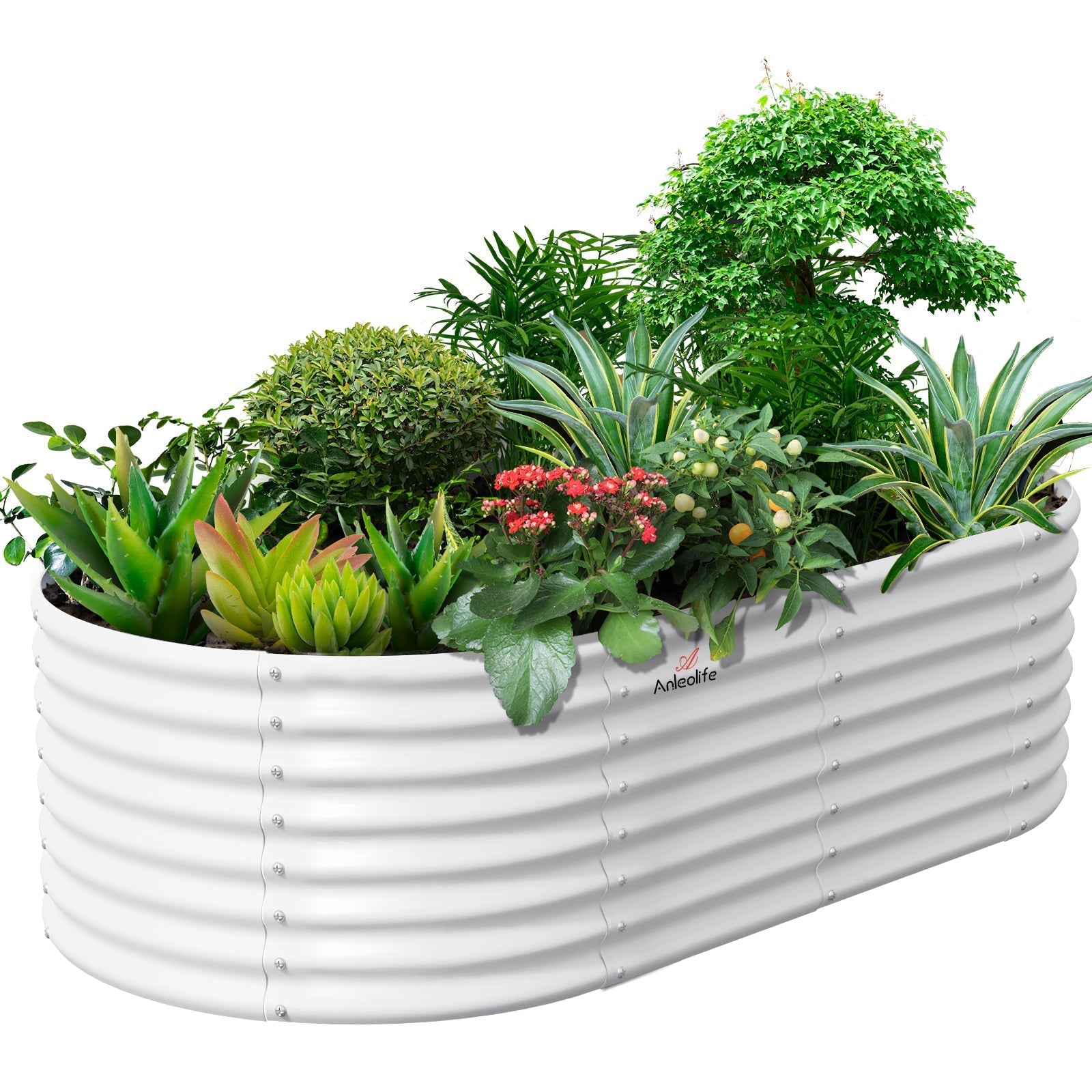
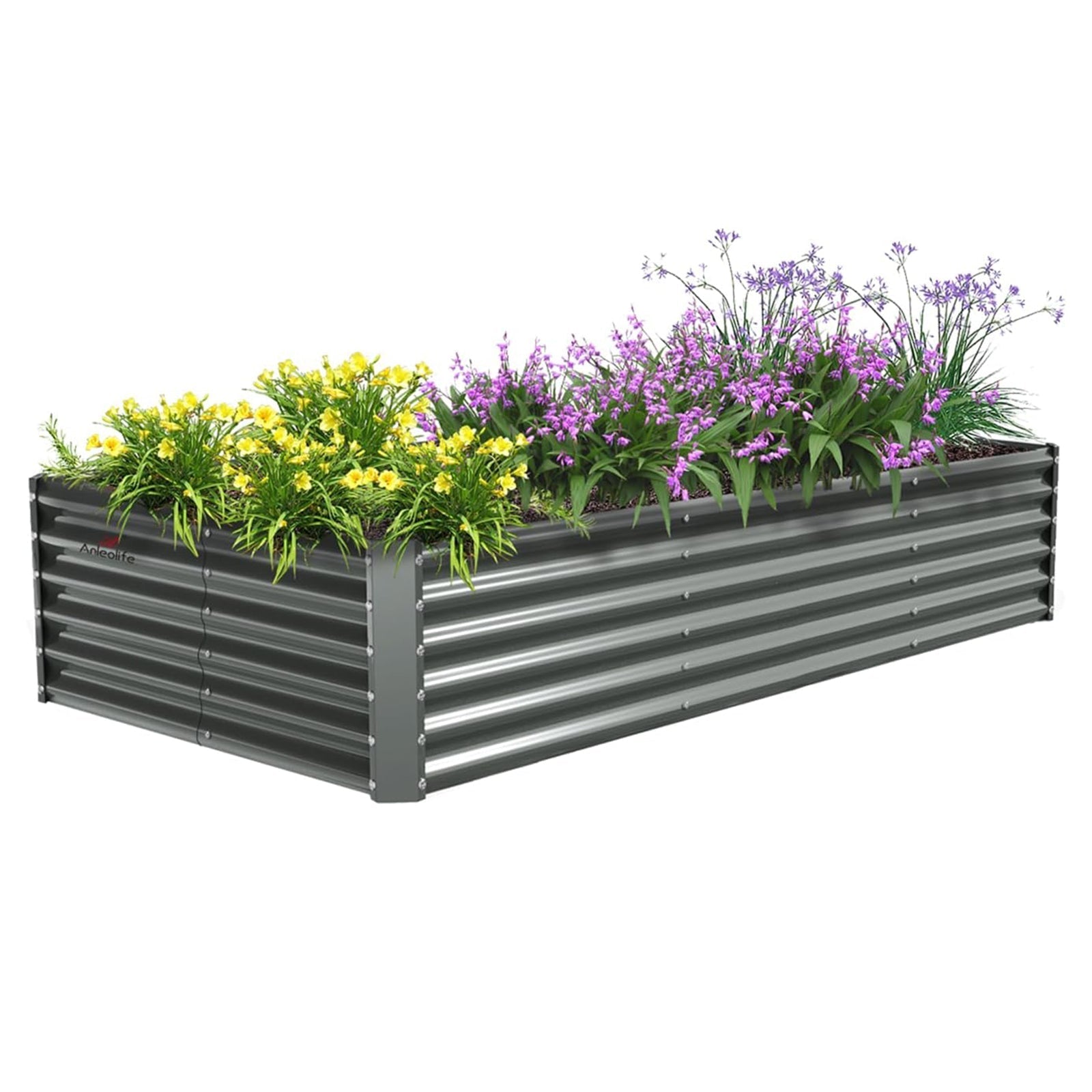
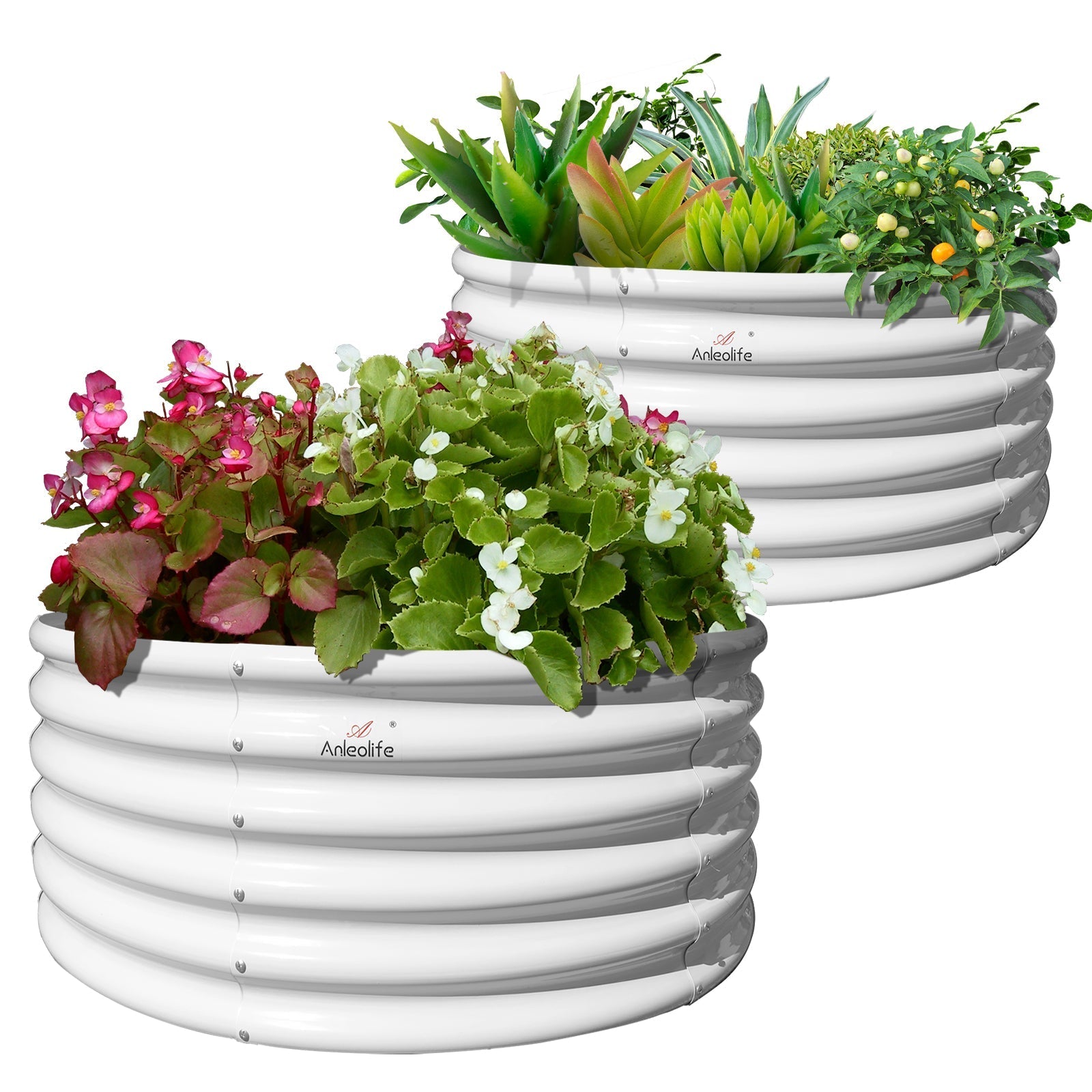
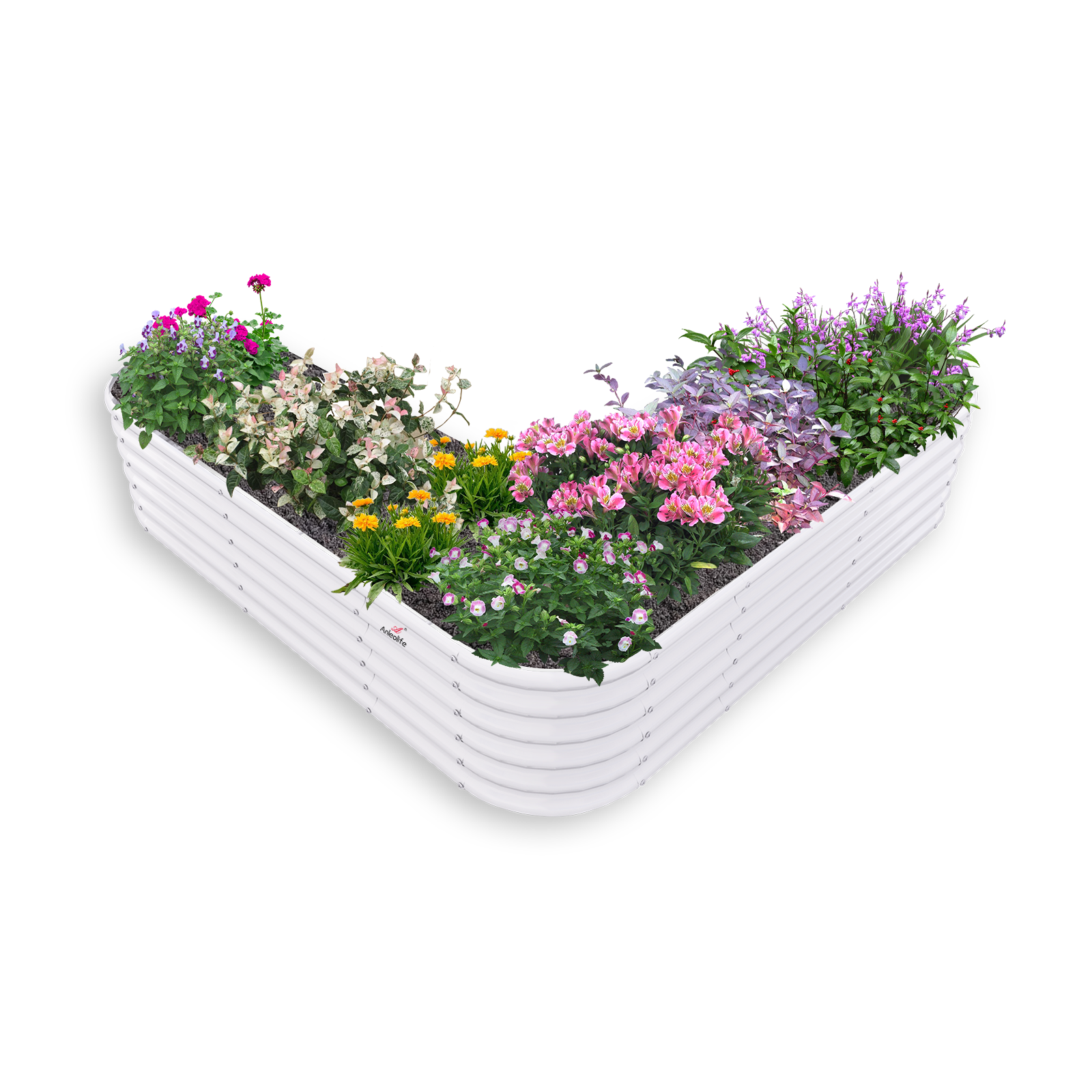
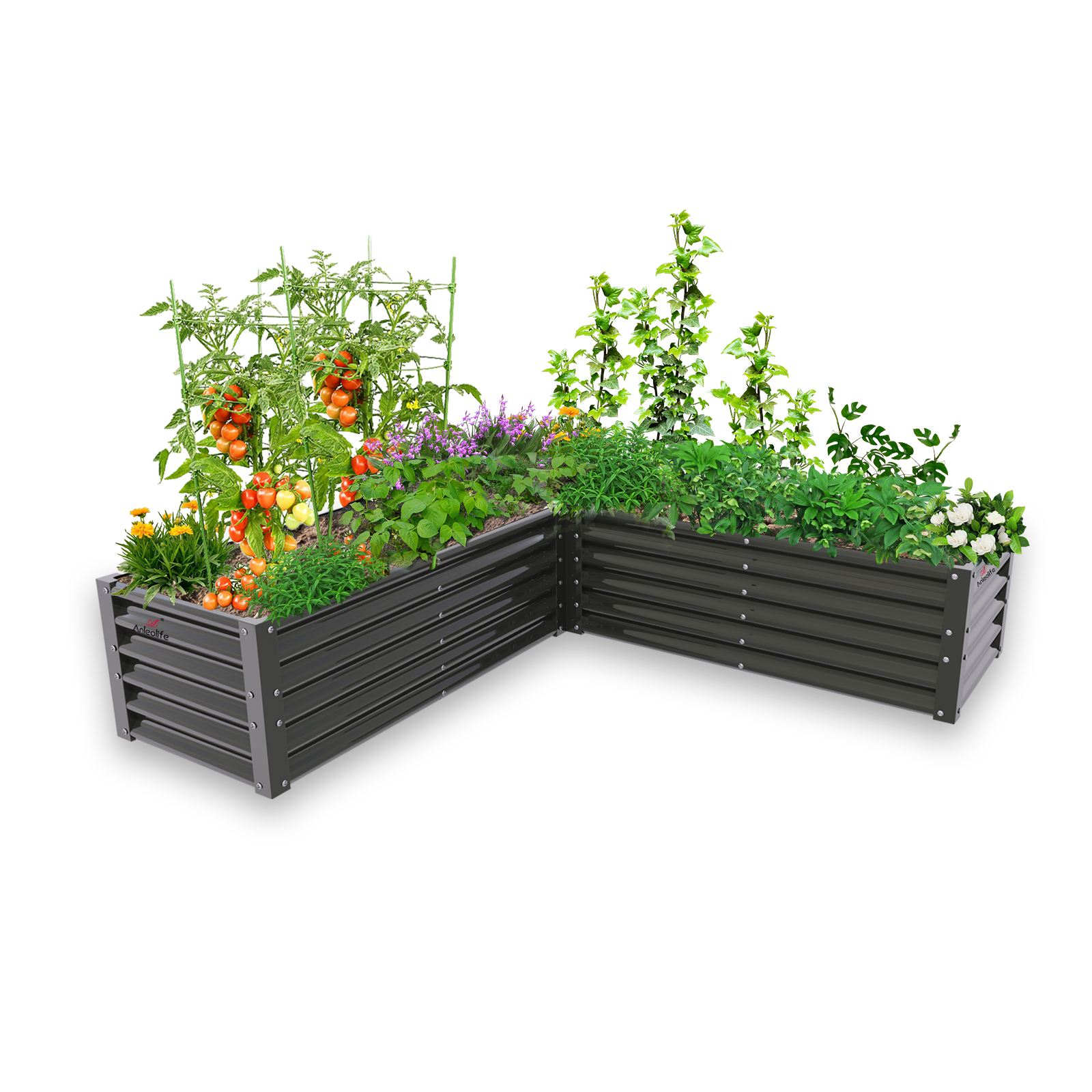
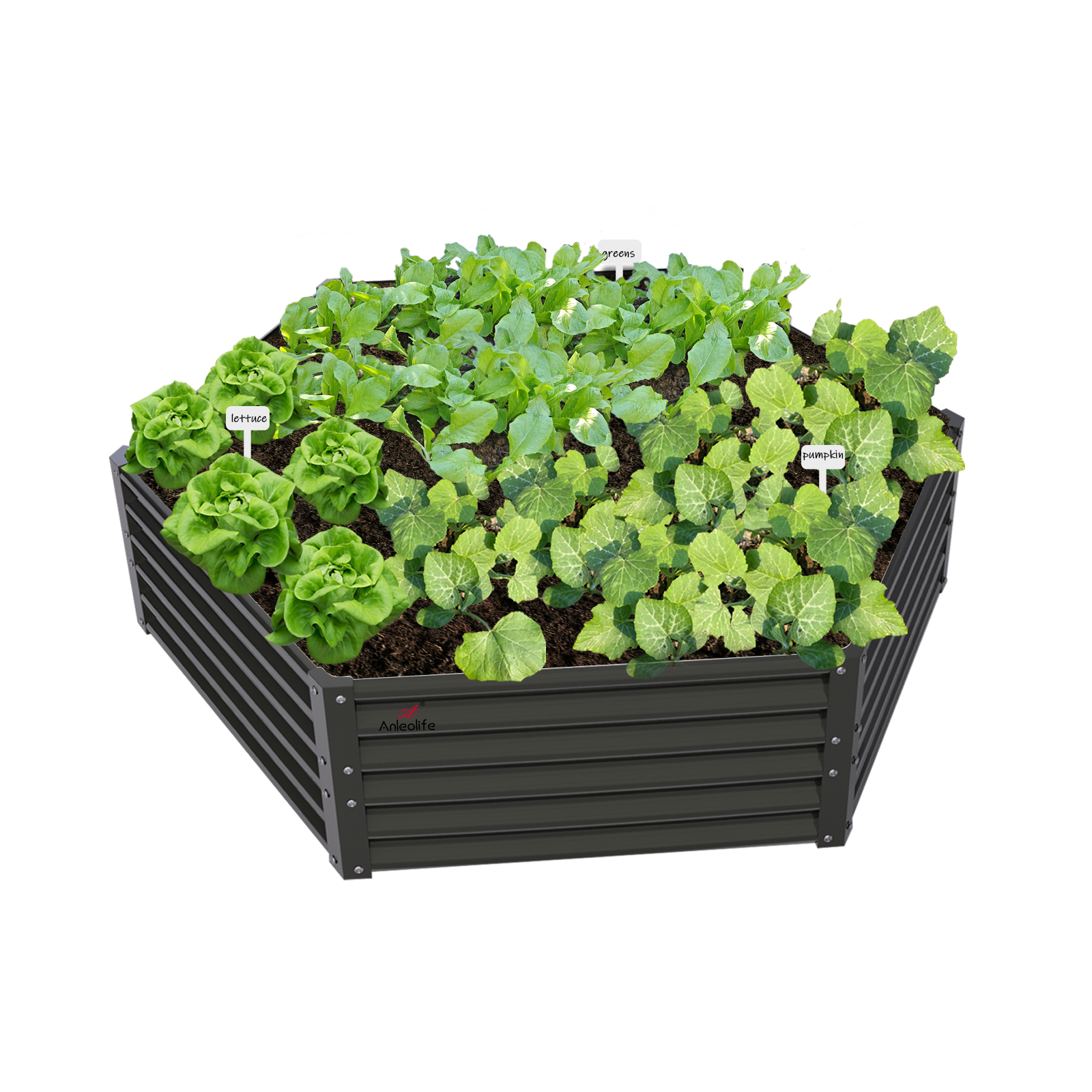
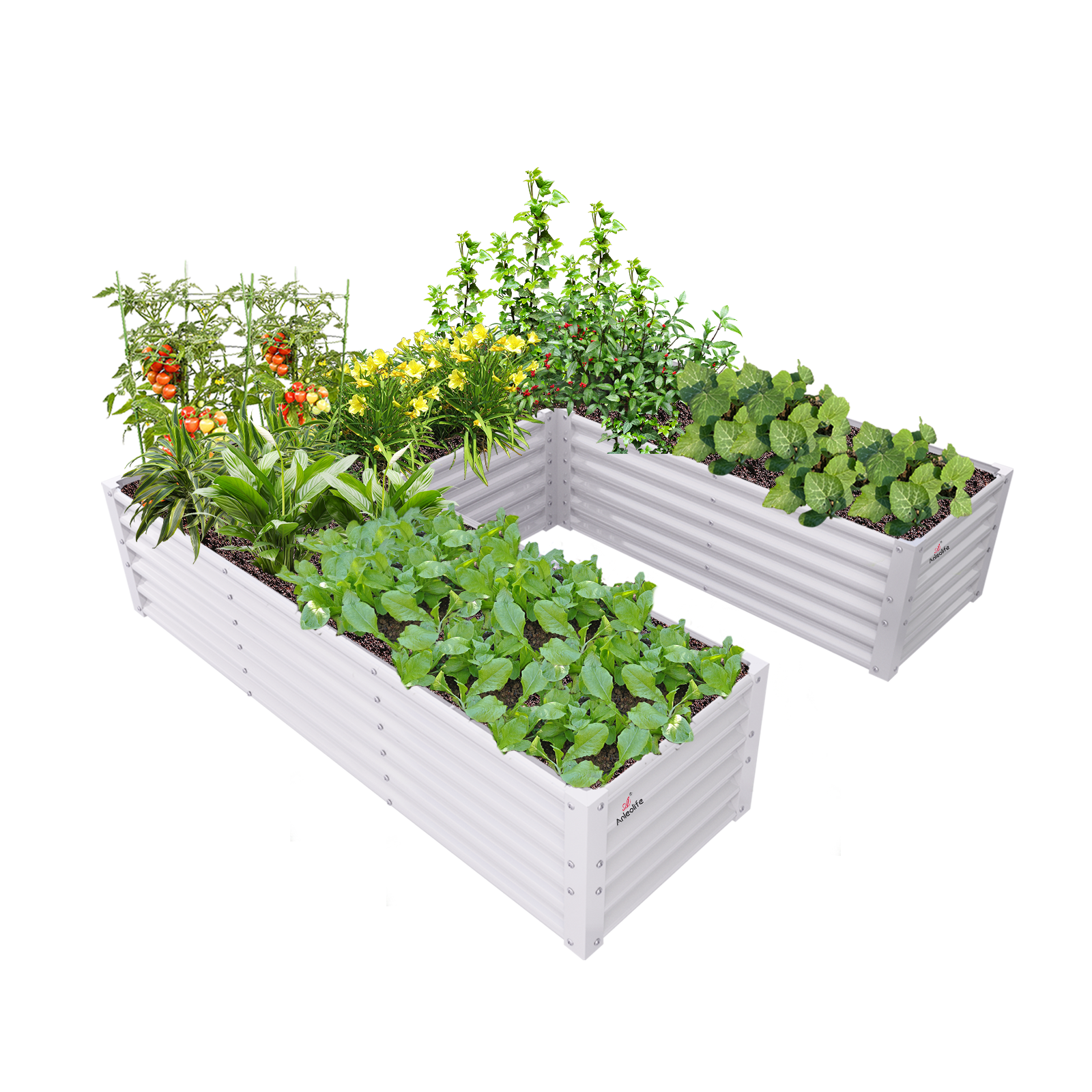

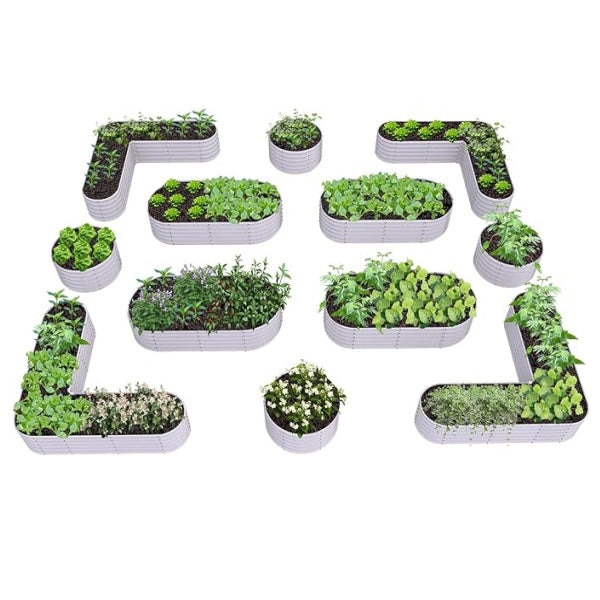

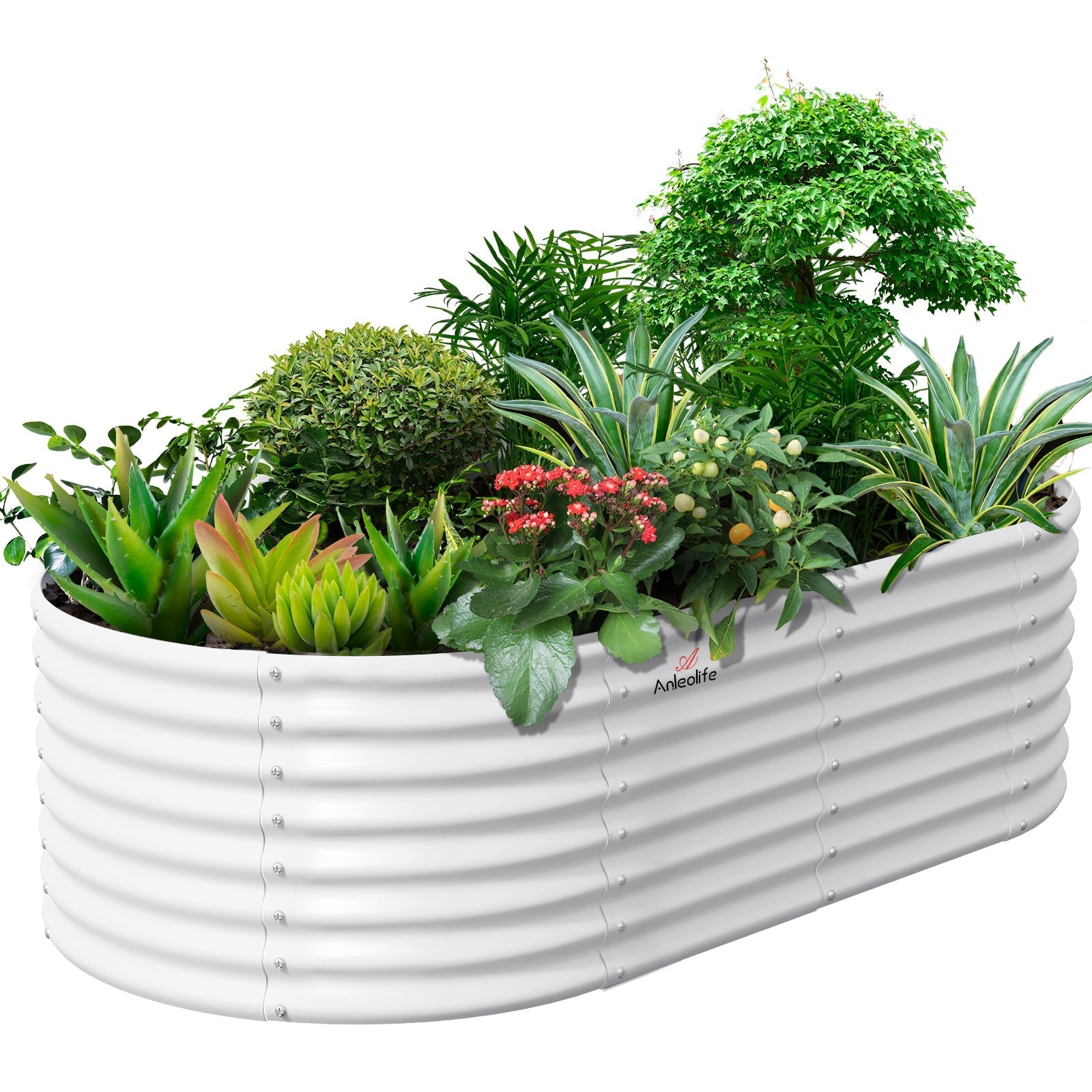

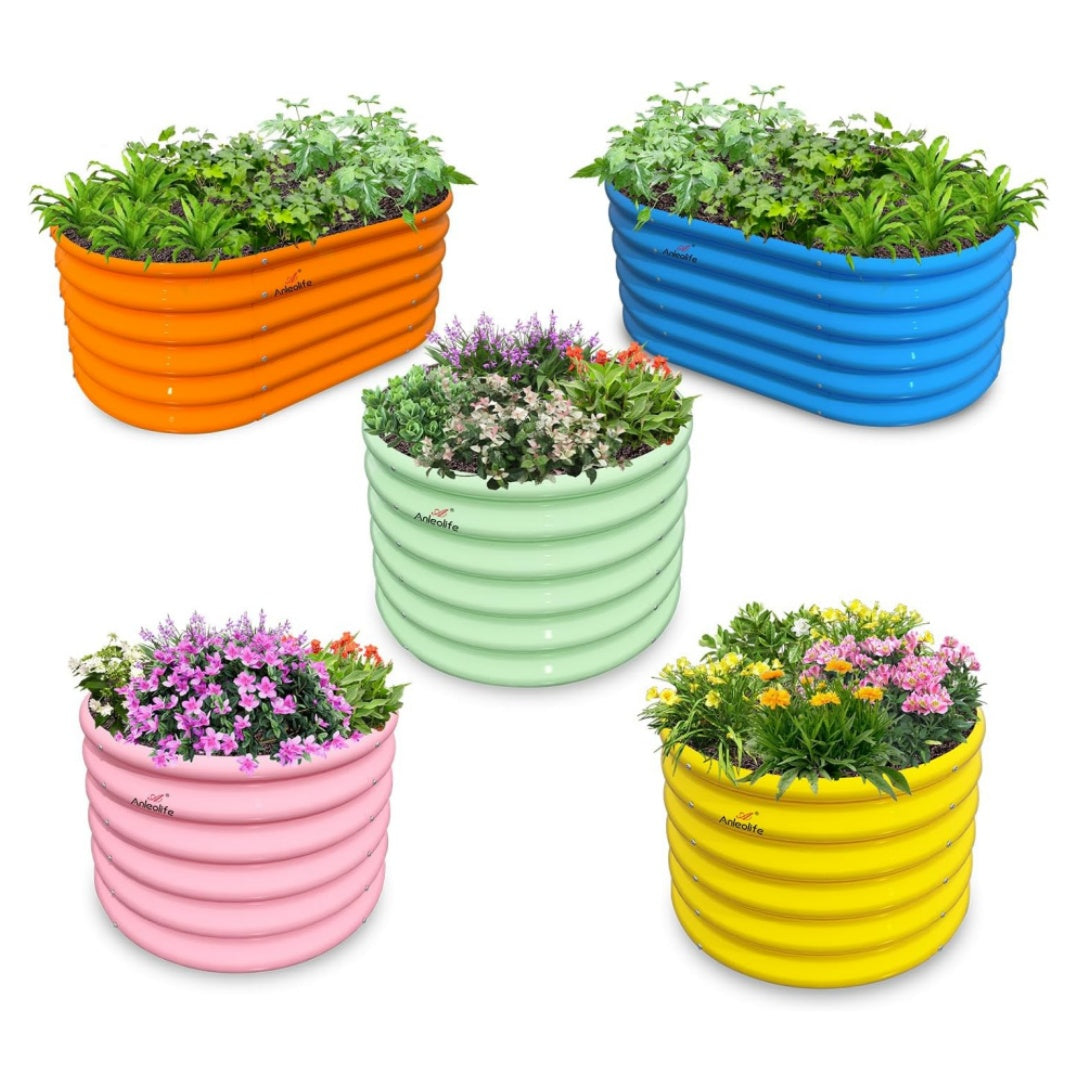
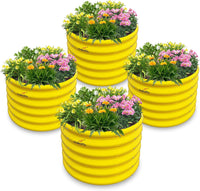
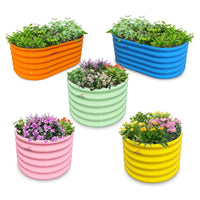
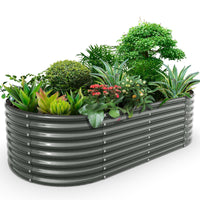



ALT: Square foot gardening layout in raised metal garden beds with labeled planting grid for summer vegetables
Why Square Foot Gardening in Raised Beds Is the Smartest Summer Strategy
Key Conclusion: Square foot gardening in raised beds transforms even the smallest outdoor space into a high-yield, beautifully organized growing system. By dividing your raised bed into clearly defined planting squares, you eliminate guesswork, reduce waste, and maximize every inch of soil. Whether you're a first-time grower or a seasoned home gardener, combining the square foot method with quality raised garden beds gives you structured productivity, cleaner aesthetics, and a summer harvest you can genuinely be proud of.
There's a quiet revolution happening in American backyards. Millions of home growers are ditching sprawling in-ground rows in favor of compact, organized, deeply productive raised bed systems. And at the heart of this shift is a deceptively simple method: square foot gardening. Developed by Mel Bartholomew in the 1980s and popularized through decades of real-world results, this approach divides your planting area into individual one-square-foot sections, each designated for a specific crop. Combined with the structural advantages of a quality raised garden bed, it creates a complete growing system that's hard to beat.
This summer, the question isn't whether you should try square foot gardening in raised beds—it's how to plan your layout for maximum results. In this guide, we'll walk you through every step, from choosing the right bed size to setting up drainage, managing pests with netting, and even adding finishing touches like pathway lighting to make your garden both functional and beautiful.
Who This Guide Is For
✅ Applicable Scenarios:
- Home gardeners with limited yard space who want to grow more food in less area
- Families looking to establish a structured, low-maintenance vegetable garden this summer
- Urban micro-gardeners and apartment dwellers with patios, balconies, or small lots
- Empty nesters and retirees who want an organized, easy-to-manage garden without back strain
- Eco-conscious growers interested in reducing water use, soil waste, and chemical inputs
❌ Not Applicable/Cautions:
- Large-scale commercial growers who need field-level row cropping systems
- Gardeners planning to grow sprawling crops like pumpkins or large melons, which need significantly more horizontal space than a single square can provide
- Those unwilling to invest in quality soil mix, since square foot gardening's success is highly dependent on a nutrient-rich, well-draining growing medium
The Background: Why Raised Beds and Square Foot Gardening Are a Natural Pair
For decades, traditional gardening meant long rows, wide spacing, and significant wasted soil. The square foot method changed that by challenging conventional spacing rules and proving that you could grow far more in a fraction of the space—if you prepared your soil and planned your layout correctly.
Raised garden beds amplify these benefits in several important ways. Because the soil in a raised bed is never walked on, it stays loose and aerated, which is critical for root development. The contained structure makes it far easier to maintain a premium soil mix, control drainage, and manage pests. And perhaps most importantly for summer gardening, raised beds warm up faster in spring and stay productive longer into the fall.
The market data reflects this trend. According to the National Gardening Association, food gardening participation in the U.S. has grown significantly over the past decade, with raised bed gardening consistently cited as the fastest-growing segment. More Americans than ever are prioritizing homegrown produce—not just for flavor and freshness, but for food security, mental wellness, and a deeper connection to the natural world.
If you're just getting started and wondering about investment, it's worth reading How Much Should You Spend on a Raised Garden Bed This Season? for a clear breakdown of what to expect at different budget levels. The short answer: a well-chosen raised bed is a long-term asset, not just a seasonal expense—especially when you're working with a structure built to last up to 20 years.
The combination of raised bed infrastructure and square foot planning creates something greater than either approach alone. It's a system—a repeatable, scalable, and genuinely enjoyable way to grow food and flowers all summer long.
Planning Your Square Foot Garden Layout: A Complete Summer Guide
Three-Step Quick Start
Step 1: Choose Your Raised Bed Size and Height
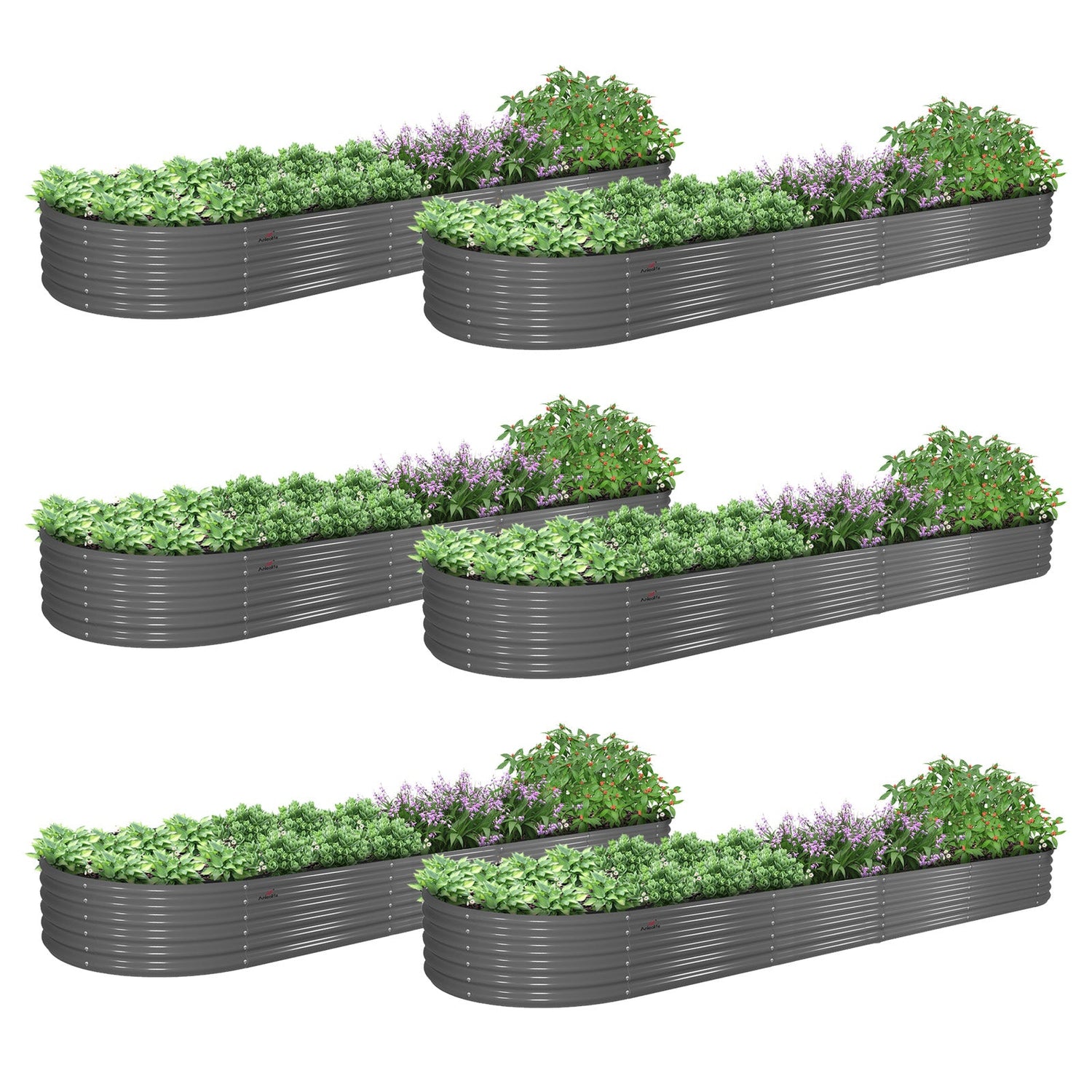
The first decision is your bed dimensions. For square foot gardening, the most important rule is that you should be able to reach the center of the bed from either side without stepping in. This is why a 4-foot width is the gold standard. Anleolife offers a wide range of options that fit this method perfectly—from the 18" Tall 8x4 ft Galvanized Steel Raised Garden Bed for ground-level growing, to the 24" Extra Tall 8x4 ft for deeper root crops and more ergonomic access. If space is extremely tight, a 4x4 ft or 6x3 ft bed is an excellent starting point. Allow 30–45 minutes to finalize your layout plan on paper before purchasing.
Step 2: Design Your Grid and Plant Spacing Chart
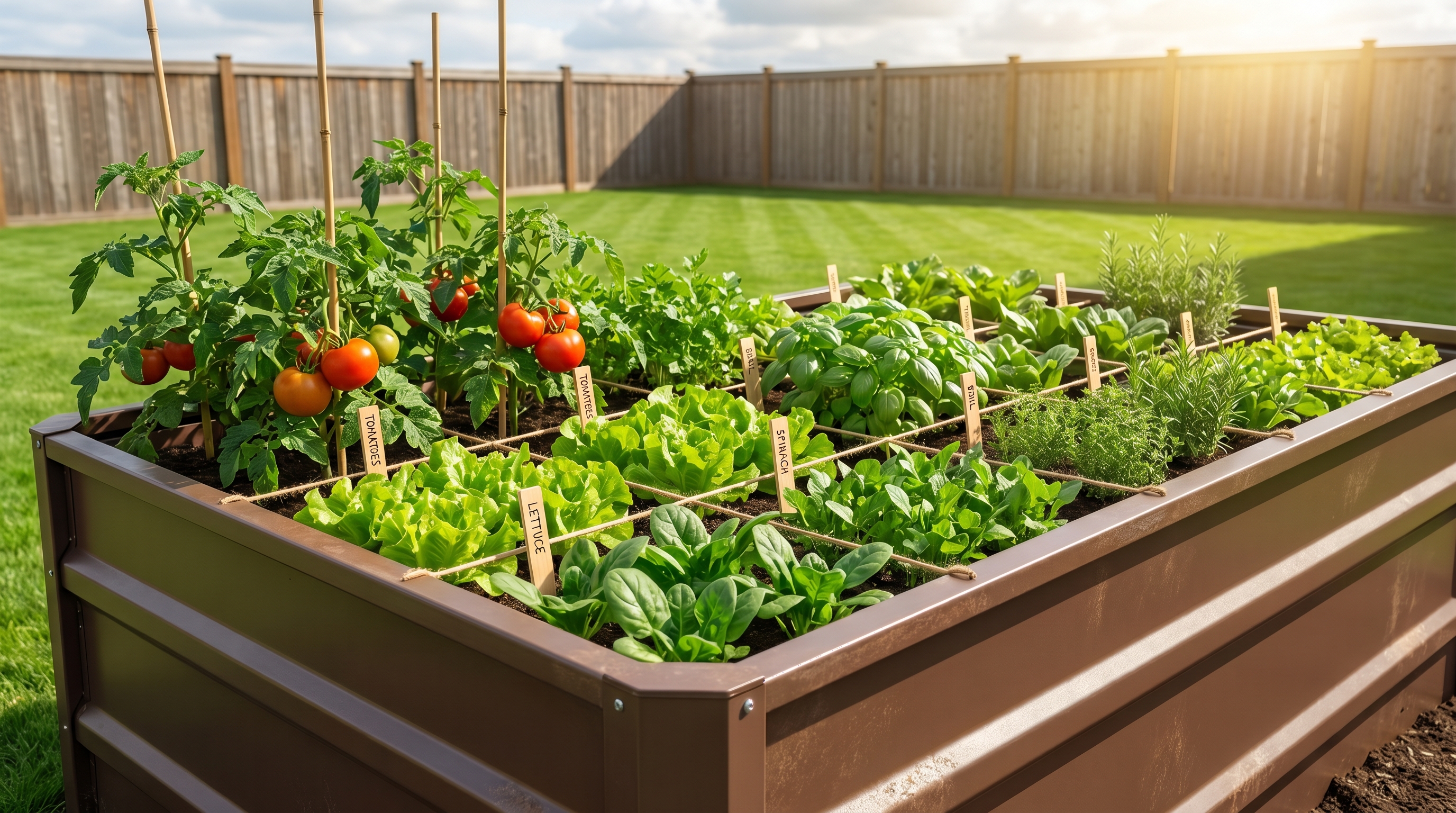
Once your bed is selected, draw a simple grid dividing the total area into one-square-foot sections. A standard 8x4 ft bed gives you 32 squares to work with. Each square gets one crop type, and the number of plants per square depends on the mature size of the plant: one tomato plant per square, four lettuce plants per square, nine spinach plants per square, or up to 16 radish plants per square. Use a pencil and graph paper—or a free online garden planner—to assign each square before you sow. This step takes about 20–30 minutes but saves enormous time and confusion throughout the season.
Step 3: Set Up Your Bed, Soil, and Structural Accessories
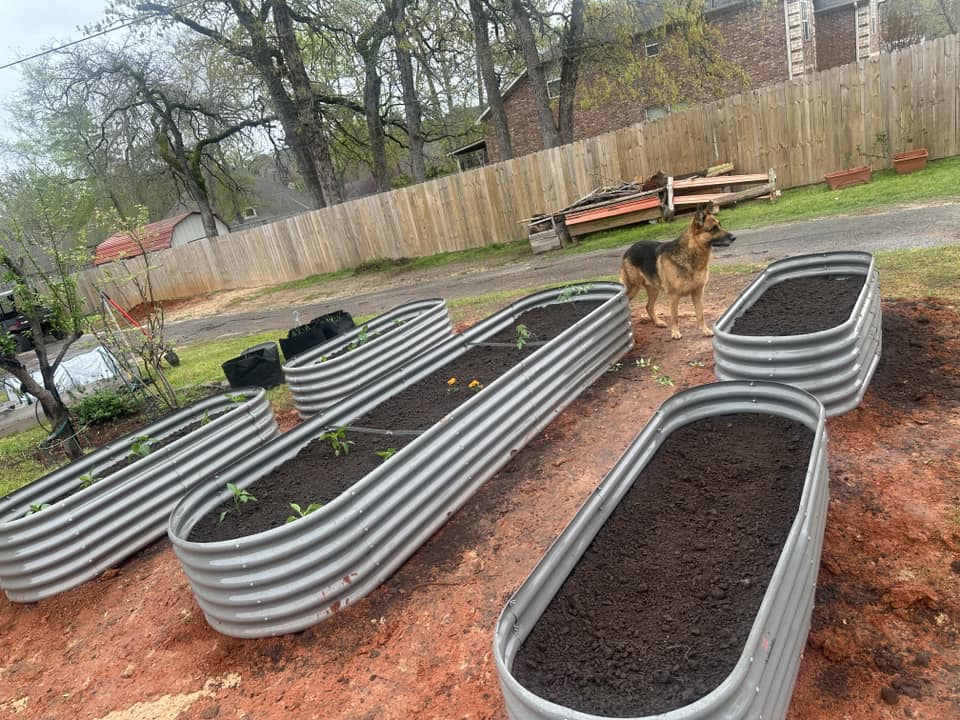
Install your raised bed in a location that receives at least 6–8 hours of direct sunlight. Fill it with a high-quality soil mix specifically suited for raised beds—the Mel's Mix Guide is an excellent resource for getting the right blend of compost, vermiculite, and peat moss. Add any physical markers (string, wooden dowels, or bamboo stakes) to visually divide your grid. Then install drainage support, netting if needed, and any lighting or pathway features before planting. This setup stage typically takes one afternoon and sets the foundation for the entire season.
Comparing Raised Bed Options for Square Foot Gardening
Not all raised beds are created equal for the square foot method. The right choice depends on your available space, the crops you want to grow, and how much bending or kneeling you're comfortable with. Here's a comparison of some of the most popular Anleolife raised bed configurations for summer square foot gardening:
| Comparison Dimension | 18" Tall 8x4 ft Galvanized Steel | 24" Extra Tall 8x4 ft | 30" Extra Tall 10x3 ft |
|---|---|---|---|
| Total Planting Squares | 32 squares | 32 squares | 30 squares |
| Ideal For | General vegetables, herbs, flowers | Root crops, deep-rooted plants | Long, narrow layouts; ergonomic access |
| Soil Depth Advantage | Good for most summer crops | Excellent for tomatoes, peppers, carrots | Superior—reduced bending for retirees |
| Access Ease | Moderate (some bending required) | Good | Excellent waist-high access |
| Lifespan | Up to 20 years | Up to 20 years | Up to 20 years |
| Best User Profile | Families, first-time growers | Experienced growers, deep-root crops | Empty nesters, retirees, accessibility needs |
| Rust Resistance | Galvanized steel construction | Galvanized steel construction | Heavy-duty construction |
For those working with genuinely limited backyard space, the How to Build a Raised Garden Bed Layout for Families with Limited Backyard Space guide offers creative layout strategies for making multiple smaller beds work together as a cohesive system.
Deep Dive: Building a Functional and Beautiful Summer Garden System
Drainage: The Foundation of a Healthy Raised Bed
One of the most overlooked but critical aspects of raised bed gardening is proper drainage. When people ask about the best way to install a drainage system in raised beds, the answer involves several layered strategies.
Start by ensuring your raised bed is placed on a level surface with natural soil or gravel below—both allow excess water to drain freely. If you're placing a bed on a hard surface like concrete or a deck, add a layer of gravel or coarse material at the base of the bed before filling with soil. Many experienced gardeners use a layer of landscape fabric on the interior bottom to prevent soil loss while still allowing drainage.
Inside the bed, your soil mix plays the largest drainage role. A well-structured mix—roughly one-third compost, one-third coarse vermiculite, and one-third peat moss or coconut coir—drains efficiently while retaining just enough moisture for root development. Avoid heavy clay-based soils entirely in raised beds, as they compact over time and create waterlogging that kills roots and promotes fungal disease.
If you're growing in a region with heavy summer rainfall, consider slightly elevating one end of the bed to encourage natural slope drainage. You can also use raised bed legs or supports that lift the structure off the ground, improving airflow and drainage from below.
Pest Management: Netting Solutions That Actually Work
A flourishing summer garden inevitably attracts unwanted guests. Aphids, caterpillars, cabbage moths, and slugs can devastate a carefully planned square foot layout in days. The best defense is physical exclusion—and that means insect netting.
When evaluating top-rated insect netting materials for vegetable gardens, look for fine-mesh options (typically 0.6mm to 1.5mm aperture) that block most flying insects while still allowing light, air, and rain to reach your plants. Lightweight row cover fabric also works well for early-season frost protection and doubles as an insect barrier.
For gardeners in exposed locations, garden netting for windy climates needs to be heavier gauge and secured firmly at the edges. Hail nets or windbreak mesh can be anchored to the sides of your raised bed using clips or hooks. Anleolife's galvanized steel beds are particularly well-suited for this—the sturdy steel walls give you a solid anchor point for netting frames or hoops, unlike lightweight plastic or fabric beds that shift in strong winds.
For square foot gardens, a simple hoop tunnel built over the bed using flexible PVC piping or fiberglass rods can support netting without shading out plants. Secure the netting at the base and use clips to open it for watering, harvesting, and maintenance. This approach is inexpensive, reusable, and highly effective.
Watering and Hose Management
Consistent watering is essential in summer, especially during heat waves when raised beds can dry out faster than in-ground plots. The best approach for square foot gardens is drip irrigation or soaker hoses, which deliver water directly to the root zone without wetting foliage (reducing disease risk).
For gardeners thinking about hose storage solutions and reel systems, keeping your hose organized is more than aesthetics—it protects your hose from UV degradation and kinking, and it keeps pathways safe. Wall-mounted hose reels or freestanding hose cart systems are both practical options. Position your storage point close to a spigot and within easy reach of your raised beds to minimize friction in your daily watering routine.
If you're managing multiple raised beds, consider installing a simple timer-controlled irrigation system. These can be set to water automatically during cooler parts of the day—early morning is ideal—reducing evaporation and keeping your plants consistently hydrated without daily effort.
Pathway Lighting and Garden Aesthetics
A square foot garden isn't just a food production system—it's a living feature of your outdoor space. As summer evenings lengthen, good pathway lighting transforms your garden from a daytime workspace into an evening sanctuary.
When exploring top-rated string lights and pathway lighting options, solar-powered LED string lights are among the most popular choices for raised bed gardens. They require no wiring, are energy efficient, and cast a warm ambient glow that enhances any garden layout. Pathway stake lights placed along the edges of your raised bed walkways improve both safety and visual appeal.
For a more structured look, consider low-voltage landscape lighting along gravel or bark chip pathways between beds. This not only illuminates your space but also signals clear walking paths, which is particularly valuable in multi-bed layouts where you might have several raised beds arranged in rows or a U-shape.
Combining functional lighting with beautiful garden organization is part of what makes square foot gardening in raised beds such a satisfying pursuit. You're not just growing food—you're designing a space you actually want to spend time in.
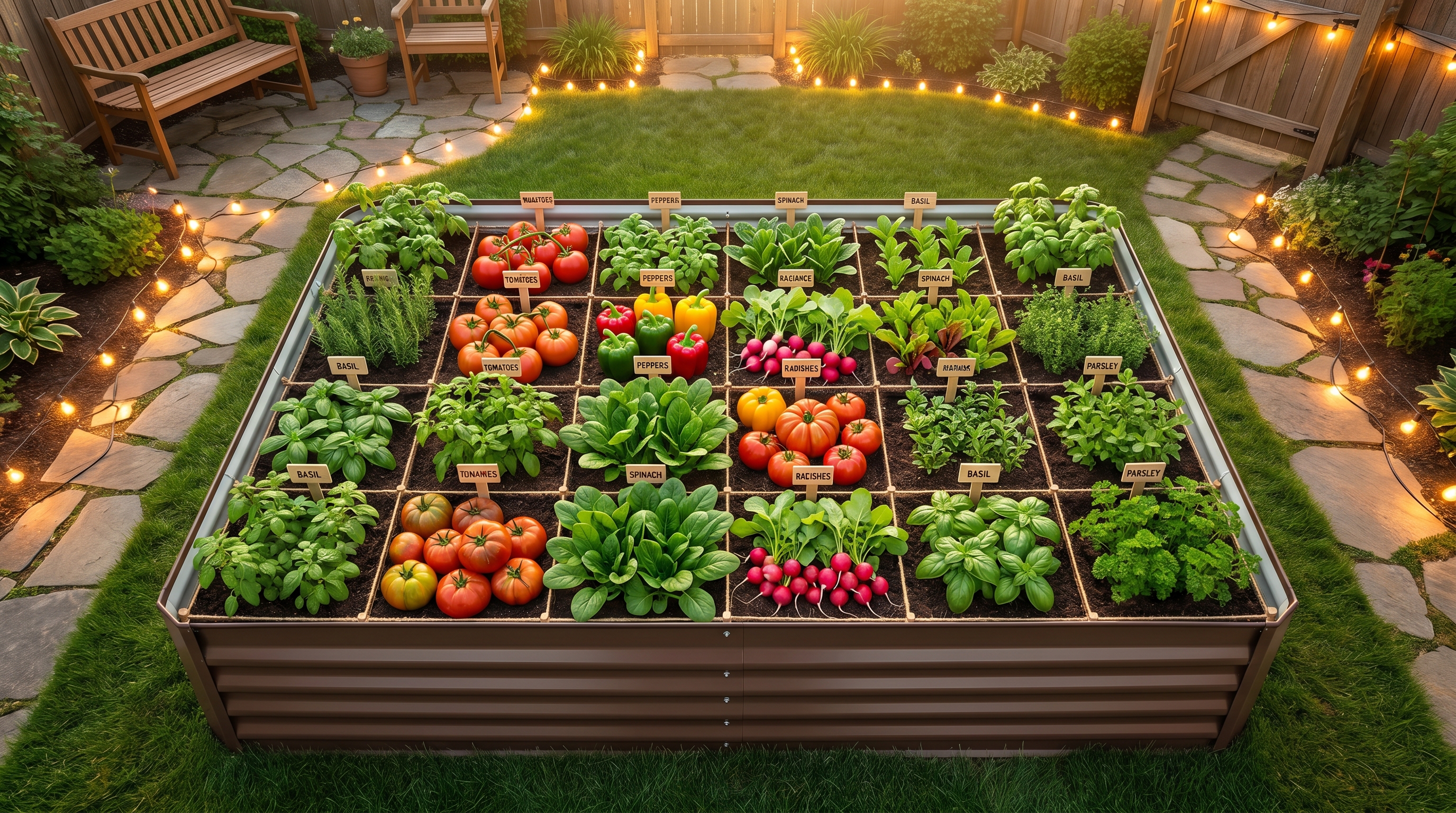
ALT: Overhead square foot gardening grid layout in galvanized steel raised beds with summer vegetables and pathway lighting
Advanced Tips: Taking Your Square Foot Layout to the Next Level
Succession Planting for Continuous Harvest
One of the most powerful features of the square foot method is how well it supports succession planting—the practice of staggering plantings so you always have something ready to harvest. Instead of planting all 16 radish squares at once, plant four squares every two weeks. This ensures a steady supply rather than a glut followed by a long gap.
Apply the same logic to lettuce, spinach, cilantro, and bush beans. When one square is harvested, refresh the soil with a small amount of compost and replant immediately. In a warm summer climate, this cycle can repeat three or four times in a single season.
Vertical Growing for Space Efficiency
Many summer crops—cucumbers, pole beans, peas, and some tomato varieties—grow vertically and can be trained up trellises or wire supports. In a square foot garden, assigning one square to a vertically growing crop and training it up a support structure behind the bed can dramatically increase your yield without taking up additional horizontal space.
Place taller crops on the north side of your bed (in the Northern Hemisphere) to prevent them from shading shorter plants. This strategic placement ensures every square gets adequate sunlight throughout the day.
Common Misconceptions About Square Foot Gardening
Misconception 1: More plants per square = more yield. Overcrowding is one of the most common mistakes. The spacing recommendations in the square foot method are carefully calibrated for the mature size of each plant. Cramming extra plants into a square increases competition for water and nutrients and actually reduces total yield.
Misconception 2: Any soil will work. Standard garden soil is too dense for raised beds. The square foot method was specifically designed around a light, nutrient-rich, well-draining mix. Using the wrong soil is one of the most reliable ways to underperform with this method.
Misconception 3: Square foot gardening only works for vegetables. In reality, the method works equally well for herbs, annual flowers, and even small fruit varieties. Many gardeners dedicate squares to pollinator-friendly flowers like marigolds and nasturtiums, which naturally deter pests while attracting beneficial insects.
Frequently Asked Questions FAQ
Q1: How do I set up proper drainage in a raised garden bed?
Start by ensuring the base of your raised bed allows free drainage—natural ground below is ideal, but a gravel layer works on hard surfaces. Use a high-quality soil mix that includes coarse vermiculite or perlite to improve internal drainage. Avoid heavy clay soils entirely. If you're in a high-rainfall area, slightly angle the bed or use a landscape fabric liner at the base to slow soil loss while maintaining water flow. Good drainage is the single most important factor in preventing root rot and fungal disease in summer raised beds.
Q2: Is insect netting effective for protecting raised bed vegetables in summer?
Yes—physical netting is one of the most effective and chemical-free pest management strategies available to home gardeners. Fine-mesh insect netting (0.6mm–1.5mm) blocks cabbage moths, aphids, and other flying pests while still allowing sunlight, air, and rainfall to reach your plants. For windy climates, choose a heavier gauge netting and secure it firmly to the sides of your galvanized steel bed using clips. A simple hoop tunnel frame makes installation and removal easy for daily maintenance.
Q3: How long does it take to set up a square foot garden from scratch, and what will it cost?
For a single 8x4 ft raised bed, plan for roughly one afternoon of setup—about 3–4 hours including bed assembly, soil filling, grid marking, and initial planting. Costs vary, but a quality galvanized steel raised bed built to last up to 20 years represents strong long-term value. Factor in soil mix (typically the largest upfront cost), seeds or seedlings, and any accessories like netting or drip irrigation. For a detailed cost breakdown by budget level, see our guide on how much to spend on a raised garden bed this season.
Summary
Square foot gardening in raised beds is one of the most effective, accessible, and genuinely enjoyable approaches to home food growing available today. As we've explored throughout this guide, the combination of structured grid planning, quality raised bed infrastructure, and smart supporting systems—drainage, pest netting, efficient watering, and beautiful lighting—creates a summer garden that performs as well as it looks.
Here are the three core takeaways to carry forward:
1. Plan before you plant. Taking the time to map out your grid, assign crops by spacing needs, and sequence your plantings for succession harvest pays dividends throughout the entire season.
2. Invest in structure. A galvanized steel raised bed with a 20-year lifespan isn't an expense—it's infrastructure. Combined with the right soil mix and drainage setup, it creates the optimal growing environment that the square foot method needs to truly shine.
3. Make it beautiful. Pathway lighting, organized hose storage, neatly strung netting, and clean grid divisions aren't just practical—they make your garden a place you want to spend time every day. That engagement is what transforms a good garden plan into an exceptional summer experience.
Your next step is simple: choose your bed size, sketch your grid, and get your soil ordered. The summer growing window is wide open right now—don't let it pass without making the most of it.
Start Growing with Anleolife This Summer
Nationwide U.S. warehouse network: Strategically located in California, Texas, Florida, New York, Illinois, and Washington to ensure delivery within 3–8 business days—so your garden upgrade plans never have to wait.
Multi-channel sales network: Products are available on major e-commerce platforms including Amazon, Walmart, Home Depot, Lowe's, and Wayfair, as well as the official website Anleolife.com, providing consistent quality assurance and after-sales service.
Three core scenarios: Planting (metal raised garden beds, soil systems), Raising (chicken coops, rabbit hutches), and Beautification (decorative accessories, pathway systems)—meeting complete needs from functionality to aesthetics.
We understand that an ideal garden is not built overnight, but gradually improved over time. Our modular product design allows flexible expansion based on your needs—from your first 8x4 ft garden bed to a fully integrated planting-and-raising ecosystem. We grow with you every step of the way.
References
- National Gardening Association. "Garden to Table: A Guide to Home Food Gardening".
https://garden.org - University of California Cooperative Extension. "Raised Bed Gardening".
https://ucanr.edu/sites/MGLosAngeles/files/146388.pdf - Penn State Extension. "Vegetable Gardening in Raised Beds".
https://extension.psu.edu/vegetable-gardening-in-raised-beds - Oregon State University Extension Service. "Raised Bed Gardening".
https://extension.oregonstate.edu/gardening/techniques/raised-bed-gardening - USDA National Institute of Food and Agriculture. "Community and Home Gardening Resources".
https://www.nifa.usda.gov
Note: Standards and recommendations may be updated. Please check the latest official documents or consult a professional garden advisor for guidance specific to your region and climate.
About Anleolife
Anleolife is a leading outdoor garden solutions provider in North America, dedicated to offering a full-scenario product ecosystem for home gardening enthusiasts, covering planting, raising, and garden beautification. Since its founding, we have upheld our brand mission, "Made for Garden Life," continuously innovating products and optimizing services to help hundreds of thousands of users upgrade their gardens, reconnect with nature, and enjoy a better garden lifestyle.