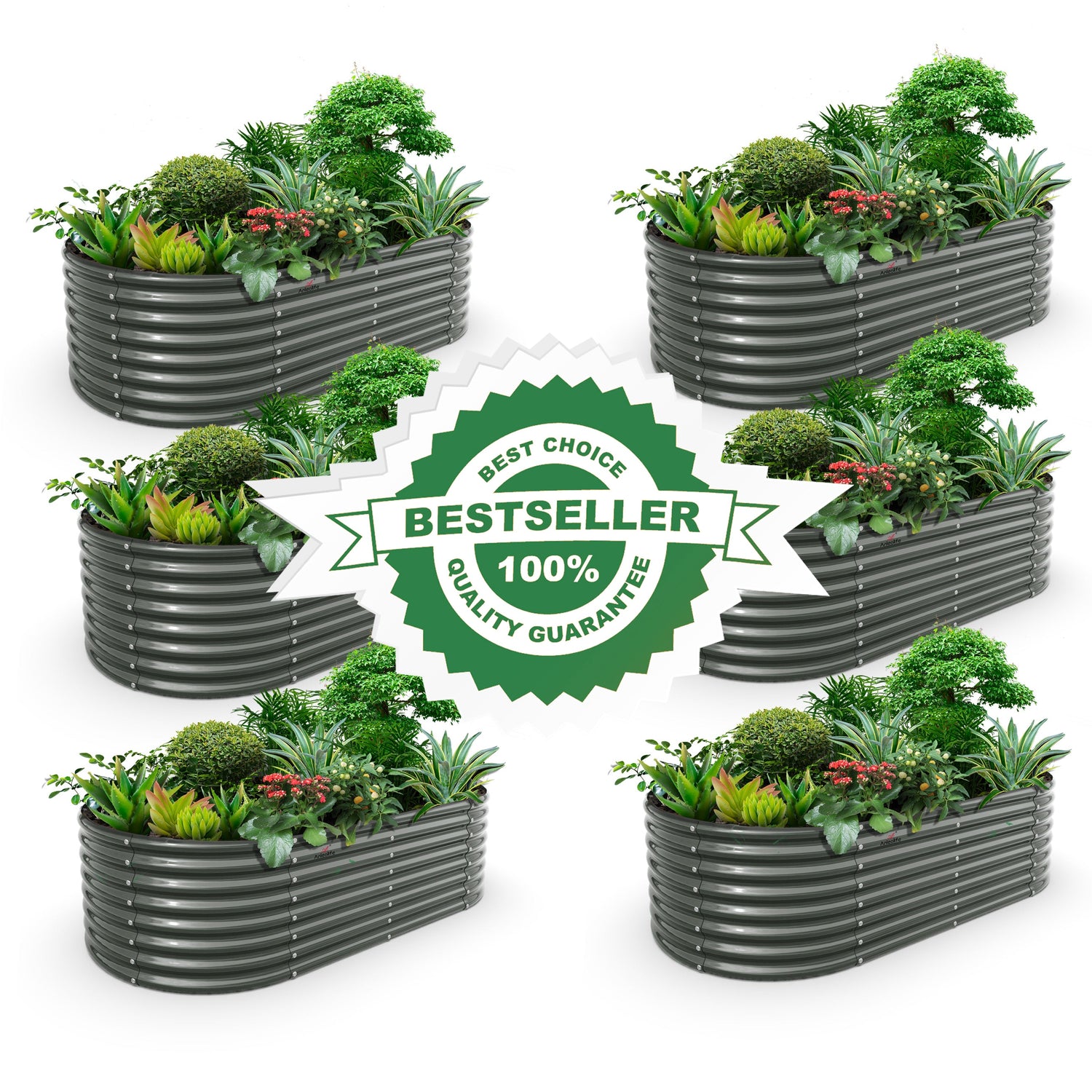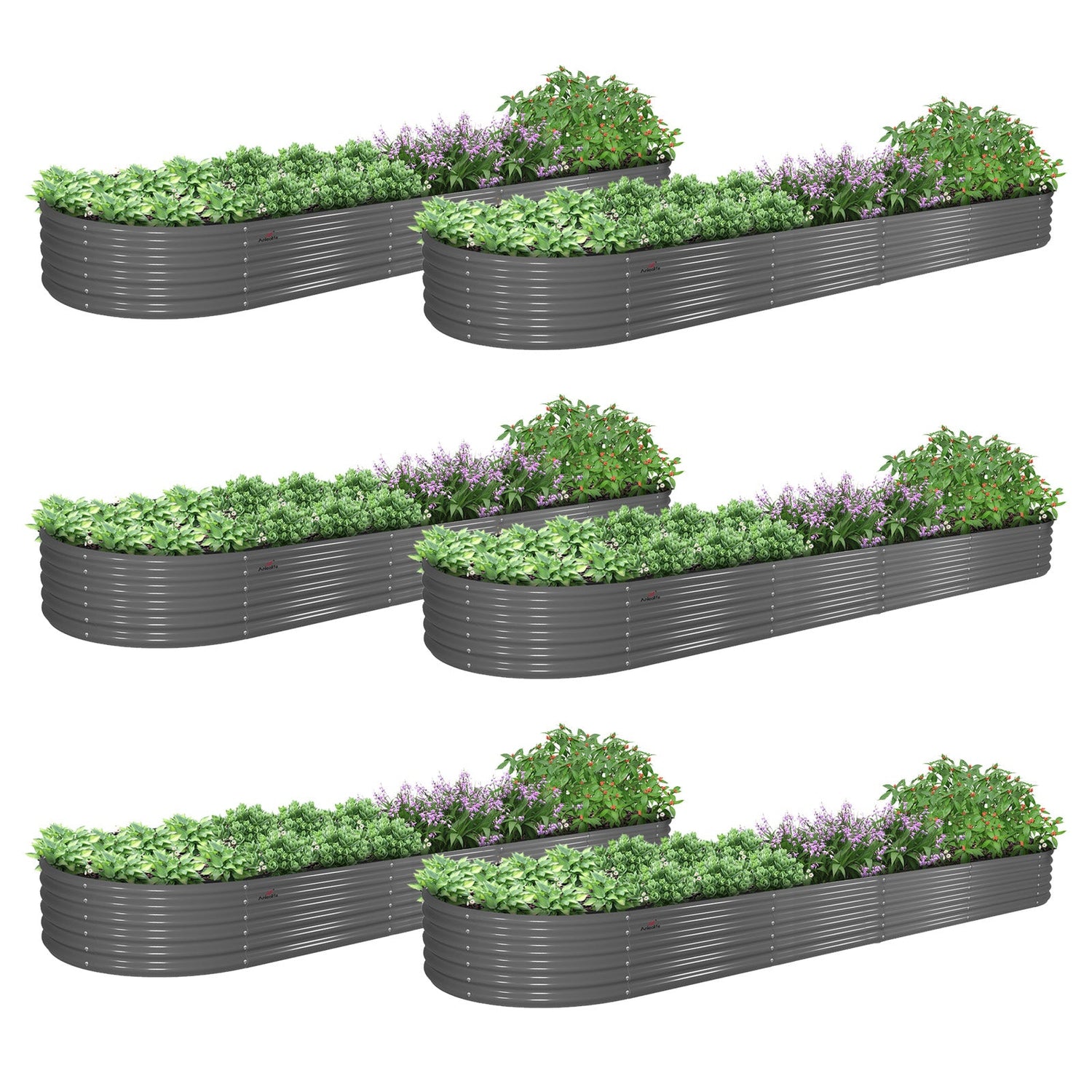



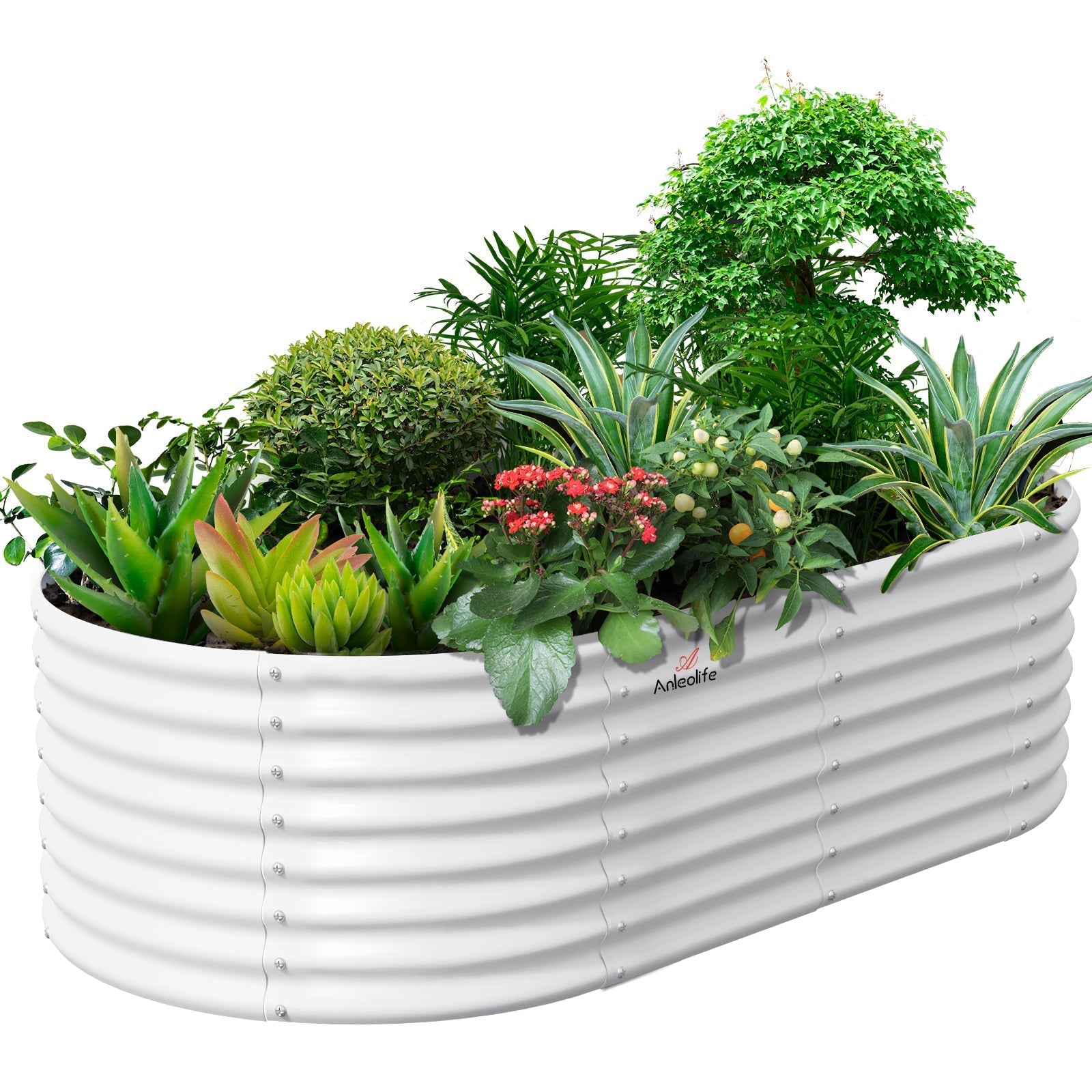
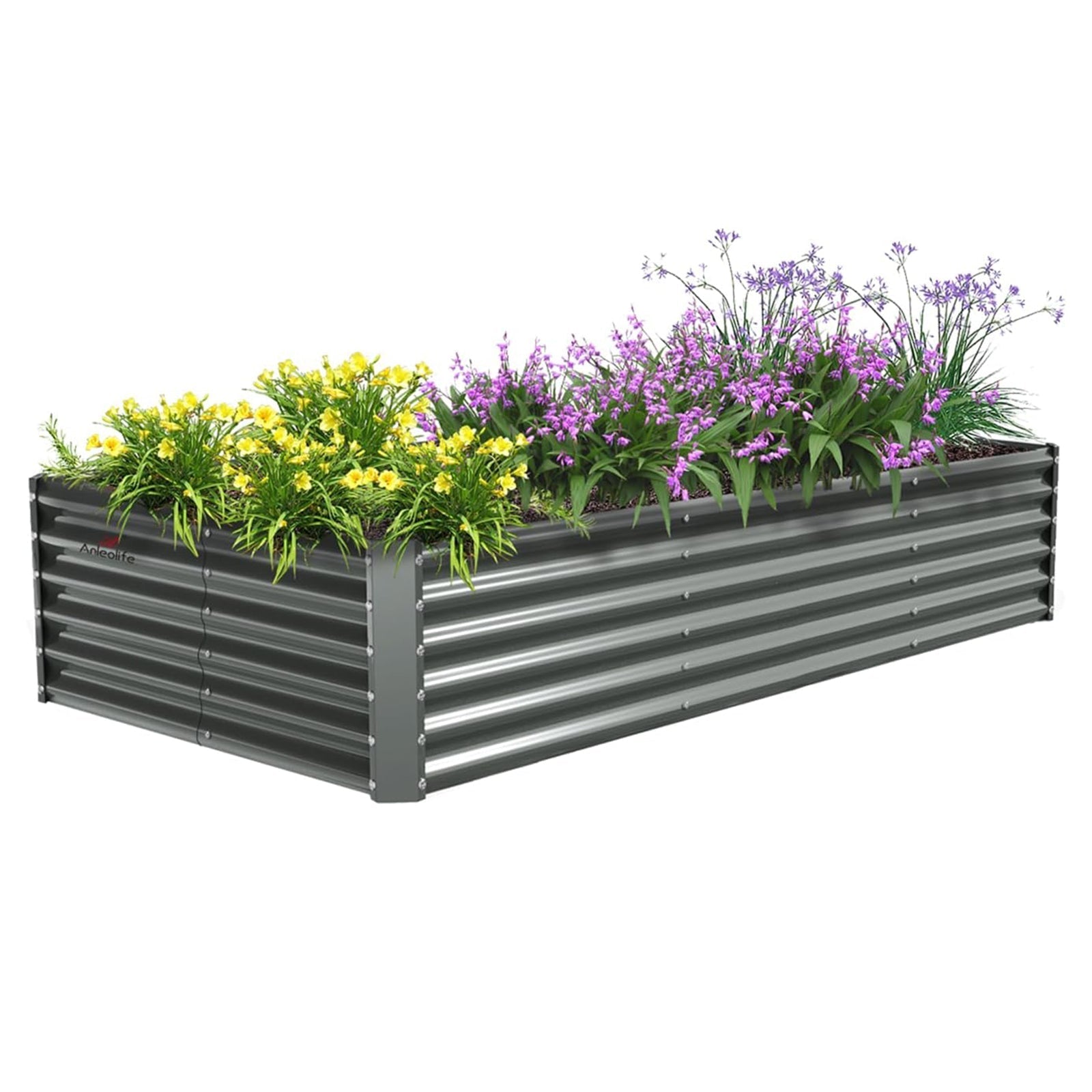

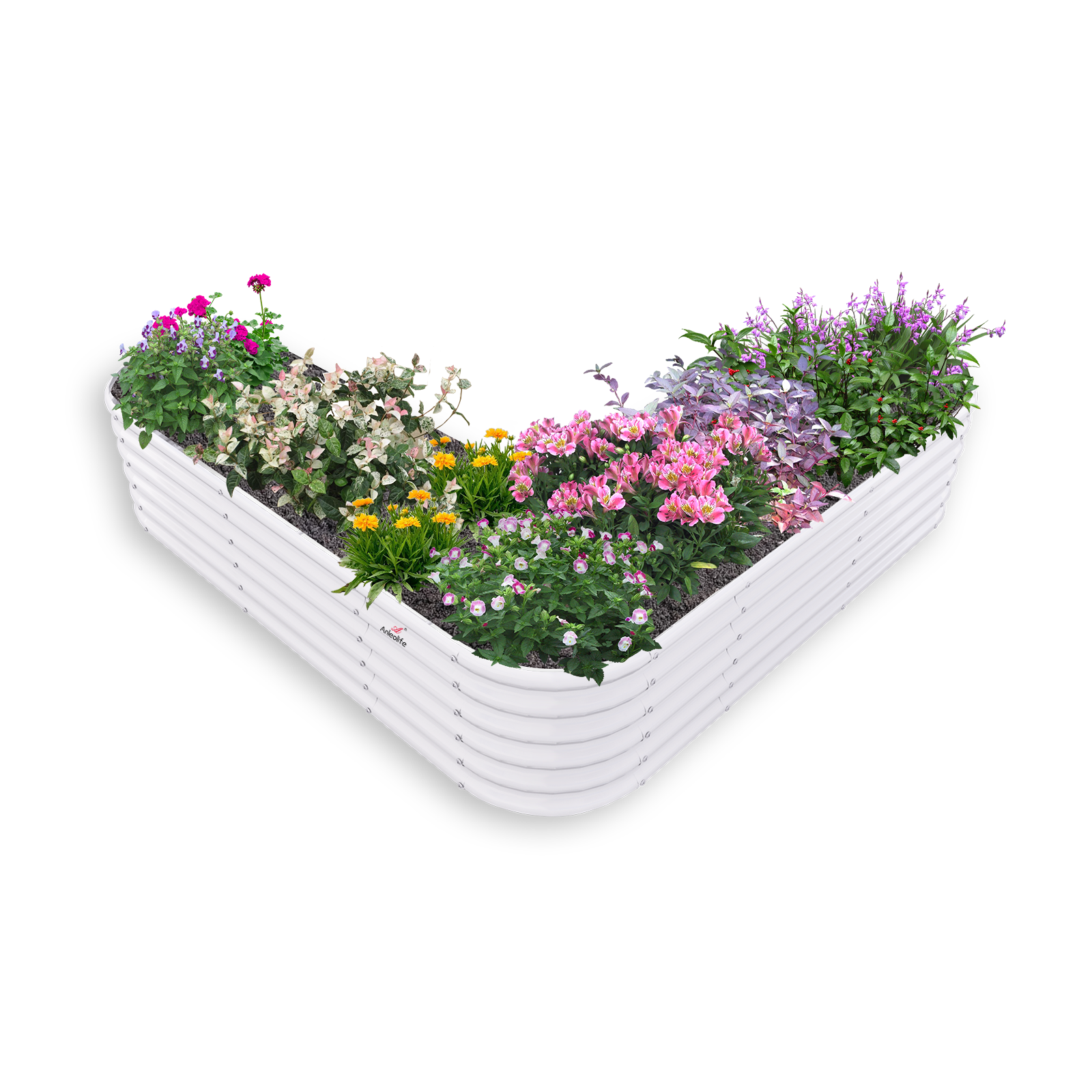
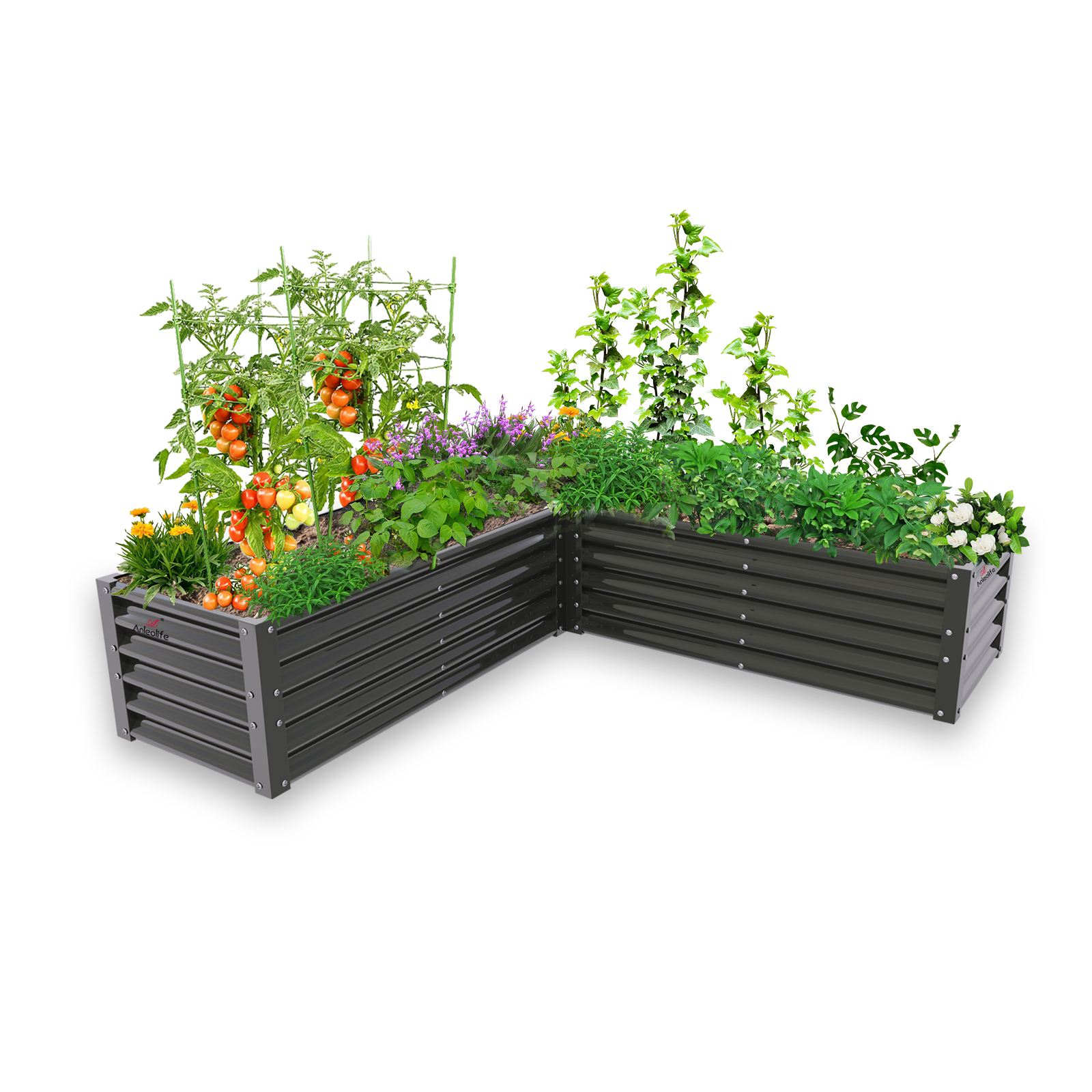
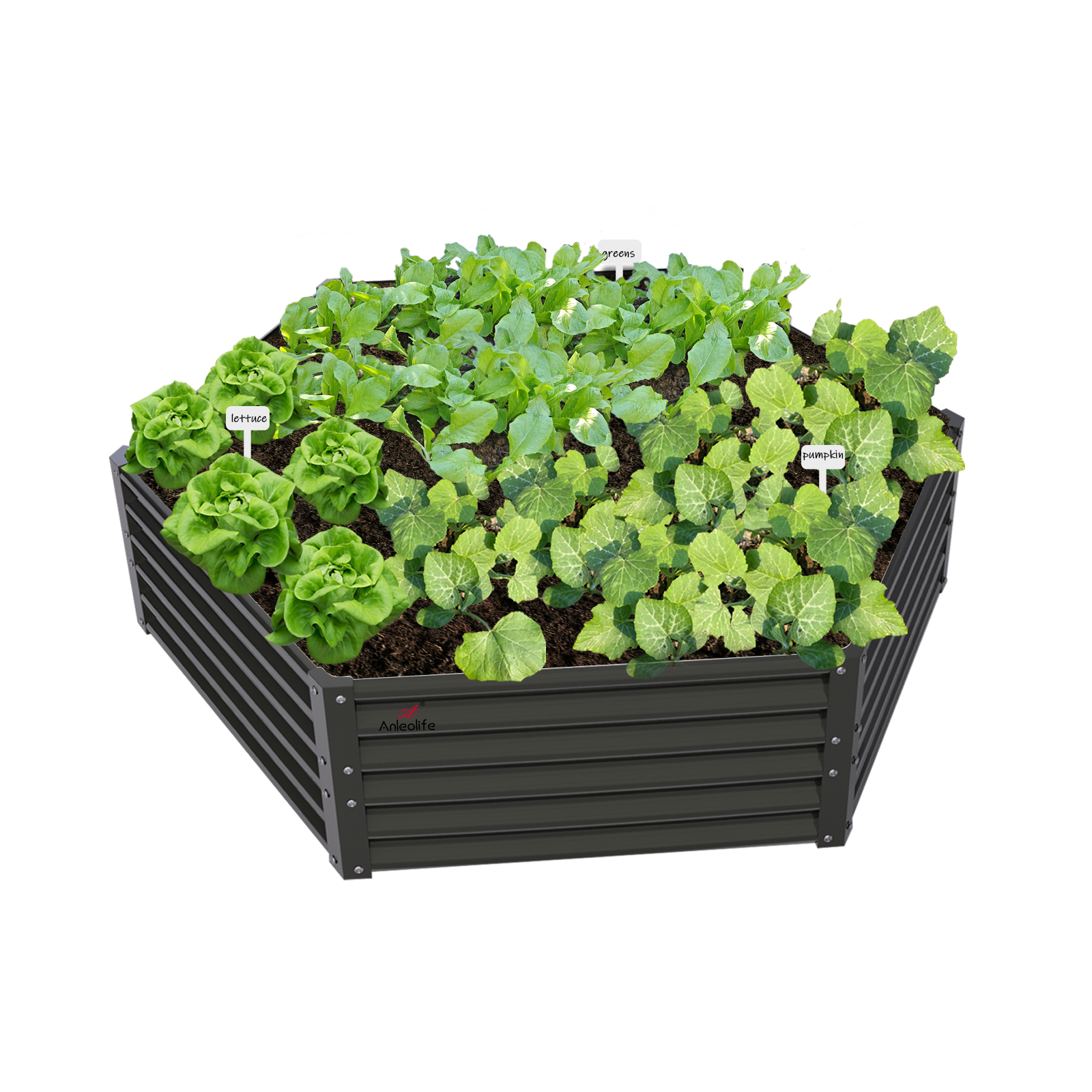
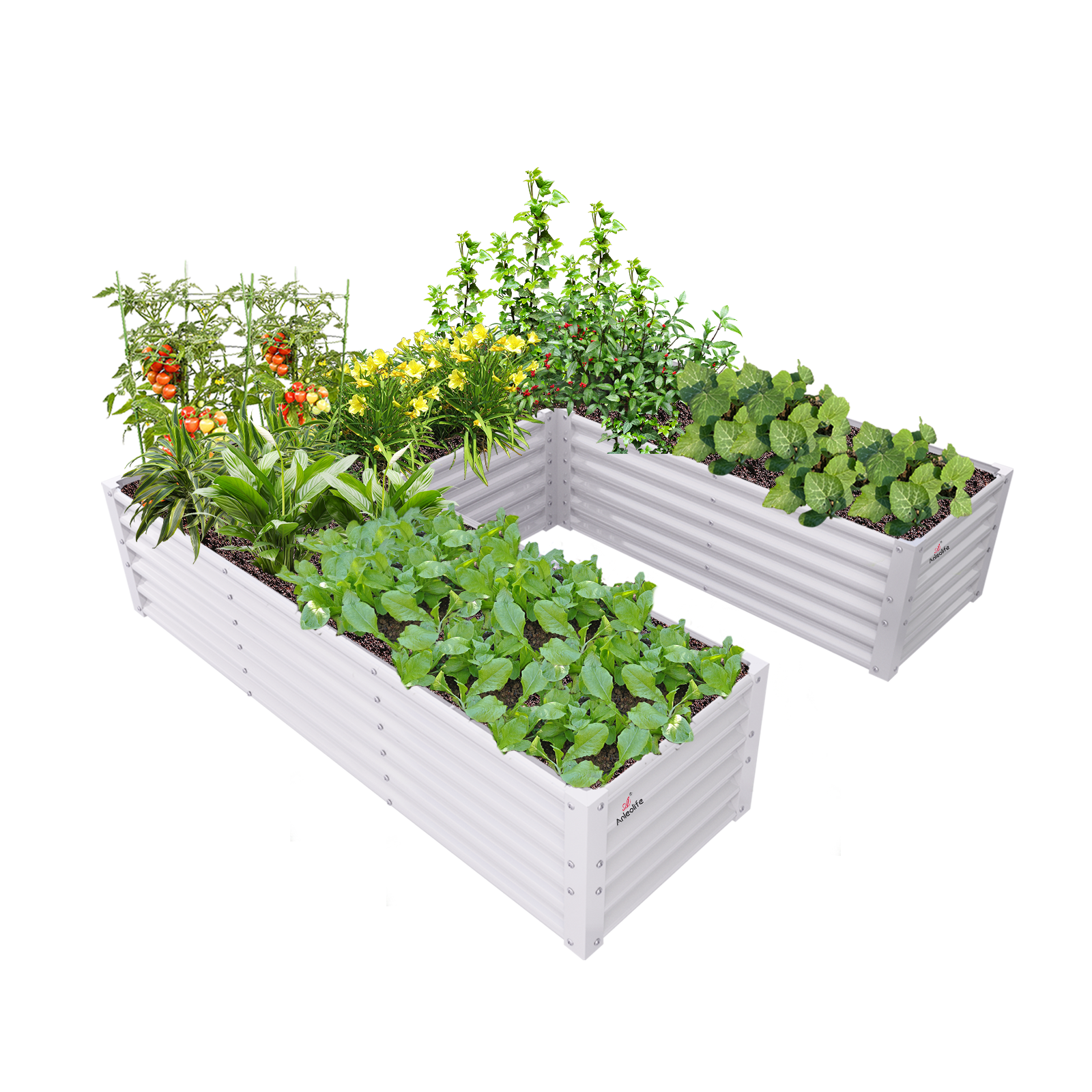

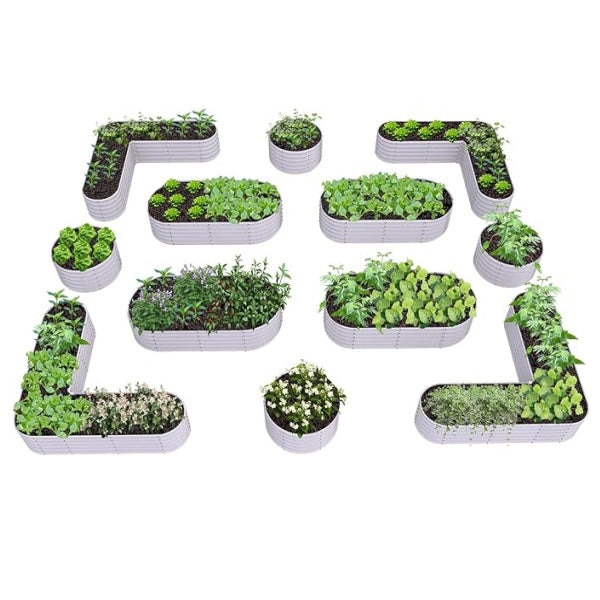


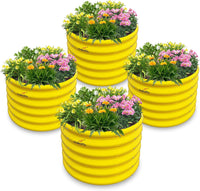
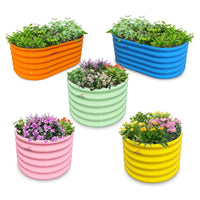
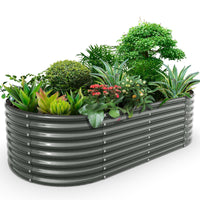




ALT: Beginner planning raised bed garden layout with galvanized steel beds in a sunny summer backyard
Why Summer 2026 Is the Perfect Time to Start Your Raised Bed Garden Layout
Key Conclusion: Planning a raised bed garden layout is one of the smartest investments a beginner home grower can make heading into Summer 2026. With the right structure, recommended materials for raised garden beds that won't rot, and a clear step-by-step planting map, even first-time gardeners can enjoy high yields, better soil control, and a beautiful outdoor space that supports healthy, home-grown food for years to come.
If you've been dreaming about growing your own tomatoes, herbs, or cucumbers but feel overwhelmed by where to start, you're in excellent company. Raised bed gardening has surged in popularity across North America, and for good reason: it gives you complete control over your growing environment without requiring a massive yard or professional landscaping experience.
Whether you're working with a compact urban patio, a suburban backyard, or a sprawling rural lot, a well-planned raised bed garden layout can transform almost any space into a productive, beautiful growing zone. In this guide, we'll walk you through everything—from choosing the right bed size and material to mapping out your planting zones, managing pests with insect netting, and organizing your tools efficiently. Let's dig in.
Who This Guide Is For
✅ Applicable Scenarios:
- First-time gardeners starting their raised bed journey in Spring–Summer 2026
- Urban micro-gardeners with limited outdoor space who want maximum yield per square foot
- Empty nesters or retirees looking to build a manageable, rewarding hobby garden
- Eco-conscious home growers seeking non-toxic, durable materials for food production
- Families wanting to introduce children to gardening through a structured, beginner-friendly layout
❌ Not Applicable/Cautions:
- Gardeners with fully established in-ground plots who don't need raised bed infrastructure
- Renters without landlord permission to install permanent or semi-permanent garden structures
- Those in regions with extreme soil freezing who haven't accounted for winter bed protection and drainage needs
The Growing Appeal of Raised Bed Gardening—and Why Layout Planning Matters
Home gardening in North America has experienced a remarkable resurgence over the past several years, accelerated by growing interest in food security, organic living, and outdoor wellness. According to the National Gardening Association, food gardening participation has climbed steadily, with millions of new households planting edibles each year.
But here's where many beginners stumble: they buy a garden bed, fill it with soil, toss in some seeds, and then wonder why yields are disappointing. The missing ingredient is almost always layout planning. A thoughtful raised bed garden layout considers sunlight exposure, companion planting compatibility, access paths, water flow, and seasonal crop rotation—all before a single seed goes into the ground.
One of the most common questions new growers ask is: can I use treated lumber for vegetable gardens? The short answer is: it depends on the treatment. Older pressure-treated lumber used chromated copper arsenate (CCA), which is now banned for residential use due to arsenic leaching into soil. Modern ACQ-treated lumber is considered safer, but many health-conscious gardeners still prefer to avoid any chemical uncertainty near food crops. This is one key reason why galvanized steel raised garden beds—like those offered by Anleolife—have become the gold standard for vegetable growing. They eliminate the wood-rot concern entirely, contain no chemical preservatives, and offer exceptional longevity.
Speaking of longevity: Anleolife's raised garden beds are built to last up to 20 years, making them a one-time investment that pays dividends season after season. For Summer 2026 beginners, starting with the right foundation means you won't be replacing rotting lumber beds every few years or questioning what's leaching into your homegrown lettuce.
Step-by-Step Raised Bed Garden Layout Planning: Your Complete Summer 2026 Blueprint
Three-Step Quick Start for Total Beginners
Step 1: Assess Your Space and Sunlight
Before you buy a single bed or bag of soil, spend one full day observing your outdoor space. Track which areas receive full sun (6+ hours), partial sun (3–6 hours), and shade. Most vegetables—tomatoes, peppers, squash, beans—thrive in full sun. Note your yard's natural water flow during rain to avoid placing beds in flood-prone low spots. Sketch a rough overhead map of your available area with dimensions. This foundational step takes about 2–3 hours and prevents costly mistakes later. Knowing your space guides every decision that follows.
Step 2: Choose Your Bed Sizes and Arrangement
With your space map in hand, decide how many beds you need and what configuration works best. A key rule for raised beds: keep width at 4 feet or less so you can reach the center from either side without stepping in and compacting soil. Leave at least 18–24 inches between beds for comfortable walking and wheelbarrow access. For beginners, starting with one or two beds and expanding later is far easier to manage than trying to fill six beds in your first season. Anleolife's modular raised garden bed systems are especially valuable here—you can start small and expand the layout as your confidence grows.
Step 3: Map Your Crops Using Companion Planting Principles
Once your beds are positioned, create a planting map. Group crops by their sun needs, growth height, and companion compatibility. Place tall crops like corn or staked tomatoes on the north side of beds so they don't shade shorter plants. Plant heavy feeders (like tomatoes and squash) away from light feeders (like herbs and lettuce). Use companion planting pairs like basil with tomatoes or marigolds around the perimeter to deter pests naturally. This planning phase takes an afternoon but dramatically improves your harvest outcomes throughout the entire summer season.
Comparing Raised Bed Materials: What's Right for Your Garden?
Choosing the right material is arguably the most important structural decision you'll make. Here's how the most common options stack up for Summer 2026 beginners:
| Comparison Dimension | Untreated Wood | Treated Lumber | Galvanized Steel (Anleolife) |
|---|---|---|---|
| Rot Resistance | Rots in 3–7 years | Moderate resistance | Excellent—rust-resistant coating |
| Food Safety | Generally safe | Chemical leaching risk | Safe for food growing |
| Lifespan | Short (3–7 years) | Moderate | Up to 20 years |
| Maintenance Required | High (annual sealing) | Moderate | Very low |
| Weight & Stability | Moderate | Moderate | Heavy-duty, very stable |
| Aesthetic Options | Natural look | Limited | Modern, sleek finishes |
| Assembly | Requires tools/skills | Requires tools/skills | Modular, beginner-friendly |
| Cost Over Time | High (replacements) | Moderate | Low (long-term value) |
As the table makes clear, rust-resistant raised garden beds made from galvanized steel represent the best long-term value for beginners who want to invest once and grow for decades. The concern about recommended materials for raised garden beds that won't rot is fully addressed by steel construction—there's simply nothing to rot.
Anleolife offers a wide range of sizes to suit any layout. From compact options ideal for urban micro-gardens to extra-tall beds perfect for gardeners with mobility concerns, the lineup includes everything from shorter standard-height beds to 24-inch extra-tall and even 30-inch extra-tall configurations that allow comfortable gardening without bending. The 35-inch waist-high models are particularly beloved by retirees and those with back issues, providing raised garden access at a standing height.
Detailed Layout Planning: Zones, Paths, and Plant Placement
Designing Your Garden Zones
Effective raised bed garden layout planning starts with thinking in zones rather than individual plants. A zone-based approach groups crops by their cultural needs—water requirements, sunlight preferences, harvest frequency—so you're working smarter, not harder.
Zone 1: High-Frequency Access (Closest to Your Home)
Place herbs, salad greens, and other crops you harvest daily or every few days closest to your kitchen door. Basil, parsley, mint, arugula, and leaf lettuce are perfect Zone 1 plants. A compact 6x3 ft or 4x2 ft bed works beautifully here. You want these crops within arm's reach so you're actually harvesting them consistently.
Zone 2: Main Vegetable Production Beds
This is your workhorse zone—larger beds (8x4 ft configurations are a popular choice) filled with tomatoes, peppers, cucumbers, zucchini, and beans. These crops need regular but not daily attention: watering, fertilizing, staking, and weekly harvesting. Position these beds in your best full-sun location, and make sure access paths on all four sides are clear for easy maintenance.
Zone 3: Perennials and Long-Term Crops
Asparagus, strawberries, rhubarb, and perennial herbs like rosemary and thyme come back year after year. Place these in beds or corners where they won't interfere with your annual crop rotation. Since they're permanent residents, choose a location where they won't shade your main vegetable beds as they mature.
Managing Pathways and Access
One of the most overlooked aspects of raised bed garden layout planning is pathway design. A garden that's beautiful but hard to navigate quickly becomes frustrating. Here are the key principles:
- Primary paths (between bed rows you use daily): Minimum 24 inches wide
- Secondary paths (occasional access): 18 inches is workable
- Wheelbarrow/cart access: At least 36 inches for comfortable maneuvering
Consider covering pathways with landscape fabric topped by gravel, wood chips, or stepping stones to prevent weeds and keep mud out of the garden during wet spells.
Pest Management with Insect Netting
Once your layout is mapped, it's time to think about protection. Top-rated insect netting materials for vegetable gardens typically fall into two categories: ultra-fine mesh (which excludes even the smallest flying insects like aphids and thrips) and standard garden netting (which handles larger pests like cabbage moths and birds).
For summer growing in most North American climates, a lightweight row cover or insect netting draped over hoops inserted into the bed sides is highly effective. Look for netting with small enough mesh openings to block whiteflies and flea beetles while still allowing adequate airflow and light transmission. The key is securing edges tightly—pests are remarkably talented at finding even small gaps.
Anleolife's raised beds with their sturdy steel walls make it straightforward to attach hoop supports or clip netting directly to the bed's rim, creating a seamless protective tunnel over your crops without complicated anchoring systems.
Tool Organization: Smart Storage for Small Spaces
Here's a question many beginners forget to ask until they're tripping over rakes: what are the best garden tool storage solutions for small spaces?
If your raised bed garden is in a compact urban backyard or a side yard with limited room, wall-mounted tool racks are your best friend. Top-rated outdoor tool storage racks and cabinets typically include wall-mounted pegboards with adjustable hooks, vertical tool towers that lean against fences or walls, and compact weatherproof cabinets with built-in shelving.
For the raised bed gardener specifically, consider these practical approaches:
- A small weatherproof cabinet positioned at the garden entrance holds hand tools, gloves, and seed packets within arm's reach
- Wall-mounted horizontal tool racks keep long-handled tools (hoes, rakes, cultivators) organized and off the ground
- A small rolling cart with a bin for soil amendments can be wheeled directly to whichever bed you're working in that day
Keeping tools organized isn't just about aesthetics—it saves significant time, extends tool life, and makes gardening feel effortless rather than chaotic.

ALT: Galvanized steel raised garden beds with insect netting and organized tool storage in a beginner summer garden layout
Advanced Considerations for Your Summer 2026 Garden Layout
Soil Depth, Drainage, and Bed Height Selection
Not all crops need the same soil depth. Shallow-rooted crops like lettuce, herbs, and radishes thrive in beds as short as 6–8 inches. Medium-rooted crops like tomatoes, peppers, and cucumbers prefer at least 12 inches. Deep-rooted crops like carrots and parsnips appreciate 18 inches or more. This is why Anleolife's product lineup spans such a wide range of heights—from standard 18-inch beds to extra-tall 24-inch, 30-inch, and even 35-inch waist-high options. Matching bed height to your primary crops (and your own physical comfort) is part of smart layout planning.
Crop Rotation Planning Beyond Summer 2026
A common beginner misconception is thinking of a garden layout as fixed forever. In reality, good growers rotate crops annually to prevent soil depletion and reduce disease pressure. Plan your Summer 2026 layout with an eye toward where you'll move heavy feeders (like tomatoes) in 2027. Following heavy feeders with legumes (which fix nitrogen) and then root crops creates a natural three-year rotation that keeps your soil healthy without heavy synthetic fertilization.
Watering Systems Integration
Drip irrigation or soaker hoses work exceptionally well with raised beds and should be considered during the layout planning phase—not as an afterthought. If you're planning to install drip lines, map your water source location now and design bed placement to minimize tubing runs. Raised steel beds integrate neatly with standard drip irrigation components, and the contained soil environment means water is used far more efficiently than in-ground gardens.
Frequently Asked Questions FAQ
Q1: How do I choose the right raised bed size for my first summer garden?
Start with one or two beds in the 8x4 ft range—large enough to grow meaningful quantities of vegetables but small enough to manage comfortably as a beginner. The rule of thumb is keeping bed width at 4 feet or less so you can reach the center without stepping inside. Anleolife offers multiple configurations in these dimensions, and their modular designs allow you to expand your layout in future seasons as your experience grows. Begin manageable, then scale.
Q2: Are galvanized steel raised beds safe for growing vegetables?
Yes, modern galvanized steel raised garden beds are widely considered safe for vegetable production. The zinc coating used in galvanization is the same mineral found in many dietary supplements and is naturally present in soil. Extensive research and gardening community experience over many years has consistently found no meaningful contamination from galvanized steel into garden soil or crops. This makes them a highly recommended material for raised beds that won't rot and won't raise food-safety concerns.
Q3: How long does it take to set up a raised bed garden, and how long will the beds last?
Initial setup—from site assessment to bed assembly, soil filling, and first planting—typically takes one to two weekends for a two- to three-bed layout. Anleolife's modular bed systems are designed for straightforward assembly, significantly reducing setup time. Once established, Anleolife raised garden beds are built to last up to 20 years, making them a one-time investment. Delivery typically takes 3–8 business days from Anleolife's strategically located U.S. warehouses, so you can receive your beds and begin setup quickly.
Summary
Planning your raised bed garden layout before Summer 2026 is the single most valuable preparation step you can take as a beginning gardener. Three core principles should guide every decision you make:
1. Start with your space, not your wishlist. Assess sunlight, map pathways, and choose bed sizes that fit your actual yard dimensions and physical comfort level. A well-planned small garden consistently outperforms an overcrowded, poorly organized large one.
2. Choose materials built for the long term. Durable, rust-resistant galvanized steel beds eliminate the rot, chemical leaching, and replacement costs associated with wood alternatives. With a 20-year lifespan, quality beds are the foundation everything else builds on.
3. Think in systems, not just plants. Layer your planning to include crop zones, companion planting, pest protection with insect netting, efficient pathways, and smart tool storage. A garden that's easy to work in is a garden you'll actually maintain and enjoy all season long.
Your next step? Sketch your space today, identify your primary sunny zones, and decide on your first bed configuration. Summer 2026 growing season will arrive faster than you think—and the gardeners who've done their layout planning in advance are the ones who hit the ground running when planting time comes.
Start Your Raised Bed Garden Journey with Anleolife
Anleolife's nationwide U.S. warehouse network—strategically located in California, Texas, Florida, New York, Illinois, and Washington—ensures delivery within 3–8 business days, so your garden upgrade plans never have to wait for the season to pass you by.
Find Anleolife raised garden beds across all major platforms: Anleolife.com, as well as Amazon, Walmart, Home Depot, Lowe's, and Wayfair. Every channel offers consistent quality assurance and full after-sales support.
Anleolife's three core product scenarios cover everything a growing home gardener needs: Planting (metal raised garden beds, soil systems), Raising (chicken coops, rabbit hutches), and Beautification (decorative accessories, pathway systems)—meeting complete needs from pure functionality to garden aesthetics.
We understand that an ideal garden isn't built overnight—it's grown gradually, season by season. Our modular product design allows flexible expansion based on your evolving needs, from your very first raised bed to a fully integrated planting-and-raising ecosystem. We grow with you every step of the way.
References
- National Gardening Association. "Garden to Table: A Guide to Growing Food at Home".
https://garden.org - University of California Agriculture and Natural Resources. "Raised Bed Gardening".
https://ucanr.edu/ - U.S. Environmental Protection Agency. "Chromated Copper Arsenate (CCA): What You Should Know About CCA-Treated Wood".
https://www.epa.gov/ingredients-used-pesticide-products/chromated-copper-arsenate-cca - Penn State Extension. "Planning a Vegetable Garden".
https://extension.psu.edu/ - Oregon State University Extension Service. "Raised Bed Gardening".
https://extension.oregonstate.edu/
Note: Standards and research may be updated; please check the latest official documents or consult professional advisors for the most current guidance.
About Anleolife
Anleolife is a leading outdoor garden solutions provider in North America, dedicated to offering a full-scenario product ecosystem for home gardening enthusiasts, covering planting, raising, and garden beautification. Since its founding, we have upheld our brand mission, "Made for Garden Life," continuously innovating products and optimizing services to help hundreds of thousands of users upgrade their gardens, reconnect with nature, and enjoy a better garden lifestyle.