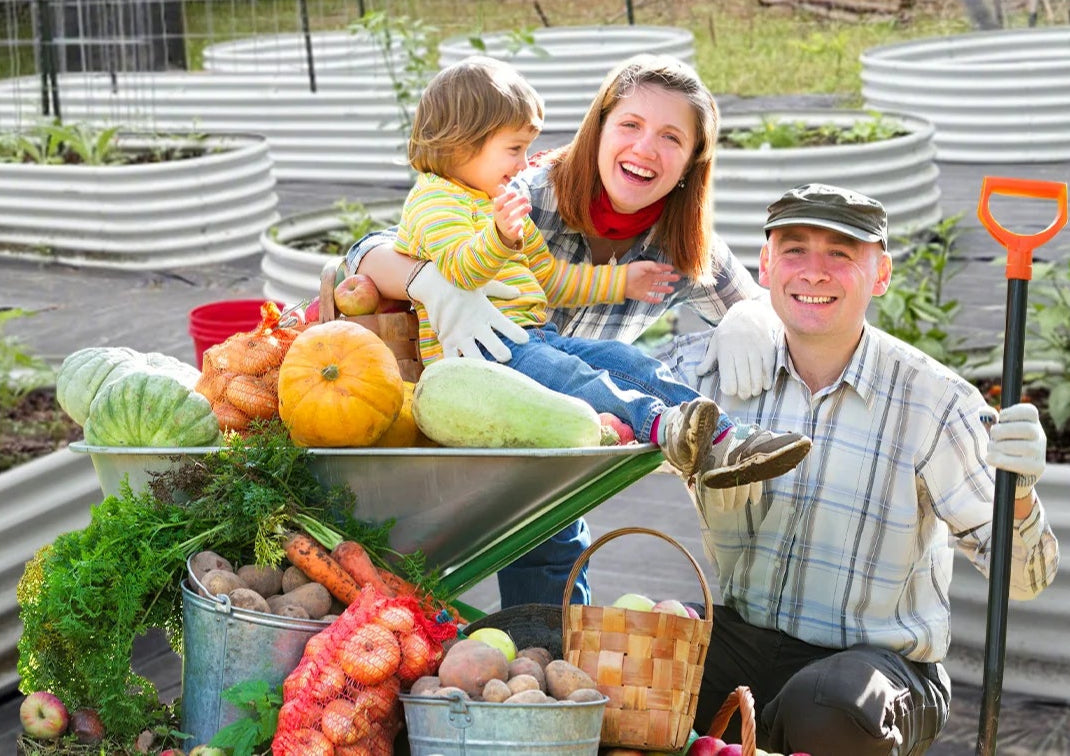



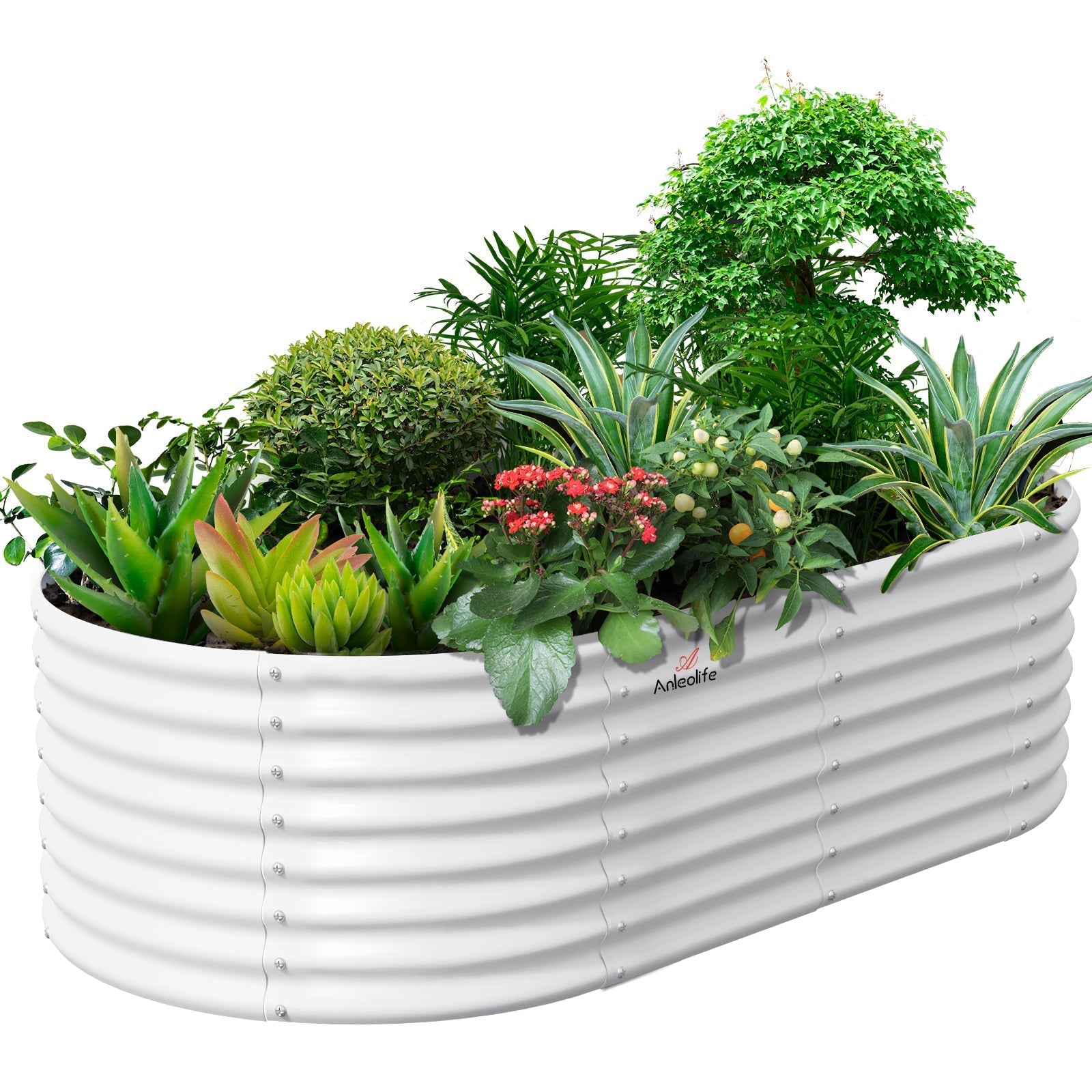
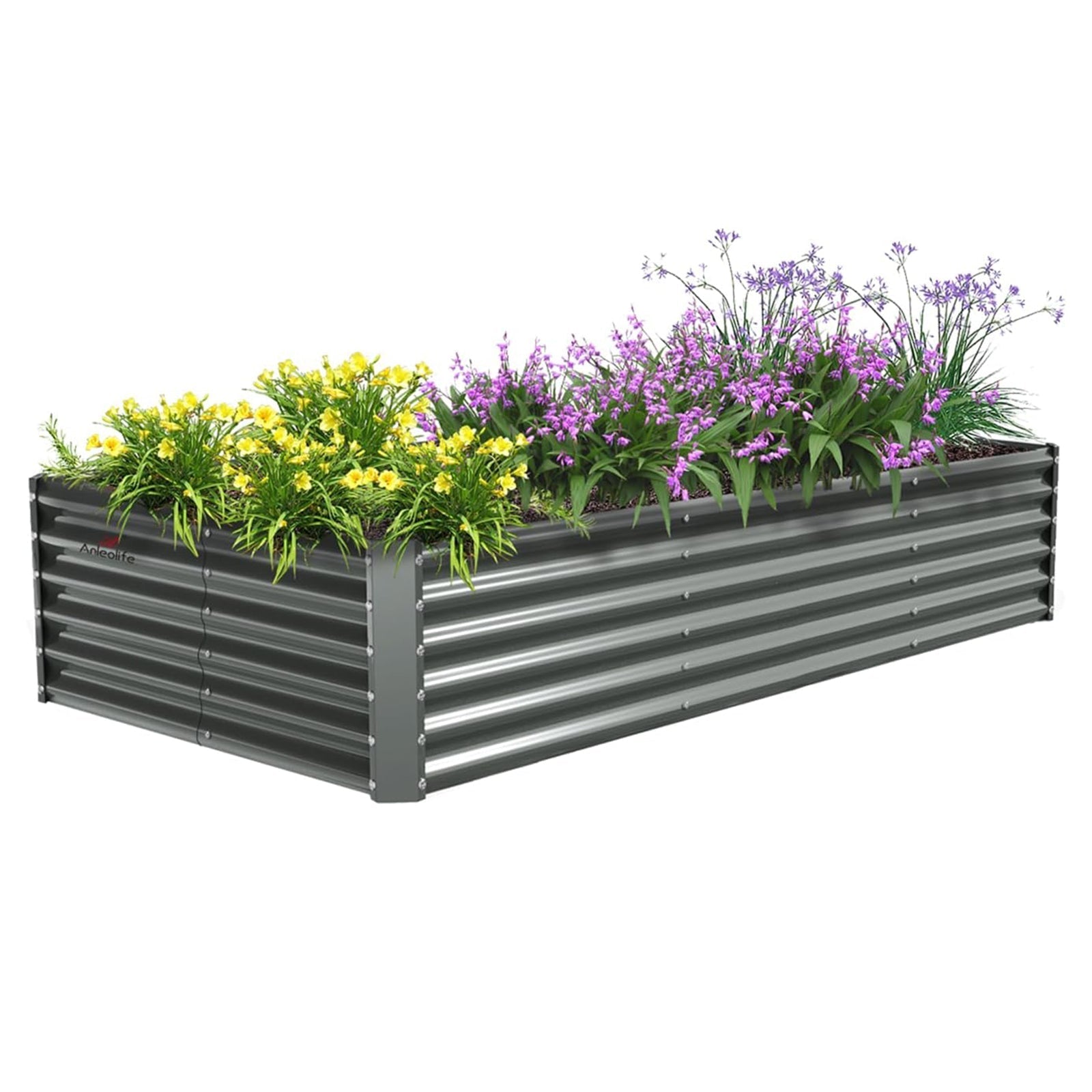
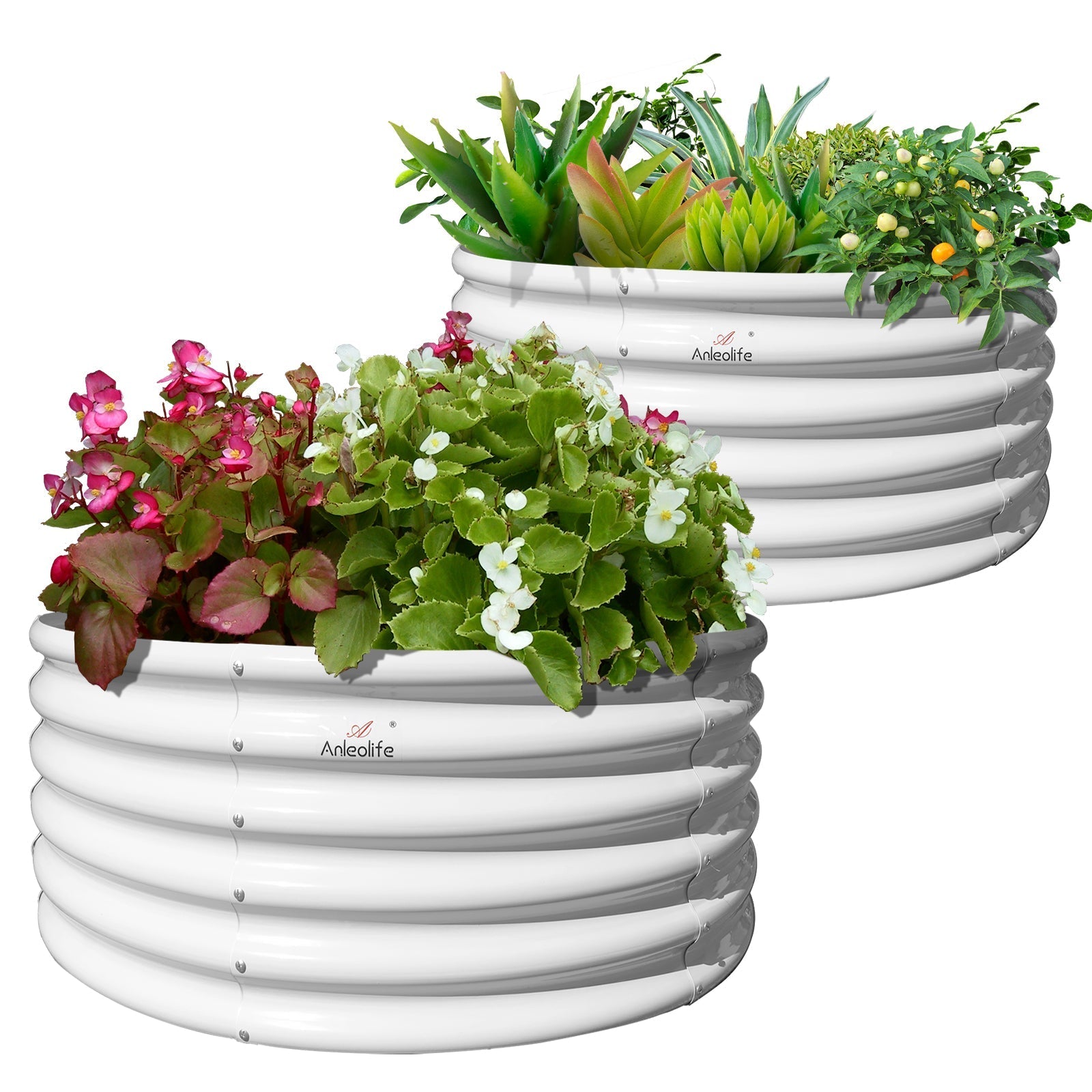
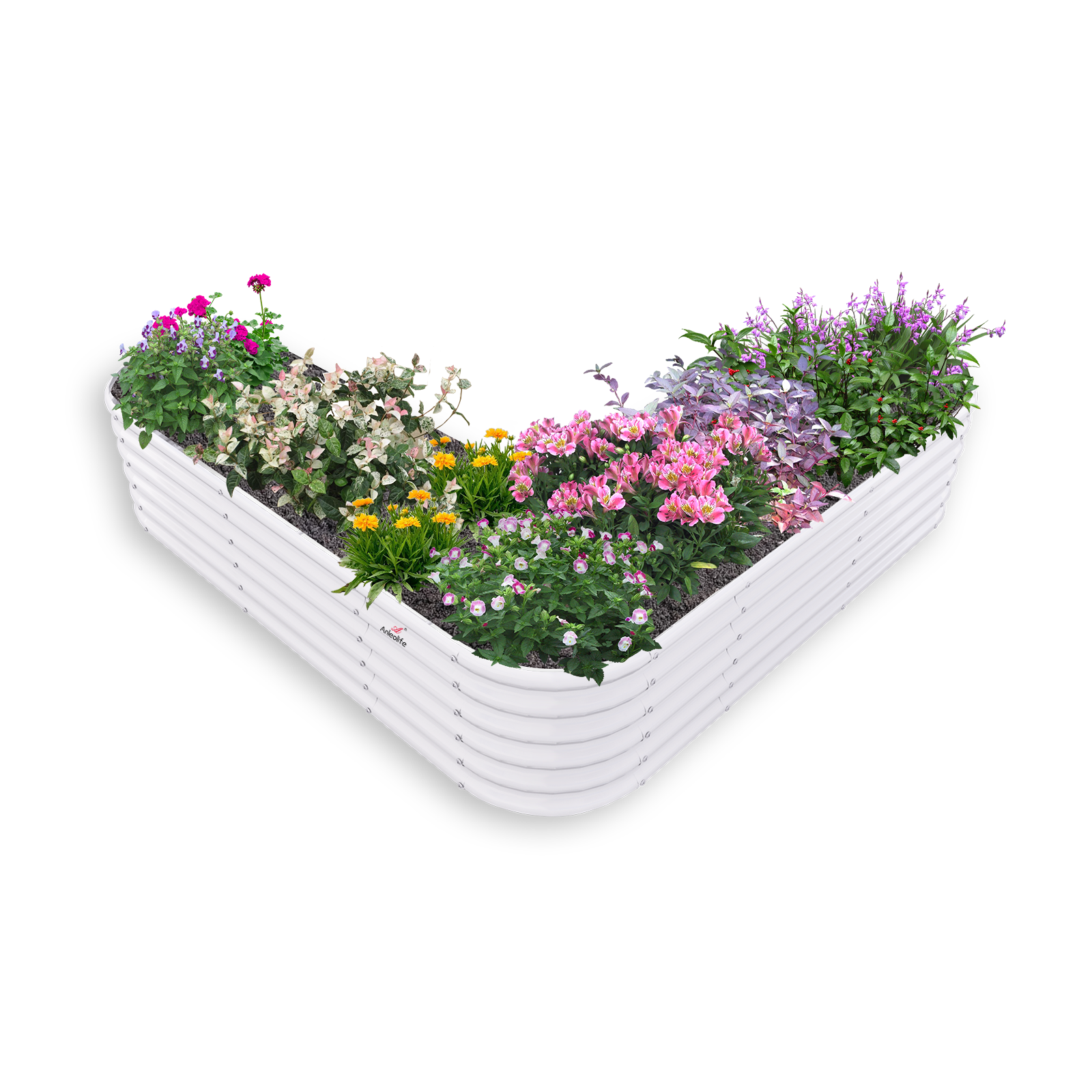
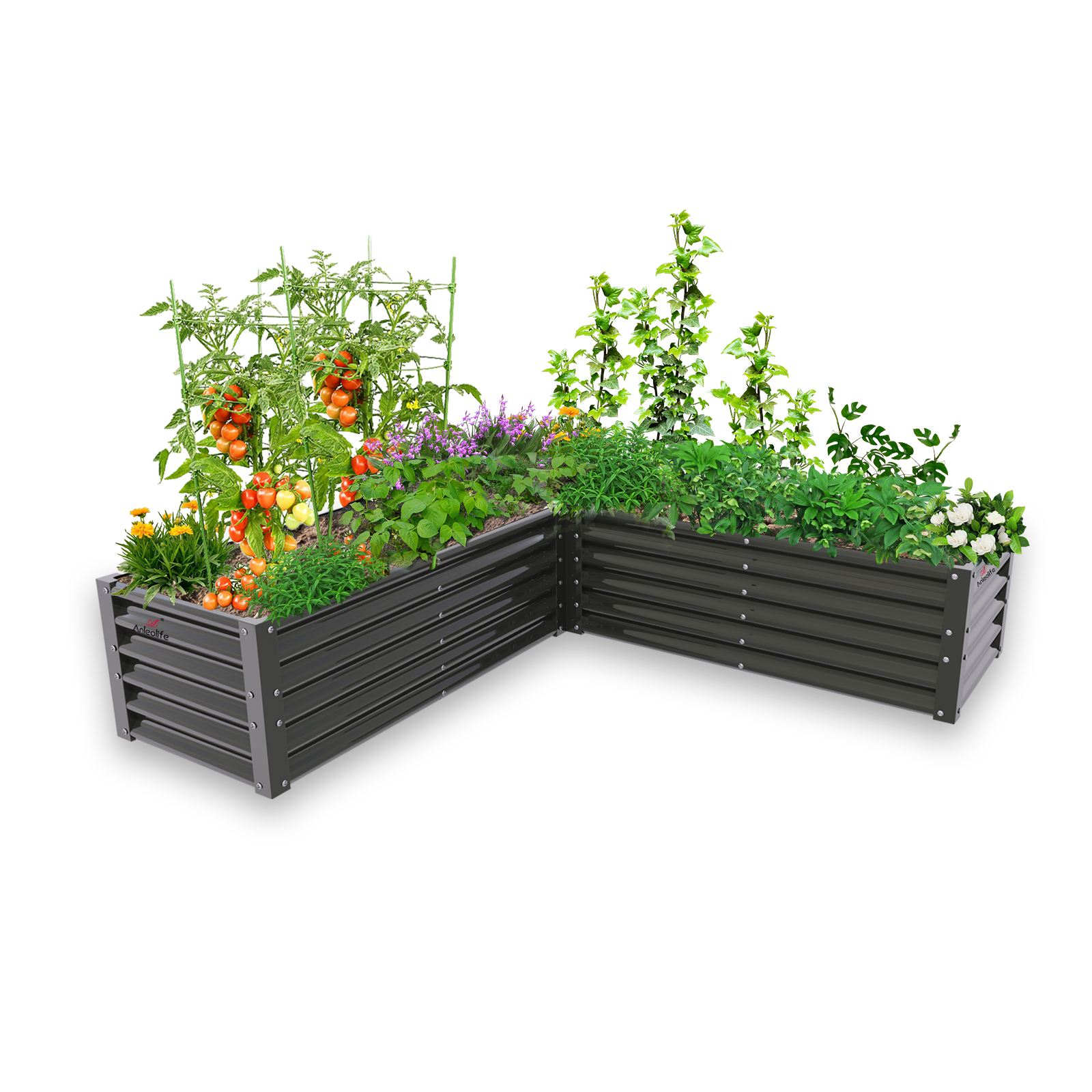
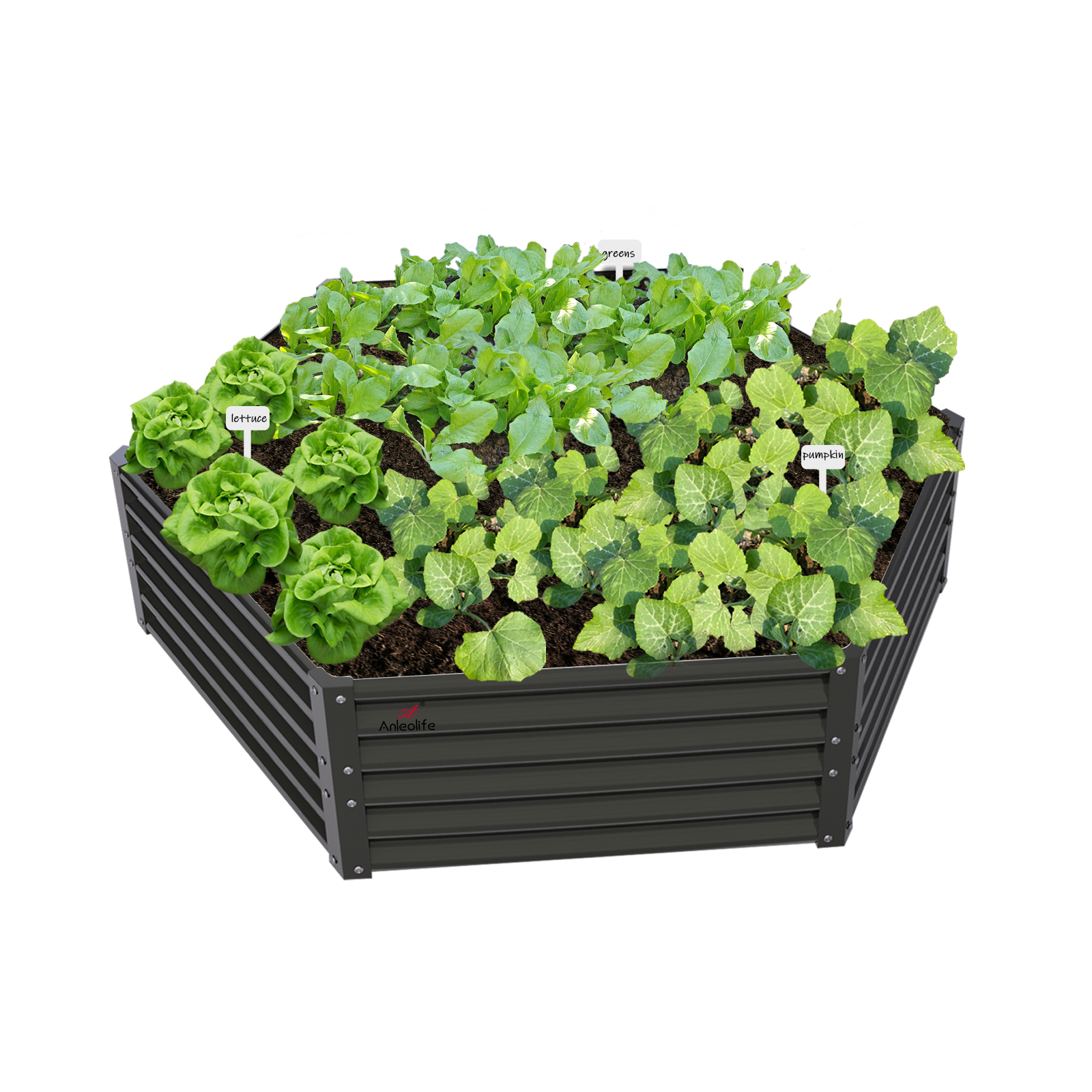
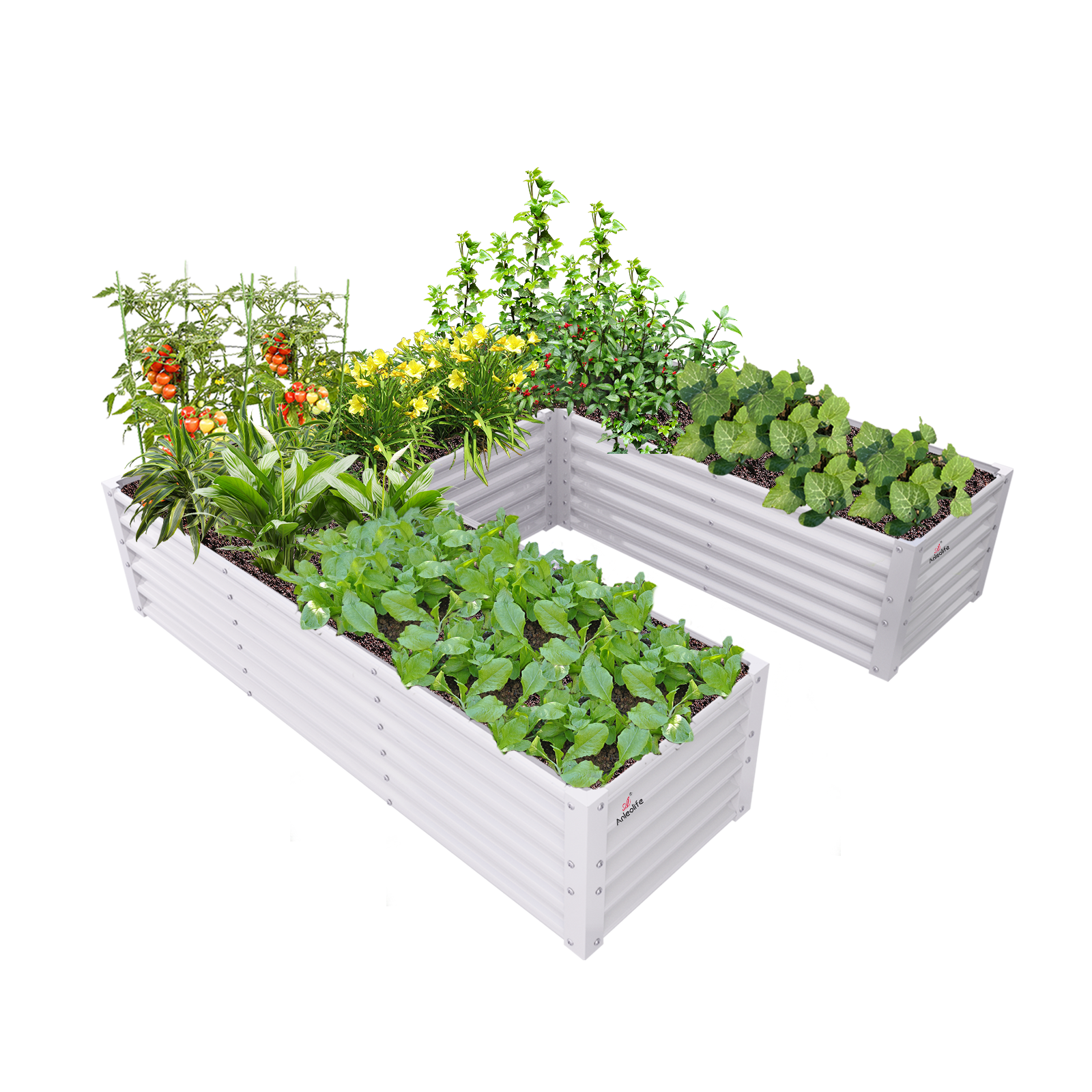

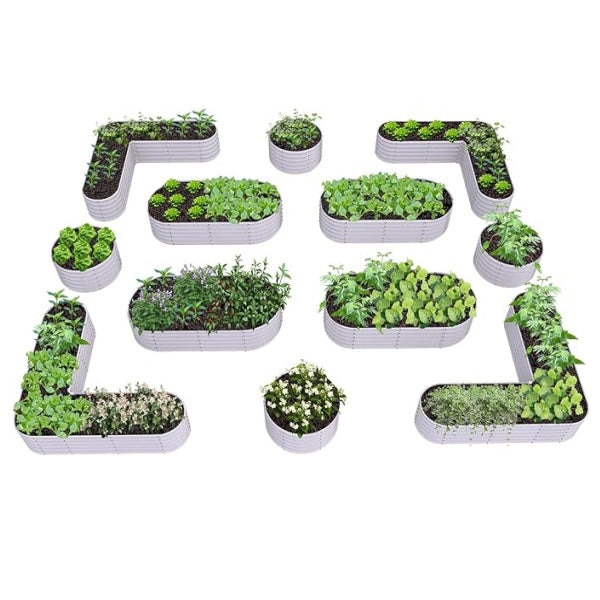

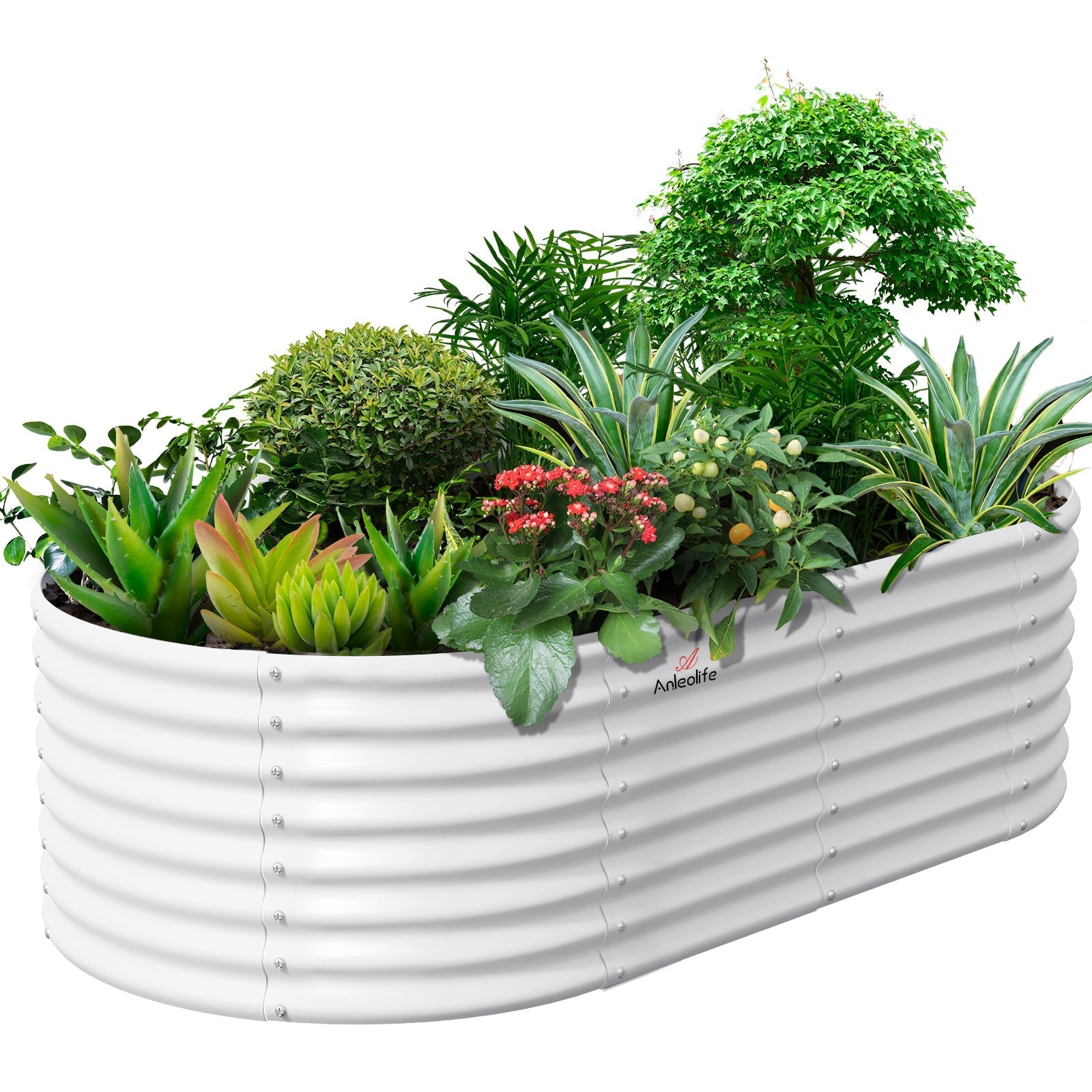

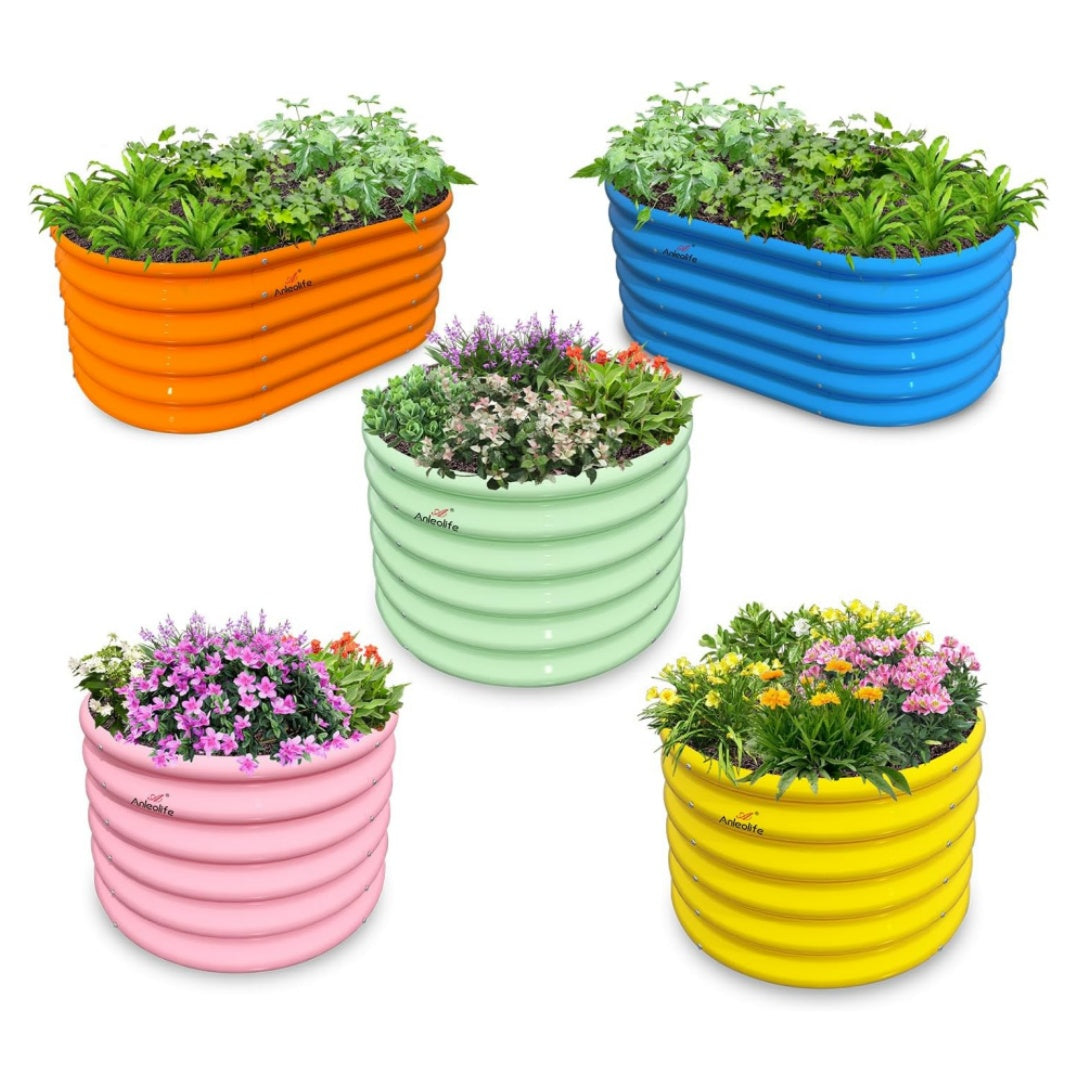
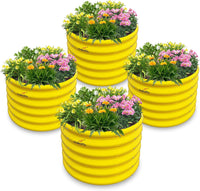
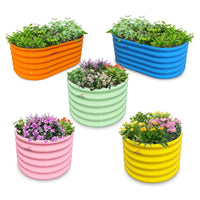
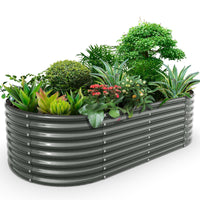



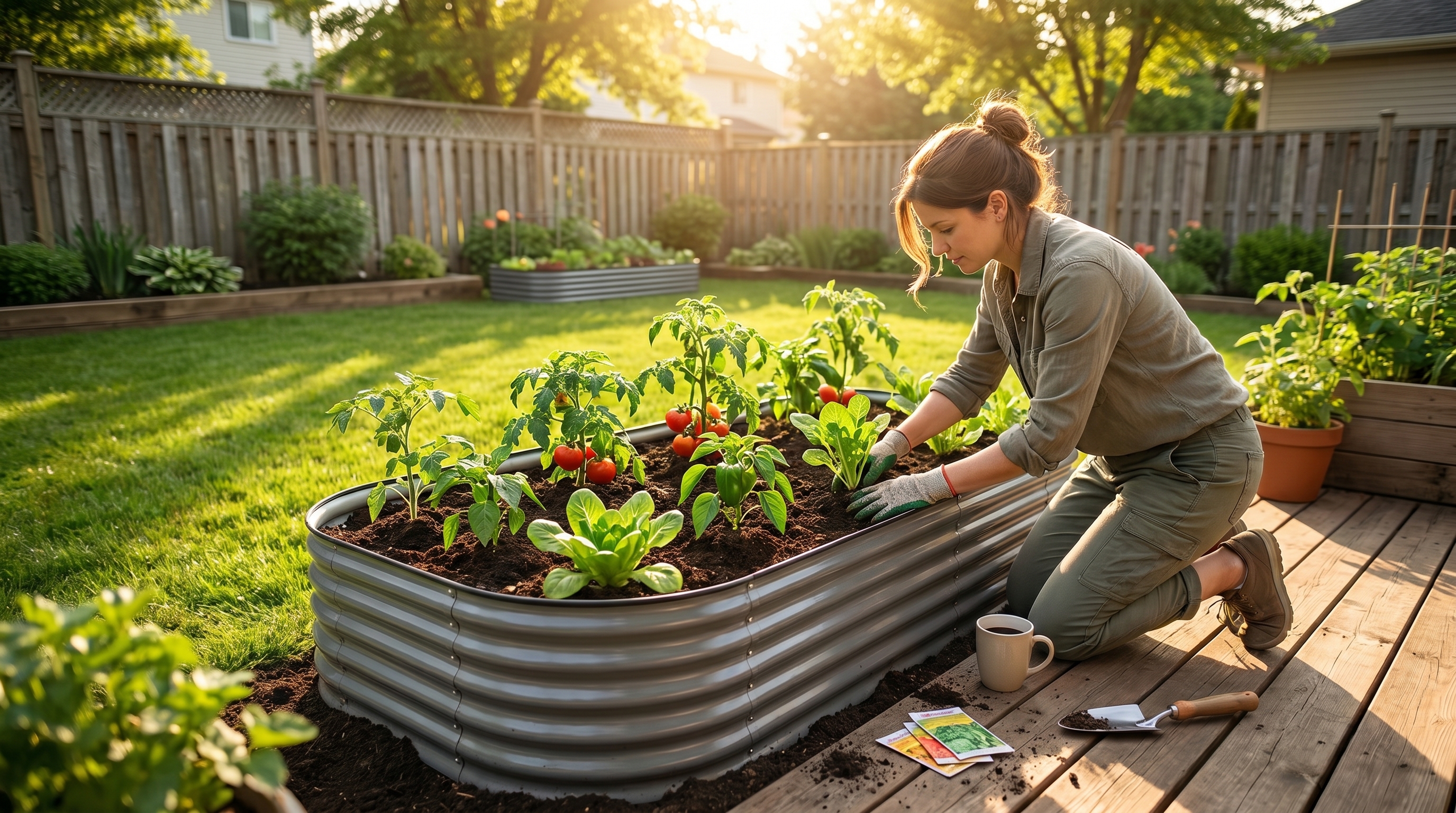
ALT: Beginner gardener planting vegetables in a raised bed garden layout in June sunshine
Why June Is the Perfect Month to Start Your Raised Bed Garden Layout
Key Conclusion: June is a golden window for beginner gardeners to establish a productive raised bed garden layout. Warm soil temperatures, long daylight hours, and a wide selection of fast-maturing crops make this month ideal for your first raised bed planting layout. Whether you're working with a compact urban space or a sprawling backyard, a well-planned raised bed layout helps you grow more in less space—with less effort, fewer weeds, and faster harvests than traditional in-ground gardening.
If you've been thinking about starting a vegetable garden but felt overwhelmed by where to begin, June offers a forgiving entry point. The soil is warm, the sun is generous, and many of the most beginner-friendly vegetables are hitting their prime growing season right now.
Raised garden beds have become one of the most popular solutions for home gardeners across North America—and for good reason. They drain better, warm up faster, and allow you to control your soil quality from day one. When paired with a thoughtful raised bed planting layout, they can produce impressive yields even in a compact footprint.
In this guide, we'll walk you through the 15 best vegetables to plant this June, a three-step quick-start plan, and everything you need to know to set up a raised bed layout that works season after season.
Who This Guide Is For
✅ Applicable Scenarios:
- First-time gardeners setting up their very first raised bed this summer
- Urban micro-gardeners working with limited outdoor space on patios, balconies, or small yards
- Empty nesters and retirees looking for a manageable, rewarding outdoor hobby
- Health-conscious families who want to grow their own clean, pesticide-free produce
❌ Not Applicable/Cautions:
- Gardeners in USDA Hardiness Zones 1–3, where June soil temperatures may still be too cold for warm-season crops
- Those expecting a harvest within days—even the fastest vegetables take at least 3–4 weeks from seed to table
- Anyone planning to grow root vegetables like parsnips or storage onions, which are better started earlier in the season
Why Raised Bed Gardening Has Taken Off in North America
Over the past decade, raised bed gardening has shifted from a niche hobby to a mainstream movement. According to the National Gardening Association, food gardening participation surged dramatically during and after the pandemic, with millions of new households growing vegetables at home for the first time. That trend has held strong, driven by rising food costs, growing interest in food transparency, and a desire to reconnect with nature.
Raised garden beds sit at the center of this movement. Unlike traditional row gardening, a raised bed gives you immediate control over your growing environment. You fill it with the soil mix you choose, position it for optimal sun exposure, and design a raised bed garden layout that fits your exact space and lifestyle.
For beginners, the learning curve is much more manageable. You're not fighting compacted clay or rocky subsoil. You're working with a contained, defined space where every improvement you make directly impacts your results.
The challenge, however, is knowing which vegetables to grow and how to arrange them. Plant the wrong crops in June, and you'll battle heat stress, bolting, and poor yields. Choose the right ones, and you'll be harvesting fresh produce within weeks.
This guide is designed to remove the guesswork. We'll give you 15 proven June vegetables, a layout strategy that maximizes every inch, and practical tips to protect your garden and keep it thriving all season long.
For gardeners interested in a complete ecosystem approach—from the beds themselves to companion planting and garden beautification—Anleolife offers a full range of raised bed solutions designed to grow with you.
Getting Started: Your Three-Step Quick-Start Plan for June Raised Bed Success
Three-Step Quick Start
Step 1: Choose and Set Up Your Raised Bed
Before you plant a single seed, you need the right structure. Choose a raised bed that offers durability and adequate depth for root development. Metal raised garden beds are among the most popular options for beginners because they resist rot, pests, and warping. Position your bed where it receives at least 6–8 hours of direct sunlight daily. Fill it with a high-quality mix of topsoil, compost, and aged organic matter. Allow at least one day for the soil to settle before planting. Estimated setup time: 2–4 hours for most standard beds.
Step 2: Plan Your Raised Bed Planting Layout
Use the "square foot gardening" method as a starting framework. Divide your bed into a grid and assign each square to a different plant based on its spacing requirements. Tall plants like tomatoes and pole beans go on the north side so they don't shade shorter crops. Medium-height plants like peppers and cucumbers go in the middle. Low-growing plants like lettuce, radishes, and herbs fill the front rows. This raised bed layout approach maximizes yield while keeping maintenance simple. Allow 30–60 minutes to sketch and finalize your plan before planting.
Step 3: Plant, Water, and Protect
Plant your chosen vegetables according to their spacing guides, water thoroughly after planting, and add a 2-inch layer of mulch to retain moisture and suppress weeds. Install any necessary supports (tomato cages, bean trellises) at planting time to avoid disturbing roots later. To protect your garden from rabbits and deer—a concern for many suburban and rural growers—consider surrounding your bed with a simple wire mesh barrier or installing motion-activated deterrents. Check soil moisture daily for the first two weeks, then settle into a consistent watering rhythm. Most beginners can complete planting in 1–2 hours.
Comparing Your Raised Bed Material Options
Before we dive into the vegetables themselves, it's worth understanding what your bed is made of. The cheapest materials for building raised garden beds vary widely in cost, durability, and safety.
Here's a straightforward comparison to help you choose:
| Comparison Dimension | Wood (Pine/Cedar) | Corrugated Metal | Composite/Recycled Plastic |
|---|---|---|---|
| Upfront Cost | Low to moderate | Moderate | Moderate to high |
| Lifespan | 5–10 years (untreated pine: 2–3 years) | Up to 20 years | 10–15 years |
| Soil Safety | Generally safe (avoid treated lumber) | Food-safe galvanized options available | Food-safe options available |
| Aesthetic Appeal | Classic, natural look | Modern, sleek appearance | Varied, often wood-grain finish |
| Maintenance Required | Regular sealing or replacement | Minimal | Minimal |
| Best For | Budget-conscious first-timers | Long-term investment, durability | Eco-conscious buyers |
If you're asking what's the best material for affordable raised garden beds that balances cost and longevity, metal is increasingly the answer. A quality metal raised garden bed can last up to 20 years, meaning the per-year cost is often lower than wood over time. Anleolife's metal raised garden beds are built for exactly this purpose—durable enough to outlast the seasons, designed to complement your garden's aesthetic.
The 15 Best Vegetables to Grow in a Raised Garden Bed This June
Now for the heart of this guide. These 15 vegetables are selected specifically for June planting across most of the continental United States. They thrive in warm soil, mature quickly enough to reward beginners, and perform exceptionally well within a raised bed garden layout.
Fast-Growing Crops for Instant Gratification
1. Radishes
Radishes are the ultimate beginner crop. They germinate in just a few days and are ready to harvest in as little as three to four weeks. In your raised bed layout, tuck them between slower-growing plants to make use of every inch of space. They also help break up soil and deter some pests naturally.
2. Lettuce (Heat-Tolerant Varieties)
Standard lettuce bolts in summer heat, but heat-tolerant varieties like 'Jericho' or 'Muir' can thrive in June if you provide afternoon shade. Plant them along the north edge of your bed where taller plants will cast some protective shadow. Harvest outer leaves and the plant will keep producing for weeks.
3. Spinach
Like lettuce, choose bolt-resistant spinach varieties for June. 'Malabar spinach' is technically a different plant but thrives in heat and produces abundantly through summer. Sow seeds directly into your raised bed and thin to proper spacing for the best yields.
4. Kale
Kale is one of the most nutrient-dense crops you can grow. It handles both heat and unexpected cool nights, making it a reliable June choice. It also looks beautiful in a raised bed—its textured leaves add visual interest alongside flowering herbs.
5. Swiss Chard
Swiss chard is practically indestructible. It tolerates heat, grows quickly, and provides continuous harvests when you cut outer stalks and leave the center to grow. The rainbow varieties are genuinely stunning and add color to your raised bed planting layout.
Warm-Season Staples Worth Every Square Foot
6. Tomatoes
Tomatoes are the crown jewel of any summer garden. June is the perfect time to transplant established seedlings (or start with nursery transplants). Choose determinate varieties for compact raised beds or indeterminate types if you have vertical support systems. Place them at the north end of your raised bed layout so they don't shade other crops.
7. Cucumbers
Cucumbers love June heat. They grow fast, produce generously, and train easily up a trellis to save horizontal space. Bush varieties work well in smaller beds. Keep them consistently watered—inconsistent moisture leads to bitter fruit.
8. Zucchini
One or two zucchini plants can feed a family through summer. They grow large, so give each plant plenty of space—ideally one plant per four square feet of raised bed space. Harvest frequently when fruit is small and tender for the best flavor and to encourage continued production.
9. Bush Beans (Green Beans)
Bush beans are self-supporting, don't need staking, and produce a generous harvest 50–60 days after planting. They're excellent for filling in gaps in your raised bed planting layout and fix nitrogen in the soil, benefiting neighboring plants.
10. Summer Squash
Similar to zucchini in its productivity and heat tolerance, summer squash comes in a range of shapes and colors. 'Patio Star' and other compact varieties are ideal for raised beds where space is at a premium.
Herbs That Pull Double Duty
11. Basil
Basil and tomatoes are natural companions—they're said to improve each other's flavor when planted together. Basil also repels aphids and whiteflies, making it a functional addition to any raised bed garden layout. Pinch off flower heads as they appear to keep leaves productive.
12. Parsley
Parsley is slow to germinate but once established, it's productive for months. It tolerates light shade and grows well at the edge of your raised bed. Both flat-leaf and curly varieties are easy for beginners.
13. Chives
Chives are essentially foolproof. They come back year after year, repel certain pests, and their purple flowers attract pollinators—important for your cucumbers, squash, and beans to set fruit properly.
Bonus Vegetables for Adventurous Beginners
14. Peppers (Bell or Hot)
Peppers need warm soil—and June provides exactly that. They grow slowly but are very low-maintenance once established. A single plant can produce dozens of peppers through the season. Plant them in the middle section of your raised bed layout for good sun exposure.
15. Edamame (Soybean)
Edamame is underrated in home gardens. It grows similarly to bush beans, tolerates heat, and produces a protein-rich harvest in roughly 75–90 days. It's a wonderful addition to a raised bed planting layout aimed at nutritional diversity.
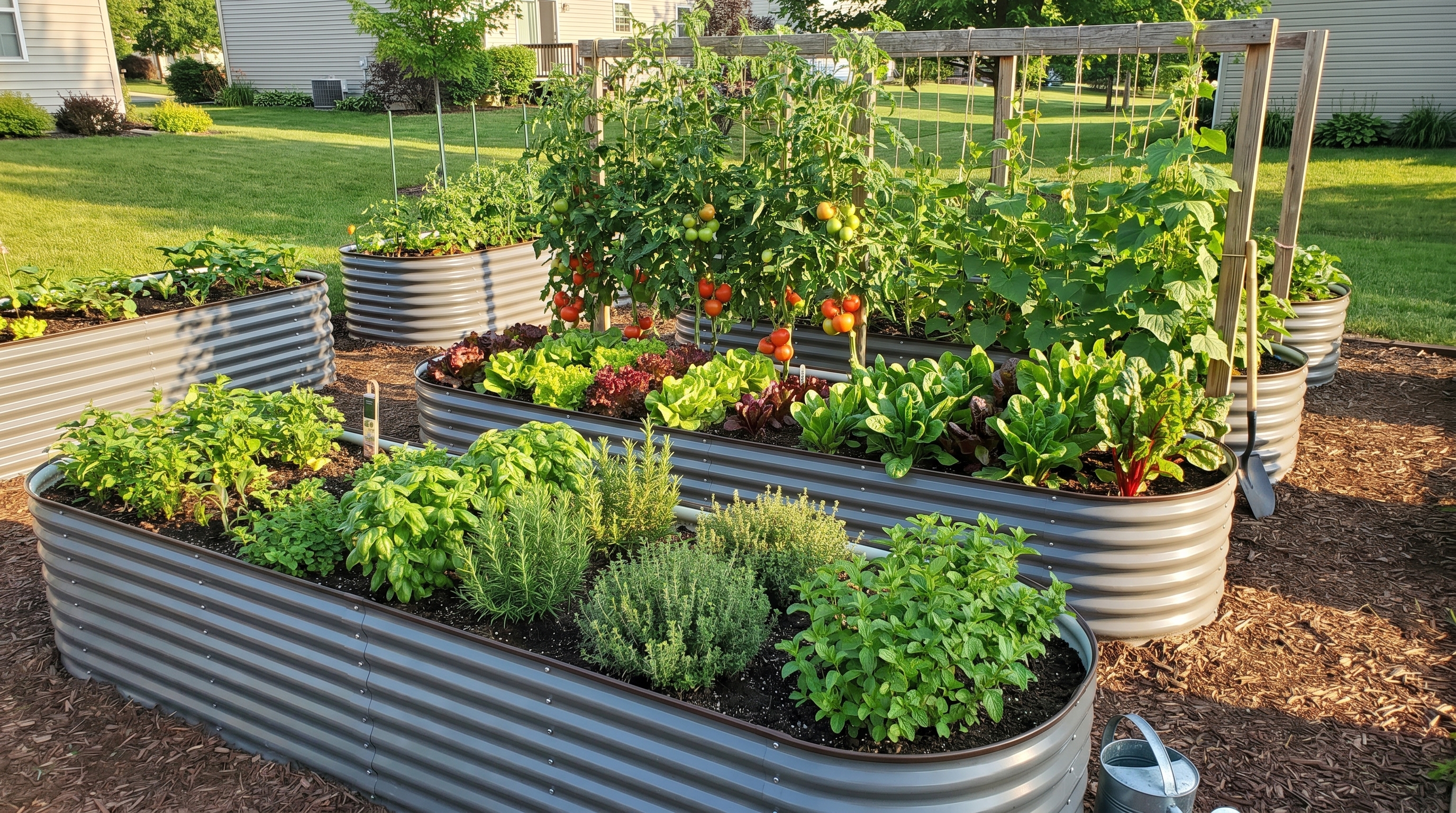
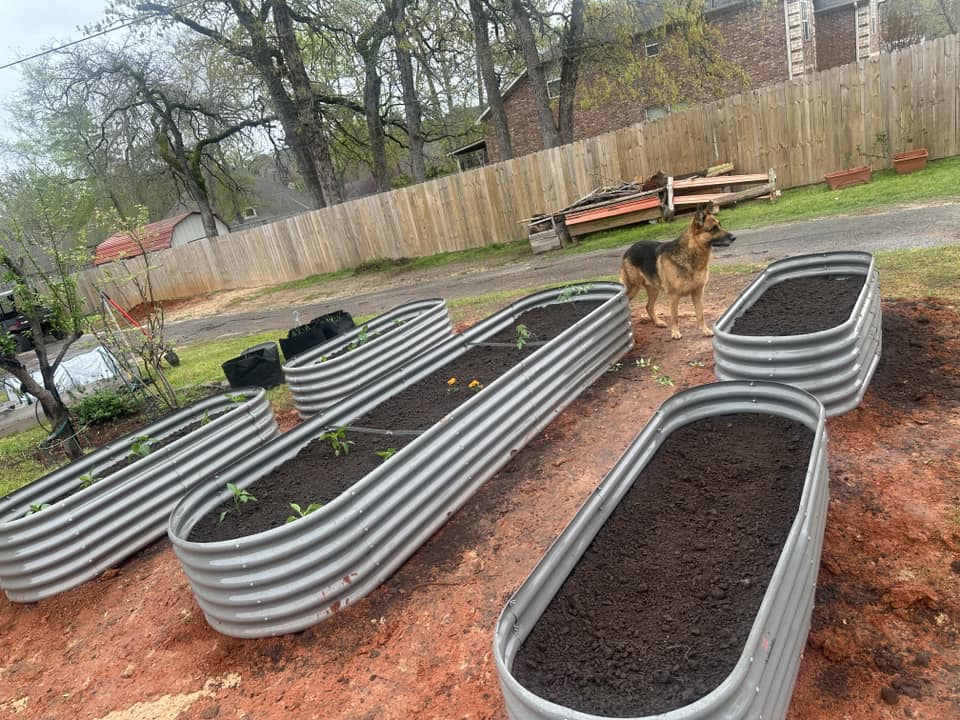
ALT: A well-organized raised bed garden layout in June showing tomatoes, cucumbers, lettuce, and herbs growing together in a metal raised bed
Advanced Tips: Protecting Your Garden and Maximizing Your Layout
Protecting Your Garden from Rabbits and Deer
One of the most common frustrations for new raised bed gardeners is discovering that local wildlife has been sampling your hard work overnight. The best way to protect your garden from rabbits and deer depends on your specific situation, but here are the most effective strategies:
For rabbits, a simple hardware cloth barrier around the base of your raised bed—buried a few inches into the ground—is highly effective. Since raised beds already elevate your plants, rabbits often struggle to access them without additional infrastructure nearby to climb. However, if your bed sits on a deck or patio area with access, a low fence around the perimeter (at least 2 feet tall) will do the trick.
For deer, height is your best defense. Deer rarely jump into small, enclosed spaces. A raised bed alone won't deter them, but combining it with tall stakes and fishing line strung around the perimeter creates an invisible barrier that deer find unsettling. Motion-activated sprinklers are also surprisingly effective.
Companion planting offers additional protection. Aromatic herbs like chives, lavender, and rosemary planted at the edges of your raised bed naturally discourage browsing animals.
Anleolife's raising category—which includes rabbit hutches and chicken coops—reflects an understanding that the garden ecosystem extends beyond plants. When you're managing a full backyard setup, every element works together.
Garden Organization: Keeping Your Space Tidy
A productive raised bed garden layout is also an organized one. Garden hose reels are one of the simplest upgrades you can make for organization. The best garden hose reel for organization is one that mounts conveniently near your raised bed, keeps your hose tangle-free, and retracts easily. Wall-mounted reels are ideal for small spaces; freestanding cart-style reels work well for larger gardens with multiple beds.
Similarly, pathway systems between beds—an area where garden beautification products shine—make a real difference in daily comfort. Stepping stones, gravel pathways, or decorative borders not only look attractive but keep mud off your shoes and define clear working zones around your raised bed.
Choosing Garden Ornaments to Complement Your Beds
What size garden ornaments work best? As a general rule, ornaments should be proportional to your bed and surrounding space. Small accent pieces—birdbaths, lanterns, or decorative stakes—work well within or immediately beside a raised bed. Larger ornaments like arbors or sculptures belong at the garden's perimeter where they frame the space without competing with plant visibility. Keep ornaments functional where possible: a bird feeder near your garden attracts insect-eating birds that naturally reduce pest pressure.
Common Misconceptions About June Planting
Misconception 1: "It's too late to start a garden in June."
This is simply not true for most of North America. Many warm-season crops planted in June will produce abundantly through September or October. You may miss the very earliest summer harvest window, but you'll still have a full, productive season ahead.
Misconception 2: "Raised beds dry out too fast in summer."
With a proper soil mix rich in organic matter and a consistent mulch layer, raised beds actually retain moisture quite well. The key is watering deeply and less frequently rather than shallow watering daily. Installing a simple drip irrigation system is an excellent investment for summer gardening.
Misconception 3: "You need lots of space to grow meaningful amounts of food."
A single well-managed raised bed can produce an impressive volume of fresh vegetables throughout the season, especially when you use a dense raised bed planting layout and practice succession planting (replanting harvested areas with new crops).
Frequently Asked Questions FAQ
Q1: How do I set up my first raised bed garden layout for maximum vegetable production?
Start by choosing a location with at least 6–8 hours of direct sun. Fill your bed with a blend of quality topsoil, compost, and perlite or aged wood chips for drainage. Then use the square-foot method for your raised bed planting layout: tall crops to the north, medium crops in the center, and low-growing or trailing plants at the south edge. This ensures every plant gets adequate light and you use every square inch efficiently. Water deeply after planting and mulch immediately.
Q2: Are metal raised garden beds safe for growing vegetables?
Yes—food-safe galvanized or powder-coated metal raised garden beds are widely considered safe for vegetable growing. The concern about zinc leaching from galvanized steel has been studied, and the consensus from horticultural experts is that leaching rates are minimal and well below levels of concern for human health. Quality metal beds, like those offered by Anleolife, are designed with food-safe materials and can last up to 20 years, making them one of the best long-term investments for a home vegetable garden.
Q3: How long does it take to see a harvest from a June-planted raised bed, and what does it cost to get started?
Fast crops like radishes and lettuce can be harvested in 3–4 weeks. Cucumbers, beans, and zucchini typically take 50–65 days. Tomatoes and peppers may take 70–90 days from transplant. As for cost, a quality metal raised garden bed represents a one-time investment spread over its 20-year lifespan, making per-year costs quite reasonable. Initial soil, seeds, and basic tools represent the main startup expense—most beginner setups can be assembled for a very manageable budget that pays itself back quickly in fresh produce savings.
Summary
Starting a raised bed vegetable garden in June is one of the best decisions a beginner gardener can make. The timing is nearly perfect for a wide range of productive, easy-to-grow crops, and the raised bed format removes many of the most common barriers to gardening success.
Here are the three core takeaways from this guide:
1. The right vegetables make all the difference. The 15 crops we've covered—from radishes and lettuce to tomatoes, cucumbers, and edamame—are specifically chosen for June growing conditions and beginner-friendly management. Start with a handful of your favorites and expand from there.
2. A smart raised bed garden layout multiplies your results. Using vertical space, companion planting, and the square-foot method turns even a modest raised bed into a high-yielding mini-farm. Your raised bed planting layout is just as important as what you plant in it.
3. Quality materials pay off over time. Investing in a durable raised bed—especially a metal one with a 20-year lifespan—means you're building a garden infrastructure that will serve you season after season, year after year, without the cost and effort of replacement.
Your next step is simple: choose your bed, sketch your raised bed layout, pick five vegetables from this list, and plant this week. You don't need a perfect plan—you need to start.
Start Your Garden Journey with Anleolife
Anleolife is your trusted partner for every stage of your garden journey. Here's what sets Anleolife apart:
Nationwide U.S. warehouse network: Strategically located in California, Texas, Florida, New York, Illinois, and Washington to ensure delivery within 3–8 business days—so your garden upgrade plans never have to wait.
Multi-channel availability: Products are available on major e-commerce platforms including Amazon, Walmart, Home Depot, Lowe's, and Wayfair, as well as the official website Anleolife.com, providing consistent quality assurance and after-sales service.
Three core scenarios: Planting (metal raised garden beds, soil systems), Raising (chicken coops, rabbit hutches), and Beautification (decorative accessories, pathway systems)—meeting complete needs from functionality to aesthetics.
We understand that an ideal garden is not built overnight, but gradually improved over time. Our modular product design allows flexible expansion based on your needs—from your very first raised garden bed to a fully integrated planting-and-raising ecosystem. We grow with you every step of the way.
References
- National Gardening Association. "Food Gardening in the United States."
https://garden.org/special/pdf/2014-NGA-Garden-to-Table.pdf - University of California Agriculture and Natural Resources. "Vegetable Gardening in California."
https://anrcatalog.ucanr.edu/Details.aspx?itemNo=8059 - Penn State Extension. "Raised Bed Gardening."
https://extension.psu.edu/raised-bed-gardening - USDA National Institute of Food and Agriculture. "Home Vegetable Gardening."
https://www.nifa.usda.gov/topics/home-vegetable-gardening - Clemson University Cooperative Extension. "Raised Bed Gardening."
https://hgic.clemson.edu/factsheet/raised-bed-gardening/
Note: Standards and recommendations may be updated. Please check the latest official documents or consult professional gardening advisors for the most current guidance.
About Anleolife
Anleolife is a leading outdoor garden solutions provider in North America, dedicated to offering a full-scenario product ecosystem for home gardening enthusiasts, covering planting, raising, and garden beautification. Since its founding, we have upheld our brand mission, "Made for Garden Life," continuously innovating products and optimizing services to help hundreds of thousands of users upgrade their gardens, reconnect with nature, and enjoy a better garden lifestyle.