



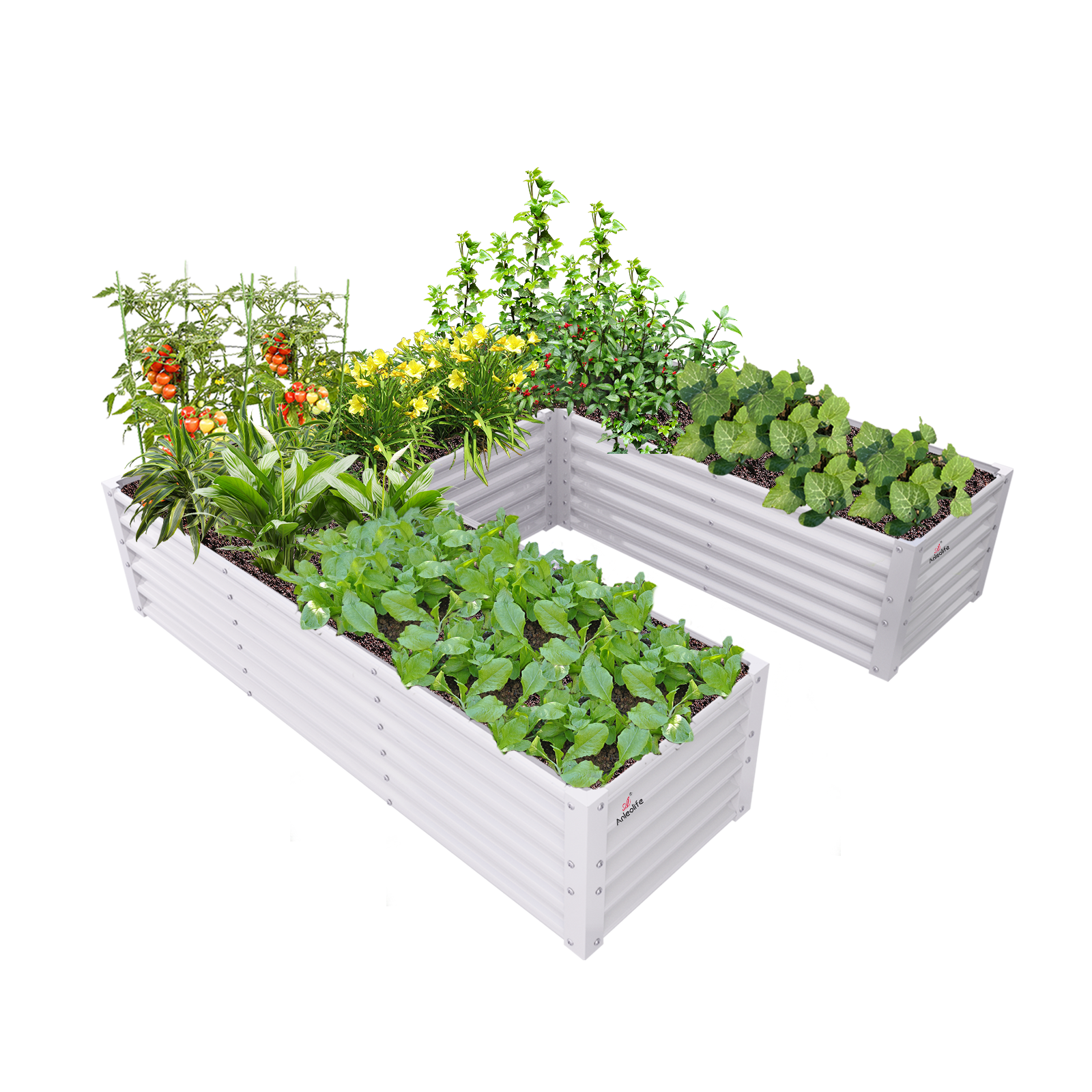

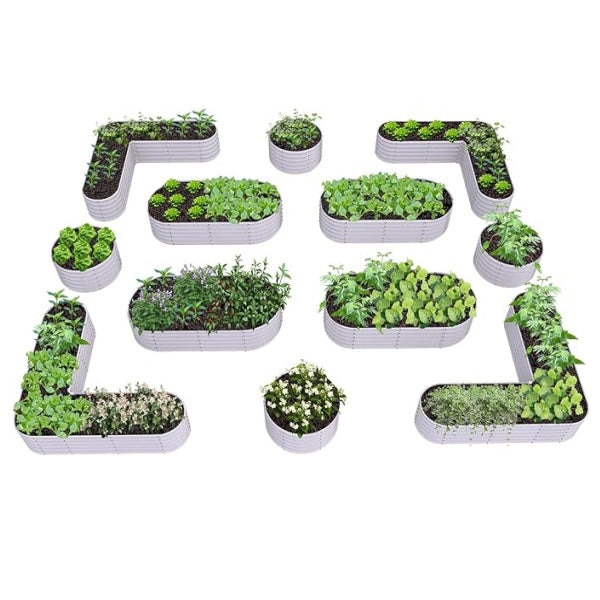


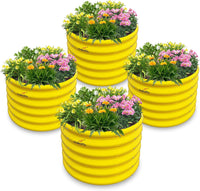
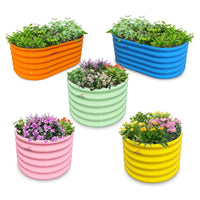
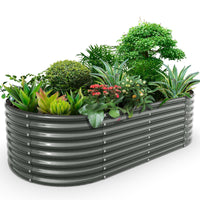




ALT: Best soil recipe for raised garden beds in summer 2026 with thriving vegetables and healthy growing mix
Why Your Summer Garden Starts with the Right Soil in Your Raised Bed
Key Conclusion: The best soil recipe for raised garden beds in summer 2026 combines high-quality compost, coarse perlite, and loamy topsoil in balanced proportions to create a well-draining, nutrient-rich growing environment. Getting this foundation right means your vegetables, herbs, and flowers will thrive even during peak summer heat—without constant watering, heavy fertilizing, or battling compaction. In a quality raised bed built to last up to 20 years, excellent soil is the single most impactful investment you can make.
If you've ever planted a summer garden only to watch it struggle through July and August—wilting in the heat, drowning after a rainstorm, or simply refusing to produce—the culprit is almost always the soil. Most gardeners focus on seeds, sunlight, and watering schedules, but the growing medium itself is the invisible engine powering your entire harvest.
Raised garden beds give you a unique advantage: you control exactly what goes into that growing environment. Unlike in-ground beds where you're fighting with clay, rocks, or depleted native soil, a raised bed lets you engineer the perfect recipe from scratch. That's the power this guide puts in your hands for summer 2026.
Who This Guide Is For
✅ Applicable Scenarios:
- Home gardeners using metal or galvanized steel raised garden beds who want to maximize summer vegetable and herb yields
- First-time raised bed growers looking for a straightforward, proven soil recipe they can follow step-by-step
- Experienced gardeners refreshing or amending their existing raised bed soil after one or more growing seasons
- Urban micro-gardeners working with limited space who need every square inch of their bed to perform at its best
- Eco-conscious growers who want to build a sustainable, low-input soil system using organic and locally sourced materials
❌ Not Applicable/Cautions:
- Gardeners growing exclusively in containers smaller than 10 gallons (container soil physics differ significantly from raised bed formulas)
- Growers in waterlogged or poorly draining locations who haven't addressed drainage beneath the raised bed first—soil alone won't fix a standing water problem
- Those looking for hydroponic or soilless growing systems, which require entirely different media and nutrient management approaches
Why Summer 2026 Demands a Smarter Soil Strategy
Summer gardening has always been a balancing act between heat, moisture, and nutrients. But gardeners heading into the 2026 growing season are dealing with a set of pressures that make getting the soil recipe right more important than ever.
According to the USDA's long-running research into home food production, raised bed gardening has seen a dramatic surge in participation since 2020, with millions of American households now growing at least a portion of their own food. This explosion in interest has also revealed a persistent pain point: many new and even experienced gardeners are filling their raised beds with the wrong soil—or the right materials in the wrong ratios.
The consequences show up quickly in summer. Heavy, clay-rich soils compact under heat and repeated watering, cutting off oxygen to roots. Sandy soils drain so fast that nutrients leach out before plants can access them. Cheap bagged "garden soil" sold at big box stores often contains unfinished compost that creates nitrogen lock, starving young seedlings right when they need fuel most.
Summer also introduces specific challenges that aren't as critical in spring or fall:
- Heat stress from both above (sun) and below (warm soil temperatures) can cause root damage in poorly structured soil
- Rapid moisture loss from evaporation requires soil with genuine water-holding capacity while still draining well
- Accelerated nutrient cycling means summer crops are heavy feeders—your soil needs a sustained-release nutrient profile, not just a quick burst from synthetic fertilizers
- Pest and disease pressure is highest in summer; well-structured, biologically active soil with good drainage naturally suppresses many fungal diseases and deters certain pests
The good news? Raised garden beds are ideally suited to solving all of these problems—provided they're filled with the right soil recipe. And if your bed is made from quality materials like galvanized steel or rust-resistant metal, it will hold that premium soil environment for up to 20 years, making every improvement you make to your soil a long-term investment.
The growing popularity of durable, long-lasting raised beds reflects a broader shift in how Americans think about their yards. Today's gardeners aren't just growing food—they're building integrated outdoor spaces that combine planting, raising animals like chickens or rabbits, and beautifying their landscape. Your soil is the foundation of that entire ecosystem.
Building the Perfect Summer Soil Recipe: Step-by-Step
Three-Step Quick Start
Step 1: Calculate Your Raised Bed Volume
Before you can buy or mix anything, you need to know how much soil your bed requires. Measure your raised bed's length, width, and depth, then multiply those three numbers together to get cubic feet. From there, convert to cubic yards if you're buying in bulk (divide by 27). Don't guess—running out of material mid-fill or dramatically over-buying wastes both time and money. Most standard 8x4 ft beds with 18-inch depth require a meaningful volume of soil, so do the math before you head to the garden center. This step takes about 10–15 minutes.
Step 2: Source Your Three Core Ingredients
The classic summer raised bed soil formula—sometimes called "Mel's Mix" in the square foot gardening world, though variations exist—relies on three primary components: high-quality finished compost, coarse perlite or vermiculite, and loamy topsoil or a blended garden soil. Source these separately for the best control over quality. Finished compost should be dark, earthy-smelling, and fully broken down. Perlite should be the coarse-grade horticultural type, not the fine version used for seed starting. Topsoil should be screened and free of heavy clay clumps. Shopping and sourcing typically takes 1–2 hours.
Step 3: Mix, Fill, and Settle Your Bed
Combine your ingredients in a large tarp or wheelbarrow before adding them to your bed—mixing outside the bed gives you far more control over even distribution. Fill your raised bed in layers, gently watering each layer as you go to help the mix settle naturally and eliminate air pockets. Once filled, water the entire bed thoroughly and allow it to settle for 24–48 hours before planting. Top up with additional mix if the level drops significantly after settling. You'll be ready to plant in about two days.
Comparing the Most Popular Raised Bed Soil Strategies for Summer
There's no single "right" approach to raised bed soil—it depends on your goals, budget, local material availability, and what you're growing. Here's a clear comparison of the three most commonly used soil strategies among serious home gardeners:
| Comparison Dimension | Classic Three-Part Mix | All-Compost Method | Commercial Raised Bed Blend |
|---|---|---|---|
| Primary Composition | Compost + perlite + topsoil (roughly equal parts) | 80–100% finished compost | Pre-bagged proprietary blend |
| Drainage Quality | Excellent—perlite ensures fast drainage without drying out | Variable—depends on compost quality; can hold too much moisture | Moderate—varies by brand; read the label |
| Nutrient Availability | High and sustained—compost feeds slowly, soil buffers | Very high initially, can decline mid-season | Often high initially, may require supplementing |
| Best For Summer Use | Outstanding—handles heat, drought, and heavy feeding crops | Good for leafy greens, herbs; less ideal for heavy feeders | Convenient; quality varies significantly |
| Cost Efficiency | Moderate upfront, excellent long-term value | Lower material cost if compost is homemade | Higher per-cubic-foot cost at retail |
| Amending After Year 1 | Add compost annually; minimal structural changes needed | Requires structure amendment (perlite, topsoil) after season 1 | Often needs full replacement or significant amending |
| Sustainability | High when using local compost and organic materials | Very high—compost is the most circular soil input | Variable—depends on product sourcing |
The Classic Three-Part Mix consistently performs best across summer conditions for most home gardeners growing vegetables, herbs, and flowers. The All-Compost Method works beautifully if you have access to large quantities of high-quality finished compost and are growing lighter crops. Commercial blends are a viable convenience option—just research the brand carefully and be prepared to amend.
Deep Dive: Every Component of the Best Summer Soil Recipe
The Role of Compost: Your Soil's Engine
Compost is the single most important ingredient in any raised bed soil mix, and this is doubly true in summer. Finished compost does several things simultaneously: it feeds soil biology (the bacteria, fungi, and microorganisms that convert nutrients into plant-available forms), it improves soil structure by creating aggregates that hold both air and moisture, and it buffers pH naturally—keeping it in the slightly acidic to neutral range where most vegetables thrive.
For summer 2026, aim to source compost that is genuinely finished. Unfinished compost—where you can still identify food scraps or plant material—will steal nitrogen from your garden as it continues to decompose in your bed. Finished compost looks and smells like rich, dark earth. It's worth paying more for quality here.
If you have a backyard compost bin, late spring is the ideal time to harvest and apply that material before your summer plants go in. If you're purchasing, look for blended composts that combine yard waste, food scraps, and worm castings for the broadest nutrient profile.
Perlite and Vermiculite: The Drainage and Aeration Specialists
In summer, waterlogged roots are as dangerous as drought. When soil compacts under the weight of repeated watering and heavy summer rains, oxygen is forced out—and roots can't survive without it. This is where coarse perlite or vermiculite earns its place in the mix.
Perlite is a volcanic glass that's been heat-expanded into lightweight white pellets. It creates permanent air pockets in your soil that never compact, ensuring water moves through at the right pace—fast enough to prevent waterlogging, slow enough to support healthy moisture retention. Vermiculite, an expanded mineral, holds slightly more moisture and is better suited to mixes where water retention is a bigger concern than drainage.
For most summer vegetables—tomatoes, peppers, cucumbers, squash, beans—perlite is the stronger choice. For herbs, lettuces, and greens that prefer more consistent moisture, a blend of perlite and vermiculite works beautifully.
Topsoil and Loam: The Structural Foundation
While compost and perlite handle nutrition and drainage, quality loamy topsoil provides the structural mass that gives plant roots something to anchor into and minerals to draw from over the long growing season. Not all topsoil is created equal—avoid cheap fill dirt or topsoil that contains heavy clay, as it will compact and undermine everything else in your mix.
Screened loam, often labeled as "garden loam" or "premium topsoil" at garden centers, is what you're looking for. It should be dark, slightly loose, and free of rocks, sticks, or clumps. If you're buying in bulk, request a sample before committing to a large delivery.
Optional Power Amendments for Summer Performance
Beyond the core three-part mix, experienced gardeners often add targeted amendments to supercharge summer performance:
- Worm castings: A gentle, long-lasting fertilizer that also improves soil microbiology. A few cups per square foot adds meaningful nutrient density without any burn risk.
- Biochar: Activated charcoal that improves water retention and creates long-term habitat for beneficial soil microbes. Particularly valuable in hot, dry climates.
- Slow-release organic fertilizer granules: Blended into the top few inches before planting, these feed heavy summer feeders like tomatoes and corn over 3–4 months without requiring constant reapplication.
- Mycorrhizal inoculants: Fungal spores that colonize plant roots and dramatically expand their ability to access water and nutrients. Particularly useful in new beds where soil biology is still developing.
Protecting Your Raised Bed Soil Through the Season
Filling your raised bed with the perfect mix is only the beginning. Keeping that soil healthy through a long, hot summer requires a few consistent practices:
The best mulch for vegetable gardens in raised beds is a 2–3 inch layer of straw, wood chip mulch, or shredded leaves applied over the soil surface after planting. Mulch reduces evaporative water loss by up to 70%, keeps soil temperatures stable, suppresses weeds, and feeds soil biology as it slowly breaks down. For summer raised beds specifically, straw mulch is lightweight, widely available, and breaks down at a rate that benefits your soil without smothering it.
Mid-season, add a compost top-dressing around the base of heavy-feeding plants like tomatoes, peppers, and squash. This replenishes nutrients that warm soil and frequent watering have cycled through.
Finally, consider how the best way to protect your garden from rabbits and deer connects to soil health—not in the way you might expect. When rabbits and deer damage plants, you lose foliage that would otherwise return organic matter to the soil through mulching and composting. Protecting your plants with hardware cloth, fencing around your raised bed perimeter, or motion-deterrent systems preserves your garden's above-ground health, which feeds back into the long-term vitality of your soil ecosystem. If you're raising chickens or rabbits as part of an integrated homestead approach, managing where those animals have access—and using their manure (composted, never raw) as a soil amendment—closes the nutrient loop beautifully.

ALT: Rich raised garden bed soil recipe close-up showing compost, perlite, and organic mulch for summer vegetable growing in 2026
Advanced Considerations: Soil Longevity, Common Mistakes, and Integration
Making Your Soil Investment Last in a 20-Year Raised Bed
One of the most compelling reasons to invest in a high-quality metal raised garden bed is the lifespan. Anleolife's galvanized steel and rust-resistant raised garden beds are built to last up to 20 years, which fundamentally changes the economics of soil investment. You're not building a temporary growing setup—you're creating a permanent garden infrastructure.
This means your soil strategy should think in multi-year cycles, not just season by season:
- Year 1: Fill with a full fresh three-part mix; focus on establishing soil biology
- Years 2–5: Add 2–3 inches of finished compost each spring; test pH every other year
- Years 6–10: Consider a partial refresh of the top 6 inches of soil; reintroduce perlite if compaction has reduced drainage
- Years 10+: Your bed likely has exceptional native biology; focus on compost, mulching, and cover cropping to maintain it
Three Common Mistakes to Avoid
Mistake 1: Using raw or unfinished compost. As noted earlier, this steals nitrogen from your plants rather than giving it. Always verify your compost is finished before use.
Mistake 2: Skipping the drainage layer. If your raised bed is placed on hard ground or concrete, consider laying a layer of coarse gravel or wood chips at the very bottom before adding soil—this prevents the base of your soil from becoming anaerobic in wet conditions.
Mistake 3: Over-watering because "raised beds dry out fast." Yes, raised beds drain more efficiently than in-ground beds—but with a good soil mix containing compost and perlite, they retain moisture well. Use a moisture meter or the finger-test (insert your finger 2 inches into the soil; if it feels damp, don't water yet) before reaching for the hose.
Choosing the Right Raised Bed for Your Soil Investment
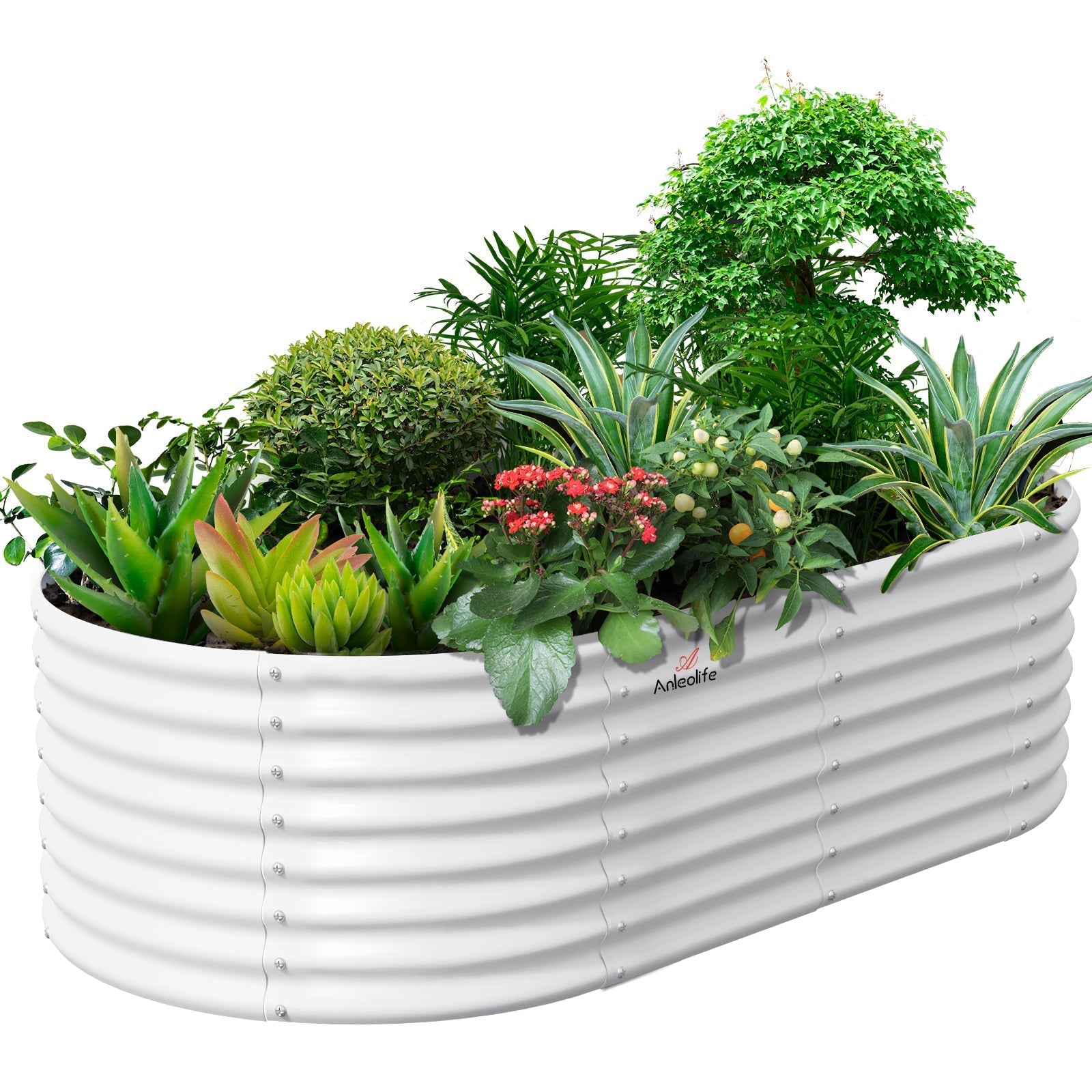
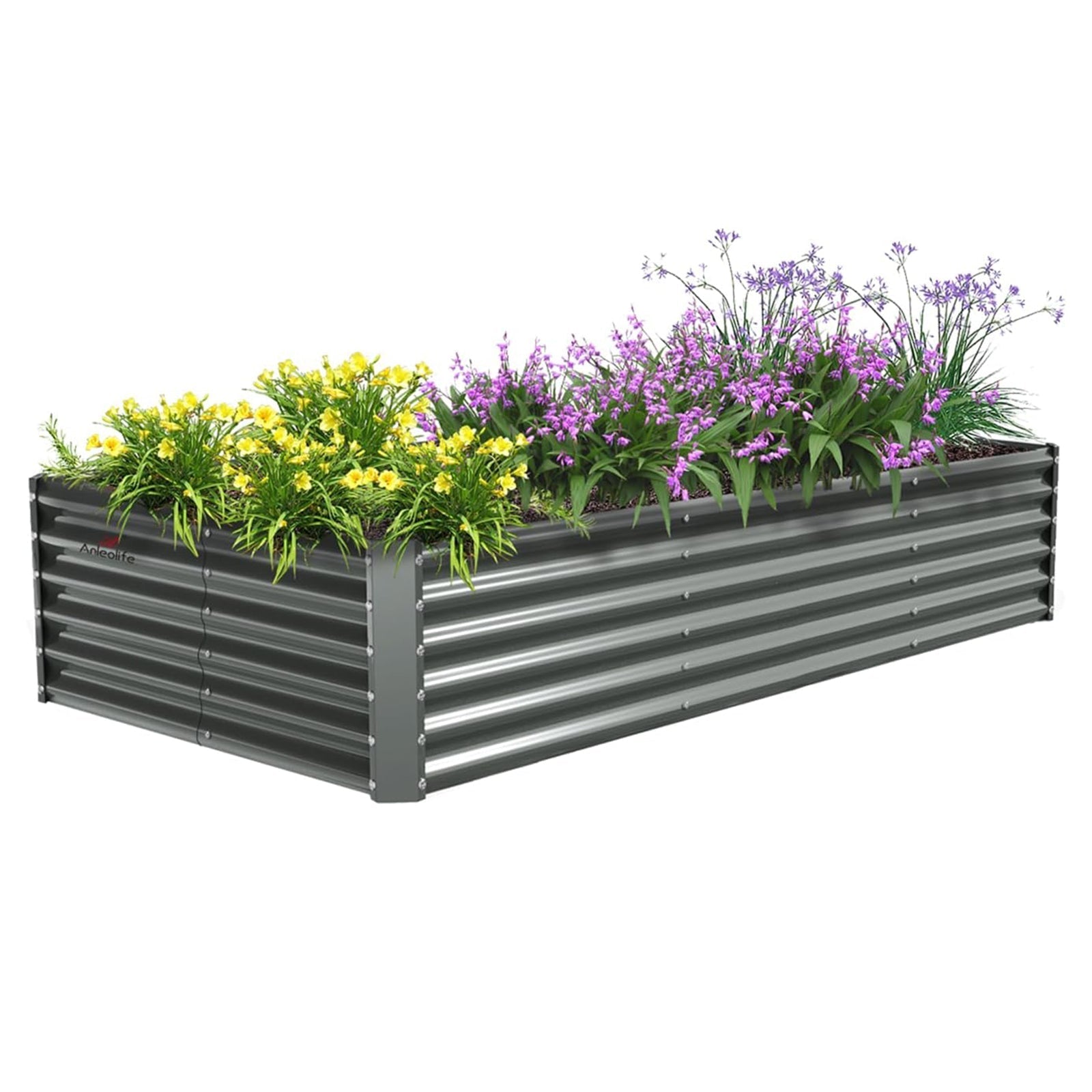
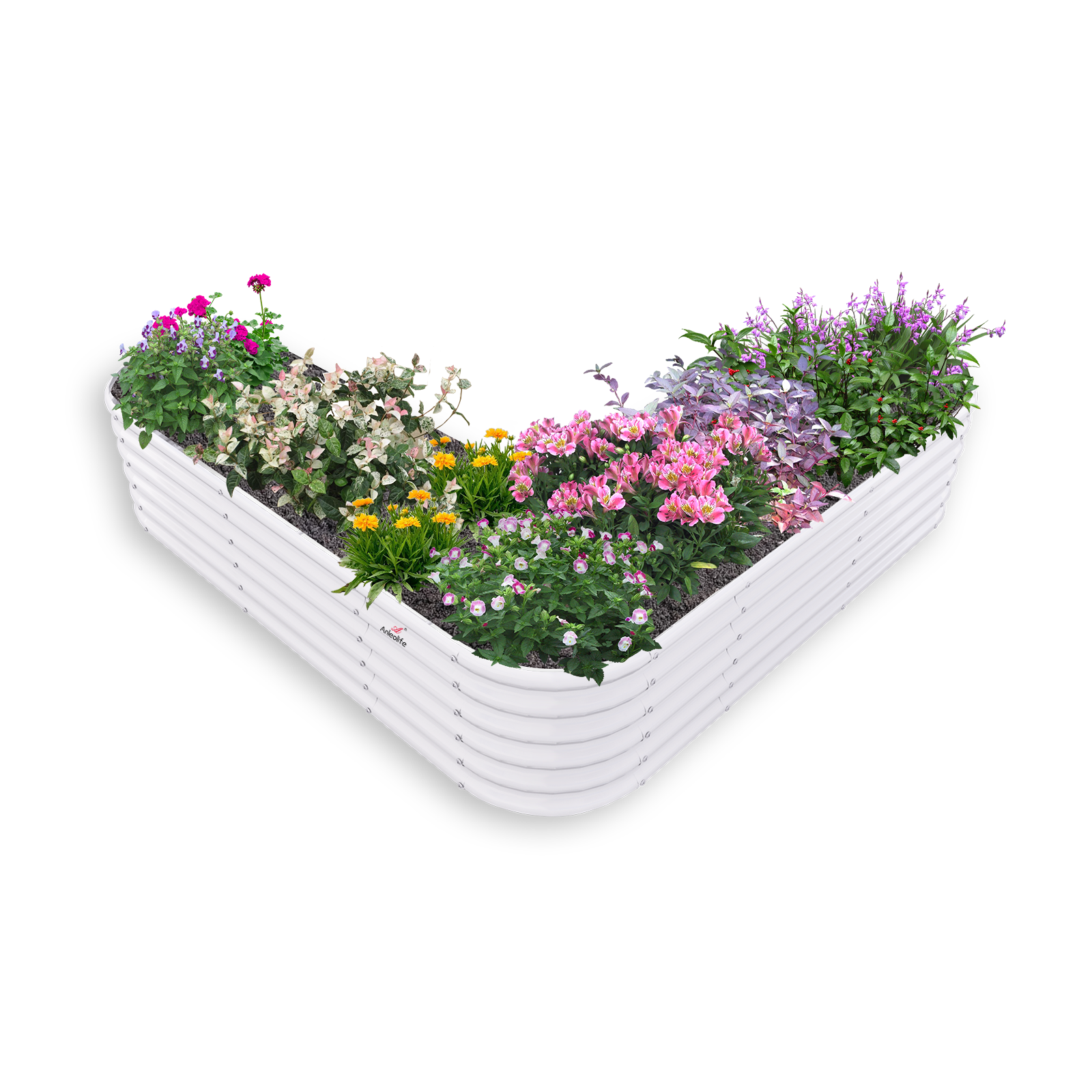
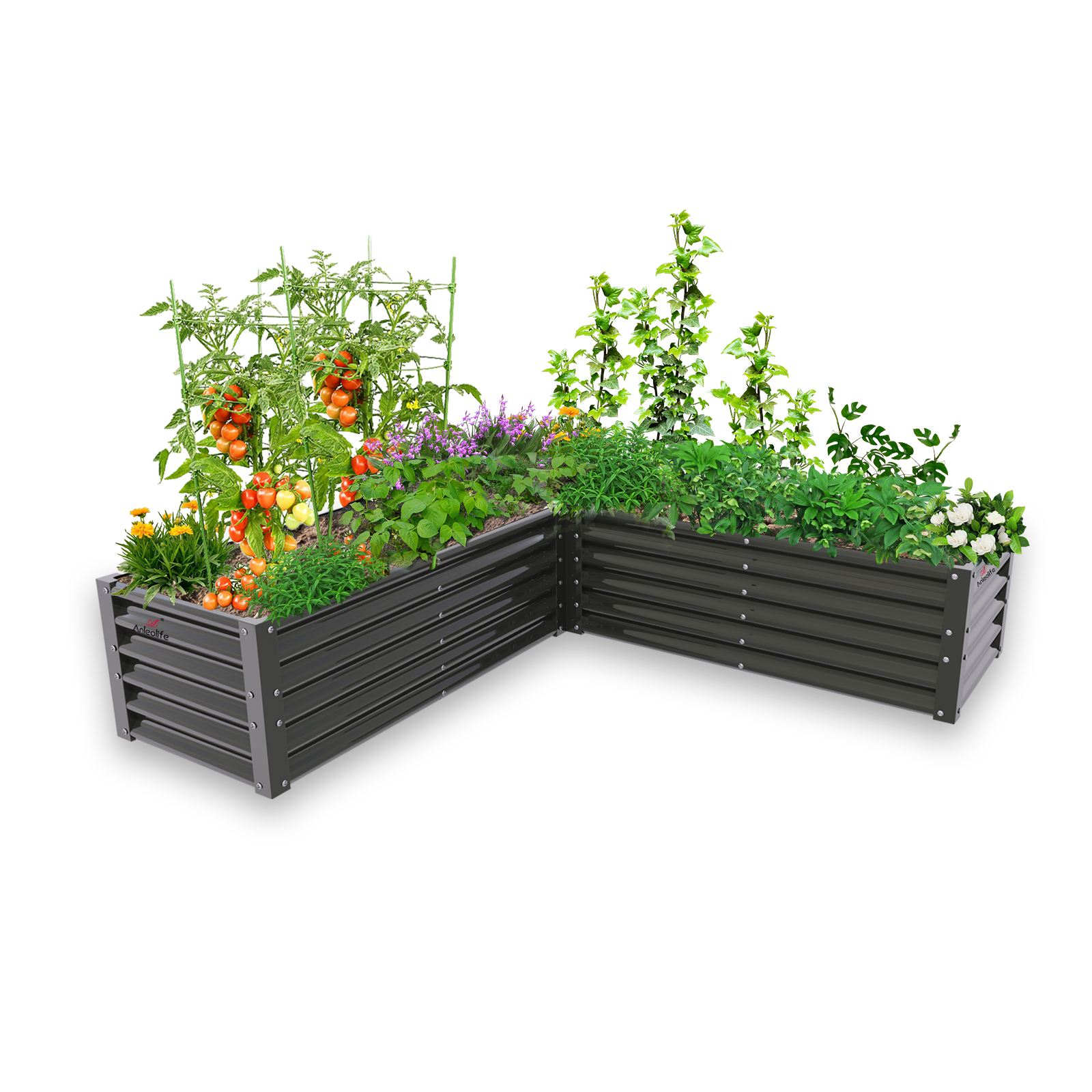
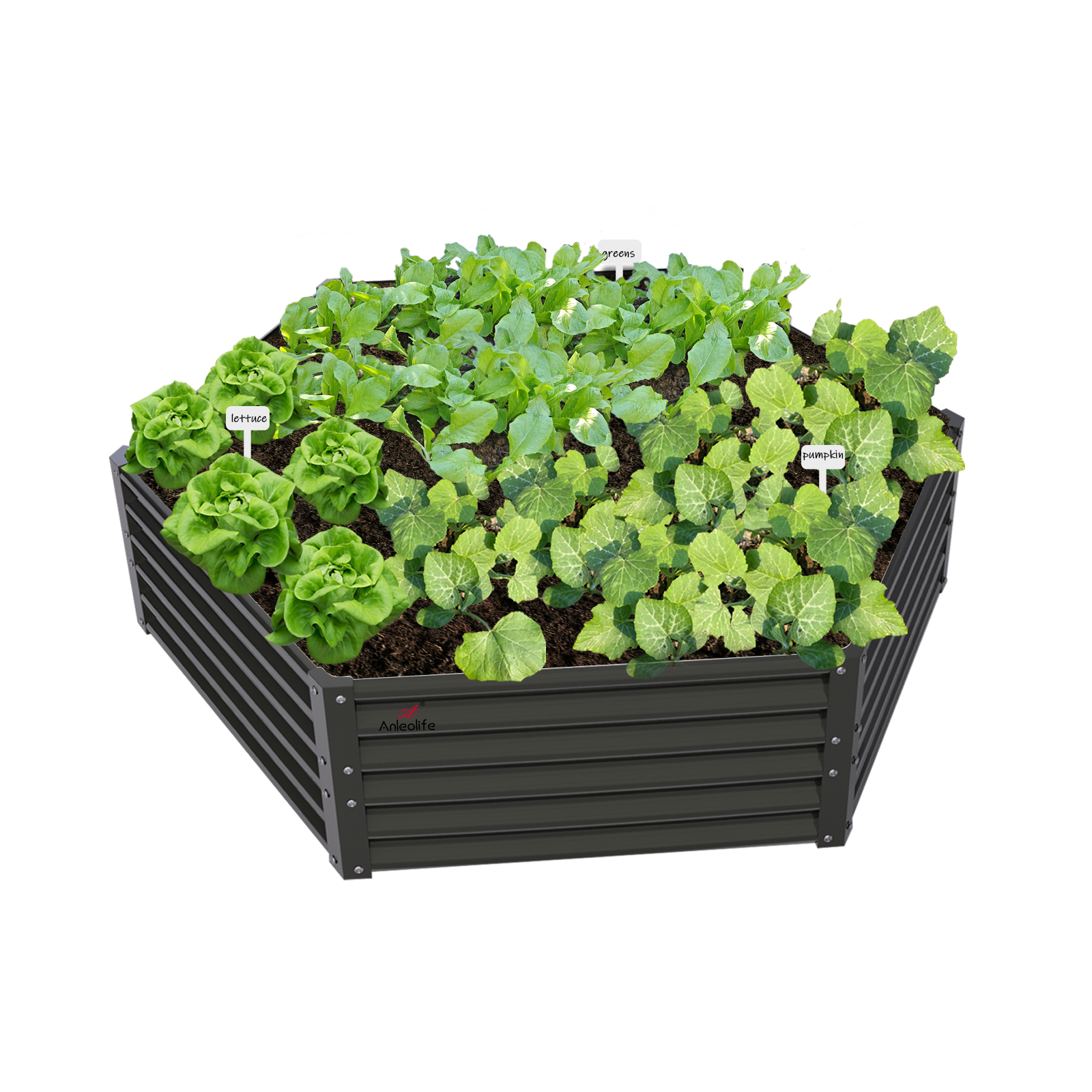
Your soil recipe is only as good as the container holding it. The best materials for raised garden beds that won't rust are galvanized steel, powder-coated metal, or high-grade rust-resistant alloys. Anleolife's product range covers all three categories, from galvanized steel beds to purpose-built rust-resistant models—designed to keep your soil contained, your bed structurally sound, and your garden looking great for decades.
The depth of your raised bed also matters enormously for soil performance. Taller beds—24 to 35 inches—allow deep root development for root vegetables, tomatoes, and perennial herbs, while also holding more total soil volume, which buffers temperature and moisture fluctuations better than shallower designs.
Frequently Asked Questions FAQ
Q1: How do I know if my raised bed soil needs to be completely replaced or just amended?
Soil in a well-managed raised bed rarely needs complete replacement. Signs that you only need amendment include: slight compaction, reduced yields, or plants showing nutrient deficiency symptoms. In these cases, top-dressing with 2–3 inches of compost and lightly forking it into the top layer is usually sufficient. Complete replacement is warranted if your soil has become severely compacted to a clay-like density, smells sour or anaerobic, or was contaminated by pest or disease pressure that survived the winter.
Q2: Is perlite safe to use in a vegetable garden where I'm growing food?
Yes, horticultural perlite is completely safe for food gardens. It's a naturally occurring volcanic mineral that is physically mined and heat-processed—it contains no chemicals, pesticides, or artificial additives. It doesn't break down or leach anything into your soil, and it won't be absorbed by plant roots. The only caution is to wet perlite before mixing it into your soil, as dry perlite generates fine dust that can be irritating if inhaled in large quantities during mixing.
Q3: How much does it cost to fill a standard raised garden bed with a quality soil mix, and how long does it last?
The cost to fill a raised bed depends on your bed's dimensions and local material prices, but a quality three-part mix generally runs from $50–$200 for a standard-sized bed when sourcing materials independently, with commercial pre-blended raised bed soils running higher per cubic foot. The investment is highly worthwhile given that properly managed raised bed soil, with annual compost top-dressing, can perform at a high level for 5–7 years before needing significant amendment—and your raised bed itself, if built from quality metal, can last up to 20 years.
Summary
Getting your soil recipe right is the highest-leverage action you can take as a raised bed gardener heading into summer 2026. Three core insights from this guide are worth carrying into your garden:
First, the classic three-part formula—finished compost, coarse perlite, and quality loamy topsoil—consistently outperforms shortcuts across all summer growing conditions. It drains well, holds nutrients, supports robust soil biology, and doesn't compact under summer's heat and watering pressure.
Second, soil is a living system, not a static medium. Feed it with compost top-dressings, protect it with mulch, and build it progressively over seasons. In a raised bed built to last 20 years, every improvement you make compounds in value.
Third, the container matters as much as the contents. A rust-resistant, structurally sound raised garden bed keeps your premium soil mix contained, temperature-buffered, and productive for the long haul. Don't put a $150 soil mix into a $20 bed.
Your next step is simple: measure your raised bed, calculate your volume, source your three core ingredients, and mix. The garden you want this summer begins with the soil you build this week.
Call to Action
Ready to build your best summer garden ever? Anleolife makes it easy to get started with the right foundation.
🚚 Nationwide U.S. warehouse network: Strategically located in California, Texas, Florida, New York, Illinois, and Washington to ensure delivery within 3–8 business days—so your garden upgrade plans never have to wait.
🛒 Multi-channel availability: Shop Anleolife's full range of raised garden beds on Amazon, Walmart, Home Depot, Lowe's, and Wayfair, or browse the complete collection at Anleolife.com for consistent quality assurance and after-sales support.
🌱 Three core scenarios, one brand: Planting (metal raised garden beds, soil systems), Raising (chicken coops, rabbit hutches), and Beautification (decorative accessories, pathway systems)—meeting your complete needs from functionality to aesthetics.
We understand that an ideal garden is not built overnight, but gradually improved over time. Our modular product design allows flexible expansion based on your needs—from your first raised garden bed to a fully integrated planting-and-raising ecosystem. Whether you're filling a compact urban bed or outfitting an expansive backyard growing space, Anleolife grows with you every step of the way.
References
- USDA National Agricultural Library. "Home Gardening and Food Security Resources".
https://www.nal.usda.gov/farms-and-agricultural-production-systems/home-gardening - University of California Agriculture and Natural Resources (UC ANR). "Soil Management for Home Gardens".
https://ucanr.edu/sites/gardenweb/Soils/ - Penn State Extension. "Building Healthy Garden Soils".
https://extension.psu.edu/building-healthy-garden-soils - Cooperative Extension, University of Georgia. "Raised Bed Gardening".
https://extension.uga.edu/publications/detail.html?number=C1027 - Oregon State University Extension Service. "Mulching Garden Soils".
https://extension.oregonstate.edu/gardening/techniques/mulching-garden-soils
Note: Soil science recommendations and horticultural best practices may be updated as new research becomes available. Please check the latest publications from your local Cooperative Extension service or consult a certified horticulturalist for guidance specific to your region.
About Anleolife
Anleolife is a leading outdoor garden solutions provider in North America, dedicated to offering a full-scenario product ecosystem for home gardening enthusiasts, covering planting, raising, and garden beautification. Since its founding, we have upheld our brand mission, "Made for Garden Life," continuously innovating products and optimizing services to help hundreds of thousands of users upgrade their gardens, reconnect with nature, and enjoy a better garden lifestyle.