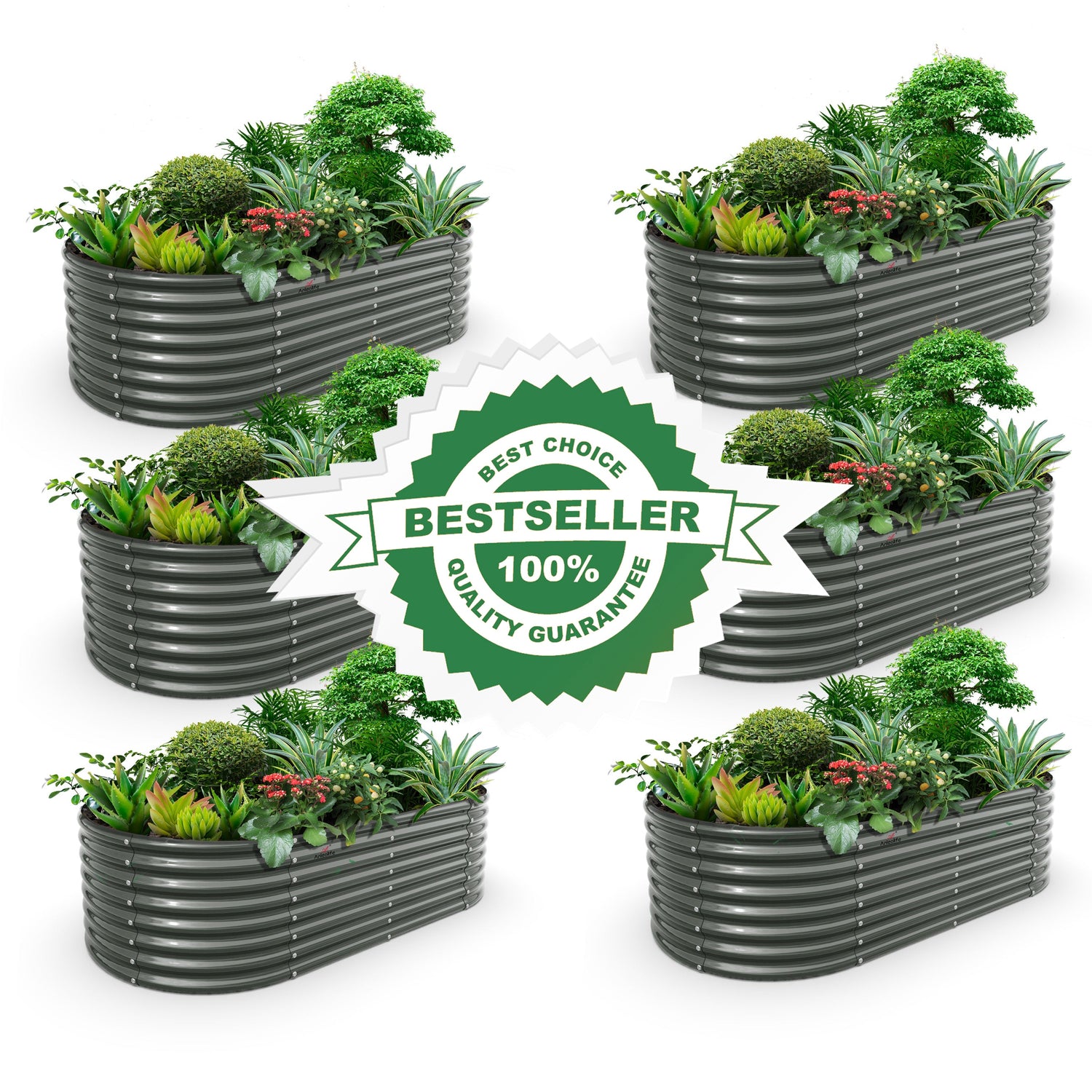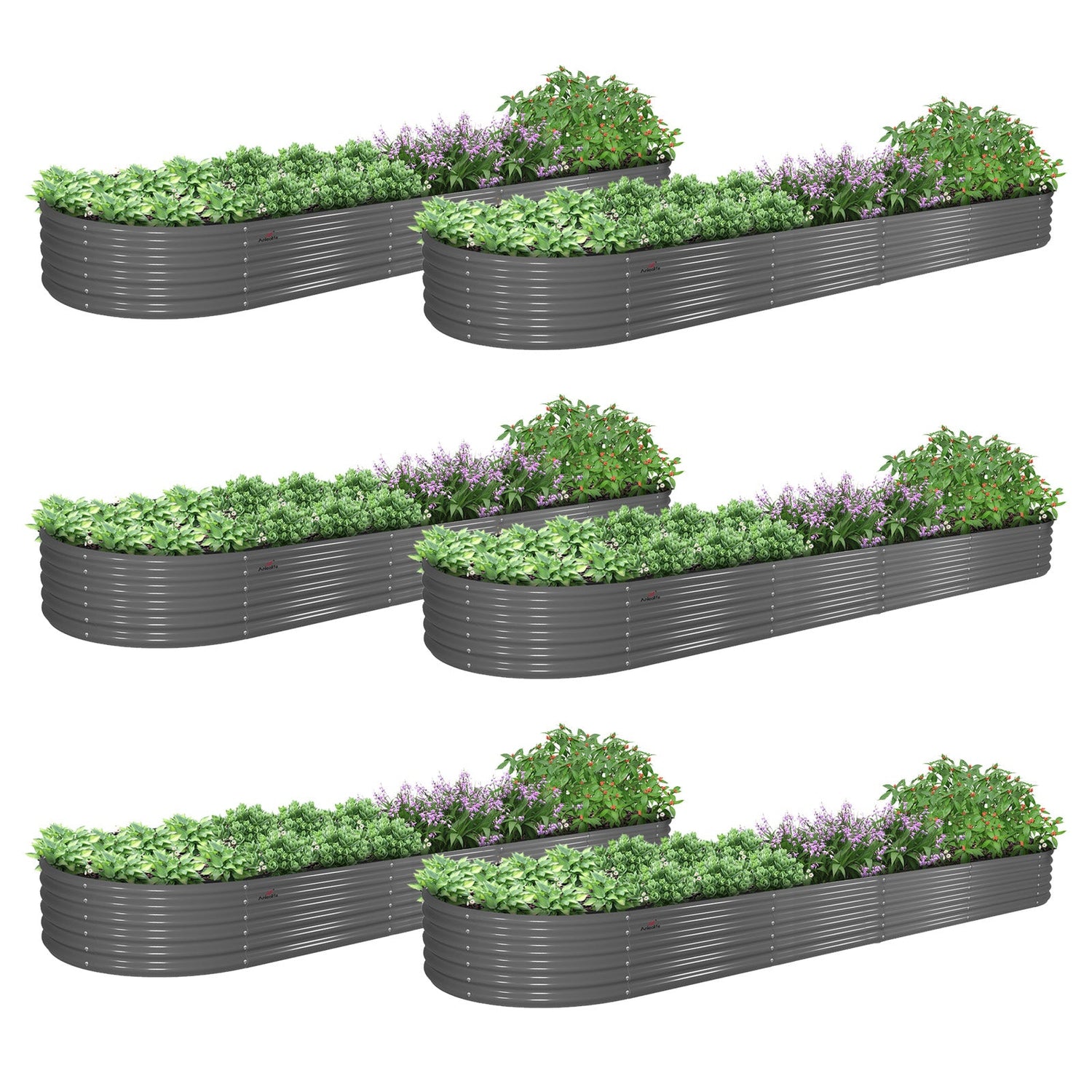



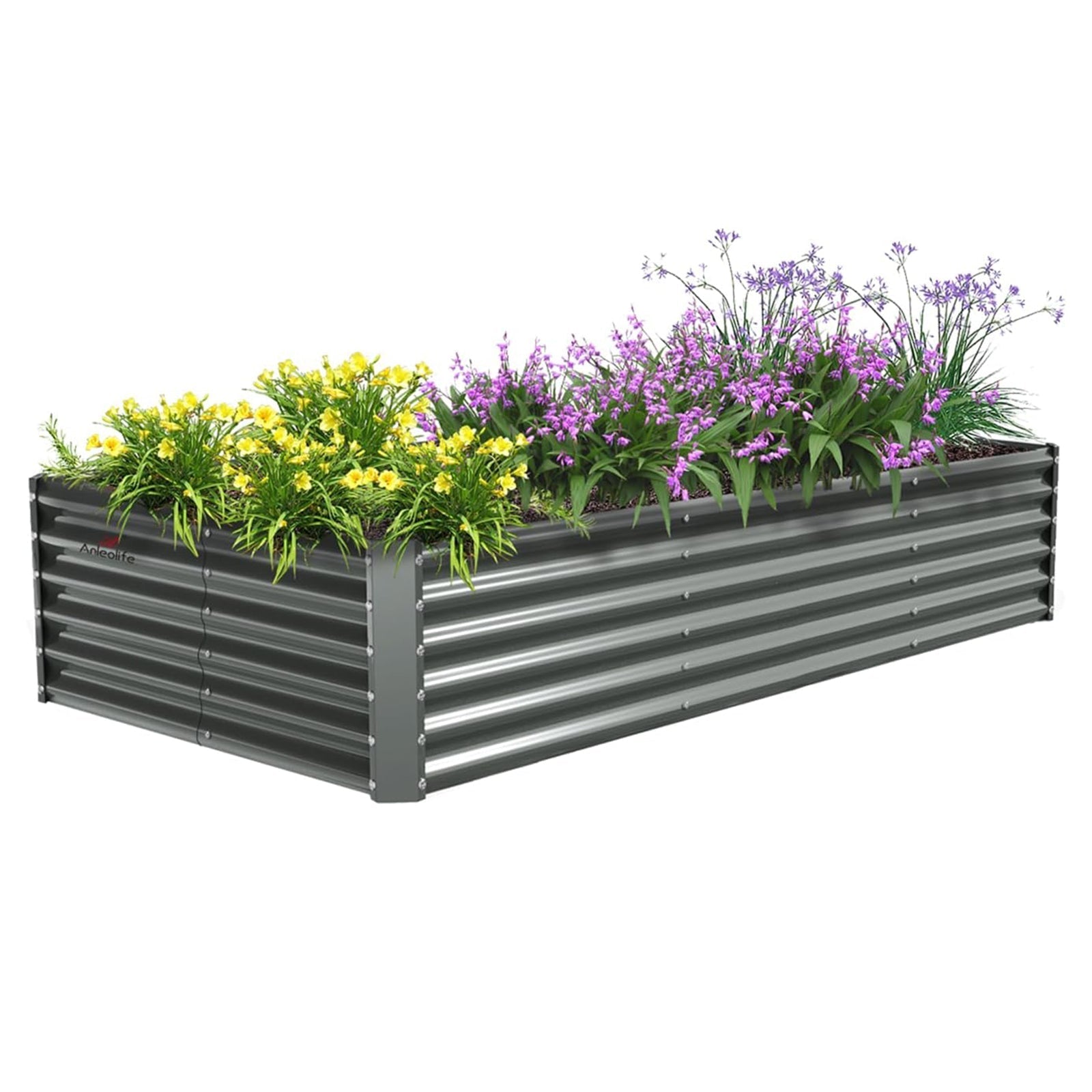

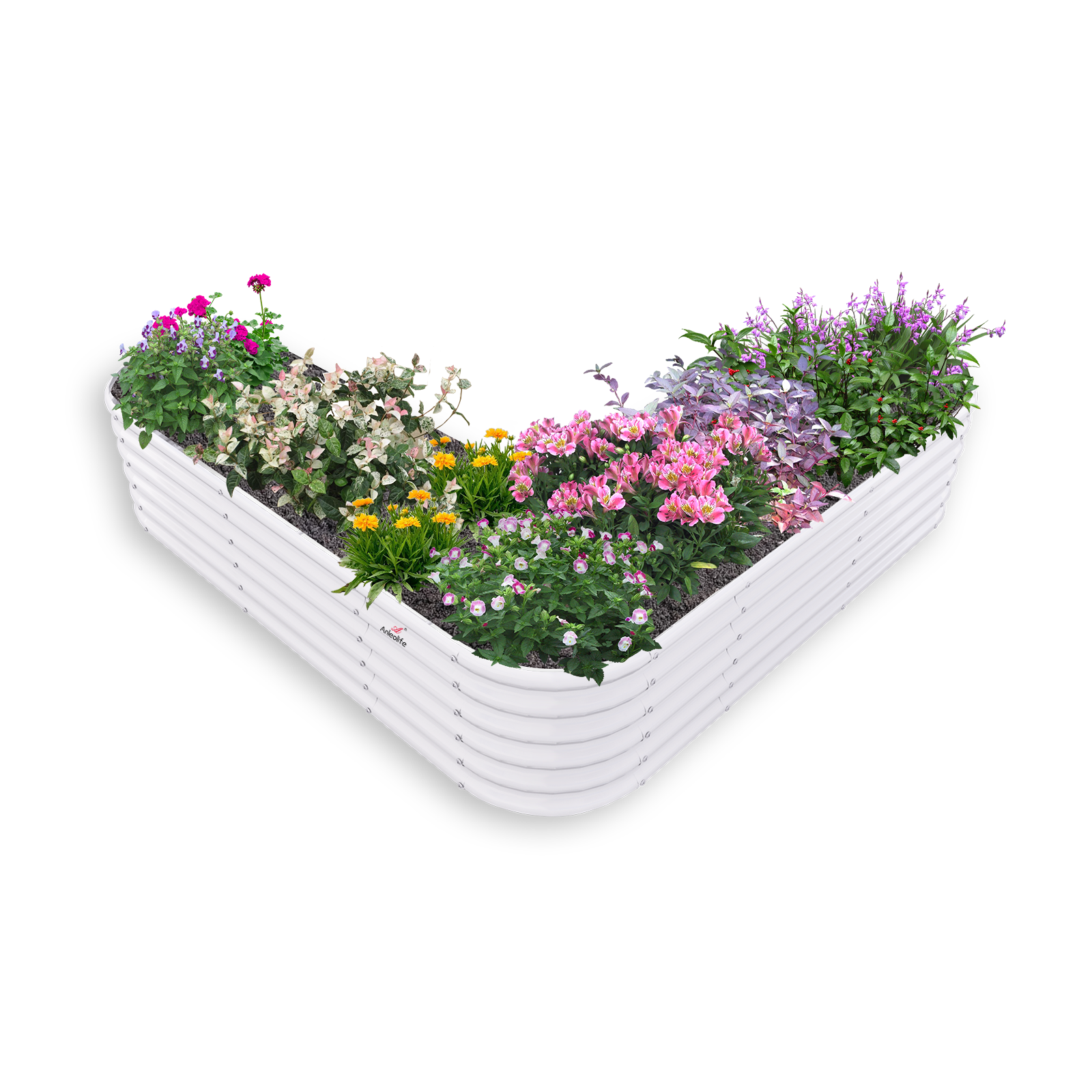
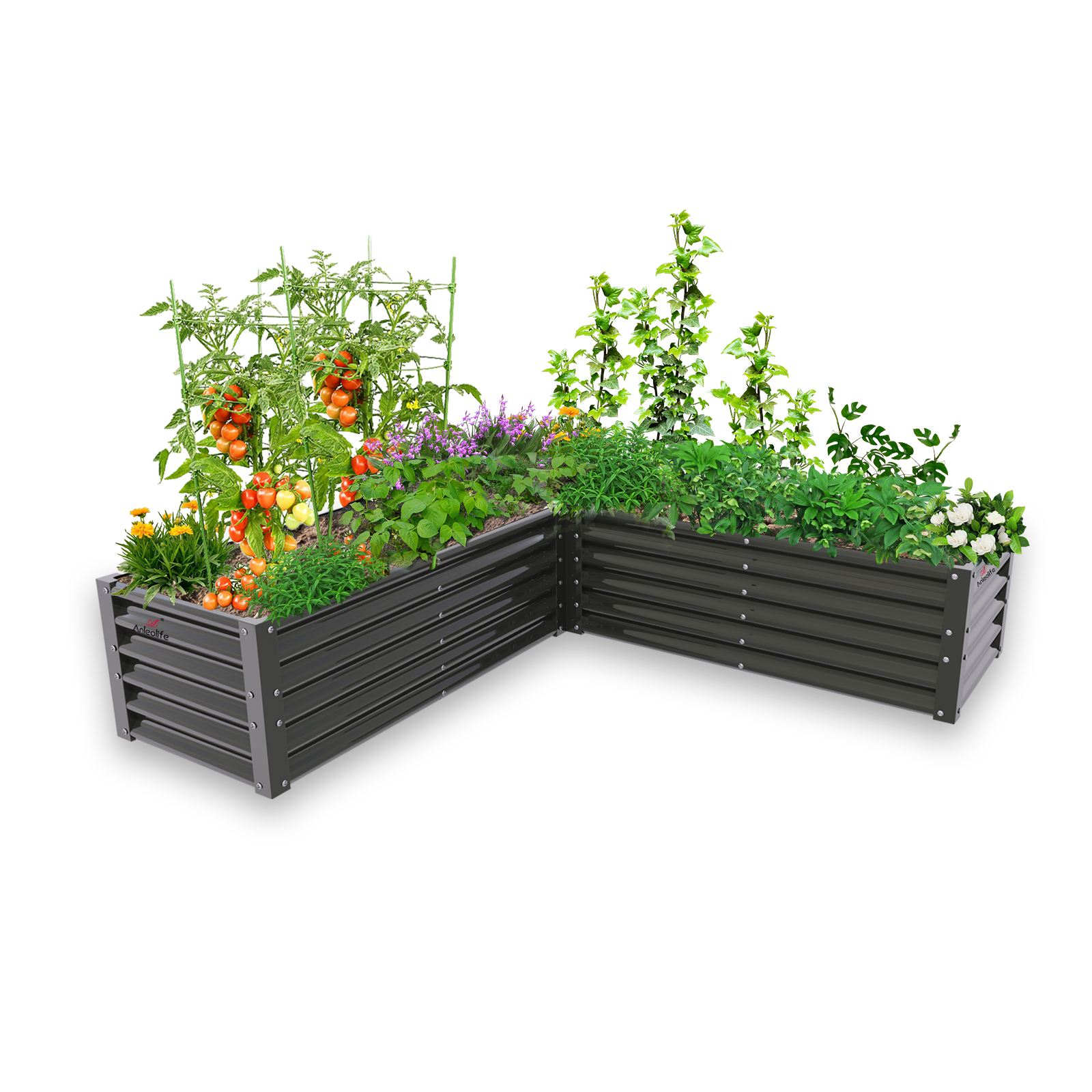
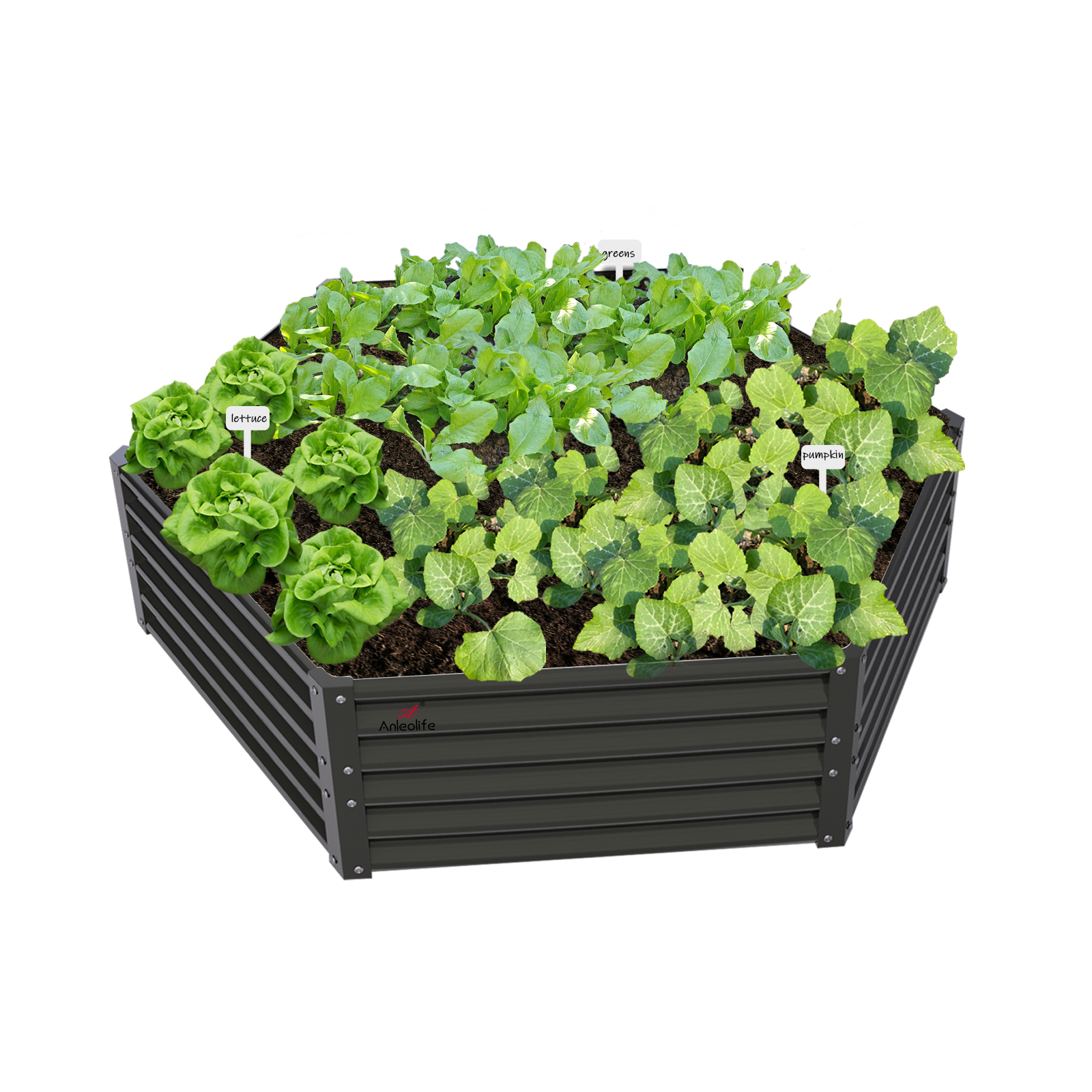
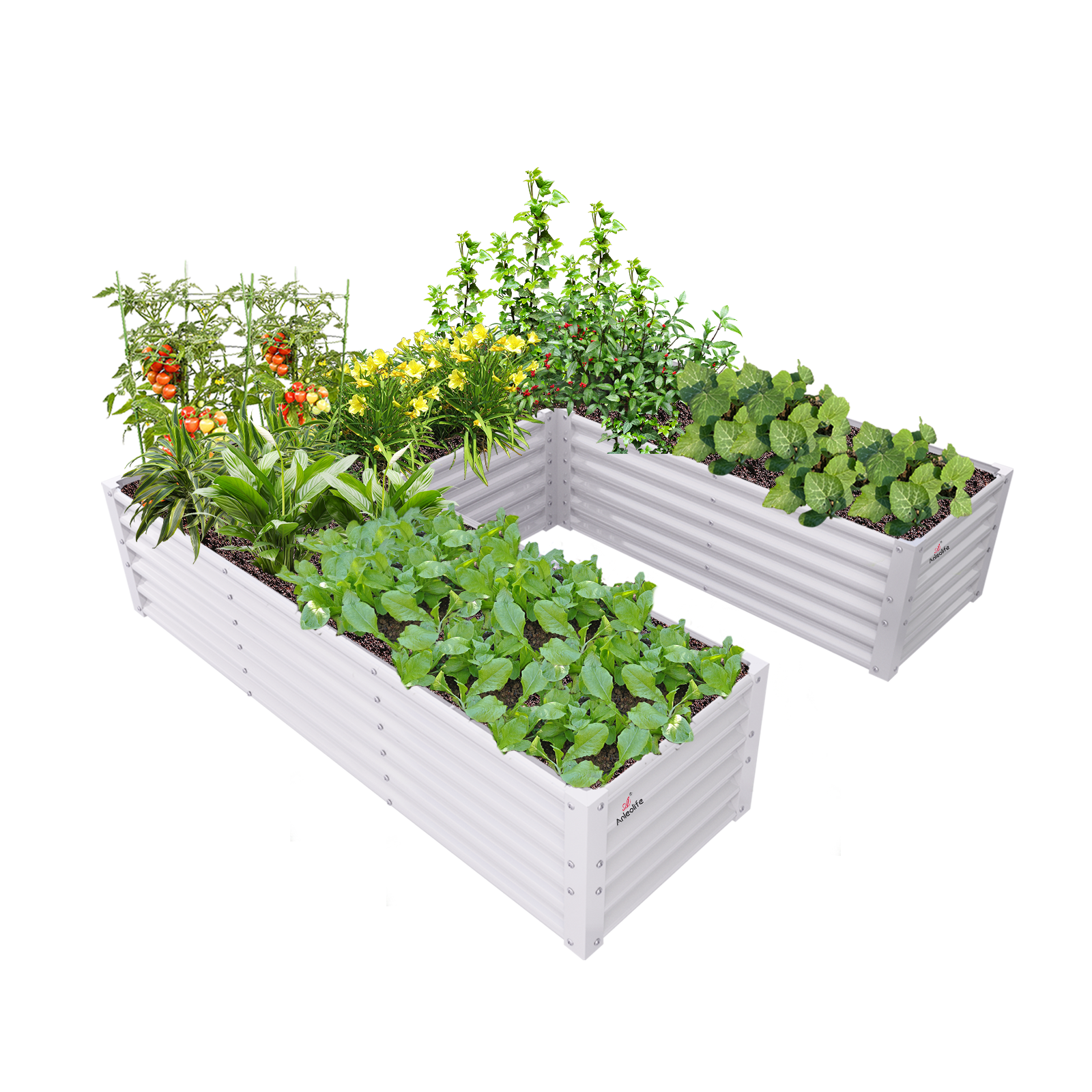

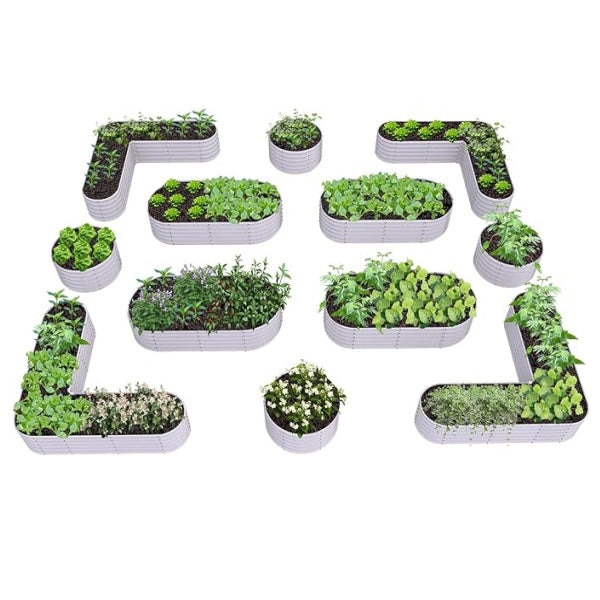


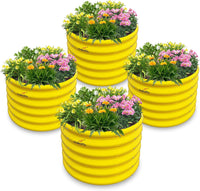
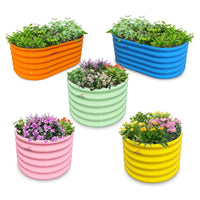
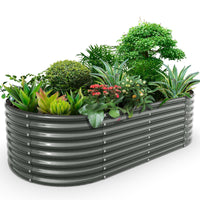




ALT: Top 10 vegetables to grow in a raised bed this June and beyond for a thriving summer garden
Why June Is the Perfect Month to Start Growing Vegetables in a Raised Bed
Key Conclusion: June marks the sweet spot for vegetable gardening across most of North America — soil temperatures are warm, frost risk has passed, and the long daylight hours supercharge plant growth. Growing in a raised bed amplifies every advantage: better drainage, improved soil control, fewer weeds, and faster harvests. Whether you're a first-time grower or a seasoned home gardener, knowing which vegetables perform best in a raised bed this June and beyond can make the difference between a mediocre harvest and a genuinely satisfying, season-long bounty.
Starting your raised bed vegetable garden in June isn't just a seasonal convenience — it's a strategic gardening decision. Here's why that matters:
- Soil warmth accelerates germination. Raised beds heat up faster than in-ground plots, giving warm-season crops like tomatoes, cucumbers, and peppers the warmth they crave right from transplant day.
- Defined growing space means smarter planning. When you know exactly how many square feet you're working with — say, an 8x4 or 12x3 foot bed — you can plan succession planting and companion planting with precision.
- June plantings set you up for fall harvests. Many crops planted in late June, from beans to squash, will continue producing well into September and October, extending your growing season considerably.
Who Should Read This Guide
✅ Applicable Scenarios:
- Home gardeners in USDA Hardiness Zones 4–10 planting warm-season or transitional crops in June
- Urban micro-gardeners with limited space who want to maximize yield per square foot using raised beds
- Empty nesters and retirees looking for accessible, lower-back-friendly gardening that doesn't require kneeling in the dirt
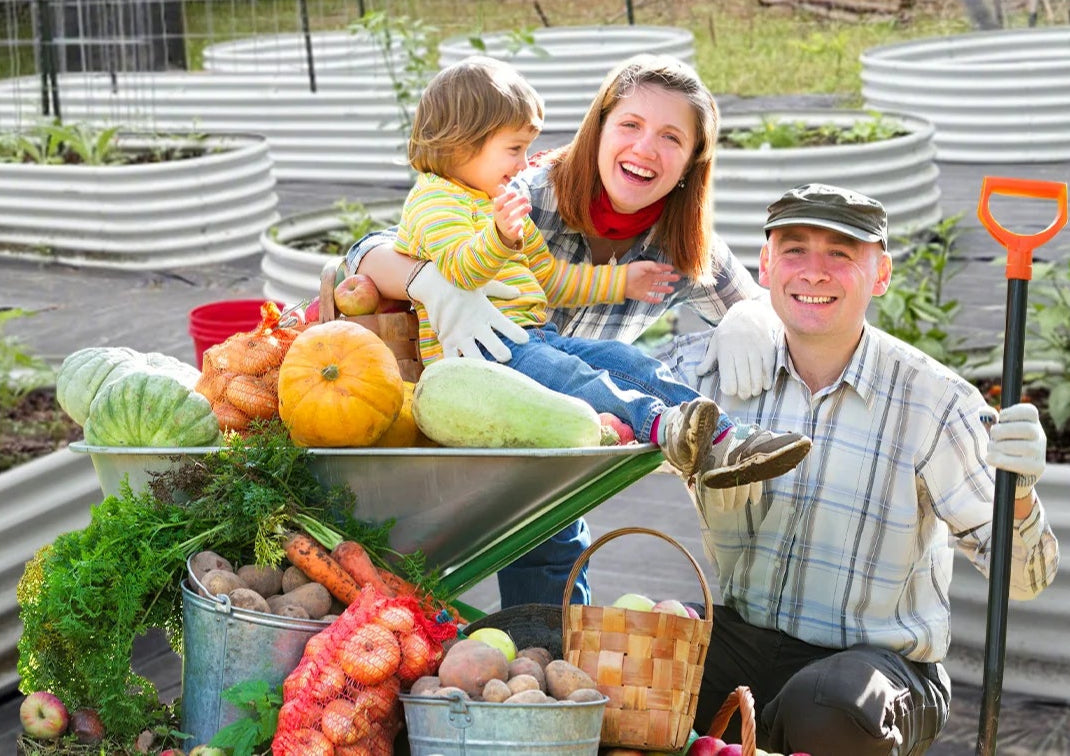
- Eco-conscious families who want to reduce pesticide use, grow organic produce, and improve household food sustainability
❌ Not Applicable/Cautions:
- Gardeners in Zone 3 or colder where frost may still be a risk well into early June — always check your last frost date before transplanting
- Gardeners expecting immediate large-scale harvests without any soil preparation, watering routine, or pest monitoring
- Those trying to grow cool-season crops like spinach or kale as primary June plantings in hot, humid southern climates (these bolt quickly in the heat)
The Raised Bed Advantage: Why More Gardeners Are Making the Switch
Raised bed gardening has surged in popularity over the past decade, and it's not hard to understand why. According to the National Gardening Association, the number of households participating in food gardening in the U.S. has grown steadily, with raised beds now representing one of the most preferred formats among suburban and urban growers.
The appeal is practical and aesthetic in equal measure. Raised beds offer superior drainage, preventing the root rot and waterlogging that plague flat in-ground gardens after summer downpours. They also allow you to fill with a premium soil blend — one enriched with compost, perlite, and aged manure — rather than dealing with whatever native soil your yard happened to come with. For gardeners in urban settings or homes with compacted, clay-heavy, or contaminated soil, this is nothing short of transformative.
There's also the pest and disease management angle. Raised beds create a slight physical barrier that discourages burrowing pests, and their defined borders make it easier to apply row covers, nets, or copper tape targeted at specific problem areas. When combined with good companion planting strategies, raised beds dramatically reduce the need for chemical interventions — a major consideration for families growing food for children or prioritizing organic practices.
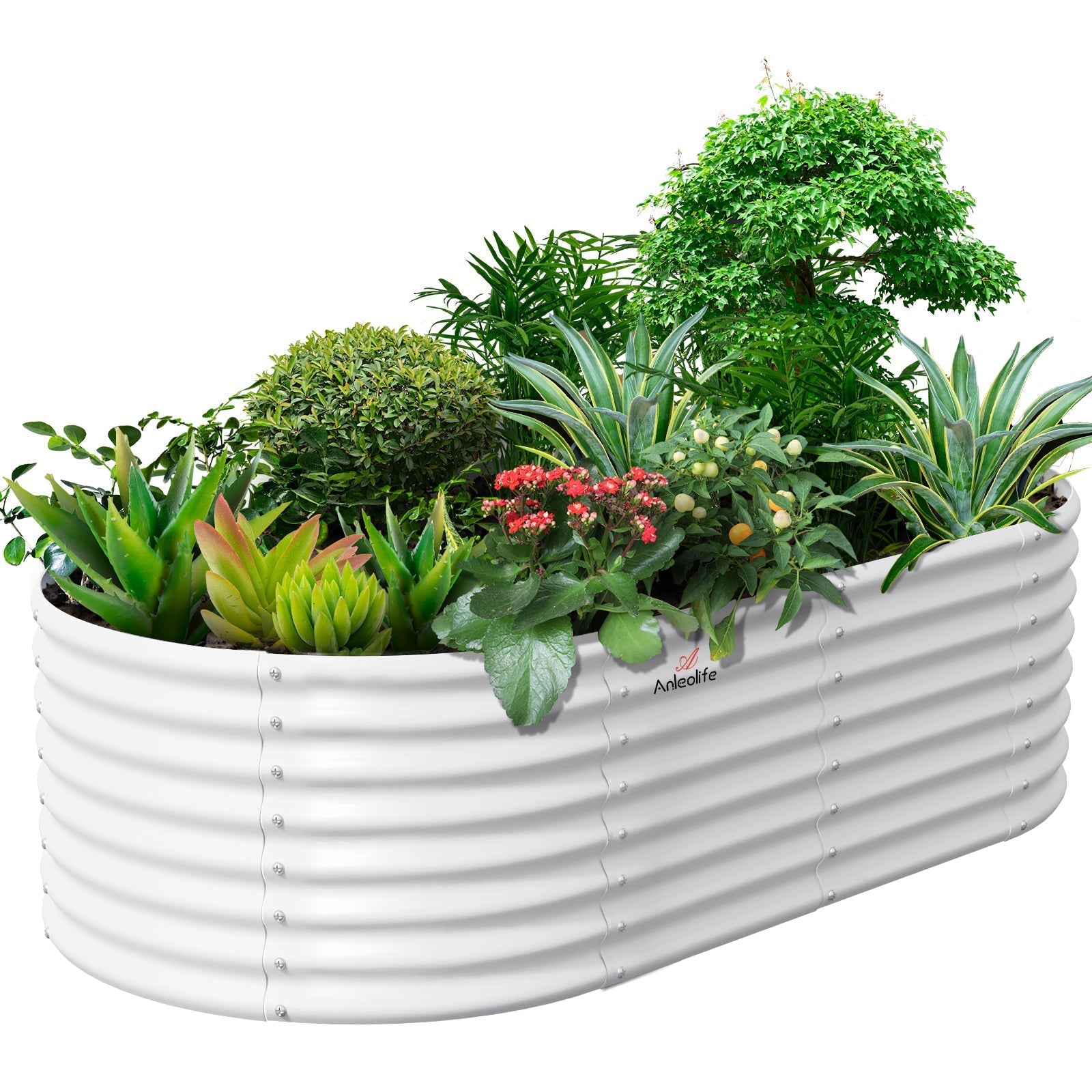
From a physical accessibility standpoint, taller raised beds have become a genuine quality-of-life improvement for older gardeners or those with mobility limitations. Models with extra height — such as the 24-inch or 30-inch tall options available from Anleolife — place the soil surface at a comfortable working height, eliminating the need to crouch or kneel. This single feature has brought many empty nesters and retirees back to gardening who had otherwise given it up.
Finally, there's the question of durability and long-term value. Galvanized steel raised garden beds from Anleolife are built to last up to 20 years, making them a genuinely smart long-term investment for any household serious about home food production. With a strategic U.S. warehouse network spanning California, Texas, Florida, New York, Illinois, and Washington, delivery arrives within 3–8 business days — fast enough to get your bed set up and planted within the same week you decide to start.
Top 10 Vegetables to Grow in a Raised Bed This June and Beyond
Three-Step Quick Start for Your June Raised Bed Garden
Step 1: Set Up and Fill Your Raised Bed
Before you plant a single seed, your raised bed needs to be properly assembled and filled with quality growing medium. Choose a location that receives at least 6–8 hours of direct sunlight per day. Fill your bed with a mix of approximately 60% topsoil, 30% compost, and 10% aeration material such as perlite or coarse sand. This takes roughly half a day for a standard 8x4 bed and is the single most important investment you can make in your harvest outcome.
Step 2: Plan Your Layout Based on Crop Needs
Use the square foot gardening method as a starting point: large plants like tomatoes and peppers get one square foot each (or more), while compact crops like lettuce and herbs can be planted much closer together. Sketch out your bed on paper before you start planting — this prevents overcrowding, ensures taller plants don't shade shorter ones, and helps you track what's planted where. Allow 15–30 minutes for planning; it will save hours of confusion later.
Step 3: Plant, Water Deeply, and Mulch
Once your layout is planned, transplant seedlings or direct-sow seeds according to their depth requirements. Water thoroughly after planting — not just a light sprinkle, but a deep soak that reaches 6 inches into the soil. Then apply 2–3 inches of mulch around your plants. The best mulch for a vegetable garden in a raised bed is typically straw, shredded leaves, or wood chip mulch, all of which suppress weeds, retain moisture, and slowly improve soil as they break down.
The Top 10 Vegetables Compared: What to Grow and Why
Choosing which vegetables to grow in your raised bed this June comes down to a few key factors: how much space each plant needs, how quickly it produces, and how well it performs in warm summer conditions. Here's how the top contenders stack up:
| Vegetable | Space Needed per Plant | Time to First Harvest | Best for Raised Beds? |
|---|---|---|---|
| Tomatoes | 1–2 sq ft | 60–85 days | ✅ Excellent |
| Zucchini | 2–3 sq ft | 50–65 days | ✅ Very Good |
| Cucumbers | 1–2 sq ft | 55–70 days | ✅ Excellent |
| Peppers (Bell/Hot) | 1 sq ft | 70–85 days | ✅ Excellent |
| Green Beans | 1 sq ft (bush) | 50–60 days | ✅ Excellent |
| Lettuce | 0.5–1 sq ft | 30–45 days | ✅ Great for edges |
| Basil | 0.5–1 sq ft | 25–35 days | ✅ Companion planting |
| Kale | 1 sq ft | 55–75 days | ✅ Good for fall |
| Radishes | 0.25 sq ft | 22–30 days | ✅ Quick succession |
| Swiss Chard | 1 sq ft | 50–60 days | ✅ Long producer |
Deep Dive: Each Vegetable and How to Grow It Well
1. Tomatoes — The Crown Jewel of June Planting
No raised bed vegetable garden is complete without tomatoes. Planted in early June, indeterminate varieties like Cherokee Purple, Sungold, or Brandywine will produce right through early fall. In a raised bed, tomatoes benefit enormously from the well-drained, warm soil environment — root systems stay healthier, and you can easily add a tomato cage or stake within the confines of the bed. One plant per square foot is the general rule, though sprawling heirloom varieties may need more room.
2. Zucchini — Prolific and Low-Maintenance
If you've ever planted zucchini and then left for a weekend vacation, you know the punchline: you come home to a vegetable the size of a baseball bat. That relentless productivity is exactly what makes it perfect for June planting. In a raised bed, zucchini thrives in the loose, rich soil. One or two plants in a generously sized bed — such as a 12x3 or 8x4 foot model — will produce more than most families can eat through the summer.
3. Cucumbers — Perfect for Vertical Growing
Cucumbers are one of the most efficient vegetables you can grow in a raised bed, especially when trained vertically on a trellis. Vertical growing saves horizontal space, improves air circulation (reducing fungal issues), and makes harvest far easier. Planted in June, cucumbers typically produce within 55–70 days and will keep going until frost. Bush varieties work especially well in smaller beds; vining types can be trained upward along the back of a taller raised bed.
4. Peppers (Bell and Hot) — Slow Start, Long Reward
Peppers planted in June will take a bit longer to reach their first harvest, but they're worth the wait. Both bell peppers and hot varieties like jalapeños or habaneros love heat — and in a raised bed, the warmer soil temperature can shave days off your time to first fruit. They're also compact enough to fit neatly in a square-foot gardening layout, making them ideal for beds of nearly any size.
5. Green Beans — Easiest Beginner Crop
Bush beans are perhaps the most beginner-friendly vegetable you can grow. Direct-sow seeds in your raised bed in June, keep them watered, and you'll have beans in just 50–60 days. They're also nitrogen-fixers, meaning they improve the soil for whatever you plant after them — making them an excellent choice for succession planting strategies. Pole beans are another excellent option if you have a trellis, and they'll produce for a longer window.
6. Lettuce — Fast, Cool-Tolerant, and Endlessly Useful
While lettuce can bolt (go to seed) in intense summer heat, it performs beautifully in June in most northern and coastal regions, and can be planted in the partial shade of taller neighbors in hotter climates. In a raised bed, lettuce works wonderfully as a border crop, planted around the edges while larger plants fill the center. Loose-leaf varieties can be harvested on a cut-and-come-again basis, giving you continuous salad greens for weeks.
7. Basil — The Perfect Companion
Basil isn't just a kitchen staple — it's one of the best companion plants in any raised bed. Planted near tomatoes, basil is thought to repel aphids and whiteflies while attracting pollinators. It's also incredibly productive in warm summer weather, and regular harvesting (pinching off flower heads) keeps plants bushy and producing. Plant basil in June and you'll have more than enough to cook with, dry, and share through the summer months.
8. Kale — The Versatile Superfood
Kale planted in June will establish itself through summer and come into its peak harvesting season in early fall, when cooler temperatures actually sweeten the leaves. It's a nutrient-dense, low-maintenance crop that grows beautifully in the structured environment of a raised bed. Varieties like Lacinato (Dinosaur Kale) or Red Russian are particularly well-suited to this planting window. Kale can also tolerate light frost, extending your harvest season well into autumn.
9. Radishes — The Rapid-Fire Succession Crop
Radishes are the secret weapon of the raised bed gardener. With a harvest window of just 22–30 days, they can be sown in any gap or empty space in your bed and harvested before larger crops need the room. Plant a small row of radishes every two weeks in June and July for a continuous supply. They're also excellent at breaking up compacted soil with their taproots, benefiting neighboring plants.
10. Swiss Chard — The Workhorse of the Summer Garden
Swiss chard is a gorgeous, productive vegetable that performs exceptionally well in raised beds. Unlike spinach, it tolerates summer heat with aplomb, producing large, nutritious leaves in jewel-toned stems of red, yellow, and orange. Planted in June, it will produce reliably until heavy frost, making it one of the longest-producing vegetables in your raised bed. It's also incredibly ornamental — a colorful addition to any garden aesthetic.
Pest Control, Mulching, and Organization: Keeping Your Raised Bed Thriving
Once your vegetables are in the ground, the real work of the growing season begins. A few key maintenance strategies will keep your raised bed productive and healthy through June and beyond.
Best Pest Control Methods for Vegetable Gardens
The best pest control methods for vegetable gardens are those that address the root cause without introducing harmful chemicals into your food supply. In a raised bed, your first line of defense is physical barriers: row covers made from lightweight fabric can protect young transplants from flying insects, while copper tape along the bed rim discourages slugs and snails. Neem oil spray is a widely used organic option effective against aphids, spider mites, and whiteflies. Encouraging beneficial insects — ladybugs, lacewings, and parasitic wasps — by planting companion flowers like marigolds and nasturtiums creates a natural pest management ecosystem. Regular inspection is also critical: catching a pest problem early (a cluster of aphids on the underside of a tomato leaf, for example) is far easier to address than waiting until the infestation is established.
Best Mulch for Vegetable Gardens in Raised Beds
We touched on mulching in the quick-start section, but it deserves a deeper look. The best mulch for a vegetable garden in a raised bed context depends slightly on your goals. Straw is the most popular choice — it's affordable, weed-suppressing, moisture-retaining, and breaks down into organic matter over the season. Shredded leaves are excellent if you have them available and cost nothing. Wood chip mulch works well but can slightly tie up nitrogen as it decomposes, so it's best used on pathways rather than directly around plants. Avoid dyed wood chips or treated wood products in food gardens.
Garden Hose Reel and Water Management
A tidy, well-organized garden is a productive one. Investing in a quality garden hose reel for organization keeps your outdoor space safe (no trip hazards from coiled hoses), extends hose life, and makes watering sessions faster and more efficient. Position your hose reel near your raised bed cluster for easy access. Soaker hoses laid along the interior of your raised bed and connected to a timer offer the most efficient irrigation solution — delivering water directly to roots while keeping foliage dry and reducing fungal disease risk.
Outdoor Seating and Garden Enjoyment
The best garden isn't just productive — it's enjoyable to spend time in. If you're building out your outdoor space, consider incorporating comfortable seating near your raised beds. The best outdoor seating options for small patios include folding bistro sets, weather-resistant Adirondack chairs, and compact loveseat benches that can be tucked against a fence or wall without dominating the space. Being able to sit near your garden encourages more frequent observation — and observant gardeners catch problems early and enjoy the fruits of their labor more deeply.

ALT: Well-maintained raised bed vegetable garden with tomatoes, cucumbers, and beans thriving in June sunlight beside a patio seating area
Advanced Tips: Getting More From Your Raised Bed Season After Season
Succession Planting for Continuous Harvests
One of the most powerful techniques available to raised bed gardeners is succession planting — staggering your plantings every two to three weeks so that as one crop finishes, the next is coming into production. This is particularly effective with quick-growing crops like radishes, lettuce, beans, and herbs. In an 8x4 or larger raised bed, you have enough space to designate one section for succession planting while the rest of the bed holds longer-season crops.
Companion Planting to Reduce Inputs
The "Three Sisters" combination of corn, beans, and squash is the most famous example of companion planting, but there are dozens of effective pairings well-suited to raised beds. Tomatoes and basil. Cucumbers and dill. Carrots and onions. These combinations can reduce pest pressure, improve pollination, and in some cases actively improve soil health — all without spending a dollar on inputs.
Misconception: More Fertilizer Always Means More Growth
One of the most common mistakes made by raised bed beginners is over-fertilizing. A well-composed raised bed soil — rich in compost and organic matter — may not need supplemental fertilizer at all in its first year. Excessive nitrogen, in particular, can cause lush leafy growth at the expense of fruit and flower production, which is the opposite of what you want from your tomatoes, peppers, and cucumbers. Test your soil before applying any amendments, and lean toward gentle organic options like fish emulsion or balanced slow-release granular fertilizer if needed.
Anleolife Rust-Resistant Galvanized Steel Raised Bed Assembly
A common question among new raised bed buyers is how quickly they can get up and running. The Anleolife rust-resistant galvanized steel raised beds are designed for tool-free or minimal-tool assembly, typically achievable in under an hour for most standard sizes. The galvanized steel construction is specifically engineered to resist rust over years of outdoor exposure, and with a rated lifespan of 20 years, these beds represent a one-time setup that pays dividends for decades. With delivery in 3–8 business days to most U.S. locations, it's entirely realistic to order your bed today and have it planted within the same week.
Frequently Asked Questions FAQ
Q1: How do I choose the right raised bed size for growing vegetables this June?
Choosing raised bed size depends on your available space, the crops you want to grow, and your physical needs. A standard 4x8 foot bed is a versatile starting point — large enough for a meaningful variety of crops, small enough to reach the center from either side without stepping in. If back comfort is a concern, consider a 24-inch or 30-inch tall extra-high bed, which allows comfortable standing or seated gardening. For serious production, multiple beds of varying sizes can be arranged in a cluster with pathways between them.
Q2: Are galvanized steel raised beds safe for growing vegetables?
Yes — modern galvanized steel raised beds are widely considered safe for vegetable gardening. The zinc coating used in galvanization is the same mineral found naturally in soil and required by plants and humans alike. Scientific consensus and most major gardening and agricultural authorities hold that zinc leaching from galvanized steel into garden soil occurs at negligible rates and poses no meaningful risk to food safety. Anleolife's rust-resistant galvanized steel beds are specifically designed for food-growing applications and are built to last up to 20 years.
Q3: How long does it take to set up an Anleolife raised bed and get it ready for planting?
From order to harvest-ready setup, the timeline is faster than many gardeners expect. With Anleolife's U.S. warehouse network, delivery takes 3–8 business days depending on your location. Assembly of most bed sizes takes under an hour. Filling the bed with a quality soil mix (topsoil, compost, and aerating material) takes another hour or two depending on size. From the day your bed arrives, you can realistically be planted and watering by the end of the same day — especially if you have seedlings ready to go.
Summary
Growing vegetables in a raised bed this June gives you one of the most rewarding, efficient, and enjoyable gardening experiences possible. Here are the three core takeaways:
- The right crops make all the difference. Focus on warm-season producers like tomatoes, cucumbers, zucchini, peppers, and green beans for maximum summer yield, and add quick crops like radishes and lettuce to fill gaps and keep your bed productive throughout the season.
- Good soil, smart mulching, and proactive pest management are the backbone of success. Use the best mulch for your vegetable garden (straw or shredded leaves for most situations), apply organic pest control early and consistently, and keep your garden tidy and organized for easier maintenance.
- A quality raised bed is a long-term investment, not a seasonal expense. With a lifespan of up to 20 years and construction designed to withstand the elements, a well-chosen galvanized steel raised bed pays for itself many times over in produce, enjoyment, and reduced trips to the grocery store.
Your next step? Choose your bed size, plan your crop layout, and order before the best planting window closes. June is here — and your future harvest is already waiting.
Call to Action
Nationwide U.S. warehouse network: Strategically located in California, Texas, Florida, New York, Illinois, and Washington, Anleolife ensures delivery within 3–8 business days — so your garden upgrade plans never have to wait.
Multi-channel availability: Products are available on major platforms including Amazon, Walmart, Home Depot, Lowe's, Wayfair, and the official Anleolife.com website, offering consistent quality and after-sales support wherever you prefer to shop.
Three core gardening scenarios: Planting (metal raised garden beds, soil systems), Raising (chicken coops, rabbit hutches), and Beautification (decorative accessories, pathway systems) — meeting every need from functionality to aesthetics.
We understand that an ideal garden isn't built overnight, but improved gradually over time. Anleolife's modular product design allows flexible expansion based on your evolving needs — from your first raised garden bed to a fully integrated planting-and-raising ecosystem. We grow with you every step of the way.
👉 Explore Anleolife raised garden beds and start your best June garden yet.
References
- National Gardening Association. "Food Gardening in the United States".
https://garden.org/ - University of California Agriculture and Natural Resources. "Vegetable Gardening in California".
https://ucanr.edu/ - U.S. Department of Agriculture. "Gardening Resources and Home Food Production".
https://www.usda.gov/ - Penn State Extension. "Raised Bed Gardening".
https://extension.psu.edu/ - Old Farmer's Almanac. "Raised Bed Gardening Guide".
https://www.almanac.com/vegetable-gardening-raised-beds
Note: Gardening guidelines may vary by region and season. Always check the latest resources from your local cooperative extension service or consult a professional horticulturist for region-specific advice.
About Anleolife
Anleolife is a leading outdoor garden solutions provider in North America, dedicated to offering a full-scenario product ecosystem for home gardening enthusiasts, covering planting, raising, and garden beautification. Since its founding, we have upheld our brand mission, "Made for Garden Life," continuously innovating products and optimizing services to help hundreds of thousands of users upgrade their gardens, reconnect with nature, and enjoy a better garden lifestyle.