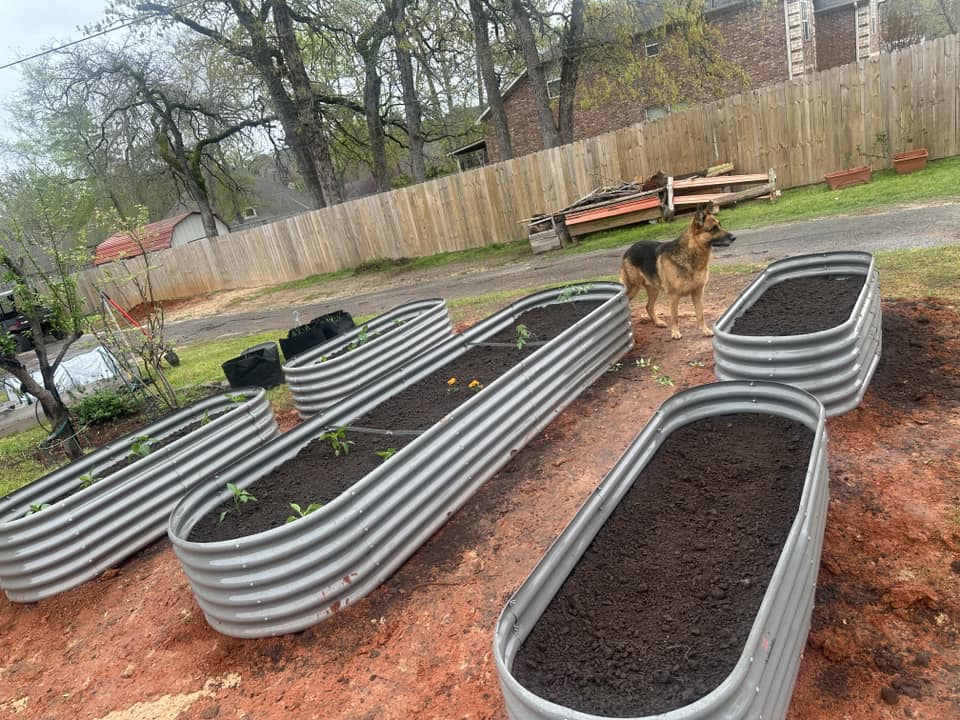



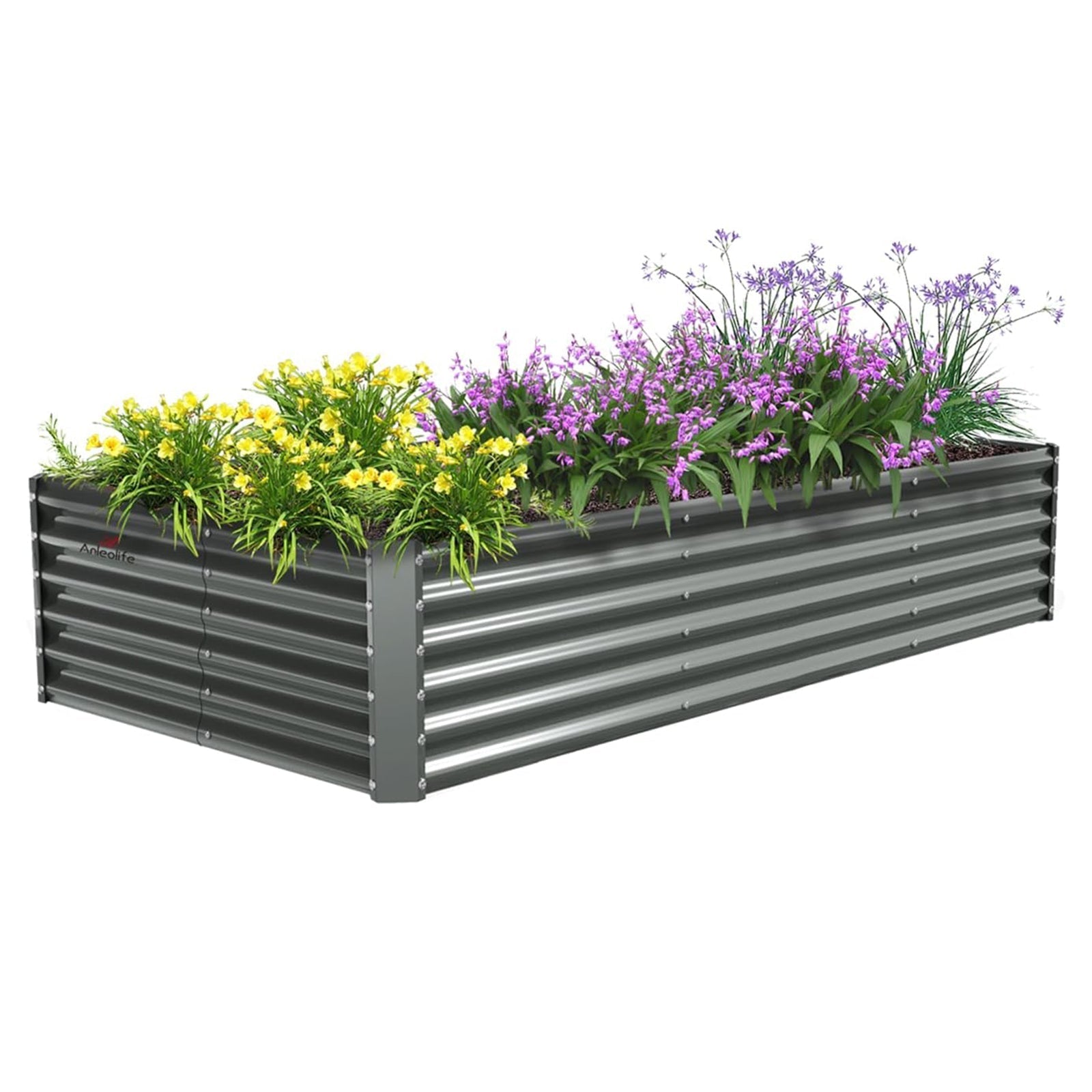
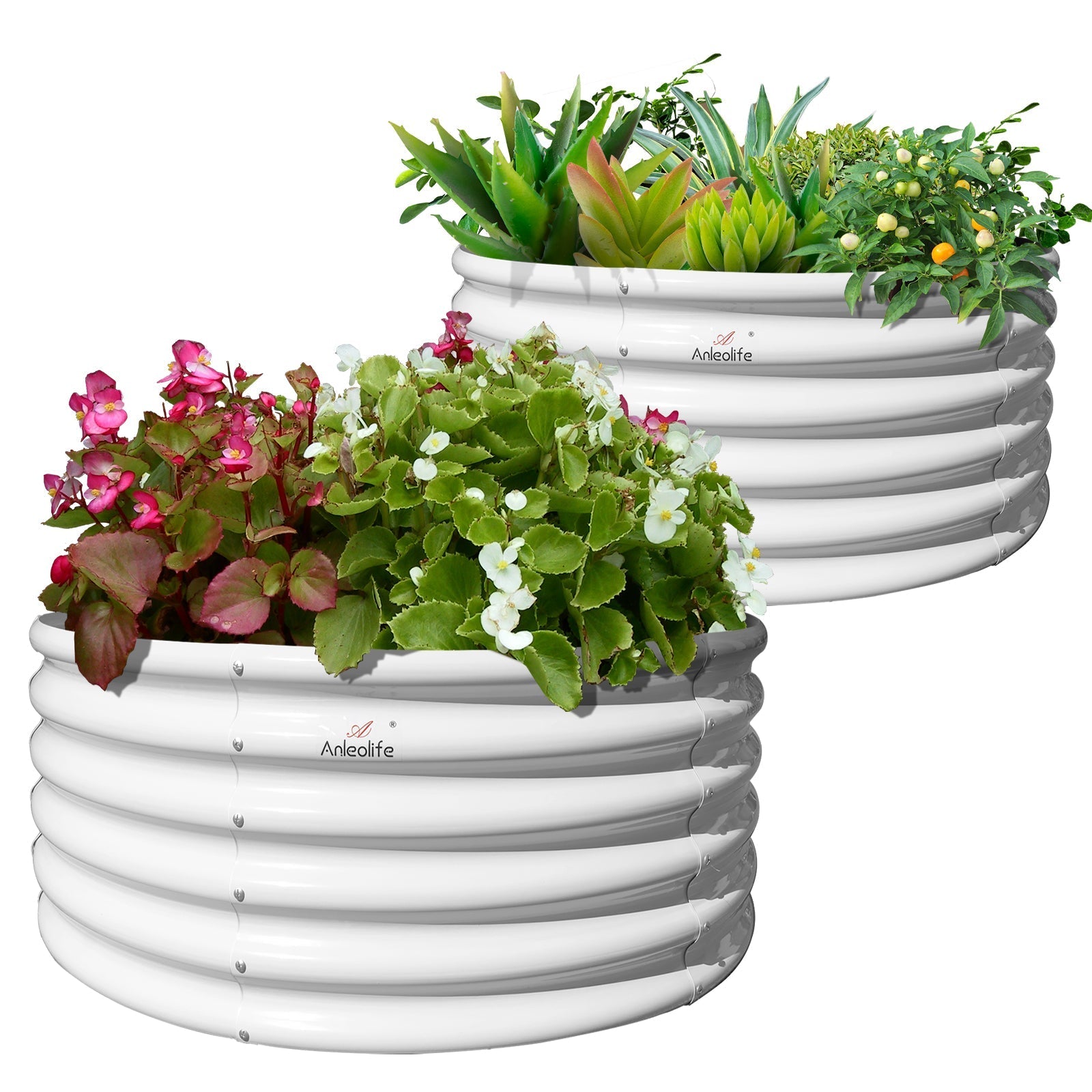
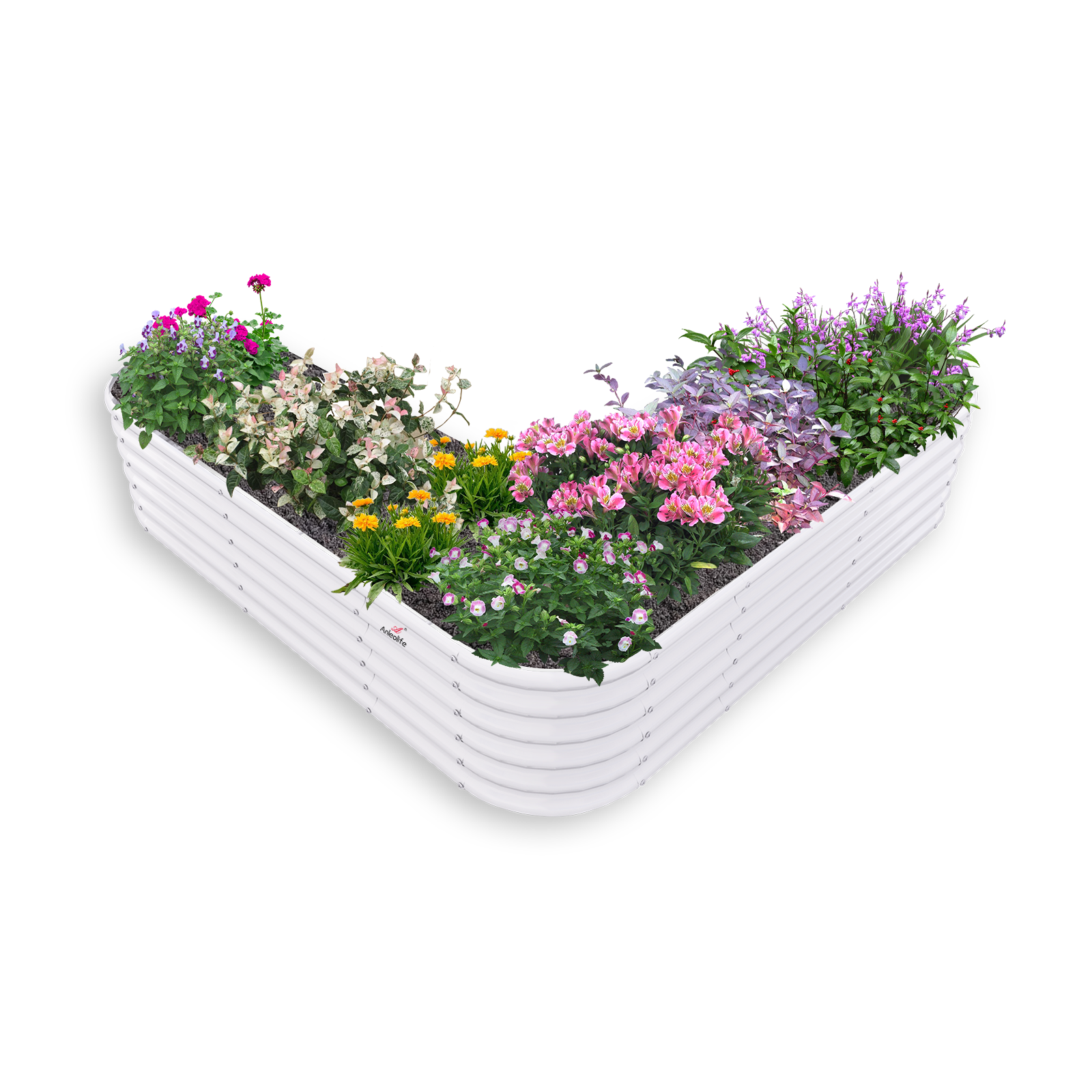
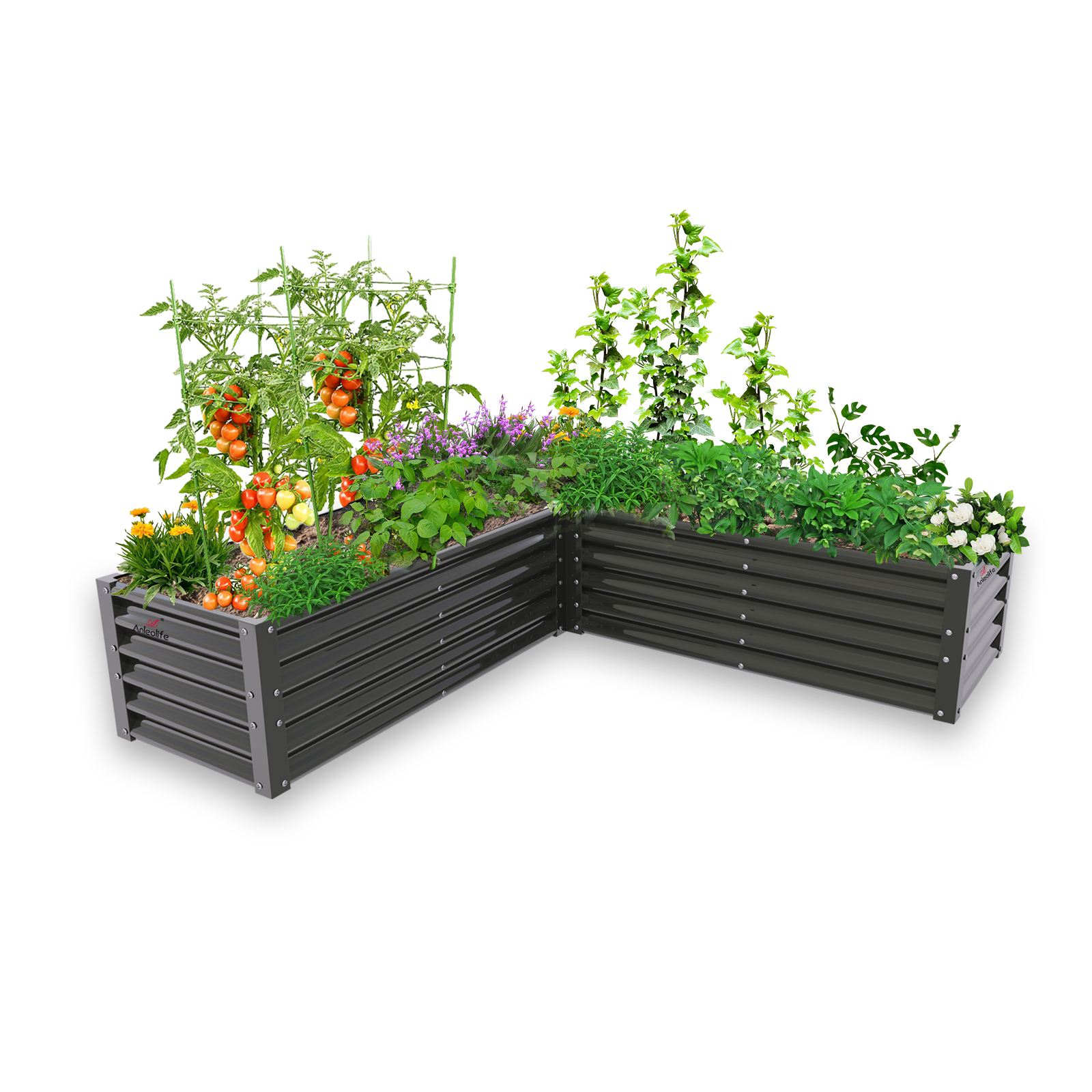



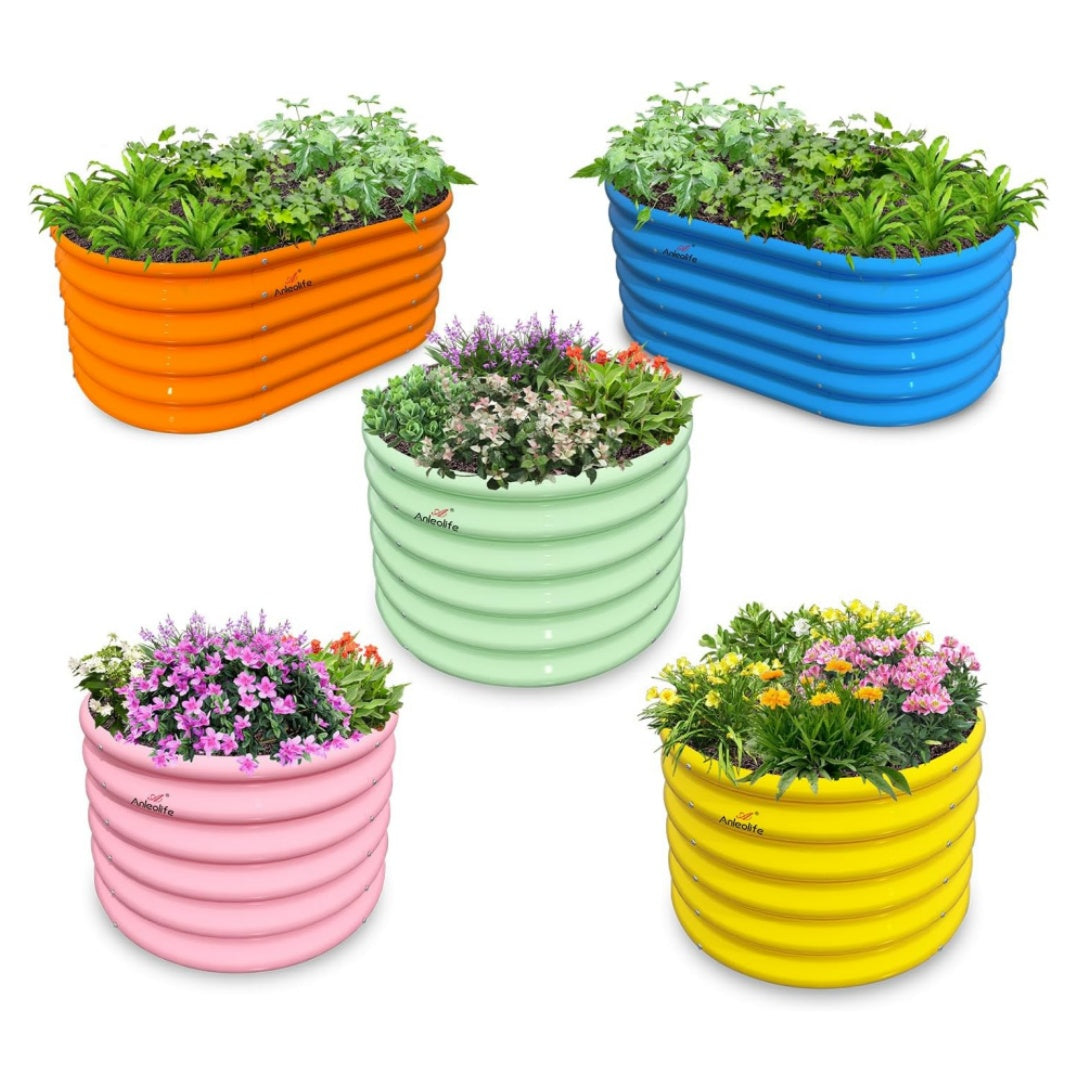
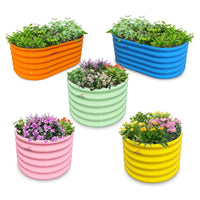
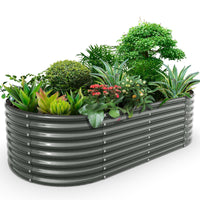



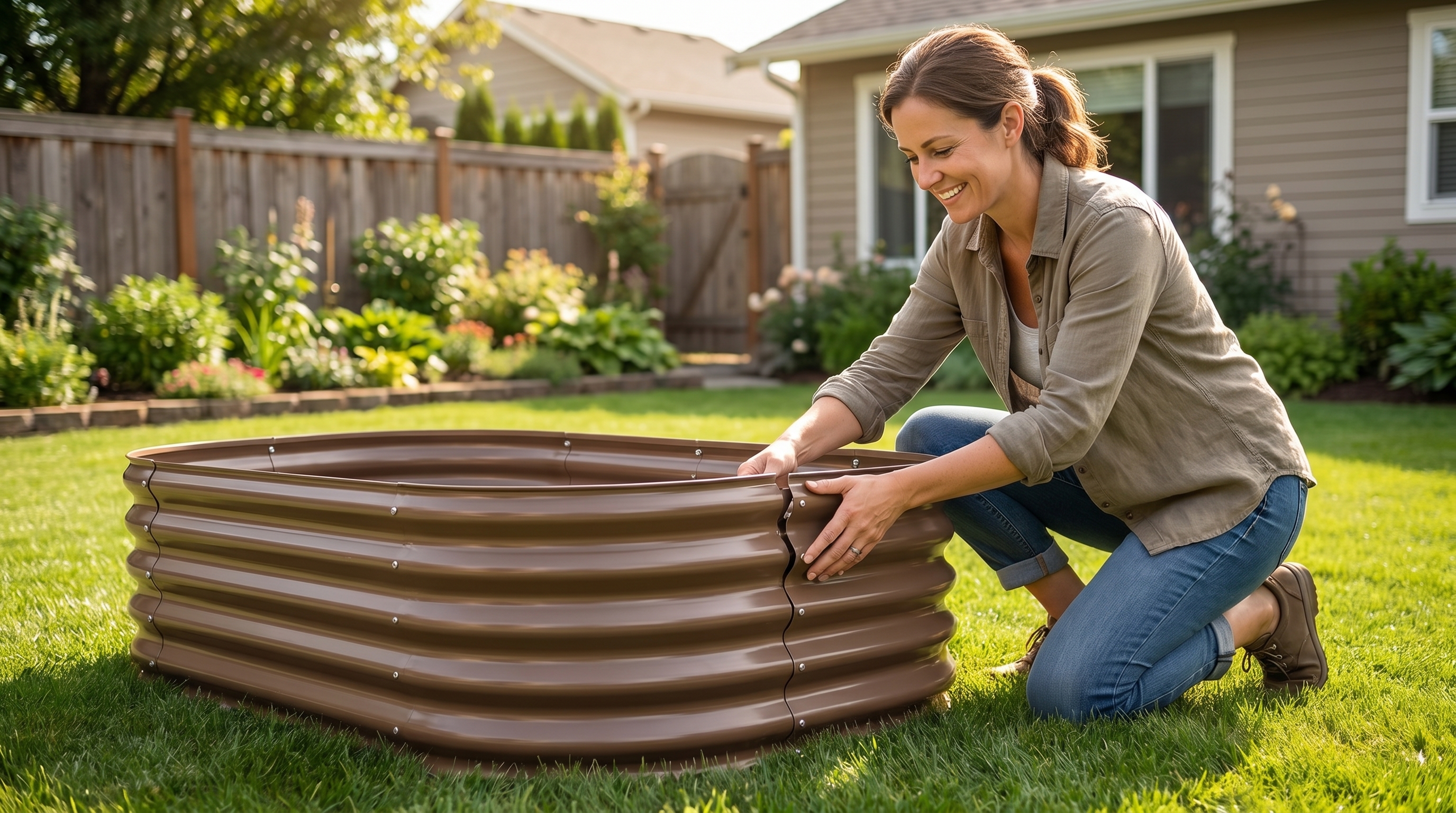
ALT: Homeowner assembling an easy raised garden bed kit in a small backyard garden space
Why Assembly Experience Matters More Than You Think When Choosing a Raised Garden Bed
Key Conclusion: Choosing the best raised garden bed isn't just about size or material—it's about how quickly and confidently you can get it set up. For vegetable gardening beginners and seasoned growers alike, a bed that's genuinely easy to assemble means less frustration, more planting time, and a better garden experience overall. From clear instructions to tool-free connections and smart garden edging integration, the right kit makes all the difference between a rewarding project and a weekend headache.
You've done your research. You've seen beautiful backyard setups on Pinterest, scrolled through dozens of "best raised garden beds" reviews, and you're finally ready to invest. But there's one critical detail most buyers overlook until the box arrives: how easy is it actually to put together?
Assembly complexity is one of the top reasons new gardeners abandon their raised bed projects midway. A bed might look great in product photos and have excellent reviews for durability—but if it requires specialized tools, has vague instructions, or involves 40+ individual parts, it becomes a project rather than a pleasure.
This buyer's checklist is designed to help you evaluate any raised garden bed kit before you buy, so you can choose one that goes from box to fully assembled without the stress.
Who This Checklist Is For
✅ Applicable Scenarios:
- First-time gardeners buying their first raised bed kit and wanting a smooth setup experience
- Urban micro-gardeners working in small backyards, patios, or rooftop spaces with limited time and tools
- Empty nesters and retirees looking for a manageable garden project without physically demanding installation
- Eco-conscious families who want to start vegetable gardening quickly and sustainably
- Anyone comparing kits on Amazon, Home Depot, Lowe's, Walmart, or Wayfair and feeling overwhelmed by options
❌ Not Applicable/Cautions:
- Professional landscapers building custom permanent installations who require heavy-duty custom fabrication
- Buyers seeking fully pre-assembled beds that require zero effort (most quality kits still require some minimal assembly)
- Projects requiring in-ground installation or permanent concrete anchoring, which go beyond standard kit assembly
The Real Problem: "Easy Assembly" Means Different Things to Different Brands
Walk into any garden center or browse the best garden products online and you'll see the phrase "easy assembly" plastered on nearly every raised bed kit. The term has become almost meaningless—until something goes wrong.
Assembly difficulty is shaped by several real, measurable factors: the number of components, the type of fastening system, the clarity of included instructions, the weight of individual panels, and whether the design actually accounts for real-world conditions like uneven ground or varying soil pressure.
According to the University of Georgia Extension, raised bed gardening has seen explosive growth among home growers in recent years, with more households than ever before choosing contained bed systems for vegetable gardening, herb gardens, and decorative planting. As demand grows, so does the variety of kit quality—from flimsy plastic snap-together systems to thoughtfully engineered galvanized steel modular beds designed for decades of use.
Here's what makes this especially important for specific buyer groups: if you're an empty nester or retiree, you may be gardening solo, which means you need a kit one person can handle without assistance. If you're an urban micro-gardener, you may be setting up on a balcony or compact patio, requiring a kit that fits through standard doorways and can be configured without a power drill. If you're a parent gardening with kids, you want something that comes together quickly so the excitement doesn't wear off before the first seed goes in.
The best raised garden beds for small backyards tend to be those with modular designs, minimal hardware, and well-tested panel interlocking systems. These aren't just marketing conveniences—they're genuine quality indicators that separate a good buy from a regrettable one.
The Complete Buyer's Checklist: 8 Things to Evaluate Before You Buy
Step-by-Step: How to Use This Checklist
Step 1: Identify Your Assembly Context
Before comparing products, spend five minutes answering these questions: How many people will be assembling the bed? Do you have access to basic tools, or do you prefer tool-free setup? Where is the bed going—flat lawn, paved surface, or uneven terrain? What size do you need? This context shapes which checklist items matter most to you. For example, solo assemblers should weight the "panel weight" and "solo-assembly feasibility" categories most heavily.
Step 2: Evaluate Each Kit Against the 8-Point Checklist
Work through the eight criteria below systematically. For any kit you're seriously considering, try to find unboxing videos, assembly reviews, or customer Q&As that speak directly to real assembly experience—not just finished-product aesthetics.
Step 3: Match Your Shortlist to Your Vegetable Gardening Goals
Once you've narrowed to two or three finalists, cross-reference assembly ease with your actual planting goals. A modular bed that takes slightly longer to assemble but can be reconfigured each season may be worth the extra effort. A simple rectangular bed that goes together in under 30 minutes is ideal if you want to start vegetable gardening immediately.
Comparing Assembly Styles: What the Market Offers
When shopping for the best backyard garden accessories for small spaces, you'll typically encounter three types of raised bed assembly systems. Here's how they compare across the dimensions that actually affect your setup experience:
| Comparison Dimension | Snap-Together Plastic Beds | Wooden Panel Beds (Screws) | Galvanized Steel Modular Beds |
|---|---|---|---|
| Tools Required | None | Screwdriver/drill | Minimal or none |
| Number of Components | Low (8–15 pieces) | Medium to high | Low to medium |
| Solo Assembly | Easy | Difficult for large sizes | Feasible for most sizes |
| Instruction Clarity | Varies widely | Varies widely | Strong in quality brands |
| Structural Durability | Low–Medium | Medium | High |
| Lifespan | 2–5 years | 5–10 years | Up to 20 years |
| Expandability/Modularity | Rare | Limited | Often available |
| Suitable for Uneven Ground | Poor | Moderate | Good |
| Best for Small Backyards | Yes (lightweight) | Moderate | Yes (with right size) |
The galvanized steel category consistently outperforms on durability and long-term value. Anleolife's galvanized steel raised garden beds, for example, are built to last up to 20 years—a benchmark that makes the slightly higher upfront cost one of the most sensible investments in the best garden products category.
The 8-Point Assembly Checklist, Explained in Detail
1. Panel Count and Component Complexity
The single most reliable predictor of assembly difficulty is how many individual pieces you need to manage. A kit with fewer, larger panels is almost always easier to assemble than one with many small interlocking tiles or brackets.
What to look for: Kits that use full-length side panels rather than segmented sections. Modular designs that allow you to build incrementally without reworking existing sections.
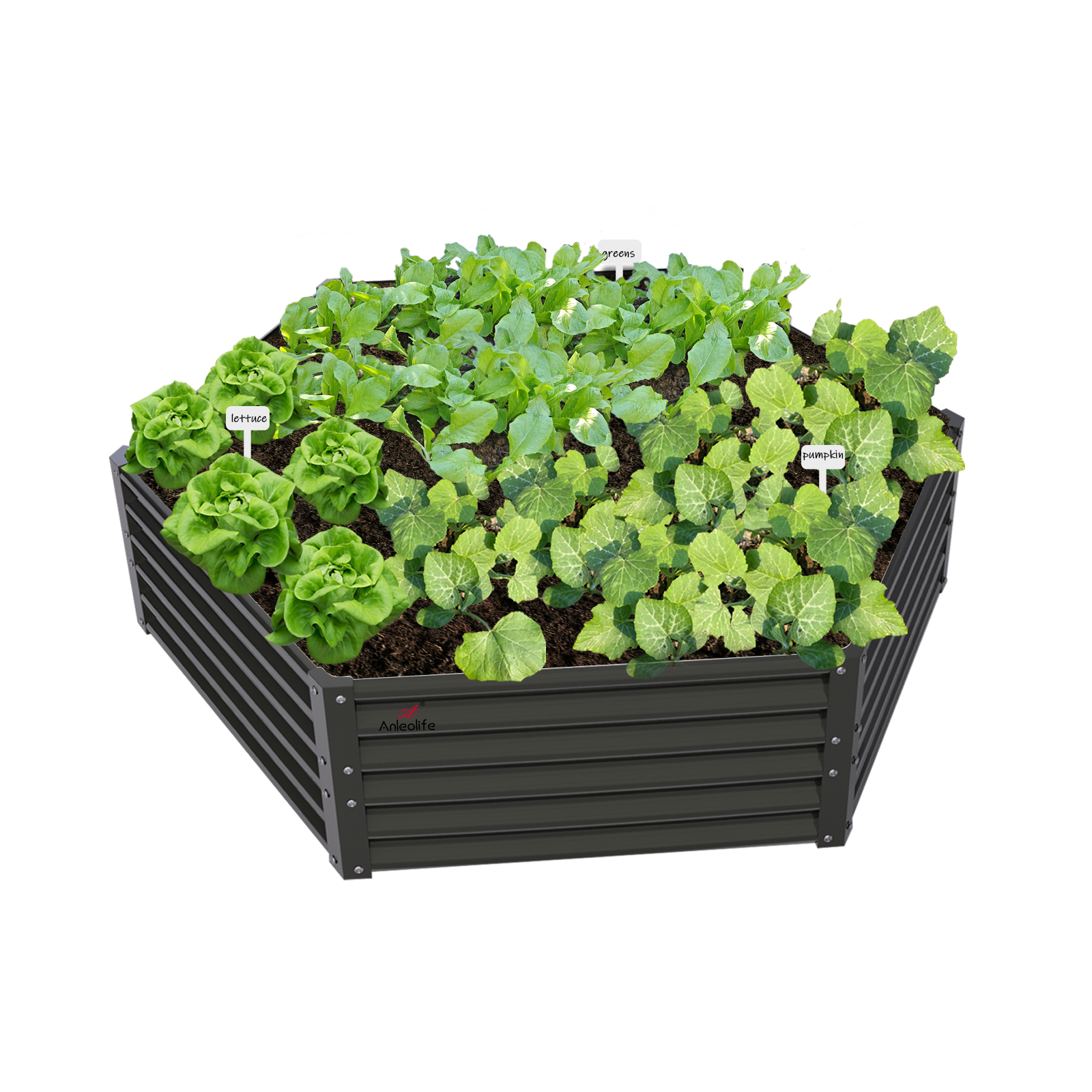
Anleolife's modular raised garden beds are engineered with this in mind—fewer individual pieces, thoughtfully designed connectors, and panel configurations that allow gradual expansion of your garden layout without disassembly.
2. Fastening System: Tool-Free vs. Hardware-Dependent
This is where many "easy assembly" claims fall apart. Beds requiring dozens of bolts and screws add significant time and require a comfortable working position that isn't always practical outdoors.
What to look for: Interlocking corners, slot-and-tab systems, or simple bolt designs with large-grip hardware. Avoid kits that require precise torque or specialized fasteners.
3. Weight and Manageability of Individual Panels
A galvanized steel panel that's too heavy to reposition solo becomes a two-person project. Before buying, check whether individual panel weights are listed, or look for assembly videos showing a single person handling the components.
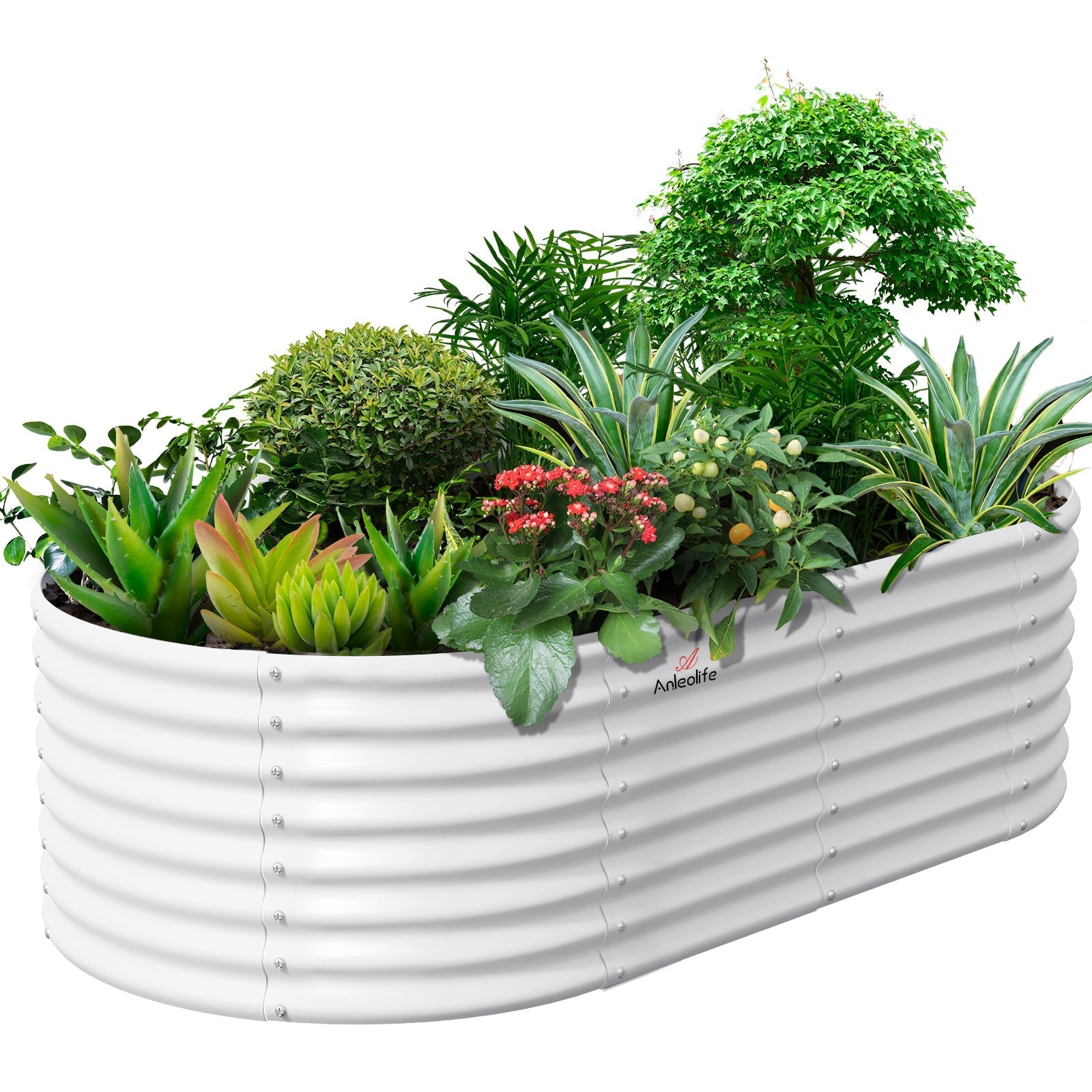
What to look for: Manufacturers that list panel weights, or that explicitly design for solo assembly. Anleolife's range includes options in varying heights—from standard 18-inch tall beds to extra-tall 30-inch and even 35-inch waist-high configurations—giving you options that balance depth with manageable component weight.
4. Instruction Quality
Poor instructions can turn a simple kit into an hour-long puzzle. The best garden products include illustrated, step-by-step guides with labeled parts and realistic diagrams—not vague line drawings with cryptic reference numbers.
What to look for: QR codes linking to video tutorials, illustrated part identification guides, and instructions printed in a size you can actually read outdoors.
5. Compatibility with Your Ground Surface
Assembly difficulty spikes when kits aren't designed for real-world terrain. Flat concrete is easy. Slightly sloped lawn is the reality for many homeowners.
What to look for: Beds with adjustable or flexible base designs, or corner posts that can be driven into soil at slightly different depths to compensate for slope. This is particularly relevant for anyone asking "what's the best size raised garden bed kit for a small backyard?"—because small backyards often have irregular surfaces.
6. Scalability and Modular Expansion
One of the smartest questions to ask before buying is: "What happens when I want more growing space?" If your answer requires buying an entirely new kit, that's a significant hidden cost.
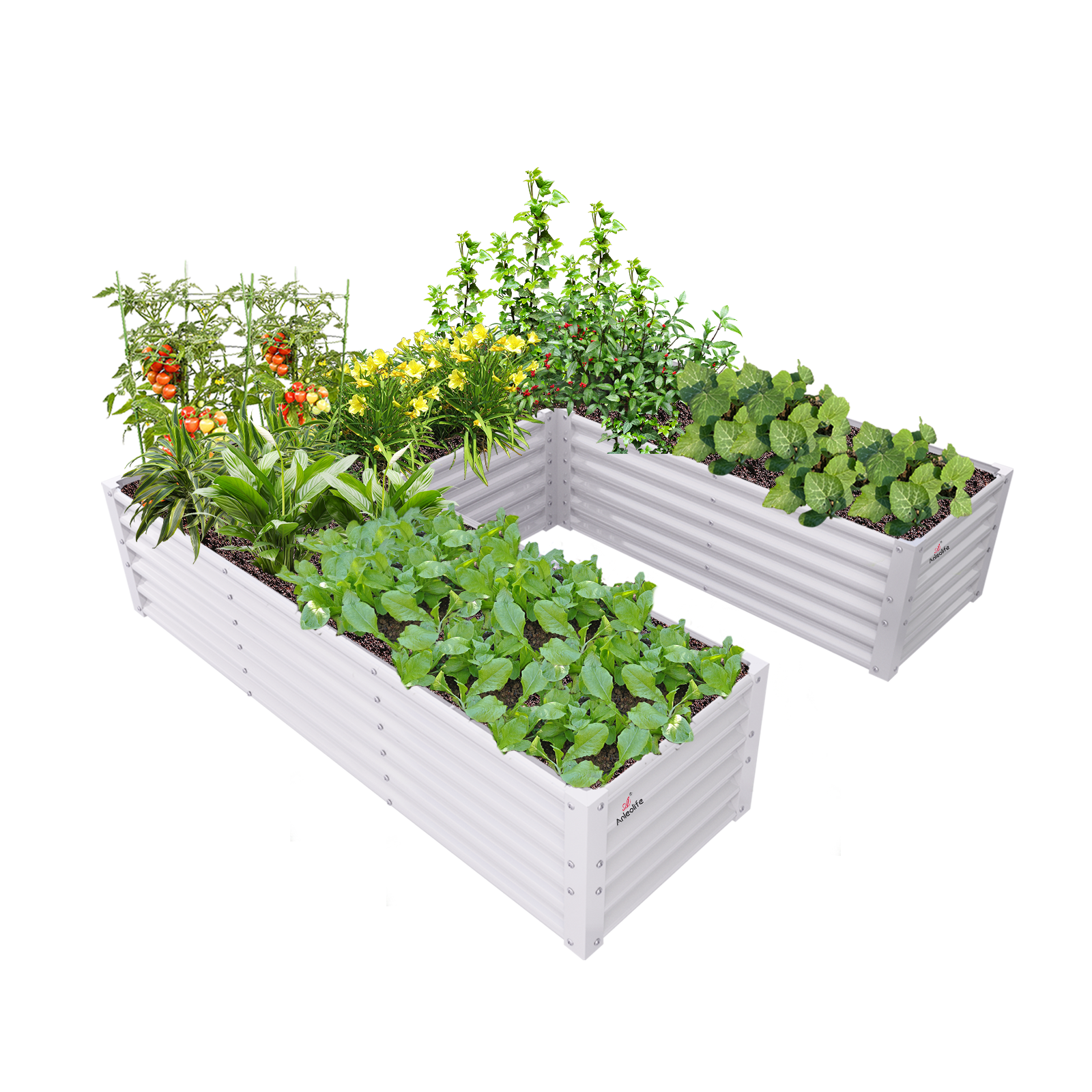
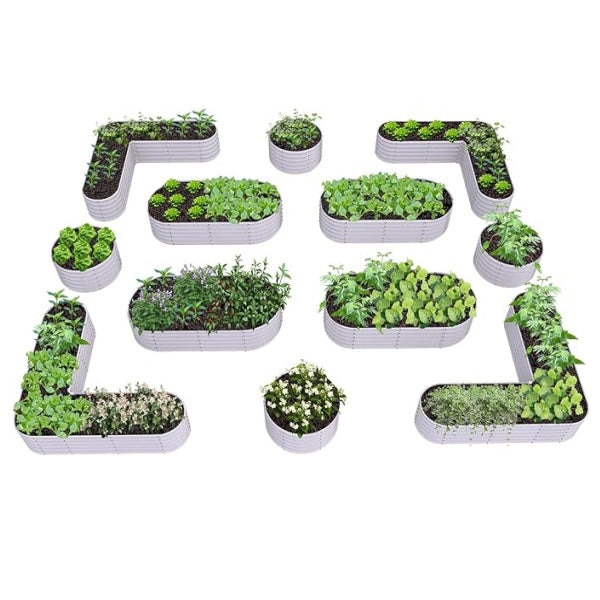
What to look for: Systems designed to connect or expand without full disassembly. Anleolife's modular raised garden beds are specifically designed for this—starting with a manageable footprint like an 18-inch tall 6x2 ft bed and scaling up to configurations like an 8x4 ft or 12x3 ft as your garden grows.
7. Hardware Inclusion and Quality
Nothing slows down assembly like discovering that the kit is missing two bolts, or that the included wrench is too flimsy for the required torque.
What to look for: Complete hardware packets (ideally with a few spares), quality-grade fasteners, and clearly bagged/labeled components sorted by assembly stage.
8. Post-Assembly Stability and Garden Edging Integration
A bed that's easy to put together but wobbles under soil pressure isn't actually a good buy. Assembly ease should never come at the expense of structural integrity.
What to look for: Corner bracing, soil pressure ratings (if provided), and compatibility with garden edging systems that can reinforce the bed's perimeter and create clean transitions to surrounding lawn areas.
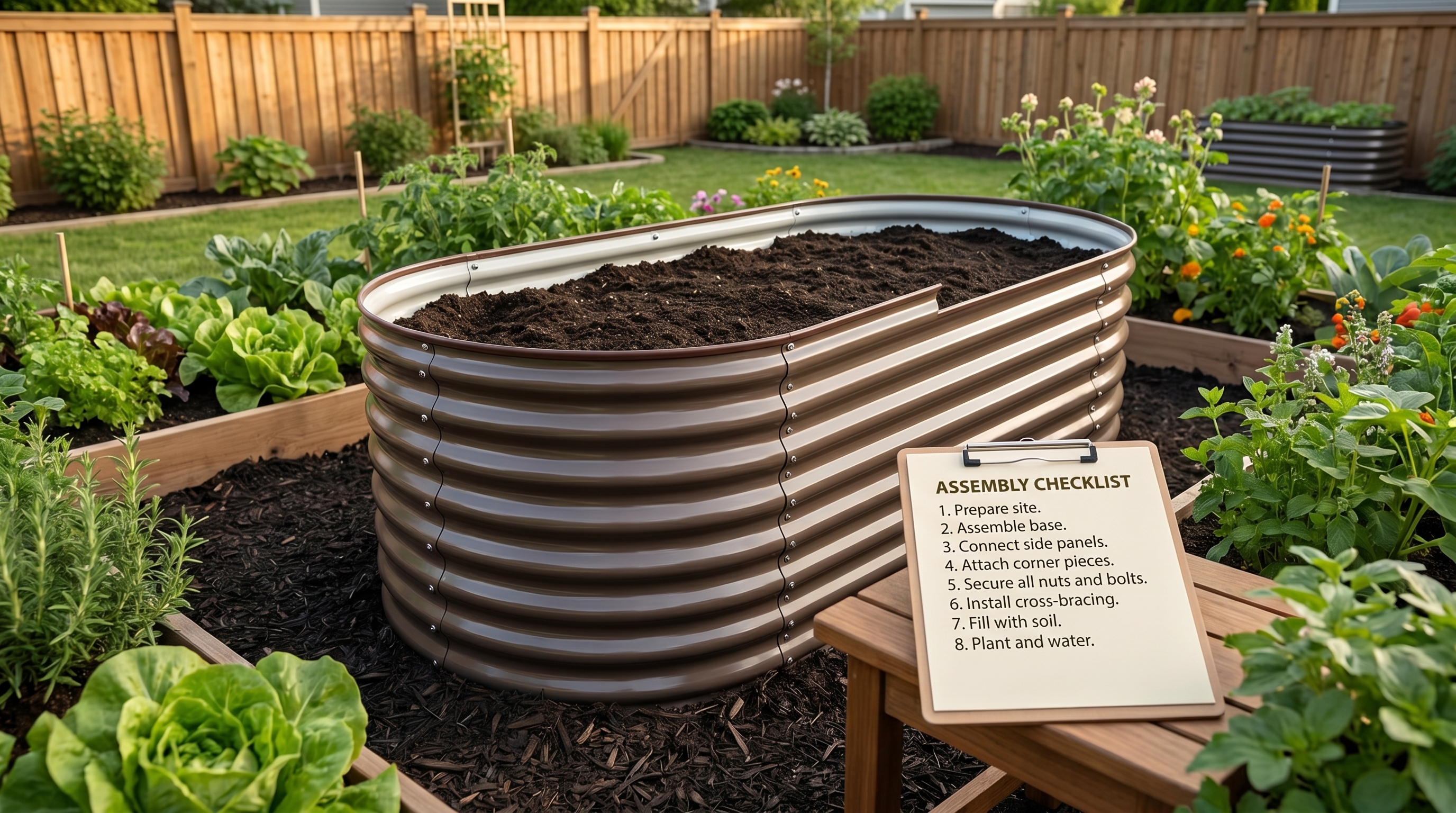
ALT: Eight-point raised garden bed assembly checklist displayed beside an assembled galvanized steel bed in a small backyard vegetable garden
Advanced Considerations: What Experienced Growers Know That Beginners Often Miss
Situational Factors That Change the Assembly Equation
Assembling in Confined Spaces: If you're setting up in a narrow side yard or on a balcony—common for urban micro-gardeners—you need a kit whose panels can be carried through standard doorways or gates. Check panel dimensions before ordering, not just assembled bed dimensions.
Seasonal Reassembly: Some gardeners prefer to disassemble and store beds during winter. If this applies to you, prioritize kits with fastening systems designed for repeated assembly and disassembly without wear degradation. Galvanized steel systems generally hold up far better to repeated reassembly than wooden alternatives.
Soil Loading and Structural Confidence: A common misconception is that lighter panels mean easier assembly and equivalent performance. In reality, thinner or lighter panels may bow outward under the pressure of fully loaded soil—especially in taller beds. This is why investing in heavy-duty galvanized steel options, like Anleolife's Heavy Duty Raised Garden Beds available in heights up to 30 inches, pays off over time. The structural integrity is there from day one.
Misconception to Clear Up
Many buyers assume that the most expensive kit is automatically the easiest to assemble. That's not always true. Price reflects materials, certifications, and lifespan—but not necessarily assembly design quality. Some premium kits have overly complex assembly systems, while well-designed mid-range galvanized beds can go together in a fraction of the time.
The better filter: look for brands that specifically invest in assembly design as a product feature, show real assembly videos (not just rendered animations), and have customer reviews that mention setup experience—not just final appearance.
Frequently Asked Questions FAQ
Q1: How long does it typically take to assemble a raised garden bed?
Assembly time varies significantly by design. A simple snap-together plastic bed might take 15–20 minutes. A well-designed galvanized steel modular bed typically takes 30–60 minutes for one person working alone, or as little as 15–20 minutes with two people. Beds with complex hardware-dependent systems can take 2+ hours. Reading customer reviews that specifically mention assembly time gives you the most realistic picture before purchase.
Q2: Is it possible to assemble a raised garden bed alone, or do I always need a helper?
Most quality raised garden beds are designed with solo assembly in mind, especially in standard sizes. For very large configurations—like 12x3 ft or multi-tiered systems—a second pair of hands helps during the panel-holding phase. Modular designs like those in Anleolife's lineup are particularly well-suited to solo assembly because panels interlock progressively, meaning you're never holding multiple large sections simultaneously while trying to fasten them.
Q3: How much does ease of assembly affect long-term value—is it worth paying more for a simpler kit?
Absolutely. A bed that's difficult to assemble is also typically more difficult to reposition, expand, or repair. When you factor in the 20-year lifespan of a quality galvanized steel raised garden bed like Anleolife's, the upfront time and cost investment in a well-designed kit becomes clearly worthwhile. Poor assembly design also increases the risk of structural errors that compromise the bed's performance under soil pressure over time.
Summary
Choosing a raised garden bed that's truly easy to assemble comes down to three core principles:
First, simplicity by design—not just by marketing claim. The best raised garden beds for small backyards and first-time vegetable gardening projects are those engineered with real assembly constraints in mind: manageable panel weights, minimal hardware, clear instructions, and progressive interlocking systems that work for one person.
Second, assembly ease and long-term durability are not trade-offs. The most thoughtfully designed kits—particularly in the galvanized steel category—deliver both. Anleolife's raised garden beds, built to last up to 20 years, prove that a bed can be practical to assemble and built to endure.
Third, match your kit to your real context. The best garden products aren't universal—they're right for your space, your soil, your physical capacity, and your planting goals. Use this checklist to evaluate systematically before you buy, and you'll avoid the frustration that turns a promising garden project into a box of parts sitting in your garage.
Your next step: review your shortlist against the 8-point checklist above, prioritize the criteria most relevant to your situation, and check assembly-focused reviews before committing. The right bed is out there—and it's going to be much easier to put together than you feared.
Ready to Start? Anleolife Has You Covered
Nationwide U.S. Warehouse Network: Strategically located in California, Texas, Florida, New York, Illinois, and Washington, Anleolife ensures delivery within 3–8 business days—so your garden upgrade plans never have to wait for the growing season.
Multi-Channel Availability: Anleolife products are available on Amazon, Walmart, Home Depot, Lowe's, and Wayfair, as well as directly on Anleolife.com, providing consistent quality assurance and dependable after-sales service wherever you prefer to shop.
Three Complete Garden Scenarios: Whether you're focused on Planting (metal raised garden beds, soil systems), Raising (chicken coops, rabbit hutches), or Beautification (decorative accessories, pathway systems), Anleolife's full-scenario product ecosystem covers everything from functionality to aesthetics.
We understand that an ideal garden isn't built overnight—it's improved season by season. Anleolife's modular product design allows flexible expansion based on your evolving needs, from your first compact bed to a fully integrated planting-and-raising ecosystem. We grow with you, every step of the way.
References
- University of Georgia Cooperative Extension. "Raised Bed Gardening."
https://extension.uga.edu/publications/detail.html?number=B1027 - National Gardening Association. "Raised Bed Gardening Guide."
https://garden.org/learn/articles/view/243/ - University of Minnesota Extension. "Raised Bed Gardening for Vegetables."
https://extension.umn.edu/yard-and-garden/raised-bed-gardening - U.S. Department of Agriculture (USDA). "Home Gardening Resources and Urban Agriculture."
https://www.usda.gov/topics/farming/urban-agriculture
Note: Standards and product availability may be updated. Please check the latest official documents or consult professional advisors for the most current information.
About Anleolife
Anleolife is a leading outdoor garden solutions provider in North America, dedicated to offering a full-scenario product ecosystem for home gardening enthusiasts, covering planting, raising, and garden beautification. Since its founding, we have upheld our brand mission, "Made for Garden Life," continuously innovating products and optimizing services to help hundreds of thousands of users upgrade their gardens, reconnect with nature, and enjoy a better garden lifestyle.