
Garden Life Guide

Teaching Kids to Garden This Summer: 5 Fun Raised Bed Activities

Teaching Kids to Garden This Summer: 5 Fun Raised Bed Activities

on May 17 2026
A comprehensive family gardening guide targeting parents with children ages 4โ€“14, arguing that raised garden beds are the ideal summer learning tool. Features 5 structured hands-on activities (ownership, science, ecology, cooking, planning), a materials comparison table, FAQ, and 5 authoritative citations. Key takeaway: structured activities + durable raised beds = sustained child engagement and lifelong gardening habits.
Summer Soil Prep Checklist: How to Get Your Raised Bed Ready for Peak Growing Season

Summer Soil Prep Checklist: How to Get Your Raised Bed Ready for Peak Growing Season

on May 17 2026
A comprehensive summer soil prep guide for raised garden beds targeting home gardeners, urban growers, and retirees. Core argument: proactive soil management (testing, amending, mulching, structural checks) directly drives higher yields and fewer pest problems. Key takeaways: test before amending, refresh volume seasonally, choose durable galvanized steel beds, and use mulch for moisture control.
Quick Guide: Transitioning Your Raised Bed from Spring to Summer Crops

Quick Guide: Transitioning Your Raised Bed from Spring to Summer Crops

on May 17 2026
This guide covers the full spring-to-summer raised bed crop transition for home gardeners in USDA zones 4โ€“9, explaining soil amendment, trellis setup, pest control, and summer crop selection. Key takeaways: watch for bolting signals, refresh soil before replanting, and install support structures early. Galvanized steel beds (Anleolife-focused) are highlighted as durable, season-friendly solutions for beginners and experienced growers.
How to Pick the Right Raised Garden Bed Color for Your Outdoor Aesthetic

How to Pick the Right Raised Garden Bed Color for Your Outdoor Aesthetic

on May 17 2026
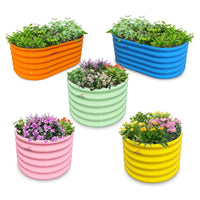
This guide helps homeowners, urban gardeners, and retirees choose the right raised garden bed color to enhance outdoor aesthetics. It argues color is a strategic design decision โ€” not an afterthought โ€” affecting space perception, plant contrast, and architectural harmony. Key takeaways: audit your palette first, match mood and style, test colors in natural light, and invest in durable finishes for long-term value.
Plastic vs. Metal Raised Garden Beds in Summer Heat: Which One Wins?

Plastic vs. Metal Raised Garden Beds in Summer Heat: Which One Wins?

on May 17 2026
This guide compares plastic vs. metal raised garden beds for summer heat performance, targeting home gardeners in warm climates. It argues galvanized steel outperforms plastic in durability, food safety, and long-term value. Key takeaways: metal beds resist warping, last 20 years, and are cost-effective over time.
Easy Trellis and Edging Ideas to Beautify Your Garden Space This June

Easy Trellis and Edging Ideas to Beautify Your Garden Space This June

on May 17 2026
This guide helps home gardeners beautify outdoor spaces in June using trellis and edging strategies. Targeting raised-bed growers and urban gardeners, it covers DIY trellis types, edging materials, budget tips, and combined design approaches. Key takeaways: trellises boost vertical productivity and aesthetics; edging defines garden zones; durable materials ensure long-term value.
Mid-Season Raised Bed Check-In: 4 Maintenance Tasks to Do in June

Mid-Season Raised Bed Check-In: 4 Maintenance Tasks to Do in June

on May 17 2026
This article guides home gardeners through four critical June mid-season maintenance tasks for raised garden beds: soil nutrient replenishment, pest scouting, structural inspection, and strategic plant management. Targeting beginner-to-intermediate gardeners using metal raised beds, it delivers actionable steps, comparison tables, and expert citations to maximize summer harvest yields and bed longevity.
How to Choose the Right LED Grow Light Spectrum for Better Yields This Season

How to Choose the Right LED Grow Light Spectrum for Better Yields This Season

on May 17 2026
A comprehensive guide on LED grow light spectrum selection for home and indoor gardeners. It covers blue/red/far-red science, crop-specific recommendations, fixture comparison, and integration with outdoor raised beds. Key takeaways: match spectrum to growth stage, invest in full-spectrum LEDs, and align indoor and outdoor growing systems for maximum yields.
How to Scale Up Your Modular Garden System for a Full Backyard Transformation

How to Scale Up Your Modular Garden System for a Full Backyard Transformation

on May 17 2026
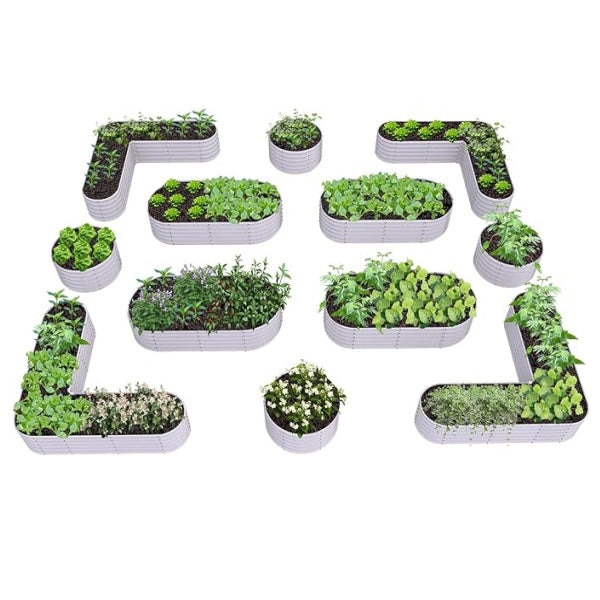
A comprehensive guide on scaling modular raised garden bed systems into full backyard transformations, targeting homeowners and home growers. It covers zone planning (planting, raising, beautification), bed comparisons, pest management, and seasonal strategies. Key takeaway: start with one anchor bed, expand sequentially, and integrate function with beauty for a lasting, self-sufficient outdoor ecosystem.
How to Turn a Small Patio Into a Productive Raised Bed Garden This Summer

How to Turn a Small Patio Into a Productive Raised Bed Garden This Summer

on May 13 2026
ALT: Small patio raised bed garden layout with vegetables, herbs, and galvanized steel beds for summer growing Transform Your Small Patio Into a Productive Raised Bed Garden This Summer Key Conclusion: A well-planned raised bed planting layout can turn even the most modest patio into a thriving edible garden. By combining smart space planning, companion planting strategies, and durable raised bed systems, urban gardeners can harvest fresh produce all summer long. Whether you're working with a 6-foot balcony or a compact courtyard, raised bed companion planting garden layout techniques allow you to maximize yield without sacrificing style. Add seasonal touches like kinetic wind spinners and decorative pathway elements to elevate the entire experience. If you've been staring at your small patio and wondering whether it has any real gardening potential, the answer is a resounding yes. A compact outdoor space is not a limitation โ€” it's an invitation to garden smarter. Raised bed gardening offers a practical, aesthetically pleasing solution that works beautifully in tight spaces. With the right layout, the right soil, and the right containers, you can grow tomatoes, herbs, leafy greens, and even small root vegetables on a space no larger than a living room floor. This guide walks you through every step of that transformation, from choosing the right bed size to maximizing your harvest through companion planting and thoughtful design. Who Should Read This Guide โœ… Applicable Scenarios: Homeowners or renters with a small patio, balcony, courtyard, or rooftop space who want to grow their own food Urban micro-gardeners looking for space-efficient raised bed layouts that maximize yield per square foot Empty nesters and retirees who want low-maintenance, ergonomically friendly gardening setups that reduce bending and kneeling Eco-conscious families who want to reduce grocery costs, minimize pesticide use, and eat more sustainably grown produce First-time gardeners who want a structured, beginner-friendly system that delivers results quickly โŒ Not Applicable/Cautions: Gardeners with unlimited ground space who are looking for large-scale in-ground planting strategies Those seeking purely ornamental gardens with no interest in edible plants or functional planting layouts Renters with landlord restrictions on structural modifications (always confirm what's permitted before installing raised beds) Why Small Patios Are the Hidden Gem of Urban Gardening For decades, gardening was associated with wide backyards, sprawling lawns, and acres of open land. But as more Americans move into urban apartments, townhomes, and smaller properties, the definition of a garden has evolved dramatically. Today, some of the most productive and beautiful gardens in North America are growing on patios smaller than 200 square feet. The rise of raised bed gardening has been a game-changer for this shift. According to the National Gardening Association, participation in food gardening has grown consistently year over year, with container and raised bed gardening leading the charge among urban households. People want the satisfaction of homegrown food without the demands of traditional in-ground gardening โ€” and raised beds deliver exactly that. What makes patios so promising? First, they often receive excellent sun exposure, unobstructed by trees or neighboring structures. Second, their hardscape surfaces (concrete, pavers, tile) are actually ideal for positioning raised beds โ€” no digging required, no soil contamination concerns, and easy access from all sides. Third, the physical boundaries of a patio naturally encourage you to garden intentionally, choosing only what you'll actually use and eat. If you're planning your first raised bed layout, it pays to understand your options before you invest. Check out this comprehensive resource on How Much Should You Spend on a Raised Garden Bed This Season? to get a clear picture of budgeting, materials, and long-term value before making any purchasing decisions. The combination of improved drainage, better soil control, and elevated planting surfaces makes raised beds superior to pots or ground planting in most patio environments. And with modern galvanized steel options built to last up to 20 years, the investment pays dividends across many growing seasons. Planning and Building Your Patio Raised Bed Garden: A Complete Guide Three-Step Quick Start Step 1: Measure Your Space and Map Your Layout Before purchasing any beds or soil, spend 20โ€“30 minutes measuring your patio accurately. Note the dimensions of the entire space, identify fixed obstacles (doors, furniture, HVAC units), and mark where sunlight falls throughout the day. A successful raised bed planting layout requires at least 6 hours of direct sunlight for most vegetables. Sketch a simple top-down diagram and decide how many beds you can fit while maintaining a 24-inch walking path between them for comfortable access. Step 2: Choose the Right Raised Bed Size and Height Once you know your space, match bed dimensions to your layout. For patios under 150 square feet, compact options like an 18" Tall 4x4 ft or 18" Tall 6x3 ft raised bed from Anleolife's galvanized steel collection work well. For those with mobility concerns, a 35" Waist-High 4x1.5 ft bed eliminates bending entirely. For more generous patios, an 18" Tall 8x4 ft or even a 24" Extra Tall 8x4 ft bed allows for deeper root development and more planting diversity. Consider your crop choices โ€” deeper beds suit root vegetables and tomatoes, while shallower beds work well for herbs and greens. Step 3: Fill, Plant, and Connect With your bed in place, fill it with a high-quality soil mix designed for raised beds (a blend of compost, topsoil, and a perlite or vermiculite component is ideal for drainage and nutrition). Then plant using a raised bed companion planting garden layout โ€” grouping plants that benefit each other, like basil near tomatoes or marigolds bordering pepper plants. Water thoroughly and add a light layer of mulch on the surface to retain moisture. Your patio garden is now officially open for business. Comparing Raised Bed Options for Small Patios Choosing the right raised bed for a small patio is not a one-size-fits-all decision. Your choice should be guided by the available space, the crops you want to grow, your physical needs, and your aesthetic preferences. Here's a comparison of the main options available through Anleolife: Comparison Dimension Compact Galvanized Beds Extra Tall / Waist-High Beds Modular Raised Beds Best for patio size Under 100 sq ft 100โ€“200 sq ft Any size, highly flexible Height options 18" standard 24"โ€“35" tall 18"โ€“30" configurable Ease of access Requires bending Ergonomic, no bending Adjustable to preference Crop versatility Herbs, greens, shallow roots Tomatoes, root veg, deep crops Highly versatile Material durability Galvanized steel, up to 20 years Galvanized steel, up to 20 years Galvanized steel, up to 20 years Layout flexibility Fixed footprint Fixed footprint Reconfigurable panels Aesthetic appeal Clean, modern look Architectural, statement piece Seamless, customizable Rust resistance Standard galvanized Standard galvanized Rust-resistant options available Ideal user Beginners, budget-focused Seniors, mobility-conscious Planners, growing families The modular raised bed line from Anleolife is particularly well-suited for patio gardeners who want the option to expand or reconfigure their layout as their gardening ambitions grow. Options like the 18" Tall 8x4 ft or 30" Extra Tall 8x4 ft modular beds can be rearranged over time, adapting to new patio furniture arrangements or seasonal planting needs. Designing a Smart Raised Bed Companion Planting Garden Layout Understanding Your Patio's Microclimate Every patio has a unique microclimate โ€” patterns of sun, shade, wind, and reflected heat that influence what grows best where. South-facing patios typically receive the most direct sunlight and suit heat-loving crops like tomatoes, peppers, eggplant, and cucumbers. North-facing or shaded patios are better suited to leafy greens like lettuce, spinach, arugula, and kale, which actually prefer cooler conditions. Before placing your beds, observe your patio at different times of day for two or three days. Note which zones receive full sun (6+ hours), partial sun (3โ€“6 hours), and shade (under 3 hours). This mapping exercise will directly inform your raised bed planting layout and help you avoid the common mistake of placing sun-hungry tomatoes in a shaded corner. Raised Bed Companion Planting: The Foundation of a Productive Layout Companion planting is the practice of growing certain plants near each other to improve growth, deter pests, and optimize space use. In a small patio raised bed setting, companion planting isn't just beneficial โ€” it's essential for maximizing limited space. Some of the most proven companion planting combinations for raised beds include: Tomatoes + Basil + Marigolds: Basil is believed to repel thrips and aphids, and many gardeners swear it improves tomato flavor. Marigolds deter nematodes and whiteflies. Together, they form a productive, fragrant trio in an 18" Tall 8x4 ft galvanized steel bed. The Three Sisters (Corn, Beans, Squash): This indigenous North American planting system works beautifully in a large bed like a 24" Extra Tall 8x4 ft. Corn provides a trellis for beans, beans fix nitrogen, and squash leaves shade the ground, suppressing weeds and retaining moisture. Lettuce + Tall Herbs: Shade-tolerant lettuce thrives under the partial shade cast by tall herbs like dill or fennel, making it ideal for a shaded corner of your patio in a compact 18" Tall 4x4 ft bed. Peppers + Carrots + Onions: These three make efficient use of vertical and horizontal space, with carrots and onions filling the root zone while peppers grow upward. For a deeper dive into structuring your layout around family needs and spatial constraints, this guide on How to Build a Raised Garden Bed Layout for Families with Limited Backyard Space offers practical, field-tested advice that applies equally well to patio environments. Vertical Space: Your Secret Weapon on a Small Patio Most patio gardeners think in two dimensions โ€” how much floor space they have. The real opportunity lies in the third dimension: height. Trellises, wall-mounted planters, and climbing crops can effectively double or triple the growing capacity of a small patio without adding a single square foot of floor footprint. Position a trellis or tomato cage at the back of your tallest raised bed (a 24" Extra Tall or 30" Extra Tall bed is ideal) and train vining crops like cucumbers, pole beans, or indeterminate tomatoes upward. This not only maximizes production but also creates a lush green backdrop that makes your patio feel like a private garden retreat. Soil: The Foundation Nobody Sees But Everyone Benefits From A raised bed is only as productive as the soil inside it. Unlike ground gardening, where plants can send roots deep in search of nutrients, raised bed plants are entirely dependent on what you put in the box. Investing in a quality soil mix pays dividends throughout the growing season and beyond. The most widely recommended approach for raised beds is a blend sometimes called "Mel's Mix" โ€” a combination of one-third compost, one-third peat moss or coconut coir, and one-third coarse vermiculite or perlite. This mix offers excellent drainage, strong nutrient retention, and a light, airy texture that encourages deep root development. For more detail on perfecting your soil blend, check out What Is the Best Soil Mix for Raised Garden Beds? (The Mel's Mix Guide) for a thorough breakdown of ratios and amendments. Garden Tool Storage and Maintenance on a Small Patio One of the most common frustrations in small-space gardening is clutter. Tools, gloves, watering cans, and seed packets can quickly overwhelm a compact patio if you don't have a storage system in place. Fortunately, some of the best garden tool storage solutions for small spaces are also the most stylish. A compact vertical tool organizer or wall-mounted storage rack can hold hand trowels, pruners, gloves, and spray bottles without taking up floor space. For wet climates or areas with heavy seasonal rain, recommended tool storage cabinets for wet climates include weatherproof resin or galvanized steel units that resist moisture penetration and prevent rust buildup on your tools. Speaking of rust โ€” to prevent rust on stored garden tools, always dry your metal tools thoroughly before storing them, apply a thin coat of linseed oil or machine oil to metal surfaces at the end of the season, and store in a covered, ventilated space rather than leaving them outdoors. Beautifying Your Patio Garden: Beyond Pure Function A productive garden and a beautiful garden don't have to be mutually exclusive. In fact, the best garden decorations for small spaces do double duty: they add visual interest while serving a functional purpose. Consider adding: Kinetic wind spinners: These garden ornaments bring movement and whimsy to any patio layout and are among the best garden ornaments for modern landscaping. Positioned between raised beds, they create dynamic visual interest and can help deter certain birds from landing in your growing areas. Pathway stepping stones: Even on a paved patio, decorative stepping stones can define the walking path between beds and add a cohesive design language to the space. Solar-powered garden lights: Low-voltage stake lights along the edges of raised beds extend the visual enjoyment of your garden into the evening hours and make nighttime harvesting possible. Decorative plant markers: Hand-painted or laser-engraved markers identify plants, add personality, and give the garden a cultivated, curated feel. The Anleolife Beautification product line โ€” including decorative accessories and pathway systems โ€” is designed to complement raised bed setups perfectly, helping you achieve a garden that's as pleasing to look at as it is productive to grow in. ALT: Small patio raised bed companion planting garden layout with decorative accessories, wind spinners, and galvanized steel beds Advanced Strategies for Patio Raised Bed Success Handling Extreme Heat on Concrete Patios One challenge specific to patio gardening is heat reflection. Concrete and tile surfaces absorb solar radiation and radiate it back toward your plants, which can stress crops and dry out soil rapidly in midsummer. The solution is multi-layered: choose galvanized steel raised beds with walls thick enough to provide thermal buffering (Anleolife's heavy-duty raised beds are specifically engineered for durability in demanding conditions), add a generous layer of mulch to the soil surface, and consider placing lighter-colored gravel or pavers around your beds to reduce heat absorption in the surrounding hardscape. Dealing With Wind on Elevated Patios and Balconies Upper-floor patios and balconies often face stronger wind exposure than ground-level spaces. Wind can damage plants, dry out soil faster, and topple lightweight containers. A 30" Extra Tall 6x3 ft bed with its deeper, heavier soil volume is naturally more wind-stable than a shallow planter. You can further protect crops by positioning beds against a wall or railing, planting wind-resistant varieties, and installing a simple bamboo or wire trellis that breaks the wind without blocking sunlight. Correcting a Common Misconception: Bigger Isn't Always Better Many new patio gardeners assume that the largest possible raised bed will produce the most food. In practice, a bed that's difficult to reach the center of leads to compacted soil, damaged plants, and frustrated gardeners. The ideal width for any raised bed is one that allows you to reach the center comfortably from either side without stepping in โ€” typically no wider than 4 feet for most adults. Anleolife's range of 8x4 ft beds hits this sweet spot perfectly, offering generous planting area while remaining fully accessible from both long sides. Expanding Over Time With Modular Systems One of the smartest moves a patio gardener can make is choosing a modular system from the start. Rather than committing to a fixed layout, modular raised beds allow you to start small โ€” perhaps with an 18" Tall 6x2 ft panel configuration โ€” and add sections as your confidence, skills, and available space evolve. This approach aligns perfectly with the gardening philosophy of gradual, sustainable growth rather than overwhelming yourself in year one. Frequently Asked Questions FAQ Q1: How do I prevent rust on stored garden tools used with raised beds? Preventing rust on stored garden tools is straightforward with a few consistent habits. After each use, wipe metal tool surfaces dry with an old cloth before storing. At the end of the growing season, apply a thin coating of linseed oil or mineral oil to all metal surfaces to create a moisture barrier. Store tools in a covered, ventilated space โ€” not left outdoors overnight. Wall-mounted racks or closed storage cabinets keep tools off damp surfaces and extend their useful life significantly. For raised bed hardware and the beds themselves, galvanized steel offers built-in corrosion resistance that requires no seasonal treatment. Q2: Are raised beds on a patio suitable for growing tomatoes and other large vegetables? Yes โ€” with the right bed depth and support structures, patios are excellent for tomatoes, peppers, eggplant, and even small squash varieties. The key is choosing a bed with sufficient depth: a 24" Extra Tall or 30" Extra Tall raised bed from Anleolife provides the soil volume that large-rooted plants need. Pair this with a sturdy trellis or tomato cage, ensure consistent watering (patio beds can dry out faster than ground beds), and choose compact or dwarf varieties if your space is very limited. Indeterminate tomato varieties trained vertically can thrive in a 24" Extra Tall 8x4 ft bed with exceptional yields. Q3: How long does a galvanized steel raised bed last, and is it worth the investment for a small patio? Galvanized steel raised beds from Anleolife are built to last up to 20 years, making them one of the most cost-effective long-term gardening investments available. When you spread the initial purchase price across two decades of growing seasons, the per-season cost is remarkably low โ€” especially compared to replacing plastic or wood beds every few years. For a small patio where you want a clean, permanent-looking setup, galvanized steel is also the most aesthetically consistent choice, maintaining its appearance season after season with minimal maintenance. Summary Transforming a small patio into a productive raised bed garden is one of the most rewarding home improvement projects you can undertake this summer. Here are the three core takeaways to carry with you: First, space is not a barrier โ€” smart planning is everything. A well-designed raised bed planting layout that accounts for sunlight, walkways, and vertical growing potential can produce impressive yields in as little as 50 square feet of patio space. Second, companion planting is your productivity multiplier. A thoughtful raised bed companion planting garden layout reduces pest pressure, improves soil health, and allows you to grow more diverse crops in less space. Pair it with the right soil mix, and your beds will outperform gardens many times their size. Third, quality materials make the difference over the long haul. Choosing galvanized steel raised beds rated for up to 20 years of performance means your patio garden will be ready for every summer season for decades to come โ€” no rust, no rot, no replacement every few years. Your next step is simple: measure your patio today, sketch your layout, and identify which Anleolife bed size fits your space and growing goals. Whether you start with one compact bed or design a multi-bed system from the outset, the most important thing is to begin. Start Growing With Anleolife This Summer Anleolife makes it easy to bring your patio garden vision to life โ€” wherever you are in the United States. Nationwide U.S. warehouse network: Strategically located in California, Texas, Florida, New York, Illinois, and Washington to ensure delivery within 3โ€“8 business days โ€” so your garden upgrade plans never have to wait. Multi-channel sales network: Products are available on major e-commerce platforms including Amazon, Walmart, Home Depot, Lowe's, and Wayfair, as well as the official website Anleolife.com, providing consistent quality assurance and after-sales service. Three core scenarios: Planting (metal raised garden beds, soil systems), Raising (chicken coops, rabbit hutches), and Beautification (decorative accessories, pathway systems) โ€” meeting complete needs from functionality to aesthetics. We understand that an ideal garden is not built overnight, but gradually improved over time. Our modular product design allows flexible expansion based on your needs โ€” from your first compact starter bed to a fully integrated planting-and-raising ecosystem. We grow with you every step of the way. References National Gardening Association. "Garden to Table: A Guide to the Vegetable Garden".https://garden.org University of California Agriculture and Natural Resources. "Raised Bed Gardening".https://ucanr.edu/sites/scmg/Vegetable_Growing_Information/Raised_Bed_Gardening/ U.S. Department of Agriculture (USDA). "Urban Agriculture and Community Gardening Resources".https://www.usda.gov/topics/farming/urban-agriculture Penn State Extension. "Raised Bed Gardening".https://extension.psu.edu/raised-bed-gardening Colorado State University Extension. "Companion Planting".https://extension.colostate.edu/topic-areas/yard-garden/companion-planting/ Note: Standards and recommendations may be updated. Please check the latest official documents or consult professional advisors for current guidance. About Anleolife Anleolife is a leading outdoor garden solutions provider in North America, dedicated to offering a full-scenario product ecosystem for home gardening enthusiasts, covering planting, raising, and garden beautification. Since its founding, we have upheld our brand mission, "Made for Garden Life," continuously innovating products and optimizing services to help hundreds of thousands of users upgrade their gardens, reconnect with nature, and enjoy a better garden lifestyle.
Top Mulching Strategies for Raised Garden Beds to Lock In Summer Moisture

Top Mulching Strategies for Raised Garden Beds to Lock In Summer Moisture

on May 13 2026
ALT: Raised garden bed filled with vegetable plants covered in organic mulch to retain summer soil moisture Why Summer Mulching in Raised Garden Beds Is the Game-Changer Your Garden Needs Key Conclusion: Mastering mulching strategies for raised garden beds is one of the most impactful steps any home grower can take before summer heat peaks. The right mulch layer locks in moisture, moderates soil temperature, suppresses weeds, and reduces watering frequency โ€” translating directly into healthier plants and lower water bills. Whether you're working with a compact urban raised bed or a sprawling backyard layout, the principles of effective mulching apply universally and are easy to implement with the right guidance. Summer heat is relentless, and for raised bed gardeners, the challenge of moisture retention becomes critical from June onward. Because raised garden beds drain faster than in-ground plots โ€” a feature that's great for root health but challenging in drought conditions โ€” they lose moisture more quickly under direct sun exposure. Without a protective mulch layer, soil can dry out within hours on a hot afternoon, stressing your plants and forcing you into daily watering routines. The good news? A well-applied mulch layer can reduce watering needs by up to 50%, according to horticultural research, while simultaneously building soil biology, managing weed pressure, and keeping root zones cool. This guide walks through the top mulching strategies for raised garden beds specifically, addressing everything from material selection to layering techniques, seasonal timing, and common mistakes to avoid. Who Should Use These Mulching Strategies for Raised Garden Beds โœ… Applicable Scenarios: Home gardeners growing vegetables, herbs, or flowers in metal or wood raised garden beds during spring through early fall Urban micro-gardeners with limited space who need maximum efficiency from every square foot Eco-conscious growers who want to reduce water consumption and build organic soil health naturally Empty nesters or retirees who prefer low-maintenance gardening practices that still yield abundant results New raised bed gardeners looking to establish strong moisture management habits from day one โŒ Not Applicable/Cautions: Seedlings in germination phase: Heavy mulch applied directly over germinating seeds can block light and trap too much moisture, promoting damping-off disease Cool-season crops in early spring: Mulching too early in spring can keep soil temperatures artificially low, slowing the growth of warm-season transplants Raised beds with persistent waterlogging issues: Adding mulch before resolving drainage problems may worsen root rot conditions The Science Behind Moisture Loss in Raised Garden Beds โ€” and Why Mulching Solves It Raised garden beds warm up faster than ground-level soil in spring, which is one of their greatest advantages for extending the growing season. However, that same thermal efficiency becomes a liability in summer. Elevated exposure to sun and wind accelerates evaporation from the soil surface, and because raised beds have defined boundaries and typically superior drainage, moisture exits the system faster than in traditional garden plots. Research from the University of California Cooperative Extension has consistently highlighted soil moisture conservation as one of the top challenges for home gardeners in warm, dry climates. The organization notes that mulching is among the most cost-effective, sustainable interventions available to residential gardeners โ€” reducing both water use and the need for synthetic weed control. For raised bed gardeners specifically, the dynamics are even more pronounced. A standard 18-inch-tall raised bed exposes more soil volume to air temperature swings. In an 8x4 configuration with deeper soil mass, the upper several inches can reach temperatures that actively damage feeder roots during peak afternoon heat. This is where a 2โ€“4 inch mulch layer becomes transformative โ€” it insulates the surface, prevents evaporative loss, and creates a microclimate where soil biology can thrive. If you're early in your raised garden bed journey and still evaluating bed options and budget, the guide How Much Should You Spend on a Raised Garden Bed This Season? offers an excellent breakdown of what to prioritize. Once your bed is in place and planted, moisture management through mulching becomes your next high-impact skill to develop. The environmental case for mulching is also compelling. With water scarcity increasingly relevant across the American West and South โ€” regions where Anleolife has significant customer bases in California, Texas, and Florida โ€” reducing irrigation frequency is both ecologically and economically smart. Mulching aligns directly with sustainable home gardening values that many middle-class families and eco-conscious growers prioritize. Core Mulching Strategies to Lock In Moisture All Summer Long Three-Step Quick Start for New Raised Bed Mulchers Step 1: Prepare Your Raised Bed Surface Before Mulching Before applying any mulch, water your raised bed thoroughly so the soil is already moist at the time of application โ€” this locks moisture into the soil from the start. Remove any weeds that have emerged, as mulch will suppress future growth but not eliminate existing plants. For beds with new transplants, allow seedlings to establish for at least one to two weeks post-transplant before applying mulch around them. This process takes about 20โ€“30 minutes per standard 8x4 bed. Step 2: Choose Your Mulch Material and Apply at the Right Depth Select an organic mulch material suited to your crop type and climate (detailed comparison in the next section). Apply mulch to a depth of 2โ€“3 inches for most vegetable gardens, or up to 4 inches for perennial herbs and flower beds. Keep mulch pulled back 1โ€“2 inches from the base of plant stems to prevent rot and pest harborage. A single bag of commercial wood chip mulch typically covers approximately 6โ€“8 square feet at 3-inch depth, so calculate your bed dimensions in advance. This step takes 15โ€“30 minutes. Step 3: Monitor, Replenish, and Adjust Throughout the Season Organic mulches break down over the season โ€” which is a benefit for soil biology but means you'll need to replenish. Check mulch depth every 4โ€“6 weeks during summer and add a thin layer as needed to maintain the 2โ€“3 inch target. After major rain events, gently fluff matted mulch to restore air circulation and prevent mold development. At season's end, incorporate remaining mulch into the top layer of your bed's soil to add organic matter. Comparing the Best Mulch Materials for Raised Garden Beds Different mulch materials offer distinct advantages depending on your garden goals, local availability, aesthetic preferences, and budget. The table below compares the most popular options across dimensions that matter most to raised bed gardeners. Comparison Dimension Straw / Hay Wood Chips / Shredded Bark Compost Mulch Moisture Retention Excellent โ€” forms a loose, breathable layer that holds humidity well Very good โ€” dense coverage reduces evaporation significantly Good โ€” doubles as a soil amendment while retaining moisture Weed Suppression Good when applied thickly Excellent โ€” heavy material blocks light effectively Moderate โ€” may contain viable weed seeds if not fully composted Decomposition Rate Fast (1 season) โ€” adds organic matter quickly Slow to moderate โ€” lasts 1โ€“2 seasons Very fast โ€” essentially integrates into soil by season's end Availability & Cost Widely available; inexpensive Available at garden centers; moderate cost Can be made at home; low to no cost Aesthetic Appeal Rustic, natural look Polished, formal appearance Blends into soil; minimal visual impact Best For Vegetable gardens, annual crops Pathways, perennials, ornamental beds Nutrient-hungry crops needing enriched soil Pest Considerations May harbor slugs and snails if piled thick Minimal pest attraction when dry Low pest risk when fully cured This comparison makes it clear that no single mulch is universally superior โ€” the best choice depends on your specific raised bed goals. For most summer vegetable gardens, straw mulch offers the ideal balance of moisture retention, affordability, and easy availability. Wood chips work beautifully for raised beds integrated into decorative landscaping designs. In-Depth Guide to Mulching Strategies for Raised Beds by Crop Type and Bed Depth Mulching Vegetable Crops: Tomatoes, Peppers, and Cucurbits For heat-loving vegetables like tomatoes, peppers, eggplants, and squash, maintaining consistent soil moisture is directly tied to fruit quality. Irregular moisture causes blossom end rot in tomatoes and bitter cucumbers โ€” problems that can devastate a season's harvest. Apply a 2โ€“3 inch layer of straw mulch around these crops after transplanting, once soil has warmed to at least 60ยฐF. Keep mulch away from stems but allow it to extend to the bed edges. For Anleolife's raised beds in the 18-inch tall range โ€” such as the 8x4 or 12x3 configurations โ€” a full mulch layer across the bed surface dramatically reduces mid-day water stress on these thirsty crops. A practical tip: lay a soaker hose or drip irrigation line on the soil surface before applying mulch. Mulching over your drip system delivers water directly to roots while the mulch seals moisture in from above โ€” a dual-action approach that can reduce watering time by more than half. Mulching for Deeper Raised Beds (24"โ€“35" Tall) Extra-tall raised beds โ€” including Anleolife's 24-inch Extra Tall and 30-inch Extra Tall configurations โ€” hold significantly more soil volume. While this depth is excellent for root crops and offers built-in ergonomic benefits, the deeper soil column actually retains moisture better through capillary action. This means mulching at the standard 2-inch depth is usually sufficient, rather than the thicker layers sometimes used in shallow beds. The ergonomic advantage of waist-high raised beds (Anleolife's 35-inch Waist-High 4x1.5 ft bed, for instance) also means you're more likely to notice and address mulch breakdown quickly because of the comfortable working height โ€” an underrated benefit for older gardeners and those with mobility considerations. Protecting Smaller and Round Raised Beds For compact configurations like the Round Raised Garden Bed (18" Tall, 48" Wide), mulching requires a slightly different technique. The curved geometry means mulch can shift toward edges more easily. Use a slightly coarser material like wood chips to maintain stable coverage, and check mulch distribution after rain or wind events more frequently than you would with rectangular beds. Smaller beds like the 4x1.5 or 6x2 configurations used by urban micro-gardeners also benefit from mulching โ€” perhaps even more so, since their smaller soil volumes are more vulnerable to rapid moisture loss. These beds are popular for herbs and salad greens, which appreciate consistent moisture but are sensitive to overwatering. Straw or shredded leaf mulch at 1.5โ€“2 inches works well for these crops. Slug and Snail Management Under Mulch One legitimate concern with organic mulch โ€” especially straw and leaf litter โ€” is that it creates a moist, protected habitat that slugs and snails love. The best way to prevent slugs and snails in raised beds is to combine mulch use with a few targeted deterrents: copper tape applied around the bed perimeter creates a mild electrical barrier that slugs avoid; food-grade diatomaceous earth sprinkled at the soil-mulch interface is effective after dry spells; and iron phosphate-based baits (like Sluggo) are certified for organic gardens and safe around pets and wildlife. Raised beds made from galvanized steel โ€” like Anleolife's Galvanized Steel Raised Garden Beds โ€” offer an additional advantage here: their smooth metal sides make it harder for slugs to climb in compared to wood or stone-edged beds. Pairing this structural deterrent with the right mulch management strategy gives you strong pest protection without reaching for chemical insecticides. The Role of Soil Quality Under Your Mulch Even the best mulch strategy is limited by what's happening in the soil beneath. Mulch retains moisture, but the soil itself needs the structure to hold and distribute that moisture to plant roots. For raised bed gardeners looking to optimize their soil foundation, the resource What Is the Best Soil Mix for Raised Garden Beds? (The Mel's Mix Guide) provides a proven framework for building moisture-retentive, well-draining raised bed soil that works synergistically with mulching. Great mulching on poor soil still produces mediocre results. But mulching on a well-structured soil mix creates a system where moisture is captured, retained, and made consistently available to plant roots โ€” exactly what summer crops need to thrive. ALT: Straw mulch layered around summer vegetables in a galvanized steel raised garden bed to conserve moisture and suppress weeds Advanced Mulching Techniques and Common Misconceptions Layering Mulch with Living Groundcovers One advanced strategy that experienced raised bed gardeners use is combining a traditional mulch layer with low-growing living groundcovers โ€” plants like creeping thyme, sweet alyssum, or white clover โ€” that suppress weeds and conserve moisture through living root systems. This approach is particularly effective in larger raised beds (8x4 and above) where companion planting is already integrated into the design. If you're exploring how to optimize your bed layout for both productivity and moisture management, the article How to Build a Raised Garden Bed Layout for Families with Limited Backyard Space offers practical layout planning strategies that can be combined with mulching for a fully optimized growing system. Misconception: "More Mulch Is Always Better" A very common mistake among new gardeners is applying mulch too thickly, particularly around the base of plants. Mulch piled against stems creates "mulch volcanoes" โ€” a term professionals use for the misguided practice of mounding mulch around tree and plant trunks. This traps excess moisture against soft plant tissue, promotes fungal disease, and can attract boring insects. Always maintain a clear gap of at least 1โ€“2 inches between mulch and any plant stem. Misconception: "Mulching Once Per Season Is Enough" Organic mulches decompose โ€” that's actually one of their greatest features, as decomposed mulch adds organic matter to your soil and feeds beneficial microorganisms. However, it does mean that a single application in early June may be nearly exhausted by late August in hot climates. Plan for at least one mid-season top-up, especially in raised beds in full sun in states like Texas, Florida, or California where Anleolife serves a high concentration of customers. Synthetic Mulch: Knowing When (and When Not) to Use It Black plastic mulch and landscape fabric are sometimes marketed for raised beds. While black plastic can effectively warm soil and suppress weeds early in the season, it degrades in UV exposure, is not eco-friendly, and disrupts the soil biology that makes raised bed gardening so rewarding long-term. For health-conscious and eco-minded gardeners, organic mulch alternatives are strongly preferable. Frequently Asked Questions FAQ Q1: How do I choose the best mulch for moisture retention in a raised garden bed? The best mulch for moisture retention depends on your crop type and aesthetic preferences. Straw mulch is the top choice for vegetable gardens because it's loose, breathable, and holds humidity well around roots. Wood chips are excellent for ornamental raised beds or perennial herbs. Compost mulch doubles as a soil amendment, making it ideal for heavy-feeding crops. Apply any of these at a 2โ€“3 inch depth, keeping material away from plant stems to prevent rot. Q2: Is it safe to use mulch in galvanized steel raised garden beds? Yes, organic mulch is completely safe and highly beneficial in galvanized steel raised garden beds. The steel structure doesn't interact negatively with any standard organic mulch material. In fact, the combination works particularly well: the galvanized steel walls help regulate bed temperature and the mulch layer locks in moisture, creating a stable microenvironment for plant roots. Anleolife's galvanized steel raised garden beds are built for 20-year durability, making them an ideal long-term platform for these soil and mulch management practices. Q3: How often should I replace or replenish mulch in a raised bed during summer? Plan to replenish mulch every 4โ€“6 weeks during peak summer. Organic mulches like straw decompose more quickly in heat, and the target is always 2โ€“3 inches of depth. A quick check every few weeks โ€” simply pressing your hand into the mulch to test depth โ€” tells you whether it's time to add more. At season's end, work remaining decomposed mulch into the top layer of your soil as a natural amendment. This is low-effort maintenance with compounding benefits for soil health year over year. Summary Mastering summer mulching for raised garden beds is one of those foundational practices that delivers outsized returns on minimal investment. Here are the three core takeaways from this guide: 1. Mulch is your most powerful moisture management tool. A consistent 2โ€“3 inch layer of organic mulch reduces evaporation, moderates soil temperature, suppresses weeds, and supports soil biology โ€” all at once. For raised beds in hot, sunny locations, this single practice can halve your watering frequency. 2. Match your mulch to your crops and bed depth. Straw excels in vegetable gardens; wood chips suit ornamental and perennial beds; compost mulch feeds hungry plants while protecting moisture. Deeper beds (24"โ€“35" tall) need less mulch depth than shallow configurations. Adjust your approach based on what you're growing and how your beds are structured. 3. Consistent maintenance beats a single heavy application. Check mulch depth every 4โ€“6 weeks, keep it away from plant stems, deter slugs with structural and organic methods, and integrate mulching with strong soil management for maximum results across the entire growing season. Your next step: walk out to your raised beds today, check current mulch depth, and schedule your first mid-season top-up. The investment of an hour now pays off in healthier plants, lower water bills, and a more resilient garden all the way through fall harvest. Ready to Upgrade Your Raised Garden Bed System? Anleolife supports your entire garden journey with a nationwide U.S. warehouse network strategically located in California, Texas, Florida, New York, Illinois, and Washington โ€” ensuring delivery within 3โ€“8 business days so your garden upgrade plans never have to wait. Our products are available across major e-commerce platforms including Amazon, Walmart, Home Depot, Lowe's, Wayfair, and directly at Anleolife.com, providing consistent quality assurance and reliable after-sales service wherever you prefer to shop. Anleolife's product ecosystem covers three core gardening scenarios: Planting (including our galvanized steel and rust-resistant raised garden beds, built to last 20 years), Raising (chicken coops, rabbit hutches), and Beautification (decorative accessories, pathway systems) โ€” meeting your complete needs from functionality to aesthetics. We understand that an ideal garden isn't built overnight. It grows gradually, with better decisions each season. Our modular product design allows flexible expansion based on your needs โ€” from your first 8x4 raised garden bed to a fully integrated planting-and-raising ecosystem. We grow with you every step of the way. References University of California Agriculture and Natural Resources. "Mulching in the Garden and Landscape".https://ucanr.edu/sites/soilandwater/Soil_Management/Mulching/ U.S. Department of Agriculture Natural Resources Conservation Service. "Organic Mulch and Soil Moisture Conservation".https://www.nrcs.usda.gov/resources/guides-and-instructions/organic-matter Penn State Extension. "Mulches for the Home Landscape".https://extension.psu.edu/mulches-for-the-home-landscape Oregon State University Extension Service. "Mulching Woody Ornamentals with Organic Materials".https://extension.oregonstate.edu/gardening/techniques/mulching-woody-ornamentals-organic-materials University of Minnesota Extension. "Mulch for the Home Garden".https://extension.umn.edu/planting-and-growing-guides/mulch Note: Standards and recommendations may be updated. Please check the latest official documents or consult professional horticultural advisors for current guidance. About Anleolife Anleolife is a leading outdoor garden solutions provider in North America, dedicated to offering a full-scenario product ecosystem for home gardening enthusiasts, covering planting, raising, and garden beautification. Since its founding, Anleolife has upheld its brand mission, "Made for Garden Life," continuously innovating products and optimizing services to help hundreds of thousands of users upgrade their gardens, reconnect with nature, and enjoy a better garden lifestyle. From the first raised bed to a complete outdoor living space, Anleolife is the partner that grows alongside you through every season.
Square Foot Gardening in Raised Beds: How to Plan Your Layout This Summer

Square Foot Gardening in Raised Beds: How to Plan Your Layout This Summer

on May 13 2026
ALT: Square foot gardening layout in raised metal garden beds with labeled planting grid for summer vegetables Why Square Foot Gardening in Raised Beds Is the Smartest Summer Strategy Key Conclusion: Square foot gardening in raised beds transforms even the smallest outdoor space into a high-yield, beautifully organized growing system. By dividing your raised bed into clearly defined planting squares, you eliminate guesswork, reduce waste, and maximize every inch of soil. Whether you're a first-time grower or a seasoned home gardener, combining the square foot method with quality raised garden beds gives you structured productivity, cleaner aesthetics, and a summer harvest you can genuinely be proud of. There's a quiet revolution happening in American backyards. Millions of home growers are ditching sprawling in-ground rows in favor of compact, organized, deeply productive raised bed systems. And at the heart of this shift is a deceptively simple method: square foot gardening. Developed by Mel Bartholomew in the 1980s and popularized through decades of real-world results, this approach divides your planting area into individual one-square-foot sections, each designated for a specific crop. Combined with the structural advantages of a quality raised garden bed, it creates a complete growing system that's hard to beat. This summer, the question isn't whether you should try square foot gardening in raised bedsโ€”it's how to plan your layout for maximum results. In this guide, we'll walk you through every step, from choosing the right bed size to setting up drainage, managing pests with netting, and even adding finishing touches like pathway lighting to make your garden both functional and beautiful. Who This Guide Is For โœ… Applicable Scenarios: Home gardeners with limited yard space who want to grow more food in less area Families looking to establish a structured, low-maintenance vegetable garden this summer Urban micro-gardeners and apartment dwellers with patios, balconies, or small lots Empty nesters and retirees who want an organized, easy-to-manage garden without back strain Eco-conscious growers interested in reducing water use, soil waste, and chemical inputs โŒ Not Applicable/Cautions: Large-scale commercial growers who need field-level row cropping systems Gardeners planning to grow sprawling crops like pumpkins or large melons, which need significantly more horizontal space than a single square can provide Those unwilling to invest in quality soil mix, since square foot gardening's success is highly dependent on a nutrient-rich, well-draining growing medium The Background: Why Raised Beds and Square Foot Gardening Are a Natural Pair For decades, traditional gardening meant long rows, wide spacing, and significant wasted soil. The square foot method changed that by challenging conventional spacing rules and proving that you could grow far more in a fraction of the spaceโ€”if you prepared your soil and planned your layout correctly. Raised garden beds amplify these benefits in several important ways. Because the soil in a raised bed is never walked on, it stays loose and aerated, which is critical for root development. The contained structure makes it far easier to maintain a premium soil mix, control drainage, and manage pests. And perhaps most importantly for summer gardening, raised beds warm up faster in spring and stay productive longer into the fall. The market data reflects this trend. According to the National Gardening Association, food gardening participation in the U.S. has grown significantly over the past decade, with raised bed gardening consistently cited as the fastest-growing segment. More Americans than ever are prioritizing homegrown produceโ€”not just for flavor and freshness, but for food security, mental wellness, and a deeper connection to the natural world. If you're just getting started and wondering about investment, it's worth reading How Much Should You Spend on a Raised Garden Bed This Season? for a clear breakdown of what to expect at different budget levels. The short answer: a well-chosen raised bed is a long-term asset, not just a seasonal expenseโ€”especially when you're working with a structure built to last up to 20 years. The combination of raised bed infrastructure and square foot planning creates something greater than either approach alone. It's a systemโ€”a repeatable, scalable, and genuinely enjoyable way to grow food and flowers all summer long. Planning Your Square Foot Garden Layout: A Complete Summer Guide Three-Step Quick Start Step 1: Choose Your Raised Bed Size and Height The first decision is your bed dimensions. For square foot gardening, the most important rule is that you should be able to reach the center of the bed from either side without stepping in. This is why a 4-foot width is the gold standard. Anleolife offers a wide range of options that fit this method perfectlyโ€”from the 18" Tall 8x4 ft Galvanized Steel Raised Garden Bed for ground-level growing, to the 24" Extra Tall 8x4 ft for deeper root crops and more ergonomic access. If space is extremely tight, a 4x4 ft or 6x3 ft bed is an excellent starting point. Allow 30โ€“45 minutes to finalize your layout plan on paper before purchasing. Step 2: Design Your Grid and Plant Spacing Chart Once your bed is selected, draw a simple grid dividing the total area into one-square-foot sections. A standard 8x4 ft bed gives you 32 squares to work with. Each square gets one crop type, and the number of plants per square depends on the mature size of the plant: one tomato plant per square, four lettuce plants per square, nine spinach plants per square, or up to 16 radish plants per square. Use a pencil and graph paperโ€”or a free online garden plannerโ€”to assign each square before you sow. This step takes about 20โ€“30 minutes but saves enormous time and confusion throughout the season. Step 3: Set Up Your Bed, Soil, and Structural Accessories Install your raised bed in a location that receives at least 6โ€“8 hours of direct sunlight. Fill it with a high-quality soil mix specifically suited for raised bedsโ€”the Mel's Mix Guide is an excellent resource for getting the right blend of compost, vermiculite, and peat moss. Add any physical markers (string, wooden dowels, or bamboo stakes) to visually divide your grid. Then install drainage support, netting if needed, and any lighting or pathway features before planting. This setup stage typically takes one afternoon and sets the foundation for the entire season. Comparing Raised Bed Options for Square Foot Gardening Not all raised beds are created equal for the square foot method. The right choice depends on your available space, the crops you want to grow, and how much bending or kneeling you're comfortable with. Here's a comparison of some of the most popular Anleolife raised bed configurations for summer square foot gardening: Comparison Dimension 18" Tall 8x4 ft Galvanized Steel 24" Extra Tall 8x4 ft 30" Extra Tall 10x3 ft Total Planting Squares 32 squares 32 squares 30 squares Ideal For General vegetables, herbs, flowers Root crops, deep-rooted plants Long, narrow layouts; ergonomic access Soil Depth Advantage Good for most summer crops Excellent for tomatoes, peppers, carrots Superiorโ€”reduced bending for retirees Access Ease Moderate (some bending required) Good Excellent waist-high access Lifespan Up to 20 years Up to 20 years Up to 20 years Best User Profile Families, first-time growers Experienced growers, deep-root crops Empty nesters, retirees, accessibility needs Rust Resistance Galvanized steel construction Galvanized steel construction Heavy-duty construction For those working with genuinely limited backyard space, the How to Build a Raised Garden Bed Layout for Families with Limited Backyard Space guide offers creative layout strategies for making multiple smaller beds work together as a cohesive system. Deep Dive: Building a Functional and Beautiful Summer Garden System Drainage: The Foundation of a Healthy Raised Bed One of the most overlooked but critical aspects of raised bed gardening is proper drainage. When people ask about the best way to install a drainage system in raised beds, the answer involves several layered strategies. Start by ensuring your raised bed is placed on a level surface with natural soil or gravel belowโ€”both allow excess water to drain freely. If you're placing a bed on a hard surface like concrete or a deck, add a layer of gravel or coarse material at the base of the bed before filling with soil. Many experienced gardeners use a layer of landscape fabric on the interior bottom to prevent soil loss while still allowing drainage. Inside the bed, your soil mix plays the largest drainage role. A well-structured mixโ€”roughly one-third compost, one-third coarse vermiculite, and one-third peat moss or coconut coirโ€”drains efficiently while retaining just enough moisture for root development. Avoid heavy clay-based soils entirely in raised beds, as they compact over time and create waterlogging that kills roots and promotes fungal disease. If you're growing in a region with heavy summer rainfall, consider slightly elevating one end of the bed to encourage natural slope drainage. You can also use raised bed legs or supports that lift the structure off the ground, improving airflow and drainage from below. Pest Management: Netting Solutions That Actually Work A flourishing summer garden inevitably attracts unwanted guests. Aphids, caterpillars, cabbage moths, and slugs can devastate a carefully planned square foot layout in days. The best defense is physical exclusionโ€”and that means insect netting. When evaluating top-rated insect netting materials for vegetable gardens, look for fine-mesh options (typically 0.6mm to 1.5mm aperture) that block most flying insects while still allowing light, air, and rain to reach your plants. Lightweight row cover fabric also works well for early-season frost protection and doubles as an insect barrier. For gardeners in exposed locations, garden netting for windy climates needs to be heavier gauge and secured firmly at the edges. Hail nets or windbreak mesh can be anchored to the sides of your raised bed using clips or hooks. Anleolife's galvanized steel beds are particularly well-suited for thisโ€”the sturdy steel walls give you a solid anchor point for netting frames or hoops, unlike lightweight plastic or fabric beds that shift in strong winds. For square foot gardens, a simple hoop tunnel built over the bed using flexible PVC piping or fiberglass rods can support netting without shading out plants. Secure the netting at the base and use clips to open it for watering, harvesting, and maintenance. This approach is inexpensive, reusable, and highly effective. Watering and Hose Management Consistent watering is essential in summer, especially during heat waves when raised beds can dry out faster than in-ground plots. The best approach for square foot gardens is drip irrigation or soaker hoses, which deliver water directly to the root zone without wetting foliage (reducing disease risk). For gardeners thinking about hose storage solutions and reel systems, keeping your hose organized is more than aestheticsโ€”it protects your hose from UV degradation and kinking, and it keeps pathways safe. Wall-mounted hose reels or freestanding hose cart systems are both practical options. Position your storage point close to a spigot and within easy reach of your raised beds to minimize friction in your daily watering routine. If you're managing multiple raised beds, consider installing a simple timer-controlled irrigation system. These can be set to water automatically during cooler parts of the dayโ€”early morning is idealโ€”reducing evaporation and keeping your plants consistently hydrated without daily effort. Pathway Lighting and Garden Aesthetics A square foot garden isn't just a food production systemโ€”it's a living feature of your outdoor space. As summer evenings lengthen, good pathway lighting transforms your garden from a daytime workspace into an evening sanctuary. When exploring top-rated string lights and pathway lighting options, solar-powered LED string lights are among the most popular choices for raised bed gardens. They require no wiring, are energy efficient, and cast a warm ambient glow that enhances any garden layout. Pathway stake lights placed along the edges of your raised bed walkways improve both safety and visual appeal. For a more structured look, consider low-voltage landscape lighting along gravel or bark chip pathways between beds. This not only illuminates your space but also signals clear walking paths, which is particularly valuable in multi-bed layouts where you might have several raised beds arranged in rows or a U-shape. Combining functional lighting with beautiful garden organization is part of what makes square foot gardening in raised beds such a satisfying pursuit. You're not just growing foodโ€”you're designing a space you actually want to spend time in. ALT: Overhead square foot gardening grid layout in galvanized steel raised beds with summer vegetables and pathway lighting Advanced Tips: Taking Your Square Foot Layout to the Next Level Succession Planting for Continuous Harvest One of the most powerful features of the square foot method is how well it supports succession plantingโ€”the practice of staggering plantings so you always have something ready to harvest. Instead of planting all 16 radish squares at once, plant four squares every two weeks. This ensures a steady supply rather than a glut followed by a long gap. Apply the same logic to lettuce, spinach, cilantro, and bush beans. When one square is harvested, refresh the soil with a small amount of compost and replant immediately. In a warm summer climate, this cycle can repeat three or four times in a single season. Vertical Growing for Space Efficiency Many summer cropsโ€”cucumbers, pole beans, peas, and some tomato varietiesโ€”grow vertically and can be trained up trellises or wire supports. In a square foot garden, assigning one square to a vertically growing crop and training it up a support structure behind the bed can dramatically increase your yield without taking up additional horizontal space. Place taller crops on the north side of your bed (in the Northern Hemisphere) to prevent them from shading shorter plants. This strategic placement ensures every square gets adequate sunlight throughout the day. Common Misconceptions About Square Foot Gardening Misconception 1: More plants per square = more yield. Overcrowding is one of the most common mistakes. The spacing recommendations in the square foot method are carefully calibrated for the mature size of each plant. Cramming extra plants into a square increases competition for water and nutrients and actually reduces total yield. Misconception 2: Any soil will work. Standard garden soil is too dense for raised beds. The square foot method was specifically designed around a light, nutrient-rich, well-draining mix. Using the wrong soil is one of the most reliable ways to underperform with this method. Misconception 3: Square foot gardening only works for vegetables. In reality, the method works equally well for herbs, annual flowers, and even small fruit varieties. Many gardeners dedicate squares to pollinator-friendly flowers like marigolds and nasturtiums, which naturally deter pests while attracting beneficial insects. Frequently Asked Questions FAQ Q1: How do I set up proper drainage in a raised garden bed? Start by ensuring the base of your raised bed allows free drainageโ€”natural ground below is ideal, but a gravel layer works on hard surfaces. Use a high-quality soil mix that includes coarse vermiculite or perlite to improve internal drainage. Avoid heavy clay soils entirely. If you're in a high-rainfall area, slightly angle the bed or use a landscape fabric liner at the base to slow soil loss while maintaining water flow. Good drainage is the single most important factor in preventing root rot and fungal disease in summer raised beds. Q2: Is insect netting effective for protecting raised bed vegetables in summer? Yesโ€”physical netting is one of the most effective and chemical-free pest management strategies available to home gardeners. Fine-mesh insect netting (0.6mmโ€“1.5mm) blocks cabbage moths, aphids, and other flying pests while still allowing sunlight, air, and rainfall to reach your plants. For windy climates, choose a heavier gauge netting and secure it firmly to the sides of your galvanized steel bed using clips. A simple hoop tunnel frame makes installation and removal easy for daily maintenance. Q3: How long does it take to set up a square foot garden from scratch, and what will it cost? For a single 8x4 ft raised bed, plan for roughly one afternoon of setupโ€”about 3โ€“4 hours including bed assembly, soil filling, grid marking, and initial planting. Costs vary, but a quality galvanized steel raised bed built to last up to 20 years represents strong long-term value. Factor in soil mix (typically the largest upfront cost), seeds or seedlings, and any accessories like netting or drip irrigation. For a detailed cost breakdown by budget level, see our guide on how much to spend on a raised garden bed this season. Summary Square foot gardening in raised beds is one of the most effective, accessible, and genuinely enjoyable approaches to home food growing available today. As we've explored throughout this guide, the combination of structured grid planning, quality raised bed infrastructure, and smart supporting systemsโ€”drainage, pest netting, efficient watering, and beautiful lightingโ€”creates a summer garden that performs as well as it looks. Here are the three core takeaways to carry forward: 1. Plan before you plant. Taking the time to map out your grid, assign crops by spacing needs, and sequence your plantings for succession harvest pays dividends throughout the entire season. 2. Invest in structure. A galvanized steel raised bed with a 20-year lifespan isn't an expenseโ€”it's infrastructure. Combined with the right soil mix and drainage setup, it creates the optimal growing environment that the square foot method needs to truly shine. 3. Make it beautiful. Pathway lighting, organized hose storage, neatly strung netting, and clean grid divisions aren't just practicalโ€”they make your garden a place you want to spend time every day. That engagement is what transforms a good garden plan into an exceptional summer experience. Your next step is simple: choose your bed size, sketch your grid, and get your soil ordered. The summer growing window is wide open right nowโ€”don't let it pass without making the most of it. Start Growing with Anleolife This Summer Nationwide U.S. warehouse network: Strategically located in California, Texas, Florida, New York, Illinois, and Washington to ensure delivery within 3โ€“8 business daysโ€”so your garden upgrade plans never have to wait. Multi-channel sales network: Products are available on major e-commerce platforms including Amazon, Walmart, Home Depot, Lowe's, and Wayfair, as well as the official website Anleolife.com, providing consistent quality assurance and after-sales service. Three core scenarios: Planting (metal raised garden beds, soil systems), Raising (chicken coops, rabbit hutches), and Beautification (decorative accessories, pathway systems)โ€”meeting complete needs from functionality to aesthetics. We understand that an ideal garden is not built overnight, but gradually improved over time. Our modular product design allows flexible expansion based on your needsโ€”from your first 8x4 ft garden bed to a fully integrated planting-and-raising ecosystem. We grow with you every step of the way. References National Gardening Association. "Garden to Table: A Guide to Home Food Gardening".https://garden.org University of California Cooperative Extension. "Raised Bed Gardening".https://ucanr.edu/sites/MGLosAngeles/files/146388.pdf Penn State Extension. "Vegetable Gardening in Raised Beds".https://extension.psu.edu/vegetable-gardening-in-raised-beds Oregon State University Extension Service. "Raised Bed Gardening".https://extension.oregonstate.edu/gardening/techniques/raised-bed-gardening USDA National Institute of Food and Agriculture. "Community and Home Gardening Resources".https://www.nifa.usda.gov Note: Standards and recommendations may be updated. Please check the latest official documents or consult a professional garden advisor for guidance specific to your region and climate. About Anleolife Anleolife is a leading outdoor garden solutions provider in North America, dedicated to offering a full-scenario product ecosystem for home gardening enthusiasts, covering planting, raising, and garden beautification. Since its founding, we have upheld our brand mission, "Made for Garden Life," continuously innovating products and optimizing services to help hundreds of thousands of users upgrade their gardens, reconnect with nature, and enjoy a better garden lifestyle.