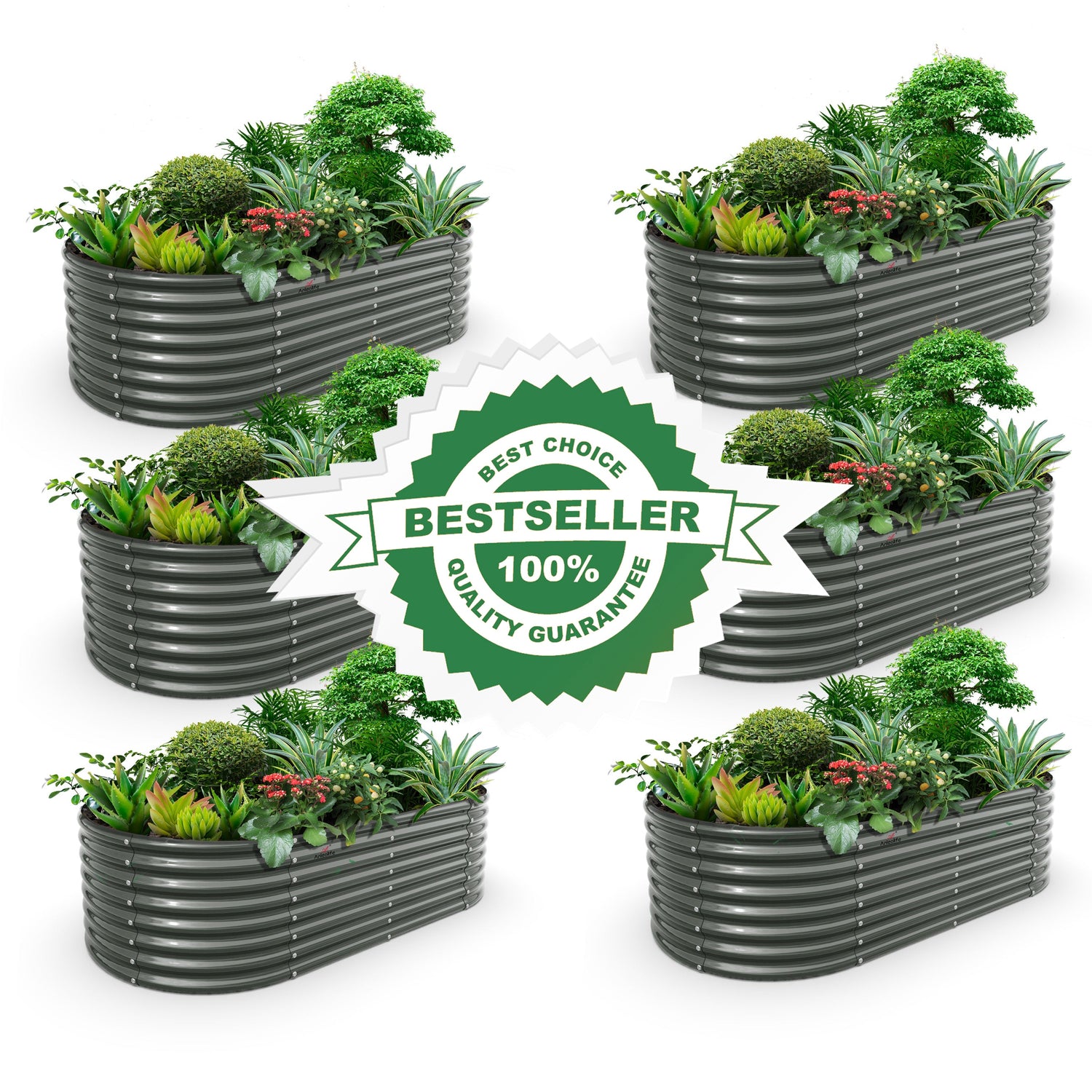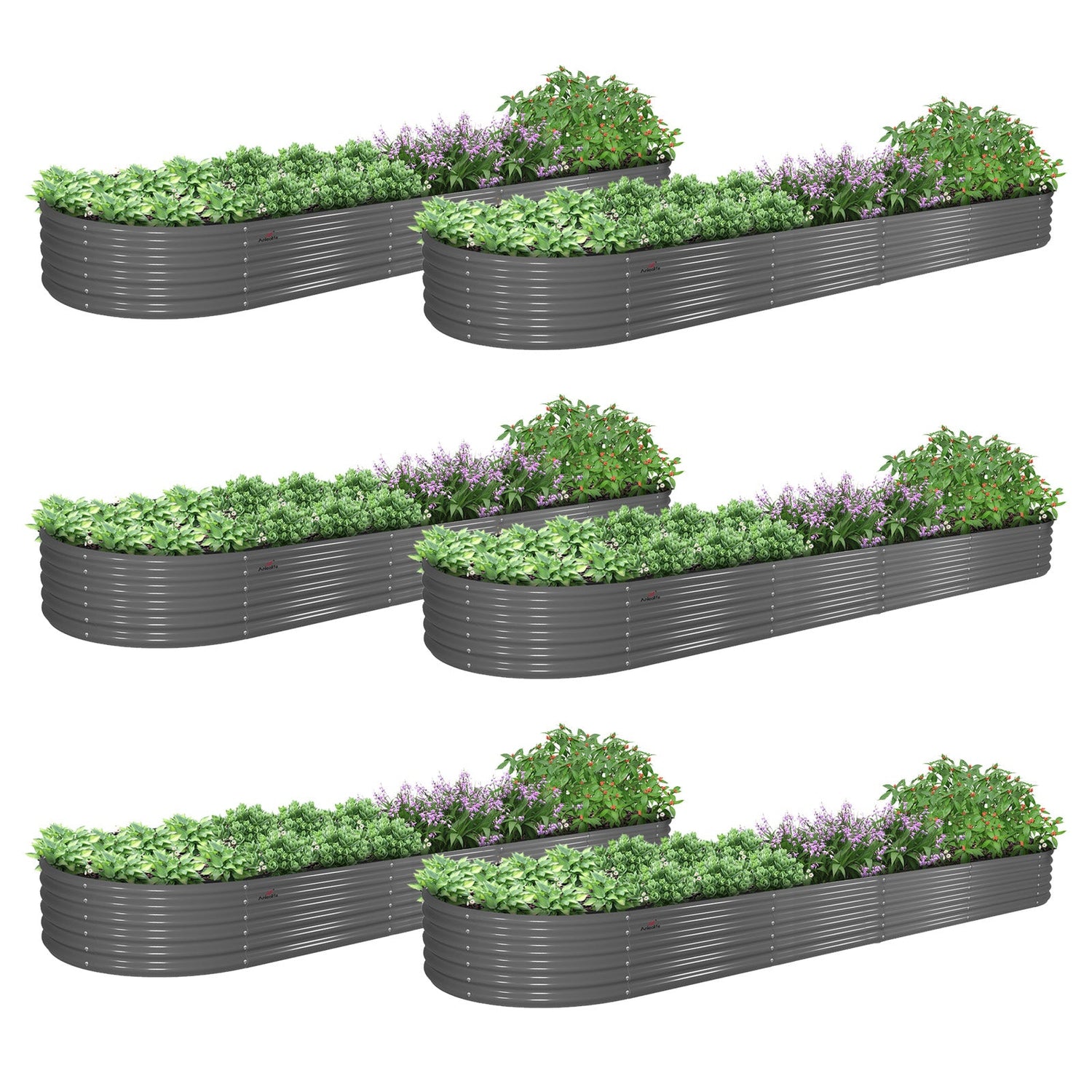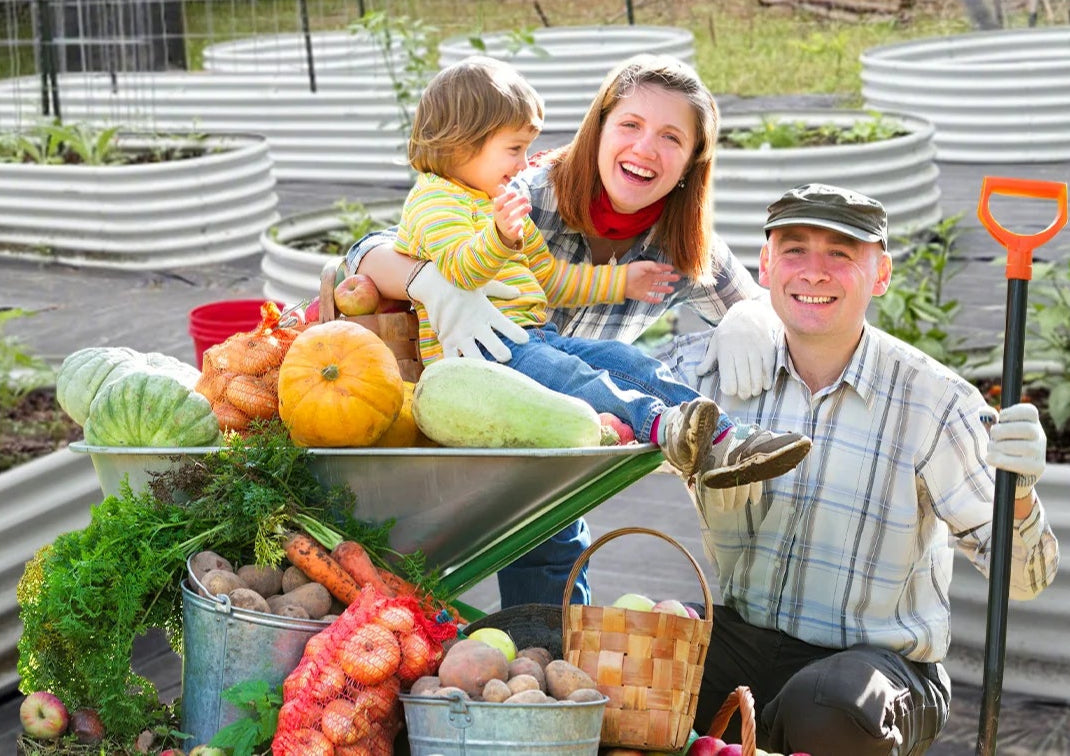



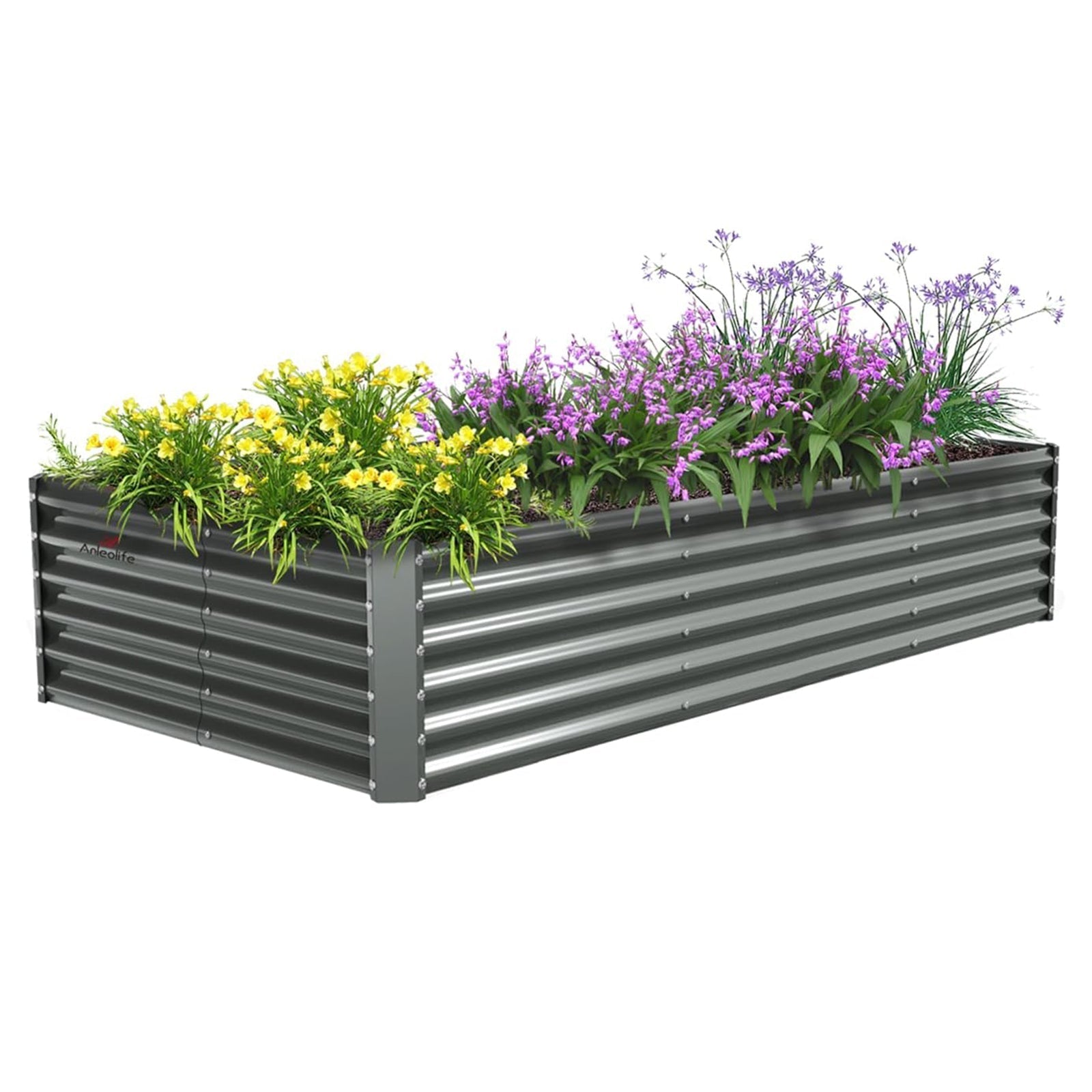

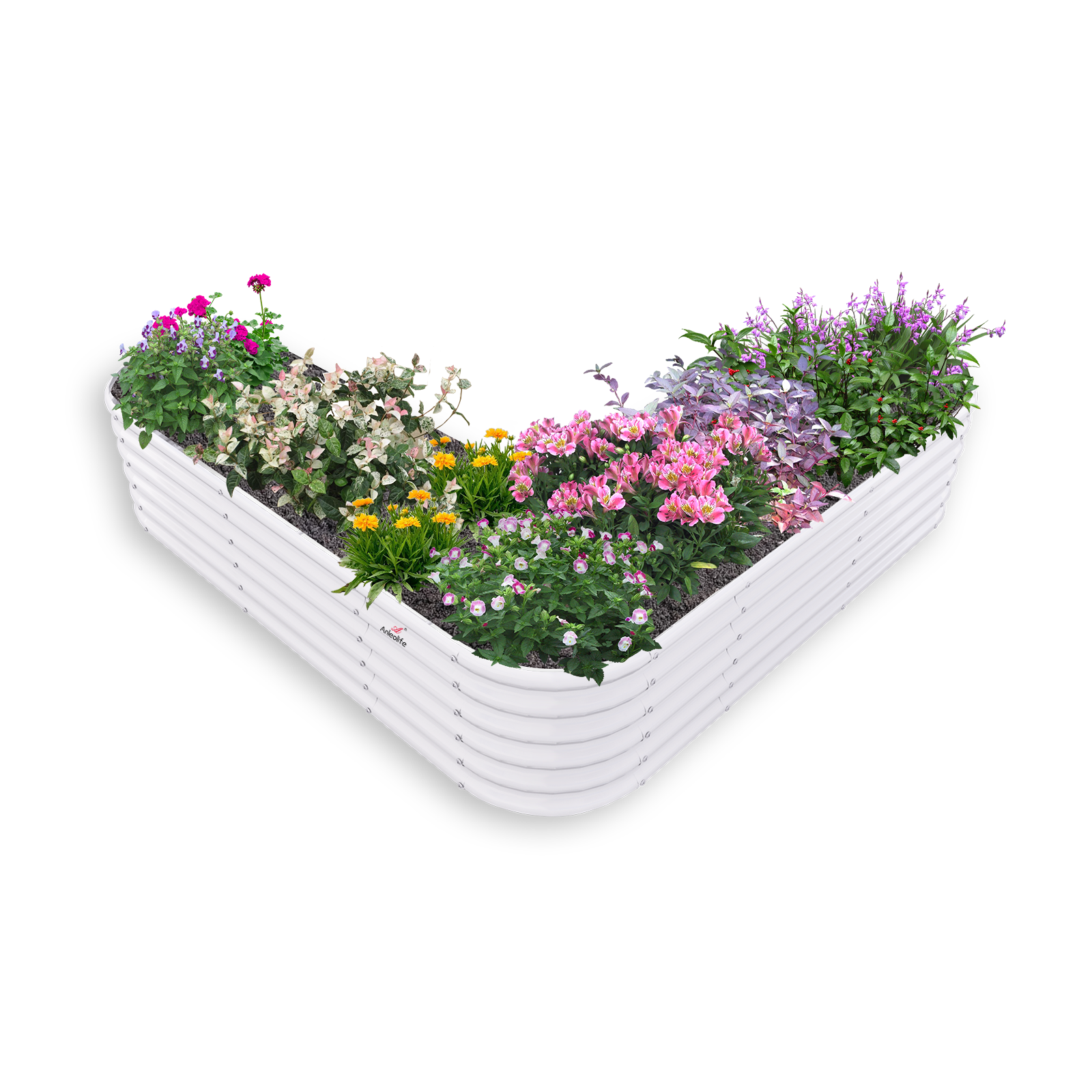
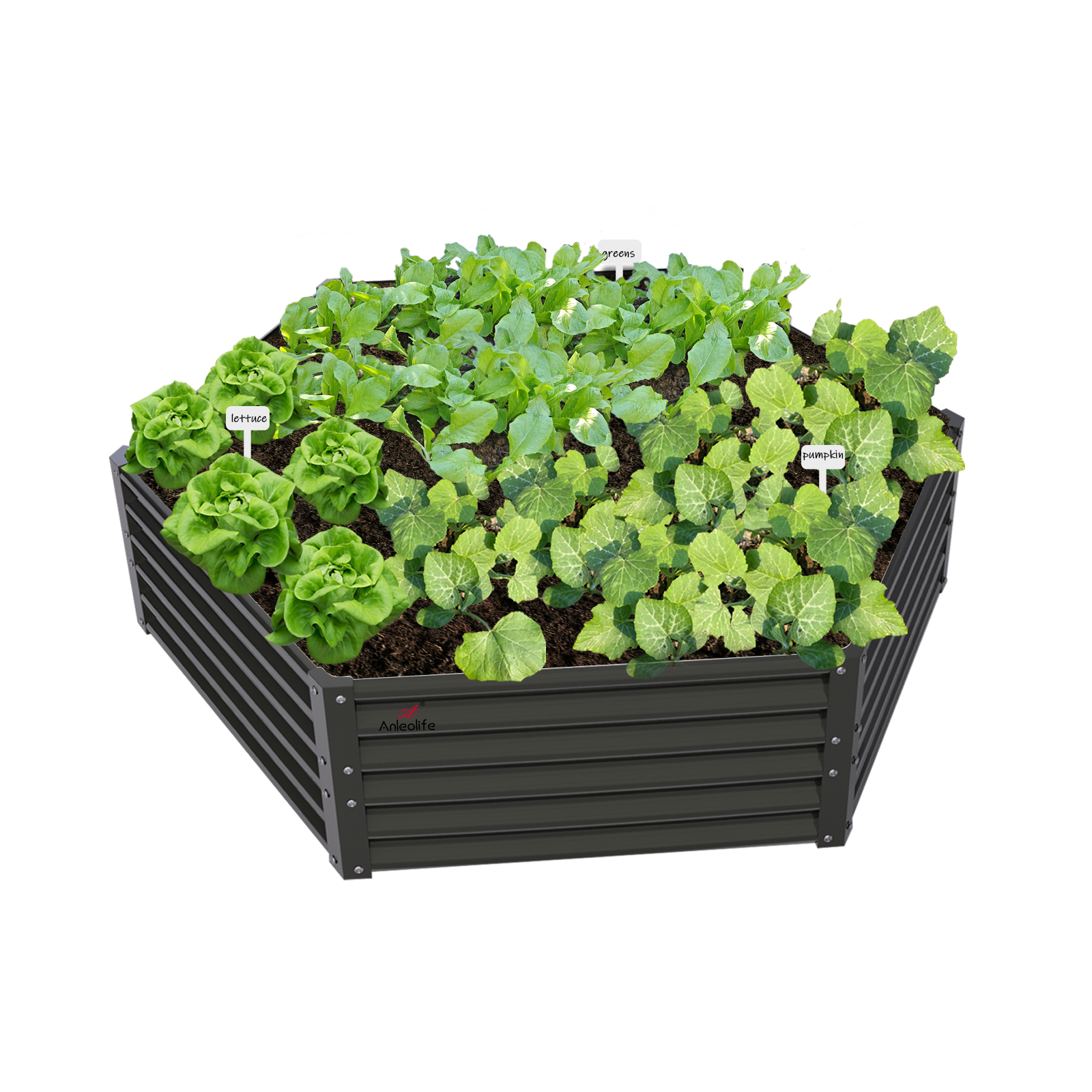
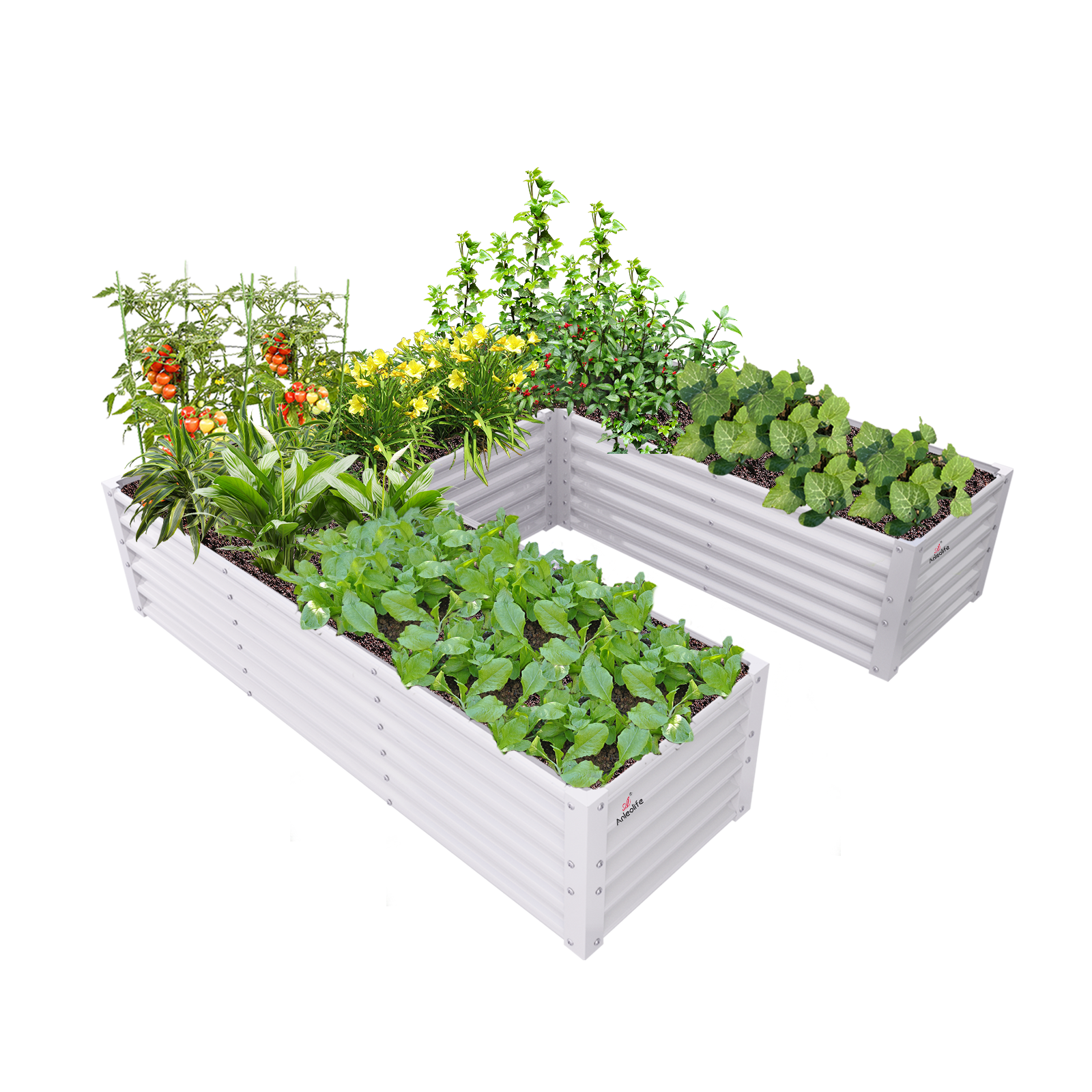

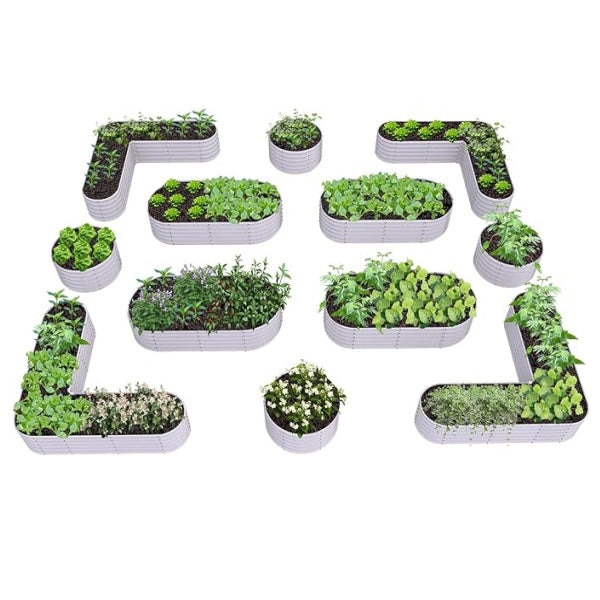


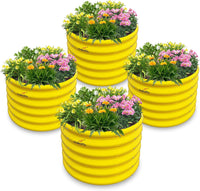
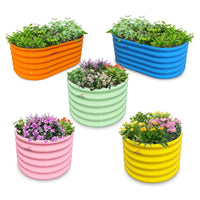
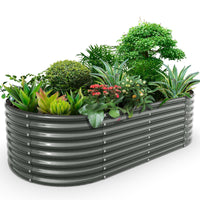



ALT: Anleolife 8x4 raised garden bed review showing real customer results with vegetables growing in a sunny backyard garden
Is the Anleolife 8x4 Raised Garden Bed Worth It? A Comprehensive Review
Key Conclusion: The Anleolife 8x4 raised garden bed consistently earns high marks from real customers for its durability, thoughtful design, and practical raised bed garden layout options. Whether you're planning a raised bed planting layout for vegetables, herbs, or flowers, this bed strikes a reliable balance between professional-grade construction and beginner-friendly setup. For homeowners serious about long-term gardening, the 20-year lifespan makes it one of the most compelling investments in the raised bed layout category today.
If you've been browsing reviews trying to decide whether the Anleolife 8x4 raised garden bed is the right fit for your backyard, you're not alone. This size has become one of the most popular footprints among home gardeners — large enough to grow a meaningful variety of crops, yet compact enough to fit comfortably in most yards, patios, or garden corners.
This review pulls together real customer feedback, honest pros and cons, and practical setup advice to give you a complete picture. We'll also address common questions like what the best soil for small raised garden beds is, how to optimize your raised bed planting layout, and which climate zones work best for this style of garden.
Who Should (and Shouldn't) Consider This Raised Garden Bed
✅ Applicable Scenarios:
- Beginner to intermediate home gardeners who want a durable, low-maintenance solution for growing vegetables, herbs, or pollinator-friendly flowers
- Urban micro-gardeners working with limited yard space who need an efficient raised bed layout that maximizes planting area within a defined footprint
- Empty nesters and retirees seeking a manageable, ergonomic gardening setup that reduces back strain and eliminates the need to kneel on hard ground
- Eco-conscious families who want to grow organic produce at home and control soil composition from the ground up
- Homeowners in a wide range of USDA climate zones — from the mild Pacific Northwest to the hot, humid Southeast — who need a bed that holds up across seasons
❌ Not Applicable/Cautions:
- Renters or apartment dwellers without access to a permanent outdoor space, since this bed is designed for ground-level or open-area installation rather than balcony or rooftop use
- Gardeners looking for an ultra-deep raised bed for root vegetables like parsnips or deep-rooted perennials that require significantly more than standard raised bed depth
- Anyone expecting a no-assembly product — while setup is straightforward, you will need basic tools and approximately 30–60 minutes for installation
Why the 8x4 Footprint Has Become a Home Gardening Standard
The 8-by-4-foot raised garden bed isn't a random size. It has become the gold standard in home gardening circles for a very practical reason: it allows you to reach the center of the bed from either side without stepping in and compacting the soil. That single ergonomic advantage has made it the most recommended size by extension services, master gardeners, and gardening educators across North America.
According to the University of Minnesota Extension, raised bed gardening offers measurable benefits over traditional in-ground planting, including improved drainage, warmer soil temperatures in spring, and better weed suppression. These advantages are magnified when you choose a well-constructed bed that holds its shape over time.
The market for raised garden beds has expanded dramatically in recent years. A growing segment of homeowners — particularly those in the 35–65 demographic — are investing in quality outdoor growing systems as part of a broader shift toward self-sufficiency, healthier eating, and intentional outdoor living. The demand has pushed brands to innovate, and Anleolife has responded with a product line built around long-term value.
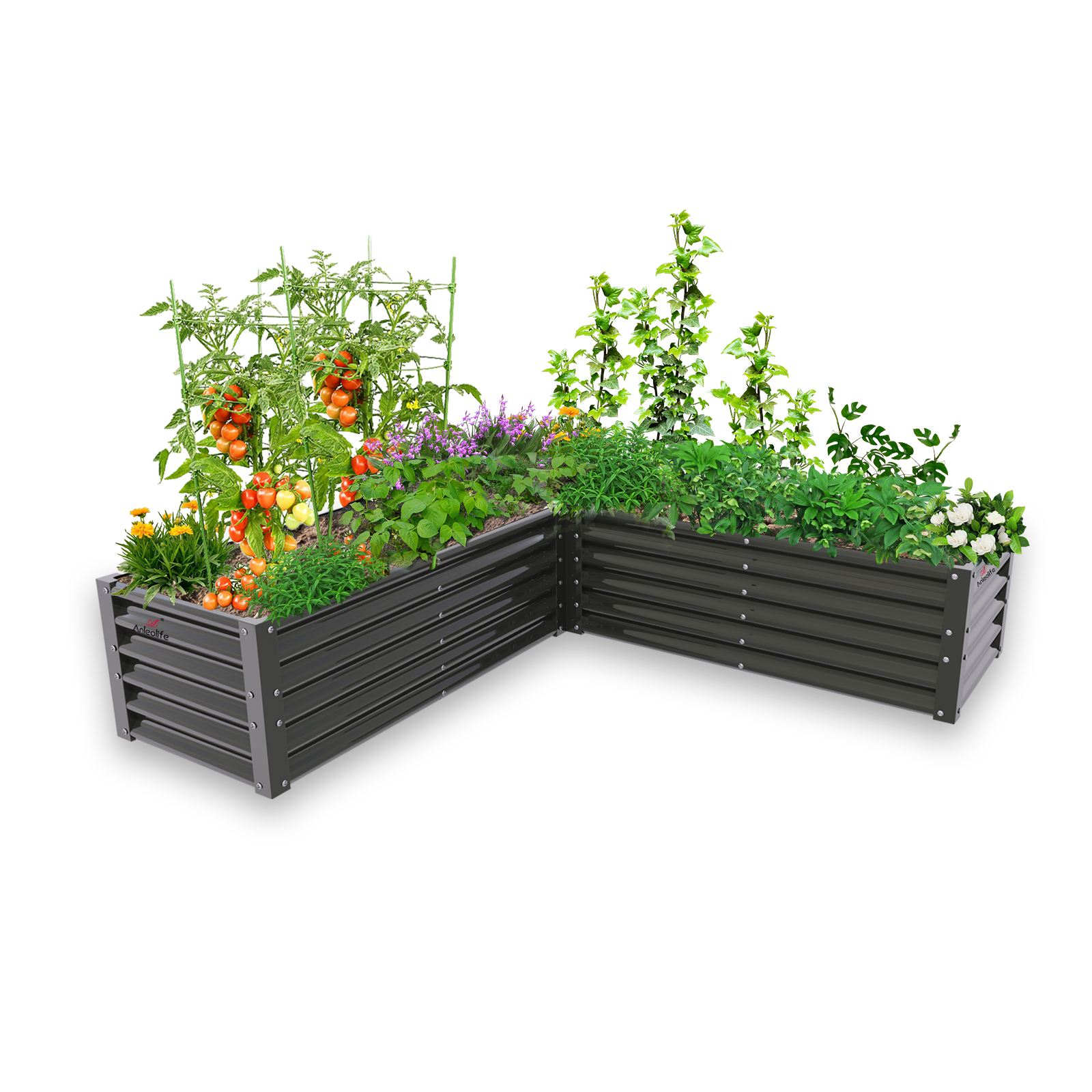
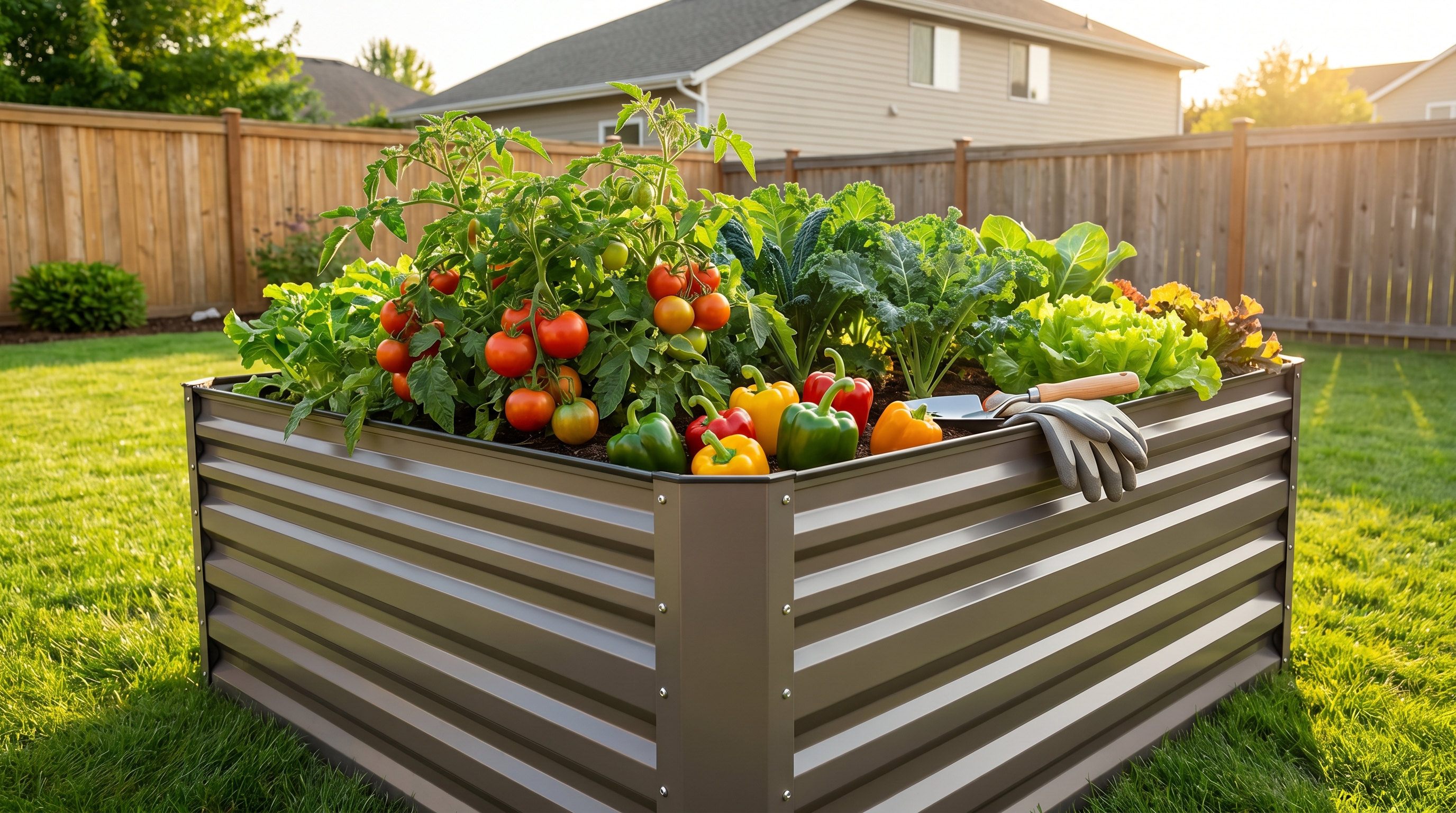
For those planning a raised bed garden layout, the 8x4 footprint opens up excellent companion planting opportunities. You can divide the bed into logical planting zones: a sunny south-facing end for heat-lovers like tomatoes or peppers, a shadier north section for leafy greens, and a border row for herbs or edible flowers. This kind of strategic raised bed planting layout thinking can dramatically increase your per-square-foot yield.
If you're new to planning your space, it helps to think of your raised bed layout in terms of vertical layers too — trellises at the back, mid-height plants in the middle, and low-growers at the front. The 8x4 gives you enough room to execute this kind of design without feeling cramped.
A Deep Dive Into Customer Pros, Cons, and Real-World Performance
Three Steps to Getting Started With Your Anleolife 8x4 Bed
Step 1: Choose Your Location and Prepare the Ground
Select a level area that receives at least 6–8 hours of direct sunlight daily — most vegetables need this minimum. Clear any grass or weeds, and consider laying a weed barrier fabric underneath the bed before installation. This step takes about 15–20 minutes and makes a significant difference in long-term maintenance. If your ground is uneven, take time to level it before proceeding.
Step 2: Assemble the Bed Panels
The Anleolife 8x4 bed features a panel-based assembly system designed to be completed without specialized tools. Most customers report completing assembly in 30–45 minutes, even without prior experience. Lay out all components first, confirm all connectors and fasteners are present, then follow the included instructions panel by panel. Having a second pair of hands speeds up this step noticeably.
Step 3: Fill With the Right Soil Blend and Begin Planting
This is arguably the most important step for long-term success. Don't use raw garden soil — it compacts too easily in a raised bed. The most widely recommended blend by gardening educators is a mix of topsoil, compost, and a coarse amendment like perlite or coarse sand. This combination promotes excellent drainage, aeration, and microbial activity. Fill to within a couple of inches of the top edge, water thoroughly before planting, and allow the soil to settle for 24 hours if possible.
How Anleolife Compares to Common Raised Bed Alternatives
When customers are choosing a raised garden bed, they're usually weighing metal against wood against plastic composite options. Each has distinct trade-offs. Here's how the Anleolife 8x4 stacks up across the dimensions that matter most to real home gardeners:
| Comparison Dimension | Anleolife 8x4 Metal Bed | Untreated Wood Bed | Plastic Composite Bed |
|---|---|---|---|
| Lifespan | Up to 20 years | 3–7 years (varies by wood type) | 10–15 years (UV degradation varies) |
| Rot Resistance | Excellent — metal does not rot | Moderate — depends on wood species | Good — not susceptible to rot |
| Assembly Complexity | Moderate — panel system, 30–45 min | Moderate to High — may require cutting | Low to Moderate |
| Soil Retention | Strong rigid walls hold soil shape | Good when new, warps over time | Good, though thin walls may flex |
| Aesthetic Appeal | Clean, modern, industrial look | Natural, traditional garden aesthetic | Varies; often less premium-looking |
| Climate Adaptability | Handles most North American climates | Requires treatment in wet climates | Generally stable across climates |
| Environmental Impact | Long lifespan reduces replacement waste | Biodegradable but shorter-lived | Recycled content varies by brand |
One of the most frequent customer questions is: what is the best wood for raised garden beds that won't rot? The honest answer is that even naturally rot-resistant woods like cedar or redwood have a limited lifespan in direct soil contact — typically 7–10 years under good conditions. This is why many experienced gardeners eventually migrate to metal beds. The Anleolife 8x4's metal construction sidesteps this limitation entirely, which is a significant part of its appeal.
Real Customer Feedback: The Honest Pros and Cons
What Customers Love
Durability That Lives Up to the 20-Year Claim
The most consistent praise across customer reviews centers on build quality. Customers repeatedly note that the bed feels solid and shows no signs of warping, bending, or rust after extended use through harsh winters and hot summers. The advertised 20-year lifespan is a bold claim, but long-term reviewers report that the bed holds its shape and finish impressively well season after season.
Clean Aesthetic That Elevates Any Yard
Unlike wooden beds that can look weathered and rough within a few seasons, the Anleolife 8x4 maintains a clean, modern appearance that many customers describe as making their whole garden look more intentional and polished. Several reviewers mention that neighbors and visitors frequently ask about the bed and where to buy one.
Ergonomic Height Reduces Physical Strain
Empty nesters and retirees consistently highlight this benefit. Being able to tend your plants without bending to ground level makes a meaningful quality-of-life difference, especially for gardeners with back issues or joint sensitivity. The raised height also discourages small pests and casual foot traffic.
Excellent Drainage and Soil Performance
The open-bottom design allows roots to reach into native soil if desired, while also enabling free drainage that prevents waterlogging — a common problem in garden plots with dense clay soil. Customers in rainy Pacific Northwest climates and humid Southeast regions both report strong results when paired with the right soil blend.
Versatile Raised Bed Garden Layout Options
The 8x4 footprint is frequently praised for how well it accommodates diverse planting strategies. Customers share creative raised bed planting layout designs ranging from four-square companion plantings to single-crop intensive beds. Several reviewers note that the interior space is generous enough to use row covers, mini hoops, or shade cloth supports without feeling cramped.
What Customers Find Less Ideal
Temperature Sensitivity in Extreme Heat
Metal beds absorb heat more readily than wood, which can be a double-edged advantage. In USDA hardiness zones with intense summer heat (primarily Zones 9–11, covering much of California, Texas, and Florida), the metal walls can raise soil temperature significantly during peak afternoon hours. Customers in these regions recommend planting heat-sensitive crops like lettuce or spinach in spring or fall, using shade cloth during the hottest weeks, or mulching heavily to insulate the soil surface.
Weight and Handling During Setup
A few customers note that the metal panels are heavier than expected, which can make solo assembly somewhat challenging. The weight is ultimately a reflection of the robust construction, but having a helper for installation is strongly advisable.
Initial Investment Higher Than Entry-Level Wood Beds
The upfront cost is meaningfully higher than basic wooden raised bed kits. However, when customers factor in the 20-year lifespan and the cost of replacing cheaper beds every 3–5 years, the long-term math consistently favors the Anleolife option. Several reviewers specifically mention making this cost-per-year calculation in their reviews.
Soil, Accessories, and Climate Considerations
Best Soil for Small Raised Garden Beds
The Anleolife 8x4 is large enough to hold a substantial volume of growing medium, which gives you flexibility in soil composition. The most effective blend recommended by horticultural experts combines:
- High-quality topsoil (roughly 40%): Provides structure and weight
- Mature compost (roughly 40%): Supplies nutrients and microbial life
- Coarse amendment (roughly 20%): Perlite, vermiculite, or coarse sand to maintain drainage and aeration
Avoid using straight garden soil from your yard — it compacts easily in a contained raised bed environment, impedes root development, and drains poorly. Customers who invest in a quality soil blend consistently report better germination rates, healthier plants, and higher yields.
What Climate Zones Work Best for Small Raised Beds?
Raised beds perform exceptionally well across most of North America's USDA hardiness zones. The metal construction adapts well from the cooler growing seasons of Zone 4–5 (Northern states, upper Midwest) through the extended seasons of Zone 8–10 (Pacific Coast, Gulf Coast, Southwest). In colder zones, the dark metal panels absorb heat and warm soil earlier in spring, extending your growing season. In warmer zones, strategic placement for afternoon shade and consistent mulching keep temperatures manageable.
Protecting Your Crop: Insect Netting and Accessories
Many customers pair the Anleolife 8x4 with accessories like insect netting or row cover hoops to protect crops from cabbage moths, aphids, and other common vegetable garden pests. When choosing insect netting for vegetable gardens, look for fine-mesh options (typically 0.8mm or smaller openings) that block common pest insects while still allowing light and air circulation. Spunbonded polyester row covers are another popular option that provides simultaneous frost protection and pest exclusion.
Tool Storage for Wet Climates
If you garden in a wet climate — the Pacific Northwest, Northeast, or Southeast — tool maintenance becomes especially important. Customers frequently ask about recommended tool storage cabinets for wet climates. The best options are powder-coated metal or high-density polyethylene (HDPE) cabinets with waterproof seals and ventilation to prevent moisture buildup. Keeping your trowels, hand forks, and pruning tools dry between sessions dramatically extends their useful life and prevents rust transfer to your plants.
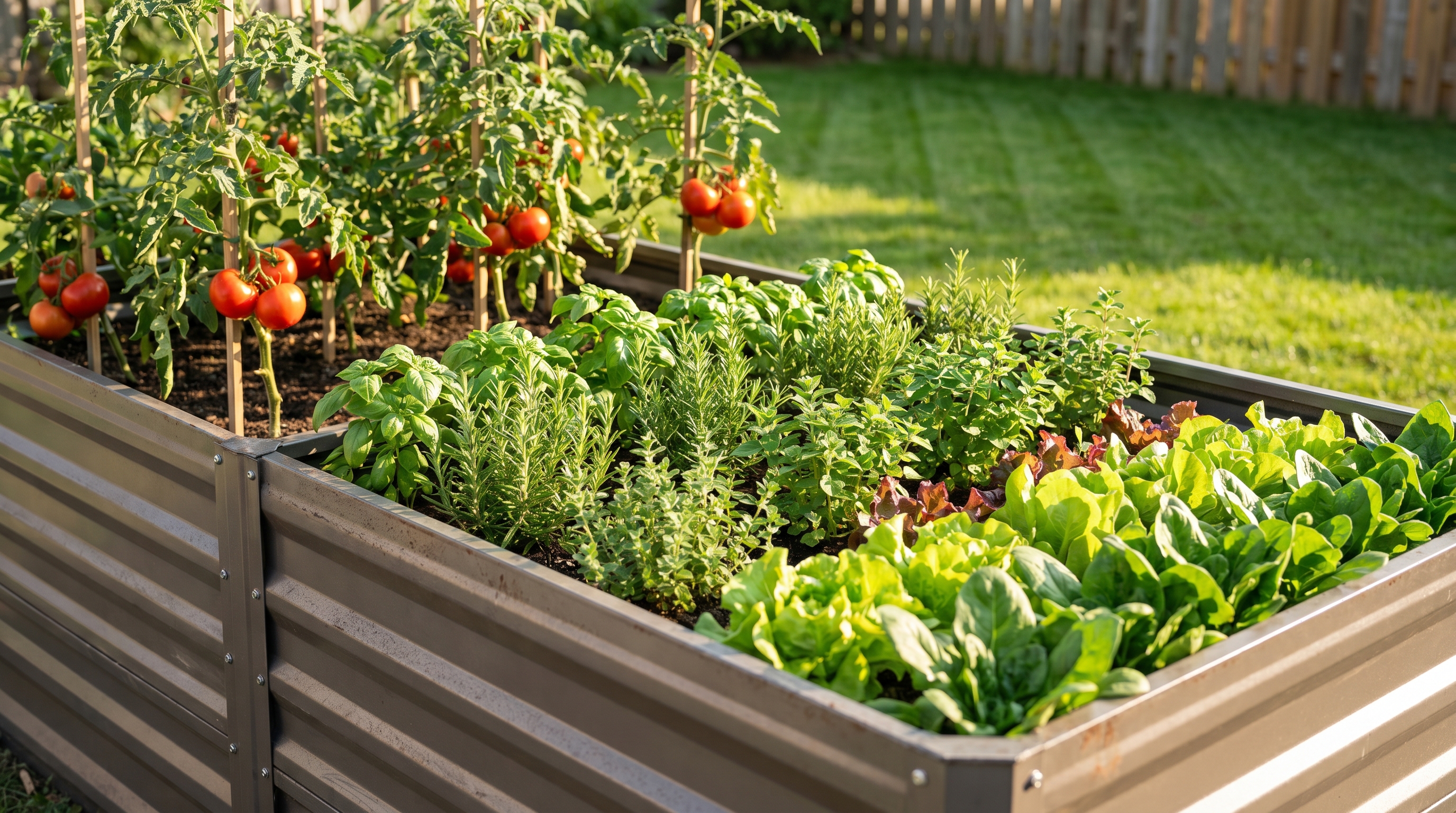
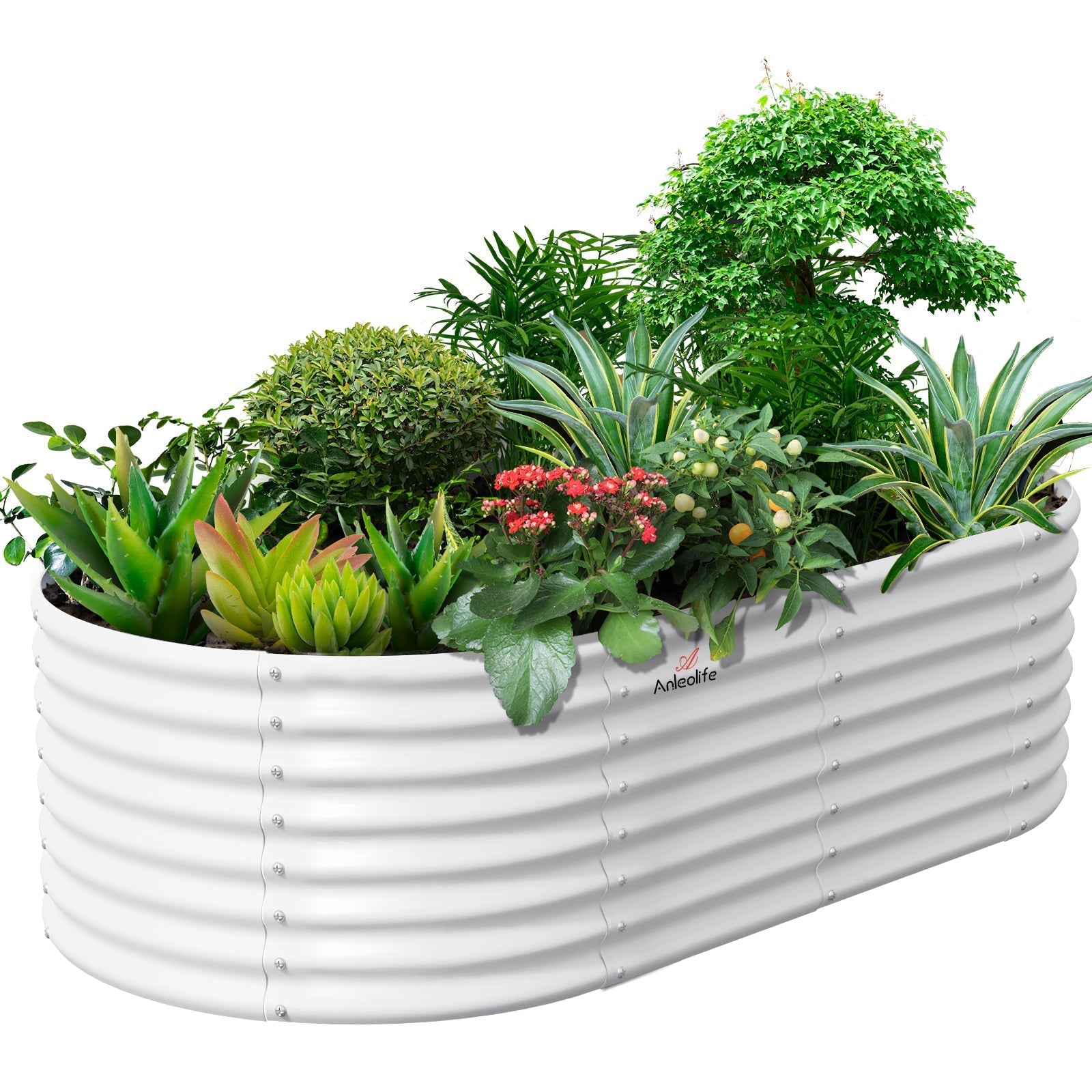
ALT: Close-up of an Anleolife 8x4 raised garden bed with a productive raised bed planting layout featuring tomatoes, herbs, and leafy greens
Advanced Tips: Getting the Most From Your Anleolife 8x4 Over Time
Seasonal Transitions and Year-Round Productivity
One of the advantages of a high-quality metal raised bed is its ability to support year-round gardening with minimal modification. In spring, use the dark metal panels to your advantage — they absorb solar heat and warm your soil faster than in-ground beds, allowing you to plant 2–3 weeks earlier than your neighbors.
In fall, add a simple low tunnel of flexible hoops and frost cloth to extend your harvest of cold-tolerant crops like kale, spinach, and root vegetables well into cooler months.
Common Misconceptions About Metal Garden Beds
Misconception 1: Metal beds leach harmful chemicals into soil.
This concern is outdated when applied to modern powder-coated raised garden beds. High-quality metal beds with proper coatings are safe for food growing. Always confirm the coating is food-safe when purchasing any metal garden bed.
Misconception 2: Metal beds are too hot for plants.
As addressed above, this concern is real but manageable with basic strategies: mulching, shade cloth during peak heat, and selecting climate-appropriate crops. Thousands of customers successfully grow vegetables in metal raised beds across the hottest regions of North America.
Misconception 3: The 20-year lifespan claim is marketing exaggeration.
Long-term Anleolife customers reporting multi-year ownership consistently validate the build quality. The 20-year lifespan is grounded in the durability of quality metal construction, which simply outlasts wood and many composite alternatives by a significant margin.
Pairing With Anleolife's Broader Garden Ecosystem
The Anleolife 8x4 raised garden bed sits at the center of a broader gardening ecosystem. For families interested in backyard homesteading, Anleolife's raising solutions — including chicken coops and rabbit hutches — pair naturally with a productive garden bed. Chickens can be rotated through the bed during off-seasons to fertilize and till the soil naturally. On the beautification side, Anleolife's pathway systems and decorative accessories can transform the area around your raised beds from functional to genuinely beautiful.
Frequently Asked Questions FAQ
Q1: How should I plan my raised bed garden layout to maximize the 8x4 space?
The most effective approach is to divide the 8x4 footprint into planting zones based on sunlight requirements and plant height. Position tall plants (tomatoes, pole beans) on the north end so they don't shade shorter crops. Use the southern end for sun-hungry, low-profile plants. Intermediate-height crops fill the middle. A classic 4-square raised bed planting layout within this footprint gives you four distinct 2x4 zones for easy crop rotation and companion planting.
Q2: Is the Anleolife 8x4 raised garden bed safe for growing food?
Yes — Anleolife's metal raised garden beds are designed with food-safe materials and coatings appropriate for vegetable gardening. The metal construction does not rot, leach wood preservatives, or degrade into the soil the way some treated lumber products can. Always use a quality, uncontaminated soil mix inside the bed, and your growing environment will be well-suited for producing clean, homegrown vegetables and herbs.
Q3: How long does delivery take, and where can I purchase the Anleolife 8x4 raised garden bed?
Anleolife operates a strategic warehouse network across California, Texas, Florida, New York, Illinois, and Washington, enabling delivery within 3–8 business days to most U.S. locations. You can purchase through major retail platforms including Amazon, Walmart, Home Depot, Lowe's, and Wayfair, or directly through the official website at Anleolife.com for consistent quality assurance and after-sales support.
Summary
The Anleolife 8x4 raised garden bed earns its strong customer ratings through a combination of three core strengths:
- Built to last: The 20-year lifespan isn't a marketing slogan — it's backed by the inherent durability of quality metal construction and consistently confirmed by long-term customers. This single factor transforms the value proposition compared to wood beds that require replacement every few years.
- Versatile raised bed layout options: The 8x4 footprint is proven and practical. It accommodates diverse raised bed garden layout strategies, works across most North American climate zones, and supports everything from intensive vegetable production to pollinator gardens and herb beds.
- Ergonomic and accessible gardening: Whether you're a busy parent, an eco-conscious home grower, or a retiree looking to keep gardening comfortably for years to come, the elevated raised bed planting layout reduces physical strain and makes daily garden maintenance genuinely enjoyable.
If you're ready to upgrade your outdoor space with a bed that performs across seasons and grows with your gardening ambitions, the Anleolife 8x4 is a purchase that rewards you year after year.
Start Growing With Anleolife
Anleolife's nationwide U.S. warehouse network — strategically located in California, Texas, Florida, New York, Illinois, and Washington — ensures delivery within 3–8 business days, so your garden plans move forward on your schedule.
Shop through Amazon, Walmart, Home Depot, Lowe's, Wayfair, or directly at Anleolife.com for consistent quality and dedicated after-sales support.
Anleolife's three core garden scenarios cover everything you need: Planting (metal raised garden beds, soil systems), Raising (chicken coops, rabbit hutches), and Beautification (decorative accessories, pathway systems) — from pure function to genuine beauty.
We understand that an ideal garden is not built overnight, but gradually improved over time. Our modular product design allows flexible expansion based on your needs — from your first 8x4 garden bed to a fully integrated planting-and-raising ecosystem. We grow with you every step of the way.
References
- University of Minnesota Extension. "Raised Bed Gardening".
https://extension.umn.edu/how/raised-bed-gardening - U.S. Department of Agriculture National Gardening Association. "Food Gardening in the United States".
https://www.usda.gov/media/blog/2020/06/19/covid-19-pandemic-spurs-interest-home-vegetable-gardening - NC State Extension. "Raised Bed Gardening".
https://content.ces.ncsu.edu/raised-bed-gardening - University of California Agriculture and Natural Resources. "Vegetable Research and Information Center".
https://ucanr.edu/sites/scmg/Vegetable_Gardening/
Note: Standards and horticultural recommendations may be updated. Please check the latest official documents or consult a local extension service for current guidance.
About Anleolife
Anleolife is a leading outdoor garden solutions provider in North America, dedicated to offering a full-scenario product ecosystem for home gardening enthusiasts, covering planting, raising, and garden beautification. Since its founding, we have upheld our brand mission, "Made for Garden Life," continuously innovating products and optimizing services to help hundreds of thousands of users upgrade their gardens, reconnect with nature, and enjoy a better garden lifestyle.