


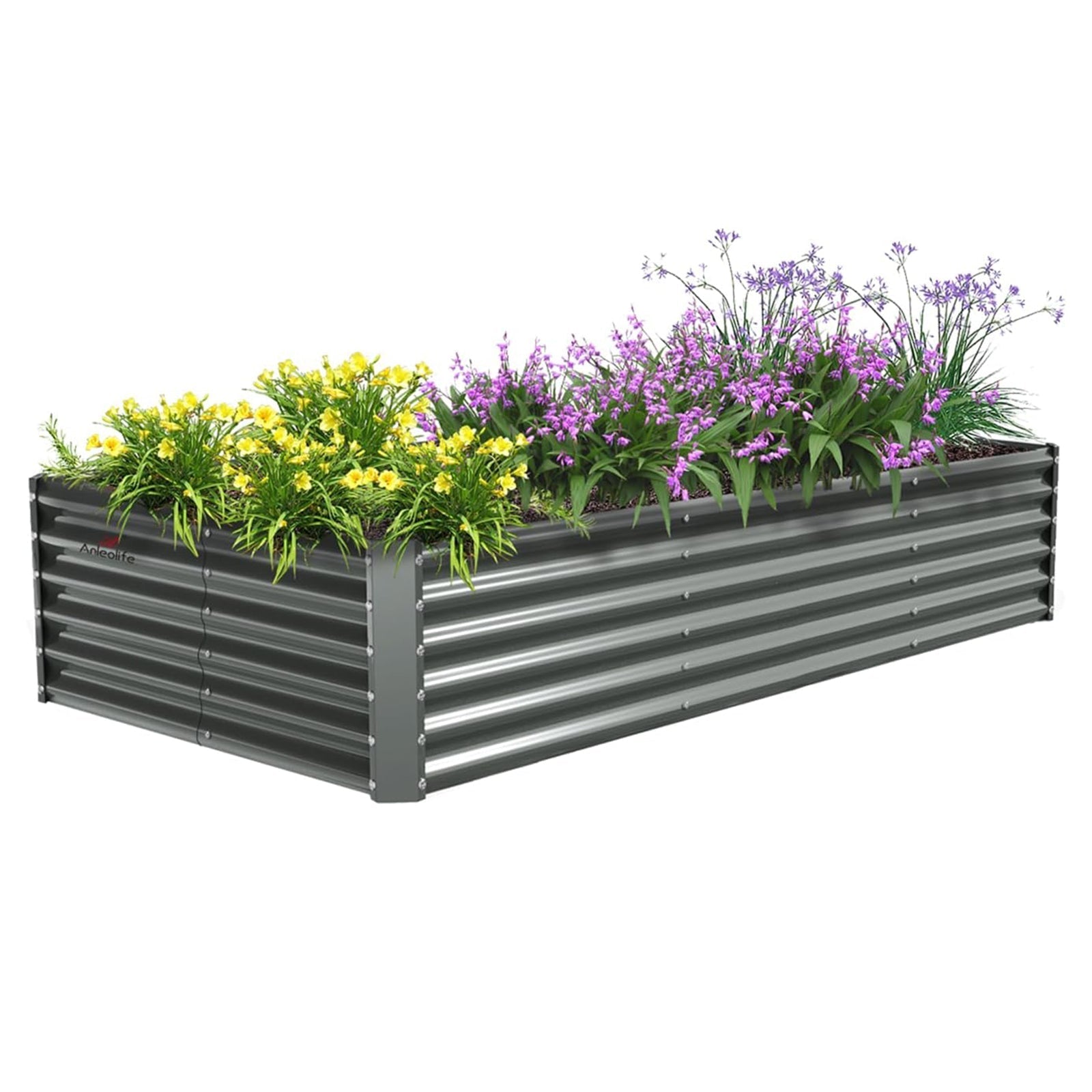

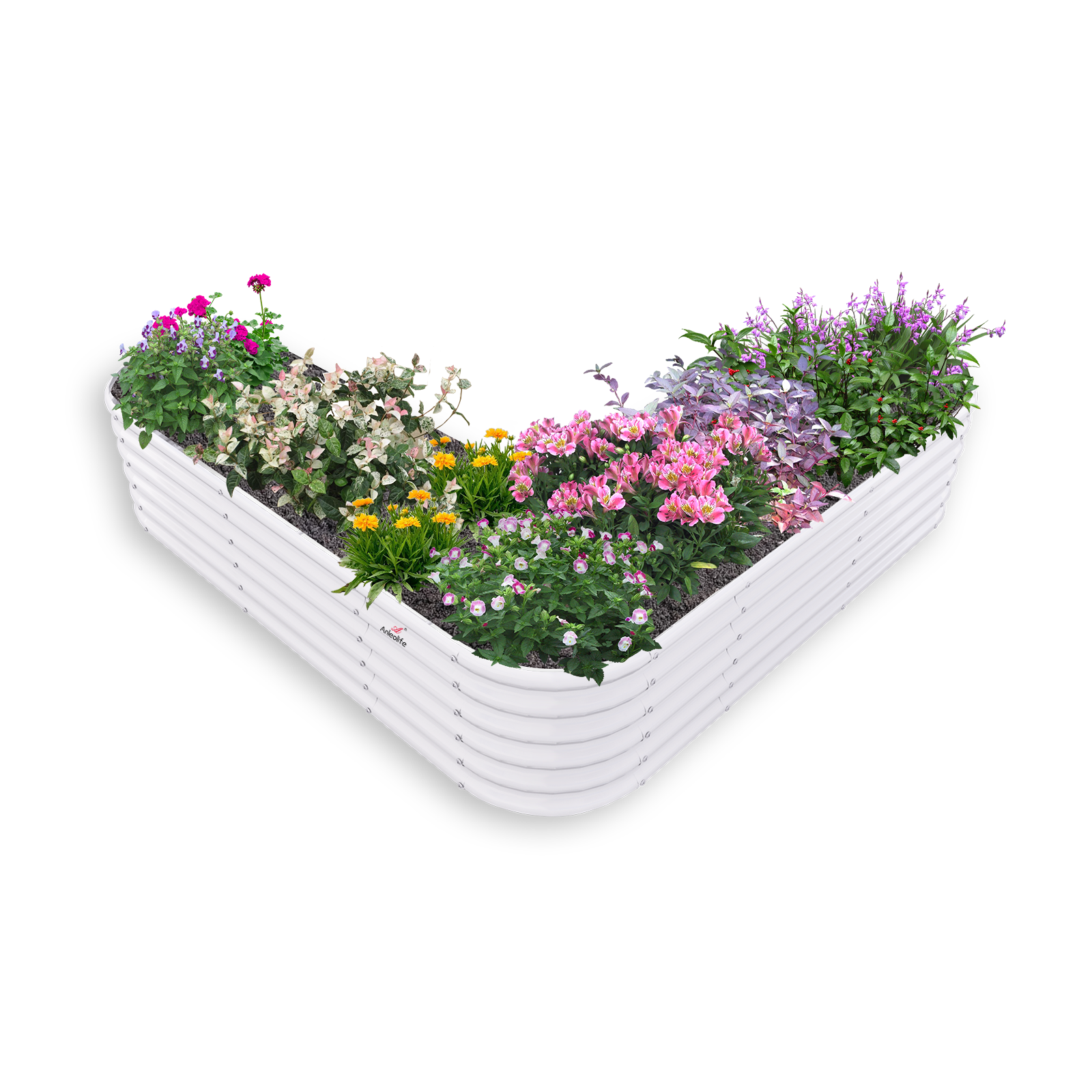
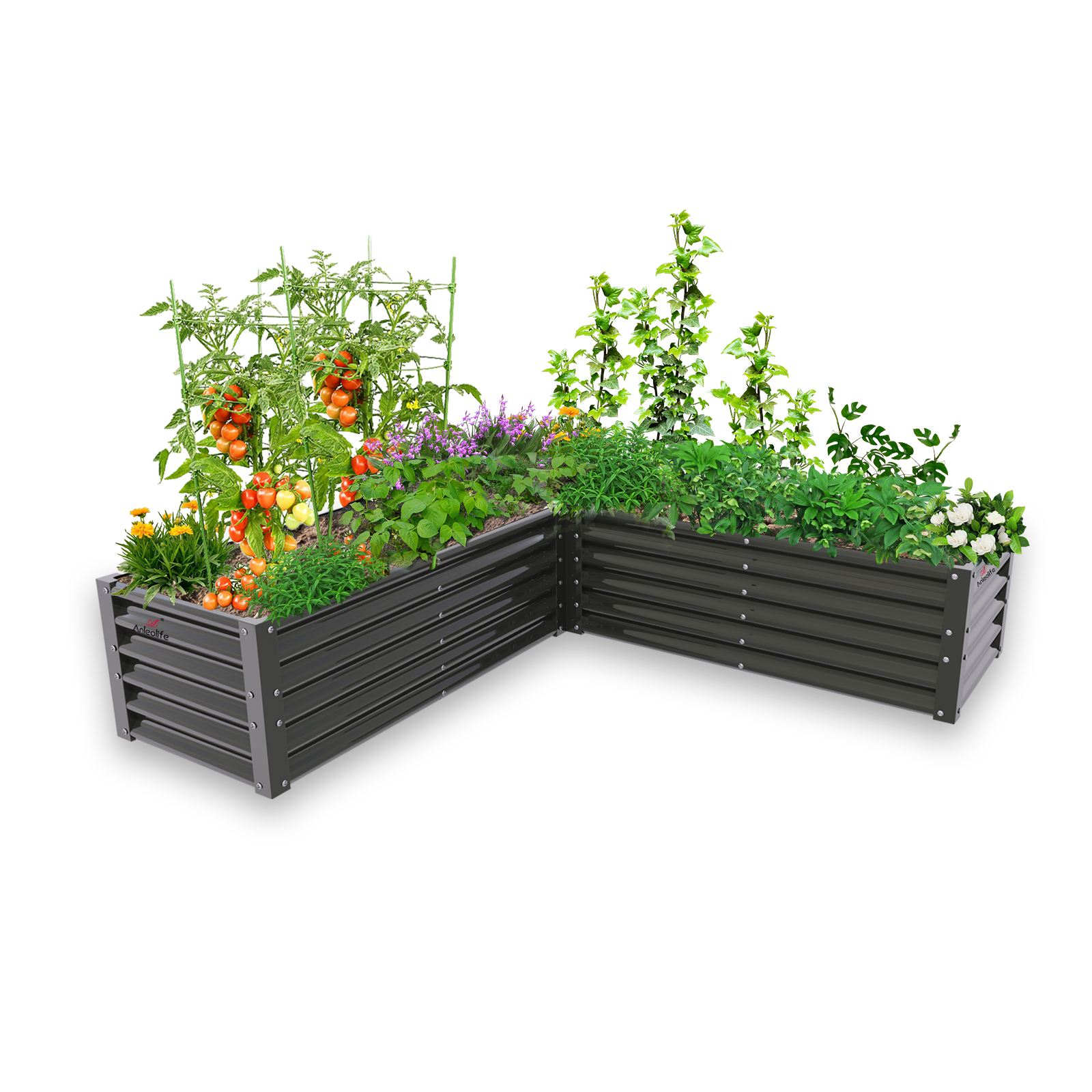
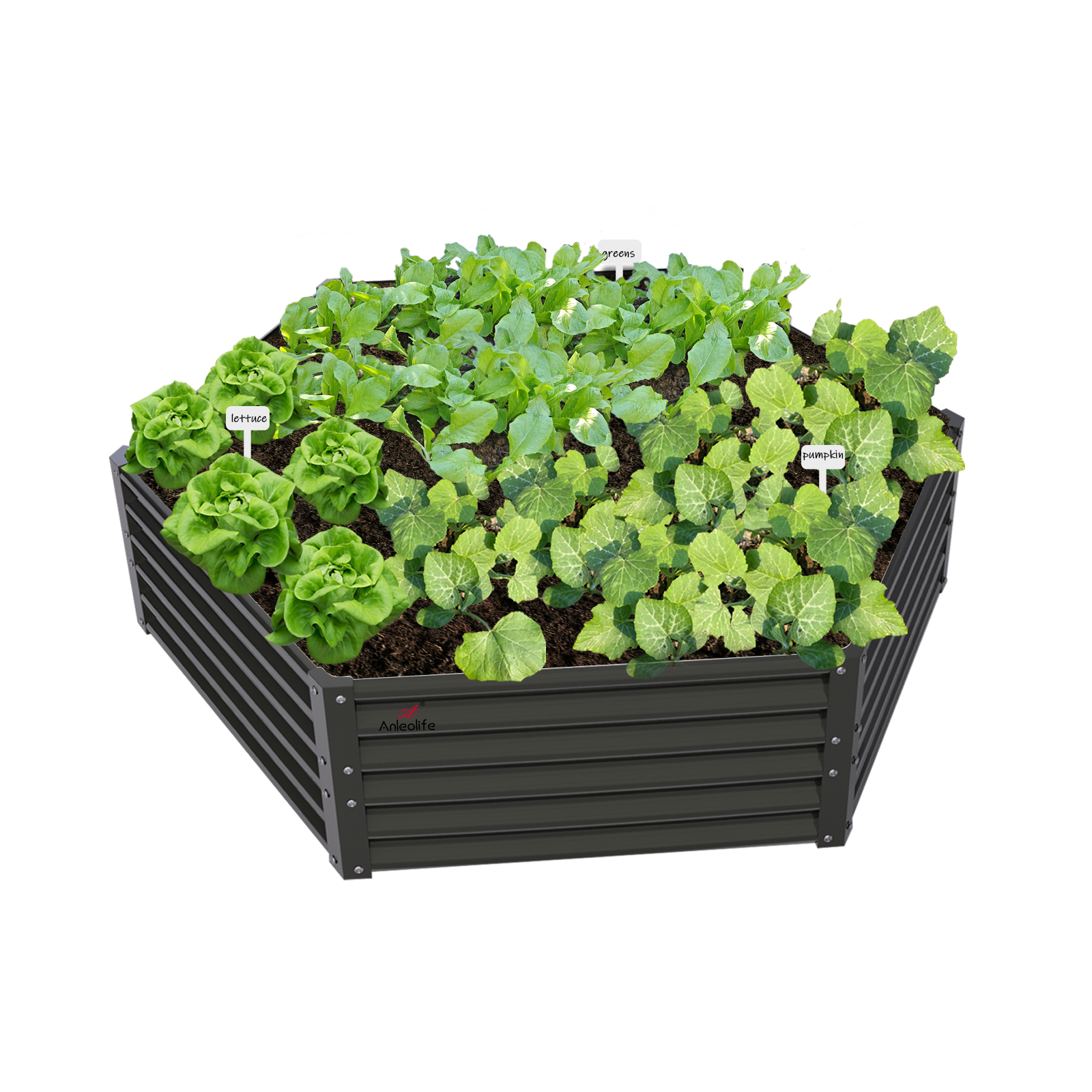
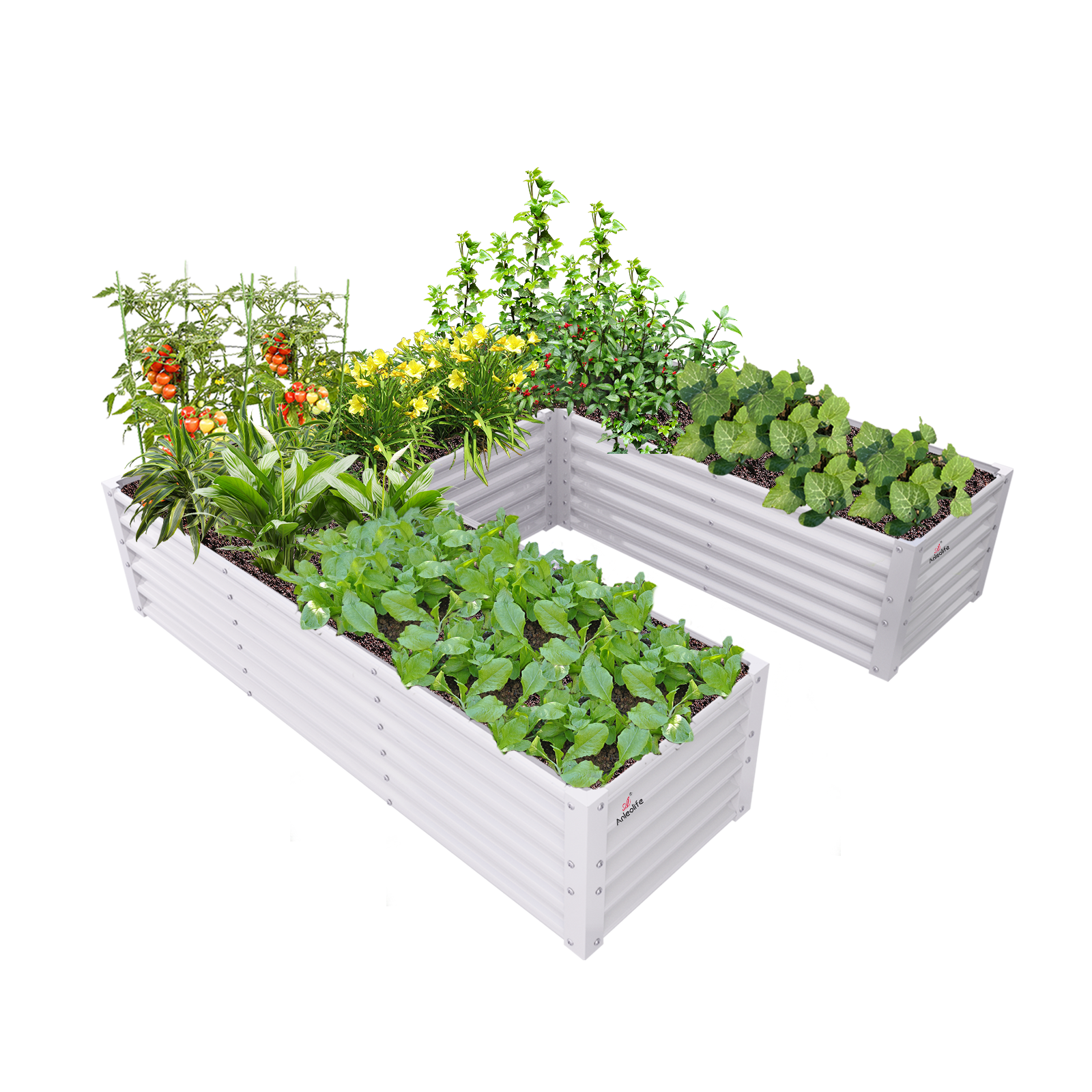

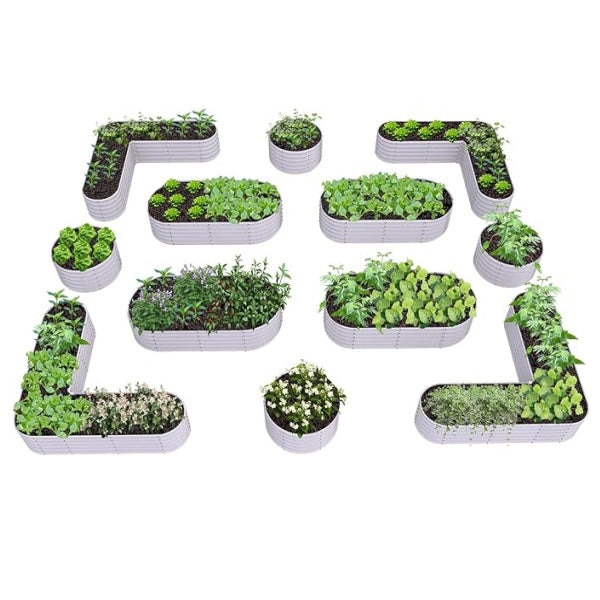


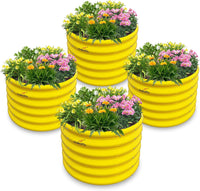
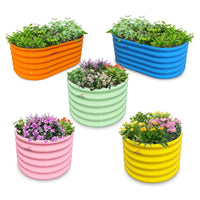
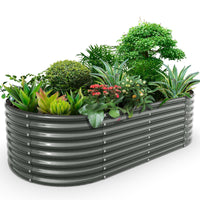



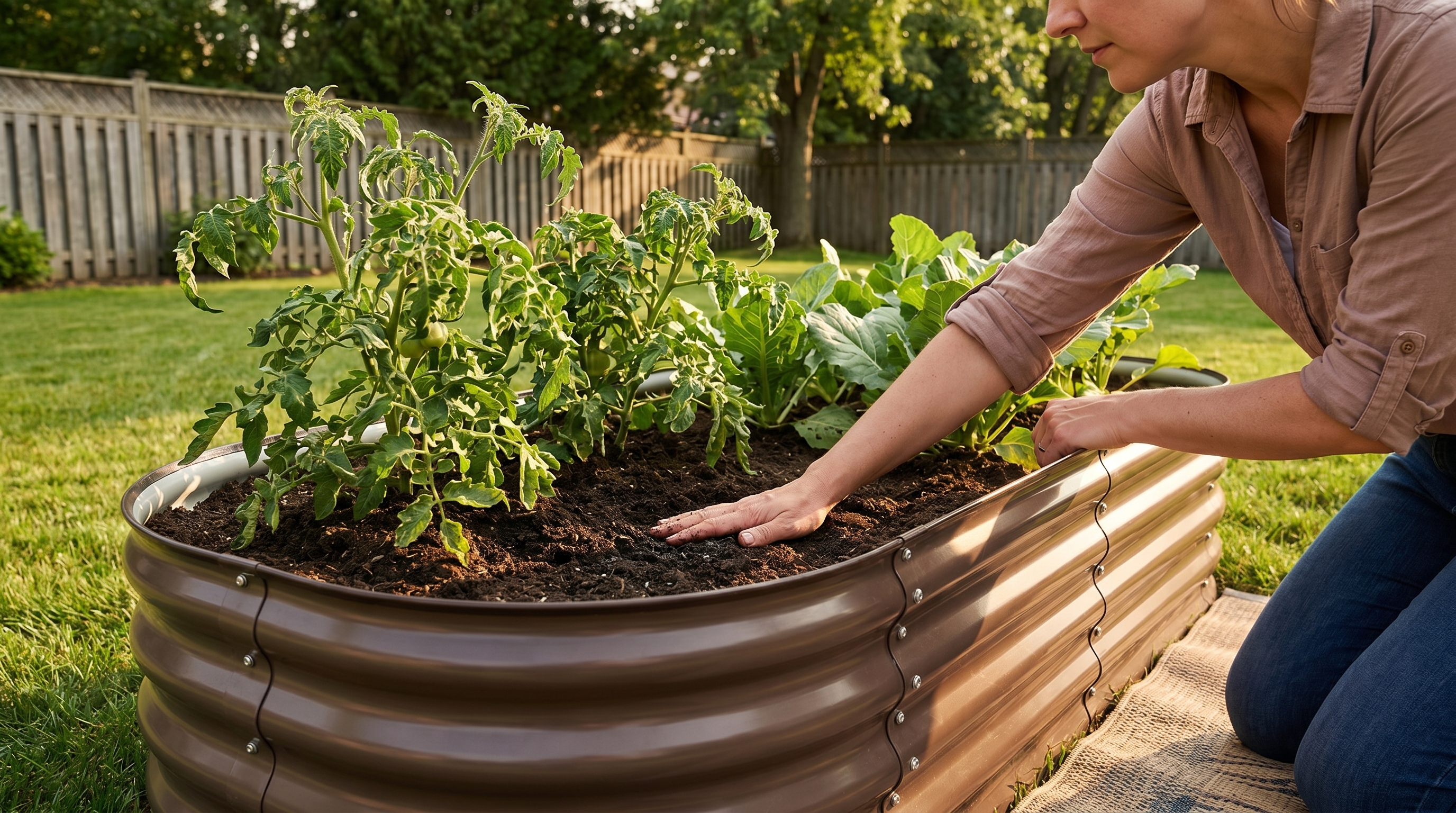
ALT: Gardener troubleshooting raised garden bed summer problems including soil, pests, and heat stress
Summer Is Peak Season — And Peak Problem Season for Raised Garden Beds
Key Conclusion: Summer brings the most exciting harvests from your raised garden bed — but also the most challenging conditions. From waterlogged roots and heat-stressed soil to surprise pest invasions, these six common summer problems can quietly undermine weeks of hard work. The good news? Every single one has a practical, easy fix that doesn't require expert knowledge or expensive tools. Knowing what to look for and when to act makes all the difference between a struggling bed and a thriving summer garden.
Summer gardening is a rewarding pursuit — but it's also the season that stress-tests everything you've planted and every decision you've made. Temperatures soar, rainfall becomes unpredictable, pests multiply rapidly, and soil conditions shift week to week. For raised garden bed owners, these environmental pressures can be amplified because the contained soil environment responds faster and more intensely to heat, drought, and flooding than open ground.
The key insight is that most summer problems in raised beds are preventable or quickly reversible — if you know what you're looking at. Whether you're growing tomatoes, herbs, or leafy greens, the six issues covered in this guide represent the most common complaints from home gardeners across North America. Each section gives you a clear diagnosis, the underlying cause, and a step-by-step fix you can start today.
Who This Guide Is For
✅ Applicable Scenarios:
- Home gardeners experiencing wilting, yellowing, or dying plants in summer raised beds
- First-time raised bed owners encountering their first full growing season
- Gardeners in hot climates (USDA zones 7–10) where summer stress is most intense
- Anyone using metal, wood, or composite raised beds who wants to maximize summer yields
❌ Not Applicable/Cautions:
- Gardeners dealing with indoor or greenhouse growing setups, where external temperature and pest dynamics differ significantly
- Situations involving severe soil contamination or structural bed failure — these require physical inspection beyond the scope of this guide
Why Raised Beds Are More Vulnerable in Summer (and More Rewarding When Managed Right)
Raised garden beds are extraordinary tools for home food production. They offer superior drainage, better root aeration, and a controlled growing environment that open-ground gardens simply can't match. But that same contained design means summer extremes hit harder and faster.
Soil temperatures in a raised bed can run significantly higher than surrounding soil, especially in beds exposed to full afternoon sun. This affects root development, water retention, microbial activity, and nutrient availability — all at once. According to research from university extension services across the U.S., raised bed soil can warm 8–10°F above ambient ground temperature during peak summer months, which is both an asset in spring and a liability in July and August.
Understanding Are Metal Raised Garden Beds Heat-Safe for Summer Vegetables? is an important starting point, especially for gardeners who have recently invested in galvanized steel beds. The short answer is yes — with proper management — but knowing why and how is the difference between a productive bed and a scorched one.
For gardeners who are still choosing their setup, reading our comprehensive guide on Galvanized Steel Raised Beds: 7 Reasons They Outperform Wood for Summer Gardening can help clarify why material choice matters significantly once temperatures climb. Well-built galvanized steel beds, like those in Anleolife's lineup designed for up to 20 years of service life, are engineered to handle these conditions — but even the best bed needs attentive summer care.
The questions gardeners most often ask — what size raised bed for a vegetable garden, when to fill beds, and how to handle pests — all become urgent in summer. This guide addresses each of them directly, through the lens of real problems real gardeners face.
The 6 Common Summer Problems and How to Fix Each One
Three-Step Approach Before Diving In
Before jumping to problem-specific fixes, take these three foundational steps every summer gardener should follow. They'll help you accurately diagnose what's happening before applying any solution.
Step 1: Conduct a Weekly Bed Assessment
Walk your raised beds every 5–7 days with fresh eyes. Look for changes in leaf color (yellowing, browning, curling), soil surface texture (cracking, crusting, waterlogging), and plant posture (wilting at midday vs. morning). This 10-minute weekly habit catches 80% of problems before they become crop-threatening. Take photos to compare changes week to week — it's one of the most underrated diagnostic tools available.
Step 2: Check Soil Moisture at Root Depth
Push a finger or a thin wooden dowel 4–6 inches into the soil. Raised bed soil can look dry on top while remaining saturated below — or vice versa. Surface appearance is unreliable in summer. Checking at root depth gives you an accurate reading for whether you're dealing with drought stress or overwatering. Do this test in multiple spots across the bed, as moisture can vary significantly within a single 8x4 ft bed.
Step 3: Identify the Pattern, Not Just the Symptom
Is the problem isolated to one plant or affecting the whole bed? Is it happening in the morning or only after afternoon heat? Are the issues on older leaves or new growth? Pattern recognition narrows your diagnosis quickly. A single wilting tomato plant in an otherwise healthy bed points to a localized root issue or pest. Widespread yellowing across multiple plants usually signals a soil or watering problem.
Comparing the Six Summer Problems: Diagnosis at a Glance
Understanding what you're dealing with is half the battle. Use this comparison table as a quick reference when you're standing in your garden and something looks wrong.
| Problem | Primary Symptom | Most Common Cause | Urgency Level |
|---|---|---|---|
| Heat Stress & Soil Overheating | Midday wilting, crispy leaf edges | Excessive direct sun exposure | High — act within days |
| Inconsistent Watering / Drought Stress | Wilting, blossom drop, cracked soil | Irregular irrigation schedule | High — act within 24 hours |
| Waterlogging & Root Rot | Yellowing, mushy stems, foul smell | Poor drainage, overwatering | High — act immediately |
| Nutrient Deficiency | Yellowing lower leaves, stunted growth | Nutrients leached by frequent watering | Medium — act within a week |
| Pest Infestations | Holes in leaves, visible insects, sticky residue | Warm weather pest population boom | Medium-High — act within days |
| Soil Compaction & Crust Formation | Water pooling on surface, slow plant growth | Lack of organic matter, heavy rain | Medium — act within a week |
Problem-by-Problem Deep Dive
Problem 1: Heat Stress and Soil Overheating
What it looks like: Plants wilt dramatically in the afternoon even when soil appears moist. Leaf edges turn brown and crispy. Fruiting plants like tomatoes and peppers drop blossoms unexpectedly.
Why it happens in raised beds: The walls of a raised bed — especially on the south and west sides — absorb heat throughout the day and radiate it back into the root zone. Soil in raised beds also has less thermal mass than in-ground soil, meaning it heats up faster and with greater intensity.
The Fix:
- Apply a 2–3 inch layer of organic mulch (straw, wood chips, or shredded leaves) across the entire soil surface. This insulates the root zone and can reduce soil temperature by 10°F or more.
- Install shade cloth over heat-sensitive crops (lettuce, spinach, cilantro) during the hottest weeks. A 30–50% shade cloth is ideal for most vegetables without blocking too much light for fruiting crops.
- Water in the early morning, not midday. Morning watering allows moisture to penetrate deeply before evaporation rates peak.
- If you're using a galvanized steel bed, know that high-quality beds with proper coatings distribute heat more evenly than thin-walled alternatives. Anleolife's beds are built for durability across seasons, with a design lifespan of 20 years — but pairing them with good mulching practice makes summer performance significantly better.
Problem 2: Inconsistent Watering and Drought Stress
What it looks like: Plants look fine in the morning, wilt by noon, and don't fully recover by evening. Tomatoes develop blossom end rot. Fruiting slows down or stops. Soil surface cracks.
Why it happens: Summer schedules, travel, and simply forgetting can make watering irregular. Raised beds drain faster than in-ground beds, meaning they lose moisture more quickly during hot spells.
The Fix:
- Install a simple drip irrigation system or soaker hose on a timer. This is one of the highest-impact changes you can make for summer raised bed success. For more detail on water conservation strategies, our Raised Bed Watering Guide: How to Conserve Water This Summer with Simple Systems covers exactly how to set this up on any budget.
- Add water-retaining organic matter (compost, coconut coir) to your soil mix to slow moisture loss between waterings.
- Water deeply and less frequently rather than lightly every day. Deep watering encourages roots to grow downward, making plants more drought-resilient.
- In peak summer, most raised beds with vegetable crops need 1–2 inches of water per week, more in sandy soils or during heat waves.
Problem 3: Waterlogging and Root Rot
What it looks like: Lower leaves turn yellow and fall off. Stems near the soil line look soft or discolored. Soil smells musty or sour. Plants seem to "give up" despite warm temperatures and regular watering.
Why it happens: Heavy summer rains can saturate raised bed soil, especially if the bed has poor internal drainage or sits on a surface that doesn't allow water to escape. Overwatering compounds the problem.
The Fix:
- Check that the bed bottom is not sitting in a depression that collects water. If drainage is poor, drill or clear additional drainage holes if your bed design allows.
- Let the top 2 inches of soil dry out between waterings. If you've had heavy rain, skip watering entirely until the bed has drained.
- If root rot has already set in, remove affected plants, allow the soil to dry partially, and amend with fresh compost before replanting.
- For gardeners curious about the best time of year to fill raised garden beds — summer is actually a great time to add compost as a top dressing, which improves both drainage and moisture retention simultaneously. Just avoid tilling wet, compacted soil, which destroys beneficial soil structure.
Problem 4: Nutrient Deficiency Mid-Season
What it looks like: Older leaves turn yellow while newer growth stays green (nitrogen deficiency). Leaves develop purple tints (phosphorus). Stunted growth despite adequate watering.
Why it happens: Raised bed soil is a closed system. Frequent summer watering leaches water-soluble nutrients out of the root zone faster than in open ground. High-production summer crops are also heavy feeders, depleting soil resources quickly.
The Fix:
- Apply a balanced, slow-release fertilizer as a top dressing in early summer, then supplement with a liquid fertilizer (fish emulsion, compost tea) every 2–3 weeks.
- Add a 1-inch layer of finished compost as a mid-season mulch. This feeds the soil while also insulating it.
- For gardeners looking to build long-term soil health, our article on The Best Soil Recipe for Raised Garden Beds in Summer 2026 offers a detailed framework for balancing nutrients across the growing season.
- If you're seeing classic signs of nitrogen deficiency (yellowing lower leaves), a side dressing of blood meal or a diluted fish emulsion application can provide visible improvement within 7–10 days.
Problem 5: Pest Infestations
What it looks like: Holes in leaves, distorted new growth, sticky "honeydew" residue on leaves, visible insects on the undersides of leaves, or plants that seem to be slowly disappearing overnight.
Why it happens: Warm summer weather is prime breeding time for aphids, spider mites, cucumber beetles, squash vine borers, and caterpillars. A raised bed's contained environment and lush plant growth create ideal pest habitat.
The Fix:
- Inspect the undersides of leaves weekly — this is where most pest populations establish before becoming visible.
- For soft-bodied insects (aphids, spider mites), a strong spray of water from a hose can dislodge most populations. Follow up with an insecticidal soap spray if infestations persist.
- Use row covers or fine mesh netting over crops to exclude flying pests like cucumber beetles and squash vine borers. Remove covers during flowering to allow pollination.
- Introduce or encourage beneficial insects — ladybugs, lacewings, and parasitic wasps are natural predators of most common garden pests and can be attracted with flowering herbs like dill, fennel, and cilantro planted nearby.
- For fruit trees adjacent to your garden beds, recommended pest control solutions often include kaolin clay sprays, sticky traps for monitoring, and pheromone lures — always prioritize non-chemical options first to protect pollinators.
Problem 6: Soil Compaction and Surface Crusting
What it looks like: Water pools on the surface instead of soaking in. Growth seems sluggish despite adequate watering and fertilizing. Soil feels hard and dense when you push a finger into it.
Why it happens: Heavy summer rains can compact raised bed soil over time, especially if the soil mix lacks sufficient organic matter. Foot traffic near the bed edge can also compact the perimeter. Surface crusting creates a barrier that prevents water and air from reaching roots.
The Fix:
- Gently loosen the top 2–3 inches of soil with a hand fork or cultivator, being careful not to disturb roots.
- Add 1–2 inches of compost or aged wood chips to the surface and work it lightly into the crust.
- Going forward, never walk on or kneel directly inside your raised bed — always work from the outside. This is one reason choosing the right bed size matters. Standard beds sized at 4 feet wide allow you to reach the center from either side without stepping in. For more guidance on sizing and layout, check out our guide on Step-by-Step Raised Bed Garden Layout Planning for Summer 2026 Beginners.
- Consider whether your soil mix has enough perlite or coarse compost to maintain good structure through the season. Heavy clay-based mixes compact far more readily than balanced blends.
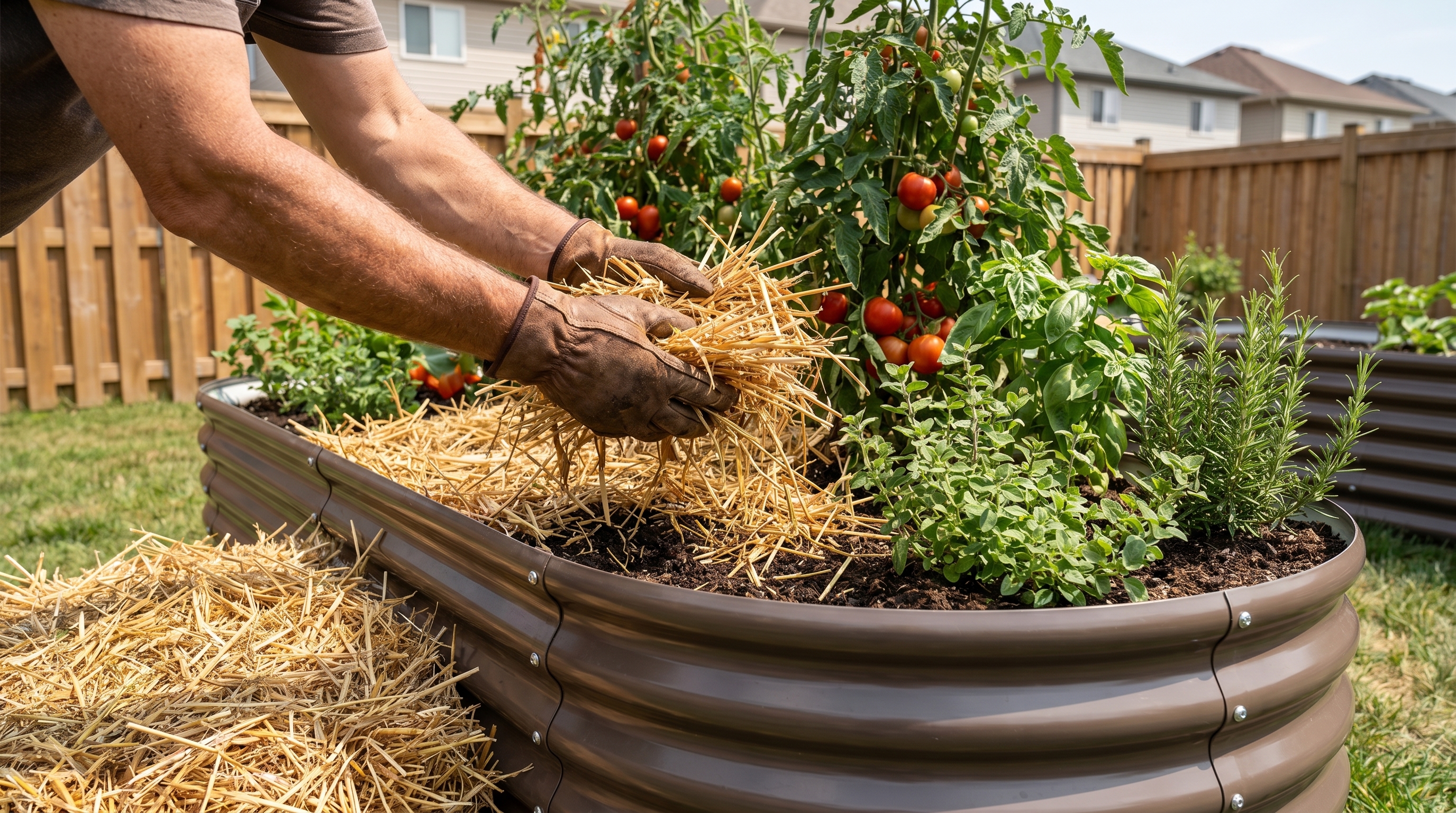
ALT: Gardener applying mulch to a raised garden bed to solve summer heat stress and compaction problems
Advanced Considerations: When Standard Fixes Aren't Enough
Dealing with Multiple Problems Simultaneously
Summer raised beds rarely present just one problem at a time. A heatwave can cause both drought stress and soil compaction simultaneously. Overwatering during a cooler spell can lead to both waterlogging and nutrient leaching. When you're facing multiple symptoms, prioritize in this order: drainage issues first (they escalate fastest), then watering correction, then nutrient support, then pest management.
Resist the urge to apply multiple amendments and treatments at once. Give each intervention 5–7 days to show results before adding another. Piling on treatments — especially fertilizers — can create more problems than it solves.
A Common Misconception: "Bigger Beds Have Fewer Problems"
Many gardeners assume that a larger raised bed will be more stable and require less management. In reality, the challenges of summer gardening scale with plant density and crop selection, not bed size. An oversized bed planted with the wrong crops for your climate will underperform a well-managed compact bed every time.
When asking what size raised bed for a vegetable garden, the better question is how many plants you intend to grow and whether you can comfortably reach the center from the outside. Beds that are 4 feet wide remain the practical standard for this reason. What varies is length and height — taller beds (24 inches and above) are particularly well suited for deep-rooted summer crops like tomatoes and squash.
Misconception: "Metal Beds Are Too Hot for Summer"
This is one of the most persistent myths in raised bed gardening. Well-constructed galvanized steel beds with appropriate wall thickness distribute heat more evenly than thin-gauge alternatives. Adding mulch, maintaining healthy soil biology, and watering appropriately neutralizes any heat concern. The real risk is improper use of any bed material in extreme heat — not the material itself. Anleolife's galvanized steel and rust-resistant raised garden beds are built to last up to 20 years specifically because they're designed to perform across all seasons, summer included.
Frequently Asked Questions
Q1: How do I know if my raised bed has a drainage problem versus a watering problem?
Drainage and overwatering often look the same on the surface, but the diagnosis is simple: check whether water pools after rain or irrigation and how long it takes to disappear. If water sits on the surface for more than 30 minutes after watering, you likely have a drainage or soil compaction issue. If the soil drains quickly but plants still wilt, your watering schedule may be too infrequent for summer heat. A moisture meter inserted at root depth (4–6 inches) gives you the clearest reading of actual conditions.
Q2: Are there pest control solutions that are safe around vegetables and pollinators?
Yes — many effective pest control approaches are pollinator-safe when used correctly. Insecticidal soaps and neem oil (applied in the early morning or evening when bees are less active) target soft-bodied insects without lasting toxicity. Physical barriers like row covers prevent pest access entirely. Companion planting with herbs like basil, dill, and marigolds deters many common pests while attracting beneficial predators. Always read product labels carefully and avoid applying anything during peak bloom hours when pollinators are most active.
Q3: What is the best time of year to fill raised garden beds, and does it matter for summer?
The best time to fill or refresh raised garden beds is late fall or early spring, which gives new soil time to settle and develop beneficial microbial life before planting season. However, summer topdressing with compost is highly effective and can be done any time plants need a nutrient boost. If you're filling a new bed in summer, let the soil settle and water it deeply before planting. Allowing the soil to rest for even a week before planting improves moisture distribution and gives any added amendments time to begin breaking down.
Summary
Summer raised bed gardening is full of challenges — but every common problem has a clear, manageable solution. Here are the three key takeaways from everything covered in this guide:
1. Early detection prevents small problems from becoming season-ending disasters. Weekly bed assessments, moisture checks at root depth, and pattern recognition allow you to respond before problems escalate. Most summer issues in raised beds are fixable within days if caught early.
2. Soil health is the foundation of every fix. Whether you're combating drought stress, root rot, nutrient deficiency, or compaction, the answer almost always traces back to soil quality. Mulching, composting, and maintaining a balanced soil mix address multiple summer problems at once.
3. The right bed makes management easier. High-quality, durable beds with proper drainage, sufficient depth for root development, and materials designed for long-term outdoor use — like Anleolife's galvanized steel and rust-resistant beds, built to last up to 20 years — give you a stable foundation to work from, summer after summer.
Your next step: walk your beds today with this guide in hand. Identify which of the six problems you're currently facing, apply the appropriate fix, and check back in a week. Sustainable summer harvests aren't about doing everything perfectly — they're about responding quickly and confidently when things go sideways.
For gardeners who want to go deeper, our comprehensive checklist on Mid-Summer Raised Bed Maintenance: Your Essential June–July Care Checklist walks through every maintenance task worth doing right now. And if you're thinking about what crops to prioritize for the rest of the season, Top 10 Vegetables to Grow in a Raised Bed This June and Beyond gives you a clear, practical starting point.
Ready to Upgrade Your Garden Setup?
Nationwide U.S. Warehouse Network: Anleolife strategically positions fulfillment centers across California, Texas, Florida, New York, Illinois, and Washington — ensuring delivery within 3–8 business days so your garden upgrade plans move as fast as your ambitions.
Multi-Channel Availability: Shop Anleolife products on Amazon, Walmart, Home Depot, Lowe's, Wayfair, and directly at Anleolife.com for consistent quality assurance and dedicated after-sales support wherever you prefer to shop.
Three Complete Garden Scenarios: Planting (metal raised garden beds, soil systems), Raising (chicken coops, rabbit hutches), and Beautification (decorative accessories, pathway systems) — everything you need from first harvest to full garden lifestyle.
We understand that an ideal garden is not built overnight, but gradually improved over time. Anleolife's modular product design allows flexible expansion based on your needs — from your first raised bed to a fully integrated planting-and-raising ecosystem. We grow with you every step of the way.
References
- University of California Agriculture and Natural Resources. "Summer Vegetable Gardening in California."
https://ucanr.edu/ - U.S. Department of Agriculture — National Gardening Association. "Raised Bed Gardening Guide."
https://www.nal.usda.gov/ - Penn State Extension. "Managing Heat Stress in Vegetable Gardens."
https://extension.psu.edu/ - Colorado State University Extension. "Diagnosing Plant Problems in Home Gardens."
https://extension.colostate.edu/ - Oregon State University Extension Service. "Integrated Pest Management for Home Vegetable Gardens."
https://extension.oregonstate.edu/
Note: Standards and recommendations may be updated. Please check the latest official documents or consult a local cooperative extension service advisor for region-specific guidance.
About Anleolife
Anleolife is a leading outdoor garden solutions provider in North America, dedicated to offering a full-scenario product ecosystem for home gardening enthusiasts, covering planting, raising, and garden beautification. Since its founding, we have upheld our brand mission, "Made for Garden Life," continuously innovating products and optimizing services to help hundreds of thousands of users upgrade their gardens, reconnect with nature, and enjoy a better garden lifestyle.