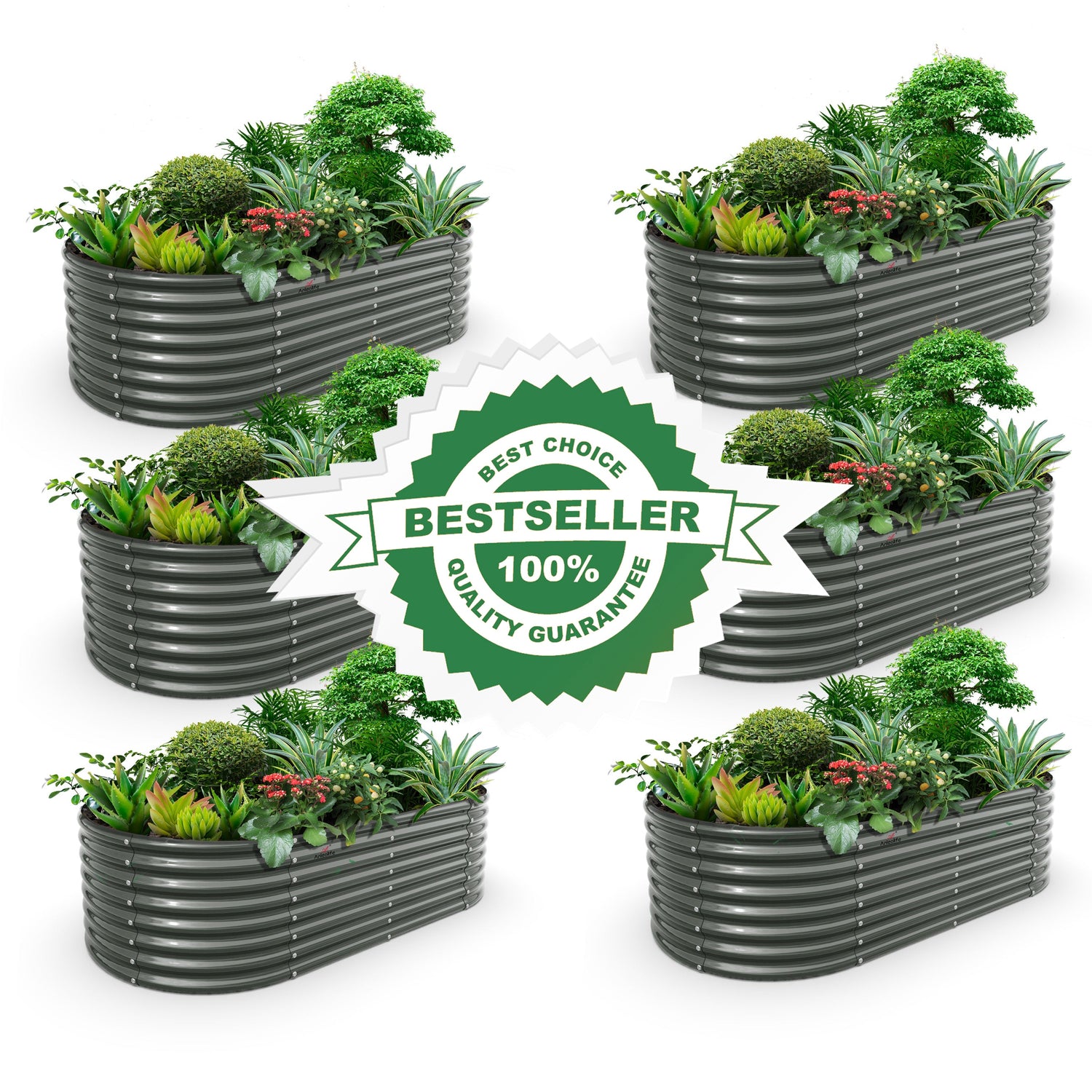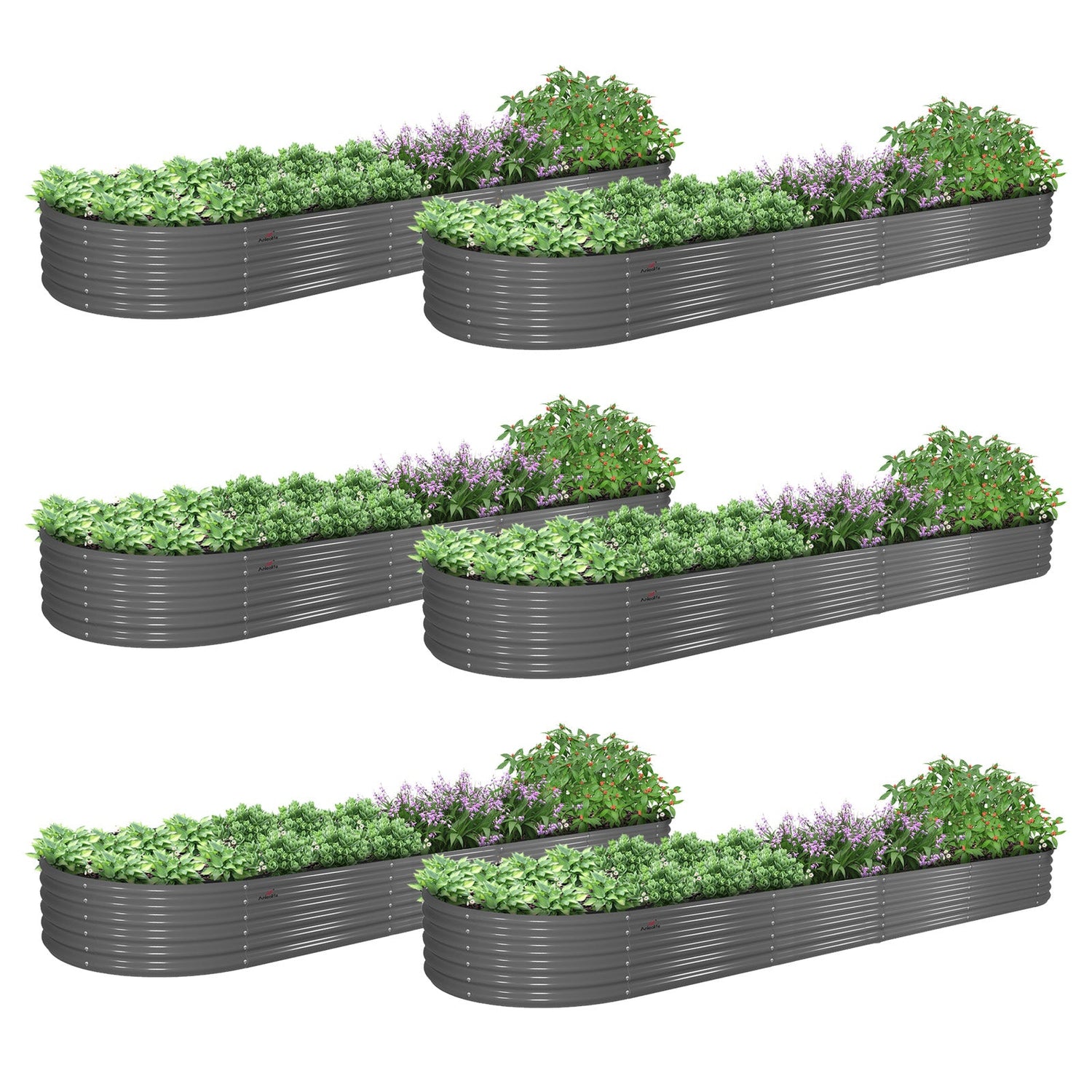



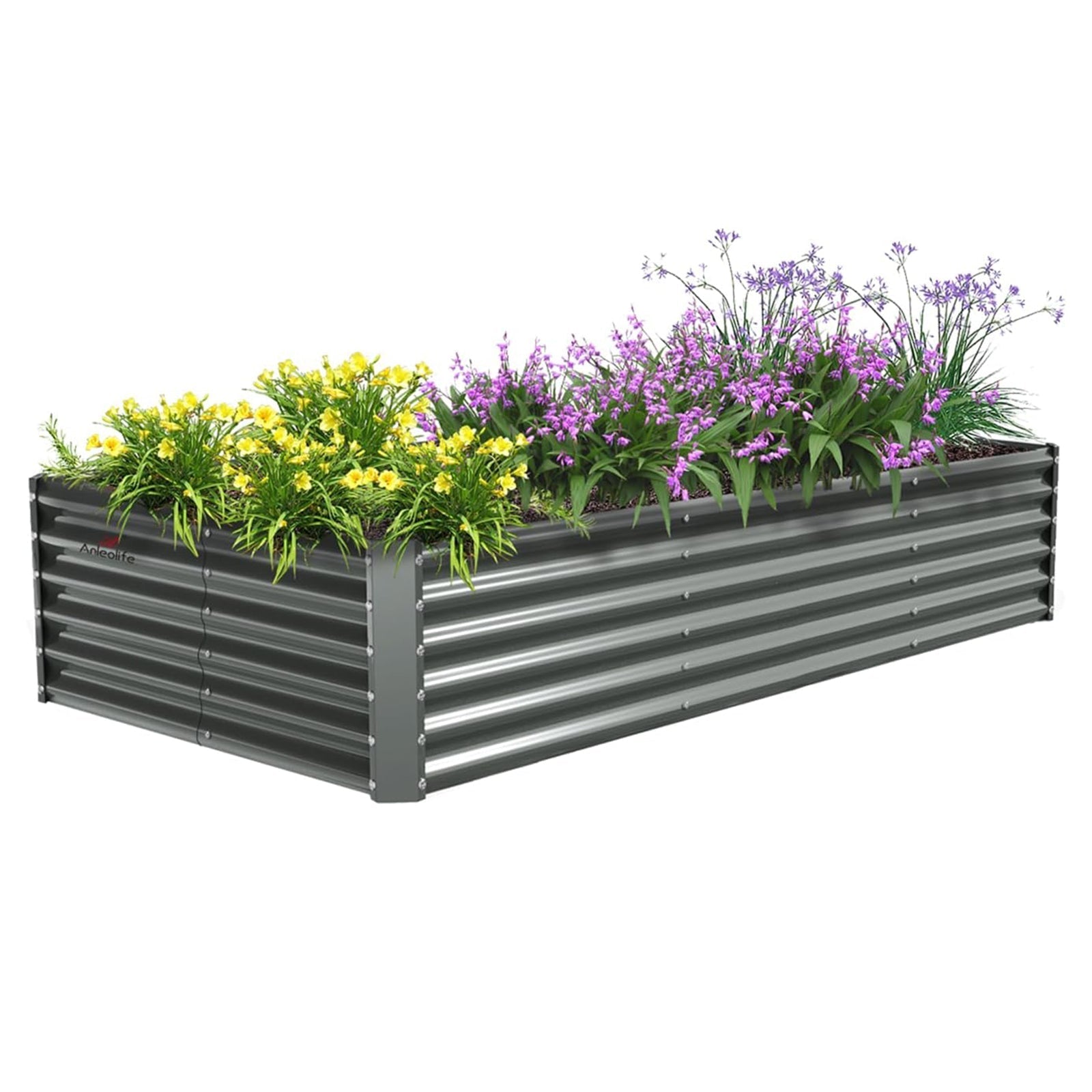

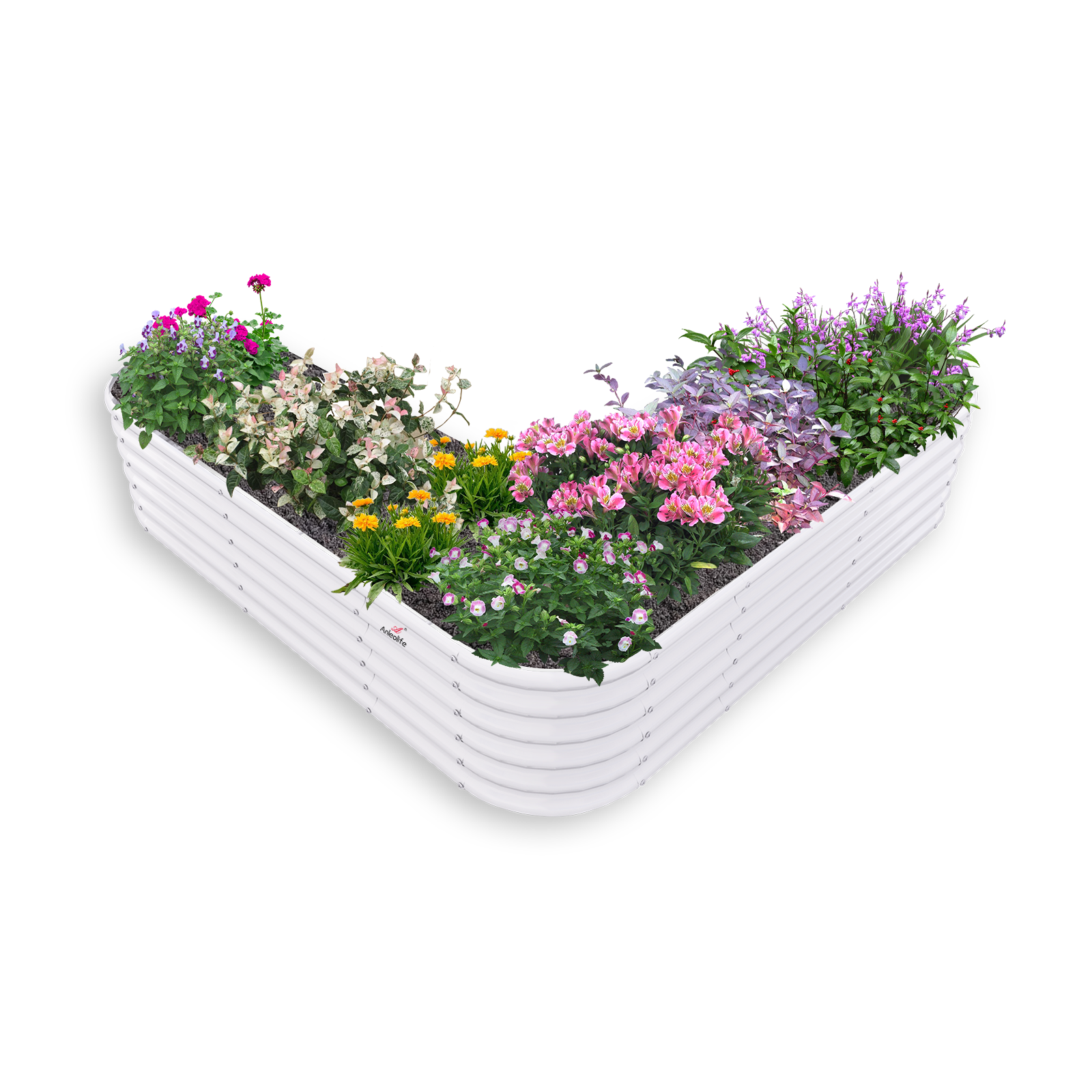
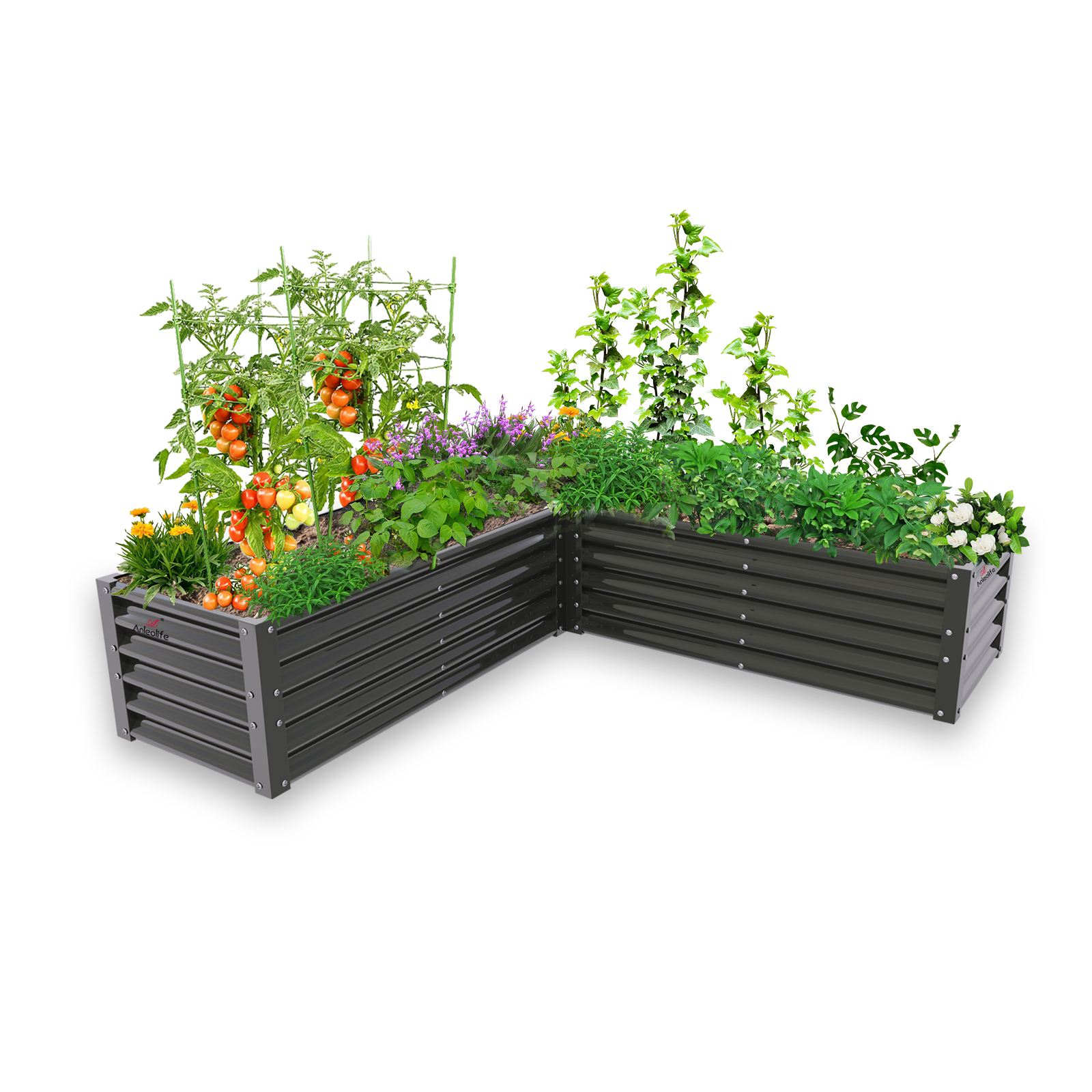
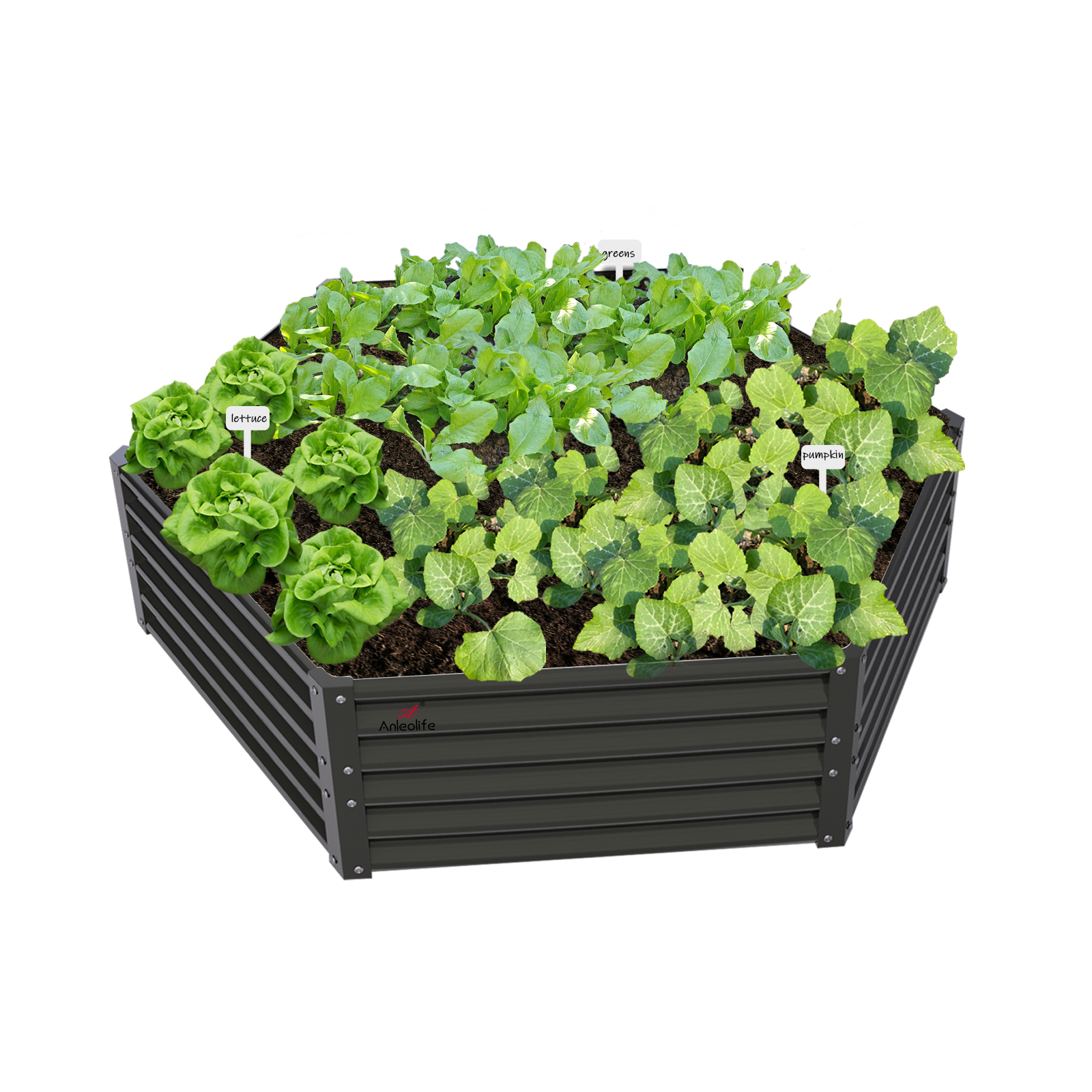
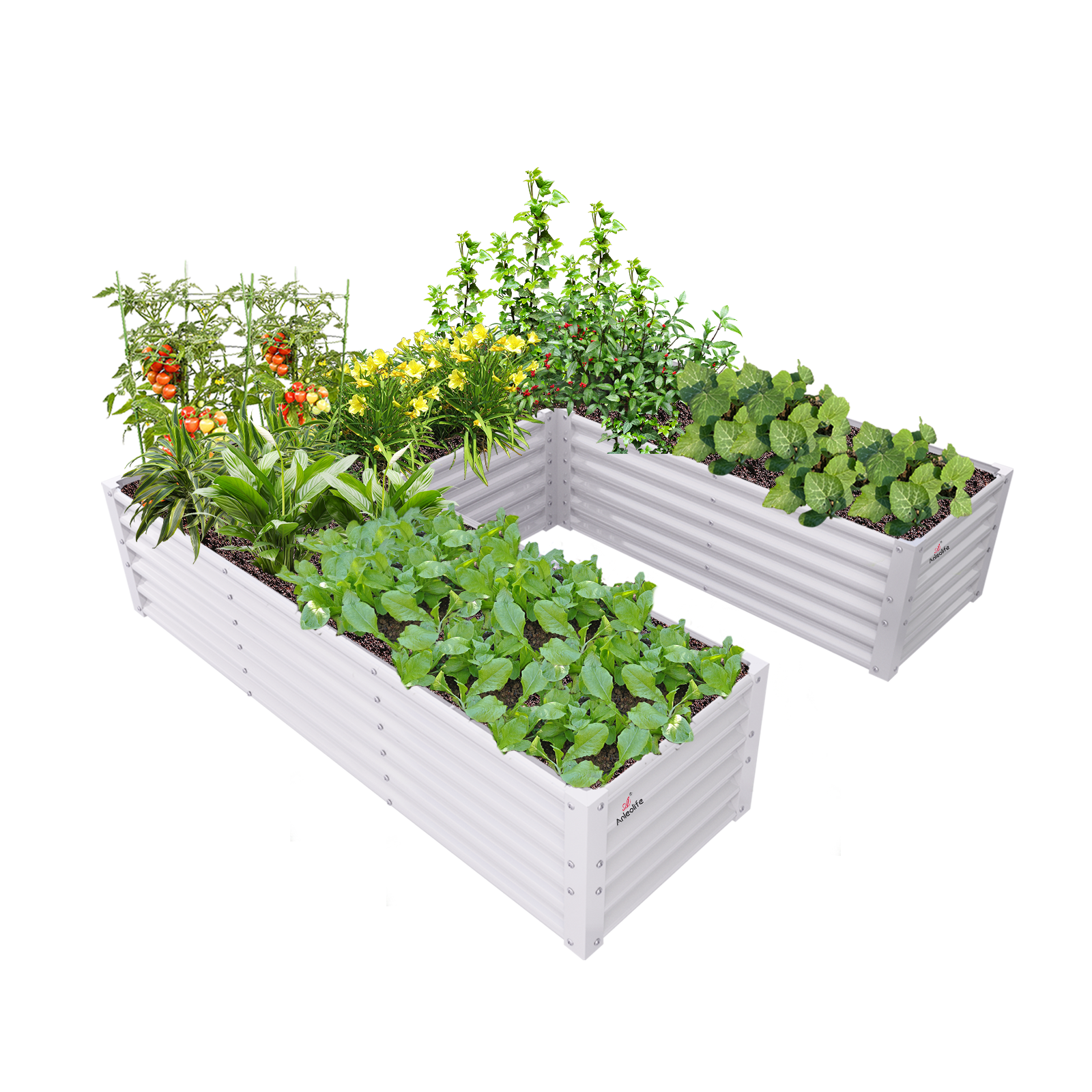

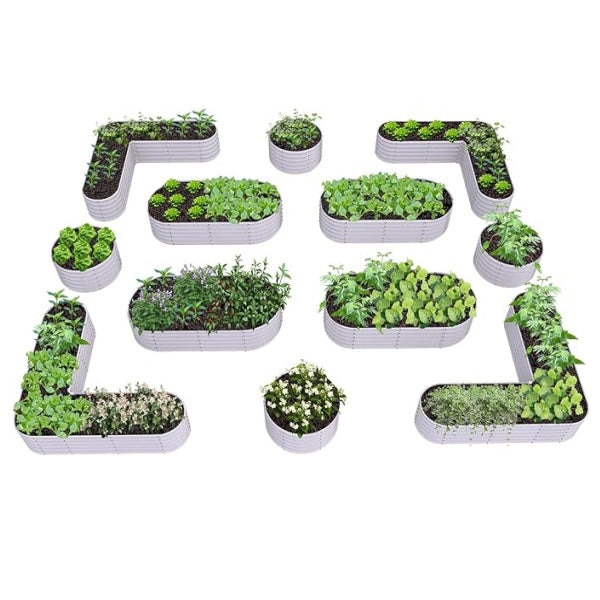


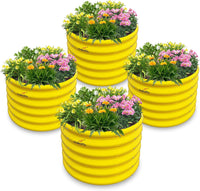
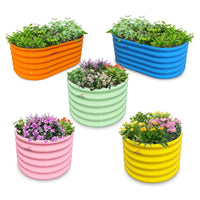
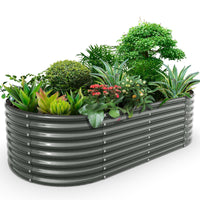



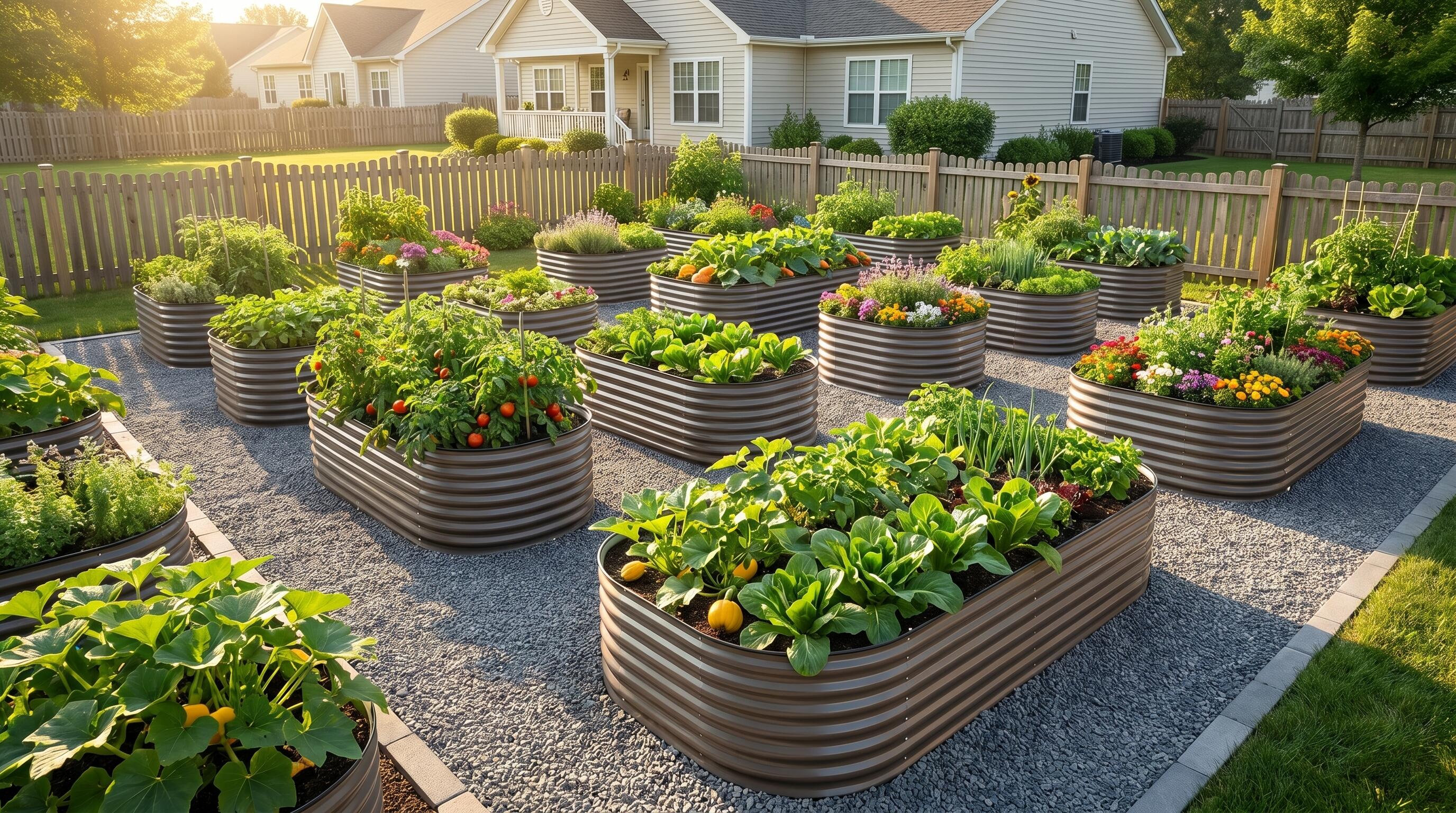
ALT: Expanding a raised garden bed system with modular metal beds in a well-organized backyard garden layout
Why Your Raised Bed Garden Layout Needs a Growth Plan From Day One
Key Conclusion: A thoughtful raised bed garden layout isn't just about where you place your first planter — it's about designing a system that can grow with you. Whether you're starting with one compact bed or planning a full backyard transformation, understanding how to scale your raised bed planting layout in stages saves money, prevents regret, and keeps your garden both beautiful and productive for years to come. A smart raised bed layout built for expansion is the single best investment a home gardener can make.
Many gardeners begin with a single raised bed and quickly discover the joy — and the appetite — that comes with growing your own food. Within a season or two, that one bed feels far too small. Tomatoes are spilling over into herbs, you're out of room for fall crops, and you're already eyeing that empty corner of the yard.
The challenge isn't enthusiasm. It's planning. Most gardeners don't realize that how you set up your first bed determines how easily you can expand later. Poorly placed beds create bottlenecks. Incompatible sizes waste soil and materials. And without a layout strategy, what starts as a garden becomes a patchwork of mismatched planters.
This guide walks you through a practical, stage-by-stage framework for expanding your raised garden bed system — from your very first bed to a complete growing ecosystem — using modular design thinking, smart layout principles, and the right products to support every phase of growth.
Who This Guide Is For
✅ Applicable Scenarios:
- First-time gardeners who started with one or two raised beds and want to expand thoughtfully
- Intermediate home growers ready to increase planting capacity and diversify what they grow
- Homeowners redesigning a backyard and wanting to integrate planting, raising, and beautification zones
- Empty nesters and retirees converting lawn space into productive, low-maintenance garden systems
- Urban micro-gardeners working with limited square footage who want to maximize every inch
❌ Not Applicable/Cautions:
- Gardeners renting a property without permission to make permanent changes to the yard — always check with your landlord before installing beds
- Those looking for container gardening or in-ground planting solutions — this guide focuses specifically on raised bed expansion planning
- Anyone expecting a single weekend to complete a full garden expansion — scaling a garden system properly takes time and phased investment
The Real Reason Most Garden Expansions Fail (And How to Avoid It)
Here's a truth most garden content won't tell you: the majority of raised bed expansions fail — not because of bad soil, bad seeds, or bad weather — but because of bad planning at the start.
The home gardening market in North America has seen extraordinary growth. According to the National Gardening Association, the number of households participating in food gardening has grown steadily over the past decade, with vegetable gardening now one of the most popular home improvement activities in the United States. That surge in interest has led millions of families to purchase their first raised bed — and then their second, third, and fourth — often without a coherent system tying them together.
The result? Gardens that are hard to water, difficult to navigate, inefficient to plant, and aesthetically cluttered. Beds placed too close together restrict wheelbarrow access. Beds oriented the wrong direction cast shadows on neighboring crops. Beds of inconsistent depths make unified soil management nearly impossible.
What successful gardeners understand is that a raised bed isn't a standalone object — it's a node in a larger ecosystem. Every decision you make about placement, orientation, sizing, and spacing either opens up future possibilities or closes them down.
The good news: if you're reading this before you've fully committed your layout, you're in the best possible position. And even if you already have beds in place, there are smart ways to integrate and expand around what you've built. This guide covers both.
For a deeper introduction to raised bed gardening fundamentals, including soil selection, bed depth recommendations, and seasonal planting strategies, visit the Anleolife Resource Center — a comprehensive hub for home gardeners at every level.
A Stage-by-Stage Framework for Expanding Your Raised Bed System
Three-Step Quick Start for First-Time Expanders
Step 1: Audit Your Current Setup
Before you buy a single additional bed, spend 30–60 minutes evaluating what you already have. Measure your existing beds (length, width, depth), note their orientation relative to the sun, and walk the pathways between them at their busiest — when you're carrying a watering can or harvesting a full basket. Identify what's working, what's cramped, and where you consistently wish you had more space. This audit becomes the foundation of your expansion plan.
Step 2: Map Your Available Space and Define Zones
Using graph paper or a free garden planning app, sketch your yard to scale. Mark fixed features: trees, fences, structures, utility lines, and water access points. Then divide your available space into three functional zones — a Planting Zone for your raised beds, a Raising Zone if you keep chickens or rabbits, and a Beautification Zone for pathways, decorative elements, and seating. Allocating zones before purchasing new beds prevents the most common layout mistakes. Allow 2–3 hours for this step.
Step 3: Choose a Modular Expansion Strategy
Decide whether you'll expand by adding beds in a linear row, a grid configuration, or a U-shaped or L-shaped arrangement. Each approach has different implications for access, irrigation, and visual flow. Once you've chosen your configuration, select beds in consistent dimensions — ideally from the same product line — so soil volumes, accessories, and covers remain interchangeable. Standardizing your beds now will save significant time and money over the next 5–10 years of gardening.
Comparing Expansion Strategies: Which Layout Is Right for Your Garden?
The three most common raised bed expansion layouts each suit different yard sizes, gardening goals, and physical needs. Here's how they compare:
| Comparison Dimension | Linear Row Layout | Grid Configuration | U-Shape / L-Shape Layout |
|---|---|---|---|
| Best For | Long, narrow yards or fence lines | Square or open backyard spaces | Corner spaces, small yards, or accessibility needs |
| Minimum Path Width | 24 inches between beds | 24–36 inches on all sides | 18–24 inches on inner curve |
| Scalability | Easy to extend in one direction | Highly scalable, very organized | Moderate — good for defined zones |
| Water Access | Simple drip line along one side | Central or multiple drip zones needed | Single central water source often works |
| Aesthetic Appeal | Clean, structured, traditional | Formal and symmetrical | Naturalistic, immersive, visually interesting |
| Ideal Bed Count to Start | 2–4 | 4–9 | 3–6 |
| Works With Anleolife Modular Beds | ✅ | ✅ | ✅ |
| Suitable for Beginners | ✅ | ✅ | ❌ (better for intermediate gardeners) |
Most beginning expanders do best with a linear row or grid configuration — they're intuitive, easy to navigate, and straightforward to irrigate. As confidence and space allow, an L-shape or U-shape can transform a garden corner into a genuinely immersive growing environment.
Detailed Expansion Guide: From One Bed to a Full Garden Ecosystem
Phase 1 — The Foundation Bed (1–2 Beds)
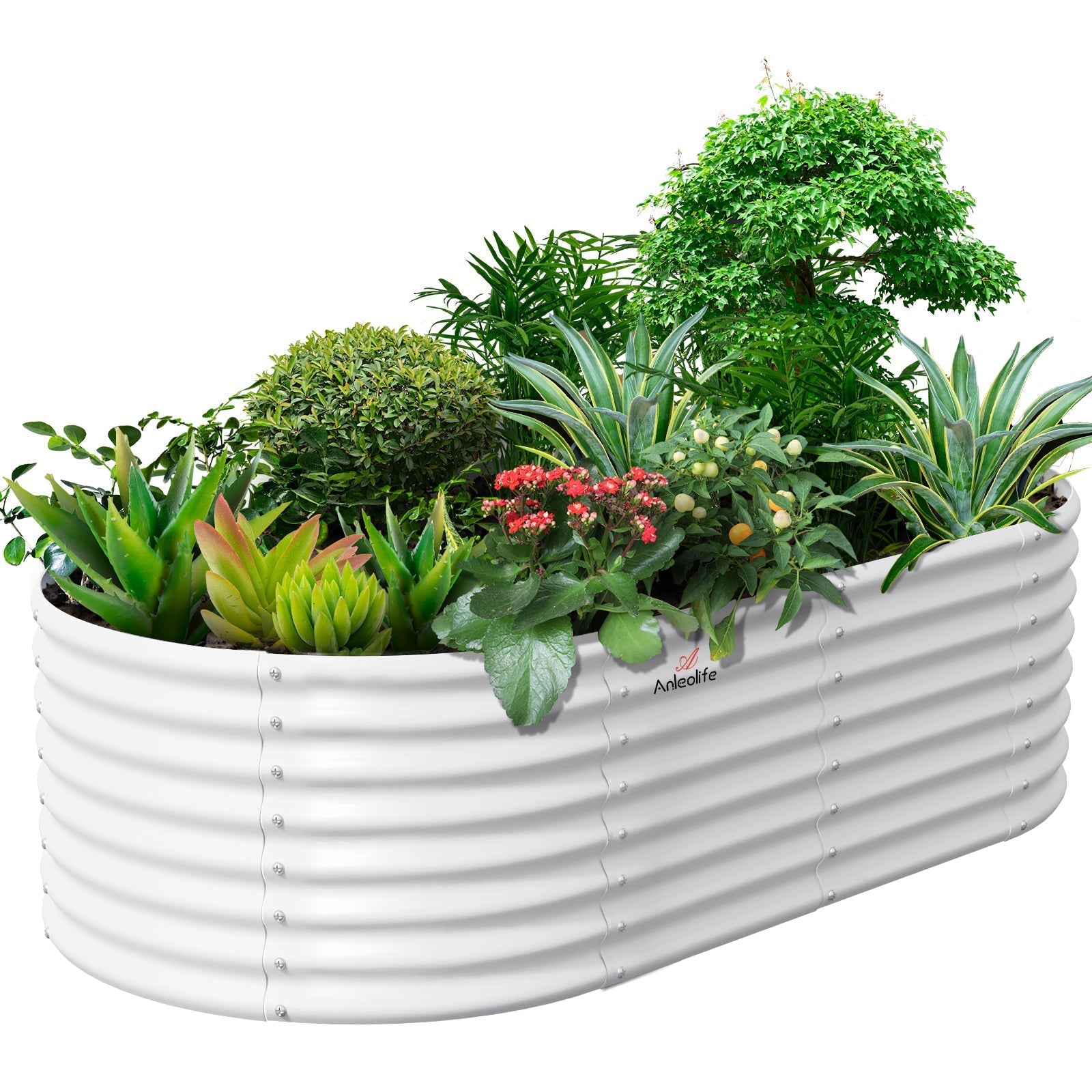
Every great garden system starts with a single, well-placed bed. The most popular starter size for North American home gardeners is the 8x4x2 raised bed — wide enough to reach the center from either side without stepping in, long enough for meaningful crop diversity, and deep enough (24 inches) for root vegetables, tomatoes, and perennial herbs.
When placing your first bed, prioritize south or southeast orientation to maximize sun exposure. Ensure you have at least 6 hours of direct sunlight hitting the planting surface during peak growing season. Keep the bed within 50 feet of a water source — a standard garden hose at this length offers both flexibility and sufficient pressure for most vegetable gardens. In fact, for watering vegetable gardens efficiently, a 50-foot hose is widely considered the sweet spot: long enough to reach most small backyards, short enough to maintain good water pressure without tangling.
At this stage, resist the urge to fill your yard with beds immediately. One or two well-managed beds teach you more about your specific microclimate — shade patterns, wind exposure, drainage behavior — than a dozen poorly observed ones.
Phase 2 — The Working Garden (3–6 Beds)
Once you've completed one or two growing seasons and feel confident in your soil management and planting rhythms, it's time to expand into a working garden. This is the phase where layout decisions matter most.
Adding beds in the same dimension as your starter bed is the easiest and most cost-effective approach. You maintain consistent soil volume (which simplifies fertilizing and amendment calculations), covers and accessories remain interchangeable, and the visual harmony of matched beds creates a more polished aesthetic.
If you're working with a modest budget, it's genuinely possible to build a raised bed for under $50 using galvanized steel corner kits, untreated pine boards, or by choosing a more compact 4x4 bed size. However, for long-term value, investing in a quality metal raised garden bed pays dividends quickly. Anleolife's metal raised garden beds, for example, carry a 20-year lifespan guarantee — meaning the per-year cost of a quality metal bed over two decades is often less than that of a budget wooden bed replaced every three to five years.
At this phase, also begin thinking about garden tool storage solutions. As your bed count increases, so does your tool inventory. For small spaces, wall-mounted vertical tool racks, compact rolling carts that fit between beds, and weatherproof storage benches that double as seating are all excellent options. The best garden tool storage solutions for small spaces are those that keep tools accessible, protected from moisture, and integrated seamlessly into the garden aesthetic rather than cluttering pathways.
Irrigation becomes critical at this stage. A simple drip irrigation kit connected to a timer can service 3–6 beds efficiently and dramatically reduces the time commitment of regular watering — often from 30–45 minutes per day down to a simple weekly check.
Phase 3 — The Integrated Garden Ecosystem (7+ Beds and Beyond)
This is where a raised bed system becomes a true garden ecosystem — and where thoughtful planning from earlier phases pays off in full.
At 7 or more beds, you're likely growing a meaningful portion of your family's vegetables, possibly starting seedlings for transplant, and exploring season extension with cold frames or row covers. You may also be considering adding a chicken coop or rabbit hutch to create a natural composting loop — chickens scratch and fertilize while producing eggs, rabbits generate ideal garden compost, and the integration of raising animals with plant growing becomes genuinely satisfying and efficient.
At this scale, beautification also becomes important. Defined pathways — gravel, stepping stones, mulched wood chip paths — separate working zones from display areas. Decorative garden ornaments, trellises, and climbing structures add vertical interest. For those gardening in warmer climates or creating tropical-themed outdoor spaces, the best garden ornaments for tropical landscaping tend to be bold, architectural pieces: large ceramic pots, bamboo edging, sculptural water features, and lush trailing plants that soften the structural lines of raised metal beds.
Anleolife's full product ecosystem supports every phase of this expansion — from the structural raised beds that anchor your planting zones, to the chicken coops and rabbit hutches that complete the raising zone, to the decorative accessories and pathway systems that pull the entire garden together visually.
Practical Layout Case Study: The Gonzalez Family Garden
Maria and Carlos Gonzalez, both in their early 50s with children recently out of the house, converted their suburban California backyard over three seasons. They began with a single Anleolife 8x4x2 metal raised bed along their south-facing fence in spring of year one. By year two, they'd added three more beds in a grid configuration, installed a drip irrigation system, and built a simple vertical tool storage unit between two beds. By year three, they'd added two more beds, a small chicken coop housing four hens, and a gravel pathway system that connected the planting and raising zones elegantly.
What made their expansion successful wasn't money — it was the phased, deliberate approach. Each season informed the next. Each purchase had a clear functional purpose. And because they'd standardized their bed dimensions from day one, every accessory, cover, and trellis system they added was interchangeable across all six beds.
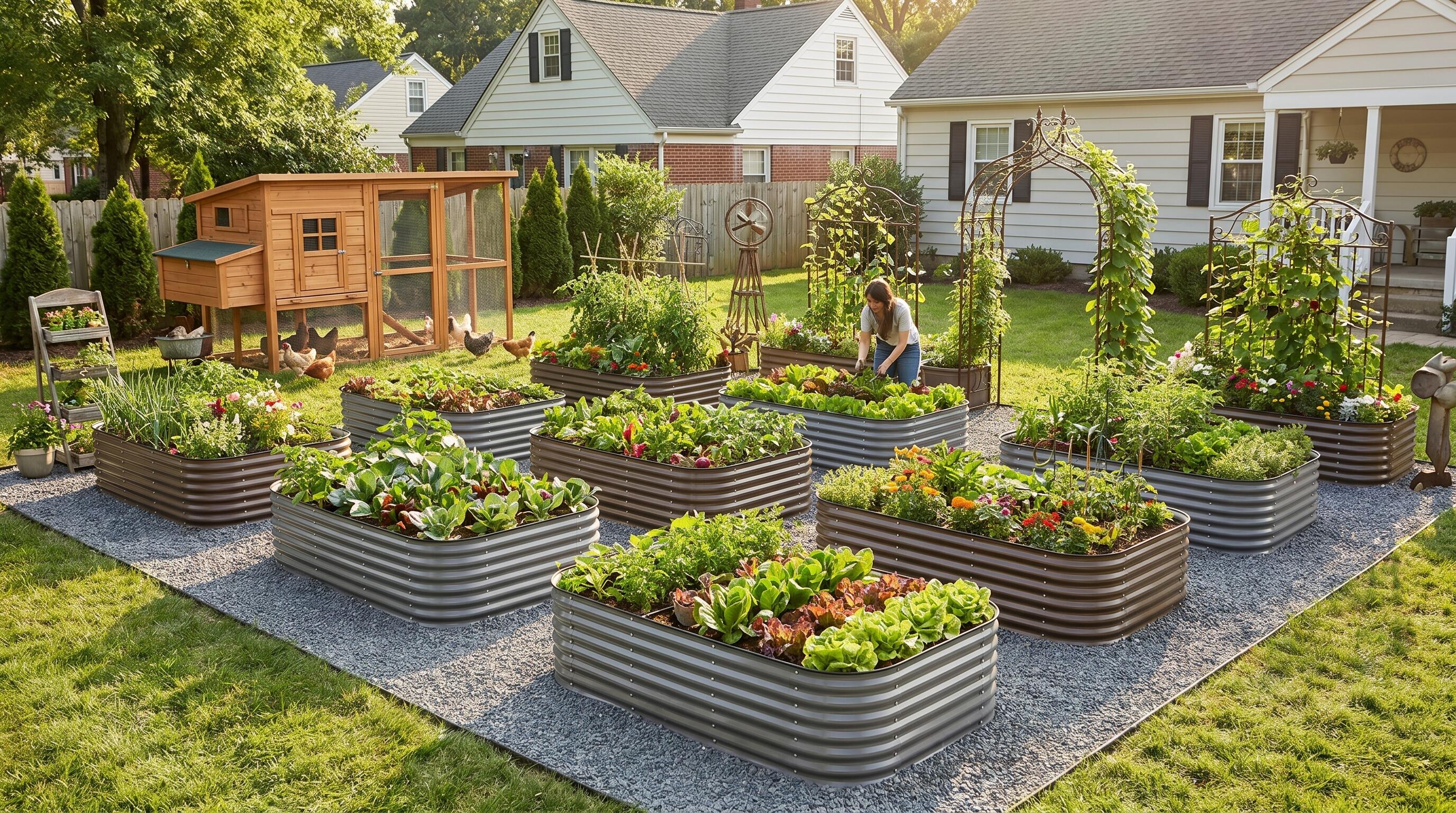
ALT: Multi-bed raised garden layout with metal raised beds, gravel pathways, chicken coop, and decorative garden ornaments in a suburban backyard
Advanced Considerations for Scaling Your Garden System
Managing Soil Across Multiple Beds
One of the least glamorous but most important aspects of expansion is soil continuity. As you add beds, maintaining consistent soil composition across your entire system ensures predictable growth, simplifies fertilization schedules, and prevents the confusion of having six different beds performing six different ways.
A reliable base mix — typically 60% topsoil, 30% compost, and 10% perlite or coarse sand — scales well across any number of beds. Build this blend in bulk when adding multiple beds simultaneously to reduce per-cubic-yard costs significantly.
A Common Misconception: Bigger Is Always Better
Many gardeners assume that maximizing bed size maximizes yield. In reality, manageability is the ceiling on productivity. A garden you can fully tend, water, and harvest is infinitely more productive than one that overwhelms you in August. Add beds at a pace that keeps you genuinely engaged — not stressed.
Watering Infrastructure Across a Growing System
As your system scales, hand-watering becomes impractical. The transition from a single garden hose to a tiered irrigation system should happen around bed four or five. At larger scales (8+ beds), zone-based drip irrigation with a smart timer pays for itself in water savings, plant health, and time within a single growing season.
Integrating Beautification Without Sacrificing Function
The best expanded garden systems balance productivity with aesthetics. Pathway materials, bed edging, and decorative elements should be chosen to complement — not compete with — your growing areas. A thoughtful beautification approach actually increases the time you spend in the garden (which means better observation and maintenance) and adds genuine value to your property.
Frequently Asked Questions FAQ
Q1: How do I expand my raised garden bed layout without disrupting my existing plants?
The best approach is to expand during the shoulder seasons — early spring before planting begins, or fall after harvest. Place new beds adjacent to existing ones rather than rearranging current beds. If you must work near active plants, use temporary fencing or barriers to protect root zones. Expanding in phases — one or two beds per season — keeps disruption minimal and gives you time to amend pathways and irrigation incrementally without major upheaval.
Q2: Are metal raised garden beds a good long-term investment compared to wood?
Absolutely, for most home gardeners. High-quality metal raised garden beds — like those from Anleolife — come with a 20-year lifespan guarantee, compared to untreated wood, which typically lasts 3–7 years before degrading. While the upfront cost of metal may be slightly higher, the total cost of ownership over two decades is significantly lower. Metal beds also won't splinter, warp, or harbor pests in the same way organic materials do, making them an especially sound choice for families and retirees planning a long-term garden.
Q3: How long does it typically take to receive new raised beds when expanding my system?
With Anleolife's nationwide U.S. warehouse network — strategically located in California, Texas, Florida, New York, Illinois, and Washington — delivery typically takes 3–8 business days from order to doorstep. This makes it easy to plan seasonal expansions without long lead times. For time-sensitive projects like spring garden buildouts, ordering 1–2 weeks before your target installation date ensures your materials arrive with comfortable margin for assembly and soil preparation.
Summary
Expanding your raised garden bed system is one of the most rewarding projects a home gardener can undertake — but its success hinges on three foundational principles.
First, plan for expansion from day one. The decisions you make about bed size, orientation, and spacing with your very first bed will either enable or constrain every bed that follows. Standardizing on modular, compatible dimensions is the single best thing you can do to make future expansion seamless.
Second, expand in phases. Each season teaches you something new about your specific garden microclimate, your planting preferences, and the practical realities of managing a larger system. Phased expansion keeps costs manageable, prevents overwhelm, and allows each addition to be genuinely informed by experience.
Third, think in systems, not just beds. A truly great garden integrates planting, raising, and beautification into a coherent whole. When your vegetable beds, animal enclosures, irrigation infrastructure, tool storage, and pathways all work together, the garden becomes more than the sum of its parts — it becomes a living, evolving space that rewards you with food, beauty, and connection to the natural world for decades to come.
Your next step is simple: start with an audit of what you have, sketch a zone map of where you're going, and choose your next bed with the full system in mind.
Ready to Expand? Anleolife Grows With You.
Anleolife supports every stage of your garden's growth with a nationwide U.S. warehouse network strategically located in California, Texas, Florida, New York, Illinois, and Washington — ensuring delivery in 3–8 business days so your garden upgrade plans never have to wait.
Products are available on major e-commerce platforms including Amazon, Walmart, Home Depot, Lowe's, and Wayfair, as well as the official website Anleolife.com — providing consistent quality assurance and dedicated after-sales service no matter where you shop.
Anleolife's three core scenarios have everything you need: Planting (metal raised garden beds with a 20-year lifespan, soil systems), Raising (chicken coops, rabbit hutches), and Beautification (decorative accessories, pathway systems) — meeting complete needs from functionality to aesthetics.
We understand that an ideal garden isn't built overnight — it's cultivated gradually, season by season, bed by bed. Our modular product design allows flexible expansion based on your needs: from your first 8x4x2 garden bed to a fully integrated planting-and-raising ecosystem. We grow with you, every step of the way.
References
- National Gardening Association. "Gardening Trends and Statistics in American Households".
https://garden.org/ - University of California Agriculture and Natural Resources. "Raised Bed Gardening: Soil Management and Planting Strategies".
https://ucanr.edu/ - U.S. Department of Agriculture (USDA). "Home Vegetable Gardening and Urban Agriculture Resources".
https://www.usda.gov/topics/urban - Penn State Extension. "Planning and Building Raised Bed Gardens".
https://extension.psu.edu/ - Oregon State University Extension Service. "Raised Bed Gardening Guide".
https://extension.oregonstate.edu/
Note: Gardening best practices and product specifications may be updated over time. Please check the latest official resources or consult a professional garden advisor for guidance specific to your region and growing conditions.
About Anleolife
Anleolife is a leading outdoor garden solutions provider in North America, dedicated to offering a full-scenario product ecosystem for home gardening enthusiasts, covering planting, raising, and garden beautification. Since its founding, we have upheld our brand mission, "Made for Garden Life," continuously innovating products and optimizing services to help hundreds of thousands of users upgrade their gardens, reconnect with nature, and enjoy a better garden lifestyle.