



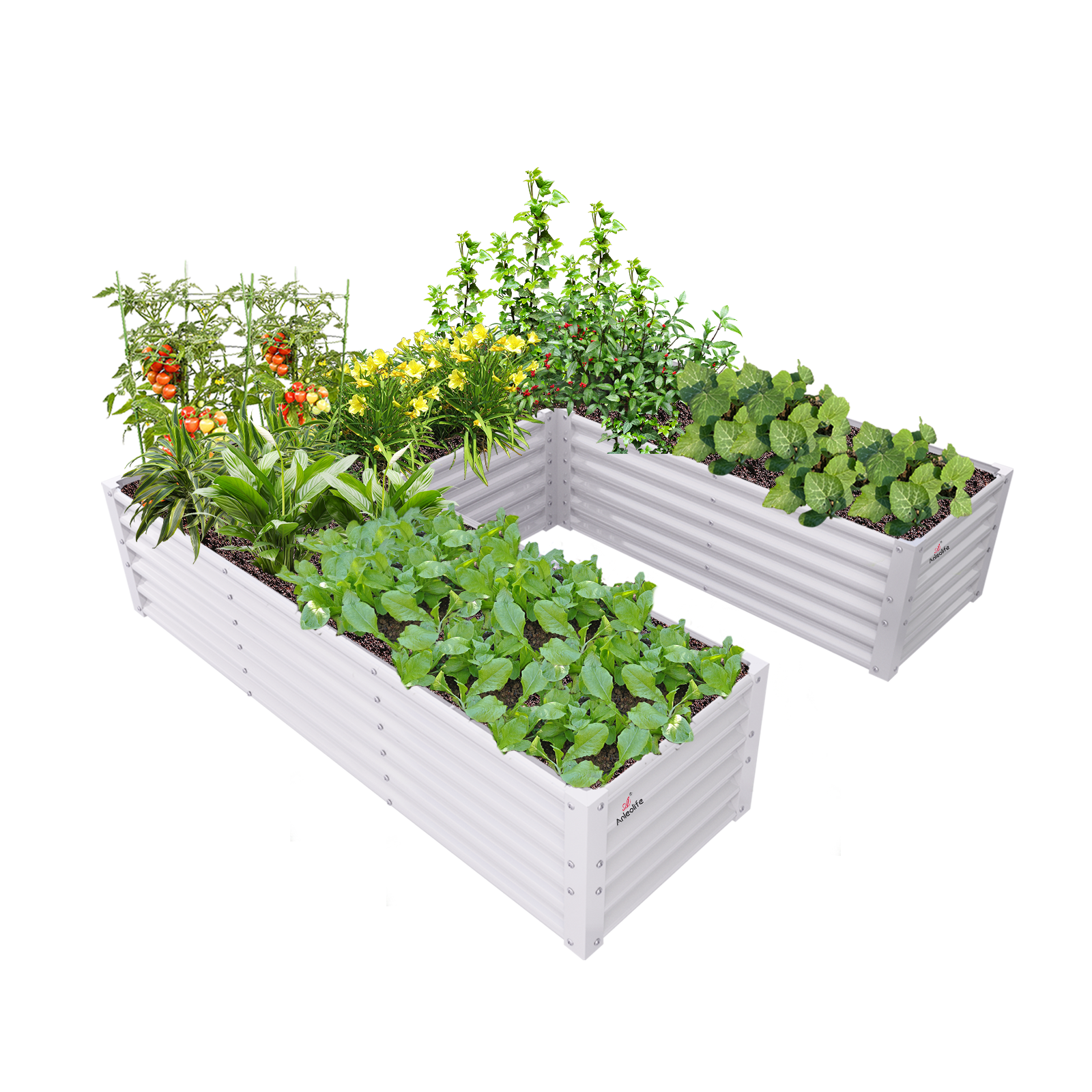

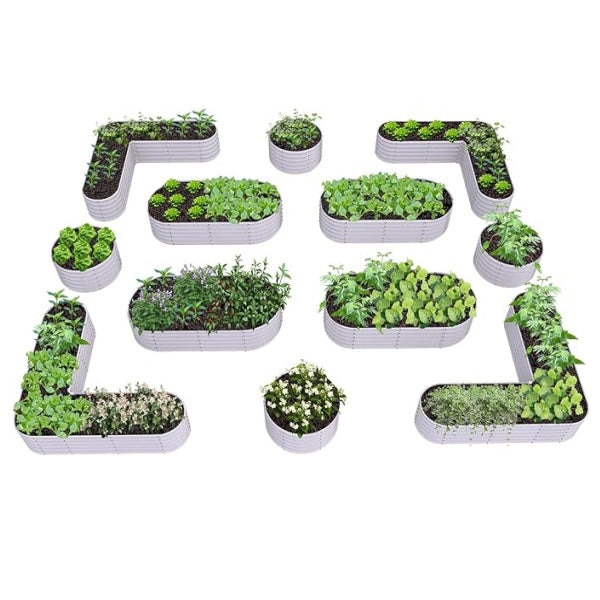





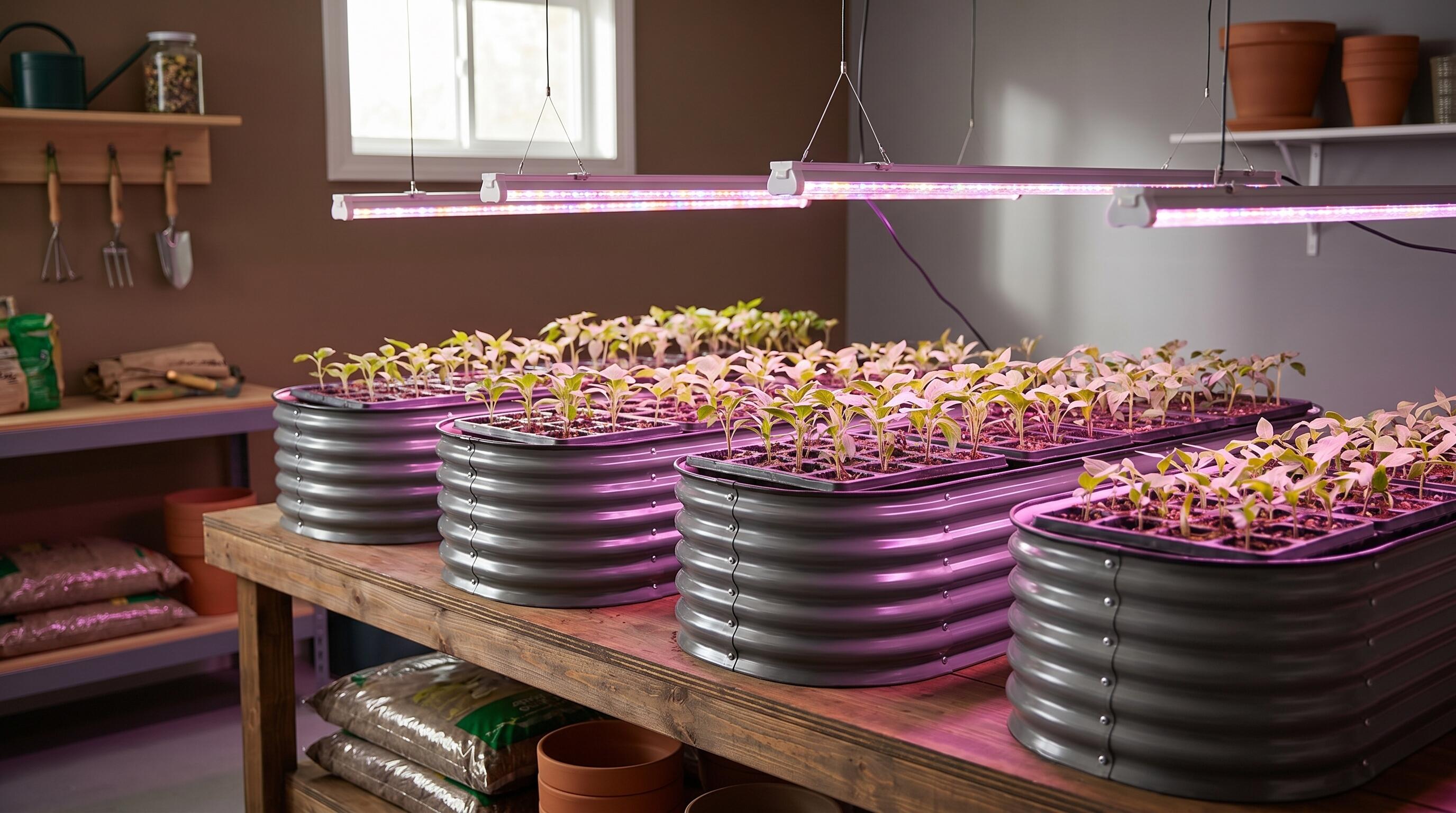
ALT: LED grow lights shining over seed trays indoors, preparing seedlings for fall garden planting season
Why Indoor Seed Starting with LED Grow Lights Is a Game-Changer for Fall Planting
Key Conclusion: Starting seeds indoors with LED grow lights gives fall gardeners a powerful advantage—extending the growing season, improving germination rates, and ensuring robust seedlings ready for transplant. Whether you're working with a raised bed garden layout, optimizing a raised bed planting layout, or planning a compact raised bed layout on a patio, indoor seed starting bridges the gap between summer's end and fall's best harvests. Done right, it transforms your gardening results dramatically.
Fall planting is one of gardening's best-kept secrets. Cooler temperatures mean fewer pests, lower water demands, and spectacular crops of kale, broccoli, spinach, lettuce, and root vegetables. But timing is everything—and that's where indoor seed starting under LED grow lights becomes essential.
The challenge is that fall's shorter days and unpredictable weather make direct sowing risky. By starting seeds indoors 4–8 weeks before your planned transplant date, you take full control of the germination environment. LED grow lights make this practical, affordable, and surprisingly beginner-friendly, providing the full light spectrum seedlings need without the heat stress of older fluorescent or HID systems.
This guide walks you through everything—from choosing the right LED setup to hardening off seedlings before moving them into your outdoor beds.
Who Should Read This Guide
✅ Applicable Scenarios:
- Home gardeners in USDA zones 3–9 who want to extend their growing season into fall with a head start indoors
- Urban micro-gardeners with limited outdoor space who rely on raised bed layouts and need transplant-ready seedlings
- Empty nesters and retirees looking to keep their gardens productive year-round with a manageable indoor setup
- Eco-conscious growers who want to avoid buying greenhouse-grown transplants and prefer full control over their seedlings
❌ Not Applicable/Cautions:
- Gardeners planning to direct-sow crops like carrots, radishes, and beets—these do best sown directly in the ground and don't benefit from indoor starting
- Those without a suitable indoor space with access to a standard electrical outlet and a stable surface for a light fixture and seed trays
The Science Behind Fall Planting and Why Light Is the Limiting Factor
Fall planting is having a genuine renaissance among North American home gardeners. According to the National Gardening Association, vegetable gardening participation in the U.S. continues to grow, with millions of households now maintaining kitchen gardens year-round. Fall crops like broccoli, Swiss chard, arugula, and Asian greens are among the most nutritionally dense vegetables you can grow—and they actually taste better after a light frost, as cold converts starches to sugars.
But here's the challenge most gardeners face: by the time summer winds down and you think about fall planting, the natural day length is already shortening. If you wait to sow seeds outdoors, there simply isn't enough warm growing time before temperatures drop too far. The solution is to back-calculate from your first expected frost date, count back 6–8 weeks, and start seeds indoors during the peak of summer—when indoor temperatures are warm for germination but the outdoor season is beginning to close.
The problem with starting seeds in late July or August indoors is that natural window light is unreliable. Windows filter out significant portions of the light spectrum that seedlings need, and south-facing windows still don't provide enough intensity to prevent the dreaded "leggy" seedling—a tall, weak stem caused by plants stretching toward insufficient light.
This is where LED grow lights fundamentally change the equation. Modern LED panels deliver full-spectrum light at the precise wavelengths plants use for photosynthesis—primarily the red (around 630–660nm) and blue (around 400–450nm) spectrums—while producing minimal heat and consuming a fraction of the energy of older lighting technologies. You can run them for 14–16 hours a day without a significant spike in your electricity bill, and they're cool enough to position just a few inches above seedling trays without burning tender leaves.
For gardeners building out a productive raised bed garden layout or transitioning to a more serious raised bed planting layout, mastering indoor seed starting means you'll have an ongoing supply of healthy transplants ready exactly when your beds are available. It's the indoor-outdoor integration that turns a casual backyard garden into a high-producing, year-round system.
The Complete Step-by-Step System for Using LED Grow Lights to Start Fall Seeds Indoors
Three-Step Quick Start
Step 1: Time Your Seed Starting Backward from Frost
Before anything else, find your area's average first frost date (available through the Old Farmer's Almanac or your local cooperative extension). Count back 6–8 weeks for most brassicas and leafy greens, or 4–6 weeks for faster-maturing crops like lettuce and arugula. Mark your indoor start date on a calendar. This single step—planning backward—is what separates successful fall gardeners from those who always seem to run out of season. Allow about 30 minutes to research your frost date and map out a planting schedule for each crop you intend to grow.
Step 2: Set Up Your LED Grow Light Station
Choose a stable, flat surface near an outlet—a basement shelf, utility room table, or spare bedroom dresser all work well. Install your LED grow light fixture above the surface using an adjustable hanging system or a freestanding grow light stand. Set the light height so it sits roughly 2–4 inches above seed trays for young seedlings (adjust upward as plants grow). Connect to a mechanical or digital outlet timer and program it for 14–16 hours of light per day. This setup typically takes 20–40 minutes and doesn't require any special tools.
Step 3: Sow, Germinate, and Transition
Fill seed trays or cell packs with a quality seed-starting mix (lighter and better-draining than garden soil), moisten thoroughly, and sow seeds according to packet depth instructions. Cover trays with a humidity dome to retain moisture during germination—most seeds don't need light until they sprout, so the dome helps hold heat. Once seedlings emerge (typically 3–10 days depending on crop), remove the dome and position trays directly under your LED lights. From this point, your daily routine is simple: check soil moisture, mist or bottom-water as needed, and monitor light height as seedlings grow.
Choosing the Right LED Grow Light: A Comparison of Popular Options
Not all LED grow lights are created equal, and choosing the wrong type is the most common mistake beginners make. Here's how the main categories compare for indoor seed starting:
| Comparison Dimension | Full-Spectrum LED Panels | LED Strip Lights | Quantum Board LEDs |
|---|---|---|---|
| Light Coverage | Medium to large trays (varies by model) | Best for single rows or narrow shelves | Wide, even coverage for multiple trays |
| Heat Output | Low | Very low | Low to moderate |
| Energy Efficiency | High | High | Very high |
| Adjustability | Usually fixed spectrum | Fixed spectrum | Often dimmable |
| Best For | Beginner to intermediate setups | Budget shelving systems | Serious indoor gardeners |
| Typical Cost Range | Moderate | Low | Higher upfront investment |
| Ease of Setup | Plug-and-play | Requires mounting clips | Requires hanging hardware |
For most home gardeners starting seeds for fall planting, a full-spectrum LED panel or a quality quantum board provides the best results. Look for panels rated for the coverage area you need, check that they include both blue and red spectrum output, and prioritize models with a timer or compatibility with standard outlet timers.
If you're outfitting a multi-shelf system—ideal for starting large quantities of seedlings—LED strip lights mounted under each shelf can create a highly efficient tiered growing station at a lower cost per shelf.
Detailed Guide: Light Schedules, Seedling Care, and Transitioning to Outdoor Beds
Understanding the Right Light Schedule for Fall Seedlings
Photoperiod is the term for how many hours of light a plant receives in a 24-hour cycle, and it matters enormously for indoor seed starting. Most vegetables started for fall planting are "day-neutral"—they don't require a specific photoperiod to flower or produce, unlike strawberries or onions. This means you have flexibility.
A light schedule of 14–16 hours on, 8–10 hours off works well for virtually all fall vegetable seedlings. Don't be tempted to run lights 24 hours a day—plants actually need a dark period for respiration and metabolic processes. Continuous light can cause leaf curl and stress in many species.
Use a simple outlet timer to automate your schedule. Set it once and forget it. This is one of the most underrated tools in indoor seed starting because consistency is what seedlings need.
Managing Light Height as Seedlings Grow
One of the most common mistakes is setting the light too high and leaving it there. As your seedlings emerge and begin growing rapidly, you need to adjust the light height to maintain the ideal distance. Too far away and seedlings will stretch and become weak (etiolated). Too close and you risk light burn or drying out the soil surface too quickly.
A practical approach: check daily during the first two weeks by placing your hand at the canopy level of seedlings. If it feels comfortably warm, the distance is right. If it feels noticeably hot, raise the light slightly. Most LED grow lights, especially modern full-spectrum panels, run cool enough that light burn is rare, but it's still worth monitoring.
Watering and Fertilizing Under Grow Lights
Indoor seed starting under LED lights requires attention to soil moisture because the controlled environment can be deceptively dry. The lights don't generate much heat, but the air circulation in typical indoor spaces can dry trays faster than you'd expect.
Bottom watering is the preferred technique for seedlings: pour water into the tray beneath your cell packs and allow the growing medium to absorb moisture from below. This encourages roots to grow downward and reduces the risk of damping off—a fungal condition that causes seedling stems to collapse at soil level.
Hold off on fertilizing until seedlings have developed their first set of true leaves (the second set of leaves that appear after the initial seed leaves, or cotyledons). At that point, a diluted, balanced liquid fertilizer applied every 7–10 days supports healthy growth without over-feeding.
Hardening Off: The Critical Bridge Between Indoors and Outdoors
Perhaps the most important—and most skipped—step in indoor seed starting is hardening off. Seedlings raised under LED lights in a stable indoor environment have not been exposed to wind, direct sunlight, temperature fluctuations, or UV radiation. Moving them directly outdoors is a shock that can set plants back by weeks or even kill them.
Hardening off is a gradual process spanning about 7–10 days:
- Days 1–3: Place seedlings outdoors in a sheltered, shaded spot for 1–2 hours, then bring back inside.
- Days 4–6: Increase outdoor time to 4–6 hours, introducing some gentle morning sun.
- Days 7–10: Allow seedlings to spend most of the day outside, including periods of direct sun, before bringing in at night.
After this process, your seedlings are ready to transplant into their permanent home—whether that's an in-ground bed, a container, or a raised bed layout in your backyard.
Transplanting into Raised Beds: Making the Most of Your Setup
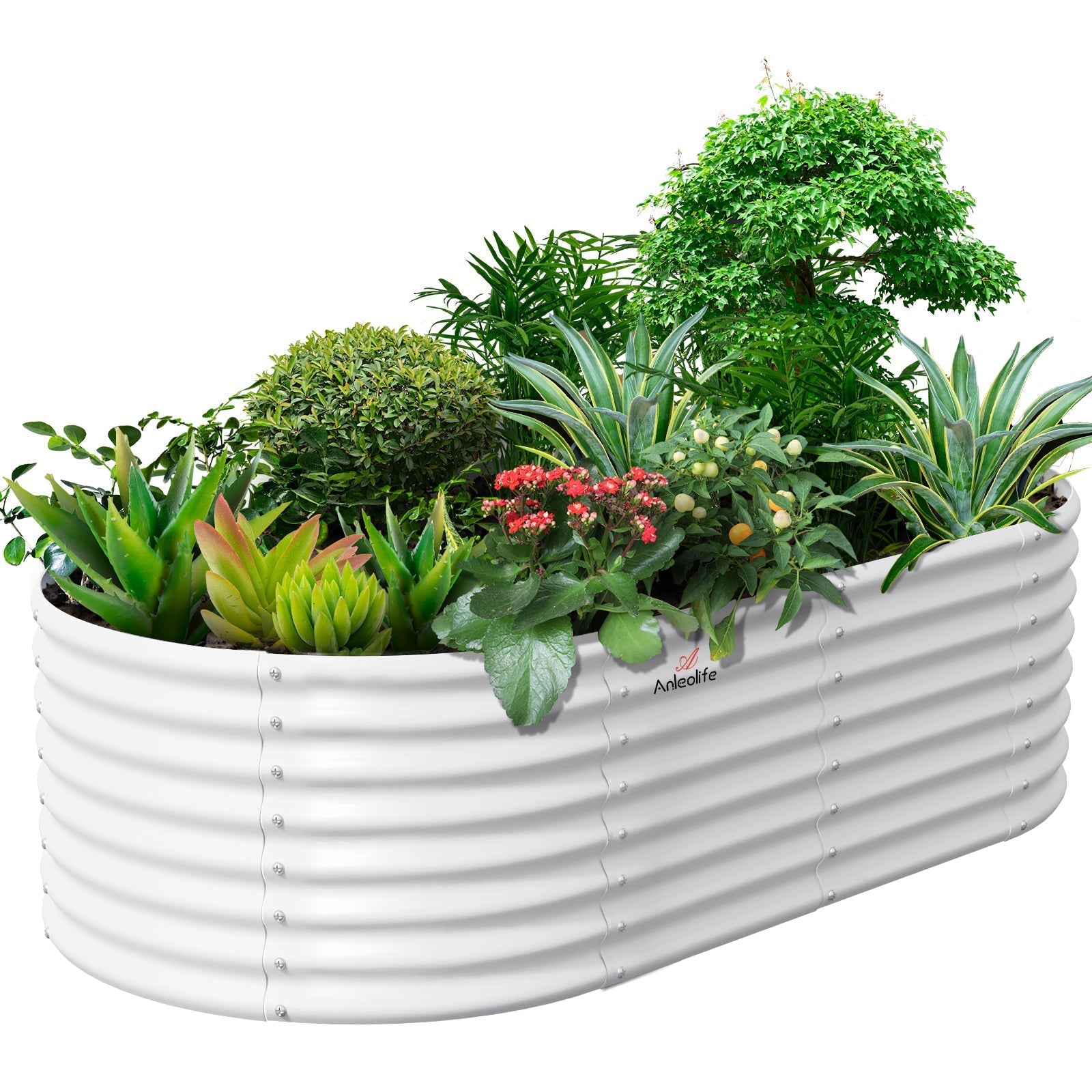
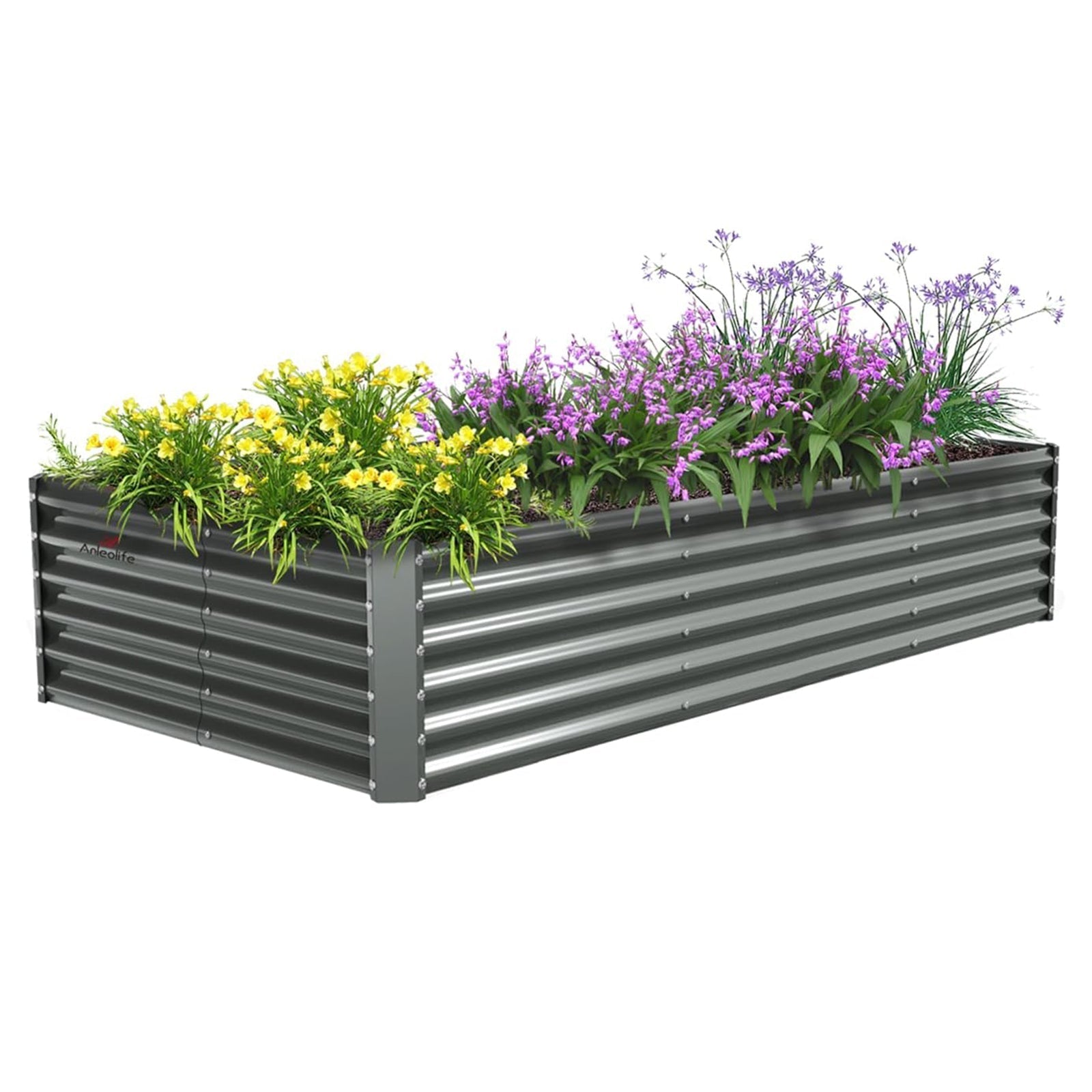
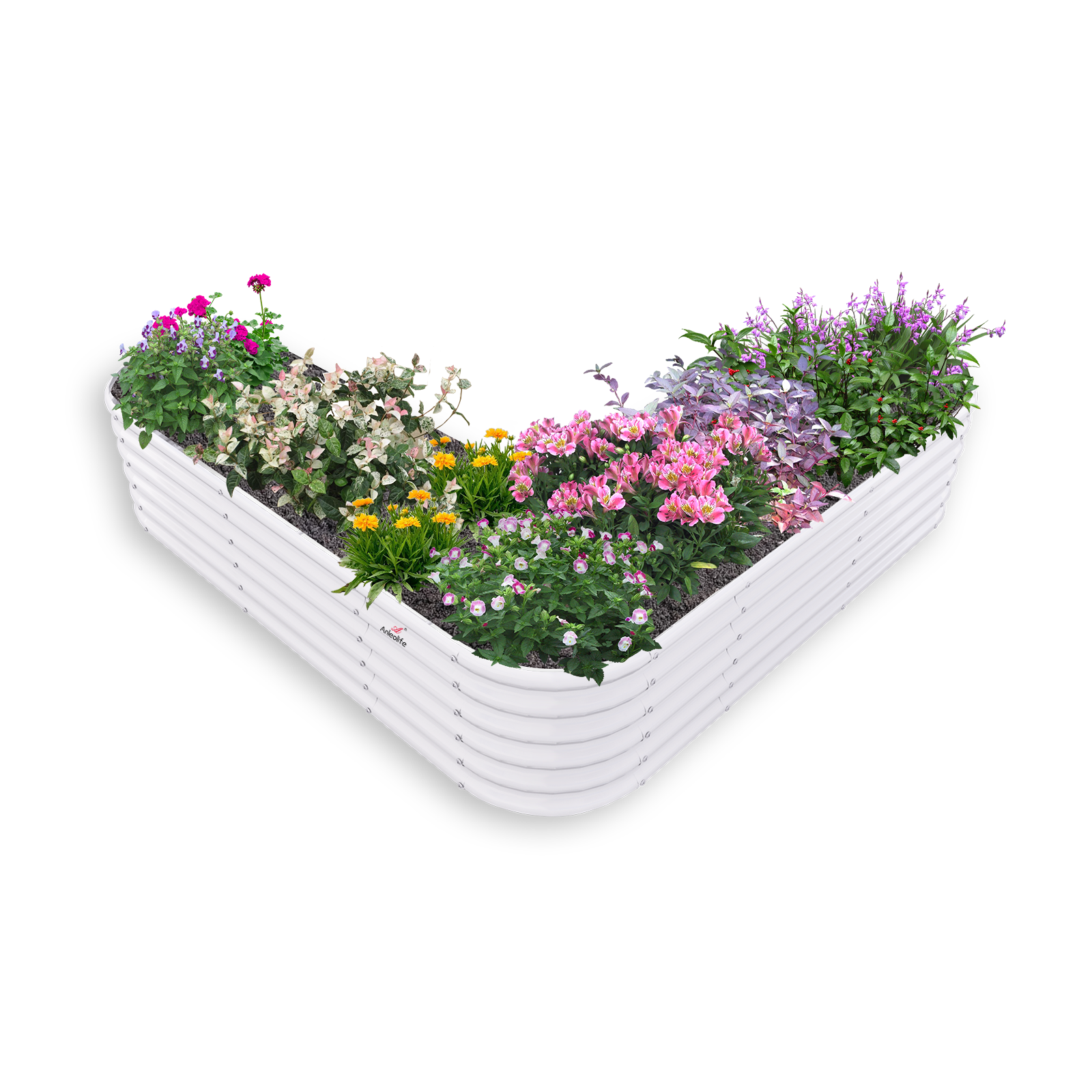
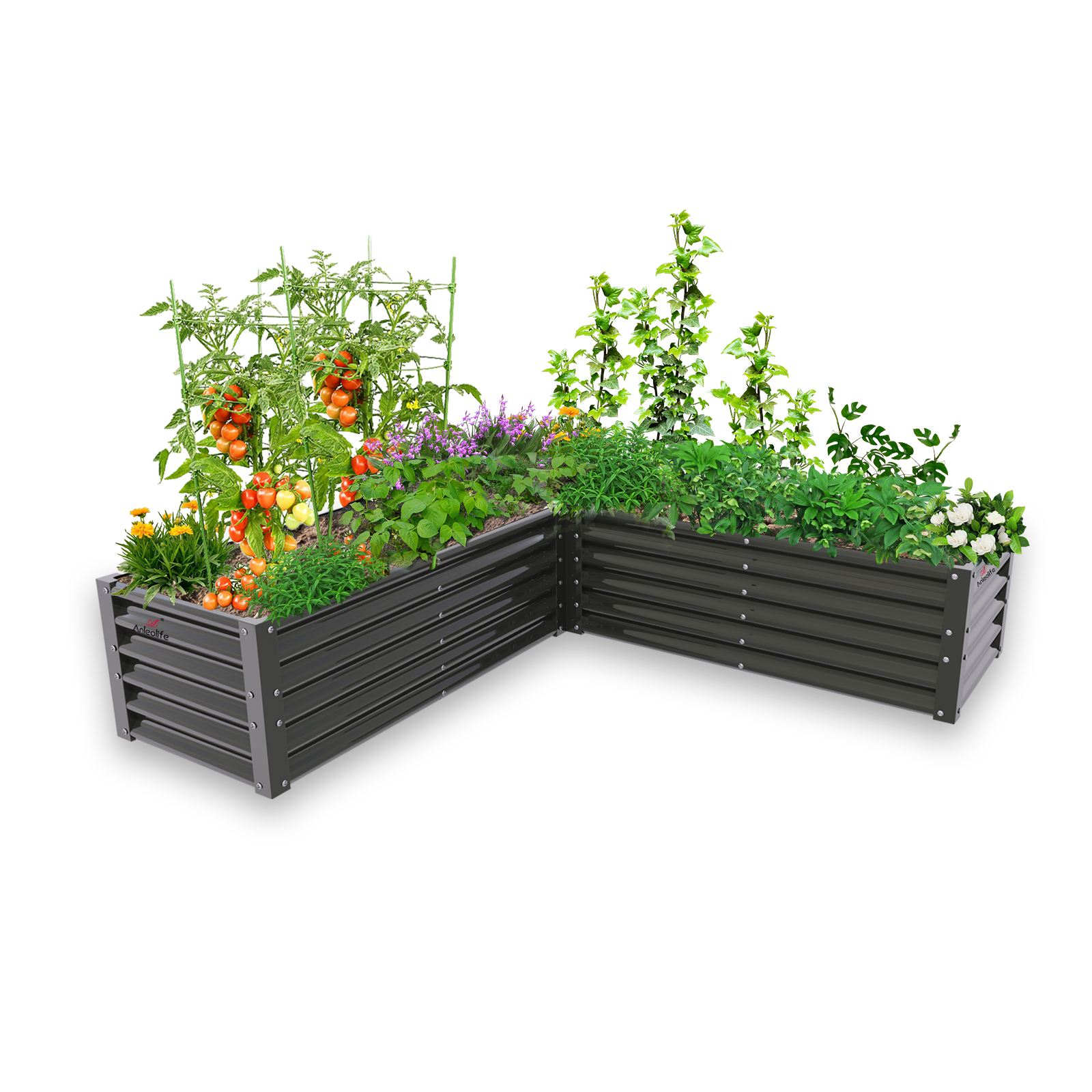
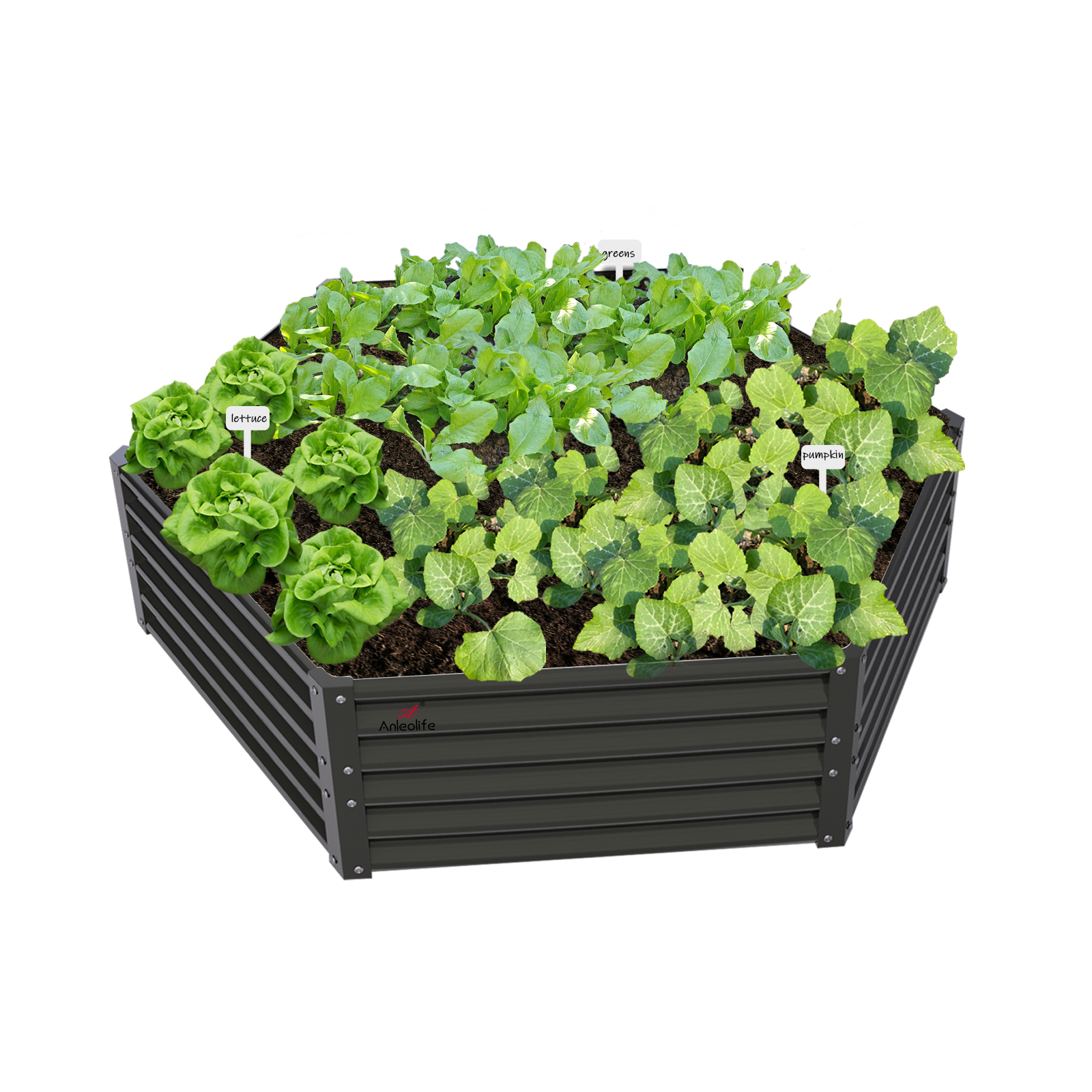
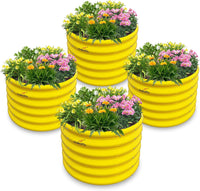
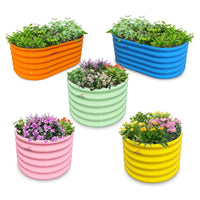
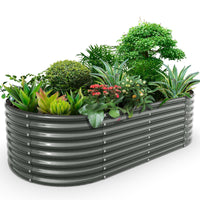
Once seedlings are hardened off, transplanting into a well-prepared raised bed is straightforward. Recommended materials for raised garden beds that won't rot include galvanized steel and powder-coated metal, both of which offer excellent longevity. Anleolife's metal raised garden beds are built to last up to 20 years, making them a long-term investment in your garden infrastructure.
For fall crops, spacing is important. Brassicas like broccoli and cabbage need generous room—follow seed packet recommendations for mature plant width. Leafy greens like spinach and lettuce can be planted more densely. A well-thought-out raised bed planting layout ensures each plant gets adequate sunlight, airflow, and root space.
What's the best soil depth for raised beds? For most fall vegetables, a minimum of 8–12 inches of quality growing medium supports healthy root development. Root crops like carrots may need up to 12–18 inches. Deeper beds also retain moisture more effectively, which reduces watering frequency during the transition from late summer heat to fall.
Outdoor Lighting and Garden Aesthetics for Fall Gardens
As your fall garden takes shape outdoors, it's worth thinking about the full picture. Best outdoor garden lighting options for small patios include solar-powered stake lights, low-voltage LED path lights, and string lights—all of which enhance the ambiance of an evening garden without adding to your electricity costs significantly. Good outdoor lighting not only makes your garden more enjoyable at dusk but also allows you to check on late-season plants or harvest herbs after dark.
When it comes to what size garden ornaments work best, a general rule is to scale decorative items to your space: small patios and compact raised bed layouts benefit from smaller, well-placed accents rather than large statement pieces that overwhelm the area. A single decorative obelisk, a small birdbath, or a set of coordinating pathway markers can add personality without crowding growing space.
For watering your transplanted seedlings efficiently, the best hose for watering vegetable gardens is one with an adjustable nozzle that allows both gentle shower and direct stream settings. A soaker hose integrated into raised bed layouts delivers water directly to the root zone, reducing evaporation and minimizing leaf wetness that can encourage fungal issues in fall's cooler, damper conditions.
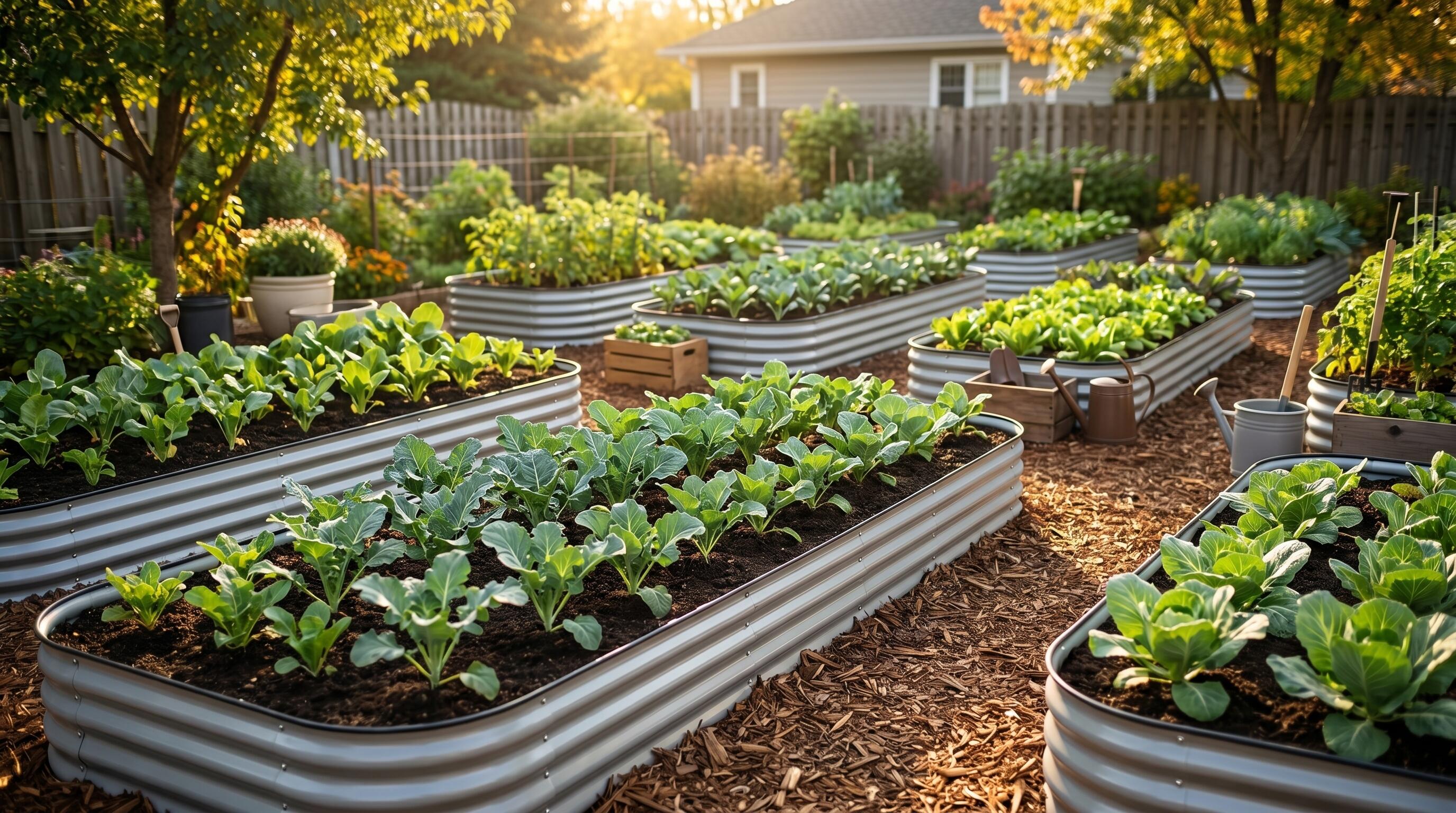
ALT: Healthy seedlings transplanted from indoor LED grow light setup into metal raised garden beds for productive fall planting
Advanced Considerations: Troubleshooting and Common Misconceptions
Special Situation Handling
Leggy seedlings despite LED lights: If your seedlings are still stretching and becoming weak-stemmed under LED lights, the most common cause is insufficient light intensity rather than spectrum. Try lowering the light to the minimum safe distance, or consider upgrading to a higher-output panel. Running lights for 16 hours instead of 12 can also help.
Damping off: This fungal problem thrives in cool, wet conditions—exactly the environment of over-watered seed trays indoors. Improve air circulation with a small fan running on low near (not directly on) seedlings, allow the soil surface to dry slightly between waterings, and switch to bottom watering exclusively.
Seedlings ready before outdoor beds are prepared: If your seedlings are outpacing your outdoor preparation schedule, pot them up into slightly larger containers and continue growing under LED lights. This buys you 1–2 additional weeks without sacrificing plant health.
Common Misconceptions Clarified
Misconception: More light hours always equals better growth. In reality, most vegetable seedlings need a dark period and can be harmed by continuous light. Stick to 14–16 hours maximum.
Misconception: Any LED bulb works as a grow light. Standard household LED bulbs are not optimized for plant growth. Invest in a purpose-built full-spectrum LED grow light designed for horticulture, which delivers the correct wavelengths at sufficient intensity.
Misconception: Indoor seed starting is only for spring. As this guide demonstrates, fall is an equally—if not more—rewarding time to start seeds indoors, with many cool-season crops actually preferring the conditions of a fall garden.
Frequently Asked Questions FAQ
Q1: How far should LED grow lights be positioned above seed trays for fall seedlings?
For most full-spectrum LED panels, a distance of 2–4 inches above seedling trays is ideal during early growth stages. As plants grow taller, raise the light to maintain this distance from the canopy. Quantum board-style LEDs with higher output may need to be positioned a bit farther away—always check manufacturer recommendations for your specific model. The goal is bright, even light across all trays without heat stress or shadow gaps.
Q2: Are LED grow lights energy-efficient enough for running 14–16 hours daily indoors?
Yes—modern LED grow lights are significantly more energy-efficient than older fluorescent or HID alternatives. Running a quality LED panel for 14–16 hours per day typically adds only a modest amount to your monthly electricity bill, making it cost-effective for the entire seed-starting season. Many gardeners find the cost easily offset by savings on purchasing commercial transplants, plus the benefit of knowing exactly what went into raising their seedlings.
Q3: How long does the full indoor seed-starting process take before seedlings are ready to transplant outdoors?
The total timeline from sowing to transplant-ready seedlings is typically 6–8 weeks for most fall vegetables, plus an additional 7–10 days for the hardening-off process. Fast growers like lettuce and arugula may be ready closer to the 4–5 week mark. Planning this timeline backward from your first expected frost date ensures your seedlings hit the ground at precisely the right moment for a productive fall harvest.
Summary
Using LED grow lights to start seeds indoors for fall planting is one of the smartest moves a home gardener can make. Let's recap the three core takeaways:
1. Timing is everything. Calculate your indoor start date by working backward from your first frost date. Starting 6–8 weeks early gives most fall crops the developmental head start they need to thrive after transplant.
2. Light quality and schedule determine seedling quality. A full-spectrum LED grow light running 14–16 hours per day, positioned at the correct height, produces compact, robust seedlings that outperform those grown on windowsills or in inconsistent light.
3. The transition to outdoor beds requires care. Hardening off over 7–10 days, transplanting into well-prepared raised beds with adequate soil depth, and maintaining consistent moisture sets the stage for a rewarding fall harvest.
Your next steps: check your last average frost date, map out your seed-starting calendar, set up your LED grow light station, and get your seeds and seed-starting supplies ready. The fall garden season rewards those who plan ahead—and the effort you invest now pays dividends in fresh, nutritious produce through autumn and into early winter.
Bring Your Fall Garden Vision to Life with Anleolife
Nationwide U.S. warehouse network: Strategically located in California, Texas, Florida, New York, Illinois, and Washington, Anleolife ensures delivery within 3–8 business days—so your garden upgrade plans never have to wait for the season to pass you by.
Multi-channel availability: Anleolife products are available across major platforms including Amazon, Walmart, Home Depot, Lowe's, Wayfair, and the official website Anleolife.com, providing consistent quality assurance and reliable after-sales service wherever you prefer to shop.
Three complete garden scenarios: Planting (metal raised garden beds built to last up to 20 years, soil systems), Raising (chicken coops, rabbit hutches), and Beautification (decorative accessories, pathway systems)—Anleolife meets every need from functionality to aesthetics in one trusted brand.
We understand that an ideal garden isn't built overnight—it's cultivated gradually, season by season. Our modular product design allows you to start small and expand flexibly as your confidence and ambition grow. From your first raised bed to a fully integrated planting-and-raising ecosystem, Anleolife grows with you every step of the way.
References
- National Gardening Association. "Edible Gardening Trends and Statistics".
https://garden.org - University of Minnesota Extension. "Starting Seeds Indoors".
https://extension.umn.edu/planting-and-growing-guides/starting-seeds-indoors - Old Farmer's Almanac. "Frost Dates Calculator and Fall Planting Guide".
https://www.almanac.com/gardening/frostdates - Penn State Extension. "Lighting for Indoor Plants and Starting Seeds".
https://extension.psu.edu/lighting-for-indoor-plants-and-starting-seeds - UC Agriculture and Natural Resources. "Cool-Season Vegetables for the Home Garden".
https://ucanr.edu
Note: Standards and research may be updated. Please check the latest official documents or consult professional advisors for the most current guidance.
About Anleolife
Anleolife is a leading outdoor garden solutions provider in North America, dedicated to offering a full-scenario product ecosystem for home gardening enthusiasts, covering planting, raising, and garden beautification. Since its founding, we have upheld our brand mission, "Made for Garden Life," continuously innovating products and optimizing services to help hundreds of thousands of users upgrade their gardens, reconnect with nature, and enjoy a better garden lifestyle.