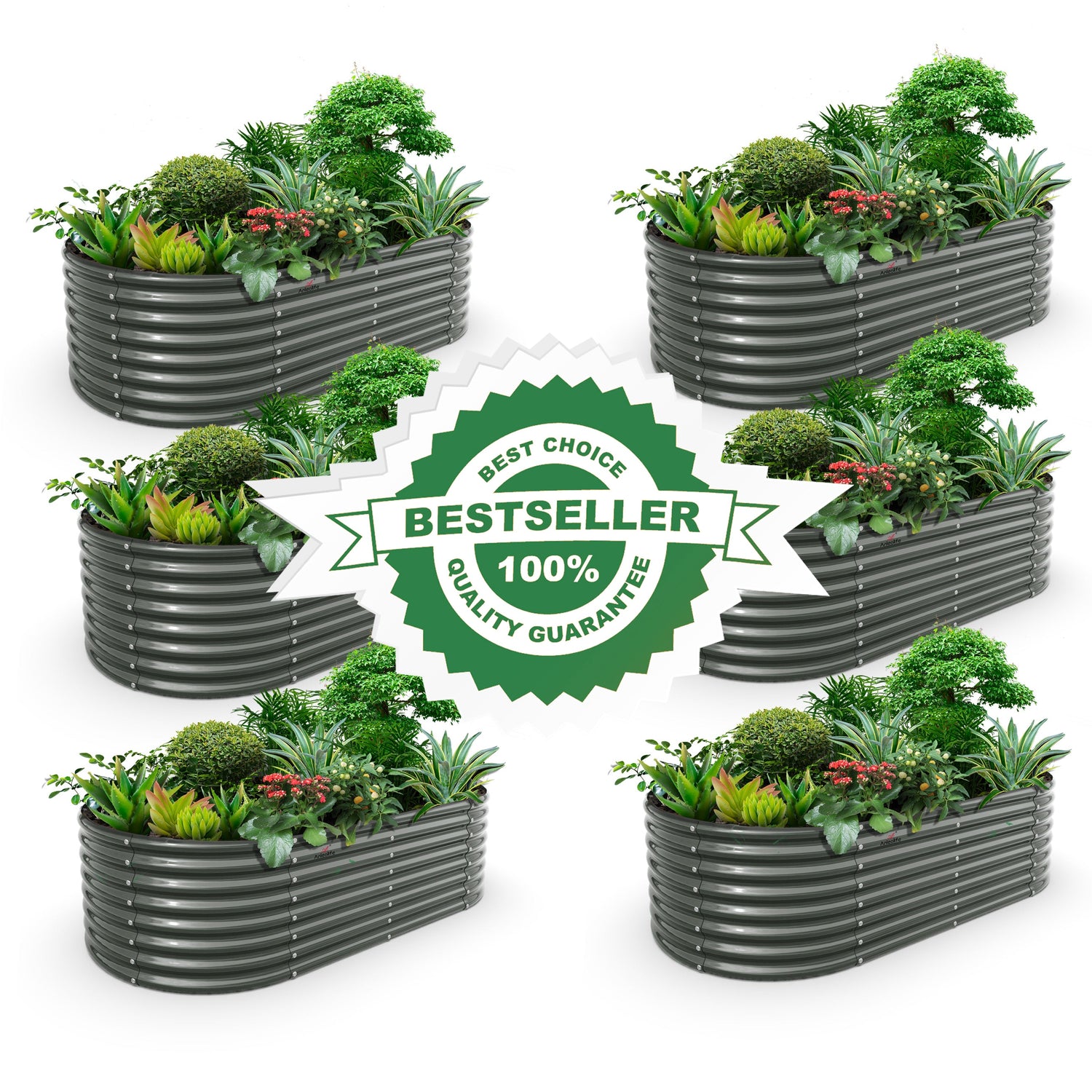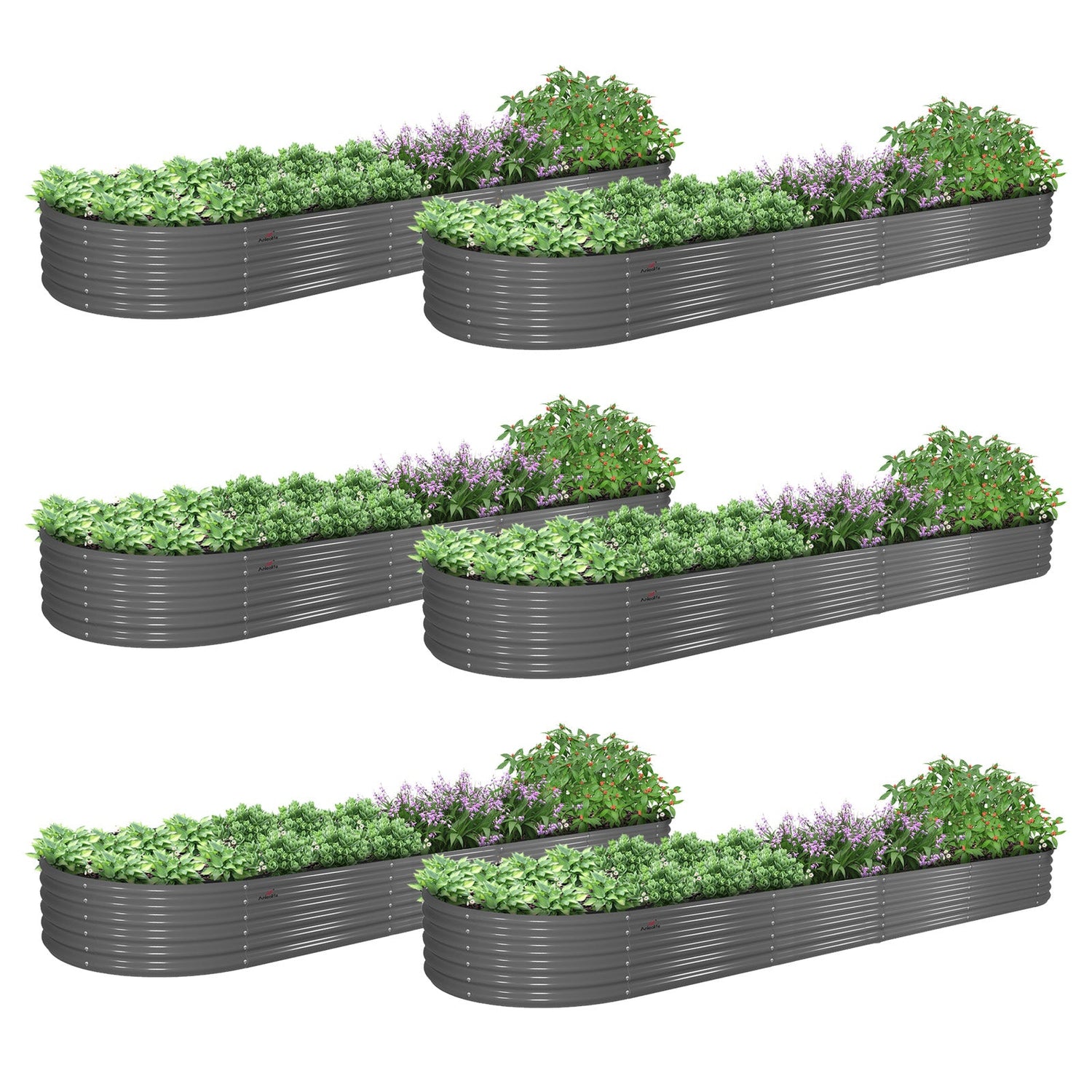



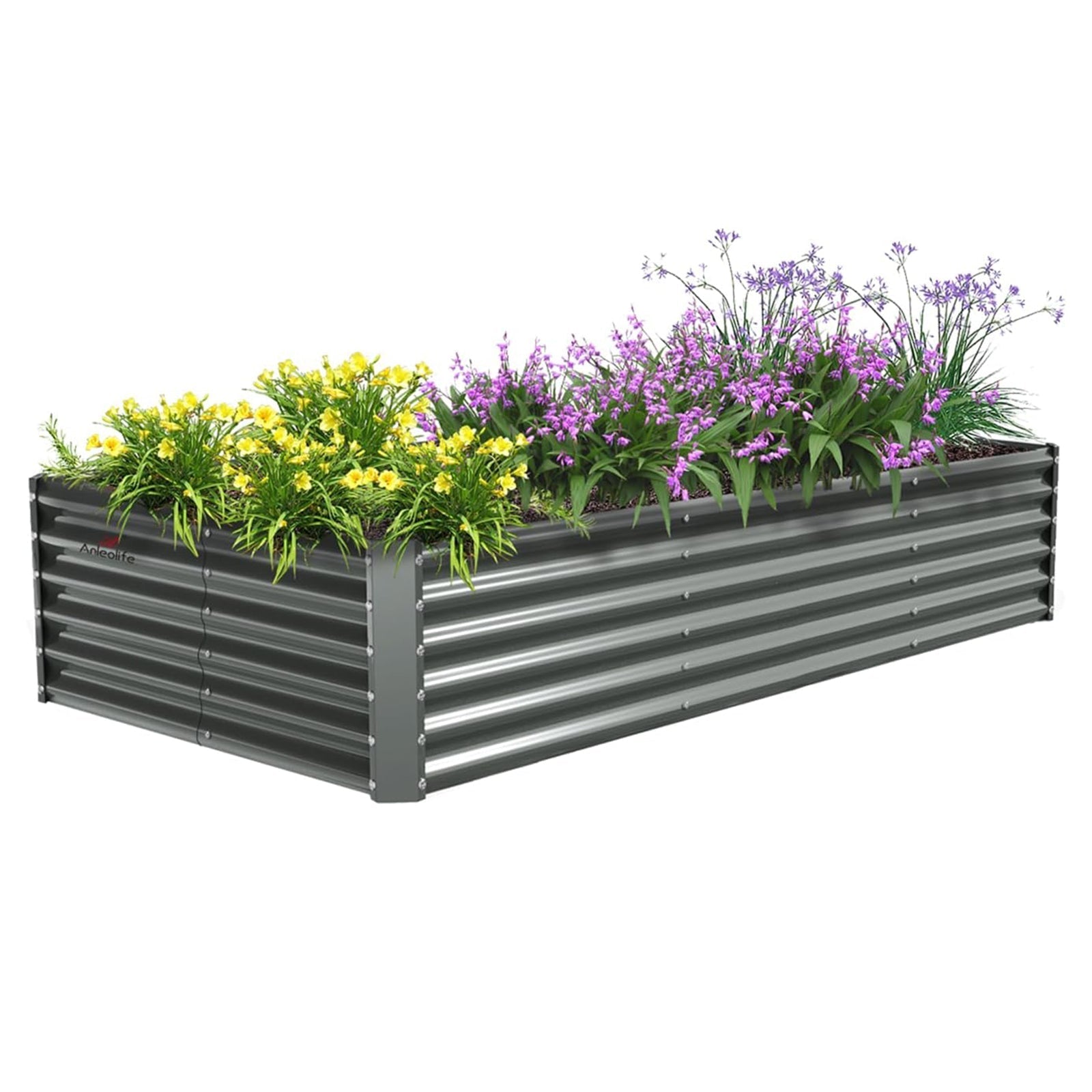

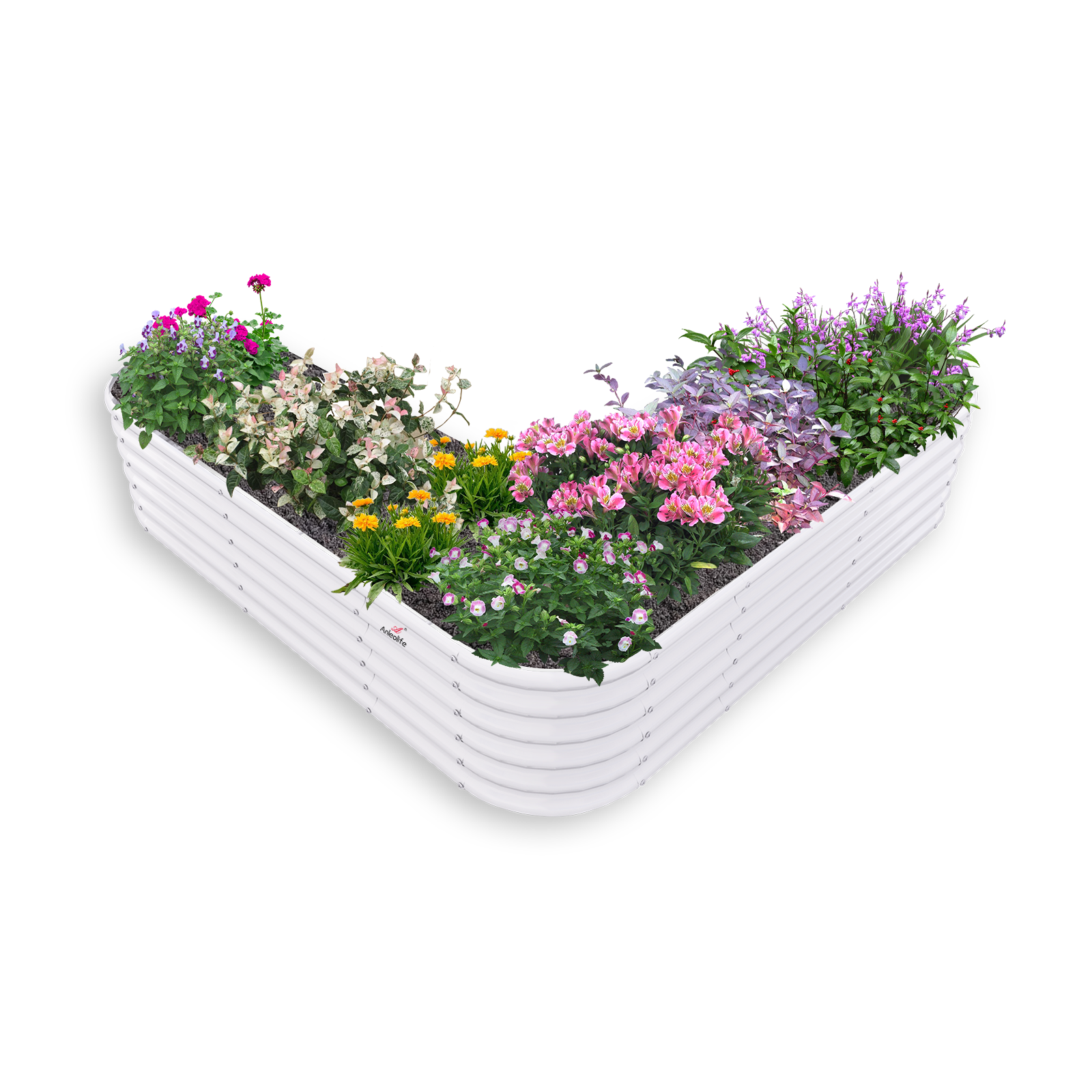
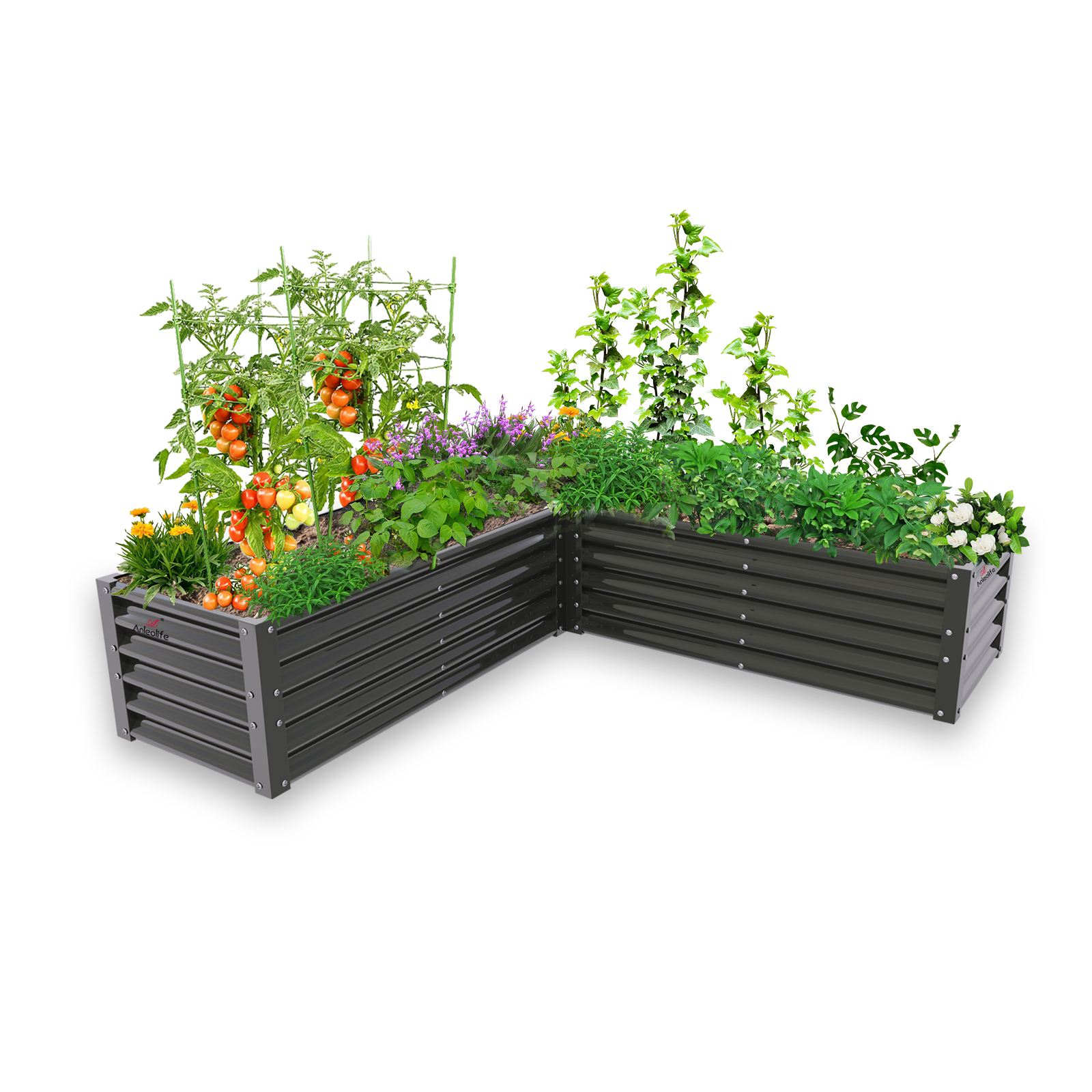
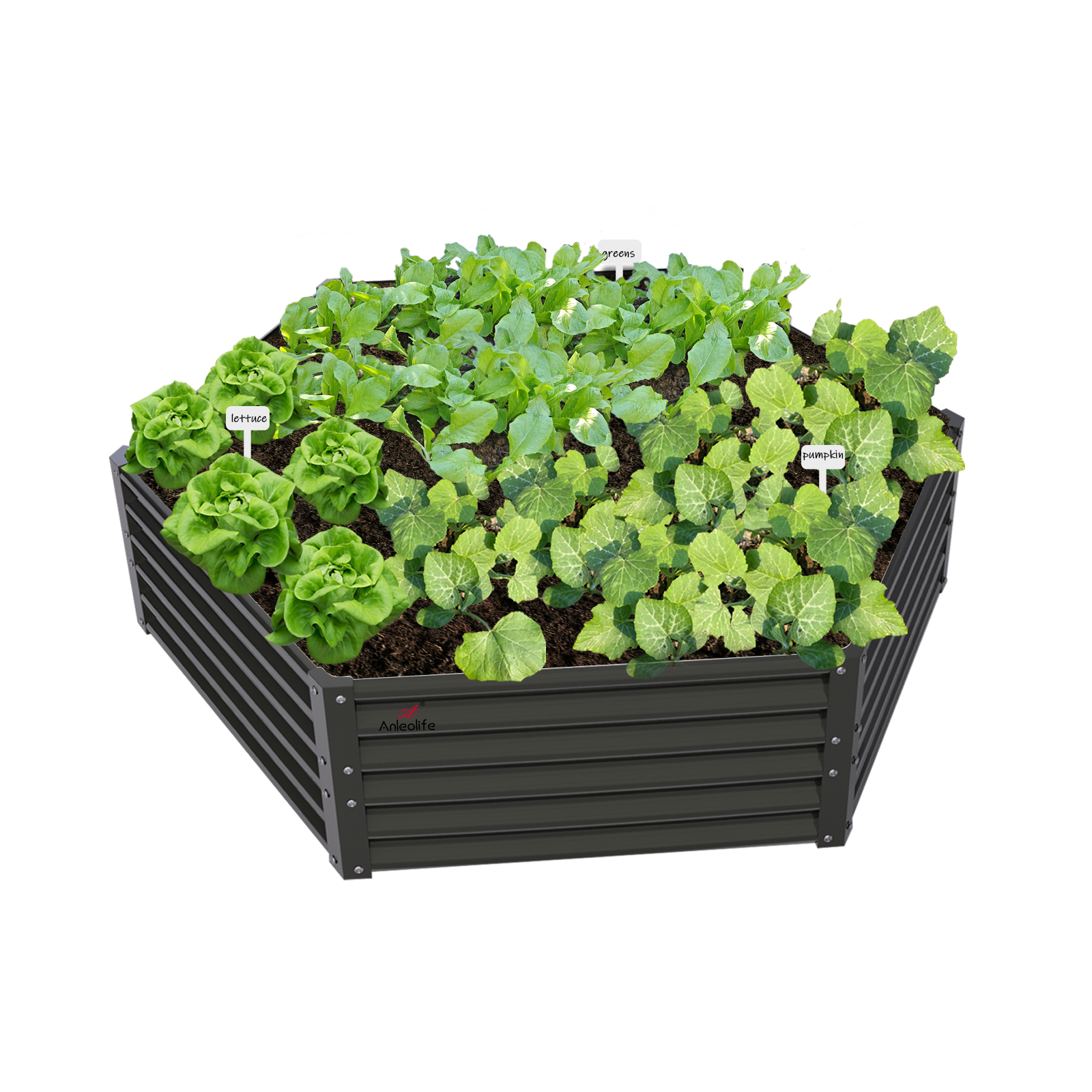
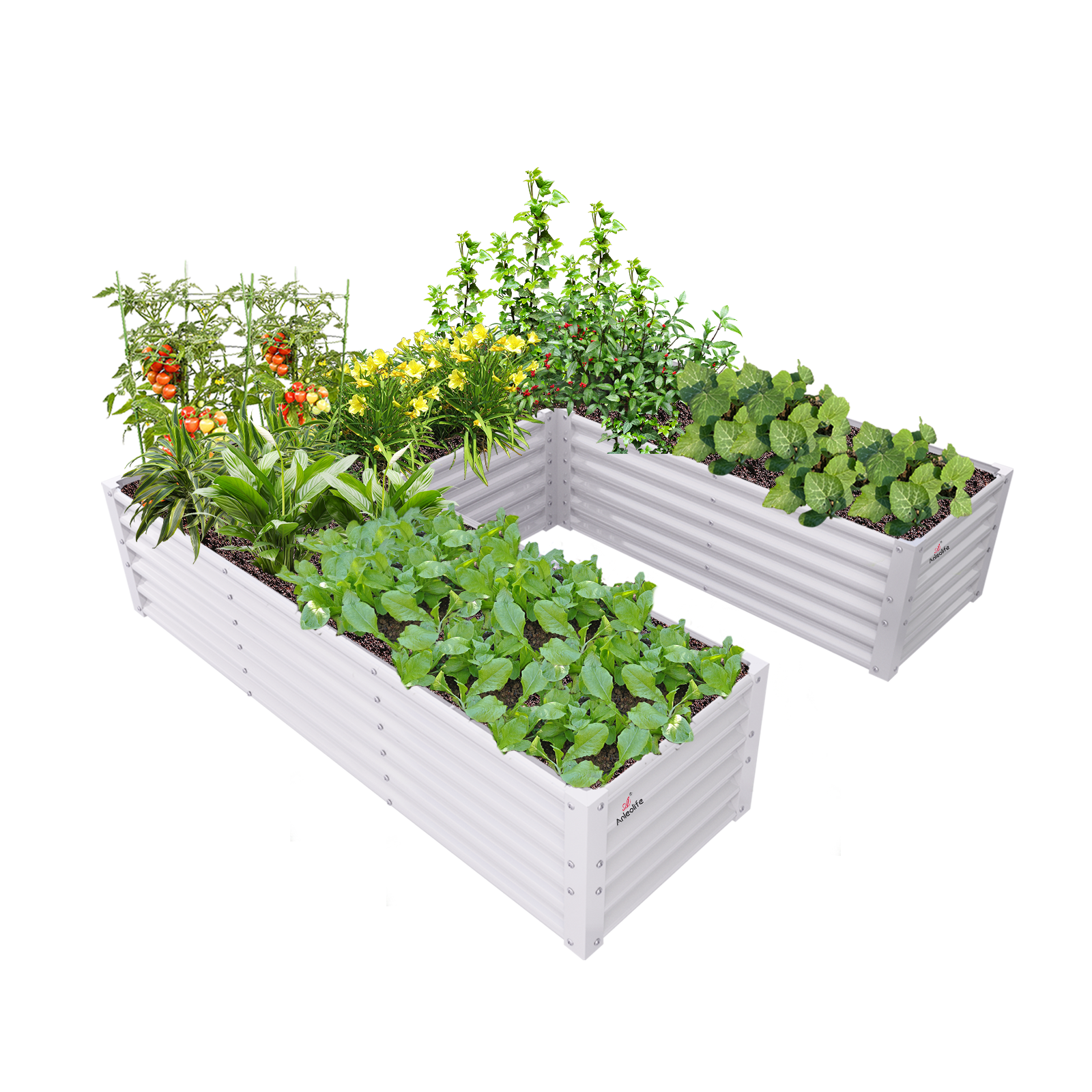

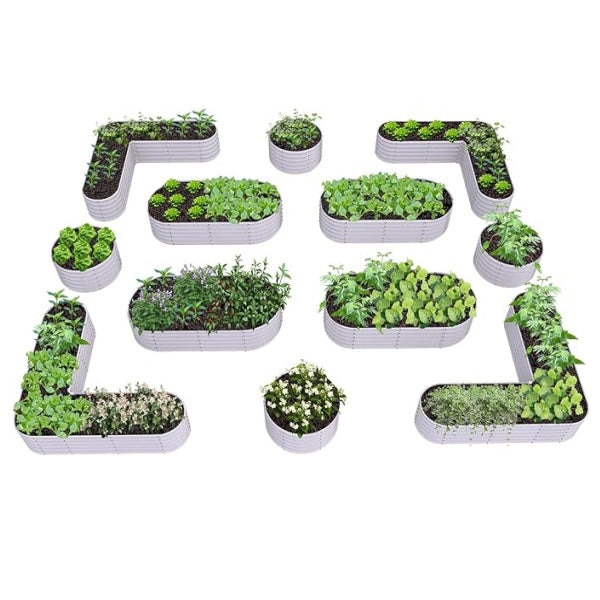


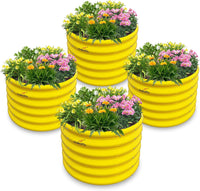
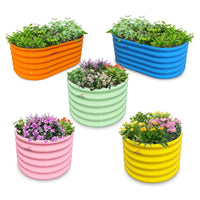
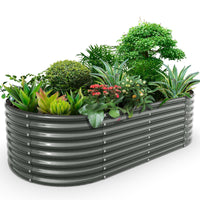



ALT: Raised garden bed budget calculator with soil system, irrigation systems, and raised bed layout planning tools
Is Your Raised Garden Bed Budget Actually Realistic? A Real-Cost Guide Before You Buy
Key Conclusion: Planning a raised bed garden layout without a solid budget is one of the most common mistakes new gardeners make. Before investing in soil systems, irrigation systems, or decorative accessories like kinetic wind spinners, it pays to understand every line-item cost involved—from the bed frame itself to the amendments, drip lines, and long-term maintenance. This guide walks you through a practical budget calculator approach so your first (or next) garden investment delivers real value, not unexpected surprises.
Starting a raised bed garden feels exciting—but the costs can add up faster than expected. Many first-time gardeners budget only for the raised bed itself, then find themselves scrambling when they realize quality soil, irrigation systems, and seasonal upkeep can double or triple the initial investment.
The good news? A little pre-planning goes a long way. This article breaks down every cost category you need to account for, offers a realistic comparison of different bed types and setups, and helps you make informed decisions that match your lifestyle and budget—whether you're a retiree planting tomatoes, a young family growing herbs, or an urban micro-gardener working with limited square footage.
Who This Budget Calculator Guide Is For
✅ Applicable Scenarios:
- First-time raised bed gardeners who want to avoid unexpected costs and budget overruns
- Experienced home growers scaling up their raised bed garden layout and planning additional beds or irrigation systems
- Eco-conscious households seeking durable, low-maintenance materials with a long service life and long-term value
❌ Not Applicable/Cautions:
- Large-scale commercial farming operations with acre-level growing needs—this guide is optimized for residential and small-scale home garden scenarios
- Gardeners looking for purely decorative container displays without functional food-growing goals—some cost assumptions here are based on edible garden use cases
Why So Many Gardeners Underestimate Their Garden Bed Budget
The home gardening industry has seen remarkable growth in recent years. According to the National Gardening Association, food gardening participation in the U.S. reached record levels following the pandemic, with millions of new households planting edibles for the first time. Alongside that boom came a surge in raised bed kit purchases—and a corresponding wave of budget shock when buyers realized the raised bed was just the beginning.
The frame is only one piece of the puzzle. A well-functioning raised bed garden involves soil systems, drainage, optional irrigation systems, pest and critter management, seasonal amendments, and sometimes decorative elements like kinetic wind spinners or pathway edging that enhance both function and curb appeal.
For context, a budget-conscious setup might involve a single 8x4 ft galvanized steel bed, basic soil fill, and hand watering—all in for under $200. A fully outfitted setup with raised bed garden layout planning, drip irrigation, premium compost blends, and weather-resistant accessories can easily run $800–$1,500 or more per season.
Neither is wrong. What's problematic is expecting the first scenario's cost while building the second scenario's garden.
This guide gives you the honest breakdown so you can plan confidently—and spend strategically.
The Raised Garden Bed Budget Calculator: A Step-by-Step Framework
Three-Step Quick Start
Step 1: Define Your Garden Scope
Before you price anything, get clear on what you're actually building. How many beds? What size? Are you growing vegetables, herbs, flowers, or a mix? Will you need irrigation systems from the start, or hand-water for the first season? Sketch out your intended raised bed layout on paper—even a rough drawing helps you estimate linear footage, soil volume, and accessory needs. This step takes about 15–30 minutes but saves hours of back-and-forth budgeting later.
Step 2: Itemize Every Cost Category
Work through each cost category individually rather than estimating a lump sum. The major categories include: (1) the raised bed frame itself, (2) soil and amendments, (3) irrigation systems or watering setup, (4) pest and wildlife protection, (5) seasonal maintenance and fertilizer, and (6) optional aesthetics like kinetic wind spinners, stepping stones, or trellises. Assign a realistic price range to each—we'll walk through each below. Budget 20–30 minutes for this step.
Step 3: Build a First-Year vs. Ongoing Cost View
Many costs are one-time (the bed frame, irrigation infrastructure) while others recur annually (compost amendments, seeds, fertilizer). Creating two columns—Year 1 vs. Year 2 and Beyond—gives you a much clearer picture of your real long-term investment. A quality galvanized steel raised bed from Anleolife, for example, is rated for a 20-year lifespan, meaning the frame cost amortizes to just a few dollars per year over its life. That context changes the math significantly.
Breaking Down Each Cost Category: What to Expect
The Raised Bed Frame: Material Choices Matter Most
The raised bed frame is your biggest upfront cost and the decision that most affects long-term value. Materials fall into three broad categories: wood, galvanized steel, and alternative materials like composite or fabric.
Wood beds (cedar, redwood, pine) are popular for their aesthetics but degrade over time. Untreated pine may last just 3–5 years; cedar fares better but still requires periodic replacement. Over a 10-year horizon, you may replace a wood bed two or three times.
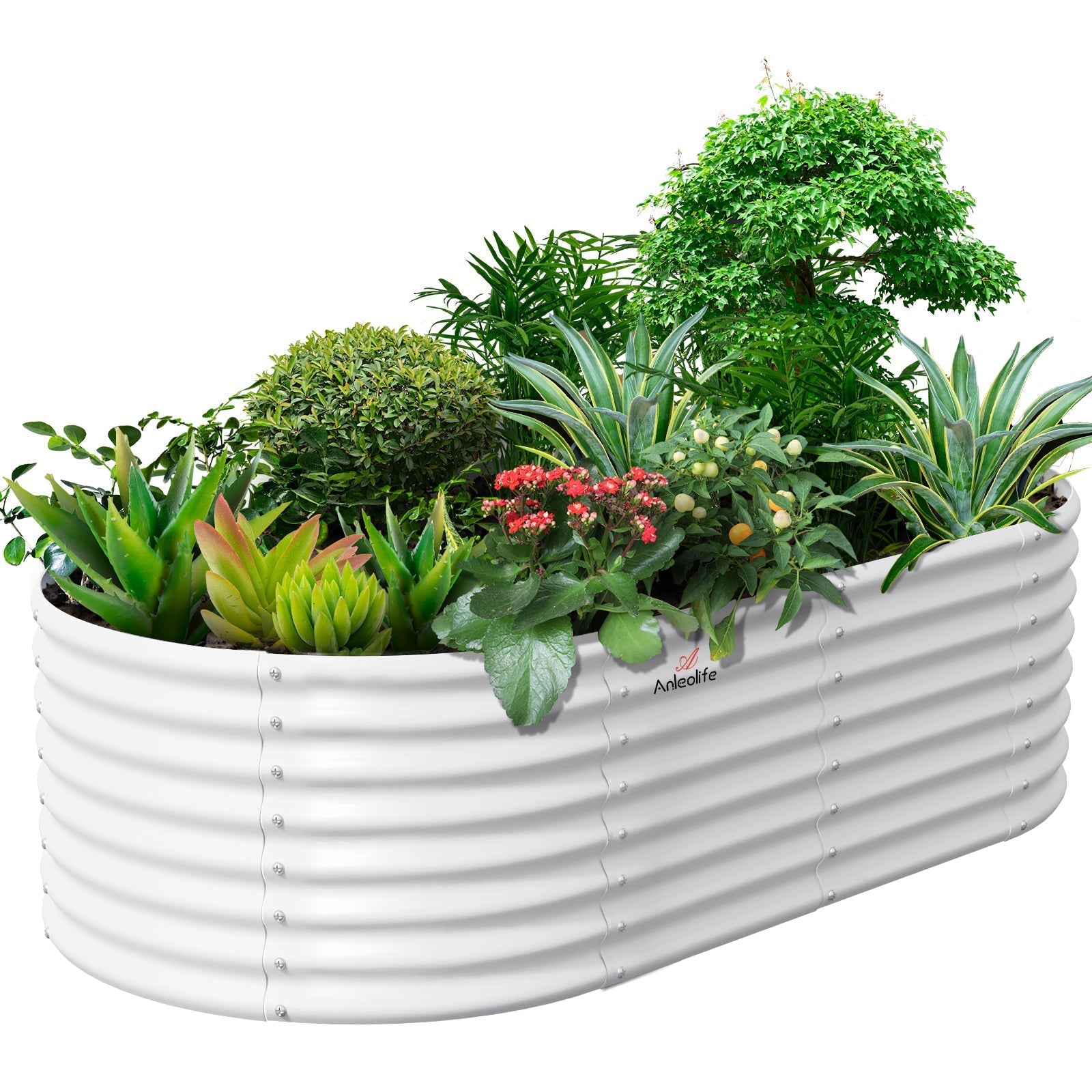
Galvanized steel beds offer a compelling combination of durability, rust resistance, and longevity. Anleolife's galvanized steel raised garden beds are engineered for a 20-year lifespan, meaning you're making a one-time structural investment rather than a recurring replacement cycle. The selection spans a wide range of sizes and heights—from compact 18" tall 4x4 ft beds suitable for patios and balconies to generous 35" waist-high 4x1.5 ft designs that eliminate bending entirely, ideal for seniors or those with mobility considerations.
For vegetable gardening specifically, taller beds—such as the 24" or 30" extra-tall configurations—offer better root depth for tomatoes, carrots, and squash, and dramatically reduce back strain. If you're considering a tree planter or container gardening for a dwarf fruit tree, deeper and wider footprints with strong structural integrity are essential, and galvanized steel's rigidity holds up well in that application.
Rust-Resistant Series: Anleolife's rust-resistant raised garden beds offer a corrosion-resistant alternative for those in high-humidity climates, coastal areas, or regions with heavy rainfall where standard galvanization might be stressed over time.
Approximate frame cost range: Varies by size and configuration; always compare against the projected lifespan to calculate true cost-per-year.
Soil Systems: Your Biggest Variable Cost
Many gardeners are surprised to learn that filling the bed costs more than the bed itself—especially for larger or taller designs. Soil is genuinely where a raised bed garden's food-growing potential lives, so skimping here is a false economy.
A popular starting formula is the "Mel's Mix" approach: one-third coarse vermiculite, one-third blended compost, and one-third peat moss or coconut coir. This produces a light, well-draining, nutrient-rich medium ideal for raised bed gardening.
For best soil amendments for organic raised garden beds, consider:
- Aged compost: Feeds microbial life, improves structure, and provides slow-release nutrients. Essential in any organic setup.
- Worm castings: A premium addition that boosts microbial activity and adds trace minerals.
- Biochar: Improves water retention and long-term soil health—particularly valuable in sandy or fast-draining conditions.
- Balanced granular organic fertilizer: Provides a nutrient baseline, especially in the first year before compost biology is established.
For ongoing budget purposes, plan to top-dress with 2–4 inches of fresh compost each spring. In a healthy, active bed, your soil ecosystem improves year over year, actually reducing amendment costs over time.
Rough soil cost guidance: Budget generously for Year 1 (full fill), then significantly less for Years 2 onward (top-dressing only). A taller 30" bed will require roughly 3–4x the soil volume of an 18" bed of the same footprint—factor this in when selecting height.
Irrigation Systems: Drip vs. Hand Watering vs. Soaker Hose
Irrigation systems are an optional but high-value investment, particularly as gardens scale up. Hand watering a single bed is perfectly manageable; hand watering six beds every day in August is not.
Drip irrigation and soaker hose systems deliver water directly to the root zone, reducing evaporation, minimizing foliar disease risk, and cutting watering time dramatically. A timer-based system adds another layer of automation.
Cost tiers for irrigation:
- Hand watering (no cost beyond time): Fine for 1–2 beds in a mild climate
- Soaker hose system: Low upfront cost, easy installation, effective for row-style layouts
- Drip tape/emitter system: Moderate cost, highly efficient, scalable to larger layouts
- Automated drip with timer: Higher upfront investment, but pays back in time saved and reduced plant stress
When designing your raised bed garden layout, plan irrigation routing before installation—retrofitting is frustrating and sometimes requires replanting. Consider where your water source is, how many zones you'll need, and whether you want to integrate rainwater collection.
Pest and Wildlife Management
If you're raising vegetables outdoors, you'll need a plan for critters. Depending on your region, threats may include rabbits, deer, groundhogs, aphids, or caterpillars.
Physical barriers—hardware cloth lining on the bed bottom (for burrowing pests), row covers, and netting—are the most reliable and eco-friendly solutions. A basic hardware cloth liner adds modest cost but saves significant heartbreak.
For those who keep backyard animals alongside their garden, Anleolife's raising ecosystem (chicken coops, rabbit hutches) integrates naturally into a complete backyard setup—allowing you to compost animal waste directly into your soil system and close the nutrient loop.
Decorative Accessories and Garden Beautification
A functional garden can also be beautiful. Kinetic wind spinners, decorative pathway edging, and raised bed trellises add aesthetic dimension to your outdoor space without enormous cost—but they do add up if unbudgeted.
Kinetic wind spinners in particular have become popular in raised bed gardens as visual focal points and even light pest deterrents. Budget for these as a "nice-to-have" line item rather than a necessity, and shop them after the functional infrastructure is in place.
Side-by-Side: Comparing Garden Bed Setups at Different Budget Levels
Understanding how costs stack across different setup tiers helps you make intentional choices. Here's a framework for comparing approaches:
| Comparison Dimension | Starter Setup | Mid-Range Setup | Full-Featured Setup |
|---|---|---|---|
| Bed Material | Untreated pine wood | Galvanized steel (18" tall) | Galvanized steel (24–30" tall) |
| Expected Frame Lifespan | 3–5 years | 20 years (Anleolife) | 20 years (Anleolife) |
| Soil System | Basic potting mix | Custom blended compost mix | Premium organic amendments + biochar |
| Irrigation | Hand watering | Soaker hose | Drip system with timer |
| Pest Management | Basic netting | Hardware cloth + row covers | Full barrier system |
| Aesthetics | Minimal | Pathway edging | Kinetic wind spinners + trellises |
| Year 1 Cost Range | Low | Moderate | Higher |
| 10-Year True Cost | High (replacement cycles) | Low-moderate (durable frame) | Moderate (premium materials, minimal replacements) |
The key insight here: the starter setup often costs more over a decade due to wood frame replacement cycles. Galvanized steel beds with a 20-year lifespan front-load the cost but deliver dramatically better long-term value.
Pro Tips: Avoiding the Most Common Budget Mistakes
Underestimating soil volume: Always calculate cubic feet needed before purchasing. The formula is simple: length × width × depth (in feet) = cubic feet. Then divide by 27 for cubic yards. Taller beds sound great until you realize a 30" deep 8x4 ft bed requires significant volume to fill.
Ignoring ongoing costs: The bed and soil are not your last expenditure. Plan for compost top-dressing, seeds or transplants, seasonal fertilizer, and potential pest management every year. A realistic recurring annual budget prevents mid-season scrambles.
Choosing size based on aesthetics alone: Your raised bed layout should reflect your actual growing goals. A 12x3 ft galvanized steel bed suits linear rows of salad greens beautifully. A deeper 8x4 ft or 6x3 ft bed suits root vegetables and larger crops. Match the form to the function.
Skipping pest protection in Year 1: This is the gardening equivalent of skipping insurance. One rabbit can decimate an entire crop. Budget for basic physical protection from day one.
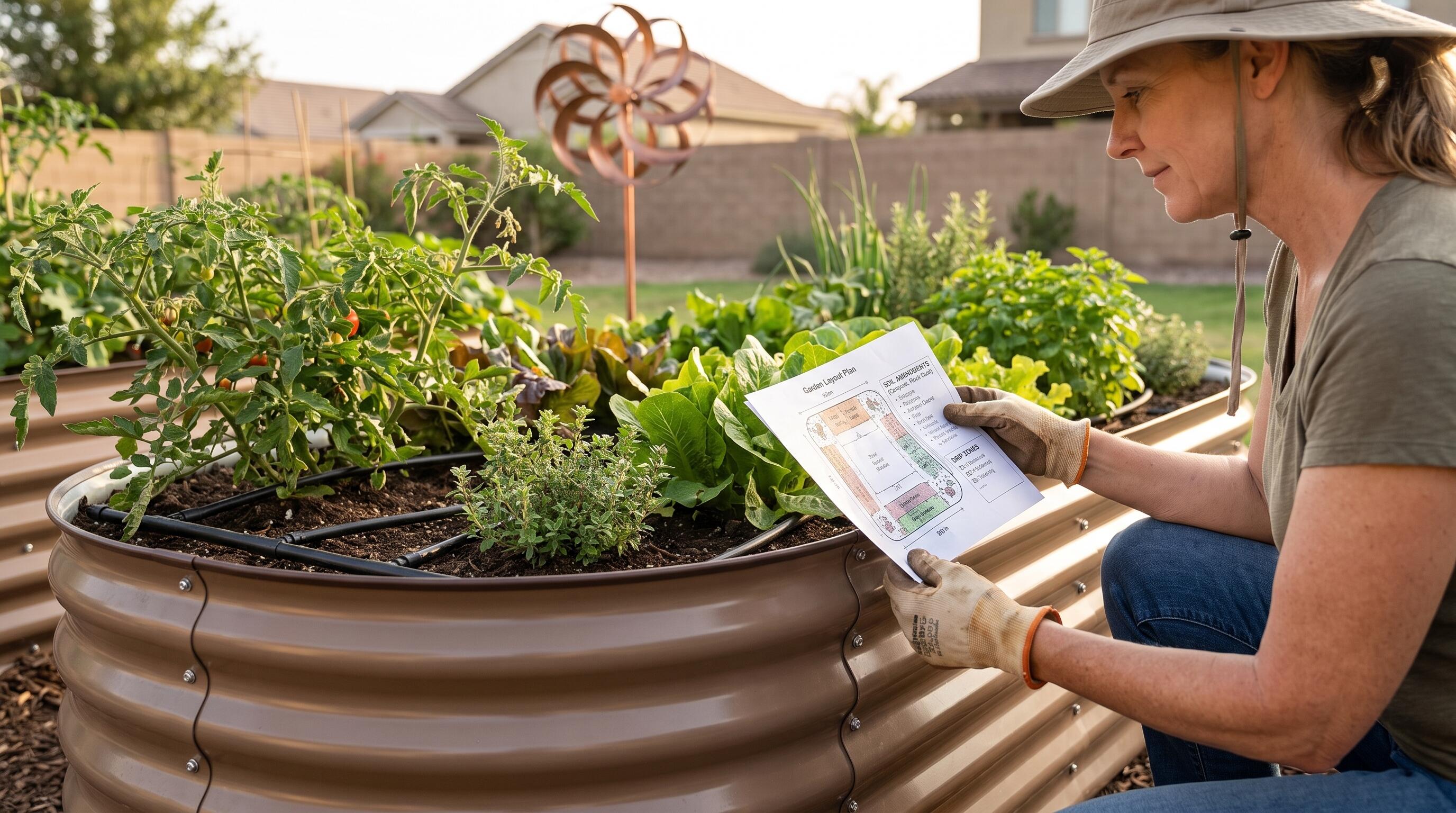
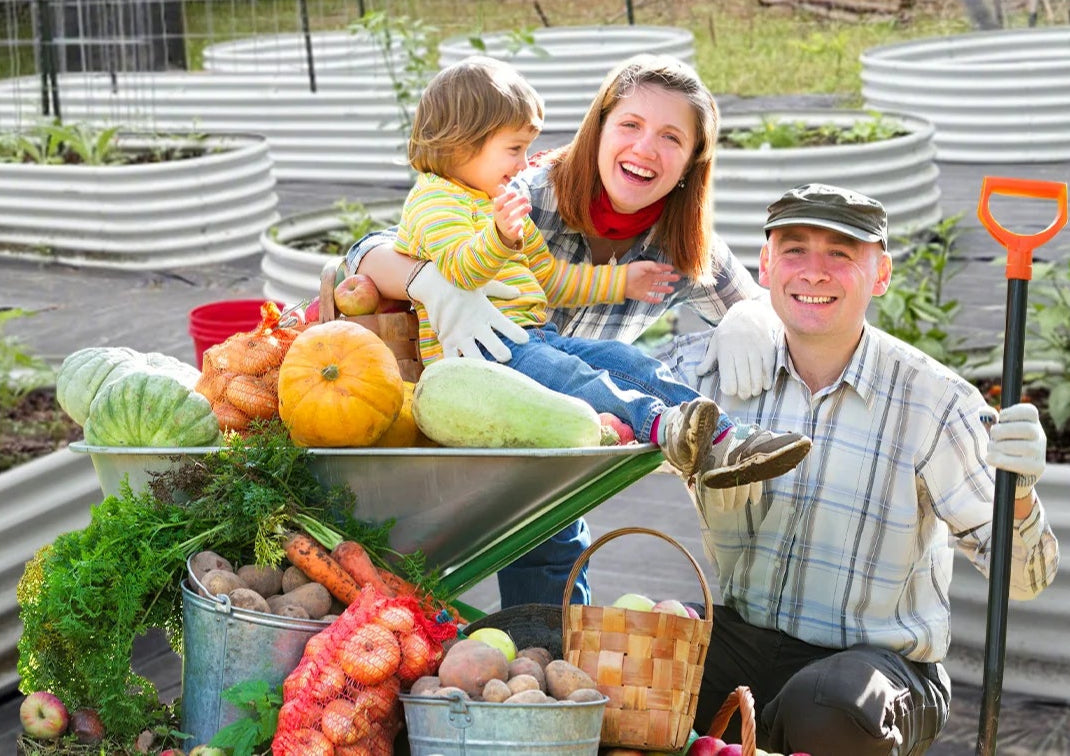
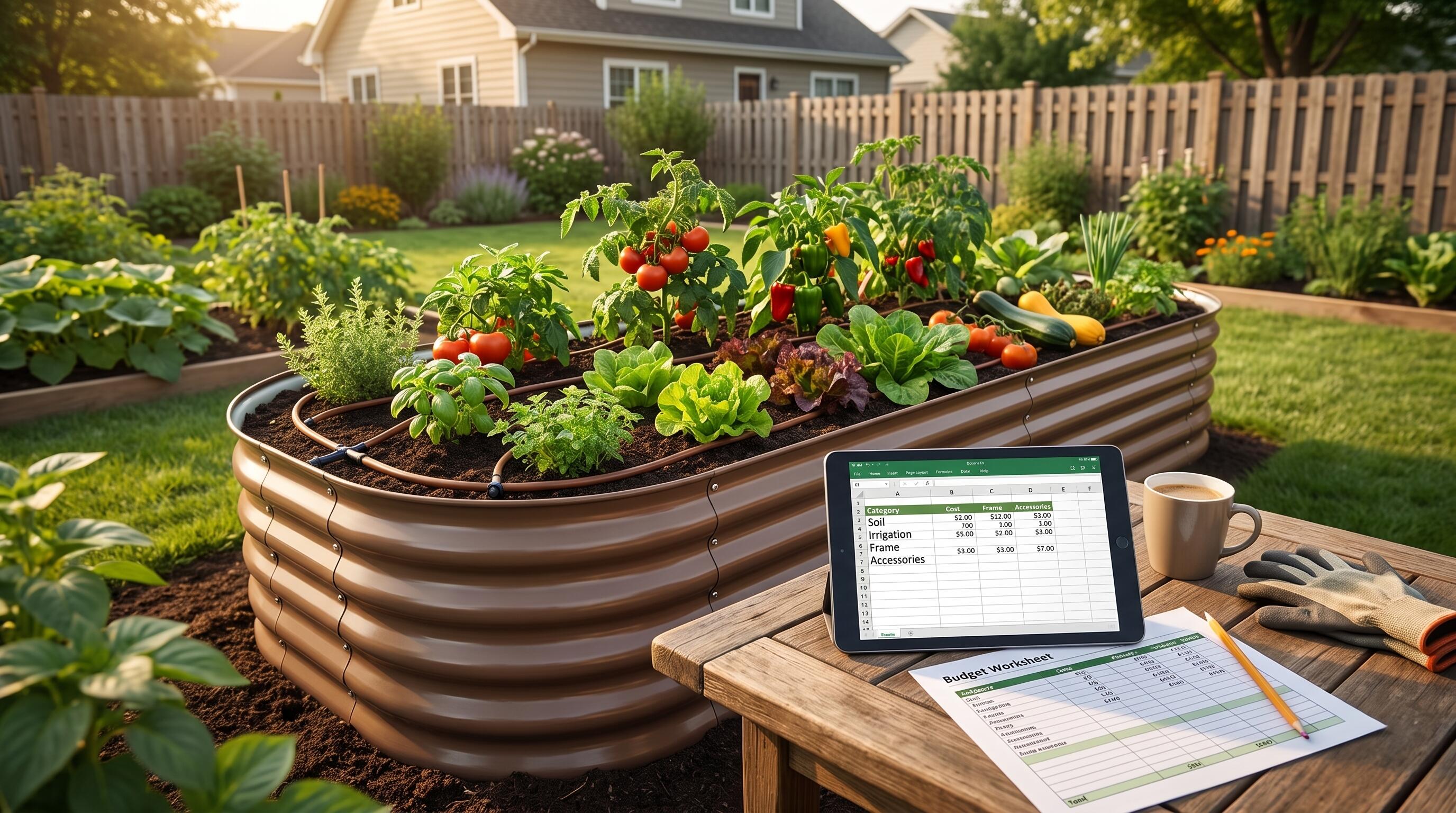
ALT: Home gardener reviewing raised bed garden layout plan with soil system amendments and drip irrigation system setup for raised bed gardening
Advanced Considerations: When Your Budget Needs to Go Further
Modular Expansion Planning
One of the most cost-effective strategies for raised bed gardening is starting small and expanding modularly. Anleolife's modular raised garden bed systems are specifically designed with this philosophy—you can begin with a single 8x4 ft bed, then add additional units as your confidence and budget allow. This avoids the common mistake of overbuilding in Year 1 and feeling overwhelmed.
Modular expansion also lets you test your soil system approach and irrigation routing on a small scale before committing to a large layout. The lessons learned from one bed apply directly to the next.
Do Anleolife Raised Beds Rust or Need Maintenance?
This is one of the most frequently asked questions among prospective buyers. Anleolife's galvanized steel beds are engineered for corrosion resistance, and the rust-resistant series provides an additional layer of protection for demanding climates. Routine maintenance is minimal—occasional rinsing to remove debris, checking that drainage isn't blocked, and inspecting any soil-contact edges seasonally. The 20-year design lifespan reflects a genuinely low-maintenance ownership experience, which is a meaningful consideration for empty nesters and retirees who want a beautiful garden without constant upkeep.
Best Raised Garden Beds for Vegetables: Height and Size Recommendations
For serious vegetable production, bed height matters enormously. Shallow beds (under 12") work for lettuce, herbs, and radishes, but most fruiting vegetables—tomatoes, peppers, cucumbers, squash—benefit from at least 18" of root depth. Root vegetables like carrots and parsnips do best in 24" or deeper beds.
Anleolife's 24" extra-tall and 30" extra-tall series are popular choices among experienced vegetable growers precisely because the added depth supports more diverse crop selection, better moisture retention, and—critically—a more comfortable working posture. For the best raised garden beds for vegetables in a home setting, prioritize depth over footprint when possible.
Frequently Asked Questions FAQ
Q1: How do I calculate exactly how much soil I need for a raised garden bed?
Multiply the length × width × depth of your bed in feet to get cubic feet. For example, an 8x4 ft bed at 18" (1.5 ft) deep requires 48 cubic feet of soil. Divide by 27 to convert to cubic yards if purchasing in bulk. Always round up slightly to account for settling—soil compresses 10–15% after watering and establishment. For premium blends with compost and amendments, calculate the ratio of each component separately to avoid costly over-purchasing or under-filling.
Q2: Are galvanized steel raised beds safe for growing food?
This is a common concern with well-documented context. The zinc coating on galvanized steel is the protective layer, and while trace zinc can leach into soil, it does so in minimal amounts that fall well within safe limits for edible gardening according to numerous university extension studies. Zinc is actually a micronutrient that plants require in small quantities. Anleolife's galvanized steel and rust-resistant beds are widely used for vegetable production by home growers across North America, and the 20-year lifespan reflects confidence in their long-term structural and material integrity.
Q3: What's the real long-term cost difference between wood and metal raised beds?
Over a 10-year window, wood beds often cost more. A pine raised bed may need replacement at years 3–5 and again at years 6–10, effectively paying for three beds while receiving one galvanized steel bed's worth of service. When you factor in the soil disturbance and labor of replacing a deteriorating wood frame—plus the environmental cost of additional material consumption—galvanized steel's 20-year lifespan makes it the more economical and eco-conscious choice over any multi-year horizon. The higher upfront cost amortizes to a small annual figure.
Summary
Budgeting for a raised garden bed garden is not complicated—but it does require completeness. The most important takeaways from this guide:
First, the raised bed frame is your foundation, and material choice drives your 10-year cost more than any other single decision. Galvanized steel beds with a 20-year lifespan eliminate the replacement cycle that makes wood beds deceptively expensive over time.
Second, soil systems are your largest Year 1 variable cost and your most important quality investment. Premium organic amendments pay back in yield, flavor, and soil health that compounds season over season.
Third, think in systems, not just beds. Irrigation systems, pest management, and your raised bed garden layout plan all interact. Design them together before purchasing anything, and you'll avoid the costly retrofitting that plagues unplanned setups.
The goal of budgeting isn't to spend as little as possible—it's to spend intentionally, on the right things, in the right order. With this framework, you're equipped to do exactly that.
Start Your Garden With Confidence—Anleolife Has You Covered
Anleolife's nationwide U.S. warehouse network—strategically located in California, Texas, Florida, New York, Illinois, and Washington—ensures delivery within 3–8 business days, so your garden upgrade plans never have to wait for the growing season.
Our products are available across all major platforms including Amazon, Walmart, Home Depot, Lowe's, Wayfair, and directly at Anleolife.com, providing consistent quality assurance and responsive after-sales support wherever you prefer to shop.
Anleolife's three core scenarios—Planting (metal raised garden beds, soil systems), Raising (chicken coops, rabbit hutches), and Beautification (decorative accessories, pathway systems)—meet your complete needs from functional food production to an aesthetically enriching garden space.
We understand that an ideal garden isn't built overnight—it's cultivated gradually, season by season. Our modular product design allows flexible expansion based on your evolving needs, from your first raised garden bed to a fully integrated planting-and-raising ecosystem. We grow with you, every step of the way.
References
- National Gardening Association. "Garden to Table: A Guide to Growing Food at Home".
https://garden.org/ - University of California Agriculture and Natural Resources. "Raised Bed Gardening".
https://ucanr.edu/ - U.S. Environmental Protection Agency. "Backyard Composting and Soil Health".
https://www.epa.gov/recycle/composting-home - Penn State Extension. "Soil Preparation and Amendments for Vegetable Gardens".
https://extension.psu.edu/ - Colorado State University Extension. "Raised Bed Gardening".
https://extension.colostate.edu/topic-areas/yard-garden/raised-bed-gardening/
Note: Standards and recommendations may be updated over time. Please consult the latest official documents or speak with a local extension advisor for the most current guidance.
About Anleolife
Anleolife is a leading outdoor garden solutions provider in North America, dedicated to offering a full-scenario product ecosystem for home gardening enthusiasts, covering planting, raising, and garden beautification. Since its founding, we have upheld our brand mission, "Made for Garden Life," continuously innovating products and optimizing services to help hundreds of thousands of users upgrade their gardens, reconnect with nature, and enjoy a better garden lifestyle.