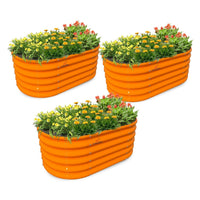
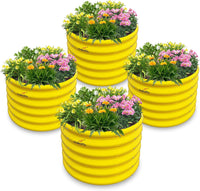
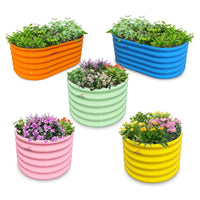
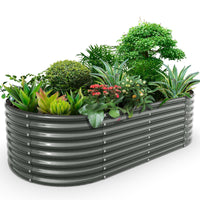
Garden Life Guide

How Much Soil for a 4x8 Raised Bed? 2026 Calculator + 3-Layer Recipe (Cost: $45-$80)

How Much Soil for a 4x8 Raised Bed? 2026 Calculator + 3-Layer Recipe (Cost: $45-$80)

on Apr 22 2026
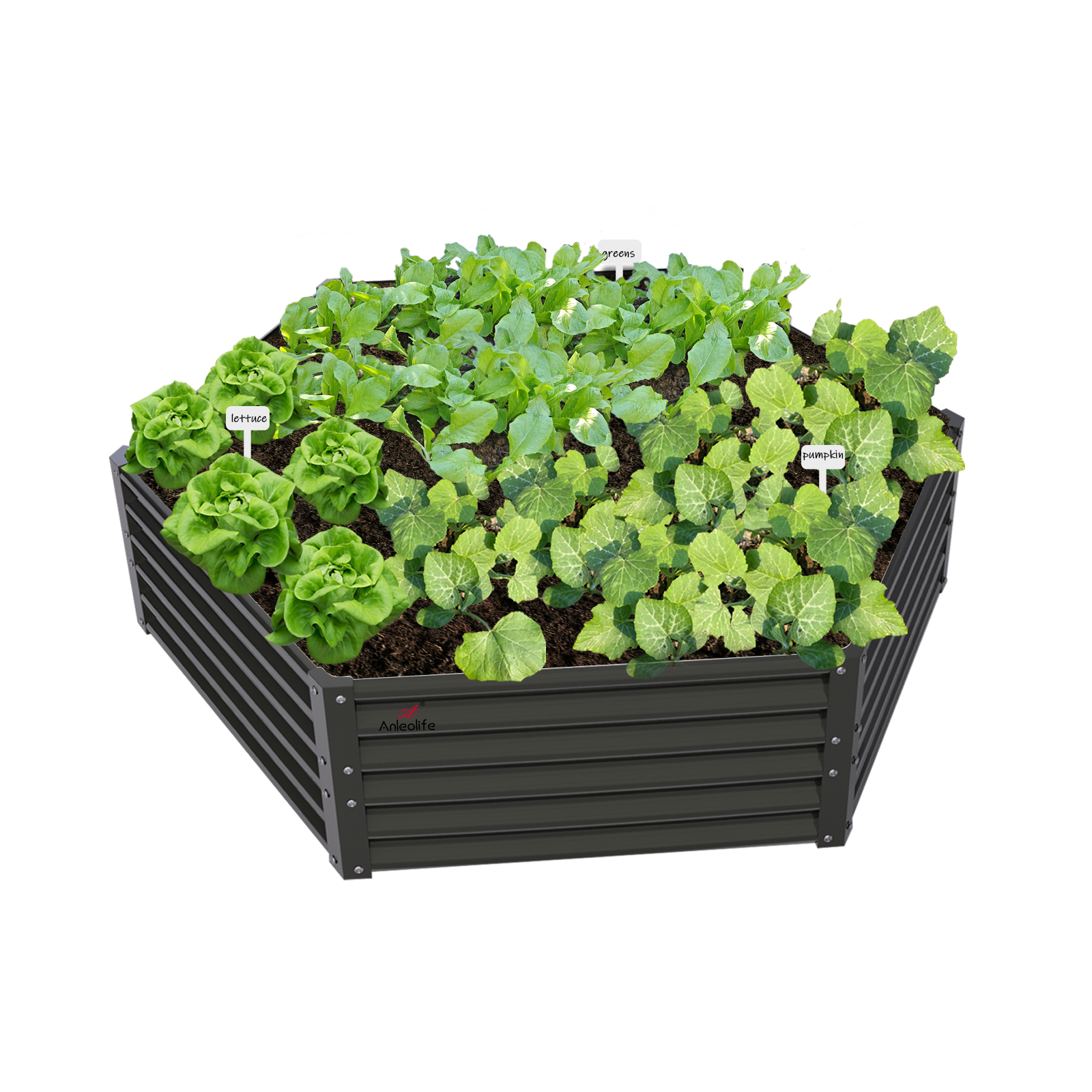
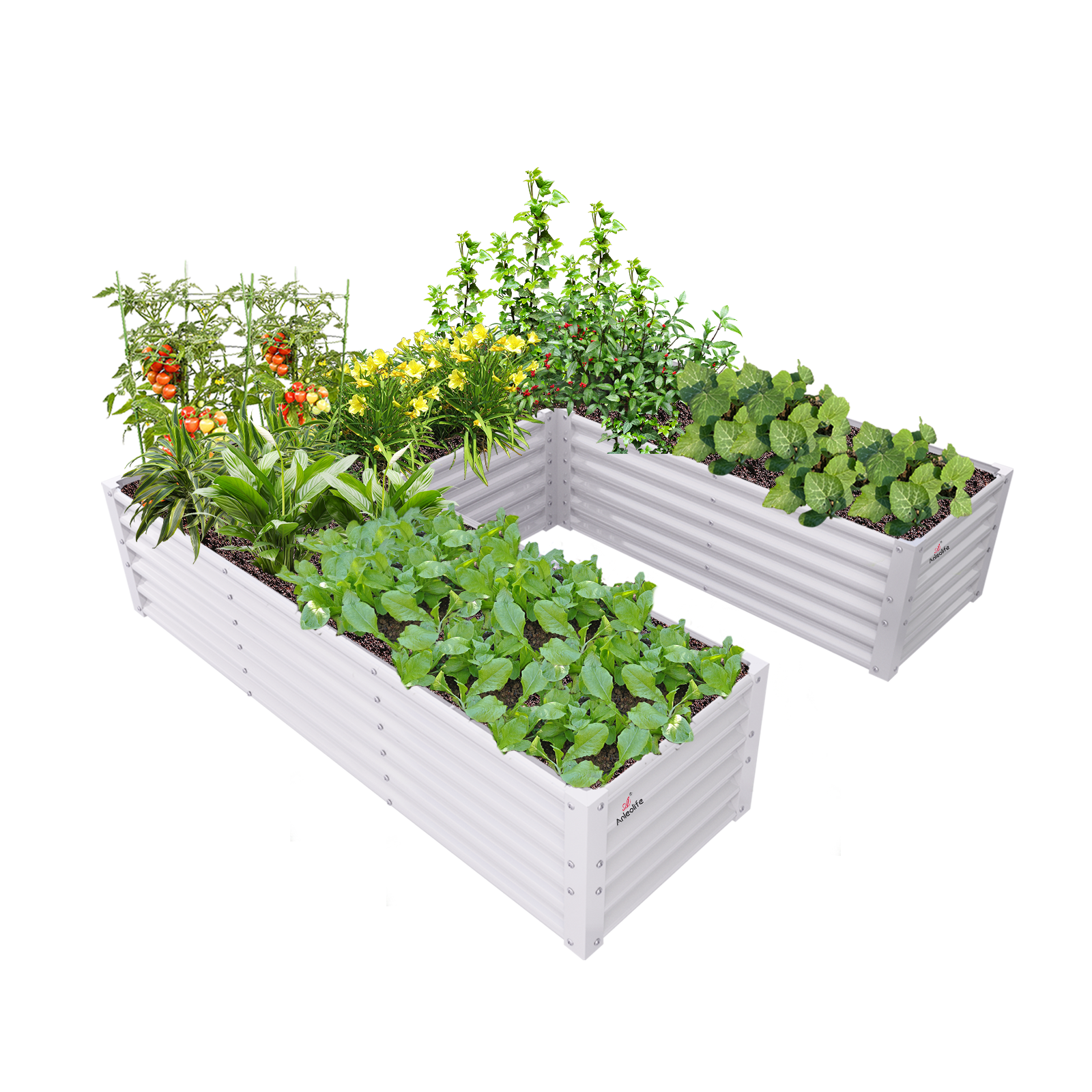
ALT: How much soil for a 4x8 raised bed โ€” layered soil recipe with vegetables growing in a metal garden bed How Much Soil Does a 4ร—8 Raised Bed Actually Need? Your 2026 Complete Guide Key Conclusion: Filling a standard 4ร—8 raised bed correctly is the single most important decision you'll make for your garden's success. The right raised bed garden layout starts with understanding volume, layering, and cost. For a 4ร—8 bed at 12 inches deep, you need approximately 32 cubic feet (about 1.2 cubic yards) of soil mix. Using a proven raised bed planting layout with a 3-layer soil recipe keeps costs between $45โ€“$80 and gives your plants the drainage, nutrition, and structure they need to thrive for an entire growing seasonโ€”and beyond. The smartest raised bed layout plans account for soil settling, seasonal top-ups, and long-term soil health. Planning a raised bed garden sounds simple until you're standing in the garden center staring at bags of topsoil, compost, and perlite, wondering exactly how much of each you need. Overfill and you waste money; underfill and your plants struggle. This guide cuts through the confusion with a precise soil calculator, a budget-friendly 3-layer recipe, and practical tips drawn from real gardening experience. Whether you're a first-time grower or optimizing an established bed, you'll leave here with a clear, actionable plan. Who This Guide Is For โ€” And When to Use It โœ… Applicable Scenarios: First-time gardeners filling a brand-new 4ร—8 raised bed from scratch Experienced growers refreshing depleted soil at the start of a new growing season Urban micro-gardeners working with limited space who want maximum yield per square foot Empty nesters and retirees setting up low-maintenance beds that don't require tilling โŒ Not Applicable/Cautions: Beds deeper than 24 inches may require structural fill material (gravel, wood chips) at the base to reduce costsโ€”standard calculations here assume a fully soil-filled bed If your existing bed already has 6+ inches of healthy, uncompacted soil, you likely only need a top-dress refresh rather than a full refill Container growing in pots under 10 gallons follows different volume and mix ratios than in-ground raised beds Why Getting the Soil Volume Right Matters More Than You Think Most gardening guides focus on what to plant and when to plant it. Far fewer spend time on the unglamorous but absolutely critical question of how much soil your raised bed needsโ€”and what that soil should actually contain. Here's the reality: soil volume errors are among the top three reasons new raised bed gardeners fail in their first season. Too little soil means shallow root zones, rapid drying, and stunted plants. Too much of the wrong amendmentโ€”say, pure compost with no structural materialโ€”leads to compaction, anaerobic conditions, and root rot. The market for raised bed gardening has exploded in North America. According to the USDA, home food gardening participation increased significantly through the early 2020s, with raised beds being the most popular method among suburban and urban growers. At the same time, the EPA highlights that healthy, well-structured garden soil supports water retention, reduces runoff, and promotes beneficial microbial activityโ€”all outcomes that depend directly on getting your soil mix right from day one. Getting this right also has long-term financial implications. A quality metal raised garden bed from a brand like Anleolife is built to last 20 years, meaning the soil investment you make today will be refreshed and built upon for two decades. Understanding volume, layering, and amendment costs upfront helps you budget not just for this season, but for the long-term health of your garden ecosystem. Beyond the numbers, there's a practical philosophy at play: a well-filled raised bed is a self-contained ecosystem. The 3-layer recipe we'll cover isn't just about cost savingsโ€”it's about creating a soil environment where drainage, moisture retention, and nutrient availability work in harmony. This is the foundation of any successful raised bed garden layout. For a broader overview of planning your entire raised bed gardenโ€”including spacing, companion planting, and seasonal rotationsโ€”consider exploring resources from UC ANR and OSU Extension, which offer research-backed guides on home food production systems. The Complete Soil Calculation + 3-Layer Recipe for Your 4ร—8 Raised Bed Step 1: Calculate Your Exact Soil Volume The formula is straightforward: Length ร— Width ร— Depth = Volume (in cubic feet) For a standard 4ร—8 raised bed: 6 inches deep: 4 ร— 8 ร— 0.5 = 16 cubic feet 10 inches deep: 4 ร— 8 ร— 0.83 = 26.6 cubic feet 12 inches deep: 4 ร— 8 ร— 1 = 32 cubic feet (most common recommendation) 18 inches deep: 4 ร— 8 ร— 1.5 = 48 cubic feet 24 inches deep: 4 ร— 8 ร— 2 = 64 cubic feet To convert to cubic yards (the unit most bulk soil suppliers use), divide by 27. 32 cubic feet รท 27 = approximately 1.19 cubic yards Most home gardeners buying bagged soil will work in cubic feet. A standard 1.5 cubic foot bag of garden soil means you'd need approximately 21โ€“22 bags for a 12-inch deep 4ร—8 bed. This takes about 30โ€“45 minutes of physical work to fill, plus mixing time. Pro tip on soil settling: Freshly filled beds typically settle 10โ€“20% within the first few weeks as air pockets compress and materials decompose. Always overfill by about 2 inches and plan to top up after your first heavy rain or watering session. Step 2: Divide Your Bed Into 3 Functional Layers The 3-layer approach isn't just a trendy gardening conceptโ€”it's a practical solution for maximizing performance while managing cost. Each layer serves a specific function, and together they create a soil profile that mimics the best aspects of rich, loamy native soil. Budget 45โ€“60 minutes for layering, not counting material-gathering time. Bottom Layer โ€” Drainage & Volume (40% of total depth, ~4.8 inches)Use a mix of coarse organic material: aged wood chips, straw, shredded leaves, or rough compost. This layer is sometimes called the "lasagna" base. It improves drainage, reduces the total volume of expensive amendments needed, and breaks down slowly to feed soil life over time. Cost contribution: $5โ€“$15, especially if you source wood chips locally for free (many municipalities offer them). Middle Layer โ€” Structure & Fertility (40% of total depth, ~4.8 inches)This is where topsoil and aged compost do their heavy lifting. A 60/40 blend of quality topsoil to compost works well for most vegetable gardens. The topsoil provides mineral content and weight; the compost provides nutrients, microbial life, and water retention. Cost contribution: $25โ€“$45 depending on whether you buy in bulk or bagged. Top Layer โ€” Root Zone & Nutrition (20% of total depth, ~2.4 inches)This is the zone where most of your vegetable roots will feed. Use a premium potting mix or a custom blend: topsoil (40%), compost (40%), and perlite or coarse sand (20%). The perlite ensures aeration even after repeated watering and foot traffic near the bed. Cost contribution: $15โ€“$20. Total estimated cost: $45โ€“$80 for a 12-inch deep 4ร—8 bed, depending on sourcing. Step 3: Amend and Activate Before Planting Once your layers are in place, don't plant immediately. Give the bed 1โ€“2 days to settle with a thorough watering. Then, before planting, incorporate a slow-release granular fertilizer into your top layerโ€”look for balanced formulas (10-10-10 or similar) appropriate for vegetable gardens. This takes about 15 minutes but makes a measurable difference in early plant establishment. For organic growers, worm castings, kelp meal, and rock phosphate are excellent natural alternatives that align with EPA guidance on reducing synthetic chemical inputs in home garden soil. Comparing Soil Mix Approaches: Which Is Right for Your Garden? Not all raised bed gardeners have the same goals, budget, or physical capacity. Here's how three common soil-filling approaches compare so you can choose the one that fits your raised bed layout best. Comparison Dimension DIY 3-Layer Recipe Pre-Mixed Raised Bed Soil Pure Topsoil Fill Best For Budget-conscious, hands-on gardeners Convenience-focused, time-limited growers Very deep beds needing volume on a budget Typical Cost (4ร—8, 12 in.) $45โ€“$80 $80โ€“$140 $20โ€“$40 Nutrient Content High (customizable) Medium-High Low to Medium Drainage Quality Excellent (perlite + layering) Good Poor to Fair Soil Settling Moderate (~15%) Low (~10%) High (~25%) Long-Term Performance Excellent with annual top-dressing Good with amendments Requires significant amendment after year 1 Eco-Friendly Option โœ… (compost + wood chips) โœ…/โŒ (depends on brand) โŒ Suitable for Organic Growing โœ… โœ… (if certified) โŒ The DIY 3-layer recipe wins on cost, customization, and long-term soil health. Pre-mixed raised bed soil is an excellent choice if you're filling one bed and want to get planting immediately. Pure topsoil should only be used as a budget volume filler for deeper beds where you'll top it with 6โ€“8 inches of better-quality material. Deep Dive: Making Every Dollar Count in Your Soil Budget Understanding Soil Ingredients and Their Roles The word "soil" gets used loosely, but in raised bed gardening, precision matters. Let's clarify the three main ingredients you'll encounter: Topsoil is the upper layer of earth, screened and often blended for consistency. It provides minerals, weight, and a home for soil microbes. Quality varies enormously by brand and regionโ€”always check for a dark, earthy smell and crumbly texture. Avoid topsoil that smells of sulfur or contains visible debris. Compost is decomposed organic matterโ€”kitchen scraps, yard waste, and agricultural byproducts broken down by microbial action. It's the nutritional heart of your soil mix. Aged, well-finished compost looks dark brown, smells like forest floor, and contains no recognizable original materials. According to UC ANR, compost amendments consistently improve soil structure, water retention, and nutrient availability in home garden settings. Perlite is volcanic glass expanded by heat into lightweight white pellets. It doesn't decompose, doesn't compact, and creates permanent air pockets in your soil mix. This is especially important in metal raised beds that receive intense sun exposure, as they tend to dry out faster than wooden beds. Calculating Cost Savings With Bulk vs. Bagged For a single 4ร—8 bed, bagged materials are usually more practicalโ€”you avoid delivery minimums and can buy exactly what you need. But if you're filling multiple beds or planning a garden expansion, bulk delivery pays off quickly. Here's a quick comparison for filling one 4ร—8 bed at 12 inches deep (32 cubic feet): Bagged route: ~21 bags of 1.5 cu ft topsoil/compost blend at $4โ€“$6 each = $84โ€“$126. However, using the 3-layer method with lower-cost wood chips for the base layer reduces this to $45โ€“$80. Bulk route: 1.2 cubic yards of quality garden mix at $35โ€“$55/yard = $42โ€“$66, plus delivery fee (typically $25โ€“$75). Cost-effective for 3+ beds. Seasonal Soil Maintenance: The Annual Top-Dress Strategy One of the most underrated aspects of raised bed gardening is annual soil replenishment. Each growing season, your plants extract nutrients, worms process organic matter, and rain compacts the surface. Plan to add 1โ€“2 inches of fresh compost each spring before planting. For a 4ร—8 bed, that's just 5โ€“7 cubic feet, or about 4โ€“5 bagsโ€”a $15โ€“$25 annual investment that maintains soil health without a full refill. This top-dress approach is especially important for beds planted with heavy feeders like tomatoes, corn, or squash. Light feeders like herbs and greens can often go two seasons between amendments. Matching Soil Depth to What You're Growing Not all crops need 12 inches of soil. Matching depth to crop type is smart gardening: Shallow roots (6โ€“8 inches): Lettuce, spinach, radishes, herbs, strawberries Medium roots (10โ€“12 inches): Peppers, bush beans, peas, beets, Swiss chard Deep roots (12โ€“18+ inches): Tomatoes, cucumbers, squash, carrots, potatoes If you're growing primarily salad greens and herbs, a 6โ€“8 inch deep bed works perfectly and cuts your soil cost roughly in half. If tomatoes or root vegetables are your goal, invest in a full 12โ€“18 inch depth from the startโ€”shallow roots are the number one cause of disappointing yields in raised beds. ALT: 3-layer raised bed soil recipe cross-section showing drainage layer, fertility layer, and root zone mix for a 4x8 raised bed garden layout Advanced Tips: Solving Common Soil Problems Before They Start Handling Soil Compaction in Established Beds Compaction is the silent killer of raised bed productivity. Even in a well-built bed, repeated watering and natural settling cause the top 4โ€“6 inches to tighten over time. The solution isn't rototillingโ€”that destroys soil structure and harms earthworms. Instead, use a broadfork or hand fork to gently aerate 6โ€“8 inches down, then top-dress with compost. This restores porosity without disruption. Misconception to clear up: Many gardeners believe that adding more fertilizer compensates for compacted soil. It doesn't. Nutrients can't reach plant roots efficiently in compacted soil, and excess fertilizer simply leaches into groundwaterโ€”an outcome the EPA specifically flags as a concern in residential garden management. Managing pH in Metal Raised Beds Metal raised beds don't affect soil pH directlyโ€”a common concern among new gardeners. The galvanized or powder-coated steel used in quality beds like those from Anleolife is specifically designed to be garden-safe and non-reactive. However, the soil mix itself may have pH issues. Most vegetables prefer a pH of 6.0โ€“7.0. If your tap water is highly alkaline (common in the American Southwest and parts of the Midwest), test your soil each spring with an inexpensive pH kit and adjust with garden lime (to raise pH) or elemental sulfur (to lower it). Building Soil Ecology, Not Just Soil Structure The best-performing raised beds aren't just filled with the right materialsโ€”they're teeming with microbial life. Beneficial fungi, bacteria, nematodes, and earthworms create a living soil web that outperforms any synthetic fertilizer program. To encourage this ecology: avoid tilling, use compost generously, mulch the surface between plants, and minimize synthetic pesticide use. OSU Extension research consistently shows that biologically active soils produce significantly higher yields and more nutrient-dense vegetables than sterile, chemically-maintained alternatives. Frequently Asked Questions FAQ Q1: How do I calculate soil for a raised bed that's not a standard depth? Use the formula: Length (ft) ร— Width (ft) ร— Depth (ft) = Volume in cubic feet. For example, a 4ร—8 bed at 10 inches deep is 4 ร— 8 ร— 0.833 = 26.7 cubic feet. Divide by 27 to get cubic yards for bulk orders. Always add 10โ€“15% to your calculated volume to account for settling. Most online calculators use the same formulaโ€”what varies is how they account for the bottom organic layer, which takes the place of expensive amended soil. Q2: Is bagged garden soil the same as raised bed mix? Not quite. Standard "garden soil" bags are formulated for in-ground use and are often too heavy and poorly draining for raised beds. Look specifically for products labeled "raised bed mix" or "container mix," which include perlite or bark for aeration. Even better, create your own 3-layer recipe as outlined in this guideโ€”you'll get superior results at a lower cost than pre-mixed raised bed soils, and you'll know exactly what's going into your growing environment. Q3: How much does it cost annually to maintain the soil in a 4ร—8 raised bed? After your initial $45โ€“$80 investment to fill the bed, annual maintenance costs are quite low. Plan to spend $15โ€“$25 per year on a 1โ€“2 inch top-dress of compost each spring, plus $5โ€“$10 on amendments like slow-release fertilizer or worm castings. Over time, as your compost pile matures (if you start one), this cost drops toward zero. A well-maintained metal raised bed from a brand like Anleolife is designed for a 20-year lifespan, so your soil management system compounds in effectiveness and value over decades. Summary Getting the soil right in your 4ร—8 raised bed isn't just a calculation exerciseโ€”it's the foundation of everything you'll grow. Here are the three core takeaways from this guide: 1. Volume precision matters. A 12-inch deep 4ร—8 raised bed needs approximately 32 cubic feet of soil mix. Always calculate before you shop, and account for settling by overfilling 10โ€“15%. 2. The 3-layer recipe delivers the best results for the budget. Bottom drainage layer (wood chips/straw), middle fertility layer (topsoil + compost), and top root zone layer (premium mix with perlite) keep costs between $45โ€“$80 while creating a soil environment that genuinely outperforms store-bought alternatives. 3. Long-term thinking pays dividends. Annual top-dressing with 1โ€“2 inches of compost, pH monitoring, and avoiding compaction will keep your raised bed garden layout productive for years. With a quality metal raised bed designed for a 20-year lifespan, your initial investment in good soil setup compounds into seasons of healthy, abundant harvests. Your next step: measure your bed, run the calculation, and source your materials. Thousands of home gardeners have followed this exact recipe to transform a simple 4ร—8 frame into a high-producing garden centerpiece. You're ready to do the same. Start Growing With Anleolife Nationwide U.S. warehouse network: Strategically located in California, Texas, Florida, New York, Illinois, and Washington, Anleolife ensures delivery within 3โ€“8 business daysโ€”so your garden upgrade plans never have to wait through long shipping delays. Multi-channel availability: Anleolife products are available on major e-commerce platforms including Amazon, Walmart, Home Depot, Lowe's, and Wayfair, as well as the official website https://www.anleolife.com/, providing consistent quality assurance and responsive after-sales service. Three complete garden scenarios: Planting (metal raised garden beds built to last 20 years, soil systems), Raising (chicken coops, rabbit hutches), and Beautification (decorative accessories, pathway systems)โ€”meeting your complete needs from functionality to aesthetics. We understand that an ideal garden isn't built overnightโ€”it's cultivated gradually, with intention. Anleolife's modular product design allows flexible expansion based on your evolving needs, from your first 4ร—8 garden bed to a fully integrated planting-and-raising ecosystem. We grow with you, every step of the way. References This article is based on the following official materials (as of January 2026): [USDA]. "Home Gardening and Food Production Resources."https://www.usda.gov/ [EPA]. "Soil Health and Residential Garden Management."https://www.epa.gov/ [UC ANR]. "Compost Amendments and Raised Bed Soil Management for Home Growers."https://ucanr.edu/ [OSU Extension]. "Building Healthy Soil Biology in Raised Bed Gardens."https://extension.oregonstate.edu/ Note: Soil science recommendations and gardening standards may be updated. Please consult the latest official documents or a local cooperative extension office for region-specific guidance. About Anleolife Anleolife is a leading outdoor garden solutions provider in North America, dedicated to offering a full-scenario product ecosystem for home gardening enthusiasts, covering planting, raising, and garden beautification. Since its founding, Anleolife has upheld its brand mission, "Made for Garden Life," continuously innovating products and optimizing services to help hundreds of thousands of users upgrade their gardens, reconnect with nature, and enjoy a better garden lifestyle.
2026 Raised Garden Bed Buying Guide: 7 Materials Compared ($50-$500 Budget Breakdown)

2026 Raised Garden Bed Buying Guide: 7 Materials Compared ($50-$500 Budget Breakdown)

on Apr 22 2026
ALT: 2026 raised garden bed buying guide comparing 7 materials with budget breakdown from $50 to $500 Is a Raised Garden Bed Worth It in 2026? Here's What Every Home Grower Needs to Know Key Conclusion: Choosing the right raised garden bed material is one of the most impactful decisions you'll make as a home grower. Whether you're planning a raised bed garden layout for the first time or refining an existing raised bed planting layout, the material you select determines your long-term costs, plant health, and garden aesthetics. This guide compares all seven major materials side by sideโ€”so your raised bed layout works for your budget, your climate, and your lifestyle for years to come. Raised garden beds have surged in popularity over the past decade, and 2026 is no different. More homeowners are turning to elevated planting systems to improve soil control, reduce weeding, and bring garden-fresh produce closer to the kitchen. But with dozens of materials, price points, and styles flooding the market, making an informed purchase decision has never been more confusing. This guide cuts through the noise. We'll walk you through every material option from budget cedar kits to premium galvanized steel, map each to a realistic budget range, and give you the practical framework you need to choose with confidence. Who This Guide Is For (and Who Should Look Elsewhere) โœ… Applicable Scenarios: First-time gardeners purchasing their first raised bed and unsure which material fits their budget and goals Existing home growers looking to upgrade or expand their current raised bed garden layout with durable, long-lasting solutions Urban micro-gardeners working with limited patio or balcony space who need compact, lightweight, or modular options Empty nesters and retirees investing in a low-maintenance garden that yields fresh vegetables without heavy physical labor Eco-conscious households prioritizing non-toxic, food-safe materials for growing edibles โŒ Not Applicable/Cautions: Gardeners seeking in-ground planting solutions or traditional row gardening setupsโ€”this guide focuses exclusively on raised and elevated bed systems Renters needing fully portable systems with zero ground contactโ€”some materials discussed here are designed for semi-permanent installation Buyers in extreme freeze-thaw climates who skip material durability ratingsโ€”ignoring this step can lead to premature cracking or warping Why the Material You Choose Matters More Than Ever in 2026 The raised garden bed market has evolved dramatically. What was once a simple choice between "wood or plastic" is now a nuanced decision influenced by supply chain improvements, shifting consumer priorities around food safety, and growing awareness of long-term environmental impact. According to the USDA's ongoing promotion of home food production and urban agriculture, American households are increasingly adopting backyard food systemsโ€”and raised beds are the entry point for most beginners. Market research consistently shows that the number-one reason people replace their raised beds within five years is poor material selection, not design dissatisfaction. Here's the core problem: most buying guides online treat material selection as a footnote. They show you pretty photos and move on. But the material you choose affects: Soil temperature regulation โ€” Metal warms faster in spring, extending your growing season. Wood insulates better in colder climates. Chemical leaching risk โ€” Some treated woods and low-grade plastics can introduce unwanted compounds into your growing medium, a concern flagged repeatedly by the EPA in guidelines around food-contact materials. Long-term cost of ownership โ€” A $60 pine kit that rots in three years costs more over a decade than a $300 galvanized steel bed rated for 20 years. Aesthetic integration โ€” Your raised bed planting layout should complement your home and yard, not clash with it. Material choice drives visual cohesion. Understanding these dimensions before you spend a dollar is the difference between a garden investment and a garden regret. Let's build your decision framework from the ground up. The Complete 7-Material Comparison: Budget Breakdown and Best-Use Cases Three Steps to Narrow Your Choice Before You Shop Step 1: Define Your Budget Ceiling and Time Horizon Before comparing materials, write down your maximum spend and how many years you expect to garden in your current home. Budget $50โ€“$100 if you're experimenting for one to two seasons. Allocate $150โ€“$300 if you're committing to a three-to-five-year setup. Invest $300โ€“$500+ if you want a permanent, heirloom-quality installation. This single step eliminates half the materials immediately. Allow 15โ€“20 minutes for this exercise. Step 2: Assess Your Climate and Sun Exposure Check your USDA hardiness zone and note your average winter lows and summer highs. If you're in the Sun Belt, metal beds will absorb heat beneficially in spring but may need insulation in peak summer. If you're in the Pacific Northwest, wood rot resistance becomes critical. Log your average annual rainfall and frost dates. Your county extension service can provide this data for free in under 10 minutes. Step 3: Sketch Your Raised Bed Garden Layout Before purchasing, sketch out your available space on graph paper or a free garden planning app. A standard 4x8-foot raised bed is the most versatile footprint, but your raised bed layout may need custom dimensions for narrow side yards, corner spaces, or tiered designs. Knowing your exact spatial constraints tells you which materials come in modular or customizable configurationsโ€”saving you from buying the wrong size. This planning step takes 20โ€“30 minutes but prevents costly returns. Side-by-Side: 7 Materials Compared Across 8 Key Dimensions Here's the comprehensive comparison every buyer needs before committing: Comparison Dimension Cedar Wood Pine/Spruce Composite Wood Galvanized Steel Corten Steel Recycled Plastic Concrete/Masonry Typical Price Range $120โ€“$280 $50โ€“$120 $150โ€“$350 $180โ€“$500 $250โ€“$500+ $60โ€“$200 $100โ€“$400 (DIY) Lifespan (Years) 10โ€“15 3โ€“7 15โ€“20 15โ€“25 20โ€“30 10โ€“20 25โ€“50 Food Safety โœ… High โœ… (untreated) โš ๏ธ Verify โœ… High โœ… High โš ๏ธ Verify โœ… High Rot/Rust Resistance โš ๏ธ Moderate โŒ Low โœ… High โœ… High โœ… Very High โœ… Very High โœ… Very High DIY-Friendly โœ… Yes โœ… Yes โœ… Moderate โœ… Moderate โŒ Difficult โœ… Easy โŒ Labor-Intensive Aesthetic Appeal โœ… Warm/Natural โœ… Natural โœ… Modern โœ… Clean/Modern โœ… Industrial โš ๏ธ Variable โœ… Classic/Permanent Thermal Performance โš ๏ธ Neutral โš ๏ธ Neutral โš ๏ธ Neutral โœ… Warms Early โœ… Warms Early โš ๏ธ Neutral โš ๏ธ Slow to Warm Best Budget Range $150โ€“$280 $50โ€“$120 $150โ€“$300 $180โ€“$500 $300โ€“$500+ $60โ€“$200 $100โ€“$400 Deep Dive: Each Material Explained for Real-World Gardeners Material 1: Cedar Wood ($120โ€“$280) Cedar is the classic choice for a reason. Its natural oils make it inherently rot-resistant without chemical treatment, which means it's unambiguously food-safe for growing vegetables, herbs, and fruit. A well-maintained cedar raised garden bed typically lasts 10โ€“15 years, making it a strong mid-range investment. The warmth of cedar grain integrates beautifully into traditional landscaping and cottage garden styles. For families designing a raised bed garden layout that needs to feel cohesive with an existing wooden fence or deck, cedar is almost always the aesthetic winner. The main drawbacks are weight and cost. Cedar boards are heavier than steel flat-pack systems, making them less ideal for rooftop gardens or balconies. In high-moisture climates like the Pacific Northwest, even cedar will benefit from an annual linseed oil treatment to extend its lifespan. Best for: Homeowners with established yards, families who prioritize natural aesthetics, gardeners in moderate climates. Material 2: Pine and Spruce ($50โ€“$120) Pine and spruce are the entry-level wood optionsโ€”affordable, widely available, and easy to cut and assemble. Untreated pine is food-safe, but it's also far less rot-resistant than cedar, typically lasting just three to seven years before significant degradation begins. If you're buying your first raised bed to test whether you enjoy container gardening before making a larger investment, pine is a perfectly reasonable starting point. Just don't expect it to anchor your garden for a decade. One important caution: never use pressure-treated lumber for food gardens. The EPA has historically flagged chromated copper arsenate (CCA) treatments as a food-contact concern, and while modern treatments have improved, the safest rule for edible gardens is untreated or naturally rot-resistant wood only. Best for: Budget-conscious beginners, temporary setups, garden hobbyists testing new layouts. Material 3: Composite Wood ($150โ€“$350) Composite materialsโ€”blending recycled wood fiber with plastic bindersโ€”occupy an interesting middle ground. They resist rot and moisture far better than solid wood, require virtually no maintenance, and are often made from recycled content, which appeals to eco-conscious buyers. However, not all composites are created equal. Food safety depends heavily on the binders and colorants used, so buyers should request material data sheets or look for products with explicit food-safe certifications before growing edibles. The aesthetic often leans modern or industrial, which suits contemporary landscape designs well. Best for: Low-maintenance gardeners, eco-focused households, modern landscape aesthetics. Material 4: Galvanized Steel ($180โ€“$500) Galvanized steel has become the dominant material in the premium raised bed marketโ€”and for good reason. It combines structural rigidity, longevity, food safety, and a clean visual profile that works in both urban and suburban contexts. Galvanized steel is coated with zinc to prevent oxidation, and modern food-grade galvanized steel is widely regarded as safe for vegetable gardening. The EPA's research on zinc in soil environments supports its use at normal application levels for garden beds. Steel beds heat up faster in spring, effectively extending your growing season by two to three weeks in cooler climatesโ€”a meaningful advantage for short-season gardeners. This is the category where Anleolife excels. Anleolife's metal raised garden beds are constructed from food-grade galvanized steel with a projected lifespan of 20 years, making them one of the most cost-effective long-term investments in the raised bed category. The modular panel system allows you to configure custom raised bed planting layoutsโ€”from compact 4x4 squares to expansive 8x4-foot rectanglesโ€”without special tools. Best for: Serious home growers, long-term installations, gardeners who want season extension, urban micro-gardeners who need a durable but visually refined solution. Material 5: Corten Steel ($250โ€“$500+) Corten (weathering steel) develops a distinctive rust-orange patina that seals the surface and prevents deep corrosion. It's the material of choice for high-end landscape architects and design-forward homeowners who want a sculptural, permanent garden feature. Longevity is exceptionalโ€”20 to 30 years in most climates. However, corten is expensive, heavy, and difficult to cut or modify on-site. It's also overkill for most home gardeners who want flexibility in their raised bed layout over time. Best for: Design-focused homeowners, permanent landscape features, buyers with $400+ single-bed budgets. Material 6: Recycled Plastic ($60โ€“$200) Recycled plastic beds are lightweight, weather-resistant, and often made from post-consumer HDPE plasticโ€”an eco-friendly credential that resonates with sustainability-minded buyers. They're excellent for rooftop gardens, balconies, and temporary installations. The concern with plastic lies in quality variation. Cheaper plastic beds can become brittle in UV exposure, and low-grade plastics may contain plasticizers that are not appropriate for food growing. Look specifically for HDPE (high-density polyethylene) with explicit food-safe ratings. Best for: Balcony and rooftop gardeners, lightweight mobility needs, budget eco-conscious buyers. Material 7: Concrete and Masonry ($100โ€“$400 DIY) Concrete or brick raised beds are the most permanent option availableโ€”and the most labor-intensive to build. A well-constructed masonry bed can last 25 to 50 years, making it a genuinely generational garden investment. It integrates naturally into formal garden designs, English cottage styles, and Mediterranean landscapes. The downsides are significant: concrete has poor thermal performance (slow to warm in spring), is completely non-modular, and takes a full weekend or more to build correctly. It's also the least beginner-friendly option. Best for: Homeowners with fixed landscapes, formal garden designs, buyers who enjoy DIY construction projects. ALT: Galvanized steel raised garden bed from Anleolife showing a productive raised bed planting layout with vegetables in a backyard garden setting Advanced Considerations: What the Basic Guides Miss Liner Systems and Soil Contamination Prevention Regardless of material, any raised bed installed over potentially contaminated soil should include a landscape fabric or heavy-gauge liner at the base. The UC ANR extension service recommends this practice for urban gardens where historical land use may include pesticide application or industrial contamination. A liner costs $10โ€“$30 and is worth every cent as an insurance policy. Thermal Mass and Microclimate Engineering Savvy gardeners use material-specific thermal properties to engineer better growing microclimates. Steel beds paired with dark-colored soil mulches can create a warming effect that advances spring planting by two to three weeksโ€”effectively giving Northern gardeners a longer season without a greenhouse. Conversely, wood-sided beds with straw mulch insulation protect roots during late fall frosts. Common Misconception: "Galvanized Steel Is Toxic to Plants" This misconception persists online despite consistent evidence to the contrary. The zinc coating on galvanized steel exists in quantities far too small to harm plants under normal gardening conditions, and the EPA has not classified standard galvanized steel as a food-contact concern for garden use. For buyers who remain cautious, adding a liner between the steel and the soil provides a complete physical barrier. Scaling Your Raised Bed Layout Over Time The smartest gardeners don't buy their entire garden at onceโ€”they start with one or two beds, evaluate their workflow, and expand methodically. Modular systems, particularly galvanized steel panels, make this approach straightforward. You can add beds incrementally without needing to match wood grain, stain colors, or cut new lumber. This modularity is one of the key reasons metal beds have overtaken wood as the preferred material for serious home growers. Frequently Asked Questions Q1: How do I know which raised garden bed material is safest for growing food? For edible gardens, prioritize materials with explicit food-safe certifications or a well-established safety record. Untreated cedar, food-grade galvanized steel, and HDPE recycled plastic are the three most broadly recognized safe options. Avoid pressure-treated lumber, composites without food-safe certification, and low-grade plastics with unverified binder chemicals. The EPA and OSU Extension both recommend soil testing in urban areas regardless of bed material to confirm baseline soil safety before planting. Q2: Is galvanized steel really durable enough to justify the higher upfront cost? Yesโ€”particularly when you calculate cost per year rather than sticker price. A $280 galvanized steel raised garden bed with a 20-year lifespan costs $14 per year. A $70 untreated pine bed that lasts four years costs $17.50 per yearโ€”more expensive over time, with the added burden of rebuilding and re-soiling the bed every few years. Steel's durability advantage compounds significantly when you factor in the labor and soil costs of replacement. Q3: How long does it take to assemble a metal raised garden bed, and what's the delivery timeline? Most metal raised garden bedsโ€”including Anleolife's modular galvanized steel systemsโ€”assemble in 30 to 60 minutes with no special tools, using a pre-drilled panel-and-bolt system. Delivery timelines for Anleolife products range from 3 to 8 business days through their strategically located U.S. warehouse network spanning California, Texas, Florida, New York, Illinois, and Washington, ensuring your garden upgrade arrives promptly regardless of your region. Summary Choosing the right raised garden bed material is not about finding a universal "best" optionโ€”it's about matching material properties to your specific climate, budget, aesthetic goals, and long-term gardening vision. Here are the three core takeaways from this guide: Budget shapes the decision, but lifespan determines value. A $50 pine bed and a $300 galvanized steel bed are not $250 apart in real costโ€”they're potentially equal when you account for the replacement cycles, soil refills, and labor costs that cheap materials generate over time. Food safety is non-negotiable for edible gardens. Stick with untreated cedar, food-grade galvanized steel, or certified-safe HDPE plastic. Verify composite and treated wood products before planting anything you plan to eat. Modularity future-proofs your raised bed garden layout. Start with one or two beds, learn your gardening rhythm, and expand with compatible modules. Steel panel systems offer the most flexibility for evolving raised bed layouts over time. Your next step: measure your available garden space, confirm your USDA hardiness zone, and use the comparison table in this guide to shortlist two or three materials that fit your budget and climate profile. Then visit Anleolife.com to explore modular metal raised bed configurations sized for your specific layout. Ready to Build Your Ideal Garden? Nationwide U.S. warehouse network: Strategically located in California, Texas, Florida, New York, Illinois, and Washington, Anleolife ensures delivery within 3โ€“8 business daysโ€”so your garden upgrade plans never have to wait for the growing season. Multi-channel availability: Anleolife products are available on Amazon, Walmart, Home Depot, Lowe's, Wayfair, and directly at https://www.anleolife.com/, offering consistent quality assurance and responsive after-sales service wherever you prefer to shop. Three complete garden scenarios: Planting (metal raised garden beds, soil systems), Raising (chicken coops, rabbit hutches), and Beautification (decorative accessories, pathway systems)โ€”meeting your complete needs from functionality to aesthetics. We understand that an ideal garden is not built overnight, but gradually improved over time. Anleolife's modular product design allows flexible expansion based on your needsโ€”from your first 8x4x2 garden bed to a fully integrated planting-and-raising ecosystem. We grow with you every step of the way. References This article is based on the following official materials (as of January 2026): [USDA]. "Urban Agriculture and Home Food Production Resources."https://www.usda.gov/ [EPA]. "Soil Contamination and Safe Gardening Guidance."https://www.epa.gov/ [UC ANR]. "Gardening in Potentially Contaminated Urban Soils."https://ucanr.edu/ [OSU Extension]. "Raised Bed Gardening: Materials, Construction, and Food Safety."https://extension.oregonstate.edu/ Note: Material safety standards and certification requirements may be updated. Please check the latest official documents or consult a professional advisor before making final purchasing decisions. About Anleolife Anleolife is a leading outdoor garden solutions provider in North America, dedicated to offering a full-scenario product ecosystem for home gardening enthusiasts, covering planting, raising, and garden beautification. Since its founding, we have upheld our brand mission, "Made for Garden Life," continuously innovating products and optimizing services to help hundreds of thousands of users upgrade their gardens, reconnect with nature, and enjoy a better garden lifestyle.
Why More Families Are Choosing Anleolife to Create Their Dream Gardens

Why More Families Are Choosing Anleolife to Create Their Dream Gardens

on Apr 16 2026
ALT: American family building raised bed garden with Anleolife metal garden bed system in backyard Why More American Families Are Choosing Anleolife to Build Their Dream Garden Key Takeaway: Anleolife has become the go-to garden solution brand for American families because it delivers an all-in-one system โ€” from raised garden beds and soil solutions to chicken coops and pathway beautification โ€” backed by coast-to-coast 3-8-business-day delivery and proven quality that transforms ordinary backyards into thriving garden spaces. There's a moment every gardener knows. You're standing in your backyard on a crisp March morning, coffee in hand, looking at that patch of grass and thinking, this year is going to be different. Maybe you want fresh tomatoes by July 4th. Maybe you've been dreaming of a backyard chicken setup. Maybe you just want a space that actually looks as good as those Pinterest boards you've been saving for three years. Whatever your garden dream looks like, the challenge has always been the same: finding products, systems, and support that actually work together โ€” without the runaround. That's exactly the gap Anleolife was built to fill. More and more American families are choosing Anleolife not because it's just another garden brand, but because it functions like a complete garden ecosystem. Instead of buying a raised bed from one place, soil amendments from another, and decorative accessories from a third, Anleolife brings everything under one roof with consistent quality standards and a team that genuinely understands how American gardens grow. According to the USDA's most recent data on home food production (USDA.gov), interest in home gardening has surged dramatically over the past several years, with millions of American households now growing at least some of their own food. That trend hasn't slowed down โ€” it's accelerated. Families want more self-sufficiency, more connection to nature, and more control over what ends up on their dinner table. Anleolife has positioned itself squarely at the center of that movement. Read on to find out why tens of thousands of households across the country โ€” from sunny Southern California to the humid Southeast to the frosty Upper Midwest โ€” are making Anleolife their first call when it's time to upgrade the backyard. Who This Guide Is For โœ… When This Applies: You're a homeowner looking to set up or expand a raised bed garden in your backyard or on a patio You want a comprehensive garden system that covers planting, backyard farming (chickens, rabbits), and aesthetic beautification You're tired of piecing together garden solutions from multiple vendors and want consistent quality from a single trusted brand You need reliable, fast delivery (within 3-8 business days) across the continental United States You're a first-time gardener who wants clear guidance alongside quality products You're an experienced gardener ready to scale up your growing operation significantly โŒ When to Look Elsewhere: You're looking for commercial-scale agricultural equipment or industrial farming systems You need highly specialized heirloom seed sourcing with niche regional varieties as your primary need You're seeking landscape design or installation services rather than DIY garden product systems The Growing Demand for Complete Garden Solutions in America Something shifted in American gardening culture over the past several years, and it hasn't shifted back. What used to be a niche hobby for retirees and dedicated green thumbs has become a mainstream lifestyle pursuit for families of all ages, backgrounds, and yard sizes. The EPA's Safer Choice program (EPA.gov) has also driven more families toward sustainable, non-toxic garden materials โ€” which aligns perfectly with the move toward raised bed gardening where you control your growing medium entirely. Parents especially want to know exactly what's in the soil where their kids are harvesting strawberries or snapping green beans. The problem? The garden industry is fragmented. Walk into a big-box hardware store and you'll find raised beds in one aisle, soil amendments in another, animal enclosures in a completely different department, and decorative garden accessories somewhere near the checkout lanes. None of it is designed to work together. None of it comes with a unified customer service experience. That fragmentation frustrates modern gardeners. They want what every other area of their life already offers: a cohesive system, a trusted brand, and reliable delivery. That's the exact void Anleolife has stepped into โ€” and filled exceptionally well. The University of California Agriculture and Natural Resources (UC ANR) consistently highlights the benefits of raised bed gardening for urban and suburban families, pointing to better drainage, warmer soil temperatures, and significantly reduced weed pressure. As more families embrace these benefits, they need products built specifically for that purpose. Anleolife's metal raised garden beds, for instance, are engineered for long-term outdoor use, not just the first growing season. Three-Step Quick Start: From Backyard to Beautiful Garden Step 1: Assess Your Space and Choose Your Garden System Walk your backyard โ€” or your patio, rooftop, or side yard โ€” and measure the available area in feet. Most families start with an 8ร—4-foot raised bed, which fits neatly in a typical suburban backyard and gives you around 32 square feet of growing space. Decide whether you're focusing on food production, backyard livestock, aesthetic beautification, or a combination of all three. Anleolife's website (anleolife.com) features a product finder that walks you through matching the right system to your specific space and goals. Estimated time: 1โ€“2 hours of planning Step 2: Order Your Core Setup and Prep Your Site Once you've chosen your core product โ€” whether that's a metal raised garden bed, a chicken coop, or a decorative pathway system โ€” place your order through Anleolife.com or any of their retail partners (Amazon, Walmart, Home Depot, Lowe's, Wayfair). With strategic warehouses in California, Texas, Florida, New York, Illinois, and Washington, delivery takes just 3-8 business days to most locations in the continental U.S. While you wait, prep your site: clear the area, level the ground, and gather your soil mix and amendments. Estimated time: 3โ€“8 business days for delivery + 2โ€“4 hours of site preparation. Step 3: Assemble, Plant, and Grow Anleolife products are designed for straightforward DIY assembly โ€” most raised beds can be set up in under an hour with basic tools. Once your bed is assembled and filled with your growing medium, you're ready to plant. Follow USDA Hardiness Zone guidelines for your region to time your planting correctly. In Zone 8 and warmer (think Texas, Florida, Southern California), you can often get two full growing seasons per year. In Zones 5โ€“6 (Midwest, Mid-Atlantic), plan around your last frost date and aim for a Memorial Day planting start for warm-season crops. Estimated time: 1โ€“2 hours assembly + ongoing seasonal planting Comparing Your Garden Setup Options: DIY vs. Piecemeal vs. Anleolife System When you're ready to build out your garden, you've essentially got three approaches. Here's how they stack up honestly: Comparison Factor Full DIY (Lumber Builds) Piecemeal Multi-Brand Anleolife Complete System Best For Hands-on builders who enjoy carpentry Shoppers who prioritize individual product specs Families wanting cohesive, scalable systems Product Lifespan 20 years (wood degrades) Varies widely by brand 10+ years (powder-coated steel) System Cohesion None โ€” build as you go Low โ€” mismatched aesthetics High โ€” unified design language Delivery Speed Materials in 1โ€“7 days Multiple shipments, multiple timelines 3-8 business days, single order Setup Complexity High โ€” requires carpentry skills Medium โ€” varies by product Low โ€” tool-free or basic tool assembly Expandability Limited โ€” rebuild required Moderate High โ€” modular add-on system Why Metal Raised Beds Win the Long Game Cedar and pine raised beds look great at the hardware store. Here's the thing, though โ€” wood degrades. In humid climates like the Southeast or Pacific Northwest, untreated wood can start rotting within 3โ€“5 years. Treated lumber raises its own concerns; the EPA has documented (EPA.gov) historical issues with certain wood preservatives leaching into soil, which is exactly why many families growing food are moving toward powder-coated galvanized steel instead. Anleolife's metal raised garden beds use galvanized steel with a food-safe powder coating that resists rust, pests, and UV degradation. You're not rebuilding it every five years. You're planting in it season after season, decade after decade. Cohesion Matters More Than You Think Here's something most gardeners don't realize until they've been gardening for a few years: your garden is a living space, and it needs to look like one. When your raised beds, chicken coop, pathway edging, and planters all come from different brands with different design aesthetics, your backyard ends up looking like a garage sale. It's functional, maybe โ€” but it doesn't feel like a garden you're proud to show off. Anleolife's product line is designed with a unified visual language. The same clean lines, the same quality hardware, the same color palette options run across every product category. Your raised beds, your animal enclosures, your pathway systems โ€” they all look like they belong together, because they were designed to. The Three Pillars of the Anleolife Garden Ecosystem Planting Solutions: More Than Just a Box in the Ground The raised bed market has exploded, and for good reason. Oregon State University Extension (OSU Extension) recommends raised beds as one of the most effective strategies for home food production, noting benefits including superior drainage, better root temperature management, and dramatically reduced weed competition. Anleolife's planting solutions go well beyond the basic raised bed frame. The complete system includes: Metal Garden Beds โ€” Available in multiple sizes starting from compact 4ร—2-foot patio models up to sprawling 8ร—4ร—2-foot deep beds ideal for root vegetables like carrots and parsnips that need at least 12 inches of soil depth. The 2-foot height option is genuinely game-changing for gardeners with back issues or mobility concerns โ€” no more crouching or kneeling. Soil Systems and Soil Amendments โ€” A raised bed is only as good as what you fill it with. Anleolife provides guidance on building the ideal soil mix for different crops and climates, and their product ecosystem supports compatibility with the best growing mediums available. Scalable Design โ€” Start with a single 8ร—4 bed this spring. Add two more in the fall. Connect them with pathway systems next year. Anleolife's modular approach means your garden grows with your ambition and your budget. Breeding Solutions: Bringing the Backyard Farm to Life The urban and suburban farming movement is real, and it's not slowing down. Backyard chickens, in particular, have gone from a quirky urban trend to a mainstream family activity. Thousands of American municipalities now allow backyard flocks, and families across USDA Zones 3 through 10 are discovering the joy โ€” and the practical benefits โ€” of fresh eggs every morning. Anleolife's breeding solutions include: Chicken Coops โ€” Designed for real American backyards, not theoretical farm spaces. These coops prioritize ventilation (critical in hot Southern summers), predator resistance (a must anywhere you have raccoons, foxes, or hawks), and easy cleaning access. Because if cleaning the coop is a miserable chore, you'll stop doing it โ€” and your birds will suffer. Rabbit Hutches โ€” Perfect for families introducing kids to animal care, or for homesteaders interested in sustainable meat production. Anleolife's rabbit hutches balance weather protection with adequate ventilation and comfortable space requirements. Complete Breeding Ecosystem โ€” The genius of keeping your planting and breeding systems within the same brand is the integration. Your chicken coop composting output feeds directly into your raised bed soil program. Your garden scraps become chicken feed. It's a closed-loop system that just makes sense. Beautification Solutions: Because Your Garden Should Look as Good as It Grows Function without beauty is a worksite. Function with beauty is a garden. Anleolife understands that American families don't just want a productive backyard โ€” they want an outdoor living space they're proud of, a place where kids play, adults relax, and neighbors do a double-take walking by. Beautification solutions from Anleolife include: Decorative Accessories โ€” Planters, garden borders, trellises, and decorative elements that complement the raised bed and breeding systems without looking like afterthoughts. Pathway Systems โ€” Well-designed pathways between your beds do more than just look good. They reduce soil compaction, keep mud off your shoes during spring planting season, and create clear zones for garden traffic. Anleolife's pathway solutions are built to handle everything from the freeze-thaw cycles of Zone 4 Minnesota winters to the blazing summer heat of Zone 9 Arizona. Seasonal Versatility โ€” From spring planting decorations to fall harvest aesthetics to winter garden protection systems, Anleolife's beautification line covers all four seasons. Real Reasons Real Families Keep Coming Back Fast Delivery That Actually Delivers Let's be real: Amazon Prime has permanently reset American expectations for delivery speed. When you order something for your garden, you want it before the weekend so you can actually use it. Anleolife's six-warehouse distribution network โ€” spanning California, Texas, Florida, New York, Illinois, and Washington โ€” isn't a marketing gimmick. It's a genuine operational commitment to 3-business-day delivery for the vast majority of continental U.S. addresses. That means you can order on a Monday and be assembling your new raised bed by Thursday afternoon. For gardeners working against frost dates and planting windows, that kind of reliability isn't just convenient โ€” it's essential. Multi-Platform Availability Without Compromise Some brands sell great products on their own website but then offer inferior versions or inconsistent service through retail partners. Anleolife maintains the same product quality and customer service standards whether you're buying from Amazon, Walmart, Home Depot, Lowe's, Wayfair, or directly from Anleolife.com. Shop wherever you're most comfortable. You'll get the same product either way. This matters especially for first-time buyers who prefer the familiar security of a major retailer, and for experienced customers who want the deeper product education available through the brand's own website. A Brand That Grows With Your Family Here's what sets Anleolife apart from garden brands that just sell boxes: it's genuinely designed as a long-term partner for your garden journey. The young couple who starts with a single 4ร—4 raised bed for cherry tomatoes and basil in their first apartment's tiny backyard can still be Anleolife customers fifteen years later when they've got four 8ร—4 deep beds, a six-hen chicken coop, a full pathway and beautification system, and a rabbit hutch for the kids. The product line scales. The quality stays consistent. The customer relationship deepens. That's not common in the outdoor garden industry, where most brands are really just resellers offering a narrow slice of what gardeners actually need. Special Situations and Common Misconceptions "Metal Raised Beds Get Too Hot in Summer" This is probably the most common objection to metal raised beds, and it's worth addressing directly. Yes, galvanized steel conducts heat. But here's the full picture: in most North American growing climates, warmer soil temperatures in spring and fall are actually a benefit, extending your growing season by weeks on both ends. In peak summer heat (think Phoenix, AZ or inland Texas), strategic plant selection, mulching, and watering practices manage soil temperature effectively. The UC ANR (ucanr.edu) has documented that well-managed raised bed soil temperatures remain well within acceptable ranges for most vegetable crops even in warm climates. "I Don't Have Enough Space for a Garden System" You'd be surprised. Anleolife's compact raised bed options start at sizes that fit on a 10ร—10-foot patio. A single 4ร—2-foot raised bed produces more food than most people expect โ€” especially with vertical growing techniques. Start small, then expand as your confidence and appetite for gardening grow. "Setting Up a Chicken Coop Is Too Complicated" The learning curve for backyard chickens is genuinely manageable, especially with the right enclosure. Anleolife's chicken coops are designed for first-time poultry keepers, with clear assembly instructions, thoughtful design features, and dimensions calibrated to common American backyard sizes. Check your local municipal codes first โ€” most cities and counties have specific rules about coop placement and flock size โ€” but don't let complexity anxiety stop you from exploring this incredible addition to your garden ecosystem. ALT: Anleolife complete backyard garden ecosystem featuring metal raised beds, chicken coop, and decorative pathway system Frequently Asked Questions Q1: How long do Anleolife metal raised garden beds last compared to wooden beds? Anleolife's galvanized steel raised beds with powder-coat finishing are designed to last 20 years or more under normal American climate conditions. By comparison, untreated wooden raised beds typically begin deteriorating within 3โ€“5 years, and even cedar โ€” widely considered the gold standard for wood raised beds โ€” rarely lasts beyond 7โ€“10 years in humid climates. The EPA's guidance on soil contamination (EPA.gov) also notes concerns about certain treated lumber products, making metal an increasingly popular choice for food gardens where soil safety is a priority. Q2: What size Anleolife raised bed should I start with if I'm a beginner? For most first-time gardeners, the 8ร—4ร—2-foot configuration is the sweet spot. It gives you 32 square feet of growing space โ€” enough for tomatoes, peppers, herbs, and greens simultaneously โ€” while remaining manageable for one or two people to maintain. The 2-foot depth supports virtually every vegetable you'd want to grow, including deep-rooted crops like carrots. The OSU Extension Service (extension.oregonstate.edu) recommends keeping raised beds no wider than 4 feet so you can comfortably reach the center from either side without stepping into the bed. Q3: Can I use Anleolife products in all USDA Climate Zones across the U.S.? Yes โ€” Anleolife products are engineered to perform across the full range of North American growing conditions, from USDA Zone 3 (northern Minnesota, where temperatures can drop to -40ยฐF) to Zone 10 (South Florida and Southern California). The powder-coated steel construction resists freeze-thaw cracking that destroys wood and plastic alternatives in northern climates, while the same coating provides UV resistance for intense sunlight in southern and southwestern regions. For Zone-specific planting guidance, consult the USDA Plant Hardiness Zone Map (USDA.gov) to time your planting dates accurately. Q4: Where can I buy Anleolife products, and how fast will they arrive? Anleolife products are available on Amazon, Walmart, Home Depot, Lowe's, Wayfair, and directly at Anleolife.com. Thanks to strategic warehouse locations in California, Texas, Florida, New York, Illinois, and Washington, most orders arrive within 3-8 business days anywhere in the continental United States. Product quality and warranty support are identical regardless of which platform you purchase through. Q5: Does Anleolife offer solutions for small-space gardens like patios or townhouse backyards? Absolutely. One of Anleolife's core design principles is scalability โ€” their product line includes compact configurations specifically sized for patios, balconies, townhouse backyards, and narrow side yards. Even a 4ร—2-foot raised bed on a sunny patio can produce impressive harvests of tomatoes, herbs, lettuce, and peppers throughout the growing season. Start with whatever space you have, and expand the system as your space and enthusiasm grow. Summary The reason more American families are choosing Anleolife comes down to something simpler than any single product feature or price point. They want a garden partner that actually understands the full picture of what it takes to create a thriving outdoor space โ€” not just a company that sells them a raised bed and wishes them luck. Here's what that means in practice: Complete ecosystem approach: Planting, breeding, and beautification products designed to work together, not against each other Real delivery reliability: Six-warehouse network delivers to most of America in 3-8 business days โ€” when your planting window opens, your products are ready Built to last: Galvanized steel construction outlasts wood alternatives by years, making the initial investment genuinely worth it Scalable design: Start with one raised bed, grow into a full backyard farm and garden โ€” Anleolife's modular system expands with you Trusted everywhere you shop: Consistent quality whether you buy on Amazon, at Home Depot, or directly from Anleolife.com Your dream garden isn't a someday project. It's a this-season project. And with the right system behind you, getting your hands dirty has never been more rewarding. Ready to transform your garden? Anleolife brings you professional-grade garden solutions with coast-to-coast delivery in just 3-8 business days. From our strategic warehouses in California, Texas, Florida, New York, Illinois, and Washington, we ensure your garden upgrade doesn't have to wait. Find us on Amazon, Walmart, Home Depot, Lowe's, Wayfair, and Anleolife.com โ€” wherever you prefer to shop, we're there with consistent quality and service. Whether you're starting your first raised bed, expanding your backyard farm with chicken coops, or beautifying pathways โ€” your garden upgrade starts with Anleolife. We understand that the perfect garden evolves with your family's needs. Our modular designs let you expand flexibly โ€” from your first 8ร—4ร—2 garden bed to a complete planting-breeding ecosystem. We're here for every step of your garden journey. References This article is based on official sources current as of January 2026: USDA. "Home Gardening and Food Production." USDA.govhttps://www.usda.gov/ EPA. "Safer Choice and Soil Safety Guidance." EPA.govhttps://www.epa.gov/ UC ANR. "Raised Bed Gardening." University of California Agriculture and Natural Resourceshttps://ucanr.edu/ OSU Extension. "Raised Bed Gardening Guide." Oregon State University Extension Servicehttps://extension.oregonstate.edu/ USDA. "USDA Plant Hardiness Zone Map." USDA.govhttps://www.usda.gov/ Note: Standards and guidelines may be updated. Please consult the latest official documentation or professional advisors for current recommendations. About Anleolife Anleolife is North America's leading outdoor garden solution provider, dedicated to helping home gardeners create thriving outdoor spaces through comprehensive product systems spanning planting, breeding, and beautification. Since our founding, we've upheld our "Made for Garden Life" mission, empowering hundreds of thousands of users to upgrade their gardens, reconnect with nature, and enjoy the beautiful garden lifestyle they deserve.

Top Anleolife Garden Products You Should Try in 2026

Top Anleolife Garden Products You Should Try in 2026

on Apr 16 2026
ALT: Top Anleolife garden products for 2026 including raised beds, chicken coops, and garden accessories The Best Anleolife Garden Products Worth Your Attention in 2026 Key Takeaway: The best Anleolife garden products in 2026 combine durable metal raised beds, smart breeding solutions like chicken coops and rabbit hutches, and stylish beautification accessories โ€” giving American home gardeners a complete, modular outdoor ecosystem that grows with their needs and budget. If you've been thinking about seriously upgrading your backyard this year, 2026 is honestly the perfect time to make it happen. Home gardening in America has never been more popular โ€” and the demand isn't slowing down. According to the National Gardening Association (https://garden.org/), over 55% of American households engage in some form of food gardening, and that number keeps climbing every spring. People aren't just growing tomatoes for fun anymore. They're building full outdoor living spaces, raising backyard chickens, and turning their gardens into genuine extensions of their homes. That's exactly where Anleolife shines. Whether you're in the sun-baked Southwest setting up your first raised bed, a Midwest gardener expanding your backyard farm, or a Northeast suburban homeowner who wants a clean, beautiful garden aesthetic, Anleolife has built a product lineup that covers every angle. We're talking about metal raised beds that laugh at rust, chicken coops that actually keep your flock safe, and pathway accessories that make your garden look like it belongs on a magazine cover. What makes 2026 especially exciting is that Anleolife has doubled down on modular design โ€” meaning you can start small and scale up without replacing what you already have. Your first 8x4x2 raised bed becomes the anchor of a full planting ecosystem. Your starter coop grows into a complete backyard farm setup. It's smart, practical, and designed for real American families who want to grow without limits. In this guide, we're breaking down the top Anleolife products you should seriously consider adding to your garden in 2026 โ€” from the flagship metal garden beds to the breeding solutions that are making backyard homesteading more accessible than ever. Let's dig in. Who Should Read This Guide โœ… When This Applies: You're planning to start or expand a home garden in spring 2026 and want durable, long-lasting products You're interested in backyard homesteading โ€” raising chickens, rabbits, or other small animals โ€” alongside your vegetable garden You want garden products that are available nationwide with fast delivery (within 3-8 business days) You're looking for modular solutions that can grow with your family's needs over time You prefer shopping across multiple trusted platforms like Amazon, Walmart, Home Depot, Lowe's, or Wayfair โŒ When to Look Elsewhere: You're looking for temporary or seasonal-only garden solutions that you'll replace every year โ€” Anleolife products are built for long-term investment Your project requires large-scale commercial farming equipment rather than home garden-scale solutions You need same-day pickup from a local nursery and can't wait for delivery Why 2026 Is the Year to Upgrade Your Garden Setup Home gardening has undergone a serious transformation over the past few years. What started as a pandemic-era hobby has evolved into a full-blown lifestyle movement across the United States. The USDA Economic Research Service (https://www.ers.usda.gov/) reports that interest in local food production and home-grown vegetables continues to rise year over year, with suburban and rural households leading the charge. The problem? A lot of gardeners jumped in with low-quality raised beds, flimsy coops, and cheap accessories โ€” and they're paying for it now with warped wood, rusted hardware, and frustrated chickens. In 2026, smart gardeners are making the switch to products built to last. Metal raised garden beds, in particular, have taken over the market for good reason. Unlike cedar or pine wood beds that need replacing every 3-5 years, powder-coated galvanized steel beds can last 20 years without rotting, warping, or leaching chemicals into your soil. The EPA's guidelines on soil contamination (https://www.epa.gov/brownfields/overview-epas-brownfields-program) actually highlight the importance of using inert, non-leaching materials in food garden applications โ€” and metal beds check every box. Anleolife has been ahead of this curve. By pairing premium metal garden beds with thoughtfully designed breeding solutions and beautification accessories, the brand has created what is genuinely the most complete home garden ecosystem available to American consumers in 2026. Whether you're in USDA Hardiness Zone 4 up in Minnesota or Zone 10 down in South Florida, these products are engineered to handle whatever your climate throws at them. Three-Step Quick Start Guide to Building Your Anleolife Garden System Step 1: Choose Your Planting Foundation Start by selecting the right metal raised garden bed for your space and goals. Anleolife offers sizes ranging from compact 4x2 beds perfect for apartment patios to expansive 8x4x2 ft beds ideal for serious food production. Measure your available space first โ€” you'll want at least 18-24 inches of walkway between beds for comfortable access. For beginners, the 8x4x2 ft galvanized raised bed is the most popular starting point because it gives you 32 square feet of growing space at a back-friendly 24-inch height. Estimated setup time: 30-60 minutes Step 2: Add a Breeding or Beautification Layer Once your planting foundation is set, decide whether you want to expand into backyard breeding (chickens, rabbits) or focus on beautifying your garden space. If you're going the homesteading route, pair your raised beds with an Anleolife chicken coop or rabbit hutch โ€” both are designed to complement the garden aesthetic while keeping animals safe. If beautification is your priority, explore Anleolife's pathway stones, garden edging, and decorative accessories that turn a functional garden into an outdoor showpiece. Estimated planning time: 3-8 days Step 3: Build Your Modular Ecosystem Here's where Anleolife's system really shines. Once your initial setup is running smoothly, add components strategically. A second raised bed. A larger coop as your flock grows. Pathway lighting along your garden walkways. The modular design means everything connects and scales without starting from scratch. Most Anleolife customers find themselves expanding their setup within the first growing season because the results are that satisfying. Estimated timeline: Ongoing, season by season Anleolife Products Compared: Which Solution Is Right for You? Not every garden or gardener is the same. Here's a straight-ahead breakdown of Anleolife's three core product categories so you can find your best fit quickly. Comparison Factor Metal Raised Beds Breeding Solutions (Coops & Hutches) Beautification Accessories Best For Food growers, veggie gardeners, herb enthusiasts Backyard homesteaders, families with kids, egg producers Aesthetic-focused gardeners, pathway builders, curb appeal upgraders Setup Requirements Flat ground, 6+ hours of sun, quality soil mix Level area, predator-proof placement, ventilation Existing garden layout, basic tools Timeline to Results First harvest in 45-90 days (depending on crops) Chickens laying in 4-6 months from chicks Immediate visual impact upon Planting Solutions: Anleolife Metal Raised Garden Beds If there's one product category that defines Anleolife in 2026, it's the metal raised garden bed lineup. These aren't your grandfather's wooden planter boxes โ€” they're engineered for American conditions, American schedules, and American gardeners who want results without constant maintenance. The signature material is galvanized steel with a high-grade powder coating that resists UV fading, corrosion, and the kind of freeze-thaw cycles that destroy lesser beds up north. For gardeners in USDA Zones 3-5 โ€” think Minnesota, Wisconsin, Montana, and upstate New York โ€” this durability isn't a luxury. It's a necessity. Anleolife's raised beds come in multiple heights: 12-inch beds for strawberries and shallow-rooted herbs, 17-inch beds for most vegetables, and the fan-favorite 24-inch tall beds that eliminate bending and kneeling entirely. For gardeners over 50 or anyone with back or knee issues, that 24-inch height is genuinely life-changing. You're essentially gardening at counter height, which makes the whole experience more enjoyable and sustainable long-term. The assembly system deserves a special mention. Anleolife beds use a tool-free interlocking design that most customers assemble in under an hour. No complicated hardware, no hiring someone to put it together. You'll be filling it with soil the same afternoon it arrives. One popular configuration going into 2026 is the modular corner-connector system, which lets you link multiple beds together or create custom L-shapes and U-shapes that maximize your yard's footprint. Gardeners in urban and suburban settings especially love this feature because it adapts to awkward yard layouts without wasted space. Fill your bed with a quality soil mix โ€” the classic "Mel's Mix" ratio of 1/3 compost, 1/3 peat moss or coconut coir, and 1/3 coarse vermiculite works beautifully in Anleolife beds โ€” and you're ready to grow almost anything. According to UC ANR Cooperative Extension (https://ucanr.edu/), raised bed gardens can produce yields 1.4 to 3 times higher than in-ground gardens of the same size, largely because of better soil control and drainage. With Anleolife's steel construction maintaining that perfect environment year after year, those numbers hold up season after season. ALT: Anleolife galvanized steel raised garden beds growing vegetables in American suburban backyard 2026 Breeding Solutions: Chicken Coops and Rabbit Hutches That Actually Work The backyard chicken movement is real, and it's not slowing down. Cities and suburbs across America have loosened ordinances on backyard flocks over the past five years, and millions of families are now raising chickens for fresh eggs, pest control, and the pure joy of it. But here's the thing โ€” a bad coop is worse than no coop. It stresses your birds, invites predators, and becomes a maintenance nightmare. Anleolife's chicken coops are designed with the practical American homesteader in mind. The structures use weather-resistant fir wood combined with galvanized wire mesh that's actually predator-proof โ€” not just predator-resistant. If you've ever lost a hen to a raccoon squeezing through cheap 1-inch hex wire, you know exactly why this distinction matters. The coop lineup ranges from compact 2-4 hen setups perfect for a small family wanting weekend egg scrambles, all the way up to larger walk-in style coops for serious flock keepers running 10-20 birds. Key features across the lineup include: Elevated designs that keep your birds off damp ground and reduce coop cleaning frequency Easy-access egg collection doors positioned at hip height so you're not crawling into the coop every morning Removable, slide-out trays under the roost area that make weekly cleanouts a 5-minute job instead of a 30-minute ordeal Integrated nesting boxes sized correctly for standard laying hens โ€” 12x12 inches per box, with one box per 3-4 hens For rabbit keepers, Anleolife's hutch lineup brings the same thoughtful design to small-animal housing. The multi-level hutches give rabbits room to hop, explore, and behave naturally while keeping them secure and protected from the elements. Ramps between levels are made with appropriate spacing so small paws don't slip through. And the weatherproof roof design โ€” a detail a lot of cheap hutches skip โ€” actually matters when a summer thunderstorm rolls in out of nowhere. Both the coops and hutches are designed to integrate visually with Anleolife raised beds, so your backyard looks like a cohesive garden space rather than a random collection of structures. That aesthetic consistency is something backyard homesteaders consistently mention as a deciding factor when they're choosing products. Beautification Solutions: Making Your Garden as Beautiful as It Is Productive A productive garden that looks rough around the edges is a missed opportunity. Anleolife's beautification product line bridges the gap between function and curb appeal โ€” and in 2026, it's one of the most underrated parts of their catalog. The pathway and edging systems are where a lot of gardeners start. Clean, defined pathways do two things: they keep foot traffic off your growing areas, and they give your garden that intentional, designed-by-someone-who-cares look. Anleolife's metal garden edging stakes into the ground easily and holds its shape through freeze-thaw cycles without buckling or popping out of place. Decorative accessories like garden markers, trellis panels, and support systems round out the beautification lineup. Trellis panels that attach directly to Anleolife raised beds are especially popular because they let you grow vertical crops โ€” cucumbers, pole beans, peas, and indeterminate tomatoes โ€” without taking up additional ground space. In a typical American suburban backyard of 1,000-2,000 square feet, going vertical can effectively double your growing capacity. The design language across all Anleolife beautification products is consistent โ€” clean lines, neutral tones (think slate gray, earthy brown, and natural green), and a quality of finish that holds up through multiple growing seasons. Your garden won't just work better. It'll look better every single day. Advanced Considerations for the Serious 2026 Gardener Combining Planting and Breeding: The Integrated Backyard Ecosystem The most exciting garden setups in 2026 aren't just raised beds or just chicken coops โ€” they're integrated systems where each element supports the others. Chickens, for example, are phenomenal composters. Their manure is one of the richest natural fertilizers available, and when managed properly, it can be composted and fed directly into your Anleolife raised beds. The result is a closed-loop system where your garden feeds your chickens (vegetable scraps, bugs, and weeds) and your chickens feed your garden (compost). Setting up this kind of integration takes some planning, but the payoff is real. Many Anleolife customers position their coops adjacent to their raised bed clusters specifically to minimize the distance between compost source and garden destination. A 10-15 foot radius between your coop and beds is a practical sweet spot. Soil Strategy for Long-Lived Metal Raised Beds One misconception we hear a lot: people assume metal beds will heat up too much in summer and cook their plant roots. This is a legitimate concern in USDA Zones 9-11 โ€” places like Phoenix, Las Vegas, and South Texas โ€” but it's manageable with the right soil mix and mulching strategy. A 4-inch layer of organic mulch on your soil surface dramatically reduces heat transfer, and Anleolife's 24-inch tall beds naturally insulate the root zone from the hottest surface temperatures. For Northern gardeners in Zones 3-5, that same metal construction actually works in your favor. Metal raised beds warm up faster in spring than in-ground soil, giving you an extra 2-3 weeks of growing season on the front end โ€” which can mean the difference between a successful tomato harvest and a frost-cut growing season. Choosing the Right Coop Size for Your Flock Goals The most common mistake new chicken keepers make is under-sizing their coop. The general rule, per most state agricultural extension services, is 4 square feet of indoor coop space per standard-size hen, plus 10 square feet of outdoor run space per bird. Anleolife's larger coops are sized with these real-world requirements in mind โ€” not the optimistic minimums you sometimes see advertised elsewhere. If you're starting with 4 hens but think you might expand to 8 within a year (and most people do, because backyard chickens are addictive), size up to an Anleolife coop that comfortably houses 8-10 birds from the start. It's always better to have too much space than too little. ALT: Anleolife chicken coop placed next to raised metal garden beds in integrated backyard homestead setup Frequently Asked Questions Q1: How long do Anleolife metal raised garden beds actually last? Anleolife's galvanized steel raised beds are built for a 20 year lifespan under normal conditions. The powder-coated finish resists UV degradation, rust, and the freeze-thaw cycles common in USDA Zones 3-6. According to the American Galvanizers Association, properly galvanized steel in outdoor soil-contact applications typically maintains structural integrity for 20-50 years depending on soil chemistry. To maximize longevity, avoid letting your soil stay saturated against the metal walls for extended periods, and you'll essentially have a permanent garden structure. Q2: What's the best Anleolife product for a complete beginner who's never gardened before? Start with the 8x4x2 ft metal raised garden bed โ€” it's Anleolife's most popular product for a reason. The 24-inch height eliminates back strain, the size gives you 32 square feet of productive growing space, and the assembly takes under an hour. Fill it with a quality raised bed soil mix, plant easy-win crops like lettuce, radishes, and herbs in your first season, and you'll have the confidence to expand quickly. Once you've got your first successful harvest under your belt, adding a second bed or exploring the chicken coop lineup is the natural next step. Q3: How much does it typically cost to set up a complete Anleolife garden system? Costs vary by configuration, but here's a realistic breakdown: A single 8x4x2 ft raised bed runs in the $$range ($80-$150), a quality 4-6 hen chicken coop falls in the$$ -$$$ range ($200-$500), and beautification accessories like edging, trellises, and markers add another $30-$80. A complete starter ecosystem โ€” one or two raised beds, a small coop, and basic accessories โ€” typically runs $400-$700 total. Compare that to the ongoing cost of replacing rotting wood beds every 3-5 years, and the long-term value of Anleolife's metal products becomes very clear. Find current pricing on Anleolife.com, Amazon, Walmart, Home Depot, Lowe's, and Wayfair. Q4: Are Anleolife products safe for growing food โ€” do the metal beds leach anything into the soil? This is one of the most common questions, and the answer is yes โ€” they're safe for food production. Anleolife's raised beds use galvanized steel with a food-safe powder coating. The EPA's guidelines on materials in contact with edible plants (https://www.epa.gov/) support the use of galvanized metal in raised bed gardening, as the zinc coating is present in trace amounts well within safe limits and doesn't meaningfully accumulate in vegetables. Avoid using recycled industrial metal or unknown salvage materials for food gardens โ€” but Anleolife's purpose-built beds are engineered precisely for this application. Q5: Can I order Anleolife products if I live in a rural area or smaller state? Absolutely. Anleolife operates strategic warehouses in California, Texas, Florida, New York, Illinois, and Washington โ€” giving coast-to-coast coverage that ensures 3-8-business-day delivery to virtually anywhere in the continental United States. You can order through Anleolife.com directly or through Amazon, Walmart, Home Depot, Lowe's, and Wayfair. Rural gardeners in states like Montana, Wyoming, Vermont, and New Mexico regularly receive orders right on schedule. If you're outside the continental US or have specific shipping questions, reach out to Anleolife's customer service team directly through the website. Summary 2026 is shaping up to be the biggest year yet for American home gardening, and Anleolife has the product lineup to match the moment. Here's what you need to take away from this guide: Metal raised garden beds are the smartest long-term investment for American food gardeners โ€” they outperform wood on every meaningful metric (lifespan, maintenance, soil temperature control, and aesthetic consistency), and Anleolife's galvanized steel lineup is the gold standard in 2026. Breeding solutions โ€” chicken coops and rabbit hutches โ€” bring the homesteading vision to life for suburban families, and Anleolife's designs are the rare combination of genuinely predator-proof construction and attractive aesthetics that make your backyard look great. Beautification accessories like metal garden edging, trellis panels, and pathway systems are the finishing touches that elevate a productive garden into an outdoor space you're proud to show off. Modular design is the thread connecting all three product categories โ€” start small, scale confidently, and never feel like you're starting over. Fast, nationwide delivery from six strategic warehouses means your 2026 garden upgrade can start the moment you're ready โ€” not weeks from now. Your next step is simple: identify which product category fits your most immediate need, pick your starting point, and get your order in before the spring rush hits. The best gardeners plan ahead, and the best products sell out fast. Ready to transform your garden? Anleolife brings you professional-grade garden solutions with coast-to-coast delivery in just 3-8 business days. From our strategic warehouses in California, Texas, Florida, New York, Illinois, and Washington, we ensure your garden upgrade doesn't have to wait. Find us on Amazon, Walmart, Home Depot, Lowe's, Wayfair, and Anleolife.com โ€” wherever you prefer to shop, we're there with consistent quality and service. Whether you're starting your first raised bed, expanding your backyard farm with chicken coops, or beautifying pathways โ€” your garden upgrade starts with Anleolife. We understand that the perfect garden evolves with your family's needs. Our modular designs let you expand flexibly โ€” from your first 8x4x2 garden bed to a complete planting-breeding ecosystem. We're here for every step of your garden journey. References This article is based on official sources current as of January 2026: National Gardening Association. "Gardening Trends and Statistics." NGA.https://garden.org/ USDA Economic Research Service. "Local Food and Home Production Trends." USDA.https://www.ers.usda.gov/ UC ANR Cooperative Extension. "Raised Bed Gardening Yield and Productivity." UC ANR.https://ucanr.edu/ U.S. Environmental Protection Agency. "Brownfields and Safe Materials for Food Gardens." EPA.https://www.epa.gov/brownfields/overview-epas-brownfields-program American Galvanizers Association. "Longevity and Durability of Galvanized Steel in Outdoor Applications." AGA.https://www.galvanizeit.org/ Note: Standards and regulations may be updated. Please consult the latest official documentation or professional advisors for current requirements. About Anleolife Anleolife is North America's leading outdoor garden solution provider, dedicated to helping home gardeners create thriving outdoor spaces through comprehensive product systems spanning planting, breeding, and beautification. Since our founding, we've upheld our "Made for Garden Life" mission, empowering hundreds of thousands of users to upgrade their gardens, reconnect with nature, and enjoy the beautiful garden lifestyle they deserve.

Gardening is Just the Beginning: Experience the True Garden Life with Anleolife

Gardening is Just the Beginning: Experience the True Garden Life with Anleolife

on Apr 11 2026
ALT: Anleolife complete garden life setup with raised beds, chicken coop, and garden decor What Does a True Garden Life Look Like โ€” and How Anleolife Makes It Happen One-sentence conclusion: A truly fulfilling garden life goes far beyond planting seeds โ€” it encompasses growing food, raising animals, and beautifying your outdoor space, and Anleolife provides the complete product ecosystem to make every dimension of that vision a reality for North American homeowners. Most people think of a garden as a patch of soil where vegetables or flowers grow. But for the millions of North American families who have discovered the full potential of their outdoor space, a garden is something far more alive โ€” a micro-ecosystem where food is grown, animals are raised, pathways are lit, and every corner is designed with intention and beauty. The shift toward a more complete outdoor garden lifestyle didn't happen overnight. According to the USDA's People's Garden initiative (https://www.usda.gov/), community and home garden participation has expanded dramatically over the past decade, driven by three converging forces: a renewed interest in food sovereignty, a post-pandemic desire to reconnect with nature, and a growing awareness of sustainable living practices. Families are no longer satisfied with a single raised bed tucked in a corner. They want a fully realized outdoor environment. That's exactly the gap Anleolife was built to fill. Since its founding, Anleolife has operated under the belief that "Made for Garden Life" is not a marketing tagline โ€” it's a design philosophy. Every product in the Anleolife catalog is engineered to serve a specific role in a complete outdoor living system: metal raised garden beds for structured growing, chicken coops and rabbit hutches for small-scale homesteading, and decorative accessories and pathway systems for aesthetic transformation. Whether you're starting with your first 8ร—4ร—2 raised bed or planning a full grow-raise-beautify ecosystem across a large backyard, understanding all three dimensions of garden life is the foundation of every upgrade decision you'll make. This guide walks you through exactly what the Anleolife garden life model looks like, why it matters, and how to bring it to life in your own yard โ€” one intentional step at a time. Who This Guide Is For โ€” Scope and Applicability โœ… This guide applies to: Homeowners in North America with any size outdoor space (from urban patios to suburban backyards to rural properties) Beginner gardeners looking to understand the full scope of what a garden ecosystem can include Existing gardeners who want to expand beyond growing into animal raising or outdoor beautification Families interested in sustainable living, food self-sufficiency, or nature-based education for children Anyone evaluating Anleolife products and wanting to understand how they fit into a broader garden strategy โŒ Not applicable or important notes: This guide does not replace consultation with local zoning authorities โ€” keeping backyard chickens or rabbits may require permits depending on your municipality; always check local ordinances before purchasing livestock housing Specific soil amendment or pesticide recommendations should be verified against EPA guidelines (https://www.epa.gov/) for your region before application The Problem with "Garden = Just Planting": Why the Single-Dimension Approach Leaves Families Unfulfilled For decades, the American conception of backyard gardening was narrow: dig some beds, plant some tomatoes, hope for the best. The home garden was treated as a seasonal hobby rather than a year-round lifestyle system. This limited vision left most gardeners feeling that their outdoor spaces were underperforming โ€” aesthetically dull in winter, productive but chaotic in summer, and disconnected from the broader experience of outdoor living. The UC Agriculture and Natural Resources (UC ANR) division (https://ucanr.edu/) has long advocated for what it calls "whole-system garden thinking" โ€” the idea that sustainable, rewarding home gardens function as integrated ecosystems where growing, raising, and environmental stewardship work together. This is not a niche academic concept. It's increasingly the way that experienced home gardeners naturally evolve. The research backs this up. Families that integrate multiple garden functions โ€” food production, small animal husbandry, and outdoor beautification โ€” report significantly higher satisfaction with their outdoor spaces and are more likely to maintain consistent gardening habits year over year. The reason is intuitive: a garden that serves multiple purposes creates multiple reasons to be outdoors, multiple systems to learn, and multiple forms of reward. The challenge has always been access. Getting the right raised beds, the right animal housing, and the right aesthetic elements used to require sourcing from three different suppliers, navigating inconsistent quality, and managing separate shipping logistics. Anleolife was built specifically to solve that fragmentation. The Three Pillars of the Anleolife Garden Life Model Pillar 1: Growing โ€” The Foundation of Every Garden Growing food at home is the entry point for most garden enthusiasts, and for good reason. There is something deeply satisfying about eating a tomato you grew from seed, or snipping fresh herbs into a dish minutes after harvesting them. But growing effectively requires the right infrastructure. Anleolife's signature metal raised garden beds are engineered for the North American climate's demands: hot Texas summers, wet Pacific Northwest springs, cold Midwest winters. The galvanized steel construction resists rust, warping, and soil pressure better than wood alternatives, which according to Oregon State University Extension (https://extension.oregonstate.edu/) can leach tannins and break down within three to five growing seasons depending on wood species and moisture exposure. The raised bed format also provides a critical advantage for soil management. When you build up from ground level, you control everything that goes into your growing medium. Anleolife's beds are compatible with a range of soil configuration approaches โ€” from basic topsoil-compost blends to the layered "lasagna" method recommended by university extension programs. The elevated structure also reduces back strain, improves drainage, and creates a physical barrier against many common soil pests. For families just starting out, the 8ร—4ร—2 raised garden bed is the ideal entry point. It provides approximately 32 square feet of growing surface โ€” enough to sustain a meaningful herb and vegetable garden for a family of four โ€” while remaining compact enough to fit in most suburban backyards without dominating the space. As confidence and appetite grow, Anleolife's modular design allows gardeners to add additional beds, create L-shaped or U-shaped configurations, and build out a complete growing zone that can include vertical growing elements and companion planting arrangements. Pillar 2: Raising โ€” Bringing Life and Sustainability to Your Garden The second dimension of a complete garden life is raising small animals โ€” primarily backyard chickens and rabbits, though other small livestock are increasingly common in suburban homesteads. This is where a garden transforms from a produce source into a genuine living ecosystem. Backyard chickens offer three distinct benefits that are particularly relevant to garden enthusiasts: eggs (obviously), pest control, and fertilizer. A small flock of four to six hens can produce enough eggs to meaningfully supplement a family's protein supply, will actively scratch and eat many common garden pests including beetles and grubs, and will generate nitrogen-rich manure that, when composted, is among the most effective organic soil amendments available. The USDA's guidelines on backyard poultry (https://www.usda.gov/) emphasize the importance of proper housing for both bird welfare and biosecurity. A well-designed chicken coop needs adequate ventilation, appropriate roosting space (at least 10โ€“12 inches of roost bar per bird), nesting boxes (approximately one box per three to four hens), and protection from predators โ€” which in most North American suburban environments means foxes, raccoons, opossums, and in some regions, coyotes. Anleolife's chicken coop designs address all of these requirements. The structures feature reinforced mesh panels, lockable doors, elevated platforms that protect against ground moisture, and easy-access egg collection doors that make daily maintenance genuinely convenient rather than a chore. The coops are sized to accommodate small flocks appropriate for residential backyards, balancing space efficiency with animal welfare. For families interested in rabbits โ€” whether as pets, for meat, or for fiber production โ€” Anleolife's rabbit hutches provide similar quality assurance: solid construction, weatherproof materials, and designs that prioritize animal comfort while integrating neatly into a backyard setting. The critical insight here is that animals and plants in a home garden don't compete โ€” they complement. Chicken manure feeds the beds. The beds produce scraps that feed the chickens. The ecosystem becomes self-reinforcing, reducing external inputs and creating a micro-homestead that is more resilient and more rewarding than either element alone. Pillar 3: Beautifying โ€” Because a Garden Is Also a Living Space The third pillar of the Anleolife garden life model addresses something that purely functional approaches to gardening consistently undervalue: aesthetic experience. A garden is not just a production facility. It is a living space where families spend time, where children play, where hosts entertain, and where individuals seek restoration and calm. The visual environment of a garden has real psychological impact. Research cited by university horticultural programs consistently finds that structured, aesthetically intentional outdoor spaces correlate with higher rates of time spent outdoors and stronger mental health outcomes for household members. A chaotic backyard โ€” even a productive one โ€” creates friction that reduces engagement. Anleolife's beautification product line addresses this through two primary categories: decorative accessories and pathway systems. Decorative elements include planters, garden borders, and structural accent pieces that bring visual coherence to a space that might otherwise look like an assortment of functional objects. Pathway systems define movement through the garden, create clear zones for different activities, and โ€” when illuminated โ€” extend the usable hours of the garden into the evening. The goal is not to make a garden look like a magazine spread. It's to make the space feel intentional โ€” like it was designed by someone who cares about being there. That quality of intentionality is what transforms a backyard from a maintenance obligation into a destination. Three Steps to Building Your Complete Garden Life Step 1: Define Your Starting Zone and Growing Needs Begin by assessing your available outdoor space and identifying the primary zone where your garden life will begin. Measure the area, note sunlight patterns throughout the day (most vegetables require 6โ€“8 hours of direct sun), and decide on your initial growing configuration. For most beginners, one or two Anleolife raised beds placed in the sunniest part of the yard is the right starting point. Estimated time to plan and install: 1โ€“2 weekends. Step 2: Expand into the Raising Dimension Once your growing infrastructure is established and you've had at least one growing season to develop confidence and rhythm, assess whether backyard chickens or rabbits fit your household. Check local zoning ordinances (most North American municipalities allow 4โ€“6 hens in residential zones), prepare the installation site, and set up your Anleolife coop or hutch. Begin with a small flock or pair to learn the rhythms of animal care before scaling. Estimated time from decision to first birds: 2โ€“4 weeks. Step 3: Design the Aesthetic Layer With growing and raising systems in place, turn attention to the visual coherence and livability of the space. Map a pathway that connects your garden zones logically. Add border elements to define the growing area. Install lighting to extend evening use. This step is best approached seasonally โ€” add elements as the space reveals its patterns and needs. Estimated time per phase: 1 weekend per season. Comparing Garden Life Approaches: Full Ecosystem vs. Single-Function Setups Dimension Planting Only Planting + Raising Full Garden Life (Plant + Raise + Beautify) Food Production Vegetables & herbs Vegetables, herbs, eggs, meat Full spectrum + aesthetic food presentation Soil Health Management External inputs required Partially self-sustaining via manure Self-sustaining ecosystem with minimal external inputs Year-Round Engagement Seasonal Moderate year-round High year-round Space Optimization Moderate Good Excellent (all zones serve multiple purposes) Family/Educational Value Moderate High Very High Upfront Investment Low Medium Medium-High Long-Term ROI Moderate High Very High Anleolife Product Fit Raised beds, soil accessories + Chicken coops, rabbit hutches + Decorative accessories, pathway systems Why the Full Ecosystem Approach Pays Off Long-Term The table above makes clear that each dimension adds compounding value. A family that commits only to planting gets food but misses the soil-closing loop that animals provide. A family that plants and raises gets a functional homestead but may find their outdoor space visually uninspiring โ€” which, over time, reduces engagement. The full garden life model creates a space that is productive, self-sustaining, and genuinely enjoyable to inhabit. This is not an argument for overwhelming yourself at the start. It's an argument for planning with the full vision in mind from day one, even if you execute it in phases over two or three years. The products you choose for Phase 1 should integrate cleanly with what you plan to add in Phase 2 and 3. Anleolife's product ecosystem is designed with exactly this phased, modular approach in mind. Advanced Considerations: Getting the Most from Your Garden Life Investment ALT: Anleolife galvanized metal raised garden bed with thriving vegetable plants in backyard garden Soil Configuration for Maximum Productivity The quality of what you put inside your raised beds determines the quality of what comes out. UC ANR's home garden guidelines (https://ucanr.edu/) recommend a growing medium that balances drainage, water retention, and nutrient density โ€” typically a blend of 60% topsoil, 30% compost, and 10% perlite or coarse sand for raised bed applications. For gardeners integrating backyard chickens into their ecosystem, composted chicken manure can begin to replace commercial compost within one to two seasons, significantly reducing the cost of maintaining soil fertility. The transition should be gradual โ€” fresh chicken manure is too nitrogen-dense and must be composted for at least 90 days before applying to food-producing beds, per USDA food safety guidelines (https://www.usda.gov/). Seasonal Planning for Year-Round Garden Engagement One of the most common mistakes new garden enthusiasts make is designing for a single season. A garden life approach requires thinking about how each zone will look and function across all four seasons. In spring, focus on establishing cool-season crops (lettuce, spinach, peas) in the raised beds while preparing the animal housing for increased activity. In summer, transition to warm-season crops (tomatoes, squash, peppers, beans) and manage water needs carefully โ€” galvanized metal beds can retain heat, which benefits warm-season crops but may require more frequent irrigation. In fall, plant garlic and cool-season crops for late harvest, clean out animal housing, and begin preparing compost materials for the following spring. In winter, protect perennial plants, maintain a consistent routine for animal care, and use the planning time to design the aesthetic upgrades you'll implement in the next growing season. Common Misconceptions About Backyard Animal Raising Many homeowners assume that keeping chickens or rabbits is complicated, messy, or impractical in a suburban setting. The reality is more nuanced. With appropriate housing โ€” like Anleolife's predator-resistant, weatherproof coops โ€” the daily time commitment for a small flock of four to six hens is approximately 10โ€“15 minutes per day for feeding, water checks, and egg collection. A thorough weekly cleaning takes 20โ€“30 minutes. The mess concern is also largely manageable through design. Coops positioned at the edge of the garden space with a dedicated run area keep the primary living and entertaining zones of the backyard clean and functional. The most important variable is local regulation compliance. Before purchasing any animal housing, spend 30 minutes confirming what your municipality allows. Most North American cities permit hens (not roosters) in reasonable numbers. Consulting your local extension office โ€” accessible through the OSU Extension network (https://extension.oregonstate.edu/) or your state's equivalent โ€” is always a smart first step. Frequently Asked Questions Q1: How do I decide which Anleolife raised bed size is right for my yard? Start by measuring your sunniest outdoor zone and mapping where a rectangular bed would fit without blocking access pathways. The 8ร—4ร—2 bed is the most popular starter choice because it maximizes growing surface within a footprint that fits most suburban spaces and allows you to reach the center from either side without stepping in. If space allows, consider placing two or three beds in parallel with 24-inch access aisles between them. For patios or smaller spaces, Anleolife's smaller bed configurations provide flexibility. The key is choosing a size you can comfortably maintain, then scaling from there. Q2: Is it safe to grow food in galvanized metal raised beds? Yes. Modern galvanized steel raised beds โ€” including Anleolife's product line โ€” use a zinc coating process that does not leach harmful levels of zinc into the soil under normal use conditions. According to multiple university extension studies, including research cited by UC ANR (https://ucanr.edu/), zinc levels in soil adjacent to galvanized metal remain within safe ranges for food production. Avoid using old galvanized containers that may predate current safety standards, and do not grow food in containers that have been coated with paint containing lead or other heavy metals. Anleolife products meet current North American safety standards. Q3: How long does it take to set up a complete Anleolife garden system โ€” from first raised bed to full ecosystem? The timeline varies by ambition and available time, but a realistic planning framework looks like this: First raised bed setup โ€” 1 weekend. First growing season to build confidence โ€” 3 to 6 months. Chicken coop installation and first flock โ€” 2 to 4 weeks after the growing season is established. Beautification upgrades (pathways, lighting, decor) โ€” ongoing across the first 2 to 3 seasons. Most families reach a fully functional three-pillar garden life within 12 to 24 months of their first raised bed purchase. The modular nature of Anleolife's product ecosystem ensures that each addition integrates cleanly with what came before. Q4: What are the main benefits of combining raised bed growing with backyard chickens? The combination creates a partially closed nutrient loop that reduces your dependence on purchased fertilizer inputs. Chickens produce nitrogen-rich manure that โ€” after composting โ€” is one of the most effective organic soil amendments available. Your beds will produce kitchen scraps and garden trimmings that can supplement the chickens' diet. Beyond the nutrient cycling, chickens also provide natural pest control (they'll eat beetles, grubs, and many other garden pests) and, of course, fresh eggs. The integrated system also provides a richer educational experience for children and a more compelling reason to spend time outdoors year-round. Q5: Does Anleolife ship to all areas of North America, and how quickly can I expect delivery? Anleolife maintains a strategic warehouse network across California, Texas, Florida, New York, Illinois, and Washington, enabling delivery within 3-8 business days to the vast majority of U.S. addresses. Products are available through Anleolife's official website at https://anleolife.com, as well as through Amazon, Walmart, Home Depot, Lowe's, and Wayfair, providing consistent quality assurance and customer service across all purchasing channels. Summary A complete garden life is not defined by the number of plants you grow โ€” it's defined by the depth of integration between growing, raising, and beautifying your outdoor space. Here are the five core takeaways from this guide: Growing is the foundation, but raised bed infrastructure โ€” material quality, size, and soil configuration โ€” determines whether that foundation is durable and productive or frustrating and short-lived. Raising animals elevates a garden from a hobby into an ecosystem, creating nutrient loops, pest control, and year-round engagement that planting alone cannot provide. Beautification is not a luxury โ€” it's the dimension that makes a garden genuinely livable and keeps families coming back outdoors consistently across all seasons. Phased execution with a full-vision plan is the most sustainable approach. Start with one bed, plan for the whole ecosystem, and let each season's experience guide the next upgrade. Anleolife's integrated product ecosystem โ€” from galvanized metal raised beds to predator-resistant chicken coops to decorative pathway systems โ€” is designed specifically so that Phase 1 investments integrate cleanly into Phase 2 and Phase 3 expansions. Your next step is simple: visit https://anleolife.com, explore the full product catalog across all three pillars, and identify the one addition that would have the greatest immediate impact on your current garden space. Every great garden life starts with a single intentional decision. Ready to build your complete garden life? Anleolife's full ecosystem โ€” from metal raised garden beds to backyard chicken coops to decorative pathway systems โ€” is available at https://anleolife.com and across Amazon, Walmart, Home Depot, Lowe's, and Wayfair. With strategic warehouses in California, Texas, Florida, New York, Illinois, and Washington, most orders arrive in 3 business days or fewer. We know a truly great garden isn't built in a single season โ€” it grows with you. Anleolife's modular design means your first 8ร—4ร—2 raised bed can become the cornerstone of a full grow-raise-beautify ecosystem, one upgrade at a time. Your garden life starts here. References The following official sources informed this article (as of January 2026): USDA. "People's Garden." United States Department of Agriculture.https://www.usda.gov/ EPA. "Safer Choice for Gardeners." U.S. Environmental Protection Agency.https://www.epa.gov/ UC Agriculture and Natural Resources. "Home Vegetable Gardening." UC ANR.https://ucanr.edu/ Oregon State University Extension Service. "Raised Bed Gardening." OSU Extension.https://extension.oregonstate.edu/ USDA. "Biosecurity for the Backyard Flock." USDA Animal and Plant Health Inspection Service.https://www.usda.gov/ Note: Regulatory guidelines and product standards may be updated. Always consult the most current official documentation or a qualified professional advisor for your specific situation. About Anleolife Anleolife is North America's leading outdoor garden solutions provider, dedicated to delivering a full-scene product ecosystem for home garden enthusiasts โ€” spanning growing, raising, and beautifying. Since our founding, we have remained committed to our brand mission of "Made for Garden Life": through continuous product innovation and service excellence, we have helped hundreds of thousands of families upgrade their gardens, reconnect with nature, and discover the joy of a truly beautiful outdoor life.
Why Invest in a High-Quality Elevated Garden Bed?

Why Invest in a High-Quality Elevated Garden Bed?

on Dec 03 2025
When it comes to gardening, we all seek a blend of practicality, longevity, and beauty. Whether youโ€™re growing your first vegetable garden or adding a new section to your yard, choosing the right garden bed is a decision that can significantly impact your gardening experience. Among the various types of garden beds available, elevated garden beds have gained immense popularity, offering advantages over traditional in-ground gardens, particularly for those with limited space or poor soil. However, not all elevated garden beds are created equal, and the decision to invest in a high-quality metal elevated garden bed versus cheaper alternatives, such as wooden or plastic beds, can make a big difference in the long run. In this article, weโ€™ll explore why you should opt for a high-quality metal raised garden bed and how its benefits justify the higher price point. 1. Durability That Lasts for Years One of the most compelling reasons to invest in a high-quality metal elevated garden bed is durability. Metal beds, especially those made from galvanized steel, are built to withstand the elements without succumbing to rot, rust, or warping. While wooden garden beds can be beautiful and initially cost less, they are susceptible to several issues: Rotting and decay: Over time, wood breaks down when exposed to moisture, requiring frequent replacements or repairs.Pests: Wood can attract insects like termites, which can undermine its structural integrity.Warping: The natural expansion and contraction of wood can cause it to bend and lose its shape. On the other hand, galvanized steel or powder-coated metal beds do not suffer from these issues. These materials are rust-resistant and immune to moisture damage, offering a much longer lifespan.ย  Galvanized raised garden bed kit can last 20 years or more with minimal upkeep, making it a wise long-term investment. 2. Maintenance-Free Gardening When you invest in a high-quality metal elevated garden bed, youโ€™re also saving yourself from the constant maintenance that comes with cheaper alternatives. Wood requires regular sealing or painting to prevent rotting and fading, which means more time and money spent on upkeep. Additionally, wood needs to be treated periodically to prevent insect infestations. In contrast, metal elevated garden beds require little to no maintenance. The metal is resistant to wear and tear, ensuring that it stays looking sleek and functional year after year. There is no need for frequent painting or staining, and the materials wonโ€™t break down or degrade from exposure to sunlight, rain, or snow. For busy gardeners who donโ€™t want to spend time maintaining their garden beds, a high-quality metal bed is a hands-off solution that allows you to focus on the joy of gardening, not constant repairs. 3. Better for the Environment Environmental concerns are increasingly influencing purchasing decisions, and gardening is no exception. High-quality metal garden beds, particularly those made from galvanized steel, are recyclable and sustainable. This makes them a far more eco-friendly option compared to wooden garden beds, which are typically treated with chemicals like chromated copper arsenate (CCA) or other pesticides to prevent rot and pests. These chemicals can leach into the soil over time, potentially contaminating your plants and the environment. On the other hand, metal beds are chemical-free and pose no risk to your gardenโ€™s health. Additionally, choosing high-quality metal raised garden beds ensures that the materials will last for years without needing to be replaced, reducing the frequency of garden bed waste. 4. Increased Growing Capacity and Efficiency High-quality elevated garden beds allow for more efficient growing. The materials used in premium beds are designed to maximize the growing area while providing superior drainage, air circulation, and easy access to your plants. Hereโ€™s how: Better Soil Aeration: Metal garden beds allow for optimal air circulation around the roots of your plants, preventing compacted soil and promoting healthy root growth. This leads to stronger plants and better yields. Improved Drainage: Metal elevated beds are designed to drain quickly and evenly, preventing the common problem of waterlogging that can occur in wooden beds or poorly-drained areas. This means your plants are less likely to suffer from root rot, one of the most common gardening issues. Space Efficiency: Round raised garden beds can be placed in a variety of locations, from small urban backyards to rooftop gardens. They offer a space-efficient solution for gardeners with limited room for a traditional in-ground bed. Plus, by elevating your plants, theyโ€™re easier to maintain and harvest, reducing the need for bending over or kneeling. 5. Aesthetic Appeal and Design Versatility Another key advantage of investing in high-quality elevated garden beds is the aesthetic value they add to your outdoor space. Metal raised garden beds come in a variety of finishes, such as powder-coated colors, rustic galvanized steel, and sleek modern designs that can complement virtually any garden style. The beauty of metal garden beds lies in their versatility. Whether you prefer a more industrial look, a minimalist design, or a natural feel, a high-quality metal raised bed will blend seamlessly into your garden, creating a beautiful focal point that enhances your outdoor decor. 6. Long-Term Cost Savings While high-quality metal elevated garden beds may come with a higher initial price tag compared to wooden or plastic alternatives, they offer significant long-term savings. The durability of metal beds means that you wonโ€™t need to replace them as often as wooden beds, which require periodic replacements due to rotting or warping. Over time, the cost of replacing wooden garden beds can quickly add up, while a metal bed will continue to perform well for many years with minimal maintenance. Additionally, because metal beds offer better soil conditions, improved drainage, and higher yields, gardeners often see greater success with their crops, leading to a more productive garden and less money spent on fertilizers, pest control, and plant replacements. 7. The Higher Price Justifies the Quality The higher price of a high-quality elevated garden bed is justified not only by its durability and low maintenance, but also by its superior functionality. When you invest in a metal bed, you are investing in a system that will support your gardenโ€™s health for years to come. Youโ€™re also investing in a design that allows you to grow more efficiently, with less effort, while adding aesthetic value to your garden space. While cheaper garden beds may seem like a good deal in the short term, they often end up costing more in the long run due to maintenance, replacements, and lower productivity. Raised bed garden layout offers peace of mind, knowing that your investment is built to last and will continue to deliver exceptional results season after season. Conclusion: Investing in a Premium Raised Bed Is an Investment in Your Gardenโ€™s Future A high-quality elevated garden bed is more than just a place to grow your plantsโ€”itโ€™s an investment in a healthier, more productive garden, a more sustainable environment, and your overall gardening enjoyment. By choosing a durable, low-maintenance, and efficient metal garden bed, youโ€™re setting yourself up for years of gardening success with less hassle and more rewarding results. The price of a premium raised garden bed reflects its value. Itโ€™s an investment in long-term quality, productivity, and peace of mind that no wooden or plastic alternative can match. So, if youโ€™re looking to enhance your gardening experience and build a lasting foundation for your outdoor space, investing in oval raised garden beds is one of the best decisions you can make. Get the Anleolife Raised Garden Bed Ready to upgrade your garden? Choose a durable, sturdy, high-quality metal garden bed that can last for years of planting seasons. Simply select your preferred size and color โ†’ click "Add to Cart" โ†’ complete checkout, and your upgraded garden is ready to begin. Order now and create a more productive, beautiful, and long-lasting planting space.
Small Space, Big Harvest: A Thanksgiving Message for Beginner Gardeners

Small Space, Big Harvest: A Thanksgiving Message for Beginner Gardeners

on Nov 27 2025
For many new gardeners, the dream of growing food begins with a picture: a big, sun-filled yard, rows of vegetables, and baskets of produce ready for the table. But realityโ€”especially for those living in apartments, townhomes, or compact suburban lotsโ€”looks very different. A balcony barely wide enough for a chair. A backyard measured in square feet instead of acres. A patch of soil that never seems to get enough sun. And yet, in countless homes across the U.S., something remarkable is happening: small spaces are producing big, meaningful harvests. Not because the gardeners have endless land, but because they learned how much abundance can come from one simple, powerful toolโ€”an elevated garden bed. As Thanksgiving approaches, itโ€™s the perfect moment to celebrate that truth. Because gardening isnโ€™t about size. Itโ€™s about intention, care, and the quiet courage to start where you are. Starting Small Is Not a Limitationโ€”Itโ€™s an Advantage Beginners often feel they โ€œshouldโ€ wait until they have more space before gardening seriously. But experienced growers know something beginners donโ€™t: small beds create focus. And focus leads to success. When your growing area is compactโ€”say, diy raised garden bed kitsโ€”you learn to: Grow only what youโ€™ll actually usePay closer attention to soil, watering, and plant healthMaximize vertical space and seasonal timingBuild confidence before expanding Most importantly, you avoid the overwhelm that causes many new gardeners to quit. A small space invites consistency, not burnout. And consistency, even just a few minutes a day, is the heartbeat of every abundant garden. The Elevated Bed Advantage: Why It Works So Well for Beginners Raised and elevated beds arenโ€™t just space-efficientโ€”they solve some of the biggest challenges new gardeners face. 1. Perfect Soil From Day One Instead of wrestling with clay, rocks, or nutrient-poor dirt, elevated beds allow you to start with rich soil immediately. That means faster growth, fewer problems, and early wins that keep beginners motivated. 2. Better Drainage and Airflow Healthy roots grow in well-drained soil. Elevated beds manage water beautifully, reducing disease and making overwatering far less likely. 3. Easier on the Body No kneeling. No digging deeply. No bending for hours. Galvanized raised garden beds kit lift gardening to a comfortable heightโ€”ideal for beginners, older adults, or anyone with mobility limitations. 4. Higher Yields in Smaller Spaces Plants grown in optimized soil and protected environments simply produce more. Period. Add vertical supports, smart spacing, or succession planting, and your tiny garden becomes a mini farm. A Thanksgiving Message: Abundance Doesnโ€™t Require Acres This season, as we gather with loved ones, reflect on the year, and enjoy the food on our tables, gardening offers a powerful lesson: abundance is not measured by scaleโ€”itโ€™s measured by spirit. Anleolife oval raised bed can give you: Bowls of salad greens through fallSprigs of rosemary, thyme, and sage to season Thanksgiving dishesCarrots or radishes planted just weeks earlierKale that survives frost and feeds you through winterHerbs to dry and gift to friendsThe quiet pride of eating something you grew yourself For many new gardeners, that first small harvest feels almost unbelievableโ€”proof that life responds when you tend to it with patience. The First Harvest: A Story Every Beginner Understands Imagine this: Itโ€™s late October. You step outside, crisp air brushing your skin. You reach into your round raised garden beds and cut your first handful of spinach. The leaves are cool, vibrant, alive in a way grocery produce rarely is. That handful might not seem like much. It's not a full cornfield or a giant pumpkin patch. But when you rinse it, dress it lightly, and serve it at dinnerโ€”maybe even at Thanksgivingโ€”you taste the difference immediately. You grew this.You created something from a few seeds, a bit of soil, and a tiny space. And in that moment, you understand something important:You donโ€™t need more land. You need more belief. Designing Your First Small-Space Garden for Maximum Success If you're beginning your gardening journeyโ€”or restarting itโ€”hereโ€™s a simple blueprint to grow a surprisingly abundant harvest in one elevated bed. Choose 4โ€“6 High-Yield, Beginner-Friendly Plants These thrive in raised beds and offer generous returns: Lettuce mixesSpinach or kaleCarrotsBush beansRadishesBasil, parsley, thymeCherry tomatoes (in a deep bed)Scallions By focusing on reliable producers, you ensure season-long reward. Plant Densely but Smartly Raised beds are designed for intensive planting. Use square-foot gardening spacing or cluster compatible crops together. Use Vertical Supports A single trellis can triple your growing areaโ€”perfect for peas, cucumbers, or pole beans. Practice Succession Planting After harvesting radishes or greens, replant the space. One small bed can deliver multiple rounds of crops between early spring and late fall. Feed the Soil, Not the Plants Healthy soil grows healthy plants. Add compost twice a year, and the bed will reward you endlessly. A Holiday Reminder for Every Beginner: Youโ€™re Already Ahead Most people talk about gardening.Few people start. If you have planted a single seedโ€”if you have dreamed of growing your own foodโ€”you are already further along than you think. Thanksgiving reminds us to appreciate what we have, however small. And in gardening, even a little can become a lot: One seed becomes dozens of leaves.One herb plant gives flavor all year.One small bed nurtures confidence youโ€™ll carry into every future garden. Your first harvest is not the endโ€”it's the beginning of a lifelong relationship with growing. The Garden Is a Teacherโ€”And Youโ€™re Learning Faster Than You Realize Gardening teaches patience, resilience, observation, gratitude, and the beauty of slow progress. Even a tiny elevated bed gives you these lessons daily. So this Thanksgiving, celebrate your small victories:Your first seedling.Your first mistake.Your first harvest.Your first moment of realizing you created abundance in a small corner of the world. These moments matter. They become memories. They become motivation. They become tradition. Final Thanksgiving Thought: Start Small, Grow Big, Give Thanks Raised bed companion planting garden layout can feed you, teach you, ground you, excite you, and surprise you. It is proof that limited space does not limit your potential. If you are a beginner gardener, this season is your reminder:You are not waiting for the perfect garden.You are growing it already. Happy Thanksgivingโ€”and happy growing. Get the Anleolife Gardener E-Book Ready to take your garden from concept to creation?Explore our exclusive digital guide, The next ใ€ŠAnleolifeใ€‹VOL3 will include: Garden & Mind: The Therapy of GrowingSmart Gardening: Tools & TechFarm-to-Table RecipesCommunity Corner Click here to downloadใ€ŠAnleolifeใ€‹VOL2 for free. Your next great garden design starts with one click โ€” and a little imagination.
Farm-to-Table Recipes: Turning Raised Bed Harvests Into Simple, Fresh Meals

Farm-to-Table Recipes: Turning Raised Bed Harvests Into Simple, Fresh Meals

on Nov 20 2025
In a world where food often travels thousands of miles before reaching our plates, the farm-to-table movement offers a refreshing alternative: grow what you can, cook what you grow, and enjoy the unmatched flavor of truly fresh ingredients. Raised bed gardening has made this lifestyle more accessible than everโ€”even for beginners with only a small backyard or patio space. The beauty of raised beds lies not only in their practicality but in the abundance they produce. A few square feet of soil can yield baskets of herbs, tomatoes, greens, and root vegetables. With a bit of planning, you can turn your garden boxes into a steady source of homegrown meals that are healthier, more affordable, and far more flavorful than store-bought options. Today weโ€™ll explore the farm-to-table philosophy and share three easy, budget-friendly recipes made entirely from the harvests of a raised garden bed. Whether youโ€™re gardening to save money, eat cleaner, or simply experience the joy of growing your own food, these meals show just how simple and delicious homegrown cooking can be. Why Farm-to-Table Mattersโ€”Even in Small Spaces Farm-to-table isnโ€™t just about gourmet restaurants or sprawling rural farms. Itโ€™s a lifestyle that begins wherever food is grownโ€”and raised beds make that possible in almost any environment. With raised beds, you gain: 1. Control Over Your Food Quality You choose the soil, the compost, and the plant varieties. No pesticides you didnโ€™t agree to, no mysterious supply chainโ€”just clean ingredients you can trust. 2. Better Flavor, Naturally Vegetables lose nutrients and flavor every day after harvest. When you pick tomatoes, herbs, and greens minutes before cooking, the taste difference is undeniable. 3. Lower Grocery Bills A single raised bed can produce enough lettuces, peppers, herbs, or carrots to supply a household for an entire season. Even high-value crops like heirloom tomatoes can be grown for pennies compared to market prices. 4. A Deeper Connection to Food Gardening makes cooking more meaningful. When you grow ingredients yourself, you waste less, eat more vegetables, and feel more satisfied with the meals you create. ย  3 Easy Farm-to-Table Meals From Raised Bed Harvests Simple, fresh, and perfect for busy home gardeners. ย  1.Garden-Fresh Tomato & Basil Pasta Ready in: 20 minutesPerfect for: Using up summer tomatoes, basil, and garlic Thereโ€™s nothing quite like sun-ripened tomatoes warmed by the afternoon heat. This simple pasta celebrates the flavors of peak summer with minimal effort. Ingredients (All Common Raised Bed Harvests): 3โ€“4 cups cherry or slicer tomatoes1 handful fresh basil3 cloves garlicOlive oil, salt, pepper, pasta of choice How to Make It: โ‘ Halve your tomatoes and sautรฉ them in olive oil until they blister.โ‘กAdd minced garlic and cook until fragrant.โ‘ขToss with cooked pasta, salt, and black pepper.โ‘ฃ Finish with basil leaves torn by hand. Why It Works:This meal transforms peak-season produce into something bright and comforting. Tomatoes grown in raised garden bedsโ€”nourished by good soil and consistent wateringโ€”taste sweeter and more complex than supermarket varieties. Basilโ€™s spicy, aromatic strength ties everything together with almost no extra seasoning needed. ย  2. One-Bed Stir-Fry: Greens, Peppers & Snap Peas Ready in: 15 minutesPerfect for: Spring and early summer harvests A raised bed can produce a surprising mix of stir-fry-friendly vegetables. Pea pods, tender greens, and sweet peppers thrive in close quarters, making quick meals like this a natural fit. Ingredients: 2 cups snap peas1โ€“2 sweet peppersA handful of kale, chard, or bok choy1 tablespoon soy sauce1 teaspoon sesame oilGarlic or green onions How to Make It: โ‘ Sautรฉ garlic or green onion in oil.โ‘กAdd snap peas and peppers; stir-fry for 2โ€“3 minutes.โ‘ขToss in the greens just until wilted.โ‘ฃFinish with soy sauce and sesame oil. Serve with rice or noodles. Why It Works:This recipe is endlessly adaptable. Whatever your raised bed gives youโ€”tatsoi, spinach, green onions, even young broccoli floretsโ€”can be tossed into the pan. For gardeners, itโ€™s a zero-waste, endlessly flexible weeknight staple. ย  3. Herb-Loaded Garden Frittata Ready in: 25 minutesPerfect for: Any seasonBest for: Using herbs and leftover veggies from the garden Egg dishes are the farm-to-table cookโ€™s best friend. Theyโ€™re quick, affordable, protein-rich, and they turn small amounts of produce into a complete meal. Ingredients: 1 cup chopped mixed veggies (tomatoes, zucchini, spinach, peppersโ€”anything)ยฝ cup mixed herbs (parsley, chives, dill, basil)6 eggsSalt, pepper, cheese (optional) How to Make It: โ‘  Sautรฉ veggies until nearly tender.โ‘ก Beat eggs, salt, pepper, and herbs together.โ‘ข Pour eggs over the veggies, add cheese if desired, and cook on low heat.โ‘ฃ Finish under the broiler or in the oven until set. Why It Works:Raised garden beds excel at producing herbsโ€”often more than a family can use. This frittata turns abundant herbs into the star of the dish, giving you a bright, fragrant meal perfect for breakfast, lunch, or a light dinner. ย  Stretching Your Harvestโ€”Tips for More Meals 1. Grow โ€œMultipliersโ€ Crops like lettuce, kale, bok choy, and herbs regrow after cuttingโ€”meaning a single planting yields many meals. 2. Pair Seasons with Recipes Cool-season crops: soups, stir-fries, pastasWarm-season crops: salads, salsas, grilled veggie platesFall crops: roasted roots, stews, casseroles 3. Use What You Have Farm-to-table cooking isnโ€™t about fancy recipes. Itโ€™s about letting the garden guide the meal. ย  Conclusion: Your Raised Bed Is a Kitchen Garden When you plant a raised garden bed yard, youโ€™re not just growing plantsโ€”youโ€™re growing meals, moments, and memories. Every harvest becomes an invitation to slow down, cook something simple, and savor food at its freshest. Farm-to-table doesnโ€™t need to be complicated or expensive. With a thriving raised bed and a handful of straightforward recipes, you can enjoy some of the most delicious meals youโ€™ll ever tasteโ€”right from your own backyard. ย  ๐Ÿ’ฌ Share in the comments: Whatโ€™s your go-to meal made from your garden harvests?Which crops do you wish you knew more recipes forโ€”tomatoes, herbs, greens, peppers?Would you like a downloadable recipe guide or meal planner for raised-bed gardeners? Tell me and Iโ€™ll help create it! ย  Get the Anleolife Gardener E-Book Ready to take your garden from concept to creation?Explore our exclusive digital guide, The next ใ€ŠAnleolifeใ€‹VOL3 will include: Garden & Mind: The Therapy of GrowingSmart Gardening: Tools & TechFarm-to-Table RecipesCommunity Corner Click here to downloadใ€ŠAnleolifeใ€‹VOL2 for free. Your next great garden design starts with one click โ€” and a little imagination.
Garden & Mind: The Therapy of Growing

Garden & Mind: The Therapy of Growing

on Nov 11 2025
In a world defined by constant noise, deadlines, and glowing screens, peace has become one of the rarest luxuries. Yet, for millions of people, a simple actโ€”kneeling in the soil, watering a young seedling, or harvesting a handful of greensโ€”offers something that meditation apps and wellness retreats cannot. Gardening, it turns out, is not just about growing plants. Itโ€™s about growing calm, awareness, and connection. The Science Behind Serenity Psychologists and neuroscientists are increasingly uncovering what gardeners have always known instinctively: working with the earth changes the way we feel. Studies from institutions such as the University of Essex and Rutgers University reveal that contact with soil and exposure to green spaces trigger the release of serotonin and dopamineโ€”neurochemicals responsible for mood regulation and pleasure. Even the scent of freshly turned soil or the rhythmic motion of watering can lower cortisol levels, the hormone associated with stress. Gardening slows our breathing, steadies our thoughts, and encourages a meditative rhythm. In this quiet routine, the mind begins to unclench. But the science goes deeperโ€”literally. Soil contains a naturally occurring bacterium called Mycobacterium vaccae, which has been shown to stimulate serotonin production when inhaled or absorbed through the skin. This โ€œfriendly microbeโ€ acts like a natural antidepressant, reminding us that connection to nature doesnโ€™t just soothe the spirit; it physically heals the mind. Gardening as Mindfulness in Motion Unlike traditional meditation, which asks us to sit still and silence our thoughts, gardening invites us to move, observe, and participate. Each moment spent pruning, planting, or watering becomes a gentle reminder to be fully present. You canโ€™t rush a seed to sprout. You canโ€™t control the rain. Gardening teaches patience through participationโ€”itโ€™s mindfulness made tangible. When your hands are in the soil, your mind learns to stay where your body is. Raised garden beds, in particular, bring this experience closer to daily life. They transform small patios, urban rooftops, or suburban corners into accessible sanctuaries. The defined borders of a raised bed create both structure and freedomโ€”a contained space for wild creativity. Within that frame, the gardener can practice presence: noticing the color shift of a leaf, the buzz of a bee, or the slow unfolding of a bloom. These details, once overlooked in the pace of everyday life, become a language of calm. Healing Through Growth Many people discover gardening at times of emotional upheavalโ€”grief, anxiety, burnoutโ€”and find that tending to life helps mend what feels broken. There is something deeply restorative about nurturing growth in moments when our own feels uncertain. Planting a seed becomes a declaration of hope. Watching it sprout reminds us that renewal is not only possible but inevitable with care and time. The act of watering something fragile each day mirrors the process of self-healing: small, consistent actions leading to quiet transformation. Hospitals and therapy centers now use horticultural therapy as part of their recovery programs, with measurable success. Patients recovering from trauma, depression, or physical illness often report reduced anxiety and increased motivation after spending time in gardens. Even short exposureโ€”fifteen to twenty minutes a dayโ€”has been linked to improved focus, better sleep, and reduced feelings of loneliness. Gardening, in essence, becomes a conversation between human and earthโ€”a dialogue without words, where care given returns as calm received. The Community Connection While gardening can be deeply personal, it also roots us in something larger than ourselves. Community gardens, neighborhood plots, and shared green spaces foster connection in an age of isolation. Tending a metal shared raised bed, exchanging seeds, or simply chatting with a fellow gardener creates small acts of belonging. These connections are not transactionalโ€”they are relational, built around shared rhythms of weather, harvest, and growth. In these spaces, social divisions often fade; everyone, regardless of background, speaks the same language of soil and sunlight. Moreover, community gardens provide collective resilience. They strengthen food security, beautify neighborhoods, and offer intergenerational learning. A child planting their first carrot beside an elder passing on decades of wisdom represents the kind of continuity our fast-paced culture often neglects. Through gardening, people rediscover that communityโ€”like soilโ€”thrives best when nurtured, shared, and replenished. Digital Detox, Natural Renewal One of gardeningโ€™s greatest therapeutic gifts is its ability to draw us away from screens and back into the sensory world. In the garden, our attention shifts from notifications to natureโ€™s slower, richer tempo. The sound of wind through leaves replaces the buzz of messages. The smell of basil, damp soil, or tomato vines awakens senses dulled by artificial light. Time stretches; productivity gives way to presence. In raised bed garden layout gardening, this is especially rewarding. The compact, contained design encourages intentional engagement: you plan, plant, observe, and harvest within a few square feet. Itโ€™s a manageable, focused environmentโ€”a microcosm of the natural world that fits perfectly into modern life. And in that small patch of earth, something miraculous happens: we remember what it means to be rather than to do. A Deeper Connection to Nature Modern life often separates us from the natural systems that sustain us. Gardening repairs that disconnect. As you work with soil, compost, and roots, you begin to understand the reciprocity of life. You feed the earth, and it feeds you back. This awareness fosters humility. It reminds us that growth is not solely ours to command but ours to participate in. Weather, insects, microorganismsโ€”all play their part. To garden is to cooperate with forces larger than oneself. And with that cooperation comes gratitudeโ€”a quiet reverence for the miracle of photosynthesis, the intelligence of roots, the patience of perennials. Gardening teaches us that nature doesnโ€™t rush, yet everything is accomplished. Cultivating Calm, One Seed at a Time Perhaps that is the essence of the therapy of growing: a return to relationship. To the self, to others, to the planet. Gardening doesnโ€™t erase lifeโ€™s stressors, but it reframes them. It gives them scale and rhythm. You learn that loss, like winter, makes way for renewal. You learn that effort, like sunlight, must be consistent but never forced. Every handful of soil is a reminder that the world still offers spaces of quiet creationโ€”places where chaos slows and the mind can breathe again. Closing Thoughts Gardening is not an escape from life but a way back into it. Through raised garden beds, small plots, or shared gardens, we find a form of healing that science supports and the heart understands. In a single green shoot lies a universal truth: growth and peace share the same soil. All we have to do is tend itโ€”with our hands, our patience, and our care. So next time life feels unrooted, step outside. Touch the earth. Plant something. Watch how the simple act of nurturing life begins to nurture you. Letโ€™s Grow the Conversation How has gardening shaped your mind and mood? ๐ŸŒฑHave you ever felt a moment of calm while tending your plants, or noticed how stress seems to fade among the leaves? Weโ€™d love to hear your story โ€” whether itโ€™s about a single herb on a windowsill or a thriving raised garden bed thatโ€™s become your sanctuary. ๐Ÿ’ฌ Share in the comments: Whatโ€™s your favorite gardening ritual for clearing your mind?Have you noticed any changes in your mood or focus since you started gardening?Do you garden alone, or share the experience with family or community? Your reflections might inspire another gardener to start their own journey toward calm and connection.Together, letโ€™s keep nurturing peace โ€” one seed, one season, one mindful moment at a time. ๐ŸŒฟ๐Ÿ’š Get the Anleolife Gardener E-Book Ready to take your garden from concept to creation?Explore our exclusive digital guide, The next ใ€ŠAnleolifeใ€‹VOL3 will include: Garden & Mind: The Therapy of GrowingSmart Gardening: Tools & TechFarm-to-Table RecipesCommunity Corner Click here to downloadใ€ŠAnleolifeใ€‹VOL2 for free. Your next great garden design starts with one click โ€” and a little imagination.
The Science of Soil Layers: How to Build a Nutrient-Rich Foundation for Raised Beds

The Science of Soil Layers: How to Build a Nutrient-Rich Foundation for Raised Beds

on Nov 04 2025
In every thriving garden, thereโ€™s an unseen world working quietly beneath the surface. While lush leaves and colorful blooms may steal the spotlight, itโ€™s the soilโ€”teeming with life, structure, and chemistryโ€”that truly powers the show. For gardeners using raised garden beds, understanding the science of soil layers is one of the biggest secrets to long-term success. The right layering doesnโ€™t just fill your bed efficientlyโ€”it creates a living, breathing ecosystem that feeds your plants naturally, improves drainage, and minimizes maintenance. Letโ€™s dig inโ€”literallyโ€”and explore how to build the perfect nutrient-rich soil system for raised beds, from the bottom layer to the very top. Why Soil Layers Matter Soil is more than dirt. Itโ€™s a dynamic mix of minerals, organic matter, air, water, and microbesโ€”all of which work together to support plant life. When you layer your raised garden bed with intention, you mimic natureโ€™s processes of decomposition and renewal. Each layer plays a role: improving aeration, retaining moisture, encouraging root growth, and feeding beneficial organisms. This multi-layer system also: Saves money by reducing the volume of high-cost topsoil.Improves drainage and prevents waterlogging.Enhances long-term fertility through gradual nutrient release.Reduces the need for chemical fertilizers. Think of your raised bed as a living lasagnaโ€”each layer adds structure, function, and flavor to your gardenโ€™s foundation. Step 1: Build a Solid Base Layer (Drainage + Bulk) Depth: Bottom 6โ€“8 inches Start by laying the groundworkโ€”literallyโ€”for your raised bed. The base layer should provide structure, airflow, and drainage. Materials to Use: Branches and Twigs: Larger pieces of wood create air pockets and slow decomposition, mimicking forest-floor systems.Coarse Wood Chips or Small Logs: These act as a โ€œsponge,โ€ absorbing moisture and releasing it gradually.Straw or Cardboard: A layer of straw or flattened cardboard can help suppress weeds from below while promoting decomposition. This is often referred to as the hugelkultur-inspired base, a German method that uses woody debris to enhance soil health and moisture retention. Pro Tip: Avoid using treated lumber, glossy cardboard, or diseased wood. They can introduce toxins or pests into your soil. Step 2: Add the Organic Matter Layer (Composting in Action) Depth: 6โ€“10 inches This is where the magic begins. The organic layer serves as a long-term nutrient reservoir that will feed your plants slowly over time. Materials to Use: Compost: Well-decomposed compost provides a balanced mix of nitrogen, phosphorus, and potassium.Aged Manure: Adds fertility, but make sure itโ€™s fully composted to prevent burning roots.Grass Clippings, Leaves, and Kitchen Scraps: Layer thinly and mix to encourage even decomposition. This layer becomes an active microbial zoneโ€”teeming with fungi, bacteria, and beneficial insects that transform organic matter into plant-available nutrients. Science in action: As this layer breaks down, it releases carbon dioxide that stimulates root growth and helps maintain ideal soil pH for most vegetables. ย  Step 3: The Transition Layer (Blending for Balance) Depth: 4โ€“6 inches This middle layer bridges the gap between raw organic matter and the fine-textured topsoil above. Materials to Use: Mixture of Compost + Topsoil (50/50 ratio)Coconut Coir or Peat Moss (optional): Improves water retention and lightens texture.Sand or Perlite (optional): Helps with aeration, especially in heavy clay soils. The goal here is texture balanceโ€”rich enough for nutrients, light enough for air, and structured enough for water flow. Think of this as the โ€œtransition zoneโ€ where roots begin to spread deeply, adjusting to changing conditions as they move downward. ย  Step 4: The Top Layer (Root Zone + Growth Medium) Depth: 8โ€“12 inches This is where your plants live, breathe, and grow. It needs to be soft, nutrient-dense, and full of microbial activity. Ideal Mix: 40% Topsoil โ€“ The mineral base for structure.40% Compost โ€“ The organic engine that fuels growth.20% Aeration Material โ€“ Perlite, pumice, or coarse sand to keep the mix loose and breathable. If youโ€™re growing heavy feeders like tomatoes, squash, or peppers, add a handful of organic slow-release fertilizer (bone meal or kelp meal) before planting. Finish with a 2โ€“3 inch mulch layer (straw, shredded leaves, or wood chips). Mulch moderates soil temperature, reduces evaporation, and supports microbial life. Step 5: Feed the Soil, Not Just the Plants The most successful raised bed gardeners follow a simple rule: Healthy soil grows healthy plants. Instead of constantly adding fertilizers, focus on feeding the soil ecosystem that supports your plants. Maintenance Tips: Top-Dress Annually: Add 1โ€“2 inches of compost each season.Mulch Year-Round: Maintain a living cover to protect soil from erosion and heat.Rotate Crops: Different plants draw different nutrients; rotation prevents depletion.Plant Cover Crops: Clover, rye, or buckwheat replenish nitrogen and improve structure.Avoid Over-Tilling: Disturbing soil layers disrupts the beneficial fungal networks. By nurturing the invisible world below, you ensure stronger plants aboveโ€”naturally. The Science Behind Success Each soil layer serves a distinct biological purpose. Base Layer (Aeration & Drainage): Oxygen flow prevents root rot and encourages deep root systems.Organic Layer (Decomposition & Fertility): Microorganisms break down matter, creating humusโ€”the dark, nutrient-rich substance that sustains plant life.Transition Layer (Nutrient Exchange): Provides the physical and chemical bridge between raw materials and root-ready soil.Top Layer (Root Habitat): Supports rapid root development, efficient nutrient uptake, and moisture balance. Together, these layers form a self-sustaining cycleโ€”organic material decomposes, microbes flourish, roots feed, and soil regenerates naturally. Over time, the lower layers compact and transform, continuously enriching your raised bed garden layout ecosystem. The Sustainable Advantage Raised garden beds layered in this way are not only productive but also environmentally sound. They: Reduce food waste by recycling organic materials.Improve carbon sequestration through soil building.Minimize runoff and water waste.Create pollinator-friendly environments through healthy plant systems. In essence, rectangular raised garden bed becomes a miniature ecosystem, balancing biology, chemistry, and design in perfect harmony. Ready to Build Your Own Living Soil System? Now that you understand the science behind soil layers, itโ€™s time to put theory into action. Whether youโ€™re starting fresh or refreshing old raised beds, remember: great gardens begin from the ground up. Each handful of rich, living soil you build today is an investment in tomorrowโ€™s harvestโ€”nutrient-dense food, healthy roots, and a thriving backyard ecosystem. Letโ€™s Grow Smarter Together Have you tried layering your raised garden beds before?Share your favorite soil-building tricks, compost recipes, or layering methods in the comments! Tell us: Whatโ€™s your go-to soil mix for raised beds?How do you keep your soil healthy year after year?Have you noticed better growth from layered beds versus store-bought soil? Weโ€™d love to feature your ideas in our next gardening guideโ€”because the best gardens grow through shared knowledge.ย  Get the Anleolife Gardener E-Book Ready to take your garden from concept to creation?Explore our exclusive digital guide, The next ใ€ŠAnleolifeใ€‹VOL2 will include: From Backyard to BountyThe Science of Soil LayersSeasonal Planting CalendarDesign Inspiration: Garden Beds That Wow Click here to downloadใ€ŠAnleolifeใ€‹VOL1 for free. Your next great garden design starts with one click โ€” and a little imagination.
Design Inspiration: Garden Beds That Wow

Design Inspiration: Garden Beds That Wow

on Oct 29 2025
Creative Raised Bed Layouts for Every Spaceโ€”From Tiny Patios to Community Gardens In every great garden, design is as important as soil and sunlight. Itโ€™s not just about what you plantโ€”itโ€™s how you shape the space around your plants that transforms a few square feet of earth into something beautiful, functional, and deeply personal. Raised garden beds have become the backbone of modern garden design, bridging the gap between aesthetic appeal and practical growing space. Whether youโ€™re working with a small patio, a suburban backyard, or a sprawling community plot, raised beds offer endless creative potential to turn any patch of ground into a show-stopping oasis. This is your guide to designing raised garden beds that truly wowโ€”spaces that feed both your body and your imagination. Why Raised Garden Beds Are Design Gold Raised garden beds do more than organize your plantsโ€”they create structure, flow, and visual rhythm in your outdoor space.Hereโ€™s why designers and home gardeners alike love them: Defined Spaces: Raised beds give your garden a crisp, intentional look. Theyโ€™re the architectural โ€œbonesโ€ that shape your landscape.Healthier Plants: With better drainage, improved soil, and fewer weeds, plants thrive in raised beds.Accessibility: Higher walls make gardening easier on your back and kneesโ€”especially for older gardeners.Customization: Materials, shapes, and heights can all be tailored to your personal style and the character of your space. Think of raised beds as the building blocks of outdoor creativityโ€”they can be rustic, modern, whimsical, or minimalist, depending on how you design them. Small Space Magic: Raised Beds for Patios & Balconies Even if youโ€™re gardening in the city, you can still design something extraordinary.For small patios or balconies, the key is verticality and modularity. 1. Tiered Planters Tiered raised beds stack growing spaces vertically, maximizing your square footage. You can dedicate the top tier to herbs like basil and thyme, while lower levels overflow with strawberries or trailing flowers.Design tip: Use unfinished cedar or galvanized metal for a modern look thatโ€™s both durable and elegant. 2. Rolling Beds on Casters Mobile raised beds allow you to chase the sun. Add locking wheels to a wooden box planter so you can adjust it seasonallyโ€”or simply move it to create more entertaining space.Perfect for renters who want flexibility without sacrificing beauty. 3. Corner Beds If you only have one sunny corner, a raised bed with L-shape footprint can turn dead space into a productive garden nook.Add trellises for climbing peas or beans to make use of vertical walls without clutter. Suburban Showstoppers: Raisedย Beds with Style If you have a bit more room to play with, design can become both expressive and functional. 1. Symmetry That Feeds the Soul Classic layoutsโ€”like the four-square or โ€œpotagerโ€ gardenโ€”create a sense of balance and beauty. Arrange four groups raised beds in a square or cross pattern, leaving pathways in between for easy access.Plant one with salad greens, another with herbs, one with root vegetables, and one with flowers for pollinators.Design bonus: Add a central focal point like a birdbath, sundial, or small fruit tree to tie the whole space together. 2.Curved or Circular Beds Break away from the standard rectangle. Curved raised beds add flow and softness to your landscape, echoing natural contours and drawing the eye around your space.They work especially well in mixed ornamental and edible gardensโ€”think lavender, chives, and edible flowers. 3. Mixed Materials Combine wood, stone, and metal for a high-design look. A cedar frame lined with corrugated steel panels feels modern and industrial, while stacked stone beds evoke timeless charm.Play with contrasts: cool metal next to warm wood, or rough stone paired with delicate foliage. 4. Multi-Height Gardens Create visual depth by building raised beds at different heightsโ€”say, one at 12 inches and another at 24 inches. Taller beds can feature statement plants like tomatoes or trellised cucumbers, while shorter ones host lettuces or herbs.This layered approach not only looks striking but also creates ergonomic variety for easier maintenance. Community Gardens That Inspire Community gardens thrive on both practicality and visual appeal. A thoughtful layout can turn a shared growing space into a welcoming, educational, and social hub. 1. Grid Systems with Purpose Use a simple grid of uniform raised beds, each assigned to a member or family. This creates a cohesive, organized aesthetic while making crop rotation easier.Add color-coded name signs or chalkboard plaques to give each bed personality without clutter. 2. Central Gathering Spaces Design a heart for your gardenโ€”a seating circle, pergola, or shaded picnic area surrounded by raised beds bursting with produce. It encourages community interaction and creates a space for workshops, childrenโ€™s activities, or farm-to-table events. 3. Pollinator Corridors Dedicate a few metal raised ย garden beds to pollinator-friendly plantsโ€”echinacea, milkweed, borage, and calendula. These not only attract bees and butterflies but also add brilliant splashes of color across the garden. 4. Accessibility & Inclusivity Community gardens should welcome everyone. Raised beds built at waist height make gardening possible for those with mobility challenges. Smooth, wide paths accommodate wheelchairs and strollers, while clear signage helps newcomers navigate easily. Creative Flourishes That Make It Yours A garden that wows is more than a layoutโ€”itโ€™s a reflection of your personality.Here are a few small touches that turn raised garden beds into living art: Integrated Seating: Add a bench along the edge of a white raised garden bed for a cozy reading nook among your tomatoes.Lighting: Solar lights or string bulbs create magic during evening hours.Color Accents: Paint wooden frames in soft sage, terracotta, or deep navy for a modern cottage feel.Up-cycled Beauty: Old bricks, reclaimed barn wood, or wine barrels can be reborn as charming raised beds.Functional Art: Install decorative trellises, mosaic pavers, or repurposed metalwork for a one-of-a-kind touch. The key is harmonyโ€”choose elements that speak to your style and your gardenโ€™s rhythm. Whether minimalist or whimsical, cohesive design brings joy to every growing season. The Art of Abundance A well-designed raised garden bed isnโ€™t just a place to grow foodโ€”itโ€™s a statement of intention.It says: I value beauty and productivity in equal measure.It turns small spaces into ecosystems, neighbors into collaborators, and simple yards into edible landscapes. From city balconies to suburban lawns and community plots, raised bed garden layoutย offer the freedom to dream and the structure to make those dreams thrive. So as you plan your next garden layout, donโ€™t just think about what youโ€™ll plantโ€”think about what youโ€™ll create. Because in the end, the most impressive gardens arenโ€™t defined by their size, but by the creativity that grows within them. Letโ€™s Grow Together! Whatโ€™s the most creative raised garden bed design youโ€™ve seenโ€”or built yourself?Share your photos, ideas, and design tips in the comments! Tell us:What kind of space are you working withโ€”patio, yard, or shared garden?Which materials or layouts inspire you most?Any DIY design hacks youโ€™d recommend to other gardeners? Your creativity could inspire the next gardener to build something truly beautiful.Letโ€™s keep the ideas (and the gardens) growing! Want More Inspiration? Get the Raised Garden Bed E-Book! Ready to take your garden from concept to creation?Explore our exclusive digital guide, The next ใ€ŠAnleolifeใ€‹VOL2 will include: From Backyard to BountyThe Science of Soil LayersSeasonal Planting CalendarDesign Inspiration: Garden Beds That Wow Click here to downloadใ€ŠAnleolifeใ€‹VOL1 ย for free. Your next great garden design starts with one click โ€” and a little imagination.ย  ย 
Seasonal Planting Calendar: What to Sow in October Across U.S. Zones

Seasonal Planting Calendar: What to Sow in October Across U.S. Zones

on Oct 21 2025
October marks a beautiful turning point in the gardening yearโ€”a time when summerโ€™s intensity fades, and cooler days invite both reflection and renewal. While many gardeners assume the season is ending, October is actually one of the most strategic months for sowing and planning ahead. Across the U.S., depending on your growing zone, you can plant hardy greens, root vegetables, and overwintering herbs that thrive through the cold and emerge strong in spring. Whether you garden in raised garden beds, containers, or directly in the ground, understanding your USDA hardiness zone is the key to success. Letโ€™s take a look at what to sow this monthโ€”region by regionโ€”so you can keep your garden productive, even as the days grow shorter. Understanding Your Growing Zone The USDA Plant Hardiness Zone Map divides the country into 13 zones, based on average annual minimum temperatures. Each zone determines what plants will survive your winter conditions. Zones 3โ€“5: Northern regions with cold winters and early frostsZones 6โ€“7: Midwestern and mid-Atlantic areas with moderate wintersZones 8โ€“9: Southern regions with mild winters and long growing seasonsZones 10โ€“11: Coastal and tropical climates, where frost is rare October is a month of contrastsโ€”snow flurries in Montana and Maine, yet tomato harvests still going strong in Texas and southern California. With the right crops and timing, you can extend your growing season or even prepare your beds for an early spring bounty. Zones 3โ€“5: Preparing for the Deep Freeze For northern gardeners, October is less about planting tender crops and more about protecting, mulching, and overwintering. But that doesnโ€™t mean you canโ€™t grow! Cool-weather greens and root vegetables can still thrive with a bit of protection. What to Sow: Garlic: October is prime time to plant garlic cloves. Theyโ€™ll establish roots before the ground freezes and sprout early in spring.Spinach: Choose hardy varieties like โ€˜Bloomsdaleโ€™ or โ€˜Giant Winterโ€™. With row covers or cold frames, youโ€™ll enjoy spinach well into Novemberโ€”or an early harvest next March.Winter Rye or Clover: These cover crops enrich the soil with nitrogen and protect it from erosion through winter.Shallots and Onions (sets): In zones 4โ€“5, you can plant overwintering onion sets that will mature next summer.Kale: Cold-hardy kale varieties like โ€˜Winterburnโ€™ and โ€˜Red Russianโ€™ can survive under frost blankets. Pro Tip: Use metalย raised garden beds or cold frames to insulate your crops from early frost. The elevated soil drains better and warms faster, extending your growing window. Zones 6โ€“7: Cool-Season Stars In the mid-Atlantic, Midwest, and parts of the Pacific Northwest, October offers a precious window for cool-weather planting. Temperatures are ideal for greens, brassicas, and root vegetables that thrive without summer heat stress. What to Sow: Lettuce & Mixed Greens: Romaine, butter head, and mescalin mixes love Octoberโ€™s cooler nights.Radishes: These quick growers can mature in just 25โ€“30 days, making them perfect for a fall harvest.Carrots: Late fall carrots planted now can overwinter under mulch for early spring sweetness.Beets: Sow early in the month for tender roots before the first hard frost.Cilantro & Parsley: These herbs handle cool temperatures beautifully and can overwinter with mulch protection.Garlic & Shallots: As in northern zones, October planting ensures a robust crop next summer. Bonus Tip: Try a low tunnel or row cover over raised beds to keep soil temperatures stable. It can extend your harvest season by several weeks. Zones 8โ€“9: The Fall Planting Sweet Spot In the South and coastal regions, October is the start of the best gardening season. While northern gardeners are winding down, southern growers are gearing up. The intense summer heat has passed, and mild autumn temperatures create perfect conditions for cool-weather crops. What to Sow: Leafy Greens: Spinach, arugula, mustard greens, Swiss chard, and kale flourish now.Broccoli & Cauliflower: Transplant seedlings in early October for winter harvests.Cabbage & Collards: Thrive in the mild weather of southern fall.Turnips & Rutabagas: Excellent for root-cellar storage and easy to grow.Onions & Leeks: October is the ideal month for planting transplants that will mature in spring.Cilantro, Dill & Chives: Sow herbs now for fresh winter flavor in zones 8โ€“9. Pro Tip: Gardening in raised beds to ensure proper drainage during autumn rains, and mulch heavily to retain warmth as nights cool. Zones 10โ€“11: Endless Growing Potential In tropical and subtropical areas such as southern Florida, southern Texas, and coastal California, October is prime time to plant nearly everything that struggled through the heat of summer. This is your โ€œsecond spring.โ€ What to Sow: Tomatoes & Peppers: Start new transplants now for a late fall or winter harvest.Cucumbers & Beans: Sow bush varieties for quick yields before the cooler winter nights.Leafy Greens: Lettuce, spinach, kale, and arugula can be grown almost continuously through winter.Herbs: Basil, parsley, thyme, and oregano thrive in the mild weather.Root Crops: Carrots, beets, and radishes grow beautifully this time of year. Tip: Provide afternoon shade for tender seedlings, as October sun can still be strong. Raised garden beds or container gardens help regulate soil conditions in variable weather. Overwintering Herbs for All Zones October is also the perfect month to plant herbs that will overwinter and return stronger in spring. With a bit of mulch and protection, these resilient plants can endure cold snaps across most zones. Best Herbs to Plant Now: Thyme: Exceptionally hardy and thrives even under snow.Chives: Perennial and self-rejuvenating each spring.Sage: Loves cooler temperatures and adds fragrance to the fall garden.Oregano: Hardy to zone 5 and an excellent pollinator attractor when it blooms.Parsley: Can overwinter in zones 6โ€“9 with a layer of mulch. Galvanized raised garden beds, pots, or herb boxes placed near the kitchen door make harvesting convenient, even during chilly months. Preparing for Winter and Spring Success As October progresses, days shorten and temperatures dropโ€”but your gardenโ€™s potential remains vast. Hereโ€™s how to prepare for long-term success: 1. Mulch generously: Protect roots from frost and maintain soil warmth.2. Plant cover crops: Rye, clover, or winter peas will enrich your soil for spring.3. Install frost covers: Keep an eye on forecasts; one early frost can end a season prematurely.4. Compost: Add fallen leaves and spent plants to your compost pile for next seasonโ€™s soil boost.5. Plan ahead: Order seed catalogs and start mapping out your spring garden now. Conclusion: October Is the Gardenerโ€™s Secret Weapon October isnโ€™t the end of the gardening yearโ€”itโ€™s the bridge between abundance and anticipation. Whether youโ€™re tucking garlic cloves into northern soil, planting fall greens in a southern raised bed, or refreshing herbs in a coastal garden, this month is about laying the foundation for next yearโ€™s success. By understanding your zone and choosing the right crops, you can enjoy fresh harvests deep into winterโ€”or be first in line for spring growth. So, grab your gloves, check your planting calendar, and let your autumn garden bloom with promise. Because in gardening, every season offers a new beginningโ€”and October might just be the most rewarding of all. ๐ŸŒฑ Letโ€™s Hear From You! Whatโ€™s growing in your garden this October? ๐Ÿ‚Are you planting hardy greens, prepping garlic beds, or experimenting with winter herbs? ๐Ÿ‘‡ Share your experience in the comments below โ€” weโ€™d love to hear whatโ€™s thriving in your region and swap ideas with fellow gardeners across the U.S. ๐Ÿ’ฌ Tell us: Which zone are you gardening in? Whatโ€™s your favorite fall crop to grow? Any tips for extending the harvest season? Letโ€™s grow and learn together โ€” one raised bed at a time. ๐ŸŒพ๐Ÿ’š