


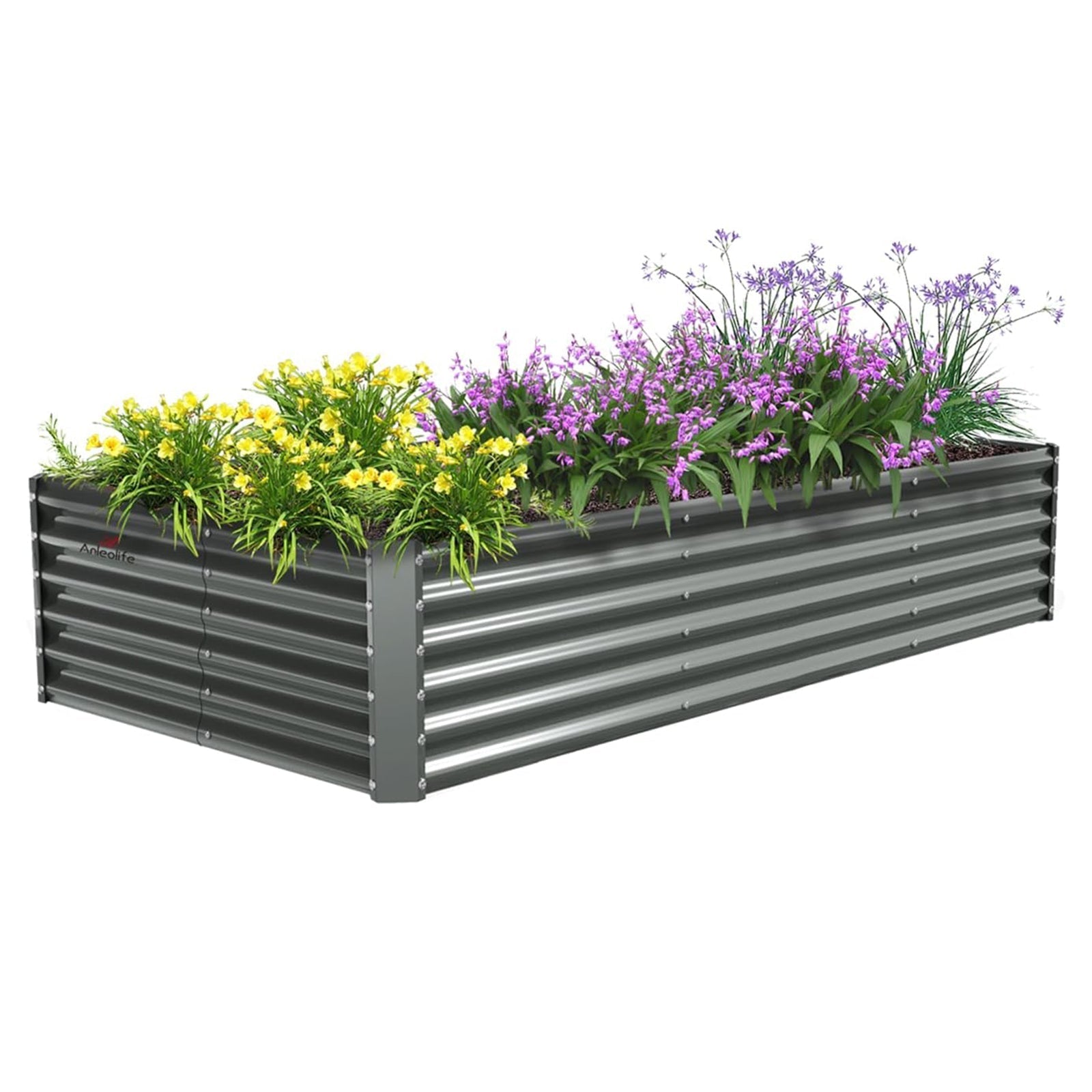

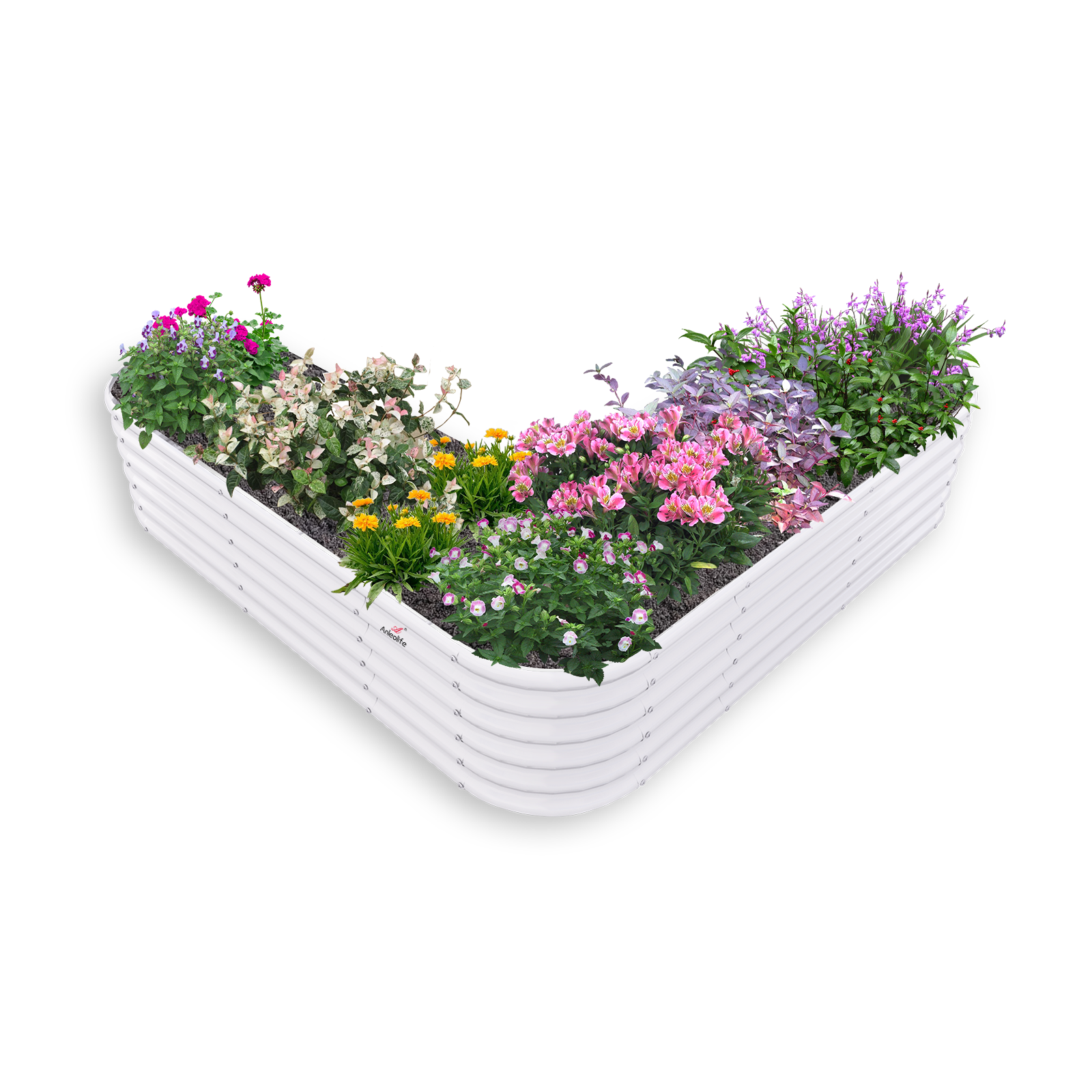
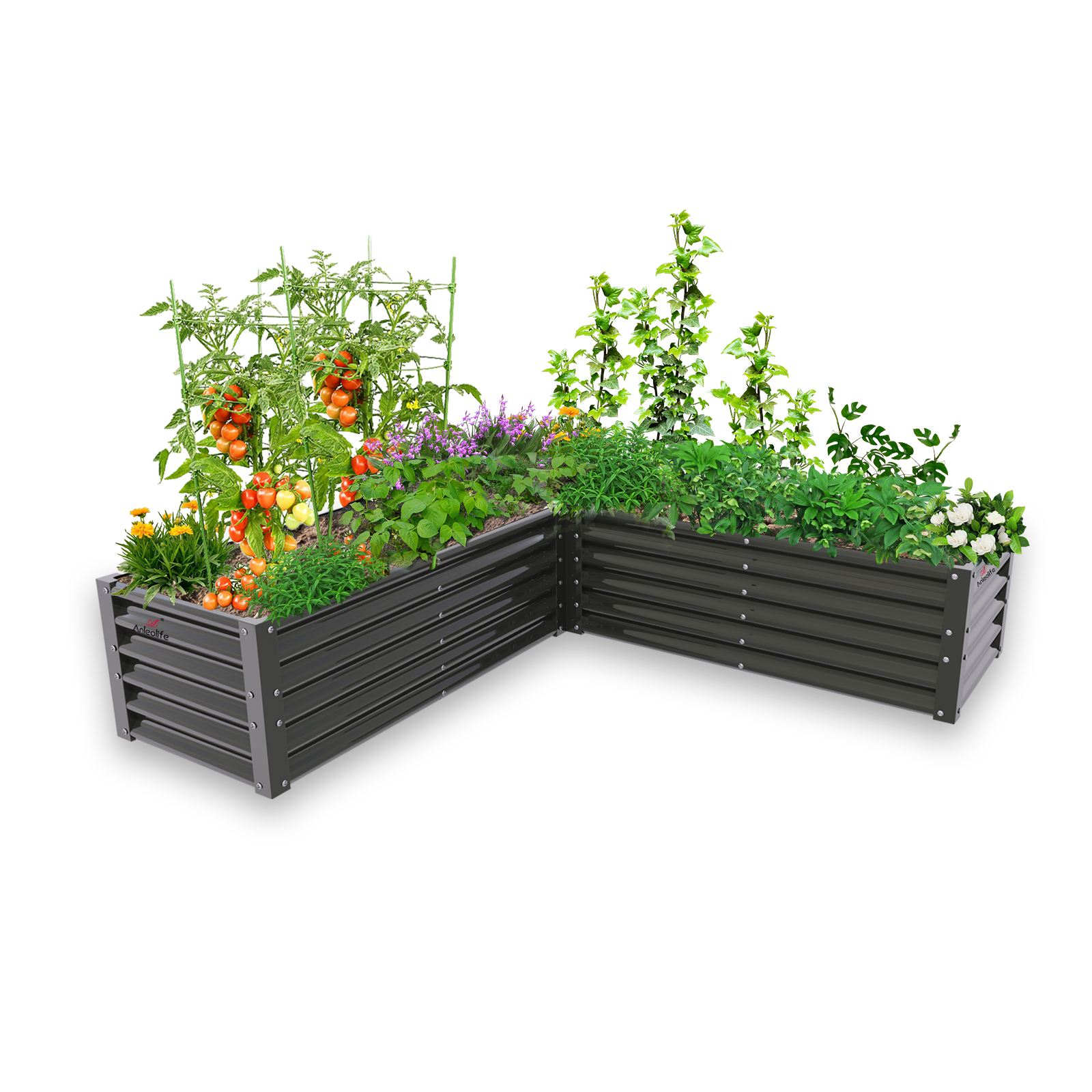
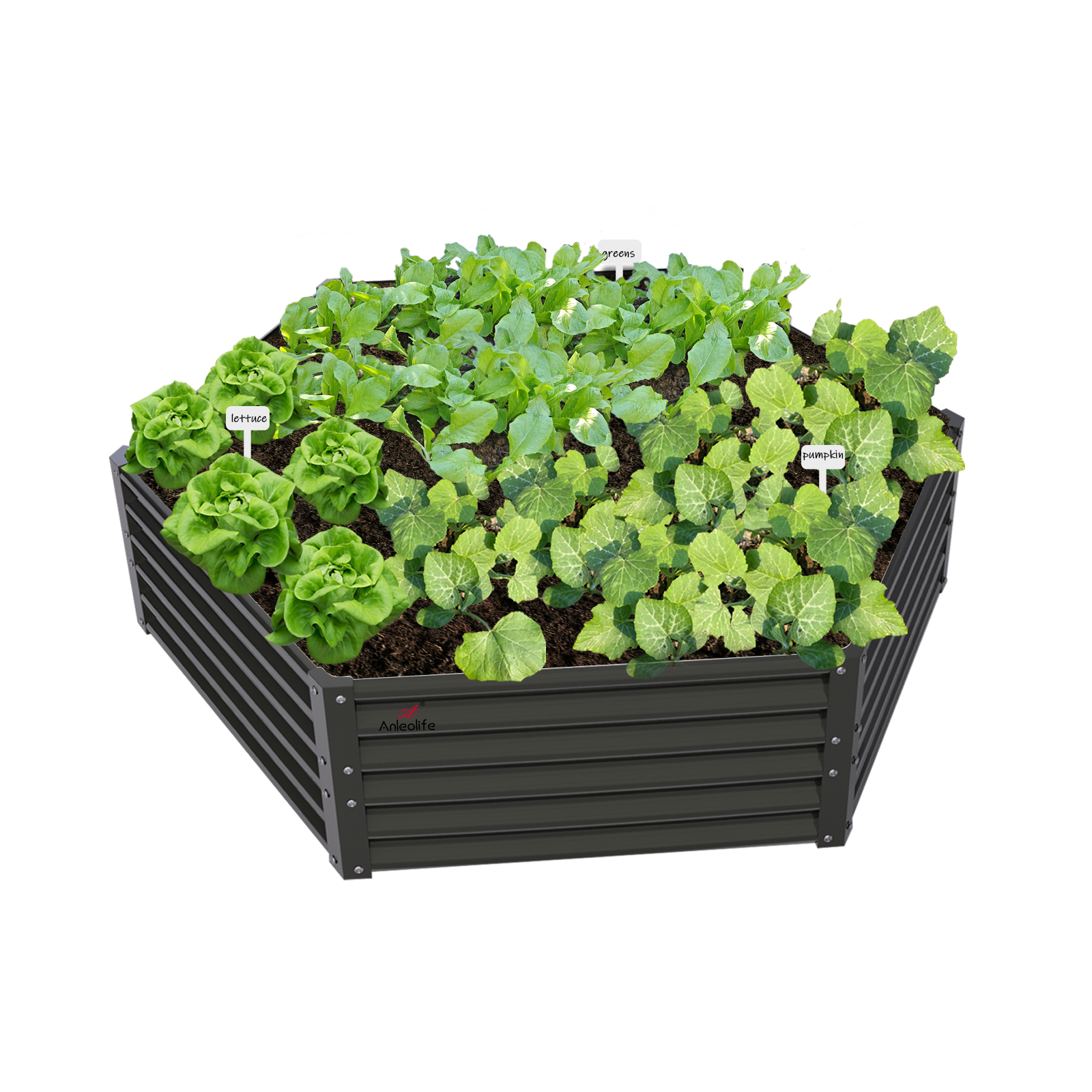
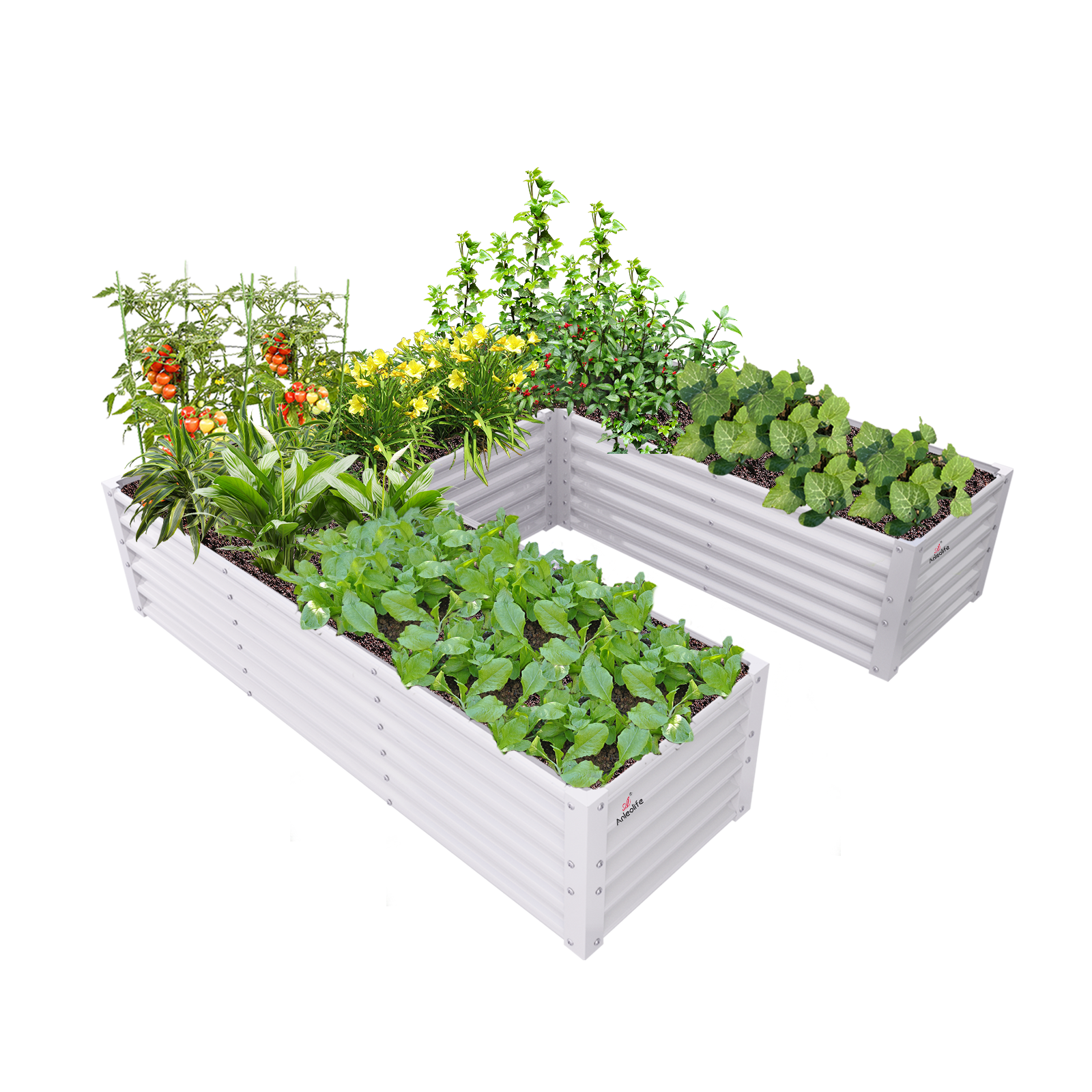

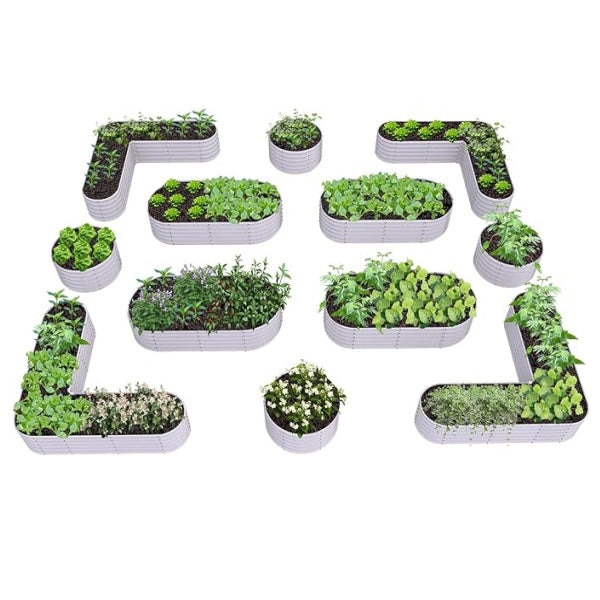


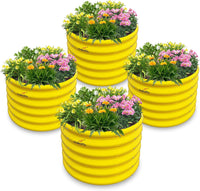
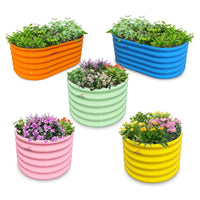
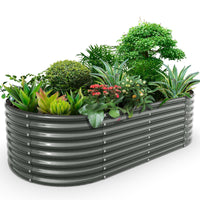




ALT: 2026 raised garden bed buying guide comparing 7 materials with budget breakdown from $50 to $500
Is a Raised Garden Bed Worth It in 2026? Here's What Every Home Grower Needs to Know
Key Conclusion: Choosing the right raised garden bed material is one of the most impactful decisions you'll make as a home grower. Whether you're planning a raised bed garden layout for the first time or refining an existing raised bed planting layout, the material you select determines your long-term costs, plant health, and garden aesthetics. This guide compares all seven major materials side by side—so your raised bed layout works for your budget, your climate, and your lifestyle for years to come.
Raised garden beds have surged in popularity over the past decade, and 2026 is no different. More homeowners are turning to elevated planting systems to improve soil control, reduce weeding, and bring garden-fresh produce closer to the kitchen. But with dozens of materials, price points, and styles flooding the market, making an informed purchase decision has never been more confusing.
This guide cuts through the noise. We'll walk you through every material option from budget cedar kits to premium galvanized steel, map each to a realistic budget range, and give you the practical framework you need to choose with confidence.
Who This Guide Is For (and Who Should Look Elsewhere)
✅ Applicable Scenarios:
- First-time gardeners purchasing their first raised bed and unsure which material fits their budget and goals
- Existing home growers looking to upgrade or expand their current raised bed garden layout with durable, long-lasting solutions
- Urban micro-gardeners working with limited patio or balcony space who need compact, lightweight, or modular options
- Empty nesters and retirees investing in a low-maintenance garden that yields fresh vegetables without heavy physical labor
- Eco-conscious households prioritizing non-toxic, food-safe materials for growing edibles
❌ Not Applicable/Cautions:
- Gardeners seeking in-ground planting solutions or traditional row gardening setups—this guide focuses exclusively on raised and elevated bed systems
- Renters needing fully portable systems with zero ground contact—some materials discussed here are designed for semi-permanent installation
- Buyers in extreme freeze-thaw climates who skip material durability ratings—ignoring this step can lead to premature cracking or warping
Why the Material You Choose Matters More Than Ever in 2026
The raised garden bed market has evolved dramatically. What was once a simple choice between "wood or plastic" is now a nuanced decision influenced by supply chain improvements, shifting consumer priorities around food safety, and growing awareness of long-term environmental impact.
According to the USDA's ongoing promotion of home food production and urban agriculture, American households are increasingly adopting backyard food systems—and raised beds are the entry point for most beginners. Market research consistently shows that the number-one reason people replace their raised beds within five years is poor material selection, not design dissatisfaction.
Here's the core problem: most buying guides online treat material selection as a footnote. They show you pretty photos and move on. But the material you choose affects:
Soil temperature regulation — Metal warms faster in spring, extending your growing season. Wood insulates better in colder climates.
Chemical leaching risk — Some treated woods and low-grade plastics can introduce unwanted compounds into your growing medium, a concern flagged repeatedly by the EPA in guidelines around food-contact materials.
Long-term cost of ownership — A $60 pine kit that rots in three years costs more over a decade than a $300 galvanized steel bed rated for 20 years.
Aesthetic integration — Your raised bed planting layout should complement your home and yard, not clash with it. Material choice drives visual cohesion.
Understanding these dimensions before you spend a dollar is the difference between a garden investment and a garden regret. Let's build your decision framework from the ground up.
The Complete 7-Material Comparison: Budget Breakdown and Best-Use Cases
Three Steps to Narrow Your Choice Before You Shop
Step 1: Define Your Budget Ceiling and Time Horizon
Before comparing materials, write down your maximum spend and how many years you expect to garden in your current home. Budget $50–$100 if you're experimenting for one to two seasons. Allocate $150–$300 if you're committing to a three-to-five-year setup. Invest $300–$500+ if you want a permanent, heirloom-quality installation. This single step eliminates half the materials immediately. Allow 15–20 minutes for this exercise.
Step 2: Assess Your Climate and Sun Exposure
Check your USDA hardiness zone and note your average winter lows and summer highs. If you're in the Sun Belt, metal beds will absorb heat beneficially in spring but may need insulation in peak summer. If you're in the Pacific Northwest, wood rot resistance becomes critical. Log your average annual rainfall and frost dates. Your county extension service can provide this data for free in under 10 minutes.
Step 3: Sketch Your Raised Bed Garden Layout
Before purchasing, sketch out your available space on graph paper or a free garden planning app. A standard 4x8-foot raised bed is the most versatile footprint, but your raised bed layout may need custom dimensions for narrow side yards, corner spaces, or tiered designs. Knowing your exact spatial constraints tells you which materials come in modular or customizable configurations—saving you from buying the wrong size. This planning step takes 20–30 minutes but prevents costly returns.
Side-by-Side: 7 Materials Compared Across 8 Key Dimensions
Here's the comprehensive comparison every buyer needs before committing:
| Comparison Dimension | Cedar Wood | Pine/Spruce | Composite Wood | Galvanized Steel | Corten Steel | Recycled Plastic | Concrete/Masonry |
|---|---|---|---|---|---|---|---|
| Typical Price Range | $120–$280 | $50–$120 | $150–$350 | $180–$500 | $250–$500+ | $60–$200 | $100–$400 (DIY) |
| Lifespan (Years) | 10–15 | 3–7 | 15–20 | 15–25 | 20–30 | 10–20 | 25–50 |
| Food Safety | ✅ High | ✅ (untreated) | ⚠️ Verify | ✅ High | ✅ High | ⚠️ Verify | ✅ High |
| Rot/Rust Resistance | ⚠️ Moderate | ❌ Low | ✅ High | ✅ High | ✅ Very High | ✅ Very High | ✅ Very High |
| DIY-Friendly | ✅ Yes | ✅ Yes | ✅ Moderate | ✅ Moderate | ❌ Difficult | ✅ Easy | ❌ Labor-Intensive |
| Aesthetic Appeal | ✅ Warm/Natural | ✅ Natural | ✅ Modern | ✅ Clean/Modern | ✅ Industrial | ⚠️ Variable | ✅ Classic/Permanent |
| Thermal Performance | ⚠️ Neutral | ⚠️ Neutral | ⚠️ Neutral | ✅ Warms Early | ✅ Warms Early | ⚠️ Neutral | ⚠️ Slow to Warm |
| Best Budget Range | $150–$280 | $50–$120 | $150–$300 | $180–$500 | $300–$500+ | $60–$200 | $100–$400 |
Deep Dive: Each Material Explained for Real-World Gardeners
Material 1: Cedar Wood ($120–$280)
Cedar is the classic choice for a reason. Its natural oils make it inherently rot-resistant without chemical treatment, which means it's unambiguously food-safe for growing vegetables, herbs, and fruit. A well-maintained cedar raised garden bed typically lasts 10–15 years, making it a strong mid-range investment.
The warmth of cedar grain integrates beautifully into traditional landscaping and cottage garden styles. For families designing a raised bed garden layout that needs to feel cohesive with an existing wooden fence or deck, cedar is almost always the aesthetic winner.
The main drawbacks are weight and cost. Cedar boards are heavier than steel flat-pack systems, making them less ideal for rooftop gardens or balconies. In high-moisture climates like the Pacific Northwest, even cedar will benefit from an annual linseed oil treatment to extend its lifespan.
Best for: Homeowners with established yards, families who prioritize natural aesthetics, gardeners in moderate climates.
Material 2: Pine and Spruce ($50–$120)
Pine and spruce are the entry-level wood options—affordable, widely available, and easy to cut and assemble. Untreated pine is food-safe, but it's also far less rot-resistant than cedar, typically lasting just three to seven years before significant degradation begins.
If you're buying your first raised bed to test whether you enjoy container gardening before making a larger investment, pine is a perfectly reasonable starting point. Just don't expect it to anchor your garden for a decade.
One important caution: never use pressure-treated lumber for food gardens. The EPA has historically flagged chromated copper arsenate (CCA) treatments as a food-contact concern, and while modern treatments have improved, the safest rule for edible gardens is untreated or naturally rot-resistant wood only.
Best for: Budget-conscious beginners, temporary setups, garden hobbyists testing new layouts.
Material 3: Composite Wood ($150–$350)
Composite materials—blending recycled wood fiber with plastic binders—occupy an interesting middle ground. They resist rot and moisture far better than solid wood, require virtually no maintenance, and are often made from recycled content, which appeals to eco-conscious buyers.
However, not all composites are created equal. Food safety depends heavily on the binders and colorants used, so buyers should request material data sheets or look for products with explicit food-safe certifications before growing edibles. The aesthetic often leans modern or industrial, which suits contemporary landscape designs well.
Best for: Low-maintenance gardeners, eco-focused households, modern landscape aesthetics.
Material 4: Galvanized Steel ($180–$500)
Galvanized steel has become the dominant material in the premium raised bed market—and for good reason. It combines structural rigidity, longevity, food safety, and a clean visual profile that works in both urban and suburban contexts.
Galvanized steel is coated with zinc to prevent oxidation, and modern food-grade galvanized steel is widely regarded as safe for vegetable gardening. The EPA's research on zinc in soil environments supports its use at normal application levels for garden beds. Steel beds heat up faster in spring, effectively extending your growing season by two to three weeks in cooler climates—a meaningful advantage for short-season gardeners.
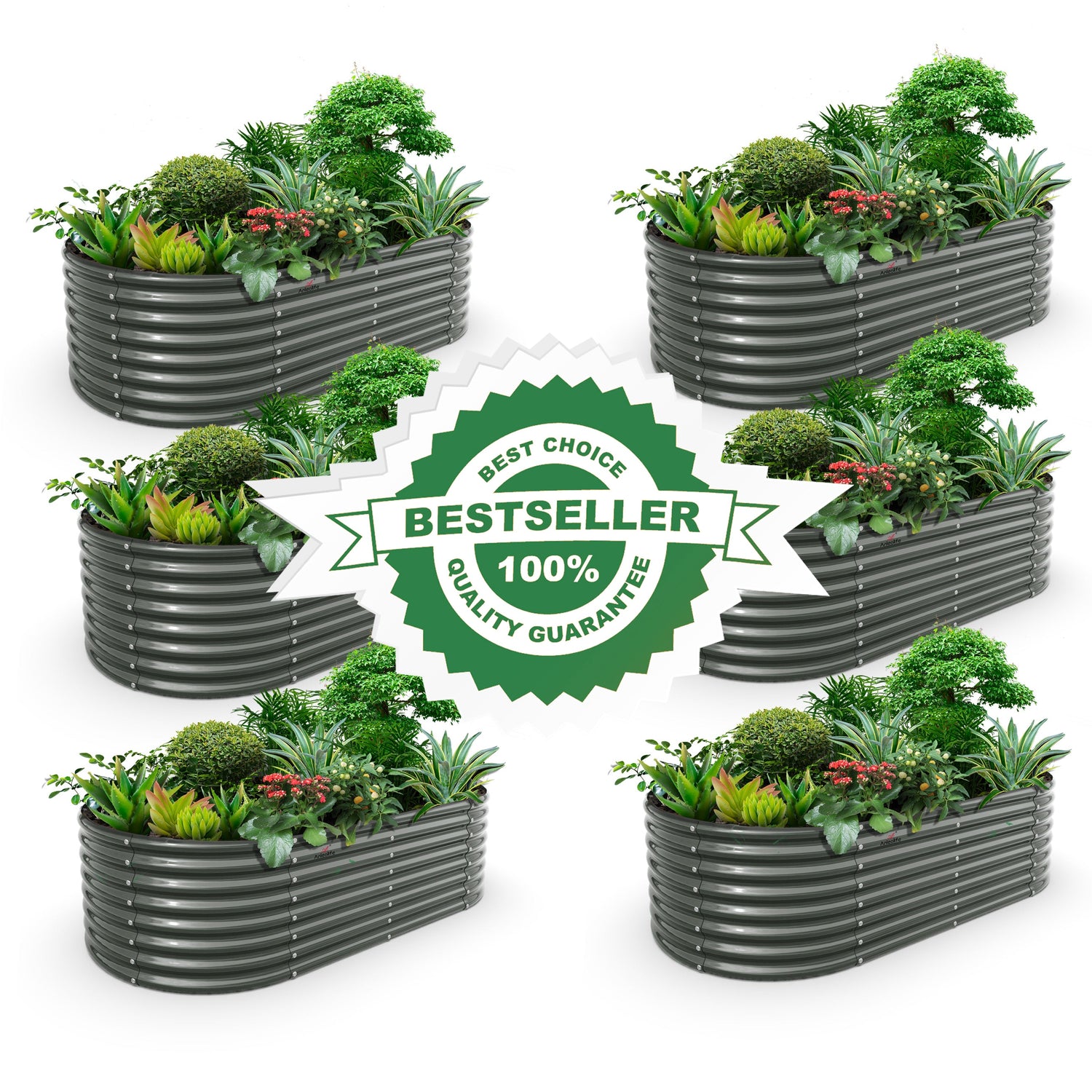
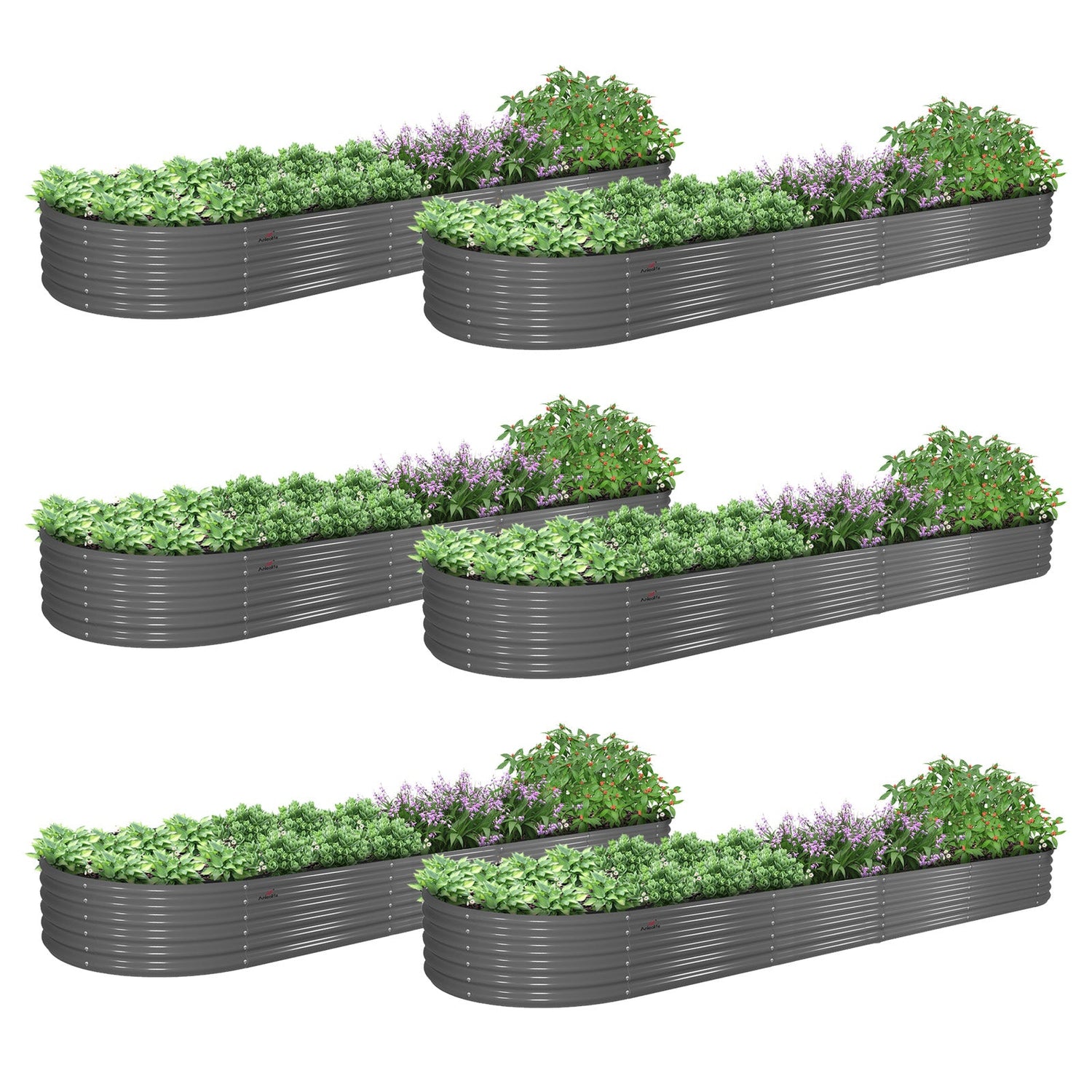
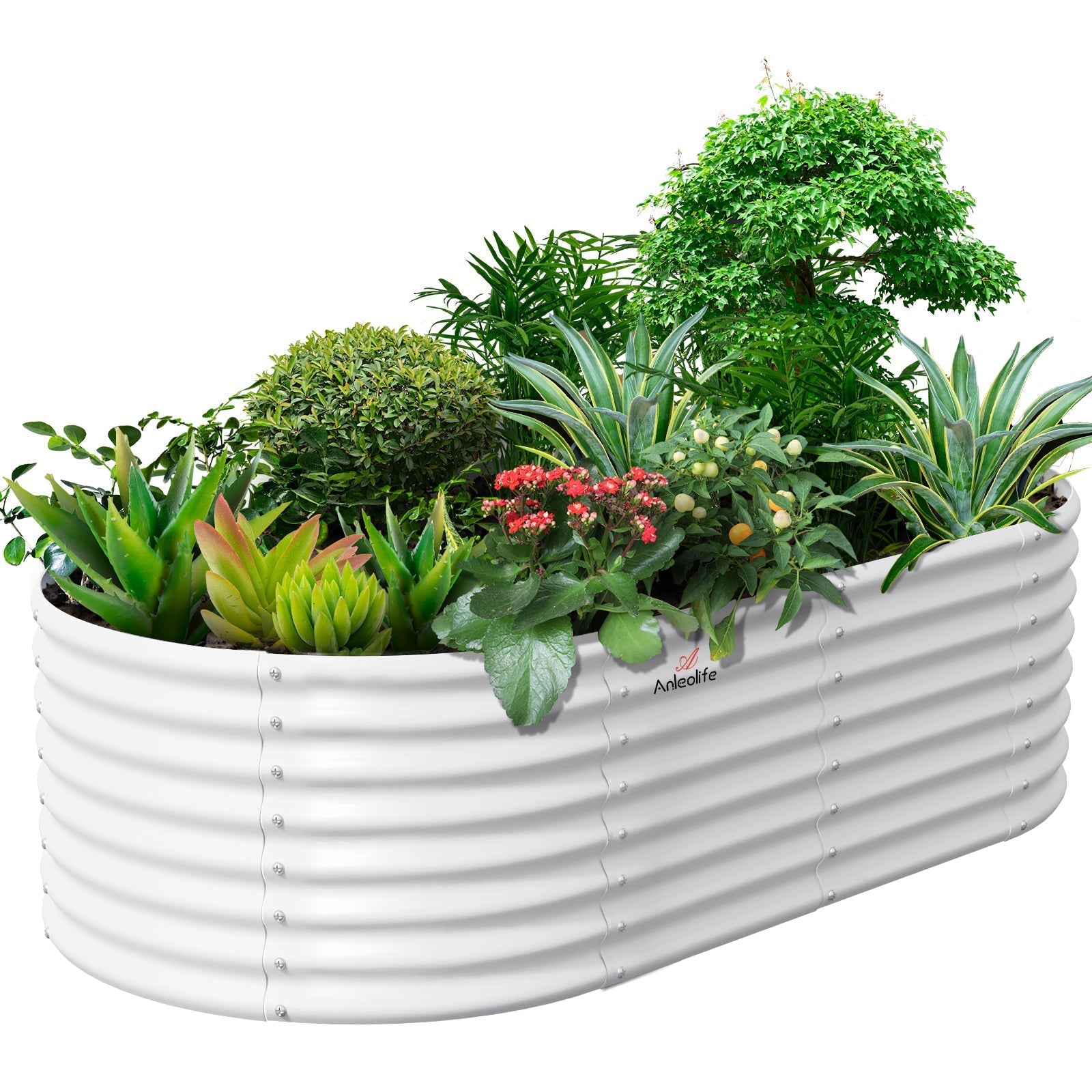
This is the category where Anleolife excels. Anleolife's metal raised garden beds are constructed from food-grade galvanized steel with a projected lifespan of 20 years, making them one of the most cost-effective long-term investments in the raised bed category. The modular panel system allows you to configure custom raised bed planting layouts—from compact 4x4 squares to expansive 8x4-foot rectangles—without special tools.
Best for: Serious home growers, long-term installations, gardeners who want season extension, urban micro-gardeners who need a durable but visually refined solution.
Material 5: Corten Steel ($250–$500+)
Corten (weathering steel) develops a distinctive rust-orange patina that seals the surface and prevents deep corrosion. It's the material of choice for high-end landscape architects and design-forward homeowners who want a sculptural, permanent garden feature.
Longevity is exceptional—20 to 30 years in most climates. However, corten is expensive, heavy, and difficult to cut or modify on-site. It's also overkill for most home gardeners who want flexibility in their raised bed layout over time.
Best for: Design-focused homeowners, permanent landscape features, buyers with $400+ single-bed budgets.
Material 6: Recycled Plastic ($60–$200)
Recycled plastic beds are lightweight, weather-resistant, and often made from post-consumer HDPE plastic—an eco-friendly credential that resonates with sustainability-minded buyers. They're excellent for rooftop gardens, balconies, and temporary installations.
The concern with plastic lies in quality variation. Cheaper plastic beds can become brittle in UV exposure, and low-grade plastics may contain plasticizers that are not appropriate for food growing. Look specifically for HDPE (high-density polyethylene) with explicit food-safe ratings.
Best for: Balcony and rooftop gardeners, lightweight mobility needs, budget eco-conscious buyers.
Material 7: Concrete and Masonry ($100–$400 DIY)
Concrete or brick raised beds are the most permanent option available—and the most labor-intensive to build. A well-constructed masonry bed can last 25 to 50 years, making it a genuinely generational garden investment. It integrates naturally into formal garden designs, English cottage styles, and Mediterranean landscapes.
The downsides are significant: concrete has poor thermal performance (slow to warm in spring), is completely non-modular, and takes a full weekend or more to build correctly. It's also the least beginner-friendly option.
Best for: Homeowners with fixed landscapes, formal garden designs, buyers who enjoy DIY construction projects.

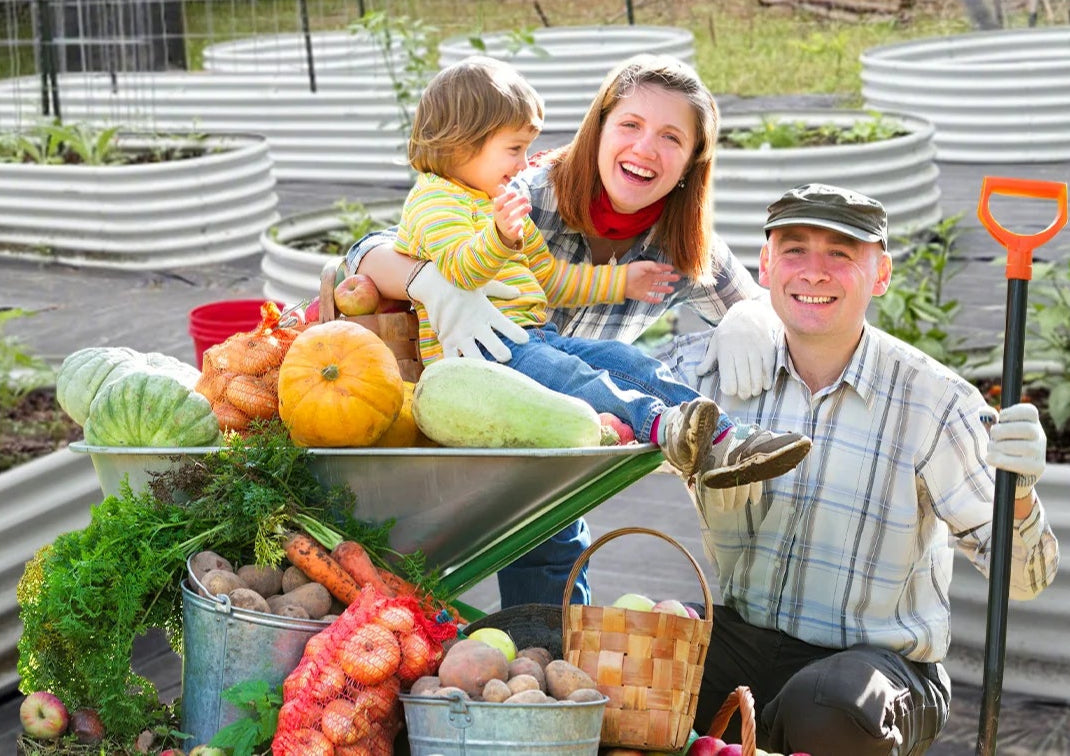
ALT: Galvanized steel raised garden bed from Anleolife showing a productive raised bed planting layout with vegetables in a backyard garden setting
Advanced Considerations: What the Basic Guides Miss
Liner Systems and Soil Contamination Prevention
Regardless of material, any raised bed installed over potentially contaminated soil should include a landscape fabric or heavy-gauge liner at the base. The UC ANR extension service recommends this practice for urban gardens where historical land use may include pesticide application or industrial contamination. A liner costs $10–$30 and is worth every cent as an insurance policy.
Thermal Mass and Microclimate Engineering
Savvy gardeners use material-specific thermal properties to engineer better growing microclimates. Steel beds paired with dark-colored soil mulches can create a warming effect that advances spring planting by two to three weeks—effectively giving Northern gardeners a longer season without a greenhouse. Conversely, wood-sided beds with straw mulch insulation protect roots during late fall frosts.
Common Misconception: "Galvanized Steel Is Toxic to Plants"
This misconception persists online despite consistent evidence to the contrary. The zinc coating on galvanized steel exists in quantities far too small to harm plants under normal gardening conditions, and the EPA has not classified standard galvanized steel as a food-contact concern for garden use. For buyers who remain cautious, adding a liner between the steel and the soil provides a complete physical barrier.
Scaling Your Raised Bed Layout Over Time
The smartest gardeners don't buy their entire garden at once—they start with one or two beds, evaluate their workflow, and expand methodically. Modular systems, particularly galvanized steel panels, make this approach straightforward. You can add beds incrementally without needing to match wood grain, stain colors, or cut new lumber. This modularity is one of the key reasons metal beds have overtaken wood as the preferred material for serious home growers.
Frequently Asked Questions
Q1: How do I know which raised garden bed material is safest for growing food?
For edible gardens, prioritize materials with explicit food-safe certifications or a well-established safety record. Untreated cedar, food-grade galvanized steel, and HDPE recycled plastic are the three most broadly recognized safe options. Avoid pressure-treated lumber, composites without food-safe certification, and low-grade plastics with unverified binder chemicals. The EPA and OSU Extension both recommend soil testing in urban areas regardless of bed material to confirm baseline soil safety before planting.
Q2: Is galvanized steel really durable enough to justify the higher upfront cost?
Yes—particularly when you calculate cost per year rather than sticker price. A $280 galvanized steel raised garden bed with a 20-year lifespan costs $14 per year. A $70 untreated pine bed that lasts four years costs $17.50 per year—more expensive over time, with the added burden of rebuilding and re-soiling the bed every few years. Steel's durability advantage compounds significantly when you factor in the labor and soil costs of replacement.
Q3: How long does it take to assemble a metal raised garden bed, and what's the delivery timeline?
Most metal raised garden beds—including Anleolife's modular galvanized steel systems—assemble in 30 to 60 minutes with no special tools, using a pre-drilled panel-and-bolt system. Delivery timelines for Anleolife products range from 3 to 8 business days through their strategically located U.S. warehouse network spanning California, Texas, Florida, New York, Illinois, and Washington, ensuring your garden upgrade arrives promptly regardless of your region.
Summary
Choosing the right raised garden bed material is not about finding a universal "best" option—it's about matching material properties to your specific climate, budget, aesthetic goals, and long-term gardening vision.
Here are the three core takeaways from this guide:
Budget shapes the decision, but lifespan determines value. A $50 pine bed and a $300 galvanized steel bed are not $250 apart in real cost—they're potentially equal when you account for the replacement cycles, soil refills, and labor costs that cheap materials generate over time.
Food safety is non-negotiable for edible gardens. Stick with untreated cedar, food-grade galvanized steel, or certified-safe HDPE plastic. Verify composite and treated wood products before planting anything you plan to eat.
Modularity future-proofs your raised bed garden layout. Start with one or two beds, learn your gardening rhythm, and expand with compatible modules. Steel panel systems offer the most flexibility for evolving raised bed layouts over time.
Your next step: measure your available garden space, confirm your USDA hardiness zone, and use the comparison table in this guide to shortlist two or three materials that fit your budget and climate profile. Then visit Anleolife.com to explore modular metal raised bed configurations sized for your specific layout.
Ready to Build Your Ideal Garden?
Nationwide U.S. warehouse network: Strategically located in California, Texas, Florida, New York, Illinois, and Washington, Anleolife ensures delivery within 3–8 business days—so your garden upgrade plans never have to wait for the growing season.
Multi-channel availability: Anleolife products are available on Amazon, Walmart, Home Depot, Lowe's, Wayfair, and directly at https://www.anleolife.com/, offering consistent quality assurance and responsive after-sales service wherever you prefer to shop.
Three complete garden scenarios: Planting (metal raised garden beds, soil systems), Raising (chicken coops, rabbit hutches), and Beautification (decorative accessories, pathway systems)—meeting your complete needs from functionality to aesthetics.
We understand that an ideal garden is not built overnight, but gradually improved over time. Anleolife's modular product design allows flexible expansion based on your needs—from your first 8x4x2 garden bed to a fully integrated planting-and-raising ecosystem. We grow with you every step of the way.
References
This article is based on the following official materials (as of January 2026):
- [USDA]. "Urban Agriculture and Home Food Production Resources."
https://www.usda.gov/ - [EPA]. "Soil Contamination and Safe Gardening Guidance."
https://www.epa.gov/ - [UC ANR]. "Gardening in Potentially Contaminated Urban Soils."
https://ucanr.edu/ - [OSU Extension]. "Raised Bed Gardening: Materials, Construction, and Food Safety."
https://extension.oregonstate.edu/
Note: Material safety standards and certification requirements may be updated. Please check the latest official documents or consult a professional advisor before making final purchasing decisions.
About Anleolife
Anleolife is a leading outdoor garden solutions provider in North America, dedicated to offering a full-scenario product ecosystem for home gardening enthusiasts, covering planting, raising, and garden beautification. Since its founding, we have upheld our brand mission, "Made for Garden Life," continuously innovating products and optimizing services to help hundreds of thousands of users upgrade their gardens, reconnect with nature, and enjoy a better garden lifestyle.