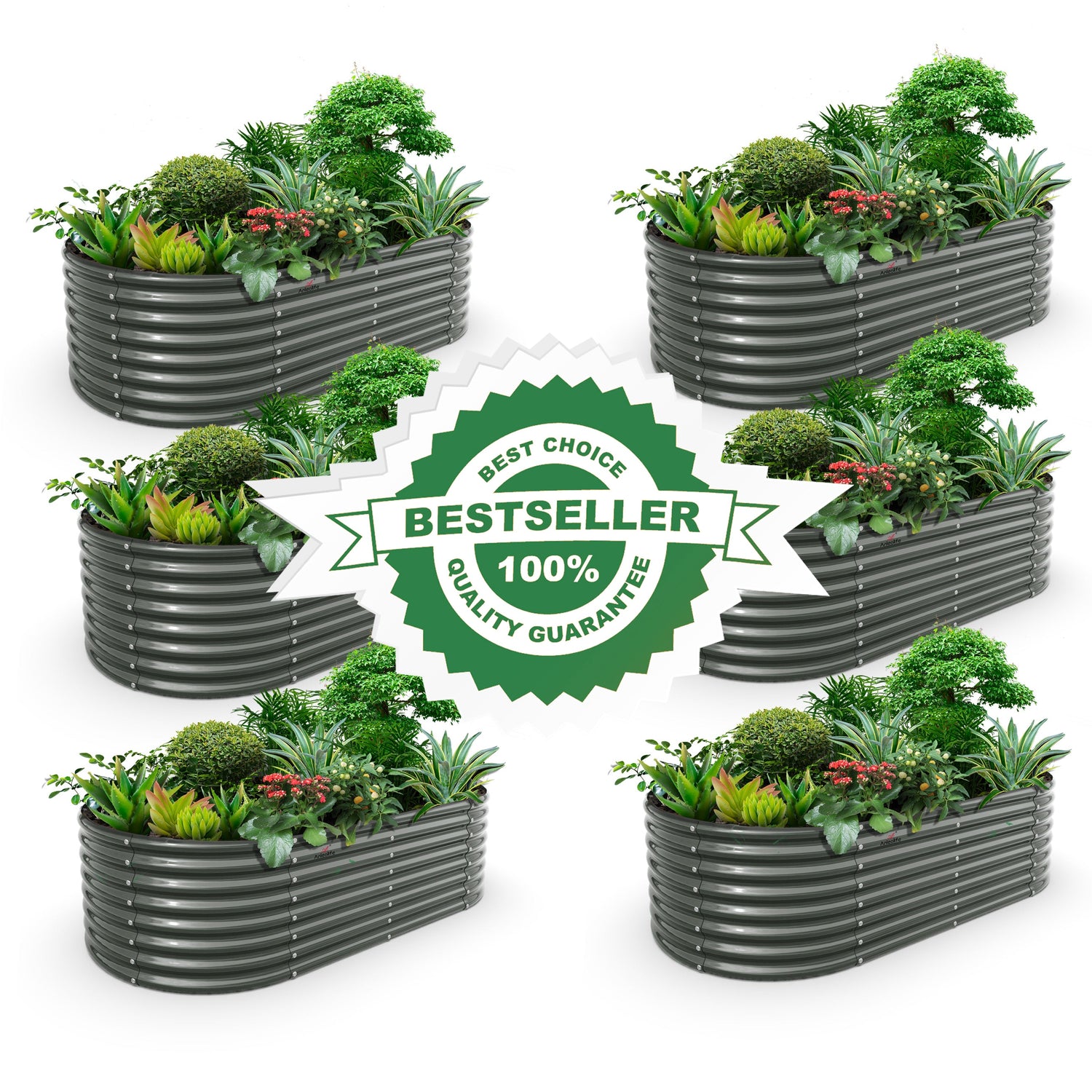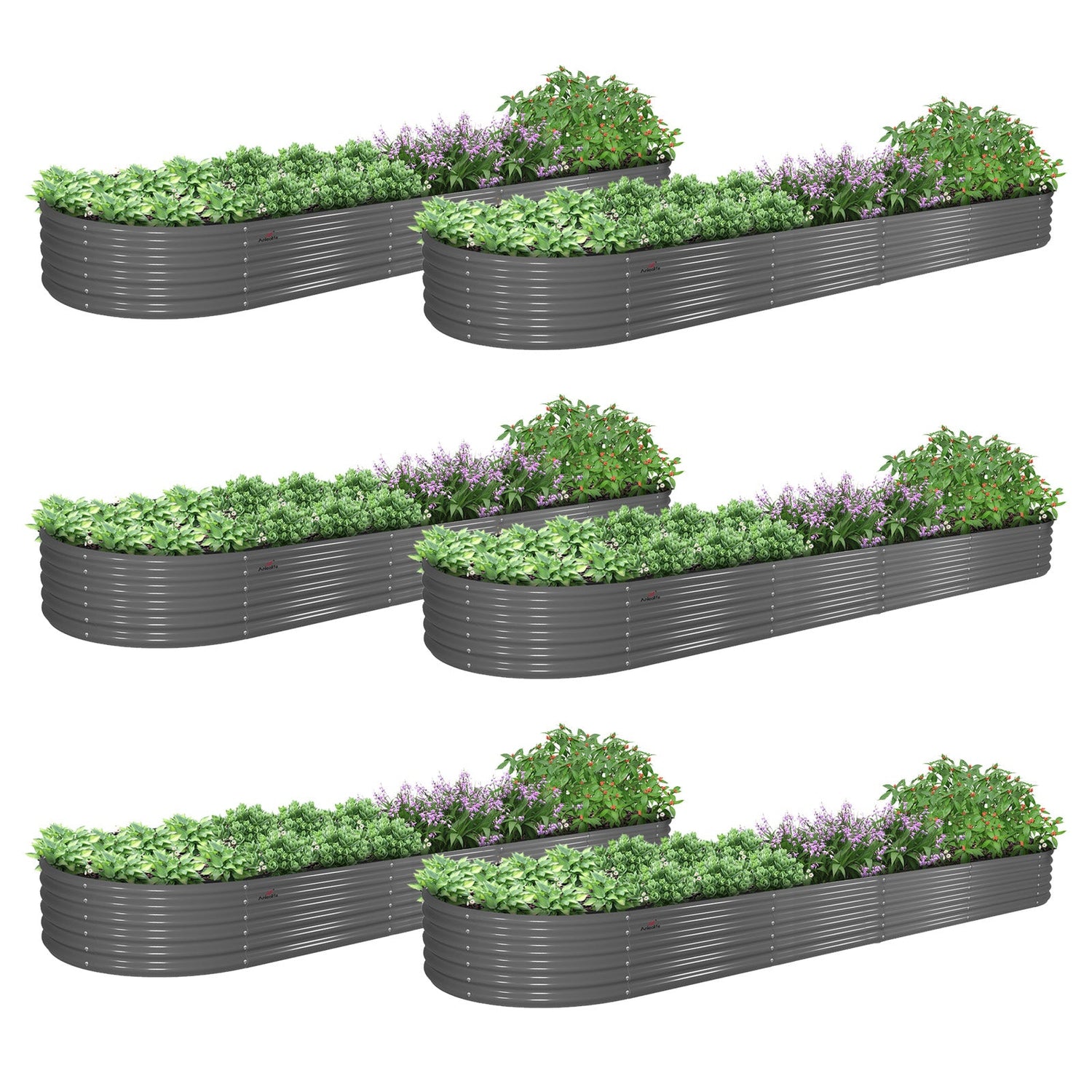



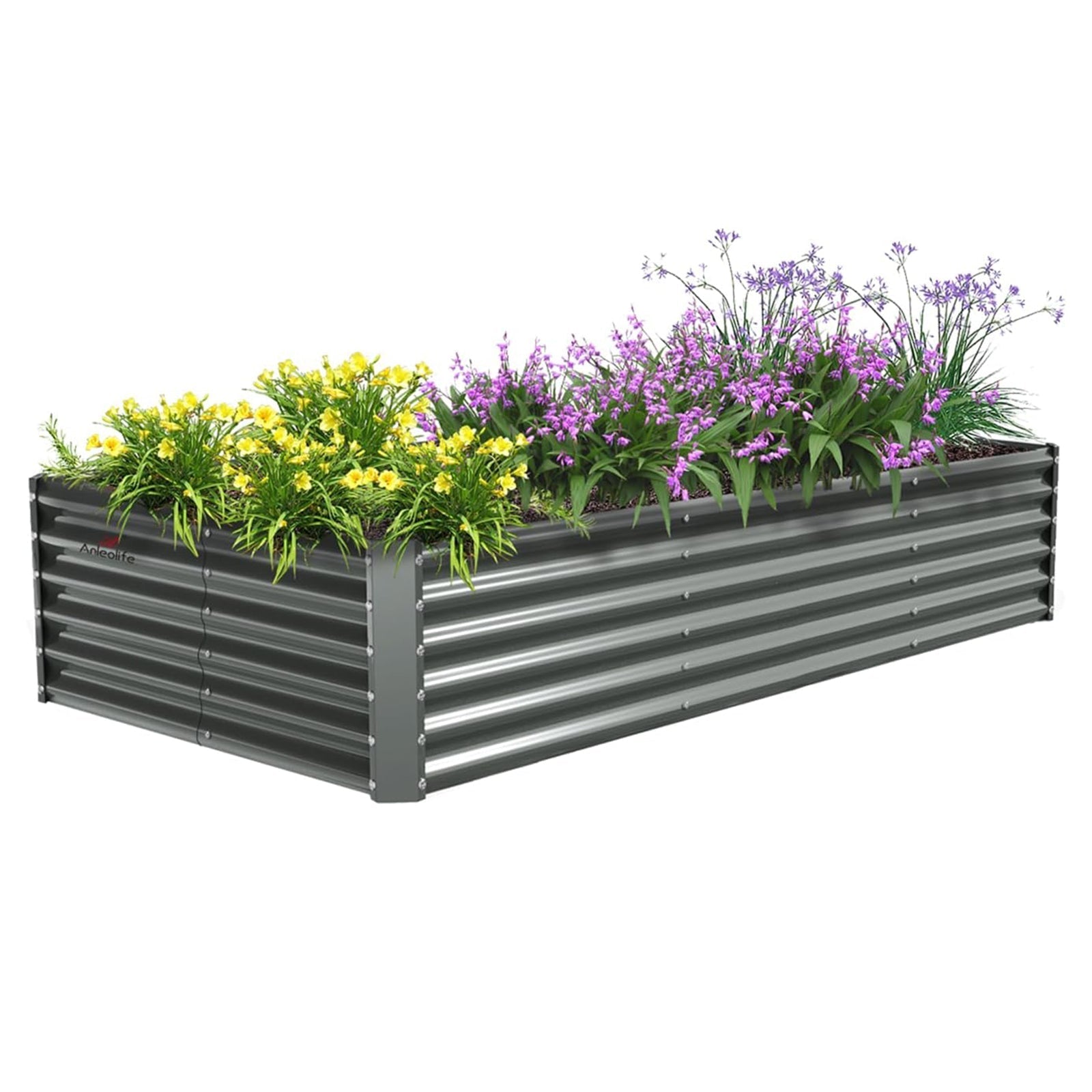

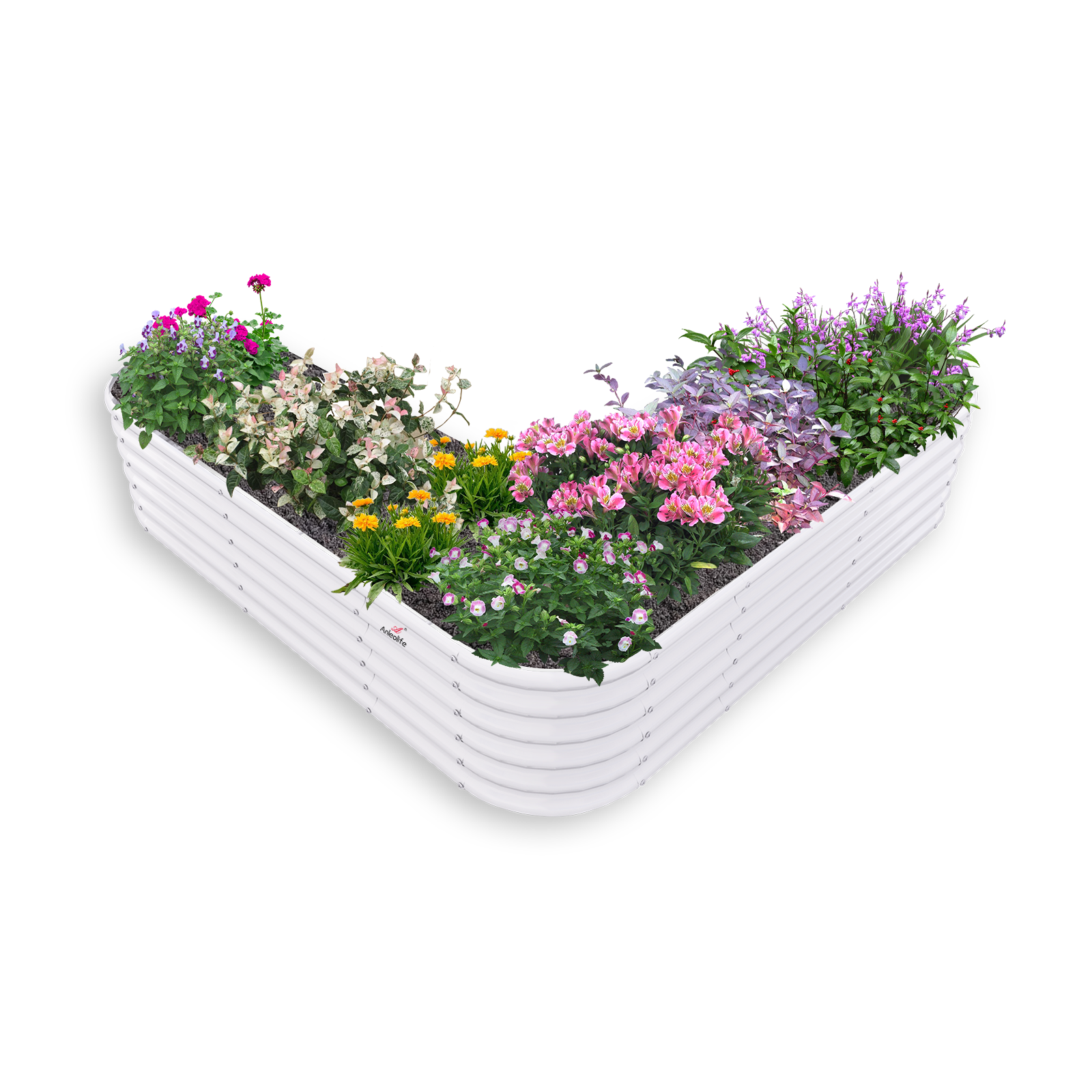
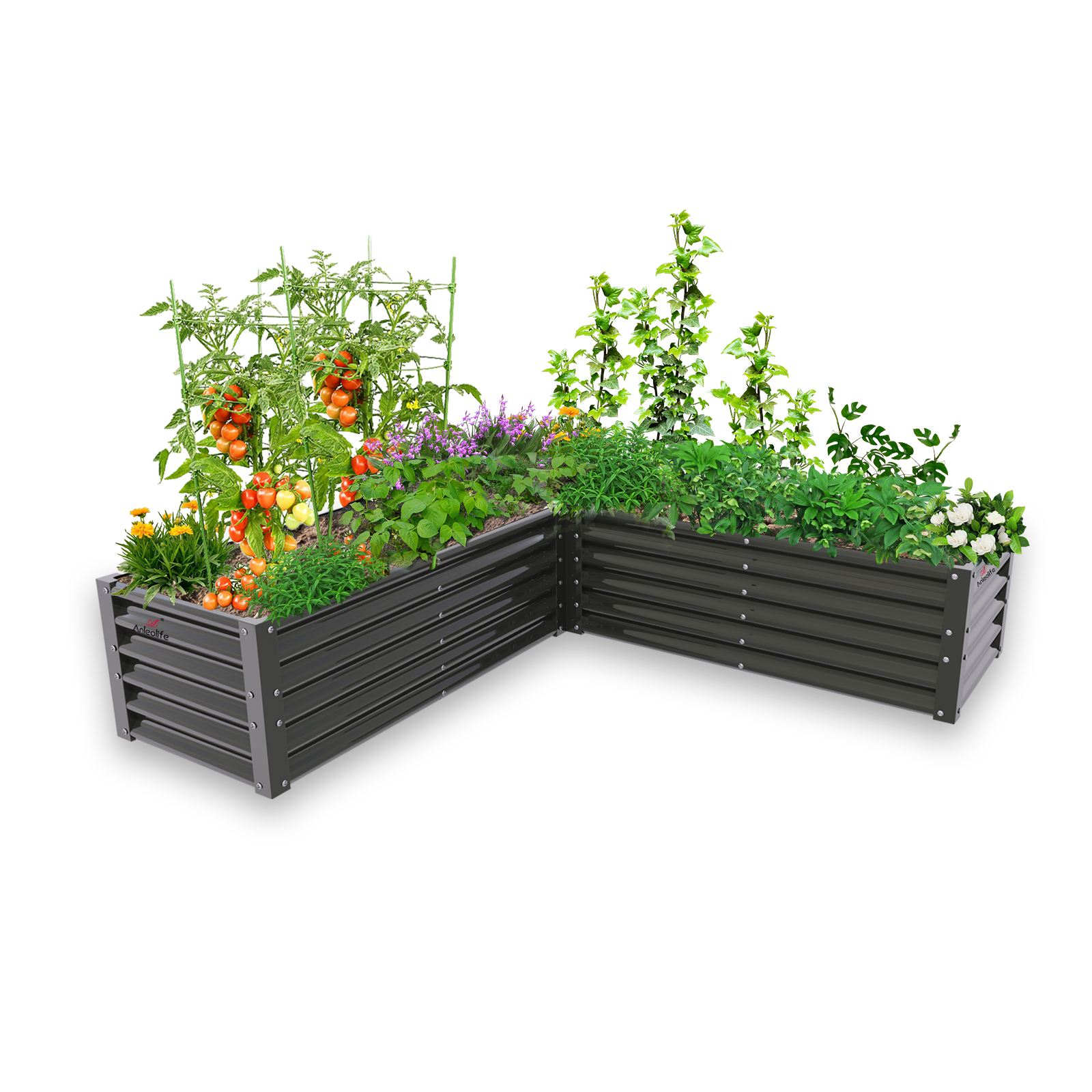
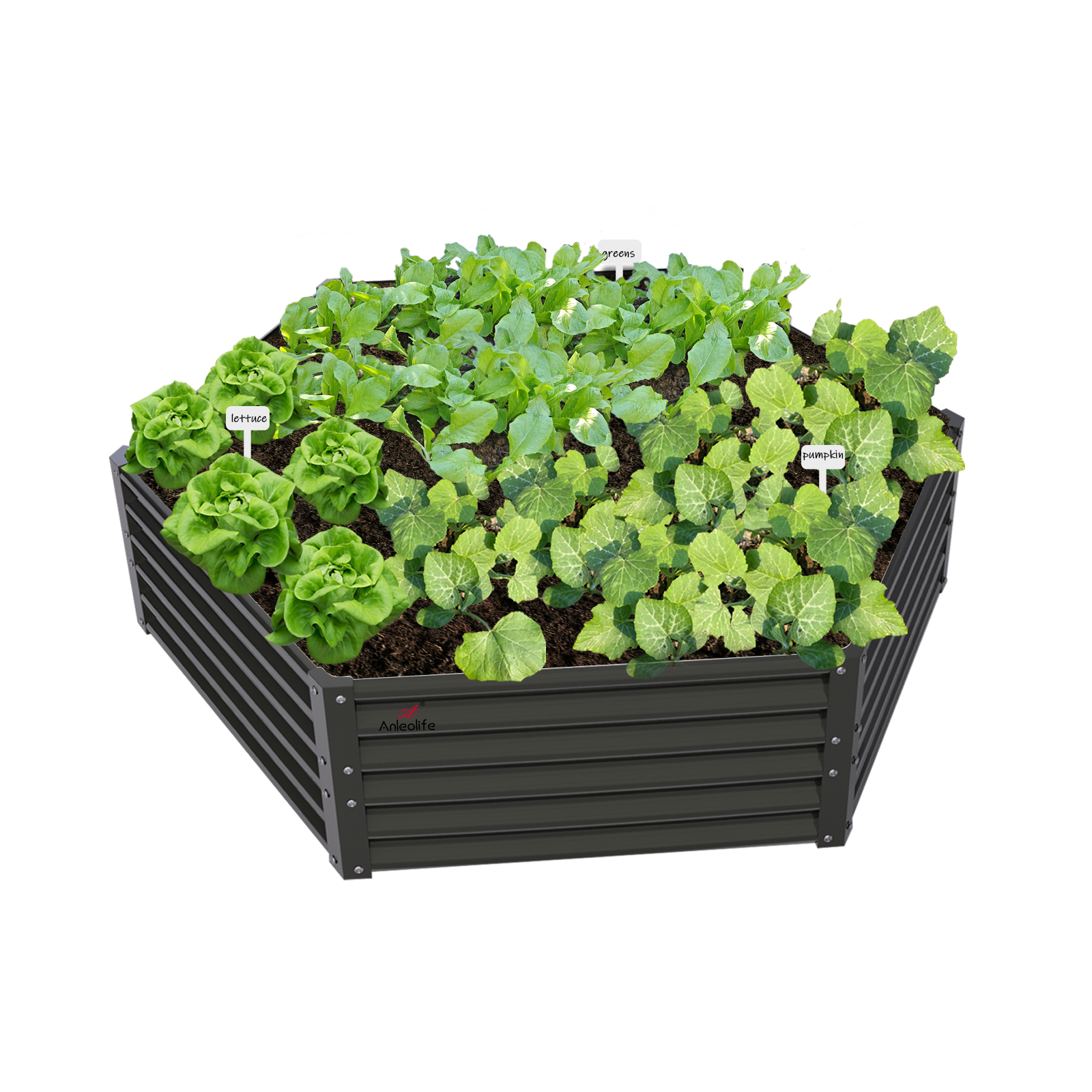



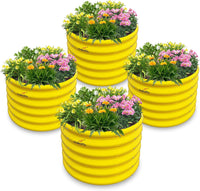
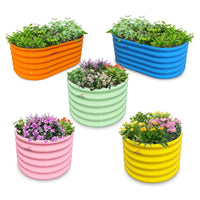



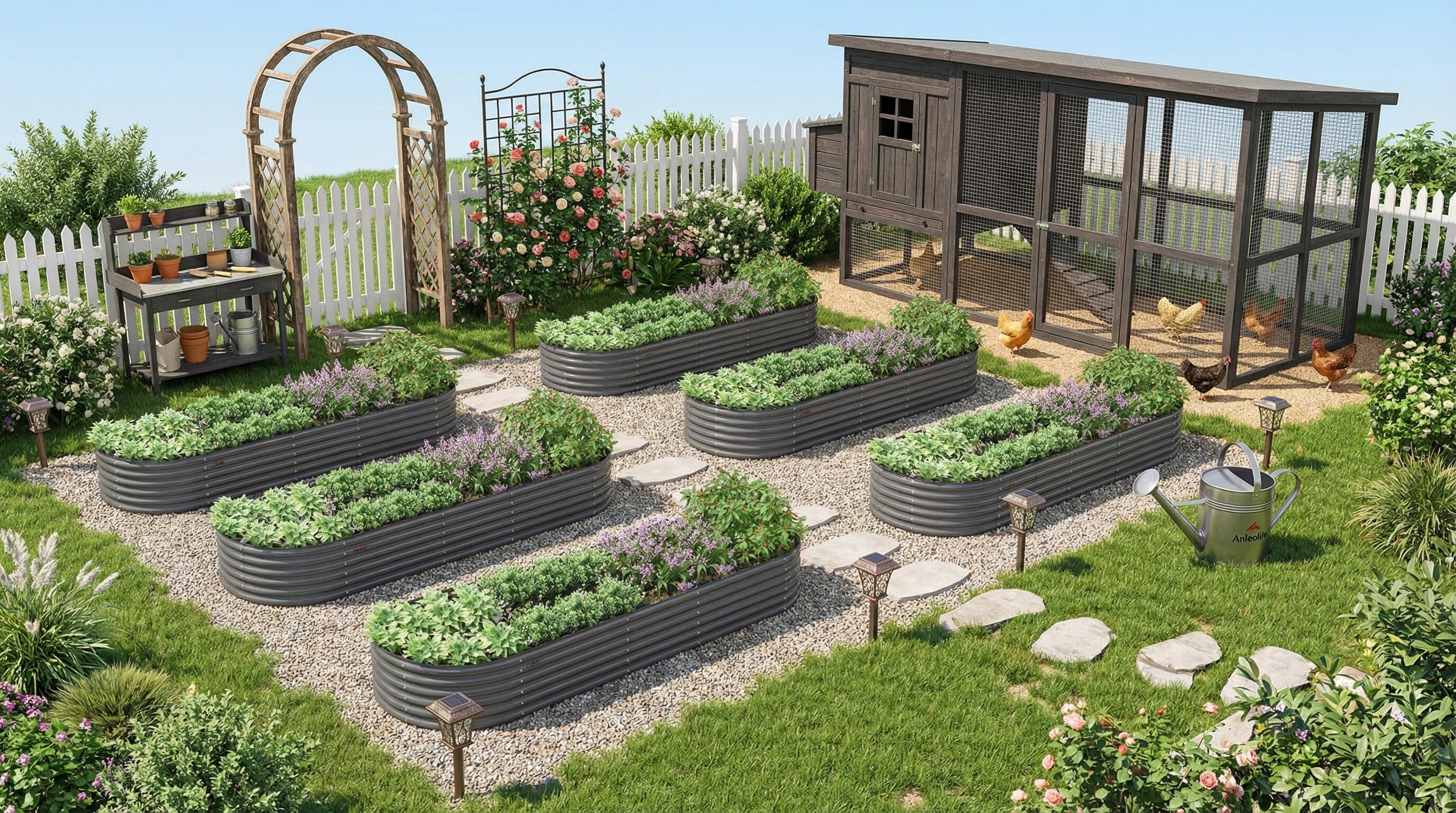
ALT: Anleolife complete garden life setup with raised beds, chicken coop, and garden decor
What Does a True Garden Life Look Like — and How Anleolife Makes It Happen
One-sentence conclusion: A truly fulfilling garden life goes far beyond planting seeds — it encompasses growing food, raising animals, and beautifying your outdoor space, and Anleolife provides the complete product ecosystem to make every dimension of that vision a reality for North American homeowners.
Most people think of a garden as a patch of soil where vegetables or flowers grow. But for the millions of North American families who have discovered the full potential of their outdoor space, a garden is something far more alive — a micro-ecosystem where food is grown, animals are raised, pathways are lit, and every corner is designed with intention and beauty.
The shift toward a more complete outdoor garden lifestyle didn't happen overnight. According to the USDA's People's Garden initiative (https://www.usda.gov/), community and home garden participation has expanded dramatically over the past decade, driven by three converging forces: a renewed interest in food sovereignty, a post-pandemic desire to reconnect with nature, and a growing awareness of sustainable living practices. Families are no longer satisfied with a single raised bed tucked in a corner. They want a fully realized outdoor environment.
That's exactly the gap Anleolife was built to fill. Since its founding, Anleolife has operated under the belief that "Made for Garden Life" is not a marketing tagline — it's a design philosophy. Every product in the Anleolife catalog is engineered to serve a specific role in a complete outdoor living system: metal raised garden beds for structured growing, chicken coops and rabbit hutches for small-scale homesteading, and decorative accessories and pathway systems for aesthetic transformation.
Whether you're starting with your first 8×4×2 raised bed or planning a full grow-raise-beautify ecosystem across a large backyard, understanding all three dimensions of garden life is the foundation of every upgrade decision you'll make. This guide walks you through exactly what the Anleolife garden life model looks like, why it matters, and how to bring it to life in your own yard — one intentional step at a time.
Who This Guide Is For — Scope and Applicability
✅ This guide applies to:
- Homeowners in North America with any size outdoor space (from urban patios to suburban backyards to rural properties)
- Beginner gardeners looking to understand the full scope of what a garden ecosystem can include
- Existing gardeners who want to expand beyond growing into animal raising or outdoor beautification
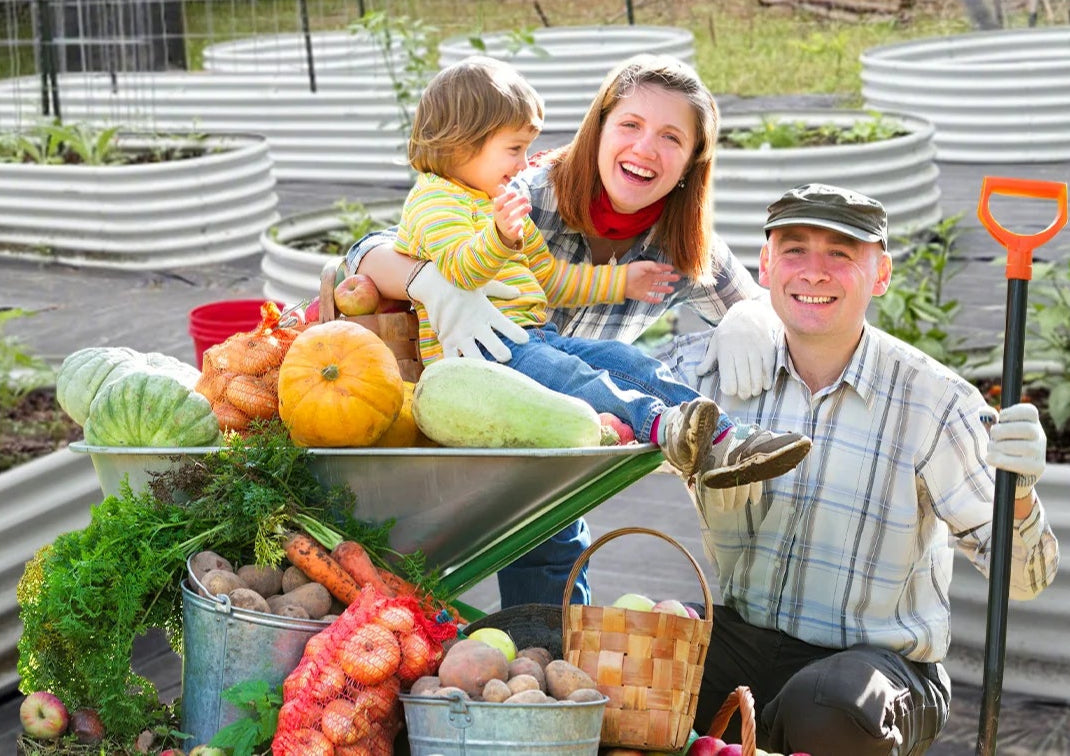
- Families interested in sustainable living, food self-sufficiency, or nature-based education for children
- Anyone evaluating Anleolife products and wanting to understand how they fit into a broader garden strategy
❌ Not applicable or important notes:
- This guide does not replace consultation with local zoning authorities — keeping backyard chickens or rabbits may require permits depending on your municipality; always check local ordinances before purchasing livestock housing
- Specific soil amendment or pesticide recommendations should be verified against EPA guidelines (https://www.epa.gov/) for your region before application
The Problem with "Garden = Just Planting": Why the Single-Dimension Approach Leaves Families Unfulfilled
For decades, the American conception of backyard gardening was narrow: dig some beds, plant some tomatoes, hope for the best. The home garden was treated as a seasonal hobby rather than a year-round lifestyle system. This limited vision left most gardeners feeling that their outdoor spaces were underperforming — aesthetically dull in winter, productive but chaotic in summer, and disconnected from the broader experience of outdoor living.
The UC Agriculture and Natural Resources (UC ANR) division (https://ucanr.edu/) has long advocated for what it calls "whole-system garden thinking" — the idea that sustainable, rewarding home gardens function as integrated ecosystems where growing, raising, and environmental stewardship work together. This is not a niche academic concept. It's increasingly the way that experienced home gardeners naturally evolve.
The research backs this up. Families that integrate multiple garden functions — food production, small animal husbandry, and outdoor beautification — report significantly higher satisfaction with their outdoor spaces and are more likely to maintain consistent gardening habits year over year. The reason is intuitive: a garden that serves multiple purposes creates multiple reasons to be outdoors, multiple systems to learn, and multiple forms of reward.
The challenge has always been access. Getting the right raised beds, the right animal housing, and the right aesthetic elements used to require sourcing from three different suppliers, navigating inconsistent quality, and managing separate shipping logistics. Anleolife was built specifically to solve that fragmentation.
The Three Pillars of the Anleolife Garden Life Model
Pillar 1: Growing — The Foundation of Every Garden
Growing food at home is the entry point for most garden enthusiasts, and for good reason. There is something deeply satisfying about eating a tomato you grew from seed, or snipping fresh herbs into a dish minutes after harvesting them. But growing effectively requires the right infrastructure.
Anleolife's signature metal raised garden beds are engineered for the North American climate's demands: hot Texas summers, wet Pacific Northwest springs, cold Midwest winters. The galvanized steel construction resists rust, warping, and soil pressure better than wood alternatives, which according to Oregon State University Extension (https://extension.oregonstate.edu/) can leach tannins and break down within three to five growing seasons depending on wood species and moisture exposure.
The raised bed format also provides a critical advantage for soil management. When you build up from ground level, you control everything that goes into your growing medium. Anleolife's beds are compatible with a range of soil configuration approaches — from basic topsoil-compost blends to the layered "lasagna" method recommended by university extension programs. The elevated structure also reduces back strain, improves drainage, and creates a physical barrier against many common soil pests.
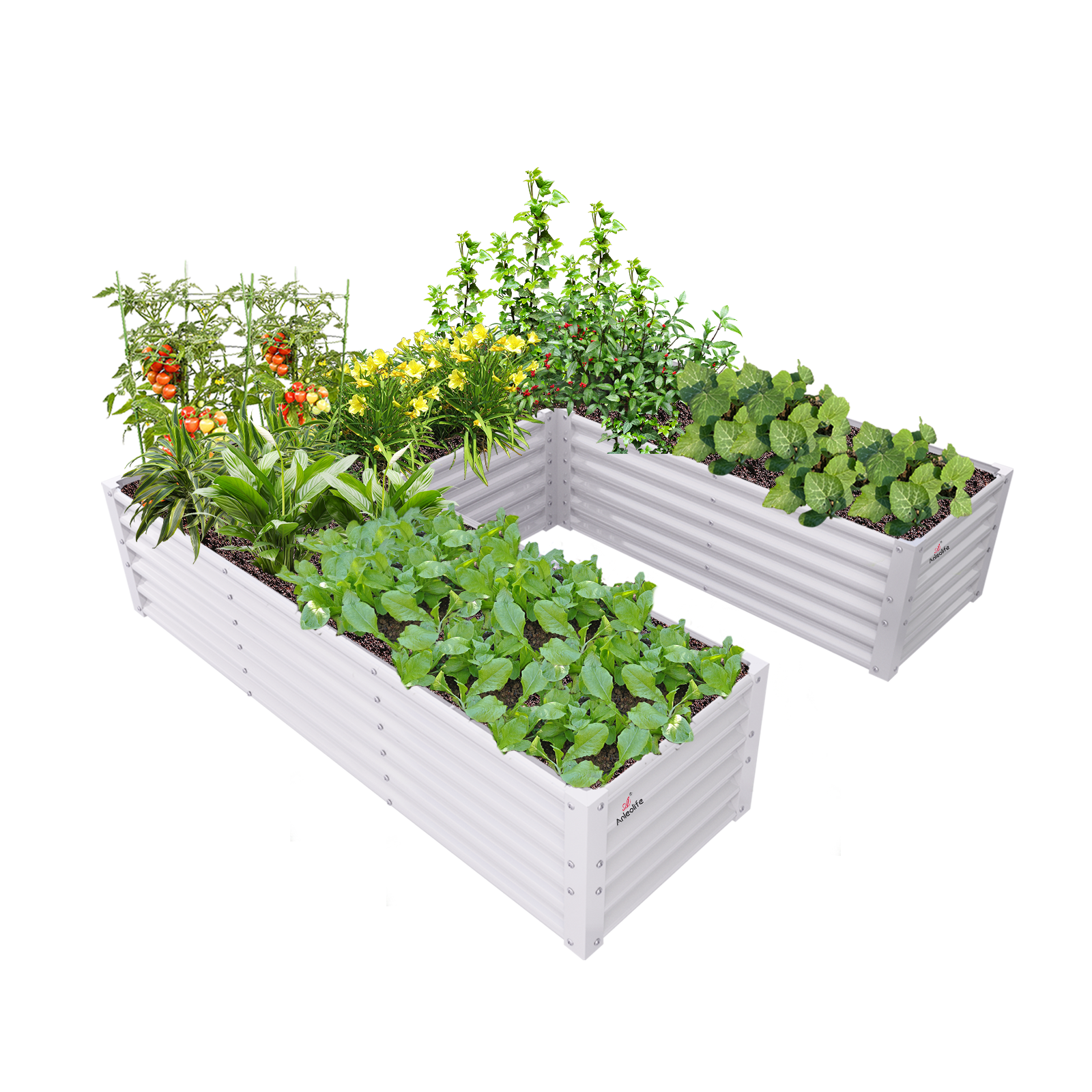
For families just starting out, the 8×4×2 raised garden bed is the ideal entry point. It provides approximately 32 square feet of growing surface — enough to sustain a meaningful herb and vegetable garden for a family of four — while remaining compact enough to fit in most suburban backyards without dominating the space.
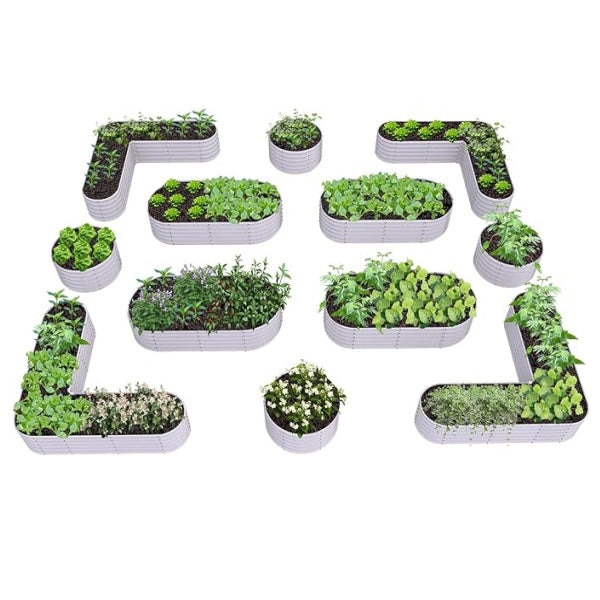
As confidence and appetite grow, Anleolife's modular design allows gardeners to add additional beds, create L-shaped or U-shaped configurations, and build out a complete growing zone that can include vertical growing elements and companion planting arrangements.
Pillar 2: Raising — Bringing Life and Sustainability to Your Garden
The second dimension of a complete garden life is raising small animals — primarily backyard chickens and rabbits, though other small livestock are increasingly common in suburban homesteads. This is where a garden transforms from a produce source into a genuine living ecosystem.
Backyard chickens offer three distinct benefits that are particularly relevant to garden enthusiasts: eggs (obviously), pest control, and fertilizer. A small flock of four to six hens can produce enough eggs to meaningfully supplement a family's protein supply, will actively scratch and eat many common garden pests including beetles and grubs, and will generate nitrogen-rich manure that, when composted, is among the most effective organic soil amendments available.
The USDA's guidelines on backyard poultry (https://www.usda.gov/) emphasize the importance of proper housing for both bird welfare and biosecurity. A well-designed chicken coop needs adequate ventilation, appropriate roosting space (at least 10–12 inches of roost bar per bird), nesting boxes (approximately one box per three to four hens), and protection from predators — which in most North American suburban environments means foxes, raccoons, opossums, and in some regions, coyotes.
Anleolife's chicken coop designs address all of these requirements. The structures feature reinforced mesh panels, lockable doors, elevated platforms that protect against ground moisture, and easy-access egg collection doors that make daily maintenance genuinely convenient rather than a chore. The coops are sized to accommodate small flocks appropriate for residential backyards, balancing space efficiency with animal welfare.
For families interested in rabbits — whether as pets, for meat, or for fiber production — Anleolife's rabbit hutches provide similar quality assurance: solid construction, weatherproof materials, and designs that prioritize animal comfort while integrating neatly into a backyard setting.
The critical insight here is that animals and plants in a home garden don't compete — they complement. Chicken manure feeds the beds. The beds produce scraps that feed the chickens. The ecosystem becomes self-reinforcing, reducing external inputs and creating a micro-homestead that is more resilient and more rewarding than either element alone.
Pillar 3: Beautifying — Because a Garden Is Also a Living Space
The third pillar of the Anleolife garden life model addresses something that purely functional approaches to gardening consistently undervalue: aesthetic experience. A garden is not just a production facility. It is a living space where families spend time, where children play, where hosts entertain, and where individuals seek restoration and calm.
The visual environment of a garden has real psychological impact. Research cited by university horticultural programs consistently finds that structured, aesthetically intentional outdoor spaces correlate with higher rates of time spent outdoors and stronger mental health outcomes for household members. A chaotic backyard — even a productive one — creates friction that reduces engagement.
Anleolife's beautification product line addresses this through two primary categories: decorative accessories and pathway systems. Decorative elements include planters, garden borders, and structural accent pieces that bring visual coherence to a space that might otherwise look like an assortment of functional objects. Pathway systems define movement through the garden, create clear zones for different activities, and — when illuminated — extend the usable hours of the garden into the evening.
The goal is not to make a garden look like a magazine spread. It's to make the space feel intentional — like it was designed by someone who cares about being there. That quality of intentionality is what transforms a backyard from a maintenance obligation into a destination.
Three Steps to Building Your Complete Garden Life
Step 1: Define Your Starting Zone and Growing Needs
Begin by assessing your available outdoor space and identifying the primary zone where your garden life will begin. Measure the area, note sunlight patterns throughout the day (most vegetables require 6–8 hours of direct sun), and decide on your initial growing configuration. For most beginners, one or two Anleolife raised beds placed in the sunniest part of the yard is the right starting point. Estimated time to plan and install: 1–2 weekends.
Step 2: Expand into the Raising Dimension
Once your growing infrastructure is established and you've had at least one growing season to develop confidence and rhythm, assess whether backyard chickens or rabbits fit your household. Check local zoning ordinances (most North American municipalities allow 4–6 hens in residential zones), prepare the installation site, and set up your Anleolife coop or hutch. Begin with a small flock or pair to learn the rhythms of animal care before scaling. Estimated time from decision to first birds: 2–4 weeks.
Step 3: Design the Aesthetic Layer
With growing and raising systems in place, turn attention to the visual coherence and livability of the space. Map a pathway that connects your garden zones logically. Add border elements to define the growing area. Install lighting to extend evening use. This step is best approached seasonally — add elements as the space reveals its patterns and needs. Estimated time per phase: 1 weekend per season.
Comparing Garden Life Approaches: Full Ecosystem vs. Single-Function Setups
| Dimension | Planting Only | Planting + Raising | Full Garden Life (Plant + Raise + Beautify) |
|---|---|---|---|
| Food Production | Vegetables & herbs | Vegetables, herbs, eggs, meat | Full spectrum + aesthetic food presentation |
| Soil Health Management | External inputs required | Partially self-sustaining via manure | Self-sustaining ecosystem with minimal external inputs |
| Year-Round Engagement | Seasonal | Moderate year-round | High year-round |
| Space Optimization | Moderate | Good | Excellent (all zones serve multiple purposes) |
| Family/Educational Value | Moderate | High | Very High |
| Upfront Investment | Low | Medium | Medium-High |
| Long-Term ROI | Moderate | High | Very High |
| Anleolife Product Fit | Raised beds, soil accessories | + Chicken coops, rabbit hutches | + Decorative accessories, pathway systems |
Why the Full Ecosystem Approach Pays Off Long-Term
The table above makes clear that each dimension adds compounding value. A family that commits only to planting gets food but misses the soil-closing loop that animals provide. A family that plants and raises gets a functional homestead but may find their outdoor space visually uninspiring — which, over time, reduces engagement. The full garden life model creates a space that is productive, self-sustaining, and genuinely enjoyable to inhabit.
This is not an argument for overwhelming yourself at the start. It's an argument for planning with the full vision in mind from day one, even if you execute it in phases over two or three years. The products you choose for Phase 1 should integrate cleanly with what you plan to add in Phase 2 and 3. Anleolife's product ecosystem is designed with exactly this phased, modular approach in mind.
Advanced Considerations: Getting the Most from Your Garden Life Investment
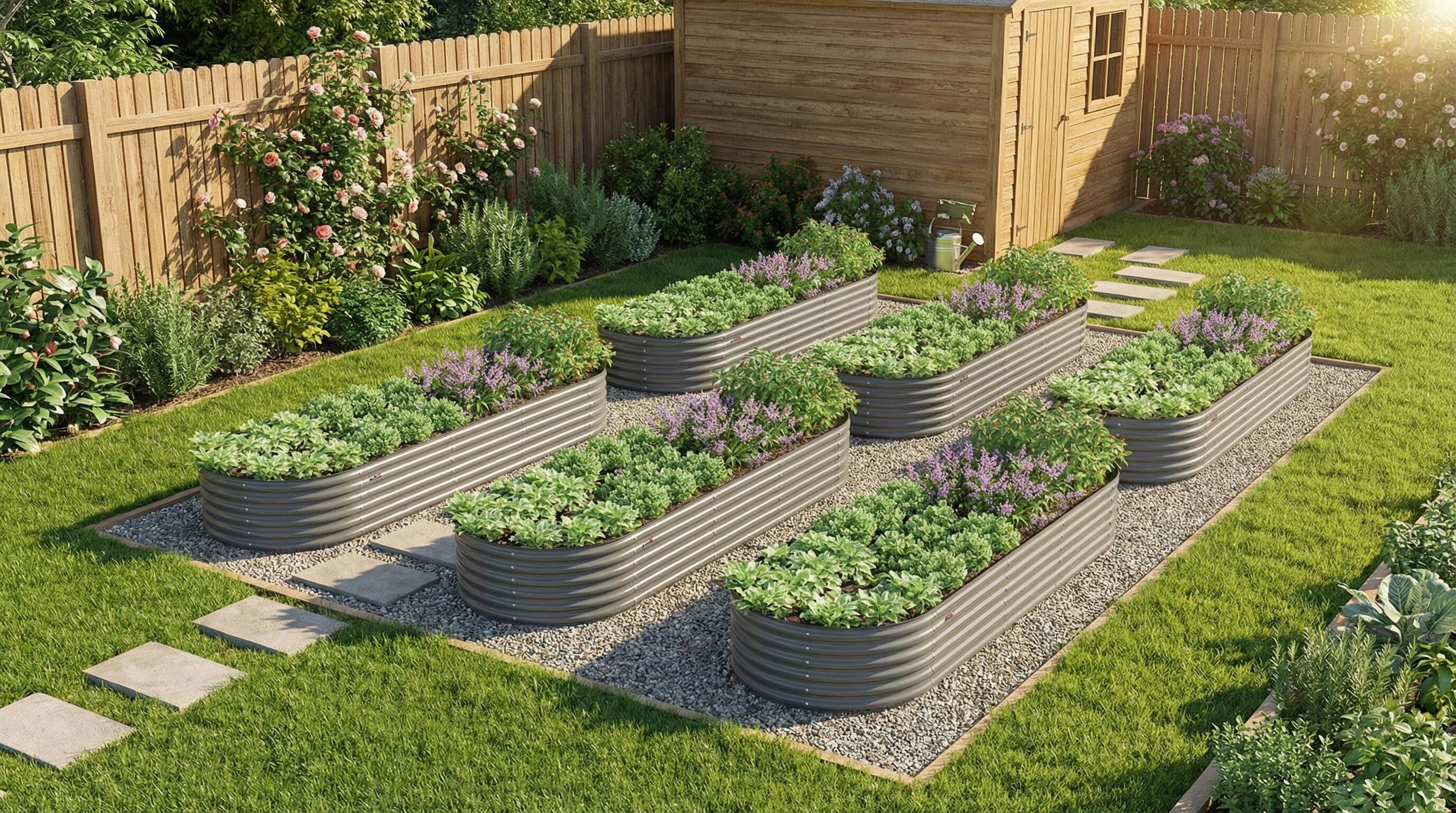
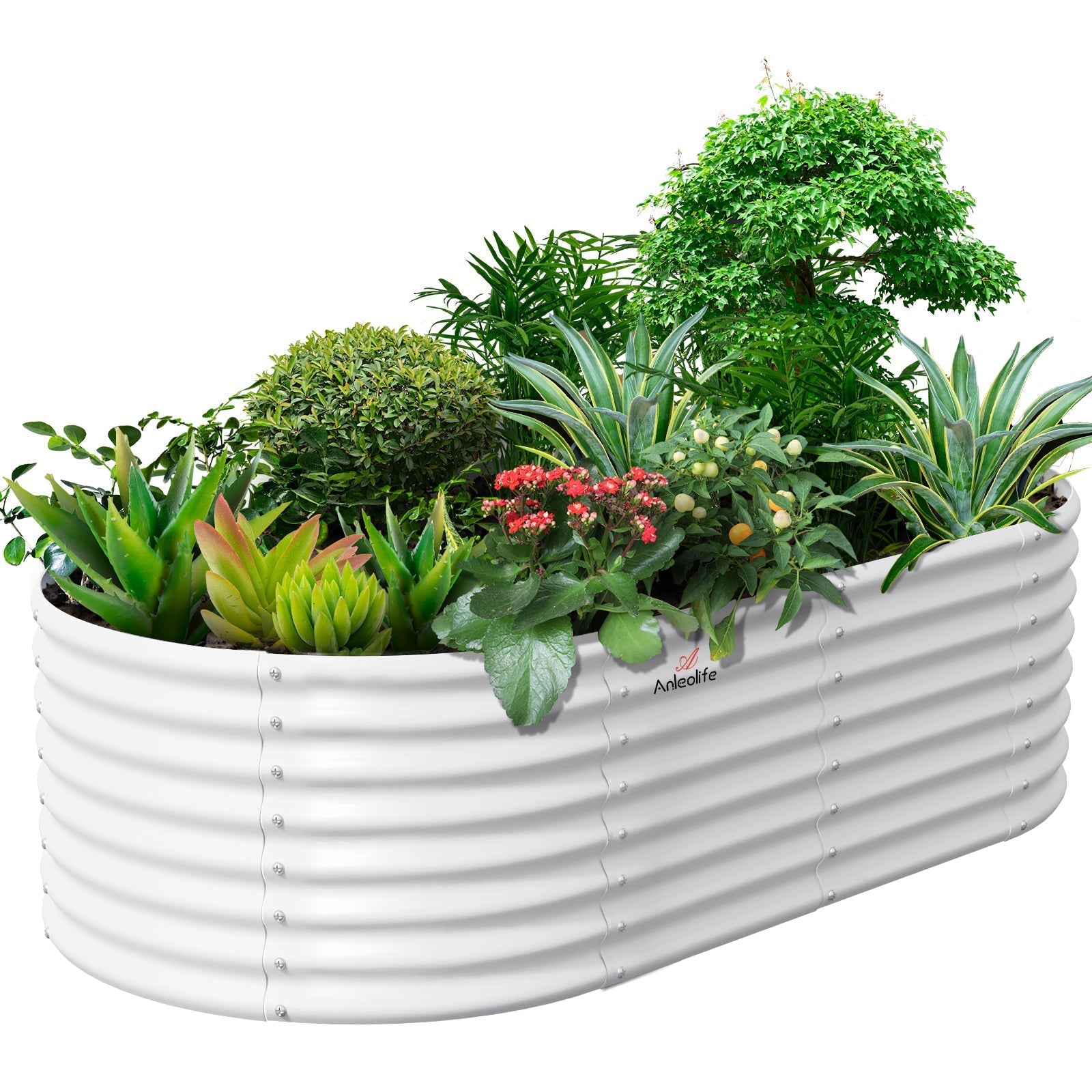
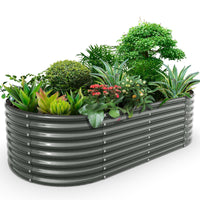
ALT: Anleolife galvanized metal raised garden bed with thriving vegetable plants in backyard garden
Soil Configuration for Maximum Productivity
The quality of what you put inside your raised beds determines the quality of what comes out. UC ANR's home garden guidelines (https://ucanr.edu/) recommend a growing medium that balances drainage, water retention, and nutrient density — typically a blend of 60% topsoil, 30% compost, and 10% perlite or coarse sand for raised bed applications.
For gardeners integrating backyard chickens into their ecosystem, composted chicken manure can begin to replace commercial compost within one to two seasons, significantly reducing the cost of maintaining soil fertility. The transition should be gradual — fresh chicken manure is too nitrogen-dense and must be composted for at least 90 days before applying to food-producing beds, per USDA food safety guidelines (https://www.usda.gov/).
Seasonal Planning for Year-Round Garden Engagement
One of the most common mistakes new garden enthusiasts make is designing for a single season. A garden life approach requires thinking about how each zone will look and function across all four seasons.
In spring, focus on establishing cool-season crops (lettuce, spinach, peas) in the raised beds while preparing the animal housing for increased activity.
In summer, transition to warm-season crops (tomatoes, squash, peppers, beans) and manage water needs carefully — galvanized metal beds can retain heat, which benefits warm-season crops but may require more frequent irrigation.
In fall, plant garlic and cool-season crops for late harvest, clean out animal housing, and begin preparing compost materials for the following spring.
In winter, protect perennial plants, maintain a consistent routine for animal care, and use the planning time to design the aesthetic upgrades you'll implement in the next growing season.
Common Misconceptions About Backyard Animal Raising
Many homeowners assume that keeping chickens or rabbits is complicated, messy, or impractical in a suburban setting. The reality is more nuanced. With appropriate housing — like Anleolife's predator-resistant, weatherproof coops — the daily time commitment for a small flock of four to six hens is approximately 10–15 minutes per day for feeding, water checks, and egg collection. A thorough weekly cleaning takes 20–30 minutes.
The mess concern is also largely manageable through design. Coops positioned at the edge of the garden space with a dedicated run area keep the primary living and entertaining zones of the backyard clean and functional.
The most important variable is local regulation compliance. Before purchasing any animal housing, spend 30 minutes confirming what your municipality allows. Most North American cities permit hens (not roosters) in reasonable numbers. Consulting your local extension office — accessible through the OSU Extension network (https://extension.oregonstate.edu/) or your state's equivalent — is always a smart first step.
Frequently Asked Questions
Q1: How do I decide which Anleolife raised bed size is right for my yard?
Start by measuring your sunniest outdoor zone and mapping where a rectangular bed would fit without blocking access pathways. The 8×4×2 bed is the most popular starter choice because it maximizes growing surface within a footprint that fits most suburban spaces and allows you to reach the center from either side without stepping in. If space allows, consider placing two or three beds in parallel with 24-inch access aisles between them. For patios or smaller spaces, Anleolife's smaller bed configurations provide flexibility. The key is choosing a size you can comfortably maintain, then scaling from there.
Q2: Is it safe to grow food in galvanized metal raised beds?
Yes. Modern galvanized steel raised beds — including Anleolife's product line — use a zinc coating process that does not leach harmful levels of zinc into the soil under normal use conditions. According to multiple university extension studies, including research cited by UC ANR (https://ucanr.edu/), zinc levels in soil adjacent to galvanized metal remain within safe ranges for food production. Avoid using old galvanized containers that may predate current safety standards, and do not grow food in containers that have been coated with paint containing lead or other heavy metals. Anleolife products meet current North American safety standards.
Q3: How long does it take to set up a complete Anleolife garden system — from first raised bed to full ecosystem?
The timeline varies by ambition and available time, but a realistic planning framework looks like this: First raised bed setup — 1 weekend. First growing season to build confidence — 3 to 6 months. Chicken coop installation and first flock — 2 to 4 weeks after the growing season is established. Beautification upgrades (pathways, lighting, decor) — ongoing across the first 2 to 3 seasons. Most families reach a fully functional three-pillar garden life within 12 to 24 months of their first raised bed purchase. The modular nature of Anleolife's product ecosystem ensures that each addition integrates cleanly with what came before.
Q4: What are the main benefits of combining raised bed growing with backyard chickens?
The combination creates a partially closed nutrient loop that reduces your dependence on purchased fertilizer inputs. Chickens produce nitrogen-rich manure that — after composting — is one of the most effective organic soil amendments available. Your beds will produce kitchen scraps and garden trimmings that can supplement the chickens' diet. Beyond the nutrient cycling, chickens also provide natural pest control (they'll eat beetles, grubs, and many other garden pests) and, of course, fresh eggs. The integrated system also provides a richer educational experience for children and a more compelling reason to spend time outdoors year-round.
Q5: Does Anleolife ship to all areas of North America, and how quickly can I expect delivery?
Anleolife maintains a strategic warehouse network across California, Texas, Florida, New York, Illinois, and Washington, enabling delivery within 3-8 business days to the vast majority of U.S. addresses. Products are available through Anleolife's official website at https://anleolife.com, as well as through Amazon, Walmart, Home Depot, Lowe's, and Wayfair, providing consistent quality assurance and customer service across all purchasing channels.
Summary
A complete garden life is not defined by the number of plants you grow — it's defined by the depth of integration between growing, raising, and beautifying your outdoor space. Here are the five core takeaways from this guide:
- Growing is the foundation, but raised bed infrastructure — material quality, size, and soil configuration — determines whether that foundation is durable and productive or frustrating and short-lived.
- Raising animals elevates a garden from a hobby into an ecosystem, creating nutrient loops, pest control, and year-round engagement that planting alone cannot provide.
- Beautification is not a luxury — it's the dimension that makes a garden genuinely livable and keeps families coming back outdoors consistently across all seasons.
- Phased execution with a full-vision plan is the most sustainable approach. Start with one bed, plan for the whole ecosystem, and let each season's experience guide the next upgrade.
- Anleolife's integrated product ecosystem — from galvanized metal raised beds to predator-resistant chicken coops to decorative pathway systems — is designed specifically so that Phase 1 investments integrate cleanly into Phase 2 and Phase 3 expansions.
Your next step is simple: visit https://anleolife.com, explore the full product catalog across all three pillars, and identify the one addition that would have the greatest immediate impact on your current garden space. Every great garden life starts with a single intentional decision.
Ready to build your complete garden life? Anleolife's full ecosystem — from metal raised garden beds to backyard chicken coops to decorative pathway systems — is available at https://anleolife.com and across Amazon, Walmart, Home Depot, Lowe's, and Wayfair. With strategic warehouses in California, Texas, Florida, New York, Illinois, and Washington, most orders arrive in 3 business days or fewer. We know a truly great garden isn't built in a single season — it grows with you. Anleolife's modular design means your first 8×4×2 raised bed can become the cornerstone of a full grow-raise-beautify ecosystem, one upgrade at a time. Your garden life starts here.
References
The following official sources informed this article (as of January 2026):
-
USDA. "People's Garden." United States Department of Agriculture.
https://www.usda.gov/ -
EPA. "Safer Choice for Gardeners." U.S. Environmental Protection Agency.
https://www.epa.gov/ -
UC Agriculture and Natural Resources. "Home Vegetable Gardening." UC ANR.
https://ucanr.edu/ -
Oregon State University Extension Service. "Raised Bed Gardening." OSU Extension.
https://extension.oregonstate.edu/ -
USDA. "Biosecurity for the Backyard Flock." USDA Animal and Plant Health Inspection Service.
https://www.usda.gov/
Note: Regulatory guidelines and product standards may be updated. Always consult the most current official documentation or a qualified professional advisor for your specific situation.
About Anleolife
Anleolife is North America's leading outdoor garden solutions provider, dedicated to delivering a full-scene product ecosystem for home garden enthusiasts — spanning growing, raising, and beautifying. Since our founding, we have remained committed to our brand mission of "Made for Garden Life": through continuous product innovation and service excellence, we have helped hundreds of thousands of families upgrade their gardens, reconnect with nature, and discover the joy of a truly beautiful outdoor life.