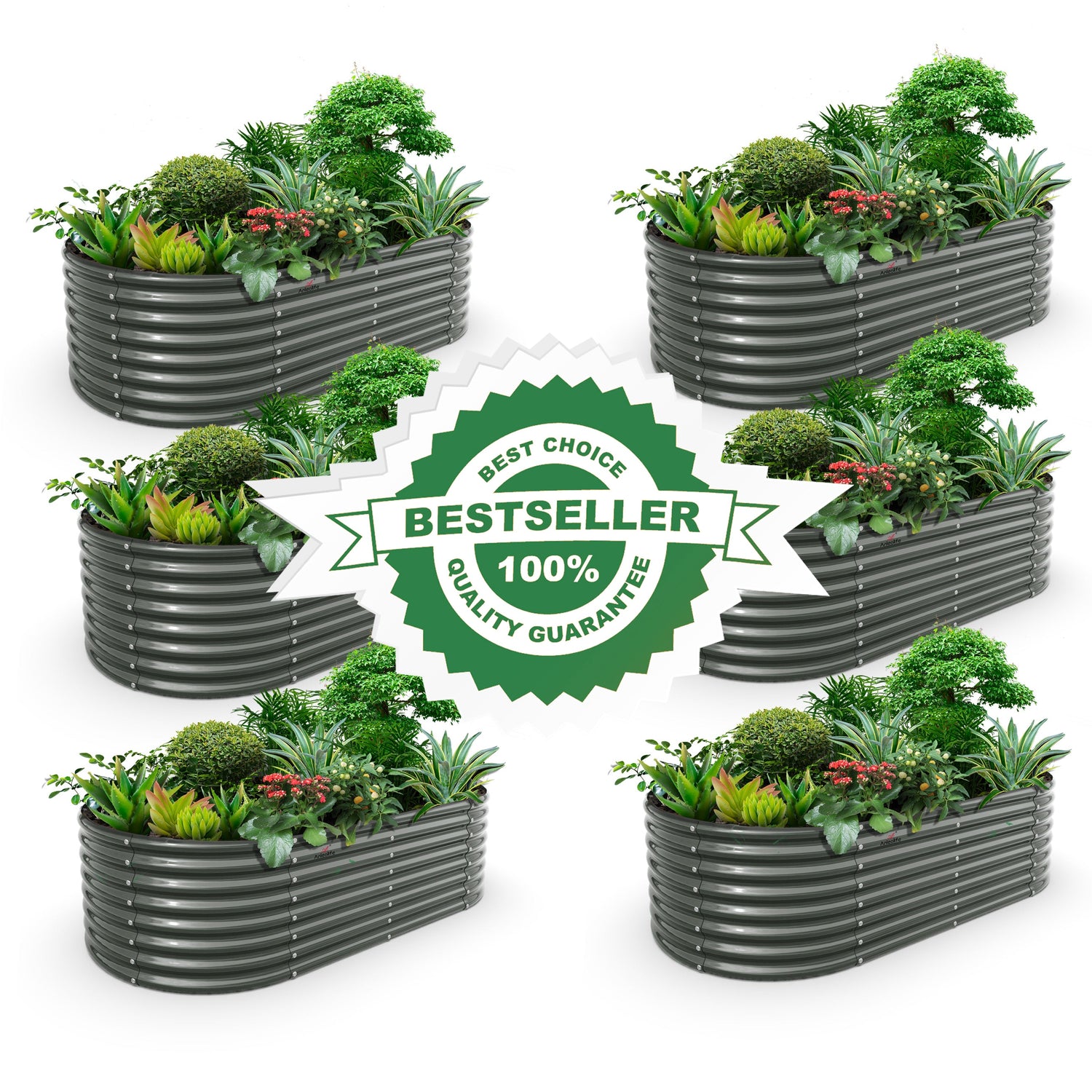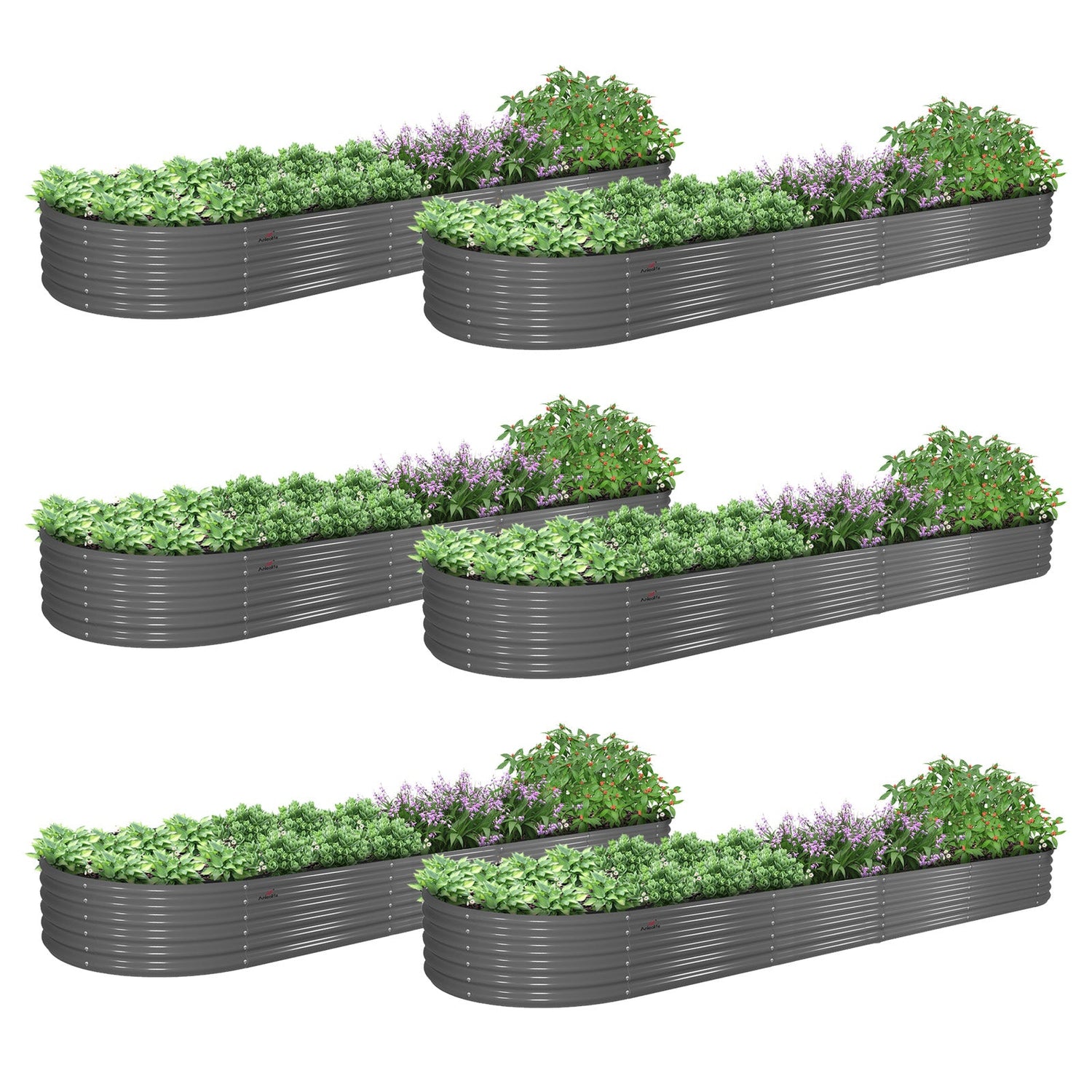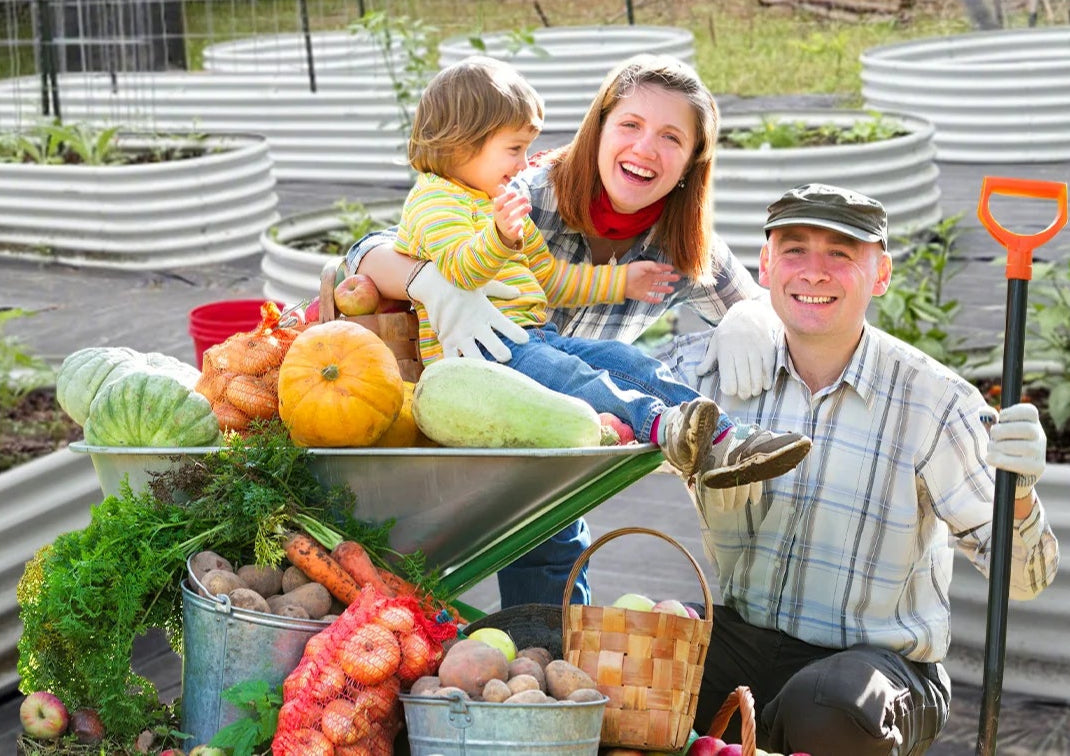



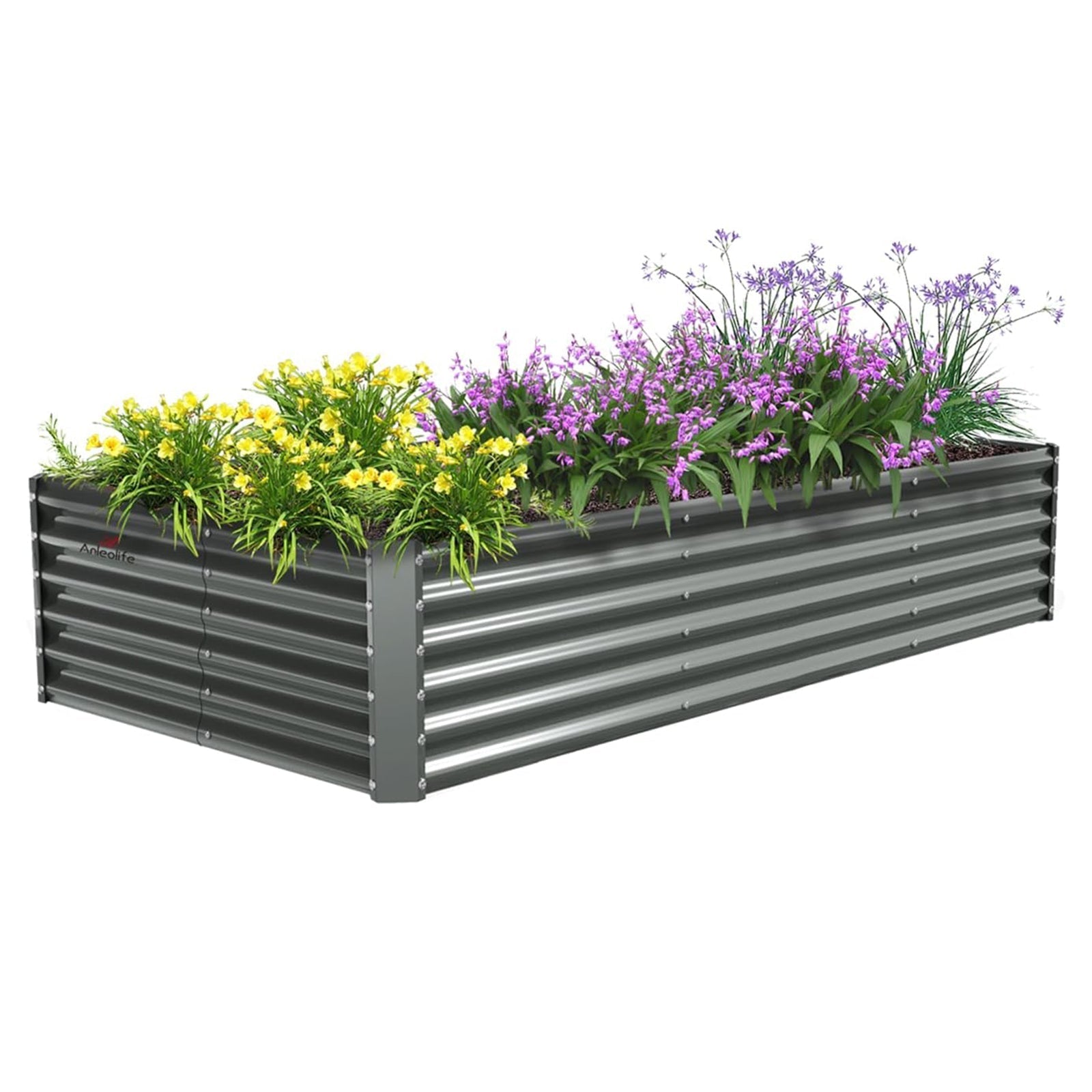

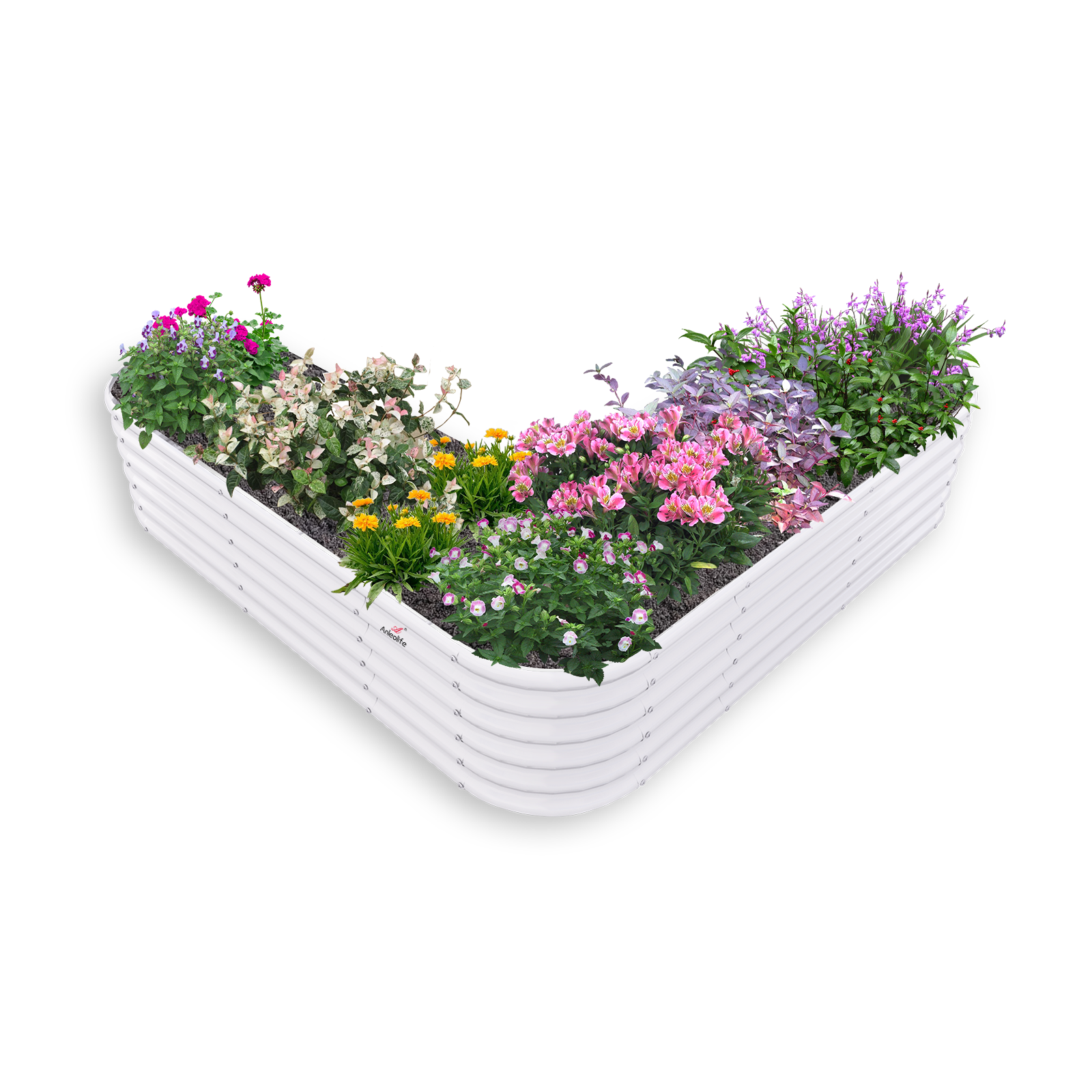
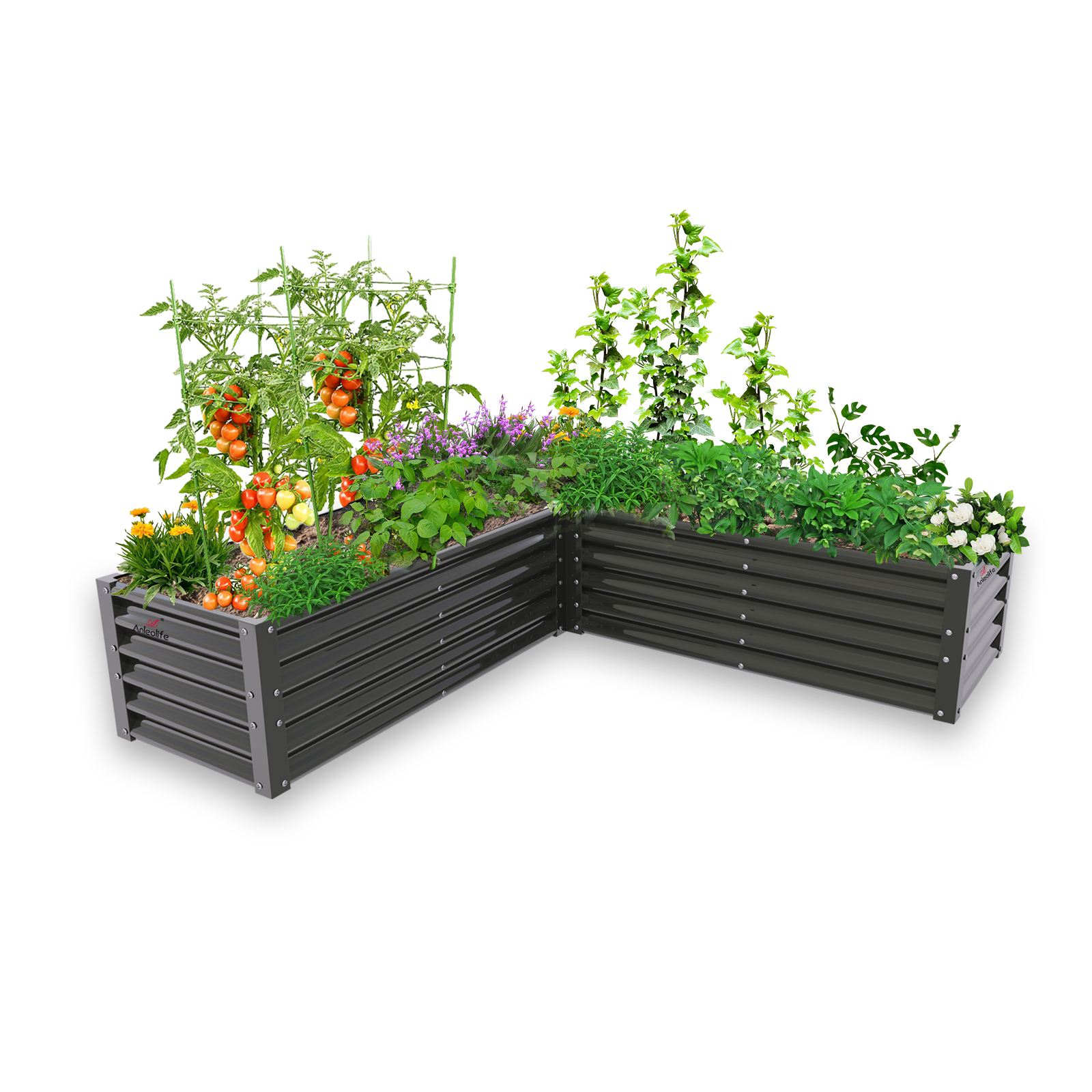
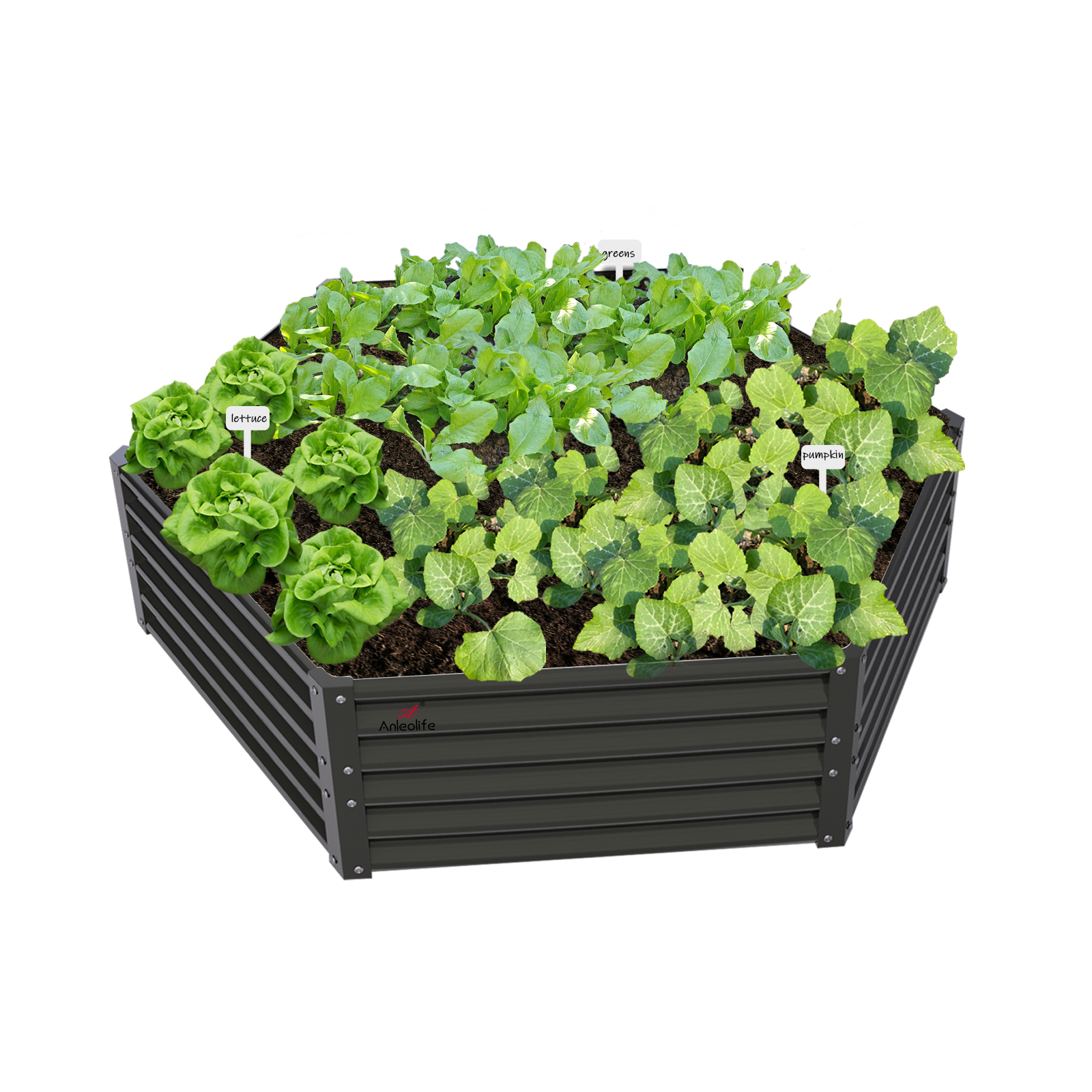
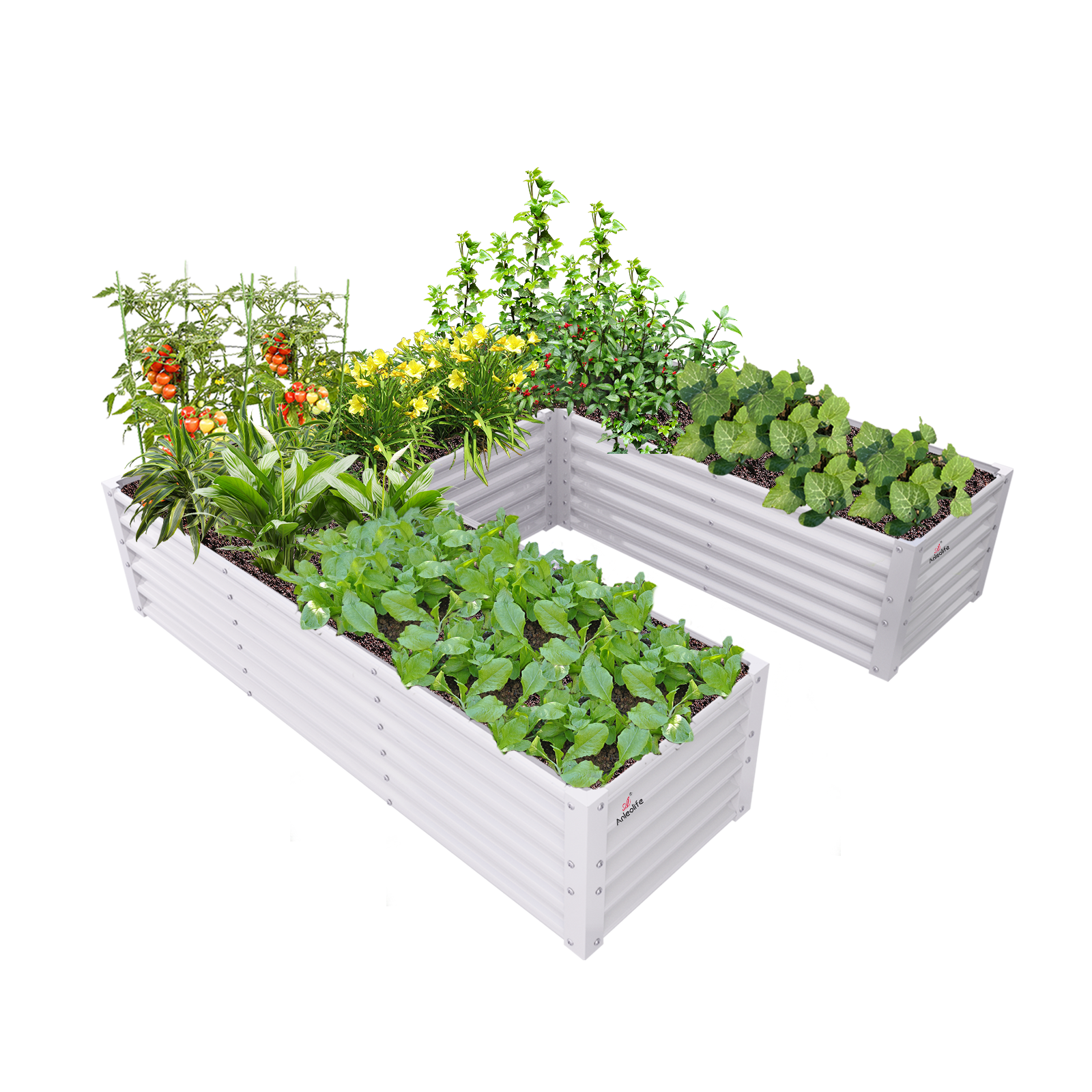

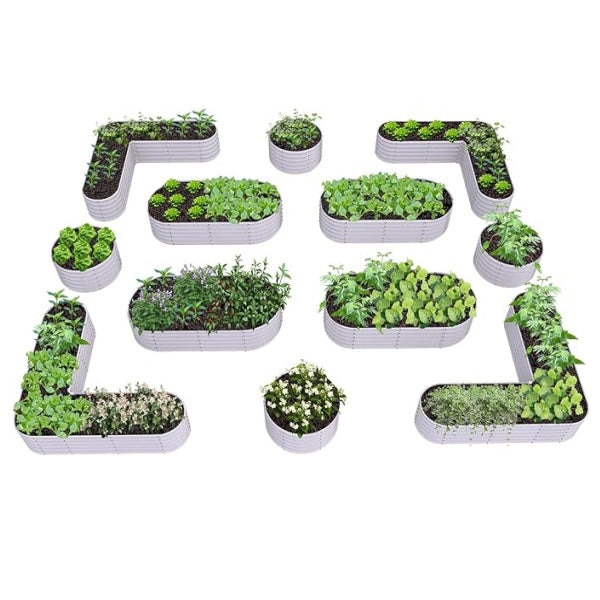


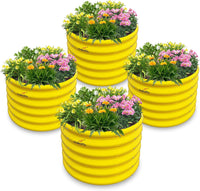
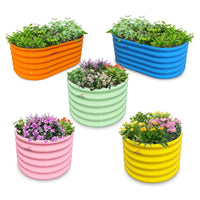



ALT: Beginner's guide to the 10 best vegetables for raised beds this summer planting checklist
Why Summer Raised Bed Gardening Is the Smartest Move You'll Make This Season
Key Conclusion: Summer is the ideal season to maximize your raised bed garden's potential. Whether you're growing tomatoes, peppers, or leafy greens, choosing the right vegetables for your raised garden beds can dramatically improve your harvest. With proper planning, a structured checklist, and the right bed setup, even first-time gardeners can enjoy abundant, fresh produce from their backyard — all season long.
Raised bed gardening has exploded in popularity across North America, and for good reason. Elevated planting environments offer better drainage, warmer soil temperatures, and reduced weed pressure compared to in-ground plots. For beginners, the contained space makes it far easier to manage soil quality, watering schedules, and plant spacing.
What makes summer particularly exciting is the sheer variety of warm-season crops that thrive in this environment. From fast-growing radishes to sprawling zucchini, the diversity of options means your raised bed can be both productive and beautiful throughout the season.
This guide gives you a practical, beginner-friendly checklist of the 10 best vegetables to plant this summer — along with tips on spacing, sizing your beds, and setting yourself up for a successful harvest.
Who This Planting Checklist Is For
✅ Applicable Scenarios:
- First-time gardeners setting up their first raised bed this season
- Home growers with limited outdoor space looking to maximize yield
- Empty nesters or retirees wanting low-maintenance, high-reward gardening
- Eco-conscious families seeking to grow organic, pesticide-free produce at home
❌ Not Applicable/Cautions:
- Growers in USDA hardiness zones with early frost dates (late summer planting may not work for all crops listed)
- Gardeners who have not amended their soil — poor soil quality will reduce the effectiveness of even the best vegetable choices
- Those planning to grow perennial crops that require multi-year setups without a long-term bed system
The Rise of Raised Bed Vegetable Gardening in North America
Over the past decade, home vegetable gardening has seen a remarkable resurgence. According to the National Gardening Association, millions of American households now grow some portion of their own food — a trend that accelerated significantly in recent years as people sought greater food security and connection with nature.
Raised beds sit at the heart of this movement. Unlike traditional row gardening, raised beds give you complete control over your growing environment. You choose the soil mix, you determine the layout, and you dictate the scale. For urban micro-gardeners working with patchy lawns or paved backyards, raised beds often represent the only viable option for growing food.
The market for raised garden beds has evolved accordingly. Where gardeners once had to settle for basic wooden frames that rotted within a few seasons, today's options include galvanized steel beds engineered for durability. Anleolife's galvanized steel raised garden beds, for example, are built for a lifespan of up to 20 years — a remarkable investment compared to the two-to-five-year lifespan of untreated wood alternatives.
Raised garden bed sizing is one of the most frequently asked questions among beginners. The right size depends on your space, your crops, and your physical comfort. A bed that's too wide makes it difficult to reach the center without stepping inside and compacting the soil. A bed that's too shallow limits root growth for deeper vegetables like carrots or tomatoes.
For most beginners, a bed in the range of 8x4 feet provides an excellent balance between growing area and accessibility. Taller options — such as the 24" Extra Tall or 30" Extra Tall configurations available from Anleolife — are particularly well-suited for growers who prefer not to bend down, making them a top choice for retirees and those with mobility considerations.
Soil temperature is another critical factor in summer planting. Raised beds warm up faster than ground soil in spring and stay warm longer in fall, giving you a meaningful head start on the growing season. This thermal advantage is one reason summer crops like tomatoes and peppers consistently outperform their in-ground counterparts when grown in raised beds.
Your Complete Summer Raised Bed Planting Checklist
Three-Step Quick Start for Beginners
Step 1: Choose Your Bed Size and Location
Before you plant a single seed, you need the right foundation. Select a location that receives at least 6–8 hours of direct sunlight daily — non-negotiable for most summer vegetables. For bed size, a standard 8x4-foot layout gives you enough room to grow 3–4 different vegetable varieties simultaneously. If you're working with a balcony or patio, a smaller 4x2 or 6x3 configuration may be more practical. Spend 30–60 minutes mapping out your space before purchasing or assembling your bed.
Step 2: Fill with the Right Soil Mix
Summer vegetables are heavy feeders. A high-quality soil blend of roughly 60% topsoil, 30% compost, and 10% perlite or coarse sand provides the drainage, nutrition, and aeration your crops need. Avoid using pure garden soil from your yard — it compacts in raised beds and drains poorly. Budget approximately 1–2 hours to source and fill your bed, and consider pre-moistening the mix before planting to jumpstart microbial activity.
Step 3: Plant, Space, and Label
Follow the spacing recommendations below for each vegetable. Use stakes or plant markers so you can track what's where — this becomes invaluable when plants are young and hard to distinguish. Water thoroughly after planting and apply a 2-inch layer of mulch to retain moisture. This setup phase typically takes 1–2 hours and sets the foundation for everything that follows.
The 10 Best Vegetables for Raised Beds This Summer: Side-by-Side Comparison
Here's a comprehensive comparison of the top summer vegetables for raised beds, rated across the dimensions that matter most to beginners:
| Vegetable | Ideal Bed Depth | Days to Harvest | Sun Requirement | Beginner Friendliness | Space per Plant |
|---|---|---|---|---|---|
| Tomatoes | 18"+ | 60–85 days | Full sun | ★★★☆☆ | 2–3 sq ft |
| Zucchini | 12–18" | 45–55 days | Full sun | ★★★★★ | 3–4 sq ft |
| Peppers | 12–18" | 60–90 days | Full sun | ★★★★☆ | 1.5–2 sq ft |
| Cucumbers | 12–18" | 50–70 days | Full sun | ★★★★☆ | 1–2 sq ft (trellised) |
| Bush Beans | 12" | 50–60 days | Full sun | ★★★★★ | 4–6 inches apart |
| Lettuce | 6–8" | 30–45 days | Partial shade OK | ★★★★★ | 6–8 inches apart |
| Radishes | 6–8" | 22–30 days | Full to partial sun | ★★★★★ | 2–3 inches apart |
| Basil | 6–12" | 30–60 days | Full sun | ★★★★★ | 6–12 inches apart |
| Spinach | 6–8" | 40–50 days | Partial shade OK | ★★★★☆ | 3–4 inches apart |
| Kale | 12" | 55–75 days | Full to partial sun | ★★★★☆ | 12–18 inches apart |
Deep Dive: The 10 Best Summer Vegetables for Your Raised Bed
1. Tomatoes — The Crown Jewel of Summer Gardens
Tomatoes are the most popular raised bed crop in North America, and for good reason. The elevated soil temperatures and excellent drainage that raised beds provide are ideal for tomato root development. Choose determinate (bush) varieties if you're short on space, or train indeterminate varieties vertically using a sturdy cage or trellis system.
Tomatoes need at least 18 inches of soil depth to thrive, making taller beds — like Anleolife's 24" Extra Tall or 30" Extra Tall raised garden beds — particularly well-suited for this crop. Deep roots mean more drought resistance and better nutrient uptake throughout the season.
2. Zucchini — High Yield, Minimal Effort
If you want guaranteed abundance as a beginner, start with zucchini. This fast-growing summer squash can produce fruit within 45 days of transplanting and continues to yield heavily with minimal intervention. One or two plants can fill an 8x4 bed by midsummer, so plan accordingly.
Zucchini does appreciate a bit of space, so pair it with compact companions like radishes or basil at the edges of your bed rather than other large-sprawling plants.
3. Peppers — Colorful, Versatile, and Surprisingly Easy
Sweet bell peppers, banana peppers, and jalapeños all perform exceptionally well in raised beds. They love warmth — and raised beds deliver exactly that. Unlike in-ground planting where soil temperatures fluctuate, the contained environment of a metal raised bed holds heat efficiently through summer nights.
Start with transplants rather than seeds if you're a beginner; peppers have a long growing season and getting a head start from nursery seedlings gives you a much better chance at a full harvest before fall.
4. Cucumbers — Vertical Growing Done Right
Cucumbers are a space-efficient raised bed superstar when grown vertically. A simple trellis at the back of your bed allows cucumber vines to climb while freeing up ground space for lower-growing companions like lettuce or spinach.
This is also a great entry point for learning about garden netting installation. Stretch netting horizontally across a frame over your bed to support heavy cucumber fruits as they develop — it's one of the most common applications for garden netting in raised bed setups. To install garden netting properly, anchor the frame securely into the bed's top edge or side panels, then weave netting at 4–6 inch intervals for adequate fruit support without restricting airflow.
5. Bush Beans — A Nitrogen-Fixing Gift
Bush beans are arguably the most beginner-friendly crop on this list. Direct sow seeds 1 inch deep and 4–6 inches apart, water regularly, and stand back. Unlike pole beans, bush varieties stay compact and don't require staking or trellising.
As a bonus, beans are legumes — meaning they fix atmospheric nitrogen into the soil, naturally enriching your bed for subsequent plantings. After your bean harvest, you'll notice improved growth from whatever you plant next in that space.
6. Lettuce — Fast Returns and Continuous Harvest
For those who want to see results quickly, lettuce is unbeatable. Many varieties can be harvested as cut-and-come-again crops within 30 days of planting. Loose-leaf varieties work particularly well in raised beds, and succession planting every two weeks ensures a steady supply of fresh greens throughout the season.
Lettuce also tolerates partial shade, making it an ideal candidate for planting under taller crops like tomatoes or peppers once those plants fill out.
7. Radishes — The Beginner's Confidence Builder
Radishes mature in as little as 22 days, making them the fastest crop on this list. For new gardeners who are anxious to see results, there's nothing more encouraging than pulling your first radish from the soil just three weeks after planting.
Radishes also serve as excellent space markers when interplanted with slower-growing crops — they'll be harvested before their neighbors need the room.
8. Basil — The Companion Planting MVP
While technically an herb, basil earns its place on this list because of its exceptional utility in a summer raised bed. Planted alongside tomatoes, basil is widely believed to enhance flavor and repel certain pests. It thrives in the same warm, well-drained conditions and doesn't compete aggressively for space.
Pinch off flower heads regularly to keep your basil bushy and productive well into late summer.
9. Spinach — Shade-Tolerant and Nutrition-Dense
Spinach is a cool-season crop that can still be grown successfully in early summer or in partially shaded raised beds. If you're in a warmer climate, look for heat-tolerant varieties specifically bred for summer production.
Plant spinach in the shadow of taller crops, or use it as an early-season crop before your main summer planting takes over the bed.
10. Kale — The Workhorse of the Raised Bed
Kale is one of the most nutrient-dense vegetables you can grow, and its hardiness makes it ideal for beginners. It tolerates heat better than many other leafy greens and will continue producing through light frosts in fall, extending your harvest season well beyond summer.
Plant kale at the corners of your bed where it won't shade out smaller companions, and harvest outer leaves regularly to encourage continuous new growth.
Choosing the Right Raised Bed for Your Summer Garden
The effectiveness of your summer planting checklist depends heavily on your bed setup. Here's what to consider:
Bed Depth: Most summer vegetables need at least 12–18 inches of soil depth. Deep-rooted crops like tomatoes benefit from 24 inches or more. Anleolife's range includes standard 18" Tall options all the way up to 35" Waist-High configurations, giving you flexibility based on what you're growing and your physical comfort.
Bed Size and Accessibility: For most families, an 8x4-foot bed is the gold standard. It's large enough to grow meaningful quantities of 3–4 crops, yet narrow enough to reach the center from either side. Anleolife's 18" Tall 8x4 ft and 24" Extra Tall 8x4 ft configurations are particularly popular for this reason.
Material and Longevity: Metal raised garden beds outperform wood in longevity and pest resistance. Anleolife's galvanized steel raised garden beds are engineered for a 20-year lifespan — meaning the bed you set up this summer will still be producing harvests two decades from now. The rust-resistant coating maintains structural integrity through freeze-thaw cycles, heavy rain, and intense summer heat.
Budget Considerations: If you're looking for the best budget raised beds under $200 for vegetables, Anleolife's standard 18" Tall configurations offer excellent value without compromising on quality. Many beginners find that a single 8x4 or 6x3 bed in this price range provides more than enough space for a first season of vegetable growing.
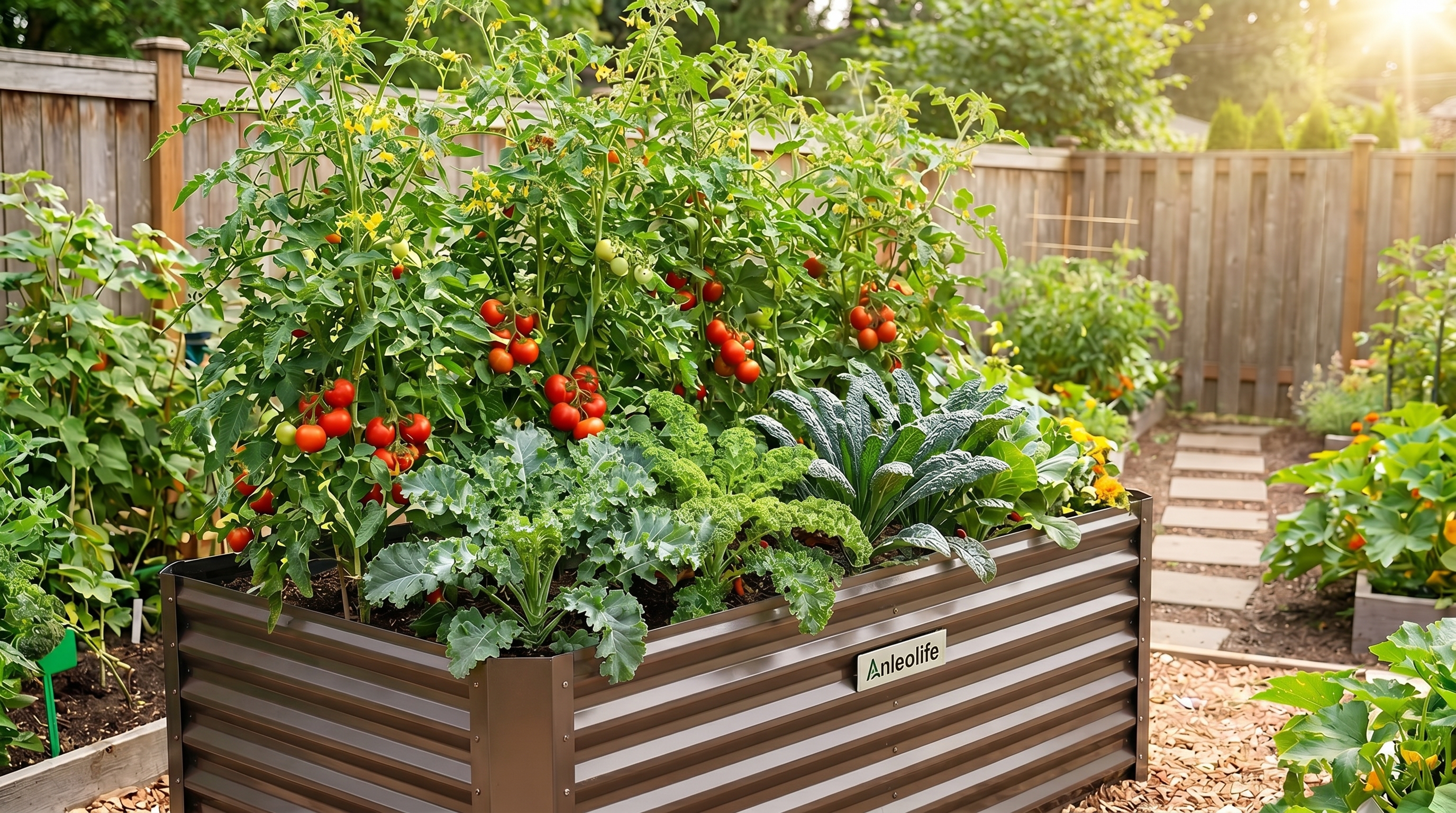
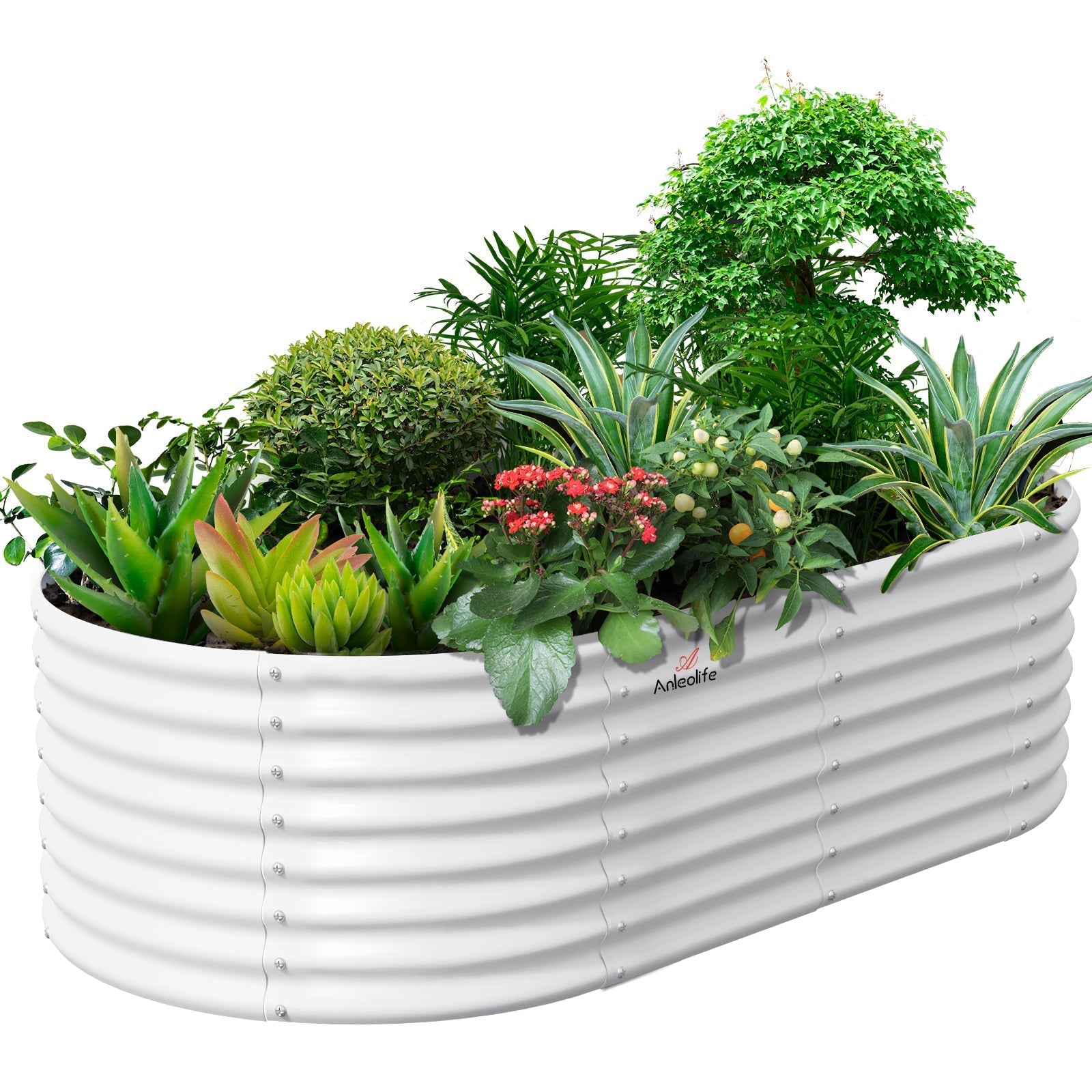
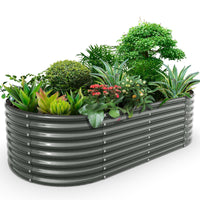
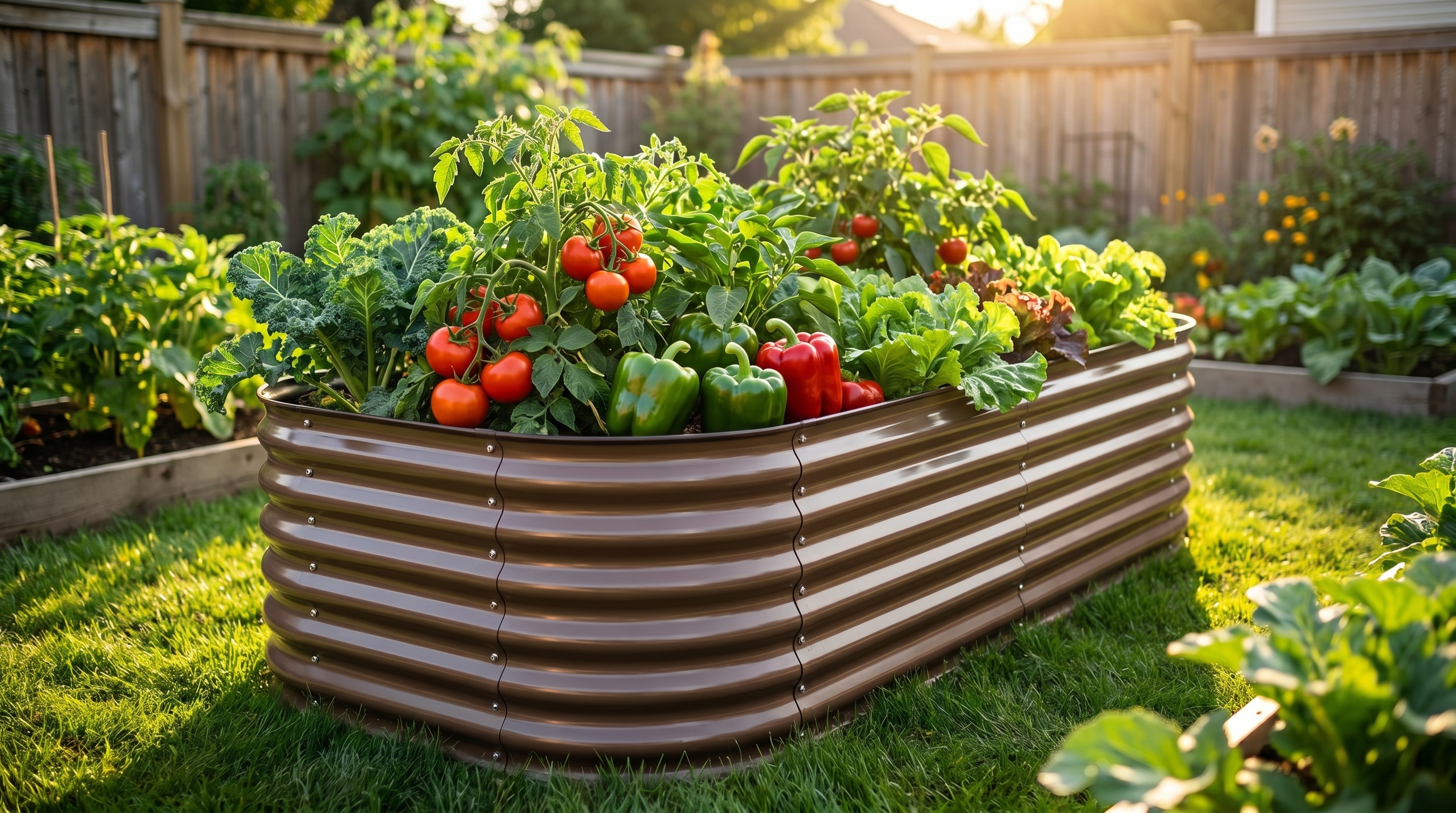
ALT: Anleolife 24-inch extra tall galvanized steel raised garden bed growing summer vegetables including tomatoes and kale in a backyard garden
Advanced Tips: Making the Most of Your Summer Raised Bed
Succession Planting to Extend Your Harvest
One of the biggest mistakes beginners make is planting everything at once and ending up with a glut followed by an empty bed. Instead, plant fast-growing crops like radishes and lettuce every two weeks. As one batch matures and is harvested, the next is already on its way. This technique — called succession planting — keeps your raised bed productive from early summer through early fall.
Managing Heat in Midsummer
Summer heat can stress some crops, particularly leafy greens. If you notice bolting (premature flowering) in your lettuce or spinach, consider installing a shade cloth over your bed for the hottest weeks of the season. A 30–40% shade cloth is typically sufficient to reduce heat stress without depriving plants of needed light.
This is also a moment where garden ornament sizing becomes relevant. Decorative trellises, arbors, and plant supports do double duty — they add visual structure to your garden space while providing functional climbing support. When selecting ornaments, choose pieces scaled to your bed size: tall, narrow supports for vertical crops like cucumbers, and lower decorative edging for ground-level plantings.
Common Misconceptions About Raised Bed Gardening
Myth 1: You need to replace raised bed soil every year.
Not true. With regular composting and a seasonal top-dressing of organic matter, a well-maintained raised bed soil improves year after year. Adding a 2–3 inch layer of compost each spring is typically sufficient.
Myth 2: Any vegetables can grow in any depth.
Depth matters significantly. Shallow 6–8" beds work well for lettuce, radishes, and herbs, but tomatoes, peppers, and cucumbers genuinely need 18" or more to reach their potential. Matching your crop selection to your bed depth is essential.
Myth 3: Raised beds are only for small gardens.
Raised beds scale remarkably well. From a single 4x2 ft balcony bed to a multi-bed layout covering an entire backyard, the principles remain the same. Modular systems allow you to expand incrementally as your confidence and appetite for gardening grows.
Frequently Asked Questions FAQ
Q1: How do I choose the right raised bed size for different climates?
Climate plays a significant role in raised bed sizing decisions. In colder northern climates, taller beds (24"–30") warm up faster in spring and retain heat longer — a meaningful advantage for heat-loving crops. In hot southern states, shallower beds can overheat soil in midsummer, so deeper beds with more soil volume moderate temperature swings better. For most climate zones, an 18"–24" tall bed in an 8x4-foot footprint strikes an excellent balance between growing capacity and thermal management.
Q2: Are galvanized steel raised beds safe for growing vegetables?
Yes — modern galvanized steel raised garden beds are widely considered safe for vegetable gardening. The zinc coating used in galvanization is the same material found naturally in soil and is an essential micronutrient for plants. Independent research has consistently found that zinc leaching from galvanized steel beds occurs at levels far below safety thresholds. Anleolife's beds are built with food-safe materials and designed for long-term vegetable production, backed by a 20-year durability standard.
Q3: What's the most cost-effective raised bed setup for a first-time vegetable grower?
For beginners seeking the best value, start with a single 8x4 or 6x3 raised bed in a standard 18" tall configuration — this typically falls within a budget-friendly range while offering adequate growing space for 4–6 summer vegetable varieties. Anleolife's rust-resistant and galvanized steel options in these dimensions represent strong value propositions. Factor in soil, seeds or transplants, and basic tools when budgeting. Expect to complete a full starter setup within a few hundred dollars, with the bed itself lasting up to 20 years.
Summary
Starting your summer raised bed garden doesn't need to be complicated. With the right vegetable selections, a properly sized bed, and a simple succession planting strategy, even a complete beginner can enjoy fresh, homegrown produce from their first season.
Here are the three core takeaways from this guide:
1. Match your crops to your conditions. Tomatoes and peppers love heat and need depth. Lettuce and radishes are fast, forgiving, and perfect for filling gaps. Knowing each crop's requirements ensures you're setting them up for success rather than fighting against their nature.
2. Invest in durable infrastructure. A galvanized steel raised bed with a 20-year lifespan isn't just a garden accessory — it's a long-term investment in your health, your food supply, and your outdoor lifestyle. Cheap, flimsy beds that fail after two seasons cost you more in the long run.
3. Start small, plan to expand. You don't need to build a full garden ecosystem in year one. Begin with a single bed, learn your space and your preferences, and expand modularly as your confidence grows.
The best time to start is now — summer's window is open, and your raised bed garden is waiting to be planted.
Ready to Build Your Summer Garden?
Anleolife is a leading outdoor garden solutions provider in North America, with a strategic warehouse network across California, Texas, Florida, New York, Illinois, and Washington — ensuring your order arrives within 3–8 business days so your planting schedule stays on track.
Our products are available across major platforms including Amazon, Walmart, Home Depot, Lowe's, Wayfair, and directly at Anleolife.com, offering consistent quality and dependable after-sales support wherever you prefer to shop.
Anleolife's full ecosystem covers three core scenarios: Planting (metal raised garden beds, soil systems), Raising (chicken coops, rabbit hutches), and Beautification (decorative accessories, pathway systems) — taking you from your first harvest all the way to a fully realized outdoor living space.
We understand that a great garden isn't built overnight — it grows with you. Our modular product design allows flexible expansion based on your evolving needs, from your very first bed to a fully integrated planting-and-raising ecosystem. Explore the full Anleolife collection and take the first step toward the garden you've always envisioned.
References
- National Gardening Association. "Garden to Table: A Guide to Vegetable Gardening in America".
https://garden.org/ - University of California Agriculture and Natural Resources. "Vegetable Gardening in Home Gardens".
https://ucanr.edu/ - United States Department of Agriculture. "Home Vegetable Gardening: Soil Preparation and Crop Selection".
https://www.nal.usda.gov/programs/food-and-nutrition/home-vegetable-gardening - Penn State Extension. "Raised Bed Gardening".
https://extension.psu.edu/raised-bed-gardening - Oregon State University Extension Service. "Raised Bed Gardening Guide".
https://extension.oregonstate.edu/gardening/techniques/raised-bed-gardening
Note: Standards and research findings may be updated. Please check the latest official documents or consult professional advisors for the most current recommendations.
About Anleolife
Anleolife is a leading outdoor garden solutions provider in North America, dedicated to offering a full-scenario product ecosystem for home gardening enthusiasts, covering planting, raising, and garden beautification. Since its founding, we have upheld our brand mission, "Made for Garden Life," continuously innovating products and optimizing services to help hundreds of thousands of users upgrade their gardens, reconnect with nature, and enjoy a better garden lifestyle.