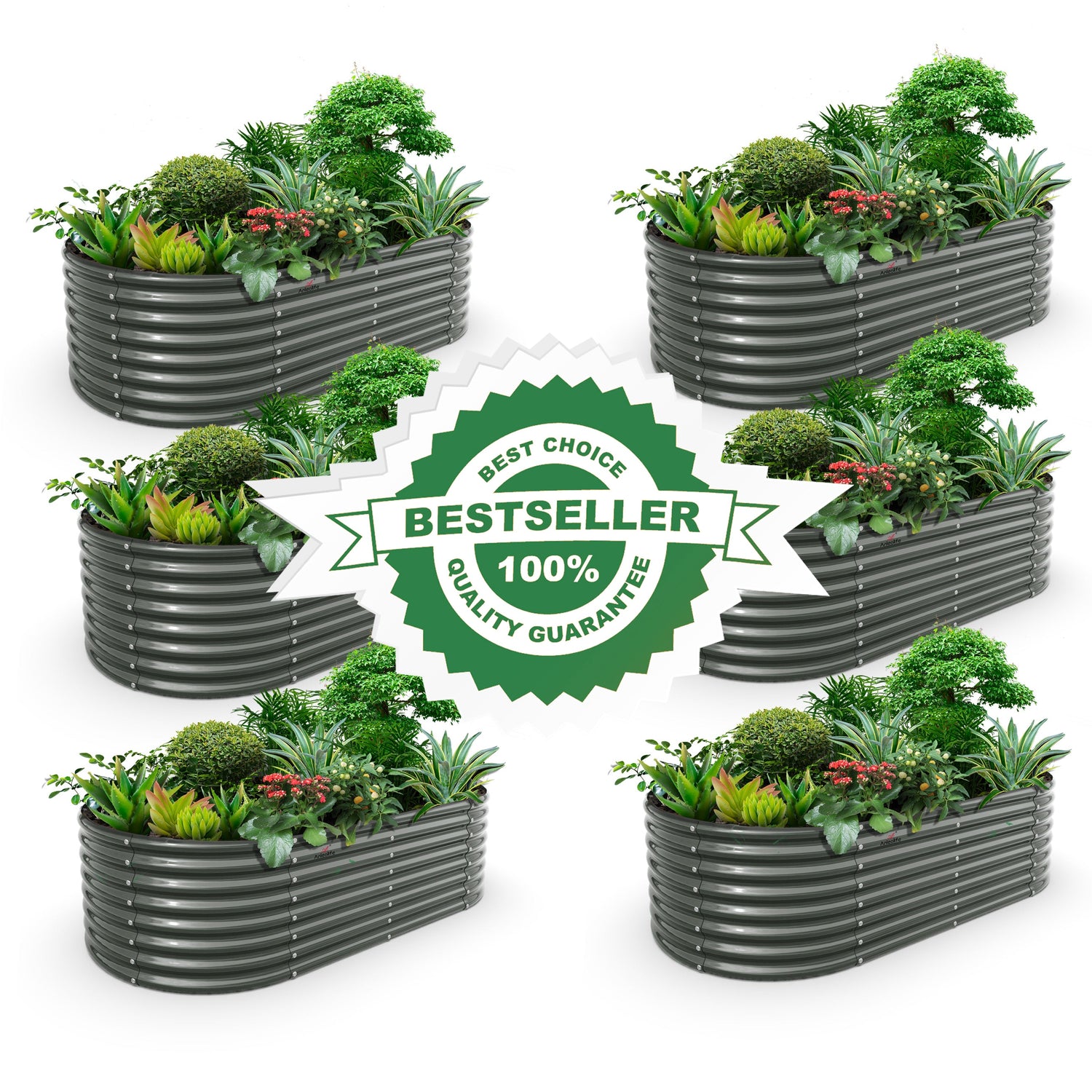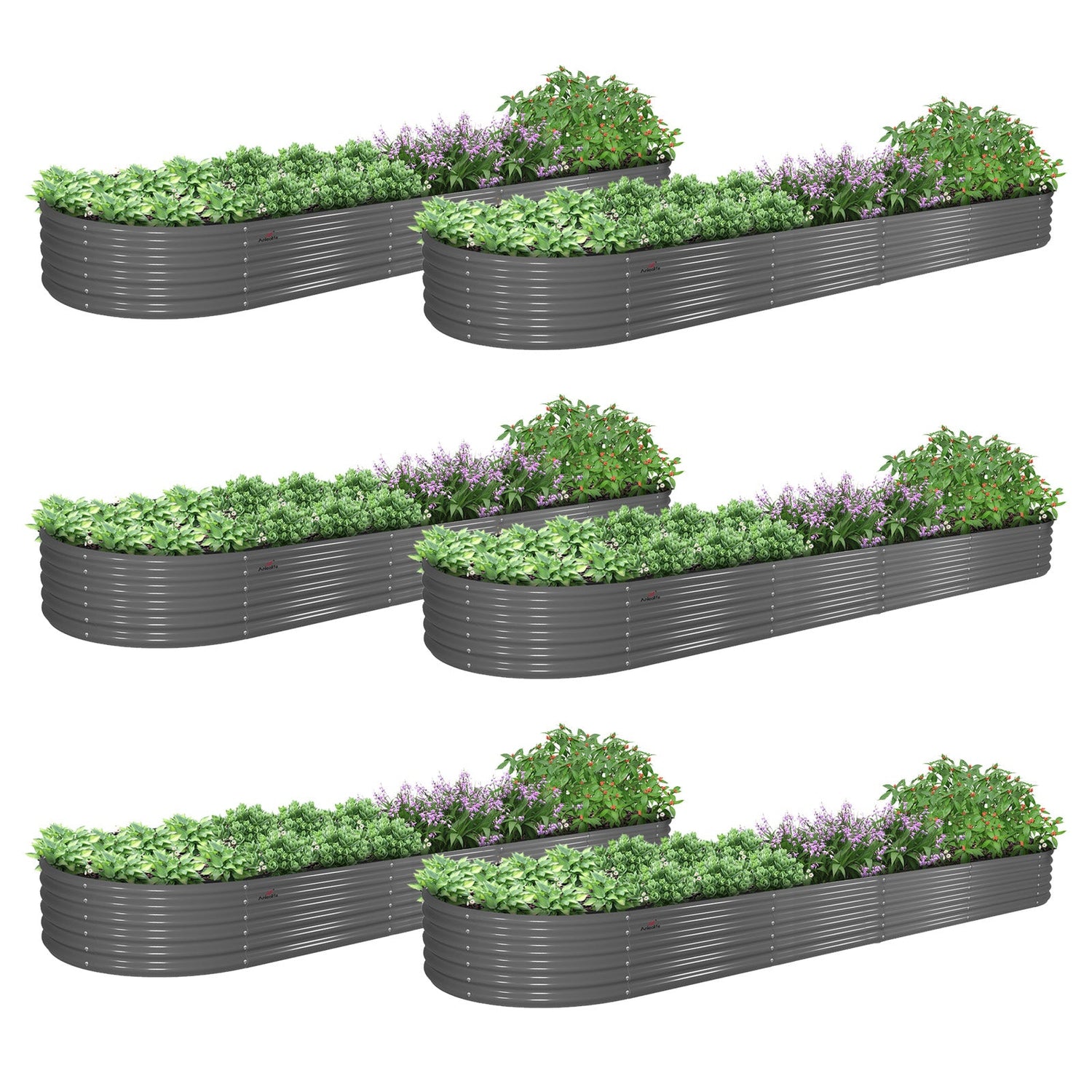



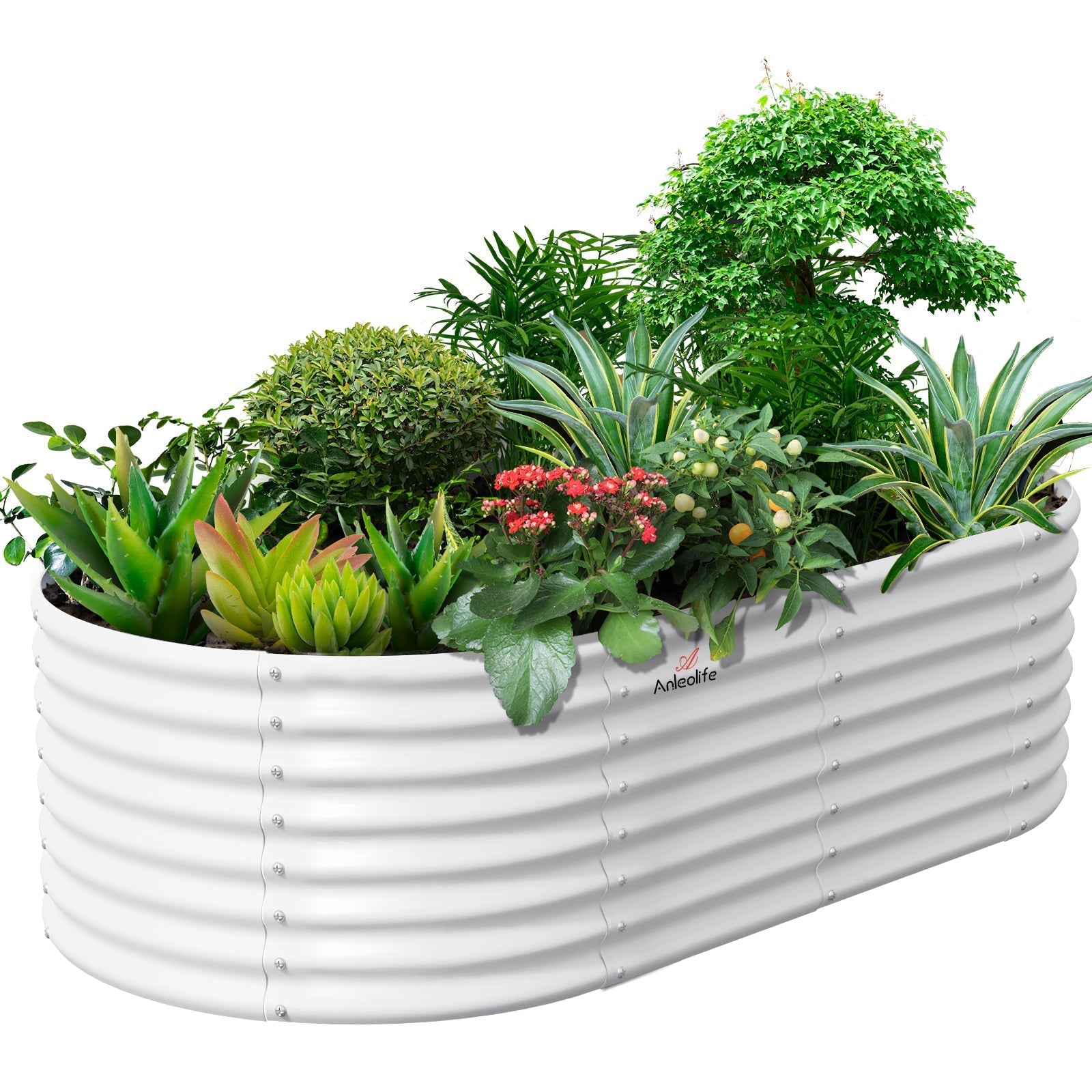
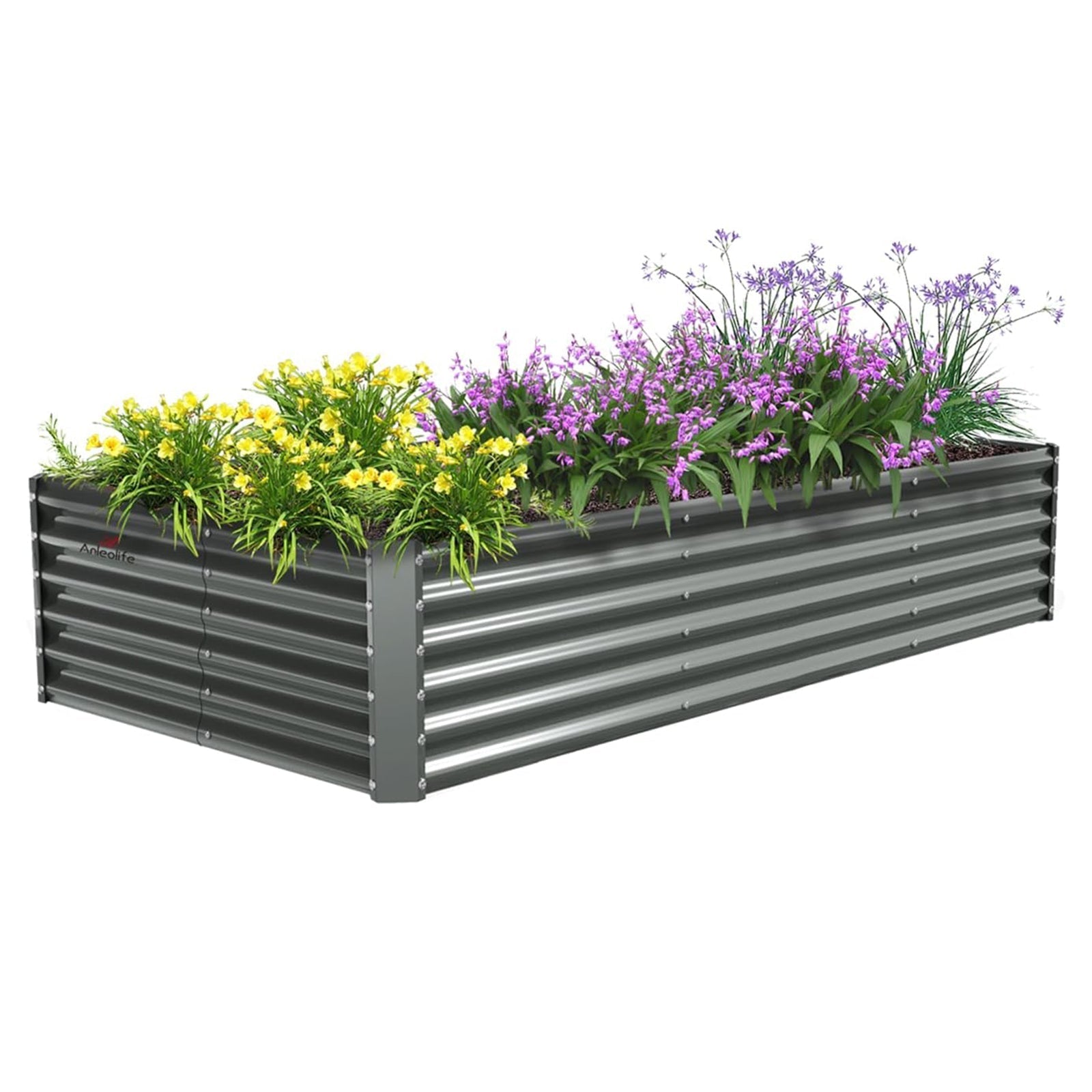

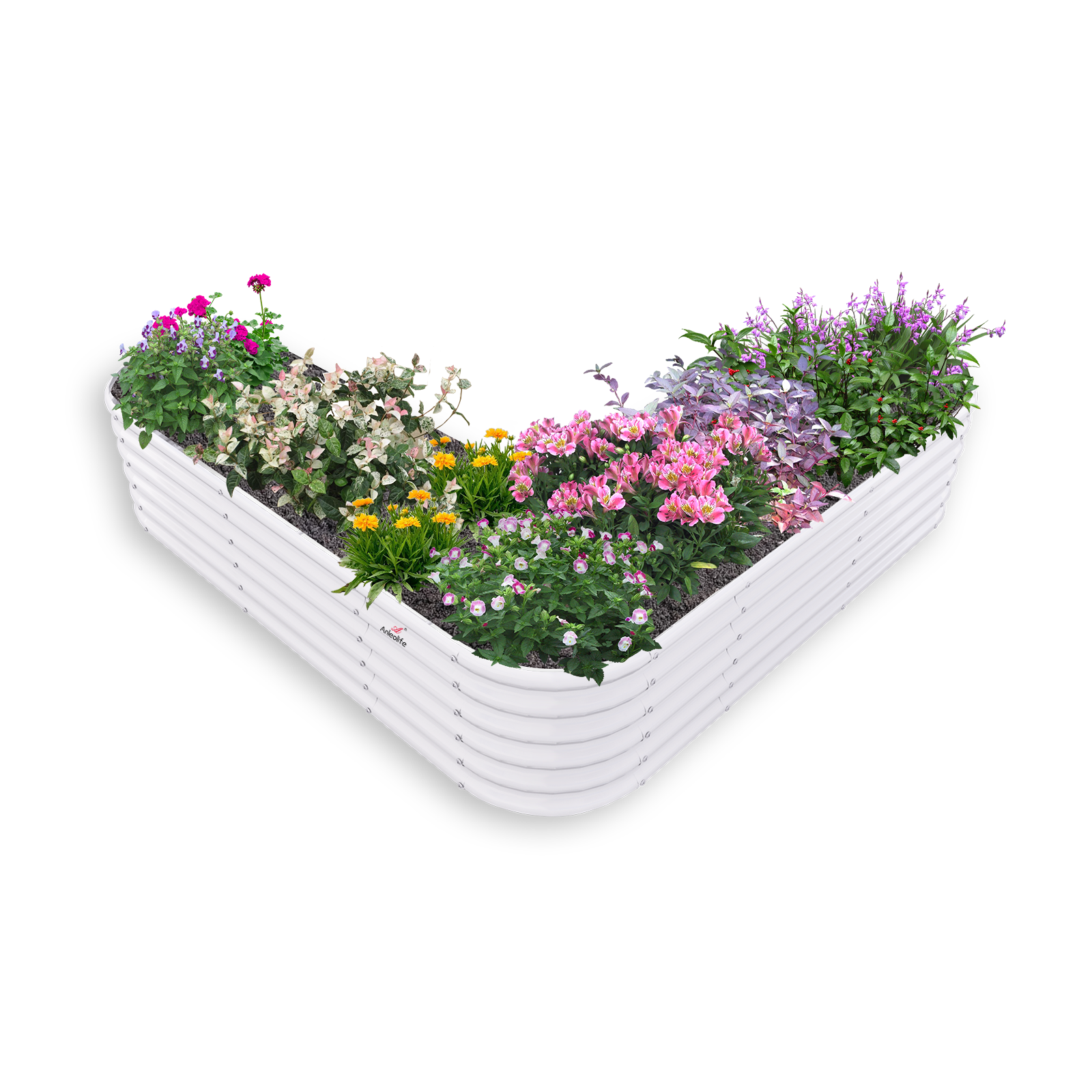
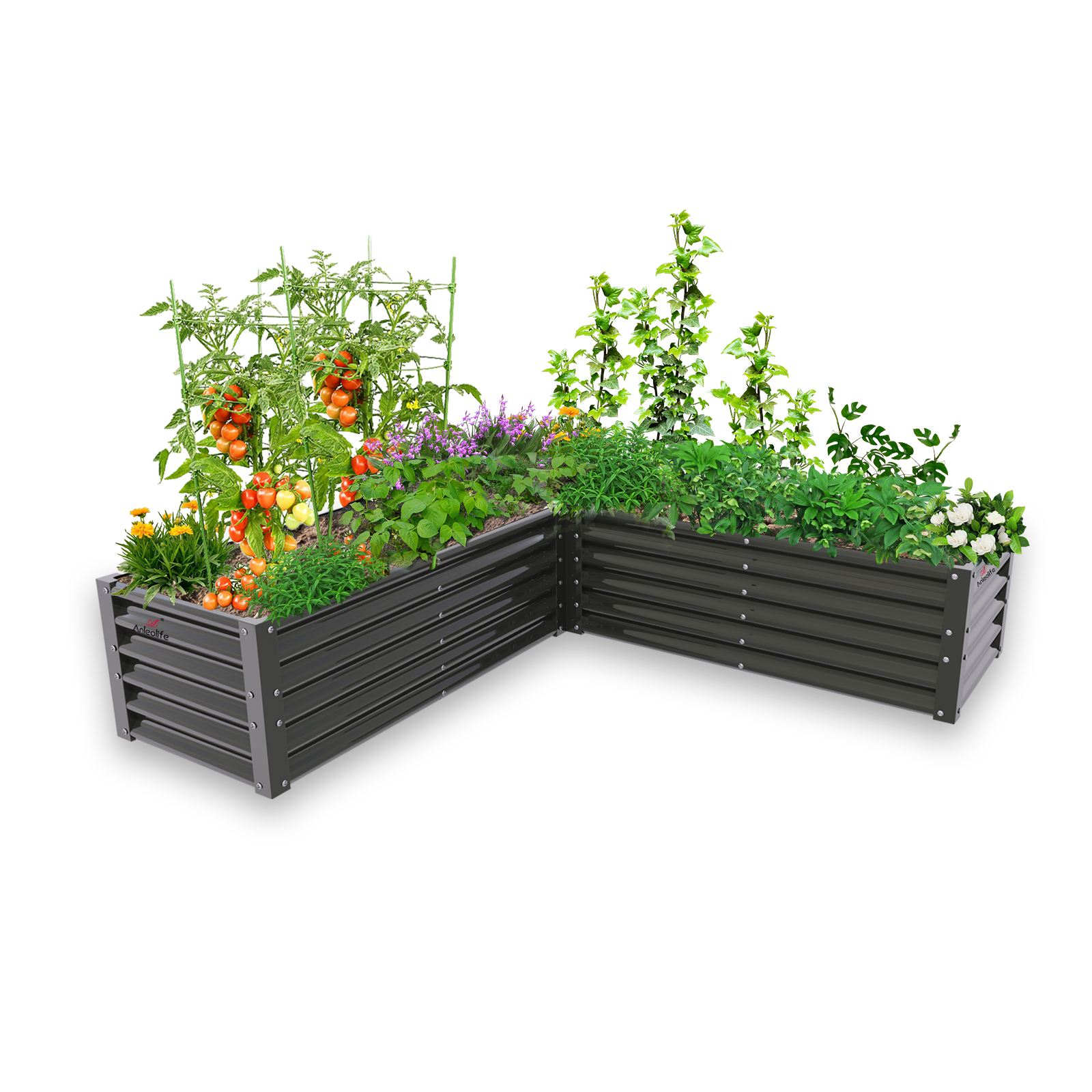
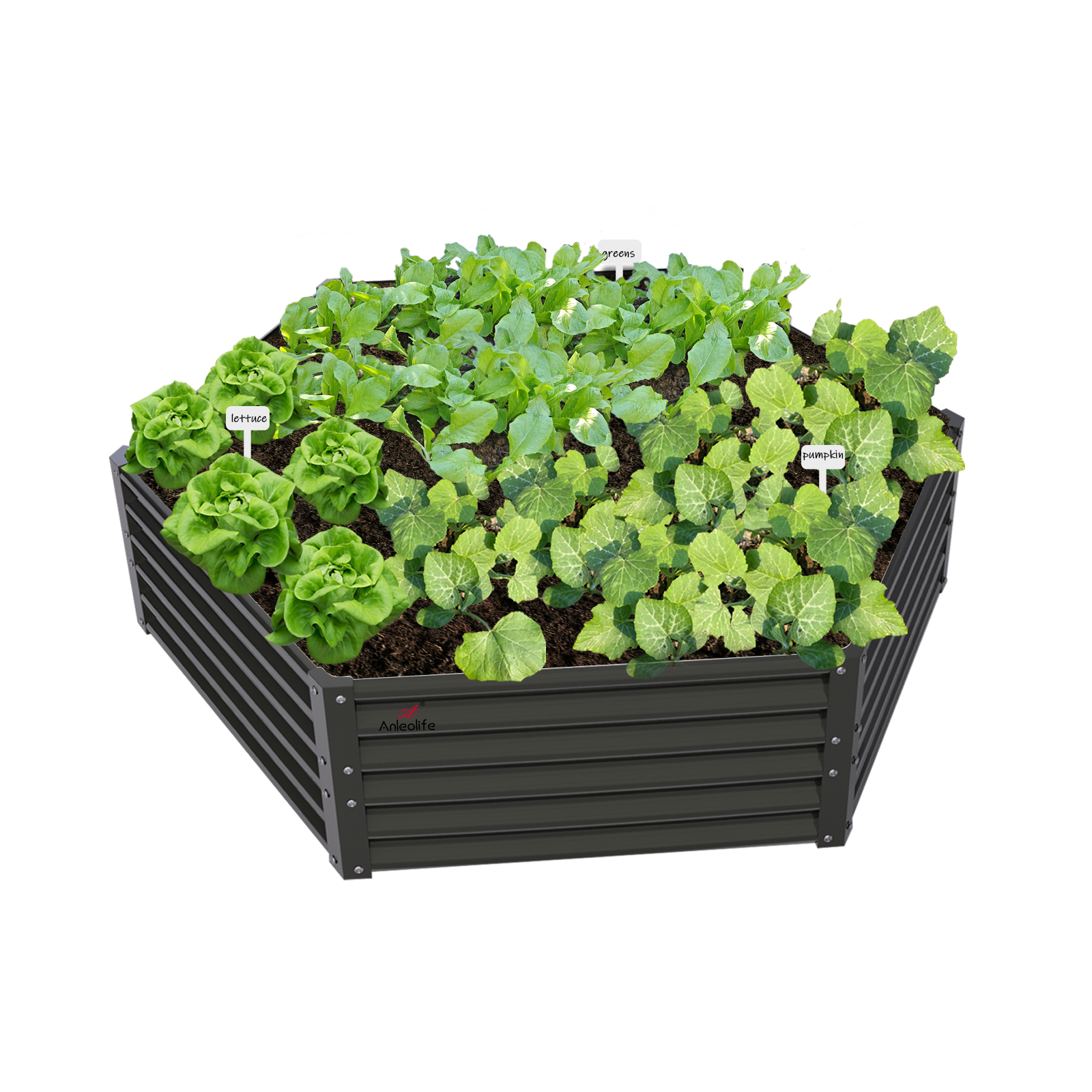
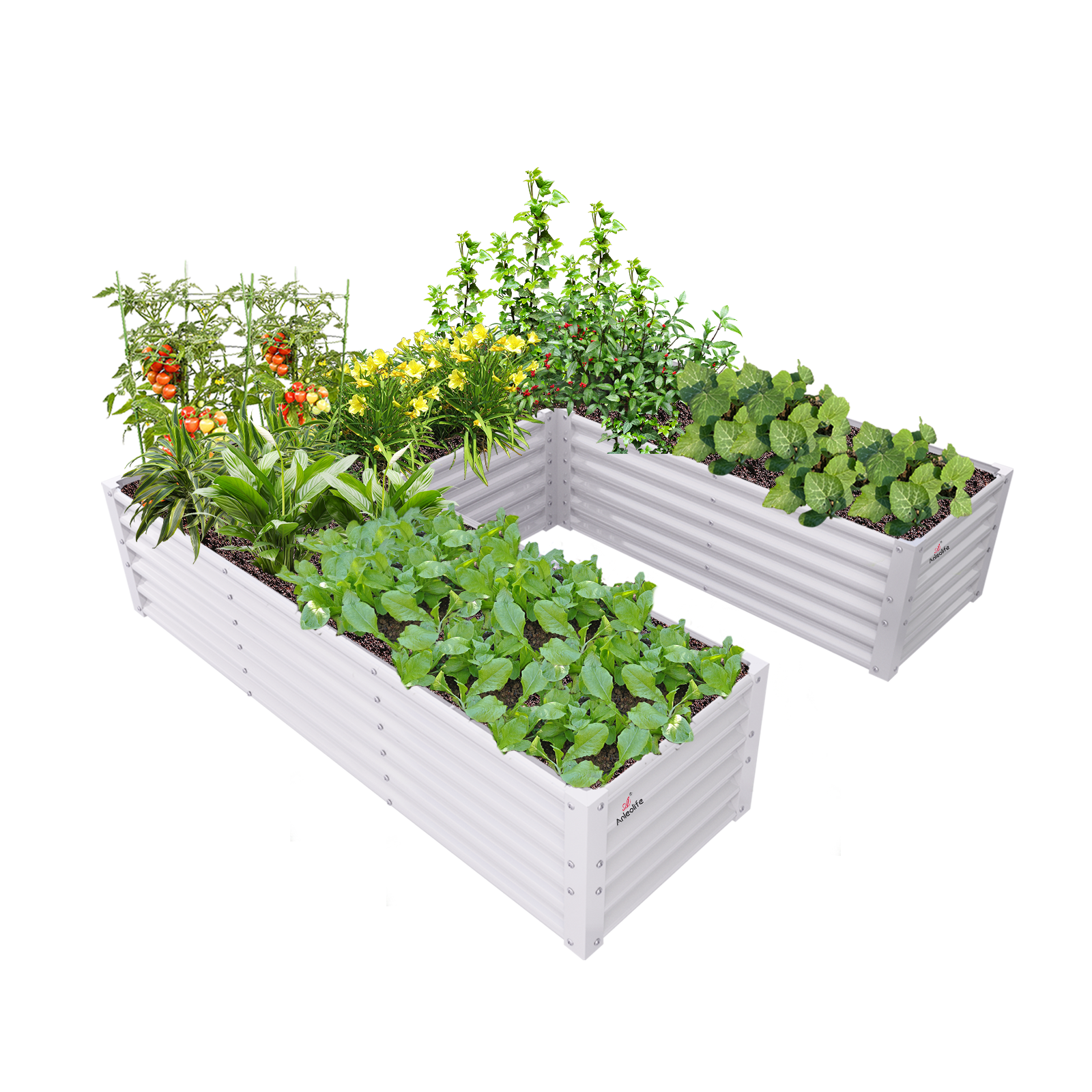

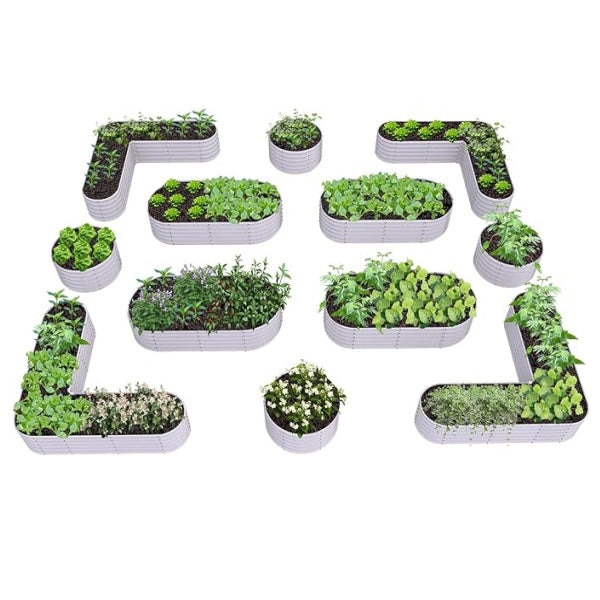


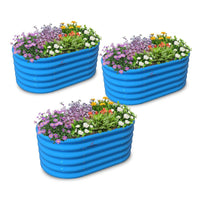
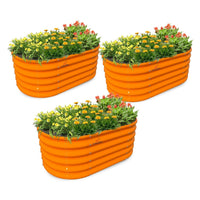
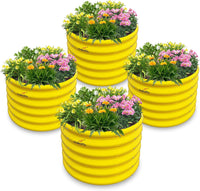
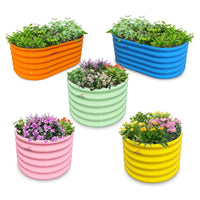
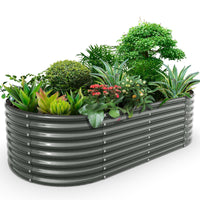



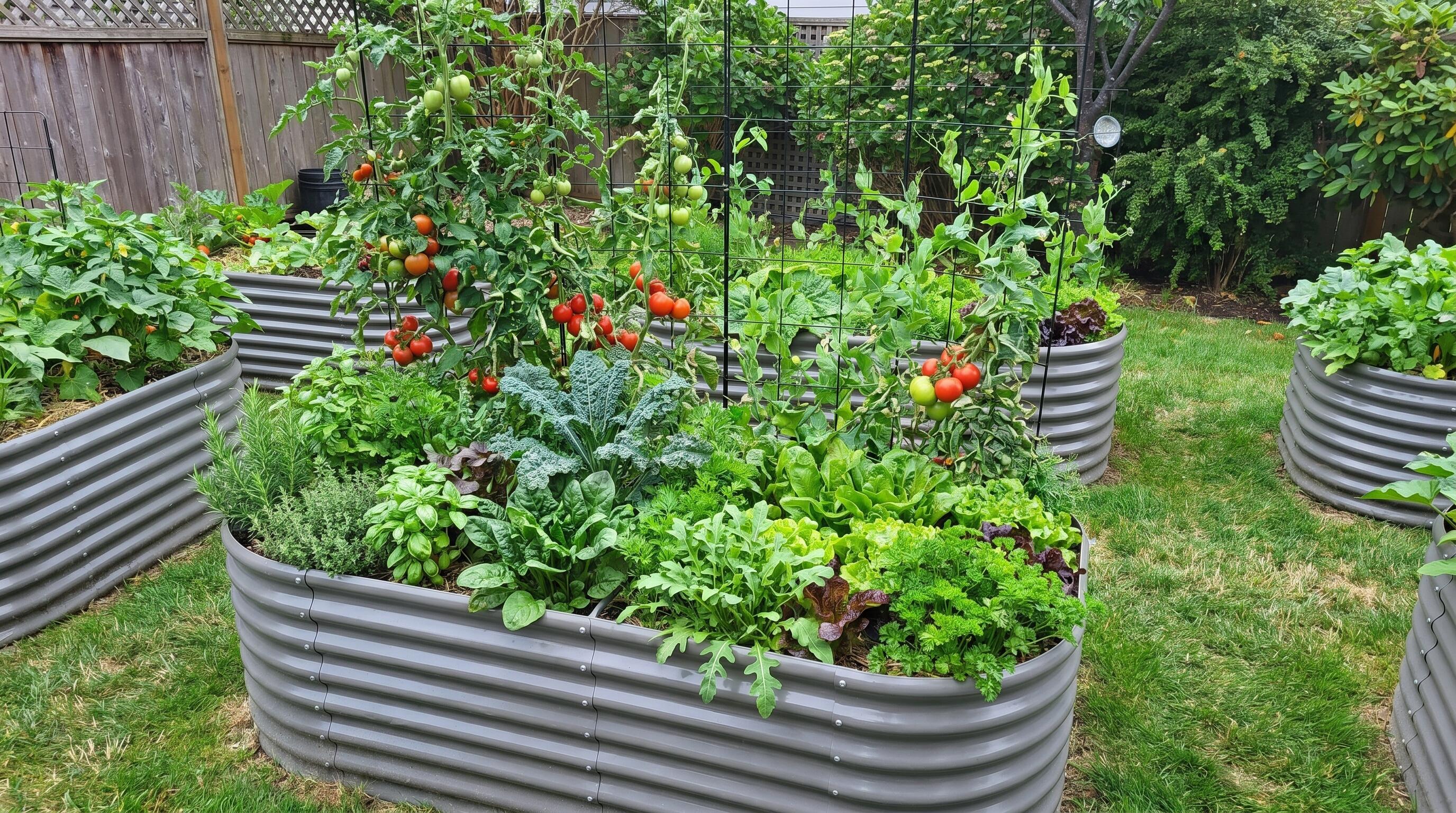
ALT: Durable galvanized steel raised garden bed built for long-lasting raised bed gardening in a home backyard
What Actually Determines How Long a Raised Garden Bed Will Last?
The single question every home grower eventually asks is this: will my raised bed still be standing and productive a decade from now, or am I buying something I'll have to replace in a few seasons? The honest answer is that durability is not an accident — it is the direct result of material selection, construction quality, and thoughtful raised bed garden layout decisions made before the first seed ever goes in the ground.
In our work with clients across North America, a pattern we consistently see is that growers who invest upfront in the right materials and design their raised bed layout with longevity in mind almost always come out ahead financially and practically. A bed that lasts 20 years costs a fraction per year compared to one that warps, rusts, or collapses after three seasons. This article breaks down every factor that separates a truly durable raised garden bed from one that merely looks sturdy at the point of sale.
Three core points will guide everything that follows: the material the bed is made from is the single largest durability driver; the structural design — including panel thickness, corner reinforcement, and how the bed sits in relation to drainage and soil pressure — determines how the material performs over time; and your raised bed planting layout directly affects how much stress the structure experiences across seasons. Get all three right, and a quality raised bed will still be performing excellently well into its second decade.
Who This Guide Is For — and When It Applies
Applicable Scenarios:
- Homeowners planning a long-term kitchen garden or food production space who want to avoid repeat purchases
- Urban micro-gardeners working with limited space where every structural and layout decision carries extra weight
- Empty nesters and retirees who want a low-maintenance setup they can rely on for years without rebuilding
- Eco-conscious growers who prefer buying once from sustainable materials rather than cycling through disposable alternatives
- Anyone currently comparing raised bed options on platforms like Amazon, Home Depot, or Lowe's and trying to understand what the price differences actually reflect
Not Applicable/Cautions:
- Growers looking for purely temporary or seasonal structures — a decorative wooden frame may serve short-term display purposes better than an engineered metal bed
- Anyone in a rental situation where permanent or semi-permanent installations are restricted — review tenancy terms before investing in a long-life raised bed system
- Situations where the ground surface is entirely impermeable and no drainage solution is planned — even the most durable bed will underperform if waterlogging is not addressed at the layout stage
Why Raised Bed Durability Has Become a Genuine Concern for Home Growers
Raised bed gardening has moved from a niche horticultural practice to a mainstream home improvement category over the past decade. Consumer interest in home food production, driven by health awareness and a desire for greater food transparency, has expanded the market enormously — and with that expansion has come a corresponding flood of products at every price point, quality tier, and material category.
The challenge for the average buyer is that durability is largely invisible at the point of purchase. A thin-walled bed and a heavy-gauge bed can look nearly identical in a product photograph. A zinc coating that will hold for five years and one engineered to last 20 years are indistinguishable to the naked eye. This information asymmetry means many growers make purchasing decisions based on price or aesthetics alone, then are surprised when their bed shows signs of failure — rust bloom, panel bowing, corner separation — within a few seasons.
According to the American Iron and Steel Institute, galvanized steel products can offer service lives many times longer than uncoated alternatives when the zinc coating thickness and application method meet established quality standards. This is directly relevant to raised garden beds, because galvanization is the primary protective mechanism for the steel beds that dominate the current market.
From a cost-effectiveness standpoint, understanding durability before purchase is one of the highest-return research activities a gardener can engage in. A bed purchased at a lower price point that requires replacement after three years costs significantly more over a 15-year horizon than a premium bed that remains fully functional throughout. Raised bed planting layout choices — what you grow, how densely, how you manage soil moisture — also influence how the structure ages, which makes layout knowledge part of the durability conversation, not separate from it.
The Core Factors That Make a Raised Garden Bed Last
Three Foundational Steps to Evaluating Raised Bed Durability Before You Buy
Step 1: Assess the Material and Its Protective Treatment
Start with the base material. Steel is the benchmark for raised bed durability, but not all steel products are equal. The key variable is the protective coating — specifically, whether the steel is hot-dip galvanized, electro-galvanized, or coated through an alternative process. Hot-dip galvanization, in which steel is immersed in molten zinc, produces a thicker, more uniform coating than electro-galvanized alternatives and is the standard associated with the longest service lives. Spend 15 to 20 minutes researching the coating specification of any bed you are seriously considering — this single data point predicts more about long-term durability than almost any other factor.
Step 2: Examine Structural Design — Panel Thickness, Corner Hardware, and Height Engineering
Once material quality is established, evaluate the structural design. Panel thickness (gauge) directly determines resistance to soil pressure, which increases significantly as bed height increases. Taller beds — particularly the extra-tall and waist-high profiles used by growers who want to minimize bending — must have thicker panels and reinforced corner connections to handle the lateral pressure of a fully loaded soil system without bowing or separating. Check whether corners use dedicated bracket hardware or rely on panel overlap alone. Hardware-connected corners are structurally superior, particularly in larger footprint beds where panels span greater distances.
Step 3: Map Your Raised Bed Garden Layout to Minimize Structural Stress
Your raised bed garden layout is not just about plant spacing — it directly affects how the bed ages. Consistently overloading beds with heavy, water-retentive soil mixtures increases the lateral pressure on panels. Poor drainage placement accelerates moisture contact at the base of the panels, which even galvanized steel will eventually feel over time. Planning your raised bed planting layout to include adequate drainage, appropriate soil composition, and seasonal rotation that allows the structure to dry and breathe between cycles will meaningfully extend the functional life of even a well-built bed. Allow 30 to 60 minutes to plan your layout properly before filling the bed for the first time.
Comparing the Main Raised Bed Material Categories
Choosing the right material is the most consequential durability decision a grower makes. The table below compares the three most common material categories against the dimensions that matter most for long-term performance.
| Comparison Dimension | Galvanized Steel | Wood (Untreated/Cedar) | Plastic/Composite |
|---|---|---|---|
| Expected Service Life | 15–20+ years with proper coating | 5–10 years depending on species and moisture | 5–15 years depending on UV exposure |
| Resistance to Moisture | High — zinc barrier actively protects steel | Moderate — natural oils help but degradation occurs | Moderate — waterproof but may become brittle |
| Structural Integrity Under Load | Excellent — panels hold shape under soil pressure | Declines as wood softens and warps | Variable — rigid initially but may flex over time |
| Maintenance Requirements | Minimal — inspect annually, no treatment needed | Regular sealing or replacement of rotting sections | Low — UV degradation is gradual |
| Eco/Safety Profile | Zinc is a naturally occurring element; food-safe when properly coated | Natural material; treated wood may contain preservatives | Depends on polymer type; quality varies widely |
| Cost Over 15 Years | Low — one purchase, minimal upkeep | Moderate to high — replacement or repair costs accumulate | Moderate — depends on quality tier |
The data consistently points to galvanized steel as the most cost-effective long-term choice for growers prioritizing durability, which is why it has become the dominant material in the North American raised bed market.
The Anatomy of a Durable Raised Garden Bed — A Detailed Breakdown
Material Science: Why Galvanized Steel Sets the Standard
Galvanized steel is steel that has been coated with a layer of zinc to prevent oxidation. The zinc acts as a sacrificial barrier — it corrodes preferentially to the underlying steel, protecting the structural metal even when the surface is scratched. This electrochemical protection mechanism is why a well-galvanized steel raised garden bed can maintain its structural integrity for 20 years or more, even in wet climates where bare steel would rust rapidly.
At Anleolife, galvanized steel raised garden beds are engineered specifically for the demands of year-round outdoor use. The product range spans a wide variety of sizes and heights — from compact footprints suited to urban patios to large-format beds designed for serious food production — giving growers the ability to match the bed dimensions to their actual raised bed garden layout rather than adapting their layout to whatever happens to be available.
Height and Panel Depth: How They Affect Both Durability and Gardening Outcomes
Bed height is one of the most underappreciated structural variables. Taller beds hold more soil volume, which means the panels experience greater lateral pressure. A bed engineered to standard 18-inch depth must handle meaningfully less outward force than a 30-inch waist-high profile. This is why extra-tall and waist-high designs require heavier-gauge steel and more robust corner hardware to maintain the same structural performance over time.
From a raised bed planting layout perspective, height also matters because it determines rooting depth. Shallow-rooted crops — lettuces, herbs, radishes — perform well in standard-depth beds. Deep-rooted crops like tomatoes, carrots, and squash benefit substantially from the extra depth that 24-inch or 30-inch profiles provide. Matching your planting layout to the bed depth reduces the temptation to amend soil conditions in ways that increase moisture retention and panel stress.
The Anleolife galvanized steel range covers profiles from 12-inch standard depth through 18-inch, 24-inch extra-tall, 30-inch extra-tall, and 35-inch waist-high configurations. The modular raised garden bed line extends this further, allowing growers to build exactly the footprint and depth combination their space and layout demand. This range means there is rarely a need to compromise on height to achieve the footprint you want.
Corner and Connection Engineering: The Structural Weak Point in Most Beds
Corners are where raised beds fail. In a typical rectangular bed, each corner experiences the combined outward pressure of two full panel runs. If the corner connection relies on thin hardware, bent-tab interlocking, or materials that corrode faster than the panels themselves, the corner will be the first place failure appears — typically as separation, leaning, or soil breakthrough.
Quality corner hardware in a premium galvanized steel bed uses the same material grade as the panels, is sized to handle the load of a fully filled bed, and connects panels without creating crevices where moisture and organic matter can accumulate and accelerate localized corrosion. In our experience reviewing product failures, corner hardware is the single most common structural failure point in budget-tier beds, regardless of panel material.
Soil System Compatibility: How What You Put Inside the Bed Affects the Outside
The soil system you use inside the bed has a direct, measurable effect on how the structure performs over years. Heavy, consistently wet soil mixtures — particularly those high in clay or poorly amended compost — create two problems: they increase the lateral pressure on panels, and they maintain elevated moisture contact at the panel interior surface. Even galvanized steel will perform better with a well-draining soil mix that allows the interior to cycle between wet and dry states.
Per guidance from the University Cooperative Extension systems across the U.S., a balanced raised bed soil mix typically combines quality topsoil, aged compost, and a drainage amendment such as coarse perlite or vermiculite. This mix drains freely after rainfall, reduces sustained pressure on panels, and creates the ideal environment for the raised bed planting layout that maximizes both yield and structural longevity.
Surface Finish and Edge Treatment: Protecting Growers and the Bed Itself
A durable raised bed must be safe to interact with daily. Rolled or hemmed top edges — where the cut steel edge is folded back rather than left exposed — eliminate the sharp-edge hazard that can occur with lower-quality manufacturing and also reinforce the top rail against deformation under load. This edge treatment is a reliable quality indicator: beds with properly finished top edges almost universally reflect more careful overall manufacturing standards.
Drainage and Site Preparation: The Invisible Durability Factors
The site preparation and drainage conditions where a bed is installed affect its longevity as much as any design feature. A bed installed on a level, well-drained surface with adequate clearance for water to escape will age dramatically better than one installed on compacted, poorly draining ground where water ponds at the base. Before setting any bed in its final position, assess the drainage characteristics of the site, add a gravel base layer beneath the bed if needed, and confirm the bed is level — an unlevel bed transfers asymmetric loads to panels and corners, accelerating the structural stress that eventually leads to failure.
Advanced Considerations — Getting the Most From a Long-Life Raised Bed
Special Situation: Freeze-Thaw Climates
Growers in northern climates who experience significant freeze-thaw cycling should pay particular attention to soil drainage. Water expands approximately 9% when it freezes, according to published thermodynamic data, and soil that is saturated at freeze can exert substantial outward pressure on panels during a freeze event. A well-draining soil mix mitigates this risk significantly. Additionally, choosing beds with robust corner hardware means the structure can absorb this seasonal stress without permanent deformation.
Special Situation: High-Humidity and Coastal Environments
Coastal environments where salt air is present create a more demanding corrosive environment for any metal product. In these conditions, the quality and thickness of the zinc coating becomes even more critical. Anleolife's rust-resistant raised garden bed line is specifically designed to address elevated corrosion environments, offering an additional layer of protection beyond standard galvanization for growers in coastal regions or high-humidity climates.
Common Misconception: Bigger Beds Are Always Better
A pattern we consistently see is the assumption that the largest available bed is the most cost-effective choice. In practice, a raised bed layout that exceeds what you can comfortably reach from all sides leads to soil compaction from stepping into the bed, reduced planting efficiency, and uneven water distribution — all of which put more stress on the structure and reduce productivity. The standard guideline, supported by cooperative extension horticulturalists, is that raised beds should be no wider than what allows comfortable access from both sides without stepping in — typically 3 to 4 feet for most adults. Anleolife beds are available in a range of widths precisely to accommodate different reachability needs.
Common Misconception: All Galvanized Steel Is the Same
Not all galvanized products carry equivalent zinc coating thickness or application quality. The ASTM International standard ASTM A153 and related standards define minimum zinc coating weights for different galvanized steel product categories. When evaluating raised beds, looking for products whose manufacturers reference these standards — or equivalent national standards — is a meaningful signal of quality commitment.
Relationship to Overall Garden Ecosystem Design
A durable raised bed is most valuable when it is part of a considered overall garden layout. Integrating planting beds with complementary components — pathway systems, decorative accessories, and if relevant, small animal housing like chicken coops or rabbit hutches that can contribute organic matter back to the soil system — creates an ecosystem that is more productive and more sustainable than isolated beds. This whole-garden thinking is central to how we approach product development and customer guidance at Anleolife.
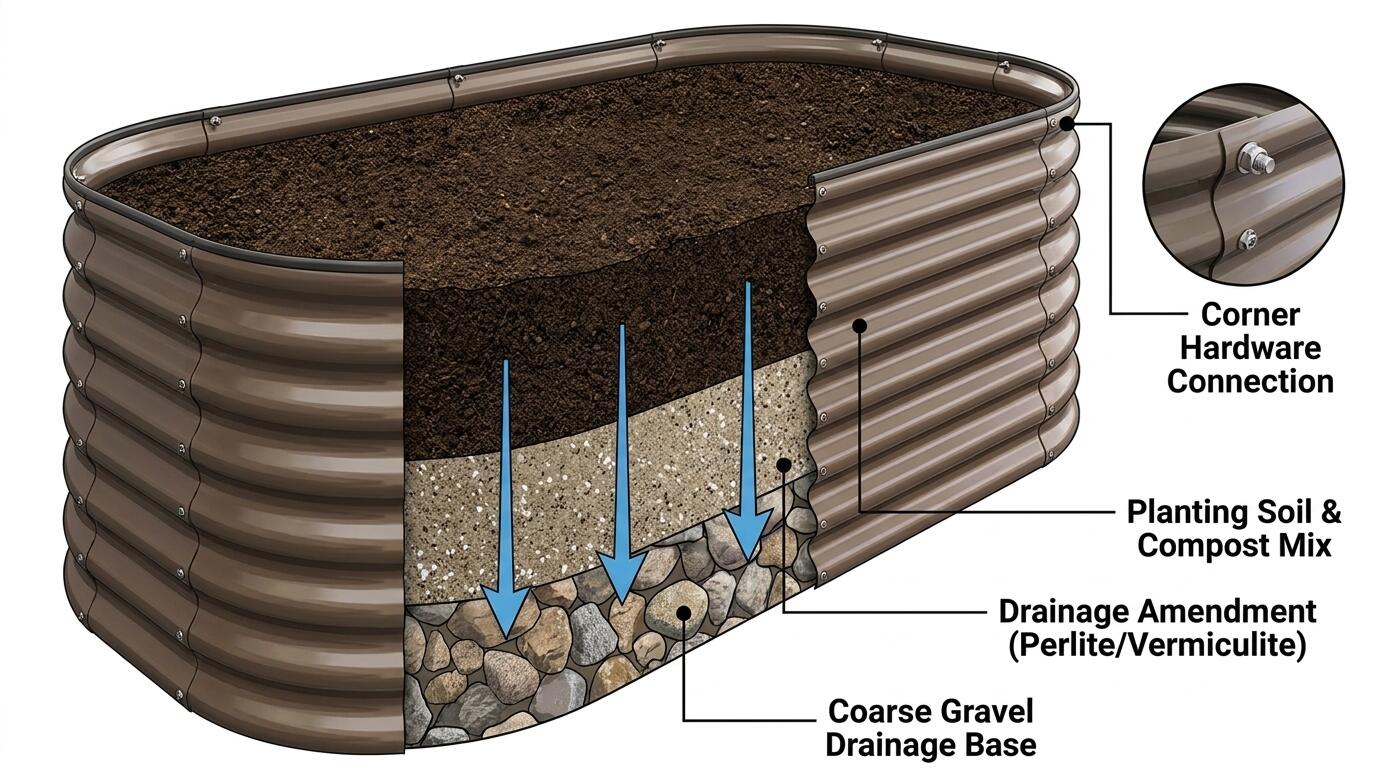
ALT: Raised bed garden layout cross-section showing galvanized steel panel construction, soil system layers, and drainage design for 20-year durability
Questions & Answers
Q1: How does the zinc coating on galvanized steel raised beds actually protect against rust?
Galvanized steel is protected through two complementary mechanisms. First, the zinc layer forms a physical barrier between the steel and moisture. Second, zinc acts as a sacrificial anode — meaning it corrodes preferentially to the underlying steel, actively protecting it even where the surface is scratched or abraded. This electrochemical protection is why properly galvanized raised garden beds can deliver service lives measured in decades rather than years, making them one of the most cost-effective structural choices in raised bed gardening.
Q2: Is it safe to grow vegetables in galvanized steel raised garden beds?
Galvanized steel raised garden beds are widely considered safe for vegetable gardening. Zinc is a naturally occurring mineral and an essential micronutrient for both plants and humans. At the trace levels that might leach from a galvanized coating into surrounding soil, zinc does not accumulate to harmful concentrations in edible crops under normal growing conditions. This position is consistent with guidance from university cooperative extension horticulture programs across the United States. For growers with specific concerns, lining the interior walls with food-safe fabric or geotextile adds an additional buffer between the soil and the steel panels.
Q3: How long should a quality galvanized steel raised garden bed realistically last?
A well-engineered galvanized steel raised garden bed, properly installed on a well-drained site with an appropriate soil system, can realistically last 20 years or more. Anleolife galvanized steel raised garden beds are built to this standard, with the zinc coating, panel gauge, and corner hardware specified to deliver that service life under normal residential garden conditions. Annual inspection to check for any localized corrosion at cut edges or hardware points — and addressing any issues promptly — will help the bed reach and exceed that lifespan without significant intervention.
Summary
Raised garden bed durability that holds up over a full decade — and well beyond — comes down to three non-negotiable elements: the right material with a properly engineered protective coating, a structural design that handles real-world soil loads without compromise, and a raised bed garden layout and soil system that works with the structure rather than against it.
The most important takeaway is that durability and cost-effectiveness are aligned, not in tension. A galvanized steel bed engineered for a 20-year service life delivers a dramatically lower cost per year of use than any alternative that requires replacement or significant repair within the first five years. The upfront investment in quality pays consistent dividends through every growing season.
For growers at any stage — whether you are setting up your first raised bed or expanding an established garden ecosystem — the right approach is to start with materials and a layout designed to last, then build on that foundation over time. Choose a bed height matched to your crops and physical comfort. Plan your raised bed planting layout for drainage and accessibility before filling. And select a product line with the engineering credentials and after-sales support to stand behind a genuine long-term performance claim.
Ready to invest in a raised garden bed that truly lasts? Explore the full range of galvanized steel, rust-resistant, modular, and heavy-duty raised garden beds at the Anleolife website, or find Anleolife products on Amazon, Walmart, Home Depot, Lowe's, and Wayfair. With a nationwide U.S. warehouse network spanning California, Texas, Florida, New York, Illinois, and Washington, your order arrives in 3–8 business days — so your garden plans stay on schedule. From your first raised bed to a fully integrated planting-and-raising ecosystem, Anleolife grows with you every step of the way.
Sources
- American Iron and Steel Institute. "Galvanized Steel — Corrosion Protection and Service Life."
https://www.steel.org - ASTM International. "Standard Specification for Zinc Coating (Hot-Dip) on Iron and Steel Hardware (ASTM A153)."
https://www.astm.org - United States Department of Agriculture — National Institute of Food and Agriculture. "Home Gardening and Raised Bed Production Resources."
https://www.nifa.usda.gov - University of California Cooperative Extension. "Raised Bed Gardening — Soil, Structure, and Plant Spacing Guidance."
https://ucanr.edu - U.S. Environmental Protection Agency. "Zinc in the Environment — Health and Ecological Information."
https://www.epa.gov
Note: Standards and regulatory guidance may be updated; please check the latest official documents or consult professional advisors.