


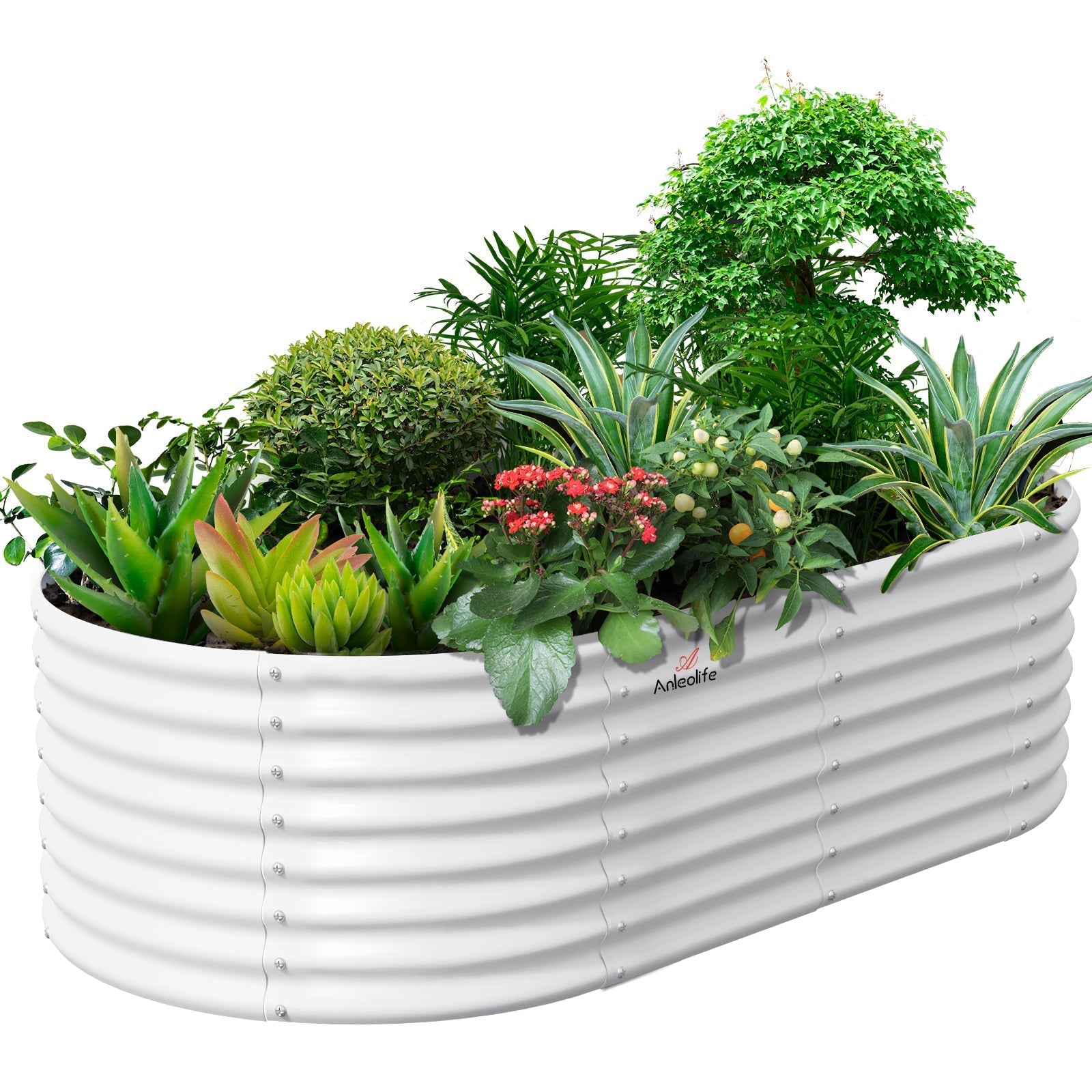
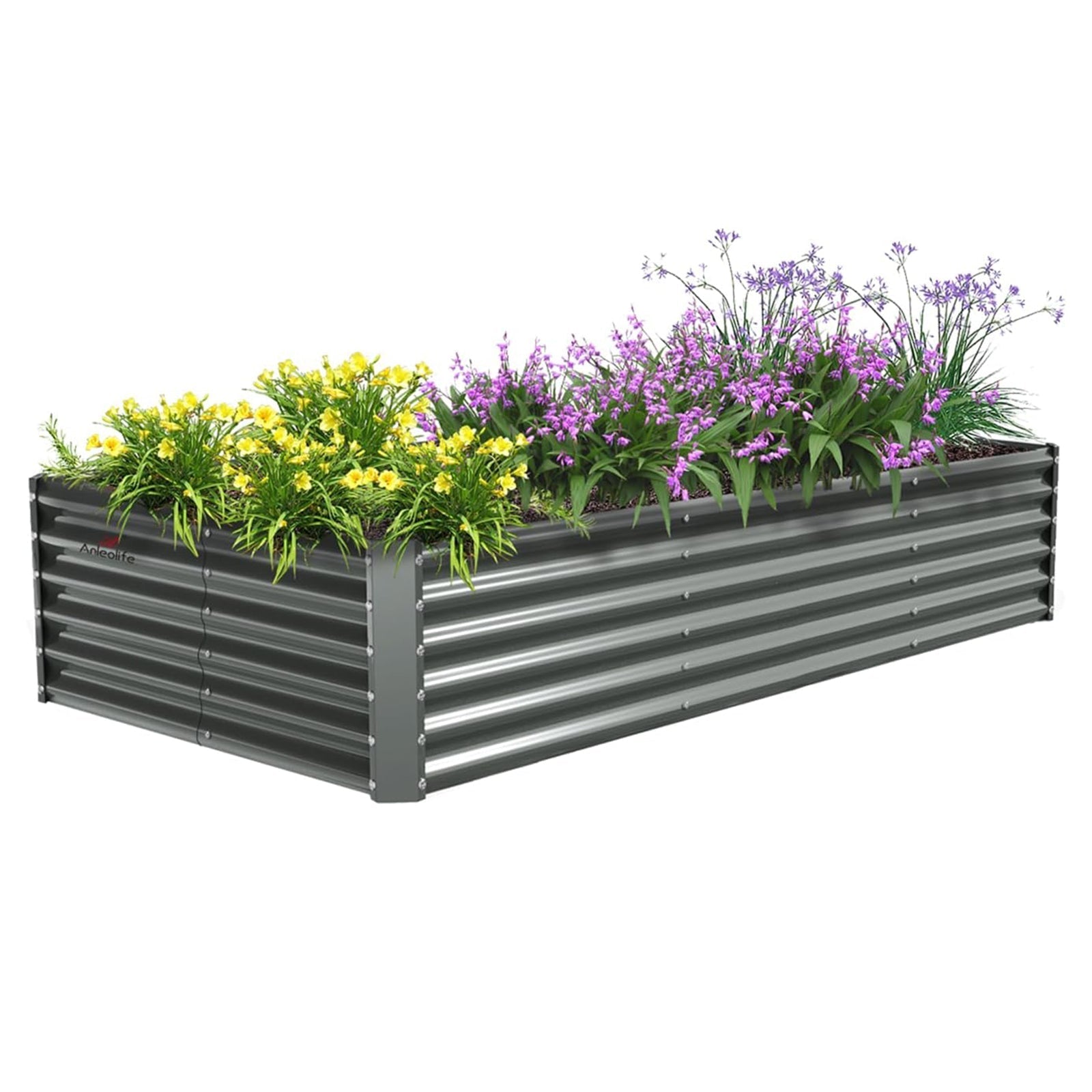

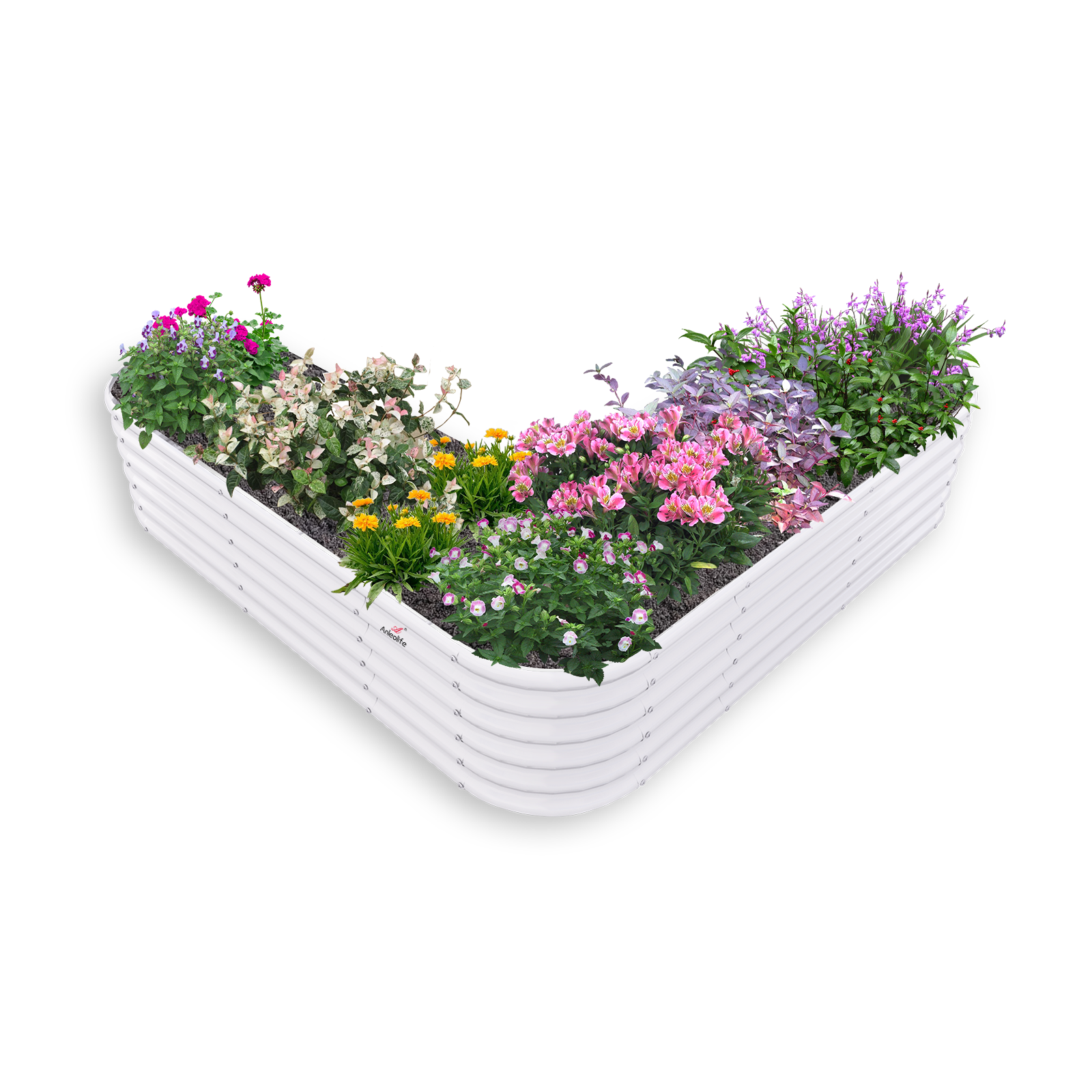
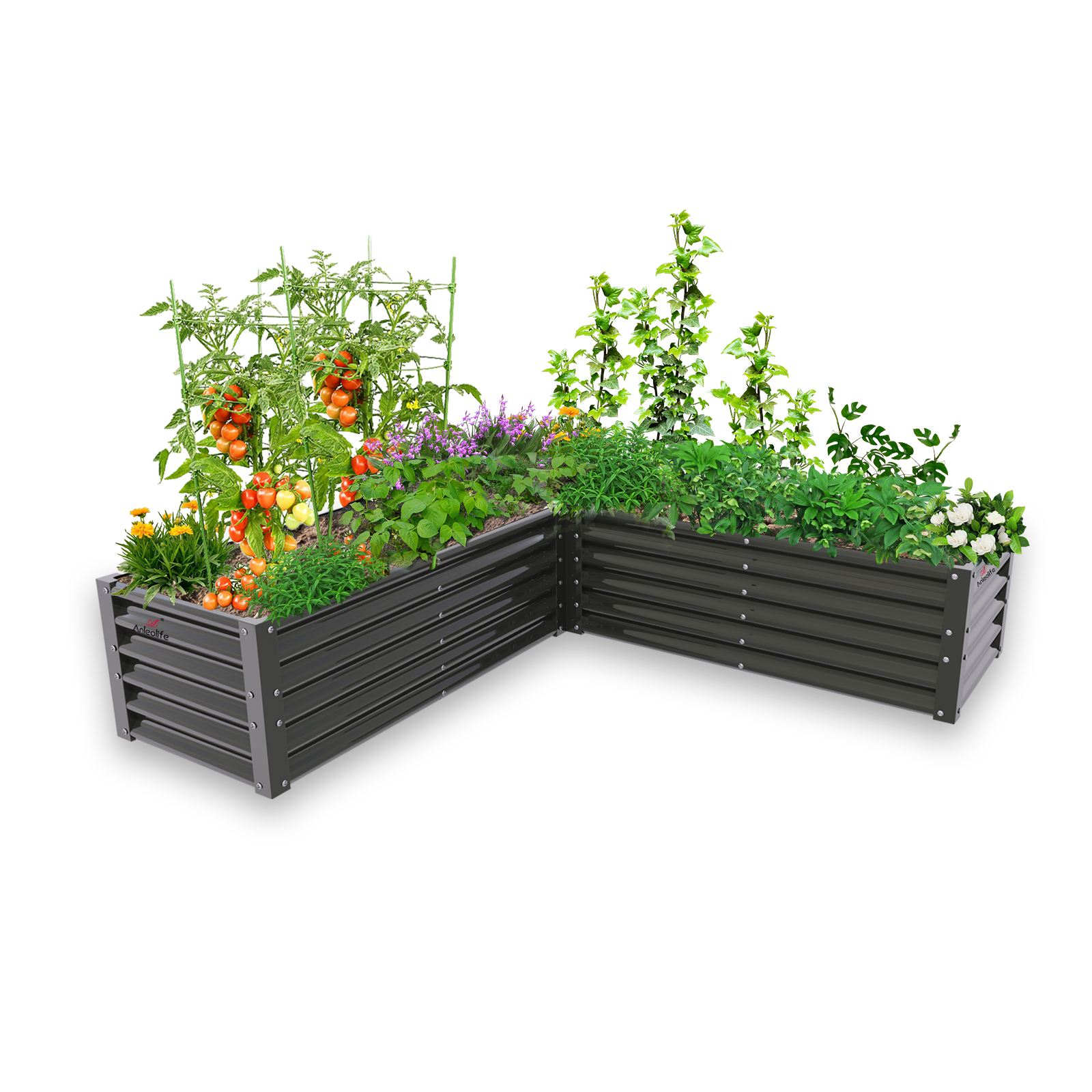
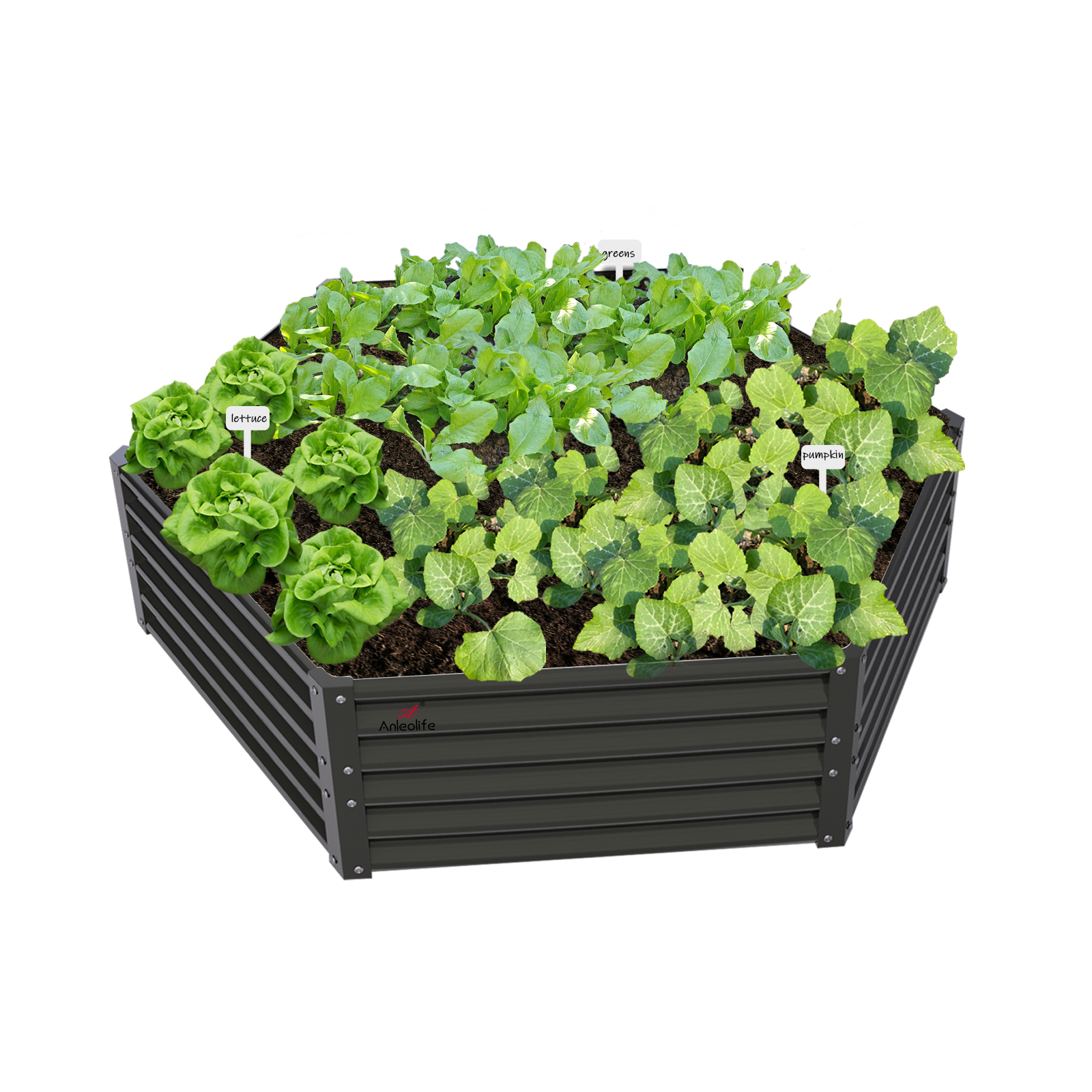
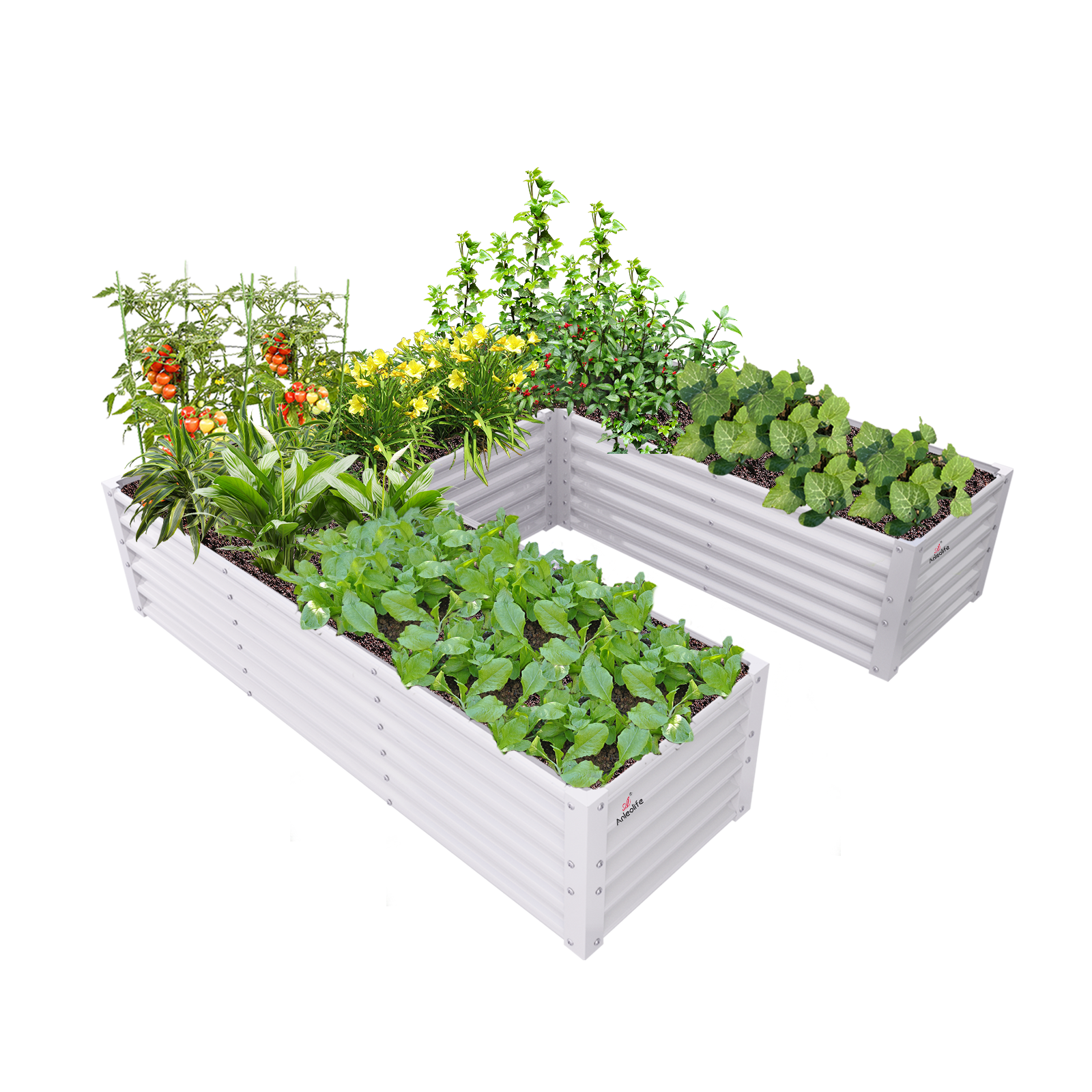



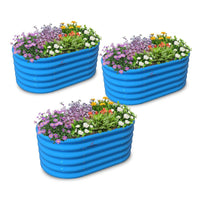
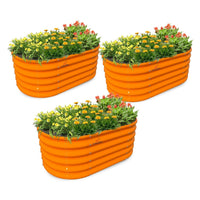
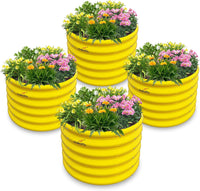
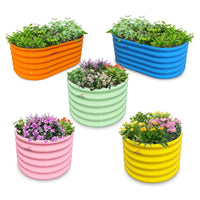
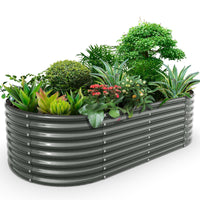



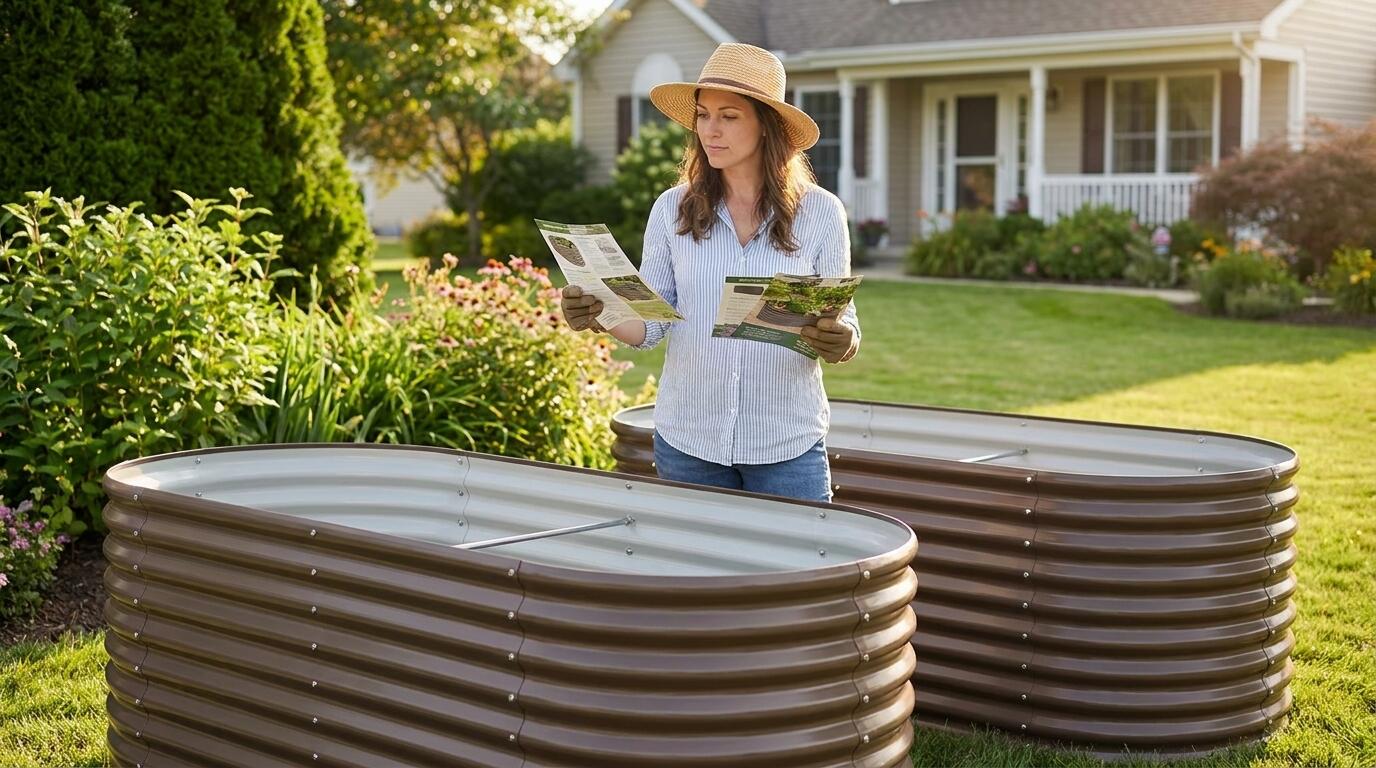
ALT: Shopper comparing raised garden bed kits for best deal on raised bed garden layout
What You'll Gain: Smarter Raised Garden Bed Shopping Without Overpaying
Key Conclusion: Scoring the best deal on a raised garden bed kit requires more than hunting for the lowest price — it means matching the right raised bed garden layout to your space, understanding what materials and dimensions actually justify the cost, and timing your purchase strategically. A well-chosen raised bed planting layout, built on durable materials, will serve your household for up to 20 years. This guide gives home growers, urban gardeners, and retirees a clear framework to shop confidently, avoid common pitfalls, and invest in a raised bed layout that grows with them.
Every quarter, millions of gardening enthusiasts browse platforms like Amazon, Home Depot, Lowe's, and Wayfair looking for raised garden bed kits — and a significant portion end up either overpaying for features they don't need or underpaying for products that fail within a season or two. This guide is for anyone who wants to bridge that gap: families ready to start growing their own food, eco-conscious growers upgrading their soil system, urban micro-gardeners making the most of a small footprint, and empty nesters turning their yards into productive, beautiful spaces. The steps below walk you through exactly how to evaluate, plan, and purchase a raised garden bed kit that delivers real long-term value.
Before You Start: Prerequisites and Preparation for Raised Bed Garden Planning
Before you open a single product listing, the most effective raised bed garden shoppers do their homework. The difference between a great deal and a regrettable purchase almost always comes down to preparation — knowing your space, your soil needs, and your budget before price-comparison begins.
The preparation phase does not need to take more than an afternoon, but skipping it is one of the most common and costly mistakes we consistently see in the gardening community. Shoppers who start with a clear raised bed layout plan in mind make faster decisions, spend more purposefully, and experience far less buyer's remorse.
Here is what to gather and think through before you start:
Measure your outdoor space accurately. Walk the area where you plan to install raised beds. Note dimensions, sun exposure (at minimum six hours of direct sunlight is widely recommended for most vegetables, per U.S. Department of Agriculture guidance), and any drainage considerations. A 12x3 ft bed in a narrow side yard will deliver more yield than a sprawling 8x4 ft bed crammed into a shaded corner.
Decide on your primary growing goal. Are you growing vegetables for the table, herbs for the kitchen, flowers for pollinators, or a combination? Your goal shapes the depth, size, and number of beds you actually need — and therefore what kit configuration represents genuine value.
Set a realistic total budget. Factor in not just the bed itself but also the soil system (high-quality fill can cost as much as the bed frame in some cases), any hardware or assembly tools, and optional accessories. A raised bed kit priced attractively but requiring a $200 soil overhaul is not the deal it appears to be.
Understand material quality markers. Not all galvanized steel is equivalent, and rust-resistant coatings vary widely in longevity. A garden bed rated for 20 years of outdoor performance represents a categorically different investment than a budget option with no documented lifespan.
Research your preferred platforms. Pricing on Amazon, Walmart, Home Depot, Lowe's, and Wayfair fluctuates seasonally. Note baseline prices now so you can recognize a genuine discount versus a manufactured one.
Checklist before starting:
- Outdoor space measured (length, width, available sunlight hours)
- Primary planting goals defined (vegetables, herbs, flowers, or mixed)
- Total budget established, including soil and accessories
- Material preferences identified (galvanized steel, rust-resistant coated, modular)
- Preferred purchasing platform noted
- Delivery timeline requirements confirmed (some kits ship in 3–8 business days; others take longer)
Step-by-Step Instructions: How to Find and Lock In the Best Raised Garden Bed Kit Deal
Step 1: Map Your Raised Bed Garden Layout Before Browsing Products
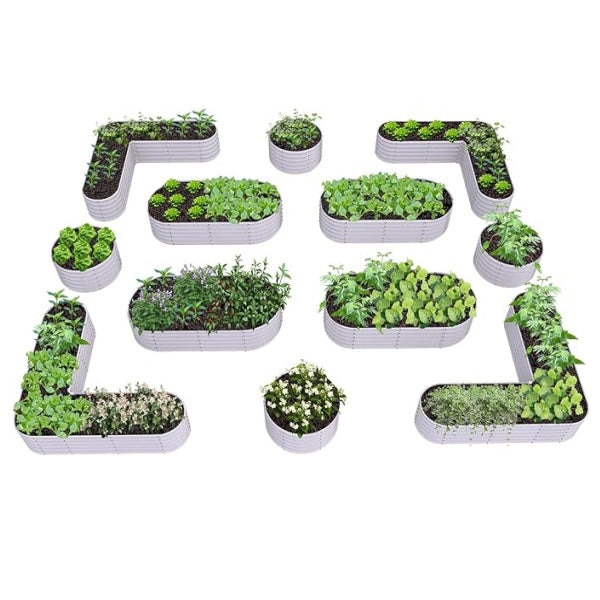
A raised bed garden layout is the spatial plan that determines how many beds you need, how large they should be, how they relate to each other, and how people and tools will move around them.
Start on paper or with a simple digital sketch. Draw your available outdoor area to scale, then experiment with bed configurations. A common planning principle, supported by university cooperative extension programs, is to keep bed width narrow enough that you can reach the center from either side without stepping in — this preserves soil structure and is one of the defining advantages of raised bed gardening over in-ground planting.
Once your raised bed planting layout is sketched, you know exactly which kit sizes to shop for. This single step eliminates impulse purchases and prevents the very common mistake of buying a bed that is too large to fit comfortably or too small to grow what you actually want.
Tip: Plan pathways between beds at a width that accommodates a garden cart or wheelbarrow. Tight spacing looks efficient on paper but creates daily frustration during harvest season.
Step 2: Match Bed Dimensions to Your Layout and Growing Goals
Raised bed kits come in a wide range of dimensions and heights, and each combination serves different growers differently. Understanding what each configuration is actually optimized for lets you filter out options that don't fit your situation — and focus your deal-hunting on products that are genuinely worth buying.
Shallow beds — typically in the range of 11–12 inches tall — suit herbs, leafy greens, and annual flowers. They are also the most affordable entry point and work well for gardeners testing raised bed growing for the first time. Mid-height beds in the 18–24 inch range accommodate a broader range of root vegetables and provide better drainage naturally. Extra-tall configurations, sometimes reaching 30 inches or higher, are the preferred choice among older gardeners and anyone managing back or knee issues, because they eliminate bending almost entirely — a benefit that multiple occupational health studies have associated with significant reductions in garden-related strain injuries.
For growers with limited horizontal space, a compact 4x1.5 ft waist-high option can sit on a patio or balcony. For families wanting to grow a meaningful quantity of food, a 12x3 ft or 8x4 ft configuration in galvanized steel provides substantial growing area without occupying the entire yard. Modular systems offer the flexibility to start with one unit and expand the raised bed layout over time without replacing existing infrastructure.
Tip: If you are uncertain between two height options, choose the taller one. The additional soil volume benefits plant root development, and the ergonomic advantage of a taller bed pays dividends across every planting season.
Step 3: Evaluate Material Quality and Longevity — the True Measure of Value
The single most important factor in determining whether a raised garden bed kit represents a genuine deal is material quality — not the sticker price. A bed that costs less upfront but needs replacement in three to five years is more expensive over a decade than a premium option rated for 20 years of outdoor performance.
Galvanized steel is widely regarded as the industry benchmark for raised garden bed durability. The galvanization process, which bonds a protective zinc coating to the steel surface, creates a barrier against rust and corrosion that outlasts painted finishes and untreated metals significantly. According to the American Galvanizers Association, properly galvanized steel can perform in outdoor environments for decades when the coating integrity is maintained. Rust-resistant variants with advanced coating systems extend this protection further, making them appropriate for high-rainfall climates or coastal areas.
When evaluating a kit's material specification, look for: documented corrosion-resistance standards, coating thickness or grade information where available, and any stated warranty or lifespan guarantee. A bed backed by a 20-year lifespan claim, such as those offered by Anleolife, reflects genuine manufacturer confidence in material quality — and gives the buyer a concrete benchmark for comparing total cost of ownership across competing products.
Tip: Avoid kits that describe materials vaguely as "weather-resistant" without specifying the coating process or metal grade. Vague language is a reliable indicator of lower-grade materials.
Step 4: Compare Pricing Across Multiple Channels Strategically
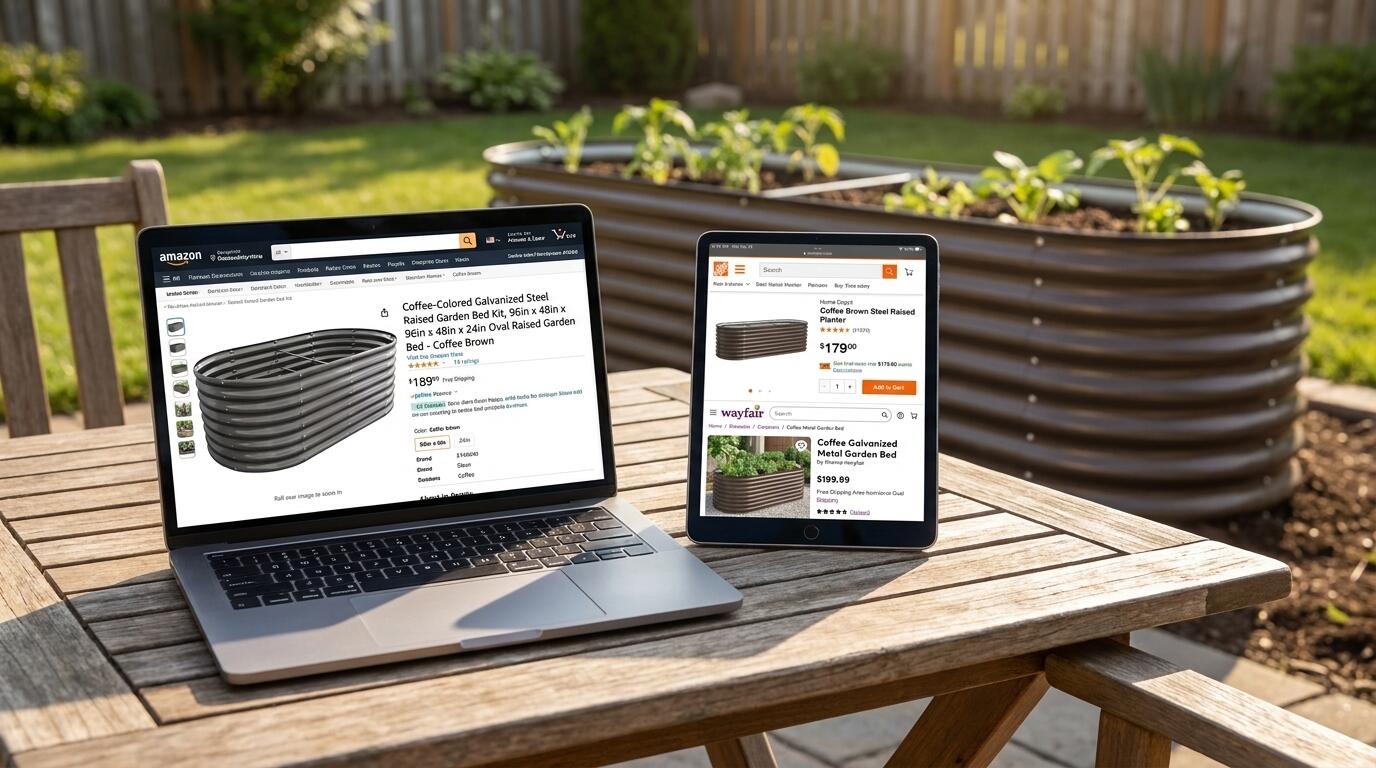
ALT: Laptop and tablet showing raised garden bed kit prices on multiple platforms for raised bed garden layout comparison
Pricing for the same or comparable raised garden bed kits varies measurably across platforms — and within a single platform, it varies across the calendar. A pattern we consistently observe is that garden products are most aggressively priced during two broad windows: early spring (as retailers position for planting season) and late summer into early fall (as seasonal inventory is cleared ahead of winter stock cycles).
To compare prices effectively without wasting hours, follow a structured approach. First, identify two or three specific kit configurations that fit your layout plan from Step 1 and your dimension preferences from Step 2. Second, search for those configurations — or close equivalents — across the major platforms: Amazon, Walmart, Home Depot, Lowe's, and Wayfair, as well as brand-direct sites like the Anleolife website. Third, calculate cost-per-square-foot of growing surface rather than comparing absolute prices, which can be misleading when bed sizes differ.
Brand-direct purchasing often provides advantages that platform purchases do not — direct access to customer support, clearer product specification documentation, and sometimes exclusive configurations or bundles not listed elsewhere.
Tip: Use a simple spreadsheet with columns for platform, kit size, current price, cost per square foot of growing surface, and any noted warranty. This structure makes an apples-to-apples comparison immediately visible and prevents emotional purchasing based on a number that appears large or small in isolation.
Step 5: Factor in Delivery Timelines and Logistics Costs
A deal that looks excellent on the product page can become significantly less attractive once shipping costs and timelines are factored in. For raised garden bed kits — which are heavy and bulky — freight costs can be substantial, and delivery timelines affect when you can actually start planting.
When evaluating any purchase, confirm the total delivered cost before committing. Free shipping thresholds, platform membership discounts (such as Amazon Prime or Walmart+), and direct-brand shipping programs all affect the real price. A kit priced $20 higher with free, fast shipping may be more cost-effective than a lower-priced kit with $40 freight.
Delivery timing matters particularly for seasonal gardeners. Brands with distributed warehouse networks — Anleolife, for example, maintains strategic warehouses across California, Texas, Florida, New York, Illinois, and Washington — can offer delivery within 3–8 business days to most U.S. addresses. That range is meaningful for planting-window planning: a 3-day delivery to a nearby state is a different planning reality than an 8-day delivery across the country. Confirm which warehouse serves your zip code when timing is critical.
Tip: If you are planting in a narrow seasonal window, order at least two weeks before your target installation date to accommodate any carrier delays, assembly time, and soil delivery scheduling.
Step 6: Evaluate the Full Kit Contents and Hidden Costs
Two kits listed at similar prices may include very different contents, and the gap in what is included can represent significant additional expenditure. A well-specified raised garden bed kit typically includes the frame panels, hardware for assembly, and occasionally liner fabric or corner connectors. What it rarely includes is the soil system itself.
Soil is the most frequently underestimated cost in raised bed gardening. The University of Maryland Extension, among other cooperative extension services, recommends a structured soil mix for raised beds — typically a blend of topsoil, compost, and a drainage amendment — rather than native garden soil, which often compresses and underperforms in contained environments. For a large bed such as a 12x3 ft or 8x4 ft configuration, the volume of soil required is substantial. Budget for this separately and purchase from a reputable local or national supplier.
Also review whether the kit requires specialized tools for assembly. Most quality galvanized steel kits are designed for tool-free or minimal-tool assembly, which is a genuine convenience feature — particularly for older gardeners or those new to DIY projects. Kits requiring significant carpentry or metal fabrication skills eliminate a large portion of potential buyers and are rarely the best deal for a general home gardening audience.
Tip: Request or review a complete parts manifest before purchasing. If the listing does not provide one, contact the seller directly. A reputable brand will provide this without hesitation.
Step 7: Time Your Purchase to Maximize Seasonal Discounts
The best absolute price on a raised garden bed kit almost never occurs at the moment you first decide you want one. Seasonal pricing patterns in the home garden category are well-established, and a modest amount of patience — or advance planning — can yield meaningful savings.
The clearest discount windows, based on patterns we observe across the industry, occur in late winter (as retailers begin spring promotions and introduce new inventory), mid-summer (when early-season inventory may be discounted to clear space), and late fall (post-harvest clearance, often the deepest discounts of the year). Quarter-end and major retail events — including platform-specific sale days — also produce genuine pricing reductions on garden products.
For gardeners willing to plan ahead, purchasing in the off-season and storing a flat-packed kit until planting season is entirely practical. Galvanized steel kits with rust-resistant coatings are designed for outdoor durability and will store safely in a garage or shed without degrading. Buying a 30-inch extra-tall bed in January for a March installation is a legitimate money-saving strategy, not a compromise.
Tip: Sign up for email alerts or browser price-tracking tools on the platforms where you plan to purchase. Price drops on specific SKUs are often brief, and passive monitoring is far more effective than repeatedly checking manually.
Common Mistakes and Troubleshooting in Raised Bed Kit Shopping
| Symptom | Likely Cause | How to Fix |
|---|---|---|
| Kit arrives and does not fit the intended space | Space was not measured before purchasing; assumed a "standard" size would work | Always measure and sketch your raised bed layout to scale before browsing; treat dimensions as non-negotiable |
| Bed shows surface rust within one to two seasons | Purchased a kit with painted finish or unknown coating rather than certified galvanized steel | Prioritize kits with documented galvanized or rust-resistant coating; verify material specification before purchase |
| Plants underperform despite adequate sun and water | Native soil used to fill bed; poor drainage or compaction | Replace fill with a recommended raised-bed soil mix; per University of Maryland Extension, a blended mix of topsoil, compost, and drainage amendment outperforms native soil in containers |
| Total project cost significantly exceeded budget | Soil system, accessories, and shipping costs were not included in initial budget | Build a complete cost model before purchasing: kit + soil + shipping + accessories; use cost-per-square-foot as the comparison metric |
| Bed is too low for comfortable use; back and knee strain during gardening | Height selected based on price rather than ergonomic need | For gardeners over 50 or with mobility considerations, prioritize extra-tall (24–35 inch) configurations regardless of small price premium |
| Assembly requires tools or skills not available | Kit specifications not reviewed before purchase | Request a full parts manifest and assembly guide preview before completing purchase; quality brands provide these on request |
Pro Tips for Better Results in Raised Bed Garden Layout Planning
Think in systems, not in single beds. The most productive raised bed gardens are not a collection of independent units — they are a coordinated system with complementary layouts, consistent pathway widths, and integrated planting rotations. A pattern we consistently see among high-output home growers is that they plan for at least two or three beds from the start, even if they only purchase and install one initially. Modular raised garden bed systems are specifically designed for this approach: start with one configuration and expand the raised bed layout incrementally without replacing existing infrastructure.
Pair your bed selection with a soil strategy. The soil system inside a raised bed is, agronomically speaking, more important than the frame itself. According to research from land-grant university extension programs, raised beds filled with optimized growing media consistently outperform those filled with unimproved native soil, regardless of how well-designed the frame is. Invest proportionally in the growing medium.
Consider the long-term aesthetic alongside function. Raised beds are a permanent or semi-permanent feature of an outdoor space. Galvanized steel beds with clean, geometric lines complement most landscape styles and age well — the material's natural patina can become an aesthetic asset rather than a liability. Choose a configuration and finish that you will be comfortable looking at for the 20 years the bed is designed to last.
Use companion planting within your raised bed layout. The intensive planting that raised beds support works best when species are selected for compatibility. The Three Sisters combination (corn, beans, and squash) is a historically documented indigenous North American planting system — referenced by the Smithsonian Institution among others — that maximizes yield and soil health simultaneously within a contained bed.
A common misconception worth clearing up: Many gardeners assume that a deeper bed always means better plant performance. In practice, the benefit of depth plateaus at a level sufficient for the root systems of the intended crops. Adding excessive soil depth beyond what your plants need increases cost without proportional yield benefit. Match bed height to your crop selection and your ergonomic needs — not to an assumption that bigger is universally better.
Common Questions
Q1: How do I know which raised bed garden layout will actually fit my space?
The most reliable method is to measure your outdoor area before looking at any products — not after. Sketch the space to scale on paper or a free digital tool, then draw in proposed bed footprints with pathway gaps between them. A good rule of thumb is to keep bed width narrow enough that you can reach the center from either side, and to leave sufficient clearance for movement and tool access. Once that sketch exists, your layout determines your kit specifications, not the reverse.
Q2: Is galvanized steel actually safe for growing edible plants?
This is a frequently asked question, and the answer is generally yes — with nuance. Galvanized steel is coated with zinc, a mineral that is naturally present in soil and essential to plant nutrition in small quantities. Multiple university extension programs and horticulture researchers have concluded that galvanized steel raised beds do not pose a meaningful contamination risk for edible crops under normal use conditions. For growers with specific health concerns, lining the interior with food-safe fabric provides an additional layer of separation between the metal and the growing medium.
Q3: What is the realistic total cost of setting up a raised bed garden, including the kit and soil?
Total setup cost varies significantly based on bed size, soil quality, and regional pricing. The kit itself is only one component — soil fill for a large bed can represent a comparable or greater cost than the frame. As a general planning approach, treat the kit price as roughly half your total project budget when building your first bed, with the remainder allocated to quality growing medium, any accessories, and shipping. Over a 20-year lifespan, even a premium galvanized kit with full soil investment represents a fraction of the equivalent cost of purchasing produce commercially.
Key Takeaways
Scoring the best deal on a raised garden bed kit is not primarily about finding the lowest number — it is about maximizing long-term value relative to your specific raised bed garden layout, your planting goals, and your growing conditions.
Three principles anchor every smart purchase in this category. First, plan before you shop: a clear raised bed planting layout eliminates impulse purchases, prevents sizing mistakes, and tells you exactly what to compare across platforms. Second, evaluate total cost of ownership, not sticker price: a galvanized steel bed rated for 20 years of outdoor use, combined with a quality soil system, will cost less per season over its lifetime than a series of cheaper replacements. Third, time your purchase deliberately: seasonal pricing patterns in the home garden category are real and predictable, and even a few weeks of patience can produce meaningful savings on quality products.
The right raised bed kit, installed in a well-planned raised bed layout, will serve your household through years of harvests, garden redesigns, and changing growing ambitions. That is the deal worth finding — not just the cheapest option available this week.
Ready to put your raised bed layout plan into action? Browse the full range of galvanized steel, rust-resistant, modular, and extra-tall raised garden bed configurations at Anleolife — available through the official website as well as Amazon, Walmart, Home Depot, Lowe's, and Wayfair. With warehouses across California, Texas, Florida, New York, Illinois, and Washington, most U.S. orders arrive within 3–8 business days. Whether you are starting with a single bed or planning a complete planting-and-raising ecosystem, Anleolife's modular product design grows with you every step of the way.
Sources & Citations
- U.S. Department of Agriculture (USDA). "Home Gardening and Food Safety Resources".
https://www.usda.gov/ - University of Maryland Extension. "Raised Bed Gardening: Soil Preparation and Plant Selection".
https://extension.umd.edu/ - Smithsonian Institution. "Three Sisters: The Traditional Companion Planting System of Indigenous North America".
https://www.si.edu/
Note: Standards and guidelines may be updated periodically; please check the latest official documents or consult professional advisors for current recommendations.