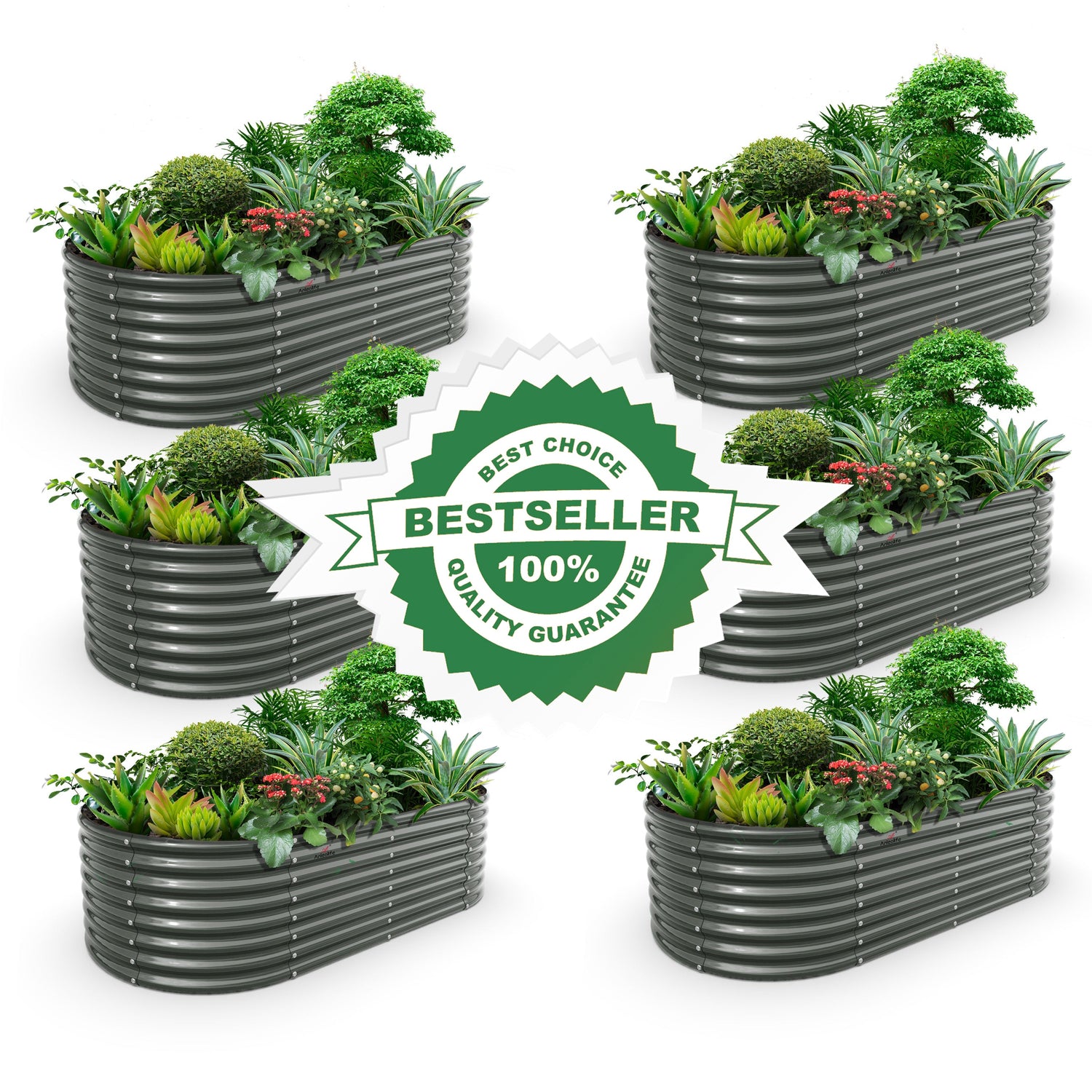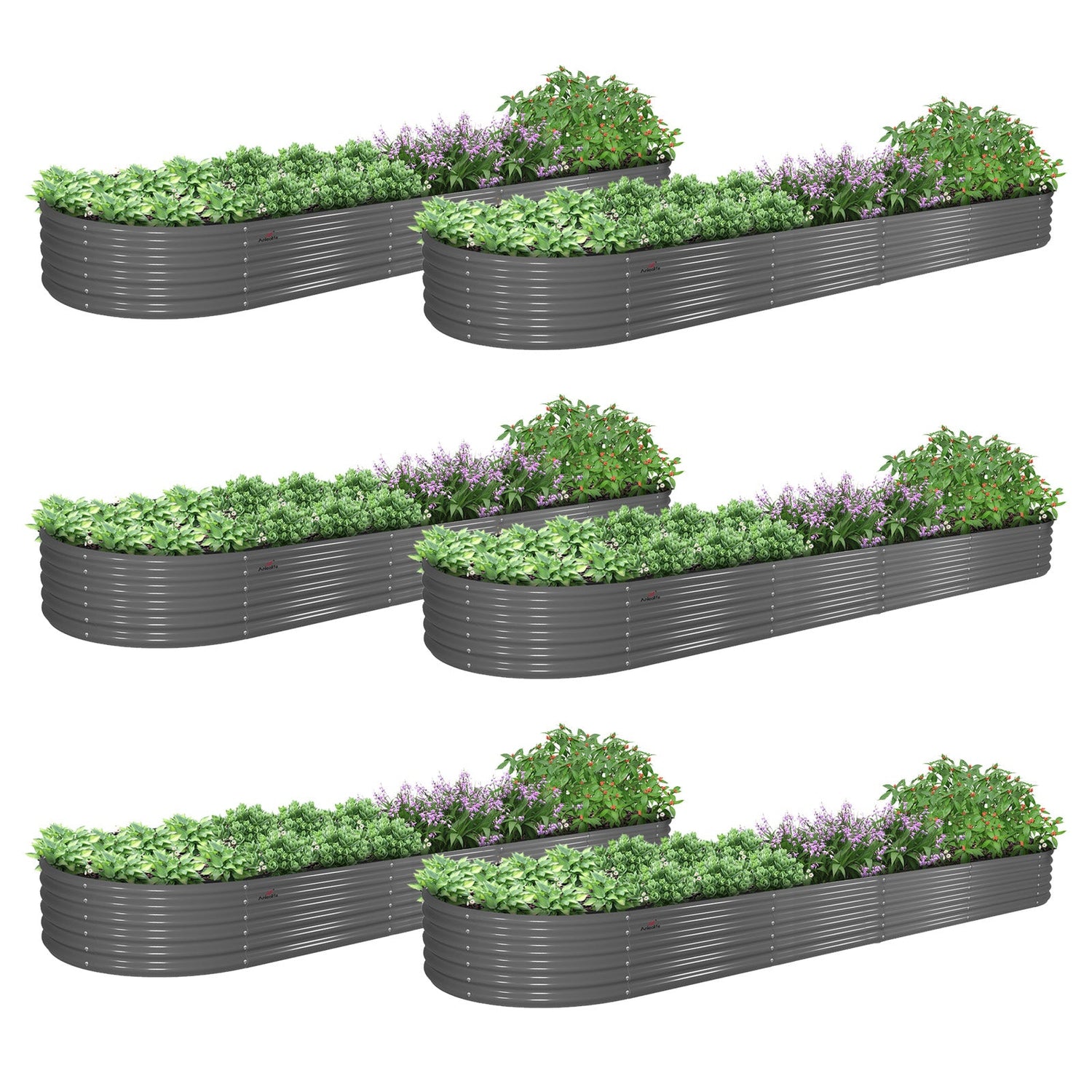



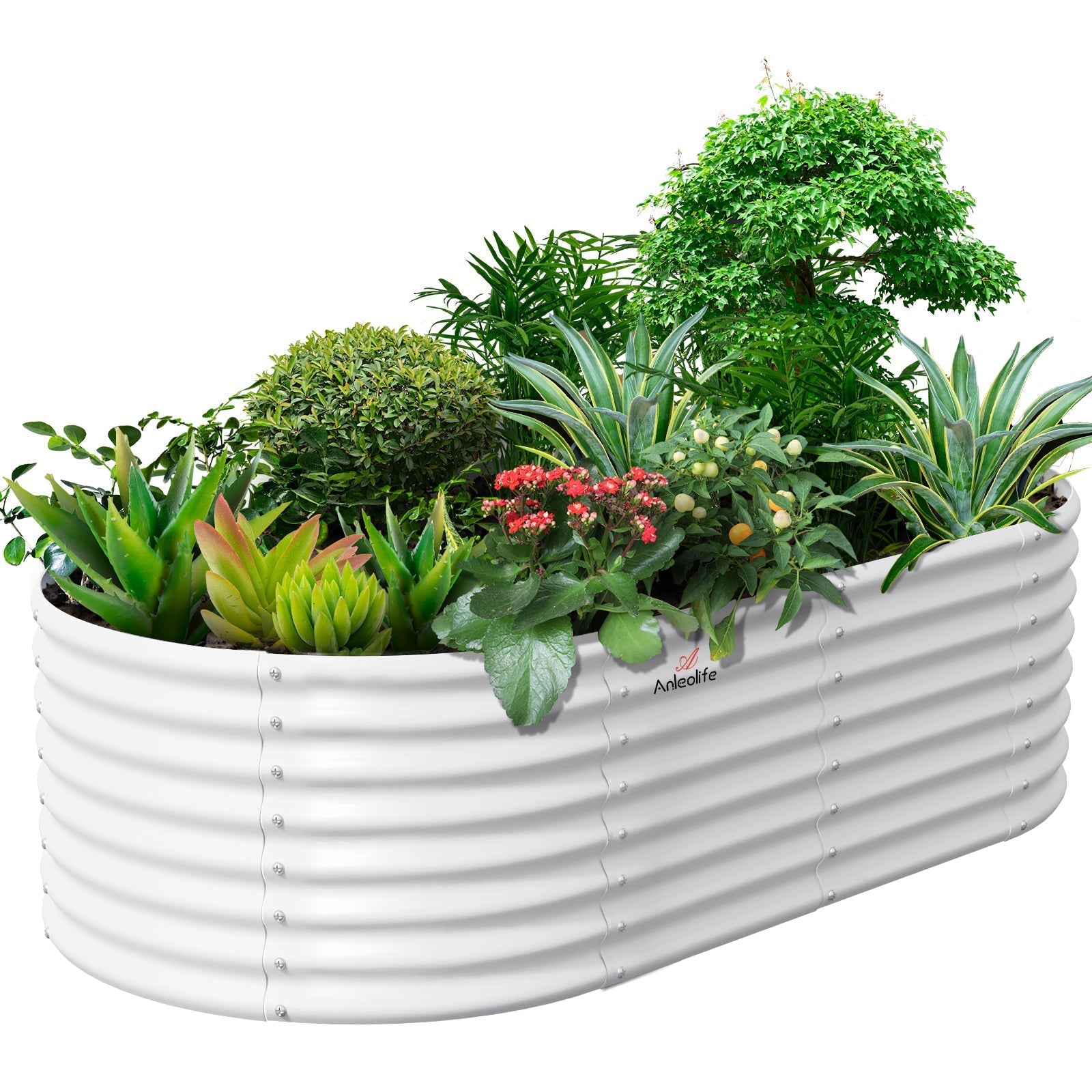
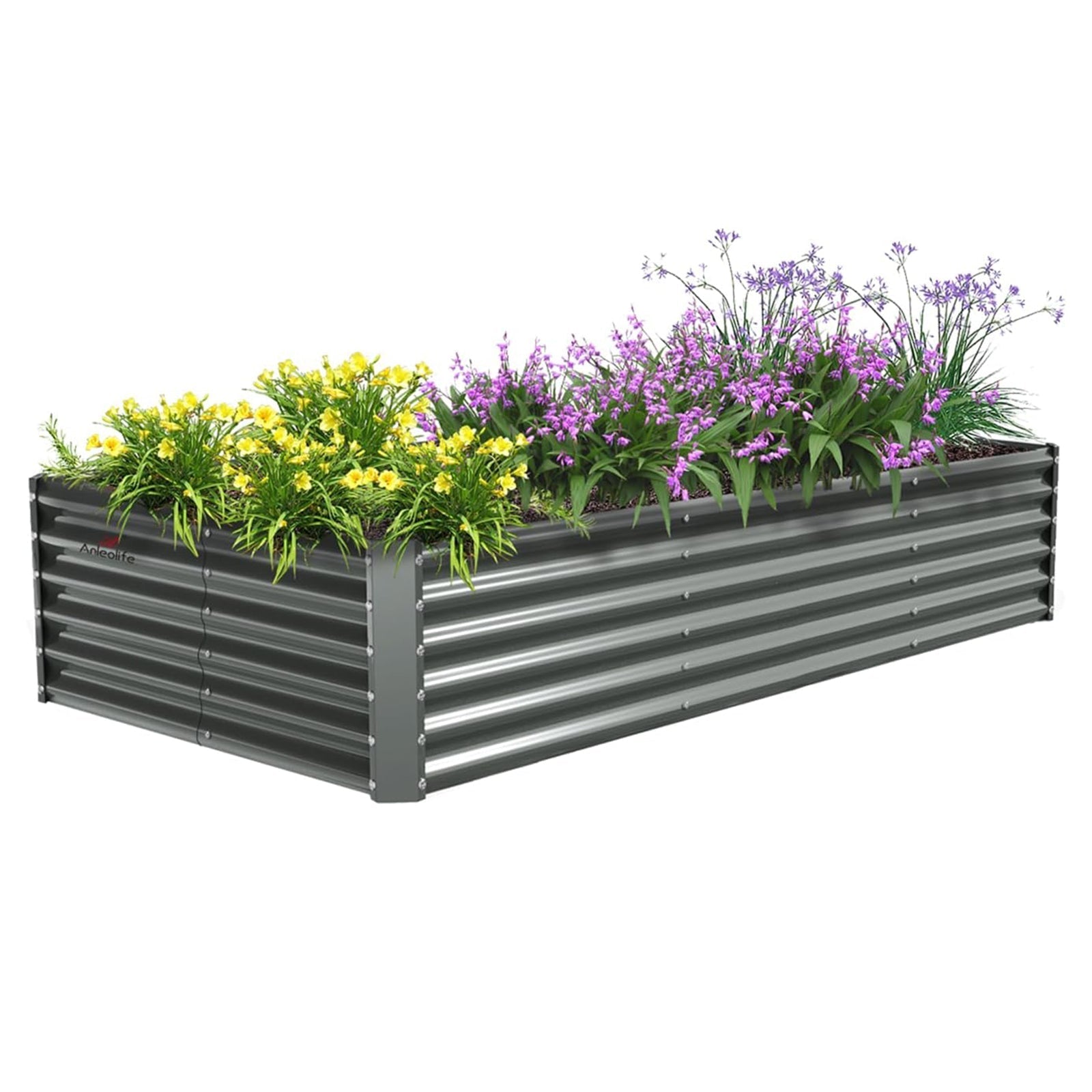

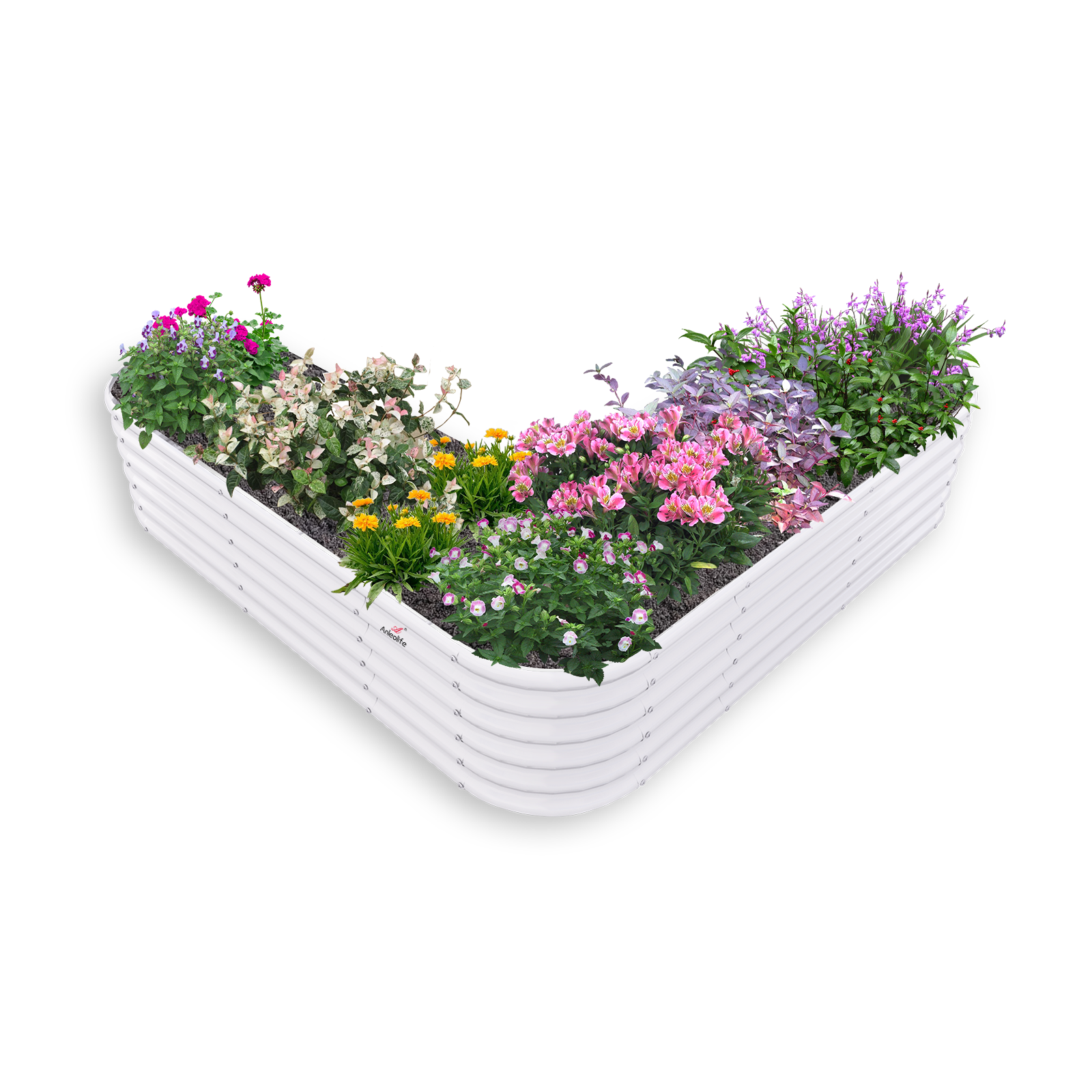
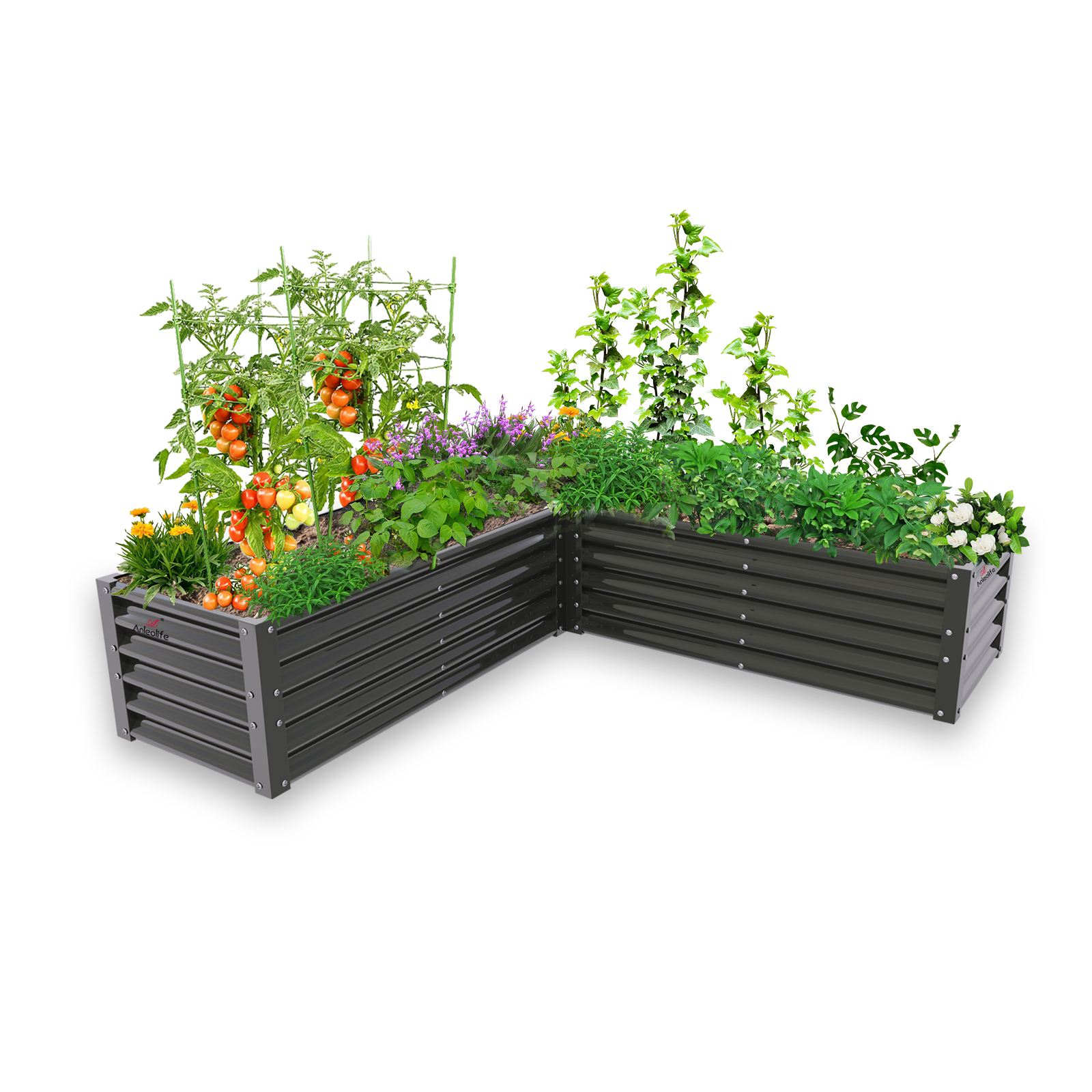
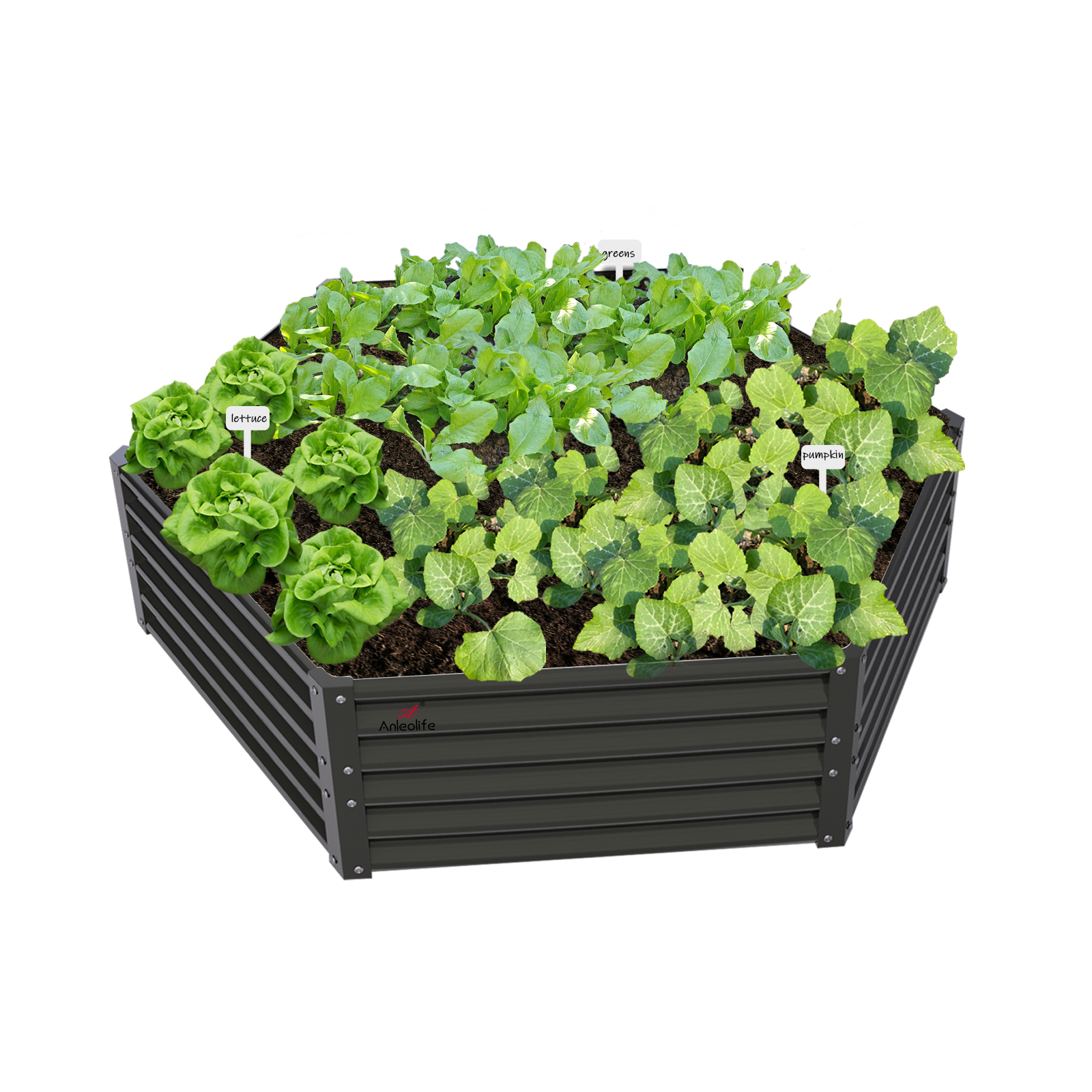
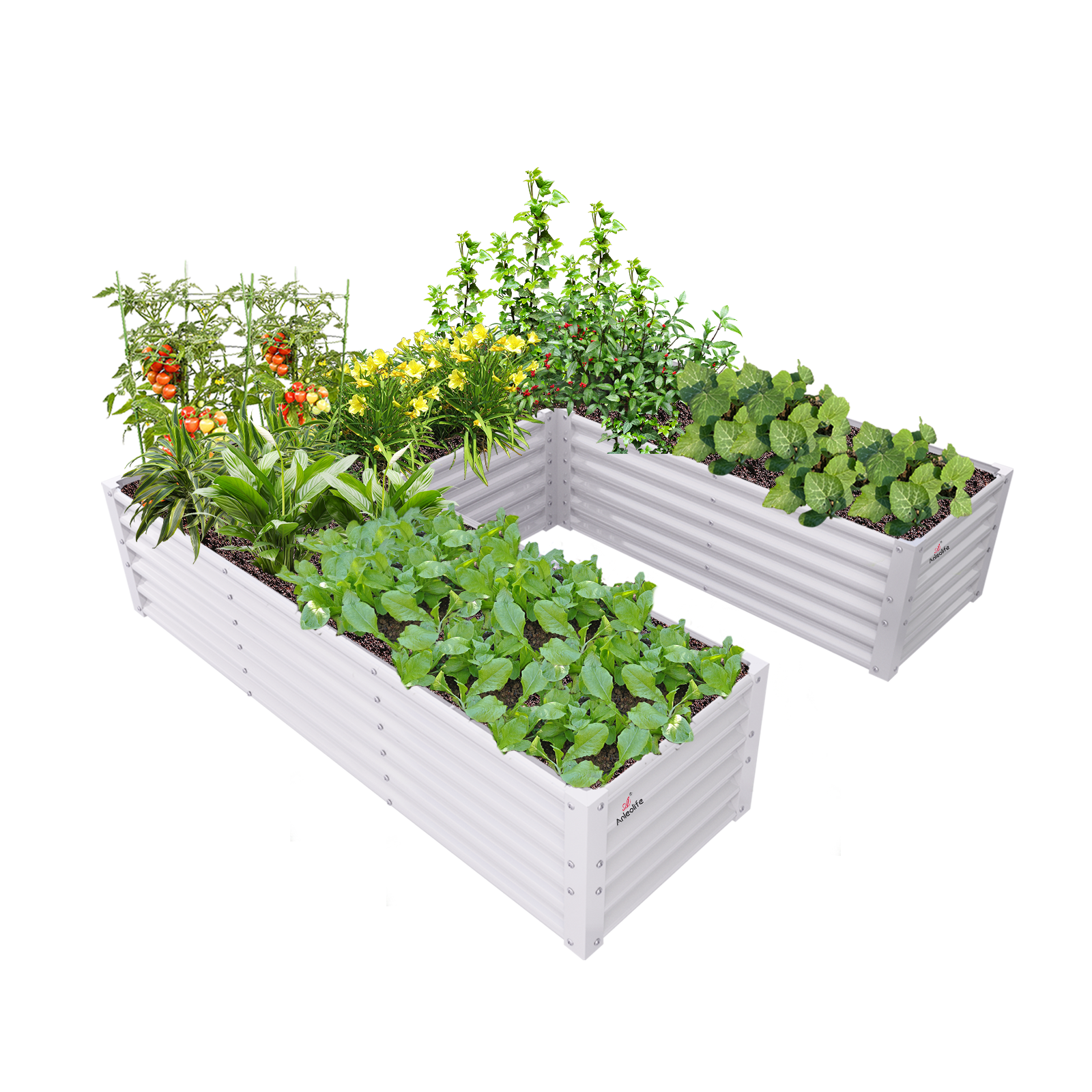

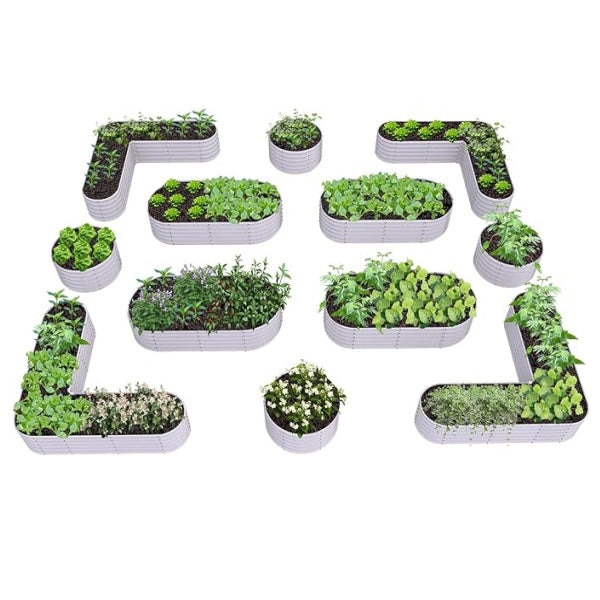


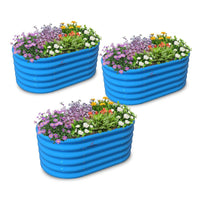
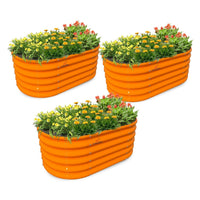
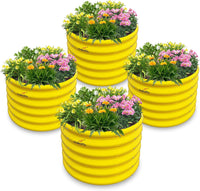
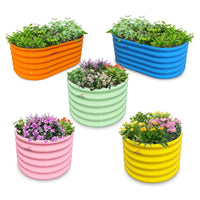
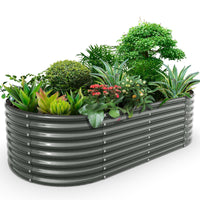



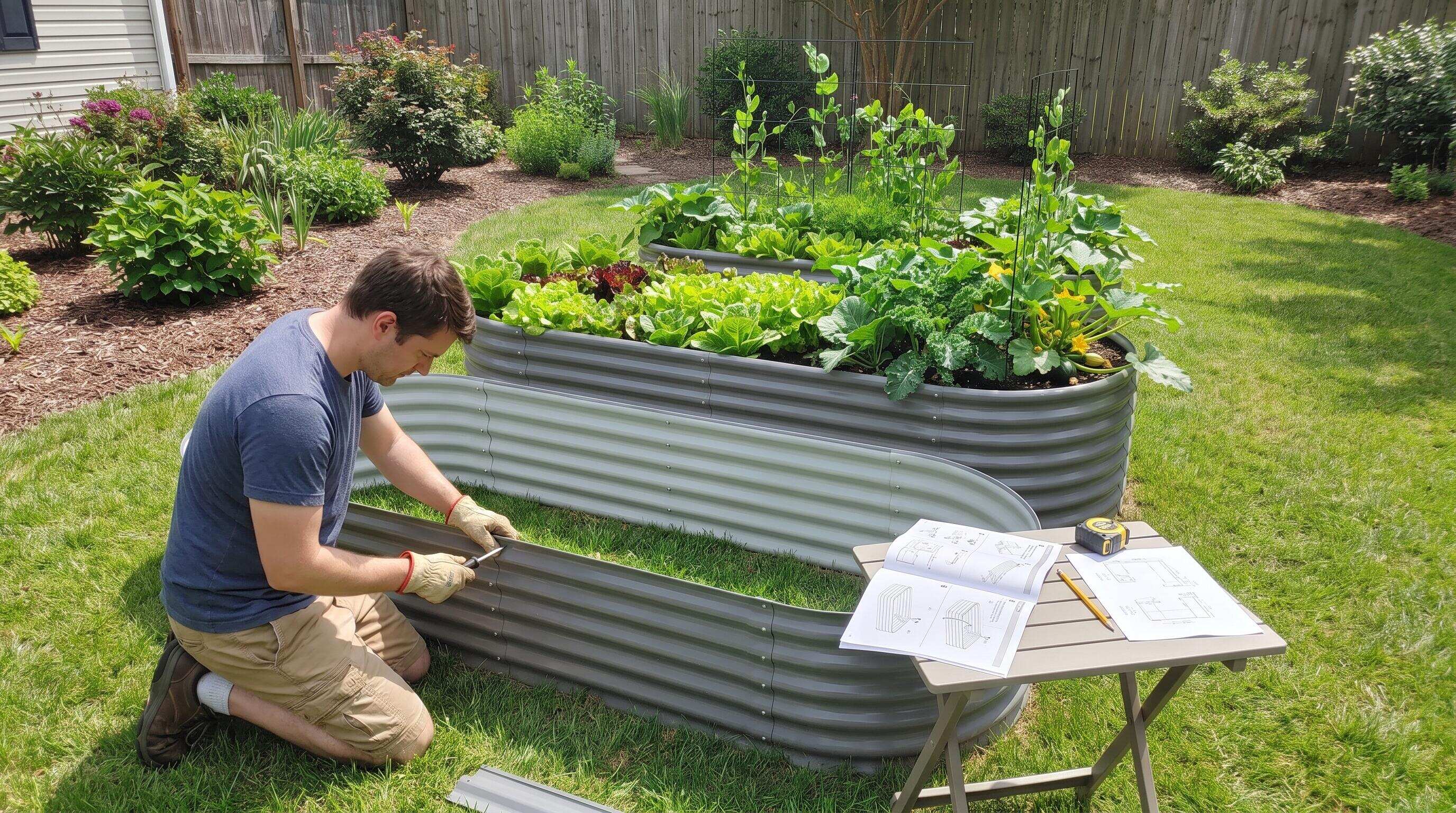
ALT: First-time gardener assembling an easy-to-assemble raised bed garden kit in a backyard setting
What Every First-Timer Should Know Before Buying a Raised Garden Bed Kit
Picture this: you've just moved into a home with a decent patch of yard, or you've finally decided that the small balcony outside your apartment deserves more than a few sad potted herbs. You search online for a raised bed garden layout that will work for your space, and within minutes you're overwhelmed — dozens of kit options, confusing specs, and no clear starting point. This guide exists precisely for that moment.
By the time you finish reading, you'll know exactly what separates a frustrating first purchase from one that sets you up for seasons of confident growing. Whether you're planning a raised bed planting layout for vegetables, herbs, or cut flowers, the framework below will help you shop smarter, build faster, and grow better — without spending more than you need to.
Before You Start: Prerequisites & Preparation
Choosing the right garden bed kit is easier when you arrive at the decision with a little groundwork already done. A raised bed kit is a pre-engineered set of panels, fasteners, and connectors designed to be assembled into a freestanding planting enclosure without specialized tools or construction experience. Understanding what the kit is — and what it is not — will save you from mismatched expectations.
What you'll need to figure out before shopping:
- Your available space. Measure the length, width, and any height restrictions of the area you want to use. A raised bed layout in a compact urban patio demands a very different footprint than one spread across a suburban backyard.
- Sun exposure. Most vegetables need at least six hours of direct sunlight per day. Note which direction your planting area faces and whether buildings or trees cast shade at key hours.
- Your physical needs. Taller beds reduce the need to kneel or bend. If mobility is a consideration — for retirees or anyone with back issues — a waist-high or extra-tall bed changes the gardening experience dramatically.
- Budget range. Know your ceiling before you browse. Kit quality varies widely, and understanding what drives price differences (material gauge, coating type, modular flexibility) helps you spend where it counts.
- Basic tools on hand. Most quality kits require no more than a rubber mallet and a standard screwdriver. Confirm this before assuming you'll need power tools.
- Soil plan. A kit without a soil system is a shell. Factor in the volume of growing medium you'll need and source it alongside the bed itself.
Time and effort estimate: Assembly for a beginner working with a well-designed kit is typically a manageable afternoon project — less than a solo furniture build from flat-pack. With a second pair of hands, it's even faster.
Checklist before starting:
- Space measured and cleared
- Sun hours tracked for at least one full day
- Desired raised bed layout sketched on paper or a planning tool
- Budget defined, including soil and amendments
- Assembly tools confirmed on hand
- Delivery address and timeline confirmed with the retailer
Step-by-Step: How to Evaluate and Choose the Right Easy-Assembly Garden Bed Kit
Step 1: Define Your Raised Bed Garden Layout Before You Shop
The most common mistake first-time buyers make is choosing a bed size based on gut feeling, then realizing the proportions don't work for their space or their crops. A well-thought-out raised bed garden layout should come before any purchase decision.
Start with function: are you growing deep-rooted vegetables like tomatoes and carrots, or shallow-rooted crops like lettuce and herbs? Deep crops need more vertical clearance; shallow crops can thrive in a standard-height bed. Next, think about reach — a bed wider than four feet makes it difficult to access the center without stepping in, which compacts the soil you've worked hard to build. Most experienced growers recommend keeping bed width at or under four feet for this reason.
For length, longer beds give you more planting rows but also require more soil volume and structural rigidity from the panels. A rectangular raised bed layout — say, 8x4 feet — is one of the most practical configurations for first-timers because it balances planting area with manageability. If space is tighter, a 6x3 or 4x2 footprint still gives you meaningful growing room.
Tip: Sketch your raised bed planting layout to scale on paper before ordering. Mark where you'll plant tall crops (at the back or center) versus low-growing ones (at the edges), so the bed dimensions you choose actually suit the crops you want to grow.
Step 2: Prioritize Material Quality and Long-Term Durability
A garden bed kit is a long-term investment, and the material it's made from will determine whether it's still performing well five years from now — or rusting and warping by season two. The material conversation for metal raised garden beds comes down to two main choices: galvanized steel and rust-resistant coated steel.
Galvanized steel raised garden beds are panels coated in a zinc layer that resists oxidation from soil contact, moisture, and weather. Rust-resistant garden bed materials have evolved considerably, and today's best options combine robust zinc coatings or powder-coat finishes with structural steel thick enough to hold its shape under soil pressure over years of use.
At Anleolife, our galvanized steel raised garden beds and rust-resistant raised garden beds are engineered for a garden bed lifespan of 20 years — a spec that reflects genuine material investment, not marketing language. That kind of durability changes the math on cost-effectiveness: a bed that lasts two decades costs far less per growing season than a cheaper model replaced every few years. For first-timers evaluating value, lifespan is one of the most important numbers in the spec sheet.
Tip: When comparing kits, ask specifically about the coating type and steel gauge. Thinner, uncoated steel may look the same in photos but behaves very differently once it's in the ground and exposed to irrigation water year-round.
Step 3: Assess How Truly "Easy" the Assembly Process Is
The phrase "easy assembly" appears on almost every kit listing, but the actual experience varies enormously. A genuinely beginner-friendly kit has specific structural features that separate it from one that merely claims simplicity.
Look for panel-and-connector systems where the bed frame locks together without welding, specialized tools, or complex sequences. Interlocking corner brackets, pre-drilled panels, and hardware that's clearly labeled and counted are all signals of a kit designed with non-experts in mind. Modular raised garden bed systems take this further: they're designed so you can start with one configuration and add panels or sections later as your garden evolves, which is an enormous advantage for first-timers who aren't sure of their long-term plans.
A useful field test: read the assembly instructions before purchasing if the retailer makes them available. If the instructions require more than a few basic steps or reference tools you don't own, that kit may not be as beginner-friendly as advertised.
Tip: Check customer reviews specifically for mentions of assembly experience rather than just the final product. First-hand accounts of how long assembly actually took — and whether one person could manage it alone — are more informative than the manufacturer's time estimate.
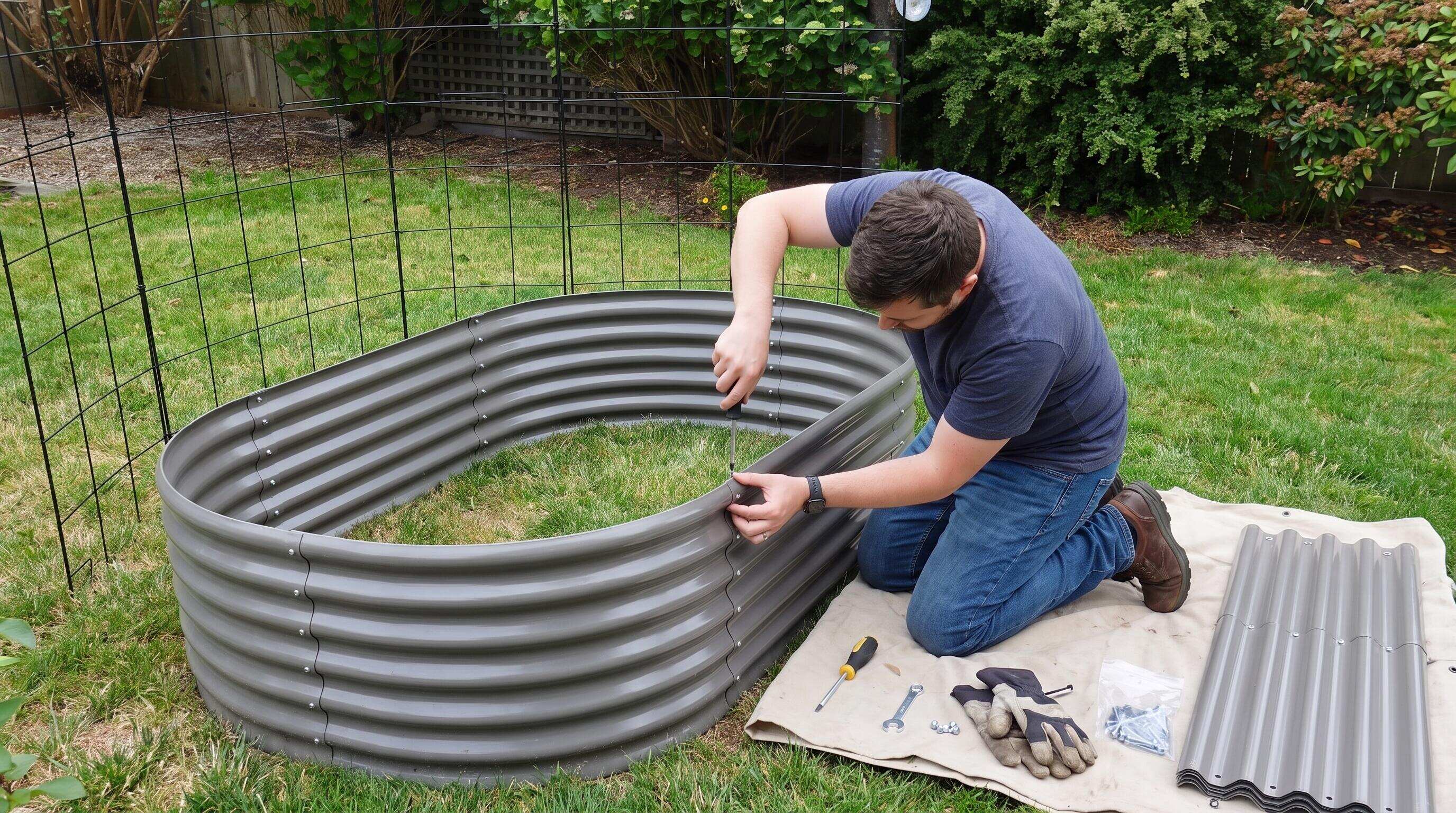
ALT: Hands-on assembly of a galvanized steel raised garden bed kit using interlocking panels and basic hand tools for beginner gardeners
Step 4: Match Bed Height to Your Gardening Goals and Physical Comfort
Raised bed height is one of the most consequential decisions a first-timer makes, yet it's often treated as an afterthought. Bed height affects root depth, soil drainage, ergonomics, and overall growing success — all at once.
Standard-height beds (around 18 inches tall) are the most versatile starting point. They provide adequate root depth for most vegetables and herbs, drain well, and sit at a height that most adults can work comfortably without kneeling on hard ground. For deeper-rooted crops or gardeners who want to avoid bending entirely, extra-tall beds in the 24-to-30-inch range offer a meaningful ergonomic upgrade. Waist-high configurations — in the range of 35 inches — function almost like a standing workbench for the garden, which can be transformative for retirees or anyone managing physical limitations.
Anleolife's raised garden bed lineup spans this full range, from standard 18-inch heights through 24-inch and 30-inch extra-tall options to a 35-inch waist-high model, giving first-timers the flexibility to match their physical needs and crop requirements without compromise.
Tip: If you're undecided between height options, err toward taller. The additional soil volume supports better moisture retention, more robust root systems, and a more forgiving growing environment — especially for beginners still dialing in their watering habits.
Step 5: Evaluate Size Options Against Your Raised Bed Planting Layout
Once height is settled, footprint dimensions deserve equally careful thought. The right size depends on how many plants you want to grow, what those plants need in terms of spacing, and how much time you want to invest in maintenance.
A useful framework: start smaller than you think you need. Many first-time gardeners overestimate how much they'll plant in year one and end up with a bed that feels overwhelming rather than enjoyable. An 8x4 bed or a 6x3 bed gives you generous planting area while remaining manageable. If the gardening bug bites — and it usually does — you can always add a second bed the following season, particularly if you choose a modular system that makes expansion straightforward.
For raised bed garden layout planning, resources like the Old Farmer's Almanac's raised bed vegetable garden layout guidance offer practical templates for how to arrange plants within common bed sizes, which can help you work backwards from your crop list to the footprint you actually need.
Tip: Consider not just what you want to grow this season, but what you might want to grow in the next two to three seasons. A layout that accommodates future crops — even roughly — will feel more like a long-term investment than a one-off project.
Step 6: Check Delivery Logistics and After-Sales Support
A first-time buyer is especially vulnerable to delivery surprises. A kit that arrives damaged, incomplete, or weeks after the planting window has closed can derail an entire growing season. Before finalizing any purchase, confirm delivery timelines, the retailer's damage replacement policy, and whether replacement hardware is available if a fastener or panel is lost.
Anleolife operates a nationwide U.S. warehouse network — strategically positioned in California, Texas, Florida, New York, Illinois, and Washington — ensuring delivery within 3–8 business days across most of the country. That kind of infrastructure matters practically: when you're ready to plant, a week's wait is acceptable; an open-ended delay is not. Products are also available through major retail channels including Amazon, Walmart, Home Depot, Lowe's, Wayfair, and directly at the Anleolife website, which means consistent after-sales support regardless of where you purchased.
Tip: Order your kit with enough lead time to receive it, assemble it, and fill it with soil before your first planting date. Even with fast shipping, soil delivery and preparation take time. A 3–8 business day delivery window is workable if you plan around it; ordering the week you want to plant is not.
Step 7: Build a Soil System Alongside Your Kit Selection
The best raised bed kit in the world underperforms with poor soil. A raised bed garden gives you complete control over your growing medium — which is one of its greatest advantages over in-ground planting — but that control requires intentional planning.
A standard raised bed planting layout in a metal bed calls for a mix that drains freely while retaining enough moisture and nutrients for crops. A common starting formula recommended by many gardening educators combines topsoil, compost, and a coarse amendment like aged bark fines or perlite. The exact ratio depends on your crops, your climate, and how much water your bed receives, but the principle holds: raised bed soil should be loose, rich, and well-structured.
For first-timers who want a reliable starting point, Savvy Gardening's raised bed layout guidance includes practical soil volume and composition tips tailored to common bed sizes. Pair that with a bed from a brand whose soil systems are designed to complement the bed's drainage geometry, and you'll give your plants the best possible start.
Tip: Calculate soil volume before you order. A deeper bed requires significantly more growing medium than a shallow one. Underestimating soil needs is one of the most common (and easily avoidable) first-timer mistakes.
Common Mistakes and Troubleshooting
| Symptom | Likely Cause | How to Fix |
|---|---|---|
| Panels bowing outward under soil pressure | Steel gauge too thin for the bed's length, or no corner bracing | Choose kits with reinforced corners and structurally appropriate gauge; add cross-support bars for longer spans |
| Assembly takes much longer than expected | Instructions unclear, hardware unlabeled, or non-intuitive connector design | Before purchasing, review available assembly instructions; choose modular systems with clearly marked components |
| Soil drying out too quickly | Bed walls too thin to buffer temperature, or inadequate organic matter in soil mix | Mulch the soil surface; increase compost ratio in your growing medium |
| Rust appearing in the first or second season | Uncoated or thinly coated steel, or damaged coating during assembly | Invest in genuinely galvanized or rust-resistant coated steel rated for ground contact; inspect panels before assembly for coating damage |
| Bed footprint doesn't fit the planned raised bed layout | Size chosen based on general preference rather than measured space | Always measure and sketch your raised bed garden layout before ordering; use a tape measure, not estimation |
| Bed height feels wrong after assembly | Height selected without considering crop depth or physical comfort | Plan height around your tallest-rooted crop and your own ergonomic needs before purchasing |
Pro Tips for a Better Raised Bed Setup
Think modular from the start. Even if you're only buying one bed now, choosing a modular system means your future self can expand without starting over. Modular raised garden beds are designed so additional panels connect to existing ones, allowing you to grow your raised bed layout incrementally as your confidence and appetite for gardening grow. This is a meaningfully different value proposition from a fixed-configuration kit.
Orient your bed for maximum light capture. A raised bed planting layout aligned with the longer axis running north-to-south allows all rows of plants to receive relatively even sun exposure throughout the day. East-west orientation can cause taller plants on one end to shade shorter ones. This is a small adjustment at setup time with a measurable impact across the entire growing season.
Don't skip the liner decision. Metal raised garden beds can be used with or without a fabric liner depending on your site conditions. On soil that drains poorly or has persistent weed pressure from below, a permeable landscape fabric liner at the base slows weed intrusion without impeding drainage. This is worth deciding before you fill the bed, not after.
Plan for water access before you build. One of the most consistent patterns we see with first-time raised bed gardeners is that they assemble the bed in the ideal sun spot and then realize the nearest water source requires a hose stretched to its limit. Before finalizing your raised bed layout, walk through where your hose or drip irrigation line will run and make sure it comfortably reaches.
A common misconception to clear up: Many first-timers assume that a more expensive kit is automatically more durable. Price is one signal of quality, but it's not the only one. What actually predicts long-term performance is material specification — specifically, steel gauge and coating type — combined with a track record for after-sales support. A mid-range kit from a brand with a verifiable 20-year lifespan claim and a responsive replacement policy will outperform a premium-priced kit with vague specs and limited support.
Questions & Answers
Q1: How do I decide what size raised garden bed to start with as a first-timer?
The best starting size for a first-time raised bed gardener is one that matches both your available space and your realistic maintenance capacity. A bed in the 6x3 to 8x4 foot range is widely recommended because it allows comfortable reach from both sides without needing to step in, provides enough planting area for a meaningful harvest, and keeps soil volume — and therefore cost and effort — at a manageable level. A first-time buyer's guide to sizing a raised garden bed kit can help you work through the decision systematically before committing.
Q2: Is galvanized steel safe for growing vegetables in raised beds?
Galvanized steel is widely regarded as safe for food-growing raised beds. The zinc coating used in galvanization is the same mineral found in trace amounts in many foods and is considered food-safe at the levels that could migrate from a galvanized panel into soil. The U.S. Environmental Protection Agency and food safety research bodies have not identified standard galvanized steel as a food-safety risk for garden use. For extra peace of mind, using a liner between the steel and soil further limits any direct contact between the metal surface and your growing medium.
Q3: How long does it take to assemble a raised garden bed kit, and does Anleolife deliver quickly enough to meet a planting window?
Assembly time for a well-designed raised garden bed kit is typically manageable in a single afternoon for a beginner — often less time than assembling a piece of self-assembly furniture of comparable size. The clearer the instructions and the more intuitive the connector system, the faster the process. Anleolife ships from a nationwide U.S. warehouse network across six states, with delivery arriving within 3–8 business days for most addresses. Ordering at least two weeks before your target planting date gives you comfortable buffer for assembly, soil delivery, and bed preparation.
Final Thoughts
Choosing your first raised garden bed kit is genuinely exciting — and it doesn't have to be complicated. The decisions that matter most come down to a handful of clear principles that any first-timer can apply.
Key Takeaways:
- Define your raised bed garden layout before you shop: know your space, your crops, and your reach limits.
- Prioritize material durability — galvanized or rust-resistant steel with a verified long lifespan is the cost-effective choice over time.
- Match bed height to your physical comfort and your crops' root depth requirements, not just aesthetic preference.
- Choose a modular system if you can, so your raised bed layout can grow with your ambitions.
- Factor soil, delivery logistics, and water access into your plan from the beginning — these are not afterthoughts.
The right kit, paired with the right raised bed planting layout and a solid soil system, gives you a setup that rewards you for years. That's the core value of investing thoughtfully at the start rather than replacing a subpar kit in year two.
Your next step is straightforward: measure your space, sketch your layout, and then shop with the criteria above as your filter.
Ready to build your first raised bed the right way? Explore Anleolife's full range of galvanized steel and rust-resistant raised garden beds — available in heights from 18 inches to waist-high 35 inches, and footprints from compact 4x2 configurations to expansive 12x3 designs — at the Anleolife website, or through Amazon, Walmart, Home Depot, Lowe's, and Wayfair. With warehouses across California, Texas, Florida, New York, Illinois, and Washington, delivery arrives in 3–8 business days so your growing season doesn't have to wait. Whether you're starting with a single 8x4 bed or planning a full planting-and-raising ecosystem, Anleolife grows with you every step of the way.
References & Further Reading
- The Old Farmer's Almanac. "Raised Bed Garden Layout Plans."
https://www.almanac.com/raised-bed-vegetable-garden-layouts-beginners - Savvy Gardening. "4x8 Raised Bed Vegetable Garden Layout Ideas."
https://savvygardening.com/4x8-raised-bed-vegetable-garden-layout/ - Gardener's Supply Company. "Pre-Planned Gardens."
https://www.gardeners.com/pages/kitchen-garden-planner-preplanned-gardens
Note: Standards and guidelines may be updated; please check the latest official documents or consult professional advisors for current recommendations.