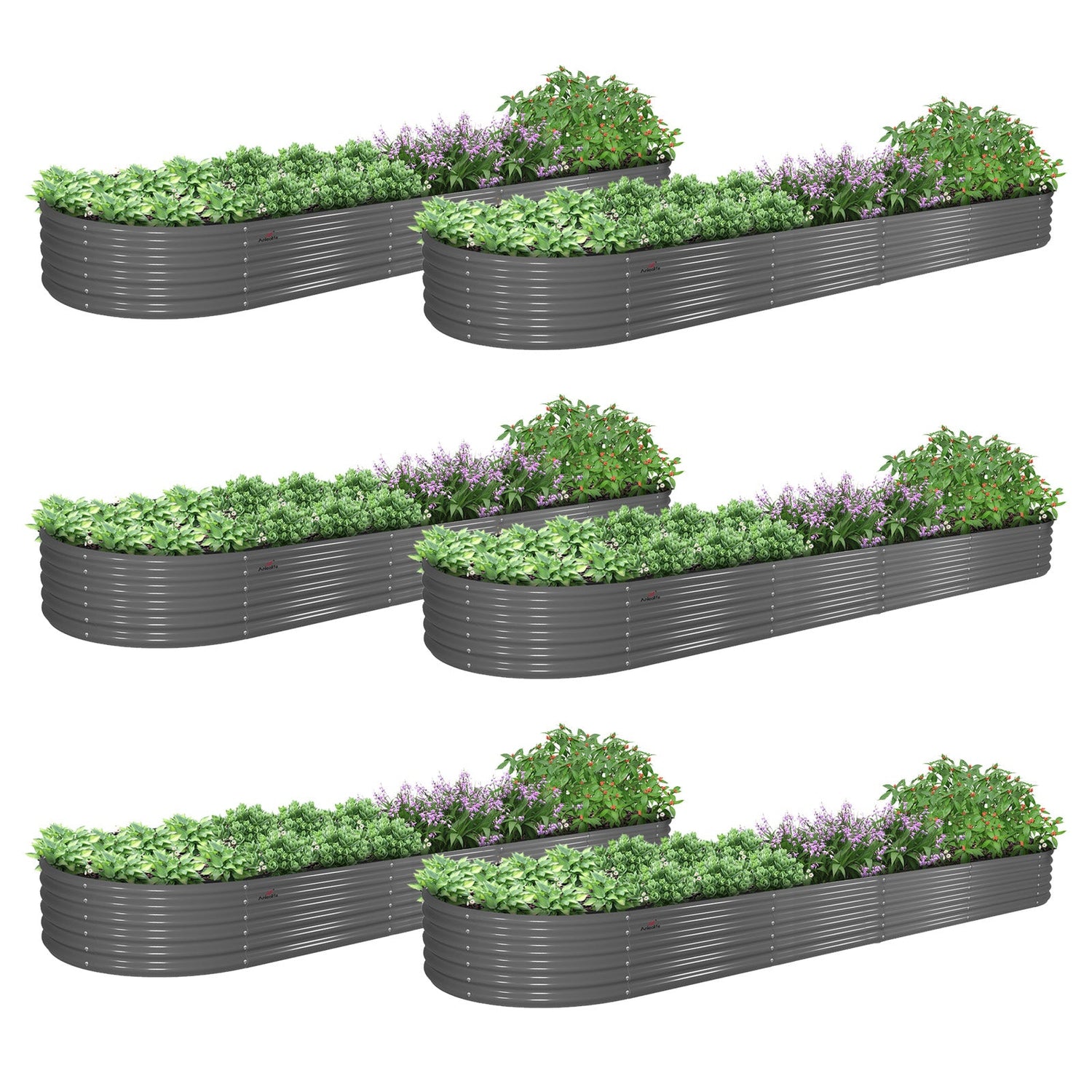



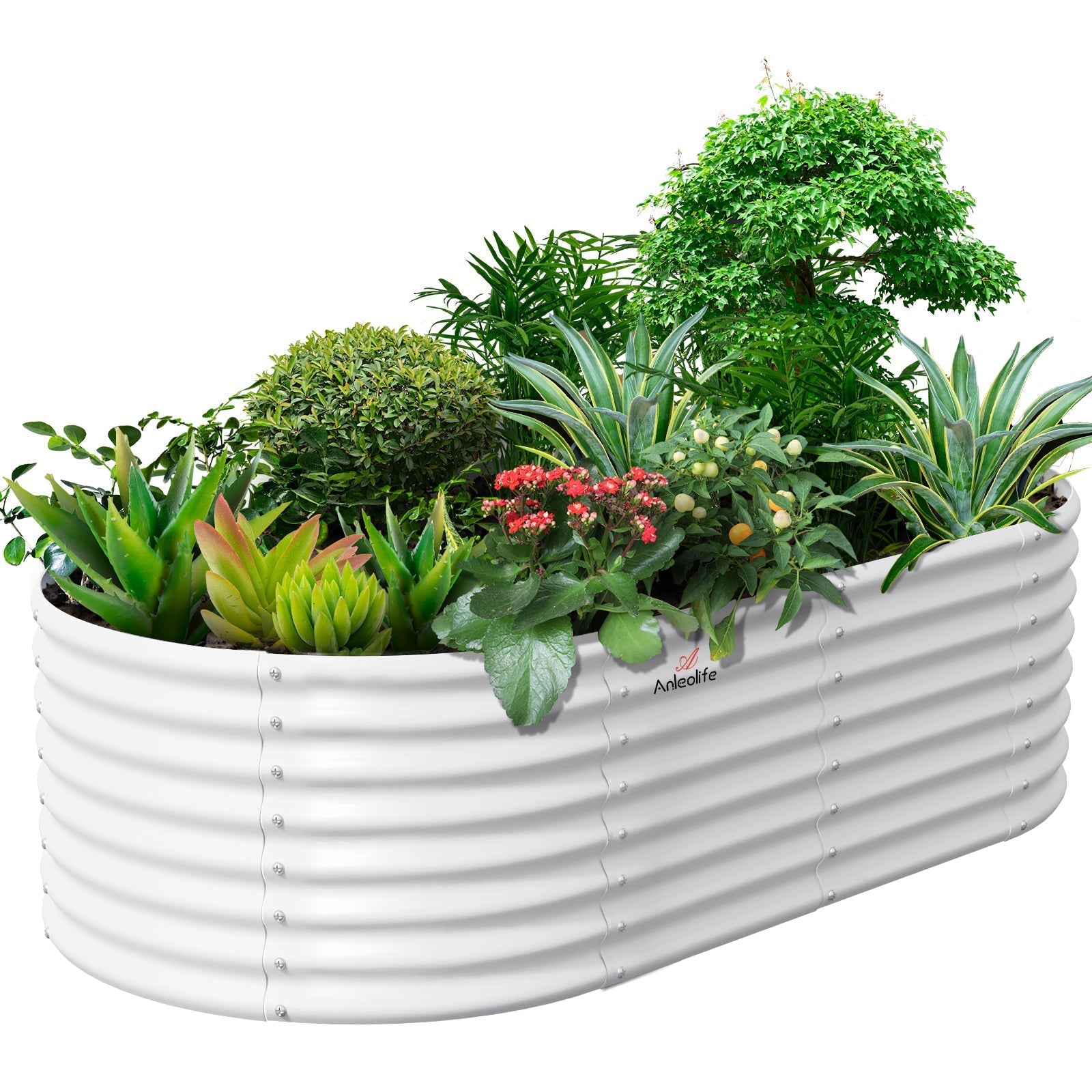
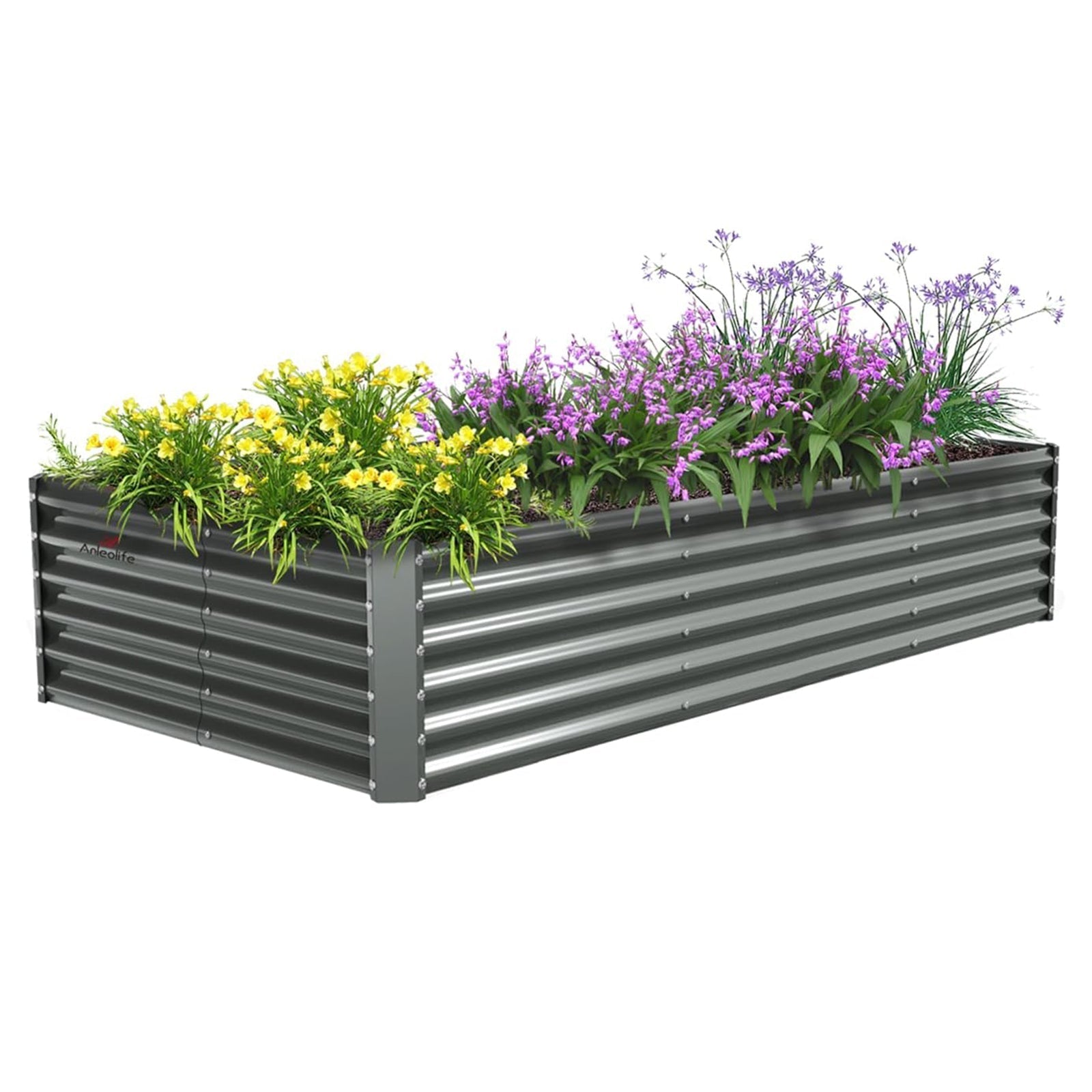

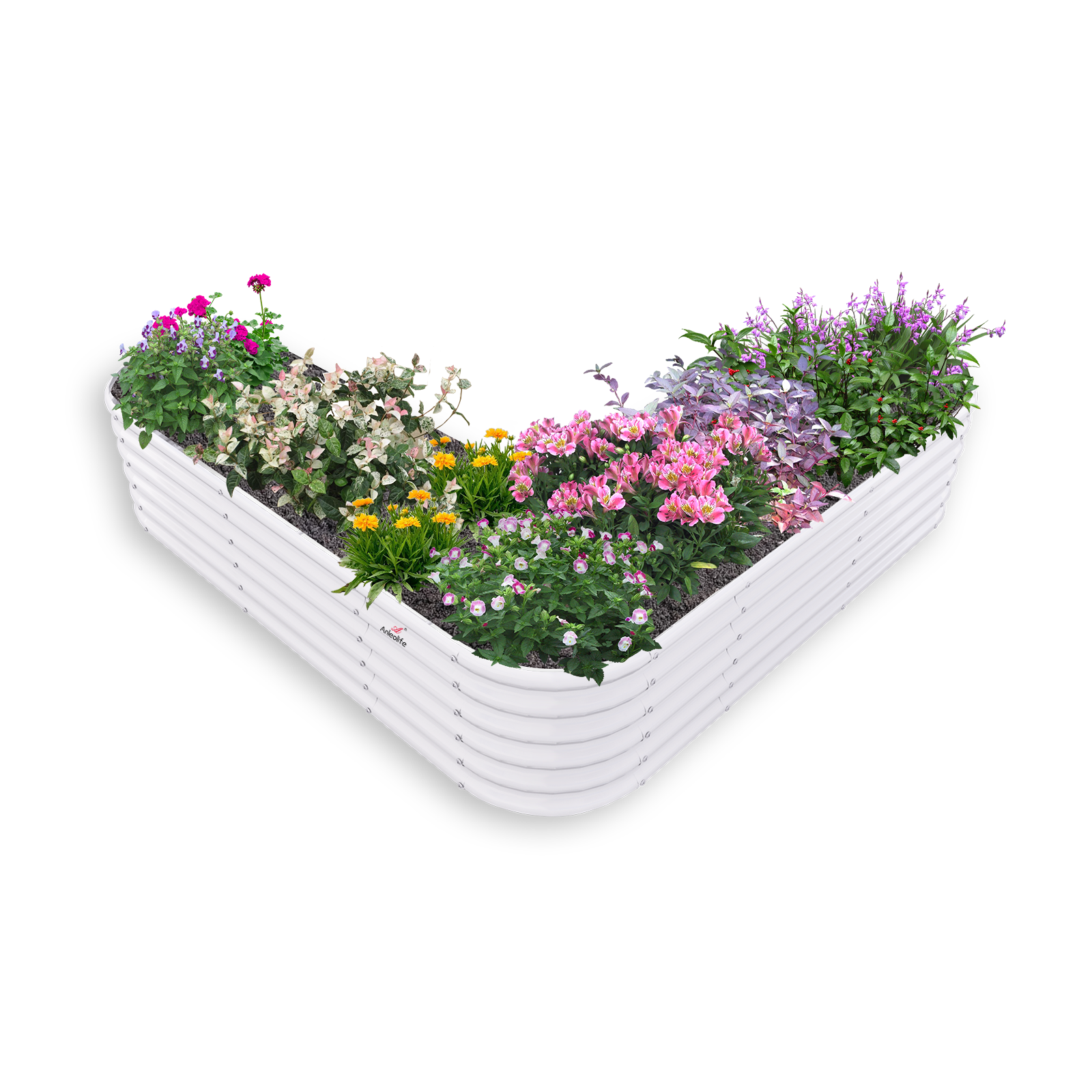
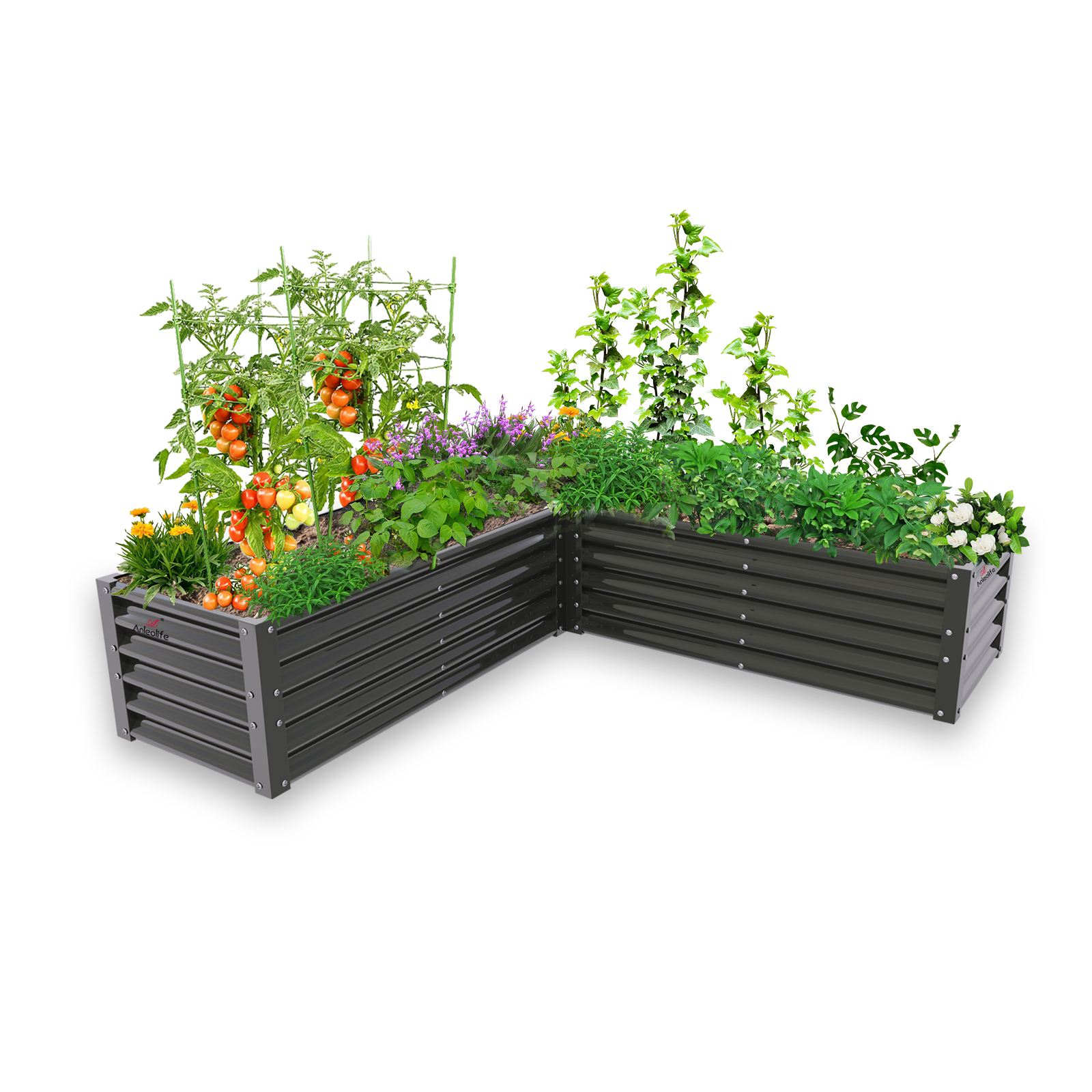
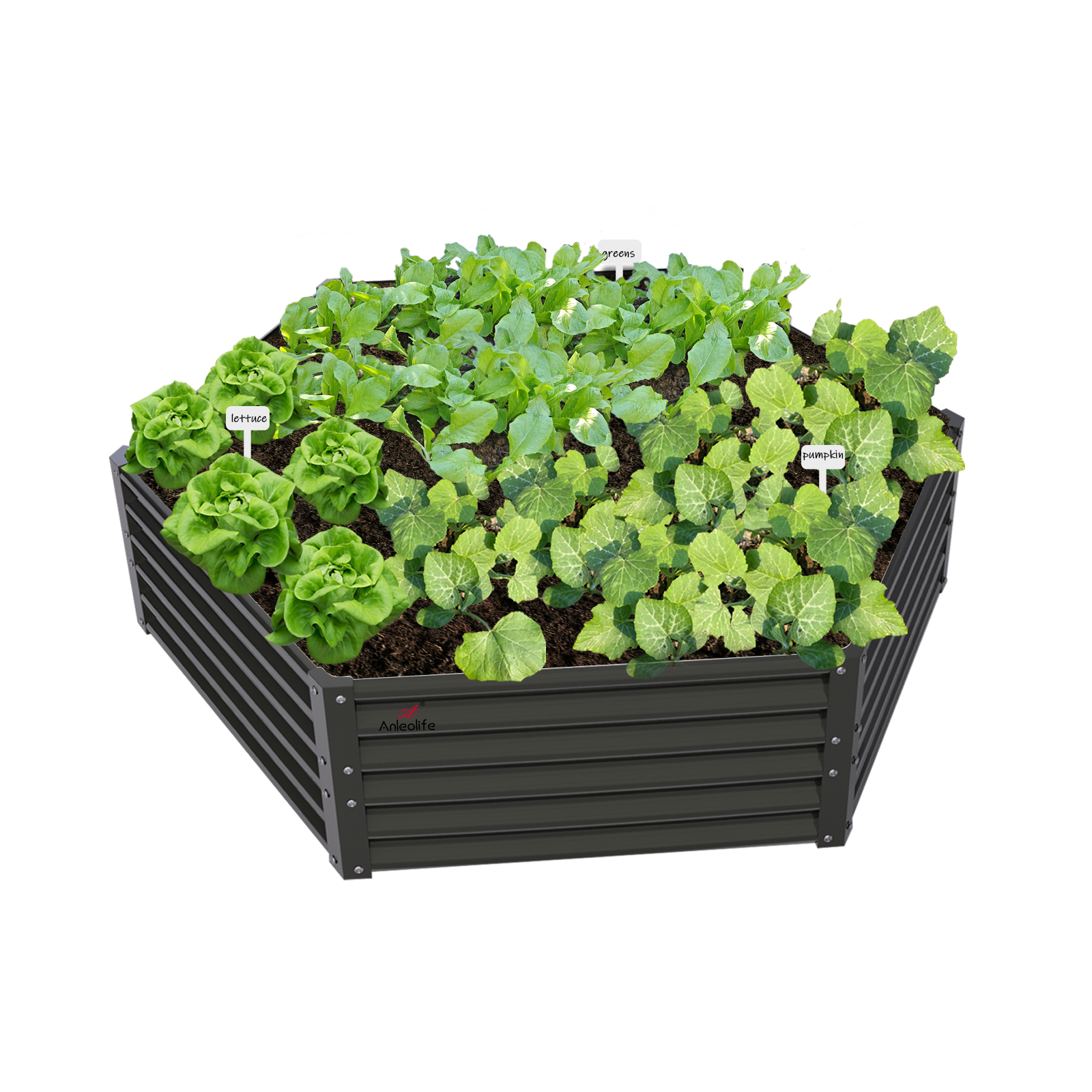
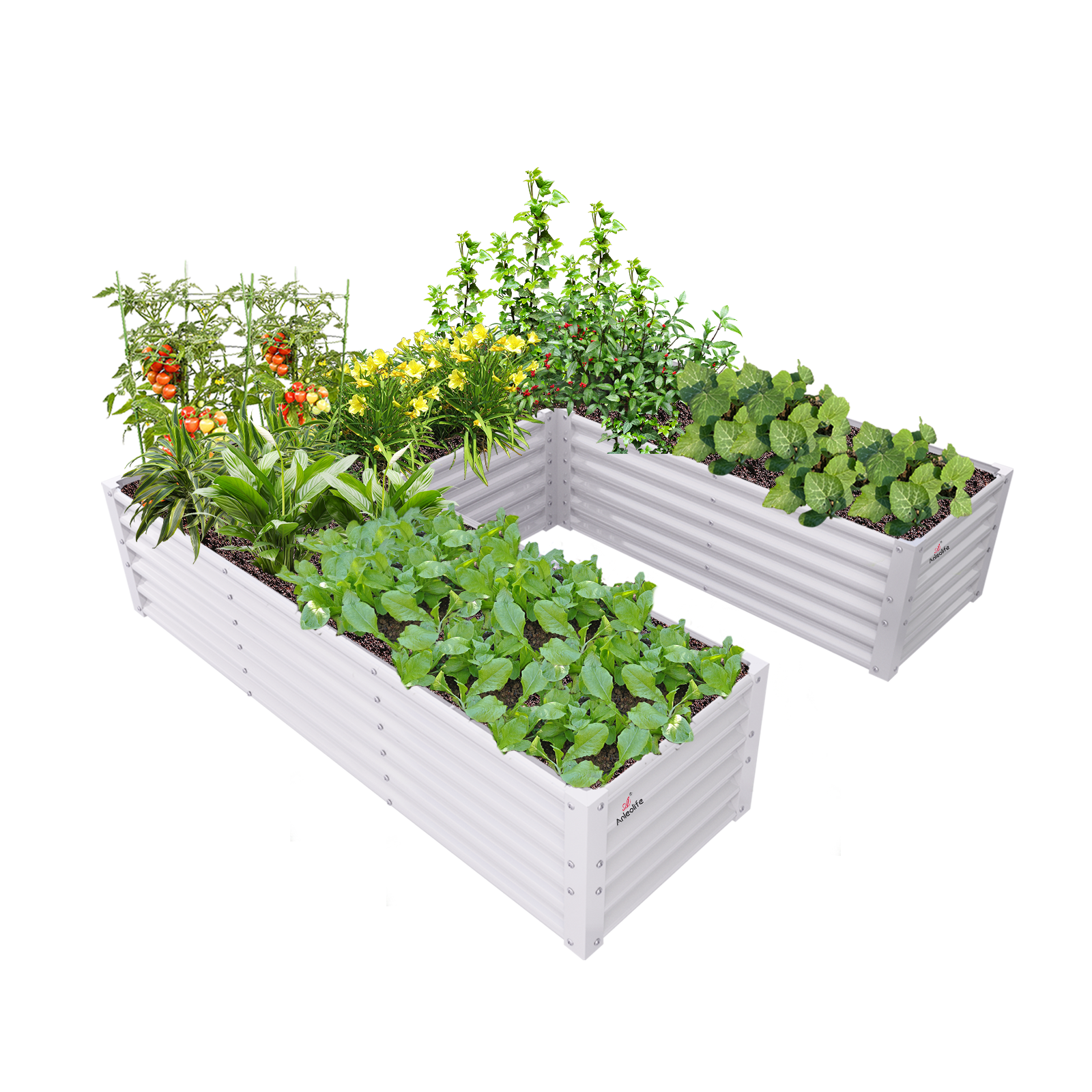



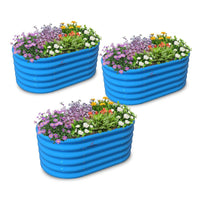
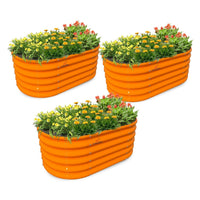
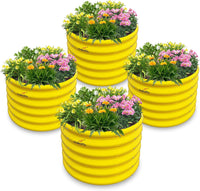
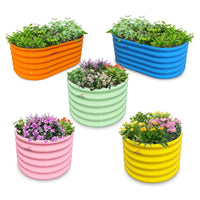
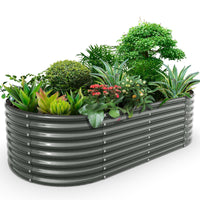



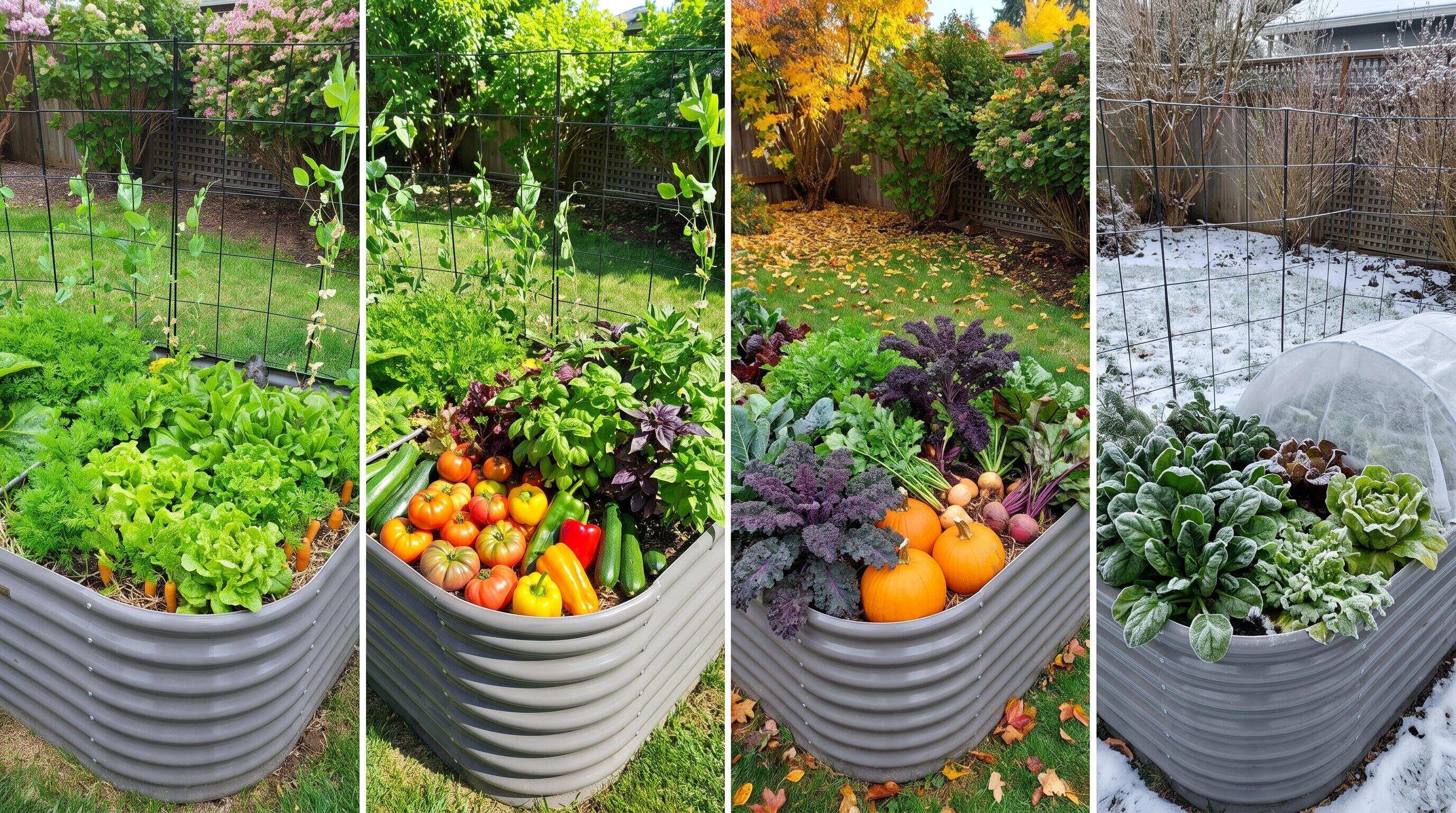
ALT: Seasonal care routine keeping metal raised garden beds rust-free through spring summer fall winter
Why Rust Protection Is the Most Overlooked Factor in Raised Bed Garden Layout Planning
Rust protection is the single most underappreciated variable in a successful raised bed garden layout — and overlooking it is what separates a bed that thrives for decades from one that deteriorates after a single season. Most gardeners spend considerable energy thinking through their raised bed planting layout: which crops to pair together, how to organize rows for sunlight access, whether to use a square-foot or block planting approach. What receives far less attention is the structural integrity of the bed itself — specifically, how well the metal resists corrosion through the seasonal temperature swings, moisture cycles, and soil contact that are unavoidable in outdoor gardening.
In our work with clients across a wide range of climates and garden configurations, a pattern we consistently see is this: gardeners who invest thoughtfully in their raised bed layout from the start — choosing durable materials, siting beds to minimize moisture retention, and building seasonal inspection into their routine — enjoy significantly longer bed lifespans and lower total costs than those who treat the bed itself as an afterthought. This article breaks down exactly why rust happens, when it happens, and how a simple seasonal care routine can keep your metal raised garden beds performing beautifully for the long haul.
The Current State of Metal Raised Bed Gardening and Why Durability Matters More Than Ever
Metal raised garden beds have become a defining feature of the modern home garden. Galvanized steel and rust-resistant steel options have displaced wood and plastic as the preferred choice for serious home growers — and for good reason. Steel beds hold their shape under heavy soil loads, resist burrowing pests, heat up quickly in spring to extend the growing season, and deliver a clean, architectural aesthetic that suits both suburban backyards and urban rooftop gardens.
The surge in raised bed gardening reflects a broader cultural shift. More families are growing their own food as part of an eco-conscious, health-oriented lifestyle. Urban micro-gardeners are working with compact footprints and need materials that maximize productivity per square foot. Empty nesters and retirees are turning to taller raised bed configurations — waist-high or extra-tall beds — to garden comfortably without kneeling. All of these groups share one priority: they want a bed that performs reliably without constant intervention.
The challenge is that the same outdoor environment that makes gardening rewarding is also what puts metal under stress. Fluctuating humidity, pooling rainwater, acidic soil chemistry, freeze-thaw cycles, and seasonal debris accumulation all work against the protective coatings on steel. The good news is that modern galvanized steel and rust-resistant steel construction — when cared for with a consistent seasonal routine — is genuinely built for longevity. Anleolife designs its metal raised garden beds to a 20-year lifespan standard, which represents real value over time when you factor in the cost of replacing wood beds every few years.
Per guidance from the American Galvanizers Association, galvanized steel achieves corrosion resistance through a zinc coating that forms a protective barrier against moisture and oxygen — the two primary ingredients of rust. Understanding this mechanism is the foundation of effective maintenance, because every care step in a seasonal routine is essentially aimed at preserving or reinforcing that barrier.
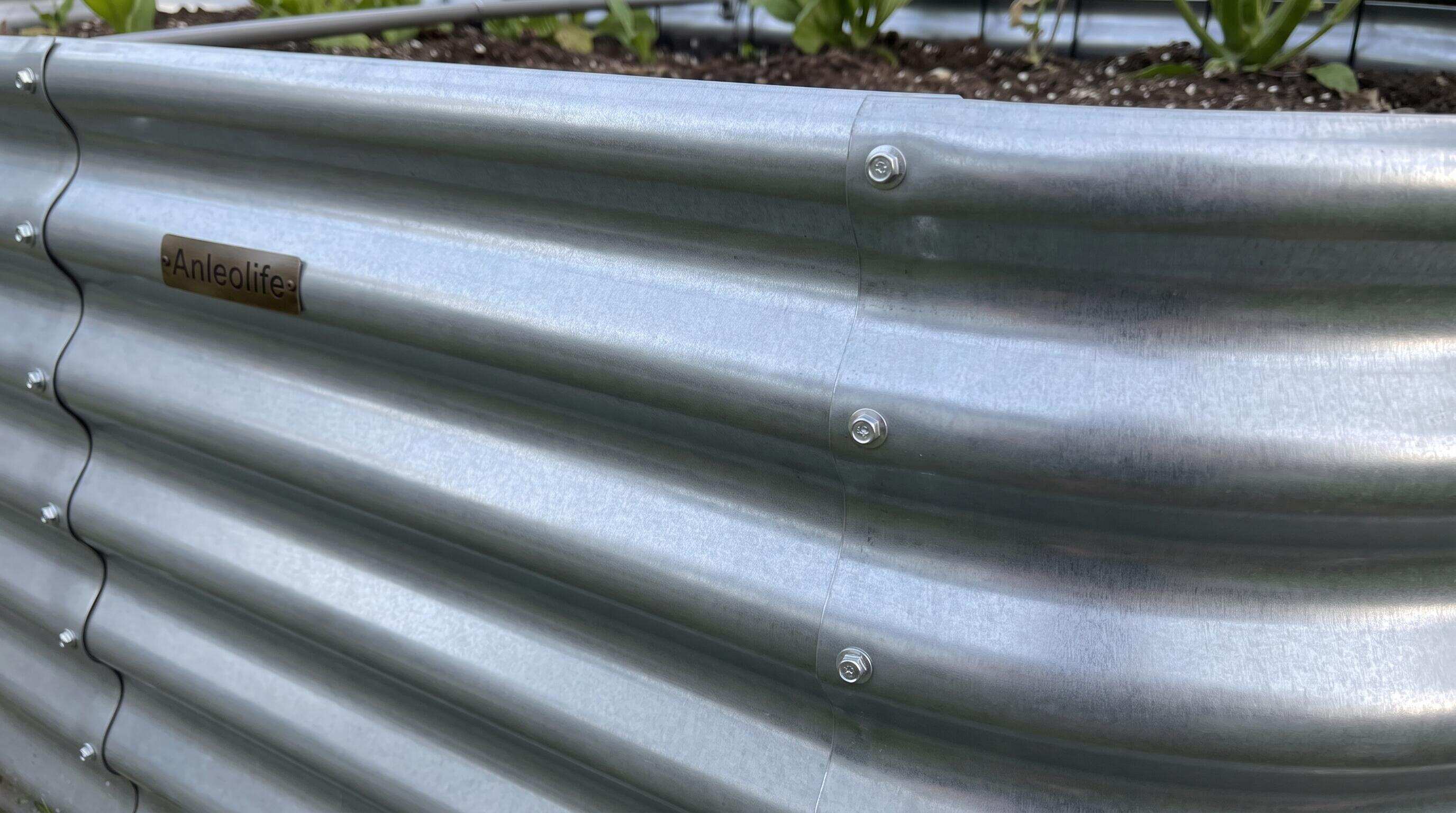
ALT: Close-up of galvanized raised bed garden layout panels inspected for rust during seasonal maintenance routine
How Rust Actually Forms on Metal Garden Beds — and When It Strikes Hardest
Rust is not random damage — it follows predictable patterns tied directly to the seasonal calendar. Understanding the mechanism helps gardeners act at exactly the right moments rather than reacting after visible deterioration has set in.
The Electrochemical Basics of Corrosion
Rust is the common name for iron oxide, the compound that forms when iron or steel reacts with oxygen in the presence of moisture. On a bare steel surface, this process is rapid. On galvanized or rust-resistant steel, the zinc coating sacrifices itself before the underlying steel is attacked — a process called cathodic protection. This is why a small scratch in a galvanized coating does not immediately create a rust spot: the surrounding zinc continues to protect the exposed area. However, when the coating is sufficiently thinned, scratched, or chemically degraded, iron oxide formation begins — and it accelerates in the presence of heat, salt, acid, or standing water.
The Four Seasonal Vulnerability Windows
Spring is the first high-risk window. After winter, freeze-thaw cycling has expanded and contracted the metal repeatedly, potentially opening micro-cracks in the coating. Accumulated winter debris — wet leaves, compacted snow melt, soil splatter — sits against the metal and creates the sustained moisture contact that kickstarts corrosion. This is why a thorough spring inspection is non-negotiable.
Summer presents a different risk profile. Heat and humidity together accelerate oxidation chemistry. Overhead irrigation, if not managed carefully, sends repeated moisture pulses against the metal exterior. Soil-level moisture from mulching and watering can wick against the lower panels. Any small compromises in the coating from spring are now advancing faster under summer conditions.
Autumn is arguably the most critical window of all. Falling leaves and decaying organic matter are mildly acidic, and when they accumulate against metal bed panels, they hold moisture in sustained contact with the surface. A pattern we consistently see in beds that show premature rust is that the damage traces back to autumn debris that was left in contact with the lower panels through the wet months.
Winter is less about active rust formation and more about setting the stage. Frozen moisture inside micro-cracks expands and enlarges those cracks, giving future moisture deeper access to the steel substrate. Beds that go into winter without a protective coating check are starting the freeze-thaw cycle with existing vulnerabilities.
Soil Chemistry as an Accelerant
Soil acidity is a frequently overlooked factor. Most vegetable gardens operate in a slightly acidic pH range, and soil in direct contact with metal panels contributes to coating degradation over time. This is one reason why the interior lining approach — using a food-safe fabric liner between soil and metal — is worth considering, particularly in beds used intensively for acidic-loving crops.
Drainage Design Within the Raised Bed Layout
Poor drainage is one of the most structurally consequential decisions in a raised bed garden layout. A bed that sits on compacted ground without adequate drainage underneath retains standing water at the base of the panels, which is precisely the zone where corrosion begins. Planning your raised bed layout to include a gravel drainage layer at the base, or positioning beds on a slight grade, addresses this risk at the source rather than treating symptoms after the fact.
Comparing Seasonal Care Approaches — What Actually Works
Gardeners take a range of approaches to metal bed maintenance, from minimal intervention to comprehensive seasonal protocols. The evidence from long-term experience points clearly to structured seasonal routines outperforming reactive or ad-hoc approaches on every meaningful metric: bed lifespan, appearance, and total cost of ownership.
| Perspective / Approach | Strengths | Trade-offs | Best Fit |
|---|---|---|---|
| Reactive Maintenance (address rust when visible) | No upfront time investment; simple approach | Rust is often already structural when visible; repair costs exceed prevention costs | Very sheltered beds in dry climates with minimal seasonal variation |
| Annual Single-Treatment (one inspection per year) | Low time commitment; better than nothing | Misses the four distinct seasonal vulnerability windows; gaps in protection | Beds with premium factory coatings in mild, low-humidity climates |
| Full Seasonal Protocol (four-phase annual routine) | Catches vulnerabilities at each specific risk window; maximizes coating lifespan; preserves 20-year bed longevity | Requires four brief maintenance sessions per year | All climates; essential for humid, high-rainfall, or freeze-thaw regions |
| Raised Bed Layout Design for Drainage (structural prevention) | Eliminates root cause of moisture retention; lowest long-term maintenance burden | Requires upfront planning in the raised bed planting layout; may involve site modification | New installations and redesigned gardens |
According to the ASTM International standard for zinc-coated (galvanized) iron and steel products (ASTM A123), the expected service life of hot-dip galvanized coatings varies significantly based on environmental exposure conditions — with aggressive moisture and chemical exposure dramatically shortening coating life. This reinforces the core argument for a seasonal routine: the coating performs as designed when environmental stressors are managed proactively.
For gardens in the American South — humid, warm, and often high-rainfall — the full seasonal protocol is not optional; it is the baseline. For gardens in the drier West, a structured approach still pays dividends because seasonal wildfire smoke deposits and hard-water mineral accumulation create their own coating chemistry challenges. For detailed raised bed garden layout guidance and planting organization strategies, resources like the Raised Bed Garden Layout Plans from The Old Farmer's Almanac offer a useful starting framework for bed placement and design decisions.
The value-for-money argument is straightforward. A metal raised garden bed designed for a 20-year lifespan, properly maintained, costs a fraction of the equivalent wood bed replacement cycle over the same period. The annual time investment in a seasonal care routine is modest — a few hours spread across the year — compared to the labor and expense of sourcing, building, and establishing a new bed from scratch.
For those planning their raised bed planting layout across multiple beds, the 4x8 Raised Bed Vegetable Garden Layout Ideas from Savvy Gardening provides practical configuration strategies that can also inform bed positioning for optimal drainage and sun exposure — both of which indirectly support rust prevention by reducing sustained moisture contact.
The Four-Season Care Routine — What to Do and When
A practical seasonal care routine for metal raised garden beds does not require specialized tools or professional intervention. It requires consistency, attention to the right details at the right times, and a basic understanding of what to look for.
Spring — Assess, Clean, and Protect. Begin each season with a full walk-around inspection of every panel, corner joint, and base edge. Look for any chalky white deposits (zinc oxidation, which is normal and protective), surface discoloration that suggests early rust spots, or visible scratches in the coating. Remove all winter debris from around and beneath the bed. Clean exterior surfaces with water and a soft brush — avoid steel wool or abrasive pads, which scratch the coating. If you identify any areas of bare steel, apply a zinc-rich touch-up paint before the growing season begins. Recheck the drainage layer at the base.
Summer — Monitor and Manage Moisture. During the growing season, the priority is moisture management. Aim irrigation at the soil surface rather than at the bed panels. If you use drip irrigation, check that emitters are not splashing against the metal exterior. Inspect the base of panels monthly — soil splash from heavy rain accumulates here and holds moisture against the metal. Wipe down the exterior of panels after heavy rainfall events if practical. This is also a good time to assess whether your raised bed garden layout benefits from mulching the exterior pathways, which reduces soil splash significantly.
Autumn — Clear Debris Before It Compresses. This is the most time-sensitive window. As soon as deciduous trees begin dropping leaves, make clearing debris from around bed bases a weekly habit rather than a single end-of-season task. Wet, decomposing leaves are mildly acidic and hold moisture persistently. After the main leaf-fall is over, do a full inspection of all panel surfaces and apply a light coat of food-safe mineral oil or an appropriate metal protectant to exterior surfaces before temperatures drop consistently below freezing.
Winter — Prepare for the Freeze-Thaw Cycle. In regions with hard winters, consider elevating any items stored against bed exteriors, ensuring nothing holds sustained moisture contact against the panels. Avoid using rock salt or chemical de-icers near beds — chloride compounds aggressively attack zinc coatings. If snow accumulates inside beds, avoid using metal tools to break it up against the panel interior. Let snow melt naturally, as it is far less abrasive than scraping.
As a structural foundation for this routine, your initial raised bed layout planning should incorporate site selection criteria that inherently reduce rust risk: beds placed to receive good air circulation dry faster after rain; beds positioned to avoid runoff from roof edges or hardscape surfaces eliminate one major moisture source; and beds oriented to maximize afternoon sun exposure in your climate zone stay drier through the season.
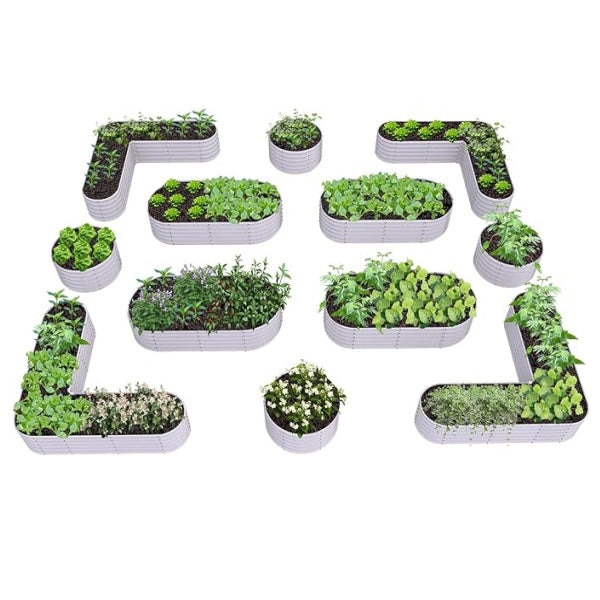
Gardeners building out a multi-bed system will find that the layout organization itself — the physical arrangement of beds across the garden space — influences maintenance efficiency. A tightly clustered raised bed layout where beds are accessible from all sides makes seasonal inspections faster and more thorough than configurations where beds back against fences or walls on one side, trapping moisture and making panel inspection difficult.
Where Raised Bed Care Is Heading — and What It Means for Your Garden
The direction of metal raised bed gardening is toward longer-lived, lower-maintenance systems with smarter material choices. Manufacturers are advancing rust-resistant coatings, modular designs that allow panel replacement without full bed reconstruction, and configurations that address drainage structurally rather than as an afterthought. The practical implication for home gardeners is that the bed you invest in today — maintained well — is increasingly likely to outlast your initial expectations.
Seasonal care routines are themselves becoming more streamlined. The core principle — address each of the four seasonal vulnerability windows with targeted, brief interventions — is unlikely to change, but the products and materials available for touch-up and protection are improving in quality and ease of use. Zinc-rich primers, food-safe metal protectants, and modular design features that eliminate vulnerable joints are all making maintenance simpler.
For the health-conscious and eco-minded gardener, one implication worth noting is the continued validation of galvanized steel as food-safe at the soil interface. According to guidance from the U.S. Environmental Protection Agency and peer-reviewed soil science literature, zinc from galvanized coatings does not accumulate in garden soil at levels that pose a food safety risk under normal vegetable gardening conditions — a reassurance for the many families growing edibles in metal beds.
Actionable takeaways from the analysis above:
- Map your garden's four seasonal windows and schedule a brief inspection at the start of each one — spring, summer onset, autumn leaf-fall, and pre-freeze.
- Design your raised bed garden layout from the start with drainage and air circulation as explicit criteria, not afterthoughts.
- Address any coating damage — scratches, chips, bare steel — in spring before the growing season begins, not after the season ends.
- Choose beds built to a documented longevity standard; a 20-year design lifespan means your maintenance investment compounds over decades rather than being reset every few years by replacement.
- Consider the total cost of ownership, not just the sticker price — a durable metal bed maintained through a simple seasonal routine delivers better value per growing season than any alternative that requires periodic full replacement.
Common Questions
Q1: How do I know if my metal raised garden bed has started to rust under the coating?
Early-stage corrosion beneath a zinc coating often appears as a reddish-brown discoloration that seems to bleed through from beneath the surface, rather than sitting on top of it. You may also notice bubbling or lifting of the coating in localized spots. If you detect this during your seasonal inspection, clean the area thoroughly, remove any loose coating with gentle abrasion, and apply a zinc-rich touch-up primer before moisture gets deeper access. Catching this at the first seasonal inspection is far less costly than addressing it after the corrosion has progressed through the panel.
Q2: Are galvanized steel raised garden beds safe for growing vegetables and edible plants?
Galvanized steel raised garden beds are widely considered safe for vegetable gardening. The zinc coating used in hot-dip galvanization does not leach into soil at levels that pose a dietary risk under normal growing conditions — a position consistent with guidance from the U.S. Environmental Protection Agency on zinc in the environment. Many gardeners use an interior fabric liner as an added precaution and to prevent direct soil-to-metal contact, which also has the benefit of reducing the rate of coating degradation from soil acidity over time.
Q3: How much time does a seasonal rust-prevention routine actually take across the year?
A full four-season care routine — spring inspection and touch-up, summer moisture monitoring, autumn debris clearing, and winter preparation — typically requires a total of three to five hours annually spread across four sessions. The most time-intensive session is usually autumn, which includes a full inspection plus an exterior protectant application. The investment is modest relative to the return: beds designed for a 20-year lifespan, properly maintained, deliver decades of reliable performance without the cost and effort of periodic replacement.
The Bottom Line
Keeping metal raised garden beds rust-free is not a matter of luck or superior materials alone — it is a matter of consistent, seasonal attention applied at the right four windows of vulnerability each year. Three core points summarize the entire analysis:
First, rust follows predictable seasonal patterns — spring debris and post-freeze coating stress, summer heat and moisture cycles, autumn acidic leaf accumulation, and winter freeze-thaw damage — and a targeted seasonal routine addresses each one at precisely the right moment.
Second, your raised bed garden layout choices directly influence rust risk. Drainage planning, air circulation, bed positioning relative to moisture sources, and accessibility for inspection are all structural decisions made at setup that either help or hinder your long-term maintenance effort.
Third, the value calculation strongly favors investment in durable metal beds paired with a simple maintenance routine. A bed designed for a 20-year lifespan, maintained through a few hours of seasonal care per year, outperforms any alternative on total cost of ownership by a wide margin.
Your next step is straightforward: map your garden's seasonal calendar, schedule your four brief inspection windows, and make sure the beds you choose are built to a standard worth maintaining. The routine you build now pays dividends for every growing season to come.
Ready to build a garden that lasts? Explore the full range of Anleolife metal raised garden beds — available through Amazon, Walmart, Home Depot, Lowe's, Wayfair, and directly at the Anleolife website, with delivery in 3–8 business days from warehouse locations across California, Texas, Florida, New York, Illinois, and Washington. From your first galvanized steel bed to a complete planting-and-raising ecosystem, Anleolife grows with your garden at every stage.
Sources & Citations
- ASTM International. "ASTM A123: Standard Specification for Zinc (Hot-Dip Galvanized) Coatings on Iron and Steel Products."
https://www.astm.org - The Old Farmer's Almanac. "Raised Bed Garden Layout Plans."
https://www.almanac.com/raised-bed-vegetable-garden-layouts-beginners - Savvy Gardening. "4x8 Raised Bed Vegetable Garden Layout Ideas."
https://savvygardening.com/4x8-raised-bed-vegetable-garden-layout/
Note: Standards and regulatory guidance may be updated periodically; please consult the latest official documents or a qualified professional advisor for current specifications.