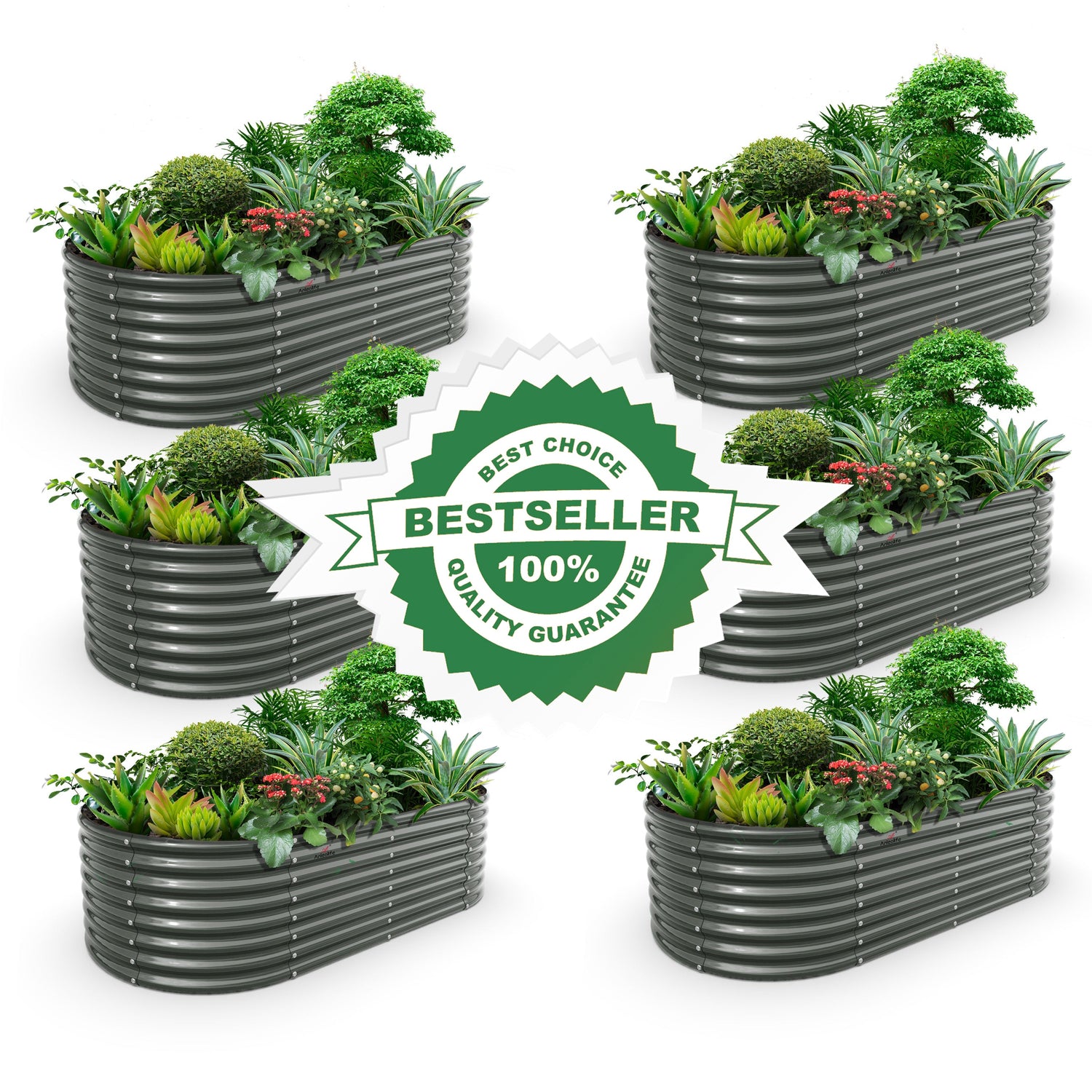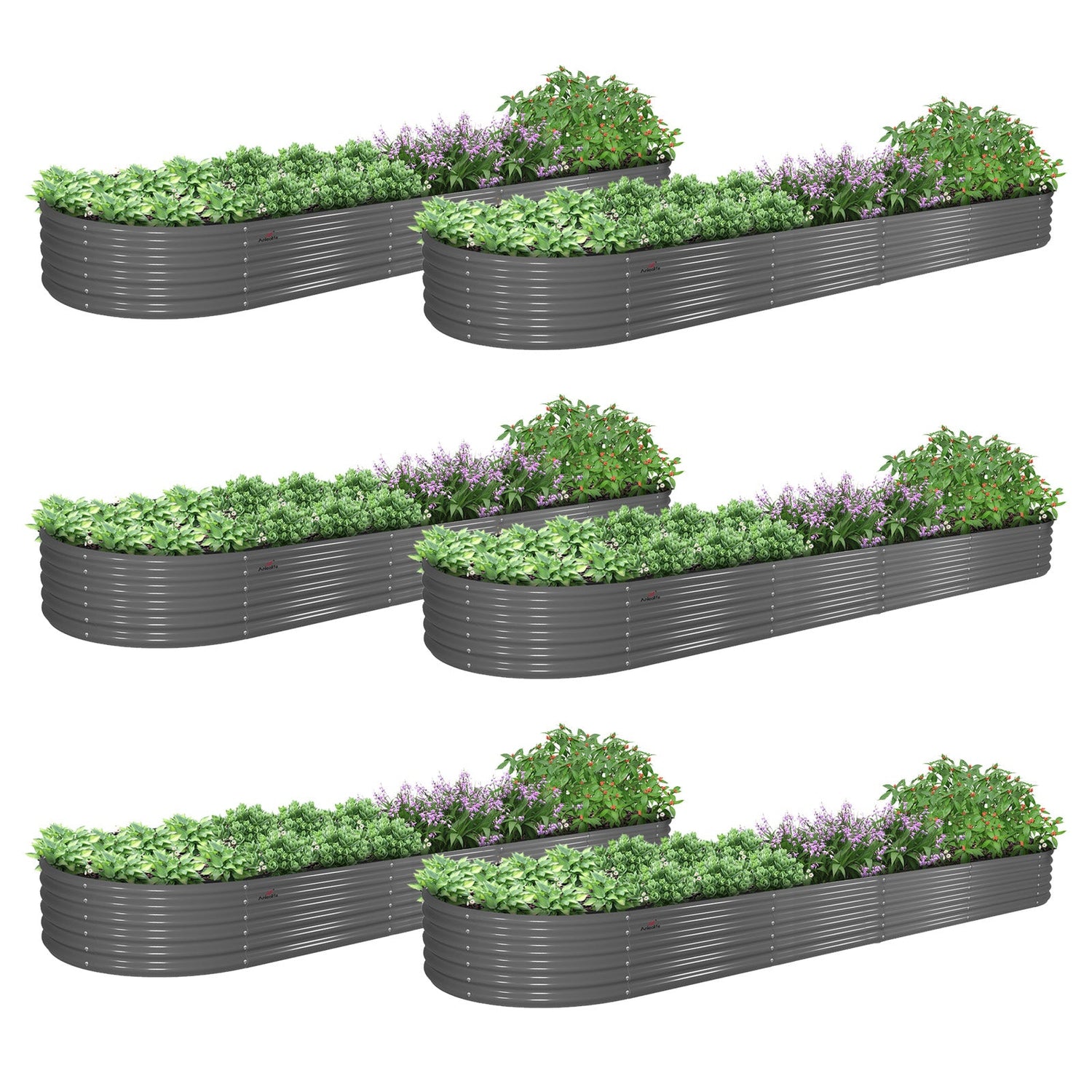




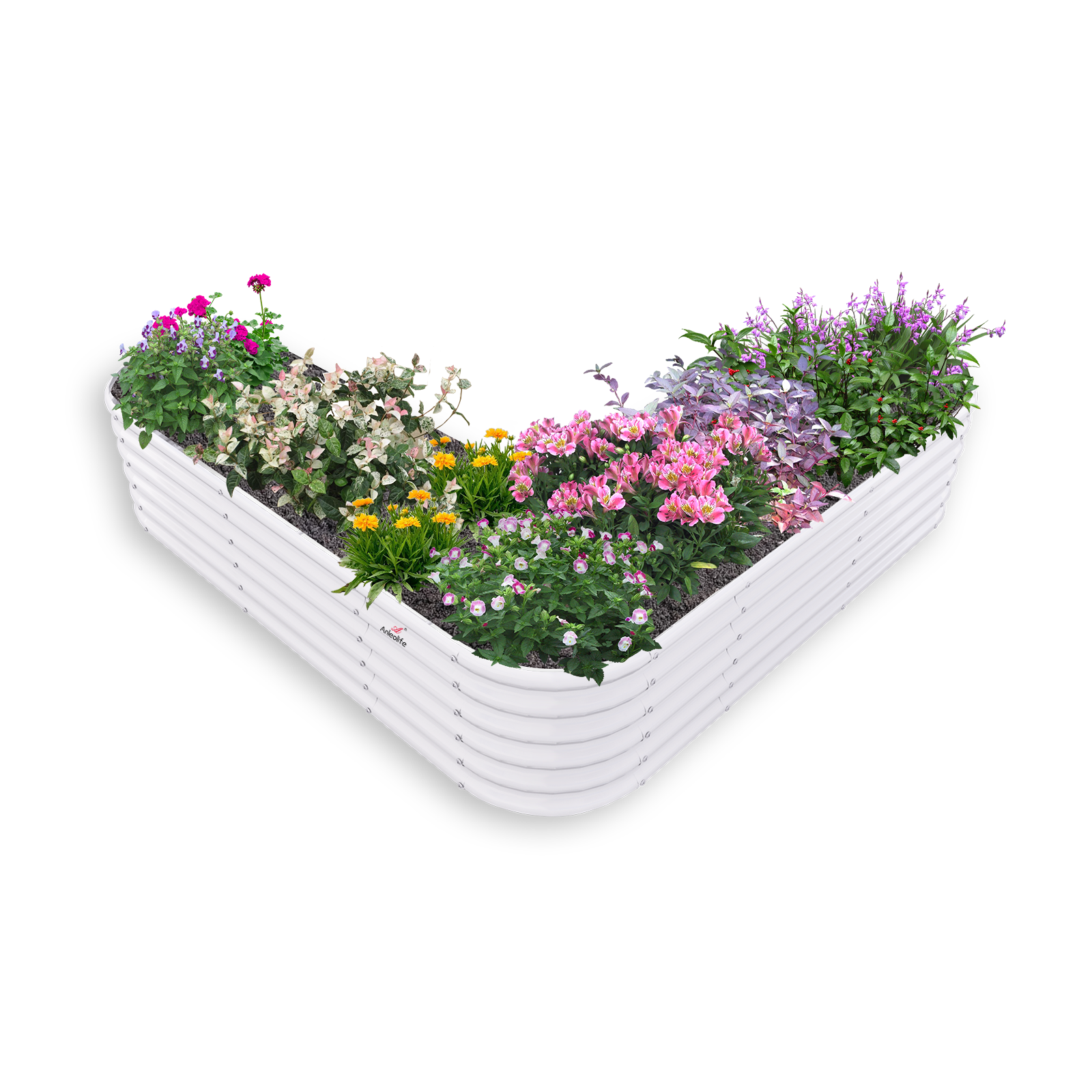
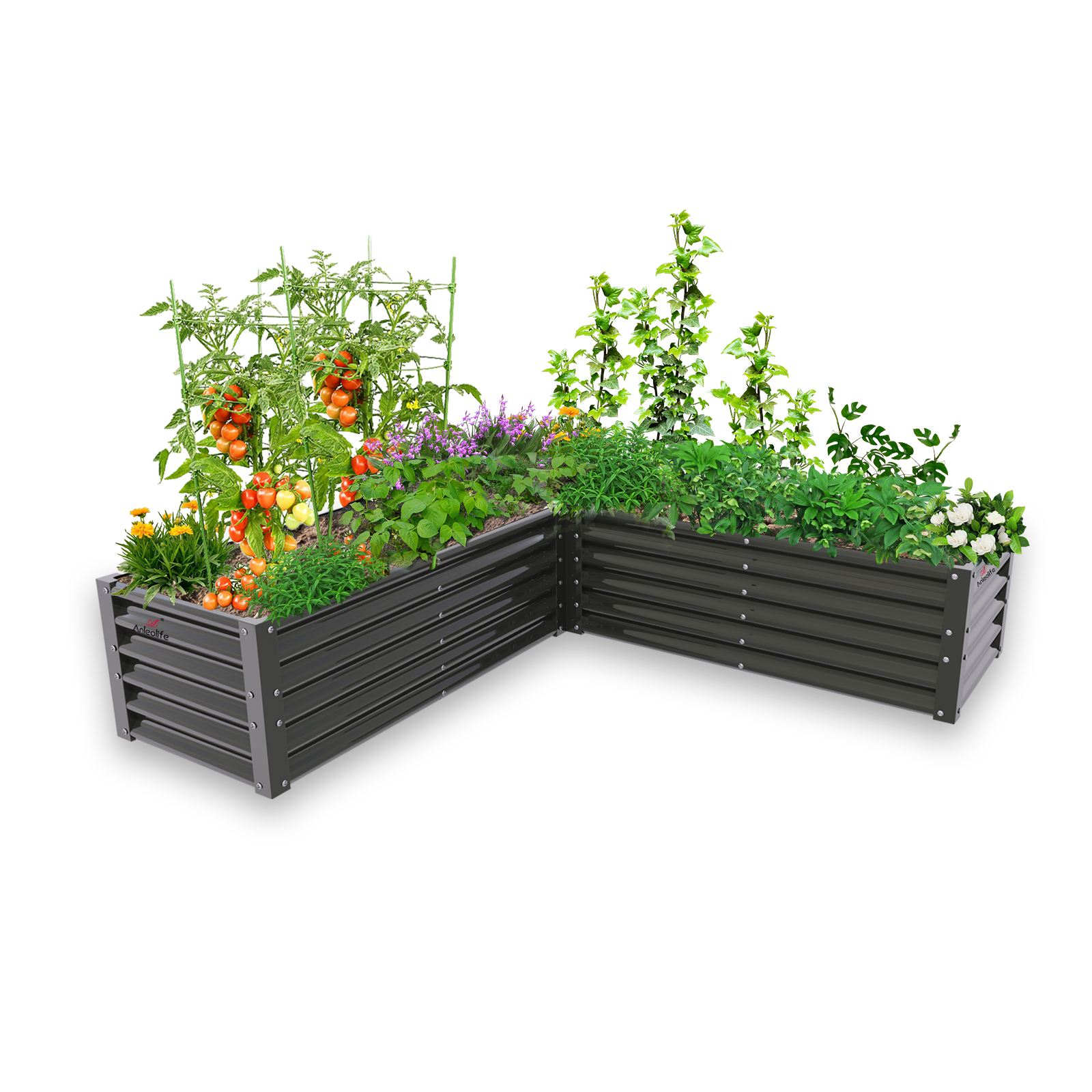
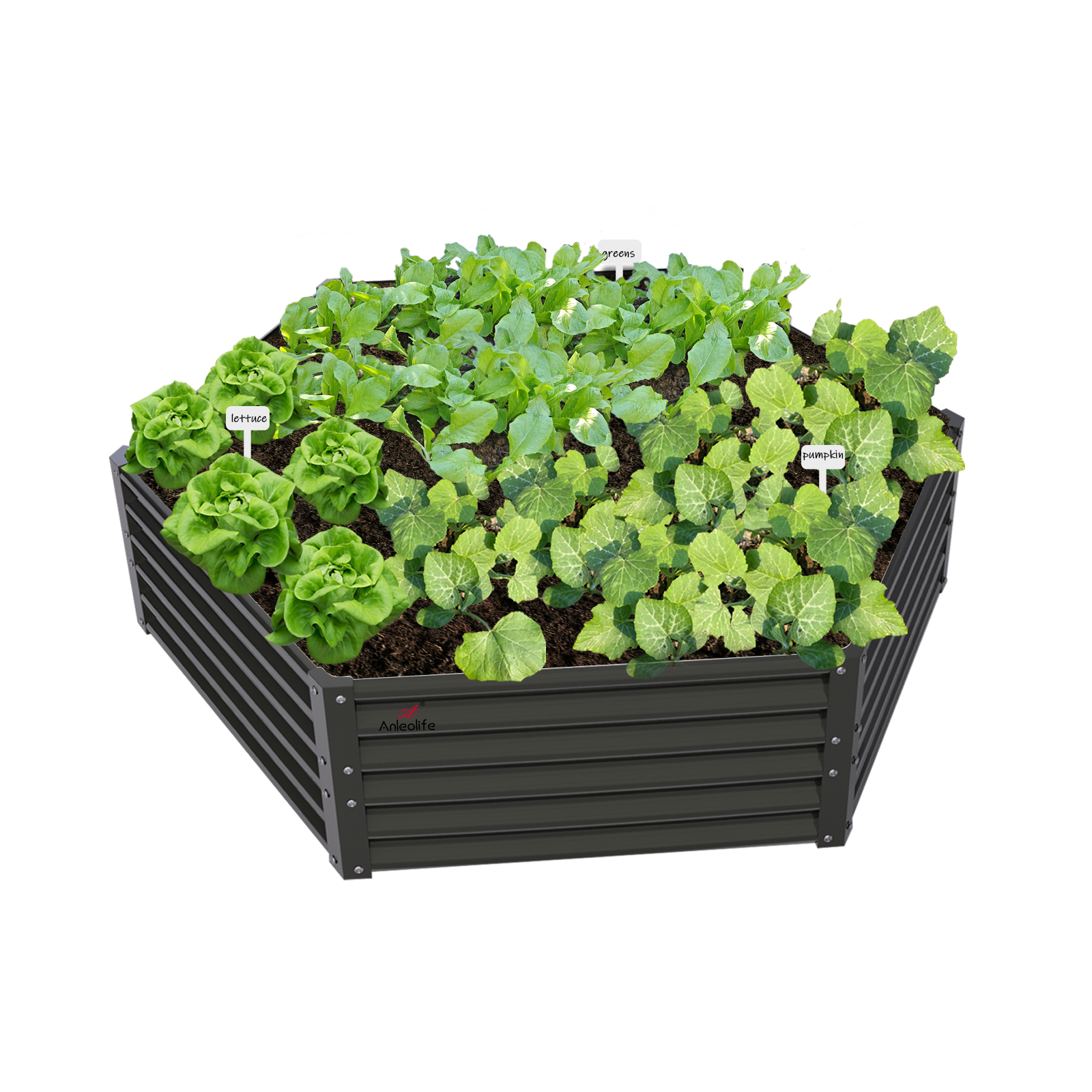
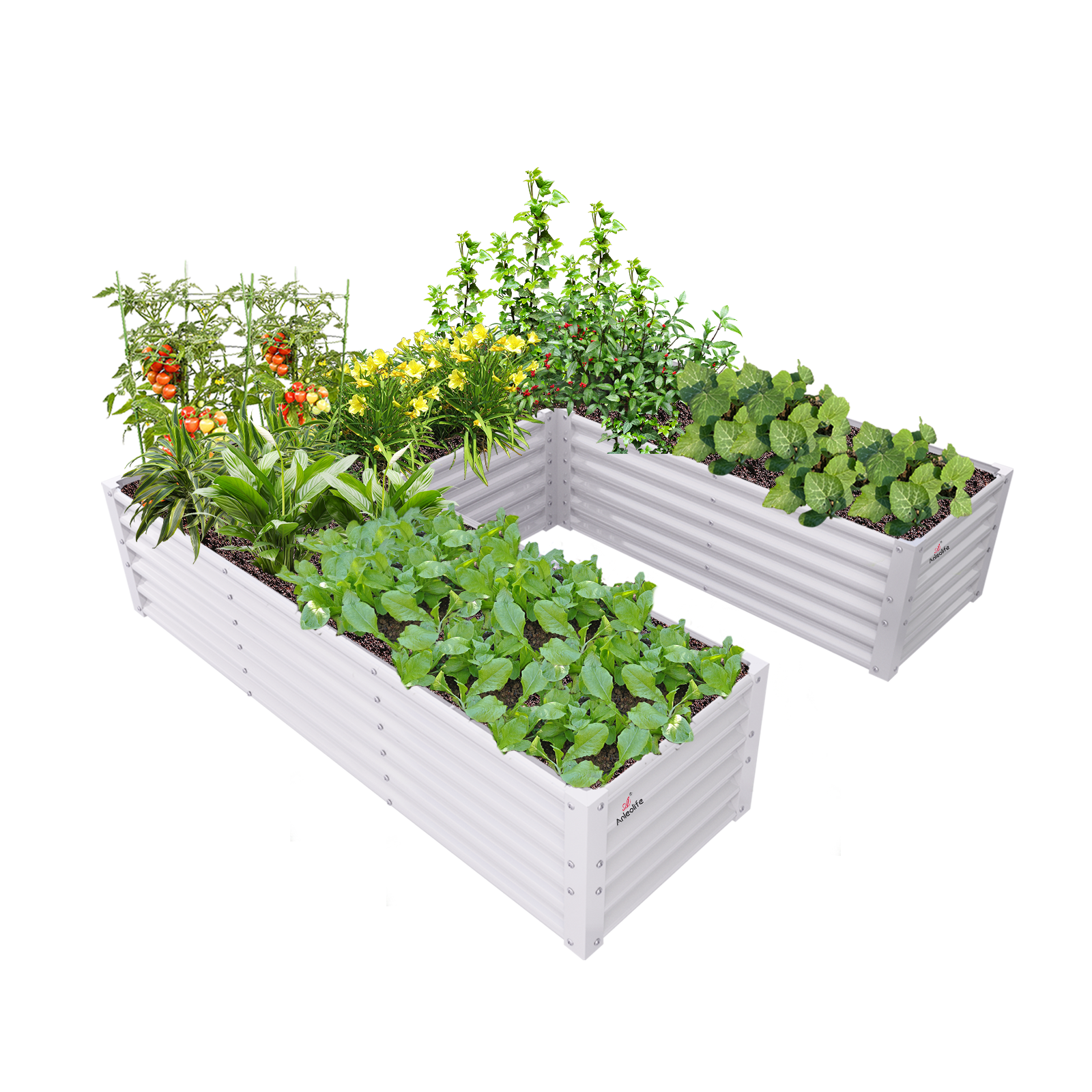

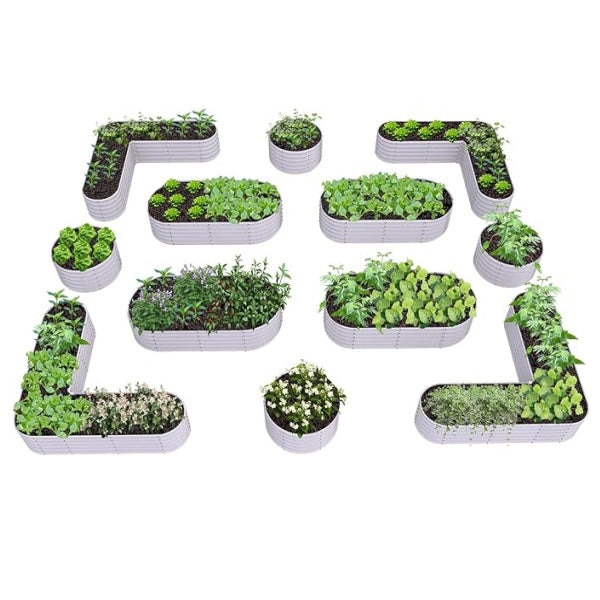


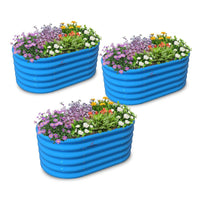
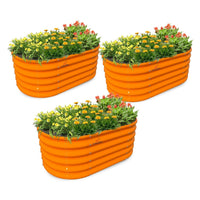
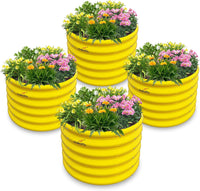
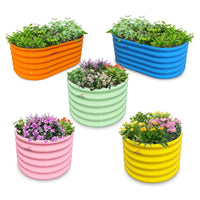
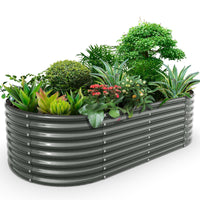



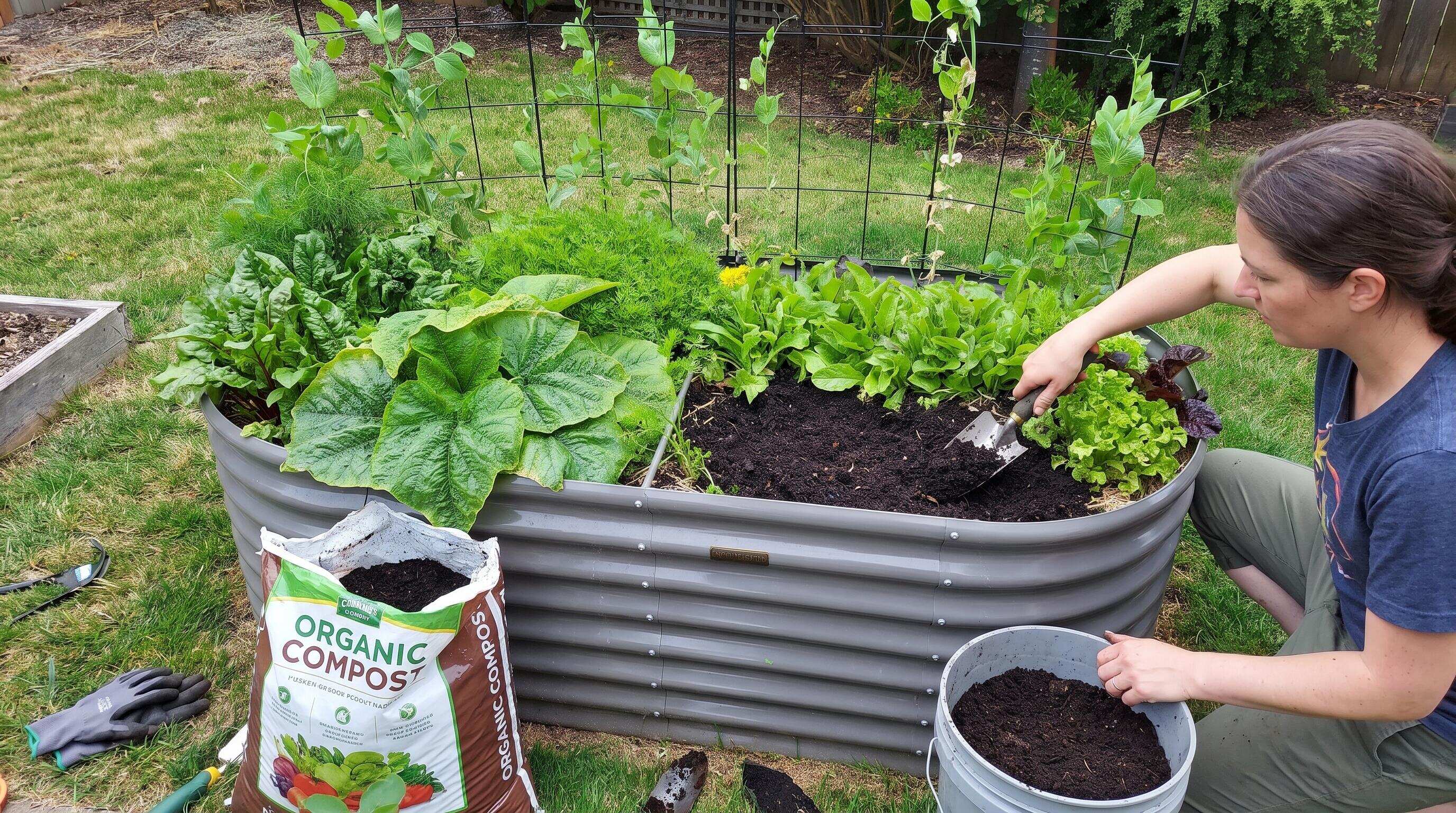
ALT: New gardener choosing the best size raised garden bed layout for first growing season
Choosing the Right Raised Bed Size: A Beginner's Guide to Layouts That Actually Work
First-time gardeners face a near-universal problem: they either start too big and feel overwhelmed, or start too small and run out of growing space before the season really gets going. The right raised bed garden layout is not just about fitting plants into a rectangle — it is about matching your available space, physical reach, crop ambitions, and maintenance reality into a single, sensible plan. At Anleolife, a leading outdoor garden solutions provider in North America, we work closely with home growers at every level, and we consistently see the same sizing mistakes made season after season. This guide distills that hands-on experience into a practical, ranked list of raised bed sizes best suited to new gardeners this season.
The items in this list were selected based on one core principle: the right raised bed planting layout makes gardening feel rewarding, not punishing. Each size below was evaluated against ease of access, versatility, beginner-friendly plant combinations, physical ergonomics, and real-world space constraints. Whether you have a small urban patio or a generous backyard, this list maps directly to where you are right now.
The Best Raised Bed Sizes for New Gardeners (Ranked by Fit and Function)
The 4x4 Raised Bed: The Most Beginner-Friendly Starting Point
A 4x4 raised bed is a square garden bed measuring four feet on each side, giving you 16 square feet of growing surface. It earns its reputation as the gold-standard starter bed for one simple reason: every square inch of soil is reachable from the outside without stepping inside the bed. Soil compaction — one of the most common and damaging beginner mistakes — becomes essentially a non-issue when you can reach the center comfortably from any side.
For a raised bed planting layout at this scale, a popular approach is the square-foot gardening method, in which the 4x4 surface is mentally divided into 16 individual 1x1 squares, each planted with a different crop at the appropriate density. This gives new gardeners a natural framework for organizing crops, managing rotation, and avoiding the overcrowding that kills more first-season gardens than bad weather ever does. According to The Old Farmer's Almanac, square-foot planning within a compact raised bed is one of the most effective strategies for maximizing yield in limited space.
Best for: Gardeners with limited outdoor space, renters, urban dwellers, and anyone new to planning a raised bed layout who needs a forgiving canvas.
Watch out: 16 square feet fills up faster than beginners expect. If you plan to grow more than a handful of crop types — especially larger plants like tomatoes or squash — you will likely want a second bed by midsummer.
The 4x8 Raised Bed: The Workhorse Layout for Growing Families
A 4x8 raised bed offers 32 square feet of growing space and is arguably the most popular size among gardeners who have moved past their first experimental season — but it is equally well-suited to beginners who are comfortable with a slightly larger commitment. The 4-foot width remains the critical dimension: it keeps the center of the bed within arm's reach from either long side, preserving that no-step-inside rule.
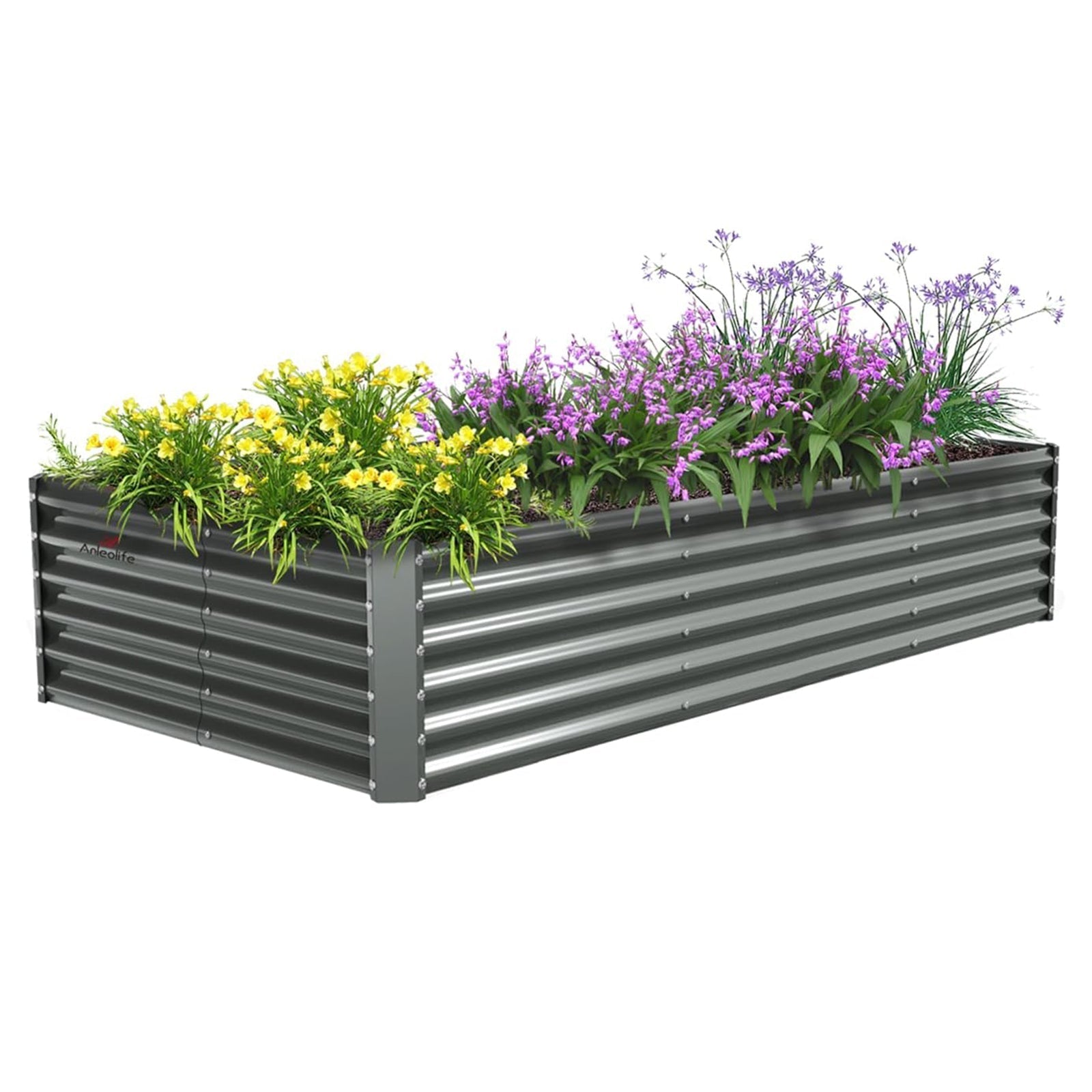
A raised bed garden layout measuring 4x8 gives you enough room to create distinct planting zones — a trellis zone along the north edge for vertical growers like cucumbers or pole beans, a mid-section for medium crops like peppers and herbs, and a front strip for low-growing plants like lettuce or radishes. Planning a 4x8 raised bed vegetable garden layout with this zoning approach makes crop rotation in following seasons far more intuitive. The Anleolife 18" Tall 8x4 ft galvanized steel raised garden bed is a natural fit for this layout, providing the structural depth and surface area to support a full-season growing plan.
Best for: Families who want to grow a meaningful portion of their own vegetables, gardeners interested in companion planting, and those planning to expand their setup over multiple seasons.
Watch out: At 8 feet long, this bed requires more soil volume to fill — a cost that surprises many first-time buyers. Budget your soil mix carefully before purchasing the bed itself.
The 6x3 Raised Bed: The Compact Powerhouse for Narrow Spaces
A 6x3 raised bed is a rectangular bed six feet long and three feet wide, offering 18 square feet of growing area in a slimmer footprint. Three-foot width is the narrowest dimension at which you can comfortably maintain two parallel rows of most vegetables. This makes it ideal for side yards, fence lines, and spaces where a 4-foot-wide bed simply will not fit.
In our work helping customers design their first setups, we frequently recommend the 6x3 for gardeners who have long, narrow outdoor spaces along a garage wall or fence. The raised bed planting layout for this size works beautifully with a two-row system: taller plants on one side, shorter plants on the other, with the sun angle considered for your specific latitude. Anleolife offers this footprint in several height options including 24" Extra Tall and 30" Extra Tall rust-resistant raised garden beds, which is a meaningful advantage for gardeners who want to minimize bending.
Best for: Urban gardeners with narrow side yards, anyone working within a fence-line space constraint, or gardeners who want a manageable first bed that can sit flush against a structure.
Watch out: Three feet of width leaves less room for error in plant spacing. Overcrowding is a real risk, and new gardeners tend to underestimate how much horizontal space mature plants like basil or bush beans actually need.
The 8x4 Extra-Tall Raised Bed: The Back-Friendly Choice for Older Gardeners
An 8x4 raised bed built at 24" or 30" of height transforms the gardening experience for anyone with mobility challenges, back pain, or age-related limitations. The footprint is the same proven 4-foot width that keeps the center accessible, but the elevated soil surface means working at a comfortable standing or seated height rather than crouching over ground level.
This category of raised bed layout is one of the fastest-growing among our customers who are empty nesters and retirees — and for good reason. When the physical barrier to gardening goes down, people actually garden. They tend more frequently, catch problems earlier, and enjoy the process far more. The Anleolife 24" Extra Tall 8x4 ft and 30" Extra Tall 8x4 ft galvanized steel and rust-resistant raised garden beds are purpose-built for this need, and both come with a structural design rated to last up to 20 years. For those exploring material options at this height, understanding which rust-resistant garden bed materials actually hold up over decades of outdoor use is worth reviewing before you invest.
Best for: Retirees, gardeners with mobility issues, anyone who has struggled with back pain during traditional gardening, and caregivers setting up accessible growing spaces.
Watch out: Extra-tall beds require significantly more soil to fill. The deeper the bed, the more material you need — plan for a layered fill approach (coarse drainage material at the base, quality growing mix on top) to manage both cost and drainage effectively.
The 4x2 or Small Rectangular Bed: The True Starter Kit for Absolute Beginners
A 4x2 raised bed — or any small rectangular bed in a similar compact range — gives absolute beginners a consequence-free first season. With just 8 square feet of growing space, this size requires minimal soil investment, minimal watering commitment, and minimal planning complexity. It is a learning bed, not a production bed, and that distinction matters.
The best raised bed planting layout for a 4x2 is a single-focus approach: choose one or two crops you genuinely want to eat, grow those well, and build your knowledge without the pressure of managing a large system. Herbs and salad greens are the near-universal recommendation for this size from experienced growers. Anleolife's 22" Tall 4x2 ft rust-resistant raised garden bed fits this entry-level scenario precisely, providing a durable structure at a scale new gardeners can confidently handle. For those ready to think about what goes inside once the bed is in place, understanding the best soil composition for organic vegetable raised beds will give your first crop a strong foundation.
Best for: Apartment dwellers with a small patio or balcony, children learning to garden alongside parents, and anyone who has never gardened before and wants a low-stakes first experience.
Watch out: This size can create overconfidence. Beginners sometimes fill a 4x2 so densely with plants that nothing thrives. Follow spacing guidelines on seed packets or plant labels — they exist for good reason.
The Round Raised Bed: The Flexible Layout for Ornamental and Edible Mixing
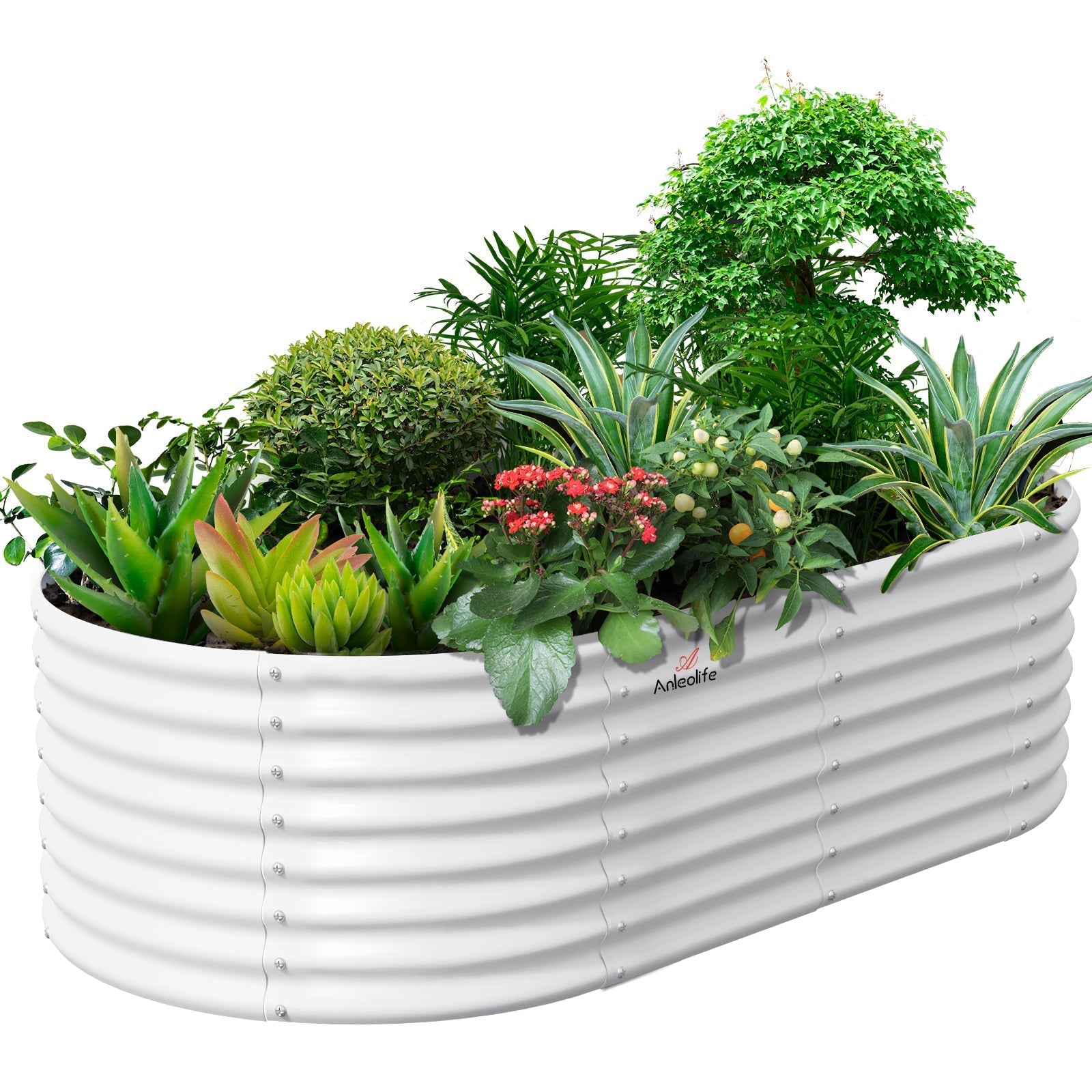
A round raised bed — such as the Anleolife 18" Tall 48" Wide round raised garden bed — sits outside the rectangular paradigm entirely, and that is part of its appeal. A circular growing surface creates a natural focal point in a garden design and allows access from 360 degrees, meaning no corner is ever out of reach. For gardeners interested in blending edibles with ornamentals, the round format makes the planting design feel intentional rather than utilitarian.
The raised bed layout strategy for a round bed works best with a hub-and-spoke approach: a taller centerpiece plant (like a small pepper, a compact tomato, or a dramatic herb such as tall basil) surrounded by lower-growing companions in concentric rings. This structure is visually satisfying and ecologically smart, as taller center plants can provide partial shade for heat-sensitive neighbors in summer.
Best for: Gardeners who care as much about how their garden looks as what it produces, those integrating edible plants into ornamental landscaping, and anyone who wants a standalone statement piece.
Watch out: The circular shape can make row-style planting unintuitive for gardeners trained on rectangular layouts. Commit to the hub-and-spoke or circular zoning approach rather than forcing rectangular thinking onto a round format.
The Modular Raised Bed System: The Scalable Layout for Long-Term Planners
A modular raised bed system is a configurable garden bed design that allows gardeners to expand, reconfigure, or reposition their setup as their skills and space evolve. Unlike fixed-dimension beds, modular systems let you start small and add sections over time without discarding your initial investment. Anleolife's modular raised garden beds are available in multiple footprints, including 18" Tall 6x2 ft, 18" Tall 8x4 ft, 18" Tall 12x3 ft, and larger 24" and 30" Extra Tall options, giving new gardeners a clear upgrade path.
The modular approach is particularly well-matched to gardeners who are uncertain about their long-term space or crop ambitions. According to the Gardeners' World approach to progressive garden planning, starting with a contained footprint and expanding based on proven success is consistently more effective than committing to a large system upfront. For those ready to dive into the planning side, resources like The Old Farmer's Almanac's raised bed vegetable garden layout plans offer structured planting templates compatible with modular setups of any size.
Best for: Gardeners who expect their space or ambitions to grow over time, those who want flexibility to experiment with different configurations, and anyone building a phased garden expansion plan.
Watch out: Modular systems require thoughtful pre-planning of pathways and access zones. Expanding without a clear layout plan often results in awkward configurations that make maintenance harder rather than easier.
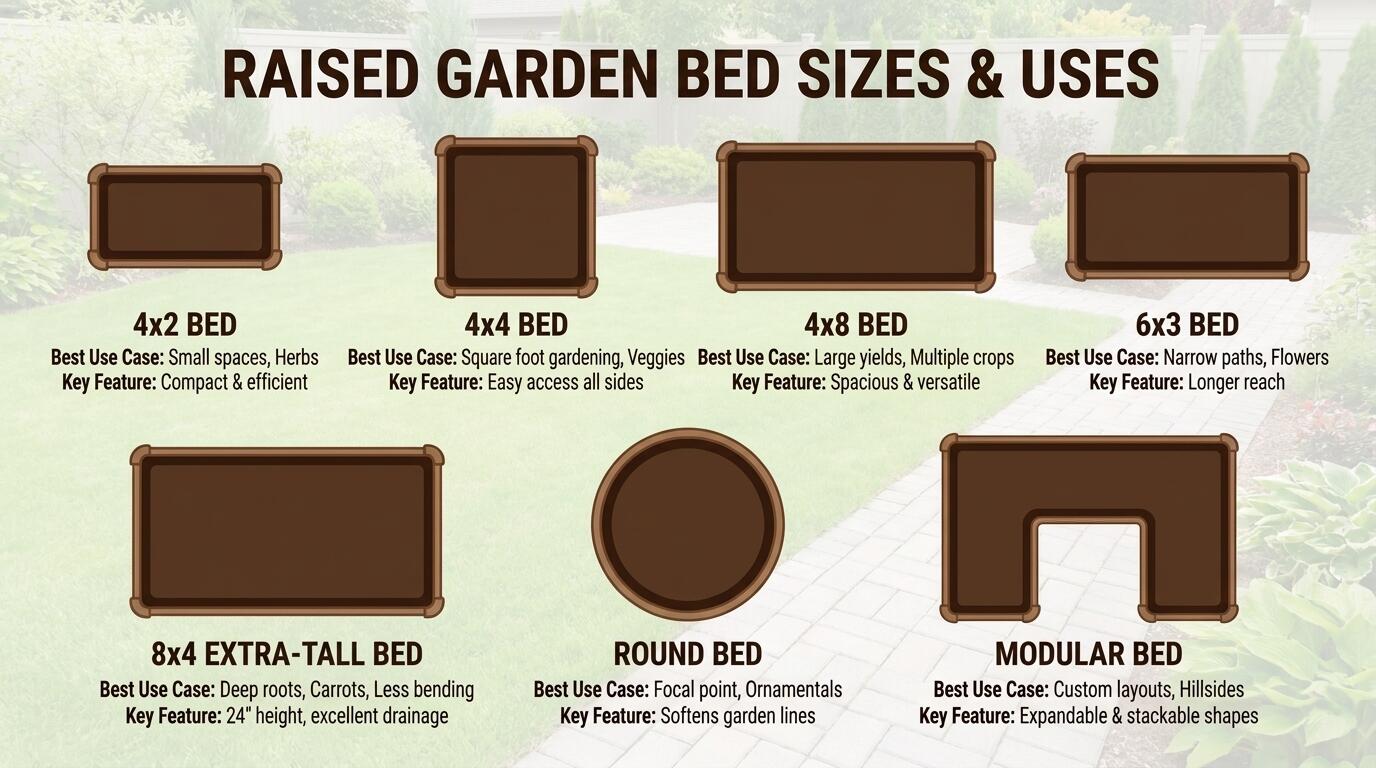
ALT: Comparison of raised bed planting layout sizes from 4x2 to modular systems for new gardeners choosing their first setup
Quick Comparison at a Glance
The table below distills each raised bed size into its key practical trade-offs, so you can match your specific situation to the right starting point without reading every section in detail.
| Raised Bed Size | Best For | Key Strength | Limitation |
|---|---|---|---|
| 4x4 | True beginners, small spaces | Full accessibility from all sides | Fills up quickly; limited crop variety |
| 4x8 | Families, multi-crop planning | Versatile zoning, high yield potential | Requires significant soil volume |
| 6x3 | Narrow spaces, fence lines | Fits tight footprints well | Less width margin for plant spacing |
| 8x4 Extra Tall (24"–30") | Older gardeners, mobility needs | No bending required, 20-year lifespan | High soil volume cost |
| 4x2 or Small Rectangular | Absolute beginners, patios | Minimal commitment, easy to manage | Very limited production capacity |
| Round (48" Wide) | Ornamental-edible integration | 360° access, visual focal point | Unintuitive for row-style planners |
| Modular System | Long-term planners, scalers | Expandable, reconfigurable over time | Requires upfront layout planning |
How to Choose the Right Raised Bed Size for Your Situation
The single most useful question to ask before choosing a raised bed size is: how much time can you realistically commit to maintenance each week? A bed you can sustain is infinitely more valuable than a larger bed you abandon by July.
If you have fewer than two hours per week to garden and are just beginning, start with the 4x2 or 4x4. These sizes are forgiving, require modest watering and weeding time, and give you room to build good habits before scaling up. If you have a family that shares gardening responsibilities and wants to grow meaningful quantities of vegetables, the 4x8 is the most sensible starting bed — it delivers genuine production without overwhelming a first-time grower.
For gardeners with narrow outdoor spaces — a side yard, a fence line, or a tight urban plot — the 6x3 footprint solves a physical constraint that a wider bed simply cannot. Do not try to force a standard-width bed into a space it does not fit; a well-planned 6x3 raised bed planting layout will outperform an ill-positioned 4x8 every time.
If you are setting up a space for an older family member or have personal mobility concerns, prioritize the height of the bed over the footprint. A 24" or 30" extra-tall bed at any reasonable footprint is more valuable to a gardener with back pain than a ground-level bed of any size. The Anleolife extra-tall lineup — built to last up to 20 years — was designed with exactly this user in mind.
A common misconception worth addressing directly: bigger is not more ambitious — it is more demanding. A well-tended 4x4 bed producing abundant salad greens all season is a more successful garden than a neglected 8x8 bed that becomes a weed habitat by August. Start at a scale you can truly manage, then expand from a position of confidence. For those ready to think through their first setup from scratch, a first-time buyer's guide to sizing a raised garden bed kit walks through the key decisions in detail.
Common Questions
Q1: How do I decide between a 4x4 and a 4x8 raised bed as a first-time gardener?
The best way to decide is to assess your available space and maintenance time honestly. A 4x4 raised bed is the more manageable starting point — it requires less soil, less watering, and less planning while still teaching you all the core skills. A 4x8 makes sense if you have a family to feed from the garden, enough outdoor space to position it without crowding pathways, and at least two to three hours per week to devote to the beds. When in doubt, start with the smaller bed and add a second one next season.
Q2: Is a 4-foot width really necessary, or can I use a narrower raised bed layout?
A 4-foot width is the recommended maximum for easy access, not a strict minimum. Narrower beds — such as a 3-foot or even 2-foot width — work perfectly well and are often better suited to fence lines or side yards. The core principle is that you should never need to step inside the bed to reach the center. A 3-foot-wide bed gives you 18 inches of reach from each side, which is sufficient for most gardeners. Width becomes a limitation only when it requires you to step on the soil, which compacts the growing medium and harms root development.
Q3: How long does a quality raised garden bed actually last, and is it worth the investment?
A well-constructed raised garden bed from quality materials is a long-term investment, not a seasonal purchase. Anleolife's galvanized steel and rust-resistant raised garden beds are built to last up to 20 years. When you divide the cost of a durable bed over two decades of growing seasons, the per-year value is exceptional compared to cheaper alternatives that rust, warp, or degrade within a few seasons. Combine that lifespan with delivery within 3–8 business days from Anleolife's nationwide warehouse network, and the case for investing in quality from the start becomes clear.
Summary
Choosing the right raised bed size is the first and most consequential decision a new gardener makes, because the raised bed garden layout you start with sets the trajectory for every season that follows. Here are the core takeaways from this guide:
- Start within your maintenance reality. A 4x4 or 4x2 bed that you tend consistently will outperform a large bed you neglect. Match bed size to your honest weekly time commitment.
- Respect the 4-foot width rule. Never choose a bed so wide that you must step on the soil to reach the center — soil compaction is one of the most preventable threats to a productive raised bed planting layout.
- Height matters as much as footprint. For older gardeners or anyone with mobility concerns, a 24" or 30" extra-tall bed transforms the experience from a physical challenge into a genuine pleasure.
- Plan for soil costs before buying the bed. Soil volume — not the bed itself — is often the largest first-season expense. Budget accordingly, especially for deep or large footprint beds.
- Build in room to grow. Whether through a modular system or a deliberate plan to add a second bed in season two, the best raised bed layouts are designed to evolve with you.
Your next step is simple: pick one size from this list that fits your space and your schedule, not the one that impresses you most on paper. A great gardening season begins with a decision you can actually execute.
Ready to build your first raised bed layout the right way? Visit the Anleolife website to explore the full lineup of galvanized steel and rust-resistant raised garden beds across every size covered in this guide — from compact 4x2 starter beds to 30" waist-high extra-tall options. With a nationwide U.S. warehouse network spanning California, Texas, Florida, New York, Illinois, and Washington, Anleolife delivers your order in 3–8 business days so your planting season starts on your timeline. Products are also available on Amazon, Walmart, Home Depot, Lowe's, and Wayfair for your convenience. Whether you are planting your first salad greens or building a full edible landscape, Anleolife grows with you at every stage.
Sources
- The Old Farmer's Almanac. "Raised Bed Vegetable Garden Layouts for Beginners."
https://www.almanac.com/raised-bed-vegetable-garden-layouts-beginners - Savvy Gardening. "4x8 Raised Bed Vegetable Garden Layout Ideas."
https://savvygardening.com/4x8-raised-bed-vegetable-garden-layout/ - Gardeners Supply Company. "Pre-Planned Gardens."
https://www.gardeners.com/pages/kitchen-garden-planner-preplanned-gardens - U.S. Department of Agriculture (USDA). National Agricultural Library — Home Gardening Resources.
https://www.nal.usda.gov/ - University of California Division of Agriculture and Natural Resources (UC ANR). Home Gardening and Soil Management Guidance.
https://ucanr.edu/
Note: Standards and guidelines may be updated; please check the latest official documents or consult professional advisors.