


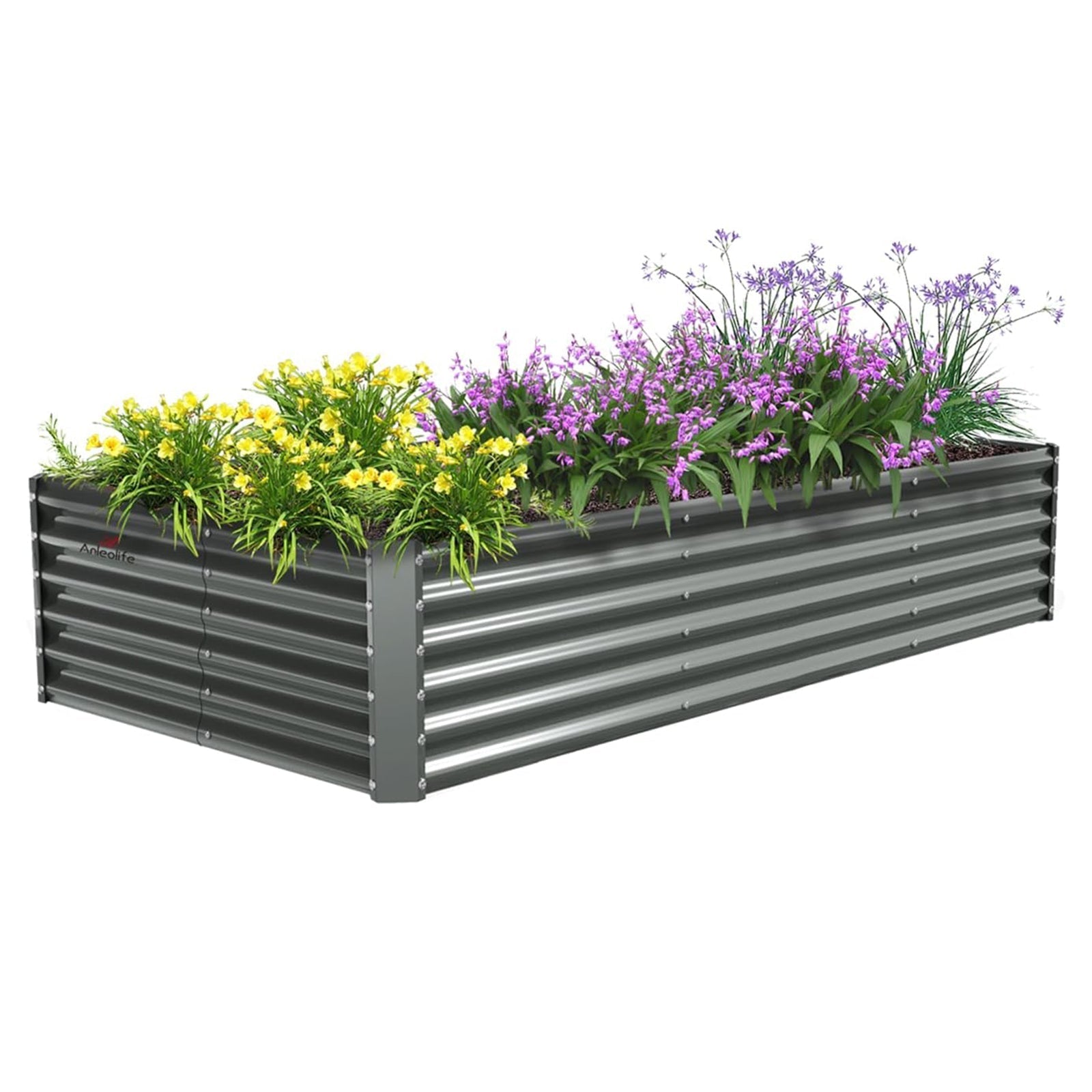

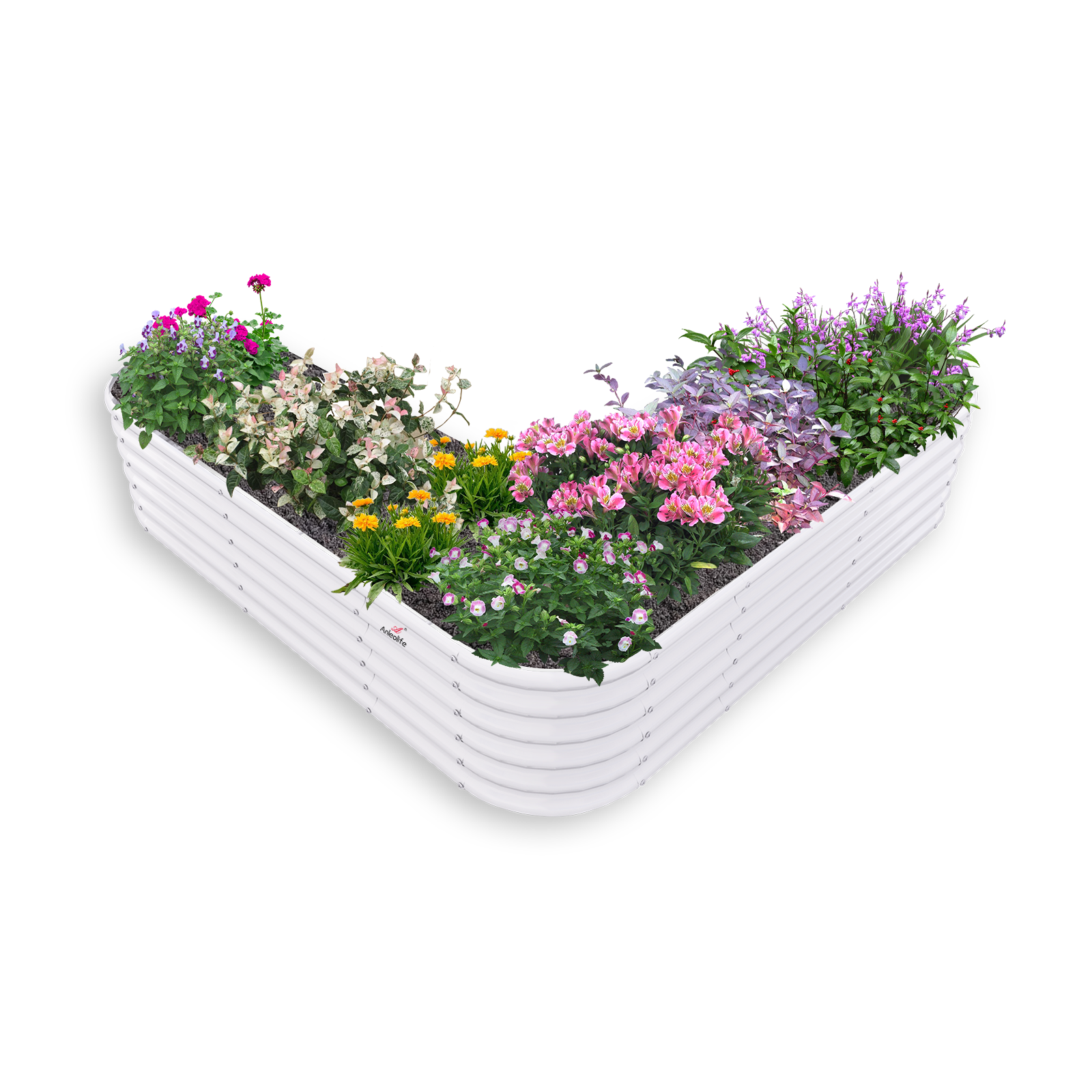
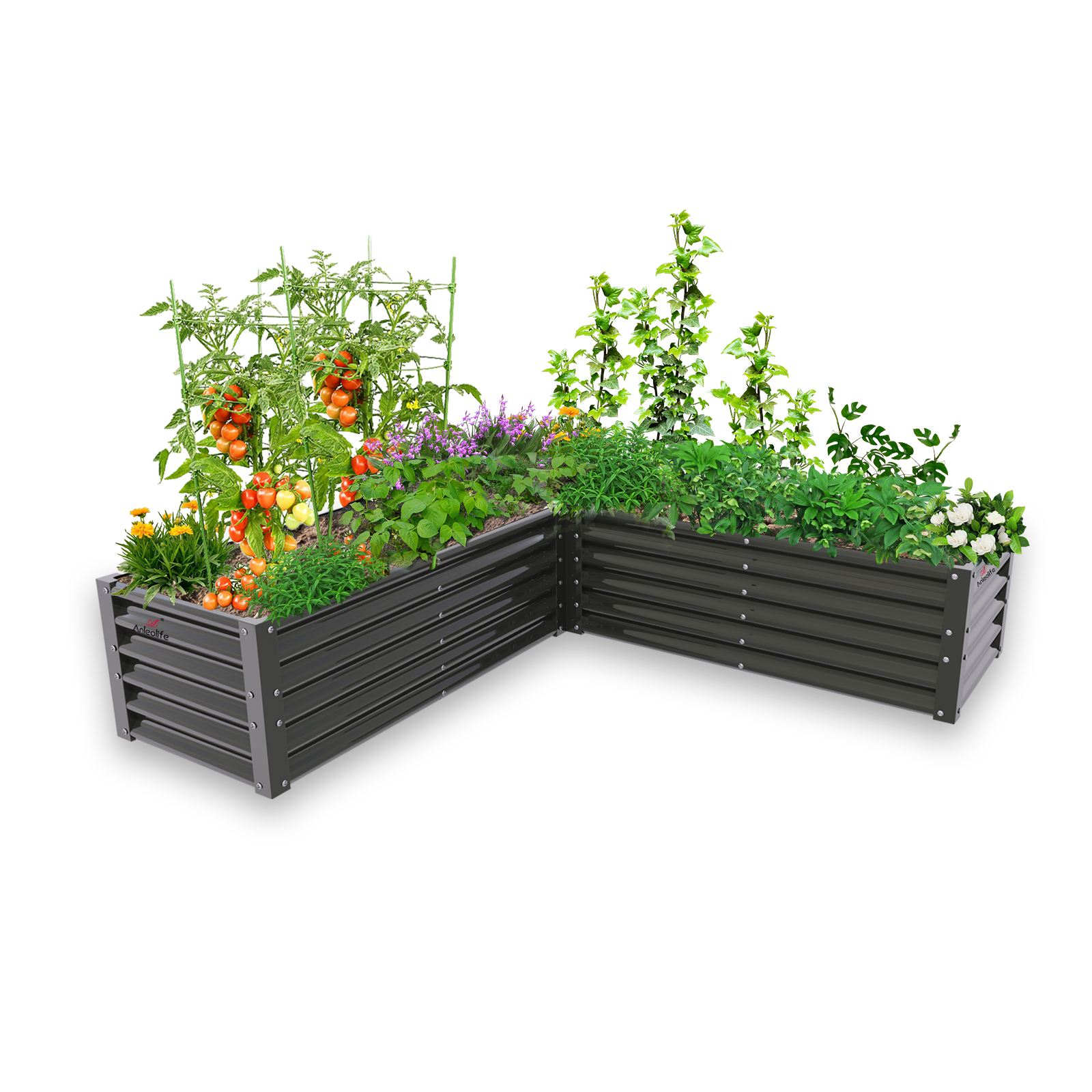
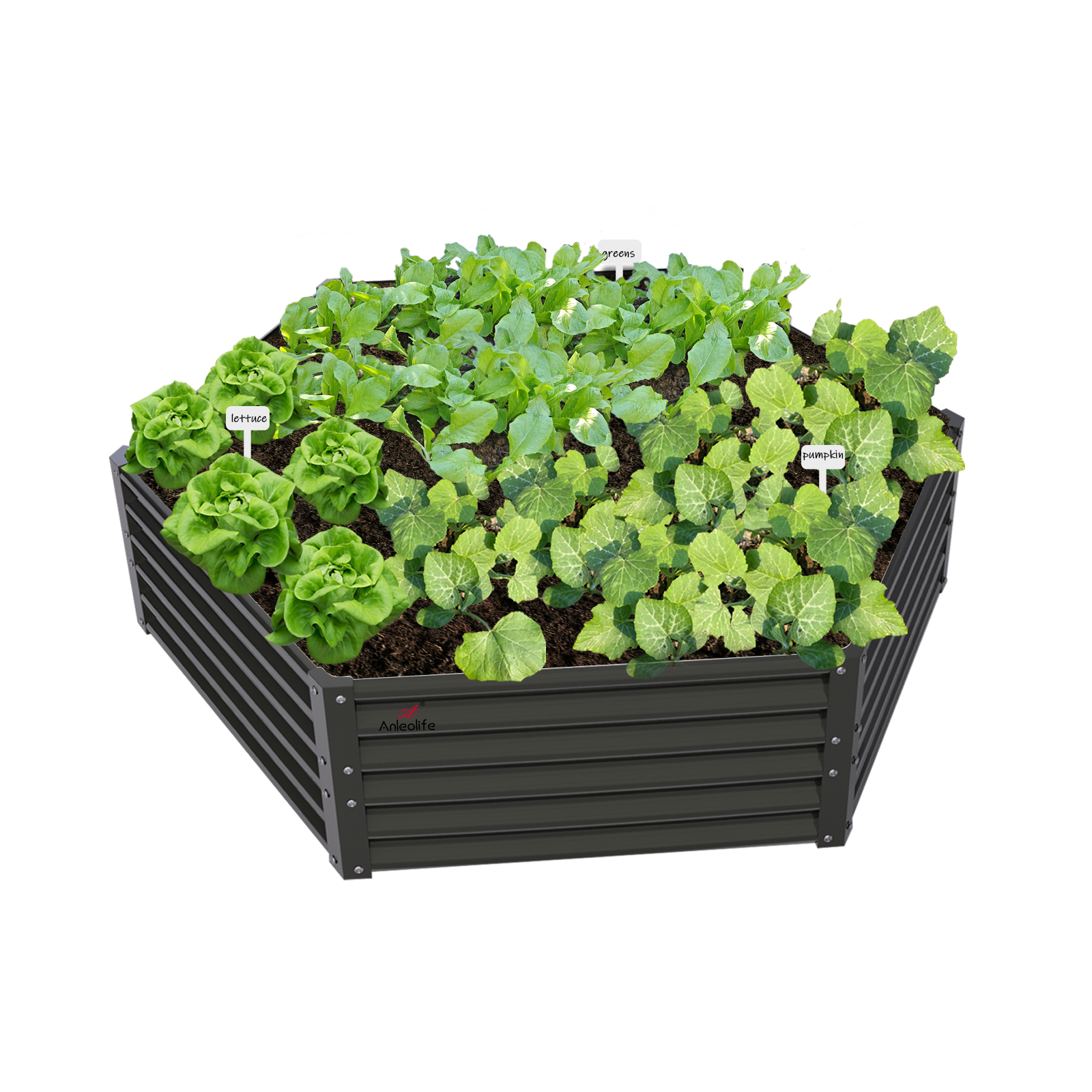
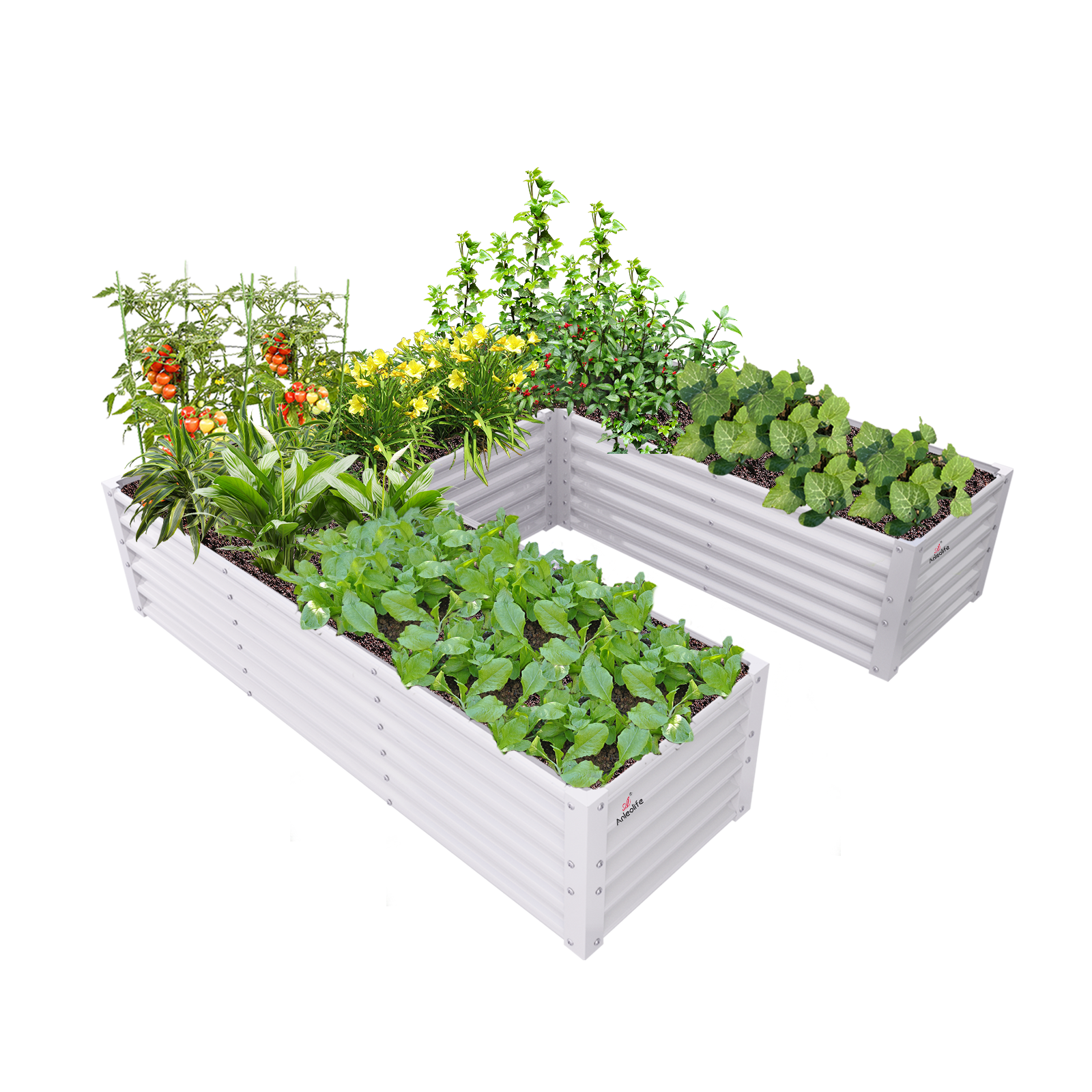

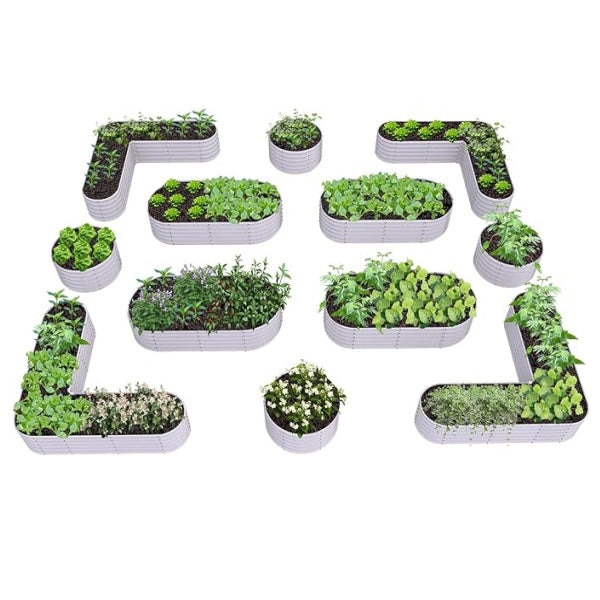


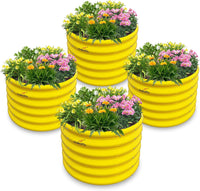
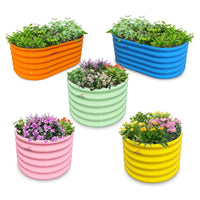
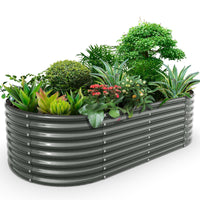



ALT: Common raised bed layout mistakes to avoid when planning your summer vegetable garden
5 Raised Bed Layout Mistakes That Could Ruin Your Summer Garden (And How to Fix Them)
Key Conclusion: Planning a raised bed garden involves more than just picking a sunny spot and filling it with soil. From poor spacing decisions to ignoring companion planting principles, layout mistakes can quietly sabotage your harvest season after season. Whether you're setting up your first bed or expanding an existing backyard gardening setup, understanding these five common errors will save you time, money, and frustration—and help you grow with confidence all summer long.
Getting your raised bed layout right from the start is one of the smartest investments you can make as a home grower. A well-planned garden isn't just more productive—it's more enjoyable to tend. When beds are positioned correctly, plants receive optimal sunlight, airflow, and water. When pathways are thoughtfully designed, you can move through your garden without compacting the soil or straining your back.
The five mistakes covered in this article are among the most commonly reported by home gardeners, from beginners just starting out to experienced growers who've hit a growth plateau. Each mistake comes with a clear, actionable fix—and a look at how the right raised bed setup can make your summer garden the best one yet.
Who This Guide Is For: Applicable Scenarios and Cautions
✅ Applicable Scenarios:
- Home gardeners in North America planning or redesigning a raised bed vegetable garden for summer
- Urban micro-gardeners working with limited outdoor space who want to maximize productivity per square foot
- Empty nesters and retirees looking to set up a low-maintenance, ergonomically friendly garden layout
- Eco-conscious families interested in growing their own food with minimal chemical inputs
❌ Not Applicable/Cautions:
- Gardeners growing purely ornamental beds without food production goals may have different layout priorities
- Those with shaded or north-facing outdoor spaces should consult a local extension service before applying standard orientation advice, as site-specific conditions may require different planning strategies
Why Raised Bed Layout Planning Matters More Than You Think
There's a reason experienced gardeners talk about "garden design" the same way interior decorators talk about room flow. A raised bed garden isn't just a collection of boxes filled with dirt—it's a living system. How you arrange those boxes, how you orient them, how far apart they sit, and what you plant in them all interact in ways that either support or undermine your harvest.
According to the eXtension Foundation, one of the most common reasons home vegetable gardens underperform is poor initial planning rather than lack of effort or knowledge. Gardeners who put thought into layout before they plant consistently report higher yields, fewer pest problems, and less water waste.
The raised bed gardening market in North America has grown significantly in recent years, fueled by increased interest in food security, sustainability, and the joy of growing your own produce. More families are investing in quality metal raised beds, soil amendments, and companion planting strategies. Yet even with better materials and more information available than ever before, the same fundamental layout mistakes keep appearing in home gardens every spring.
The good news? These mistakes are entirely preventable. Each one has a clear root cause and a straightforward solution. By understanding what goes wrong—and why—you can approach your summer garden layout with confidence, whether you're using a compact 4x4 bed on a townhouse patio or a multi-bed system spread across a generous backyard.
Understanding the best vegetables to grow in raised beds is also part of this equation. Crops like tomatoes, cucumbers, peppers, lettuce, kale, and carrots all thrive in raised beds, but each has different height, spacing, and companion planting needs. Your layout should be designed around the crops you want to grow—not the other way around.
The 5 Mistakes and How to Fix Each One
Three-Step Quick Start: Before You Build or Plant
Step 1: Map Your Sunlight
Walk your outdoor space at different times of day—morning, midday, and late afternoon—and note where full sun falls for at least 6–8 hours. Most summer vegetables need this minimum. Sketch a rough diagram of your yard or patio, marking sunny zones, shaded spots, and any structures or trees that cast shadows. This step takes about 30 minutes across a single day and prevents the single most common layout error: placing beds in inadequate light.
Step 2: Measure Your Access Zones
Before finalizing bed placement, walk through your planned garden as if you were already tending it. Can you reach the center of each bed comfortably without stepping in? Are your pathways at least 18–24 inches wide? Do you have clear access to water sources, tool storage, and compost? This access audit takes about 20 minutes and often reveals spacing problems before they become permanent ones.
Step 3: Draft a Planting Plan by Bed
Once beds are positioned, assign crop groups to each bed based on light needs, height, and companion planting compatibility. Tall crops like corn and climbing tomatoes go on the north side of the garden (in the Northern Hemisphere) to avoid shading shorter neighbors. Group heavy feeders together so you can amend those beds more intensively. This planning step typically takes 30–60 minutes but saves weeks of troubleshooting mid-season.
Common Raised Bed Mistakes at a Glance
Here's a quick comparison of the five mistakes, their impact level, and the complexity of fixing each one:
| Mistake | Impact on Harvest | Difficulty to Fix Before Planting | Difficulty to Fix Mid-Season |
|---|---|---|---|
| Poor sunlight orientation | High | Low | High |
| Beds too wide to reach center | Medium-High | Low | Medium |
| No pathway planning | Medium | Low | High |
| Ignoring plant height in layout | Medium-High | Low | Medium |
| Skipping companion planting principles | Medium | Low | Low |
As the table shows, most of these mistakes are easy to fix before you plant—but become increasingly disruptive once the season is underway. The best time to address them is during the planning phase.
Deep Dive: Each Mistake Explained and Solved
Mistake 1: Placing Beds Without Considering Sun Orientation
This is the most impactful mistake in raised bed layout planning, and unfortunately, it's also one of the most common. A bed placed in the wrong spot can receive 30–50% less sunlight than it would in an optimized location, dramatically reducing yields for sun-loving crops.
The fix: Orient rectangular beds on a north-south axis to maximize sun exposure across both sides throughout the day. If your space runs east-west, orient beds east-west and place taller crops on the north end. Avoid placing beds within 10 feet of south-facing walls or fences (in the Northern Hemisphere) unless the structure reflects light rather than casting shade.
When considering which materials are best for raised beds in wet climates, orientation also affects drainage. Beds oriented to catch afternoon sun dry out more effectively after rain, reducing waterlogging and root disease pressure.
Mistake 2: Building Beds That Are Too Wide to Manage
A raised bed that's too wide forces you to lean in, reach over the edge, and eventually step into the bed—compacting the very soil you've worked hard to build. The golden rule of raised bed width exists for a good reason: you should be able to reach the center of any bed comfortably from either side without straining.
The fix: Plan bed widths based on your actual reach. For most adults, a bed accessible from both sides should be no wider than 4 feet. Beds accessible from only one side should be no wider than about 2–2.5 feet. If you already have beds that are too wide, consider adding a central stepping stone or reconfiguring access pathways.
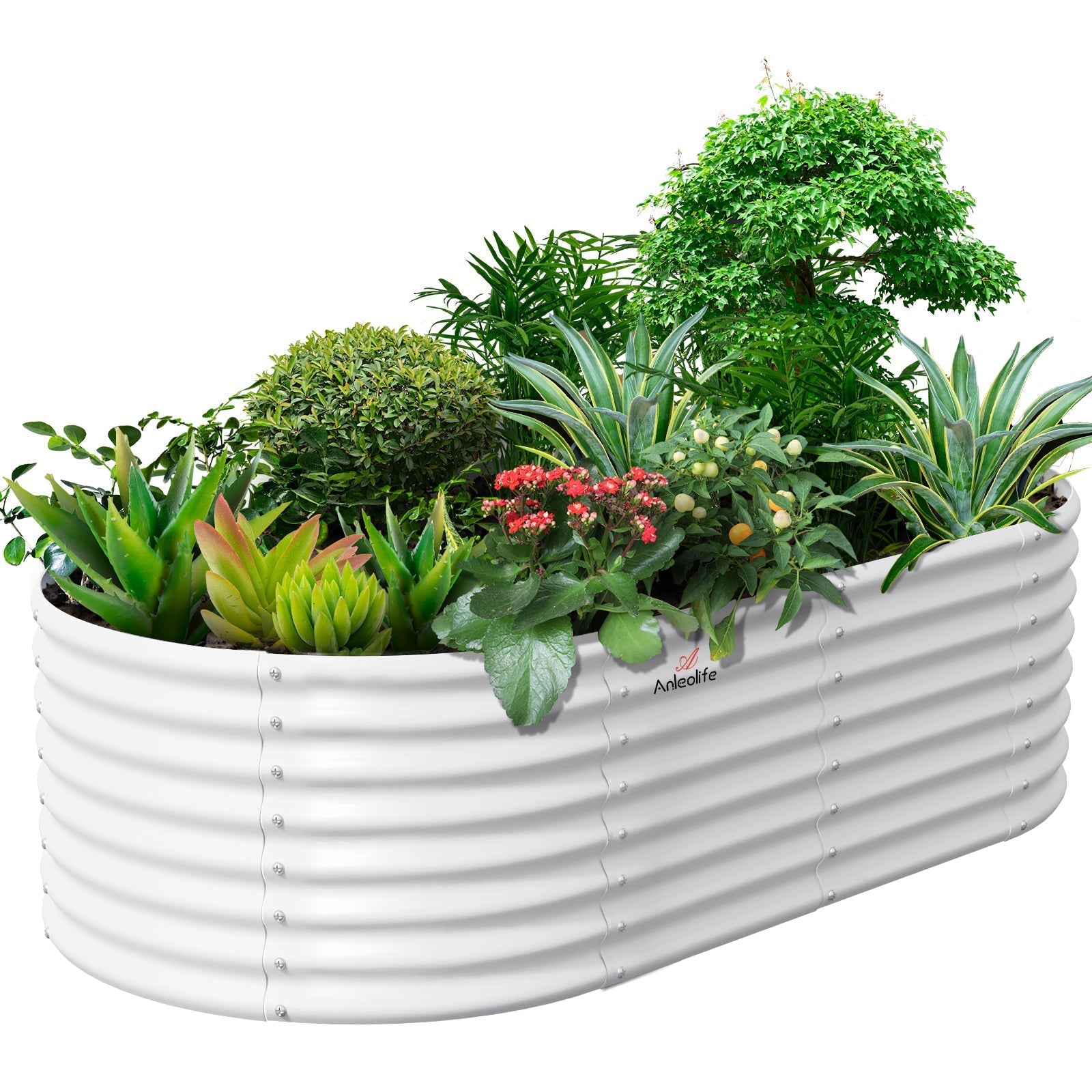
Anleolife's range of raised garden beds includes thoughtfully sized options across multiple widths—from narrower 3-foot-wide configurations to the popular 8x4 format—so you can choose dimensions that match your actual reach and space rather than settling for what happens to be available.
Mistake 3: Forgetting to Plan Pathways
Pathways are not wasted space—they are functional infrastructure. Without intentional pathway planning, you end up with beds that are difficult to access, soil that gets compacted from foot traffic, and tools that have nowhere to go. Many gardeners plan their beds first and treat pathways as an afterthought. The result is a garden that looks fine on paper but is awkward to work in.
The fix: Plan pathways first, then position beds. Primary pathways (the ones you walk through most often) should be at least 24–36 inches wide to accommodate a wheelbarrow. Secondary pathways between individual beds should be a minimum of 18 inches. Surfacing pathways with the best mulch for vegetable garden areas—such as wood chips, straw, or gravel—keeps weeds down, reduces mud, and makes the garden more pleasant to move through.
Wood chip mulch in pathways has an added bonus: as it breaks down, it can be incorporated into beds as organic matter, creating a virtuous cycle of soil improvement.
Mistake 4: Ignoring Plant Height When Positioning Beds
Even a perfectly oriented, perfectly sized bed can underperform if the plants inside are positioned to shade each other. Tall indeterminate tomatoes placed on the south side of a bed will cast shadows on shorter lettuce and herbs all afternoon. Trellised cucumbers on the wrong end of a bed can block sun from adjacent beds entirely.
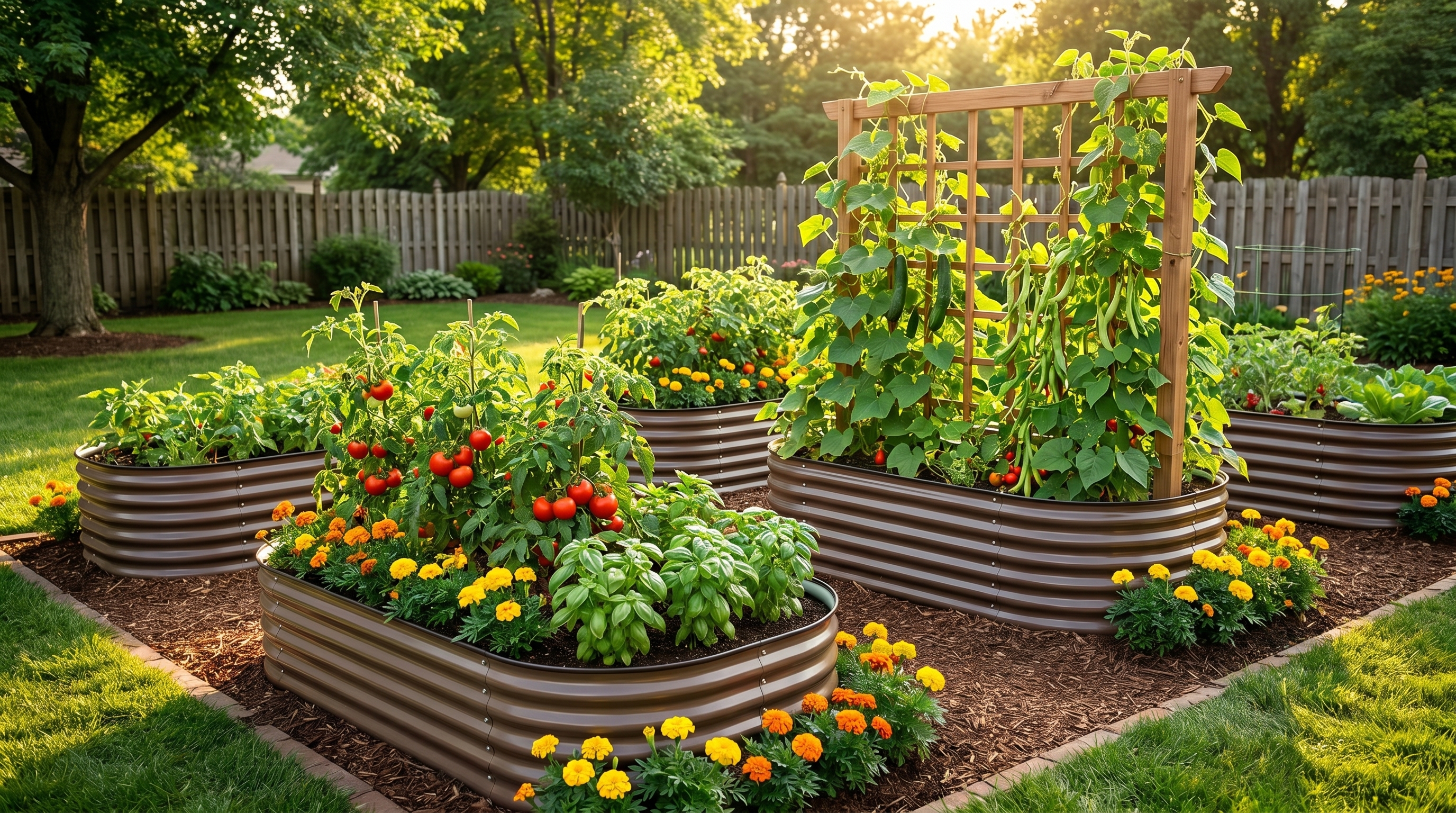
The fix: Within each bed, arrange plants from tallest (north side) to shortest (south side). Between beds, place tall-crop beds on the north end of your garden so they don't shade lower-growing neighbors. Consider a garden trellis for climbing crops like beans, cucumbers, and peas—a vertical trellis actually improves layout efficiency by letting you grow more in less horizontal space, which is especially valuable in smaller gardens.
Using a garden trellis also means you can concentrate tall crops into a single vertical plane rather than letting them sprawl and shade surrounding plants. This is a technique beloved by urban micro-gardeners who need to maximize every square foot.
Mistake 5: Skipping Companion Planting Principles
Companion planting is not folklore—it's a practical strategy backed by decades of observational and experimental gardening data. Plants have evolved relationships with neighbors, insects, and soil microbes that either help or hinder their growth. Ignoring these relationships in your layout means missing out on natural pest deterrence, improved pollination, and better use of soil nutrients.
The fix: Before finalizing your planting plan, review basic companion planting groupings. Classic combinations like tomatoes with basil, carrots with onions, and the "Three Sisters" (corn, beans, squash) are popular because they genuinely work. Avoid placing fennel near most vegetables—it's one of the few plants that inhibits neighbors across the board.
Companion planting also intersects with pest management. Strongly scented herbs like lavender, mint, and marigolds planted at bed edges can deter many common pests. For gardeners asking how to keep squirrels out of raised beds, a combination of physical barriers (hardware cloth under and around beds) and strongly scented plantings at bed edges offers a practical, chemical-free defense strategy.
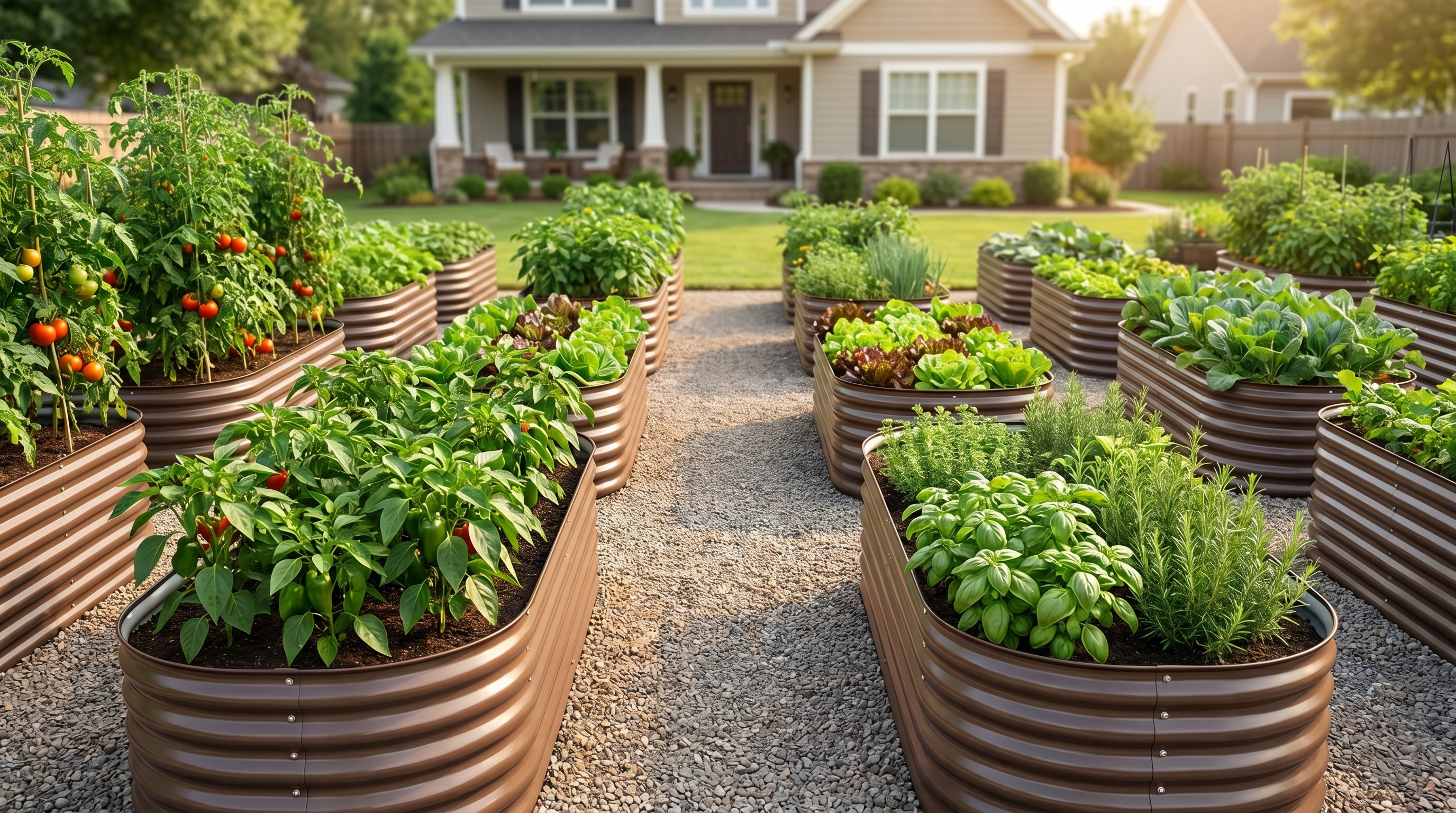
ALT: Well-organized raised bed layout with companion planting and trellis support for summer vegetables in backyard garden
Advanced Considerations: Material Choice, Tools, and Longevity
Choosing the Right Raised Bed Material for Your Climate
Once you've planned your layout, the material you build with matters—especially in regions with significant rainfall or humidity. Gardeners frequently ask: which materials are best for raised beds in wet climates? The answer depends on your priorities around longevity, aesthetics, and maintenance.
Wood is the classic choice and offers good insulation for roots, but it requires regular treatment and typically lasts 5–10 years before degrading, depending on wood type. Untreated pine may last only 3–5 years in consistently wet conditions.
Galvanized and rust-resistant steel raised beds have become increasingly popular because they offer superior durability in all weather conditions. Anleolife's galvanized steel raised garden beds and rust-resistant raised garden beds are designed for a lifespan of up to 20 years—far outpacing wood options in wet climates. Their steel construction also means no leaching of wood preservatives into soil, which matters for health-conscious and eco-aware gardeners.
For those in regions with heavy rainfall, the drainage properties of your bed material interact with your layout choices. Raised beds naturally drain better than in-ground plots, but the permeability of your bed walls and the height of your beds affect how quickly soil dries after rain.
Pruning and Maintenance: The Tools That Make Layout Work
A well-planned layout is only as good as your ability to maintain it. Overgrown plants don't just produce less—they encroach on neighbors, block airflow, and create pest-friendly microclimates. The best garden pruning shears for thick branches are a worthwhile investment for any gardener managing summer crops like tomatoes, pepper plants, or mature herbs.
Look for pruning shears with ergonomic handles, hardened steel blades, and a locking mechanism for safe storage. Bypass pruners (with two curved blades that bypass each other, like scissors) are generally preferred for clean cuts on live plant material. For thicker woody stems—especially on older pepper or eggplant plants—pruning shears rated for branches up to ¾ inch in diameter will serve most home gardeners well.
Keep tools clean and sharp. Dull blades tear plant tissue rather than cutting it cleanly, creating entry points for disease. A quick wipe with rubbing alcohol between plants prevents the spread of fungal and bacterial infections.
Common Misconceptions About Raised Bed Layout
Misconception 1: More beds always mean more harvest. Adding beds without planning access, sunlight, or water supply can actually reduce your overall productivity. Quality of layout matters more than quantity of beds.
Misconception 2: You can fix layout problems with better soil. Great soil helps, but a shaded bed is still a shaded bed. No amount of compost or fertilizer compensates for inadequate sunlight on a vegetable garden.
Misconception 3: Raised beds don't need weed management. While raised beds start weed-free, wind-blown seeds and pathway weeds can colonize beds quickly. Mulching and pathway management are essential parts of a low-maintenance layout strategy.
Frequently Asked Questions FAQ
Q1: How do I figure out the best layout for a small backyard with limited sun?
Start by tracking sunlight patterns across your space for a full day, noting which zones receive at least 6 hours of direct sun. Prioritize those zones for your most productive crops—tomatoes, peppers, and cucumbers need full sun. Save partially shaded areas for leafy greens, herbs, and root vegetables that tolerate 4–6 hours. Vertical growing with a garden trellis can also help maximize sun exposure in compact spaces by training crops upward rather than outward.
Q2: Are metal raised beds safe for growing vegetables, especially in wet or hot climates?
Yes, high-quality galvanized steel and rust-resistant steel raised beds are considered safe for vegetable growing by most gardening authorities. Modern galvanized steel uses zinc coating rather than older cadmium-based treatments, and at normal soil pH levels, zinc leaching is minimal and not considered a health concern. In hot climates, metal beds do absorb heat, which can benefit cool-season crops in spring but may require additional mulching to keep roots cool during peak summer. Anleolife's raised beds are engineered for durability and are designed to last up to 20 years.
Q3: How much does it cost to set up a well-planned raised bed garden, and how long does it take?
Setup costs vary widely based on the number of beds, soil mix, and accessories, but a solid single-bed setup including a quality metal raised bed, soil mix, and basic plant starts can range from a few hundred dollars. The planning phase—mapping sunlight, measuring pathways, drafting a planting plan—takes only a few hours and costs nothing. Building or installing a raised bed typically takes 1–3 hours depending on the model. With Anleolife's warehouse network spanning California, Texas, Florida, New York, Illinois, and Washington, orders typically arrive within 3–8 business days, so you can have your beds ready well before peak planting season.
Summary
Planning a raised bed garden well isn't about perfection—it's about avoiding the handful of common mistakes that consistently hold gardeners back. To recap the five key takeaways from this guide:
- Orient beds for maximum sunlight, and don't assume any spot in your yard gets enough sun until you've actually tracked it across a full day.
- Size beds for realistic access, so you never have to step inside and compact your carefully built soil.
- Plan pathways as infrastructure, not afterthoughts—they define how pleasant and functional your garden is to work in.
- Arrange plants by height within and between beds, using vertical tools like a garden trellis to free up horizontal space and improve light distribution.
- Use companion planting deliberately, to reduce pests, improve pollination, and get more from every square foot of bed space.
These principles apply whether you're gardening in a small urban courtyard or across a generous suburban backyard. The investment of a few hours of thoughtful planning at the start of the season pays dividends all summer long—in better harvests, less frustration, and a garden that's genuinely enjoyable to spend time in.
Start Your Best Summer Garden with Anleolife
Anleolife's nationwide U.S. warehouse network—strategically located in California, Texas, Florida, New York, Illinois, and Washington—ensures delivery within 3–8 business days, so your garden upgrade plans never have to wait. Our products are available on major e-commerce platforms including Amazon, Walmart, Home Depot, Lowe's, and Wayfair, as well as directly on Anleolife.com, offering consistent quality assurance and dedicated after-sales service wherever you shop.
Our three core scenarios—Planting (metal raised garden beds, soil systems), Raising (chicken coops, rabbit hutches), and Beautification (decorative accessories, pathway systems)—cover every need from functionality to aesthetics, so you can build the garden lifestyle you've always imagined.
We understand that an ideal garden isn't built overnight—it's grown gradually, season by season. Our modular product design allows flexible expansion based on your evolving needs, from your first compact raised bed to a fully integrated planting-and-raising ecosystem. Anleolife grows with you every step of the way. Explore the full collection at anleolife.com and start planning your best summer garden today.
References
- eXtension Foundation. "Home Vegetable Gardening: Planning and Layout".
https://extension.org/ - University of California Agriculture and Natural Resources. "Raised Bed Gardening".
https://ucanr.edu/ - United States Department of Agriculture (USDA). "Home Gardening and Food Safety Resources".
https://www.usda.gov/ - Cornell Cooperative Extension. "Vegetable Growing Guides and Garden Planning".
https://cce.cornell.edu/ - National Gardening Association. "Companion Planting Guide".
https://garden.org/
Note: Standards and recommendations may be updated over time. Please check the latest official documents or consult a local cooperative extension professional for region-specific guidance.
About Anleolife
Anleolife is a leading outdoor garden solutions provider in North America, dedicated to offering a full-scenario product ecosystem for home gardening enthusiasts, covering planting, raising, and garden beautification. Since its founding, Anleolife has upheld its brand mission—"Made for Garden Life"—continuously innovating products and optimizing services to help hundreds of thousands of users upgrade their gardens, reconnect with nature, and enjoy a better garden lifestyle. From durable galvanized steel raised beds engineered for a 20-year lifespan to a growing range of garden accessories, every Anleolife product is designed to make your time in the garden more productive, more beautiful, and more rewarding.