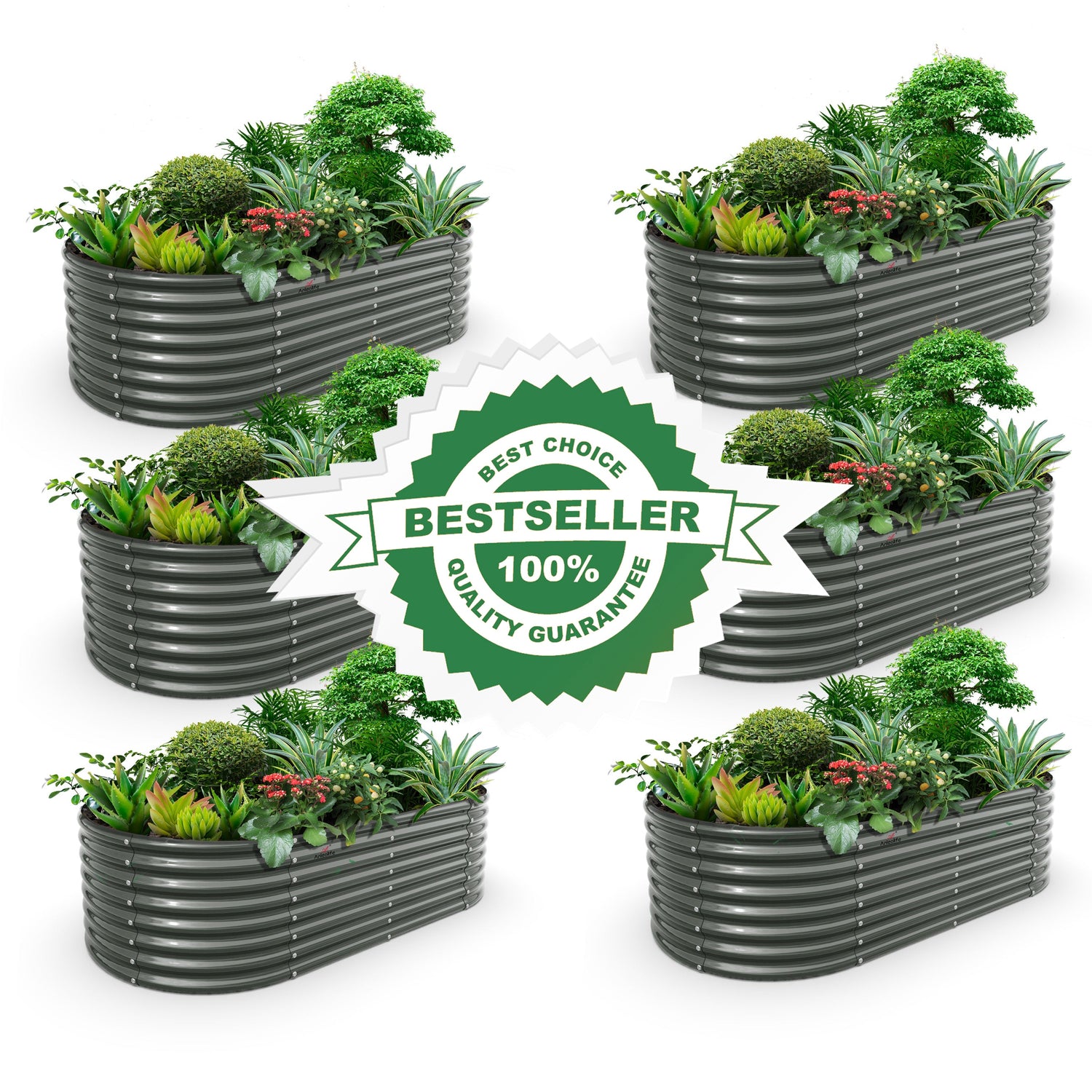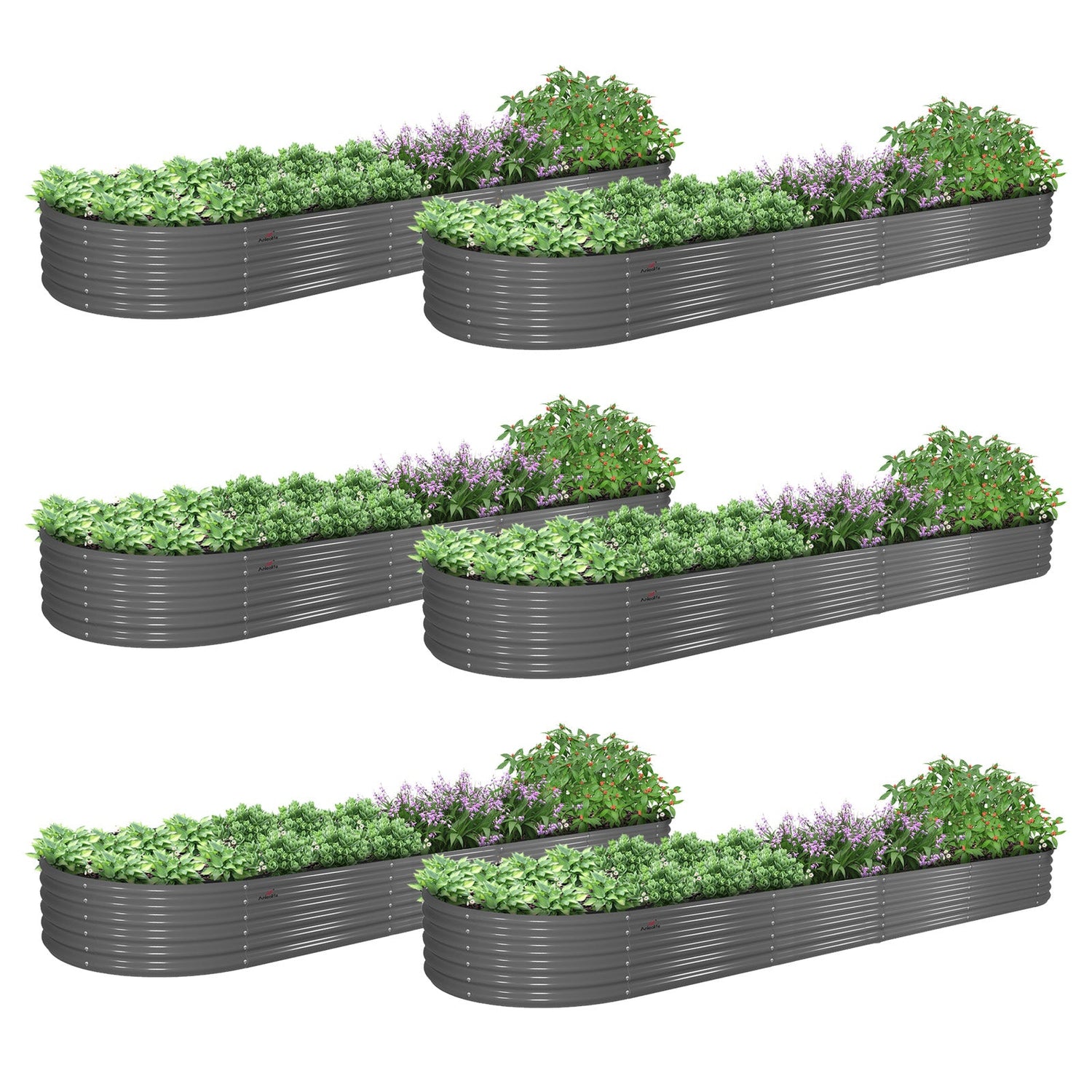



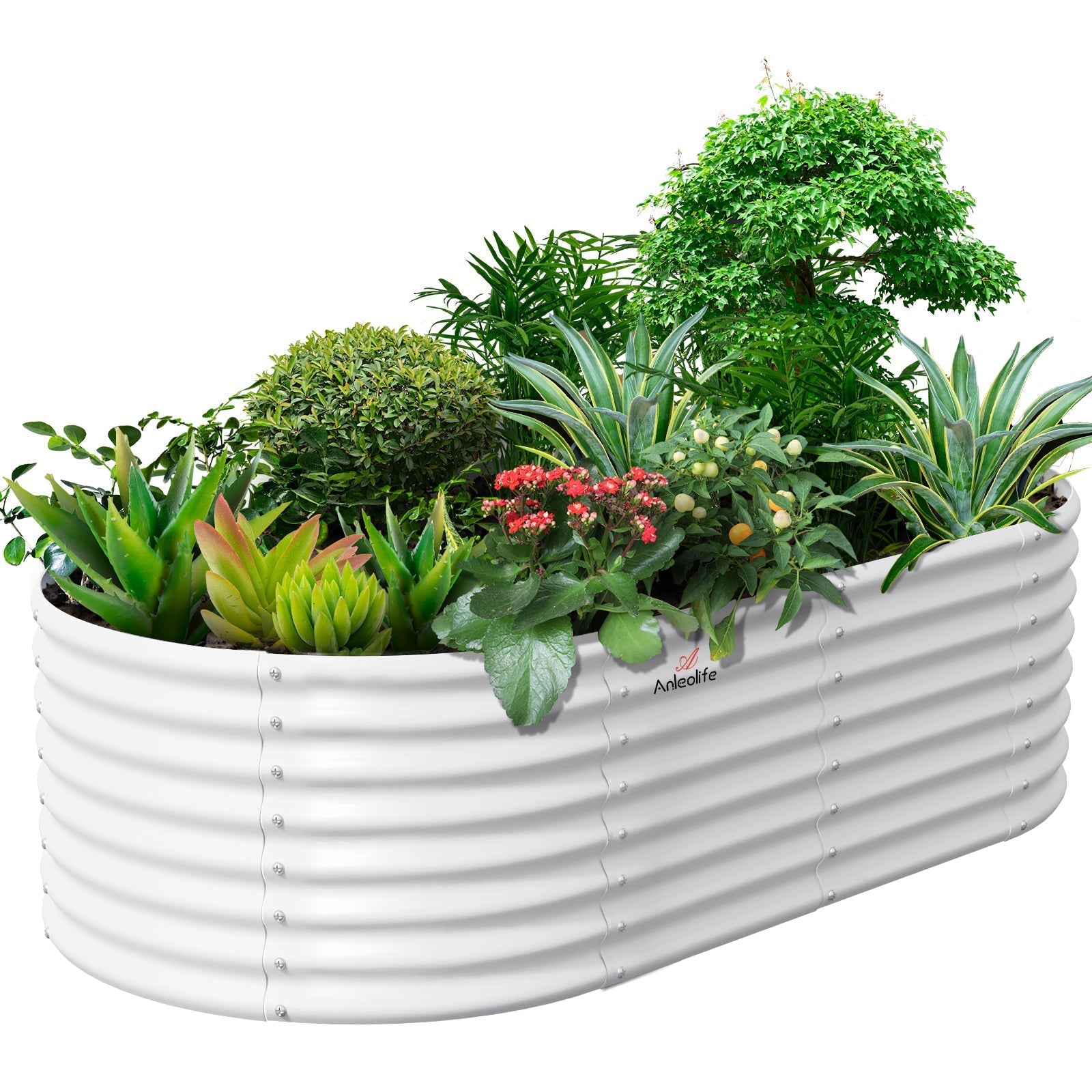
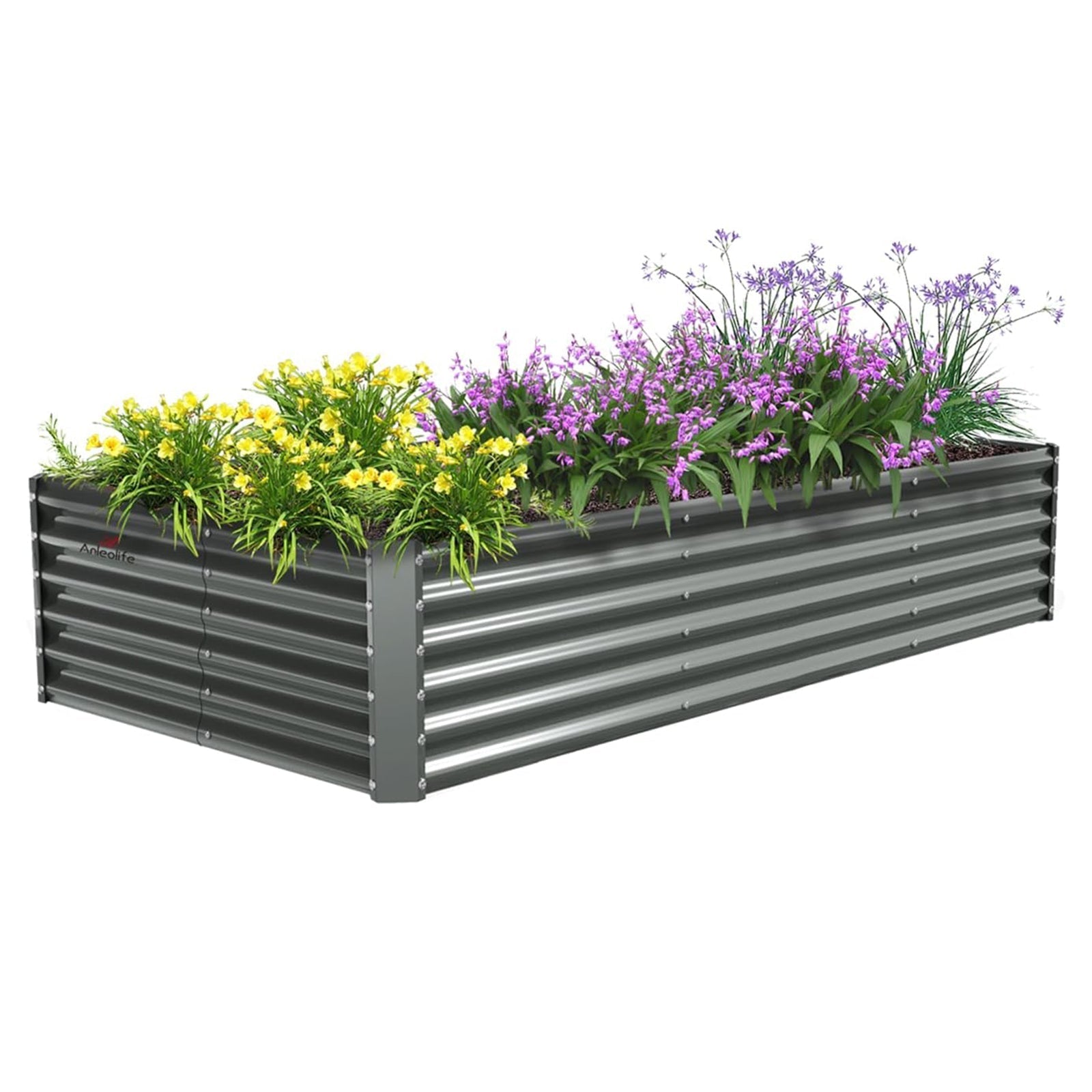

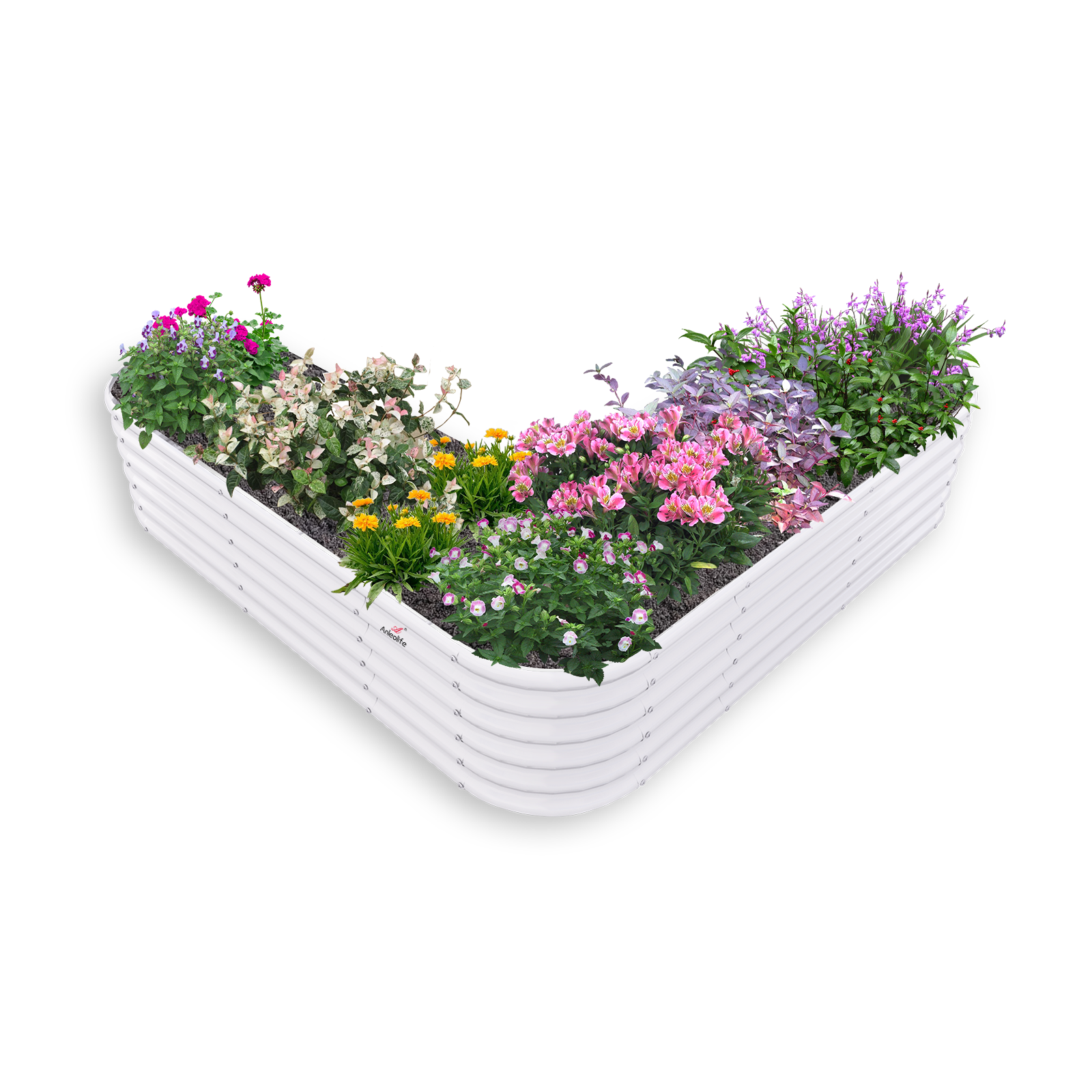
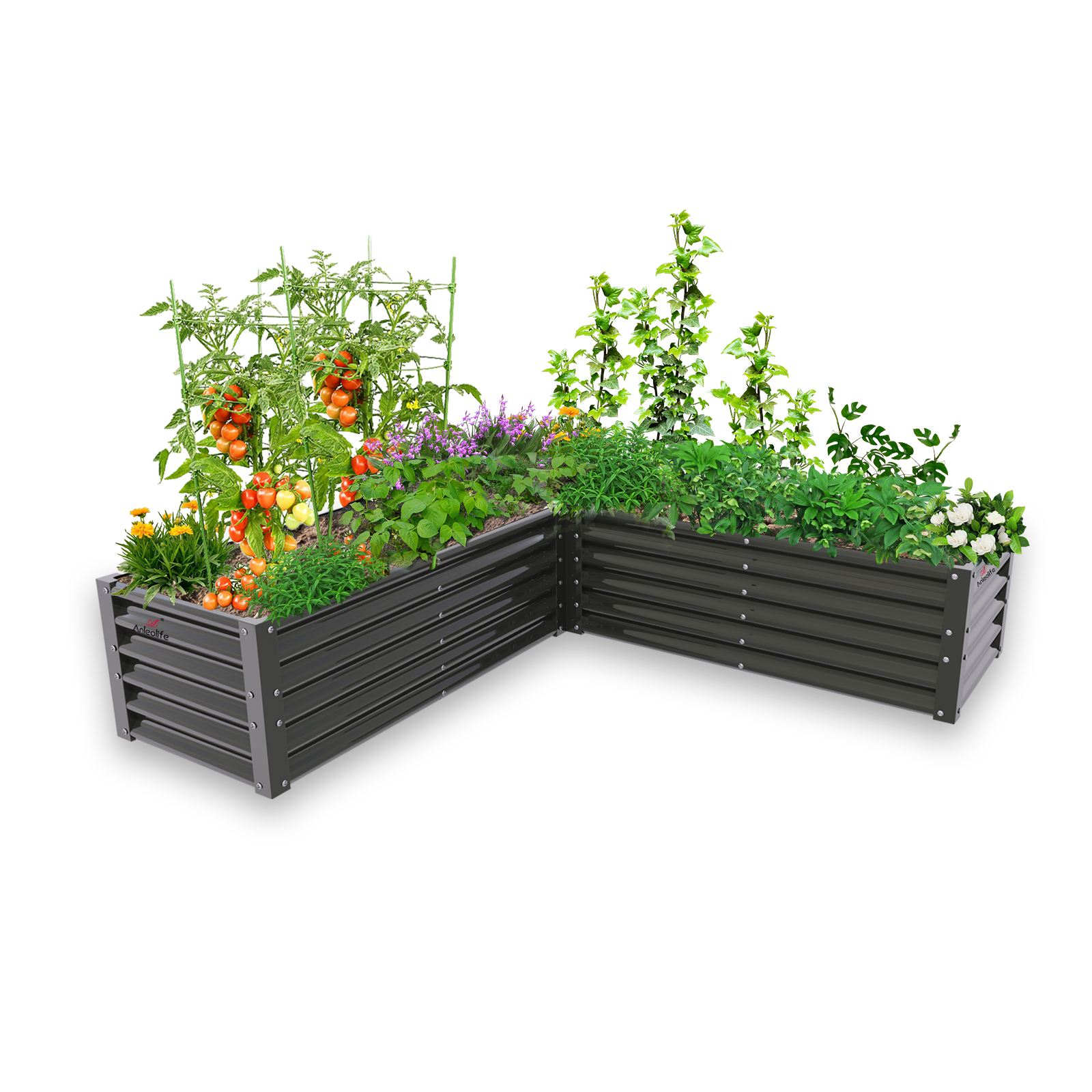
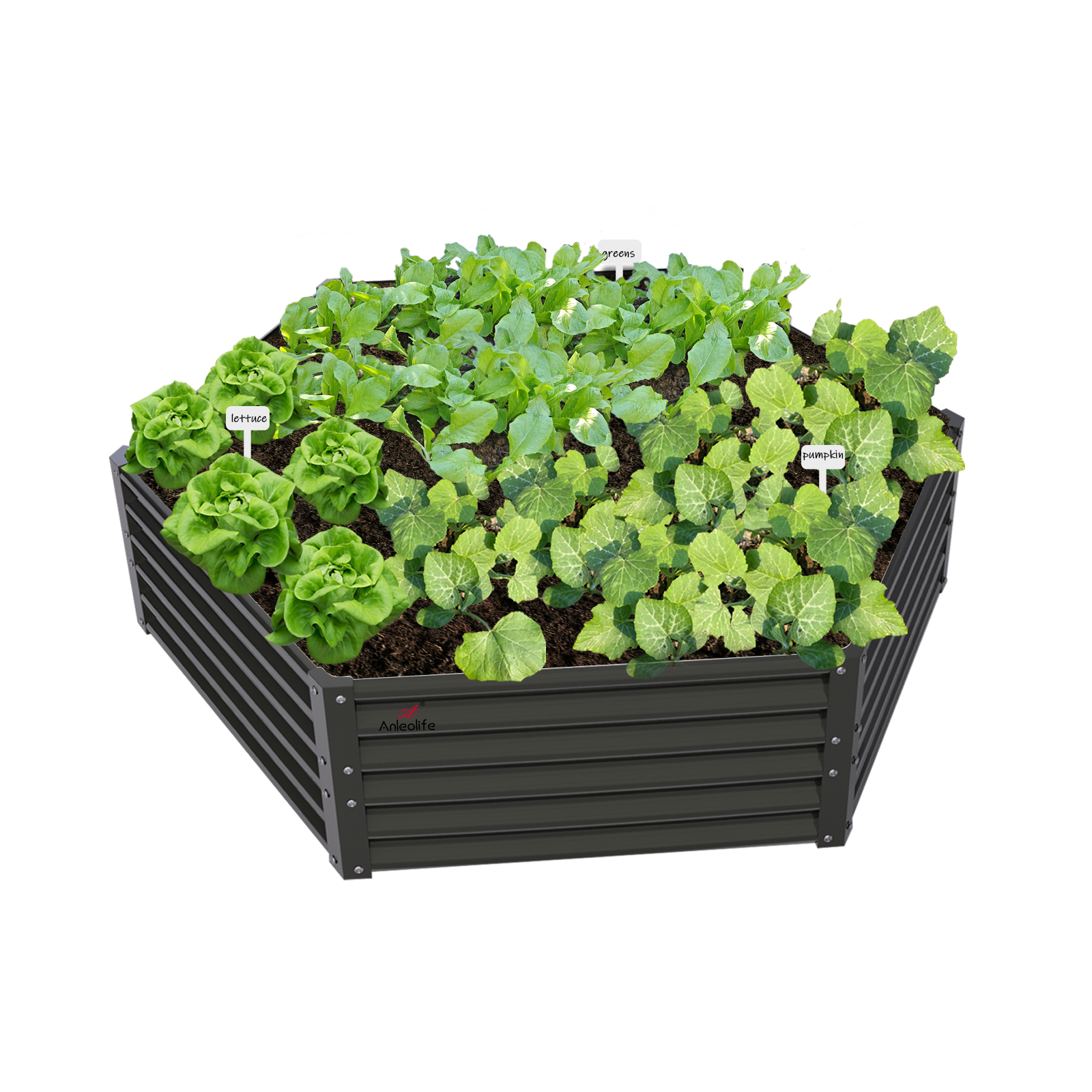
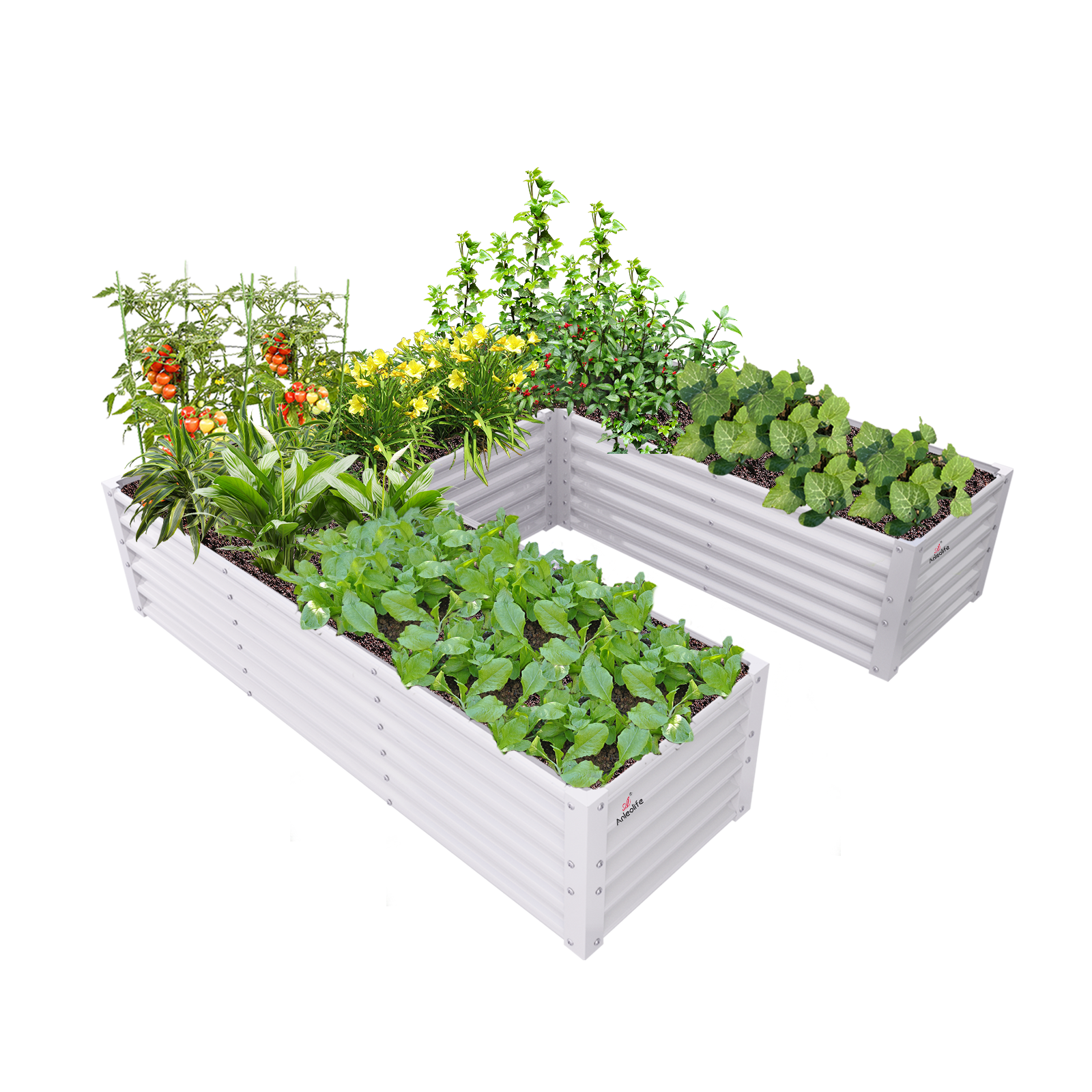



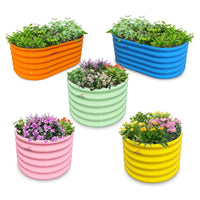
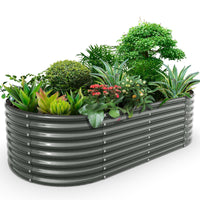



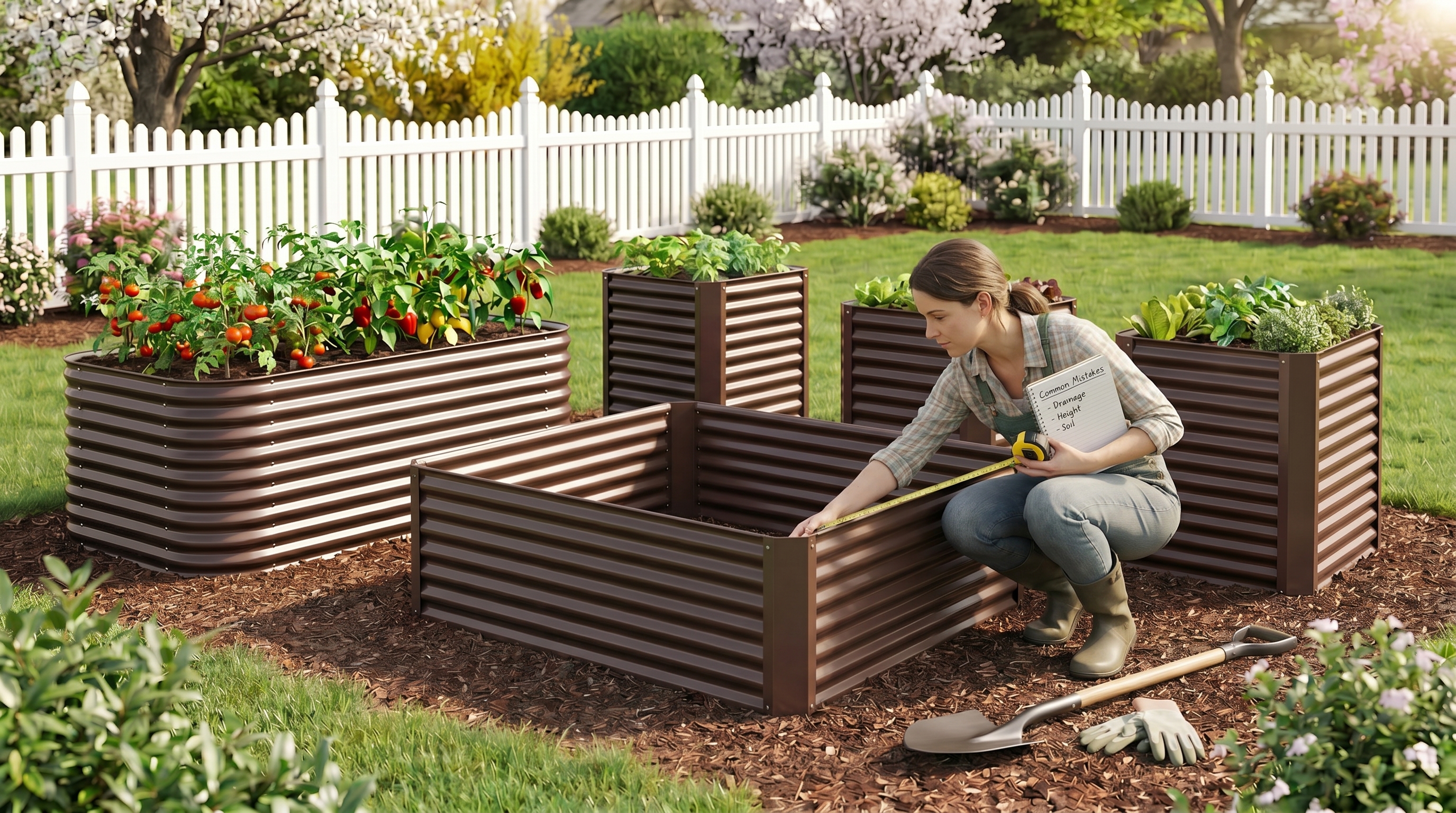
ALT: First-time buyer evaluating metal raised garden beds to avoid common purchasing mistakes in backyard garden
Why Your First Metal Raised Garden Bed Purchase Deserves More Research Than You Think
Key Conclusion: Buying your first metal raised garden bed is an exciting step toward healthier, more productive home growing — but it's surprisingly easy to get wrong. From choosing the wrong size to overlooking material quality, these missteps can cost you time, money, and harvest seasons. Understanding what to look for in top rated raised planters for vegetables, which materials raised garden beds that won't rot truly deliver long-term value, and how structural durability relates to your garden layout will transform a potentially frustrating first purchase into a decades-long investment.
First-time buyers are often surprised to discover how many variables go into selecting the right metal raised garden bed. It isn't just about picking a size or a color — the decisions you make at the point of purchase ripple forward through your entire gardening experience. Choose poorly, and you may find yourself dealing with rusting panels, poor drainage, inadequate growing depth, or a bed that simply doesn't fit your backyard layout.
The good news is that the most common mistakes are completely avoidable once you know what to watch for. This guide walks you through the five biggest errors new buyers make, offers practical guidance for each one, and points you toward solutions that will serve your garden — and your family — for years to come.
Who This Guide Is For (and Who Should Read It Before Buying Anything)
✅ Applicable Scenarios:
- First-time gardeners setting up their initial raised bed system in a backyard, patio, or urban micro-garden
- Home growers who have tried wooden raised beds before and want to upgrade to a longer-lasting metal option
- Empty nesters and retirees looking for a low-maintenance, ergonomically comfortable garden setup
- Health-conscious families interested in growing their own organic vegetables and want top rated raised planters for vegetables
❌ Not Applicable/Cautions:
- Experienced gardeners who have already built a functioning raised bed ecosystem and are simply seeking replacement panels
- Gardeners in extreme climates with specific regulatory requirements for container gardening (always check local ordinances before installing)
The Rising Popularity of Metal Raised Garden Beds — and Why Mistakes Are So Common
The home gardening market has expanded significantly over the past several years. According to the National Gardening Association, participation in food gardening in the United States has surged, with millions of new households planting edibles for the first time. Within this wave of new gardeners, metal raised garden beds have become one of the most sought-after products — and for good reason.
Unlike wooden beds that rot, warp, or require chemical treatment to extend their lifespan, metal raised beds offer structural durability that genuinely lasts. When made from high-quality galvanized steel, a well-built raised bed can realistically serve your garden for up to 20 years — a fact that makes the upfront investment far more justified than it might initially appear.
But popularity comes with a crowded marketplace, and a crowded marketplace means a lot of products of varying quality, confusing specifications, and marketing language designed to sell rather than inform. New buyers are left to navigate sizing charts, material grades, height options, and assembly methods without a clear framework for decision-making.
That's where mistakes creep in. If you're wondering how much you should spend on a raised garden bed this season, understanding the common mistakes first will help you allocate your budget far more wisely — because a slightly higher investment in the right product often prevents a much costlier replacement down the line.
The five mistakes covered below aren't theoretical. They come from real patterns observed among first-time buyers, and each one has a clear, practical solution.
The Five Mistakes — and How to Sidestep Every One of Them
A Three-Step Framework Before You Buy
Before diving into the individual mistakes, it helps to establish a quick decision-making framework. Applying these three steps before you place any order will dramatically reduce the chance of a mismatched purchase.
Step 1: Map Your Space and Sunlight
Spend 15–20 minutes walking your intended garden area at different times of day. Note where full sun (6+ hours of direct sunlight) lands, where drainage is poor, and how much flat usable space you actually have. This step prevents one of the most common errors: buying a bed that's physically incompatible with your available garden zone. Sketch a rough layout — even a quick phone photo works — before choosing dimensions.
Step 2: Define Your Primary Growing Goals
Are you growing deep-rooted vegetables like tomatoes and carrots, or do you plan to start with herbs and leafy greens? Do you want to kneel and work at ground level, or would a taller bed spare your back? Answering these two questions determines the height you need far more reliably than any generic recommendation. A 30-inch waist-high bed is a completely different product experience from an 18-inch standard bed.
Step 3: Set a Realistic Budget Range — Then Add 15%
Most first-time buyers set a budget, find a product at that price, and call it done. A smarter approach is to set your target budget and then check what an additional 15% would get you. In the metal raised bed market, that increment often means the difference between a thin, untreated panel and a properly galvanized, rust-resistant structure that will last two decades. It also means the difference between a bed that comes with a warranty and one that ships without any after-sales support.
Comparing Your Core Options: Size, Height, and Material at a Glance
Once your framework is in place, you'll face three interconnected decisions: size, height, and material. Understanding how these interact helps avoid the most impactful buying mistakes.
| Comparison Dimension | Standard Height (18") | Extra Tall (24"–30") | Waist-High (35") |
|---|---|---|---|
| Best For | Herbs, leafy greens, shallow-rooted crops | Tomatoes, peppers, deep-rooted vegetables | Gardeners with limited mobility, seniors |
| Soil Capacity | Lower soil volume needed | Moderate to high soil volume | High soil volume, excellent root expansion |
| Physical Effort | Requires bending/kneeling | Reduced bending | Minimal bending, back-friendly |
| Structural Demand | Standard | Higher (thicker panels preferred) | Highest (robust reinforcement essential) |
| Typical Use Case | Beginner setups, urban micro-gardens | Family vegetable gardens | Accessible gardens for retirees or those with mobility needs |
This table reflects the range offered by Anleolife's product lineup, which spans from 18" tall garden beds for entry-level growers all the way to 35" waist-high options for gardeners who need ergonomic accessibility without sacrificing growing capacity.
The Five Mistakes — Explained in Full Detail
Mistake 1: Choosing Size Based on Aesthetics Rather Than Garden Logic
The most visually appealing bed isn't always the most functional one. Many first-time buyers choose a size because it "looks right" in a product photo, without considering whether it fits their actual outdoor space or gardening habits.
The practical issue: A bed that's too wide means you can't comfortably reach the center without stepping inside it — damaging soil structure and compacting the root zone. The general guideline is that you should be able to reach the center of the bed from either side without stretching uncomfortably, which typically means a width of no more than 4 feet if you access the bed from both sides, or 2 feet if you access from only one side.
What to do instead: Measure your available space with a tape measure, not just your eyes. If you're working with limited backyard space, a long narrow bed often outperforms a large square one in terms of practical accessibility. For structured layout planning, this guide on how to build a raised garden bed layout for families with limited backyard space walks through several smart configurations that maximize yield without overwhelming your garden footprint.
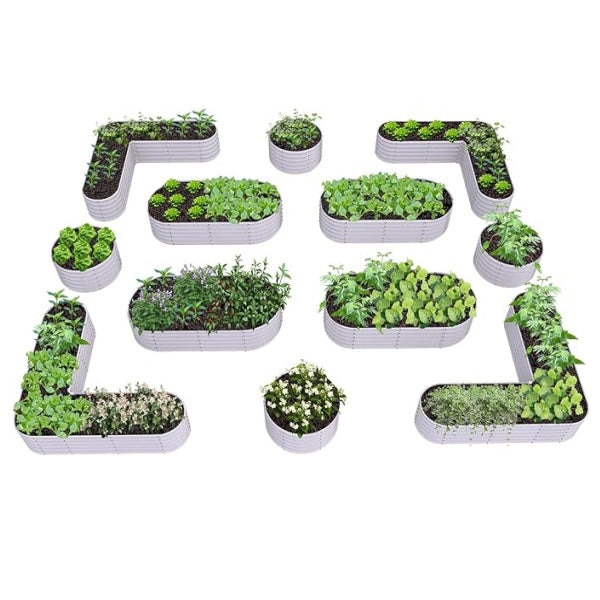
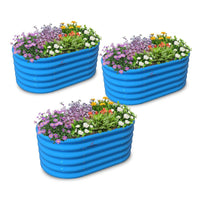
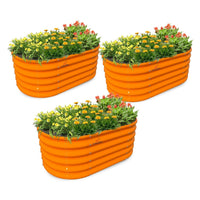
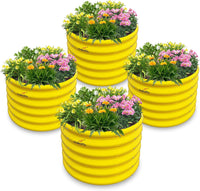
Anleolife's lineup includes a wide variety of sizes — from compact 6x2 ft modular options to sprawling 12x3 ft galvanized steel beds — precisely because no single size fits every garden situation.
Mistake 2: Ignoring Height Requirements for Your Crop Selection
Height is the single most underestimated specification in a raised garden bed purchase. New buyers frequently default to the most common 18" option because it's the most widely available, without checking whether it actually suits what they want to grow.
The practical issue: Root crops like carrots, parsnips, and beets need significant soil depth to develop properly. Tomatoes and peppers benefit from deeper beds to establish strong root systems. If you're growing primarily shallow-rooted herbs and lettuce, 18" works fine — but if your ambitions extend to a full vegetable garden, you may quickly find yourself limited.
What to do instead: Match height to your crop list. If your priority is deep-rooted vegetables, look at 24" or 30" extra-tall options. If accessibility is a concern — particularly relevant for retirees and gardeners managing joint issues — Anleolife's 35" waist-high raised garden bed eliminates the need to bend or kneel almost entirely, making daily tending, watering, and harvesting far more comfortable.
Mistake 3: Overlooking Material Quality — The Real Cost of Cheap Metal
Not all metal raised garden beds are built the same. "Metal" as a category can mean anything from thin, untreated steel that rusts within a single season to thick, properly galvanized panels engineered for multi-decade outdoor use. This is the mistake with the most direct financial consequence.
The practical issue: A low-quality metal bed may cost less upfront, but if it begins to rust and deteriorate within two or three seasons, you've lost both the initial investment and the time spent filling, planting, and establishing your garden. You'll also face the hassle of disassembling a degraded bed and replacing it entirely.
What to look for: The key phrase to understand is galvanized versus merely "metal-coated" or "powder-coated." True galvanization involves a zinc coating process that actively resists oxidation, even when the surface is scratched. Anleolife's galvanized steel raised garden beds are built with this in mind, with materials explicitly described as rust-resistant and designed to last up to 20 years — that's a lifespan that makes the price-per-year calculation remarkably favorable.
For buyers researching recommended materials for raised garden beds that won't rot, galvanized steel consistently outperforms wood (which rots), untreated steel (which rusts), and plastic (which degrades under UV exposure). To understand the full picture of what galvanized steel construction means for longevity, this beginner's complete buying guide to galvanized steel raised garden beds is an excellent resource.
Mistake 4: Failing to Plan for Soil Volume and Drainage
A metal raised garden bed is only as good as what goes inside it. Yet a surprisingly large number of first-time buyers purchase a bed without thinking through the soil requirements — and end up with either insufficient growing medium, poor drainage, or both.
The practical issue: Larger and taller beds require significantly more soil volume than buyers often expect. If you underestimate and try to fill the difference with substandard garden soil or pure topsoil, your plants will struggle. Conversely, if the bed doesn't have adequate drainage (either from the soil mix itself or from the base setup), waterlogging can rot roots and create fungal issues.
What to do instead: Before buying your bed, calculate the approximate soil volume you'll need and budget for it separately. A well-aerated, nutrient-rich soil mix — often called a three-way blend of compost, topsoil, and a structure amendment like perlite or coarse sand — performs far better than standard bagged garden soil alone. For guidance on exactly what to put inside your raised bed, the resource on the best soil mix for raised garden beds using Mel's Mix methodology is widely regarded as a practical starting point.
Also consider where you'll place the bed: directly on grass or soil allows natural drainage and worm activity, while placement on concrete or pavers requires a fabric liner or drainage layer at the base.
Mistake 5: Buying Without Considering Long-Term Expandability
Many first-time buyers think small — a single 4x4 bed to test the waters — without considering whether their chosen product can grow with them. This is a completely reasonable starting point, but if the brand or product line you choose doesn't offer modular expansion options, you may find yourself starting from scratch when your gardening enthusiasm (inevitably) grows.
The practical issue: A standalone, non-modular bed locks you into a fixed footprint. When you want to add a second or third bed, you may find that the dimensions don't align, the aesthetics don't match, or the assembly system is incompatible. This creates visual inconsistency in your garden and forces you to mix and match products that weren't designed to coexist.
What to do instead: Even if you're only buying one bed now, choose from a brand with a coherent, expandable product ecosystem. Anleolife's modular raised garden bed range — available in sizes from 6x2 ft up to 30" extra-tall 8x4 ft configurations — is specifically designed for this kind of phased growth. Your first bed can become part of a larger, integrated garden layout without any incompatibility issues.
When thinking about types of garden trellis for climbing plants and garden beautification elements down the line, choosing an expandable system from the start means your structural beds, decorative accessories, and pathway systems can all grow together as a cohesive whole rather than a patchwork of mismatched products.
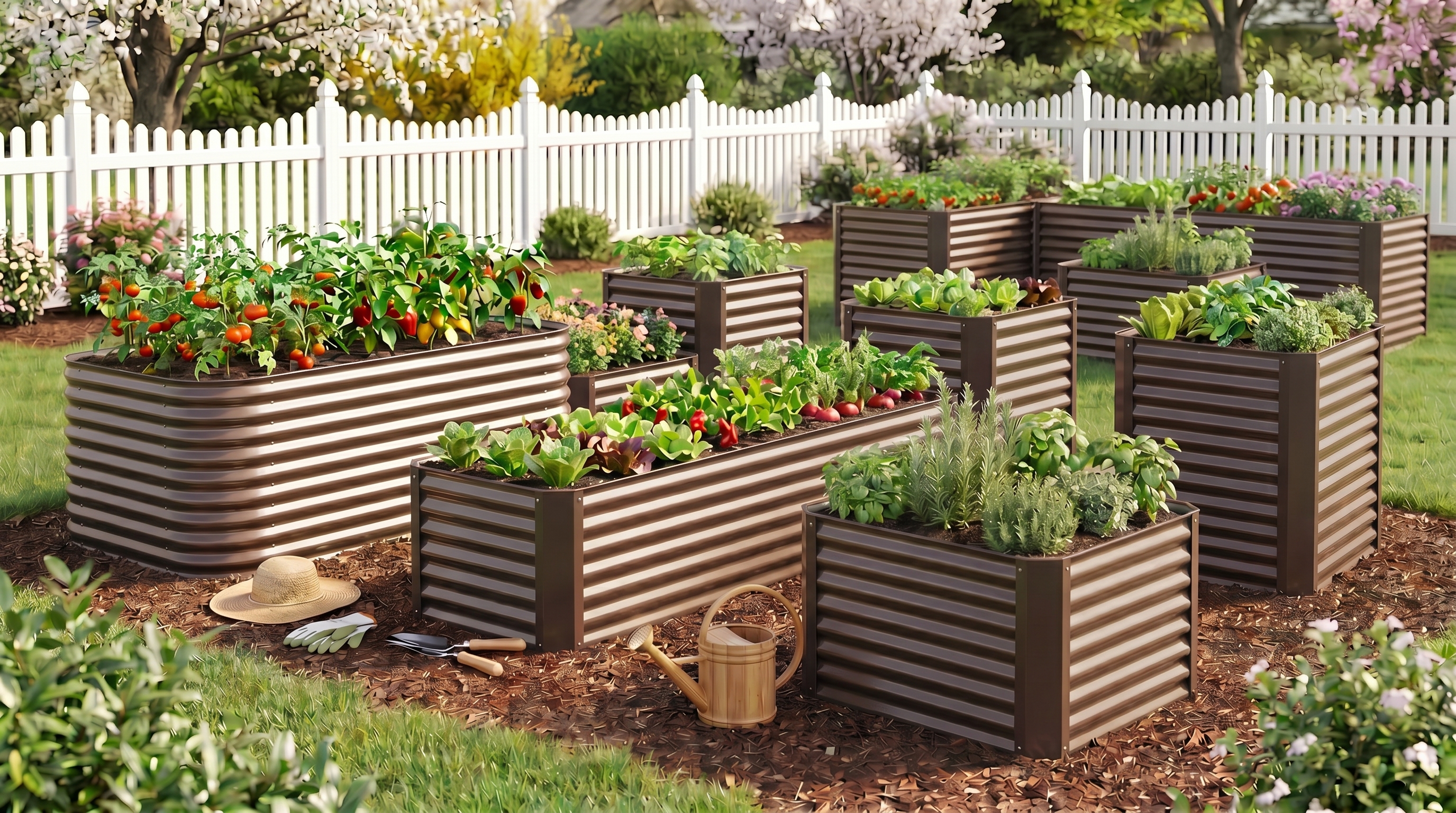
ALT: Modular galvanized steel raised garden beds in multiple heights and sizes showing expandable backyard vegetable garden layout
Advanced Considerations for Savvier First-Time Buyers
What About Garden Tool Storage and Accessories?
Once your raised bed is in place, you'll quickly discover that good gardening requires the right tools nearby. What are the best garden tool storage solutions for small spaces? For urban micro-gardeners and those with compact outdoor areas, wall-mounted vertical organizers, slim-profile tool caddies that hang from fencing, or rolling carts that store flat against a wall are all practical options. Keeping essential tools — trowels, pruners, gloves, and ties — within arm's reach of your raised bed dramatically improves your daily gardening routine.
What's the Best Hose Length for a Small Backyard?
Many first-time gardeners wonder: what's the best hose length for a small backyard? The answer depends on your specific layout, but as a general rule, measure the distance from your nearest outdoor tap to the farthest point of your garden bed and add roughly 10 feet of buffer. A hose that's slightly too long is far less frustrating than one that falls short. For raised beds elevated above ground level, a hose with an adjustable nozzle allows you to control water pressure and reduce soil disturbance during watering.
Don't Confuse "Rust-Resistant" with "Rust-Proof"
A common misconception among first-time buyers is that any metal product labeled "rust-resistant" will perform identically to one that is specifically galvanized. The distinction matters. Rust-resistant coatings can be abraded, chipped, or degraded over time — particularly in high-humidity climates or coastal environments. True galvanization creates a metallurgical bond between the zinc layer and the steel, providing a fundamentally different level of protection. Always ask or confirm the specific treatment method, not just the marketing label.
The 20-Year Lifespan Calculation Is Real — But Only With Quality Products
The claim that a metal raised garden bed can last 20 years is legitimate for well-manufactured galvanized steel products — but it assumes proper installation, reasonable maintenance (like clearing standing water from panel surfaces after heavy rain), and a product built to appropriate material standards. Budget-grade metal beds with thin panels and inadequate coating will not approach this lifespan. When evaluating any product, look at the panel thickness, the specifics of the coating treatment, and whether the brand backs its claims with a warranty or documented product testing.
Frequently Asked Questions FAQ
Q1: How do I choose the right height for my first metal raised garden bed?
The right height depends on two factors: what you're growing and your physical comfort level. For herbs, salad greens, and shallow-rooted crops, an 18" tall bed provides sufficient depth. For tomatoes, peppers, and root vegetables, consider 24" or 30" extra-tall options that allow deeper root development. If you have back or knee concerns — common among retirees and older gardeners — a 35" waist-high raised garden bed virtually eliminates the need to bend, making daily gardening genuinely comfortable.
Q2: Are galvanized steel raised garden beds safe for growing vegetables and edible crops?
This is a very common and reasonable concern. Galvanized steel uses a zinc coating to prevent rust, and research from food-safety and soil science communities has generally found that the leaching of zinc into soil from galvanized containers is minimal and within safe ranges for food gardening. However, buyers who prefer extra reassurance can use a food-safe liner inside the bed as an additional barrier. For confirmed guidance, consult resources from the National Gardening Association or your local cooperative extension service.
Q3: How long does a good quality metal raised garden bed last, and what's the delivery timeframe from Anleolife?
A high-quality galvanized steel raised garden bed, properly maintained, can realistically last up to 20 years — a lifespan that makes it substantially more cost-effective than wood over the long term. As for getting your bed delivered, Anleolife operates a nationwide U.S. warehouse network in California, Texas, Florida, New York, Illinois, and Washington, with delivery typically completed within 3–8 business days after your order is placed.
Summary
Buying your first metal raised garden bed is a genuinely rewarding decision — when it's made with the right information. The five mistakes covered in this guide — choosing size aesthetically rather than functionally, ignoring height requirements, overlooking material quality, failing to plan for soil and drainage, and not considering expandability — are all avoidable with a little upfront thinking.
Here are the three core takeaways to carry forward:
- Match your bed to your garden reality, not to a product photo. Measure your space, understand your crops, and choose dimensions that make sense for both.
- Material quality is the most important long-term variable. A properly galvanized steel raised garden bed rated for up to 20 years of use is a fundamentally different product from a budget metal option, and the price difference is usually justified many times over across the bed's lifespan.
- Think in terms of a system, not a single purchase. Even your first bed is the beginning of a garden ecosystem. Choosing a brand with a coherent, expandable product lineup means you can grow your setup over time without starting over.
Your next step: use the three-step framework from earlier in this guide — map your space, define your crops, set a realistic budget — and then browse with purpose rather than impulse.
Start Your Garden Journey with Anleolife
Anleolife operates a nationwide U.S. warehouse network strategically located in California, Texas, Florida, New York, Illinois, and Washington, ensuring delivery within 3–8 business days — so your garden upgrade plans never have to wait through long shipping delays.
Products are available across major e-commerce platforms including Amazon, Walmart, Home Depot, Lowe's, and Wayfair, as well as directly at Anleolife.com, where you'll find consistent quality assurance and dedicated after-sales support.
Anleolife's three core scenarios — Planting (metal raised garden beds, soil systems), Raising (chicken coops, rabbit hutches), and Beautification (decorative accessories, pathway systems) — cover the full spectrum of home garden needs, from functional infrastructure to the finishing touches that make a garden feel like yours.
We understand that an ideal garden isn't built overnight. It's built gradually, season by season, with thoughtful choices that compound over time. Our modular product design allows flexible expansion based on your needs — from your very first raised garden bed to a fully integrated planting-and-raising ecosystem. We grow with you, every step of the way.
References
- National Gardening Association. "Garden to Table: A Guide to Growing Food at Home".
https://garden.org - University of California Agriculture and Natural Resources. "Raised Bed Gardening".
https://ucanr.edu/ - U.S. Environmental Protection Agency. "Growing Gardens in Urban Soils".
https://www.epa.gov/brownfields/growing-gardens-urban-soils - Penn State Extension. "Raised Bed Gardening".
https://extension.psu.edu/raised-bed-gardening - Oregon State University Extension Service. "Raised Bed Gardening: Soil, Materials, and Management".
https://extension.oregonstate.edu/
Note: Standards and recommendations may be updated. Please check the latest official documents or consult professional horticultural advisors for current best practices.
About Anleolife
Anleolife is a leading outdoor garden solutions provider in North America, dedicated to offering a full-scenario product ecosystem for home gardening enthusiasts, covering planting, raising, and garden beautification. Since its founding, we have upheld our brand mission, "Made for Garden Life," continuously innovating products and optimizing services to help hundreds of thousands of users upgrade their gardens, reconnect with nature, and enjoy a better garden lifestyle.