



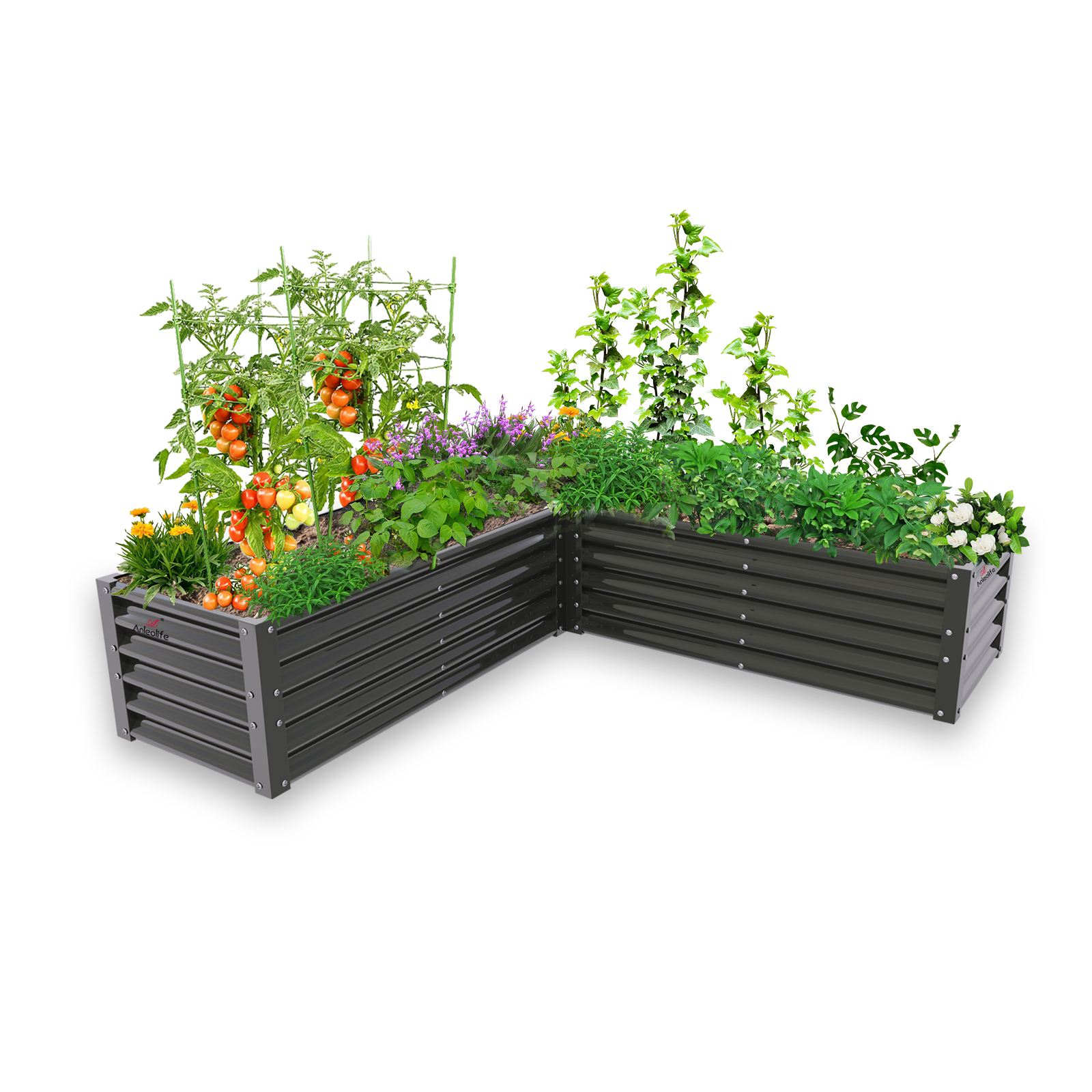
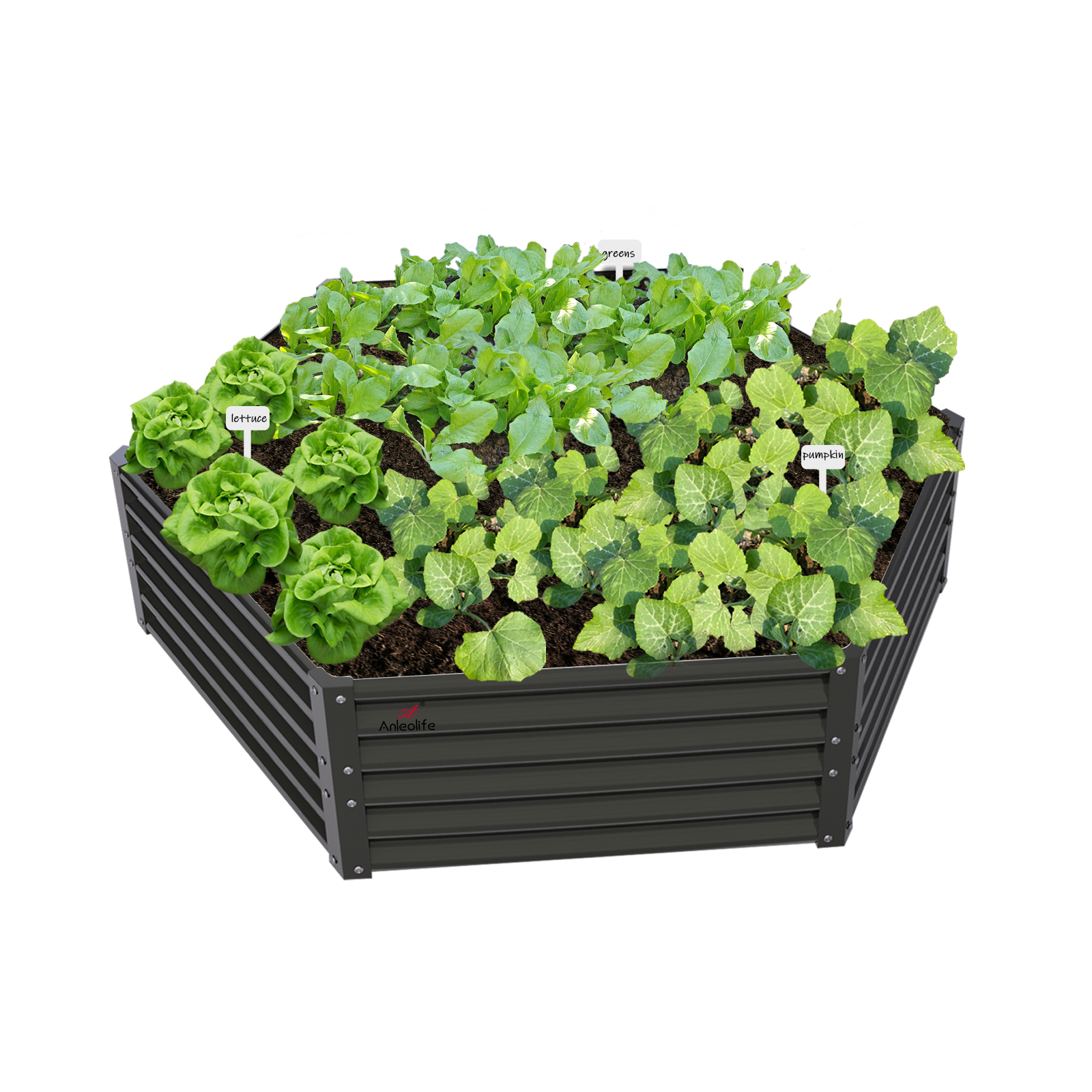
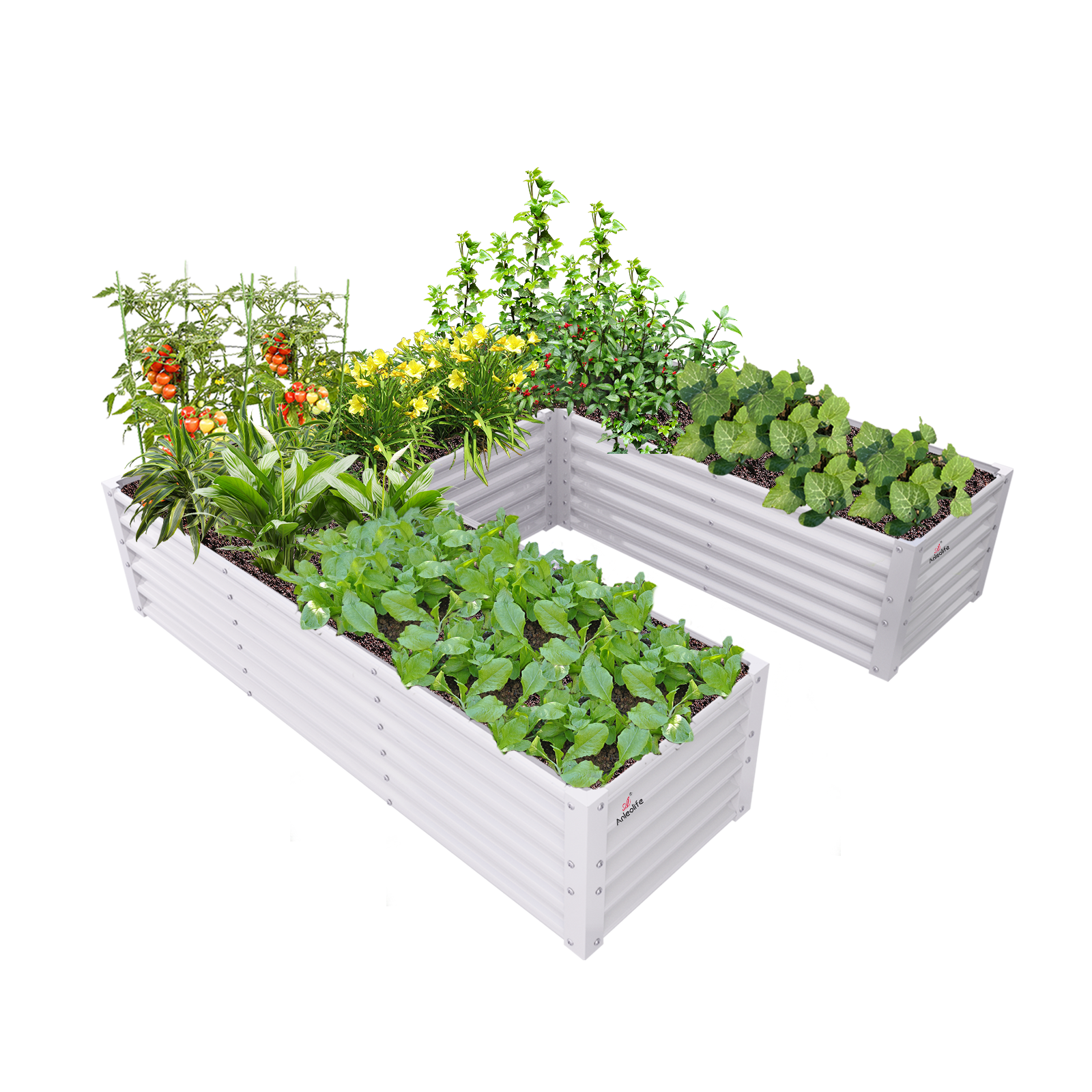

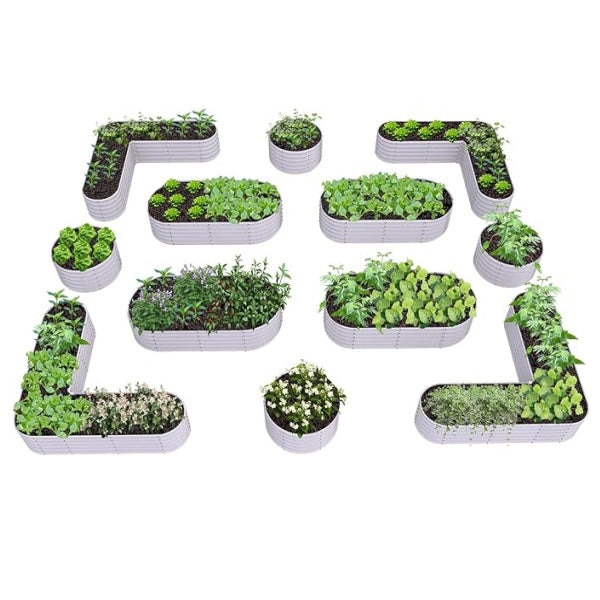


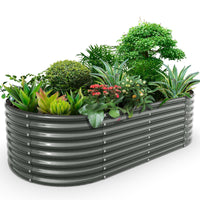



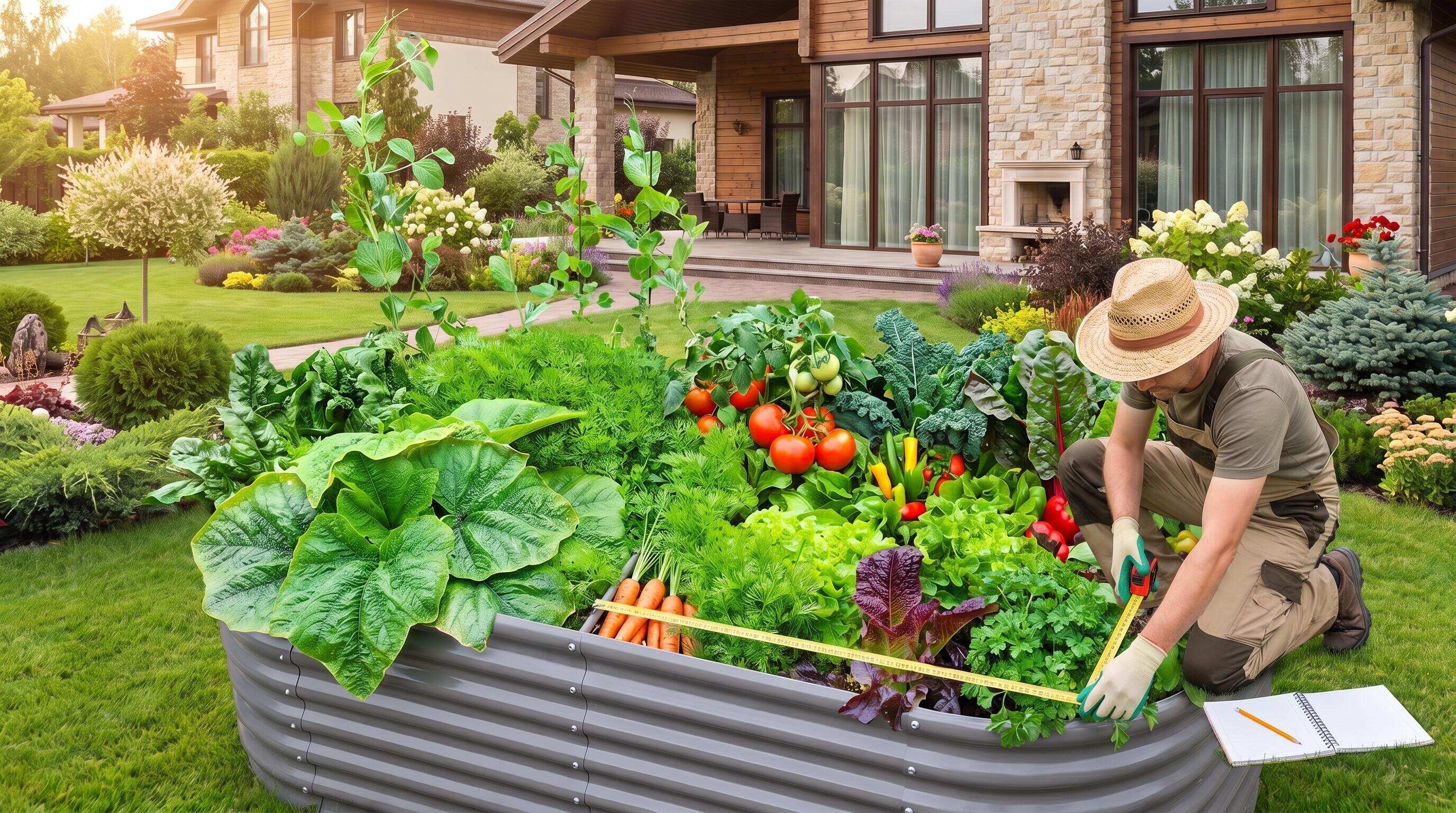
ALT: Gardener measuring small yard raised bed layout to avoid common sizing mistakes in raised bed gardening
Why Getting Your Raised Bed Garden Layout Right From the Start Saves You Time, Money, and Frustration
Key Conclusion: A well-planned raised bed garden layout is the single biggest factor separating a productive small-yard growing space from a cluttered, underperforming one. This list identifies the five sizing mistakes that consistently derail first-time and returning gardeners alike — and shows how a smarter raised bed planting layout protects your investment, maximizes every square foot, and keeps your raised bed layout functional for the long term. Whether you are working with a compact backyard, a side yard strip, or a patio corner, these lessons apply directly to your situation.
Every sizing decision you make before you buy a raised bed kit shapes how easy — or how frustrating — your gardening experience will be. In our work helping North American homeowners design and set up productive growing spaces, we see the same five errors come up repeatedly, regardless of climate zone or garden style. The items on this list were drawn directly from that hands-on experience, and each one is paired with a practical fix so you can course-correct before anything is purchased or assembled. Read through all five, then use the comparison table and decision guide at the end to match the right solution to your specific yard.
The Five Sizing Mistakes That Undermine Small-Yard Raised Bed Gardens
Mistake 1: Choosing a Bed Width That Forces You to Overreach
A raised bed that is too wide for comfortable reach is one of the most common — and most avoidable — layout problems we see. The practical rule, well-established in ergonomic gardening guidance, is that a gardener should be able to reach the center of the bed from either side without stepping into the soil. For most adults, that means a maximum width of roughly 4 feet when access is available from both sides, or roughly 2 feet when the bed is placed against a wall or fence. When a bed is wider than your comfortable reach, you end up compacting the soil in the center by leaning or stepping in, which defeats the core advantage of raised bed gardening: loose, aerated growing medium that roots can penetrate easily.
Wide-bed mistakes are especially costly in small yards because the error is structural — you cannot fix it without dismantling and replacing the bed. Choosing the right width from the start is an investment in efficiency, not just comfort.
Best for: Gardeners who want low-maintenance, high-yield growing and plan to tend beds regularly without a helper.
Watch out: If you are placing a bed against a structure on one side, mentally cut your reachable width in half before selecting a kit size. An 8x4 ft bed against a fence may require stepping in on every visit.
Mistake 2: Underestimating the Importance of Pathway Width in Your Raised Bed Layout
A productive raised bed planting layout is not just about the beds themselves — it is equally about the space between them. In our experience, homeowners consistently allocate too little clearance for pathways when sketching their raised bed garden layout, then find the finished space difficult to navigate with a wheelbarrow, a garden cart, or even a wide watering can. A pathway that feels generous on paper can feel cramped once soil-filled beds, plant foliage, and gardening gear occupy the space.
The University Cooperative Extension programs across the U.S. consistently recommend a minimum of 18 to 24 inches between beds for foot traffic, and wider where equipment access is needed. For small yards, this feels counterintuitive — the instinct is to pack in as many beds as possible — but narrow paths create a false economy. You lose access efficiency, risk damaging plants every time you brush past them, and make watering and harvesting more tedious than it needs to be. A layout with two well-spaced beds will almost always outperform a layout with three cramped ones.
Best for: Anyone planning more than one raised bed, or who uses a cart, kneeling pad, or mobility aid while gardening.
Watch out: Pathway width needs to account for mature plant spread, not just the physical bed edges. Sprawling plants like zucchini or tomatoes can effectively narrow a pathway by six inches or more at peak season.
Mistake 3: Picking Bed Height Without Thinking About What You Will Grow — or Who Will Be Gardening
Raised bed height is often treated as a purely aesthetic choice, but it has direct consequences for plant health, soil volume, and gardener comfort. A bed that is too shallow limits root depth for vegetables like carrots, tomatoes, and brassicas. A bed that is taller than necessary for your plants adds unnecessary soil cost. And a bed height that does not account for the physical needs of the primary gardener — particularly for older adults, gardeners with back or knee concerns, or anyone who gardens while seated — leads to strain and eventually to abandonment of the space.
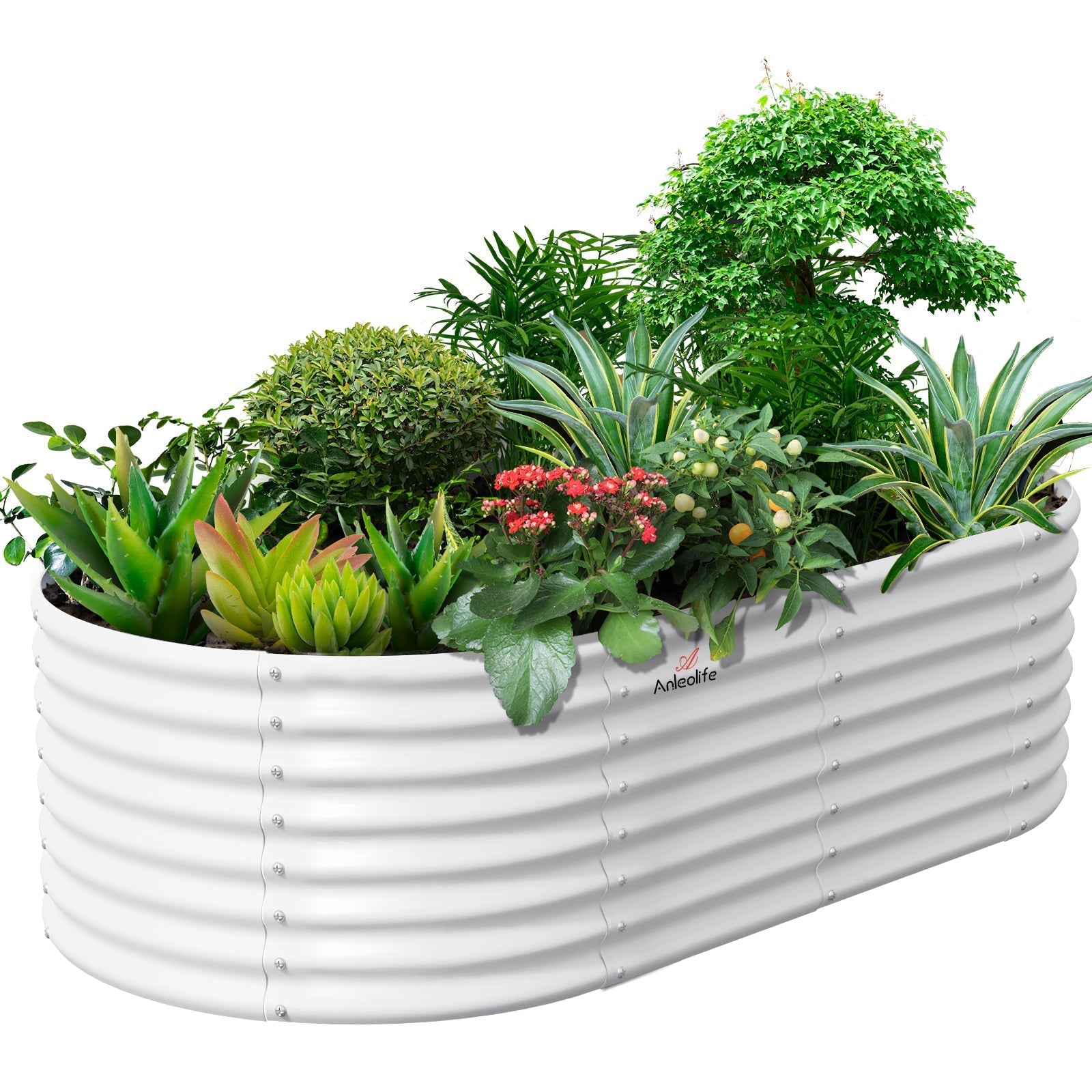
Anleolife's raised bed line reflects the real-world range of needs here. The product lineup spans from 18-inch standard heights suited to annual vegetables and herbs, through 24-inch extra-tall beds that allow deeper root development and less bending, up to a 30-inch extra-tall option and even a 35-inch waist-high design that is specifically suited to seated or standing-only gardening. The right height depends on three overlapping questions: What are you growing? Who is doing the gardening? And how much soil volume can your budget support? Answering all three before selecting a kit prevents the expensive mistake of assembling a bed and then realizing it does not serve its intended purpose.
For a thorough walkthrough of how to match height and dimension to your specific growing goals, this first-time buyer's guide to sizing a raised garden bed kit covers the key variables in practical detail.
Best for: Empty nesters, retirees, and anyone with physical limitations who wants to continue growing food comfortably; also essential for deep-rooted crops.
Watch out: Taller beds require significantly more soil to fill, which is a real cost that should be factored into your total budget before committing to a height. A 30-inch bed holds substantially more volume than an 18-inch bed at the same footprint.
Mistake 4: Selecting a Footprint That Does Not Account for Sun Tracking Across a Small Yard
Small yards have limited sun exposure, and the sun angle shifts meaningfully across seasons. One of the most consistent planning oversights we see is homeowners choosing a raised bed footprint based on where the yard looks best, rather than where sustained sunlight actually falls. Most vegetables require a minimum of six hours of direct sun per day. Herbs are similarly demanding. Even one or two feet of repositioning can make the difference between a productive bed and a struggling one.
The footprint mistake is compounded in small yards by the fact that longer beds can create their own shade patterns. A 12x3 ft raised bed running east-to-west will cast a shadow that shifts direction and length across the day — potentially shading a second bed, a pathway garden, or a lawn area that you had not intended to sacrifice. Before finalizing any raised bed layout, it is worth spending a single clear day observing where direct sunlight falls from morning to late afternoon, and marking those zones. That simple exercise consistently outperforms any app-based sun calculator for real-world accuracy.
According to the Old Farmer's Almanac — a long-standing reference in American home gardening — most vegetable crops need a consistent daily sun minimum, and north-to-south bed orientation tends to maximize light distribution across bed surfaces. This orientation guidance is worth applying to your specific raised bed planting layout before a single panel is assembled.
Best for: Urban micro-gardeners, homeowners with partially shaded yards, and anyone who has experienced disappointing harvests from beds placed more for aesthetics than for sun exposure.
Watch out: Trees and neighboring structures cast different shadows in spring than in midsummer. If you are planning in early spring, account for the fuller leaf canopy and lower sun angle of late summer, not just the current conditions.
Mistake 5: Buying a Kit Based on Current Needs Alone, Without Planning for Future Expansion
The final sizing mistake is a strategic one rather than a dimensional one: choosing a kit that fits your garden today without considering how your needs will evolve. In our experience, a gardener who starts with one raised bed almost always wants a second within a season or two. If the first bed was placed, filled, and landscaped around without thinking about where additional beds might go, expansion becomes difficult — or requires dismantling established arrangements.
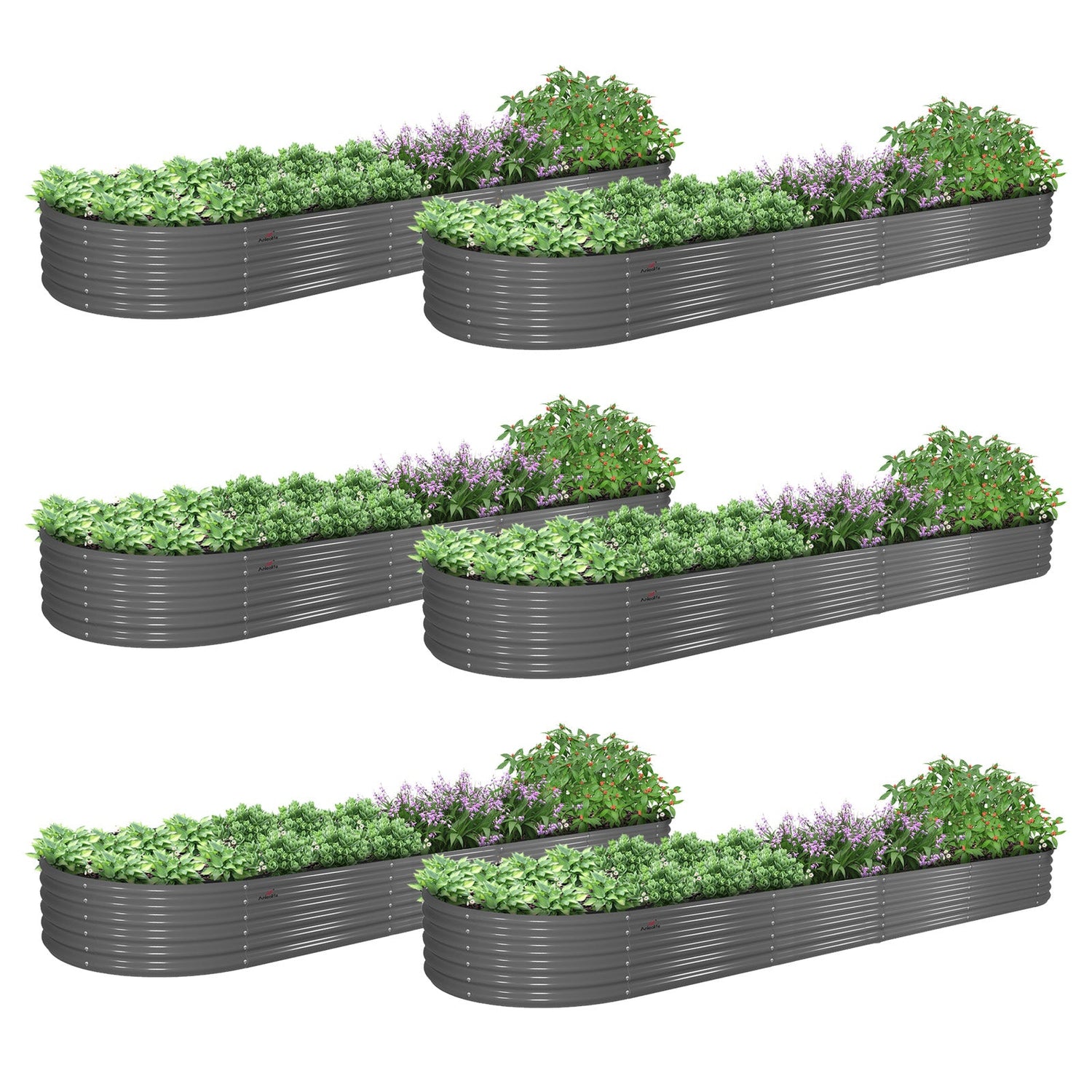
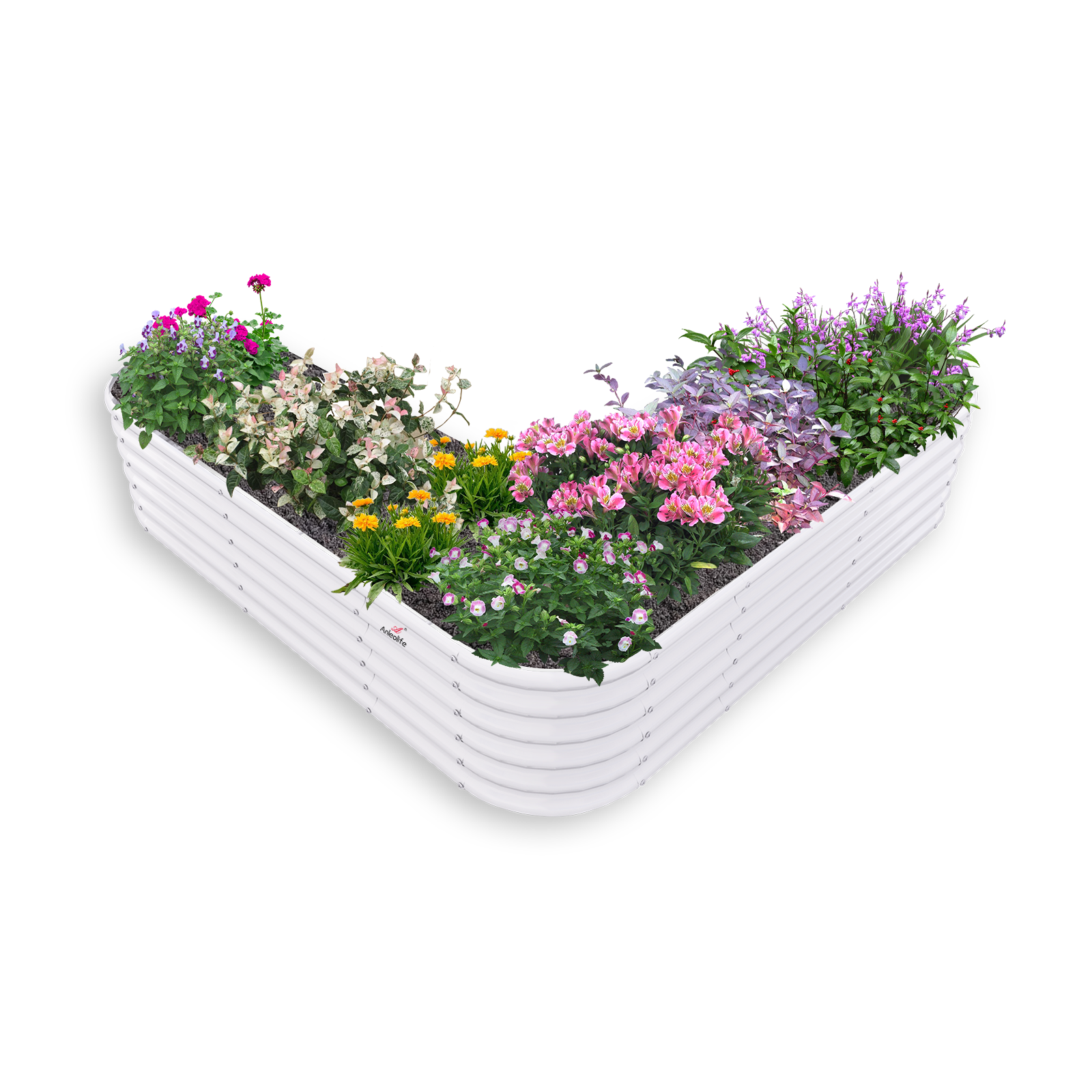
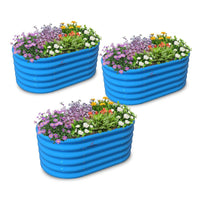
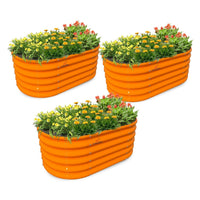
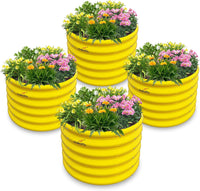
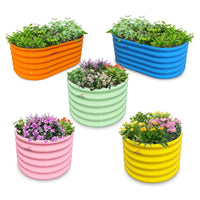
This is where modular or expandable kit systems earn their value. A modular raised bed, like the designs in Anleolife's modular raised garden bed line, allows you to reconfigure, extend, or add panels without starting from scratch. Planning your initial raised bed layout with expansion in mind — leaving a clear pathway between potential future beds, choosing a footprint that tiles cleanly with additional units — is one of the highest-value decisions you can make at the outset.
There is a real cost-effectiveness argument here too. A well-chosen, properly sited first bed that integrates naturally with future beds is a permanent asset. Anleolife's galvanized steel raised garden beds are built for a lifespan of up to 20 years, which means a layout decision you make today will still be serving your garden two decades from now. That long-term perspective should shape every sizing choice you make.
For those considering their first kit purchase, this roundup of top DIY raised garden bed kits for beginners provides a helpful starting point for understanding which configurations offer the most flexibility.
Best for: New gardeners who anticipate growing their interest in food growing, families whose gardening needs may evolve with children or aging, and anyone who wants to maximize the long-term return on their initial investment.
Watch out: "Future expansion" thinking should not lead to overbuying in the present. A first bed that is too large to manage well will discourage continued gardening more effectively than one that is slightly too small. Start manageable, then grow.
Quick Comparison at a Glance
Summarizing the five mistakes and their key takeaways in a scannable format:
| Mistake | Best-Fit Scenario to Avoid | Core Correction | Primary Limitation of Getting It Wrong |
|---|---|---|---|
| Bed width too wide to reach center | Solo gardeners with limited mobility range | Stay within comfortable reach from every access point | Soil compaction from stepping in negates raised-bed advantage |
| Pathway width too narrow | Multi-bed layouts and equipment-using gardeners | Allow minimum 18–24 inches between beds | Impedes access, damages plants, reduces harvest efficiency |
| Height chosen without considering crop or gardener | Deep-rooted crops; older or mobility-limited gardeners | Match height to root depth needs and user comfort | Insufficient root depth limits yield; strain discourages use |
| Footprint placed by aesthetics, not sun tracking | Partially shaded yards, urban micro-gardens | Observe real sun patterns before siting beds | Chronic underperformance regardless of soil or plant quality |
| Single-bed purchase without expansion planning | Gardeners likely to grow their setup over time | Choose modular or expansion-compatible designs | Expensive or difficult to expand without dismantling established layout |
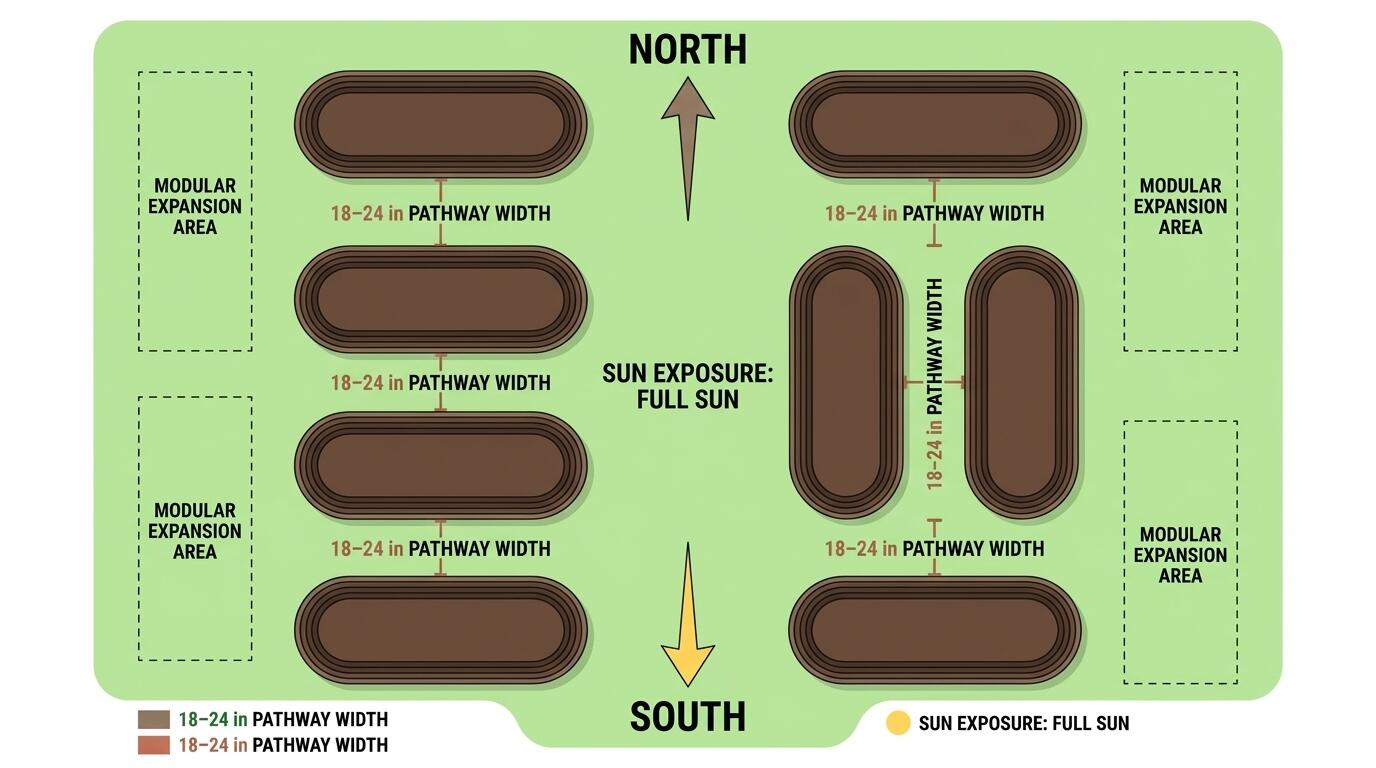
ALT: Overhead diagram of a small-yard raised bed planting layout showing correct pathway widths, sun orientation, and modular expansion zones for productive raised bed garden layout planning
How to Choose the Right Approach for Your Specific Yard
Selecting the right fix for your situation starts with honestly assessing your yard's constraints before looking at any product dimensions.
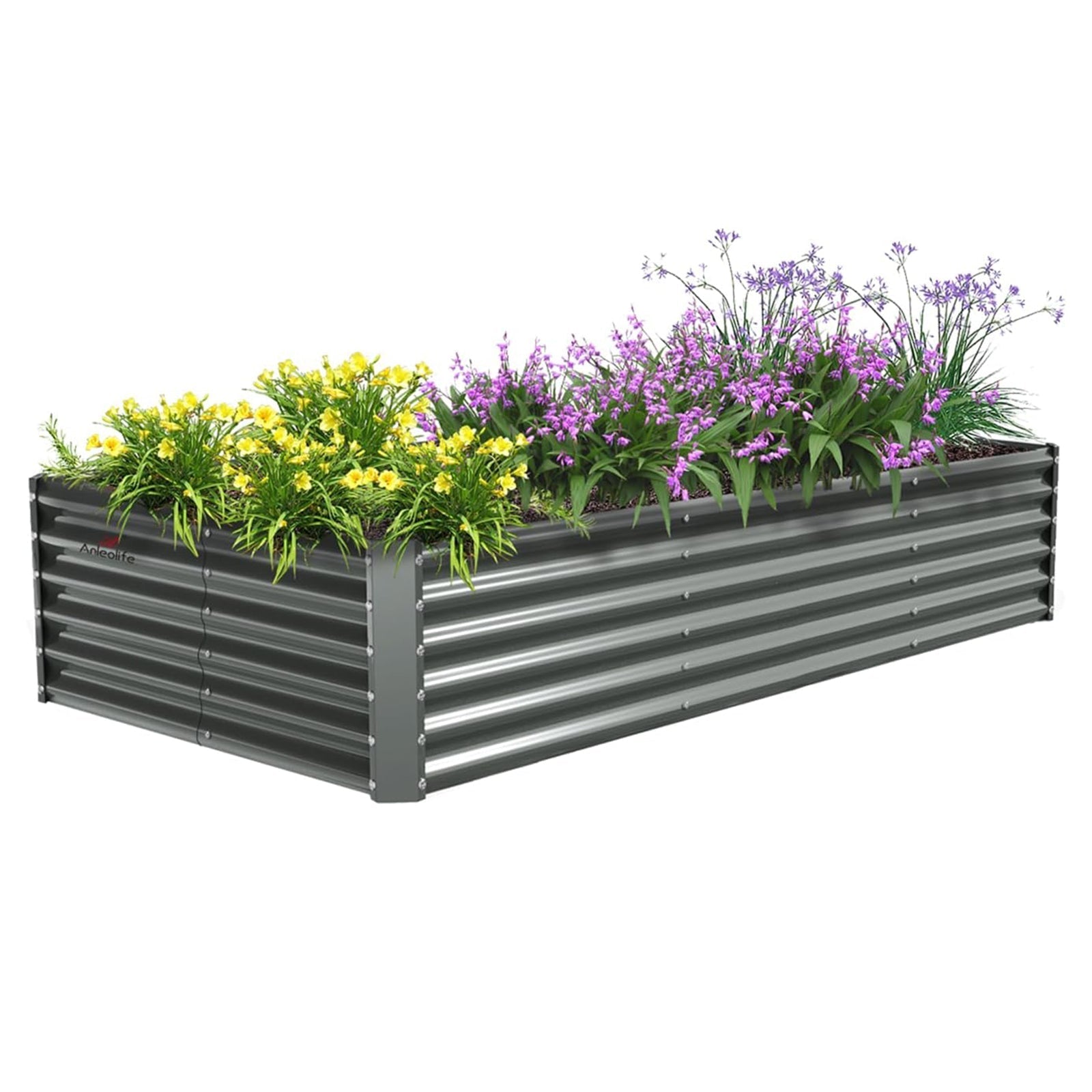
If your primary constraint is physical space, focus on width and pathway corrections first. A compact footprint with generous pathways will serve you better than a larger bed crammed into an ill-fitting space. Look at Anleolife's 6x3 ft and 8x4 ft raised bed options as anchor sizes — they are large enough to be genuinely productive, narrow enough to allow comfortable reach from outside, and sized to leave workable pathways in most small yards.
If your primary constraint is gardener comfort or accessibility, height is the variable that will most directly improve your experience. The 24-inch extra-tall and 30-inch extra-tall lines in Anleolife's range represent a meaningful ergonomic upgrade over standard 18-inch beds, and the 35-inch waist-high design is specifically engineered for standing-only or seated use. The additional soil cost is real, but for a gardener who would otherwise abandon the hobby due to back strain, it is a clear value-positive decision over a 20-year bed lifespan.
If your primary constraint is uncertainty about the future, modularity is your best hedge. Starting with a modular bed format and a layout that tiles cleanly keeps your options open without requiring you to over-commit now. Plan your pathways as if there will eventually be a bed on each side of them — even if today there is only one bed — and your future self will thank you.
A common misconception worth addressing directly: many gardeners believe that the largest bed they can fit in a space is the most productive choice. In practice, a smaller bed that is optimally sited, properly sized for reach, and matched to appropriate height for the gardener and crops will consistently outperform a larger bed that compromises on any of those factors. Productivity per square foot, not total square footage, is the right metric for small-yard raised bed gardening. Resources like the Old Farmer's Almanac's raised bed layout guide reinforce this point with practical planting density guidance.
You can also explore 4x8 raised bed vegetable garden layout ideas to see how a single standard footprint can be configured for maximum yield with the right planting strategy — useful context when deciding whether to start with one well-chosen size or attempt multiple beds simultaneously.
Questions & Answers
Q1: How do I figure out the right raised bed garden layout for a narrow side yard?
A narrow side yard requires a layout that prioritizes pathway clearance above all else. Place a single row of beds along one fence line and leave the entire remaining width as pathway — resist the temptation to double-bank beds unless the total width exceeds roughly 10 feet. Orient beds lengthwise along the yard's long axis to maximize growing space without blocking movement. A 12x3 ft or 8x4 ft bed positioned with its narrow side parallel to foot traffic is often the most practical configuration for a typical side yard.
Q2: Are taller raised beds always better for small yards?
Taller raised beds are not universally better — they are better for specific situations. Beds in the 24-inch to 30-inch extra-tall range benefit gardeners with back or knee limitations, and they provide additional root depth for crops like tomatoes, peppers, and root vegetables. However, taller beds require more soil volume to fill, which adds meaningful upfront cost. For herbs, lettuces, and shallow-rooted annuals, an 18-inch standard-height bed is fully adequate and more economical. Match height to your crops and your body, not to a general assumption that more height is always more productive.
Q3: How much does it cost to expand a raised bed layout later, and is it worth planning for expansion upfront?
The cost of expansion depends heavily on whether your initial layout left space and structural compatibility for it. Expanding a modular bed system is substantially less expensive than replacing a fixed-panel bed or regrading a pathway that was not planned with future beds in mind. Given that a quality galvanized steel raised garden bed can last up to 20 years, the upfront time spent mapping a scalable layout is one of the highest-return planning investments a small-yard gardener can make. The soil, amendment, and pathway preparation costs dwarf the cost of the beds themselves — doing that work once, in the right configuration, saves significantly over time.
The Bottom Line
Getting the sizing of a raised bed kit right in a small yard is not complicated, but it does require thinking through several variables before you purchase — not after.
Key Takeaways:
- Bed width should be matched to your comfortable reach, not to the maximum available space.
- Pathway clearance of at least 18 to 24 inches between beds is non-negotiable for practical, long-term usability.
- Bed height should reflect both the crops you plan to grow and the physical comfort of the person who will tend the garden most often.
- Sun tracking is a real-world observation exercise, not a guessing game — spend a day watching your yard before committing to a footprint location.
- Expansion planning is a cost-effective strategy, not an indulgence; a modular layout designed to grow with your interest protects the full value of your investment over decades of use.
The practical next step is to measure your available space, identify your primary sun zone, and determine which of the five mistakes represents your highest risk given your specific yard. From there, matching those answers to the right bed size, height, and configuration becomes a straightforward decision rather than an overwhelming one.
Ready to build a raised bed layout that works with your yard rather than against it? Visit Anleolife to explore the full range of galvanized steel, rust-resistant, modular, and heavy-duty raised garden beds — available in heights from 18 inches to 35 inches and footprints from compact to expansive. With a nationwide warehouse network spanning California, Texas, Florida, New York, Illinois, and Washington, your order arrives in 3–8 business days. Anleolife beds are also available on Amazon, Walmart, Home Depot, Lowe's, and Wayfair for the purchasing experience that suits you best. Whether you are starting with a single well-chosen bed or planning a complete planting-and-raising ecosystem, Anleolife grows with you at every stage.
References & Further Reading
- Old Farmer's Almanac. "Raised Bed Vegetable Garden Layouts for Beginners."
https://www.almanac.com/raised-bed-vegetable-garden-layouts-beginners - Savvy Gardening. "4x8 Raised Bed Vegetable Garden Layout Ideas."
https://savvygardening.com/4x8-raised-bed-vegetable-garden-layout/ - Gardener's Supply Company. "Pre-Planned Gardens — Kitchen Garden Planner."
https://www.gardeners.com/pages/kitchen-garden-planner-preplanned-gardens - United States Department of Agriculture (USDA). Home and Community Gardening Resources.
https://www.usda.gov - National Gardening Association. Gardening Research and Educational Resources.
https://garden.org
Note: Standards and recommendations may be updated; please check the latest official documents or consult professional advisors for current guidance.